
BestCarShipping Inc. provides a safety-first solution for vehicle moves across Canada. The company focuses on clear communication, reliable scheduling, and careful handling from pickup through delivery. Clients receive proactive updates so expectations stay clear at every step.
Services include planning, carrier scheduling, pickup, documentation, transit oversight, and delivery confirmation. This complete process ensures every vehicle is tracked and protected during transit. The team supports both one-time moves and repeat business accounts.
Trust signals are built into each job: licensed carriers, insured handling, and transparent steps. For pricing and scheduling, request a quote by phone at (307) 288-5972 or email info@bestcarshippinginc.com. Customers may also learn more about open options via open carrier options.
Key Takeaways
- Professional, safety-first service for vehicle shipping in Canada.
- Full-service handling: planning, pickup, oversight, and delivery.
- Clear communication and shipment tracking at every stage.
- Options for individuals and businesses, including repeat moves.
- Easy next step: call (307) 288-5972 or email info@bestcarshippinginc.com.
Auto Car Transport You Can Trust Across Canada

BestCarShipping supports private owners, dealerships, corporate fleet coordinators, and moving companies with dependable vehicle moves. The team offers clear confirmations and proactive updates so every customer knows timing and delivery expectations.
The company covers routes across Canada, focusing on major corridors where frequency is higher and smaller lanes served via nearby hubs. When residential access is limited, pickups can be arranged at agreed meeting points for safe handling and convenience.
Cross-border routing to the United States is available as an extension of standard planning. Documentation and customs coordination are built into the service for seamless international delivery when required.
| Customer Type | Typical Need | Service Approach | Reliability Factor |
|---|---|---|---|
| Private owners | Single-vehicle moves | Door or terminal pickup, digital updates | Owned fleet for consistent scheduling |
| Dealerships | Inventory transfers | Batch routing and timed delivery | Planned lanes reduce delays |
| Corporate fleets & movers | Recurring or bulk moves | Account management and priority lanes | Dedicated resources and tracking |
Vehicle Shipping Services We Offer
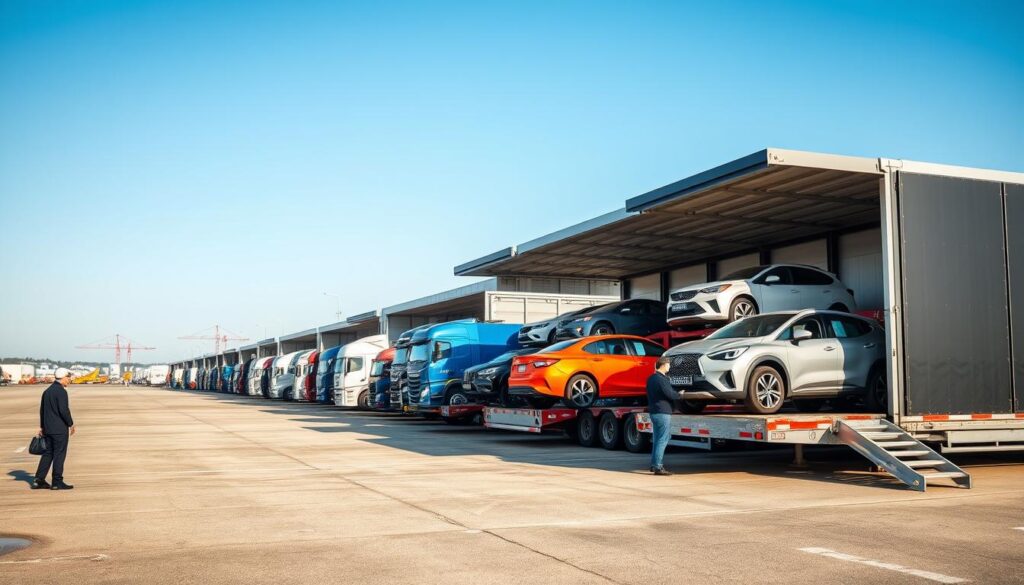
BestCarShipping presents three clear service options so customers can match needs with cost and timing.
Door-to-door delivery for maximum convenience
Door-to-door delivery places pickup and delivery at your chosen addresses. It is the convenience-first choice. Access limits like tight streets or low trees may require an alternate meeting point.
Terminal-to-terminal shipping for added savings
Terminal-to-terminal reduces price and can improve scheduling when customers can drop off and pick up during business hours. This option often suits long routes such as Vancouver to Montreal noted in customer reviews.
Drive-away service for specific timelines
Drive-away is a niche solution for routes and windows that fit a driven delivery. It works best when the vehicle is operable and the timeline is tight.
Pickup, inspection, and documentation are consistent across all services. The simple process is: get a quote, pay online, prepare for pickup, and track the vehicle during transit.
| Service | Best for | Tradeoff | Typical benefit |
|---|---|---|---|
| Door-to-door | Convenience seekers | Higher cost if access is limited | Direct delivery to address |
| Terminal-to-terminal | Budget-conscious shippers | Requires customer drop-off/pickup | Lower price, flexible scheduling |
| Drive-away | Time-sensitive routes | Vehicle must be operable | Fast, route-specific delivery |
Decision tip: Choose by balancing delivery speed, coordination effort, and price. To confirm availability, request a quote with origin, destination, and preferred option.
Car Shipping Methods and Carrier Options
Choosing the right shipping method affects cost, timing, and how well a vehicle is protected during transit. Below are practical summaries to help match vehicle type and condition to the proper carriers and equipment.
Open carrier service
Open carriers are the standard choice for many shipments. They hold multiple vehicles and keep costs low.
Expect exposure to weather and road grit. This option is efficient and widely available, so schedules are often flexible.
Enclosed options for high-value vehicles
Enclosed service is the protection-first choice for classics and luxury vehicles. It reduces risk from debris and weather.
For details and premium handling, review the company’s dedicated enclosed program at enclosed car shipping.
Flatbed moves and special cases
Flatbeds suit short distances, inoperable units, very low-clearance vehicles, or special loading needs. They limit handling and can simplify pickup.
Rail options for terminal-based routes
Rail shipping can lower price on select lanes but usually involves terminal drop-off and longer lead times. Hansen’s partnership with CP Rail supports these rail-enabled routes.
Decision prompt: Provide vehicle details and desired shipping timeline to receive a method-specific quote. Call (307) 288-5972 or email info@bestcarshippinginc.com.
How Our Car Transport Process Works
A clear, step-by-step process makes arranging vehicle shipping simple and predictable. The workflow reduces uncertainty and gives customers and business teams a reliable plan for scheduling and delivery.
Request a quote and confirm availability
Provide year, make, model, operable status, pickup and delivery addresses, and preferred dates. A precise quote follows. Availability is then confirmed by route and time to match carrier lanes.
Prepare your vehicle for pickup
Simple checklist: remove personal items, secure loose parts, check fluids, leave a quarter tank of fuel, and take photos of current condition. These steps speed loading and protect both parties.
Pickup, inspection, and documentation
Drivers complete a detailed inspection and note any pre-existing cosmetic issues. An inspection report documents condition and protects the customer and the team.
Tracking and updates during transit
GPS-tracked trucks provide scheduled updates and exception alerts. Customers receive status messages at key milestones so time expectations stay accurate.
Delivery, final inspection, and sign-off
Delivery is scheduled, followed by a final inspection and sign-off that confirms condition on arrival. If issues occur, customer service provides escalation and support.
| Step | What to provide | Expected outcome |
|---|---|---|
| Quote request | Year, make, model, locations, dates | Route-based price and availability |
| Preparation | Photos, remove items, fuel level | Smoother pickup and clear condition record |
| Pickup & inspection | Driver inspection report | Documented pre-shipment condition |
| Transit tracking | GPS updates and alerts | On-time updates and ETA accuracy |
| Delivery & sign-off | Final inspection and signature | Confirmed delivery and completion |
Customer service promise: clear communication, a trained support team, and defined escalation paths to address questions or concerns. For a quote or questions call (307) 288-5972 or email info@bestcarshippinginc.com.
Pickup and Delivery Options That Fit Your Needs
Pickup and delivery choices shape cost, timing, and how smoothly a move unfolds.
Door vs. terminal — decision guide. Choose door delivery for maximum convenience when access is clear. Pick terminal drop-off to lower the total price and gain tighter scheduling control when you can travel to a secure yard.
Why terminals often lower costs and improve timing
Major-city terminals concentrate route traffic. That consolidation reduces driver detours and idle time for car carriers, cutting overall fees.
Terminals have set operating hours and loading zones. This predictability increases scheduling reliability and shortens delays on busy lanes.
Handling tight access and residential restrictions
Condo lots, narrow streets, cul-de-sacs, and truck limits complicate door pickup. The team coordinates safe meeting points when needed.
At a terminal expect check-in, ID verification, an inspection report, and scheduled pickup times. These steps protect customers and the vehicle during shipping.
Planning tip: Share the pickup address up front so the team can confirm the best option — convenience, savings, or timeline — and avoid last-minute changes.
Auto Transport Timing Expectations and What Impacts Transit Time
Reliable timing estimates help customers plan flights, dealership appointments, and business deployments without surprises. Setting realistic expectations reduces stress and keeps schedules efficient.
Typical timelines
Short-haul moves inside a metro area may complete in about three days. Cross-country runs, such as Toronto to Vancouver, commonly take up to ten days depending on lane density and availability.
What affects scheduling
- Distance: Longer runs add predictable days in transit.
- Carrier availability: Fleet cadence and scheduled lanes change pickup windows.
- Route density: Busy corridors move faster than sparse ones.
- Transport type: Open, enclosed, rail, and flatbed options alter timing and routing.
Seasonal and operational notes
Winter weather in Canada can slow travel, trigger reroutes, or prompt safety holds. Scheduling windows for pickup and delivery are used to manage these variables.
Experience in established lanes improves accuracy. Customers should request dates early, especially for peak seasons. For cross-border options, see ship-my-car-from-canada-to-us or call (307) 288-5972.
Car Shipping Price and Quote Factors
Understanding what drives a final quote helps customers compare offers and avoid surprise fees. The company builds each estimate from clear cost drivers so the process is not a black box.
Vehicle size and operability
Size matters: larger vehicles like SUVs and pickup trucks reduce trailer capacity and can raise the base price. Sedans typically load more efficiently and cost less per unit.
Operable vs. inoperable: non-running units need winches, lifts, or flatbed handling. Those services add labor and equipment fees to the quote.
Method and location choices
Open carriers are the most cost-effective. Enclosed hauling adds protection and cost. Flatbeds and specialized rigs raise per-mile rates. Rail can lower fees for terminal-based routes, but it adds handling steps.
Using major-city terminals often reduces total shipping costs. Terminals improve route matching and lower detours compared with hard-to-reach residential pickups.
How to get an accurate quote
- Provide exact pickup and delivery addresses or nearest terminals.
- Give vehicle year, make, model, dimensions, and operable status.
- Note preferred dates and any timing needs.
Request a written quote with those details. Call (307) 288-5972 or email info@bestcarshippinginc.com for an accurate, route-specific estimate.
Safety, Insurance, and Security During Vehicle Transport
Clear chains of custody and documented protections reduce risk at every handoff. Hansen’s and similar companies document coverage when a vehicle enters a carrier’s possession. That documentation shows who is responsible and what limits apply.
Insurance coverage while your vehicle is in the carrier’s possession
Insurance typically covers physical damage while the carrier has custody. Customers should request a written policy summary and the carrier’s coverage limits.
Verify: policy name, deductible, and proof of coverage before pickup. Keep photos and inspection reports for claims.
Professional drivers, bonded teams, and handling standards
Professional drivers and bonded teams follow securement protocols and complete detailed inspections at pickup and delivery.
Consistent handling reduces damage risk and preserves vehicle condition during loading, transit, and delivery.
Secure terminals and monitored yards
Terminals use fenced yards, checked access, and 24/7 surveillance to protect stored vehicles. These controls form part of the chain of custody for terminal-based moves.
GPS-tracked trucks and real-time updates add another layer of oversight during transit.
Fleet ownership vs. broker models
Companies that operate their own fleets keep direct control over scheduling, training, and condition standards. That control often improves accountability and reliability.
Brokers can give more options but may rely on third-party carriers, which can add complexity to claims and communication.
“Delivered on the date promised, no damages, excellent customer service.”
| Aspect | Fleet-owned | Broker model |
|---|---|---|
| Control | Direct scheduling and training | Dependent on third-party carriers |
| Accountability | Single point of responsibility | Multiple parties may be involved |
| Security | Company-controlled yards and policies | Varies by chosen carrier |
| Communication | Unified customer service and tracking | May require broker-mediated updates |
Customer service and timely updates are safety tools. Responsive teams help reroute, escalate claims, and confirm delivery windows when weather or delays occur.
For service details or to request coverage documentation, contact the company at (307) 288-5972 or visit vehicle shipping. Many customers then choose to highly recommend the company based on clear care, communication, and delivery performance.
Conclusion
Final takeaway: reliable service, clear communication, and documented handling protect customers and their vehicles.
The company helps decision-makers choose the right options — door or terminal, open or enclosed, flatbed or rail — based on needs and budget.
Top protections include inspection reports at pickup, secure handling by trained crews, and consistent updates during transit.
Request a quote with route, dates, and vehicle details to confirm price and scheduling. For local coordination see the Philadelphia service hub.
Call (307) 288-5972 or email info@bestcarshippinginc.com to arrange car shipping with a professional company. The right plan reduces risk, protects assets, and supports dependable delivery for individuals, dealerships, and fleet managers.