
Hansen’s Forwarding offers full-service vehicle transport across Canada and to the United States. As a carrier with 40+ years of experience and 270+ transport vehicles, the company moves thousands of cars daily while managing pickup, inspections, coordination, and delivery.
Professional transport saves time, protects budgets, and keeps a vehicle in top condition during transit. This guide helps buyers compare service types, weigh carrier vs broker options, and pick the right method for their needs.
Trust the scale: carrier-level resources mean reliable scheduling, driver coordination, tracking, and insurance support. Next steps are simple: request a quote, confirm pickup and delivery, and select the transport method that fits your timeline.
For immediate pricing and scheduling, contact info@bestcarshippinginc.com or call (307) 288-5972.
Key Takeaways
- Carrier-operated services provide direct control and clearer accountability.
- Professional transport protects time, budget, and vehicle condition.
- Hansen’s Forwarding shows capacity with 270+ vehicles and 40+ years of service.
- Compare service types, pickup/delivery options, tracking, and insurance.
- Request a quote and confirm details to book with confidence.
Vehicle Transport Services Auto Hauler Companies Provide Across Canada
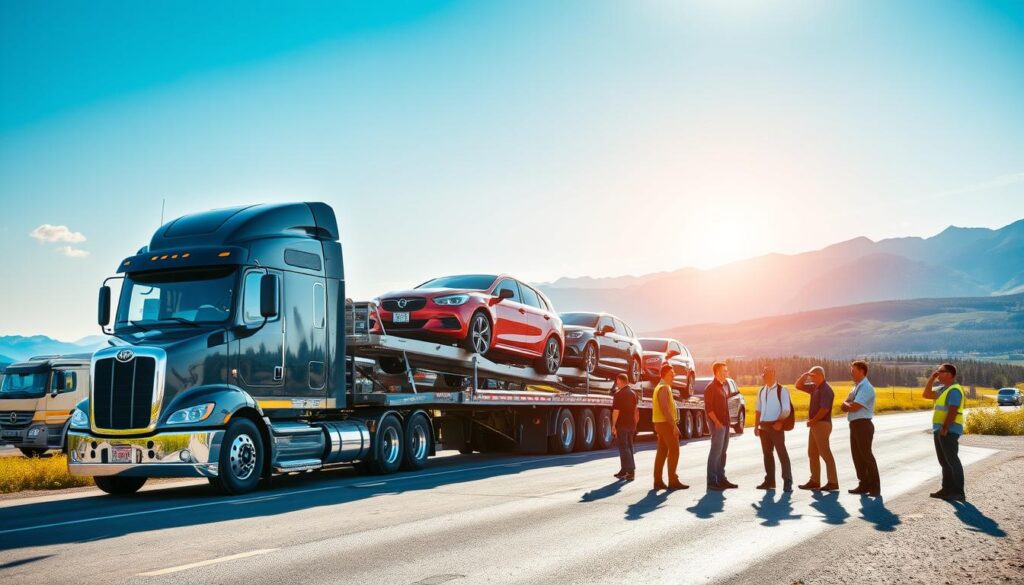
This section outlines core vehicle transport services available across Canada and when each option fits.
Personal car shipping supports relocations, students, snowbirds, and seasonal moves. Hansen’s offers scheduled windows and examples of seasonal space (for example, November departures from the Prairies to Arizona and California via Calgary). Expectations for transit time are set clearly at booking.
Commercial and dealer logistics
Dealerships and corporate customers use fleet portals for bulk bookings, tracking, and consolidated billing. This service helps with inventory moves, auctions, and fleet repositioning while keeping documentation consistent for customers and auditors.
Moving company coordination
Moving firms coordinate door-to-door delivery to align vehicle pickup with household goods timelines. Transport teams sync pickup windows, perform inspections, and provide in-transit updates to simplify household moves.
Vehicle types and pricing
Reputable carriers handle cars, light trucks, and specialty units. Method selection—open, enclosed, or rail—matches the vehicle’s operability and condition.
| Use Case | Typical Method | Key Pricing Factors |
|---|---|---|
| Personal relocation / snowbirds | Open or enclosed truck | Route, size, operability |
| Dealership / fleet moves | Bulk truck / enclosed rail | Volume, documentation, timing |
| Moving company door delivery | Door-to-door truck | Access, pickup/delivery type, schedule |
What to expect: booking, preparation guidance, pickup inspection, in-transit updates, and delivery inspection. For a tailored quote or to review service options, visit vehicle transport services.
How to Choose Between Auto Hauler Companies for Car Shipping in Canada
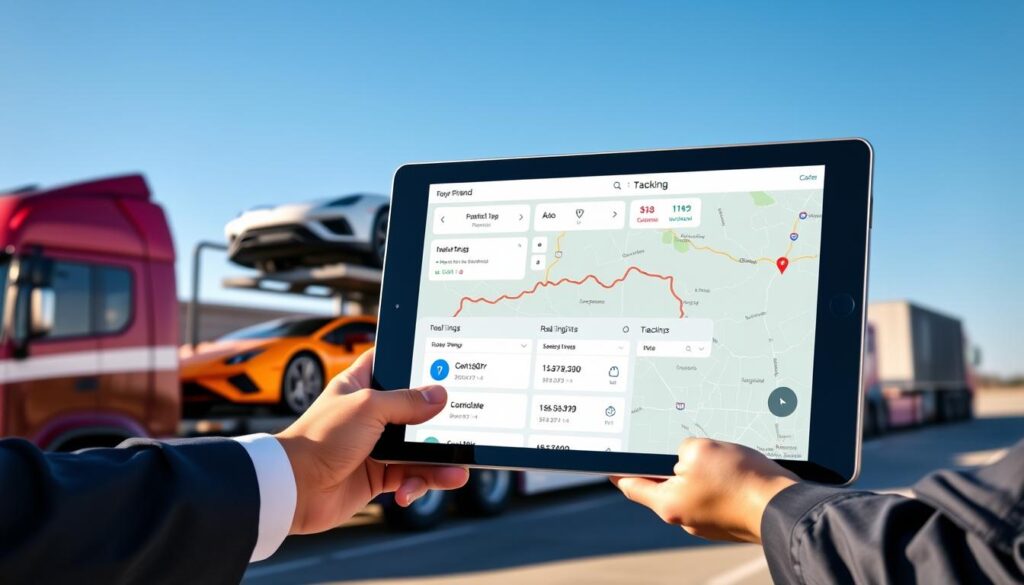
Choosing the right provider changes who answers for pickups, deliveries, and every handoff in between.
Carrier vs broker: a carrier owns trucks and hires drivers. That carrier manages pickup, inspections, and delivery. A broker sells space and coordinates third-party carriers. Brokers can offer many options, but the carrier holds physical control.
Decision criteria for risk: prefer single-point responsibility, clear documented handoffs, and fast claims escalation. Ask who signs the bill of lading and who accepts liability on pickup.
- Single-accountability lowers dispute time.
- Documented handoffs speed claims resolution.
- Real-time tracking reduces missed pickups and delays.
| Provider Type | Who Owns Trucks | Accountability |
|---|---|---|
| Carrier (Hansen’s, Able) | Owned/operated fleet (Hansen’s: 270+ trucks) | Direct pickup/delivery responsibility; faster on-site decisions |
| Broker (MVS Canada) | Third-party carriers assigned | Coordination role; liability passes to contracted carrier |
| Scale Impact | High frequency departures (Hansen’s: 3,000+ cars/day) | Better capacity in peak seasons; predictable windows |
Customer standards: require proactive updates, reachable support, and clear answers on timing, access limits, and vehicle protection. Good communication equals fewer missed pickups and better on-time delivery.
For more on broker roles and when to choose them, see auto shipping broker. The next section explains how open, enclosed, and rail methods affect cost, protection, and delivery time.
Auto Transport Methods: Open Truck, Enclosed Truck, and Rail Options
Method choice shapes cost, protection, and scheduling for every vehicle move across Canada. Select a method that fits budget and the level of protection required.
Open carrier transport for cost-effective shipping across the country
Open carrier is the most common and cost-effective transport. It moves the most cars and fits standard shipping needs.
Exposed to the elements means rain, dust, and road spray can reach the vehicle. This is normal and safe for operable, modern cars.
Enclosed truck transport for high-value and specialty vehicles
Enclosed truck service offers maximum protection. Choose it for high-value, antique, lowered, or sports cars where clearance and debris matter.
Higher cost buys added shelter and fewer handling steps.
Rail vehicle transport on select routes
Rail service is route-dependent and often faster on major corridors. Hansen’s partnership with CP Rail gives access to primary lines and improves linehaul efficiency.
Expect terminal handling, longer lead times for some departures, and combined linehaul plus local trucking when needed.
Matching method to needs
- Open truck — best for standard cars, lower cost, broad availability.
- Enclosed truck — best for high-value or delicate vehicles.
- Rail — best when route and schedule align for faster linehaul.
Quality indicators to ask: equipment suitability, driver training, inspection process, and how updates are provided. Once a method is chosen, pickup and delivery options set access and total cost.
Pickup and Delivery Options That Fit Your Schedule
Pickup and delivery choices shape cost, convenience, and the total transit time for every car move.
Door-to-door vehicle transport service and when access restrictions matter
Door-to-door means the carrier collects and returns the car as close as legally and safely possible to the customer’s address.
As close as legally and safely possible covers curbside collection, approved driveways, and designated loading zones in residential streets and urban cores.
Common restrictions include low bridges, tight cul-de-sacs, condo loading rules, downtown permits, and winter road limits. These can change the pickup point or add fees.
Terminal-to-terminal car transport for flexible drop-off and pickup
Terminal-to-terminal lets customers drop a vehicle at a commercial site and collect it at the destination terminal.
This option often lowers cost and improves predictability when customers can meet trucks at fixed facilities.
Note: vehicles may wait at a terminal until the next main-truck departure, which can affect total time and scheduling.
“Meeting at a terminal can simplify logistics and reduce charges when street access is limited.”
| Option | Best For | Impact on Time & Cost |
|---|---|---|
| Door-to-door | Residential delivery; minimal handling | Higher cost; direct pickup and delivery windows |
| Terminal-to-terminal | Customers with flexible schedules | Lower cost; may add waiting time at terminals |
| Hybrid (terminal + local pickup) | Urban addresses with access limits | Balanced cost; predictable linehaul timing |
Decision checklist before requesting a quote: preferred dates, full addresses, alternate meeting spots, and phone availability on pickup day.
Dispatch teams call ahead, confirm appointments, and set clear delivery windows so customers know when to expect a call.
For scheduling availability and pricing, request a quote via info@bestcarshippinginc.com or call (307) 288-5972.
Tracking, Insurance, and Security: What Quality Carriers Should Offer
Modern shipment visibility and secure handling are core expectations for anyone moving a vehicle today.
Real-time tracking and GPS-tracked trucks
Online tracking should show milestone updates: pickup, in-transit checkpoints, and delivery ETAs. GPS-tracked trucks improve ETA accuracy and let dispatch correct routing when needed.
Clear insurance while the vehicle is in custody
Insurance applies while the vehicle is in the company’s possession. Ask for policy limits, required inspection forms, and how to file claims. Keep a copy of the bill of lading and confirm coverage in writing.
Secure facilities and bonded drivers
Quality carriers store vehicles in fenced yards with controlled access, 24/7 surveillance, and bonded drivers. These controls lower theft and damage risk and support faster investigations if issues arise.
Documentation and inspection workflow
Pickup and delivery inspections should include condition reports and photos when needed. Customer sign-off protects both parties and speeds claims resolution.
- Ask how tracking updates are delivered.
- Confirm exact insurance terms for transit.
- Verify yard security and driver vetting.
- Request inspection photo policies and delivery sign-off procedures.
Note: Tracking and security strengthen protection, but route coverage and departure frequency still shape final delivery timelines. For carrier comparisons and national options, see best national shippers.
Service Coverage Across Canada and Canada-U.S. Routes
Canada’s coast-to-coast lanes connect major hubs and shape realistic pickup windows for long-distance vehicle moves.
Coast-to-coast shipping lanes and major city coverage
Major corridors run between Vancouver, Calgary, Winnipeg, Toronto, and Halifax. High-volume lanes mean more frequent departures and faster scheduling.
Volume corridors reduce wait time and offer predictable transit windows for customers and fleets.
Cross-border shipping to the United States
Cross-border car shipping is common for snowbirds and relocations to Arizona and California. Plan early, prepare documentation, and allow extra customs time.
Realistic timing includes border processing and possible terminal handoffs.
Request a quote well before peak seasons to secure space and preferred dates.
Regional terminal networks and departures
Terminals consolidate vehicles into mainline departures. Missed cutoffs often add days while a vehicle waits for the next run.
Delivery time varies by season, weather, lane demand, vehicle size, and chosen method (open, enclosed, rail).
“Professional service explains route options, terminal handoffs, and expected timeframes before payment.”
Recommendation: ask the company for clear route plans and an estimated delivery time when you request a quote.
Conclusion
Deciding who moves your vehicle should prioritize accountability, protection, and clear timelines.
Choose by model of responsibility: prefer a carrier that owns its fleet and manages pickup, inspections, and claims. Match the method—open, enclosed, or rail—to value and schedule needs.
Non-negotiables: live tracking, written insurance terms, secure storage, bonded drivers, and documented inspections. These reduce risk and speed resolutions.
To book, confirm route and delivery preferences, lock the method, and set pickup windows. For a reliable transport service quote, contact info@bestcarshippinginc.com or call (307) 288-5972.