
This buyer’s guide helps vehicle owners and logistics coordinators evaluate automobile moving companies in the United States.
Readers will learn how auto transport works, what affects pricing, and how to compare providers fairly. The guide focuses on protecting a valuable asset with a reliability-first approach.
Key decision factors previewed here include route density, seasonality, vehicle size, open vs enclosed choices, insurance coverage, and pickup/delivery timelines. The article prioritizes transparent pricing, clear communication, and customer satisfaction over marketing claims.
Compare quotes apples-to-apples by matching transit time, carrier type, insurance limits, and pick-up/drop-off terms between online estimates and final bills.
For a simple next step, request an online quote, call (307) 288-5972, or email info@bestcarshippinginc.com for scheduling support.
Key Takeaways
- Understand how auto transport pricing works and what drives cost.
- Match quote details to the final bill to avoid surprises.
- Prioritize carrier reliability, insurance, and clear timelines.
- Choose open or enclosed shipping based on vehicle value and risk tolerance.
- Use transparent communication and customer signals when selecting a company.
What Automobile Moving Companies Do and When You Should Hire One
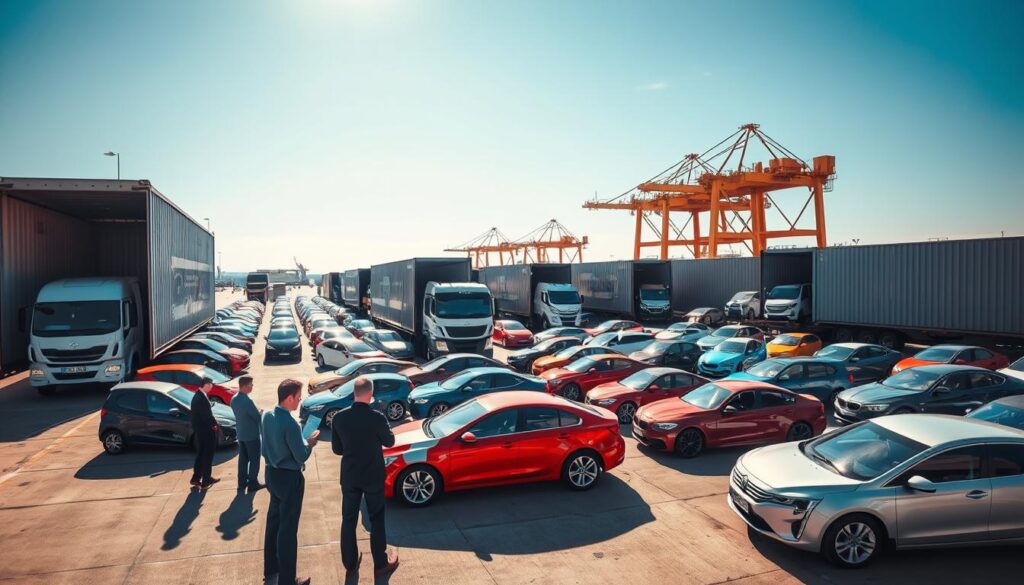
When driving isn’t practical, specialized transport handles scheduling, loading, and delivery for you. These services coordinate equipment, routing, dispatch, secure loading, and delivery confirmation to move a vehicle safely from A to B.
Common reasons to ship instead of drive
- Relocation timelines: tight move schedules or same-day needs.
- Long distances: cross-country trips that save time and fatigue.
- Wear and mileage: avoid extra miles on leased or new cars.
- Weather and risk: protect vehicles from winter or storm exposure.
- Multi-vehicle logistics: fleets or households needing simultaneous transport.
Who you’ll interact with
Buyers typically deal with a broker, a carrier, or a full-service auto transport company. Brokers match loads and manage bookkeeping. Carriers perform pickup, secure loading, and delivery. Full-service firms provide a single point of contact and take accountability for scheduling and updates.
Expect the shipping process: quote, booking, carrier assignment, pickup inspection, transit updates, delivery inspection, and final payment. Choose a full-service approach for tight timelines, high-value vehicles, or when you want one clear contact and stronger customer care.
For a deeper overview of the steps and standards to expect, see a complete guide to vehicle shipping. Learn more about the shipping process.
How to Compare Car Shipping Companies Without Getting Overwhelmed

Start by narrowing choices to providers that serve your exact route and timeline. Match origin/destination, route density, and the required delivery date first. Confirm the vehicle type so quotes reflect size and access needs.
Start with route, timeline, and vehicle type
List the pickup ZIP, delivery ZIP, and your ready date. Note if the vehicle runs. Fast decisions cut back-and-forth and reduce booking errors.
Tip: Ask whether pickup windows are flexible. That flexibility often lowers cost and shortens wait time.
Door-to-door vs terminal pickup and delivery
Door-to-door usually means meeting close to the address when truck access is limited. It is convenient but can cost more.
Terminal delivery can save money. It requires extra coordination and sometimes a short drive to collect the vehicle.
What “network carriers” really means
Network carriers match your order to an available driver based on lane, timing, and equipment. That model improves coverage but can affect pickup speed.
Standardize inputs for each online quote. Use the same service level, window, and transport options so you compare like for like.
- Share origin/destination, ready date, and vehicle condition.
- Confirm whether quotes include door-to-door pickup.
- Expect a professional company to explain constraints up front, not after assignment.
Car Shipping Costs in the United States: Real-World Price Ranges and What Drives Them
A clear view of typical price ranges gives vehicle owners confidence when evaluating quotes.
Benchmark example: many New Jersey routes commonly range from $500 to $1,500. These figures are market benchmarks, not guarantees.
Primary pricing drivers
Distance and route density are the top factors. High-volume lanes between major hubs lower shipping costs. Remote or low-demand routes raise the cost ship.
Seasonality matters. Summer and early fall are peak months and push rates up. Winter can offer off-season savings for non-urgent moves.
Vehicle size, access, and variable multipliers
Sedans usually cost less than larger SUVs and trucks because of trailer space and fuel use. Dense urban pickups may add accessibility fees for tight streets or limited truck access.
Fuel price swings and expedited requests multiply costs. Pay for speed when timelines are business-critical. A transparent provider will list which factor drives the final price.
For a budget-focused option, compare like-for-like quotes and consider this cheap car shipping resource when weighing service levels and cost ship car alternatives.
Transparent Pricing and the Price Lock Promise: What to Look for in a Quote
Transparent fees and a firm price lock make it easier to budget for vehicle transport. A clear written quote avoids surprises and speeds approvals.
What transparent pricing should list
At minimum, the quote must state transport type, pickup and delivery method, timing assumptions, vehicle condition, and known access limits. This level of detail shows true transparent pricing.
How a price lock promise protects you
A valid price lock promise holds the quoted amount despite short-term market shifts. It prevents last-minute carrier fee hikes and unpredictable access surcharges.
Compare an online quote to the final bill
- Confirm identical addresses and ZIPs.
- Match vehicle details and the open vs enclosed choice.
- Verify the pickup window and timing assumptions.
- Ask when payment is due and what triggers extra charges.
| Quote Item | Included in Quote | Red Flag | Ask Example |
|---|---|---|---|
| Transport type | Open or enclosed specified | Vague wording | “Is the price for open or enclosed?” |
| Pickup details | Address, window, access notes | Missing ZIPs | “Confirm pickup ZIP and any access fees.” |
| Timing | Estimated transit days | “Flexible” without limits | “What is the guaranteed pickup window?” |
| Payment terms | When charges apply | Unclear triggers | “When is the carrier secured and billed?” |
Final step: Request a written quote, confirm the price lock promise conditions, and save the document. A reliable transport provider will document exceptions and confirm them before pickup. For help, call (307) 288-5972 or email info@bestcarshippinginc.com.
Auto Transport Options Explained: Open Transport vs Enclosed Transport
Choosing the right trailer style affects cost, schedule, and the level of protection your vehicle receives. This section compares the two main transport options so buyers can match risk tolerance to value.
Open transport: value and availability
Open transport is the industry standard for everyday cars. It offers broad route coverage and frequent pickup windows. Providers run more lanes with open trailers, which keeps costs lower and schedules tighter.
Enclosed transport: when protection matters
Enclosed transport adds a layer of protection from weather and road debris. It suits luxury, classic, or high-value vehicles where exposure control and privacy matter more than cost.
Pricing and practical comparisons
Expect a typical premium: enclosed can cost about 40–60% more than open carriers depending on lane and availability.
- Exposure: open exposes vehicles to elements; enclosed limits exposure.
- Loading: open uses multi-level ramps; enclosed sometimes requires single-level handling.
- Availability: open has broader capacity; enclosed may need advance booking.
- Cost predictability: enclosed often has steadier pricing on high-value lanes.
For business buyers: mix open and enclosed by vehicle tier to control spend without compromising protection. Always confirm the trailer type explicitly when you place the order so the dispatch matches the quoted service. For specialized enclosed service, see our premium enclosed service.
Special Handling for Classic Cars, Luxury Vehicles, and High-Value Builds
Protecting a prized car starts with the right trailer, trained crew, and documented condition checks. High-value vehicles need a decision model that favors care over cost. This reduces risk and preserves resale value.
When enclosed trailers make sense
Enclosed transport is recommended for classic cars, fresh paint jobs, low ground clearance, rare parts, or strict delivery conditions. Choose enclosed transport when collector value or scarcity raises the cost of even minor damage.
Documentation to prevent disputes
Before pickup, wash the vehicle and take time-stamped photos. Capture wide shots and close-ups of existing blemishes. Note all issues on the inspection form.
Condition checks and sign-offs
Expect a formal check at pickup and again at delivery. Do not rush sign-offs. Rushed approvals make claims harder and create friction for both shipper and carrier.
Communication and insurance
Confirm pickup windows and contact numbers. Require proactive ETA updates for high-value moves. Verify insurance coverage limits before dispatch and document agreed limits in writing.
Insurance Coverage Basics: Cargo Insurance, Additional Coverage, and Your Role
Insurance protects the value of your vehicle while it travels and clarifies who pays if damage occurs. Carriers must carry cargo insurance and should provide proof before pickup. Ask for the carrier’s certificate and policy limits so you know baseline protection under the shipping contract.
Carrier cargo insurance and proof
Carrier cargo insurance covers loss or damage caused during transit by the carrier. Request written proof and read the limits. If coverage looks sparse, pause the booking and ask for details.
When to buy additional coverage
Additional coverage fills gaps for high-value cars, specialty builds, or strict contract terms. It may be worth the cost when the vehicle’s value exceeds standard policy limits or when buyers need lower deductibles.
Inspections, the Bill of Lading, and your role
Do a careful pickup inspection and take time-stamped photos. The Bill of Lading is the formal record; it must match visible condition at pickup and delivery.
- Buyer actions: report condition accurately, be available for handoff, and keep documentation.
- Inspection benefit: photos plus a precise Bill of Lading speed claims and reduce disputes.
Professional expectation: reliable auto transport providers treat insurance and inspections as standard steps in the shipping process, not optional extras. For questions, call (307) 288-5972 or email info@bestcarshippinginc.com.
The Shipping Process From Quote to Delivery
Start by mapping the booking steps so teams can align schedules and reduce last-minute delays.
Get a personalized online quote quickly
Request a personalized online quote that captures origin/destination, vehicle size, operability, transport type, and desired timing window. Sherpa’s tool can return tailored pricing in under two minutes. This prompt estimate sets expectations and speeds approvals.
Scheduling pickup and confirming availability windows
After booking, confirm the pickup window and any access limits at the pickup address. Identify who will release the car and whether a terminal or door-to-door option applies. Clear scheduling reduces extra trips and fees.
Vehicle inspection and the Bill of Lading
At pickup, the carrier performs a written inspection and completes the Bill of Lading. Review this document carefully. Time-stamped photos and accurate notes are essential for any future claim.
Transit updates and shipment tracking
Expect periodic transit updates and a booking or tracking number. RoadRunner-style portals let you view status online. If the ETA shifts, call the transport company promptly and confirm new delivery windows.
Final inspection at delivery and payment handling
Do a final inspection before signing. Document any new damage immediately. Payment options typically include card when the carrier is secured and a balance by cash or certified check at delivery.
Professional shipping services prioritize proactive communication and predictable handoffs. For questions or help, call (307) 288-5972 or email info@bestcarshippinginc.com.
Pickup and Delivery Timelines: What “Fast” Really Means for Vehicle Shipping
Fast service in vehicle shipping depends on both dispatch timing and route density. Pickup lead time differs from transit time. Buyers should plan both separately.
Typical delivery windows
Many regional routes finish in 1–7 days. Cross-country runs commonly take 7–14 days. These are baseline expectations and may vary.
Rule of thumb for transit time
A common operational rule: every 500 miles adds about one day of transit. Carriers use this to estimate schedules when routes are steady.
Why timelines vary
- Route density and how many stops a driver makes.
- Dispatch timing and carrier routing priorities.
- Weather, traffic restrictions, and local access limits.
Planning guidance: build buffer days for delivery and avoid scheduling critical handoffs on the earliest ETA. A reliable transport company will give an estimated window and update it proactively when conditions change.
| Factor | Typical effect | How times may vary based on route |
|---|---|---|
| Route density | Speeds pickup/delivery | High-volume lanes shorten windows |
| Distance | Adds days per 500 miles | Cross-country trips extend to 7–14 days |
| Weather & access | Can delay by days | Storms or tight pickups increase wait |
Booking Strategy: When to Reserve Your Auto Transport to Get Better Rates
Reserve transport with timing in mind to unlock better rates and smoother pickups.
Standard planning: for typical moves, book about 1–2 weeks ahead. Early reservations expand carrier options and give dispatchers flexibility. That flexibility often lowers shipping costs by allowing a carrier to fit your order into an existing lane.
Peak season: summer and other busy periods need more lead time. Book 3–4 weeks in advance to improve availability and keep the cost ship closer to budgeted expectations. Early booking reduces the need for premium lanes and last-minute surcharges.
Flexible windows: offering a five-day pickup or delivery window can cut the total shipping cost. A wider window lets carriers route your car or vehicle with other stops, which spreads fuel and labor costs across loads.
- Pick a readiness date and share it clearly.
- Offer a multi-day window when possible.
- Confirm access notes and contact details so carriers can commit.
Customer service quality ties into booking: reliable providers set expectations, confirm pick-up windows, and give proactive updates without repeated follow-ups. Call (307) 288-5972 or email info@bestcarshippinginc.com for help scheduling.
Customer Satisfaction Signals That Matter More Than Marketing
High-quality service shows up consistently in recent, high-volume reviews.
How to read reviews and star ratings
Look beyond the average score. A 4.9-star profile across 8,000+ reviews, for example, signals repeatable performance and broad coverage.
Scan comments for patterns: communication speed, pickup accuracy, and claim resolution. These themes reveal operational strength more than isolated praise or complaints.
What a BBB rating reveals
bbb rating reflects complaint handling and responsiveness. An A+ standing suggests the company takes disputes seriously and documents resolutions.
Communication expectations
Demand a dedicated contact, proactive ETA updates, and clear pickup/delivery instructions. These are baseline service standards for the best car transport providers.
- Screening checklist: licensing and insurance clarity.
- Written terms: documented pricing policy and Bill of Lading practices.
- Track record: recent, high-volume reviews and prompt complaint responses.
Decision tip: choose a transport company with transparent operations and steady communication, not only slick marketing. For help, call (307) 288-5972 or email info@bestcarshippinginc.com.
Sherpa Auto Transport Snapshot: Transparent Pricing, Carrier Vetting, and Nationwide Coverage
Sherpa combines nationwide reach with strict carrier checks so customers know who moves their vehicle and under what terms. This snapshot shows how documented policies and clear pricing reduce risk for buyers and logistics teams.
Reputation and measurable trust signals
Reputation: Sherpa holds a 4.9-star average across 8,000+ reviews and a BBB A+ rating. These metrics show consistent service and complaint handling at scale.
The Sherpa difference: carrier standards and customer-first rules
Carrier vetting is operational: Sherpa reviews transportation records, accident history, and recent customer feedback before assigning loads. This reduces surprise service gaps and improves on-time performance.
Price Lock Promise and transparent pricing
Price Lock Promise secures the written rate against short-term market shifts. Sherpa pairs that promise with upfront, itemized quotes so budgets and timelines stay predictable.
- Nationwide coverage to all 50 states year-round.
- Quick quote: get an estimate in under two minutes by phone at 877-850-1231.
- Market example: New Jersey lanes often benchmark $500–$1,500 with regional timelines of 1–7 days and cross-country 7–14 days.
- Practical rule: personal items allowed up to 100 lbs below the window line; port or ocean moves generally require an empty vehicle.
Action step: request a written quote and confirm the Price Lock Promise and carrier vetting terms before booking. For direct help call (307) 288-5972 or email info@bestcarshippinginc.com.
RoadRunner Auto Transport Snapshot: Tracking, Pickup Speed, and Service Features
RoadRunner’s platform puts live shipment status at your fingertips so teams can plan with confidence. The service follows a clear flow: quote → pickup → transit → delivery with a final inspection. This structure reduces questions and speeds approvals.
Online status visibility
Live updates show real-time location and milestone confirmations. Business users save time because fewer calls and emails are needed to confirm ETAs.
Pickup speed and local example
RoadRunner reports strong lane coverage in Edison, NJ. Carrier availability there commonly averages about 1–3 days from booking for pickup.
Pricing drivers and practical constraints
Buyers should structure quotes around these factors:
- Distance and route density
- Vehicle type/size and open, enclosed, or top-loaded choices
- Accessibility, seasonality, fuel costs, and delivery speed
Door-to-door is offered when possible. If streets prevent large-truck access, pickup or delivery moves to a nearby safe lot. Pickup loading, secure offload, and a final inspection protect the vehicle and reduce disputes.
Marcos Auto Transport Snapshot: Family-Owned Capacity and Multi-Vehicle Loads
Since 2005, Marcos has focused on reliable fleet capacity and hands-on leadership for multi-vehicle moves. The company is family-owned and operates across the contiguous United States. It uses newer trucks and assigns experienced, dedicated drivers to each load.
Operational profile and coverage
Marcos runs routes in all 48 states and carries full insurance for each shipment. Their capacity ranges from one to ten vehicles per trailer, a useful scale for dealers and project logistics.
Why multi-vehicle capability matters
Shipping multiple cars together reduces coordination steps. It cuts handling and simplifies timelines for fleet moves and household relocations. For business shippers, a single load lowers paperwork and consolidates insurance oversight.
Buyer guidance and decision points
Confirm the load configuration, pickup sequence, and delivery order before booking. Ask for driver contact info and written insurance limits. The right transport company balances capacity, schedule control, and documented coverage for time-sensitive jobs.
For questions or to confirm details, contact info@bestcarshippinginc.com or call (307) 288-5972.
Rules and Practical Prep: Personal Items, Vehicle Condition, and “Require Additional” Steps
Clear rules and straightforward prep steps prevent last-minute delays and protect your vehicle during transport. Follow these rules to speed pickup and avoid surprises in the shipping process.
Personal items and liability
Most providers allow up to 100 lbs of personal items stored below the window line, usually in the trunk. Keep heavy or loose items out of the passenger cabin.
Important: personal items are typically not covered by carrier insurance. Remove valuables and critical documents before pickup.
When shipments require additional restrictions
Some moves require additional steps. Port and ocean transit commonly demand an empty vehicle for security and customs clearance.
When ports are involved, carriers will confirm limits and note any special cargo holds. Expect stricter checks and longer lead times.
Quick pre-transport checklist
- Wash the car and take date-stamped photos of all sides and interior areas with existing damage noted.
- Disable alarms and remove toll tags or parking passes.
- Keep fuel near 1/4 tank; do not overfill.
- Provide one spare key and label contact details clearly for the driver.
- Verify operability and report if the vehicle will not run.
Accessibility planning: confirm pickup location and alternate meeting points for tight urban streets. A clear plan prevents failed pickups and added fees.
For policy questions or to confirm limits for auto transport, call (307) 288-5972 or email info@bestcarshippinginc.com.
Harder Routes and Edge Cases: Alaska Hawaii Shipping and Other Logistics Challenges
Alaska and Hawaii routes add ocean legs, port windows, and extra handling that change the plan and price. These lanes are not the same as continental service. They need more coordination between road and sea carriers.
When ports, transfers, and tighter item restrictions apply
Port and ocean processing often requires an empty car. Remove all personal items before delivery to the terminal. Inspectors may refuse a vehicle with loose cargo.
How to plan timelines and costs for non-standard routes
Expect multiple cost drivers: inland drayage, port handling, vessel availability, and final pickup. The cost ship car will rise when legs increase or vessels are limited.
“Confirm who is responsible for each segment — inland carrier, port handler, and the vessel operator — and get it in writing.”
- Timelines: add buffer days for port appointments and inspections.
- Risk: choose transport options by vehicle value and risk tolerance.
- Due diligence: verify insurance limits, documentation rules, and update protocols with the shipping company.
| Challenge | Impact | Buyer action |
|---|---|---|
| Port inspections | May delay pickup | Remove personal items; provide title and ID |
| Vessel schedule | Fixed departure windows | Book early; allow multi-day windows |
| Multiple handlers | Split liability | Confirm responsibilities in writing |
For questions about Alaska and Hawaii shipping, call (307) 288-5972 or email info@bestcarshippinginc.com.
Conclusion
Finish planning with a clear route, realistic pickup window, and the right trailer for your vehicle.
Define origin and destination, choose open or enclosed based on value, confirm insurance limits, and document condition at pickup and delivery. These steps keep the car protected and reduce disputes.
Prioritize transparent pricing, written terms, and steady communication. A reliable company that explains fees and timelines lowers risk more than any marketing claim.
Ready-to-book checklist: vehicle ready date, pickup/delivery contacts, dated photos, personal items removed or secured, and payment method confirmed.
For professional support and straightforward coordination, call (307) 288-5972 or email info@bestcarshippinginc.com to discuss auto transport and schedule car shipping.
FAQ
What services does a professional car shipping company provide and when should I hire one?
Why would I ship a car instead of driving it myself?
Who will I interact with during the shipping process: a broker, a carrier, or a full-service transport company?
How do I compare car shipping companies without getting overwhelmed?
What is the difference between door-to-door and terminal pickup and delivery?
What does “network carriers” mean and why is it important?
What drives car shipping costs in the U.S.?
Can you give a pricing benchmark for typical routes?
FAQ
What services does a professional car shipping company provide and when should I hire one?
Car transport companies handle vehicle pickup, secure loading, transport, and delivery. Hire one when driving is impractical, when moving long distances, relocating for work, buying or selling a car out of state, transporting classic or high-value vehicles, or when time and convenience outweigh driving. For sensitive moves, choose a company that offers enclosed transport, insured carriers, and clear pickup windows.
Why would I ship a car instead of driving it myself?
Shipping saves time, reduces wear and tear, avoids lodging and fuel costs, and minimizes risk on long trips. It also protects vehicles that are not road-ready, like project cars or recently purchased classics. Military personnel and businesses often use transport services to move vehicles efficiently across states.
Who will I interact with during the shipping process: a broker, a carrier, or a full-service transport company?
Brokers match customers to network carriers and manage quotes and scheduling. Carriers own and operate the trucks that transport vehicles. Full-service transport companies may combine brokerage and carrier services with dedicated customer support. Ask about carrier vetting, insurance coverage, and whether the company handles claims directly.
How do I compare car shipping companies without getting overwhelmed?
Start with route, timeline, and vehicle type. Check transparent pricing, price lock promises, and included insurance. Compare door-to-door vs terminal pickup options, read reviews, verify BBB ratings, and confirm carrier networks. Look for clear communication, tracking, and a simple online quote process.
What is the difference between door-to-door and terminal pickup and delivery?
Door-to-door means carriers pick up and drop off at addresses you provide. Terminal service requires you to drop off or pick up the vehicle at a carrier terminal. Door-to-door is more convenient; terminal pickup can be cheaper. Confirm accessibility and any additional fees for tight streets or stairs.
What does “network carriers” mean and why is it important?
Network carriers are the vetted drivers and trucking companies a broker or carrier uses to move vehicles. A strong network means more capacity, better scheduling, and consistent service. Verify vetting standards, insurance, and carrier reviews to reduce risk.
What drives car shipping costs in the U.S.?
Major factors are distance and route density, vehicle size and weight, seasonality, fuel prices, expedited service, and accessibility at pickup or delivery. Urban pickup fees and remote location surcharges also affect price. Use these factors to understand quote differences.
Can you give a pricing benchmark for typical routes?
Benchmarks vary by route. For example, many New Jersey regional routes often range from 0–
FAQ
What services does a professional car shipping company provide and when should I hire one?
Car transport companies handle vehicle pickup, secure loading, transport, and delivery. Hire one when driving is impractical, when moving long distances, relocating for work, buying or selling a car out of state, transporting classic or high-value vehicles, or when time and convenience outweigh driving. For sensitive moves, choose a company that offers enclosed transport, insured carriers, and clear pickup windows.
Why would I ship a car instead of driving it myself?
Shipping saves time, reduces wear and tear, avoids lodging and fuel costs, and minimizes risk on long trips. It also protects vehicles that are not road-ready, like project cars or recently purchased classics. Military personnel and businesses often use transport services to move vehicles efficiently across states.
Who will I interact with during the shipping process: a broker, a carrier, or a full-service transport company?
Brokers match customers to network carriers and manage quotes and scheduling. Carriers own and operate the trucks that transport vehicles. Full-service transport companies may combine brokerage and carrier services with dedicated customer support. Ask about carrier vetting, insurance coverage, and whether the company handles claims directly.
How do I compare car shipping companies without getting overwhelmed?
Start with route, timeline, and vehicle type. Check transparent pricing, price lock promises, and included insurance. Compare door-to-door vs terminal pickup options, read reviews, verify BBB ratings, and confirm carrier networks. Look for clear communication, tracking, and a simple online quote process.
What is the difference between door-to-door and terminal pickup and delivery?
Door-to-door means carriers pick up and drop off at addresses you provide. Terminal service requires you to drop off or pick up the vehicle at a carrier terminal. Door-to-door is more convenient; terminal pickup can be cheaper. Confirm accessibility and any additional fees for tight streets or stairs.
What does “network carriers” mean and why is it important?
Network carriers are the vetted drivers and trucking companies a broker or carrier uses to move vehicles. A strong network means more capacity, better scheduling, and consistent service. Verify vetting standards, insurance, and carrier reviews to reduce risk.
What drives car shipping costs in the U.S.?
Major factors are distance and route density, vehicle size and weight, seasonality, fuel prices, expedited service, and accessibility at pickup or delivery. Urban pickup fees and remote location surcharges also affect price. Use these factors to understand quote differences.
Can you give a pricing benchmark for typical routes?
Benchmarks vary by route. For example, many New Jersey regional routes often range from $500–$1,500 depending on vehicle type and season. Cross-country moves can be higher. Always request an online quote for an accurate estimate based on your specifics.
How does seasonality affect shipping costs?
Demand peaks in summer and early fall, raising prices and reducing carrier availability. Off-season travel often yields lower rates and better scheduling. Booking earlier during peak season helps secure preferable rates and carriers.
How much more does enclosed transport cost compared to open carriers?
Enclosed transport typically costs 40–60% more than open transport. The premium reflects added protection, reduced exposure to elements, and specialized handling for luxury or classic cars.
When should I choose enclosed transport?
Choose enclosed shipping for classic cars, high-value builds, exotic vehicles, or when you need extra protection from weather and road debris. Enclosed carriers also reduce the chance of cosmetic damage during transit.
What should I expect from carrier cargo insurance and do I need additional coverage?
Carriers must carry cargo insurance that covers damage during transport. Review policy limits and deductible amounts. For high-value vehicles, consider additional insurance to cover gaps. Document vehicle condition with photos and the Bill of Lading to support claims.
How do pickup and delivery inspections protect me?
Inspections document pre- and post-shipment condition. The Bill of Lading records existing damage and mileage. Thorough inspections and photos reduce disputes and are required to file insurance claims if damage occurs.
What are the steps in the shipping process from quote to delivery?
Get an online quote, confirm vehicle type and options, book and schedule pickup, complete a pre-transport inspection, load and transport with carrier updates, track transit, and perform final inspection at delivery before payment. Clear communication and tracking improve predictability.
How long does shipping typically take?
Regional routes often deliver in 1–7 days. Cross-country moves usually take 7–14 days. A common rule of thumb is that every 500 miles adds about a day, but traffic, carrier routing, and weather can alter timelines.
When should I book to get the best rates?
Book about 1–2 weeks in advance for most moves. During peak season, reserve 3–4 weeks ahead to secure better carrier options. Flexible pickup and delivery windows often reduce costs.
What customer satisfaction signals should I trust?
Look at review volume, average star rating, and third-party verifications like a BBB rating. Prioritize companies with proactive communication, dedicated support, and transparent pricing. High review counts with consistent feedback are better indicators than single testimonials.
What is a Price Lock Promise and how does it protect me?
A Price Lock Promise guarantees the quoted price will not change before pickup, protecting against last-minute surcharges. Verify what the promise covers—fuel, tolls, or access fees—and any conditions that could alter the final bill.
How accurate are online quotes compared to the final bill?
A reliable company provides upfront, transparent pricing and explains potential extra charges. Differences usually occur due to route changes, access fees, or added services. Ask for a detailed quote and terms that include a price lock or clear fee disclosures.
Can I ship personal items inside my vehicle?
Most carriers limit personal items to about 100 lbs and recommend storing them below window line, typically in the trunk. Excessive personal items can lead to denied claims or additional fees. For cross-border or port shipments, stricter rules apply.
What prep is required before transport?
Clean the vehicle, take clear photos, disable alarms, leave minimal fuel (about a quarter tank), remove personal items, and provide spare keys. Note any existing damage on the Bill of Lading to prevent disputes.
How are hard routes like Alaska and Hawaii handled?
Non-contiguous routes involve port handling, transfer schedules, and extra fees. Shipping to Alaska or Hawaii requires planning for longer transit times, possible roll-on/roll-off service or container shipping, and stricter item restrictions.
What special handling is needed for classic and luxury cars?
Classics and luxury cars often require enclosed transport, higher insurance coverage, and detailed condition documentation. Use carriers experienced with high-value vehicles and request carrier references or proof of specialized equipment.
How does shipment tracking and transit updates work?
Many companies offer online tracking and regular status updates by phone or email. Tracking visibility depends on carrier systems and network integration. Confirm update frequency and how to reach support during transit.
What should I know about multi-vehicle shipping and family-owned carriers?
Multi-vehicle loads can lower per-car costs by sharing space. Family-owned operators often provide personalized service and local knowledge. Verify carrier capacity, insurance, and load limits when booking multiple vehicles.
How do accessibility or urban delivery fees work?
Tight streets, limited parking, steep driveways, and permit requirements can trigger accessibility fees. Urban pickups in dense areas may include additional charges. Discuss exact pickup and delivery locations to identify potential fees up front.
Who can I contact for questions or to book a shipment?
Contact Best Car Shipping Inc. at (307) 288-5972 or email info@bestcarshippinginc.com for quotes, booking, and support. The team can explain transport options, pricing, insurance, and timelines to fit your needs.
,500 depending on vehicle type and season. Cross-country moves can be higher. Always request an online quote for an accurate estimate based on your specifics.
How does seasonality affect shipping costs?
Demand peaks in summer and early fall, raising prices and reducing carrier availability. Off-season travel often yields lower rates and better scheduling. Booking earlier during peak season helps secure preferable rates and carriers.
How much more does enclosed transport cost compared to open carriers?
Enclosed transport typically costs 40–60% more than open transport. The premium reflects added protection, reduced exposure to elements, and specialized handling for luxury or classic cars.
When should I choose enclosed transport?
Choose enclosed shipping for classic cars, high-value builds, exotic vehicles, or when you need extra protection from weather and road debris. Enclosed carriers also reduce the chance of cosmetic damage during transit.
What should I expect from carrier cargo insurance and do I need additional coverage?
Carriers must carry cargo insurance that covers damage during transport. Review policy limits and deductible amounts. For high-value vehicles, consider additional insurance to cover gaps. Document vehicle condition with photos and the Bill of Lading to support claims.
How do pickup and delivery inspections protect me?
Inspections document pre- and post-shipment condition. The Bill of Lading records existing damage and mileage. Thorough inspections and photos reduce disputes and are required to file insurance claims if damage occurs.
What are the steps in the shipping process from quote to delivery?
Get an online quote, confirm vehicle type and options, book and schedule pickup, complete a pre-transport inspection, load and transport with carrier updates, track transit, and perform final inspection at delivery before payment. Clear communication and tracking improve predictability.
How long does shipping typically take?
Regional routes often deliver in 1–7 days. Cross-country moves usually take 7–14 days. A common rule of thumb is that every 500 miles adds about a day, but traffic, carrier routing, and weather can alter timelines.
When should I book to get the best rates?
Book about 1–2 weeks in advance for most moves. During peak season, reserve 3–4 weeks ahead to secure better carrier options. Flexible pickup and delivery windows often reduce costs.
What customer satisfaction signals should I trust?
Look at review volume, average star rating, and third-party verifications like a BBB rating. Prioritize companies with proactive communication, dedicated support, and transparent pricing. High review counts with consistent feedback are better indicators than single testimonials.
What is a Price Lock Promise and how does it protect me?
A Price Lock Promise guarantees the quoted price will not change before pickup, protecting against last-minute surcharges. Verify what the promise covers—fuel, tolls, or access fees—and any conditions that could alter the final bill.
How accurate are online quotes compared to the final bill?
A reliable company provides upfront, transparent pricing and explains potential extra charges. Differences usually occur due to route changes, access fees, or added services. Ask for a detailed quote and terms that include a price lock or clear fee disclosures.
Can I ship personal items inside my vehicle?
Most carriers limit personal items to about 100 lbs and recommend storing them below window line, typically in the trunk. Excessive personal items can lead to denied claims or additional fees. For cross-border or port shipments, stricter rules apply.
What prep is required before transport?
Clean the vehicle, take clear photos, disable alarms, leave minimal fuel (about a quarter tank), remove personal items, and provide spare keys. Note any existing damage on the Bill of Lading to prevent disputes.
How are hard routes like Alaska and Hawaii handled?
Non-contiguous routes involve port handling, transfer schedules, and extra fees. Shipping to Alaska or Hawaii requires planning for longer transit times, possible roll-on/roll-off service or container shipping, and stricter item restrictions.
What special handling is needed for classic and luxury cars?
Classics and luxury cars often require enclosed transport, higher insurance coverage, and detailed condition documentation. Use carriers experienced with high-value vehicles and request carrier references or proof of specialized equipment.
How does shipment tracking and transit updates work?
Many companies offer online tracking and regular status updates by phone or email. Tracking visibility depends on carrier systems and network integration. Confirm update frequency and how to reach support during transit.
What should I know about multi-vehicle shipping and family-owned carriers?
Multi-vehicle loads can lower per-car costs by sharing space. Family-owned operators often provide personalized service and local knowledge. Verify carrier capacity, insurance, and load limits when booking multiple vehicles.
How do accessibility or urban delivery fees work?
Tight streets, limited parking, steep driveways, and permit requirements can trigger accessibility fees. Urban pickups in dense areas may include additional charges. Discuss exact pickup and delivery locations to identify potential fees up front.
Who can I contact for questions or to book a shipment?
Contact Best Car Shipping Inc. at (307) 288-5972 or email info@bestcarshippinginc.com for quotes, booking, and support. The team can explain transport options, pricing, insurance, and timelines to fit your needs.