
Alex Reynolds notes that water can be both a friend and a foe to vehicle care. A quick drive from the car wash may reveal a sudden sound at the wheels. This issue often signals moisture interacting with the braking system.
When this problem appears, owners should give it prompt attention. Some cases are temporary and clear with gentle use. Other times, the condition needs an expert to inspect pads, rotors, and related parts.
Professional help restores reliable performance and keeps driving safe. For trustworthy transport and vehicle care options, consider services like Wisconsin car shipping for broader support and secure handling.
Key Takeaways
- Water can cause brief or persistent sound from the braking system.
- Short testing drives reveal if the issue clears on its own.
- Seek an expert today when the problem lingers or affects safety.
- Professional service targets the root cause to restore performance.
- Regular maintenance reduces repeat issues and protects your car.
Understanding Why You Experience Brakes Making Noise After Rain or Wash
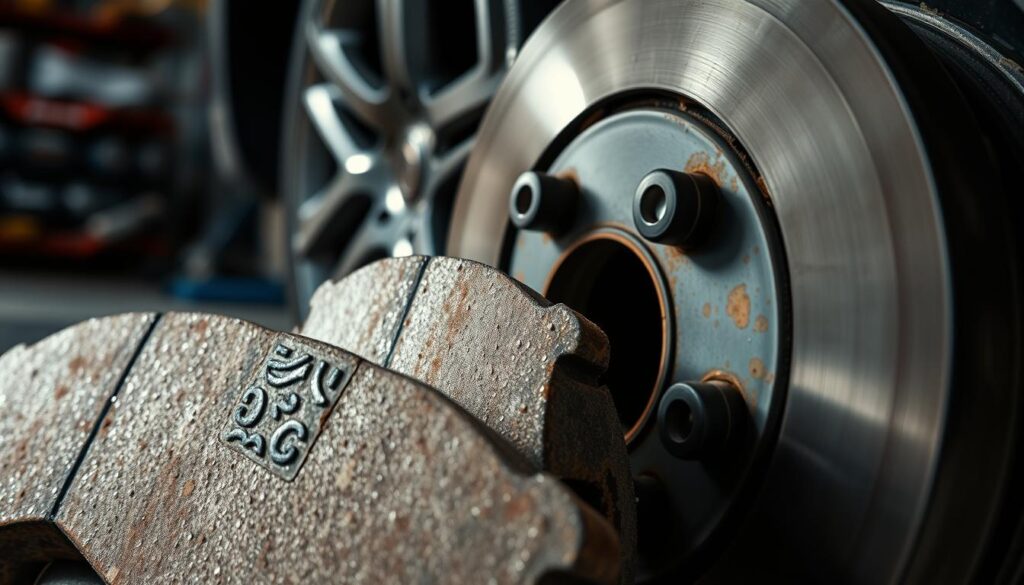
A thin film of rust on iron rotors can produce an audible response during the first few stops. Surface oxidation forms quickly when moisture sits on metal. That thin crust changes how pads meet rotors and often yields a grinding or squeal-like sound.
The Role of Surface Rust
Surface rust on pads rotors is common after wet conditions. This rust can wear away with light driving. In many cases, the sound is temporary and could indicate only minor debris or early corrosion.
How Car Washes Impact Friction
High-pressure cleaning can push water into small gaps around brake components. That displacement may remove lubricants and raise friction between pads and rotors. The result is increased brake noise and a short-term drop in braking performance.
- Quick drives often clear surface rust and restore normal contact.
- Persistent sounds may signal that components need inspection by an expert.
- Regular maintenance prevents moisture buildup and protects safety and performance.
The Science Behind Moisture and Brake Component Interaction
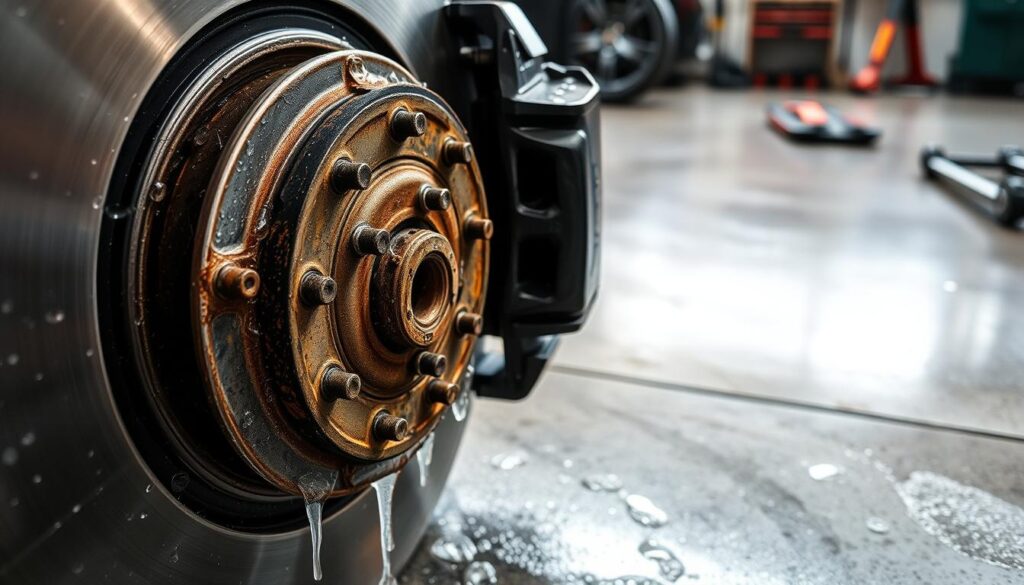
Moisture changes the way friction surfaces meet, creating short-term performance shifts in the braking system.
Dr. Emily Wadsworth notes that moisture is unavoidable in most climates. A thin film of water can form between pads and rotors. This hydrodynamic effect creates a temporary barrier. That barrier reduces friction and produces a high-pitched brake noise that draws immediate attention.
When water acts as a spacer, stopping distance can feel different. Corrosion forms quickly on exposed metal. Small rust patches then produce persistent sounds if left unchecked.
“Understanding moisture effects on the brake system lets owners choose targeted solutions and avoid long-term damage.”
| Effect | Typical Symptom | Quick Solution | When to Seek Expert Help |
|---|---|---|---|
| Hydrodynamic film | High-pitched sound during first stops | Short drive to dry surfaces | If sound persists after several drives |
| Surface rust | Grinding or rough contact | Gentle braking to clean rotors | Visible corrosion or reduced performance |
| Lost lubrication in components | Intermittent squeal | Inspect and reapply proper lubricant | Professional inspection and service |
| Debris intrusion | Uneven pad wear, odd sounds | Visual check and remove debris | Tech evaluation for damaged parts |
For owners moving vehicles or needing related services, see how to ship a car to Canada for secure handling and expert support. Routine maintenance and timely expert help protect safety and long-term performance.
Immediate DIY Steps to Silence Your Brakes
Begin by gently exercising the system—slow stops and steady speed help clear moisture from friction surfaces. Maria Torres recommends a short, controlled drive on dry pavement to evaporate water trapped between pads rotors and reduce transient sound.
Drying Your Brakes Through Driving
Drive for five to ten minutes. Use light, repeated braking to warm rotors and let pads shed moisture.
Inspecting for Debris
Park and visually check brake pads and nearby components for lodged grit. Remove small debris with a brush or compressed air.
Applying Anti-Squeal Lubricant
Apply a high-temperature lubricant to pad backing plates and contact points only. This reduces friction at attachment points while keeping friction surfaces clean.
- If the brake noise persists, it could indicate worn pads or damaged rotors that need professional help.
- Regular inspection and simple maintenance protect the vehicle and extend component life.
“Do not ignore persistent noises; they often signal a system issue that requires expert attention.”
When to Seek Professional Brake Inspection Services
When intermittent wheel sounds don’t clear with light driving, a certified technician should examine the system. Prompt attention protects safety and prevents costly repairs.
Recognizing Persistent Warning Signs
Watch for ongoing symptoms that do not improve after a short, controlled drive. If the noise persists, it could indicate worn pads or damaged rotors that need professional help today.
- The Brake Safety Institute reports that vehicles receiving regular brake maintenance are 30% less likely to face major brake problems on the road.
- If you notice that your brake noise persists, schedule an expert inspection to protect vehicle safety and performance.
- Our technicians at Newhub Auto Repair provide comprehensive service to address moisture-related damage to components and ensure brakes function correctly.
- John Miller warns that ignoring these issues can lead to severe safety risks and more expensive repairs down the line.
Act quickly when odd sounds or uneven pedal feel continue. Call for professional help and arrange a thorough check so your car returns to safe, reliable driving.
“Ignoring persistent issues often leads to greater risk and higher repair bills.”
Schedule service today: email info@bestcarshippinginc.com or call (307) 288-5972 for expert assessment.
Long-Term Preventive Measures for Your Braking System
Preventive care prolongs component life and keeps your vehicle dependable on every trip. Regular attention reduces the chance of recurring issues and preserves safety.
Automotive expert John Carter stresses that routine maintenance is not optional. It ensures a smooth driving experience and reliable stopping performance.
Use high-quality brake pads and rotors when you replace parts. Quality components reduce common noise and extend service intervals.
Follow a set maintenance schedule. Inspect pads, seals, and fasteners for moisture damage. Replace worn parts before they affect condition or safety.
Our technicians can recommend the right parts and options for harsh weather. Professional service helps ensure brakes stay quiet and efficient.
- Tip: Schedule inspections every 12 months or sooner if you notice odd sounds.
- Benefit: Consistent brake maintenance prevents long-term damage and improves performance.
“Preventive maintenance keeps systems reliable and reduces the need for costly repairs.”
For service, contact info@bestcarshippinginc.com or call (307) 288-5972.
Conclusion
Simple checks today can prevent unexpected failures and restore quiet, confident driving.
Addressing odd brake noise and small pad wear protects vehicle safety and long-term performance. Understanding how moisture affects pads and rotors lets owners take practical steps. Regular brake maintenance reduces recurring issues and improves braking feel on the road.
If problems persist, contact the expert team at 855-CLE-AUTO for professional help. They provide clear solutions and prompt service to keep your car safe.
Schedule an inspection: email info@bestcarshippinginc.com or call (307) 288-5972 today to restore reliable performance and peace of mind.