
On January 2, 2024, industry experts noted that high-pitched alerts from a vehicle are a common issue for many owners. This introduction explains practical steps to spot the problem and get timely help. Prompt action protects drivers and passengers.
If you hear a familiar sound at low speeds, address it right away. A clear inspection by a qualified technician can identify worn pads, glazing, or hardware that causes the noise.
Professional service restores quiet, reliable performance. Teams such as those at Firestone Complete Auto Care provide trusted diagnostics and repair to keep your car safe for daily commutes.
Preventive care stops small concerns from becoming costly repairs. Owners who act early preserve vehicle value and reduce downtime.
Key Takeaways
- High-pitched sounds at low speeds often signal a need for inspection.
- Prompt professional service limits further damage and cost.
- Common causes include worn pads, hardware issues, or glazing.
- Regular checks help maintain safe, quiet braking performance.
- Contact a trusted technician for accurate diagnosis and repair.
Understanding Your Vehicle Braking System
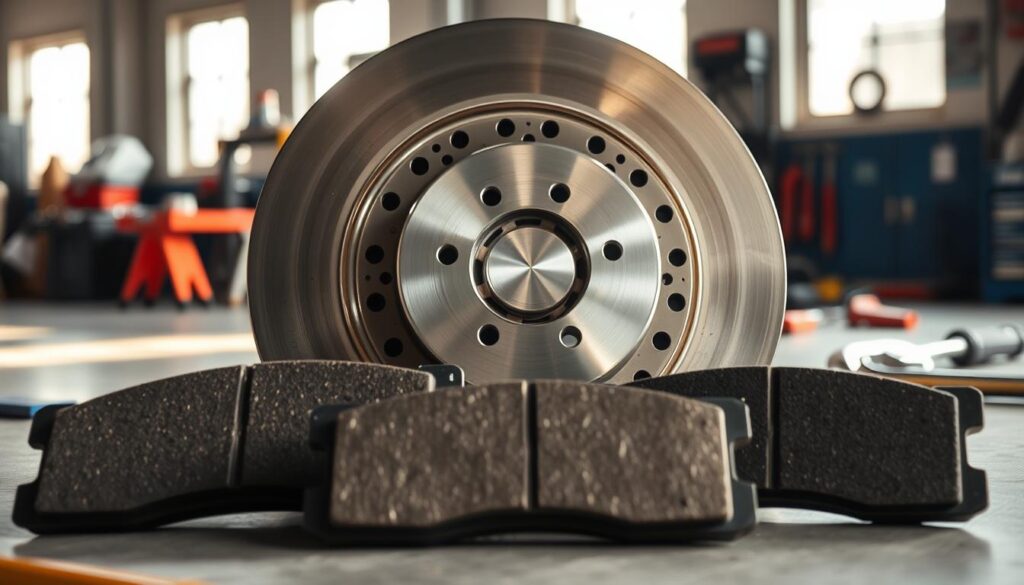
Understanding how pads and rotors work together reduces costly surprises. This short guide explains the main components and why timely attention matters.
Brake Pads and Rotors
Brake pads are rectangular parts that press against the rotor to create the friction needed to slow a vehicle. High-quality brake pads generate steady friction and resist rapid wear.
Over time, pads thin and rotors can develop grooves. Regular inspection and proper service keep contact even and performance consistent.
Calipers and Hardware
Calipers hold the pads in place and apply hydraulic pressure so the rotor and pad meet correctly. Worn hardware or sticky calipers causes uneven pad wear and odd noises.
“Professional inspections confirm that components are aligned, lubricated, and operating under proper pressure.”
- Pads press the rotor to create necessary friction.
- Normal wear makes routine service essential.
- Technicians check calipers, pads, and contact points for even wear.
Common Causes of Brakes Squeaking When Stopping Slow Speed
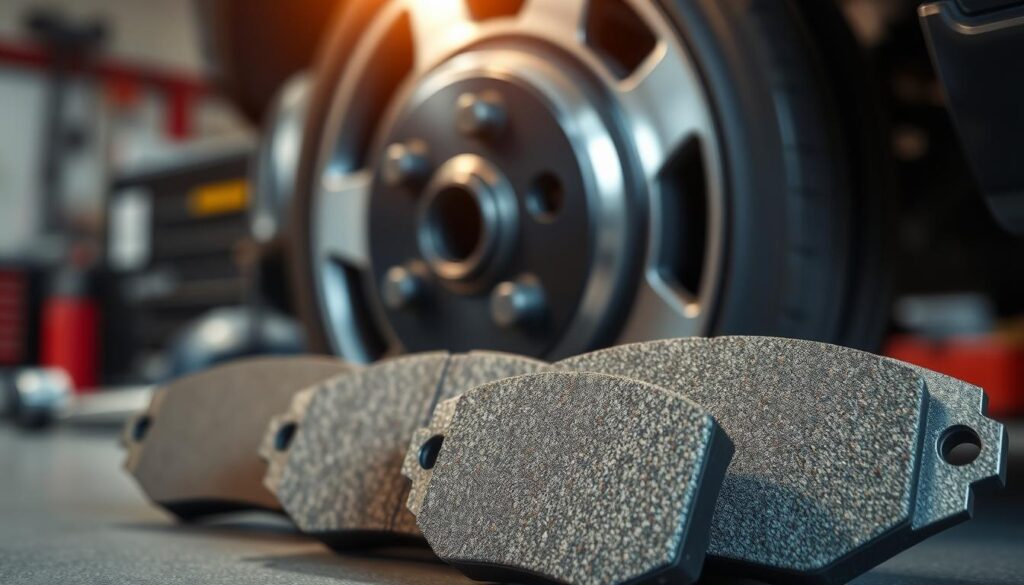
Metal fragments or grit lodged in pad contact points can make a high-pitched sound.
Brake dust builds up from normal wear. That dust contains metallic and organic particles. Over time, accumulation creates an irritating noise at low motion.
Debris trapped between pads and rotors often produces a sharp squeal. Moisture and humidity can form a thin film of surface rust on the brake rotors. That rust usually causes temporary squeaking during the first few stops after rain.
- Improper installation may let parts rub instead of glide, creating persistent problems.
- The metal wear indicator on a brake pad is meant to contact the rotor and warn the driver of low material.
- Worn hardware or loose calipers can produce high-frequency vibrations that affect performance.
| Cause | Symptom | Quick Action |
|---|---|---|
| Debris between pads rotors | Sharp, intermittent noise | Inspect and remove foreign material |
| Surface rust from moisture | Temporary squeak on first stops | Drive gently; rust clears after brief use |
| Worn indicator or loose parts | Persistent metallic sound, possible clunk | Schedule technician inspection and repair |
“Addressing these issues early preserves safety and restores quiet performance.”
Need help diagnosing a persistent issue? Contact Best Car Shipping Inc. at (307) 288-5972 or info@bestcarshippinginc.com for trusted guidance and service referrals.
How to Inspect Your Brake Components
A short, methodical check of the pad surfaces and hardware helps pinpoint common faults. This quick inspection saves time and identifies wear early.
Identifying Wear Indicators
Look for the thin metal tab on the pad. That wear indicator makes contact with the rotor and produces a distinct metallic noise.
If the vehicle makes a sound at low speeds, measure pad thickness. Less than a few millimeters of material means pad wear and replacement is due.
- Inspect after a short drive so rotors are warm and dry; moisture can hide true condition.
- Check for uneven wear, glazing, or debris between pads rotors.
- Keep components clean; dust buildup can mask issues.
“A professional inspection will confirm if pads, rotors, or hardware need service.”
| Observed Sign | Likely Cause | Immediate Action |
|---|---|---|
| Metallic contact sound | Wear indicator touching rotor | Check pad thickness; replace if thin |
| Uneven pad surface | Sticky caliper or hardware issue | Schedule professional inspection |
| Light noise after rain | Surface rust or moisture | Drive gently; recheck after dry |
Effective Methods for Cleaning and Maintaining Brakes
A few simple maintenance steps keep the braking system working quietly and reliably.
Removing Brake Dust
Clean regularly. Use a high-quality cleaner and a soft brush to remove built-up dust from pads and rotors.
Frequent cleaning prevents debris from lodging between pads rotors. That reduces metal contact and future problems.
Lubricating Contact Points
Apply high-temperature grease to caliper slides, backing plate contact points, and pad edges.
This keeps hardware moving freely and lowers vibration that causes unwanted sound. Ensure calipers are not sticking during inspection.
Proper Break-in Procedures
New brakes need time to seat against the rotor. Follow the manufacturer’s installation and break-in steps after service.
Proper bedding reduces early squeak and improves friction consistency and long-term performance.
“Routine cleaning, correct lubrication, and proper break-in prevent most common noises and extend component life.”
| Task | Purpose | Recommended Frequency |
|---|---|---|
| Dust removal | Prevent debris buildup between pad and rotor | Every 3 months or after dusty driving |
| High-temp lubrication | Reduce metal-on-metal contact at contact points | Each pad or rotor service |
| Break-in/bedding | Seat new pad material to brake rotors | After installation; follow manufacturer steps |
Need help? Contact Best Car Shipping Inc. at (307) 288-5972 or info@bestcarshippinginc.com for professional service referrals.
When to Seek Professional Brake Service
Persistent noise during routine stops signals a need for expert inspection. Alexander’s Import can advise whether it is safe to keep driving or if immediate attention is required.
Technicians at Firestone Complete Auto Care inspect pads, rotors, calipers, and related components to find the root cause. They determine if the sound is from simple moisture, pad wear, or an installation error.
Do not ignore persistent alerts. Continuous friction can damage rotors and calipers and raise repair costs over time. A professional check is the only way to confirm whether new pads are bedding in or a repair is needed.
- If the vehicle shows pulsing or reduced braking performance, schedule service immediately.
- Have experts evaluate high-frequency vibrations or lubrication needs at contact points.
- When unsure about the reasons for the sound, err on the side of caution and contact a professional.
“A timely inspection preserves safety and restores reliable performance.”
For guidance or to book an inspection, contact Best Car Shipping Inc. at (307) 288-5972 or info@bestcarshippinginc.com.
Conclusion
Tackling unusual sounds early keeps your vehicle reliable and reduces downtime. Addressing squeaky brakes promptly is the most effective way to protect passengers and extend component life.
Regular maintenance and prompt professional service prevent recurring squeaking and cut long-term costs. Proper installation of quality parts also limits future noise and supports consistent braking performance.
For help or to arrange an inspection, contact the team at (307) 288-5972 or info@bestcarshippinginc.com. Learn more about vehicle transport and local support via Wisconsin car shipping.
Your safety is the priority. Quick action restores quiet operation and lasting reliability.