
This page is a practical, service-directory guide to booking reliable cross-Canada moves for high-value vehicles.
Readers will learn how carrier networks operate, what coverage options exist, and which inspection and insurance steps protect an asset during shipping.
Who this fits: individuals relocating, dealerships moving inventory, and businesses coordinating fleet delivery with consistent standards.
Options at a glance include open carriers for cost efficiency, enclosed or “white glove” for maximum protection, flatbed for oversized loads, and rail where available.
Expect clear next steps: how to request a quote, which details carriers need, and what timelines to plan for across Canadian regions.
Key Takeaways
- Directory-style guidance to choose the right shipping service for Canada.
- Fits relocations, dealer moves, and fleet logistics needing consistent delivery.
- Compare open, enclosed, flatbed, and rail options by protection and cost.
- Prioritize insurance, carrier vetting, inspections, and clear communication.
- Use transparent quotes and booking steps to reduce risk and speed planning.
- For practical tips on preparing a vehicle, see our guide: top tips for stress-free vehicle transport.
car and transport services in Canada for every vehicle type
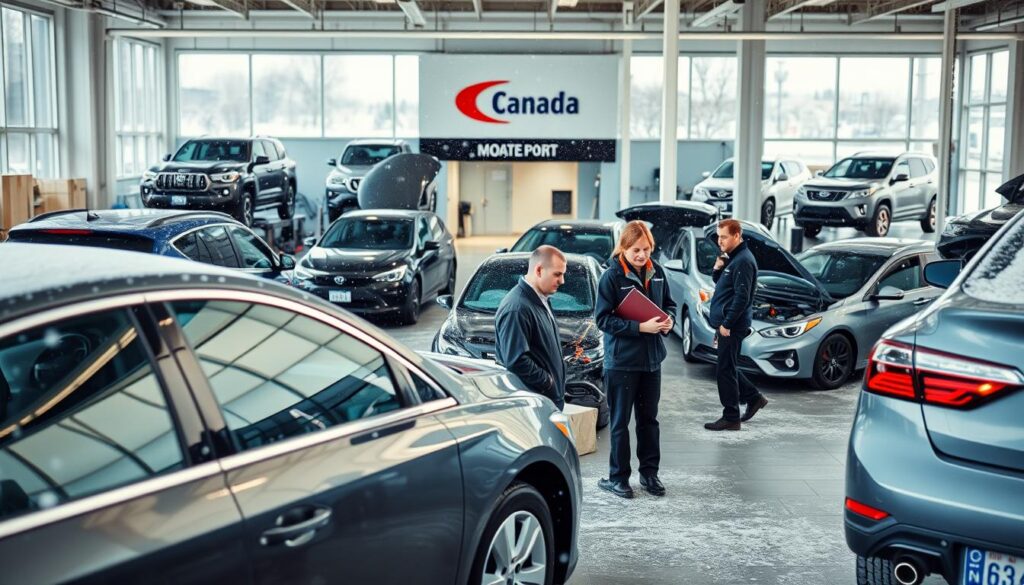
Service requirements differ widely between an individual relocation, dealer transfer, and corporate fleet move—here is what to expect.
Personal moves need flexible pickup windows, proof of ownership, and clear condition reports. Dealers require scheduled bulk loading, inventory lists, and fast turnarounds. Businesses booking fleet shipping value consistent timelines and consolidated paperwork.
SUVs and pickup trucks often cost more. Larger vehicles take extra trailer space and reduce overall capacity. Specialty vehicles—low clearance, modified builds, oversized tires—need accurate details up front to avoid day-of delays.
Carriers must know if a vehicle is running or non-running. Report brakes, steering, battery, and rollability. Non-running units may need winching or a flatbed and require advance notice.
Preparation tips: document pre-existing marks, remove loose items, and provide exact specs. Professional services coordinate pickup windows and set realistic expectations when trucks combine multiple loads.
| Use Case | Scheduling | Key Details Needed | Common Cost Driver |
|---|---|---|---|
| Personal move | Flexible windows | Title, condition notes | Vehicle size |
| Dealership transfer | Fixed slots | Inventory list, VINs | Bulk capacity |
| Fleet shipping | Consolidated routing | Service level, delivery dates | Scheduling complexity |
To compare service levels and get a tailored quote, see the company’s guide to how to ship my car from Canada to.
Vehicle transport options to match your budget and protection needs
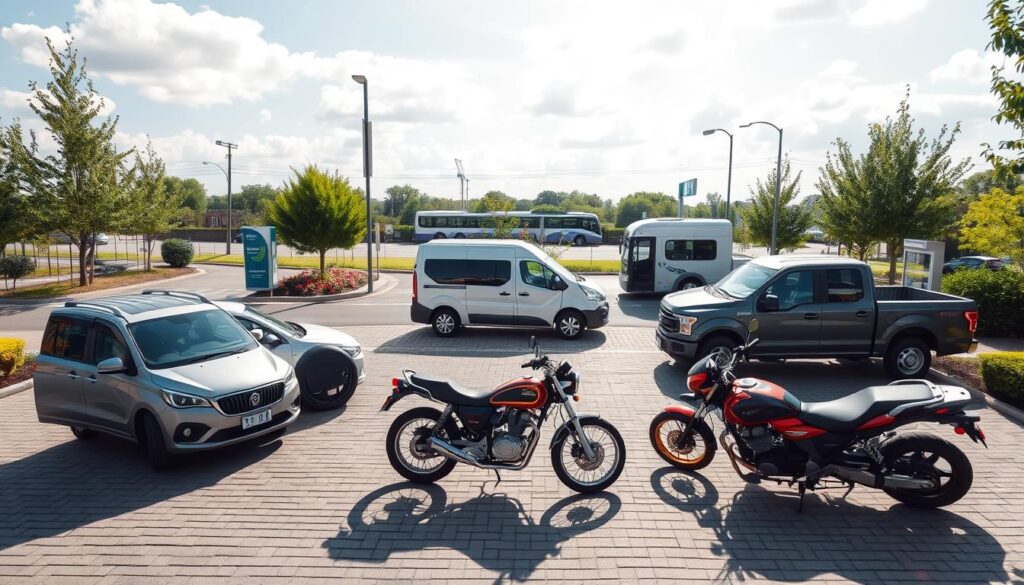
Different hauling methods suit different priorities—cost, speed, and level of finish protection. Below are the common choices for shipments across Canada with quick guidance to match the option to the asset.
Open auto carrier shipping across Canada
Most common and cost-effective. Auto carrier trailers normally hold 4–12 vehicles and load in about 90 minutes. Open moves are widely available and useful for standard models when minor dirt is acceptable.
Enclosed vehicle transport for high-value, classic, and exotic cars
Premium protection. Enclosed moves preserve finish and add security for vintage or high-end units. Expect higher pricing for this level of care and consider enclosed vehicle transport for the best handling.
“For irreplaceable finishes, choose covered handling and white glove procedures.”
Flatbed transport for short distances and special situations
Flatbed runs usually carry a single unit. They work well for tight access, non-running items, or when a single-vehicle solution is needed. Costs can be higher per unit but loading is straightforward.
Rail vehicle shipping between terminals for cost savings
Rail moves can carry up to 30 vehicles, often at lower rates. These runs are typically terminal-to-terminal and may take longer with more coordination at each terminal.
- Match value to protection: choose open for economy, enclosed for high-value, flatbed for special needs, rail for budget terminal routes.
Coverage across Canada and delivery methods
Coast-to-coast moves rely on coordinated route networks that balance load, timing, and regional hubs.
Coast-to-coast carrier networks
Cross-country shipping depends on linked schedules and regional terminals that consolidate capacity. These networks enable reliable delivery across Canada with fewer empty runs.
Door-to-door service vs terminal-to-terminal pickup
Door-to-door means pickup and drop-off as close as legally and safely possible. It adds convenience for owners and businesses who value time.
Terminal-to-terminal uses secure yards at hubs. It reduces fees by grouping loads, but requires drop-off and pickup at a yard.
Why major-city delivery lowers costs
Deliveries to big centres cost less. Routes are denser, carriers avoid detours, and trailers run fuller. Rural stops need special routing and can raise fees.
- Choose door service when speed and convenience matter most.
- Choose terminal service when budget and flexibility matter most.
- Companies must state street access limits in cities and meeting points in rural areas.
Always expect inspection and signed documentation at both ends to protect the asset and confirm condition.
Best cross-country carrier options outline practical next steps for booking delivery across country.
How to choose a car shipping company you can trust
Trust begins with documentation: verify coverage, confirm operations, then read recent reviews before booking.
Insurance, licensing, and liability:
Confirm coverage limits, named insured, and claim procedures. Ask for policy numbers, exclusions, and excess amounts.
Request proof of commercial licensing and USDOT/PMV registrations when applicable.
Carrier vs broker: what “we are not brokers” means
Direct carriers operate trucks and control scheduling, equipment, plus accountability. Brokers arrange lifts between third parties.
Choosing a carrier reduces handoffs. Able Auto Transport states, “We are not brokers”, and runs its own fleet with 25+ years of experience.
Experience signals that matter
Look for long tenures. MVS Canada cites 30 years of combined experience and memberships that back standards.
Experience indicates repeatable processes, trained staff, and stable equipment inventories.
Reading reviews for the facts
Focus on communication, tracking, condition on arrival, and timeliness.
“Strong communication” — Jesse Deboer; “helpful tracking” — Dana Blonski; “good condition with normal open-transport dust” — Yuli Siao.
Credibility indicators
- BBB membership
- Local Chamber of Commerce membership (Halifax cited)
- Clear inspection reports and documented pick-up/drop-off signatures
| Check | Why it matters | What to request |
|---|---|---|
| Insurance limits | Protects asset value | Policy number, limits, exclusions |
| Operational control | Fewer handoffs improve accountability | Fleet ownership statement; “not brokers” claim |
| Proven experience | Stable processes; fewer surprises | Years in operation; combined experience totals |
| Customer evidence | Shows service quality | Recent reviews noting communication, tracking, condition |
Final note: Treat trust as measurable. Confirm written inspections, secure documents, and a named claims contact before you commit to any auto transport or car transport booking.
Requesting a quote and booking your vehicle shipping
Requesting a precise quote starts the logistics process and sets realistic expectations for timing and cost.
Quote details to prepare
Provide exact route, origin and destination, model year, size class, and running condition. List preferred pickup windows so schedulers match capacity and truck access.
Pickup and delivery coordination
Carriers confirm yard access or door service and set a pickup window. For larger units, plan space for maneuvering and confirm any permits early.
What to expect from competitively priced, insured options
Competitive offers will include clear insurance limits, named insured, and claim contacts. Prices vary by method—open moves are lowest, enclosed and rail may cost more.
- Be precise: route, year/make/model, size, running status, preferred time.
- Non-running vehicles often need winch assistance or a flatbed; disclose this up front.
- Businesses should confirm yard hours, align internal contacts, and keep driver phone numbers ready.
Fast, no-obligation quotes are standard. For a reliable booking and support, contact info@bestcarshippinginc.com or call (307) 288-5972. See our recommended providers at best car shipping company.
Delivery time, tracking, and what happens during transit
Timely communication and accurate milestones are essential to reduce uncertainty during a vehicle shipment.
Typical delivery time depends on distance. Short regional moves often complete in about three days. Major cross-country runs, such as Toronto to Vancouver, can take up to ten days.
Visibility and tracking
MVS Canada-style, FedEx inspired online tracking gives real-time updates and milestone notices. Customers get status emails, SMS alerts, and point-of-contact details.
Seasonal and route realities
Winter weather, spring thaws, and summer construction can add time or require alternate routing. Carriers will notify customers of delays and propose adjusted windows.
Open shipping expectations and terminal logistics
Open moves may arrive with a bit of dust or road film; plan a wash if presentation matters.
When using rail or terminal-to-terminal service, expect check-in, ID verification, and set pickup hours at the yard.
Inspection at pickup and delivery
Documented inspections at both ends protect owner and carrier. Note dents, scratches, and fuel level, sign the condition report, and keep the paperwork for any claim.
For a reliable booking or regional details, see local service options like the Seattle delivery page or contact info@bestcarshippinginc.com.
Conclusion
Choose the right method by matching vehicle value and risk tolerance to open, enclosed, flatbed, or rail options. This keeps costs aligned with protection needs across country and ensures predictable timelines.
Strong, verify four trust checks before booking: insurance limits, proper licensing, a clear inspection process, and live tracking with timely updates. These elements protect the owner and simplify any claims.
Major-city routing or terminal-to-terminal pickup often lowers fees and shortens wait times. When flexibility is possible, use those options to improve delivery timing and price.
Next step: request a precise quote with route, preferred timing, and exact vehicle condition. For professional coordination, email info@bestcarshippinginc.com or call (307) 288-5972 for fast, reliable car shipping service across canada.