
Experiencing a sudden rise in temperature after routine service can be alarming. Vehicle owners expect improved performance when a service visit wraps up. A hotter-than-normal engine may point to a simple oversight or a hidden mechanical issue.
This guide helps readers identify common causes and safe next steps. Minor mistakes, like incorrect fluid levels or a disturbed cooling connection, can lead to rapid heat build-up. Early action prevents costly damage and preserves reliability.
BestCarShippingInc approaches this topic with clear, practical advice for U.S. drivers. The goal is to help drivers spot symptoms fast, understand likely causes, and decide whether to contact a technician or a transport service.
Key Takeaways
- Unexpected heat rise can follow routine service when systems are not checked.
- Inspect coolant level and hoses first to rule out simple fixes.
- A warm engine that stays hot risks permanent damage if ignored.
- Document service details and report any immediate post-service issues.
- Contact a qualified technician or transport provider if concerns persist.
Understanding Why Your Car Is Overheating After An Oil Change
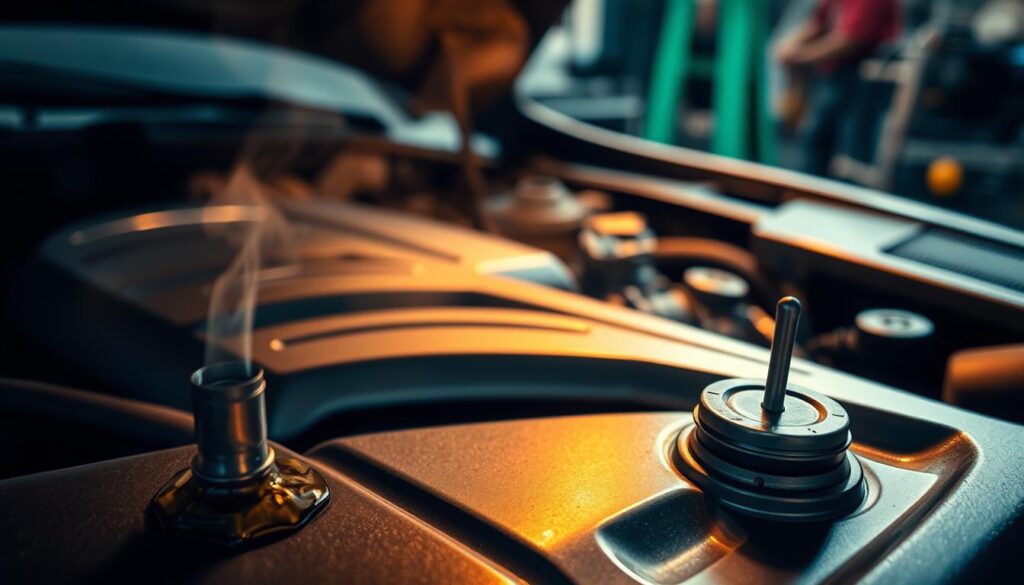
An unexpected spike in engine heat after routine service often stems from handling or system interactions rather than just fluids. The engine and cooling system work as a pair. If one link is disturbed, temperature rises fast.
Inspecting connections and fluid paths is the first practical step. Many vehicle issues trace to a loose hose, trapped air, or incorrect fluid level during service. These create thermal imbalance more than the oil itself.
- Start with visual checks: hoses, reservoir, and filter seating.
- Listen for unusual noises that suggest circulation problems.
- Document service steps and seek technician help if uncertainty remains.
| System | Common Fault | Quick Check |
|---|---|---|
| Cooling | Low coolant or loose hose | Inspect reservoir level and clamps |
| Engine | Wrong filter fit or trapped air | Verify filter seating and bleed pockets |
| Thermal control | Stuck thermostat or weak pump | Monitor temperature response and flow |
Common Reasons Car Overheating After An Oil Change Occurs
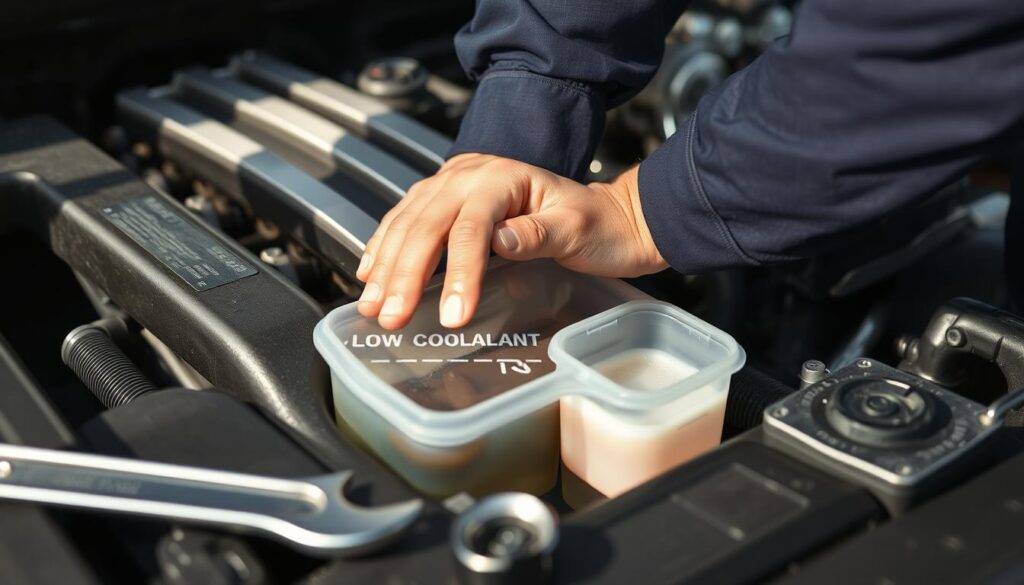
A recent service visit may unintentionally introduce factors that upset engine thermal balance. This section highlights the most common sources of post-service temperature rise and simple checks drivers can do.
Incorrect Oil Type
Using the wrong engine oil affects viscosity and heat transfer. If technicians install a grade that does not match manufacturer specs, the engine may run hotter and show early signs of engine overheating.
A Car Care Council study found nearly 22% of vehicles have low or dirty engine oil, which can lead to lead overheating during normal driving.
Look for increased engine noise or reduced fuel efficiency as signs that a previous oil change used incorrect specifications.
Improper Fluid Levels
Low coolant levels and other poor fluid checks are among the common reasons car overheating occurs. The cooling system needs proper fluid to move heat to the radiator and out to the road.
Insufficient engine oil or trapped air in the system can also cause the engine to work harder and lead to engine overheat. Neglected maintenance of the cooling system often precedes severe engine damage.
- Verify oil grade and level soon after service.
- Check coolant levels and reservoir for low coolant.
- Seek repair promptly to avoid costly engine damage.
The Role Of Oil Viscosity And Levels In Thermal Stability
Proper lubricant selection and correct fill levels keep engine heat in check during normal operation.
Viscosity affects flow, friction, and the engine’s ability to shed heat. Oil that is too thick slows circulation. Oil that is too thin reduces the protective film between parts. Both raise engine temperature and increase wear.
The cooling system depends on predictable heat transfer. Low engine oil levels force moving parts to work harder. That raises internal temperature and can lead to lead overheating in severe cases.
- Use the manufacturer recommended viscosity to limit friction and mechanical stress.
- Verify fill levels soon after a service visit to confirm proper volume.
- Keep coolant topped and monitor temperature during the first drive following a service.
| Factor | Effect On Thermal Stability | Quick Action |
|---|---|---|
| Viscosity | Controls flow and film strength; wrong grade raises heat | Confirm spec on filler cap or manual |
| Fill Levels | Low levels increase friction and load | Check dipstick and top to spec |
| Coolant Interaction | Imbalance amplifies internal heat transfer issues | Inspect reservoir and lines for proper fill |
Identifying Faulty Oil Filter Installation Issues
A poorly seated filter may seem minor but it can trigger leaks and serious engine damage.
Technicians and owners should watch for early signs of misalignment to prevent further issues.
“A small mistake during filter installation can lead to significant engine stress and potential overheating.”
Signs Of Filter Misalignment
Look for visible leaks around the filter housing. Even a small drip indicates a bad seal.
Listen for low oil pressure warnings or unusual engine noise. Those are strong signs that flow is restricted.
Check for excess oil on the underbody or a loose filter. Using the wrong model or not tightening correctly often causes these symptoms.
- Confirm the filter part number matches manufacturer specs.
- Hand-tighten to the recommended torque; avoid over-tightening.
- Inspect the gasket and seating surface before final installation.
| Symptom | Likely Cause | Quick Action |
|---|---|---|
| Visible leak at filter | Misaligned seal or damaged gasket | Shut down, retighten or replace gasket |
| Low oil pressure light | Restricted flow from defective filter | Replace filter with correct model |
| Engine noise or reduced performance | Insufficient lubrication or flow | Check oil level and filter seating, then test |
Inspecting immediately after a service protects the engine and preserves warranty coverage. If leaks or poor flow persist, contact a qualified technician or BestCarShippingInc for guidance.
Managing Coolant Levels And System Integrity
A brief post-service coolant check can prevent immediate system problems. A quick inspection ensures the cooling system maintains proper flow and pressure. This step is important for protecting the engine and radiator.
Checking The Reservoir
Inspect the reservoir with the engine cold. Verify the coolant level falls between the min and max marks.
Low coolant levels are an early sign of leaks or evaporation. Top to manufacturer specs when needed and record the fill amount.
Inspecting Hoses
Examine hoses and clamps for cracks, bulges, or wet spots. Replace any hose that looks brittle or weeps fluid.
Leaks at connections reduce system integrity and can cause rapid loss of coolant and loss of flow to the radiator.
Bleeding Air Pockets
Trapped air in the cooling circuit stops steady circulation. Follow the vehicle’s bleed procedure to purge pockets from the radiator and lines.
After bleeding, run the engine and recheck reservoir levels. Confirm there are no new leaks and that temperature response is stable.
- AAA notes that overheating is a leading cause of breakdowns linked to neglected cooling systems.
- Regular checks after service confirm coolant system integrity and reduce maintenance risk.
Recognizing Critical Warning Signs On Your Dashboard
Monitoring the dash provides immediate clues when the engine temperature moves beyond safe limits. Small changes in the gauge or a single warning light are meaningful signs. Treat them as instructions to act.
Automotive expert Sarah Lee emphasizes:
“Dashboard indicators are not mere suggestions; they are urgent calls to action.”
The temperature gauge gives real-time data. If the needle drifts into the red zone, stop the vehicle as soon as it is safe. Many modern models also show a thermometer-style light that signals trouble in the cooling system.
Ignoring dashboard warnings can cause permanent engine damage. Watch for sudden spikes in temperature during the first drive after service. Rapid changes are a critical sign that the system needs attention.
| Indicator | What It Means | Immediate Action |
|---|---|---|
| Temperature gauge in red | High engine temperature | Pull over, shut off engine, check coolant |
| Thermometer warning light | Cooling system fault | Stop driving and inspect hoses and reservoir |
| Sudden needle spike | Rapid temperature rise | Allow engine to cool, seek service |
Sensory Cues For Detecting Engine Overheating
Drivers often detect engine trouble first through sound and scent, not gauges. Paying attention to these cues helps spot issues early, before damage occurs.
“Noise and smell are the unsung heroes of early detection in car maintenance.”
A high-pitched squeal or a knocking tone can signal the engine is under stress from excess heat. Such noises often point to belts, bearings, or components struggling under added load.
A sweet, syrupy smell typically indicates a coolant leak. If drivers notice this scent, they should stop in a safe place and inspect the reservoir and visible hoses.
Sensory cues often precede dashboard warnings. Acting on them—pulling over, checking coolant, and seeking service—reduces risk of major engine damage.
- Listen for unusual squeals, knocks, or grinding sounds.
- Note any sweet or chemical odors near the front of the vehicle.
- If signs appear, stop safely, let the engine cool, and contact a technician or BestCarShippingInc for guidance.
When To Seek Professional Help For Persistent Issues
If the gauge still climbs on short drives, the vehicle likely needs a professional diagnostic to find the root cause.
Do not delay when symptoms persist despite basic checks. Persistent rises in engine temperature or repeated trips to top up coolant signal an internal failure.
Signs Of Thermostat Or Water Pump Failure
Watch for these clear signs:
- Frequent drops in coolant levels with visible leaks or wet hoses.
- Unusual engine noise or a rough idle that starts soon after a drive.
- Temperature swings or a steady high reading that does not stabilize.
“Ignoring these critical signs often leads to costly repairs down the line.”
Ron’s Auto & RV recommends a 25-point inspection that checks engine oil, coolant levels, and radiator health. If DIY checks fail, seek professional help promptly. A failing thermostat or a worn water pump can break circulation in the cooling system and cause severe engine damage on the road.
| Symptom | Possible Issue | Recommended Action |
|---|---|---|
| Coolant loss with drip | Leaky hose or pump seal | Inspect and repair leak, replace pump if needed |
| Temperature spikes | Stuck thermostat | Replace thermostat and test system |
| Grinding or whining near front | Failing water pump bearing | Replace water pump and check radiator |
For transport or service coordination, consider professional options like Texas transport services and contact a trusted shop to prevent further damage. Seek professional help when symptoms continue.
Conclusion
A short inspection after service can prevent small issues from becoming major repairs. Watch the dashboard for any warning light or sudden needle movement. Early attention lowers the risk of engine damage and costly repair.
Confirm coolant levels and check for low coolant or visible leaks. Verify oil and filter seating after an oil change and ensure the cooling system shows steady temperature response.
When signs of overheating persist, inspect the radiator and hoses and seek professional repair. For transport or service coordination, contact BestCarShippingInc at (307) 288-5972 or info@bestcarshippinginc.com for reliable guidance and support.