
Best Car Shipping Inc. explains how to respond when an engine shows signs of trouble on the open road. A sudden rise in temperature can leave a driver stranded and uncertain. Safety and swift action reduce the chance of long-term damage.
Steam escaping from beneath the hood is the clearest sign that the engine needs attention. Pull over safely and cut the ignition. Professional care is often required to protect the engine block and nearby components.
Routine maintenance over time is the most reliable defense against failure on long trips. Check coolant levels, hoses, and the cooling system before a journey. Monitoring dashboard gauges gives early warning and helps avoid emergency stops on the road.
Key Takeaways
- Steam from under the hood signals a critical thermal event; stop safely and assess.
- Regular service and coolant checks prevent many engine temperature problems.
- Highway use places steady strain on the cooling system; pre-trip checks matter.
- When in doubt, seek professional assistance to avoid engine block damage.
- Watch dashboard indicators to catch issues early and protect your vehicle.
Understanding Car Overheating While Driving Highway USA
Sustained high-speed travel increases engine load and can trigger temperature spikes that threaten reliability. Extended runs at speed force the cooling system to work harder to shed heat. This effect is more pronounced than in stop-and-go traffic, where bursts of airflow differ from steady stream conditions.
Many owners see no problems in town yet experience issues on long trips. That pattern points to an inefficiency in heat transfer, restricted airflow, or failing components that only reveal themselves under continuous load.
Monitoring the temperature gauge gives an early alert before damage occurs. Identifying the root cause—be it poor coolant flow, thermostat faults, or airflow obstruction—is essential to restore confidence for future highway travel.
- High-speed operation raises thermal energy in the engine.
- Consistent airflow is needed to maintain a safe temperature range.
- Early detection prevents costly repairs and downtime.
Primary Mechanical Causes of Engine Overheating
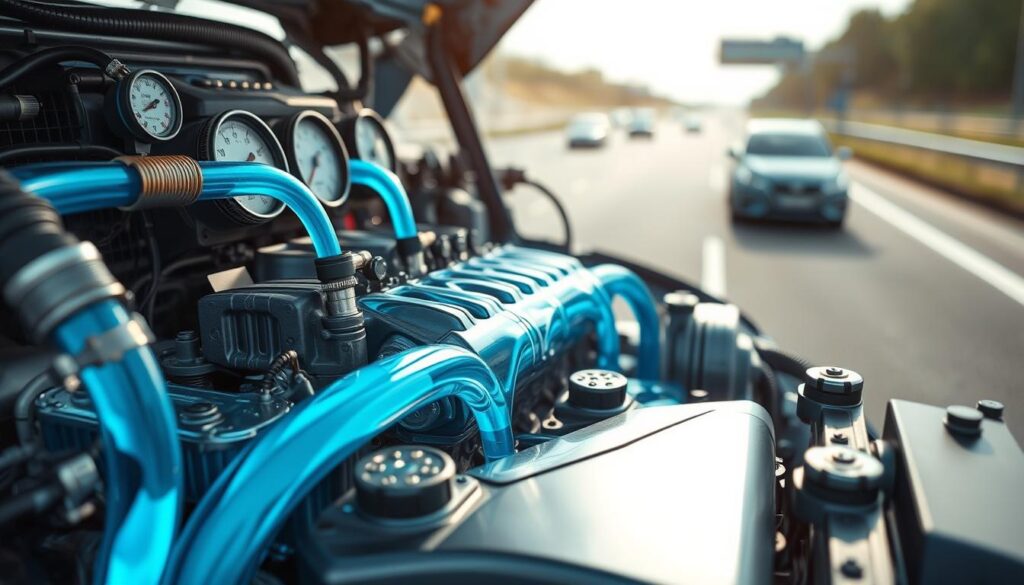
A single failed component in the coolant circuit can trigger rapid temperature rise. Identifying the root cause helps prevent serious engine damage and keeps transport commitments on schedule.
Coolant Circulation Failures
Water pump failure is a top reason for poor coolant flow. A worn pump or a damaged impeller reduces circulation and cuts cooling efficiency.
Warning signs include unusual noises and reduced heat exchange. Low coolant or a leaking hose can make the issue worse and lead to engine damage.
Thermostat Malfunctions
The thermostat regulates flow through the cooling system. If it sticks closed, coolant flow stops and heat rises sharply.
Replacing a faulty thermostat restores normal circulation and prevents rapid temperature spikes that harm the engine.
Radiator and Airflow Obstructions
A clogged radiator or blocked fins prevent the system from shedding heat. Corrosion or debris inside the radiator restricts coolant flow and lowers performance.
Regular maintenance of the radiator and hoses keeps the cooling system working and extends the service life of other components.
- Maintain the water pump and inspect for leaks.
- Replace the thermostat at the first sign of malfunction.
- Keep the radiator and airflow clear to protect the engine.
Recognizing Critical Symptoms on the Open Road
A temperature spike on the dash often precedes visible symptoms, giving drivers a critical early alert about engine trouble. The temperature gauge is the most reliable tool for spotting a problem before more obvious signs appear.
Pay attention to smells. A sweet odor indicates ethylene glycol in the coolant and often points to a leak. That scent paired with a high gauge reading is a classic sign of cooling system failure.
If you see steam from under the hood, the coolant may be boiling and the engine temperature is dangerously high. Unusual noises—especially knocking—can mean heat-related wear or imminent damage.
Low oil levels increase friction and raise temperature quickly. The vehicle may enter a limp mode and lose power as the engine protects itself. Always watch warning lights and the dashboard temperature gauge; if the needle moves into the red, pull over safely.
Early recognition of these signs reduces repair costs and keeps people safe on the road. Prompt action preserves vehicle value and limits engine damage.
Immediate Steps to Take When Your Engine Overheats
When the engine temperature climbs suddenly, every minute counts for preventing serious damage. Check the temperature gauge and move out of active traffic as soon as it is safe.
Managing Engine Load
Turn off the air conditioning to reduce load on the engine. Switch the heater to high; this pulls excess heat from the engine compartment and can help the engine cool faster.
Do not restart the engine until the gauge returns to a normal range. The water pump and the rest of the cooling system need time to stabilize before normal operation.
Safely Exiting Traffic
Pull over to a safe shoulder or parking area and shut the engine off. If you see steam, keep the hood closed; the pressure under the radiator cap can cause severe burns.
- Allow at least 15–30 minutes for the engine to cool before opening the hood.
- Add water or coolant only after the engine is cool.
- Carry a spare bottle of coolant or water to handle minor leaks on the road.
“If the gauge does not drop in 30 minutes, arrange professional repairs to avoid permanent engine damage.”
Regular maintenance of hoses, the radiator and the cooling system reduces the chance of this issue and limits roadside repairs.
Dangerous Mistakes to Avoid During an Overheating Event
A wrong move at the roadside can turn a simple coolant leak into catastrophic engine damage. Stay calm and follow safe steps to protect both the engine and passengers.
Do not open the hood immediately if you see steam. The radiator cap and nearby outlets remain pressurized. Opening the hood too soon risks scalding from hot coolant or steam.
Do not pour cold water onto hot components. Sudden temperature change can crack the radiator and other metal parts. Firestone Complete Auto Care technicians warn that thermal shock causes costly repairs.
Other common errors to avoid
- Continuing to operate the engine after clear signs of engine overheat. This can warp heads and damage the block.
- Slamming brakes or making sudden moves in traffic. Pull over smoothly to reduce stress on the cooling system and hoses.
- Ignoring signs such as a rising gauge or sweet coolant smell. Small issues rarely fix themselves and usually lead to larger repairs.
“The cooling system is fragile when hot; avoid actions that cause sudden temperature changes or physical damage.”
| Action | Risk | Safe Alternative |
|---|---|---|
| Open hood immediately | Scalding from pressurized radiator cap | Wait 15–30 minutes for cooling, then check |
| Pour cold water on a hot engine | Cracked radiator or warped parts | Allow proper cool-down before adding water or coolant |
| Keep driving with a hot engine | Cylinder head warp, engine block damage | Stop safely and arrange professional repairs |
When to Seek Professional Mechanical Assistance
If the temperature gauge keeps climbing after you let the engine cool, arrange professional repairs without delay.
A stitch in time saves nine. That proverb fits engine care perfectly. Prompt service reduces the risk of costly damage from a prolonged engine overheat.
Persistent coolant leaks or strange noises are clear signs that internal damage may exist. A mechanic can perform a diagnostic test and locate leaks, failed components, or a blown head gasket.
A failing thermostat often needs replacement to restore normal flow through the cooling system. Technicians can also check the water pump, radiator, and hoses for hidden faults.
If the gauge spikes in heavy traffic or the engine will not return to a safe temperature, do not delay. Professional inspection ensures underlying issues are repaired and prevents further damage.
“If the engine continues to overheat despite cooling efforts, seek a mechanic immediately.”
| Condition | Likely Cause | Recommended Action |
|---|---|---|
| Recurring high temperature | Thermostat or pump failure | Diagnostic test and component replacement |
| Sweet smell or visible puddles | Coolant leaks | Pressure test and hose or radiator repair |
| Persistent noise or loss of power | Internal engine damage or head gasket | Compression test and professional repair |
After repairs, schedule a follow-up check. A full cooling system inspection gives confidence and protects the engine over time. For transport needs or expert assistance, consider professional vehicle transport services at Best Car Shipping Inc.
Proactive Maintenance to Prevent Future Cooling Issues
Routine inspections catch worn hoses and weak pumps before they fail under sustained load. Small fixes now prevent major engine damage later. Regular oil changes reduce friction and help control heat in daily use and on long road trips.
Check coolant levels and confirm steady coolant flow through the radiator and the rest of the cooling system. Inspect the water pump and thermostat for leaks or poor operation. Replace worn belts and cracked hoses to avoid sudden pump failure.
Keep the radiator clean of debris so the system can shed heat effectively. Schedule routine coolant exchanges and pressure checks to find small leaks before they worsen.
- Follow a proactive maintenance schedule.
- Have a technician perform a complete vehicle inspection before long trips.
- Monitor engine temperature and address minor issues promptly.
“Preventive care saves time and money and protects vehicle reliability.”
For service planning or transport support, contact Best Car Shipping Inc. at (307) 288-5972 or info@bestcarshippinginc.com.
Conclusion
Quick, calm steps at the first sign of a temperature rise can prevent costly engine repairs. Pull over safely and switch the heater to high to help draw heat from the engine. Allow the unit to cool before adding fluid or inspecting components.
Regular service of the cooling system protects reliability. Maintain the radiator, inspect the water pump and replace worn hoses. These checks reduce the chance of a repeat incident and keep trips safe and predictable.
Pay close attention to the temperature gauge and warning lights as your first line of defense. For expert advice or tire needs, consult RNR Tire Express. If issues persist, seek professional mechanical assistance to protect the engine and ensure long-term reliability.