
Uneven braking is a serious safety risk that demands immediate attention. If your vehicle veers while you apply the brake, it signals unequal stopping force between the left and right wheels. This imbalance can reduce control and increase the chance of an incident.
Drivers should perform a visual inspection of tires, wheels, and brake components at the first sign of trouble. Check tire pressure and look for worn pads, leaking lines, or a stuck caliper. These steps reveal common causes of a vehicle pull and guide the next actions.
Do not ignore any tug or tilt during braking. The braking system is designed to split force evenly across both sides. Any deviation means the system needs a professional check.
For reliable diagnostics and fast service, contact Best Car Shipping Inc. at (307) 288-5972 or email info@bestcarshippinginc.com.
Key Takeaways
- Uneven stopping force between wheels creates a dangerous pull during braking.
- Quick visual inspection of tires and brakes helps spot common issues.
- Maintain correct tire pressure to reduce the risk of a vehicle veering.
- Professional inspection of the braking system is essential after any pull.
- Contact a trusted service provider for thorough diagnostics and repair.
Understanding Why Your Vehicle Pulls During Braking
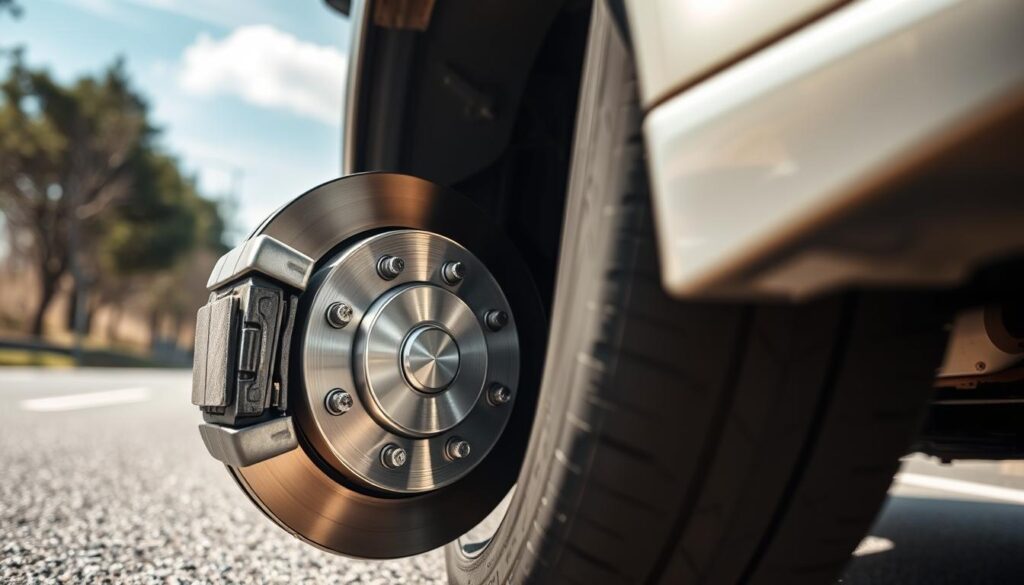
A steady drift during a stop usually means braking force isn’t balanced across the wheels.
Pressing the pedal should send equal pressure to all brakes. If one pad grabs first, the vehicle will veer toward that side. Uneven brake wear creates a left right imbalance that affects control.
Contaminated brake fluid lowers hydraulic pressure. That can cause delayed response, longer stopping distance, or partial lockup. These malfunctions often show as a sudden pull or tug during normal braking.
Improper tire pressure also plays a major role. Low pressure on a single tire acts like a weak wheel and draws the vehicle toward that side. Regular pressure checks prevent uneven tire wear and reduce the risk of a vehicle pull.
Quick checklist
- Check brake pad wear and rotor condition.
- Test brake fluid for contamination.
- Verify tire pressure and tread balance.
| Cause | Typical Sign | Immediate Action |
|---|---|---|
| Uneven brake wear | Veer during stop | Inspect pads and rotors |
| Contaminated fluid | Spongy pedal, longer stop | Flush and replace fluid |
| Incorrect tire pressure | Pull toward low tire | Adjust pressure, check tread |
If the issue persists, contact Best Car Shipping Inc. at (307) 288-5972 or info@bestcarshippinginc.com for professional diagnostics.
Common Brake System Culprits
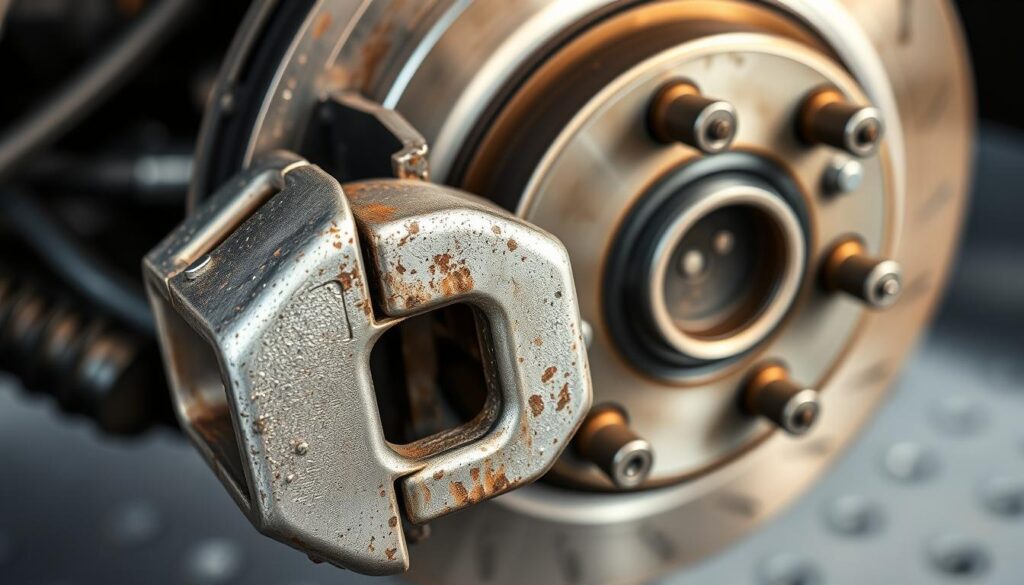
Mechanical faults in the brake assembly are frequent culprits when a vehicle drifts during a stop. A quick, focused inspection of system components often identifies the source.
A sticking caliper is the most common reason a car will pull one side. When a caliper seizes it holds the pad against the rotor and causes harsh, uneven force on that wheel.
Sticking Brake Calipers
Seized calipers cause excess pad contact and rapid uneven wear. This creates a persistent drag and a noticeable pull during braking.
Deteriorated Brake Hoses
Hoses can fail internally and act like a one-way valve. Trapped brake fluid lets pressure hold the brake on, making the vehicle pull toward the affected side.
Contaminated Brake Pads
Pads soaked with fluid or grease lose friction. Contamination leads to uneven pad wear and weaker stopping force on the contaminated wheel.
- Inspection of calipers, hoses, and pads pinpoints problems early.
- Technicians recommend replacing pads in pairs and using quality parts for any caliper or brake fluid repair.
For a professional inspection, contact Best Car Shipping Inc. at (307) 288-5972 or info@bestcarshippinginc.com.
Suspension and Steering Alignment Issues
Worn steering and loose suspension parts often show their flaws under heavy braking, when forces shift and alignment can change suddenly.
Worn linkage makes the steering respond slowly. Slack acts like a set of loose arms. That reduced control can cause the vehicle to pull during a stop.
Wheel alignment describes the angle of the wheels relative to the body. Incorrect alignment worsens handling and magnifies any brake imbalance.
- Worn linkage allows the wheel to move under braking force.
- Bad alignment requires toe, camber, and caster adjustment.
- Damaged control arms or ball joints can shift a wheel during weight transfer.
| Issue | Symptom | Recommended Action |
|---|---|---|
| Worn steering linkage | Delayed steering response, drift under brake | Inspect and replace worn rods or tie ends |
| Misaligned wheels | Uneven tire wear, pull under deceleration | Perform professional wheel alignment |
| Worn suspension components | Shift in wheel angle during braking | Replace control arms, ball joints, bushings |
David Sholicar notes that proper wheel alignment needs specialist equipment at a garage. For an expert inspection, call (307) 288-5972 or email info@bestcarshippinginc.com.
Tire Pressure and Condition Factors
Underinflated tires often create more rolling resistance on one side, and that imbalance shows up most during braking.
Low pressure on a single wheel increases drag. That makes the vehicle drift toward that side during a stop.
Check pressure against the placard on the driver’s door jamb. Proper pressure ensures even contact and steadier braking.
Identifying Tire Conicity
Tire conicity, or radial pull, occurs when a tire is slightly cone-shaped. Even with correct pressure, the wheel can cause a persistent pull one side.
Internal damage, like a separated belt, also creates uneven forces and erratic behavior under brake application.
“Regular pressure checks and visual tire inspection catch most issues before they affect safety.”
- Inspect for uneven wear; it may point to alignment or suspension problems.
- Have wheels evaluated if new tires show conicity.
- Contact Best Car Shipping Inc. at (307) 288-5972 or info@bestcarshippinginc.com for professional assessment.
How to Perform a Car Pulls to One Side When Braking Fix
Start by noting exactly when the pull happens: during light stops, hard stops, or at low speed. This helps isolate whether the issue stems from tires, brakes, or suspension.
Begin with simple checks. Use a quality gauge to verify all tire pressure match the placard. Inspect tread for uneven wear that could signal alignment or suspension problems.
Next, schedule a professional inspection for the braking system. A technician will raise the vehicle to test caliper pins and brake hoses and look for seized components or contaminated brake fluid.
Practical steps:
- Observe and record when the pull occurs and under what conditions.
- Check tire pressure and tread with a reliable gauge.
- Have a mechanic inspect brake caliper, brake fluid, and pads for uneven wear.
- Request a full steering and wheel alignment check if wear or handling issues appear.
Repairs such as steering linkage replacement or freeing a seized caliper require trained technicians and special tools.
Need help? Call Best Car Shipping Inc. at (307) 288-5972 or email info@bestcarshippinginc.com for professional diagnostics and repair.
When to Seek Professional Mechanical Assistance
If routine checks don’t reveal the cause, a trained technician should perform a full vehicle inspection. A garage technician will test steering, suspension, and wheel movement under load.
Experts look for worn linkage, uneven tire wear, and failing brake caliper seals. They will also check brake fluid and pads for contamination or uneven wear that alters stopping force.
Use available free checks. Protyre and similar networks offer complimentary steering and suspension checks. These services help identify subtle problems before they become hazardous on the road.
“A professional inspection is the only reliable way to diagnose a sticking brake caliper or a collapsed hose.”
- Have a certified technician evaluate alignment and brake calipers if the vehicle is pulling one side.
- Replace worn components like linkage or pads only after a full inspection.
- Contact Best Car Shipping Inc. at (307) 288-5972 or info@bestcarshippinginc.com for expert diagnostics and service.
Conclusion
A sudden drift under braking is a safety issue that demands prompt professional attention. Addressing it quickly restores predictable stopping and protects vehicle occupants.
Common causes include sticking brake calipers, deteriorated brake hoses, and uneven tire pressure or poor wheel alignment. Proactive maintenance — regular pressure checks and timely alignment — reduces risk.
Do not ignore warning signs. Small symptoms will worsen over time and may lead to costly repairs or loss of control.
For a comprehensive inspection, call (307) 288-5972 or email info@bestcarshippinginc.com. Learn about our transport and service options at route-specific transport.