
RoadRunner and industry data back a practical, customer-first service for owners and fleets. With over 30 years of experience and a nationwide network of 25,000+ carriers, the team offers door-to-door pickup to residences and businesses.
The process is clear. Customers get coordinated pickup, routine updates, and steps to protect each vehicle from collection to delivery. Typical rates range from about $500 to $1,500, and many routes deliver within 1–7 days depending on distance.
Decision points on this page include open vs. enclosed options, timing, insurance, preparation, and local post-delivery rules. For a prompt estimate and to speak with a coordinator, request a quote or contact info@bestcarshippinginc.com or call (307) 288-5972. Learn more about louisiana car shipping at louisiana car shipping.
Key Takeaways
- Professional, door-to-door service backed by 30+ years of experience.
- Large carrier network offers flexible routing for local and cross-country moves.
- Estimated costs commonly fall between $500 and $1,500; final rates depend on distance and vehicle details.
- Clear coordination, protection steps, and transparent updates included with each order.
- Contact for a fast quote: info@bestcarshippinginc.com or (307) 288-5972.
Trusted Local Auto Transport Services in Chataignier, LA
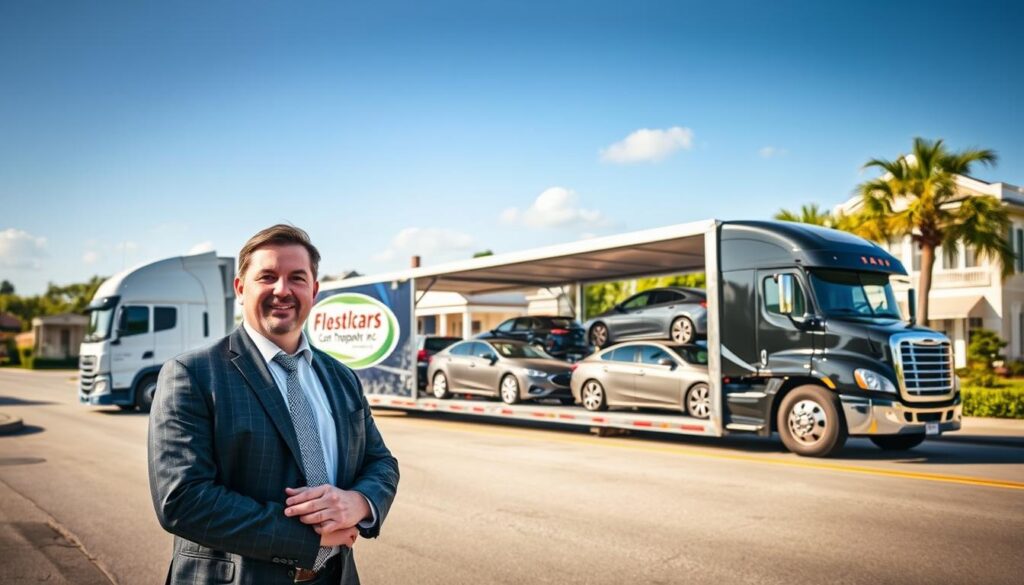
Licensed regional carriers handle residential and business pickups with predictable windows. Local service is provided by vetted carriers that run both regional and national routes. This avoids vague “terminal-only” methods and brings pickup and delivery closer to the customer’s address.
Door-to-door pickup and delivery to residential or business locations
Drivers aim to get as close as legally and safely possible to the pickup or delivery address. When large rigs cannot reach a driveway, teams arrange nearby lots or coordinated handoffs.
Nationwide carrier network capacity and routing flexibility
Network capacity means the service can reroute shipments for timing needs, rural access, or business schedules. With thousands of carriers, planners adjust routes to meet narrow windows and special handling requests.
What “reliable” means for your shipment: communication, tracking, and on-time coordination
Reliable equals measurable performance: consistent updates, clear pickup windows, driver confirmation, and signed documentation at pickup and delivery.
“24/7 online tracking and proactive coordination keep customers informed from quote to delivery.”
- Real-time tracking and in-transit messages for full visibility.
- Dedicated dispatch team manages exceptions and schedule changes.
- Professional handling that treats each vehicle as a valuable asset.
For a prompt estimate or questions, contact the team at info@bestcarshippinginc.com or call (307) 288-5972.
Car Shipping & Auto Transport in Chataignier, Louisiana
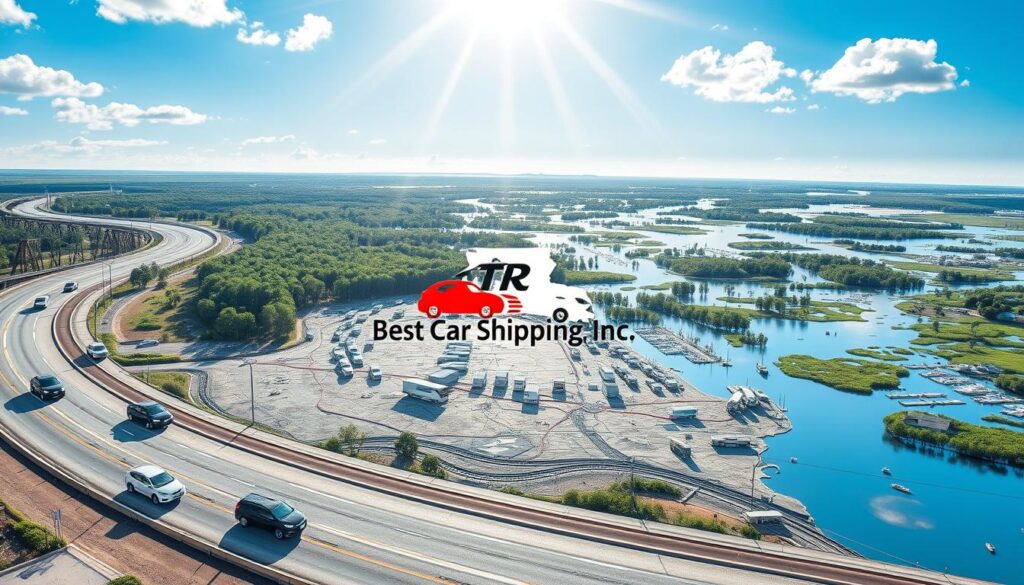
Lane direction and carrier flow shape how a vehicle moves to or from small towns along major highways.
Shipping to a rural location often means fewer carriers are scheduled for that inbound lane. That can raise lead times or rates when demand is low. Shipping from a rural pickup may be easier if carriers have backhaul demand toward major hubs.
Why active corridors matter
The state’s major corridors — I-10, I-20, and I-49 — keep lanes busy year-round. That network gives planners consistent options across nearby cities and long-distance markets.
Still, weather and special events can shift timing. Customers should expect occasional delays despite steady route capacity.
- Share origin, destination, readiness date, vehicle details, and preferred timeframe when you request a quote.
- Common reasons for moves: relocations, online vehicle purchases, and fleet transfers from and to rural communities.
- For tight residential access, a short meet-up at a safe staging area often speeds pickup and reduces cost.
| Scenario | Carrier Availability | Typical Impact | Planner Tip |
|---|---|---|---|
| Shipping to a rural location | Lower frequency | Longer wait times, possible premium | Provide flexible dates and nearby lot options |
| Shipping from a rural location | Depends on backhaul demand | Can be faster if carriers head toward hubs | Confirm major corridor access (I-10/I-20/I-49) |
| Route through major corridor | High frequency | Stable schedules, competitive rates | Use corridor cities for staging when needed |
For a clear estimate and to discuss route options, request a quote or read more about best car shipping practices. Contact support at info@bestcarshippinginc.com or (307) 288-5972.
Auto Transport Options for Every Vehicle and Budget
Choosing the right hauling option starts with balancing cost, timing, and how much protection a vehicle needs. The goal is a solution that fits personal moves or business requirements without surprises.
Open carriers for value and availability
Open carriers are the standard choice for most owners. They offer broad availability and lower rates on regional and national lanes.
Enclosed trailers for high-value vehicles
Enclosed transport provides extra protection from weather and road debris. This premium option suits luxury, classic, or collector vehicles.
Expedited service when timing is critical
Expedited moves guarantee tighter pickup windows and faster dispatch. Expect higher fees for prioritization and dedicated routing.
Door-to-door vs. nearby lot meetings
Door-to-door delivery is standard when truck access allows. Narrow roads or low branches may require a nearby lot for safe loading.
| Option | Best for | Typical benefit | Planner tip |
|---|---|---|---|
| Open carrier | Everyday moves, fleet transfers | Lowest cost, high availability | Use flexible dates to save |
| Enclosed trailer | Luxury or classic vehicles | Superior protection and security | Book early for limited space |
| Expedited service | Tight timelines, urgent deliveries | Faster pickup and dispatch | Expect premium pricing |
The right choice balances budget, schedule, and required protection. For tailored advice or a fast quote, see our reliable vehicle transport in Houston page or contact the team.
How Pricing Works for Louisiana Car Shipping
Pricing depends on a few clear, tracked factors that shape quotes and final bills.
Core cost factors
Distance is the primary driver. Longer runs use more fuel and time, so rates rise with mileage.
Vehicle size and type matter next. Larger models need more space and can add handling charges.
Open versus enclosed options change the price. Enclosed service costs more for added protection.
Location and accessibility
Rural pickup or tight driveways raise logistics work. Limited access can increase the cost ship because carriers need alternate staging.
Seasonality and fuel
Summer demand and hurricane season can push rates higher and tighten windows. Book early for June–November to avoid premiums.
Fuel prices fluctuate weekly. Market swings affect quotes and can change a rate between booking and dispatch.
Speed and cost-control tips
- Faster delivery means priority routing and higher fees.
- Save money with flexible dates or meet at corridor hubs like I-10 or I-20.
- Choose open transport when appropriate to reduce expense.
Transparency: expect a quote tied to specific details — distance, vehicle, location, and requested speed — not a vague ballpark number.
Estimated Transit Time and Pickup Windows for Chataignier Routes
Pickup windows and transit estimates vary widely based on lane demand and seasonal patterns. Customers benefit from clear timing expectations to plan travel, work, and receiving arrangements.
Typical scheduling and what affects carrier availability
Realistic pickup windows commonly range from 1–3 days after booking in nearby markets. Availability depends on lane demand, season, and proximity to major highways.
Mileage-based transit planning
Use the 500-miles-per-day guideline as a rule of thumb: 1,000 miles ≈ 2–3 days of transit. Real-world factors—traffic, stops, and routing—can extend the estimate.
Weather, regional events, and booking tips
Storms and hurricane season can disrupt schedules and lengthen delivery times. Book earlier during peak months to reduce risk.
Plan with flexibility: allow extra days, confirm pickup day updates, and expect coordinated delivery notifications as the shipment moves along its route. For a local quote and timing details, request service at service and scheduling.
Our Car Shipping Process from Quote to Delivery
Clear milestones mark every shipment so customers always know what to expect and when. The process follows a simple flow: get a fast quote, schedule pickup, track the load, and complete a final inspection at delivery.
Get a fast, no-obligation quote with shipment details
Request a quote with origin and destination, vehicle year/make/model, operable status, earliest pickup date, and preferred transport type. These details let planners produce an accurate rate and timeline.
Vehicle pickup day: inspection, loading, and documentation
On pickup, the assigned driver completes an inspection and records pre-existing condition notes. An adult must be present to sign the Bill of Lading.
Loading follows safe procedures and secure fastenings. All documentation protects the customer and the carrier.
In-transit updates with online tracking availability
Customers get 24/7 online tracking and proactive status messages. This reduces calls and gives clear visibility during the shipment.
Delivery day: final inspection and condition confirmation
Delivery is scheduled and confirmed before arrival. The final inspection compares condition notes against the pickup report.
Documentation creates accountability and sets standards for care.
Start the process: request a quote via info@bestcarshippinginc.com or call (307) 288-5972.
Routes, Highways, and Service Coverage Around Chataignier
Major interstate corridors shape routing options and help carriers move vehicles more predictably across the state. I-10, I-20, and I-49 form the backbone of efficient routing and steady capacity for local and long-haul lanes.
How major highways support efficient routing
Interstate flow creates predictable pickup and delivery windows. High-traffic corridors let carrier networks bundle multiple stops.
This reduces empty miles and stabilizes pricing for scheduled lanes.
Connecting regional cities and cross-country lanes
Planners route loads through major cities to link local moves with nationwide runs. This network approach speeds handoffs and keeps timelines reliable.
Remote-area deliveries and alternate meeting points
When driveway access is limited, carriers arrange highway-adjacent lots for safe loading. Identifying a nearby lot and confirming timing reduces delays.
For multi-vehicle or business moves: staging locations streamline pickup and delivery and let carriers sequence loads efficiently.
- Use major corridors to lower wait times and costs.
- Provide exact pickup location details and flexible lot options.
- Expect statewide and nationwide coverage with routing flexibility to meet personal and commercial timelines.
Insurance and Coverage Options During Vehicle Transport
Understanding coverage options protects value and reduces risk for every shipment. Customers should review what standard liability covers before pickup. RoadRunner notes that basic carrier liability applies during transit, but limits vary by carrier.
Standard carrier liability during transit
Standard liability generally covers damage caused by the carrier while the vehicle moves. Limits may exclude certain events and often do not equal full retail value.
Review policy limits and exceptions on the Bill of Lading before the driver departs. That step prevents surprises when a claim is needed.
Comprehensive options for enhanced protection
Comprehensive coverage adds a higher indemnity level for higher-value vehicles or cautious owners. This optional plan reduces out-of-pocket risk for severe damage.
Ask about add-on policies when you request a quote or confirm booking. Many carriers and brokers can arrange enhanced coverage at competitive rates.
Best practices to document condition
Document the vehicle with date-stamped photos: wide shots, close-ups of existing dings, and odometer images.
Confirm all notes on the Bill of Lading/condition report at pickup. That signed record is central to any claim and verifies pre-existing damage.
| Topic | What to do | Why it matters |
|---|---|---|
| Pre-pickup photos | Take dated, clear images from multiple angles | Supports claims and proves prior condition |
| Bill of Lading | Review and sign condition notes at pickup and delivery | Primary legal document for loss or damage disputes |
| Optional coverage | Ask for comprehensive policy if value is high | Reduces financial exposure for the customer |
Claims prevention starts with clear documentation, accurate condition notes, and prompt reporting if damage occurs. Sherpa and RoadRunner both recommend these steps for smoother resolutions.
For added confidence: request coverage details when you get a quote or visit our car shipping page for more information. Contact support at info@bestcarshippinginc.com or call (307) 288-5972.
Preparing Your Vehicle for Safe Shipping
Simple prep steps make loading safer and speed up the pickup process. Proper readiness reduces hold-ups and protects value during the move.
Clean, inspect, and photograph before pickup
Wash the vehicle and do a visual inspection in good light. Take clear photos from multiple angles, plus odometer shots. These images form the baseline for condition notes.
Personal items policy and weight limits
Keep belongings minimal. Many carriers allow items under a common 100-pound limit stored below the window line (trunk or rear seat). Personal items are usually not covered by carrier insurance. Secure loose items to prevent movement during transit.
Mechanical readiness: fluids, tires, battery, and alarms
Ensure recommended tire pressure, no major fluid leaks, and a charged battery. Disable alarms and remove toll tags that could trigger during loading. For non-running vehicles, disclose status at booking so the right equipment and crew are scheduled.
- Wash and photograph to document pre-existing condition.
- Keep personal items light, secured, and below windows.
- Check tires, fluids, battery, and disable alarms.
- Report non-operable status ahead of pickup to avoid delays.
Prepared vehicles help the driver work safely and keep the service on schedule. For a detailed pre-pickup checklist or to arrange service, request a quote at car shipping services or contact info@bestcarshippinginc.com and (307) 288-5972.
Louisiana Regulations to Know After Transport
Settling a vehicle at a new address triggers a short list of legal steps that owners should complete right away.
After-delivery checklist: confirm residency timelines, gather the Bill of Lading, proof of insurance, and the vehicle title or registration documents.
New-resident registration and OMV steps
New residents must register a vehicle within 30 days of moving. They also have 90 days to obtain a state driver’s license.
Plan a visit to the OMV early and bring ID, proof of address, and the vehicle documents to avoid rework.
Insurance minimums and required documentation
State minimum liability is 15/30/25. Keep proof of coverage ready at delivery to show compliance and avoid citation.
Carry a printed or digital policy card and confirm the insurer lists the new location if required.
Local compliance that affects driving right away
Window tint must allow at least 40% light transmission on front side glass. Some parishes require emissions testing.
Toll rules vary. Sign up for GeauxPass where applicable to prevent fines and billing issues.
| Requirement | Timeline | Why it matters |
|---|---|---|
| Vehicle registration | 30 days | Avoid fines and vehicle holds at the OMV |
| Driver’s license | 90 days | Legal driving and insurance compliance |
| Minimum insurance | Immediate | Proof required at delivery and for registration |
| Emissions / tint / tolls | Varies by parish | Can restrict legal use of roadways until resolved |
Practical tip: keep all documents organized and accessible on delivery. Doing the OMV and coverage checks within days reduces risk and speeds legal use of the vehicle.
For service details or help with paperwork, contact info@bestcarshippinginc.com or call (307) 288-5972.
Conclusion
The closing point is simple: reliable coordination and clear updates reduce risk and stress for every shipment.
This page’s promise is straightforward: professional vehicle handling, predictable communication, and documented inspections at pickup and delivery. Key choices—options, pricing drivers, transit expectations, and prep steps—help buyers make smart decisions.
Routing and carrier selection are managed with a business-first focus on schedule control, risk management, and signed condition notes. Expect mileage-driven transit times; many routes arrive in 1–7 days, though weather or peak season can add time.
Request a precise quote to lock pricing for your dates and route. For details or to schedule pickup and delivery, email info@bestcarshippinginc.com or call (307) 288-5972. Learn more about regional moves at Arkansas car shipping.