
Best Car Shipping Inc. serves as a dedicated service hub for vehicle owners who need dependable handling and timely delivery. The team coordinates pickups, assigns qualified carriers, and manages each shipment end-to-end with clear updates.
The company emphasizes safety, timing, and communication. Customers can request a quote fast, compare options, and book with confidence. Pricing and timelines vary by distance, route, and season, but staff work to keep the process predictable.
Open and enclosed options are available to match budgets and protection needs. Each move includes documented condition checks and regular delivery updates until the vehicle reaches its destination.
For immediate help, call (307) 288-5972 or email info@bestcarshippinginc.com. Expect professional support and clear next steps when you reach out.
Key Takeaways
- Dependable handling: end-to-end coordination and qualified carriers.
- Clear pricing: quotes available quickly with variable timelines explained.
- Protection choices: open or enclosed options to suit budget and safety.
- Transparent updates: documented checks and delivery notifications.
- Immediate support: call (307) 288-5972 or email info@bestcarshippinginc.com.
Auto Transport Service in Cut Off, LA Built for Fast Quotes and Reliable Delivery
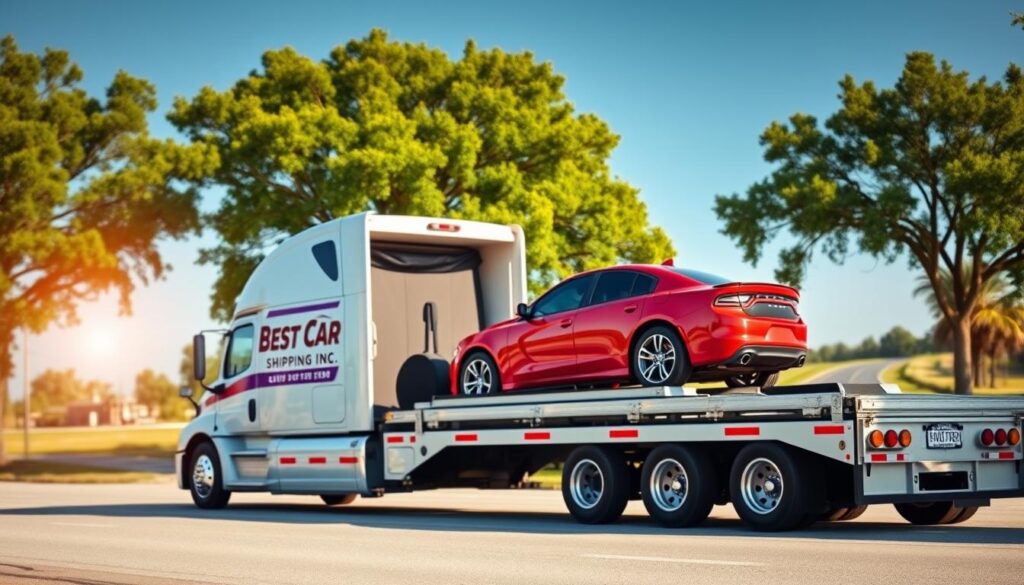
Clients in Cut Off rely on fast quotes and dependable delivery for every vehicle move. The service focuses on clear timelines, simple pricing, and active updates.
Who this service helps
Households moving regionally get door-to-door coordination. Buyers who purchase online can request a pickup and have the team handle delivery. Seasonal relocations and fleet managers benefit from repeatable scheduling and multi-vehicle coordination.
What carrier network coverage means
Network coverage means the provider can source a compliant carrier for Cut Off or nearby meeting points. Statewide availability helps match route demand across Louisiana and often yields 1–7 day delivery windows.
| Service Type | Typical Price | Delivery Window |
|---|---|---|
| Local moves | $500–$900 | 1–3 days |
| Regional routes | $700–$1,100 | 2–5 days |
| Long-distance | $1,000–$1,500 | 4–7 days |
Vetted carriers, realistic pickup windows, and proactive messages set the reliability standard. Businesses get documentation that supports approvals and internal logistics.
Request a fast quote and discuss timing with a live support team or explore our car shipping services. Call (307) 288-5972 or email info@bestcarshippinginc.com.
Car Shipping & Auto Transport in Cut Off, Louisiana
Door-to-door service brings scheduled pickup and delivery to homes, workplaces, or agreed public points when carrier access is suitable.
Door-to-door convenience for residential and business locations
Pickup and delivery are scheduled at the address you choose, whether a residence or a business lot. Teams confirm site access and note restrictions like gated entry or narrow lanes.
Shipping within the state vs. out-of-state across the U.S.
Shorter routes typically move faster with more frequent carrier availability. Cross-country moves need longer planning and longer transit time. Pricing and scheduling reflect these differences.
What to expect from scheduling to delivery communication
Customers receive scheduling updates, an assigned driver contact, and status messages during transport. Pickup and delivery are usually provided as windows, not exact minutes, due to traffic and hours-of-service rules.
- Pre-transport inspection documents vehicle condition at pickup.
- Drivers complete delivery inspection before sign-off.
- Business clients get consistent process controls and clear paperwork for approvals.
- Share constraints early (gates, business hours) to improve timing and avoid delays.
Request a quote or learn more about Louisiana options at Louisiana car shipping. For direct assistance call (307) 288-5972 or email info@bestcarshippinginc.com.
Estimated Car Shipping Cost From Louisiana and What Impacts Pricing
Expect a clear baseline for costs, with many shipments falling roughly between $500 and $1,500. This price range gives a starting point for budgeting and next-step planning.
Typical range and the primary driver
Distance is the main factor that affects price. Neighboring-state moves tend to cost less than long cross-country routes. Longer mileage raises fuel, driver hours, and handling fees, so rates increase with distance.
Highways, demand, and seasonality
Major corridors like I-10 and I-20 boost carrier traffic and often lower rates. Peak windows—summer, snowbird shifts, and holiday spikes—raise demand and can push pricing higher. Booking flexible dates can secure better offers.
Vehicle size and market conditions
Larger vehicles such as SUVs and trucks use more trailer space and often cost more than sedans. Quotes also vary based on carrier capacity, fuel costs, and lane demand. Always confirm written estimates before booking.
- Baseline: expect about $500–$1,500 for many routes.
- Driver: distance and route density set most rates.
- Tip: flexible pickup windows reduce price pressure.
For firm pricing and a written quote, contact the support team at (307) 288-5972 or email info@bestcarshippinginc.com.
How Long Does Auto Transport Take To or From Cut Off?
Most shipments to and from Cut Off complete within a one-week window under normal conditions. Typical lanes often show delivery of 1–7 days after pickup.
Common delivery windows
Days: Many state routes deliver in about 1–7 days. That range covers nearby and regional moves.
When distance extends transit
Longer mileage raises transit time. Carriers commonly average roughly 500 miles per day under normal driving and stops. More stops or dense routes add time.
Weather, holidays, and planning
Weather along the coast can pause or reroute carriers. Tropical storms and hurricane season make delays likely. Major holiday travel also slows pickup and delivery.
“Clear timelines and frequent updates reduce uncertainty for customers,” says the operations team.
- Understand pickup window vs transit time when booking flights or moves.
- Book early for firm timing; choose flexible windows to save on price.
- The team provides regular updates throughout the shipment.
| Scenario | Typical Days | Notes |
|---|---|---|
| Local / Regional | 1–7 | Most common lanes; quick carrier availability |
| Long-distance | 7+ | Depends on mileage, stops, and route density |
| Weather-impacted | Varies | Delays during storms or hurricane season |
Questions? Call (307) 288-5972 or email info@bestcarshippinginc.com for timing specifics and updates.
Open Transport vs. Enclosed Transport for Shipping Your Vehicle
Choosing the right carrier option affects cost, timing, and the level of protection for your vehicle.
Open carrier for everyday vehicles and value
Open carriers are the standard on most lanes. They offer wide availability and lower rates. Sherpa and RoadRunner note this is the budget-friendly choice for routine moves.
Enclosed option for high-value and weather-sensitive models
Enclosed transport adds a layer of defense against weather and road debris. This option is common for luxury, classic, or exotic vehicles and for buyers who want maximum protection during shipping.
How to choose based on condition and exposure
Decide by value and current condition. New purchases, collector cars, and rare models often justify enclosed transport service.
“Enclosed trailers reduce exposure; open carriers remain reliable for everyday moves.”
- Protection: enclosed trailers block salt spray and debris.
- Trade-off: enclosed costs more and may need extra lead time.
- Practical tip: disclose low-clearance issues, aftermarket kits, or oversized dimensions so the carrier can match equipment.
| Option | Best for | Typical note |
|---|---|---|
| Open carrier | Standard cars, tight budgets | Widespread availability; lower cost |
| Enclosed transport | Luxury, classic, high-value | Higher cost; superior protection from weather and debris |
| Decision factors | Value, condition, exposure risk | Choose based on how much protection is worth to you |
Questions about which option fits your needs? Contact support at (307) 288-5972 or email info@bestcarshippinginc.com for a clear recommendation.
Expedited Auto Transport Options When Timing Matters
When deadlines are tight, expedited service shortens wait times with priority routing and quicker carrier assignment.
What expedited service means: priority scheduling designed to reduce wait for pickup and shorten overall delivery time when feasible. RoadRunner notes this often uses more direct routing to cut days from transit.
When it’s worth the added pricing: strict move-in dates, job start requirements, dealership deadlines, or time-sensitive fleet deployment. Sherpa emphasizes that an accurate quote and clear planning are the first steps to align pricing and timelines.
How expedited offers differ
- Immediate carrier assignment and faster pickup emphasis.
- Fewer scheduling options, but higher priority for delivery windows.
- Quotes reflect urgency, lane demand, and current carrier availability.
Safety remains essential: expedited runs still follow DOT hours-of-service and routing constraints. Drivers and planners must balance speed with compliance.
“Accurate quoting and small flexibility on pickup windows improve outcomes and reduce service breakdowns.”
Practical tip: provide a realistic pickup window even when expediting. Small flexibility can materially improve availability and final delivery time.
Ready to confirm expedited feasibility? Call (307) 288-5972 to get a tailored quote and discuss driver assignment for your specific route.
Pickup and Delivery Logistics in and Around Cut Off, Louisiana
Access limits and neighborhood layout often dictate whether a door service is practical or a nearby meeting point is safer.
How large truck access affects service
Large carrier trucks need room for turns and safe loading. Narrow streets, low branches, tight cul-de-sacs, or soft shoulders make staging risky.
Legal parking and driver safety are essential. When a truck cannot safely stop, the team proposes a nearby location that meets DOT and local rules.
Convenient alternative meeting points
Common alternatives include wider residential avenues, shopping center lots, or highway-access points. These spots speed pickup and reduce complexity.
Using a hub near major corridors can boost carrier competition and often lowers rates. See options and more on nearby pickup locations.
Flexible windows, better pricing
Broader pickup windows let carriers optimize route planning. That flexibility improves availability and can reduce pricing pressure.
- Disclose access limits at booking so planners match the right truck.
- The team will coordinate the safest way to complete pickup and delivery without compromising vehicle safety.
Questions about your location or restrictions? Call (307) 288-5972 or email info@bestcarshippinginc.com for site guidance and the best way to proceed.
Popular Louisiana Shipping Routes and Real-World Expectations
Real-world lane data shows how distance, demand, and timing shape final cost and transit days. These benchmarks give a practical starting point for budgeting and scheduling.
Cross-country example: Louisiana → California
Benchmark: roughly $1,175–$1,475 for ~1,893 miles.
Transit: expect about 2–6 days under normal conditions. Longer pickup windows or peak-season demand can extend this range.
Regional example: Louisiana → Texas
Benchmark: roughly $600–$800 for ~347 miles.
Transit: most moves complete in 0–2 days. Short distance and frequent carrier lanes speed delivery and often lower price.
Mid-range example: Louisiana → Virginia
Benchmark: roughly $1,025–$1,225 for ~1,050 miles.
Transit: expect about 1–4 days depending on routing and stops. Distance and route density drive the final cost and schedule.
Real-world note: pickup windows, carrier availability, and seasonal demand can shift these numbers. Use these examples as planning ranges, not guaranteed totals.
For a route-specific quote that reflects your exact pickup, delivery, vehicle details, and timing, request an estimate via our route quote page or call (307) 288-5972. The process is standardized from start to finish regardless of route length.
How the Car Shipping Process Works From Start to Finish
A single coordinated process keeps every shipment organized from first contact to final delivery. The team handles scheduling, carrier selection, and customer updates with clear steps.
Requesting a quote
Provide vehicle details, exact locations, and requested timing to get an accurate quote. Accurate info leads to realistic rates and fewer changes later.
Carrier assignment & pickup scheduling
Once a carrier is secured, planners confirm an estimated pickup window based on route sequencing. Estimated windows are ranges, not exact minutes, and help drivers plan stops safely.
Pickup inspection & Bill of Lading
The driver records the vehicle condition on the Bill of Lading at handoff. This document is the official record for condition comparisons at delivery.
In-transit updates
The support team and driver share status updates during transit. Customers get timely messages to reduce uncertainty while the shipment moves.
Delivery inspection & final paperwork
At delivery, inspect the vehicle and note any issues before signing. Keep copies of paperwork and contact the team immediately if there are discrepancies.
| Step | Action | Responsible |
|---|---|---|
| Quote | Provide details and receive rate | Support team |
| Carrier assignment | Match carrier and set pickup window | Dispatcher |
| Pickup & documentation | Inspect, sign Bill of Lading | Driver & customer |
| Delivery | Final inspection and sign-off | Driver & customer |
Questions? Call (307) 288-5972 or email info@bestcarshippinginc.com for help from quote to final delivery.
Insurance, Coverage, and Vehicle Protection During Transport
Protection starts with clear paperwork, honest condition checks, and an understanding of carrier policy limits.
Carrier cargo insurance basics: carriers are required to carry cargo insurance that covers loss or damage while a vehicle is under their control. Typical policies cover collision, cargo loss, and physical damage caused during loading, transit, and unloading. Policy limits and exclusions vary, so review the carrier’s written insurance details before pickup to avoid surprises.
Document condition to reduce claim friction
Both Sherpa and RoadRunner recommend documenting condition with photos at pickup and delivery. The Bill of Lading plus photos creates a clear comparison for any claim.
- Take wide-angle shots of all sides.
- Capture close-ups of existing dents and scratches.
- Photograph the odometer before pickup and again at delivery.
Layered protection and realistic expectations
Enclosed carriers add a layer of protection for high-value vehicles, but insurance still matters regardless of trailer type. Ask for written policy terms as part of your booking confirmation to support compliance and peace of mind.
Claim process tip: report issues promptly, provide the Bill of Lading and photos, and keep communication clear with the driver and support team. The support staff will answer coverage questions before the driver arrives and assist with next steps if a discrepancy appears.
Transparent Pricing and Payment: Avoiding Last-Minute Surprises
Clear, upfront fees cut stress and help customers plan without surprises.
Upfront pricing standards and price-lock protections
Professional companies provide written quotes that list inclusions, a stated pickup window, and route assumptions. This clarity shows what the quoted amount covers and what may be extra.
Price lock style protections limit late changes after booking. During peak demand, a price lock helps prevent unexpected increases once a carrier is assigned.
When cards are charged and common payment structures
Some providers charge a card when a carrier is secured. Others take a partial payment at booking and collect the balance at delivery. Customers should confirm the payment schedule in writing.
How to compare offers without chasing the cheapest number
Compare completeness, insurance limits, realistic timing, and company responsiveness. Low quotes can hide poor carrier availability, later surcharges, or weak communication.
| Item | Typical approach | Why it matters |
|---|---|---|
| Quote detail | Line-item inclusions | Shows what is and isn’t covered |
| Price lock | Written guarantee | Limits mid-route increases |
| Payment timing | Booking or carrier-secured charge | Affects refunds and scheduling |
Documentation matters: invoices, written confirmations, and receipts support fleet accounts and reimbursement. Keep records for approval or claims.
“Request a written quote and confirm payment terms before scheduling.”
To get a clear, written estimate and final pricing details, request a formal quote from the company or call (307) 288-5972. The support team will confirm the payment process and protections before you book.
Preparing Your Car for Shipping in Cut Off, LA
Simple steps before pickup cut disputes and keep the process on schedule.
Remove personal items and respect trunk weight limits
Remove luggage and valuables prior to pickup. Most carriers allow limited personal items only, often up to ~100 lbs stored below the window line. Keep weight low and place items in the trunk area when allowed.
Mechanical basics for smooth loading
Check battery charge, tire pressure, and fluid levels. Ensure no active leaks. Keep fuel near one quarter tank to reduce weight while allowing repositioning during loading.
Disable alarms, provide keys, and document condition
Disable any alarm system and supply the correct keys so the driver can move and secure the vehicle. Photograph all sides, focusing on dents, scratches, and windshield chips. Date-stamped images and notes make claims easier to resolve.
- Clean heavy dirt to help accurate inspection notes.
- Note aftermarket parts or low-clearance items for the dispatcher.
- Share access details early to avoid pickup delays.
| Preparation Item | Why it matters | Effect on service |
|---|---|---|
| Remove personal items | Limits liability and weight | Fewer disputes; faster pickup |
| Battery & tires | Enable safe loading and movement | Reduces need for special equipment |
| Disable alarms & provide keys | Allows driver access | Smoother loading and on-time pickup |
| Photograph condition | Documents pre-existing damage | Faster claims resolution after delivery |
Good preparation supports faster service and fewer disputes during the shipment. For questions or clarification, contact support at (307) 288-5972 or email info@bestcarshippinginc.com.
Receiving Your Car: Delivery Day Checklist for a Smooth Handoff
A focused checklist on delivery day protects the customer’s interests and speeds the handoff. Follow a simple sequence to confirm condition, accessories, and paperwork before signing.
Inspection steps before signing
Walk the vehicle slowly with the driver during daylight. Compare panels, trim, and glass to pickup photos and the Bill of Lading. Verify the recorded condition matches what you see.
How to note damage properly
If new damage appears, note it clearly on the Bill of Lading and take timestamped photos from multiple angles. Do not sign off until all issues are recorded. Notify support the same day to start claim steps.
Confirm accessories, mileage, and paperwork
Check keys, spare tools, and removable parts. Confirm mileage—minor yard or loading moves may add a few miles; ask the driver what is typical. Keep copies of all paperwork for receipts, audits, or reimbursements.
- Quick checklist: walk-around, photo proof, note differences on paperwork.
- Confirm accessories and keys before the driver departs.
- Keep communication clear to save time and aid fast resolution.
“Documenting issues at delivery reduces claim friction and speeds resolution.” — industry guidance
Questions during handoff? Call (307) 288-5972 or email info@bestcarshippinginc.com for immediate help.
Local Considerations for Auto Transport in Coastal Louisiana
Local climate and corridor access shape how carriers route vehicles and set realistic rates. Coastal humidity and salt exposure demand careful handling and faster turnaround for inspections.
Humidity, salt exposure, and weather timing that can affect scheduling
Humidity accelerates corrosion risk on exposed metal. Salt spray worsens that risk after storms or on coastal roads.
Weather timing matters. Tropical activity and hurricane season can force delays, detours, or temporary stoppages for safety and compliance.
Why hub access near major corridors can improve availability and pricing
Meeting near I-10 or I-20 improves carrier availability and often lowers rates. Higher carrier traffic on major routes creates pricing competition.
Remote locations raise costs. Low traffic lanes add deadhead miles and fewer carrier choices, which increases pricing and extends pickup time.
- Be flexible with pickup windows to improve options and lower pricing.
- Consider alternate locations near major corridors to gain better rates and faster delivery.
- Book early during peak seasons and hurricane months for secure routing.
“The team monitors conditions and communicates changes promptly to protect the delivery plan.”
Need advice? Call (307) 288-5972 or email info@bestcarshippinginc.com for route guidance, local updates, and clear explanations when weather or routing affects schedules.
Specialized Vehicle Shipping Services for Common Louisiana Needs
Businesses and households benefit from focused service lines that match local demand. This company offers tailored options for campus moves, military PCS, and inoperable vehicles.
College planning for semester and break timelines
Students should book early. Sherpa suggests 1–2 weeks ahead normally and 2–4 weeks during peak term starts.
Plan around campus rules: allow extra time for campus delivery windows and parking approvals. Early booking helps align pickup and arrival days with move-in schedules.
Military PCS support and flexible scheduling
When orders arrive, the recommended step is to secure a slot quickly. The company offers flexible windows to match base protocols and reporting dates.
Discount options sometimes apply for service members. Early notice reduces stress and improves on-time performance for mission-critical moves.
Non-running or inoperable vehicle options
Inoperable vehicles require special equipment such as a winch or liftgate. RoadRunner advises full disclosure of operability so the team can match the right gear.
Accurate details: list drivetrain issues, flat tires, or locked steering at booking to avoid delays and extra fees.
- Provide documentation: receipts, scheduling confirmations, and point-of-contact details for institutional moves.
- Expect longer pickup windows during peak seasons; earlier scheduling reduces risk.
- The company leverages experience coordinating complex moves while keeping vehicle protection and professionalism first.
“Early planning and honest condition disclosure make specialized moves predictable and secure.”
Questions about timelines or equipment? Call (307) 288-5972 or email info@bestcarshippinginc.com for a tailored quote and guidance.
Why Customers Choose a Trusted Auto Transport Company
Reliable moves start with clear processes. A trusted auto transport company uses vetted partners, photo-documented inspections, and a reachable support team from booking through final delivery.
Reliability signals: vetted carriers, communication, and documented inspections
Vetted carrier standards mean background checks, insurance verification, and regular safety reviews. Photo checks at pickup and delivery create an objective record.
Customer experience priorities: responsiveness, on-time performance, and support
Fast replies to routing, price, or timing questions reduce disruption. Industry leaders report high on-time rates—RoadRunner cites 98%+ pickup and delivery consistency—which shows process discipline.
The driver’s role is central. Professional drivers handle careful loading, clear handoffs, and timely updates. That behavior shapes the overall customer experience.
- Look for clear terms: written windows and pricing.
- Expect communication: regular status messages and an available team.
- Confirm inspections: photo records and BOL entries at handoff.
Ready to schedule? Call (307) 288-5972 or email info@bestcarshippinginc.com to book a reliable transport company for your next vehicle move.
Conclusion
A clear plan, realistic timing, and documented terms make final delivery predictable and stress-free. For Cut Off residents, choose the right transport option, confirm a practical pickup window, and insist on written pricing and inspection records.
When a professional team manages the quote, pickup, and delivery inspection, routine car shipping becomes straightforward. Timelines are measured in days and depend on route distance, carrier capacity, and seasonal demand. Prepare the vehicle and follow the delivery checklist to protect your shipment.
Next steps: request a quote, confirm the pickup window, and secure scheduling with a reliable team. For immediate action call (307) 288-5972 or email info@bestcarshippinginc.com.
FAQ
Who is this service best suited for?
What does “carrier network coverage across Louisiana” mean for Cut Off pickups?
Do you offer door-to-door service for homes and businesses?
What’s the difference between in-state and out-of-state shipments?
How does the company communicate from scheduling through delivery?
What is the typical price range from Louisiana and what affects cost?
FAQ
Who is this service best suited for?
The service fits individuals relocating, online vehicle buyers, seasonal movers, college students, and businesses managing fleets. It supports personal moves, dealer deliveries, and military permanent change of station needs with tailored pickup and delivery options.
What does “carrier network coverage across Louisiana” mean for Cut Off pickups?
It means a network of contracted carriers frequently routes through southern and coastal corridors. That expands available pickup windows, improves pricing, and reduces empty miles when scheduling collection in Cut Off and nearby towns.
Do you offer door-to-door service for homes and businesses?
Yes. Door-to-door pickup and delivery are available when street access and local ordinances allow. If a carrier cannot access a narrow road, an alternative nearby meeting point is arranged to complete the move.
What’s the difference between in-state and out-of-state shipments?
In-state moves within Louisiana are typically faster and less costly due to shorter distances and regional routing. Out-of-state deliveries involve interstate routes, longer transit times, and different mileage-based pricing.
How does the company communicate from scheduling through delivery?
Customers receive an estimated pickup window, driver contact details, and in-transit updates. The team provides ETA adjustments and a final delivery notification to streamline handoff and paperwork.
What is the typical price range from Louisiana and what affects cost?
Typical regional pricing ranges roughly from 0 to
FAQ
Who is this service best suited for?
The service fits individuals relocating, online vehicle buyers, seasonal movers, college students, and businesses managing fleets. It supports personal moves, dealer deliveries, and military permanent change of station needs with tailored pickup and delivery options.
What does “carrier network coverage across Louisiana” mean for Cut Off pickups?
It means a network of contracted carriers frequently routes through southern and coastal corridors. That expands available pickup windows, improves pricing, and reduces empty miles when scheduling collection in Cut Off and nearby towns.
Do you offer door-to-door service for homes and businesses?
Yes. Door-to-door pickup and delivery are available when street access and local ordinances allow. If a carrier cannot access a narrow road, an alternative nearby meeting point is arranged to complete the move.
What’s the difference between in-state and out-of-state shipments?
In-state moves within Louisiana are typically faster and less costly due to shorter distances and regional routing. Out-of-state deliveries involve interstate routes, longer transit times, and different mileage-based pricing.
How does the company communicate from scheduling through delivery?
Customers receive an estimated pickup window, driver contact details, and in-transit updates. The team provides ETA adjustments and a final delivery notification to streamline handoff and paperwork.
What is the typical price range from Louisiana and what affects cost?
Typical regional pricing ranges roughly from $500 to $1,500, depending on distance, route demand, vehicle size, and season. Traffic corridors, fuel costs, and trailer availability also influence final rates.
Why do longer distance routes cost more than neighboring-state shipments?
Longer routes increase driver hours, fuel consumption, and logistics complexity. They may require specialized routing and add overnight stops, which raises the carrier’s operational costs passed to the customer.
How do major highways like I-10 and I-20 impact rates?
Major corridors simplify routing and allow denser carrier traffic, which can lower prices on common lanes. Congested or detoured sections, however, can increase transit time and operational expense.
How does seasonality affect availability and pricing?
Peak summer moves, snowbird migration windows, and holiday periods increase demand and can raise rates. Conversely, mid-week and off-season bookings often yield better pricing and carrier availability.
How does vehicle size affect pricing and trailer space?
Smaller sedans occupy less trailer space and often cost less. SUVs, trucks, and oversized vehicles use more capacity and may require specialty equipment, which increases the rate.
How long does transport typically take to or from Cut Off?
Short regional lanes commonly deliver within 1–7 days. Cross-country trips extend based on total mileage, routing, and scheduling constraints. The quote will include an estimated transit window.
What weather delays should customers expect in coastal Louisiana?
Coastal weather, storms, and hurricane season can create delays. The carrier monitors conditions and advises alternative pickup or delivery dates when safety concerns arise.
When should I choose open carrier versus enclosed carrier?
Open carriers are economical and suitable for most everyday vehicles. Enclosed carriers are recommended for luxury, classic, exotic, or high-value vehicles needing protection from debris and weather.
How do I decide based on vehicle condition and exposure risk?
For pristine or collectible vehicles, enclosed transport minimizes risk. For routine, insured personal vehicles, open transport offers cost savings with industry-standard protection.
What expedited options exist when timing is tight?
Expedited services shorten routing and prioritize pickup windows for an added fee. Use expedited delivery for tight move-in dates, job start deadlines, or time-sensitive sales.
Are there access considerations for carrier trucks in Cut Off?
Yes. Large car carriers need wider turning radiuses and adequate curb space. Narrow streets, low-hanging lines, and restricted zones may require alternate rendezvous points.
What are practical alternative meeting points to speed service?
Nearby commercial lots, shopping center parking areas, or public road shoulders with safe access are common alternatives. These reduce maneuvering time and often lower costs.
Can flexible pickup windows lower the price?
Yes. Allowing a flexible window helps match your shipment to existing routes, reducing carrier deadhead miles and often producing a lower quote.
What are common cross-country and regional route price examples?
Example ranges: Louisiana to California often lands around $1,175–$1,475; Louisiana to Texas commonly runs $600–$800; Louisiana to Virginia typically ranges $1,025–$1,225. Actual quotes depend on dates and vehicle specifics.
How does the pickup and delivery process work from start to finish?
Start by requesting a quote with vehicle details and locations. After carrier assignment, a pickup window is scheduled. A pre-pickup inspection and Bill of Lading record condition. The carrier provides in-transit updates. On delivery, perform a final inspection and sign paperwork if condition is acceptable.
What should I know about carrier insurance and coverage?
Carriers carry cargo insurance that covers transit damage per their policy limits. Ask for coverage details and consider supplemental protection for high-value vehicles. Photos before pickup and after delivery help support any claim.
Why are photos important before pickup?
Pre-pickup photos document existing dings and scratches. They speed claims handling and prevent disputes over liability after delivery.
How does upfront pricing and payment work?
Transparent quotes outline base price and potential accessorial fees. Booking may require a deposit or card authorization, with final payment often due before or at delivery. Ask for a written rate confirmation to avoid surprises.
How can I compare offers without choosing unrealistically low bids?
Compare carrier credentials, insurance limits, transit windows, and included services. Very low quotes might reflect longer waits, circuitous routing, or limited coverage.
How should I prepare my vehicle for pickup?
Remove personal items and excess weight. Ensure fluids, battery, and tires are serviceable. Keep fuel under a quarter tank, disable alarms, provide keys, and document existing damage.
What is the delivery-day inspection checklist?
Inspect exterior and interior for new damage, compare mileage, verify accessories, and review the Bill of Lading. Note any discrepancies before signing and retain copies of all paperwork.
Are there local factors in coastal Louisiana that affect scheduling?
Yes. Humidity, salt exposure, and seasonal storms influence timing and carrier choices. Proximity to major distribution corridors improves scheduling flexibility and access to more carriers.
What specialized services are available for common needs?
Services include college-timed moves, military PCS support with flexible windows, and hauling inoperable vehicles requiring winches or enclosed lifts. Request specific equipment when booking.
What reliability signals should I look for in a transport company?
Look for vetted carriers, clear communication, documented inspections, customer reviews, and responsive support. These indicators show consistent on-time performance and professional care.
How can I get a quote or contact support?
Request a fast quote by emailing info@bestcarshippinginc.com or calling (307) 288-5972. The team provides rate options, transit windows, and answers about coverage and pickup logistics.
,500, depending on distance, route demand, vehicle size, and season. Traffic corridors, fuel costs, and trailer availability also influence final rates.
Why do longer distance routes cost more than neighboring-state shipments?
Longer routes increase driver hours, fuel consumption, and logistics complexity. They may require specialized routing and add overnight stops, which raises the carrier’s operational costs passed to the customer.
How do major highways like I-10 and I-20 impact rates?
Major corridors simplify routing and allow denser carrier traffic, which can lower prices on common lanes. Congested or detoured sections, however, can increase transit time and operational expense.
How does seasonality affect availability and pricing?
Peak summer moves, snowbird migration windows, and holiday periods increase demand and can raise rates. Conversely, mid-week and off-season bookings often yield better pricing and carrier availability.
How does vehicle size affect pricing and trailer space?
Smaller sedans occupy less trailer space and often cost less. SUVs, trucks, and oversized vehicles use more capacity and may require specialty equipment, which increases the rate.
How long does transport typically take to or from Cut Off?
Short regional lanes commonly deliver within 1–7 days. Cross-country trips extend based on total mileage, routing, and scheduling constraints. The quote will include an estimated transit window.
What weather delays should customers expect in coastal Louisiana?
Coastal weather, storms, and hurricane season can create delays. The carrier monitors conditions and advises alternative pickup or delivery dates when safety concerns arise.
When should I choose open carrier versus enclosed carrier?
Open carriers are economical and suitable for most everyday vehicles. Enclosed carriers are recommended for luxury, classic, exotic, or high-value vehicles needing protection from debris and weather.
How do I decide based on vehicle condition and exposure risk?
For pristine or collectible vehicles, enclosed transport minimizes risk. For routine, insured personal vehicles, open transport offers cost savings with industry-standard protection.
What expedited options exist when timing is tight?
Expedited services shorten routing and prioritize pickup windows for an added fee. Use expedited delivery for tight move-in dates, job start deadlines, or time-sensitive sales.
Are there access considerations for carrier trucks in Cut Off?
Yes. Large car carriers need wider turning radiuses and adequate curb space. Narrow streets, low-hanging lines, and restricted zones may require alternate rendezvous points.
What are practical alternative meeting points to speed service?
Nearby commercial lots, shopping center parking areas, or public road shoulders with safe access are common alternatives. These reduce maneuvering time and often lower costs.
Can flexible pickup windows lower the price?
Yes. Allowing a flexible window helps match your shipment to existing routes, reducing carrier deadhead miles and often producing a lower quote.
What are common cross-country and regional route price examples?
Example ranges: Louisiana to California often lands around
FAQ
Who is this service best suited for?
The service fits individuals relocating, online vehicle buyers, seasonal movers, college students, and businesses managing fleets. It supports personal moves, dealer deliveries, and military permanent change of station needs with tailored pickup and delivery options.
What does “carrier network coverage across Louisiana” mean for Cut Off pickups?
It means a network of contracted carriers frequently routes through southern and coastal corridors. That expands available pickup windows, improves pricing, and reduces empty miles when scheduling collection in Cut Off and nearby towns.
Do you offer door-to-door service for homes and businesses?
Yes. Door-to-door pickup and delivery are available when street access and local ordinances allow. If a carrier cannot access a narrow road, an alternative nearby meeting point is arranged to complete the move.
What’s the difference between in-state and out-of-state shipments?
In-state moves within Louisiana are typically faster and less costly due to shorter distances and regional routing. Out-of-state deliveries involve interstate routes, longer transit times, and different mileage-based pricing.
How does the company communicate from scheduling through delivery?
Customers receive an estimated pickup window, driver contact details, and in-transit updates. The team provides ETA adjustments and a final delivery notification to streamline handoff and paperwork.
What is the typical price range from Louisiana and what affects cost?
Typical regional pricing ranges roughly from $500 to $1,500, depending on distance, route demand, vehicle size, and season. Traffic corridors, fuel costs, and trailer availability also influence final rates.
Why do longer distance routes cost more than neighboring-state shipments?
Longer routes increase driver hours, fuel consumption, and logistics complexity. They may require specialized routing and add overnight stops, which raises the carrier’s operational costs passed to the customer.
How do major highways like I-10 and I-20 impact rates?
Major corridors simplify routing and allow denser carrier traffic, which can lower prices on common lanes. Congested or detoured sections, however, can increase transit time and operational expense.
How does seasonality affect availability and pricing?
Peak summer moves, snowbird migration windows, and holiday periods increase demand and can raise rates. Conversely, mid-week and off-season bookings often yield better pricing and carrier availability.
How does vehicle size affect pricing and trailer space?
Smaller sedans occupy less trailer space and often cost less. SUVs, trucks, and oversized vehicles use more capacity and may require specialty equipment, which increases the rate.
How long does transport typically take to or from Cut Off?
Short regional lanes commonly deliver within 1–7 days. Cross-country trips extend based on total mileage, routing, and scheduling constraints. The quote will include an estimated transit window.
What weather delays should customers expect in coastal Louisiana?
Coastal weather, storms, and hurricane season can create delays. The carrier monitors conditions and advises alternative pickup or delivery dates when safety concerns arise.
When should I choose open carrier versus enclosed carrier?
Open carriers are economical and suitable for most everyday vehicles. Enclosed carriers are recommended for luxury, classic, exotic, or high-value vehicles needing protection from debris and weather.
How do I decide based on vehicle condition and exposure risk?
For pristine or collectible vehicles, enclosed transport minimizes risk. For routine, insured personal vehicles, open transport offers cost savings with industry-standard protection.
What expedited options exist when timing is tight?
Expedited services shorten routing and prioritize pickup windows for an added fee. Use expedited delivery for tight move-in dates, job start deadlines, or time-sensitive sales.
Are there access considerations for carrier trucks in Cut Off?
Yes. Large car carriers need wider turning radiuses and adequate curb space. Narrow streets, low-hanging lines, and restricted zones may require alternate rendezvous points.
What are practical alternative meeting points to speed service?
Nearby commercial lots, shopping center parking areas, or public road shoulders with safe access are common alternatives. These reduce maneuvering time and often lower costs.
Can flexible pickup windows lower the price?
Yes. Allowing a flexible window helps match your shipment to existing routes, reducing carrier deadhead miles and often producing a lower quote.
What are common cross-country and regional route price examples?
Example ranges: Louisiana to California often lands around $1,175–$1,475; Louisiana to Texas commonly runs $600–$800; Louisiana to Virginia typically ranges $1,025–$1,225. Actual quotes depend on dates and vehicle specifics.
How does the pickup and delivery process work from start to finish?
Start by requesting a quote with vehicle details and locations. After carrier assignment, a pickup window is scheduled. A pre-pickup inspection and Bill of Lading record condition. The carrier provides in-transit updates. On delivery, perform a final inspection and sign paperwork if condition is acceptable.
What should I know about carrier insurance and coverage?
Carriers carry cargo insurance that covers transit damage per their policy limits. Ask for coverage details and consider supplemental protection for high-value vehicles. Photos before pickup and after delivery help support any claim.
Why are photos important before pickup?
Pre-pickup photos document existing dings and scratches. They speed claims handling and prevent disputes over liability after delivery.
How does upfront pricing and payment work?
Transparent quotes outline base price and potential accessorial fees. Booking may require a deposit or card authorization, with final payment often due before or at delivery. Ask for a written rate confirmation to avoid surprises.
How can I compare offers without choosing unrealistically low bids?
Compare carrier credentials, insurance limits, transit windows, and included services. Very low quotes might reflect longer waits, circuitous routing, or limited coverage.
How should I prepare my vehicle for pickup?
Remove personal items and excess weight. Ensure fluids, battery, and tires are serviceable. Keep fuel under a quarter tank, disable alarms, provide keys, and document existing damage.
What is the delivery-day inspection checklist?
Inspect exterior and interior for new damage, compare mileage, verify accessories, and review the Bill of Lading. Note any discrepancies before signing and retain copies of all paperwork.
Are there local factors in coastal Louisiana that affect scheduling?
Yes. Humidity, salt exposure, and seasonal storms influence timing and carrier choices. Proximity to major distribution corridors improves scheduling flexibility and access to more carriers.
What specialized services are available for common needs?
Services include college-timed moves, military PCS support with flexible windows, and hauling inoperable vehicles requiring winches or enclosed lifts. Request specific equipment when booking.
What reliability signals should I look for in a transport company?
Look for vetted carriers, clear communication, documented inspections, customer reviews, and responsive support. These indicators show consistent on-time performance and professional care.
How can I get a quote or contact support?
Request a fast quote by emailing info@bestcarshippinginc.com or calling (307) 288-5972. The team provides rate options, transit windows, and answers about coverage and pickup logistics.
,175–
FAQ
Who is this service best suited for?
The service fits individuals relocating, online vehicle buyers, seasonal movers, college students, and businesses managing fleets. It supports personal moves, dealer deliveries, and military permanent change of station needs with tailored pickup and delivery options.
What does “carrier network coverage across Louisiana” mean for Cut Off pickups?
It means a network of contracted carriers frequently routes through southern and coastal corridors. That expands available pickup windows, improves pricing, and reduces empty miles when scheduling collection in Cut Off and nearby towns.
Do you offer door-to-door service for homes and businesses?
Yes. Door-to-door pickup and delivery are available when street access and local ordinances allow. If a carrier cannot access a narrow road, an alternative nearby meeting point is arranged to complete the move.
What’s the difference between in-state and out-of-state shipments?
In-state moves within Louisiana are typically faster and less costly due to shorter distances and regional routing. Out-of-state deliveries involve interstate routes, longer transit times, and different mileage-based pricing.
How does the company communicate from scheduling through delivery?
Customers receive an estimated pickup window, driver contact details, and in-transit updates. The team provides ETA adjustments and a final delivery notification to streamline handoff and paperwork.
What is the typical price range from Louisiana and what affects cost?
Typical regional pricing ranges roughly from $500 to $1,500, depending on distance, route demand, vehicle size, and season. Traffic corridors, fuel costs, and trailer availability also influence final rates.
Why do longer distance routes cost more than neighboring-state shipments?
Longer routes increase driver hours, fuel consumption, and logistics complexity. They may require specialized routing and add overnight stops, which raises the carrier’s operational costs passed to the customer.
How do major highways like I-10 and I-20 impact rates?
Major corridors simplify routing and allow denser carrier traffic, which can lower prices on common lanes. Congested or detoured sections, however, can increase transit time and operational expense.
How does seasonality affect availability and pricing?
Peak summer moves, snowbird migration windows, and holiday periods increase demand and can raise rates. Conversely, mid-week and off-season bookings often yield better pricing and carrier availability.
How does vehicle size affect pricing and trailer space?
Smaller sedans occupy less trailer space and often cost less. SUVs, trucks, and oversized vehicles use more capacity and may require specialty equipment, which increases the rate.
How long does transport typically take to or from Cut Off?
Short regional lanes commonly deliver within 1–7 days. Cross-country trips extend based on total mileage, routing, and scheduling constraints. The quote will include an estimated transit window.
What weather delays should customers expect in coastal Louisiana?
Coastal weather, storms, and hurricane season can create delays. The carrier monitors conditions and advises alternative pickup or delivery dates when safety concerns arise.
When should I choose open carrier versus enclosed carrier?
Open carriers are economical and suitable for most everyday vehicles. Enclosed carriers are recommended for luxury, classic, exotic, or high-value vehicles needing protection from debris and weather.
How do I decide based on vehicle condition and exposure risk?
For pristine or collectible vehicles, enclosed transport minimizes risk. For routine, insured personal vehicles, open transport offers cost savings with industry-standard protection.
What expedited options exist when timing is tight?
Expedited services shorten routing and prioritize pickup windows for an added fee. Use expedited delivery for tight move-in dates, job start deadlines, or time-sensitive sales.
Are there access considerations for carrier trucks in Cut Off?
Yes. Large car carriers need wider turning radiuses and adequate curb space. Narrow streets, low-hanging lines, and restricted zones may require alternate rendezvous points.
What are practical alternative meeting points to speed service?
Nearby commercial lots, shopping center parking areas, or public road shoulders with safe access are common alternatives. These reduce maneuvering time and often lower costs.
Can flexible pickup windows lower the price?
Yes. Allowing a flexible window helps match your shipment to existing routes, reducing carrier deadhead miles and often producing a lower quote.
What are common cross-country and regional route price examples?
Example ranges: Louisiana to California often lands around $1,175–$1,475; Louisiana to Texas commonly runs $600–$800; Louisiana to Virginia typically ranges $1,025–$1,225. Actual quotes depend on dates and vehicle specifics.
How does the pickup and delivery process work from start to finish?
Start by requesting a quote with vehicle details and locations. After carrier assignment, a pickup window is scheduled. A pre-pickup inspection and Bill of Lading record condition. The carrier provides in-transit updates. On delivery, perform a final inspection and sign paperwork if condition is acceptable.
What should I know about carrier insurance and coverage?
Carriers carry cargo insurance that covers transit damage per their policy limits. Ask for coverage details and consider supplemental protection for high-value vehicles. Photos before pickup and after delivery help support any claim.
Why are photos important before pickup?
Pre-pickup photos document existing dings and scratches. They speed claims handling and prevent disputes over liability after delivery.
How does upfront pricing and payment work?
Transparent quotes outline base price and potential accessorial fees. Booking may require a deposit or card authorization, with final payment often due before or at delivery. Ask for a written rate confirmation to avoid surprises.
How can I compare offers without choosing unrealistically low bids?
Compare carrier credentials, insurance limits, transit windows, and included services. Very low quotes might reflect longer waits, circuitous routing, or limited coverage.
How should I prepare my vehicle for pickup?
Remove personal items and excess weight. Ensure fluids, battery, and tires are serviceable. Keep fuel under a quarter tank, disable alarms, provide keys, and document existing damage.
What is the delivery-day inspection checklist?
Inspect exterior and interior for new damage, compare mileage, verify accessories, and review the Bill of Lading. Note any discrepancies before signing and retain copies of all paperwork.
Are there local factors in coastal Louisiana that affect scheduling?
Yes. Humidity, salt exposure, and seasonal storms influence timing and carrier choices. Proximity to major distribution corridors improves scheduling flexibility and access to more carriers.
What specialized services are available for common needs?
Services include college-timed moves, military PCS support with flexible windows, and hauling inoperable vehicles requiring winches or enclosed lifts. Request specific equipment when booking.
What reliability signals should I look for in a transport company?
Look for vetted carriers, clear communication, documented inspections, customer reviews, and responsive support. These indicators show consistent on-time performance and professional care.
How can I get a quote or contact support?
Request a fast quote by emailing info@bestcarshippinginc.com or calling (307) 288-5972. The team provides rate options, transit windows, and answers about coverage and pickup logistics.
,475; Louisiana to Texas commonly runs 0–0; Louisiana to Virginia typically ranges
FAQ
Who is this service best suited for?
The service fits individuals relocating, online vehicle buyers, seasonal movers, college students, and businesses managing fleets. It supports personal moves, dealer deliveries, and military permanent change of station needs with tailored pickup and delivery options.
What does “carrier network coverage across Louisiana” mean for Cut Off pickups?
It means a network of contracted carriers frequently routes through southern and coastal corridors. That expands available pickup windows, improves pricing, and reduces empty miles when scheduling collection in Cut Off and nearby towns.
Do you offer door-to-door service for homes and businesses?
Yes. Door-to-door pickup and delivery are available when street access and local ordinances allow. If a carrier cannot access a narrow road, an alternative nearby meeting point is arranged to complete the move.
What’s the difference between in-state and out-of-state shipments?
In-state moves within Louisiana are typically faster and less costly due to shorter distances and regional routing. Out-of-state deliveries involve interstate routes, longer transit times, and different mileage-based pricing.
How does the company communicate from scheduling through delivery?
Customers receive an estimated pickup window, driver contact details, and in-transit updates. The team provides ETA adjustments and a final delivery notification to streamline handoff and paperwork.
What is the typical price range from Louisiana and what affects cost?
Typical regional pricing ranges roughly from $500 to $1,500, depending on distance, route demand, vehicle size, and season. Traffic corridors, fuel costs, and trailer availability also influence final rates.
Why do longer distance routes cost more than neighboring-state shipments?
Longer routes increase driver hours, fuel consumption, and logistics complexity. They may require specialized routing and add overnight stops, which raises the carrier’s operational costs passed to the customer.
How do major highways like I-10 and I-20 impact rates?
Major corridors simplify routing and allow denser carrier traffic, which can lower prices on common lanes. Congested or detoured sections, however, can increase transit time and operational expense.
How does seasonality affect availability and pricing?
Peak summer moves, snowbird migration windows, and holiday periods increase demand and can raise rates. Conversely, mid-week and off-season bookings often yield better pricing and carrier availability.
How does vehicle size affect pricing and trailer space?
Smaller sedans occupy less trailer space and often cost less. SUVs, trucks, and oversized vehicles use more capacity and may require specialty equipment, which increases the rate.
How long does transport typically take to or from Cut Off?
Short regional lanes commonly deliver within 1–7 days. Cross-country trips extend based on total mileage, routing, and scheduling constraints. The quote will include an estimated transit window.
What weather delays should customers expect in coastal Louisiana?
Coastal weather, storms, and hurricane season can create delays. The carrier monitors conditions and advises alternative pickup or delivery dates when safety concerns arise.
When should I choose open carrier versus enclosed carrier?
Open carriers are economical and suitable for most everyday vehicles. Enclosed carriers are recommended for luxury, classic, exotic, or high-value vehicles needing protection from debris and weather.
How do I decide based on vehicle condition and exposure risk?
For pristine or collectible vehicles, enclosed transport minimizes risk. For routine, insured personal vehicles, open transport offers cost savings with industry-standard protection.
What expedited options exist when timing is tight?
Expedited services shorten routing and prioritize pickup windows for an added fee. Use expedited delivery for tight move-in dates, job start deadlines, or time-sensitive sales.
Are there access considerations for carrier trucks in Cut Off?
Yes. Large car carriers need wider turning radiuses and adequate curb space. Narrow streets, low-hanging lines, and restricted zones may require alternate rendezvous points.
What are practical alternative meeting points to speed service?
Nearby commercial lots, shopping center parking areas, or public road shoulders with safe access are common alternatives. These reduce maneuvering time and often lower costs.
Can flexible pickup windows lower the price?
Yes. Allowing a flexible window helps match your shipment to existing routes, reducing carrier deadhead miles and often producing a lower quote.
What are common cross-country and regional route price examples?
Example ranges: Louisiana to California often lands around $1,175–$1,475; Louisiana to Texas commonly runs $600–$800; Louisiana to Virginia typically ranges $1,025–$1,225. Actual quotes depend on dates and vehicle specifics.
How does the pickup and delivery process work from start to finish?
Start by requesting a quote with vehicle details and locations. After carrier assignment, a pickup window is scheduled. A pre-pickup inspection and Bill of Lading record condition. The carrier provides in-transit updates. On delivery, perform a final inspection and sign paperwork if condition is acceptable.
What should I know about carrier insurance and coverage?
Carriers carry cargo insurance that covers transit damage per their policy limits. Ask for coverage details and consider supplemental protection for high-value vehicles. Photos before pickup and after delivery help support any claim.
Why are photos important before pickup?
Pre-pickup photos document existing dings and scratches. They speed claims handling and prevent disputes over liability after delivery.
How does upfront pricing and payment work?
Transparent quotes outline base price and potential accessorial fees. Booking may require a deposit or card authorization, with final payment often due before or at delivery. Ask for a written rate confirmation to avoid surprises.
How can I compare offers without choosing unrealistically low bids?
Compare carrier credentials, insurance limits, transit windows, and included services. Very low quotes might reflect longer waits, circuitous routing, or limited coverage.
How should I prepare my vehicle for pickup?
Remove personal items and excess weight. Ensure fluids, battery, and tires are serviceable. Keep fuel under a quarter tank, disable alarms, provide keys, and document existing damage.
What is the delivery-day inspection checklist?
Inspect exterior and interior for new damage, compare mileage, verify accessories, and review the Bill of Lading. Note any discrepancies before signing and retain copies of all paperwork.
Are there local factors in coastal Louisiana that affect scheduling?
Yes. Humidity, salt exposure, and seasonal storms influence timing and carrier choices. Proximity to major distribution corridors improves scheduling flexibility and access to more carriers.
What specialized services are available for common needs?
Services include college-timed moves, military PCS support with flexible windows, and hauling inoperable vehicles requiring winches or enclosed lifts. Request specific equipment when booking.
What reliability signals should I look for in a transport company?
Look for vetted carriers, clear communication, documented inspections, customer reviews, and responsive support. These indicators show consistent on-time performance and professional care.
How can I get a quote or contact support?
Request a fast quote by emailing info@bestcarshippinginc.com or calling (307) 288-5972. The team provides rate options, transit windows, and answers about coverage and pickup logistics.
,025–
FAQ
Who is this service best suited for?
The service fits individuals relocating, online vehicle buyers, seasonal movers, college students, and businesses managing fleets. It supports personal moves, dealer deliveries, and military permanent change of station needs with tailored pickup and delivery options.
What does “carrier network coverage across Louisiana” mean for Cut Off pickups?
It means a network of contracted carriers frequently routes through southern and coastal corridors. That expands available pickup windows, improves pricing, and reduces empty miles when scheduling collection in Cut Off and nearby towns.
Do you offer door-to-door service for homes and businesses?
Yes. Door-to-door pickup and delivery are available when street access and local ordinances allow. If a carrier cannot access a narrow road, an alternative nearby meeting point is arranged to complete the move.
What’s the difference between in-state and out-of-state shipments?
In-state moves within Louisiana are typically faster and less costly due to shorter distances and regional routing. Out-of-state deliveries involve interstate routes, longer transit times, and different mileage-based pricing.
How does the company communicate from scheduling through delivery?
Customers receive an estimated pickup window, driver contact details, and in-transit updates. The team provides ETA adjustments and a final delivery notification to streamline handoff and paperwork.
What is the typical price range from Louisiana and what affects cost?
Typical regional pricing ranges roughly from $500 to $1,500, depending on distance, route demand, vehicle size, and season. Traffic corridors, fuel costs, and trailer availability also influence final rates.
Why do longer distance routes cost more than neighboring-state shipments?
Longer routes increase driver hours, fuel consumption, and logistics complexity. They may require specialized routing and add overnight stops, which raises the carrier’s operational costs passed to the customer.
How do major highways like I-10 and I-20 impact rates?
Major corridors simplify routing and allow denser carrier traffic, which can lower prices on common lanes. Congested or detoured sections, however, can increase transit time and operational expense.
How does seasonality affect availability and pricing?
Peak summer moves, snowbird migration windows, and holiday periods increase demand and can raise rates. Conversely, mid-week and off-season bookings often yield better pricing and carrier availability.
How does vehicle size affect pricing and trailer space?
Smaller sedans occupy less trailer space and often cost less. SUVs, trucks, and oversized vehicles use more capacity and may require specialty equipment, which increases the rate.
How long does transport typically take to or from Cut Off?
Short regional lanes commonly deliver within 1–7 days. Cross-country trips extend based on total mileage, routing, and scheduling constraints. The quote will include an estimated transit window.
What weather delays should customers expect in coastal Louisiana?
Coastal weather, storms, and hurricane season can create delays. The carrier monitors conditions and advises alternative pickup or delivery dates when safety concerns arise.
When should I choose open carrier versus enclosed carrier?
Open carriers are economical and suitable for most everyday vehicles. Enclosed carriers are recommended for luxury, classic, exotic, or high-value vehicles needing protection from debris and weather.
How do I decide based on vehicle condition and exposure risk?
For pristine or collectible vehicles, enclosed transport minimizes risk. For routine, insured personal vehicles, open transport offers cost savings with industry-standard protection.
What expedited options exist when timing is tight?
Expedited services shorten routing and prioritize pickup windows for an added fee. Use expedited delivery for tight move-in dates, job start deadlines, or time-sensitive sales.
Are there access considerations for carrier trucks in Cut Off?
Yes. Large car carriers need wider turning radiuses and adequate curb space. Narrow streets, low-hanging lines, and restricted zones may require alternate rendezvous points.
What are practical alternative meeting points to speed service?
Nearby commercial lots, shopping center parking areas, or public road shoulders with safe access are common alternatives. These reduce maneuvering time and often lower costs.
Can flexible pickup windows lower the price?
Yes. Allowing a flexible window helps match your shipment to existing routes, reducing carrier deadhead miles and often producing a lower quote.
What are common cross-country and regional route price examples?
Example ranges: Louisiana to California often lands around $1,175–$1,475; Louisiana to Texas commonly runs $600–$800; Louisiana to Virginia typically ranges $1,025–$1,225. Actual quotes depend on dates and vehicle specifics.
How does the pickup and delivery process work from start to finish?
Start by requesting a quote with vehicle details and locations. After carrier assignment, a pickup window is scheduled. A pre-pickup inspection and Bill of Lading record condition. The carrier provides in-transit updates. On delivery, perform a final inspection and sign paperwork if condition is acceptable.
What should I know about carrier insurance and coverage?
Carriers carry cargo insurance that covers transit damage per their policy limits. Ask for coverage details and consider supplemental protection for high-value vehicles. Photos before pickup and after delivery help support any claim.
Why are photos important before pickup?
Pre-pickup photos document existing dings and scratches. They speed claims handling and prevent disputes over liability after delivery.
How does upfront pricing and payment work?
Transparent quotes outline base price and potential accessorial fees. Booking may require a deposit or card authorization, with final payment often due before or at delivery. Ask for a written rate confirmation to avoid surprises.
How can I compare offers without choosing unrealistically low bids?
Compare carrier credentials, insurance limits, transit windows, and included services. Very low quotes might reflect longer waits, circuitous routing, or limited coverage.
How should I prepare my vehicle for pickup?
Remove personal items and excess weight. Ensure fluids, battery, and tires are serviceable. Keep fuel under a quarter tank, disable alarms, provide keys, and document existing damage.
What is the delivery-day inspection checklist?
Inspect exterior and interior for new damage, compare mileage, verify accessories, and review the Bill of Lading. Note any discrepancies before signing and retain copies of all paperwork.
Are there local factors in coastal Louisiana that affect scheduling?
Yes. Humidity, salt exposure, and seasonal storms influence timing and carrier choices. Proximity to major distribution corridors improves scheduling flexibility and access to more carriers.
What specialized services are available for common needs?
Services include college-timed moves, military PCS support with flexible windows, and hauling inoperable vehicles requiring winches or enclosed lifts. Request specific equipment when booking.
What reliability signals should I look for in a transport company?
Look for vetted carriers, clear communication, documented inspections, customer reviews, and responsive support. These indicators show consistent on-time performance and professional care.
How can I get a quote or contact support?
Request a fast quote by emailing info@bestcarshippinginc.com or calling (307) 288-5972. The team provides rate options, transit windows, and answers about coverage and pickup logistics.
,225. Actual quotes depend on dates and vehicle specifics.
How does the pickup and delivery process work from start to finish?
Start by requesting a quote with vehicle details and locations. After carrier assignment, a pickup window is scheduled. A pre-pickup inspection and Bill of Lading record condition. The carrier provides in-transit updates. On delivery, perform a final inspection and sign paperwork if condition is acceptable.
What should I know about carrier insurance and coverage?
Carriers carry cargo insurance that covers transit damage per their policy limits. Ask for coverage details and consider supplemental protection for high-value vehicles. Photos before pickup and after delivery help support any claim.
Why are photos important before pickup?
Pre-pickup photos document existing dings and scratches. They speed claims handling and prevent disputes over liability after delivery.
How does upfront pricing and payment work?
Transparent quotes outline base price and potential accessorial fees. Booking may require a deposit or card authorization, with final payment often due before or at delivery. Ask for a written rate confirmation to avoid surprises.
How can I compare offers without choosing unrealistically low bids?
Compare carrier credentials, insurance limits, transit windows, and included services. Very low quotes might reflect longer waits, circuitous routing, or limited coverage.
How should I prepare my vehicle for pickup?
Remove personal items and excess weight. Ensure fluids, battery, and tires are serviceable. Keep fuel under a quarter tank, disable alarms, provide keys, and document existing damage.
What is the delivery-day inspection checklist?
Inspect exterior and interior for new damage, compare mileage, verify accessories, and review the Bill of Lading. Note any discrepancies before signing and retain copies of all paperwork.
Are there local factors in coastal Louisiana that affect scheduling?
Yes. Humidity, salt exposure, and seasonal storms influence timing and carrier choices. Proximity to major distribution corridors improves scheduling flexibility and access to more carriers.
What specialized services are available for common needs?
Services include college-timed moves, military PCS support with flexible windows, and hauling inoperable vehicles requiring winches or enclosed lifts. Request specific equipment when booking.
What reliability signals should I look for in a transport company?
Look for vetted carriers, clear communication, documented inspections, customer reviews, and responsive support. These indicators show consistent on-time performance and professional care.
How can I get a quote or contact support?
Request a fast quote by emailing info@bestcarshippinginc.com or calling (307) 288-5972. The team provides rate options, transit windows, and answers about coverage and pickup logistics.
FAQ
Who is this service best suited for?
The service fits individuals relocating, online vehicle buyers, seasonal movers, college students, and businesses managing fleets. It supports personal moves, dealer deliveries, and military permanent change of station needs with tailored pickup and delivery options.
What does “carrier network coverage across Louisiana” mean for Cut Off pickups?
It means a network of contracted carriers frequently routes through southern and coastal corridors. That expands available pickup windows, improves pricing, and reduces empty miles when scheduling collection in Cut Off and nearby towns.
Do you offer door-to-door service for homes and businesses?
Yes. Door-to-door pickup and delivery are available when street access and local ordinances allow. If a carrier cannot access a narrow road, an alternative nearby meeting point is arranged to complete the move.
What’s the difference between in-state and out-of-state shipments?
In-state moves within Louisiana are typically faster and less costly due to shorter distances and regional routing. Out-of-state deliveries involve interstate routes, longer transit times, and different mileage-based pricing.
How does the company communicate from scheduling through delivery?
Customers receive an estimated pickup window, driver contact details, and in-transit updates. The team provides ETA adjustments and a final delivery notification to streamline handoff and paperwork.
What is the typical price range from Louisiana and what affects cost?
Typical regional pricing ranges roughly from 0 to
FAQ
Who is this service best suited for?
The service fits individuals relocating, online vehicle buyers, seasonal movers, college students, and businesses managing fleets. It supports personal moves, dealer deliveries, and military permanent change of station needs with tailored pickup and delivery options.
What does “carrier network coverage across Louisiana” mean for Cut Off pickups?
It means a network of contracted carriers frequently routes through southern and coastal corridors. That expands available pickup windows, improves pricing, and reduces empty miles when scheduling collection in Cut Off and nearby towns.
Do you offer door-to-door service for homes and businesses?
Yes. Door-to-door pickup and delivery are available when street access and local ordinances allow. If a carrier cannot access a narrow road, an alternative nearby meeting point is arranged to complete the move.
What’s the difference between in-state and out-of-state shipments?
In-state moves within Louisiana are typically faster and less costly due to shorter distances and regional routing. Out-of-state deliveries involve interstate routes, longer transit times, and different mileage-based pricing.
How does the company communicate from scheduling through delivery?
Customers receive an estimated pickup window, driver contact details, and in-transit updates. The team provides ETA adjustments and a final delivery notification to streamline handoff and paperwork.
What is the typical price range from Louisiana and what affects cost?
Typical regional pricing ranges roughly from $500 to $1,500, depending on distance, route demand, vehicle size, and season. Traffic corridors, fuel costs, and trailer availability also influence final rates.
Why do longer distance routes cost more than neighboring-state shipments?
Longer routes increase driver hours, fuel consumption, and logistics complexity. They may require specialized routing and add overnight stops, which raises the carrier’s operational costs passed to the customer.
How do major highways like I-10 and I-20 impact rates?
Major corridors simplify routing and allow denser carrier traffic, which can lower prices on common lanes. Congested or detoured sections, however, can increase transit time and operational expense.
How does seasonality affect availability and pricing?
Peak summer moves, snowbird migration windows, and holiday periods increase demand and can raise rates. Conversely, mid-week and off-season bookings often yield better pricing and carrier availability.
How does vehicle size affect pricing and trailer space?
Smaller sedans occupy less trailer space and often cost less. SUVs, trucks, and oversized vehicles use more capacity and may require specialty equipment, which increases the rate.
How long does transport typically take to or from Cut Off?
Short regional lanes commonly deliver within 1–7 days. Cross-country trips extend based on total mileage, routing, and scheduling constraints. The quote will include an estimated transit window.
What weather delays should customers expect in coastal Louisiana?
Coastal weather, storms, and hurricane season can create delays. The carrier monitors conditions and advises alternative pickup or delivery dates when safety concerns arise.
When should I choose open carrier versus enclosed carrier?
Open carriers are economical and suitable for most everyday vehicles. Enclosed carriers are recommended for luxury, classic, exotic, or high-value vehicles needing protection from debris and weather.
How do I decide based on vehicle condition and exposure risk?
For pristine or collectible vehicles, enclosed transport minimizes risk. For routine, insured personal vehicles, open transport offers cost savings with industry-standard protection.
What expedited options exist when timing is tight?
Expedited services shorten routing and prioritize pickup windows for an added fee. Use expedited delivery for tight move-in dates, job start deadlines, or time-sensitive sales.
Are there access considerations for carrier trucks in Cut Off?
Yes. Large car carriers need wider turning radiuses and adequate curb space. Narrow streets, low-hanging lines, and restricted zones may require alternate rendezvous points.
What are practical alternative meeting points to speed service?
Nearby commercial lots, shopping center parking areas, or public road shoulders with safe access are common alternatives. These reduce maneuvering time and often lower costs.
Can flexible pickup windows lower the price?
Yes. Allowing a flexible window helps match your shipment to existing routes, reducing carrier deadhead miles and often producing a lower quote.
What are common cross-country and regional route price examples?
Example ranges: Louisiana to California often lands around $1,175–$1,475; Louisiana to Texas commonly runs $600–$800; Louisiana to Virginia typically ranges $1,025–$1,225. Actual quotes depend on dates and vehicle specifics.
How does the pickup and delivery process work from start to finish?
Start by requesting a quote with vehicle details and locations. After carrier assignment, a pickup window is scheduled. A pre-pickup inspection and Bill of Lading record condition. The carrier provides in-transit updates. On delivery, perform a final inspection and sign paperwork if condition is acceptable.
What should I know about carrier insurance and coverage?
Carriers carry cargo insurance that covers transit damage per their policy limits. Ask for coverage details and consider supplemental protection for high-value vehicles. Photos before pickup and after delivery help support any claim.
Why are photos important before pickup?
Pre-pickup photos document existing dings and scratches. They speed claims handling and prevent disputes over liability after delivery.
How does upfront pricing and payment work?
Transparent quotes outline base price and potential accessorial fees. Booking may require a deposit or card authorization, with final payment often due before or at delivery. Ask for a written rate confirmation to avoid surprises.
How can I compare offers without choosing unrealistically low bids?
Compare carrier credentials, insurance limits, transit windows, and included services. Very low quotes might reflect longer waits, circuitous routing, or limited coverage.
How should I prepare my vehicle for pickup?
Remove personal items and excess weight. Ensure fluids, battery, and tires are serviceable. Keep fuel under a quarter tank, disable alarms, provide keys, and document existing damage.
What is the delivery-day inspection checklist?
Inspect exterior and interior for new damage, compare mileage, verify accessories, and review the Bill of Lading. Note any discrepancies before signing and retain copies of all paperwork.
Are there local factors in coastal Louisiana that affect scheduling?
Yes. Humidity, salt exposure, and seasonal storms influence timing and carrier choices. Proximity to major distribution corridors improves scheduling flexibility and access to more carriers.
What specialized services are available for common needs?
Services include college-timed moves, military PCS support with flexible windows, and hauling inoperable vehicles requiring winches or enclosed lifts. Request specific equipment when booking.
What reliability signals should I look for in a transport company?
Look for vetted carriers, clear communication, documented inspections, customer reviews, and responsive support. These indicators show consistent on-time performance and professional care.
How can I get a quote or contact support?
Request a fast quote by emailing info@bestcarshippinginc.com or calling (307) 288-5972. The team provides rate options, transit windows, and answers about coverage and pickup logistics.
,500, depending on distance, route demand, vehicle size, and season. Traffic corridors, fuel costs, and trailer availability also influence final rates.
Why do longer distance routes cost more than neighboring-state shipments?
Longer routes increase driver hours, fuel consumption, and logistics complexity. They may require specialized routing and add overnight stops, which raises the carrier’s operational costs passed to the customer.
How do major highways like I-10 and I-20 impact rates?
Major corridors simplify routing and allow denser carrier traffic, which can lower prices on common lanes. Congested or detoured sections, however, can increase transit time and operational expense.
How does seasonality affect availability and pricing?
Peak summer moves, snowbird migration windows, and holiday periods increase demand and can raise rates. Conversely, mid-week and off-season bookings often yield better pricing and carrier availability.
How does vehicle size affect pricing and trailer space?
Smaller sedans occupy less trailer space and often cost less. SUVs, trucks, and oversized vehicles use more capacity and may require specialty equipment, which increases the rate.
How long does transport typically take to or from Cut Off?
Short regional lanes commonly deliver within 1–7 days. Cross-country trips extend based on total mileage, routing, and scheduling constraints. The quote will include an estimated transit window.
What weather delays should customers expect in coastal Louisiana?
Coastal weather, storms, and hurricane season can create delays. The carrier monitors conditions and advises alternative pickup or delivery dates when safety concerns arise.
When should I choose open carrier versus enclosed carrier?
Open carriers are economical and suitable for most everyday vehicles. Enclosed carriers are recommended for luxury, classic, exotic, or high-value vehicles needing protection from debris and weather.
How do I decide based on vehicle condition and exposure risk?
For pristine or collectible vehicles, enclosed transport minimizes risk. For routine, insured personal vehicles, open transport offers cost savings with industry-standard protection.
What expedited options exist when timing is tight?
Expedited services shorten routing and prioritize pickup windows for an added fee. Use expedited delivery for tight move-in dates, job start deadlines, or time-sensitive sales.
Are there access considerations for carrier trucks in Cut Off?
Yes. Large car carriers need wider turning radiuses and adequate curb space. Narrow streets, low-hanging lines, and restricted zones may require alternate rendezvous points.
What are practical alternative meeting points to speed service?
Nearby commercial lots, shopping center parking areas, or public road shoulders with safe access are common alternatives. These reduce maneuvering time and often lower costs.
Can flexible pickup windows lower the price?
Yes. Allowing a flexible window helps match your shipment to existing routes, reducing carrier deadhead miles and often producing a lower quote.
What are common cross-country and regional route price examples?
Example ranges: Louisiana to California often lands around
FAQ
Who is this service best suited for?
The service fits individuals relocating, online vehicle buyers, seasonal movers, college students, and businesses managing fleets. It supports personal moves, dealer deliveries, and military permanent change of station needs with tailored pickup and delivery options.
What does “carrier network coverage across Louisiana” mean for Cut Off pickups?
It means a network of contracted carriers frequently routes through southern and coastal corridors. That expands available pickup windows, improves pricing, and reduces empty miles when scheduling collection in Cut Off and nearby towns.
Do you offer door-to-door service for homes and businesses?
Yes. Door-to-door pickup and delivery are available when street access and local ordinances allow. If a carrier cannot access a narrow road, an alternative nearby meeting point is arranged to complete the move.
What’s the difference between in-state and out-of-state shipments?
In-state moves within Louisiana are typically faster and less costly due to shorter distances and regional routing. Out-of-state deliveries involve interstate routes, longer transit times, and different mileage-based pricing.
How does the company communicate from scheduling through delivery?
Customers receive an estimated pickup window, driver contact details, and in-transit updates. The team provides ETA adjustments and a final delivery notification to streamline handoff and paperwork.
What is the typical price range from Louisiana and what affects cost?
Typical regional pricing ranges roughly from $500 to $1,500, depending on distance, route demand, vehicle size, and season. Traffic corridors, fuel costs, and trailer availability also influence final rates.
Why do longer distance routes cost more than neighboring-state shipments?
Longer routes increase driver hours, fuel consumption, and logistics complexity. They may require specialized routing and add overnight stops, which raises the carrier’s operational costs passed to the customer.
How do major highways like I-10 and I-20 impact rates?
Major corridors simplify routing and allow denser carrier traffic, which can lower prices on common lanes. Congested or detoured sections, however, can increase transit time and operational expense.
How does seasonality affect availability and pricing?
Peak summer moves, snowbird migration windows, and holiday periods increase demand and can raise rates. Conversely, mid-week and off-season bookings often yield better pricing and carrier availability.
How does vehicle size affect pricing and trailer space?
Smaller sedans occupy less trailer space and often cost less. SUVs, trucks, and oversized vehicles use more capacity and may require specialty equipment, which increases the rate.
How long does transport typically take to or from Cut Off?
Short regional lanes commonly deliver within 1–7 days. Cross-country trips extend based on total mileage, routing, and scheduling constraints. The quote will include an estimated transit window.
What weather delays should customers expect in coastal Louisiana?
Coastal weather, storms, and hurricane season can create delays. The carrier monitors conditions and advises alternative pickup or delivery dates when safety concerns arise.
When should I choose open carrier versus enclosed carrier?
Open carriers are economical and suitable for most everyday vehicles. Enclosed carriers are recommended for luxury, classic, exotic, or high-value vehicles needing protection from debris and weather.
How do I decide based on vehicle condition and exposure risk?
For pristine or collectible vehicles, enclosed transport minimizes risk. For routine, insured personal vehicles, open transport offers cost savings with industry-standard protection.
What expedited options exist when timing is tight?
Expedited services shorten routing and prioritize pickup windows for an added fee. Use expedited delivery for tight move-in dates, job start deadlines, or time-sensitive sales.
Are there access considerations for carrier trucks in Cut Off?
Yes. Large car carriers need wider turning radiuses and adequate curb space. Narrow streets, low-hanging lines, and restricted zones may require alternate rendezvous points.
What are practical alternative meeting points to speed service?
Nearby commercial lots, shopping center parking areas, or public road shoulders with safe access are common alternatives. These reduce maneuvering time and often lower costs.
Can flexible pickup windows lower the price?
Yes. Allowing a flexible window helps match your shipment to existing routes, reducing carrier deadhead miles and often producing a lower quote.
What are common cross-country and regional route price examples?
Example ranges: Louisiana to California often lands around $1,175–$1,475; Louisiana to Texas commonly runs $600–$800; Louisiana to Virginia typically ranges $1,025–$1,225. Actual quotes depend on dates and vehicle specifics.
How does the pickup and delivery process work from start to finish?
Start by requesting a quote with vehicle details and locations. After carrier assignment, a pickup window is scheduled. A pre-pickup inspection and Bill of Lading record condition. The carrier provides in-transit updates. On delivery, perform a final inspection and sign paperwork if condition is acceptable.
What should I know about carrier insurance and coverage?
Carriers carry cargo insurance that covers transit damage per their policy limits. Ask for coverage details and consider supplemental protection for high-value vehicles. Photos before pickup and after delivery help support any claim.
Why are photos important before pickup?
Pre-pickup photos document existing dings and scratches. They speed claims handling and prevent disputes over liability after delivery.
How does upfront pricing and payment work?
Transparent quotes outline base price and potential accessorial fees. Booking may require a deposit or card authorization, with final payment often due before or at delivery. Ask for a written rate confirmation to avoid surprises.
How can I compare offers without choosing unrealistically low bids?
Compare carrier credentials, insurance limits, transit windows, and included services. Very low quotes might reflect longer waits, circuitous routing, or limited coverage.
How should I prepare my vehicle for pickup?
Remove personal items and excess weight. Ensure fluids, battery, and tires are serviceable. Keep fuel under a quarter tank, disable alarms, provide keys, and document existing damage.
What is the delivery-day inspection checklist?
Inspect exterior and interior for new damage, compare mileage, verify accessories, and review the Bill of Lading. Note any discrepancies before signing and retain copies of all paperwork.
Are there local factors in coastal Louisiana that affect scheduling?
Yes. Humidity, salt exposure, and seasonal storms influence timing and carrier choices. Proximity to major distribution corridors improves scheduling flexibility and access to more carriers.
What specialized services are available for common needs?
Services include college-timed moves, military PCS support with flexible windows, and hauling inoperable vehicles requiring winches or enclosed lifts. Request specific equipment when booking.
What reliability signals should I look for in a transport company?
Look for vetted carriers, clear communication, documented inspections, customer reviews, and responsive support. These indicators show consistent on-time performance and professional care.
How can I get a quote or contact support?
Request a fast quote by emailing info@bestcarshippinginc.com or calling (307) 288-5972. The team provides rate options, transit windows, and answers about coverage and pickup logistics.
,175–
FAQ
Who is this service best suited for?
The service fits individuals relocating, online vehicle buyers, seasonal movers, college students, and businesses managing fleets. It supports personal moves, dealer deliveries, and military permanent change of station needs with tailored pickup and delivery options.
What does “carrier network coverage across Louisiana” mean for Cut Off pickups?
It means a network of contracted carriers frequently routes through southern and coastal corridors. That expands available pickup windows, improves pricing, and reduces empty miles when scheduling collection in Cut Off and nearby towns.
Do you offer door-to-door service for homes and businesses?
Yes. Door-to-door pickup and delivery are available when street access and local ordinances allow. If a carrier cannot access a narrow road, an alternative nearby meeting point is arranged to complete the move.
What’s the difference between in-state and out-of-state shipments?
In-state moves within Louisiana are typically faster and less costly due to shorter distances and regional routing. Out-of-state deliveries involve interstate routes, longer transit times, and different mileage-based pricing.
How does the company communicate from scheduling through delivery?
Customers receive an estimated pickup window, driver contact details, and in-transit updates. The team provides ETA adjustments and a final delivery notification to streamline handoff and paperwork.
What is the typical price range from Louisiana and what affects cost?
Typical regional pricing ranges roughly from $500 to $1,500, depending on distance, route demand, vehicle size, and season. Traffic corridors, fuel costs, and trailer availability also influence final rates.
Why do longer distance routes cost more than neighboring-state shipments?
Longer routes increase driver hours, fuel consumption, and logistics complexity. They may require specialized routing and add overnight stops, which raises the carrier’s operational costs passed to the customer.
How do major highways like I-10 and I-20 impact rates?
Major corridors simplify routing and allow denser carrier traffic, which can lower prices on common lanes. Congested or detoured sections, however, can increase transit time and operational expense.
How does seasonality affect availability and pricing?
Peak summer moves, snowbird migration windows, and holiday periods increase demand and can raise rates. Conversely, mid-week and off-season bookings often yield better pricing and carrier availability.
How does vehicle size affect pricing and trailer space?
Smaller sedans occupy less trailer space and often cost less. SUVs, trucks, and oversized vehicles use more capacity and may require specialty equipment, which increases the rate.
How long does transport typically take to or from Cut Off?
Short regional lanes commonly deliver within 1–7 days. Cross-country trips extend based on total mileage, routing, and scheduling constraints. The quote will include an estimated transit window.
What weather delays should customers expect in coastal Louisiana?
Coastal weather, storms, and hurricane season can create delays. The carrier monitors conditions and advises alternative pickup or delivery dates when safety concerns arise.
When should I choose open carrier versus enclosed carrier?
Open carriers are economical and suitable for most everyday vehicles. Enclosed carriers are recommended for luxury, classic, exotic, or high-value vehicles needing protection from debris and weather.
How do I decide based on vehicle condition and exposure risk?
For pristine or collectible vehicles, enclosed transport minimizes risk. For routine, insured personal vehicles, open transport offers cost savings with industry-standard protection.
What expedited options exist when timing is tight?
Expedited services shorten routing and prioritize pickup windows for an added fee. Use expedited delivery for tight move-in dates, job start deadlines, or time-sensitive sales.
Are there access considerations for carrier trucks in Cut Off?
Yes. Large car carriers need wider turning radiuses and adequate curb space. Narrow streets, low-hanging lines, and restricted zones may require alternate rendezvous points.
What are practical alternative meeting points to speed service?
Nearby commercial lots, shopping center parking areas, or public road shoulders with safe access are common alternatives. These reduce maneuvering time and often lower costs.
Can flexible pickup windows lower the price?
Yes. Allowing a flexible window helps match your shipment to existing routes, reducing carrier deadhead miles and often producing a lower quote.
What are common cross-country and regional route price examples?
Example ranges: Louisiana to California often lands around $1,175–$1,475; Louisiana to Texas commonly runs $600–$800; Louisiana to Virginia typically ranges $1,025–$1,225. Actual quotes depend on dates and vehicle specifics.
How does the pickup and delivery process work from start to finish?
Start by requesting a quote with vehicle details and locations. After carrier assignment, a pickup window is scheduled. A pre-pickup inspection and Bill of Lading record condition. The carrier provides in-transit updates. On delivery, perform a final inspection and sign paperwork if condition is acceptable.
What should I know about carrier insurance and coverage?
Carriers carry cargo insurance that covers transit damage per their policy limits. Ask for coverage details and consider supplemental protection for high-value vehicles. Photos before pickup and after delivery help support any claim.
Why are photos important before pickup?
Pre-pickup photos document existing dings and scratches. They speed claims handling and prevent disputes over liability after delivery.
How does upfront pricing and payment work?
Transparent quotes outline base price and potential accessorial fees. Booking may require a deposit or card authorization, with final payment often due before or at delivery. Ask for a written rate confirmation to avoid surprises.
How can I compare offers without choosing unrealistically low bids?
Compare carrier credentials, insurance limits, transit windows, and included services. Very low quotes might reflect longer waits, circuitous routing, or limited coverage.
How should I prepare my vehicle for pickup?
Remove personal items and excess weight. Ensure fluids, battery, and tires are serviceable. Keep fuel under a quarter tank, disable alarms, provide keys, and document existing damage.
What is the delivery-day inspection checklist?
Inspect exterior and interior for new damage, compare mileage, verify accessories, and review the Bill of Lading. Note any discrepancies before signing and retain copies of all paperwork.
Are there local factors in coastal Louisiana that affect scheduling?
Yes. Humidity, salt exposure, and seasonal storms influence timing and carrier choices. Proximity to major distribution corridors improves scheduling flexibility and access to more carriers.
What specialized services are available for common needs?
Services include college-timed moves, military PCS support with flexible windows, and hauling inoperable vehicles requiring winches or enclosed lifts. Request specific equipment when booking.
What reliability signals should I look for in a transport company?
Look for vetted carriers, clear communication, documented inspections, customer reviews, and responsive support. These indicators show consistent on-time performance and professional care.
How can I get a quote or contact support?
Request a fast quote by emailing info@bestcarshippinginc.com or calling (307) 288-5972. The team provides rate options, transit windows, and answers about coverage and pickup logistics.
,475; Louisiana to Texas commonly runs 0–0; Louisiana to Virginia typically ranges
FAQ
Who is this service best suited for?
The service fits individuals relocating, online vehicle buyers, seasonal movers, college students, and businesses managing fleets. It supports personal moves, dealer deliveries, and military permanent change of station needs with tailored pickup and delivery options.
What does “carrier network coverage across Louisiana” mean for Cut Off pickups?
It means a network of contracted carriers frequently routes through southern and coastal corridors. That expands available pickup windows, improves pricing, and reduces empty miles when scheduling collection in Cut Off and nearby towns.
Do you offer door-to-door service for homes and businesses?
Yes. Door-to-door pickup and delivery are available when street access and local ordinances allow. If a carrier cannot access a narrow road, an alternative nearby meeting point is arranged to complete the move.
What’s the difference between in-state and out-of-state shipments?
In-state moves within Louisiana are typically faster and less costly due to shorter distances and regional routing. Out-of-state deliveries involve interstate routes, longer transit times, and different mileage-based pricing.
How does the company communicate from scheduling through delivery?
Customers receive an estimated pickup window, driver contact details, and in-transit updates. The team provides ETA adjustments and a final delivery notification to streamline handoff and paperwork.
What is the typical price range from Louisiana and what affects cost?
Typical regional pricing ranges roughly from $500 to $1,500, depending on distance, route demand, vehicle size, and season. Traffic corridors, fuel costs, and trailer availability also influence final rates.
Why do longer distance routes cost more than neighboring-state shipments?
Longer routes increase driver hours, fuel consumption, and logistics complexity. They may require specialized routing and add overnight stops, which raises the carrier’s operational costs passed to the customer.
How do major highways like I-10 and I-20 impact rates?
Major corridors simplify routing and allow denser carrier traffic, which can lower prices on common lanes. Congested or detoured sections, however, can increase transit time and operational expense.
How does seasonality affect availability and pricing?
Peak summer moves, snowbird migration windows, and holiday periods increase demand and can raise rates. Conversely, mid-week and off-season bookings often yield better pricing and carrier availability.
How does vehicle size affect pricing and trailer space?
Smaller sedans occupy less trailer space and often cost less. SUVs, trucks, and oversized vehicles use more capacity and may require specialty equipment, which increases the rate.
How long does transport typically take to or from Cut Off?
Short regional lanes commonly deliver within 1–7 days. Cross-country trips extend based on total mileage, routing, and scheduling constraints. The quote will include an estimated transit window.
What weather delays should customers expect in coastal Louisiana?
Coastal weather, storms, and hurricane season can create delays. The carrier monitors conditions and advises alternative pickup or delivery dates when safety concerns arise.
When should I choose open carrier versus enclosed carrier?
Open carriers are economical and suitable for most everyday vehicles. Enclosed carriers are recommended for luxury, classic, exotic, or high-value vehicles needing protection from debris and weather.
How do I decide based on vehicle condition and exposure risk?
For pristine or collectible vehicles, enclosed transport minimizes risk. For routine, insured personal vehicles, open transport offers cost savings with industry-standard protection.
What expedited options exist when timing is tight?
Expedited services shorten routing and prioritize pickup windows for an added fee. Use expedited delivery for tight move-in dates, job start deadlines, or time-sensitive sales.
Are there access considerations for carrier trucks in Cut Off?
Yes. Large car carriers need wider turning radiuses and adequate curb space. Narrow streets, low-hanging lines, and restricted zones may require alternate rendezvous points.
What are practical alternative meeting points to speed service?
Nearby commercial lots, shopping center parking areas, or public road shoulders with safe access are common alternatives. These reduce maneuvering time and often lower costs.
Can flexible pickup windows lower the price?
Yes. Allowing a flexible window helps match your shipment to existing routes, reducing carrier deadhead miles and often producing a lower quote.
What are common cross-country and regional route price examples?
Example ranges: Louisiana to California often lands around $1,175–$1,475; Louisiana to Texas commonly runs $600–$800; Louisiana to Virginia typically ranges $1,025–$1,225. Actual quotes depend on dates and vehicle specifics.
How does the pickup and delivery process work from start to finish?
Start by requesting a quote with vehicle details and locations. After carrier assignment, a pickup window is scheduled. A pre-pickup inspection and Bill of Lading record condition. The carrier provides in-transit updates. On delivery, perform a final inspection and sign paperwork if condition is acceptable.
What should I know about carrier insurance and coverage?
Carriers carry cargo insurance that covers transit damage per their policy limits. Ask for coverage details and consider supplemental protection for high-value vehicles. Photos before pickup and after delivery help support any claim.
Why are photos important before pickup?
Pre-pickup photos document existing dings and scratches. They speed claims handling and prevent disputes over liability after delivery.
How does upfront pricing and payment work?
Transparent quotes outline base price and potential accessorial fees. Booking may require a deposit or card authorization, with final payment often due before or at delivery. Ask for a written rate confirmation to avoid surprises.
How can I compare offers without choosing unrealistically low bids?
Compare carrier credentials, insurance limits, transit windows, and included services. Very low quotes might reflect longer waits, circuitous routing, or limited coverage.
How should I prepare my vehicle for pickup?
Remove personal items and excess weight. Ensure fluids, battery, and tires are serviceable. Keep fuel under a quarter tank, disable alarms, provide keys, and document existing damage.
What is the delivery-day inspection checklist?
Inspect exterior and interior for new damage, compare mileage, verify accessories, and review the Bill of Lading. Note any discrepancies before signing and retain copies of all paperwork.
Are there local factors in coastal Louisiana that affect scheduling?
Yes. Humidity, salt exposure, and seasonal storms influence timing and carrier choices. Proximity to major distribution corridors improves scheduling flexibility and access to more carriers.
What specialized services are available for common needs?
Services include college-timed moves, military PCS support with flexible windows, and hauling inoperable vehicles requiring winches or enclosed lifts. Request specific equipment when booking.
What reliability signals should I look for in a transport company?
Look for vetted carriers, clear communication, documented inspections, customer reviews, and responsive support. These indicators show consistent on-time performance and professional care.
How can I get a quote or contact support?
Request a fast quote by emailing info@bestcarshippinginc.com or calling (307) 288-5972. The team provides rate options, transit windows, and answers about coverage and pickup logistics.
,025–
FAQ
Who is this service best suited for?
The service fits individuals relocating, online vehicle buyers, seasonal movers, college students, and businesses managing fleets. It supports personal moves, dealer deliveries, and military permanent change of station needs with tailored pickup and delivery options.
What does “carrier network coverage across Louisiana” mean for Cut Off pickups?
It means a network of contracted carriers frequently routes through southern and coastal corridors. That expands available pickup windows, improves pricing, and reduces empty miles when scheduling collection in Cut Off and nearby towns.
Do you offer door-to-door service for homes and businesses?
Yes. Door-to-door pickup and delivery are available when street access and local ordinances allow. If a carrier cannot access a narrow road, an alternative nearby meeting point is arranged to complete the move.
What’s the difference between in-state and out-of-state shipments?
In-state moves within Louisiana are typically faster and less costly due to shorter distances and regional routing. Out-of-state deliveries involve interstate routes, longer transit times, and different mileage-based pricing.
How does the company communicate from scheduling through delivery?
Customers receive an estimated pickup window, driver contact details, and in-transit updates. The team provides ETA adjustments and a final delivery notification to streamline handoff and paperwork.
What is the typical price range from Louisiana and what affects cost?
Typical regional pricing ranges roughly from $500 to $1,500, depending on distance, route demand, vehicle size, and season. Traffic corridors, fuel costs, and trailer availability also influence final rates.
Why do longer distance routes cost more than neighboring-state shipments?
Longer routes increase driver hours, fuel consumption, and logistics complexity. They may require specialized routing and add overnight stops, which raises the carrier’s operational costs passed to the customer.
How do major highways like I-10 and I-20 impact rates?
Major corridors simplify routing and allow denser carrier traffic, which can lower prices on common lanes. Congested or detoured sections, however, can increase transit time and operational expense.
How does seasonality affect availability and pricing?
Peak summer moves, snowbird migration windows, and holiday periods increase demand and can raise rates. Conversely, mid-week and off-season bookings often yield better pricing and carrier availability.
How does vehicle size affect pricing and trailer space?
Smaller sedans occupy less trailer space and often cost less. SUVs, trucks, and oversized vehicles use more capacity and may require specialty equipment, which increases the rate.
How long does transport typically take to or from Cut Off?
Short regional lanes commonly deliver within 1–7 days. Cross-country trips extend based on total mileage, routing, and scheduling constraints. The quote will include an estimated transit window.
What weather delays should customers expect in coastal Louisiana?
Coastal weather, storms, and hurricane season can create delays. The carrier monitors conditions and advises alternative pickup or delivery dates when safety concerns arise.
When should I choose open carrier versus enclosed carrier?
Open carriers are economical and suitable for most everyday vehicles. Enclosed carriers are recommended for luxury, classic, exotic, or high-value vehicles needing protection from debris and weather.
How do I decide based on vehicle condition and exposure risk?
For pristine or collectible vehicles, enclosed transport minimizes risk. For routine, insured personal vehicles, open transport offers cost savings with industry-standard protection.
What expedited options exist when timing is tight?
Expedited services shorten routing and prioritize pickup windows for an added fee. Use expedited delivery for tight move-in dates, job start deadlines, or time-sensitive sales.
Are there access considerations for carrier trucks in Cut Off?
Yes. Large car carriers need wider turning radiuses and adequate curb space. Narrow streets, low-hanging lines, and restricted zones may require alternate rendezvous points.
What are practical alternative meeting points to speed service?
Nearby commercial lots, shopping center parking areas, or public road shoulders with safe access are common alternatives. These reduce maneuvering time and often lower costs.
Can flexible pickup windows lower the price?
Yes. Allowing a flexible window helps match your shipment to existing routes, reducing carrier deadhead miles and often producing a lower quote.
What are common cross-country and regional route price examples?
Example ranges: Louisiana to California often lands around $1,175–$1,475; Louisiana to Texas commonly runs $600–$800; Louisiana to Virginia typically ranges $1,025–$1,225. Actual quotes depend on dates and vehicle specifics.
How does the pickup and delivery process work from start to finish?
Start by requesting a quote with vehicle details and locations. After carrier assignment, a pickup window is scheduled. A pre-pickup inspection and Bill of Lading record condition. The carrier provides in-transit updates. On delivery, perform a final inspection and sign paperwork if condition is acceptable.
What should I know about carrier insurance and coverage?
Carriers carry cargo insurance that covers transit damage per their policy limits. Ask for coverage details and consider supplemental protection for high-value vehicles. Photos before pickup and after delivery help support any claim.
Why are photos important before pickup?
Pre-pickup photos document existing dings and scratches. They speed claims handling and prevent disputes over liability after delivery.
How does upfront pricing and payment work?
Transparent quotes outline base price and potential accessorial fees. Booking may require a deposit or card authorization, with final payment often due before or at delivery. Ask for a written rate confirmation to avoid surprises.
How can I compare offers without choosing unrealistically low bids?
Compare carrier credentials, insurance limits, transit windows, and included services. Very low quotes might reflect longer waits, circuitous routing, or limited coverage.
How should I prepare my vehicle for pickup?
Remove personal items and excess weight. Ensure fluids, battery, and tires are serviceable. Keep fuel under a quarter tank, disable alarms, provide keys, and document existing damage.
What is the delivery-day inspection checklist?
Inspect exterior and interior for new damage, compare mileage, verify accessories, and review the Bill of Lading. Note any discrepancies before signing and retain copies of all paperwork.
Are there local factors in coastal Louisiana that affect scheduling?
Yes. Humidity, salt exposure, and seasonal storms influence timing and carrier choices. Proximity to major distribution corridors improves scheduling flexibility and access to more carriers.
What specialized services are available for common needs?
Services include college-timed moves, military PCS support with flexible windows, and hauling inoperable vehicles requiring winches or enclosed lifts. Request specific equipment when booking.
What reliability signals should I look for in a transport company?
Look for vetted carriers, clear communication, documented inspections, customer reviews, and responsive support. These indicators show consistent on-time performance and professional care.
How can I get a quote or contact support?
Request a fast quote by emailing info@bestcarshippinginc.com or calling (307) 288-5972. The team provides rate options, transit windows, and answers about coverage and pickup logistics.
,225. Actual quotes depend on dates and vehicle specifics.
How does the pickup and delivery process work from start to finish?
Start by requesting a quote with vehicle details and locations. After carrier assignment, a pickup window is scheduled. A pre-pickup inspection and Bill of Lading record condition. The carrier provides in-transit updates. On delivery, perform a final inspection and sign paperwork if condition is acceptable.
What should I know about carrier insurance and coverage?
Carriers carry cargo insurance that covers transit damage per their policy limits. Ask for coverage details and consider supplemental protection for high-value vehicles. Photos before pickup and after delivery help support any claim.
Why are photos important before pickup?
Pre-pickup photos document existing dings and scratches. They speed claims handling and prevent disputes over liability after delivery.
How does upfront pricing and payment work?
Transparent quotes outline base price and potential accessorial fees. Booking may require a deposit or card authorization, with final payment often due before or at delivery. Ask for a written rate confirmation to avoid surprises.
How can I compare offers without choosing unrealistically low bids?
Compare carrier credentials, insurance limits, transit windows, and included services. Very low quotes might reflect longer waits, circuitous routing, or limited coverage.
How should I prepare my vehicle for pickup?
Remove personal items and excess weight. Ensure fluids, battery, and tires are serviceable. Keep fuel under a quarter tank, disable alarms, provide keys, and document existing damage.
What is the delivery-day inspection checklist?
Inspect exterior and interior for new damage, compare mileage, verify accessories, and review the Bill of Lading. Note any discrepancies before signing and retain copies of all paperwork.
Are there local factors in coastal Louisiana that affect scheduling?
Yes. Humidity, salt exposure, and seasonal storms influence timing and carrier choices. Proximity to major distribution corridors improves scheduling flexibility and access to more carriers.
What specialized services are available for common needs?
Services include college-timed moves, military PCS support with flexible windows, and hauling inoperable vehicles requiring winches or enclosed lifts. Request specific equipment when booking.
What reliability signals should I look for in a transport company?
Look for vetted carriers, clear communication, documented inspections, customer reviews, and responsive support. These indicators show consistent on-time performance and professional care.
How can I get a quote or contact support?
Request a fast quote by emailing info@bestcarshippinginc.com or calling (307) 288-5972. The team provides rate options, transit windows, and answers about coverage and pickup logistics.
FAQ
Who is this service best suited for?
The service fits individuals relocating, online vehicle buyers, seasonal movers, college students, and businesses managing fleets. It supports personal moves, dealer deliveries, and military permanent change of station needs with tailored pickup and delivery options.
What does “carrier network coverage across Louisiana” mean for Cut Off pickups?
It means a network of contracted carriers frequently routes through southern and coastal corridors. That expands available pickup windows, improves pricing, and reduces empty miles when scheduling collection in Cut Off and nearby towns.
Do you offer door-to-door service for homes and businesses?
Yes. Door-to-door pickup and delivery are available when street access and local ordinances allow. If a carrier cannot access a narrow road, an alternative nearby meeting point is arranged to complete the move.
What’s the difference between in-state and out-of-state shipments?
In-state moves within Louisiana are typically faster and less costly due to shorter distances and regional routing. Out-of-state deliveries involve interstate routes, longer transit times, and different mileage-based pricing.
How does the company communicate from scheduling through delivery?
Customers receive an estimated pickup window, driver contact details, and in-transit updates. The team provides ETA adjustments and a final delivery notification to streamline handoff and paperwork.
What is the typical price range from Louisiana and what affects cost?
Typical regional pricing ranges roughly from 0 to
FAQ
Who is this service best suited for?
The service fits individuals relocating, online vehicle buyers, seasonal movers, college students, and businesses managing fleets. It supports personal moves, dealer deliveries, and military permanent change of station needs with tailored pickup and delivery options.
What does “carrier network coverage across Louisiana” mean for Cut Off pickups?
It means a network of contracted carriers frequently routes through southern and coastal corridors. That expands available pickup windows, improves pricing, and reduces empty miles when scheduling collection in Cut Off and nearby towns.
Do you offer door-to-door service for homes and businesses?
Yes. Door-to-door pickup and delivery are available when street access and local ordinances allow. If a carrier cannot access a narrow road, an alternative nearby meeting point is arranged to complete the move.
What’s the difference between in-state and out-of-state shipments?
In-state moves within Louisiana are typically faster and less costly due to shorter distances and regional routing. Out-of-state deliveries involve interstate routes, longer transit times, and different mileage-based pricing.
How does the company communicate from scheduling through delivery?
Customers receive an estimated pickup window, driver contact details, and in-transit updates. The team provides ETA adjustments and a final delivery notification to streamline handoff and paperwork.
What is the typical price range from Louisiana and what affects cost?
Typical regional pricing ranges roughly from $500 to $1,500, depending on distance, route demand, vehicle size, and season. Traffic corridors, fuel costs, and trailer availability also influence final rates.
Why do longer distance routes cost more than neighboring-state shipments?
Longer routes increase driver hours, fuel consumption, and logistics complexity. They may require specialized routing and add overnight stops, which raises the carrier’s operational costs passed to the customer.
How do major highways like I-10 and I-20 impact rates?
Major corridors simplify routing and allow denser carrier traffic, which can lower prices on common lanes. Congested or detoured sections, however, can increase transit time and operational expense.
How does seasonality affect availability and pricing?
Peak summer moves, snowbird migration windows, and holiday periods increase demand and can raise rates. Conversely, mid-week and off-season bookings often yield better pricing and carrier availability.
How does vehicle size affect pricing and trailer space?
Smaller sedans occupy less trailer space and often cost less. SUVs, trucks, and oversized vehicles use more capacity and may require specialty equipment, which increases the rate.
How long does transport typically take to or from Cut Off?
Short regional lanes commonly deliver within 1–7 days. Cross-country trips extend based on total mileage, routing, and scheduling constraints. The quote will include an estimated transit window.
What weather delays should customers expect in coastal Louisiana?
Coastal weather, storms, and hurricane season can create delays. The carrier monitors conditions and advises alternative pickup or delivery dates when safety concerns arise.
When should I choose open carrier versus enclosed carrier?
Open carriers are economical and suitable for most everyday vehicles. Enclosed carriers are recommended for luxury, classic, exotic, or high-value vehicles needing protection from debris and weather.
How do I decide based on vehicle condition and exposure risk?
For pristine or collectible vehicles, enclosed transport minimizes risk. For routine, insured personal vehicles, open transport offers cost savings with industry-standard protection.
What expedited options exist when timing is tight?
Expedited services shorten routing and prioritize pickup windows for an added fee. Use expedited delivery for tight move-in dates, job start deadlines, or time-sensitive sales.
Are there access considerations for carrier trucks in Cut Off?
Yes. Large car carriers need wider turning radiuses and adequate curb space. Narrow streets, low-hanging lines, and restricted zones may require alternate rendezvous points.
What are practical alternative meeting points to speed service?
Nearby commercial lots, shopping center parking areas, or public road shoulders with safe access are common alternatives. These reduce maneuvering time and often lower costs.
Can flexible pickup windows lower the price?
Yes. Allowing a flexible window helps match your shipment to existing routes, reducing carrier deadhead miles and often producing a lower quote.
What are common cross-country and regional route price examples?
Example ranges: Louisiana to California often lands around $1,175–$1,475; Louisiana to Texas commonly runs $600–$800; Louisiana to Virginia typically ranges $1,025–$1,225. Actual quotes depend on dates and vehicle specifics.
How does the pickup and delivery process work from start to finish?
Start by requesting a quote with vehicle details and locations. After carrier assignment, a pickup window is scheduled. A pre-pickup inspection and Bill of Lading record condition. The carrier provides in-transit updates. On delivery, perform a final inspection and sign paperwork if condition is acceptable.
What should I know about carrier insurance and coverage?
Carriers carry cargo insurance that covers transit damage per their policy limits. Ask for coverage details and consider supplemental protection for high-value vehicles. Photos before pickup and after delivery help support any claim.
Why are photos important before pickup?
Pre-pickup photos document existing dings and scratches. They speed claims handling and prevent disputes over liability after delivery.
How does upfront pricing and payment work?
Transparent quotes outline base price and potential accessorial fees. Booking may require a deposit or card authorization, with final payment often due before or at delivery. Ask for a written rate confirmation to avoid surprises.
How can I compare offers without choosing unrealistically low bids?
Compare carrier credentials, insurance limits, transit windows, and included services. Very low quotes might reflect longer waits, circuitous routing, or limited coverage.
How should I prepare my vehicle for pickup?
Remove personal items and excess weight. Ensure fluids, battery, and tires are serviceable. Keep fuel under a quarter tank, disable alarms, provide keys, and document existing damage.
What is the delivery-day inspection checklist?
Inspect exterior and interior for new damage, compare mileage, verify accessories, and review the Bill of Lading. Note any discrepancies before signing and retain copies of all paperwork.
Are there local factors in coastal Louisiana that affect scheduling?
Yes. Humidity, salt exposure, and seasonal storms influence timing and carrier choices. Proximity to major distribution corridors improves scheduling flexibility and access to more carriers.
What specialized services are available for common needs?
Services include college-timed moves, military PCS support with flexible windows, and hauling inoperable vehicles requiring winches or enclosed lifts. Request specific equipment when booking.
What reliability signals should I look for in a transport company?
Look for vetted carriers, clear communication, documented inspections, customer reviews, and responsive support. These indicators show consistent on-time performance and professional care.
How can I get a quote or contact support?
Request a fast quote by emailing info@bestcarshippinginc.com or calling (307) 288-5972. The team provides rate options, transit windows, and answers about coverage and pickup logistics.
,500, depending on distance, route demand, vehicle size, and season. Traffic corridors, fuel costs, and trailer availability also influence final rates.
Why do longer distance routes cost more than neighboring-state shipments?
Longer routes increase driver hours, fuel consumption, and logistics complexity. They may require specialized routing and add overnight stops, which raises the carrier’s operational costs passed to the customer.
How do major highways like I-10 and I-20 impact rates?
Major corridors simplify routing and allow denser carrier traffic, which can lower prices on common lanes. Congested or detoured sections, however, can increase transit time and operational expense.
How does seasonality affect availability and pricing?
Peak summer moves, snowbird migration windows, and holiday periods increase demand and can raise rates. Conversely, mid-week and off-season bookings often yield better pricing and carrier availability.
How does vehicle size affect pricing and trailer space?
Smaller sedans occupy less trailer space and often cost less. SUVs, trucks, and oversized vehicles use more capacity and may require specialty equipment, which increases the rate.
How long does transport typically take to or from Cut Off?
Short regional lanes commonly deliver within 1–7 days. Cross-country trips extend based on total mileage, routing, and scheduling constraints. The quote will include an estimated transit window.
What weather delays should customers expect in coastal Louisiana?
Coastal weather, storms, and hurricane season can create delays. The carrier monitors conditions and advises alternative pickup or delivery dates when safety concerns arise.
When should I choose open carrier versus enclosed carrier?
Open carriers are economical and suitable for most everyday vehicles. Enclosed carriers are recommended for luxury, classic, exotic, or high-value vehicles needing protection from debris and weather.
How do I decide based on vehicle condition and exposure risk?
For pristine or collectible vehicles, enclosed transport minimizes risk. For routine, insured personal vehicles, open transport offers cost savings with industry-standard protection.
What expedited options exist when timing is tight?
Expedited services shorten routing and prioritize pickup windows for an added fee. Use expedited delivery for tight move-in dates, job start deadlines, or time-sensitive sales.
Are there access considerations for carrier trucks in Cut Off?
Yes. Large car carriers need wider turning radiuses and adequate curb space. Narrow streets, low-hanging lines, and restricted zones may require alternate rendezvous points.
What are practical alternative meeting points to speed service?
Nearby commercial lots, shopping center parking areas, or public road shoulders with safe access are common alternatives. These reduce maneuvering time and often lower costs.
Can flexible pickup windows lower the price?
Yes. Allowing a flexible window helps match your shipment to existing routes, reducing carrier deadhead miles and often producing a lower quote.
What are common cross-country and regional route price examples?
Example ranges: Louisiana to California often lands around
FAQ
Who is this service best suited for?
The service fits individuals relocating, online vehicle buyers, seasonal movers, college students, and businesses managing fleets. It supports personal moves, dealer deliveries, and military permanent change of station needs with tailored pickup and delivery options.
What does “carrier network coverage across Louisiana” mean for Cut Off pickups?
It means a network of contracted carriers frequently routes through southern and coastal corridors. That expands available pickup windows, improves pricing, and reduces empty miles when scheduling collection in Cut Off and nearby towns.
Do you offer door-to-door service for homes and businesses?
Yes. Door-to-door pickup and delivery are available when street access and local ordinances allow. If a carrier cannot access a narrow road, an alternative nearby meeting point is arranged to complete the move.
What’s the difference between in-state and out-of-state shipments?
In-state moves within Louisiana are typically faster and less costly due to shorter distances and regional routing. Out-of-state deliveries involve interstate routes, longer transit times, and different mileage-based pricing.
How does the company communicate from scheduling through delivery?
Customers receive an estimated pickup window, driver contact details, and in-transit updates. The team provides ETA adjustments and a final delivery notification to streamline handoff and paperwork.
What is the typical price range from Louisiana and what affects cost?
Typical regional pricing ranges roughly from $500 to $1,500, depending on distance, route demand, vehicle size, and season. Traffic corridors, fuel costs, and trailer availability also influence final rates.
Why do longer distance routes cost more than neighboring-state shipments?
Longer routes increase driver hours, fuel consumption, and logistics complexity. They may require specialized routing and add overnight stops, which raises the carrier’s operational costs passed to the customer.
How do major highways like I-10 and I-20 impact rates?
Major corridors simplify routing and allow denser carrier traffic, which can lower prices on common lanes. Congested or detoured sections, however, can increase transit time and operational expense.
How does seasonality affect availability and pricing?
Peak summer moves, snowbird migration windows, and holiday periods increase demand and can raise rates. Conversely, mid-week and off-season bookings often yield better pricing and carrier availability.
How does vehicle size affect pricing and trailer space?
Smaller sedans occupy less trailer space and often cost less. SUVs, trucks, and oversized vehicles use more capacity and may require specialty equipment, which increases the rate.
How long does transport typically take to or from Cut Off?
Short regional lanes commonly deliver within 1–7 days. Cross-country trips extend based on total mileage, routing, and scheduling constraints. The quote will include an estimated transit window.
What weather delays should customers expect in coastal Louisiana?
Coastal weather, storms, and hurricane season can create delays. The carrier monitors conditions and advises alternative pickup or delivery dates when safety concerns arise.
When should I choose open carrier versus enclosed carrier?
Open carriers are economical and suitable for most everyday vehicles. Enclosed carriers are recommended for luxury, classic, exotic, or high-value vehicles needing protection from debris and weather.
How do I decide based on vehicle condition and exposure risk?
For pristine or collectible vehicles, enclosed transport minimizes risk. For routine, insured personal vehicles, open transport offers cost savings with industry-standard protection.
What expedited options exist when timing is tight?
Expedited services shorten routing and prioritize pickup windows for an added fee. Use expedited delivery for tight move-in dates, job start deadlines, or time-sensitive sales.
Are there access considerations for carrier trucks in Cut Off?
Yes. Large car carriers need wider turning radiuses and adequate curb space. Narrow streets, low-hanging lines, and restricted zones may require alternate rendezvous points.
What are practical alternative meeting points to speed service?
Nearby commercial lots, shopping center parking areas, or public road shoulders with safe access are common alternatives. These reduce maneuvering time and often lower costs.
Can flexible pickup windows lower the price?
Yes. Allowing a flexible window helps match your shipment to existing routes, reducing carrier deadhead miles and often producing a lower quote.
What are common cross-country and regional route price examples?
Example ranges: Louisiana to California often lands around $1,175–$1,475; Louisiana to Texas commonly runs $600–$800; Louisiana to Virginia typically ranges $1,025–$1,225. Actual quotes depend on dates and vehicle specifics.
How does the pickup and delivery process work from start to finish?
Start by requesting a quote with vehicle details and locations. After carrier assignment, a pickup window is scheduled. A pre-pickup inspection and Bill of Lading record condition. The carrier provides in-transit updates. On delivery, perform a final inspection and sign paperwork if condition is acceptable.
What should I know about carrier insurance and coverage?
Carriers carry cargo insurance that covers transit damage per their policy limits. Ask for coverage details and consider supplemental protection for high-value vehicles. Photos before pickup and after delivery help support any claim.
Why are photos important before pickup?
Pre-pickup photos document existing dings and scratches. They speed claims handling and prevent disputes over liability after delivery.
How does upfront pricing and payment work?
Transparent quotes outline base price and potential accessorial fees. Booking may require a deposit or card authorization, with final payment often due before or at delivery. Ask for a written rate confirmation to avoid surprises.
How can I compare offers without choosing unrealistically low bids?
Compare carrier credentials, insurance limits, transit windows, and included services. Very low quotes might reflect longer waits, circuitous routing, or limited coverage.
How should I prepare my vehicle for pickup?
Remove personal items and excess weight. Ensure fluids, battery, and tires are serviceable. Keep fuel under a quarter tank, disable alarms, provide keys, and document existing damage.
What is the delivery-day inspection checklist?
Inspect exterior and interior for new damage, compare mileage, verify accessories, and review the Bill of Lading. Note any discrepancies before signing and retain copies of all paperwork.
Are there local factors in coastal Louisiana that affect scheduling?
Yes. Humidity, salt exposure, and seasonal storms influence timing and carrier choices. Proximity to major distribution corridors improves scheduling flexibility and access to more carriers.
What specialized services are available for common needs?
Services include college-timed moves, military PCS support with flexible windows, and hauling inoperable vehicles requiring winches or enclosed lifts. Request specific equipment when booking.
What reliability signals should I look for in a transport company?
Look for vetted carriers, clear communication, documented inspections, customer reviews, and responsive support. These indicators show consistent on-time performance and professional care.
How can I get a quote or contact support?
Request a fast quote by emailing info@bestcarshippinginc.com or calling (307) 288-5972. The team provides rate options, transit windows, and answers about coverage and pickup logistics.
,175–
FAQ
Who is this service best suited for?
The service fits individuals relocating, online vehicle buyers, seasonal movers, college students, and businesses managing fleets. It supports personal moves, dealer deliveries, and military permanent change of station needs with tailored pickup and delivery options.
What does “carrier network coverage across Louisiana” mean for Cut Off pickups?
It means a network of contracted carriers frequently routes through southern and coastal corridors. That expands available pickup windows, improves pricing, and reduces empty miles when scheduling collection in Cut Off and nearby towns.
Do you offer door-to-door service for homes and businesses?
Yes. Door-to-door pickup and delivery are available when street access and local ordinances allow. If a carrier cannot access a narrow road, an alternative nearby meeting point is arranged to complete the move.
What’s the difference between in-state and out-of-state shipments?
In-state moves within Louisiana are typically faster and less costly due to shorter distances and regional routing. Out-of-state deliveries involve interstate routes, longer transit times, and different mileage-based pricing.
How does the company communicate from scheduling through delivery?
Customers receive an estimated pickup window, driver contact details, and in-transit updates. The team provides ETA adjustments and a final delivery notification to streamline handoff and paperwork.
What is the typical price range from Louisiana and what affects cost?
Typical regional pricing ranges roughly from $500 to $1,500, depending on distance, route demand, vehicle size, and season. Traffic corridors, fuel costs, and trailer availability also influence final rates.
Why do longer distance routes cost more than neighboring-state shipments?
Longer routes increase driver hours, fuel consumption, and logistics complexity. They may require specialized routing and add overnight stops, which raises the carrier’s operational costs passed to the customer.
How do major highways like I-10 and I-20 impact rates?
Major corridors simplify routing and allow denser carrier traffic, which can lower prices on common lanes. Congested or detoured sections, however, can increase transit time and operational expense.
How does seasonality affect availability and pricing?
Peak summer moves, snowbird migration windows, and holiday periods increase demand and can raise rates. Conversely, mid-week and off-season bookings often yield better pricing and carrier availability.
How does vehicle size affect pricing and trailer space?
Smaller sedans occupy less trailer space and often cost less. SUVs, trucks, and oversized vehicles use more capacity and may require specialty equipment, which increases the rate.
How long does transport typically take to or from Cut Off?
Short regional lanes commonly deliver within 1–7 days. Cross-country trips extend based on total mileage, routing, and scheduling constraints. The quote will include an estimated transit window.
What weather delays should customers expect in coastal Louisiana?
Coastal weather, storms, and hurricane season can create delays. The carrier monitors conditions and advises alternative pickup or delivery dates when safety concerns arise.
When should I choose open carrier versus enclosed carrier?
Open carriers are economical and suitable for most everyday vehicles. Enclosed carriers are recommended for luxury, classic, exotic, or high-value vehicles needing protection from debris and weather.
How do I decide based on vehicle condition and exposure risk?
For pristine or collectible vehicles, enclosed transport minimizes risk. For routine, insured personal vehicles, open transport offers cost savings with industry-standard protection.
What expedited options exist when timing is tight?
Expedited services shorten routing and prioritize pickup windows for an added fee. Use expedited delivery for tight move-in dates, job start deadlines, or time-sensitive sales.
Are there access considerations for carrier trucks in Cut Off?
Yes. Large car carriers need wider turning radiuses and adequate curb space. Narrow streets, low-hanging lines, and restricted zones may require alternate rendezvous points.
What are practical alternative meeting points to speed service?
Nearby commercial lots, shopping center parking areas, or public road shoulders with safe access are common alternatives. These reduce maneuvering time and often lower costs.
Can flexible pickup windows lower the price?
Yes. Allowing a flexible window helps match your shipment to existing routes, reducing carrier deadhead miles and often producing a lower quote.
What are common cross-country and regional route price examples?
Example ranges: Louisiana to California often lands around $1,175–$1,475; Louisiana to Texas commonly runs $600–$800; Louisiana to Virginia typically ranges $1,025–$1,225. Actual quotes depend on dates and vehicle specifics.
How does the pickup and delivery process work from start to finish?
Start by requesting a quote with vehicle details and locations. After carrier assignment, a pickup window is scheduled. A pre-pickup inspection and Bill of Lading record condition. The carrier provides in-transit updates. On delivery, perform a final inspection and sign paperwork if condition is acceptable.
What should I know about carrier insurance and coverage?
Carriers carry cargo insurance that covers transit damage per their policy limits. Ask for coverage details and consider supplemental protection for high-value vehicles. Photos before pickup and after delivery help support any claim.
Why are photos important before pickup?
Pre-pickup photos document existing dings and scratches. They speed claims handling and prevent disputes over liability after delivery.
How does upfront pricing and payment work?
Transparent quotes outline base price and potential accessorial fees. Booking may require a deposit or card authorization, with final payment often due before or at delivery. Ask for a written rate confirmation to avoid surprises.
How can I compare offers without choosing unrealistically low bids?
Compare carrier credentials, insurance limits, transit windows, and included services. Very low quotes might reflect longer waits, circuitous routing, or limited coverage.
How should I prepare my vehicle for pickup?
Remove personal items and excess weight. Ensure fluids, battery, and tires are serviceable. Keep fuel under a quarter tank, disable alarms, provide keys, and document existing damage.
What is the delivery-day inspection checklist?
Inspect exterior and interior for new damage, compare mileage, verify accessories, and review the Bill of Lading. Note any discrepancies before signing and retain copies of all paperwork.
Are there local factors in coastal Louisiana that affect scheduling?
Yes. Humidity, salt exposure, and seasonal storms influence timing and carrier choices. Proximity to major distribution corridors improves scheduling flexibility and access to more carriers.
What specialized services are available for common needs?
Services include college-timed moves, military PCS support with flexible windows, and hauling inoperable vehicles requiring winches or enclosed lifts. Request specific equipment when booking.
What reliability signals should I look for in a transport company?
Look for vetted carriers, clear communication, documented inspections, customer reviews, and responsive support. These indicators show consistent on-time performance and professional care.
How can I get a quote or contact support?
Request a fast quote by emailing info@bestcarshippinginc.com or calling (307) 288-5972. The team provides rate options, transit windows, and answers about coverage and pickup logistics.
,475; Louisiana to Texas commonly runs 0–0; Louisiana to Virginia typically ranges
FAQ
Who is this service best suited for?
The service fits individuals relocating, online vehicle buyers, seasonal movers, college students, and businesses managing fleets. It supports personal moves, dealer deliveries, and military permanent change of station needs with tailored pickup and delivery options.
What does “carrier network coverage across Louisiana” mean for Cut Off pickups?
It means a network of contracted carriers frequently routes through southern and coastal corridors. That expands available pickup windows, improves pricing, and reduces empty miles when scheduling collection in Cut Off and nearby towns.
Do you offer door-to-door service for homes and businesses?
Yes. Door-to-door pickup and delivery are available when street access and local ordinances allow. If a carrier cannot access a narrow road, an alternative nearby meeting point is arranged to complete the move.
What’s the difference between in-state and out-of-state shipments?
In-state moves within Louisiana are typically faster and less costly due to shorter distances and regional routing. Out-of-state deliveries involve interstate routes, longer transit times, and different mileage-based pricing.
How does the company communicate from scheduling through delivery?
Customers receive an estimated pickup window, driver contact details, and in-transit updates. The team provides ETA adjustments and a final delivery notification to streamline handoff and paperwork.
What is the typical price range from Louisiana and what affects cost?
Typical regional pricing ranges roughly from $500 to $1,500, depending on distance, route demand, vehicle size, and season. Traffic corridors, fuel costs, and trailer availability also influence final rates.
Why do longer distance routes cost more than neighboring-state shipments?
Longer routes increase driver hours, fuel consumption, and logistics complexity. They may require specialized routing and add overnight stops, which raises the carrier’s operational costs passed to the customer.
How do major highways like I-10 and I-20 impact rates?
Major corridors simplify routing and allow denser carrier traffic, which can lower prices on common lanes. Congested or detoured sections, however, can increase transit time and operational expense.
How does seasonality affect availability and pricing?
Peak summer moves, snowbird migration windows, and holiday periods increase demand and can raise rates. Conversely, mid-week and off-season bookings often yield better pricing and carrier availability.
How does vehicle size affect pricing and trailer space?
Smaller sedans occupy less trailer space and often cost less. SUVs, trucks, and oversized vehicles use more capacity and may require specialty equipment, which increases the rate.
How long does transport typically take to or from Cut Off?
Short regional lanes commonly deliver within 1–7 days. Cross-country trips extend based on total mileage, routing, and scheduling constraints. The quote will include an estimated transit window.
What weather delays should customers expect in coastal Louisiana?
Coastal weather, storms, and hurricane season can create delays. The carrier monitors conditions and advises alternative pickup or delivery dates when safety concerns arise.
When should I choose open carrier versus enclosed carrier?
Open carriers are economical and suitable for most everyday vehicles. Enclosed carriers are recommended for luxury, classic, exotic, or high-value vehicles needing protection from debris and weather.
How do I decide based on vehicle condition and exposure risk?
For pristine or collectible vehicles, enclosed transport minimizes risk. For routine, insured personal vehicles, open transport offers cost savings with industry-standard protection.
What expedited options exist when timing is tight?
Expedited services shorten routing and prioritize pickup windows for an added fee. Use expedited delivery for tight move-in dates, job start deadlines, or time-sensitive sales.
Are there access considerations for carrier trucks in Cut Off?
Yes. Large car carriers need wider turning radiuses and adequate curb space. Narrow streets, low-hanging lines, and restricted zones may require alternate rendezvous points.
What are practical alternative meeting points to speed service?
Nearby commercial lots, shopping center parking areas, or public road shoulders with safe access are common alternatives. These reduce maneuvering time and often lower costs.
Can flexible pickup windows lower the price?
Yes. Allowing a flexible window helps match your shipment to existing routes, reducing carrier deadhead miles and often producing a lower quote.
What are common cross-country and regional route price examples?
Example ranges: Louisiana to California often lands around $1,175–$1,475; Louisiana to Texas commonly runs $600–$800; Louisiana to Virginia typically ranges $1,025–$1,225. Actual quotes depend on dates and vehicle specifics.
How does the pickup and delivery process work from start to finish?
Start by requesting a quote with vehicle details and locations. After carrier assignment, a pickup window is scheduled. A pre-pickup inspection and Bill of Lading record condition. The carrier provides in-transit updates. On delivery, perform a final inspection and sign paperwork if condition is acceptable.
What should I know about carrier insurance and coverage?
Carriers carry cargo insurance that covers transit damage per their policy limits. Ask for coverage details and consider supplemental protection for high-value vehicles. Photos before pickup and after delivery help support any claim.
Why are photos important before pickup?
Pre-pickup photos document existing dings and scratches. They speed claims handling and prevent disputes over liability after delivery.
How does upfront pricing and payment work?
Transparent quotes outline base price and potential accessorial fees. Booking may require a deposit or card authorization, with final payment often due before or at delivery. Ask for a written rate confirmation to avoid surprises.
How can I compare offers without choosing unrealistically low bids?
Compare carrier credentials, insurance limits, transit windows, and included services. Very low quotes might reflect longer waits, circuitous routing, or limited coverage.
How should I prepare my vehicle for pickup?
Remove personal items and excess weight. Ensure fluids, battery, and tires are serviceable. Keep fuel under a quarter tank, disable alarms, provide keys, and document existing damage.
What is the delivery-day inspection checklist?
Inspect exterior and interior for new damage, compare mileage, verify accessories, and review the Bill of Lading. Note any discrepancies before signing and retain copies of all paperwork.
Are there local factors in coastal Louisiana that affect scheduling?
Yes. Humidity, salt exposure, and seasonal storms influence timing and carrier choices. Proximity to major distribution corridors improves scheduling flexibility and access to more carriers.
What specialized services are available for common needs?
Services include college-timed moves, military PCS support with flexible windows, and hauling inoperable vehicles requiring winches or enclosed lifts. Request specific equipment when booking.
What reliability signals should I look for in a transport company?
Look for vetted carriers, clear communication, documented inspections, customer reviews, and responsive support. These indicators show consistent on-time performance and professional care.
How can I get a quote or contact support?
Request a fast quote by emailing info@bestcarshippinginc.com or calling (307) 288-5972. The team provides rate options, transit windows, and answers about coverage and pickup logistics.
,025–
FAQ
Who is this service best suited for?
The service fits individuals relocating, online vehicle buyers, seasonal movers, college students, and businesses managing fleets. It supports personal moves, dealer deliveries, and military permanent change of station needs with tailored pickup and delivery options.
What does “carrier network coverage across Louisiana” mean for Cut Off pickups?
It means a network of contracted carriers frequently routes through southern and coastal corridors. That expands available pickup windows, improves pricing, and reduces empty miles when scheduling collection in Cut Off and nearby towns.
Do you offer door-to-door service for homes and businesses?
Yes. Door-to-door pickup and delivery are available when street access and local ordinances allow. If a carrier cannot access a narrow road, an alternative nearby meeting point is arranged to complete the move.
What’s the difference between in-state and out-of-state shipments?
In-state moves within Louisiana are typically faster and less costly due to shorter distances and regional routing. Out-of-state deliveries involve interstate routes, longer transit times, and different mileage-based pricing.
How does the company communicate from scheduling through delivery?
Customers receive an estimated pickup window, driver contact details, and in-transit updates. The team provides ETA adjustments and a final delivery notification to streamline handoff and paperwork.
What is the typical price range from Louisiana and what affects cost?
Typical regional pricing ranges roughly from $500 to $1,500, depending on distance, route demand, vehicle size, and season. Traffic corridors, fuel costs, and trailer availability also influence final rates.
Why do longer distance routes cost more than neighboring-state shipments?
Longer routes increase driver hours, fuel consumption, and logistics complexity. They may require specialized routing and add overnight stops, which raises the carrier’s operational costs passed to the customer.
How do major highways like I-10 and I-20 impact rates?
Major corridors simplify routing and allow denser carrier traffic, which can lower prices on common lanes. Congested or detoured sections, however, can increase transit time and operational expense.
How does seasonality affect availability and pricing?
Peak summer moves, snowbird migration windows, and holiday periods increase demand and can raise rates. Conversely, mid-week and off-season bookings often yield better pricing and carrier availability.
How does vehicle size affect pricing and trailer space?
Smaller sedans occupy less trailer space and often cost less. SUVs, trucks, and oversized vehicles use more capacity and may require specialty equipment, which increases the rate.
How long does transport typically take to or from Cut Off?
Short regional lanes commonly deliver within 1–7 days. Cross-country trips extend based on total mileage, routing, and scheduling constraints. The quote will include an estimated transit window.
What weather delays should customers expect in coastal Louisiana?
Coastal weather, storms, and hurricane season can create delays. The carrier monitors conditions and advises alternative pickup or delivery dates when safety concerns arise.
When should I choose open carrier versus enclosed carrier?
Open carriers are economical and suitable for most everyday vehicles. Enclosed carriers are recommended for luxury, classic, exotic, or high-value vehicles needing protection from debris and weather.
How do I decide based on vehicle condition and exposure risk?
For pristine or collectible vehicles, enclosed transport minimizes risk. For routine, insured personal vehicles, open transport offers cost savings with industry-standard protection.
What expedited options exist when timing is tight?
Expedited services shorten routing and prioritize pickup windows for an added fee. Use expedited delivery for tight move-in dates, job start deadlines, or time-sensitive sales.
Are there access considerations for carrier trucks in Cut Off?
Yes. Large car carriers need wider turning radiuses and adequate curb space. Narrow streets, low-hanging lines, and restricted zones may require alternate rendezvous points.
What are practical alternative meeting points to speed service?
Nearby commercial lots, shopping center parking areas, or public road shoulders with safe access are common alternatives. These reduce maneuvering time and often lower costs.
Can flexible pickup windows lower the price?
Yes. Allowing a flexible window helps match your shipment to existing routes, reducing carrier deadhead miles and often producing a lower quote.
What are common cross-country and regional route price examples?
Example ranges: Louisiana to California often lands around $1,175–$1,475; Louisiana to Texas commonly runs $600–$800; Louisiana to Virginia typically ranges $1,025–$1,225. Actual quotes depend on dates and vehicle specifics.
How does the pickup and delivery process work from start to finish?
Start by requesting a quote with vehicle details and locations. After carrier assignment, a pickup window is scheduled. A pre-pickup inspection and Bill of Lading record condition. The carrier provides in-transit updates. On delivery, perform a final inspection and sign paperwork if condition is acceptable.
What should I know about carrier insurance and coverage?
Carriers carry cargo insurance that covers transit damage per their policy limits. Ask for coverage details and consider supplemental protection for high-value vehicles. Photos before pickup and after delivery help support any claim.
Why are photos important before pickup?
Pre-pickup photos document existing dings and scratches. They speed claims handling and prevent disputes over liability after delivery.
How does upfront pricing and payment work?
Transparent quotes outline base price and potential accessorial fees. Booking may require a deposit or card authorization, with final payment often due before or at delivery. Ask for a written rate confirmation to avoid surprises.
How can I compare offers without choosing unrealistically low bids?
Compare carrier credentials, insurance limits, transit windows, and included services. Very low quotes might reflect longer waits, circuitous routing, or limited coverage.
How should I prepare my vehicle for pickup?
Remove personal items and excess weight. Ensure fluids, battery, and tires are serviceable. Keep fuel under a quarter tank, disable alarms, provide keys, and document existing damage.
What is the delivery-day inspection checklist?
Inspect exterior and interior for new damage, compare mileage, verify accessories, and review the Bill of Lading. Note any discrepancies before signing and retain copies of all paperwork.
Are there local factors in coastal Louisiana that affect scheduling?
Yes. Humidity, salt exposure, and seasonal storms influence timing and carrier choices. Proximity to major distribution corridors improves scheduling flexibility and access to more carriers.
What specialized services are available for common needs?
Services include college-timed moves, military PCS support with flexible windows, and hauling inoperable vehicles requiring winches or enclosed lifts. Request specific equipment when booking.
What reliability signals should I look for in a transport company?
Look for vetted carriers, clear communication, documented inspections, customer reviews, and responsive support. These indicators show consistent on-time performance and professional care.
How can I get a quote or contact support?
Request a fast quote by emailing info@bestcarshippinginc.com or calling (307) 288-5972. The team provides rate options, transit windows, and answers about coverage and pickup logistics.
,225. Actual quotes depend on dates and vehicle specifics.
How does the pickup and delivery process work from start to finish?
Start by requesting a quote with vehicle details and locations. After carrier assignment, a pickup window is scheduled. A pre-pickup inspection and Bill of Lading record condition. The carrier provides in-transit updates. On delivery, perform a final inspection and sign paperwork if condition is acceptable.
What should I know about carrier insurance and coverage?
Carriers carry cargo insurance that covers transit damage per their policy limits. Ask for coverage details and consider supplemental protection for high-value vehicles. Photos before pickup and after delivery help support any claim.
Why are photos important before pickup?
Pre-pickup photos document existing dings and scratches. They speed claims handling and prevent disputes over liability after delivery.
How does upfront pricing and payment work?
Transparent quotes outline base price and potential accessorial fees. Booking may require a deposit or card authorization, with final payment often due before or at delivery. Ask for a written rate confirmation to avoid surprises.
How can I compare offers without choosing unrealistically low bids?
Compare carrier credentials, insurance limits, transit windows, and included services. Very low quotes might reflect longer waits, circuitous routing, or limited coverage.
How should I prepare my vehicle for pickup?
Remove personal items and excess weight. Ensure fluids, battery, and tires are serviceable. Keep fuel under a quarter tank, disable alarms, provide keys, and document existing damage.
What is the delivery-day inspection checklist?
Inspect exterior and interior for new damage, compare mileage, verify accessories, and review the Bill of Lading. Note any discrepancies before signing and retain copies of all paperwork.
Are there local factors in coastal Louisiana that affect scheduling?
Yes. Humidity, salt exposure, and seasonal storms influence timing and carrier choices. Proximity to major distribution corridors improves scheduling flexibility and access to more carriers.
What specialized services are available for common needs?
Services include college-timed moves, military PCS support with flexible windows, and hauling inoperable vehicles requiring winches or enclosed lifts. Request specific equipment when booking.
What reliability signals should I look for in a transport company?
Look for vetted carriers, clear communication, documented inspections, customer reviews, and responsive support. These indicators show consistent on-time performance and professional care.
How can I get a quote or contact support?
Request a fast quote by emailing info@bestcarshippinginc.com or calling (307) 288-5972. The team provides rate options, transit windows, and answers about coverage and pickup logistics.
FAQ
Who is this service best suited for?
The service fits individuals relocating, online vehicle buyers, seasonal movers, college students, and businesses managing fleets. It supports personal moves, dealer deliveries, and military permanent change of station needs with tailored pickup and delivery options.
What does “carrier network coverage across Louisiana” mean for Cut Off pickups?
It means a network of contracted carriers frequently routes through southern and coastal corridors. That expands available pickup windows, improves pricing, and reduces empty miles when scheduling collection in Cut Off and nearby towns.
Do you offer door-to-door service for homes and businesses?
Yes. Door-to-door pickup and delivery are available when street access and local ordinances allow. If a carrier cannot access a narrow road, an alternative nearby meeting point is arranged to complete the move.
What’s the difference between in-state and out-of-state shipments?
In-state moves within Louisiana are typically faster and less costly due to shorter distances and regional routing. Out-of-state deliveries involve interstate routes, longer transit times, and different mileage-based pricing.
How does the company communicate from scheduling through delivery?
Customers receive an estimated pickup window, driver contact details, and in-transit updates. The team provides ETA adjustments and a final delivery notification to streamline handoff and paperwork.
What is the typical price range from Louisiana and what affects cost?
Typical regional pricing ranges roughly from 0 to
FAQ
Who is this service best suited for?
The service fits individuals relocating, online vehicle buyers, seasonal movers, college students, and businesses managing fleets. It supports personal moves, dealer deliveries, and military permanent change of station needs with tailored pickup and delivery options.
What does “carrier network coverage across Louisiana” mean for Cut Off pickups?
It means a network of contracted carriers frequently routes through southern and coastal corridors. That expands available pickup windows, improves pricing, and reduces empty miles when scheduling collection in Cut Off and nearby towns.
Do you offer door-to-door service for homes and businesses?
Yes. Door-to-door pickup and delivery are available when street access and local ordinances allow. If a carrier cannot access a narrow road, an alternative nearby meeting point is arranged to complete the move.
What’s the difference between in-state and out-of-state shipments?
In-state moves within Louisiana are typically faster and less costly due to shorter distances and regional routing. Out-of-state deliveries involve interstate routes, longer transit times, and different mileage-based pricing.
How does the company communicate from scheduling through delivery?
Customers receive an estimated pickup window, driver contact details, and in-transit updates. The team provides ETA adjustments and a final delivery notification to streamline handoff and paperwork.
What is the typical price range from Louisiana and what affects cost?
Typical regional pricing ranges roughly from $500 to $1,500, depending on distance, route demand, vehicle size, and season. Traffic corridors, fuel costs, and trailer availability also influence final rates.
Why do longer distance routes cost more than neighboring-state shipments?
Longer routes increase driver hours, fuel consumption, and logistics complexity. They may require specialized routing and add overnight stops, which raises the carrier’s operational costs passed to the customer.
How do major highways like I-10 and I-20 impact rates?
Major corridors simplify routing and allow denser carrier traffic, which can lower prices on common lanes. Congested or detoured sections, however, can increase transit time and operational expense.
How does seasonality affect availability and pricing?
Peak summer moves, snowbird migration windows, and holiday periods increase demand and can raise rates. Conversely, mid-week and off-season bookings often yield better pricing and carrier availability.
How does vehicle size affect pricing and trailer space?
Smaller sedans occupy less trailer space and often cost less. SUVs, trucks, and oversized vehicles use more capacity and may require specialty equipment, which increases the rate.
How long does transport typically take to or from Cut Off?
Short regional lanes commonly deliver within 1–7 days. Cross-country trips extend based on total mileage, routing, and scheduling constraints. The quote will include an estimated transit window.
What weather delays should customers expect in coastal Louisiana?
Coastal weather, storms, and hurricane season can create delays. The carrier monitors conditions and advises alternative pickup or delivery dates when safety concerns arise.
When should I choose open carrier versus enclosed carrier?
Open carriers are economical and suitable for most everyday vehicles. Enclosed carriers are recommended for luxury, classic, exotic, or high-value vehicles needing protection from debris and weather.
How do I decide based on vehicle condition and exposure risk?
For pristine or collectible vehicles, enclosed transport minimizes risk. For routine, insured personal vehicles, open transport offers cost savings with industry-standard protection.
What expedited options exist when timing is tight?
Expedited services shorten routing and prioritize pickup windows for an added fee. Use expedited delivery for tight move-in dates, job start deadlines, or time-sensitive sales.
Are there access considerations for carrier trucks in Cut Off?
Yes. Large car carriers need wider turning radiuses and adequate curb space. Narrow streets, low-hanging lines, and restricted zones may require alternate rendezvous points.
What are practical alternative meeting points to speed service?
Nearby commercial lots, shopping center parking areas, or public road shoulders with safe access are common alternatives. These reduce maneuvering time and often lower costs.
Can flexible pickup windows lower the price?
Yes. Allowing a flexible window helps match your shipment to existing routes, reducing carrier deadhead miles and often producing a lower quote.
What are common cross-country and regional route price examples?
Example ranges: Louisiana to California often lands around $1,175–$1,475; Louisiana to Texas commonly runs $600–$800; Louisiana to Virginia typically ranges $1,025–$1,225. Actual quotes depend on dates and vehicle specifics.
How does the pickup and delivery process work from start to finish?
Start by requesting a quote with vehicle details and locations. After carrier assignment, a pickup window is scheduled. A pre-pickup inspection and Bill of Lading record condition. The carrier provides in-transit updates. On delivery, perform a final inspection and sign paperwork if condition is acceptable.
What should I know about carrier insurance and coverage?
Carriers carry cargo insurance that covers transit damage per their policy limits. Ask for coverage details and consider supplemental protection for high-value vehicles. Photos before pickup and after delivery help support any claim.
Why are photos important before pickup?
Pre-pickup photos document existing dings and scratches. They speed claims handling and prevent disputes over liability after delivery.
How does upfront pricing and payment work?
Transparent quotes outline base price and potential accessorial fees. Booking may require a deposit or card authorization, with final payment often due before or at delivery. Ask for a written rate confirmation to avoid surprises.
How can I compare offers without choosing unrealistically low bids?
Compare carrier credentials, insurance limits, transit windows, and included services. Very low quotes might reflect longer waits, circuitous routing, or limited coverage.
How should I prepare my vehicle for pickup?
Remove personal items and excess weight. Ensure fluids, battery, and tires are serviceable. Keep fuel under a quarter tank, disable alarms, provide keys, and document existing damage.
What is the delivery-day inspection checklist?
Inspect exterior and interior for new damage, compare mileage, verify accessories, and review the Bill of Lading. Note any discrepancies before signing and retain copies of all paperwork.
Are there local factors in coastal Louisiana that affect scheduling?
Yes. Humidity, salt exposure, and seasonal storms influence timing and carrier choices. Proximity to major distribution corridors improves scheduling flexibility and access to more carriers.
What specialized services are available for common needs?
Services include college-timed moves, military PCS support with flexible windows, and hauling inoperable vehicles requiring winches or enclosed lifts. Request specific equipment when booking.
What reliability signals should I look for in a transport company?
Look for vetted carriers, clear communication, documented inspections, customer reviews, and responsive support. These indicators show consistent on-time performance and professional care.
How can I get a quote or contact support?
Request a fast quote by emailing info@bestcarshippinginc.com or calling (307) 288-5972. The team provides rate options, transit windows, and answers about coverage and pickup logistics.
,500, depending on distance, route demand, vehicle size, and season. Traffic corridors, fuel costs, and trailer availability also influence final rates.
Why do longer distance routes cost more than neighboring-state shipments?
Longer routes increase driver hours, fuel consumption, and logistics complexity. They may require specialized routing and add overnight stops, which raises the carrier’s operational costs passed to the customer.
How do major highways like I-10 and I-20 impact rates?
Major corridors simplify routing and allow denser carrier traffic, which can lower prices on common lanes. Congested or detoured sections, however, can increase transit time and operational expense.
How does seasonality affect availability and pricing?
Peak summer moves, snowbird migration windows, and holiday periods increase demand and can raise rates. Conversely, mid-week and off-season bookings often yield better pricing and carrier availability.
How does vehicle size affect pricing and trailer space?
Smaller sedans occupy less trailer space and often cost less. SUVs, trucks, and oversized vehicles use more capacity and may require specialty equipment, which increases the rate.
How long does transport typically take to or from Cut Off?
Short regional lanes commonly deliver within 1–7 days. Cross-country trips extend based on total mileage, routing, and scheduling constraints. The quote will include an estimated transit window.
What weather delays should customers expect in coastal Louisiana?
Coastal weather, storms, and hurricane season can create delays. The carrier monitors conditions and advises alternative pickup or delivery dates when safety concerns arise.
When should I choose open carrier versus enclosed carrier?
Open carriers are economical and suitable for most everyday vehicles. Enclosed carriers are recommended for luxury, classic, exotic, or high-value vehicles needing protection from debris and weather.
How do I decide based on vehicle condition and exposure risk?
For pristine or collectible vehicles, enclosed transport minimizes risk. For routine, insured personal vehicles, open transport offers cost savings with industry-standard protection.
What expedited options exist when timing is tight?
Expedited services shorten routing and prioritize pickup windows for an added fee. Use expedited delivery for tight move-in dates, job start deadlines, or time-sensitive sales.
Are there access considerations for carrier trucks in Cut Off?
Yes. Large car carriers need wider turning radiuses and adequate curb space. Narrow streets, low-hanging lines, and restricted zones may require alternate rendezvous points.
What are practical alternative meeting points to speed service?
Nearby commercial lots, shopping center parking areas, or public road shoulders with safe access are common alternatives. These reduce maneuvering time and often lower costs.
Can flexible pickup windows lower the price?
Yes. Allowing a flexible window helps match your shipment to existing routes, reducing carrier deadhead miles and often producing a lower quote.
What are common cross-country and regional route price examples?
Example ranges: Louisiana to California often lands around
FAQ
Who is this service best suited for?
The service fits individuals relocating, online vehicle buyers, seasonal movers, college students, and businesses managing fleets. It supports personal moves, dealer deliveries, and military permanent change of station needs with tailored pickup and delivery options.
What does “carrier network coverage across Louisiana” mean for Cut Off pickups?
It means a network of contracted carriers frequently routes through southern and coastal corridors. That expands available pickup windows, improves pricing, and reduces empty miles when scheduling collection in Cut Off and nearby towns.
Do you offer door-to-door service for homes and businesses?
Yes. Door-to-door pickup and delivery are available when street access and local ordinances allow. If a carrier cannot access a narrow road, an alternative nearby meeting point is arranged to complete the move.
What’s the difference between in-state and out-of-state shipments?
In-state moves within Louisiana are typically faster and less costly due to shorter distances and regional routing. Out-of-state deliveries involve interstate routes, longer transit times, and different mileage-based pricing.
How does the company communicate from scheduling through delivery?
Customers receive an estimated pickup window, driver contact details, and in-transit updates. The team provides ETA adjustments and a final delivery notification to streamline handoff and paperwork.
What is the typical price range from Louisiana and what affects cost?
Typical regional pricing ranges roughly from $500 to $1,500, depending on distance, route demand, vehicle size, and season. Traffic corridors, fuel costs, and trailer availability also influence final rates.
Why do longer distance routes cost more than neighboring-state shipments?
Longer routes increase driver hours, fuel consumption, and logistics complexity. They may require specialized routing and add overnight stops, which raises the carrier’s operational costs passed to the customer.
How do major highways like I-10 and I-20 impact rates?
Major corridors simplify routing and allow denser carrier traffic, which can lower prices on common lanes. Congested or detoured sections, however, can increase transit time and operational expense.
How does seasonality affect availability and pricing?
Peak summer moves, snowbird migration windows, and holiday periods increase demand and can raise rates. Conversely, mid-week and off-season bookings often yield better pricing and carrier availability.
How does vehicle size affect pricing and trailer space?
Smaller sedans occupy less trailer space and often cost less. SUVs, trucks, and oversized vehicles use more capacity and may require specialty equipment, which increases the rate.
How long does transport typically take to or from Cut Off?
Short regional lanes commonly deliver within 1–7 days. Cross-country trips extend based on total mileage, routing, and scheduling constraints. The quote will include an estimated transit window.
What weather delays should customers expect in coastal Louisiana?
Coastal weather, storms, and hurricane season can create delays. The carrier monitors conditions and advises alternative pickup or delivery dates when safety concerns arise.
When should I choose open carrier versus enclosed carrier?
Open carriers are economical and suitable for most everyday vehicles. Enclosed carriers are recommended for luxury, classic, exotic, or high-value vehicles needing protection from debris and weather.
How do I decide based on vehicle condition and exposure risk?
For pristine or collectible vehicles, enclosed transport minimizes risk. For routine, insured personal vehicles, open transport offers cost savings with industry-standard protection.
What expedited options exist when timing is tight?
Expedited services shorten routing and prioritize pickup windows for an added fee. Use expedited delivery for tight move-in dates, job start deadlines, or time-sensitive sales.
Are there access considerations for carrier trucks in Cut Off?
Yes. Large car carriers need wider turning radiuses and adequate curb space. Narrow streets, low-hanging lines, and restricted zones may require alternate rendezvous points.
What are practical alternative meeting points to speed service?
Nearby commercial lots, shopping center parking areas, or public road shoulders with safe access are common alternatives. These reduce maneuvering time and often lower costs.
Can flexible pickup windows lower the price?
Yes. Allowing a flexible window helps match your shipment to existing routes, reducing carrier deadhead miles and often producing a lower quote.
What are common cross-country and regional route price examples?
Example ranges: Louisiana to California often lands around $1,175–$1,475; Louisiana to Texas commonly runs $600–$800; Louisiana to Virginia typically ranges $1,025–$1,225. Actual quotes depend on dates and vehicle specifics.
How does the pickup and delivery process work from start to finish?
Start by requesting a quote with vehicle details and locations. After carrier assignment, a pickup window is scheduled. A pre-pickup inspection and Bill of Lading record condition. The carrier provides in-transit updates. On delivery, perform a final inspection and sign paperwork if condition is acceptable.
What should I know about carrier insurance and coverage?
Carriers carry cargo insurance that covers transit damage per their policy limits. Ask for coverage details and consider supplemental protection for high-value vehicles. Photos before pickup and after delivery help support any claim.
Why are photos important before pickup?
Pre-pickup photos document existing dings and scratches. They speed claims handling and prevent disputes over liability after delivery.
How does upfront pricing and payment work?
Transparent quotes outline base price and potential accessorial fees. Booking may require a deposit or card authorization, with final payment often due before or at delivery. Ask for a written rate confirmation to avoid surprises.
How can I compare offers without choosing unrealistically low bids?
Compare carrier credentials, insurance limits, transit windows, and included services. Very low quotes might reflect longer waits, circuitous routing, or limited coverage.
How should I prepare my vehicle for pickup?
Remove personal items and excess weight. Ensure fluids, battery, and tires are serviceable. Keep fuel under a quarter tank, disable alarms, provide keys, and document existing damage.
What is the delivery-day inspection checklist?
Inspect exterior and interior for new damage, compare mileage, verify accessories, and review the Bill of Lading. Note any discrepancies before signing and retain copies of all paperwork.
Are there local factors in coastal Louisiana that affect scheduling?
Yes. Humidity, salt exposure, and seasonal storms influence timing and carrier choices. Proximity to major distribution corridors improves scheduling flexibility and access to more carriers.
What specialized services are available for common needs?
Services include college-timed moves, military PCS support with flexible windows, and hauling inoperable vehicles requiring winches or enclosed lifts. Request specific equipment when booking.
What reliability signals should I look for in a transport company?
Look for vetted carriers, clear communication, documented inspections, customer reviews, and responsive support. These indicators show consistent on-time performance and professional care.
How can I get a quote or contact support?
Request a fast quote by emailing info@bestcarshippinginc.com or calling (307) 288-5972. The team provides rate options, transit windows, and answers about coverage and pickup logistics.
,175–
FAQ
Who is this service best suited for?
The service fits individuals relocating, online vehicle buyers, seasonal movers, college students, and businesses managing fleets. It supports personal moves, dealer deliveries, and military permanent change of station needs with tailored pickup and delivery options.
What does “carrier network coverage across Louisiana” mean for Cut Off pickups?
It means a network of contracted carriers frequently routes through southern and coastal corridors. That expands available pickup windows, improves pricing, and reduces empty miles when scheduling collection in Cut Off and nearby towns.
Do you offer door-to-door service for homes and businesses?
Yes. Door-to-door pickup and delivery are available when street access and local ordinances allow. If a carrier cannot access a narrow road, an alternative nearby meeting point is arranged to complete the move.
What’s the difference between in-state and out-of-state shipments?
In-state moves within Louisiana are typically faster and less costly due to shorter distances and regional routing. Out-of-state deliveries involve interstate routes, longer transit times, and different mileage-based pricing.
How does the company communicate from scheduling through delivery?
Customers receive an estimated pickup window, driver contact details, and in-transit updates. The team provides ETA adjustments and a final delivery notification to streamline handoff and paperwork.
What is the typical price range from Louisiana and what affects cost?
Typical regional pricing ranges roughly from $500 to $1,500, depending on distance, route demand, vehicle size, and season. Traffic corridors, fuel costs, and trailer availability also influence final rates.
Why do longer distance routes cost more than neighboring-state shipments?
Longer routes increase driver hours, fuel consumption, and logistics complexity. They may require specialized routing and add overnight stops, which raises the carrier’s operational costs passed to the customer.
How do major highways like I-10 and I-20 impact rates?
Major corridors simplify routing and allow denser carrier traffic, which can lower prices on common lanes. Congested or detoured sections, however, can increase transit time and operational expense.
How does seasonality affect availability and pricing?
Peak summer moves, snowbird migration windows, and holiday periods increase demand and can raise rates. Conversely, mid-week and off-season bookings often yield better pricing and carrier availability.
How does vehicle size affect pricing and trailer space?
Smaller sedans occupy less trailer space and often cost less. SUVs, trucks, and oversized vehicles use more capacity and may require specialty equipment, which increases the rate.
How long does transport typically take to or from Cut Off?
Short regional lanes commonly deliver within 1–7 days. Cross-country trips extend based on total mileage, routing, and scheduling constraints. The quote will include an estimated transit window.
What weather delays should customers expect in coastal Louisiana?
Coastal weather, storms, and hurricane season can create delays. The carrier monitors conditions and advises alternative pickup or delivery dates when safety concerns arise.
When should I choose open carrier versus enclosed carrier?
Open carriers are economical and suitable for most everyday vehicles. Enclosed carriers are recommended for luxury, classic, exotic, or high-value vehicles needing protection from debris and weather.
How do I decide based on vehicle condition and exposure risk?
For pristine or collectible vehicles, enclosed transport minimizes risk. For routine, insured personal vehicles, open transport offers cost savings with industry-standard protection.
What expedited options exist when timing is tight?
Expedited services shorten routing and prioritize pickup windows for an added fee. Use expedited delivery for tight move-in dates, job start deadlines, or time-sensitive sales.
Are there access considerations for carrier trucks in Cut Off?
Yes. Large car carriers need wider turning radiuses and adequate curb space. Narrow streets, low-hanging lines, and restricted zones may require alternate rendezvous points.
What are practical alternative meeting points to speed service?
Nearby commercial lots, shopping center parking areas, or public road shoulders with safe access are common alternatives. These reduce maneuvering time and often lower costs.
Can flexible pickup windows lower the price?
Yes. Allowing a flexible window helps match your shipment to existing routes, reducing carrier deadhead miles and often producing a lower quote.
What are common cross-country and regional route price examples?
Example ranges: Louisiana to California often lands around $1,175–$1,475; Louisiana to Texas commonly runs $600–$800; Louisiana to Virginia typically ranges $1,025–$1,225. Actual quotes depend on dates and vehicle specifics.
How does the pickup and delivery process work from start to finish?
Start by requesting a quote with vehicle details and locations. After carrier assignment, a pickup window is scheduled. A pre-pickup inspection and Bill of Lading record condition. The carrier provides in-transit updates. On delivery, perform a final inspection and sign paperwork if condition is acceptable.
What should I know about carrier insurance and coverage?
Carriers carry cargo insurance that covers transit damage per their policy limits. Ask for coverage details and consider supplemental protection for high-value vehicles. Photos before pickup and after delivery help support any claim.
Why are photos important before pickup?
Pre-pickup photos document existing dings and scratches. They speed claims handling and prevent disputes over liability after delivery.
How does upfront pricing and payment work?
Transparent quotes outline base price and potential accessorial fees. Booking may require a deposit or card authorization, with final payment often due before or at delivery. Ask for a written rate confirmation to avoid surprises.
How can I compare offers without choosing unrealistically low bids?
Compare carrier credentials, insurance limits, transit windows, and included services. Very low quotes might reflect longer waits, circuitous routing, or limited coverage.
How should I prepare my vehicle for pickup?
Remove personal items and excess weight. Ensure fluids, battery, and tires are serviceable. Keep fuel under a quarter tank, disable alarms, provide keys, and document existing damage.
What is the delivery-day inspection checklist?
Inspect exterior and interior for new damage, compare mileage, verify accessories, and review the Bill of Lading. Note any discrepancies before signing and retain copies of all paperwork.
Are there local factors in coastal Louisiana that affect scheduling?
Yes. Humidity, salt exposure, and seasonal storms influence timing and carrier choices. Proximity to major distribution corridors improves scheduling flexibility and access to more carriers.
What specialized services are available for common needs?
Services include college-timed moves, military PCS support with flexible windows, and hauling inoperable vehicles requiring winches or enclosed lifts. Request specific equipment when booking.
What reliability signals should I look for in a transport company?
Look for vetted carriers, clear communication, documented inspections, customer reviews, and responsive support. These indicators show consistent on-time performance and professional care.
How can I get a quote or contact support?
Request a fast quote by emailing info@bestcarshippinginc.com or calling (307) 288-5972. The team provides rate options, transit windows, and answers about coverage and pickup logistics.
,475; Louisiana to Texas commonly runs 0–0; Louisiana to Virginia typically ranges
FAQ
Who is this service best suited for?
The service fits individuals relocating, online vehicle buyers, seasonal movers, college students, and businesses managing fleets. It supports personal moves, dealer deliveries, and military permanent change of station needs with tailored pickup and delivery options.
What does “carrier network coverage across Louisiana” mean for Cut Off pickups?
It means a network of contracted carriers frequently routes through southern and coastal corridors. That expands available pickup windows, improves pricing, and reduces empty miles when scheduling collection in Cut Off and nearby towns.
Do you offer door-to-door service for homes and businesses?
Yes. Door-to-door pickup and delivery are available when street access and local ordinances allow. If a carrier cannot access a narrow road, an alternative nearby meeting point is arranged to complete the move.
What’s the difference between in-state and out-of-state shipments?
In-state moves within Louisiana are typically faster and less costly due to shorter distances and regional routing. Out-of-state deliveries involve interstate routes, longer transit times, and different mileage-based pricing.
How does the company communicate from scheduling through delivery?
Customers receive an estimated pickup window, driver contact details, and in-transit updates. The team provides ETA adjustments and a final delivery notification to streamline handoff and paperwork.
What is the typical price range from Louisiana and what affects cost?
Typical regional pricing ranges roughly from $500 to $1,500, depending on distance, route demand, vehicle size, and season. Traffic corridors, fuel costs, and trailer availability also influence final rates.
Why do longer distance routes cost more than neighboring-state shipments?
Longer routes increase driver hours, fuel consumption, and logistics complexity. They may require specialized routing and add overnight stops, which raises the carrier’s operational costs passed to the customer.
How do major highways like I-10 and I-20 impact rates?
Major corridors simplify routing and allow denser carrier traffic, which can lower prices on common lanes. Congested or detoured sections, however, can increase transit time and operational expense.
How does seasonality affect availability and pricing?
Peak summer moves, snowbird migration windows, and holiday periods increase demand and can raise rates. Conversely, mid-week and off-season bookings often yield better pricing and carrier availability.
How does vehicle size affect pricing and trailer space?
Smaller sedans occupy less trailer space and often cost less. SUVs, trucks, and oversized vehicles use more capacity and may require specialty equipment, which increases the rate.
How long does transport typically take to or from Cut Off?
Short regional lanes commonly deliver within 1–7 days. Cross-country trips extend based on total mileage, routing, and scheduling constraints. The quote will include an estimated transit window.
What weather delays should customers expect in coastal Louisiana?
Coastal weather, storms, and hurricane season can create delays. The carrier monitors conditions and advises alternative pickup or delivery dates when safety concerns arise.
When should I choose open carrier versus enclosed carrier?
Open carriers are economical and suitable for most everyday vehicles. Enclosed carriers are recommended for luxury, classic, exotic, or high-value vehicles needing protection from debris and weather.
How do I decide based on vehicle condition and exposure risk?
For pristine or collectible vehicles, enclosed transport minimizes risk. For routine, insured personal vehicles, open transport offers cost savings with industry-standard protection.
What expedited options exist when timing is tight?
Expedited services shorten routing and prioritize pickup windows for an added fee. Use expedited delivery for tight move-in dates, job start deadlines, or time-sensitive sales.
Are there access considerations for carrier trucks in Cut Off?
Yes. Large car carriers need wider turning radiuses and adequate curb space. Narrow streets, low-hanging lines, and restricted zones may require alternate rendezvous points.
What are practical alternative meeting points to speed service?
Nearby commercial lots, shopping center parking areas, or public road shoulders with safe access are common alternatives. These reduce maneuvering time and often lower costs.
Can flexible pickup windows lower the price?
Yes. Allowing a flexible window helps match your shipment to existing routes, reducing carrier deadhead miles and often producing a lower quote.
What are common cross-country and regional route price examples?
Example ranges: Louisiana to California often lands around $1,175–$1,475; Louisiana to Texas commonly runs $600–$800; Louisiana to Virginia typically ranges $1,025–$1,225. Actual quotes depend on dates and vehicle specifics.
How does the pickup and delivery process work from start to finish?
Start by requesting a quote with vehicle details and locations. After carrier assignment, a pickup window is scheduled. A pre-pickup inspection and Bill of Lading record condition. The carrier provides in-transit updates. On delivery, perform a final inspection and sign paperwork if condition is acceptable.
What should I know about carrier insurance and coverage?
Carriers carry cargo insurance that covers transit damage per their policy limits. Ask for coverage details and consider supplemental protection for high-value vehicles. Photos before pickup and after delivery help support any claim.
Why are photos important before pickup?
Pre-pickup photos document existing dings and scratches. They speed claims handling and prevent disputes over liability after delivery.
How does upfront pricing and payment work?
Transparent quotes outline base price and potential accessorial fees. Booking may require a deposit or card authorization, with final payment often due before or at delivery. Ask for a written rate confirmation to avoid surprises.
How can I compare offers without choosing unrealistically low bids?
Compare carrier credentials, insurance limits, transit windows, and included services. Very low quotes might reflect longer waits, circuitous routing, or limited coverage.
How should I prepare my vehicle for pickup?
Remove personal items and excess weight. Ensure fluids, battery, and tires are serviceable. Keep fuel under a quarter tank, disable alarms, provide keys, and document existing damage.
What is the delivery-day inspection checklist?
Inspect exterior and interior for new damage, compare mileage, verify accessories, and review the Bill of Lading. Note any discrepancies before signing and retain copies of all paperwork.
Are there local factors in coastal Louisiana that affect scheduling?
Yes. Humidity, salt exposure, and seasonal storms influence timing and carrier choices. Proximity to major distribution corridors improves scheduling flexibility and access to more carriers.
What specialized services are available for common needs?
Services include college-timed moves, military PCS support with flexible windows, and hauling inoperable vehicles requiring winches or enclosed lifts. Request specific equipment when booking.
What reliability signals should I look for in a transport company?
Look for vetted carriers, clear communication, documented inspections, customer reviews, and responsive support. These indicators show consistent on-time performance and professional care.
How can I get a quote or contact support?
Request a fast quote by emailing info@bestcarshippinginc.com or calling (307) 288-5972. The team provides rate options, transit windows, and answers about coverage and pickup logistics.
,025–
FAQ
Who is this service best suited for?
The service fits individuals relocating, online vehicle buyers, seasonal movers, college students, and businesses managing fleets. It supports personal moves, dealer deliveries, and military permanent change of station needs with tailored pickup and delivery options.
What does “carrier network coverage across Louisiana” mean for Cut Off pickups?
It means a network of contracted carriers frequently routes through southern and coastal corridors. That expands available pickup windows, improves pricing, and reduces empty miles when scheduling collection in Cut Off and nearby towns.
Do you offer door-to-door service for homes and businesses?
Yes. Door-to-door pickup and delivery are available when street access and local ordinances allow. If a carrier cannot access a narrow road, an alternative nearby meeting point is arranged to complete the move.
What’s the difference between in-state and out-of-state shipments?
In-state moves within Louisiana are typically faster and less costly due to shorter distances and regional routing. Out-of-state deliveries involve interstate routes, longer transit times, and different mileage-based pricing.
How does the company communicate from scheduling through delivery?
Customers receive an estimated pickup window, driver contact details, and in-transit updates. The team provides ETA adjustments and a final delivery notification to streamline handoff and paperwork.
What is the typical price range from Louisiana and what affects cost?
Typical regional pricing ranges roughly from $500 to $1,500, depending on distance, route demand, vehicle size, and season. Traffic corridors, fuel costs, and trailer availability also influence final rates.
Why do longer distance routes cost more than neighboring-state shipments?
Longer routes increase driver hours, fuel consumption, and logistics complexity. They may require specialized routing and add overnight stops, which raises the carrier’s operational costs passed to the customer.
How do major highways like I-10 and I-20 impact rates?
Major corridors simplify routing and allow denser carrier traffic, which can lower prices on common lanes. Congested or detoured sections, however, can increase transit time and operational expense.
How does seasonality affect availability and pricing?
Peak summer moves, snowbird migration windows, and holiday periods increase demand and can raise rates. Conversely, mid-week and off-season bookings often yield better pricing and carrier availability.
How does vehicle size affect pricing and trailer space?
Smaller sedans occupy less trailer space and often cost less. SUVs, trucks, and oversized vehicles use more capacity and may require specialty equipment, which increases the rate.
How long does transport typically take to or from Cut Off?
Short regional lanes commonly deliver within 1–7 days. Cross-country trips extend based on total mileage, routing, and scheduling constraints. The quote will include an estimated transit window.
What weather delays should customers expect in coastal Louisiana?
Coastal weather, storms, and hurricane season can create delays. The carrier monitors conditions and advises alternative pickup or delivery dates when safety concerns arise.
When should I choose open carrier versus enclosed carrier?
Open carriers are economical and suitable for most everyday vehicles. Enclosed carriers are recommended for luxury, classic, exotic, or high-value vehicles needing protection from debris and weather.
How do I decide based on vehicle condition and exposure risk?
For pristine or collectible vehicles, enclosed transport minimizes risk. For routine, insured personal vehicles, open transport offers cost savings with industry-standard protection.
What expedited options exist when timing is tight?
Expedited services shorten routing and prioritize pickup windows for an added fee. Use expedited delivery for tight move-in dates, job start deadlines, or time-sensitive sales.
Are there access considerations for carrier trucks in Cut Off?
Yes. Large car carriers need wider turning radiuses and adequate curb space. Narrow streets, low-hanging lines, and restricted zones may require alternate rendezvous points.
What are practical alternative meeting points to speed service?
Nearby commercial lots, shopping center parking areas, or public road shoulders with safe access are common alternatives. These reduce maneuvering time and often lower costs.
Can flexible pickup windows lower the price?
Yes. Allowing a flexible window helps match your shipment to existing routes, reducing carrier deadhead miles and often producing a lower quote.
What are common cross-country and regional route price examples?
Example ranges: Louisiana to California often lands around $1,175–$1,475; Louisiana to Texas commonly runs $600–$800; Louisiana to Virginia typically ranges $1,025–$1,225. Actual quotes depend on dates and vehicle specifics.
How does the pickup and delivery process work from start to finish?
Start by requesting a quote with vehicle details and locations. After carrier assignment, a pickup window is scheduled. A pre-pickup inspection and Bill of Lading record condition. The carrier provides in-transit updates. On delivery, perform a final inspection and sign paperwork if condition is acceptable.
What should I know about carrier insurance and coverage?
Carriers carry cargo insurance that covers transit damage per their policy limits. Ask for coverage details and consider supplemental protection for high-value vehicles. Photos before pickup and after delivery help support any claim.
Why are photos important before pickup?
Pre-pickup photos document existing dings and scratches. They speed claims handling and prevent disputes over liability after delivery.
How does upfront pricing and payment work?
Transparent quotes outline base price and potential accessorial fees. Booking may require a deposit or card authorization, with final payment often due before or at delivery. Ask for a written rate confirmation to avoid surprises.
How can I compare offers without choosing unrealistically low bids?
Compare carrier credentials, insurance limits, transit windows, and included services. Very low quotes might reflect longer waits, circuitous routing, or limited coverage.
How should I prepare my vehicle for pickup?
Remove personal items and excess weight. Ensure fluids, battery, and tires are serviceable. Keep fuel under a quarter tank, disable alarms, provide keys, and document existing damage.
What is the delivery-day inspection checklist?
Inspect exterior and interior for new damage, compare mileage, verify accessories, and review the Bill of Lading. Note any discrepancies before signing and retain copies of all paperwork.
Are there local factors in coastal Louisiana that affect scheduling?
Yes. Humidity, salt exposure, and seasonal storms influence timing and carrier choices. Proximity to major distribution corridors improves scheduling flexibility and access to more carriers.
What specialized services are available for common needs?
Services include college-timed moves, military PCS support with flexible windows, and hauling inoperable vehicles requiring winches or enclosed lifts. Request specific equipment when booking.
What reliability signals should I look for in a transport company?
Look for vetted carriers, clear communication, documented inspections, customer reviews, and responsive support. These indicators show consistent on-time performance and professional care.
How can I get a quote or contact support?
Request a fast quote by emailing info@bestcarshippinginc.com or calling (307) 288-5972. The team provides rate options, transit windows, and answers about coverage and pickup logistics.
,225. Actual quotes depend on dates and vehicle specifics.
How does the pickup and delivery process work from start to finish?
Start by requesting a quote with vehicle details and locations. After carrier assignment, a pickup window is scheduled. A pre-pickup inspection and Bill of Lading record condition. The carrier provides in-transit updates. On delivery, perform a final inspection and sign paperwork if condition is acceptable.
What should I know about carrier insurance and coverage?
Carriers carry cargo insurance that covers transit damage per their policy limits. Ask for coverage details and consider supplemental protection for high-value vehicles. Photos before pickup and after delivery help support any claim.
Why are photos important before pickup?
Pre-pickup photos document existing dings and scratches. They speed claims handling and prevent disputes over liability after delivery.
How does upfront pricing and payment work?
Transparent quotes outline base price and potential accessorial fees. Booking may require a deposit or card authorization, with final payment often due before or at delivery. Ask for a written rate confirmation to avoid surprises.
How can I compare offers without choosing unrealistically low bids?
Compare carrier credentials, insurance limits, transit windows, and included services. Very low quotes might reflect longer waits, circuitous routing, or limited coverage.
How should I prepare my vehicle for pickup?
Remove personal items and excess weight. Ensure fluids, battery, and tires are serviceable. Keep fuel under a quarter tank, disable alarms, provide keys, and document existing damage.
What is the delivery-day inspection checklist?
Inspect exterior and interior for new damage, compare mileage, verify accessories, and review the Bill of Lading. Note any discrepancies before signing and retain copies of all paperwork.
Are there local factors in coastal Louisiana that affect scheduling?
Yes. Humidity, salt exposure, and seasonal storms influence timing and carrier choices. Proximity to major distribution corridors improves scheduling flexibility and access to more carriers.
What specialized services are available for common needs?
Services include college-timed moves, military PCS support with flexible windows, and hauling inoperable vehicles requiring winches or enclosed lifts. Request specific equipment when booking.
What reliability signals should I look for in a transport company?
Look for vetted carriers, clear communication, documented inspections, customer reviews, and responsive support. These indicators show consistent on-time performance and professional care.
How can I get a quote or contact support?
Request a fast quote by emailing info@bestcarshippinginc.com or calling (307) 288-5972. The team provides rate options, transit windows, and answers about coverage and pickup logistics.
FAQ
Who is this service best suited for?
The service fits individuals relocating, online vehicle buyers, seasonal movers, college students, and businesses managing fleets. It supports personal moves, dealer deliveries, and military permanent change of station needs with tailored pickup and delivery options.
What does “carrier network coverage across Louisiana” mean for Cut Off pickups?
It means a network of contracted carriers frequently routes through southern and coastal corridors. That expands available pickup windows, improves pricing, and reduces empty miles when scheduling collection in Cut Off and nearby towns.
Do you offer door-to-door service for homes and businesses?
Yes. Door-to-door pickup and delivery are available when street access and local ordinances allow. If a carrier cannot access a narrow road, an alternative nearby meeting point is arranged to complete the move.
What’s the difference between in-state and out-of-state shipments?
In-state moves within Louisiana are typically faster and less costly due to shorter distances and regional routing. Out-of-state deliveries involve interstate routes, longer transit times, and different mileage-based pricing.
How does the company communicate from scheduling through delivery?
Customers receive an estimated pickup window, driver contact details, and in-transit updates. The team provides ETA adjustments and a final delivery notification to streamline handoff and paperwork.
What is the typical price range from Louisiana and what affects cost?
Typical regional pricing ranges roughly from 0 to
FAQ
Who is this service best suited for?
The service fits individuals relocating, online vehicle buyers, seasonal movers, college students, and businesses managing fleets. It supports personal moves, dealer deliveries, and military permanent change of station needs with tailored pickup and delivery options.
What does “carrier network coverage across Louisiana” mean for Cut Off pickups?
It means a network of contracted carriers frequently routes through southern and coastal corridors. That expands available pickup windows, improves pricing, and reduces empty miles when scheduling collection in Cut Off and nearby towns.
Do you offer door-to-door service for homes and businesses?
Yes. Door-to-door pickup and delivery are available when street access and local ordinances allow. If a carrier cannot access a narrow road, an alternative nearby meeting point is arranged to complete the move.
What’s the difference between in-state and out-of-state shipments?
In-state moves within Louisiana are typically faster and less costly due to shorter distances and regional routing. Out-of-state deliveries involve interstate routes, longer transit times, and different mileage-based pricing.
How does the company communicate from scheduling through delivery?
Customers receive an estimated pickup window, driver contact details, and in-transit updates. The team provides ETA adjustments and a final delivery notification to streamline handoff and paperwork.
What is the typical price range from Louisiana and what affects cost?
Typical regional pricing ranges roughly from $500 to $1,500, depending on distance, route demand, vehicle size, and season. Traffic corridors, fuel costs, and trailer availability also influence final rates.
Why do longer distance routes cost more than neighboring-state shipments?
Longer routes increase driver hours, fuel consumption, and logistics complexity. They may require specialized routing and add overnight stops, which raises the carrier’s operational costs passed to the customer.
How do major highways like I-10 and I-20 impact rates?
Major corridors simplify routing and allow denser carrier traffic, which can lower prices on common lanes. Congested or detoured sections, however, can increase transit time and operational expense.
How does seasonality affect availability and pricing?
Peak summer moves, snowbird migration windows, and holiday periods increase demand and can raise rates. Conversely, mid-week and off-season bookings often yield better pricing and carrier availability.
How does vehicle size affect pricing and trailer space?
Smaller sedans occupy less trailer space and often cost less. SUVs, trucks, and oversized vehicles use more capacity and may require specialty equipment, which increases the rate.
How long does transport typically take to or from Cut Off?
Short regional lanes commonly deliver within 1–7 days. Cross-country trips extend based on total mileage, routing, and scheduling constraints. The quote will include an estimated transit window.
What weather delays should customers expect in coastal Louisiana?
Coastal weather, storms, and hurricane season can create delays. The carrier monitors conditions and advises alternative pickup or delivery dates when safety concerns arise.
When should I choose open carrier versus enclosed carrier?
Open carriers are economical and suitable for most everyday vehicles. Enclosed carriers are recommended for luxury, classic, exotic, or high-value vehicles needing protection from debris and weather.
How do I decide based on vehicle condition and exposure risk?
For pristine or collectible vehicles, enclosed transport minimizes risk. For routine, insured personal vehicles, open transport offers cost savings with industry-standard protection.
What expedited options exist when timing is tight?
Expedited services shorten routing and prioritize pickup windows for an added fee. Use expedited delivery for tight move-in dates, job start deadlines, or time-sensitive sales.
Are there access considerations for carrier trucks in Cut Off?
Yes. Large car carriers need wider turning radiuses and adequate curb space. Narrow streets, low-hanging lines, and restricted zones may require alternate rendezvous points.
What are practical alternative meeting points to speed service?
Nearby commercial lots, shopping center parking areas, or public road shoulders with safe access are common alternatives. These reduce maneuvering time and often lower costs.
Can flexible pickup windows lower the price?
Yes. Allowing a flexible window helps match your shipment to existing routes, reducing carrier deadhead miles and often producing a lower quote.
What are common cross-country and regional route price examples?
Example ranges: Louisiana to California often lands around $1,175–$1,475; Louisiana to Texas commonly runs $600–$800; Louisiana to Virginia typically ranges $1,025–$1,225. Actual quotes depend on dates and vehicle specifics.
How does the pickup and delivery process work from start to finish?
Start by requesting a quote with vehicle details and locations. After carrier assignment, a pickup window is scheduled. A pre-pickup inspection and Bill of Lading record condition. The carrier provides in-transit updates. On delivery, perform a final inspection and sign paperwork if condition is acceptable.
What should I know about carrier insurance and coverage?
Carriers carry cargo insurance that covers transit damage per their policy limits. Ask for coverage details and consider supplemental protection for high-value vehicles. Photos before pickup and after delivery help support any claim.
Why are photos important before pickup?
Pre-pickup photos document existing dings and scratches. They speed claims handling and prevent disputes over liability after delivery.
How does upfront pricing and payment work?
Transparent quotes outline base price and potential accessorial fees. Booking may require a deposit or card authorization, with final payment often due before or at delivery. Ask for a written rate confirmation to avoid surprises.
How can I compare offers without choosing unrealistically low bids?
Compare carrier credentials, insurance limits, transit windows, and included services. Very low quotes might reflect longer waits, circuitous routing, or limited coverage.
How should I prepare my vehicle for pickup?
Remove personal items and excess weight. Ensure fluids, battery, and tires are serviceable. Keep fuel under a quarter tank, disable alarms, provide keys, and document existing damage.
What is the delivery-day inspection checklist?
Inspect exterior and interior for new damage, compare mileage, verify accessories, and review the Bill of Lading. Note any discrepancies before signing and retain copies of all paperwork.
Are there local factors in coastal Louisiana that affect scheduling?
Yes. Humidity, salt exposure, and seasonal storms influence timing and carrier choices. Proximity to major distribution corridors improves scheduling flexibility and access to more carriers.
What specialized services are available for common needs?
Services include college-timed moves, military PCS support with flexible windows, and hauling inoperable vehicles requiring winches or enclosed lifts. Request specific equipment when booking.
What reliability signals should I look for in a transport company?
Look for vetted carriers, clear communication, documented inspections, customer reviews, and responsive support. These indicators show consistent on-time performance and professional care.
How can I get a quote or contact support?
Request a fast quote by emailing info@bestcarshippinginc.com or calling (307) 288-5972. The team provides rate options, transit windows, and answers about coverage and pickup logistics.
,500, depending on distance, route demand, vehicle size, and season. Traffic corridors, fuel costs, and trailer availability also influence final rates.
Why do longer distance routes cost more than neighboring-state shipments?
Longer routes increase driver hours, fuel consumption, and logistics complexity. They may require specialized routing and add overnight stops, which raises the carrier’s operational costs passed to the customer.
How do major highways like I-10 and I-20 impact rates?
Major corridors simplify routing and allow denser carrier traffic, which can lower prices on common lanes. Congested or detoured sections, however, can increase transit time and operational expense.
How does seasonality affect availability and pricing?
Peak summer moves, snowbird migration windows, and holiday periods increase demand and can raise rates. Conversely, mid-week and off-season bookings often yield better pricing and carrier availability.
How does vehicle size affect pricing and trailer space?
Smaller sedans occupy less trailer space and often cost less. SUVs, trucks, and oversized vehicles use more capacity and may require specialty equipment, which increases the rate.
How long does transport typically take to or from Cut Off?
Short regional lanes commonly deliver within 1–7 days. Cross-country trips extend based on total mileage, routing, and scheduling constraints. The quote will include an estimated transit window.
What weather delays should customers expect in coastal Louisiana?
Coastal weather, storms, and hurricane season can create delays. The carrier monitors conditions and advises alternative pickup or delivery dates when safety concerns arise.
When should I choose open carrier versus enclosed carrier?
Open carriers are economical and suitable for most everyday vehicles. Enclosed carriers are recommended for luxury, classic, exotic, or high-value vehicles needing protection from debris and weather.
How do I decide based on vehicle condition and exposure risk?
For pristine or collectible vehicles, enclosed transport minimizes risk. For routine, insured personal vehicles, open transport offers cost savings with industry-standard protection.
What expedited options exist when timing is tight?
Expedited services shorten routing and prioritize pickup windows for an added fee. Use expedited delivery for tight move-in dates, job start deadlines, or time-sensitive sales.
Are there access considerations for carrier trucks in Cut Off?
Yes. Large car carriers need wider turning radiuses and adequate curb space. Narrow streets, low-hanging lines, and restricted zones may require alternate rendezvous points.
What are practical alternative meeting points to speed service?
Nearby commercial lots, shopping center parking areas, or public road shoulders with safe access are common alternatives. These reduce maneuvering time and often lower costs.
Can flexible pickup windows lower the price?
Yes. Allowing a flexible window helps match your shipment to existing routes, reducing carrier deadhead miles and often producing a lower quote.
What are common cross-country and regional route price examples?
Example ranges: Louisiana to California often lands around
FAQ
Who is this service best suited for?
The service fits individuals relocating, online vehicle buyers, seasonal movers, college students, and businesses managing fleets. It supports personal moves, dealer deliveries, and military permanent change of station needs with tailored pickup and delivery options.
What does “carrier network coverage across Louisiana” mean for Cut Off pickups?
It means a network of contracted carriers frequently routes through southern and coastal corridors. That expands available pickup windows, improves pricing, and reduces empty miles when scheduling collection in Cut Off and nearby towns.
Do you offer door-to-door service for homes and businesses?
Yes. Door-to-door pickup and delivery are available when street access and local ordinances allow. If a carrier cannot access a narrow road, an alternative nearby meeting point is arranged to complete the move.
What’s the difference between in-state and out-of-state shipments?
In-state moves within Louisiana are typically faster and less costly due to shorter distances and regional routing. Out-of-state deliveries involve interstate routes, longer transit times, and different mileage-based pricing.
How does the company communicate from scheduling through delivery?
Customers receive an estimated pickup window, driver contact details, and in-transit updates. The team provides ETA adjustments and a final delivery notification to streamline handoff and paperwork.
What is the typical price range from Louisiana and what affects cost?
Typical regional pricing ranges roughly from $500 to $1,500, depending on distance, route demand, vehicle size, and season. Traffic corridors, fuel costs, and trailer availability also influence final rates.
Why do longer distance routes cost more than neighboring-state shipments?
Longer routes increase driver hours, fuel consumption, and logistics complexity. They may require specialized routing and add overnight stops, which raises the carrier’s operational costs passed to the customer.
How do major highways like I-10 and I-20 impact rates?
Major corridors simplify routing and allow denser carrier traffic, which can lower prices on common lanes. Congested or detoured sections, however, can increase transit time and operational expense.
How does seasonality affect availability and pricing?
Peak summer moves, snowbird migration windows, and holiday periods increase demand and can raise rates. Conversely, mid-week and off-season bookings often yield better pricing and carrier availability.
How does vehicle size affect pricing and trailer space?
Smaller sedans occupy less trailer space and often cost less. SUVs, trucks, and oversized vehicles use more capacity and may require specialty equipment, which increases the rate.
How long does transport typically take to or from Cut Off?
Short regional lanes commonly deliver within 1–7 days. Cross-country trips extend based on total mileage, routing, and scheduling constraints. The quote will include an estimated transit window.
What weather delays should customers expect in coastal Louisiana?
Coastal weather, storms, and hurricane season can create delays. The carrier monitors conditions and advises alternative pickup or delivery dates when safety concerns arise.
When should I choose open carrier versus enclosed carrier?
Open carriers are economical and suitable for most everyday vehicles. Enclosed carriers are recommended for luxury, classic, exotic, or high-value vehicles needing protection from debris and weather.
How do I decide based on vehicle condition and exposure risk?
For pristine or collectible vehicles, enclosed transport minimizes risk. For routine, insured personal vehicles, open transport offers cost savings with industry-standard protection.
What expedited options exist when timing is tight?
Expedited services shorten routing and prioritize pickup windows for an added fee. Use expedited delivery for tight move-in dates, job start deadlines, or time-sensitive sales.
Are there access considerations for carrier trucks in Cut Off?
Yes. Large car carriers need wider turning radiuses and adequate curb space. Narrow streets, low-hanging lines, and restricted zones may require alternate rendezvous points.
What are practical alternative meeting points to speed service?
Nearby commercial lots, shopping center parking areas, or public road shoulders with safe access are common alternatives. These reduce maneuvering time and often lower costs.
Can flexible pickup windows lower the price?
Yes. Allowing a flexible window helps match your shipment to existing routes, reducing carrier deadhead miles and often producing a lower quote.
What are common cross-country and regional route price examples?
Example ranges: Louisiana to California often lands around $1,175–$1,475; Louisiana to Texas commonly runs $600–$800; Louisiana to Virginia typically ranges $1,025–$1,225. Actual quotes depend on dates and vehicle specifics.
How does the pickup and delivery process work from start to finish?
Start by requesting a quote with vehicle details and locations. After carrier assignment, a pickup window is scheduled. A pre-pickup inspection and Bill of Lading record condition. The carrier provides in-transit updates. On delivery, perform a final inspection and sign paperwork if condition is acceptable.
What should I know about carrier insurance and coverage?
Carriers carry cargo insurance that covers transit damage per their policy limits. Ask for coverage details and consider supplemental protection for high-value vehicles. Photos before pickup and after delivery help support any claim.
Why are photos important before pickup?
Pre-pickup photos document existing dings and scratches. They speed claims handling and prevent disputes over liability after delivery.
How does upfront pricing and payment work?
Transparent quotes outline base price and potential accessorial fees. Booking may require a deposit or card authorization, with final payment often due before or at delivery. Ask for a written rate confirmation to avoid surprises.
How can I compare offers without choosing unrealistically low bids?
Compare carrier credentials, insurance limits, transit windows, and included services. Very low quotes might reflect longer waits, circuitous routing, or limited coverage.
How should I prepare my vehicle for pickup?
Remove personal items and excess weight. Ensure fluids, battery, and tires are serviceable. Keep fuel under a quarter tank, disable alarms, provide keys, and document existing damage.
What is the delivery-day inspection checklist?
Inspect exterior and interior for new damage, compare mileage, verify accessories, and review the Bill of Lading. Note any discrepancies before signing and retain copies of all paperwork.
Are there local factors in coastal Louisiana that affect scheduling?
Yes. Humidity, salt exposure, and seasonal storms influence timing and carrier choices. Proximity to major distribution corridors improves scheduling flexibility and access to more carriers.
What specialized services are available for common needs?
Services include college-timed moves, military PCS support with flexible windows, and hauling inoperable vehicles requiring winches or enclosed lifts. Request specific equipment when booking.
What reliability signals should I look for in a transport company?
Look for vetted carriers, clear communication, documented inspections, customer reviews, and responsive support. These indicators show consistent on-time performance and professional care.
How can I get a quote or contact support?
Request a fast quote by emailing info@bestcarshippinginc.com or calling (307) 288-5972. The team provides rate options, transit windows, and answers about coverage and pickup logistics.
,175–
FAQ
Who is this service best suited for?
The service fits individuals relocating, online vehicle buyers, seasonal movers, college students, and businesses managing fleets. It supports personal moves, dealer deliveries, and military permanent change of station needs with tailored pickup and delivery options.
What does “carrier network coverage across Louisiana” mean for Cut Off pickups?
It means a network of contracted carriers frequently routes through southern and coastal corridors. That expands available pickup windows, improves pricing, and reduces empty miles when scheduling collection in Cut Off and nearby towns.
Do you offer door-to-door service for homes and businesses?
Yes. Door-to-door pickup and delivery are available when street access and local ordinances allow. If a carrier cannot access a narrow road, an alternative nearby meeting point is arranged to complete the move.
What’s the difference between in-state and out-of-state shipments?
In-state moves within Louisiana are typically faster and less costly due to shorter distances and regional routing. Out-of-state deliveries involve interstate routes, longer transit times, and different mileage-based pricing.
How does the company communicate from scheduling through delivery?
Customers receive an estimated pickup window, driver contact details, and in-transit updates. The team provides ETA adjustments and a final delivery notification to streamline handoff and paperwork.
What is the typical price range from Louisiana and what affects cost?
Typical regional pricing ranges roughly from $500 to $1,500, depending on distance, route demand, vehicle size, and season. Traffic corridors, fuel costs, and trailer availability also influence final rates.
Why do longer distance routes cost more than neighboring-state shipments?
Longer routes increase driver hours, fuel consumption, and logistics complexity. They may require specialized routing and add overnight stops, which raises the carrier’s operational costs passed to the customer.
How do major highways like I-10 and I-20 impact rates?
Major corridors simplify routing and allow denser carrier traffic, which can lower prices on common lanes. Congested or detoured sections, however, can increase transit time and operational expense.
How does seasonality affect availability and pricing?
Peak summer moves, snowbird migration windows, and holiday periods increase demand and can raise rates. Conversely, mid-week and off-season bookings often yield better pricing and carrier availability.
How does vehicle size affect pricing and trailer space?
Smaller sedans occupy less trailer space and often cost less. SUVs, trucks, and oversized vehicles use more capacity and may require specialty equipment, which increases the rate.
How long does transport typically take to or from Cut Off?
Short regional lanes commonly deliver within 1–7 days. Cross-country trips extend based on total mileage, routing, and scheduling constraints. The quote will include an estimated transit window.
What weather delays should customers expect in coastal Louisiana?
Coastal weather, storms, and hurricane season can create delays. The carrier monitors conditions and advises alternative pickup or delivery dates when safety concerns arise.
When should I choose open carrier versus enclosed carrier?
Open carriers are economical and suitable for most everyday vehicles. Enclosed carriers are recommended for luxury, classic, exotic, or high-value vehicles needing protection from debris and weather.
How do I decide based on vehicle condition and exposure risk?
For pristine or collectible vehicles, enclosed transport minimizes risk. For routine, insured personal vehicles, open transport offers cost savings with industry-standard protection.
What expedited options exist when timing is tight?
Expedited services shorten routing and prioritize pickup windows for an added fee. Use expedited delivery for tight move-in dates, job start deadlines, or time-sensitive sales.
Are there access considerations for carrier trucks in Cut Off?
Yes. Large car carriers need wider turning radiuses and adequate curb space. Narrow streets, low-hanging lines, and restricted zones may require alternate rendezvous points.
What are practical alternative meeting points to speed service?
Nearby commercial lots, shopping center parking areas, or public road shoulders with safe access are common alternatives. These reduce maneuvering time and often lower costs.
Can flexible pickup windows lower the price?
Yes. Allowing a flexible window helps match your shipment to existing routes, reducing carrier deadhead miles and often producing a lower quote.
What are common cross-country and regional route price examples?
Example ranges: Louisiana to California often lands around $1,175–$1,475; Louisiana to Texas commonly runs $600–$800; Louisiana to Virginia typically ranges $1,025–$1,225. Actual quotes depend on dates and vehicle specifics.
How does the pickup and delivery process work from start to finish?
Start by requesting a quote with vehicle details and locations. After carrier assignment, a pickup window is scheduled. A pre-pickup inspection and Bill of Lading record condition. The carrier provides in-transit updates. On delivery, perform a final inspection and sign paperwork if condition is acceptable.
What should I know about carrier insurance and coverage?
Carriers carry cargo insurance that covers transit damage per their policy limits. Ask for coverage details and consider supplemental protection for high-value vehicles. Photos before pickup and after delivery help support any claim.
Why are photos important before pickup?
Pre-pickup photos document existing dings and scratches. They speed claims handling and prevent disputes over liability after delivery.
How does upfront pricing and payment work?
Transparent quotes outline base price and potential accessorial fees. Booking may require a deposit or card authorization, with final payment often due before or at delivery. Ask for a written rate confirmation to avoid surprises.
How can I compare offers without choosing unrealistically low bids?
Compare carrier credentials, insurance limits, transit windows, and included services. Very low quotes might reflect longer waits, circuitous routing, or limited coverage.
How should I prepare my vehicle for pickup?
Remove personal items and excess weight. Ensure fluids, battery, and tires are serviceable. Keep fuel under a quarter tank, disable alarms, provide keys, and document existing damage.
What is the delivery-day inspection checklist?
Inspect exterior and interior for new damage, compare mileage, verify accessories, and review the Bill of Lading. Note any discrepancies before signing and retain copies of all paperwork.
Are there local factors in coastal Louisiana that affect scheduling?
Yes. Humidity, salt exposure, and seasonal storms influence timing and carrier choices. Proximity to major distribution corridors improves scheduling flexibility and access to more carriers.
What specialized services are available for common needs?
Services include college-timed moves, military PCS support with flexible windows, and hauling inoperable vehicles requiring winches or enclosed lifts. Request specific equipment when booking.
What reliability signals should I look for in a transport company?
Look for vetted carriers, clear communication, documented inspections, customer reviews, and responsive support. These indicators show consistent on-time performance and professional care.
How can I get a quote or contact support?
Request a fast quote by emailing info@bestcarshippinginc.com or calling (307) 288-5972. The team provides rate options, transit windows, and answers about coverage and pickup logistics.
,475; Louisiana to Texas commonly runs 0–0; Louisiana to Virginia typically ranges
FAQ
Who is this service best suited for?
The service fits individuals relocating, online vehicle buyers, seasonal movers, college students, and businesses managing fleets. It supports personal moves, dealer deliveries, and military permanent change of station needs with tailored pickup and delivery options.
What does “carrier network coverage across Louisiana” mean for Cut Off pickups?
It means a network of contracted carriers frequently routes through southern and coastal corridors. That expands available pickup windows, improves pricing, and reduces empty miles when scheduling collection in Cut Off and nearby towns.
Do you offer door-to-door service for homes and businesses?
Yes. Door-to-door pickup and delivery are available when street access and local ordinances allow. If a carrier cannot access a narrow road, an alternative nearby meeting point is arranged to complete the move.
What’s the difference between in-state and out-of-state shipments?
In-state moves within Louisiana are typically faster and less costly due to shorter distances and regional routing. Out-of-state deliveries involve interstate routes, longer transit times, and different mileage-based pricing.
How does the company communicate from scheduling through delivery?
Customers receive an estimated pickup window, driver contact details, and in-transit updates. The team provides ETA adjustments and a final delivery notification to streamline handoff and paperwork.
What is the typical price range from Louisiana and what affects cost?
Typical regional pricing ranges roughly from $500 to $1,500, depending on distance, route demand, vehicle size, and season. Traffic corridors, fuel costs, and trailer availability also influence final rates.
Why do longer distance routes cost more than neighboring-state shipments?
Longer routes increase driver hours, fuel consumption, and logistics complexity. They may require specialized routing and add overnight stops, which raises the carrier’s operational costs passed to the customer.
How do major highways like I-10 and I-20 impact rates?
Major corridors simplify routing and allow denser carrier traffic, which can lower prices on common lanes. Congested or detoured sections, however, can increase transit time and operational expense.
How does seasonality affect availability and pricing?
Peak summer moves, snowbird migration windows, and holiday periods increase demand and can raise rates. Conversely, mid-week and off-season bookings often yield better pricing and carrier availability.
How does vehicle size affect pricing and trailer space?
Smaller sedans occupy less trailer space and often cost less. SUVs, trucks, and oversized vehicles use more capacity and may require specialty equipment, which increases the rate.
How long does transport typically take to or from Cut Off?
Short regional lanes commonly deliver within 1–7 days. Cross-country trips extend based on total mileage, routing, and scheduling constraints. The quote will include an estimated transit window.
What weather delays should customers expect in coastal Louisiana?
Coastal weather, storms, and hurricane season can create delays. The carrier monitors conditions and advises alternative pickup or delivery dates when safety concerns arise.
When should I choose open carrier versus enclosed carrier?
Open carriers are economical and suitable for most everyday vehicles. Enclosed carriers are recommended for luxury, classic, exotic, or high-value vehicles needing protection from debris and weather.
How do I decide based on vehicle condition and exposure risk?
For pristine or collectible vehicles, enclosed transport minimizes risk. For routine, insured personal vehicles, open transport offers cost savings with industry-standard protection.
What expedited options exist when timing is tight?
Expedited services shorten routing and prioritize pickup windows for an added fee. Use expedited delivery for tight move-in dates, job start deadlines, or time-sensitive sales.
Are there access considerations for carrier trucks in Cut Off?
Yes. Large car carriers need wider turning radiuses and adequate curb space. Narrow streets, low-hanging lines, and restricted zones may require alternate rendezvous points.
What are practical alternative meeting points to speed service?
Nearby commercial lots, shopping center parking areas, or public road shoulders with safe access are common alternatives. These reduce maneuvering time and often lower costs.
Can flexible pickup windows lower the price?
Yes. Allowing a flexible window helps match your shipment to existing routes, reducing carrier deadhead miles and often producing a lower quote.
What are common cross-country and regional route price examples?
Example ranges: Louisiana to California often lands around $1,175–$1,475; Louisiana to Texas commonly runs $600–$800; Louisiana to Virginia typically ranges $1,025–$1,225. Actual quotes depend on dates and vehicle specifics.
How does the pickup and delivery process work from start to finish?
Start by requesting a quote with vehicle details and locations. After carrier assignment, a pickup window is scheduled. A pre-pickup inspection and Bill of Lading record condition. The carrier provides in-transit updates. On delivery, perform a final inspection and sign paperwork if condition is acceptable.
What should I know about carrier insurance and coverage?
Carriers carry cargo insurance that covers transit damage per their policy limits. Ask for coverage details and consider supplemental protection for high-value vehicles. Photos before pickup and after delivery help support any claim.
Why are photos important before pickup?
Pre-pickup photos document existing dings and scratches. They speed claims handling and prevent disputes over liability after delivery.
How does upfront pricing and payment work?
Transparent quotes outline base price and potential accessorial fees. Booking may require a deposit or card authorization, with final payment often due before or at delivery. Ask for a written rate confirmation to avoid surprises.
How can I compare offers without choosing unrealistically low bids?
Compare carrier credentials, insurance limits, transit windows, and included services. Very low quotes might reflect longer waits, circuitous routing, or limited coverage.
How should I prepare my vehicle for pickup?
Remove personal items and excess weight. Ensure fluids, battery, and tires are serviceable. Keep fuel under a quarter tank, disable alarms, provide keys, and document existing damage.
What is the delivery-day inspection checklist?
Inspect exterior and interior for new damage, compare mileage, verify accessories, and review the Bill of Lading. Note any discrepancies before signing and retain copies of all paperwork.
Are there local factors in coastal Louisiana that affect scheduling?
Yes. Humidity, salt exposure, and seasonal storms influence timing and carrier choices. Proximity to major distribution corridors improves scheduling flexibility and access to more carriers.
What specialized services are available for common needs?
Services include college-timed moves, military PCS support with flexible windows, and hauling inoperable vehicles requiring winches or enclosed lifts. Request specific equipment when booking.
What reliability signals should I look for in a transport company?
Look for vetted carriers, clear communication, documented inspections, customer reviews, and responsive support. These indicators show consistent on-time performance and professional care.
How can I get a quote or contact support?
Request a fast quote by emailing info@bestcarshippinginc.com or calling (307) 288-5972. The team provides rate options, transit windows, and answers about coverage and pickup logistics.
,025–
FAQ
Who is this service best suited for?
The service fits individuals relocating, online vehicle buyers, seasonal movers, college students, and businesses managing fleets. It supports personal moves, dealer deliveries, and military permanent change of station needs with tailored pickup and delivery options.
What does “carrier network coverage across Louisiana” mean for Cut Off pickups?
It means a network of contracted carriers frequently routes through southern and coastal corridors. That expands available pickup windows, improves pricing, and reduces empty miles when scheduling collection in Cut Off and nearby towns.
Do you offer door-to-door service for homes and businesses?
Yes. Door-to-door pickup and delivery are available when street access and local ordinances allow. If a carrier cannot access a narrow road, an alternative nearby meeting point is arranged to complete the move.
What’s the difference between in-state and out-of-state shipments?
In-state moves within Louisiana are typically faster and less costly due to shorter distances and regional routing. Out-of-state deliveries involve interstate routes, longer transit times, and different mileage-based pricing.
How does the company communicate from scheduling through delivery?
Customers receive an estimated pickup window, driver contact details, and in-transit updates. The team provides ETA adjustments and a final delivery notification to streamline handoff and paperwork.
What is the typical price range from Louisiana and what affects cost?
Typical regional pricing ranges roughly from $500 to $1,500, depending on distance, route demand, vehicle size, and season. Traffic corridors, fuel costs, and trailer availability also influence final rates.
Why do longer distance routes cost more than neighboring-state shipments?
Longer routes increase driver hours, fuel consumption, and logistics complexity. They may require specialized routing and add overnight stops, which raises the carrier’s operational costs passed to the customer.
How do major highways like I-10 and I-20 impact rates?
Major corridors simplify routing and allow denser carrier traffic, which can lower prices on common lanes. Congested or detoured sections, however, can increase transit time and operational expense.
How does seasonality affect availability and pricing?
Peak summer moves, snowbird migration windows, and holiday periods increase demand and can raise rates. Conversely, mid-week and off-season bookings often yield better pricing and carrier availability.
How does vehicle size affect pricing and trailer space?
Smaller sedans occupy less trailer space and often cost less. SUVs, trucks, and oversized vehicles use more capacity and may require specialty equipment, which increases the rate.
How long does transport typically take to or from Cut Off?
Short regional lanes commonly deliver within 1–7 days. Cross-country trips extend based on total mileage, routing, and scheduling constraints. The quote will include an estimated transit window.
What weather delays should customers expect in coastal Louisiana?
Coastal weather, storms, and hurricane season can create delays. The carrier monitors conditions and advises alternative pickup or delivery dates when safety concerns arise.
When should I choose open carrier versus enclosed carrier?
Open carriers are economical and suitable for most everyday vehicles. Enclosed carriers are recommended for luxury, classic, exotic, or high-value vehicles needing protection from debris and weather.
How do I decide based on vehicle condition and exposure risk?
For pristine or collectible vehicles, enclosed transport minimizes risk. For routine, insured personal vehicles, open transport offers cost savings with industry-standard protection.
What expedited options exist when timing is tight?
Expedited services shorten routing and prioritize pickup windows for an added fee. Use expedited delivery for tight move-in dates, job start deadlines, or time-sensitive sales.
Are there access considerations for carrier trucks in Cut Off?
Yes. Large car carriers need wider turning radiuses and adequate curb space. Narrow streets, low-hanging lines, and restricted zones may require alternate rendezvous points.
What are practical alternative meeting points to speed service?
Nearby commercial lots, shopping center parking areas, or public road shoulders with safe access are common alternatives. These reduce maneuvering time and often lower costs.
Can flexible pickup windows lower the price?
Yes. Allowing a flexible window helps match your shipment to existing routes, reducing carrier deadhead miles and often producing a lower quote.
What are common cross-country and regional route price examples?
Example ranges: Louisiana to California often lands around $1,175–$1,475; Louisiana to Texas commonly runs $600–$800; Louisiana to Virginia typically ranges $1,025–$1,225. Actual quotes depend on dates and vehicle specifics.
How does the pickup and delivery process work from start to finish?
Start by requesting a quote with vehicle details and locations. After carrier assignment, a pickup window is scheduled. A pre-pickup inspection and Bill of Lading record condition. The carrier provides in-transit updates. On delivery, perform a final inspection and sign paperwork if condition is acceptable.
What should I know about carrier insurance and coverage?
Carriers carry cargo insurance that covers transit damage per their policy limits. Ask for coverage details and consider supplemental protection for high-value vehicles. Photos before pickup and after delivery help support any claim.
Why are photos important before pickup?
Pre-pickup photos document existing dings and scratches. They speed claims handling and prevent disputes over liability after delivery.
How does upfront pricing and payment work?
Transparent quotes outline base price and potential accessorial fees. Booking may require a deposit or card authorization, with final payment often due before or at delivery. Ask for a written rate confirmation to avoid surprises.
How can I compare offers without choosing unrealistically low bids?
Compare carrier credentials, insurance limits, transit windows, and included services. Very low quotes might reflect longer waits, circuitous routing, or limited coverage.
How should I prepare my vehicle for pickup?
Remove personal items and excess weight. Ensure fluids, battery, and tires are serviceable. Keep fuel under a quarter tank, disable alarms, provide keys, and document existing damage.
What is the delivery-day inspection checklist?
Inspect exterior and interior for new damage, compare mileage, verify accessories, and review the Bill of Lading. Note any discrepancies before signing and retain copies of all paperwork.
Are there local factors in coastal Louisiana that affect scheduling?
Yes. Humidity, salt exposure, and seasonal storms influence timing and carrier choices. Proximity to major distribution corridors improves scheduling flexibility and access to more carriers.
What specialized services are available for common needs?
Services include college-timed moves, military PCS support with flexible windows, and hauling inoperable vehicles requiring winches or enclosed lifts. Request specific equipment when booking.
What reliability signals should I look for in a transport company?
Look for vetted carriers, clear communication, documented inspections, customer reviews, and responsive support. These indicators show consistent on-time performance and professional care.
How can I get a quote or contact support?
Request a fast quote by emailing info@bestcarshippinginc.com or calling (307) 288-5972. The team provides rate options, transit windows, and answers about coverage and pickup logistics.
,225. Actual quotes depend on dates and vehicle specifics.
How does the pickup and delivery process work from start to finish?
Start by requesting a quote with vehicle details and locations. After carrier assignment, a pickup window is scheduled. A pre-pickup inspection and Bill of Lading record condition. The carrier provides in-transit updates. On delivery, perform a final inspection and sign paperwork if condition is acceptable.
What should I know about carrier insurance and coverage?
Carriers carry cargo insurance that covers transit damage per their policy limits. Ask for coverage details and consider supplemental protection for high-value vehicles. Photos before pickup and after delivery help support any claim.
Why are photos important before pickup?
Pre-pickup photos document existing dings and scratches. They speed claims handling and prevent disputes over liability after delivery.
How does upfront pricing and payment work?
Transparent quotes outline base price and potential accessorial fees. Booking may require a deposit or card authorization, with final payment often due before or at delivery. Ask for a written rate confirmation to avoid surprises.
How can I compare offers without choosing unrealistically low bids?
Compare carrier credentials, insurance limits, transit windows, and included services. Very low quotes might reflect longer waits, circuitous routing, or limited coverage.
How should I prepare my vehicle for pickup?
Remove personal items and excess weight. Ensure fluids, battery, and tires are serviceable. Keep fuel under a quarter tank, disable alarms, provide keys, and document existing damage.
What is the delivery-day inspection checklist?
Inspect exterior and interior for new damage, compare mileage, verify accessories, and review the Bill of Lading. Note any discrepancies before signing and retain copies of all paperwork.
Are there local factors in coastal Louisiana that affect scheduling?
Yes. Humidity, salt exposure, and seasonal storms influence timing and carrier choices. Proximity to major distribution corridors improves scheduling flexibility and access to more carriers.
What specialized services are available for common needs?
Services include college-timed moves, military PCS support with flexible windows, and hauling inoperable vehicles requiring winches or enclosed lifts. Request specific equipment when booking.
What reliability signals should I look for in a transport company?
Look for vetted carriers, clear communication, documented inspections, customer reviews, and responsive support. These indicators show consistent on-time performance and professional care.
How can I get a quote or contact support?
Request a fast quote by emailing info@bestcarshippinginc.com or calling (307) 288-5972. The team provides rate options, transit windows, and answers about coverage and pickup logistics.
Why do longer distance routes cost more than neighboring-state shipments?
How do major highways like I-10 and I-20 impact rates?
How does seasonality affect availability and pricing?
How does vehicle size affect pricing and trailer space?
How long does transport typically take to or from Cut Off?
What weather delays should customers expect in coastal Louisiana?
When should I choose open carrier versus enclosed carrier?
How do I decide based on vehicle condition and exposure risk?
What expedited options exist when timing is tight?
Are there access considerations for carrier trucks in Cut Off?
What are practical alternative meeting points to speed service?
Can flexible pickup windows lower the price?
What are common cross-country and regional route price examples?
FAQ
Who is this service best suited for?
The service fits individuals relocating, online vehicle buyers, seasonal movers, college students, and businesses managing fleets. It supports personal moves, dealer deliveries, and military permanent change of station needs with tailored pickup and delivery options.
What does “carrier network coverage across Louisiana” mean for Cut Off pickups?
It means a network of contracted carriers frequently routes through southern and coastal corridors. That expands available pickup windows, improves pricing, and reduces empty miles when scheduling collection in Cut Off and nearby towns.
Do you offer door-to-door service for homes and businesses?
Yes. Door-to-door pickup and delivery are available when street access and local ordinances allow. If a carrier cannot access a narrow road, an alternative nearby meeting point is arranged to complete the move.
What’s the difference between in-state and out-of-state shipments?
In-state moves within Louisiana are typically faster and less costly due to shorter distances and regional routing. Out-of-state deliveries involve interstate routes, longer transit times, and different mileage-based pricing.
How does the company communicate from scheduling through delivery?
Customers receive an estimated pickup window, driver contact details, and in-transit updates. The team provides ETA adjustments and a final delivery notification to streamline handoff and paperwork.
What is the typical price range from Louisiana and what affects cost?
Typical regional pricing ranges roughly from 0 to
FAQ
Who is this service best suited for?
The service fits individuals relocating, online vehicle buyers, seasonal movers, college students, and businesses managing fleets. It supports personal moves, dealer deliveries, and military permanent change of station needs with tailored pickup and delivery options.
What does “carrier network coverage across Louisiana” mean for Cut Off pickups?
It means a network of contracted carriers frequently routes through southern and coastal corridors. That expands available pickup windows, improves pricing, and reduces empty miles when scheduling collection in Cut Off and nearby towns.
Do you offer door-to-door service for homes and businesses?
Yes. Door-to-door pickup and delivery are available when street access and local ordinances allow. If a carrier cannot access a narrow road, an alternative nearby meeting point is arranged to complete the move.
What’s the difference between in-state and out-of-state shipments?
In-state moves within Louisiana are typically faster and less costly due to shorter distances and regional routing. Out-of-state deliveries involve interstate routes, longer transit times, and different mileage-based pricing.
How does the company communicate from scheduling through delivery?
Customers receive an estimated pickup window, driver contact details, and in-transit updates. The team provides ETA adjustments and a final delivery notification to streamline handoff and paperwork.
What is the typical price range from Louisiana and what affects cost?
Typical regional pricing ranges roughly from $500 to $1,500, depending on distance, route demand, vehicle size, and season. Traffic corridors, fuel costs, and trailer availability also influence final rates.
Why do longer distance routes cost more than neighboring-state shipments?
Longer routes increase driver hours, fuel consumption, and logistics complexity. They may require specialized routing and add overnight stops, which raises the carrier’s operational costs passed to the customer.
How do major highways like I-10 and I-20 impact rates?
Major corridors simplify routing and allow denser carrier traffic, which can lower prices on common lanes. Congested or detoured sections, however, can increase transit time and operational expense.
How does seasonality affect availability and pricing?
Peak summer moves, snowbird migration windows, and holiday periods increase demand and can raise rates. Conversely, mid-week and off-season bookings often yield better pricing and carrier availability.
How does vehicle size affect pricing and trailer space?
Smaller sedans occupy less trailer space and often cost less. SUVs, trucks, and oversized vehicles use more capacity and may require specialty equipment, which increases the rate.
How long does transport typically take to or from Cut Off?
Short regional lanes commonly deliver within 1–7 days. Cross-country trips extend based on total mileage, routing, and scheduling constraints. The quote will include an estimated transit window.
What weather delays should customers expect in coastal Louisiana?
Coastal weather, storms, and hurricane season can create delays. The carrier monitors conditions and advises alternative pickup or delivery dates when safety concerns arise.
When should I choose open carrier versus enclosed carrier?
Open carriers are economical and suitable for most everyday vehicles. Enclosed carriers are recommended for luxury, classic, exotic, or high-value vehicles needing protection from debris and weather.
How do I decide based on vehicle condition and exposure risk?
For pristine or collectible vehicles, enclosed transport minimizes risk. For routine, insured personal vehicles, open transport offers cost savings with industry-standard protection.
What expedited options exist when timing is tight?
Expedited services shorten routing and prioritize pickup windows for an added fee. Use expedited delivery for tight move-in dates, job start deadlines, or time-sensitive sales.
Are there access considerations for carrier trucks in Cut Off?
Yes. Large car carriers need wider turning radiuses and adequate curb space. Narrow streets, low-hanging lines, and restricted zones may require alternate rendezvous points.
What are practical alternative meeting points to speed service?
Nearby commercial lots, shopping center parking areas, or public road shoulders with safe access are common alternatives. These reduce maneuvering time and often lower costs.
Can flexible pickup windows lower the price?
Yes. Allowing a flexible window helps match your shipment to existing routes, reducing carrier deadhead miles and often producing a lower quote.
What are common cross-country and regional route price examples?
Example ranges: Louisiana to California often lands around $1,175–$1,475; Louisiana to Texas commonly runs $600–$800; Louisiana to Virginia typically ranges $1,025–$1,225. Actual quotes depend on dates and vehicle specifics.
How does the pickup and delivery process work from start to finish?
Start by requesting a quote with vehicle details and locations. After carrier assignment, a pickup window is scheduled. A pre-pickup inspection and Bill of Lading record condition. The carrier provides in-transit updates. On delivery, perform a final inspection and sign paperwork if condition is acceptable.
What should I know about carrier insurance and coverage?
Carriers carry cargo insurance that covers transit damage per their policy limits. Ask for coverage details and consider supplemental protection for high-value vehicles. Photos before pickup and after delivery help support any claim.
Why are photos important before pickup?
Pre-pickup photos document existing dings and scratches. They speed claims handling and prevent disputes over liability after delivery.
How does upfront pricing and payment work?
Transparent quotes outline base price and potential accessorial fees. Booking may require a deposit or card authorization, with final payment often due before or at delivery. Ask for a written rate confirmation to avoid surprises.
How can I compare offers without choosing unrealistically low bids?
Compare carrier credentials, insurance limits, transit windows, and included services. Very low quotes might reflect longer waits, circuitous routing, or limited coverage.
How should I prepare my vehicle for pickup?
Remove personal items and excess weight. Ensure fluids, battery, and tires are serviceable. Keep fuel under a quarter tank, disable alarms, provide keys, and document existing damage.
What is the delivery-day inspection checklist?
Inspect exterior and interior for new damage, compare mileage, verify accessories, and review the Bill of Lading. Note any discrepancies before signing and retain copies of all paperwork.
Are there local factors in coastal Louisiana that affect scheduling?
Yes. Humidity, salt exposure, and seasonal storms influence timing and carrier choices. Proximity to major distribution corridors improves scheduling flexibility and access to more carriers.
What specialized services are available for common needs?
Services include college-timed moves, military PCS support with flexible windows, and hauling inoperable vehicles requiring winches or enclosed lifts. Request specific equipment when booking.
What reliability signals should I look for in a transport company?
Look for vetted carriers, clear communication, documented inspections, customer reviews, and responsive support. These indicators show consistent on-time performance and professional care.
How can I get a quote or contact support?
Request a fast quote by emailing info@bestcarshippinginc.com or calling (307) 288-5972. The team provides rate options, transit windows, and answers about coverage and pickup logistics.
,500, depending on distance, route demand, vehicle size, and season. Traffic corridors, fuel costs, and trailer availability also influence final rates.
Why do longer distance routes cost more than neighboring-state shipments?
Longer routes increase driver hours, fuel consumption, and logistics complexity. They may require specialized routing and add overnight stops, which raises the carrier’s operational costs passed to the customer.
How do major highways like I-10 and I-20 impact rates?
Major corridors simplify routing and allow denser carrier traffic, which can lower prices on common lanes. Congested or detoured sections, however, can increase transit time and operational expense.
How does seasonality affect availability and pricing?
Peak summer moves, snowbird migration windows, and holiday periods increase demand and can raise rates. Conversely, mid-week and off-season bookings often yield better pricing and carrier availability.
How does vehicle size affect pricing and trailer space?
Smaller sedans occupy less trailer space and often cost less. SUVs, trucks, and oversized vehicles use more capacity and may require specialty equipment, which increases the rate.
How long does transport typically take to or from Cut Off?
Short regional lanes commonly deliver within 1–7 days. Cross-country trips extend based on total mileage, routing, and scheduling constraints. The quote will include an estimated transit window.
What weather delays should customers expect in coastal Louisiana?
Coastal weather, storms, and hurricane season can create delays. The carrier monitors conditions and advises alternative pickup or delivery dates when safety concerns arise.
When should I choose open carrier versus enclosed carrier?
Open carriers are economical and suitable for most everyday vehicles. Enclosed carriers are recommended for luxury, classic, exotic, or high-value vehicles needing protection from debris and weather.
How do I decide based on vehicle condition and exposure risk?
For pristine or collectible vehicles, enclosed transport minimizes risk. For routine, insured personal vehicles, open transport offers cost savings with industry-standard protection.
What expedited options exist when timing is tight?
Expedited services shorten routing and prioritize pickup windows for an added fee. Use expedited delivery for tight move-in dates, job start deadlines, or time-sensitive sales.
Are there access considerations for carrier trucks in Cut Off?
Yes. Large car carriers need wider turning radiuses and adequate curb space. Narrow streets, low-hanging lines, and restricted zones may require alternate rendezvous points.
What are practical alternative meeting points to speed service?
Nearby commercial lots, shopping center parking areas, or public road shoulders with safe access are common alternatives. These reduce maneuvering time and often lower costs.
Can flexible pickup windows lower the price?
Yes. Allowing a flexible window helps match your shipment to existing routes, reducing carrier deadhead miles and often producing a lower quote.
What are common cross-country and regional route price examples?
Example ranges: Louisiana to California often lands around
FAQ
Who is this service best suited for?
The service fits individuals relocating, online vehicle buyers, seasonal movers, college students, and businesses managing fleets. It supports personal moves, dealer deliveries, and military permanent change of station needs with tailored pickup and delivery options.
What does “carrier network coverage across Louisiana” mean for Cut Off pickups?
It means a network of contracted carriers frequently routes through southern and coastal corridors. That expands available pickup windows, improves pricing, and reduces empty miles when scheduling collection in Cut Off and nearby towns.
Do you offer door-to-door service for homes and businesses?
Yes. Door-to-door pickup and delivery are available when street access and local ordinances allow. If a carrier cannot access a narrow road, an alternative nearby meeting point is arranged to complete the move.
What’s the difference between in-state and out-of-state shipments?
In-state moves within Louisiana are typically faster and less costly due to shorter distances and regional routing. Out-of-state deliveries involve interstate routes, longer transit times, and different mileage-based pricing.
How does the company communicate from scheduling through delivery?
Customers receive an estimated pickup window, driver contact details, and in-transit updates. The team provides ETA adjustments and a final delivery notification to streamline handoff and paperwork.
What is the typical price range from Louisiana and what affects cost?
Typical regional pricing ranges roughly from $500 to $1,500, depending on distance, route demand, vehicle size, and season. Traffic corridors, fuel costs, and trailer availability also influence final rates.
Why do longer distance routes cost more than neighboring-state shipments?
Longer routes increase driver hours, fuel consumption, and logistics complexity. They may require specialized routing and add overnight stops, which raises the carrier’s operational costs passed to the customer.
How do major highways like I-10 and I-20 impact rates?
Major corridors simplify routing and allow denser carrier traffic, which can lower prices on common lanes. Congested or detoured sections, however, can increase transit time and operational expense.
How does seasonality affect availability and pricing?
Peak summer moves, snowbird migration windows, and holiday periods increase demand and can raise rates. Conversely, mid-week and off-season bookings often yield better pricing and carrier availability.
How does vehicle size affect pricing and trailer space?
Smaller sedans occupy less trailer space and often cost less. SUVs, trucks, and oversized vehicles use more capacity and may require specialty equipment, which increases the rate.
How long does transport typically take to or from Cut Off?
Short regional lanes commonly deliver within 1–7 days. Cross-country trips extend based on total mileage, routing, and scheduling constraints. The quote will include an estimated transit window.
What weather delays should customers expect in coastal Louisiana?
Coastal weather, storms, and hurricane season can create delays. The carrier monitors conditions and advises alternative pickup or delivery dates when safety concerns arise.
When should I choose open carrier versus enclosed carrier?
Open carriers are economical and suitable for most everyday vehicles. Enclosed carriers are recommended for luxury, classic, exotic, or high-value vehicles needing protection from debris and weather.
How do I decide based on vehicle condition and exposure risk?
For pristine or collectible vehicles, enclosed transport minimizes risk. For routine, insured personal vehicles, open transport offers cost savings with industry-standard protection.
What expedited options exist when timing is tight?
Expedited services shorten routing and prioritize pickup windows for an added fee. Use expedited delivery for tight move-in dates, job start deadlines, or time-sensitive sales.
Are there access considerations for carrier trucks in Cut Off?
Yes. Large car carriers need wider turning radiuses and adequate curb space. Narrow streets, low-hanging lines, and restricted zones may require alternate rendezvous points.
What are practical alternative meeting points to speed service?
Nearby commercial lots, shopping center parking areas, or public road shoulders with safe access are common alternatives. These reduce maneuvering time and often lower costs.
Can flexible pickup windows lower the price?
Yes. Allowing a flexible window helps match your shipment to existing routes, reducing carrier deadhead miles and often producing a lower quote.
What are common cross-country and regional route price examples?
Example ranges: Louisiana to California often lands around $1,175–$1,475; Louisiana to Texas commonly runs $600–$800; Louisiana to Virginia typically ranges $1,025–$1,225. Actual quotes depend on dates and vehicle specifics.
How does the pickup and delivery process work from start to finish?
Start by requesting a quote with vehicle details and locations. After carrier assignment, a pickup window is scheduled. A pre-pickup inspection and Bill of Lading record condition. The carrier provides in-transit updates. On delivery, perform a final inspection and sign paperwork if condition is acceptable.
What should I know about carrier insurance and coverage?
Carriers carry cargo insurance that covers transit damage per their policy limits. Ask for coverage details and consider supplemental protection for high-value vehicles. Photos before pickup and after delivery help support any claim.
Why are photos important before pickup?
Pre-pickup photos document existing dings and scratches. They speed claims handling and prevent disputes over liability after delivery.
How does upfront pricing and payment work?
Transparent quotes outline base price and potential accessorial fees. Booking may require a deposit or card authorization, with final payment often due before or at delivery. Ask for a written rate confirmation to avoid surprises.
How can I compare offers without choosing unrealistically low bids?
Compare carrier credentials, insurance limits, transit windows, and included services. Very low quotes might reflect longer waits, circuitous routing, or limited coverage.
How should I prepare my vehicle for pickup?
Remove personal items and excess weight. Ensure fluids, battery, and tires are serviceable. Keep fuel under a quarter tank, disable alarms, provide keys, and document existing damage.
What is the delivery-day inspection checklist?
Inspect exterior and interior for new damage, compare mileage, verify accessories, and review the Bill of Lading. Note any discrepancies before signing and retain copies of all paperwork.
Are there local factors in coastal Louisiana that affect scheduling?
Yes. Humidity, salt exposure, and seasonal storms influence timing and carrier choices. Proximity to major distribution corridors improves scheduling flexibility and access to more carriers.
What specialized services are available for common needs?
Services include college-timed moves, military PCS support with flexible windows, and hauling inoperable vehicles requiring winches or enclosed lifts. Request specific equipment when booking.
What reliability signals should I look for in a transport company?
Look for vetted carriers, clear communication, documented inspections, customer reviews, and responsive support. These indicators show consistent on-time performance and professional care.
How can I get a quote or contact support?
Request a fast quote by emailing info@bestcarshippinginc.com or calling (307) 288-5972. The team provides rate options, transit windows, and answers about coverage and pickup logistics.
,175–
FAQ
Who is this service best suited for?
The service fits individuals relocating, online vehicle buyers, seasonal movers, college students, and businesses managing fleets. It supports personal moves, dealer deliveries, and military permanent change of station needs with tailored pickup and delivery options.
What does “carrier network coverage across Louisiana” mean for Cut Off pickups?
It means a network of contracted carriers frequently routes through southern and coastal corridors. That expands available pickup windows, improves pricing, and reduces empty miles when scheduling collection in Cut Off and nearby towns.
Do you offer door-to-door service for homes and businesses?
Yes. Door-to-door pickup and delivery are available when street access and local ordinances allow. If a carrier cannot access a narrow road, an alternative nearby meeting point is arranged to complete the move.
What’s the difference between in-state and out-of-state shipments?
In-state moves within Louisiana are typically faster and less costly due to shorter distances and regional routing. Out-of-state deliveries involve interstate routes, longer transit times, and different mileage-based pricing.
How does the company communicate from scheduling through delivery?
Customers receive an estimated pickup window, driver contact details, and in-transit updates. The team provides ETA adjustments and a final delivery notification to streamline handoff and paperwork.
What is the typical price range from Louisiana and what affects cost?
Typical regional pricing ranges roughly from $500 to $1,500, depending on distance, route demand, vehicle size, and season. Traffic corridors, fuel costs, and trailer availability also influence final rates.
Why do longer distance routes cost more than neighboring-state shipments?
Longer routes increase driver hours, fuel consumption, and logistics complexity. They may require specialized routing and add overnight stops, which raises the carrier’s operational costs passed to the customer.
How do major highways like I-10 and I-20 impact rates?
Major corridors simplify routing and allow denser carrier traffic, which can lower prices on common lanes. Congested or detoured sections, however, can increase transit time and operational expense.
How does seasonality affect availability and pricing?
Peak summer moves, snowbird migration windows, and holiday periods increase demand and can raise rates. Conversely, mid-week and off-season bookings often yield better pricing and carrier availability.
How does vehicle size affect pricing and trailer space?
Smaller sedans occupy less trailer space and often cost less. SUVs, trucks, and oversized vehicles use more capacity and may require specialty equipment, which increases the rate.
How long does transport typically take to or from Cut Off?
Short regional lanes commonly deliver within 1–7 days. Cross-country trips extend based on total mileage, routing, and scheduling constraints. The quote will include an estimated transit window.
What weather delays should customers expect in coastal Louisiana?
Coastal weather, storms, and hurricane season can create delays. The carrier monitors conditions and advises alternative pickup or delivery dates when safety concerns arise.
When should I choose open carrier versus enclosed carrier?
Open carriers are economical and suitable for most everyday vehicles. Enclosed carriers are recommended for luxury, classic, exotic, or high-value vehicles needing protection from debris and weather.
How do I decide based on vehicle condition and exposure risk?
For pristine or collectible vehicles, enclosed transport minimizes risk. For routine, insured personal vehicles, open transport offers cost savings with industry-standard protection.
What expedited options exist when timing is tight?
Expedited services shorten routing and prioritize pickup windows for an added fee. Use expedited delivery for tight move-in dates, job start deadlines, or time-sensitive sales.
Are there access considerations for carrier trucks in Cut Off?
Yes. Large car carriers need wider turning radiuses and adequate curb space. Narrow streets, low-hanging lines, and restricted zones may require alternate rendezvous points.
What are practical alternative meeting points to speed service?
Nearby commercial lots, shopping center parking areas, or public road shoulders with safe access are common alternatives. These reduce maneuvering time and often lower costs.
Can flexible pickup windows lower the price?
Yes. Allowing a flexible window helps match your shipment to existing routes, reducing carrier deadhead miles and often producing a lower quote.
What are common cross-country and regional route price examples?
Example ranges: Louisiana to California often lands around $1,175–$1,475; Louisiana to Texas commonly runs $600–$800; Louisiana to Virginia typically ranges $1,025–$1,225. Actual quotes depend on dates and vehicle specifics.
How does the pickup and delivery process work from start to finish?
Start by requesting a quote with vehicle details and locations. After carrier assignment, a pickup window is scheduled. A pre-pickup inspection and Bill of Lading record condition. The carrier provides in-transit updates. On delivery, perform a final inspection and sign paperwork if condition is acceptable.
What should I know about carrier insurance and coverage?
Carriers carry cargo insurance that covers transit damage per their policy limits. Ask for coverage details and consider supplemental protection for high-value vehicles. Photos before pickup and after delivery help support any claim.
Why are photos important before pickup?
Pre-pickup photos document existing dings and scratches. They speed claims handling and prevent disputes over liability after delivery.
How does upfront pricing and payment work?
Transparent quotes outline base price and potential accessorial fees. Booking may require a deposit or card authorization, with final payment often due before or at delivery. Ask for a written rate confirmation to avoid surprises.
How can I compare offers without choosing unrealistically low bids?
Compare carrier credentials, insurance limits, transit windows, and included services. Very low quotes might reflect longer waits, circuitous routing, or limited coverage.
How should I prepare my vehicle for pickup?
Remove personal items and excess weight. Ensure fluids, battery, and tires are serviceable. Keep fuel under a quarter tank, disable alarms, provide keys, and document existing damage.
What is the delivery-day inspection checklist?
Inspect exterior and interior for new damage, compare mileage, verify accessories, and review the Bill of Lading. Note any discrepancies before signing and retain copies of all paperwork.
Are there local factors in coastal Louisiana that affect scheduling?
Yes. Humidity, salt exposure, and seasonal storms influence timing and carrier choices. Proximity to major distribution corridors improves scheduling flexibility and access to more carriers.
What specialized services are available for common needs?
Services include college-timed moves, military PCS support with flexible windows, and hauling inoperable vehicles requiring winches or enclosed lifts. Request specific equipment when booking.
What reliability signals should I look for in a transport company?
Look for vetted carriers, clear communication, documented inspections, customer reviews, and responsive support. These indicators show consistent on-time performance and professional care.
How can I get a quote or contact support?
Request a fast quote by emailing info@bestcarshippinginc.com or calling (307) 288-5972. The team provides rate options, transit windows, and answers about coverage and pickup logistics.
,475; Louisiana to Texas commonly runs 0–0; Louisiana to Virginia typically ranges
FAQ
Who is this service best suited for?
The service fits individuals relocating, online vehicle buyers, seasonal movers, college students, and businesses managing fleets. It supports personal moves, dealer deliveries, and military permanent change of station needs with tailored pickup and delivery options.
What does “carrier network coverage across Louisiana” mean for Cut Off pickups?
It means a network of contracted carriers frequently routes through southern and coastal corridors. That expands available pickup windows, improves pricing, and reduces empty miles when scheduling collection in Cut Off and nearby towns.
Do you offer door-to-door service for homes and businesses?
Yes. Door-to-door pickup and delivery are available when street access and local ordinances allow. If a carrier cannot access a narrow road, an alternative nearby meeting point is arranged to complete the move.
What’s the difference between in-state and out-of-state shipments?
In-state moves within Louisiana are typically faster and less costly due to shorter distances and regional routing. Out-of-state deliveries involve interstate routes, longer transit times, and different mileage-based pricing.
How does the company communicate from scheduling through delivery?
Customers receive an estimated pickup window, driver contact details, and in-transit updates. The team provides ETA adjustments and a final delivery notification to streamline handoff and paperwork.
What is the typical price range from Louisiana and what affects cost?
Typical regional pricing ranges roughly from $500 to $1,500, depending on distance, route demand, vehicle size, and season. Traffic corridors, fuel costs, and trailer availability also influence final rates.
Why do longer distance routes cost more than neighboring-state shipments?
Longer routes increase driver hours, fuel consumption, and logistics complexity. They may require specialized routing and add overnight stops, which raises the carrier’s operational costs passed to the customer.
How do major highways like I-10 and I-20 impact rates?
Major corridors simplify routing and allow denser carrier traffic, which can lower prices on common lanes. Congested or detoured sections, however, can increase transit time and operational expense.
How does seasonality affect availability and pricing?
Peak summer moves, snowbird migration windows, and holiday periods increase demand and can raise rates. Conversely, mid-week and off-season bookings often yield better pricing and carrier availability.
How does vehicle size affect pricing and trailer space?
Smaller sedans occupy less trailer space and often cost less. SUVs, trucks, and oversized vehicles use more capacity and may require specialty equipment, which increases the rate.
How long does transport typically take to or from Cut Off?
Short regional lanes commonly deliver within 1–7 days. Cross-country trips extend based on total mileage, routing, and scheduling constraints. The quote will include an estimated transit window.
What weather delays should customers expect in coastal Louisiana?
Coastal weather, storms, and hurricane season can create delays. The carrier monitors conditions and advises alternative pickup or delivery dates when safety concerns arise.
When should I choose open carrier versus enclosed carrier?
Open carriers are economical and suitable for most everyday vehicles. Enclosed carriers are recommended for luxury, classic, exotic, or high-value vehicles needing protection from debris and weather.
How do I decide based on vehicle condition and exposure risk?
For pristine or collectible vehicles, enclosed transport minimizes risk. For routine, insured personal vehicles, open transport offers cost savings with industry-standard protection.
What expedited options exist when timing is tight?
Expedited services shorten routing and prioritize pickup windows for an added fee. Use expedited delivery for tight move-in dates, job start deadlines, or time-sensitive sales.
Are there access considerations for carrier trucks in Cut Off?
Yes. Large car carriers need wider turning radiuses and adequate curb space. Narrow streets, low-hanging lines, and restricted zones may require alternate rendezvous points.
What are practical alternative meeting points to speed service?
Nearby commercial lots, shopping center parking areas, or public road shoulders with safe access are common alternatives. These reduce maneuvering time and often lower costs.
Can flexible pickup windows lower the price?
Yes. Allowing a flexible window helps match your shipment to existing routes, reducing carrier deadhead miles and often producing a lower quote.
What are common cross-country and regional route price examples?
Example ranges: Louisiana to California often lands around $1,175–$1,475; Louisiana to Texas commonly runs $600–$800; Louisiana to Virginia typically ranges $1,025–$1,225. Actual quotes depend on dates and vehicle specifics.
How does the pickup and delivery process work from start to finish?
Start by requesting a quote with vehicle details and locations. After carrier assignment, a pickup window is scheduled. A pre-pickup inspection and Bill of Lading record condition. The carrier provides in-transit updates. On delivery, perform a final inspection and sign paperwork if condition is acceptable.
What should I know about carrier insurance and coverage?
Carriers carry cargo insurance that covers transit damage per their policy limits. Ask for coverage details and consider supplemental protection for high-value vehicles. Photos before pickup and after delivery help support any claim.
Why are photos important before pickup?
Pre-pickup photos document existing dings and scratches. They speed claims handling and prevent disputes over liability after delivery.
How does upfront pricing and payment work?
Transparent quotes outline base price and potential accessorial fees. Booking may require a deposit or card authorization, with final payment often due before or at delivery. Ask for a written rate confirmation to avoid surprises.
How can I compare offers without choosing unrealistically low bids?
Compare carrier credentials, insurance limits, transit windows, and included services. Very low quotes might reflect longer waits, circuitous routing, or limited coverage.
How should I prepare my vehicle for pickup?
Remove personal items and excess weight. Ensure fluids, battery, and tires are serviceable. Keep fuel under a quarter tank, disable alarms, provide keys, and document existing damage.
What is the delivery-day inspection checklist?
Inspect exterior and interior for new damage, compare mileage, verify accessories, and review the Bill of Lading. Note any discrepancies before signing and retain copies of all paperwork.
Are there local factors in coastal Louisiana that affect scheduling?
Yes. Humidity, salt exposure, and seasonal storms influence timing and carrier choices. Proximity to major distribution corridors improves scheduling flexibility and access to more carriers.
What specialized services are available for common needs?
Services include college-timed moves, military PCS support with flexible windows, and hauling inoperable vehicles requiring winches or enclosed lifts. Request specific equipment when booking.
What reliability signals should I look for in a transport company?
Look for vetted carriers, clear communication, documented inspections, customer reviews, and responsive support. These indicators show consistent on-time performance and professional care.
How can I get a quote or contact support?
Request a fast quote by emailing info@bestcarshippinginc.com or calling (307) 288-5972. The team provides rate options, transit windows, and answers about coverage and pickup logistics.
,025–
FAQ
Who is this service best suited for?
The service fits individuals relocating, online vehicle buyers, seasonal movers, college students, and businesses managing fleets. It supports personal moves, dealer deliveries, and military permanent change of station needs with tailored pickup and delivery options.
What does “carrier network coverage across Louisiana” mean for Cut Off pickups?
It means a network of contracted carriers frequently routes through southern and coastal corridors. That expands available pickup windows, improves pricing, and reduces empty miles when scheduling collection in Cut Off and nearby towns.
Do you offer door-to-door service for homes and businesses?
Yes. Door-to-door pickup and delivery are available when street access and local ordinances allow. If a carrier cannot access a narrow road, an alternative nearby meeting point is arranged to complete the move.
What’s the difference between in-state and out-of-state shipments?
In-state moves within Louisiana are typically faster and less costly due to shorter distances and regional routing. Out-of-state deliveries involve interstate routes, longer transit times, and different mileage-based pricing.
How does the company communicate from scheduling through delivery?
Customers receive an estimated pickup window, driver contact details, and in-transit updates. The team provides ETA adjustments and a final delivery notification to streamline handoff and paperwork.
What is the typical price range from Louisiana and what affects cost?
Typical regional pricing ranges roughly from $500 to $1,500, depending on distance, route demand, vehicle size, and season. Traffic corridors, fuel costs, and trailer availability also influence final rates.
Why do longer distance routes cost more than neighboring-state shipments?
Longer routes increase driver hours, fuel consumption, and logistics complexity. They may require specialized routing and add overnight stops, which raises the carrier’s operational costs passed to the customer.
How do major highways like I-10 and I-20 impact rates?
Major corridors simplify routing and allow denser carrier traffic, which can lower prices on common lanes. Congested or detoured sections, however, can increase transit time and operational expense.
How does seasonality affect availability and pricing?
Peak summer moves, snowbird migration windows, and holiday periods increase demand and can raise rates. Conversely, mid-week and off-season bookings often yield better pricing and carrier availability.
How does vehicle size affect pricing and trailer space?
Smaller sedans occupy less trailer space and often cost less. SUVs, trucks, and oversized vehicles use more capacity and may require specialty equipment, which increases the rate.
How long does transport typically take to or from Cut Off?
Short regional lanes commonly deliver within 1–7 days. Cross-country trips extend based on total mileage, routing, and scheduling constraints. The quote will include an estimated transit window.
What weather delays should customers expect in coastal Louisiana?
Coastal weather, storms, and hurricane season can create delays. The carrier monitors conditions and advises alternative pickup or delivery dates when safety concerns arise.
When should I choose open carrier versus enclosed carrier?
Open carriers are economical and suitable for most everyday vehicles. Enclosed carriers are recommended for luxury, classic, exotic, or high-value vehicles needing protection from debris and weather.
How do I decide based on vehicle condition and exposure risk?
For pristine or collectible vehicles, enclosed transport minimizes risk. For routine, insured personal vehicles, open transport offers cost savings with industry-standard protection.
What expedited options exist when timing is tight?
Expedited services shorten routing and prioritize pickup windows for an added fee. Use expedited delivery for tight move-in dates, job start deadlines, or time-sensitive sales.
Are there access considerations for carrier trucks in Cut Off?
Yes. Large car carriers need wider turning radiuses and adequate curb space. Narrow streets, low-hanging lines, and restricted zones may require alternate rendezvous points.
What are practical alternative meeting points to speed service?
Nearby commercial lots, shopping center parking areas, or public road shoulders with safe access are common alternatives. These reduce maneuvering time and often lower costs.
Can flexible pickup windows lower the price?
Yes. Allowing a flexible window helps match your shipment to existing routes, reducing carrier deadhead miles and often producing a lower quote.
What are common cross-country and regional route price examples?
Example ranges: Louisiana to California often lands around $1,175–$1,475; Louisiana to Texas commonly runs $600–$800; Louisiana to Virginia typically ranges $1,025–$1,225. Actual quotes depend on dates and vehicle specifics.
How does the pickup and delivery process work from start to finish?
Start by requesting a quote with vehicle details and locations. After carrier assignment, a pickup window is scheduled. A pre-pickup inspection and Bill of Lading record condition. The carrier provides in-transit updates. On delivery, perform a final inspection and sign paperwork if condition is acceptable.
What should I know about carrier insurance and coverage?
Carriers carry cargo insurance that covers transit damage per their policy limits. Ask for coverage details and consider supplemental protection for high-value vehicles. Photos before pickup and after delivery help support any claim.
Why are photos important before pickup?
Pre-pickup photos document existing dings and scratches. They speed claims handling and prevent disputes over liability after delivery.
How does upfront pricing and payment work?
Transparent quotes outline base price and potential accessorial fees. Booking may require a deposit or card authorization, with final payment often due before or at delivery. Ask for a written rate confirmation to avoid surprises.
How can I compare offers without choosing unrealistically low bids?
Compare carrier credentials, insurance limits, transit windows, and included services. Very low quotes might reflect longer waits, circuitous routing, or limited coverage.
How should I prepare my vehicle for pickup?
Remove personal items and excess weight. Ensure fluids, battery, and tires are serviceable. Keep fuel under a quarter tank, disable alarms, provide keys, and document existing damage.
What is the delivery-day inspection checklist?
Inspect exterior and interior for new damage, compare mileage, verify accessories, and review the Bill of Lading. Note any discrepancies before signing and retain copies of all paperwork.
Are there local factors in coastal Louisiana that affect scheduling?
Yes. Humidity, salt exposure, and seasonal storms influence timing and carrier choices. Proximity to major distribution corridors improves scheduling flexibility and access to more carriers.
What specialized services are available for common needs?
Services include college-timed moves, military PCS support with flexible windows, and hauling inoperable vehicles requiring winches or enclosed lifts. Request specific equipment when booking.
What reliability signals should I look for in a transport company?
Look for vetted carriers, clear communication, documented inspections, customer reviews, and responsive support. These indicators show consistent on-time performance and professional care.
How can I get a quote or contact support?
Request a fast quote by emailing info@bestcarshippinginc.com or calling (307) 288-5972. The team provides rate options, transit windows, and answers about coverage and pickup logistics.
,225. Actual quotes depend on dates and vehicle specifics.
How does the pickup and delivery process work from start to finish?
Start by requesting a quote with vehicle details and locations. After carrier assignment, a pickup window is scheduled. A pre-pickup inspection and Bill of Lading record condition. The carrier provides in-transit updates. On delivery, perform a final inspection and sign paperwork if condition is acceptable.
What should I know about carrier insurance and coverage?
Carriers carry cargo insurance that covers transit damage per their policy limits. Ask for coverage details and consider supplemental protection for high-value vehicles. Photos before pickup and after delivery help support any claim.
Why are photos important before pickup?
Pre-pickup photos document existing dings and scratches. They speed claims handling and prevent disputes over liability after delivery.
How does upfront pricing and payment work?
Transparent quotes outline base price and potential accessorial fees. Booking may require a deposit or card authorization, with final payment often due before or at delivery. Ask for a written rate confirmation to avoid surprises.
How can I compare offers without choosing unrealistically low bids?
Compare carrier credentials, insurance limits, transit windows, and included services. Very low quotes might reflect longer waits, circuitous routing, or limited coverage.
How should I prepare my vehicle for pickup?
Remove personal items and excess weight. Ensure fluids, battery, and tires are serviceable. Keep fuel under a quarter tank, disable alarms, provide keys, and document existing damage.
What is the delivery-day inspection checklist?
Inspect exterior and interior for new damage, compare mileage, verify accessories, and review the Bill of Lading. Note any discrepancies before signing and retain copies of all paperwork.
Are there local factors in coastal Louisiana that affect scheduling?
Yes. Humidity, salt exposure, and seasonal storms influence timing and carrier choices. Proximity to major distribution corridors improves scheduling flexibility and access to more carriers.
What specialized services are available for common needs?
Services include college-timed moves, military PCS support with flexible windows, and hauling inoperable vehicles requiring winches or enclosed lifts. Request specific equipment when booking.
What reliability signals should I look for in a transport company?
Look for vetted carriers, clear communication, documented inspections, customer reviews, and responsive support. These indicators show consistent on-time performance and professional care.
How can I get a quote or contact support?
Request a fast quote by emailing info@bestcarshippinginc.com or calling (307) 288-5972. The team provides rate options, transit windows, and answers about coverage and pickup logistics.
FAQ
Who is this service best suited for?
The service fits individuals relocating, online vehicle buyers, seasonal movers, college students, and businesses managing fleets. It supports personal moves, dealer deliveries, and military permanent change of station needs with tailored pickup and delivery options.
What does “carrier network coverage across Louisiana” mean for Cut Off pickups?
It means a network of contracted carriers frequently routes through southern and coastal corridors. That expands available pickup windows, improves pricing, and reduces empty miles when scheduling collection in Cut Off and nearby towns.
Do you offer door-to-door service for homes and businesses?
Yes. Door-to-door pickup and delivery are available when street access and local ordinances allow. If a carrier cannot access a narrow road, an alternative nearby meeting point is arranged to complete the move.
What’s the difference between in-state and out-of-state shipments?
In-state moves within Louisiana are typically faster and less costly due to shorter distances and regional routing. Out-of-state deliveries involve interstate routes, longer transit times, and different mileage-based pricing.
How does the company communicate from scheduling through delivery?
Customers receive an estimated pickup window, driver contact details, and in-transit updates. The team provides ETA adjustments and a final delivery notification to streamline handoff and paperwork.
What is the typical price range from Louisiana and what affects cost?
Typical regional pricing ranges roughly from 0 to
FAQ
Who is this service best suited for?
The service fits individuals relocating, online vehicle buyers, seasonal movers, college students, and businesses managing fleets. It supports personal moves, dealer deliveries, and military permanent change of station needs with tailored pickup and delivery options.
What does “carrier network coverage across Louisiana” mean for Cut Off pickups?
It means a network of contracted carriers frequently routes through southern and coastal corridors. That expands available pickup windows, improves pricing, and reduces empty miles when scheduling collection in Cut Off and nearby towns.
Do you offer door-to-door service for homes and businesses?
Yes. Door-to-door pickup and delivery are available when street access and local ordinances allow. If a carrier cannot access a narrow road, an alternative nearby meeting point is arranged to complete the move.
What’s the difference between in-state and out-of-state shipments?
In-state moves within Louisiana are typically faster and less costly due to shorter distances and regional routing. Out-of-state deliveries involve interstate routes, longer transit times, and different mileage-based pricing.
How does the company communicate from scheduling through delivery?
Customers receive an estimated pickup window, driver contact details, and in-transit updates. The team provides ETA adjustments and a final delivery notification to streamline handoff and paperwork.
What is the typical price range from Louisiana and what affects cost?
Typical regional pricing ranges roughly from $500 to $1,500, depending on distance, route demand, vehicle size, and season. Traffic corridors, fuel costs, and trailer availability also influence final rates.
Why do longer distance routes cost more than neighboring-state shipments?
Longer routes increase driver hours, fuel consumption, and logistics complexity. They may require specialized routing and add overnight stops, which raises the carrier’s operational costs passed to the customer.
How do major highways like I-10 and I-20 impact rates?
Major corridors simplify routing and allow denser carrier traffic, which can lower prices on common lanes. Congested or detoured sections, however, can increase transit time and operational expense.
How does seasonality affect availability and pricing?
Peak summer moves, snowbird migration windows, and holiday periods increase demand and can raise rates. Conversely, mid-week and off-season bookings often yield better pricing and carrier availability.
How does vehicle size affect pricing and trailer space?
Smaller sedans occupy less trailer space and often cost less. SUVs, trucks, and oversized vehicles use more capacity and may require specialty equipment, which increases the rate.
How long does transport typically take to or from Cut Off?
Short regional lanes commonly deliver within 1–7 days. Cross-country trips extend based on total mileage, routing, and scheduling constraints. The quote will include an estimated transit window.
What weather delays should customers expect in coastal Louisiana?
Coastal weather, storms, and hurricane season can create delays. The carrier monitors conditions and advises alternative pickup or delivery dates when safety concerns arise.
When should I choose open carrier versus enclosed carrier?
Open carriers are economical and suitable for most everyday vehicles. Enclosed carriers are recommended for luxury, classic, exotic, or high-value vehicles needing protection from debris and weather.
How do I decide based on vehicle condition and exposure risk?
For pristine or collectible vehicles, enclosed transport minimizes risk. For routine, insured personal vehicles, open transport offers cost savings with industry-standard protection.
What expedited options exist when timing is tight?
Expedited services shorten routing and prioritize pickup windows for an added fee. Use expedited delivery for tight move-in dates, job start deadlines, or time-sensitive sales.
Are there access considerations for carrier trucks in Cut Off?
Yes. Large car carriers need wider turning radiuses and adequate curb space. Narrow streets, low-hanging lines, and restricted zones may require alternate rendezvous points.
What are practical alternative meeting points to speed service?
Nearby commercial lots, shopping center parking areas, or public road shoulders with safe access are common alternatives. These reduce maneuvering time and often lower costs.
Can flexible pickup windows lower the price?
Yes. Allowing a flexible window helps match your shipment to existing routes, reducing carrier deadhead miles and often producing a lower quote.
What are common cross-country and regional route price examples?
Example ranges: Louisiana to California often lands around $1,175–$1,475; Louisiana to Texas commonly runs $600–$800; Louisiana to Virginia typically ranges $1,025–$1,225. Actual quotes depend on dates and vehicle specifics.
How does the pickup and delivery process work from start to finish?
Start by requesting a quote with vehicle details and locations. After carrier assignment, a pickup window is scheduled. A pre-pickup inspection and Bill of Lading record condition. The carrier provides in-transit updates. On delivery, perform a final inspection and sign paperwork if condition is acceptable.
What should I know about carrier insurance and coverage?
Carriers carry cargo insurance that covers transit damage per their policy limits. Ask for coverage details and consider supplemental protection for high-value vehicles. Photos before pickup and after delivery help support any claim.
Why are photos important before pickup?
Pre-pickup photos document existing dings and scratches. They speed claims handling and prevent disputes over liability after delivery.
How does upfront pricing and payment work?
Transparent quotes outline base price and potential accessorial fees. Booking may require a deposit or card authorization, with final payment often due before or at delivery. Ask for a written rate confirmation to avoid surprises.
How can I compare offers without choosing unrealistically low bids?
Compare carrier credentials, insurance limits, transit windows, and included services. Very low quotes might reflect longer waits, circuitous routing, or limited coverage.
How should I prepare my vehicle for pickup?
Remove personal items and excess weight. Ensure fluids, battery, and tires are serviceable. Keep fuel under a quarter tank, disable alarms, provide keys, and document existing damage.
What is the delivery-day inspection checklist?
Inspect exterior and interior for new damage, compare mileage, verify accessories, and review the Bill of Lading. Note any discrepancies before signing and retain copies of all paperwork.
Are there local factors in coastal Louisiana that affect scheduling?
Yes. Humidity, salt exposure, and seasonal storms influence timing and carrier choices. Proximity to major distribution corridors improves scheduling flexibility and access to more carriers.
What specialized services are available for common needs?
Services include college-timed moves, military PCS support with flexible windows, and hauling inoperable vehicles requiring winches or enclosed lifts. Request specific equipment when booking.
What reliability signals should I look for in a transport company?
Look for vetted carriers, clear communication, documented inspections, customer reviews, and responsive support. These indicators show consistent on-time performance and professional care.
How can I get a quote or contact support?
Request a fast quote by emailing info@bestcarshippinginc.com or calling (307) 288-5972. The team provides rate options, transit windows, and answers about coverage and pickup logistics.
,500, depending on distance, route demand, vehicle size, and season. Traffic corridors, fuel costs, and trailer availability also influence final rates.
Why do longer distance routes cost more than neighboring-state shipments?
Longer routes increase driver hours, fuel consumption, and logistics complexity. They may require specialized routing and add overnight stops, which raises the carrier’s operational costs passed to the customer.
How do major highways like I-10 and I-20 impact rates?
Major corridors simplify routing and allow denser carrier traffic, which can lower prices on common lanes. Congested or detoured sections, however, can increase transit time and operational expense.
How does seasonality affect availability and pricing?
Peak summer moves, snowbird migration windows, and holiday periods increase demand and can raise rates. Conversely, mid-week and off-season bookings often yield better pricing and carrier availability.
How does vehicle size affect pricing and trailer space?
Smaller sedans occupy less trailer space and often cost less. SUVs, trucks, and oversized vehicles use more capacity and may require specialty equipment, which increases the rate.
How long does transport typically take to or from Cut Off?
Short regional lanes commonly deliver within 1–7 days. Cross-country trips extend based on total mileage, routing, and scheduling constraints. The quote will include an estimated transit window.
What weather delays should customers expect in coastal Louisiana?
Coastal weather, storms, and hurricane season can create delays. The carrier monitors conditions and advises alternative pickup or delivery dates when safety concerns arise.
When should I choose open carrier versus enclosed carrier?
Open carriers are economical and suitable for most everyday vehicles. Enclosed carriers are recommended for luxury, classic, exotic, or high-value vehicles needing protection from debris and weather.
How do I decide based on vehicle condition and exposure risk?
For pristine or collectible vehicles, enclosed transport minimizes risk. For routine, insured personal vehicles, open transport offers cost savings with industry-standard protection.
What expedited options exist when timing is tight?
Expedited services shorten routing and prioritize pickup windows for an added fee. Use expedited delivery for tight move-in dates, job start deadlines, or time-sensitive sales.
Are there access considerations for carrier trucks in Cut Off?
Yes. Large car carriers need wider turning radiuses and adequate curb space. Narrow streets, low-hanging lines, and restricted zones may require alternate rendezvous points.
What are practical alternative meeting points to speed service?
Nearby commercial lots, shopping center parking areas, or public road shoulders with safe access are common alternatives. These reduce maneuvering time and often lower costs.
Can flexible pickup windows lower the price?
Yes. Allowing a flexible window helps match your shipment to existing routes, reducing carrier deadhead miles and often producing a lower quote.
What are common cross-country and regional route price examples?
Example ranges: Louisiana to California often lands around
FAQ
Who is this service best suited for?
The service fits individuals relocating, online vehicle buyers, seasonal movers, college students, and businesses managing fleets. It supports personal moves, dealer deliveries, and military permanent change of station needs with tailored pickup and delivery options.
What does “carrier network coverage across Louisiana” mean for Cut Off pickups?
It means a network of contracted carriers frequently routes through southern and coastal corridors. That expands available pickup windows, improves pricing, and reduces empty miles when scheduling collection in Cut Off and nearby towns.
Do you offer door-to-door service for homes and businesses?
Yes. Door-to-door pickup and delivery are available when street access and local ordinances allow. If a carrier cannot access a narrow road, an alternative nearby meeting point is arranged to complete the move.
What’s the difference between in-state and out-of-state shipments?
In-state moves within Louisiana are typically faster and less costly due to shorter distances and regional routing. Out-of-state deliveries involve interstate routes, longer transit times, and different mileage-based pricing.
How does the company communicate from scheduling through delivery?
Customers receive an estimated pickup window, driver contact details, and in-transit updates. The team provides ETA adjustments and a final delivery notification to streamline handoff and paperwork.
What is the typical price range from Louisiana and what affects cost?
Typical regional pricing ranges roughly from $500 to $1,500, depending on distance, route demand, vehicle size, and season. Traffic corridors, fuel costs, and trailer availability also influence final rates.
Why do longer distance routes cost more than neighboring-state shipments?
Longer routes increase driver hours, fuel consumption, and logistics complexity. They may require specialized routing and add overnight stops, which raises the carrier’s operational costs passed to the customer.
How do major highways like I-10 and I-20 impact rates?
Major corridors simplify routing and allow denser carrier traffic, which can lower prices on common lanes. Congested or detoured sections, however, can increase transit time and operational expense.
How does seasonality affect availability and pricing?
Peak summer moves, snowbird migration windows, and holiday periods increase demand and can raise rates. Conversely, mid-week and off-season bookings often yield better pricing and carrier availability.
How does vehicle size affect pricing and trailer space?
Smaller sedans occupy less trailer space and often cost less. SUVs, trucks, and oversized vehicles use more capacity and may require specialty equipment, which increases the rate.
How long does transport typically take to or from Cut Off?
Short regional lanes commonly deliver within 1–7 days. Cross-country trips extend based on total mileage, routing, and scheduling constraints. The quote will include an estimated transit window.
What weather delays should customers expect in coastal Louisiana?
Coastal weather, storms, and hurricane season can create delays. The carrier monitors conditions and advises alternative pickup or delivery dates when safety concerns arise.
When should I choose open carrier versus enclosed carrier?
Open carriers are economical and suitable for most everyday vehicles. Enclosed carriers are recommended for luxury, classic, exotic, or high-value vehicles needing protection from debris and weather.
How do I decide based on vehicle condition and exposure risk?
For pristine or collectible vehicles, enclosed transport minimizes risk. For routine, insured personal vehicles, open transport offers cost savings with industry-standard protection.
What expedited options exist when timing is tight?
Expedited services shorten routing and prioritize pickup windows for an added fee. Use expedited delivery for tight move-in dates, job start deadlines, or time-sensitive sales.
Are there access considerations for carrier trucks in Cut Off?
Yes. Large car carriers need wider turning radiuses and adequate curb space. Narrow streets, low-hanging lines, and restricted zones may require alternate rendezvous points.
What are practical alternative meeting points to speed service?
Nearby commercial lots, shopping center parking areas, or public road shoulders with safe access are common alternatives. These reduce maneuvering time and often lower costs.
Can flexible pickup windows lower the price?
Yes. Allowing a flexible window helps match your shipment to existing routes, reducing carrier deadhead miles and often producing a lower quote.
What are common cross-country and regional route price examples?
Example ranges: Louisiana to California often lands around $1,175–$1,475; Louisiana to Texas commonly runs $600–$800; Louisiana to Virginia typically ranges $1,025–$1,225. Actual quotes depend on dates and vehicle specifics.
How does the pickup and delivery process work from start to finish?
Start by requesting a quote with vehicle details and locations. After carrier assignment, a pickup window is scheduled. A pre-pickup inspection and Bill of Lading record condition. The carrier provides in-transit updates. On delivery, perform a final inspection and sign paperwork if condition is acceptable.
What should I know about carrier insurance and coverage?
Carriers carry cargo insurance that covers transit damage per their policy limits. Ask for coverage details and consider supplemental protection for high-value vehicles. Photos before pickup and after delivery help support any claim.
Why are photos important before pickup?
Pre-pickup photos document existing dings and scratches. They speed claims handling and prevent disputes over liability after delivery.
How does upfront pricing and payment work?
Transparent quotes outline base price and potential accessorial fees. Booking may require a deposit or card authorization, with final payment often due before or at delivery. Ask for a written rate confirmation to avoid surprises.
How can I compare offers without choosing unrealistically low bids?
Compare carrier credentials, insurance limits, transit windows, and included services. Very low quotes might reflect longer waits, circuitous routing, or limited coverage.
How should I prepare my vehicle for pickup?
Remove personal items and excess weight. Ensure fluids, battery, and tires are serviceable. Keep fuel under a quarter tank, disable alarms, provide keys, and document existing damage.
What is the delivery-day inspection checklist?
Inspect exterior and interior for new damage, compare mileage, verify accessories, and review the Bill of Lading. Note any discrepancies before signing and retain copies of all paperwork.
Are there local factors in coastal Louisiana that affect scheduling?
Yes. Humidity, salt exposure, and seasonal storms influence timing and carrier choices. Proximity to major distribution corridors improves scheduling flexibility and access to more carriers.
What specialized services are available for common needs?
Services include college-timed moves, military PCS support with flexible windows, and hauling inoperable vehicles requiring winches or enclosed lifts. Request specific equipment when booking.
What reliability signals should I look for in a transport company?
Look for vetted carriers, clear communication, documented inspections, customer reviews, and responsive support. These indicators show consistent on-time performance and professional care.
How can I get a quote or contact support?
Request a fast quote by emailing info@bestcarshippinginc.com or calling (307) 288-5972. The team provides rate options, transit windows, and answers about coverage and pickup logistics.
,175–
FAQ
Who is this service best suited for?
The service fits individuals relocating, online vehicle buyers, seasonal movers, college students, and businesses managing fleets. It supports personal moves, dealer deliveries, and military permanent change of station needs with tailored pickup and delivery options.
What does “carrier network coverage across Louisiana” mean for Cut Off pickups?
It means a network of contracted carriers frequently routes through southern and coastal corridors. That expands available pickup windows, improves pricing, and reduces empty miles when scheduling collection in Cut Off and nearby towns.
Do you offer door-to-door service for homes and businesses?
Yes. Door-to-door pickup and delivery are available when street access and local ordinances allow. If a carrier cannot access a narrow road, an alternative nearby meeting point is arranged to complete the move.
What’s the difference between in-state and out-of-state shipments?
In-state moves within Louisiana are typically faster and less costly due to shorter distances and regional routing. Out-of-state deliveries involve interstate routes, longer transit times, and different mileage-based pricing.
How does the company communicate from scheduling through delivery?
Customers receive an estimated pickup window, driver contact details, and in-transit updates. The team provides ETA adjustments and a final delivery notification to streamline handoff and paperwork.
What is the typical price range from Louisiana and what affects cost?
Typical regional pricing ranges roughly from $500 to $1,500, depending on distance, route demand, vehicle size, and season. Traffic corridors, fuel costs, and trailer availability also influence final rates.
Why do longer distance routes cost more than neighboring-state shipments?
Longer routes increase driver hours, fuel consumption, and logistics complexity. They may require specialized routing and add overnight stops, which raises the carrier’s operational costs passed to the customer.
How do major highways like I-10 and I-20 impact rates?
Major corridors simplify routing and allow denser carrier traffic, which can lower prices on common lanes. Congested or detoured sections, however, can increase transit time and operational expense.
How does seasonality affect availability and pricing?
Peak summer moves, snowbird migration windows, and holiday periods increase demand and can raise rates. Conversely, mid-week and off-season bookings often yield better pricing and carrier availability.
How does vehicle size affect pricing and trailer space?
Smaller sedans occupy less trailer space and often cost less. SUVs, trucks, and oversized vehicles use more capacity and may require specialty equipment, which increases the rate.
How long does transport typically take to or from Cut Off?
Short regional lanes commonly deliver within 1–7 days. Cross-country trips extend based on total mileage, routing, and scheduling constraints. The quote will include an estimated transit window.
What weather delays should customers expect in coastal Louisiana?
Coastal weather, storms, and hurricane season can create delays. The carrier monitors conditions and advises alternative pickup or delivery dates when safety concerns arise.
When should I choose open carrier versus enclosed carrier?
Open carriers are economical and suitable for most everyday vehicles. Enclosed carriers are recommended for luxury, classic, exotic, or high-value vehicles needing protection from debris and weather.
How do I decide based on vehicle condition and exposure risk?
For pristine or collectible vehicles, enclosed transport minimizes risk. For routine, insured personal vehicles, open transport offers cost savings with industry-standard protection.
What expedited options exist when timing is tight?
Expedited services shorten routing and prioritize pickup windows for an added fee. Use expedited delivery for tight move-in dates, job start deadlines, or time-sensitive sales.
Are there access considerations for carrier trucks in Cut Off?
Yes. Large car carriers need wider turning radiuses and adequate curb space. Narrow streets, low-hanging lines, and restricted zones may require alternate rendezvous points.
What are practical alternative meeting points to speed service?
Nearby commercial lots, shopping center parking areas, or public road shoulders with safe access are common alternatives. These reduce maneuvering time and often lower costs.
Can flexible pickup windows lower the price?
Yes. Allowing a flexible window helps match your shipment to existing routes, reducing carrier deadhead miles and often producing a lower quote.
What are common cross-country and regional route price examples?
Example ranges: Louisiana to California often lands around $1,175–$1,475; Louisiana to Texas commonly runs $600–$800; Louisiana to Virginia typically ranges $1,025–$1,225. Actual quotes depend on dates and vehicle specifics.
How does the pickup and delivery process work from start to finish?
Start by requesting a quote with vehicle details and locations. After carrier assignment, a pickup window is scheduled. A pre-pickup inspection and Bill of Lading record condition. The carrier provides in-transit updates. On delivery, perform a final inspection and sign paperwork if condition is acceptable.
What should I know about carrier insurance and coverage?
Carriers carry cargo insurance that covers transit damage per their policy limits. Ask for coverage details and consider supplemental protection for high-value vehicles. Photos before pickup and after delivery help support any claim.
Why are photos important before pickup?
Pre-pickup photos document existing dings and scratches. They speed claims handling and prevent disputes over liability after delivery.
How does upfront pricing and payment work?
Transparent quotes outline base price and potential accessorial fees. Booking may require a deposit or card authorization, with final payment often due before or at delivery. Ask for a written rate confirmation to avoid surprises.
How can I compare offers without choosing unrealistically low bids?
Compare carrier credentials, insurance limits, transit windows, and included services. Very low quotes might reflect longer waits, circuitous routing, or limited coverage.
How should I prepare my vehicle for pickup?
Remove personal items and excess weight. Ensure fluids, battery, and tires are serviceable. Keep fuel under a quarter tank, disable alarms, provide keys, and document existing damage.
What is the delivery-day inspection checklist?
Inspect exterior and interior for new damage, compare mileage, verify accessories, and review the Bill of Lading. Note any discrepancies before signing and retain copies of all paperwork.
Are there local factors in coastal Louisiana that affect scheduling?
Yes. Humidity, salt exposure, and seasonal storms influence timing and carrier choices. Proximity to major distribution corridors improves scheduling flexibility and access to more carriers.
What specialized services are available for common needs?
Services include college-timed moves, military PCS support with flexible windows, and hauling inoperable vehicles requiring winches or enclosed lifts. Request specific equipment when booking.
What reliability signals should I look for in a transport company?
Look for vetted carriers, clear communication, documented inspections, customer reviews, and responsive support. These indicators show consistent on-time performance and professional care.
How can I get a quote or contact support?
Request a fast quote by emailing info@bestcarshippinginc.com or calling (307) 288-5972. The team provides rate options, transit windows, and answers about coverage and pickup logistics.
,475; Louisiana to Texas commonly runs 0–0; Louisiana to Virginia typically ranges
FAQ
Who is this service best suited for?
The service fits individuals relocating, online vehicle buyers, seasonal movers, college students, and businesses managing fleets. It supports personal moves, dealer deliveries, and military permanent change of station needs with tailored pickup and delivery options.
What does “carrier network coverage across Louisiana” mean for Cut Off pickups?
It means a network of contracted carriers frequently routes through southern and coastal corridors. That expands available pickup windows, improves pricing, and reduces empty miles when scheduling collection in Cut Off and nearby towns.
Do you offer door-to-door service for homes and businesses?
Yes. Door-to-door pickup and delivery are available when street access and local ordinances allow. If a carrier cannot access a narrow road, an alternative nearby meeting point is arranged to complete the move.
What’s the difference between in-state and out-of-state shipments?
In-state moves within Louisiana are typically faster and less costly due to shorter distances and regional routing. Out-of-state deliveries involve interstate routes, longer transit times, and different mileage-based pricing.
How does the company communicate from scheduling through delivery?
Customers receive an estimated pickup window, driver contact details, and in-transit updates. The team provides ETA adjustments and a final delivery notification to streamline handoff and paperwork.
What is the typical price range from Louisiana and what affects cost?
Typical regional pricing ranges roughly from $500 to $1,500, depending on distance, route demand, vehicle size, and season. Traffic corridors, fuel costs, and trailer availability also influence final rates.
Why do longer distance routes cost more than neighboring-state shipments?
Longer routes increase driver hours, fuel consumption, and logistics complexity. They may require specialized routing and add overnight stops, which raises the carrier’s operational costs passed to the customer.
How do major highways like I-10 and I-20 impact rates?
Major corridors simplify routing and allow denser carrier traffic, which can lower prices on common lanes. Congested or detoured sections, however, can increase transit time and operational expense.
How does seasonality affect availability and pricing?
Peak summer moves, snowbird migration windows, and holiday periods increase demand and can raise rates. Conversely, mid-week and off-season bookings often yield better pricing and carrier availability.
How does vehicle size affect pricing and trailer space?
Smaller sedans occupy less trailer space and often cost less. SUVs, trucks, and oversized vehicles use more capacity and may require specialty equipment, which increases the rate.
How long does transport typically take to or from Cut Off?
Short regional lanes commonly deliver within 1–7 days. Cross-country trips extend based on total mileage, routing, and scheduling constraints. The quote will include an estimated transit window.
What weather delays should customers expect in coastal Louisiana?
Coastal weather, storms, and hurricane season can create delays. The carrier monitors conditions and advises alternative pickup or delivery dates when safety concerns arise.
When should I choose open carrier versus enclosed carrier?
Open carriers are economical and suitable for most everyday vehicles. Enclosed carriers are recommended for luxury, classic, exotic, or high-value vehicles needing protection from debris and weather.
How do I decide based on vehicle condition and exposure risk?
For pristine or collectible vehicles, enclosed transport minimizes risk. For routine, insured personal vehicles, open transport offers cost savings with industry-standard protection.
What expedited options exist when timing is tight?
Expedited services shorten routing and prioritize pickup windows for an added fee. Use expedited delivery for tight move-in dates, job start deadlines, or time-sensitive sales.
Are there access considerations for carrier trucks in Cut Off?
Yes. Large car carriers need wider turning radiuses and adequate curb space. Narrow streets, low-hanging lines, and restricted zones may require alternate rendezvous points.
What are practical alternative meeting points to speed service?
Nearby commercial lots, shopping center parking areas, or public road shoulders with safe access are common alternatives. These reduce maneuvering time and often lower costs.
Can flexible pickup windows lower the price?
Yes. Allowing a flexible window helps match your shipment to existing routes, reducing carrier deadhead miles and often producing a lower quote.
What are common cross-country and regional route price examples?
Example ranges: Louisiana to California often lands around $1,175–$1,475; Louisiana to Texas commonly runs $600–$800; Louisiana to Virginia typically ranges $1,025–$1,225. Actual quotes depend on dates and vehicle specifics.
How does the pickup and delivery process work from start to finish?
Start by requesting a quote with vehicle details and locations. After carrier assignment, a pickup window is scheduled. A pre-pickup inspection and Bill of Lading record condition. The carrier provides in-transit updates. On delivery, perform a final inspection and sign paperwork if condition is acceptable.
What should I know about carrier insurance and coverage?
Carriers carry cargo insurance that covers transit damage per their policy limits. Ask for coverage details and consider supplemental protection for high-value vehicles. Photos before pickup and after delivery help support any claim.
Why are photos important before pickup?
Pre-pickup photos document existing dings and scratches. They speed claims handling and prevent disputes over liability after delivery.
How does upfront pricing and payment work?
Transparent quotes outline base price and potential accessorial fees. Booking may require a deposit or card authorization, with final payment often due before or at delivery. Ask for a written rate confirmation to avoid surprises.
How can I compare offers without choosing unrealistically low bids?
Compare carrier credentials, insurance limits, transit windows, and included services. Very low quotes might reflect longer waits, circuitous routing, or limited coverage.
How should I prepare my vehicle for pickup?
Remove personal items and excess weight. Ensure fluids, battery, and tires are serviceable. Keep fuel under a quarter tank, disable alarms, provide keys, and document existing damage.
What is the delivery-day inspection checklist?
Inspect exterior and interior for new damage, compare mileage, verify accessories, and review the Bill of Lading. Note any discrepancies before signing and retain copies of all paperwork.
Are there local factors in coastal Louisiana that affect scheduling?
Yes. Humidity, salt exposure, and seasonal storms influence timing and carrier choices. Proximity to major distribution corridors improves scheduling flexibility and access to more carriers.
What specialized services are available for common needs?
Services include college-timed moves, military PCS support with flexible windows, and hauling inoperable vehicles requiring winches or enclosed lifts. Request specific equipment when booking.
What reliability signals should I look for in a transport company?
Look for vetted carriers, clear communication, documented inspections, customer reviews, and responsive support. These indicators show consistent on-time performance and professional care.
How can I get a quote or contact support?
Request a fast quote by emailing info@bestcarshippinginc.com or calling (307) 288-5972. The team provides rate options, transit windows, and answers about coverage and pickup logistics.
,025–
FAQ
Who is this service best suited for?
The service fits individuals relocating, online vehicle buyers, seasonal movers, college students, and businesses managing fleets. It supports personal moves, dealer deliveries, and military permanent change of station needs with tailored pickup and delivery options.
What does “carrier network coverage across Louisiana” mean for Cut Off pickups?
It means a network of contracted carriers frequently routes through southern and coastal corridors. That expands available pickup windows, improves pricing, and reduces empty miles when scheduling collection in Cut Off and nearby towns.
Do you offer door-to-door service for homes and businesses?
Yes. Door-to-door pickup and delivery are available when street access and local ordinances allow. If a carrier cannot access a narrow road, an alternative nearby meeting point is arranged to complete the move.
What’s the difference between in-state and out-of-state shipments?
In-state moves within Louisiana are typically faster and less costly due to shorter distances and regional routing. Out-of-state deliveries involve interstate routes, longer transit times, and different mileage-based pricing.
How does the company communicate from scheduling through delivery?
Customers receive an estimated pickup window, driver contact details, and in-transit updates. The team provides ETA adjustments and a final delivery notification to streamline handoff and paperwork.
What is the typical price range from Louisiana and what affects cost?
Typical regional pricing ranges roughly from $500 to $1,500, depending on distance, route demand, vehicle size, and season. Traffic corridors, fuel costs, and trailer availability also influence final rates.
Why do longer distance routes cost more than neighboring-state shipments?
Longer routes increase driver hours, fuel consumption, and logistics complexity. They may require specialized routing and add overnight stops, which raises the carrier’s operational costs passed to the customer.
How do major highways like I-10 and I-20 impact rates?
Major corridors simplify routing and allow denser carrier traffic, which can lower prices on common lanes. Congested or detoured sections, however, can increase transit time and operational expense.
How does seasonality affect availability and pricing?
Peak summer moves, snowbird migration windows, and holiday periods increase demand and can raise rates. Conversely, mid-week and off-season bookings often yield better pricing and carrier availability.
How does vehicle size affect pricing and trailer space?
Smaller sedans occupy less trailer space and often cost less. SUVs, trucks, and oversized vehicles use more capacity and may require specialty equipment, which increases the rate.
How long does transport typically take to or from Cut Off?
Short regional lanes commonly deliver within 1–7 days. Cross-country trips extend based on total mileage, routing, and scheduling constraints. The quote will include an estimated transit window.
What weather delays should customers expect in coastal Louisiana?
Coastal weather, storms, and hurricane season can create delays. The carrier monitors conditions and advises alternative pickup or delivery dates when safety concerns arise.
When should I choose open carrier versus enclosed carrier?
Open carriers are economical and suitable for most everyday vehicles. Enclosed carriers are recommended for luxury, classic, exotic, or high-value vehicles needing protection from debris and weather.
How do I decide based on vehicle condition and exposure risk?
For pristine or collectible vehicles, enclosed transport minimizes risk. For routine, insured personal vehicles, open transport offers cost savings with industry-standard protection.
What expedited options exist when timing is tight?
Expedited services shorten routing and prioritize pickup windows for an added fee. Use expedited delivery for tight move-in dates, job start deadlines, or time-sensitive sales.
Are there access considerations for carrier trucks in Cut Off?
Yes. Large car carriers need wider turning radiuses and adequate curb space. Narrow streets, low-hanging lines, and restricted zones may require alternate rendezvous points.
What are practical alternative meeting points to speed service?
Nearby commercial lots, shopping center parking areas, or public road shoulders with safe access are common alternatives. These reduce maneuvering time and often lower costs.
Can flexible pickup windows lower the price?
Yes. Allowing a flexible window helps match your shipment to existing routes, reducing carrier deadhead miles and often producing a lower quote.
What are common cross-country and regional route price examples?
Example ranges: Louisiana to California often lands around $1,175–$1,475; Louisiana to Texas commonly runs $600–$800; Louisiana to Virginia typically ranges $1,025–$1,225. Actual quotes depend on dates and vehicle specifics.
How does the pickup and delivery process work from start to finish?
Start by requesting a quote with vehicle details and locations. After carrier assignment, a pickup window is scheduled. A pre-pickup inspection and Bill of Lading record condition. The carrier provides in-transit updates. On delivery, perform a final inspection and sign paperwork if condition is acceptable.
What should I know about carrier insurance and coverage?
Carriers carry cargo insurance that covers transit damage per their policy limits. Ask for coverage details and consider supplemental protection for high-value vehicles. Photos before pickup and after delivery help support any claim.
Why are photos important before pickup?
Pre-pickup photos document existing dings and scratches. They speed claims handling and prevent disputes over liability after delivery.
How does upfront pricing and payment work?
Transparent quotes outline base price and potential accessorial fees. Booking may require a deposit or card authorization, with final payment often due before or at delivery. Ask for a written rate confirmation to avoid surprises.
How can I compare offers without choosing unrealistically low bids?
Compare carrier credentials, insurance limits, transit windows, and included services. Very low quotes might reflect longer waits, circuitous routing, or limited coverage.
How should I prepare my vehicle for pickup?
Remove personal items and excess weight. Ensure fluids, battery, and tires are serviceable. Keep fuel under a quarter tank, disable alarms, provide keys, and document existing damage.
What is the delivery-day inspection checklist?
Inspect exterior and interior for new damage, compare mileage, verify accessories, and review the Bill of Lading. Note any discrepancies before signing and retain copies of all paperwork.
Are there local factors in coastal Louisiana that affect scheduling?
Yes. Humidity, salt exposure, and seasonal storms influence timing and carrier choices. Proximity to major distribution corridors improves scheduling flexibility and access to more carriers.
What specialized services are available for common needs?
Services include college-timed moves, military PCS support with flexible windows, and hauling inoperable vehicles requiring winches or enclosed lifts. Request specific equipment when booking.
What reliability signals should I look for in a transport company?
Look for vetted carriers, clear communication, documented inspections, customer reviews, and responsive support. These indicators show consistent on-time performance and professional care.
How can I get a quote or contact support?
Request a fast quote by emailing info@bestcarshippinginc.com or calling (307) 288-5972. The team provides rate options, transit windows, and answers about coverage and pickup logistics.
,225. Actual quotes depend on dates and vehicle specifics.
How does the pickup and delivery process work from start to finish?
Start by requesting a quote with vehicle details and locations. After carrier assignment, a pickup window is scheduled. A pre-pickup inspection and Bill of Lading record condition. The carrier provides in-transit updates. On delivery, perform a final inspection and sign paperwork if condition is acceptable.
What should I know about carrier insurance and coverage?
Carriers carry cargo insurance that covers transit damage per their policy limits. Ask for coverage details and consider supplemental protection for high-value vehicles. Photos before pickup and after delivery help support any claim.
Why are photos important before pickup?
Pre-pickup photos document existing dings and scratches. They speed claims handling and prevent disputes over liability after delivery.
How does upfront pricing and payment work?
Transparent quotes outline base price and potential accessorial fees. Booking may require a deposit or card authorization, with final payment often due before or at delivery. Ask for a written rate confirmation to avoid surprises.
How can I compare offers without choosing unrealistically low bids?
Compare carrier credentials, insurance limits, transit windows, and included services. Very low quotes might reflect longer waits, circuitous routing, or limited coverage.
How should I prepare my vehicle for pickup?
Remove personal items and excess weight. Ensure fluids, battery, and tires are serviceable. Keep fuel under a quarter tank, disable alarms, provide keys, and document existing damage.
What is the delivery-day inspection checklist?
Inspect exterior and interior for new damage, compare mileage, verify accessories, and review the Bill of Lading. Note any discrepancies before signing and retain copies of all paperwork.
Are there local factors in coastal Louisiana that affect scheduling?
Yes. Humidity, salt exposure, and seasonal storms influence timing and carrier choices. Proximity to major distribution corridors improves scheduling flexibility and access to more carriers.
What specialized services are available for common needs?
Services include college-timed moves, military PCS support with flexible windows, and hauling inoperable vehicles requiring winches or enclosed lifts. Request specific equipment when booking.
What reliability signals should I look for in a transport company?
Look for vetted carriers, clear communication, documented inspections, customer reviews, and responsive support. These indicators show consistent on-time performance and professional care.
How can I get a quote or contact support?
Request a fast quote by emailing info@bestcarshippinginc.com or calling (307) 288-5972. The team provides rate options, transit windows, and answers about coverage and pickup logistics.
FAQ
Who is this service best suited for?
The service fits individuals relocating, online vehicle buyers, seasonal movers, college students, and businesses managing fleets. It supports personal moves, dealer deliveries, and military permanent change of station needs with tailored pickup and delivery options.
What does “carrier network coverage across Louisiana” mean for Cut Off pickups?
It means a network of contracted carriers frequently routes through southern and coastal corridors. That expands available pickup windows, improves pricing, and reduces empty miles when scheduling collection in Cut Off and nearby towns.
Do you offer door-to-door service for homes and businesses?
Yes. Door-to-door pickup and delivery are available when street access and local ordinances allow. If a carrier cannot access a narrow road, an alternative nearby meeting point is arranged to complete the move.
What’s the difference between in-state and out-of-state shipments?
In-state moves within Louisiana are typically faster and less costly due to shorter distances and regional routing. Out-of-state deliveries involve interstate routes, longer transit times, and different mileage-based pricing.
How does the company communicate from scheduling through delivery?
Customers receive an estimated pickup window, driver contact details, and in-transit updates. The team provides ETA adjustments and a final delivery notification to streamline handoff and paperwork.
What is the typical price range from Louisiana and what affects cost?
Typical regional pricing ranges roughly from 0 to
FAQ
Who is this service best suited for?
The service fits individuals relocating, online vehicle buyers, seasonal movers, college students, and businesses managing fleets. It supports personal moves, dealer deliveries, and military permanent change of station needs with tailored pickup and delivery options.
What does “carrier network coverage across Louisiana” mean for Cut Off pickups?
It means a network of contracted carriers frequently routes through southern and coastal corridors. That expands available pickup windows, improves pricing, and reduces empty miles when scheduling collection in Cut Off and nearby towns.
Do you offer door-to-door service for homes and businesses?
Yes. Door-to-door pickup and delivery are available when street access and local ordinances allow. If a carrier cannot access a narrow road, an alternative nearby meeting point is arranged to complete the move.
What’s the difference between in-state and out-of-state shipments?
In-state moves within Louisiana are typically faster and less costly due to shorter distances and regional routing. Out-of-state deliveries involve interstate routes, longer transit times, and different mileage-based pricing.
How does the company communicate from scheduling through delivery?
Customers receive an estimated pickup window, driver contact details, and in-transit updates. The team provides ETA adjustments and a final delivery notification to streamline handoff and paperwork.
What is the typical price range from Louisiana and what affects cost?
Typical regional pricing ranges roughly from $500 to $1,500, depending on distance, route demand, vehicle size, and season. Traffic corridors, fuel costs, and trailer availability also influence final rates.
Why do longer distance routes cost more than neighboring-state shipments?
Longer routes increase driver hours, fuel consumption, and logistics complexity. They may require specialized routing and add overnight stops, which raises the carrier’s operational costs passed to the customer.
How do major highways like I-10 and I-20 impact rates?
Major corridors simplify routing and allow denser carrier traffic, which can lower prices on common lanes. Congested or detoured sections, however, can increase transit time and operational expense.
How does seasonality affect availability and pricing?
Peak summer moves, snowbird migration windows, and holiday periods increase demand and can raise rates. Conversely, mid-week and off-season bookings often yield better pricing and carrier availability.
How does vehicle size affect pricing and trailer space?
Smaller sedans occupy less trailer space and often cost less. SUVs, trucks, and oversized vehicles use more capacity and may require specialty equipment, which increases the rate.
How long does transport typically take to or from Cut Off?
Short regional lanes commonly deliver within 1–7 days. Cross-country trips extend based on total mileage, routing, and scheduling constraints. The quote will include an estimated transit window.
What weather delays should customers expect in coastal Louisiana?
Coastal weather, storms, and hurricane season can create delays. The carrier monitors conditions and advises alternative pickup or delivery dates when safety concerns arise.
When should I choose open carrier versus enclosed carrier?
Open carriers are economical and suitable for most everyday vehicles. Enclosed carriers are recommended for luxury, classic, exotic, or high-value vehicles needing protection from debris and weather.
How do I decide based on vehicle condition and exposure risk?
For pristine or collectible vehicles, enclosed transport minimizes risk. For routine, insured personal vehicles, open transport offers cost savings with industry-standard protection.
What expedited options exist when timing is tight?
Expedited services shorten routing and prioritize pickup windows for an added fee. Use expedited delivery for tight move-in dates, job start deadlines, or time-sensitive sales.
Are there access considerations for carrier trucks in Cut Off?
Yes. Large car carriers need wider turning radiuses and adequate curb space. Narrow streets, low-hanging lines, and restricted zones may require alternate rendezvous points.
What are practical alternative meeting points to speed service?
Nearby commercial lots, shopping center parking areas, or public road shoulders with safe access are common alternatives. These reduce maneuvering time and often lower costs.
Can flexible pickup windows lower the price?
Yes. Allowing a flexible window helps match your shipment to existing routes, reducing carrier deadhead miles and often producing a lower quote.
What are common cross-country and regional route price examples?
Example ranges: Louisiana to California often lands around $1,175–$1,475; Louisiana to Texas commonly runs $600–$800; Louisiana to Virginia typically ranges $1,025–$1,225. Actual quotes depend on dates and vehicle specifics.
How does the pickup and delivery process work from start to finish?
Start by requesting a quote with vehicle details and locations. After carrier assignment, a pickup window is scheduled. A pre-pickup inspection and Bill of Lading record condition. The carrier provides in-transit updates. On delivery, perform a final inspection and sign paperwork if condition is acceptable.
What should I know about carrier insurance and coverage?
Carriers carry cargo insurance that covers transit damage per their policy limits. Ask for coverage details and consider supplemental protection for high-value vehicles. Photos before pickup and after delivery help support any claim.
Why are photos important before pickup?
Pre-pickup photos document existing dings and scratches. They speed claims handling and prevent disputes over liability after delivery.
How does upfront pricing and payment work?
Transparent quotes outline base price and potential accessorial fees. Booking may require a deposit or card authorization, with final payment often due before or at delivery. Ask for a written rate confirmation to avoid surprises.
How can I compare offers without choosing unrealistically low bids?
Compare carrier credentials, insurance limits, transit windows, and included services. Very low quotes might reflect longer waits, circuitous routing, or limited coverage.
How should I prepare my vehicle for pickup?
Remove personal items and excess weight. Ensure fluids, battery, and tires are serviceable. Keep fuel under a quarter tank, disable alarms, provide keys, and document existing damage.
What is the delivery-day inspection checklist?
Inspect exterior and interior for new damage, compare mileage, verify accessories, and review the Bill of Lading. Note any discrepancies before signing and retain copies of all paperwork.
Are there local factors in coastal Louisiana that affect scheduling?
Yes. Humidity, salt exposure, and seasonal storms influence timing and carrier choices. Proximity to major distribution corridors improves scheduling flexibility and access to more carriers.
What specialized services are available for common needs?
Services include college-timed moves, military PCS support with flexible windows, and hauling inoperable vehicles requiring winches or enclosed lifts. Request specific equipment when booking.
What reliability signals should I look for in a transport company?
Look for vetted carriers, clear communication, documented inspections, customer reviews, and responsive support. These indicators show consistent on-time performance and professional care.
How can I get a quote or contact support?
Request a fast quote by emailing info@bestcarshippinginc.com or calling (307) 288-5972. The team provides rate options, transit windows, and answers about coverage and pickup logistics.
,500, depending on distance, route demand, vehicle size, and season. Traffic corridors, fuel costs, and trailer availability also influence final rates.
Why do longer distance routes cost more than neighboring-state shipments?
Longer routes increase driver hours, fuel consumption, and logistics complexity. They may require specialized routing and add overnight stops, which raises the carrier’s operational costs passed to the customer.
How do major highways like I-10 and I-20 impact rates?
Major corridors simplify routing and allow denser carrier traffic, which can lower prices on common lanes. Congested or detoured sections, however, can increase transit time and operational expense.
How does seasonality affect availability and pricing?
Peak summer moves, snowbird migration windows, and holiday periods increase demand and can raise rates. Conversely, mid-week and off-season bookings often yield better pricing and carrier availability.
How does vehicle size affect pricing and trailer space?
Smaller sedans occupy less trailer space and often cost less. SUVs, trucks, and oversized vehicles use more capacity and may require specialty equipment, which increases the rate.
How long does transport typically take to or from Cut Off?
Short regional lanes commonly deliver within 1–7 days. Cross-country trips extend based on total mileage, routing, and scheduling constraints. The quote will include an estimated transit window.
What weather delays should customers expect in coastal Louisiana?
Coastal weather, storms, and hurricane season can create delays. The carrier monitors conditions and advises alternative pickup or delivery dates when safety concerns arise.
When should I choose open carrier versus enclosed carrier?
Open carriers are economical and suitable for most everyday vehicles. Enclosed carriers are recommended for luxury, classic, exotic, or high-value vehicles needing protection from debris and weather.
How do I decide based on vehicle condition and exposure risk?
For pristine or collectible vehicles, enclosed transport minimizes risk. For routine, insured personal vehicles, open transport offers cost savings with industry-standard protection.
What expedited options exist when timing is tight?
Expedited services shorten routing and prioritize pickup windows for an added fee. Use expedited delivery for tight move-in dates, job start deadlines, or time-sensitive sales.
Are there access considerations for carrier trucks in Cut Off?
Yes. Large car carriers need wider turning radiuses and adequate curb space. Narrow streets, low-hanging lines, and restricted zones may require alternate rendezvous points.
What are practical alternative meeting points to speed service?
Nearby commercial lots, shopping center parking areas, or public road shoulders with safe access are common alternatives. These reduce maneuvering time and often lower costs.
Can flexible pickup windows lower the price?
Yes. Allowing a flexible window helps match your shipment to existing routes, reducing carrier deadhead miles and often producing a lower quote.
What are common cross-country and regional route price examples?
Example ranges: Louisiana to California often lands around
FAQ
Who is this service best suited for?
The service fits individuals relocating, online vehicle buyers, seasonal movers, college students, and businesses managing fleets. It supports personal moves, dealer deliveries, and military permanent change of station needs with tailored pickup and delivery options.
What does “carrier network coverage across Louisiana” mean for Cut Off pickups?
It means a network of contracted carriers frequently routes through southern and coastal corridors. That expands available pickup windows, improves pricing, and reduces empty miles when scheduling collection in Cut Off and nearby towns.
Do you offer door-to-door service for homes and businesses?
Yes. Door-to-door pickup and delivery are available when street access and local ordinances allow. If a carrier cannot access a narrow road, an alternative nearby meeting point is arranged to complete the move.
What’s the difference between in-state and out-of-state shipments?
In-state moves within Louisiana are typically faster and less costly due to shorter distances and regional routing. Out-of-state deliveries involve interstate routes, longer transit times, and different mileage-based pricing.
How does the company communicate from scheduling through delivery?
Customers receive an estimated pickup window, driver contact details, and in-transit updates. The team provides ETA adjustments and a final delivery notification to streamline handoff and paperwork.
What is the typical price range from Louisiana and what affects cost?
Typical regional pricing ranges roughly from $500 to $1,500, depending on distance, route demand, vehicle size, and season. Traffic corridors, fuel costs, and trailer availability also influence final rates.
Why do longer distance routes cost more than neighboring-state shipments?
Longer routes increase driver hours, fuel consumption, and logistics complexity. They may require specialized routing and add overnight stops, which raises the carrier’s operational costs passed to the customer.
How do major highways like I-10 and I-20 impact rates?
Major corridors simplify routing and allow denser carrier traffic, which can lower prices on common lanes. Congested or detoured sections, however, can increase transit time and operational expense.
How does seasonality affect availability and pricing?
Peak summer moves, snowbird migration windows, and holiday periods increase demand and can raise rates. Conversely, mid-week and off-season bookings often yield better pricing and carrier availability.
How does vehicle size affect pricing and trailer space?
Smaller sedans occupy less trailer space and often cost less. SUVs, trucks, and oversized vehicles use more capacity and may require specialty equipment, which increases the rate.
How long does transport typically take to or from Cut Off?
Short regional lanes commonly deliver within 1–7 days. Cross-country trips extend based on total mileage, routing, and scheduling constraints. The quote will include an estimated transit window.
What weather delays should customers expect in coastal Louisiana?
Coastal weather, storms, and hurricane season can create delays. The carrier monitors conditions and advises alternative pickup or delivery dates when safety concerns arise.
When should I choose open carrier versus enclosed carrier?
Open carriers are economical and suitable for most everyday vehicles. Enclosed carriers are recommended for luxury, classic, exotic, or high-value vehicles needing protection from debris and weather.
How do I decide based on vehicle condition and exposure risk?
For pristine or collectible vehicles, enclosed transport minimizes risk. For routine, insured personal vehicles, open transport offers cost savings with industry-standard protection.
What expedited options exist when timing is tight?
Expedited services shorten routing and prioritize pickup windows for an added fee. Use expedited delivery for tight move-in dates, job start deadlines, or time-sensitive sales.
Are there access considerations for carrier trucks in Cut Off?
Yes. Large car carriers need wider turning radiuses and adequate curb space. Narrow streets, low-hanging lines, and restricted zones may require alternate rendezvous points.
What are practical alternative meeting points to speed service?
Nearby commercial lots, shopping center parking areas, or public road shoulders with safe access are common alternatives. These reduce maneuvering time and often lower costs.
Can flexible pickup windows lower the price?
Yes. Allowing a flexible window helps match your shipment to existing routes, reducing carrier deadhead miles and often producing a lower quote.
What are common cross-country and regional route price examples?
Example ranges: Louisiana to California often lands around $1,175–$1,475; Louisiana to Texas commonly runs $600–$800; Louisiana to Virginia typically ranges $1,025–$1,225. Actual quotes depend on dates and vehicle specifics.
How does the pickup and delivery process work from start to finish?
Start by requesting a quote with vehicle details and locations. After carrier assignment, a pickup window is scheduled. A pre-pickup inspection and Bill of Lading record condition. The carrier provides in-transit updates. On delivery, perform a final inspection and sign paperwork if condition is acceptable.
What should I know about carrier insurance and coverage?
Carriers carry cargo insurance that covers transit damage per their policy limits. Ask for coverage details and consider supplemental protection for high-value vehicles. Photos before pickup and after delivery help support any claim.
Why are photos important before pickup?
Pre-pickup photos document existing dings and scratches. They speed claims handling and prevent disputes over liability after delivery.
How does upfront pricing and payment work?
Transparent quotes outline base price and potential accessorial fees. Booking may require a deposit or card authorization, with final payment often due before or at delivery. Ask for a written rate confirmation to avoid surprises.
How can I compare offers without choosing unrealistically low bids?
Compare carrier credentials, insurance limits, transit windows, and included services. Very low quotes might reflect longer waits, circuitous routing, or limited coverage.
How should I prepare my vehicle for pickup?
Remove personal items and excess weight. Ensure fluids, battery, and tires are serviceable. Keep fuel under a quarter tank, disable alarms, provide keys, and document existing damage.
What is the delivery-day inspection checklist?
Inspect exterior and interior for new damage, compare mileage, verify accessories, and review the Bill of Lading. Note any discrepancies before signing and retain copies of all paperwork.
Are there local factors in coastal Louisiana that affect scheduling?
Yes. Humidity, salt exposure, and seasonal storms influence timing and carrier choices. Proximity to major distribution corridors improves scheduling flexibility and access to more carriers.
What specialized services are available for common needs?
Services include college-timed moves, military PCS support with flexible windows, and hauling inoperable vehicles requiring winches or enclosed lifts. Request specific equipment when booking.
What reliability signals should I look for in a transport company?
Look for vetted carriers, clear communication, documented inspections, customer reviews, and responsive support. These indicators show consistent on-time performance and professional care.
How can I get a quote or contact support?
Request a fast quote by emailing info@bestcarshippinginc.com or calling (307) 288-5972. The team provides rate options, transit windows, and answers about coverage and pickup logistics.
,175–
FAQ
Who is this service best suited for?
The service fits individuals relocating, online vehicle buyers, seasonal movers, college students, and businesses managing fleets. It supports personal moves, dealer deliveries, and military permanent change of station needs with tailored pickup and delivery options.
What does “carrier network coverage across Louisiana” mean for Cut Off pickups?
It means a network of contracted carriers frequently routes through southern and coastal corridors. That expands available pickup windows, improves pricing, and reduces empty miles when scheduling collection in Cut Off and nearby towns.
Do you offer door-to-door service for homes and businesses?
Yes. Door-to-door pickup and delivery are available when street access and local ordinances allow. If a carrier cannot access a narrow road, an alternative nearby meeting point is arranged to complete the move.
What’s the difference between in-state and out-of-state shipments?
In-state moves within Louisiana are typically faster and less costly due to shorter distances and regional routing. Out-of-state deliveries involve interstate routes, longer transit times, and different mileage-based pricing.
How does the company communicate from scheduling through delivery?
Customers receive an estimated pickup window, driver contact details, and in-transit updates. The team provides ETA adjustments and a final delivery notification to streamline handoff and paperwork.
What is the typical price range from Louisiana and what affects cost?
Typical regional pricing ranges roughly from $500 to $1,500, depending on distance, route demand, vehicle size, and season. Traffic corridors, fuel costs, and trailer availability also influence final rates.
Why do longer distance routes cost more than neighboring-state shipments?
Longer routes increase driver hours, fuel consumption, and logistics complexity. They may require specialized routing and add overnight stops, which raises the carrier’s operational costs passed to the customer.
How do major highways like I-10 and I-20 impact rates?
Major corridors simplify routing and allow denser carrier traffic, which can lower prices on common lanes. Congested or detoured sections, however, can increase transit time and operational expense.
How does seasonality affect availability and pricing?
Peak summer moves, snowbird migration windows, and holiday periods increase demand and can raise rates. Conversely, mid-week and off-season bookings often yield better pricing and carrier availability.
How does vehicle size affect pricing and trailer space?
Smaller sedans occupy less trailer space and often cost less. SUVs, trucks, and oversized vehicles use more capacity and may require specialty equipment, which increases the rate.
How long does transport typically take to or from Cut Off?
Short regional lanes commonly deliver within 1–7 days. Cross-country trips extend based on total mileage, routing, and scheduling constraints. The quote will include an estimated transit window.
What weather delays should customers expect in coastal Louisiana?
Coastal weather, storms, and hurricane season can create delays. The carrier monitors conditions and advises alternative pickup or delivery dates when safety concerns arise.
When should I choose open carrier versus enclosed carrier?
Open carriers are economical and suitable for most everyday vehicles. Enclosed carriers are recommended for luxury, classic, exotic, or high-value vehicles needing protection from debris and weather.
How do I decide based on vehicle condition and exposure risk?
For pristine or collectible vehicles, enclosed transport minimizes risk. For routine, insured personal vehicles, open transport offers cost savings with industry-standard protection.
What expedited options exist when timing is tight?
Expedited services shorten routing and prioritize pickup windows for an added fee. Use expedited delivery for tight move-in dates, job start deadlines, or time-sensitive sales.
Are there access considerations for carrier trucks in Cut Off?
Yes. Large car carriers need wider turning radiuses and adequate curb space. Narrow streets, low-hanging lines, and restricted zones may require alternate rendezvous points.
What are practical alternative meeting points to speed service?
Nearby commercial lots, shopping center parking areas, or public road shoulders with safe access are common alternatives. These reduce maneuvering time and often lower costs.
Can flexible pickup windows lower the price?
Yes. Allowing a flexible window helps match your shipment to existing routes, reducing carrier deadhead miles and often producing a lower quote.
What are common cross-country and regional route price examples?
Example ranges: Louisiana to California often lands around $1,175–$1,475; Louisiana to Texas commonly runs $600–$800; Louisiana to Virginia typically ranges $1,025–$1,225. Actual quotes depend on dates and vehicle specifics.
How does the pickup and delivery process work from start to finish?
Start by requesting a quote with vehicle details and locations. After carrier assignment, a pickup window is scheduled. A pre-pickup inspection and Bill of Lading record condition. The carrier provides in-transit updates. On delivery, perform a final inspection and sign paperwork if condition is acceptable.
What should I know about carrier insurance and coverage?
Carriers carry cargo insurance that covers transit damage per their policy limits. Ask for coverage details and consider supplemental protection for high-value vehicles. Photos before pickup and after delivery help support any claim.
Why are photos important before pickup?
Pre-pickup photos document existing dings and scratches. They speed claims handling and prevent disputes over liability after delivery.
How does upfront pricing and payment work?
Transparent quotes outline base price and potential accessorial fees. Booking may require a deposit or card authorization, with final payment often due before or at delivery. Ask for a written rate confirmation to avoid surprises.
How can I compare offers without choosing unrealistically low bids?
Compare carrier credentials, insurance limits, transit windows, and included services. Very low quotes might reflect longer waits, circuitous routing, or limited coverage.
How should I prepare my vehicle for pickup?
Remove personal items and excess weight. Ensure fluids, battery, and tires are serviceable. Keep fuel under a quarter tank, disable alarms, provide keys, and document existing damage.
What is the delivery-day inspection checklist?
Inspect exterior and interior for new damage, compare mileage, verify accessories, and review the Bill of Lading. Note any discrepancies before signing and retain copies of all paperwork.
Are there local factors in coastal Louisiana that affect scheduling?
Yes. Humidity, salt exposure, and seasonal storms influence timing and carrier choices. Proximity to major distribution corridors improves scheduling flexibility and access to more carriers.
What specialized services are available for common needs?
Services include college-timed moves, military PCS support with flexible windows, and hauling inoperable vehicles requiring winches or enclosed lifts. Request specific equipment when booking.
What reliability signals should I look for in a transport company?
Look for vetted carriers, clear communication, documented inspections, customer reviews, and responsive support. These indicators show consistent on-time performance and professional care.
How can I get a quote or contact support?
Request a fast quote by emailing info@bestcarshippinginc.com or calling (307) 288-5972. The team provides rate options, transit windows, and answers about coverage and pickup logistics.
,475; Louisiana to Texas commonly runs 0–0; Louisiana to Virginia typically ranges
FAQ
Who is this service best suited for?
The service fits individuals relocating, online vehicle buyers, seasonal movers, college students, and businesses managing fleets. It supports personal moves, dealer deliveries, and military permanent change of station needs with tailored pickup and delivery options.
What does “carrier network coverage across Louisiana” mean for Cut Off pickups?
It means a network of contracted carriers frequently routes through southern and coastal corridors. That expands available pickup windows, improves pricing, and reduces empty miles when scheduling collection in Cut Off and nearby towns.
Do you offer door-to-door service for homes and businesses?
Yes. Door-to-door pickup and delivery are available when street access and local ordinances allow. If a carrier cannot access a narrow road, an alternative nearby meeting point is arranged to complete the move.
What’s the difference between in-state and out-of-state shipments?
In-state moves within Louisiana are typically faster and less costly due to shorter distances and regional routing. Out-of-state deliveries involve interstate routes, longer transit times, and different mileage-based pricing.
How does the company communicate from scheduling through delivery?
Customers receive an estimated pickup window, driver contact details, and in-transit updates. The team provides ETA adjustments and a final delivery notification to streamline handoff and paperwork.
What is the typical price range from Louisiana and what affects cost?
Typical regional pricing ranges roughly from $500 to $1,500, depending on distance, route demand, vehicle size, and season. Traffic corridors, fuel costs, and trailer availability also influence final rates.
Why do longer distance routes cost more than neighboring-state shipments?
Longer routes increase driver hours, fuel consumption, and logistics complexity. They may require specialized routing and add overnight stops, which raises the carrier’s operational costs passed to the customer.
How do major highways like I-10 and I-20 impact rates?
Major corridors simplify routing and allow denser carrier traffic, which can lower prices on common lanes. Congested or detoured sections, however, can increase transit time and operational expense.
How does seasonality affect availability and pricing?
Peak summer moves, snowbird migration windows, and holiday periods increase demand and can raise rates. Conversely, mid-week and off-season bookings often yield better pricing and carrier availability.
How does vehicle size affect pricing and trailer space?
Smaller sedans occupy less trailer space and often cost less. SUVs, trucks, and oversized vehicles use more capacity and may require specialty equipment, which increases the rate.
How long does transport typically take to or from Cut Off?
Short regional lanes commonly deliver within 1–7 days. Cross-country trips extend based on total mileage, routing, and scheduling constraints. The quote will include an estimated transit window.
What weather delays should customers expect in coastal Louisiana?
Coastal weather, storms, and hurricane season can create delays. The carrier monitors conditions and advises alternative pickup or delivery dates when safety concerns arise.
When should I choose open carrier versus enclosed carrier?
Open carriers are economical and suitable for most everyday vehicles. Enclosed carriers are recommended for luxury, classic, exotic, or high-value vehicles needing protection from debris and weather.
How do I decide based on vehicle condition and exposure risk?
For pristine or collectible vehicles, enclosed transport minimizes risk. For routine, insured personal vehicles, open transport offers cost savings with industry-standard protection.
What expedited options exist when timing is tight?
Expedited services shorten routing and prioritize pickup windows for an added fee. Use expedited delivery for tight move-in dates, job start deadlines, or time-sensitive sales.
Are there access considerations for carrier trucks in Cut Off?
Yes. Large car carriers need wider turning radiuses and adequate curb space. Narrow streets, low-hanging lines, and restricted zones may require alternate rendezvous points.
What are practical alternative meeting points to speed service?
Nearby commercial lots, shopping center parking areas, or public road shoulders with safe access are common alternatives. These reduce maneuvering time and often lower costs.
Can flexible pickup windows lower the price?
Yes. Allowing a flexible window helps match your shipment to existing routes, reducing carrier deadhead miles and often producing a lower quote.
What are common cross-country and regional route price examples?
Example ranges: Louisiana to California often lands around $1,175–$1,475; Louisiana to Texas commonly runs $600–$800; Louisiana to Virginia typically ranges $1,025–$1,225. Actual quotes depend on dates and vehicle specifics.
How does the pickup and delivery process work from start to finish?
Start by requesting a quote with vehicle details and locations. After carrier assignment, a pickup window is scheduled. A pre-pickup inspection and Bill of Lading record condition. The carrier provides in-transit updates. On delivery, perform a final inspection and sign paperwork if condition is acceptable.
What should I know about carrier insurance and coverage?
Carriers carry cargo insurance that covers transit damage per their policy limits. Ask for coverage details and consider supplemental protection for high-value vehicles. Photos before pickup and after delivery help support any claim.
Why are photos important before pickup?
Pre-pickup photos document existing dings and scratches. They speed claims handling and prevent disputes over liability after delivery.
How does upfront pricing and payment work?
Transparent quotes outline base price and potential accessorial fees. Booking may require a deposit or card authorization, with final payment often due before or at delivery. Ask for a written rate confirmation to avoid surprises.
How can I compare offers without choosing unrealistically low bids?
Compare carrier credentials, insurance limits, transit windows, and included services. Very low quotes might reflect longer waits, circuitous routing, or limited coverage.
How should I prepare my vehicle for pickup?
Remove personal items and excess weight. Ensure fluids, battery, and tires are serviceable. Keep fuel under a quarter tank, disable alarms, provide keys, and document existing damage.
What is the delivery-day inspection checklist?
Inspect exterior and interior for new damage, compare mileage, verify accessories, and review the Bill of Lading. Note any discrepancies before signing and retain copies of all paperwork.
Are there local factors in coastal Louisiana that affect scheduling?
Yes. Humidity, salt exposure, and seasonal storms influence timing and carrier choices. Proximity to major distribution corridors improves scheduling flexibility and access to more carriers.
What specialized services are available for common needs?
Services include college-timed moves, military PCS support with flexible windows, and hauling inoperable vehicles requiring winches or enclosed lifts. Request specific equipment when booking.
What reliability signals should I look for in a transport company?
Look for vetted carriers, clear communication, documented inspections, customer reviews, and responsive support. These indicators show consistent on-time performance and professional care.
How can I get a quote or contact support?
Request a fast quote by emailing info@bestcarshippinginc.com or calling (307) 288-5972. The team provides rate options, transit windows, and answers about coverage and pickup logistics.
,025–
FAQ
Who is this service best suited for?
The service fits individuals relocating, online vehicle buyers, seasonal movers, college students, and businesses managing fleets. It supports personal moves, dealer deliveries, and military permanent change of station needs with tailored pickup and delivery options.
What does “carrier network coverage across Louisiana” mean for Cut Off pickups?
It means a network of contracted carriers frequently routes through southern and coastal corridors. That expands available pickup windows, improves pricing, and reduces empty miles when scheduling collection in Cut Off and nearby towns.
Do you offer door-to-door service for homes and businesses?
Yes. Door-to-door pickup and delivery are available when street access and local ordinances allow. If a carrier cannot access a narrow road, an alternative nearby meeting point is arranged to complete the move.
What’s the difference between in-state and out-of-state shipments?
In-state moves within Louisiana are typically faster and less costly due to shorter distances and regional routing. Out-of-state deliveries involve interstate routes, longer transit times, and different mileage-based pricing.
How does the company communicate from scheduling through delivery?
Customers receive an estimated pickup window, driver contact details, and in-transit updates. The team provides ETA adjustments and a final delivery notification to streamline handoff and paperwork.
What is the typical price range from Louisiana and what affects cost?
Typical regional pricing ranges roughly from $500 to $1,500, depending on distance, route demand, vehicle size, and season. Traffic corridors, fuel costs, and trailer availability also influence final rates.
Why do longer distance routes cost more than neighboring-state shipments?
Longer routes increase driver hours, fuel consumption, and logistics complexity. They may require specialized routing and add overnight stops, which raises the carrier’s operational costs passed to the customer.
How do major highways like I-10 and I-20 impact rates?
Major corridors simplify routing and allow denser carrier traffic, which can lower prices on common lanes. Congested or detoured sections, however, can increase transit time and operational expense.
How does seasonality affect availability and pricing?
Peak summer moves, snowbird migration windows, and holiday periods increase demand and can raise rates. Conversely, mid-week and off-season bookings often yield better pricing and carrier availability.
How does vehicle size affect pricing and trailer space?
Smaller sedans occupy less trailer space and often cost less. SUVs, trucks, and oversized vehicles use more capacity and may require specialty equipment, which increases the rate.
How long does transport typically take to or from Cut Off?
Short regional lanes commonly deliver within 1–7 days. Cross-country trips extend based on total mileage, routing, and scheduling constraints. The quote will include an estimated transit window.
What weather delays should customers expect in coastal Louisiana?
Coastal weather, storms, and hurricane season can create delays. The carrier monitors conditions and advises alternative pickup or delivery dates when safety concerns arise.
When should I choose open carrier versus enclosed carrier?
Open carriers are economical and suitable for most everyday vehicles. Enclosed carriers are recommended for luxury, classic, exotic, or high-value vehicles needing protection from debris and weather.
How do I decide based on vehicle condition and exposure risk?
For pristine or collectible vehicles, enclosed transport minimizes risk. For routine, insured personal vehicles, open transport offers cost savings with industry-standard protection.
What expedited options exist when timing is tight?
Expedited services shorten routing and prioritize pickup windows for an added fee. Use expedited delivery for tight move-in dates, job start deadlines, or time-sensitive sales.
Are there access considerations for carrier trucks in Cut Off?
Yes. Large car carriers need wider turning radiuses and adequate curb space. Narrow streets, low-hanging lines, and restricted zones may require alternate rendezvous points.
What are practical alternative meeting points to speed service?
Nearby commercial lots, shopping center parking areas, or public road shoulders with safe access are common alternatives. These reduce maneuvering time and often lower costs.
Can flexible pickup windows lower the price?
Yes. Allowing a flexible window helps match your shipment to existing routes, reducing carrier deadhead miles and often producing a lower quote.
What are common cross-country and regional route price examples?
Example ranges: Louisiana to California often lands around $1,175–$1,475; Louisiana to Texas commonly runs $600–$800; Louisiana to Virginia typically ranges $1,025–$1,225. Actual quotes depend on dates and vehicle specifics.
How does the pickup and delivery process work from start to finish?
Start by requesting a quote with vehicle details and locations. After carrier assignment, a pickup window is scheduled. A pre-pickup inspection and Bill of Lading record condition. The carrier provides in-transit updates. On delivery, perform a final inspection and sign paperwork if condition is acceptable.
What should I know about carrier insurance and coverage?
Carriers carry cargo insurance that covers transit damage per their policy limits. Ask for coverage details and consider supplemental protection for high-value vehicles. Photos before pickup and after delivery help support any claim.
Why are photos important before pickup?
Pre-pickup photos document existing dings and scratches. They speed claims handling and prevent disputes over liability after delivery.
How does upfront pricing and payment work?
Transparent quotes outline base price and potential accessorial fees. Booking may require a deposit or card authorization, with final payment often due before or at delivery. Ask for a written rate confirmation to avoid surprises.
How can I compare offers without choosing unrealistically low bids?
Compare carrier credentials, insurance limits, transit windows, and included services. Very low quotes might reflect longer waits, circuitous routing, or limited coverage.
How should I prepare my vehicle for pickup?
Remove personal items and excess weight. Ensure fluids, battery, and tires are serviceable. Keep fuel under a quarter tank, disable alarms, provide keys, and document existing damage.
What is the delivery-day inspection checklist?
Inspect exterior and interior for new damage, compare mileage, verify accessories, and review the Bill of Lading. Note any discrepancies before signing and retain copies of all paperwork.
Are there local factors in coastal Louisiana that affect scheduling?
Yes. Humidity, salt exposure, and seasonal storms influence timing and carrier choices. Proximity to major distribution corridors improves scheduling flexibility and access to more carriers.
What specialized services are available for common needs?
Services include college-timed moves, military PCS support with flexible windows, and hauling inoperable vehicles requiring winches or enclosed lifts. Request specific equipment when booking.
What reliability signals should I look for in a transport company?
Look for vetted carriers, clear communication, documented inspections, customer reviews, and responsive support. These indicators show consistent on-time performance and professional care.
How can I get a quote or contact support?
Request a fast quote by emailing info@bestcarshippinginc.com or calling (307) 288-5972. The team provides rate options, transit windows, and answers about coverage and pickup logistics.
,225. Actual quotes depend on dates and vehicle specifics.
How does the pickup and delivery process work from start to finish?
Start by requesting a quote with vehicle details and locations. After carrier assignment, a pickup window is scheduled. A pre-pickup inspection and Bill of Lading record condition. The carrier provides in-transit updates. On delivery, perform a final inspection and sign paperwork if condition is acceptable.
What should I know about carrier insurance and coverage?
Carriers carry cargo insurance that covers transit damage per their policy limits. Ask for coverage details and consider supplemental protection for high-value vehicles. Photos before pickup and after delivery help support any claim.
Why are photos important before pickup?
Pre-pickup photos document existing dings and scratches. They speed claims handling and prevent disputes over liability after delivery.
How does upfront pricing and payment work?
Transparent quotes outline base price and potential accessorial fees. Booking may require a deposit or card authorization, with final payment often due before or at delivery. Ask for a written rate confirmation to avoid surprises.
How can I compare offers without choosing unrealistically low bids?
Compare carrier credentials, insurance limits, transit windows, and included services. Very low quotes might reflect longer waits, circuitous routing, or limited coverage.
How should I prepare my vehicle for pickup?
Remove personal items and excess weight. Ensure fluids, battery, and tires are serviceable. Keep fuel under a quarter tank, disable alarms, provide keys, and document existing damage.
What is the delivery-day inspection checklist?
Inspect exterior and interior for new damage, compare mileage, verify accessories, and review the Bill of Lading. Note any discrepancies before signing and retain copies of all paperwork.
Are there local factors in coastal Louisiana that affect scheduling?
Yes. Humidity, salt exposure, and seasonal storms influence timing and carrier choices. Proximity to major distribution corridors improves scheduling flexibility and access to more carriers.
What specialized services are available for common needs?
Services include college-timed moves, military PCS support with flexible windows, and hauling inoperable vehicles requiring winches or enclosed lifts. Request specific equipment when booking.
What reliability signals should I look for in a transport company?
Look for vetted carriers, clear communication, documented inspections, customer reviews, and responsive support. These indicators show consistent on-time performance and professional care.
How can I get a quote or contact support?
Request a fast quote by emailing info@bestcarshippinginc.com or calling (307) 288-5972. The team provides rate options, transit windows, and answers about coverage and pickup logistics.
FAQ
Who is this service best suited for?
The service fits individuals relocating, online vehicle buyers, seasonal movers, college students, and businesses managing fleets. It supports personal moves, dealer deliveries, and military permanent change of station needs with tailored pickup and delivery options.
What does “carrier network coverage across Louisiana” mean for Cut Off pickups?
It means a network of contracted carriers frequently routes through southern and coastal corridors. That expands available pickup windows, improves pricing, and reduces empty miles when scheduling collection in Cut Off and nearby towns.
Do you offer door-to-door service for homes and businesses?
Yes. Door-to-door pickup and delivery are available when street access and local ordinances allow. If a carrier cannot access a narrow road, an alternative nearby meeting point is arranged to complete the move.
What’s the difference between in-state and out-of-state shipments?
In-state moves within Louisiana are typically faster and less costly due to shorter distances and regional routing. Out-of-state deliveries involve interstate routes, longer transit times, and different mileage-based pricing.
How does the company communicate from scheduling through delivery?
Customers receive an estimated pickup window, driver contact details, and in-transit updates. The team provides ETA adjustments and a final delivery notification to streamline handoff and paperwork.
What is the typical price range from Louisiana and what affects cost?
Typical regional pricing ranges roughly from 0 to
FAQ
Who is this service best suited for?
The service fits individuals relocating, online vehicle buyers, seasonal movers, college students, and businesses managing fleets. It supports personal moves, dealer deliveries, and military permanent change of station needs with tailored pickup and delivery options.
What does “carrier network coverage across Louisiana” mean for Cut Off pickups?
It means a network of contracted carriers frequently routes through southern and coastal corridors. That expands available pickup windows, improves pricing, and reduces empty miles when scheduling collection in Cut Off and nearby towns.
Do you offer door-to-door service for homes and businesses?
Yes. Door-to-door pickup and delivery are available when street access and local ordinances allow. If a carrier cannot access a narrow road, an alternative nearby meeting point is arranged to complete the move.
What’s the difference between in-state and out-of-state shipments?
In-state moves within Louisiana are typically faster and less costly due to shorter distances and regional routing. Out-of-state deliveries involve interstate routes, longer transit times, and different mileage-based pricing.
How does the company communicate from scheduling through delivery?
Customers receive an estimated pickup window, driver contact details, and in-transit updates. The team provides ETA adjustments and a final delivery notification to streamline handoff and paperwork.
What is the typical price range from Louisiana and what affects cost?
Typical regional pricing ranges roughly from $500 to $1,500, depending on distance, route demand, vehicle size, and season. Traffic corridors, fuel costs, and trailer availability also influence final rates.
Why do longer distance routes cost more than neighboring-state shipments?
Longer routes increase driver hours, fuel consumption, and logistics complexity. They may require specialized routing and add overnight stops, which raises the carrier’s operational costs passed to the customer.
How do major highways like I-10 and I-20 impact rates?
Major corridors simplify routing and allow denser carrier traffic, which can lower prices on common lanes. Congested or detoured sections, however, can increase transit time and operational expense.
How does seasonality affect availability and pricing?
Peak summer moves, snowbird migration windows, and holiday periods increase demand and can raise rates. Conversely, mid-week and off-season bookings often yield better pricing and carrier availability.
How does vehicle size affect pricing and trailer space?
Smaller sedans occupy less trailer space and often cost less. SUVs, trucks, and oversized vehicles use more capacity and may require specialty equipment, which increases the rate.
How long does transport typically take to or from Cut Off?
Short regional lanes commonly deliver within 1–7 days. Cross-country trips extend based on total mileage, routing, and scheduling constraints. The quote will include an estimated transit window.
What weather delays should customers expect in coastal Louisiana?
Coastal weather, storms, and hurricane season can create delays. The carrier monitors conditions and advises alternative pickup or delivery dates when safety concerns arise.
When should I choose open carrier versus enclosed carrier?
Open carriers are economical and suitable for most everyday vehicles. Enclosed carriers are recommended for luxury, classic, exotic, or high-value vehicles needing protection from debris and weather.
How do I decide based on vehicle condition and exposure risk?
For pristine or collectible vehicles, enclosed transport minimizes risk. For routine, insured personal vehicles, open transport offers cost savings with industry-standard protection.
What expedited options exist when timing is tight?
Expedited services shorten routing and prioritize pickup windows for an added fee. Use expedited delivery for tight move-in dates, job start deadlines, or time-sensitive sales.
Are there access considerations for carrier trucks in Cut Off?
Yes. Large car carriers need wider turning radiuses and adequate curb space. Narrow streets, low-hanging lines, and restricted zones may require alternate rendezvous points.
What are practical alternative meeting points to speed service?
Nearby commercial lots, shopping center parking areas, or public road shoulders with safe access are common alternatives. These reduce maneuvering time and often lower costs.
Can flexible pickup windows lower the price?
Yes. Allowing a flexible window helps match your shipment to existing routes, reducing carrier deadhead miles and often producing a lower quote.
What are common cross-country and regional route price examples?
Example ranges: Louisiana to California often lands around $1,175–$1,475; Louisiana to Texas commonly runs $600–$800; Louisiana to Virginia typically ranges $1,025–$1,225. Actual quotes depend on dates and vehicle specifics.
How does the pickup and delivery process work from start to finish?
Start by requesting a quote with vehicle details and locations. After carrier assignment, a pickup window is scheduled. A pre-pickup inspection and Bill of Lading record condition. The carrier provides in-transit updates. On delivery, perform a final inspection and sign paperwork if condition is acceptable.
What should I know about carrier insurance and coverage?
Carriers carry cargo insurance that covers transit damage per their policy limits. Ask for coverage details and consider supplemental protection for high-value vehicles. Photos before pickup and after delivery help support any claim.
Why are photos important before pickup?
Pre-pickup photos document existing dings and scratches. They speed claims handling and prevent disputes over liability after delivery.
How does upfront pricing and payment work?
Transparent quotes outline base price and potential accessorial fees. Booking may require a deposit or card authorization, with final payment often due before or at delivery. Ask for a written rate confirmation to avoid surprises.
How can I compare offers without choosing unrealistically low bids?
Compare carrier credentials, insurance limits, transit windows, and included services. Very low quotes might reflect longer waits, circuitous routing, or limited coverage.
How should I prepare my vehicle for pickup?
Remove personal items and excess weight. Ensure fluids, battery, and tires are serviceable. Keep fuel under a quarter tank, disable alarms, provide keys, and document existing damage.
What is the delivery-day inspection checklist?
Inspect exterior and interior for new damage, compare mileage, verify accessories, and review the Bill of Lading. Note any discrepancies before signing and retain copies of all paperwork.
Are there local factors in coastal Louisiana that affect scheduling?
Yes. Humidity, salt exposure, and seasonal storms influence timing and carrier choices. Proximity to major distribution corridors improves scheduling flexibility and access to more carriers.
What specialized services are available for common needs?
Services include college-timed moves, military PCS support with flexible windows, and hauling inoperable vehicles requiring winches or enclosed lifts. Request specific equipment when booking.
What reliability signals should I look for in a transport company?
Look for vetted carriers, clear communication, documented inspections, customer reviews, and responsive support. These indicators show consistent on-time performance and professional care.
How can I get a quote or contact support?
Request a fast quote by emailing info@bestcarshippinginc.com or calling (307) 288-5972. The team provides rate options, transit windows, and answers about coverage and pickup logistics.
,500, depending on distance, route demand, vehicle size, and season. Traffic corridors, fuel costs, and trailer availability also influence final rates.
Why do longer distance routes cost more than neighboring-state shipments?
Longer routes increase driver hours, fuel consumption, and logistics complexity. They may require specialized routing and add overnight stops, which raises the carrier’s operational costs passed to the customer.
How do major highways like I-10 and I-20 impact rates?
Major corridors simplify routing and allow denser carrier traffic, which can lower prices on common lanes. Congested or detoured sections, however, can increase transit time and operational expense.
How does seasonality affect availability and pricing?
Peak summer moves, snowbird migration windows, and holiday periods increase demand and can raise rates. Conversely, mid-week and off-season bookings often yield better pricing and carrier availability.
How does vehicle size affect pricing and trailer space?
Smaller sedans occupy less trailer space and often cost less. SUVs, trucks, and oversized vehicles use more capacity and may require specialty equipment, which increases the rate.
How long does transport typically take to or from Cut Off?
Short regional lanes commonly deliver within 1–7 days. Cross-country trips extend based on total mileage, routing, and scheduling constraints. The quote will include an estimated transit window.
What weather delays should customers expect in coastal Louisiana?
Coastal weather, storms, and hurricane season can create delays. The carrier monitors conditions and advises alternative pickup or delivery dates when safety concerns arise.
When should I choose open carrier versus enclosed carrier?
Open carriers are economical and suitable for most everyday vehicles. Enclosed carriers are recommended for luxury, classic, exotic, or high-value vehicles needing protection from debris and weather.
How do I decide based on vehicle condition and exposure risk?
For pristine or collectible vehicles, enclosed transport minimizes risk. For routine, insured personal vehicles, open transport offers cost savings with industry-standard protection.
What expedited options exist when timing is tight?
Expedited services shorten routing and prioritize pickup windows for an added fee. Use expedited delivery for tight move-in dates, job start deadlines, or time-sensitive sales.
Are there access considerations for carrier trucks in Cut Off?
Yes. Large car carriers need wider turning radiuses and adequate curb space. Narrow streets, low-hanging lines, and restricted zones may require alternate rendezvous points.
What are practical alternative meeting points to speed service?
Nearby commercial lots, shopping center parking areas, or public road shoulders with safe access are common alternatives. These reduce maneuvering time and often lower costs.
Can flexible pickup windows lower the price?
Yes. Allowing a flexible window helps match your shipment to existing routes, reducing carrier deadhead miles and often producing a lower quote.
What are common cross-country and regional route price examples?
Example ranges: Louisiana to California often lands around
FAQ
Who is this service best suited for?
The service fits individuals relocating, online vehicle buyers, seasonal movers, college students, and businesses managing fleets. It supports personal moves, dealer deliveries, and military permanent change of station needs with tailored pickup and delivery options.
What does “carrier network coverage across Louisiana” mean for Cut Off pickups?
It means a network of contracted carriers frequently routes through southern and coastal corridors. That expands available pickup windows, improves pricing, and reduces empty miles when scheduling collection in Cut Off and nearby towns.
Do you offer door-to-door service for homes and businesses?
Yes. Door-to-door pickup and delivery are available when street access and local ordinances allow. If a carrier cannot access a narrow road, an alternative nearby meeting point is arranged to complete the move.
What’s the difference between in-state and out-of-state shipments?
In-state moves within Louisiana are typically faster and less costly due to shorter distances and regional routing. Out-of-state deliveries involve interstate routes, longer transit times, and different mileage-based pricing.
How does the company communicate from scheduling through delivery?
Customers receive an estimated pickup window, driver contact details, and in-transit updates. The team provides ETA adjustments and a final delivery notification to streamline handoff and paperwork.
What is the typical price range from Louisiana and what affects cost?
Typical regional pricing ranges roughly from $500 to $1,500, depending on distance, route demand, vehicle size, and season. Traffic corridors, fuel costs, and trailer availability also influence final rates.
Why do longer distance routes cost more than neighboring-state shipments?
Longer routes increase driver hours, fuel consumption, and logistics complexity. They may require specialized routing and add overnight stops, which raises the carrier’s operational costs passed to the customer.
How do major highways like I-10 and I-20 impact rates?
Major corridors simplify routing and allow denser carrier traffic, which can lower prices on common lanes. Congested or detoured sections, however, can increase transit time and operational expense.
How does seasonality affect availability and pricing?
Peak summer moves, snowbird migration windows, and holiday periods increase demand and can raise rates. Conversely, mid-week and off-season bookings often yield better pricing and carrier availability.
How does vehicle size affect pricing and trailer space?
Smaller sedans occupy less trailer space and often cost less. SUVs, trucks, and oversized vehicles use more capacity and may require specialty equipment, which increases the rate.
How long does transport typically take to or from Cut Off?
Short regional lanes commonly deliver within 1–7 days. Cross-country trips extend based on total mileage, routing, and scheduling constraints. The quote will include an estimated transit window.
What weather delays should customers expect in coastal Louisiana?
Coastal weather, storms, and hurricane season can create delays. The carrier monitors conditions and advises alternative pickup or delivery dates when safety concerns arise.
When should I choose open carrier versus enclosed carrier?
Open carriers are economical and suitable for most everyday vehicles. Enclosed carriers are recommended for luxury, classic, exotic, or high-value vehicles needing protection from debris and weather.
How do I decide based on vehicle condition and exposure risk?
For pristine or collectible vehicles, enclosed transport minimizes risk. For routine, insured personal vehicles, open transport offers cost savings with industry-standard protection.
What expedited options exist when timing is tight?
Expedited services shorten routing and prioritize pickup windows for an added fee. Use expedited delivery for tight move-in dates, job start deadlines, or time-sensitive sales.
Are there access considerations for carrier trucks in Cut Off?
Yes. Large car carriers need wider turning radiuses and adequate curb space. Narrow streets, low-hanging lines, and restricted zones may require alternate rendezvous points.
What are practical alternative meeting points to speed service?
Nearby commercial lots, shopping center parking areas, or public road shoulders with safe access are common alternatives. These reduce maneuvering time and often lower costs.
Can flexible pickup windows lower the price?
Yes. Allowing a flexible window helps match your shipment to existing routes, reducing carrier deadhead miles and often producing a lower quote.
What are common cross-country and regional route price examples?
Example ranges: Louisiana to California often lands around $1,175–$1,475; Louisiana to Texas commonly runs $600–$800; Louisiana to Virginia typically ranges $1,025–$1,225. Actual quotes depend on dates and vehicle specifics.
How does the pickup and delivery process work from start to finish?
Start by requesting a quote with vehicle details and locations. After carrier assignment, a pickup window is scheduled. A pre-pickup inspection and Bill of Lading record condition. The carrier provides in-transit updates. On delivery, perform a final inspection and sign paperwork if condition is acceptable.
What should I know about carrier insurance and coverage?
Carriers carry cargo insurance that covers transit damage per their policy limits. Ask for coverage details and consider supplemental protection for high-value vehicles. Photos before pickup and after delivery help support any claim.
Why are photos important before pickup?
Pre-pickup photos document existing dings and scratches. They speed claims handling and prevent disputes over liability after delivery.
How does upfront pricing and payment work?
Transparent quotes outline base price and potential accessorial fees. Booking may require a deposit or card authorization, with final payment often due before or at delivery. Ask for a written rate confirmation to avoid surprises.
How can I compare offers without choosing unrealistically low bids?
Compare carrier credentials, insurance limits, transit windows, and included services. Very low quotes might reflect longer waits, circuitous routing, or limited coverage.
How should I prepare my vehicle for pickup?
Remove personal items and excess weight. Ensure fluids, battery, and tires are serviceable. Keep fuel under a quarter tank, disable alarms, provide keys, and document existing damage.
What is the delivery-day inspection checklist?
Inspect exterior and interior for new damage, compare mileage, verify accessories, and review the Bill of Lading. Note any discrepancies before signing and retain copies of all paperwork.
Are there local factors in coastal Louisiana that affect scheduling?
Yes. Humidity, salt exposure, and seasonal storms influence timing and carrier choices. Proximity to major distribution corridors improves scheduling flexibility and access to more carriers.
What specialized services are available for common needs?
Services include college-timed moves, military PCS support with flexible windows, and hauling inoperable vehicles requiring winches or enclosed lifts. Request specific equipment when booking.
What reliability signals should I look for in a transport company?
Look for vetted carriers, clear communication, documented inspections, customer reviews, and responsive support. These indicators show consistent on-time performance and professional care.
How can I get a quote or contact support?
Request a fast quote by emailing info@bestcarshippinginc.com or calling (307) 288-5972. The team provides rate options, transit windows, and answers about coverage and pickup logistics.
,175–
FAQ
Who is this service best suited for?
The service fits individuals relocating, online vehicle buyers, seasonal movers, college students, and businesses managing fleets. It supports personal moves, dealer deliveries, and military permanent change of station needs with tailored pickup and delivery options.
What does “carrier network coverage across Louisiana” mean for Cut Off pickups?
It means a network of contracted carriers frequently routes through southern and coastal corridors. That expands available pickup windows, improves pricing, and reduces empty miles when scheduling collection in Cut Off and nearby towns.
Do you offer door-to-door service for homes and businesses?
Yes. Door-to-door pickup and delivery are available when street access and local ordinances allow. If a carrier cannot access a narrow road, an alternative nearby meeting point is arranged to complete the move.
What’s the difference between in-state and out-of-state shipments?
In-state moves within Louisiana are typically faster and less costly due to shorter distances and regional routing. Out-of-state deliveries involve interstate routes, longer transit times, and different mileage-based pricing.
How does the company communicate from scheduling through delivery?
Customers receive an estimated pickup window, driver contact details, and in-transit updates. The team provides ETA adjustments and a final delivery notification to streamline handoff and paperwork.
What is the typical price range from Louisiana and what affects cost?
Typical regional pricing ranges roughly from $500 to $1,500, depending on distance, route demand, vehicle size, and season. Traffic corridors, fuel costs, and trailer availability also influence final rates.
Why do longer distance routes cost more than neighboring-state shipments?
Longer routes increase driver hours, fuel consumption, and logistics complexity. They may require specialized routing and add overnight stops, which raises the carrier’s operational costs passed to the customer.
How do major highways like I-10 and I-20 impact rates?
Major corridors simplify routing and allow denser carrier traffic, which can lower prices on common lanes. Congested or detoured sections, however, can increase transit time and operational expense.
How does seasonality affect availability and pricing?
Peak summer moves, snowbird migration windows, and holiday periods increase demand and can raise rates. Conversely, mid-week and off-season bookings often yield better pricing and carrier availability.
How does vehicle size affect pricing and trailer space?
Smaller sedans occupy less trailer space and often cost less. SUVs, trucks, and oversized vehicles use more capacity and may require specialty equipment, which increases the rate.
How long does transport typically take to or from Cut Off?
Short regional lanes commonly deliver within 1–7 days. Cross-country trips extend based on total mileage, routing, and scheduling constraints. The quote will include an estimated transit window.
What weather delays should customers expect in coastal Louisiana?
Coastal weather, storms, and hurricane season can create delays. The carrier monitors conditions and advises alternative pickup or delivery dates when safety concerns arise.
When should I choose open carrier versus enclosed carrier?
Open carriers are economical and suitable for most everyday vehicles. Enclosed carriers are recommended for luxury, classic, exotic, or high-value vehicles needing protection from debris and weather.
How do I decide based on vehicle condition and exposure risk?
For pristine or collectible vehicles, enclosed transport minimizes risk. For routine, insured personal vehicles, open transport offers cost savings with industry-standard protection.
What expedited options exist when timing is tight?
Expedited services shorten routing and prioritize pickup windows for an added fee. Use expedited delivery for tight move-in dates, job start deadlines, or time-sensitive sales.
Are there access considerations for carrier trucks in Cut Off?
Yes. Large car carriers need wider turning radiuses and adequate curb space. Narrow streets, low-hanging lines, and restricted zones may require alternate rendezvous points.
What are practical alternative meeting points to speed service?
Nearby commercial lots, shopping center parking areas, or public road shoulders with safe access are common alternatives. These reduce maneuvering time and often lower costs.
Can flexible pickup windows lower the price?
Yes. Allowing a flexible window helps match your shipment to existing routes, reducing carrier deadhead miles and often producing a lower quote.
What are common cross-country and regional route price examples?
Example ranges: Louisiana to California often lands around $1,175–$1,475; Louisiana to Texas commonly runs $600–$800; Louisiana to Virginia typically ranges $1,025–$1,225. Actual quotes depend on dates and vehicle specifics.
How does the pickup and delivery process work from start to finish?
Start by requesting a quote with vehicle details and locations. After carrier assignment, a pickup window is scheduled. A pre-pickup inspection and Bill of Lading record condition. The carrier provides in-transit updates. On delivery, perform a final inspection and sign paperwork if condition is acceptable.
What should I know about carrier insurance and coverage?
Carriers carry cargo insurance that covers transit damage per their policy limits. Ask for coverage details and consider supplemental protection for high-value vehicles. Photos before pickup and after delivery help support any claim.
Why are photos important before pickup?
Pre-pickup photos document existing dings and scratches. They speed claims handling and prevent disputes over liability after delivery.
How does upfront pricing and payment work?
Transparent quotes outline base price and potential accessorial fees. Booking may require a deposit or card authorization, with final payment often due before or at delivery. Ask for a written rate confirmation to avoid surprises.
How can I compare offers without choosing unrealistically low bids?
Compare carrier credentials, insurance limits, transit windows, and included services. Very low quotes might reflect longer waits, circuitous routing, or limited coverage.
How should I prepare my vehicle for pickup?
Remove personal items and excess weight. Ensure fluids, battery, and tires are serviceable. Keep fuel under a quarter tank, disable alarms, provide keys, and document existing damage.
What is the delivery-day inspection checklist?
Inspect exterior and interior for new damage, compare mileage, verify accessories, and review the Bill of Lading. Note any discrepancies before signing and retain copies of all paperwork.
Are there local factors in coastal Louisiana that affect scheduling?
Yes. Humidity, salt exposure, and seasonal storms influence timing and carrier choices. Proximity to major distribution corridors improves scheduling flexibility and access to more carriers.
What specialized services are available for common needs?
Services include college-timed moves, military PCS support with flexible windows, and hauling inoperable vehicles requiring winches or enclosed lifts. Request specific equipment when booking.
What reliability signals should I look for in a transport company?
Look for vetted carriers, clear communication, documented inspections, customer reviews, and responsive support. These indicators show consistent on-time performance and professional care.
How can I get a quote or contact support?
Request a fast quote by emailing info@bestcarshippinginc.com or calling (307) 288-5972. The team provides rate options, transit windows, and answers about coverage and pickup logistics.
,475; Louisiana to Texas commonly runs 0–0; Louisiana to Virginia typically ranges
FAQ
Who is this service best suited for?
The service fits individuals relocating, online vehicle buyers, seasonal movers, college students, and businesses managing fleets. It supports personal moves, dealer deliveries, and military permanent change of station needs with tailored pickup and delivery options.
What does “carrier network coverage across Louisiana” mean for Cut Off pickups?
It means a network of contracted carriers frequently routes through southern and coastal corridors. That expands available pickup windows, improves pricing, and reduces empty miles when scheduling collection in Cut Off and nearby towns.
Do you offer door-to-door service for homes and businesses?
Yes. Door-to-door pickup and delivery are available when street access and local ordinances allow. If a carrier cannot access a narrow road, an alternative nearby meeting point is arranged to complete the move.
What’s the difference between in-state and out-of-state shipments?
In-state moves within Louisiana are typically faster and less costly due to shorter distances and regional routing. Out-of-state deliveries involve interstate routes, longer transit times, and different mileage-based pricing.
How does the company communicate from scheduling through delivery?
Customers receive an estimated pickup window, driver contact details, and in-transit updates. The team provides ETA adjustments and a final delivery notification to streamline handoff and paperwork.
What is the typical price range from Louisiana and what affects cost?
Typical regional pricing ranges roughly from $500 to $1,500, depending on distance, route demand, vehicle size, and season. Traffic corridors, fuel costs, and trailer availability also influence final rates.
Why do longer distance routes cost more than neighboring-state shipments?
Longer routes increase driver hours, fuel consumption, and logistics complexity. They may require specialized routing and add overnight stops, which raises the carrier’s operational costs passed to the customer.
How do major highways like I-10 and I-20 impact rates?
Major corridors simplify routing and allow denser carrier traffic, which can lower prices on common lanes. Congested or detoured sections, however, can increase transit time and operational expense.
How does seasonality affect availability and pricing?
Peak summer moves, snowbird migration windows, and holiday periods increase demand and can raise rates. Conversely, mid-week and off-season bookings often yield better pricing and carrier availability.
How does vehicle size affect pricing and trailer space?
Smaller sedans occupy less trailer space and often cost less. SUVs, trucks, and oversized vehicles use more capacity and may require specialty equipment, which increases the rate.
How long does transport typically take to or from Cut Off?
Short regional lanes commonly deliver within 1–7 days. Cross-country trips extend based on total mileage, routing, and scheduling constraints. The quote will include an estimated transit window.
What weather delays should customers expect in coastal Louisiana?
Coastal weather, storms, and hurricane season can create delays. The carrier monitors conditions and advises alternative pickup or delivery dates when safety concerns arise.
When should I choose open carrier versus enclosed carrier?
Open carriers are economical and suitable for most everyday vehicles. Enclosed carriers are recommended for luxury, classic, exotic, or high-value vehicles needing protection from debris and weather.
How do I decide based on vehicle condition and exposure risk?
For pristine or collectible vehicles, enclosed transport minimizes risk. For routine, insured personal vehicles, open transport offers cost savings with industry-standard protection.
What expedited options exist when timing is tight?
Expedited services shorten routing and prioritize pickup windows for an added fee. Use expedited delivery for tight move-in dates, job start deadlines, or time-sensitive sales.
Are there access considerations for carrier trucks in Cut Off?
Yes. Large car carriers need wider turning radiuses and adequate curb space. Narrow streets, low-hanging lines, and restricted zones may require alternate rendezvous points.
What are practical alternative meeting points to speed service?
Nearby commercial lots, shopping center parking areas, or public road shoulders with safe access are common alternatives. These reduce maneuvering time and often lower costs.
Can flexible pickup windows lower the price?
Yes. Allowing a flexible window helps match your shipment to existing routes, reducing carrier deadhead miles and often producing a lower quote.
What are common cross-country and regional route price examples?
Example ranges: Louisiana to California often lands around $1,175–$1,475; Louisiana to Texas commonly runs $600–$800; Louisiana to Virginia typically ranges $1,025–$1,225. Actual quotes depend on dates and vehicle specifics.
How does the pickup and delivery process work from start to finish?
Start by requesting a quote with vehicle details and locations. After carrier assignment, a pickup window is scheduled. A pre-pickup inspection and Bill of Lading record condition. The carrier provides in-transit updates. On delivery, perform a final inspection and sign paperwork if condition is acceptable.
What should I know about carrier insurance and coverage?
Carriers carry cargo insurance that covers transit damage per their policy limits. Ask for coverage details and consider supplemental protection for high-value vehicles. Photos before pickup and after delivery help support any claim.
Why are photos important before pickup?
Pre-pickup photos document existing dings and scratches. They speed claims handling and prevent disputes over liability after delivery.
How does upfront pricing and payment work?
Transparent quotes outline base price and potential accessorial fees. Booking may require a deposit or card authorization, with final payment often due before or at delivery. Ask for a written rate confirmation to avoid surprises.
How can I compare offers without choosing unrealistically low bids?
Compare carrier credentials, insurance limits, transit windows, and included services. Very low quotes might reflect longer waits, circuitous routing, or limited coverage.
How should I prepare my vehicle for pickup?
Remove personal items and excess weight. Ensure fluids, battery, and tires are serviceable. Keep fuel under a quarter tank, disable alarms, provide keys, and document existing damage.
What is the delivery-day inspection checklist?
Inspect exterior and interior for new damage, compare mileage, verify accessories, and review the Bill of Lading. Note any discrepancies before signing and retain copies of all paperwork.
Are there local factors in coastal Louisiana that affect scheduling?
Yes. Humidity, salt exposure, and seasonal storms influence timing and carrier choices. Proximity to major distribution corridors improves scheduling flexibility and access to more carriers.
What specialized services are available for common needs?
Services include college-timed moves, military PCS support with flexible windows, and hauling inoperable vehicles requiring winches or enclosed lifts. Request specific equipment when booking.
What reliability signals should I look for in a transport company?
Look for vetted carriers, clear communication, documented inspections, customer reviews, and responsive support. These indicators show consistent on-time performance and professional care.
How can I get a quote or contact support?
Request a fast quote by emailing info@bestcarshippinginc.com or calling (307) 288-5972. The team provides rate options, transit windows, and answers about coverage and pickup logistics.
,025–
FAQ
Who is this service best suited for?
The service fits individuals relocating, online vehicle buyers, seasonal movers, college students, and businesses managing fleets. It supports personal moves, dealer deliveries, and military permanent change of station needs with tailored pickup and delivery options.
What does “carrier network coverage across Louisiana” mean for Cut Off pickups?
It means a network of contracted carriers frequently routes through southern and coastal corridors. That expands available pickup windows, improves pricing, and reduces empty miles when scheduling collection in Cut Off and nearby towns.
Do you offer door-to-door service for homes and businesses?
Yes. Door-to-door pickup and delivery are available when street access and local ordinances allow. If a carrier cannot access a narrow road, an alternative nearby meeting point is arranged to complete the move.
What’s the difference between in-state and out-of-state shipments?
In-state moves within Louisiana are typically faster and less costly due to shorter distances and regional routing. Out-of-state deliveries involve interstate routes, longer transit times, and different mileage-based pricing.
How does the company communicate from scheduling through delivery?
Customers receive an estimated pickup window, driver contact details, and in-transit updates. The team provides ETA adjustments and a final delivery notification to streamline handoff and paperwork.
What is the typical price range from Louisiana and what affects cost?
Typical regional pricing ranges roughly from $500 to $1,500, depending on distance, route demand, vehicle size, and season. Traffic corridors, fuel costs, and trailer availability also influence final rates.
Why do longer distance routes cost more than neighboring-state shipments?
Longer routes increase driver hours, fuel consumption, and logistics complexity. They may require specialized routing and add overnight stops, which raises the carrier’s operational costs passed to the customer.
How do major highways like I-10 and I-20 impact rates?
Major corridors simplify routing and allow denser carrier traffic, which can lower prices on common lanes. Congested or detoured sections, however, can increase transit time and operational expense.
How does seasonality affect availability and pricing?
Peak summer moves, snowbird migration windows, and holiday periods increase demand and can raise rates. Conversely, mid-week and off-season bookings often yield better pricing and carrier availability.
How does vehicle size affect pricing and trailer space?
Smaller sedans occupy less trailer space and often cost less. SUVs, trucks, and oversized vehicles use more capacity and may require specialty equipment, which increases the rate.
How long does transport typically take to or from Cut Off?
Short regional lanes commonly deliver within 1–7 days. Cross-country trips extend based on total mileage, routing, and scheduling constraints. The quote will include an estimated transit window.
What weather delays should customers expect in coastal Louisiana?
Coastal weather, storms, and hurricane season can create delays. The carrier monitors conditions and advises alternative pickup or delivery dates when safety concerns arise.
When should I choose open carrier versus enclosed carrier?
Open carriers are economical and suitable for most everyday vehicles. Enclosed carriers are recommended for luxury, classic, exotic, or high-value vehicles needing protection from debris and weather.
How do I decide based on vehicle condition and exposure risk?
For pristine or collectible vehicles, enclosed transport minimizes risk. For routine, insured personal vehicles, open transport offers cost savings with industry-standard protection.
What expedited options exist when timing is tight?
Expedited services shorten routing and prioritize pickup windows for an added fee. Use expedited delivery for tight move-in dates, job start deadlines, or time-sensitive sales.
Are there access considerations for carrier trucks in Cut Off?
Yes. Large car carriers need wider turning radiuses and adequate curb space. Narrow streets, low-hanging lines, and restricted zones may require alternate rendezvous points.
What are practical alternative meeting points to speed service?
Nearby commercial lots, shopping center parking areas, or public road shoulders with safe access are common alternatives. These reduce maneuvering time and often lower costs.
Can flexible pickup windows lower the price?
Yes. Allowing a flexible window helps match your shipment to existing routes, reducing carrier deadhead miles and often producing a lower quote.
What are common cross-country and regional route price examples?
Example ranges: Louisiana to California often lands around $1,175–$1,475; Louisiana to Texas commonly runs $600–$800; Louisiana to Virginia typically ranges $1,025–$1,225. Actual quotes depend on dates and vehicle specifics.
How does the pickup and delivery process work from start to finish?
Start by requesting a quote with vehicle details and locations. After carrier assignment, a pickup window is scheduled. A pre-pickup inspection and Bill of Lading record condition. The carrier provides in-transit updates. On delivery, perform a final inspection and sign paperwork if condition is acceptable.
What should I know about carrier insurance and coverage?
Carriers carry cargo insurance that covers transit damage per their policy limits. Ask for coverage details and consider supplemental protection for high-value vehicles. Photos before pickup and after delivery help support any claim.
Why are photos important before pickup?
Pre-pickup photos document existing dings and scratches. They speed claims handling and prevent disputes over liability after delivery.
How does upfront pricing and payment work?
Transparent quotes outline base price and potential accessorial fees. Booking may require a deposit or card authorization, with final payment often due before or at delivery. Ask for a written rate confirmation to avoid surprises.
How can I compare offers without choosing unrealistically low bids?
Compare carrier credentials, insurance limits, transit windows, and included services. Very low quotes might reflect longer waits, circuitous routing, or limited coverage.
How should I prepare my vehicle for pickup?
Remove personal items and excess weight. Ensure fluids, battery, and tires are serviceable. Keep fuel under a quarter tank, disable alarms, provide keys, and document existing damage.
What is the delivery-day inspection checklist?
Inspect exterior and interior for new damage, compare mileage, verify accessories, and review the Bill of Lading. Note any discrepancies before signing and retain copies of all paperwork.
Are there local factors in coastal Louisiana that affect scheduling?
Yes. Humidity, salt exposure, and seasonal storms influence timing and carrier choices. Proximity to major distribution corridors improves scheduling flexibility and access to more carriers.
What specialized services are available for common needs?
Services include college-timed moves, military PCS support with flexible windows, and hauling inoperable vehicles requiring winches or enclosed lifts. Request specific equipment when booking.
What reliability signals should I look for in a transport company?
Look for vetted carriers, clear communication, documented inspections, customer reviews, and responsive support. These indicators show consistent on-time performance and professional care.
How can I get a quote or contact support?
Request a fast quote by emailing info@bestcarshippinginc.com or calling (307) 288-5972. The team provides rate options, transit windows, and answers about coverage and pickup logistics.
,225. Actual quotes depend on dates and vehicle specifics.
How does the pickup and delivery process work from start to finish?
Start by requesting a quote with vehicle details and locations. After carrier assignment, a pickup window is scheduled. A pre-pickup inspection and Bill of Lading record condition. The carrier provides in-transit updates. On delivery, perform a final inspection and sign paperwork if condition is acceptable.
What should I know about carrier insurance and coverage?
Carriers carry cargo insurance that covers transit damage per their policy limits. Ask for coverage details and consider supplemental protection for high-value vehicles. Photos before pickup and after delivery help support any claim.
Why are photos important before pickup?
Pre-pickup photos document existing dings and scratches. They speed claims handling and prevent disputes over liability after delivery.
How does upfront pricing and payment work?
Transparent quotes outline base price and potential accessorial fees. Booking may require a deposit or card authorization, with final payment often due before or at delivery. Ask for a written rate confirmation to avoid surprises.
How can I compare offers without choosing unrealistically low bids?
Compare carrier credentials, insurance limits, transit windows, and included services. Very low quotes might reflect longer waits, circuitous routing, or limited coverage.
How should I prepare my vehicle for pickup?
Remove personal items and excess weight. Ensure fluids, battery, and tires are serviceable. Keep fuel under a quarter tank, disable alarms, provide keys, and document existing damage.
What is the delivery-day inspection checklist?
Inspect exterior and interior for new damage, compare mileage, verify accessories, and review the Bill of Lading. Note any discrepancies before signing and retain copies of all paperwork.
Are there local factors in coastal Louisiana that affect scheduling?
Yes. Humidity, salt exposure, and seasonal storms influence timing and carrier choices. Proximity to major distribution corridors improves scheduling flexibility and access to more carriers.
What specialized services are available for common needs?
Services include college-timed moves, military PCS support with flexible windows, and hauling inoperable vehicles requiring winches or enclosed lifts. Request specific equipment when booking.
What reliability signals should I look for in a transport company?
Look for vetted carriers, clear communication, documented inspections, customer reviews, and responsive support. These indicators show consistent on-time performance and professional care.
How can I get a quote or contact support?
Request a fast quote by emailing info@bestcarshippinginc.com or calling (307) 288-5972. The team provides rate options, transit windows, and answers about coverage and pickup logistics.
FAQ
Who is this service best suited for?
The service fits individuals relocating, online vehicle buyers, seasonal movers, college students, and businesses managing fleets. It supports personal moves, dealer deliveries, and military permanent change of station needs with tailored pickup and delivery options.
What does “carrier network coverage across Louisiana” mean for Cut Off pickups?
It means a network of contracted carriers frequently routes through southern and coastal corridors. That expands available pickup windows, improves pricing, and reduces empty miles when scheduling collection in Cut Off and nearby towns.
Do you offer door-to-door service for homes and businesses?
Yes. Door-to-door pickup and delivery are available when street access and local ordinances allow. If a carrier cannot access a narrow road, an alternative nearby meeting point is arranged to complete the move.
What’s the difference between in-state and out-of-state shipments?
In-state moves within Louisiana are typically faster and less costly due to shorter distances and regional routing. Out-of-state deliveries involve interstate routes, longer transit times, and different mileage-based pricing.
How does the company communicate from scheduling through delivery?
Customers receive an estimated pickup window, driver contact details, and in-transit updates. The team provides ETA adjustments and a final delivery notification to streamline handoff and paperwork.
What is the typical price range from Louisiana and what affects cost?
Typical regional pricing ranges roughly from 0 to
FAQ
Who is this service best suited for?
The service fits individuals relocating, online vehicle buyers, seasonal movers, college students, and businesses managing fleets. It supports personal moves, dealer deliveries, and military permanent change of station needs with tailored pickup and delivery options.
What does “carrier network coverage across Louisiana” mean for Cut Off pickups?
It means a network of contracted carriers frequently routes through southern and coastal corridors. That expands available pickup windows, improves pricing, and reduces empty miles when scheduling collection in Cut Off and nearby towns.
Do you offer door-to-door service for homes and businesses?
Yes. Door-to-door pickup and delivery are available when street access and local ordinances allow. If a carrier cannot access a narrow road, an alternative nearby meeting point is arranged to complete the move.
What’s the difference between in-state and out-of-state shipments?
In-state moves within Louisiana are typically faster and less costly due to shorter distances and regional routing. Out-of-state deliveries involve interstate routes, longer transit times, and different mileage-based pricing.
How does the company communicate from scheduling through delivery?
Customers receive an estimated pickup window, driver contact details, and in-transit updates. The team provides ETA adjustments and a final delivery notification to streamline handoff and paperwork.
What is the typical price range from Louisiana and what affects cost?
Typical regional pricing ranges roughly from $500 to $1,500, depending on distance, route demand, vehicle size, and season. Traffic corridors, fuel costs, and trailer availability also influence final rates.
Why do longer distance routes cost more than neighboring-state shipments?
Longer routes increase driver hours, fuel consumption, and logistics complexity. They may require specialized routing and add overnight stops, which raises the carrier’s operational costs passed to the customer.
How do major highways like I-10 and I-20 impact rates?
Major corridors simplify routing and allow denser carrier traffic, which can lower prices on common lanes. Congested or detoured sections, however, can increase transit time and operational expense.
How does seasonality affect availability and pricing?
Peak summer moves, snowbird migration windows, and holiday periods increase demand and can raise rates. Conversely, mid-week and off-season bookings often yield better pricing and carrier availability.
How does vehicle size affect pricing and trailer space?
Smaller sedans occupy less trailer space and often cost less. SUVs, trucks, and oversized vehicles use more capacity and may require specialty equipment, which increases the rate.
How long does transport typically take to or from Cut Off?
Short regional lanes commonly deliver within 1–7 days. Cross-country trips extend based on total mileage, routing, and scheduling constraints. The quote will include an estimated transit window.
What weather delays should customers expect in coastal Louisiana?
Coastal weather, storms, and hurricane season can create delays. The carrier monitors conditions and advises alternative pickup or delivery dates when safety concerns arise.
When should I choose open carrier versus enclosed carrier?
Open carriers are economical and suitable for most everyday vehicles. Enclosed carriers are recommended for luxury, classic, exotic, or high-value vehicles needing protection from debris and weather.
How do I decide based on vehicle condition and exposure risk?
For pristine or collectible vehicles, enclosed transport minimizes risk. For routine, insured personal vehicles, open transport offers cost savings with industry-standard protection.
What expedited options exist when timing is tight?
Expedited services shorten routing and prioritize pickup windows for an added fee. Use expedited delivery for tight move-in dates, job start deadlines, or time-sensitive sales.
Are there access considerations for carrier trucks in Cut Off?
Yes. Large car carriers need wider turning radiuses and adequate curb space. Narrow streets, low-hanging lines, and restricted zones may require alternate rendezvous points.
What are practical alternative meeting points to speed service?
Nearby commercial lots, shopping center parking areas, or public road shoulders with safe access are common alternatives. These reduce maneuvering time and often lower costs.
Can flexible pickup windows lower the price?
Yes. Allowing a flexible window helps match your shipment to existing routes, reducing carrier deadhead miles and often producing a lower quote.
What are common cross-country and regional route price examples?
Example ranges: Louisiana to California often lands around $1,175–$1,475; Louisiana to Texas commonly runs $600–$800; Louisiana to Virginia typically ranges $1,025–$1,225. Actual quotes depend on dates and vehicle specifics.
How does the pickup and delivery process work from start to finish?
Start by requesting a quote with vehicle details and locations. After carrier assignment, a pickup window is scheduled. A pre-pickup inspection and Bill of Lading record condition. The carrier provides in-transit updates. On delivery, perform a final inspection and sign paperwork if condition is acceptable.
What should I know about carrier insurance and coverage?
Carriers carry cargo insurance that covers transit damage per their policy limits. Ask for coverage details and consider supplemental protection for high-value vehicles. Photos before pickup and after delivery help support any claim.
Why are photos important before pickup?
Pre-pickup photos document existing dings and scratches. They speed claims handling and prevent disputes over liability after delivery.
How does upfront pricing and payment work?
Transparent quotes outline base price and potential accessorial fees. Booking may require a deposit or card authorization, with final payment often due before or at delivery. Ask for a written rate confirmation to avoid surprises.
How can I compare offers without choosing unrealistically low bids?
Compare carrier credentials, insurance limits, transit windows, and included services. Very low quotes might reflect longer waits, circuitous routing, or limited coverage.
How should I prepare my vehicle for pickup?
Remove personal items and excess weight. Ensure fluids, battery, and tires are serviceable. Keep fuel under a quarter tank, disable alarms, provide keys, and document existing damage.
What is the delivery-day inspection checklist?
Inspect exterior and interior for new damage, compare mileage, verify accessories, and review the Bill of Lading. Note any discrepancies before signing and retain copies of all paperwork.
Are there local factors in coastal Louisiana that affect scheduling?
Yes. Humidity, salt exposure, and seasonal storms influence timing and carrier choices. Proximity to major distribution corridors improves scheduling flexibility and access to more carriers.
What specialized services are available for common needs?
Services include college-timed moves, military PCS support with flexible windows, and hauling inoperable vehicles requiring winches or enclosed lifts. Request specific equipment when booking.
What reliability signals should I look for in a transport company?
Look for vetted carriers, clear communication, documented inspections, customer reviews, and responsive support. These indicators show consistent on-time performance and professional care.
How can I get a quote or contact support?
Request a fast quote by emailing info@bestcarshippinginc.com or calling (307) 288-5972. The team provides rate options, transit windows, and answers about coverage and pickup logistics.
,500, depending on distance, route demand, vehicle size, and season. Traffic corridors, fuel costs, and trailer availability also influence final rates.
Why do longer distance routes cost more than neighboring-state shipments?
Longer routes increase driver hours, fuel consumption, and logistics complexity. They may require specialized routing and add overnight stops, which raises the carrier’s operational costs passed to the customer.
How do major highways like I-10 and I-20 impact rates?
Major corridors simplify routing and allow denser carrier traffic, which can lower prices on common lanes. Congested or detoured sections, however, can increase transit time and operational expense.
How does seasonality affect availability and pricing?
Peak summer moves, snowbird migration windows, and holiday periods increase demand and can raise rates. Conversely, mid-week and off-season bookings often yield better pricing and carrier availability.
How does vehicle size affect pricing and trailer space?
Smaller sedans occupy less trailer space and often cost less. SUVs, trucks, and oversized vehicles use more capacity and may require specialty equipment, which increases the rate.
How long does transport typically take to or from Cut Off?
Short regional lanes commonly deliver within 1–7 days. Cross-country trips extend based on total mileage, routing, and scheduling constraints. The quote will include an estimated transit window.
What weather delays should customers expect in coastal Louisiana?
Coastal weather, storms, and hurricane season can create delays. The carrier monitors conditions and advises alternative pickup or delivery dates when safety concerns arise.
When should I choose open carrier versus enclosed carrier?
Open carriers are economical and suitable for most everyday vehicles. Enclosed carriers are recommended for luxury, classic, exotic, or high-value vehicles needing protection from debris and weather.
How do I decide based on vehicle condition and exposure risk?
For pristine or collectible vehicles, enclosed transport minimizes risk. For routine, insured personal vehicles, open transport offers cost savings with industry-standard protection.
What expedited options exist when timing is tight?
Expedited services shorten routing and prioritize pickup windows for an added fee. Use expedited delivery for tight move-in dates, job start deadlines, or time-sensitive sales.
Are there access considerations for carrier trucks in Cut Off?
Yes. Large car carriers need wider turning radiuses and adequate curb space. Narrow streets, low-hanging lines, and restricted zones may require alternate rendezvous points.
What are practical alternative meeting points to speed service?
Nearby commercial lots, shopping center parking areas, or public road shoulders with safe access are common alternatives. These reduce maneuvering time and often lower costs.
Can flexible pickup windows lower the price?
Yes. Allowing a flexible window helps match your shipment to existing routes, reducing carrier deadhead miles and often producing a lower quote.
What are common cross-country and regional route price examples?
Example ranges: Louisiana to California often lands around
FAQ
Who is this service best suited for?
The service fits individuals relocating, online vehicle buyers, seasonal movers, college students, and businesses managing fleets. It supports personal moves, dealer deliveries, and military permanent change of station needs with tailored pickup and delivery options.
What does “carrier network coverage across Louisiana” mean for Cut Off pickups?
It means a network of contracted carriers frequently routes through southern and coastal corridors. That expands available pickup windows, improves pricing, and reduces empty miles when scheduling collection in Cut Off and nearby towns.
Do you offer door-to-door service for homes and businesses?
Yes. Door-to-door pickup and delivery are available when street access and local ordinances allow. If a carrier cannot access a narrow road, an alternative nearby meeting point is arranged to complete the move.
What’s the difference between in-state and out-of-state shipments?
In-state moves within Louisiana are typically faster and less costly due to shorter distances and regional routing. Out-of-state deliveries involve interstate routes, longer transit times, and different mileage-based pricing.
How does the company communicate from scheduling through delivery?
Customers receive an estimated pickup window, driver contact details, and in-transit updates. The team provides ETA adjustments and a final delivery notification to streamline handoff and paperwork.
What is the typical price range from Louisiana and what affects cost?
Typical regional pricing ranges roughly from $500 to $1,500, depending on distance, route demand, vehicle size, and season. Traffic corridors, fuel costs, and trailer availability also influence final rates.
Why do longer distance routes cost more than neighboring-state shipments?
Longer routes increase driver hours, fuel consumption, and logistics complexity. They may require specialized routing and add overnight stops, which raises the carrier’s operational costs passed to the customer.
How do major highways like I-10 and I-20 impact rates?
Major corridors simplify routing and allow denser carrier traffic, which can lower prices on common lanes. Congested or detoured sections, however, can increase transit time and operational expense.
How does seasonality affect availability and pricing?
Peak summer moves, snowbird migration windows, and holiday periods increase demand and can raise rates. Conversely, mid-week and off-season bookings often yield better pricing and carrier availability.
How does vehicle size affect pricing and trailer space?
Smaller sedans occupy less trailer space and often cost less. SUVs, trucks, and oversized vehicles use more capacity and may require specialty equipment, which increases the rate.
How long does transport typically take to or from Cut Off?
Short regional lanes commonly deliver within 1–7 days. Cross-country trips extend based on total mileage, routing, and scheduling constraints. The quote will include an estimated transit window.
What weather delays should customers expect in coastal Louisiana?
Coastal weather, storms, and hurricane season can create delays. The carrier monitors conditions and advises alternative pickup or delivery dates when safety concerns arise.
When should I choose open carrier versus enclosed carrier?
Open carriers are economical and suitable for most everyday vehicles. Enclosed carriers are recommended for luxury, classic, exotic, or high-value vehicles needing protection from debris and weather.
How do I decide based on vehicle condition and exposure risk?
For pristine or collectible vehicles, enclosed transport minimizes risk. For routine, insured personal vehicles, open transport offers cost savings with industry-standard protection.
What expedited options exist when timing is tight?
Expedited services shorten routing and prioritize pickup windows for an added fee. Use expedited delivery for tight move-in dates, job start deadlines, or time-sensitive sales.
Are there access considerations for carrier trucks in Cut Off?
Yes. Large car carriers need wider turning radiuses and adequate curb space. Narrow streets, low-hanging lines, and restricted zones may require alternate rendezvous points.
What are practical alternative meeting points to speed service?
Nearby commercial lots, shopping center parking areas, or public road shoulders with safe access are common alternatives. These reduce maneuvering time and often lower costs.
Can flexible pickup windows lower the price?
Yes. Allowing a flexible window helps match your shipment to existing routes, reducing carrier deadhead miles and often producing a lower quote.
What are common cross-country and regional route price examples?
Example ranges: Louisiana to California often lands around $1,175–$1,475; Louisiana to Texas commonly runs $600–$800; Louisiana to Virginia typically ranges $1,025–$1,225. Actual quotes depend on dates and vehicle specifics.
How does the pickup and delivery process work from start to finish?
Start by requesting a quote with vehicle details and locations. After carrier assignment, a pickup window is scheduled. A pre-pickup inspection and Bill of Lading record condition. The carrier provides in-transit updates. On delivery, perform a final inspection and sign paperwork if condition is acceptable.
What should I know about carrier insurance and coverage?
Carriers carry cargo insurance that covers transit damage per their policy limits. Ask for coverage details and consider supplemental protection for high-value vehicles. Photos before pickup and after delivery help support any claim.
Why are photos important before pickup?
Pre-pickup photos document existing dings and scratches. They speed claims handling and prevent disputes over liability after delivery.
How does upfront pricing and payment work?
Transparent quotes outline base price and potential accessorial fees. Booking may require a deposit or card authorization, with final payment often due before or at delivery. Ask for a written rate confirmation to avoid surprises.
How can I compare offers without choosing unrealistically low bids?
Compare carrier credentials, insurance limits, transit windows, and included services. Very low quotes might reflect longer waits, circuitous routing, or limited coverage.
How should I prepare my vehicle for pickup?
Remove personal items and excess weight. Ensure fluids, battery, and tires are serviceable. Keep fuel under a quarter tank, disable alarms, provide keys, and document existing damage.
What is the delivery-day inspection checklist?
Inspect exterior and interior for new damage, compare mileage, verify accessories, and review the Bill of Lading. Note any discrepancies before signing and retain copies of all paperwork.
Are there local factors in coastal Louisiana that affect scheduling?
Yes. Humidity, salt exposure, and seasonal storms influence timing and carrier choices. Proximity to major distribution corridors improves scheduling flexibility and access to more carriers.
What specialized services are available for common needs?
Services include college-timed moves, military PCS support with flexible windows, and hauling inoperable vehicles requiring winches or enclosed lifts. Request specific equipment when booking.
What reliability signals should I look for in a transport company?
Look for vetted carriers, clear communication, documented inspections, customer reviews, and responsive support. These indicators show consistent on-time performance and professional care.
How can I get a quote or contact support?
Request a fast quote by emailing info@bestcarshippinginc.com or calling (307) 288-5972. The team provides rate options, transit windows, and answers about coverage and pickup logistics.
,175–
FAQ
Who is this service best suited for?
The service fits individuals relocating, online vehicle buyers, seasonal movers, college students, and businesses managing fleets. It supports personal moves, dealer deliveries, and military permanent change of station needs with tailored pickup and delivery options.
What does “carrier network coverage across Louisiana” mean for Cut Off pickups?
It means a network of contracted carriers frequently routes through southern and coastal corridors. That expands available pickup windows, improves pricing, and reduces empty miles when scheduling collection in Cut Off and nearby towns.
Do you offer door-to-door service for homes and businesses?
Yes. Door-to-door pickup and delivery are available when street access and local ordinances allow. If a carrier cannot access a narrow road, an alternative nearby meeting point is arranged to complete the move.
What’s the difference between in-state and out-of-state shipments?
In-state moves within Louisiana are typically faster and less costly due to shorter distances and regional routing. Out-of-state deliveries involve interstate routes, longer transit times, and different mileage-based pricing.
How does the company communicate from scheduling through delivery?
Customers receive an estimated pickup window, driver contact details, and in-transit updates. The team provides ETA adjustments and a final delivery notification to streamline handoff and paperwork.
What is the typical price range from Louisiana and what affects cost?
Typical regional pricing ranges roughly from $500 to $1,500, depending on distance, route demand, vehicle size, and season. Traffic corridors, fuel costs, and trailer availability also influence final rates.
Why do longer distance routes cost more than neighboring-state shipments?
Longer routes increase driver hours, fuel consumption, and logistics complexity. They may require specialized routing and add overnight stops, which raises the carrier’s operational costs passed to the customer.
How do major highways like I-10 and I-20 impact rates?
Major corridors simplify routing and allow denser carrier traffic, which can lower prices on common lanes. Congested or detoured sections, however, can increase transit time and operational expense.
How does seasonality affect availability and pricing?
Peak summer moves, snowbird migration windows, and holiday periods increase demand and can raise rates. Conversely, mid-week and off-season bookings often yield better pricing and carrier availability.
How does vehicle size affect pricing and trailer space?
Smaller sedans occupy less trailer space and often cost less. SUVs, trucks, and oversized vehicles use more capacity and may require specialty equipment, which increases the rate.
How long does transport typically take to or from Cut Off?
Short regional lanes commonly deliver within 1–7 days. Cross-country trips extend based on total mileage, routing, and scheduling constraints. The quote will include an estimated transit window.
What weather delays should customers expect in coastal Louisiana?
Coastal weather, storms, and hurricane season can create delays. The carrier monitors conditions and advises alternative pickup or delivery dates when safety concerns arise.
When should I choose open carrier versus enclosed carrier?
Open carriers are economical and suitable for most everyday vehicles. Enclosed carriers are recommended for luxury, classic, exotic, or high-value vehicles needing protection from debris and weather.
How do I decide based on vehicle condition and exposure risk?
For pristine or collectible vehicles, enclosed transport minimizes risk. For routine, insured personal vehicles, open transport offers cost savings with industry-standard protection.
What expedited options exist when timing is tight?
Expedited services shorten routing and prioritize pickup windows for an added fee. Use expedited delivery for tight move-in dates, job start deadlines, or time-sensitive sales.
Are there access considerations for carrier trucks in Cut Off?
Yes. Large car carriers need wider turning radiuses and adequate curb space. Narrow streets, low-hanging lines, and restricted zones may require alternate rendezvous points.
What are practical alternative meeting points to speed service?
Nearby commercial lots, shopping center parking areas, or public road shoulders with safe access are common alternatives. These reduce maneuvering time and often lower costs.
Can flexible pickup windows lower the price?
Yes. Allowing a flexible window helps match your shipment to existing routes, reducing carrier deadhead miles and often producing a lower quote.
What are common cross-country and regional route price examples?
Example ranges: Louisiana to California often lands around $1,175–$1,475; Louisiana to Texas commonly runs $600–$800; Louisiana to Virginia typically ranges $1,025–$1,225. Actual quotes depend on dates and vehicle specifics.
How does the pickup and delivery process work from start to finish?
Start by requesting a quote with vehicle details and locations. After carrier assignment, a pickup window is scheduled. A pre-pickup inspection and Bill of Lading record condition. The carrier provides in-transit updates. On delivery, perform a final inspection and sign paperwork if condition is acceptable.
What should I know about carrier insurance and coverage?
Carriers carry cargo insurance that covers transit damage per their policy limits. Ask for coverage details and consider supplemental protection for high-value vehicles. Photos before pickup and after delivery help support any claim.
Why are photos important before pickup?
Pre-pickup photos document existing dings and scratches. They speed claims handling and prevent disputes over liability after delivery.
How does upfront pricing and payment work?
Transparent quotes outline base price and potential accessorial fees. Booking may require a deposit or card authorization, with final payment often due before or at delivery. Ask for a written rate confirmation to avoid surprises.
How can I compare offers without choosing unrealistically low bids?
Compare carrier credentials, insurance limits, transit windows, and included services. Very low quotes might reflect longer waits, circuitous routing, or limited coverage.
How should I prepare my vehicle for pickup?
Remove personal items and excess weight. Ensure fluids, battery, and tires are serviceable. Keep fuel under a quarter tank, disable alarms, provide keys, and document existing damage.
What is the delivery-day inspection checklist?
Inspect exterior and interior for new damage, compare mileage, verify accessories, and review the Bill of Lading. Note any discrepancies before signing and retain copies of all paperwork.
Are there local factors in coastal Louisiana that affect scheduling?
Yes. Humidity, salt exposure, and seasonal storms influence timing and carrier choices. Proximity to major distribution corridors improves scheduling flexibility and access to more carriers.
What specialized services are available for common needs?
Services include college-timed moves, military PCS support with flexible windows, and hauling inoperable vehicles requiring winches or enclosed lifts. Request specific equipment when booking.
What reliability signals should I look for in a transport company?
Look for vetted carriers, clear communication, documented inspections, customer reviews, and responsive support. These indicators show consistent on-time performance and professional care.
How can I get a quote or contact support?
Request a fast quote by emailing info@bestcarshippinginc.com or calling (307) 288-5972. The team provides rate options, transit windows, and answers about coverage and pickup logistics.
,475; Louisiana to Texas commonly runs 0–0; Louisiana to Virginia typically ranges
FAQ
Who is this service best suited for?
The service fits individuals relocating, online vehicle buyers, seasonal movers, college students, and businesses managing fleets. It supports personal moves, dealer deliveries, and military permanent change of station needs with tailored pickup and delivery options.
What does “carrier network coverage across Louisiana” mean for Cut Off pickups?
It means a network of contracted carriers frequently routes through southern and coastal corridors. That expands available pickup windows, improves pricing, and reduces empty miles when scheduling collection in Cut Off and nearby towns.
Do you offer door-to-door service for homes and businesses?
Yes. Door-to-door pickup and delivery are available when street access and local ordinances allow. If a carrier cannot access a narrow road, an alternative nearby meeting point is arranged to complete the move.
What’s the difference between in-state and out-of-state shipments?
In-state moves within Louisiana are typically faster and less costly due to shorter distances and regional routing. Out-of-state deliveries involve interstate routes, longer transit times, and different mileage-based pricing.
How does the company communicate from scheduling through delivery?
Customers receive an estimated pickup window, driver contact details, and in-transit updates. The team provides ETA adjustments and a final delivery notification to streamline handoff and paperwork.
What is the typical price range from Louisiana and what affects cost?
Typical regional pricing ranges roughly from $500 to $1,500, depending on distance, route demand, vehicle size, and season. Traffic corridors, fuel costs, and trailer availability also influence final rates.
Why do longer distance routes cost more than neighboring-state shipments?
Longer routes increase driver hours, fuel consumption, and logistics complexity. They may require specialized routing and add overnight stops, which raises the carrier’s operational costs passed to the customer.
How do major highways like I-10 and I-20 impact rates?
Major corridors simplify routing and allow denser carrier traffic, which can lower prices on common lanes. Congested or detoured sections, however, can increase transit time and operational expense.
How does seasonality affect availability and pricing?
Peak summer moves, snowbird migration windows, and holiday periods increase demand and can raise rates. Conversely, mid-week and off-season bookings often yield better pricing and carrier availability.
How does vehicle size affect pricing and trailer space?
Smaller sedans occupy less trailer space and often cost less. SUVs, trucks, and oversized vehicles use more capacity and may require specialty equipment, which increases the rate.
How long does transport typically take to or from Cut Off?
Short regional lanes commonly deliver within 1–7 days. Cross-country trips extend based on total mileage, routing, and scheduling constraints. The quote will include an estimated transit window.
What weather delays should customers expect in coastal Louisiana?
Coastal weather, storms, and hurricane season can create delays. The carrier monitors conditions and advises alternative pickup or delivery dates when safety concerns arise.
When should I choose open carrier versus enclosed carrier?
Open carriers are economical and suitable for most everyday vehicles. Enclosed carriers are recommended for luxury, classic, exotic, or high-value vehicles needing protection from debris and weather.
How do I decide based on vehicle condition and exposure risk?
For pristine or collectible vehicles, enclosed transport minimizes risk. For routine, insured personal vehicles, open transport offers cost savings with industry-standard protection.
What expedited options exist when timing is tight?
Expedited services shorten routing and prioritize pickup windows for an added fee. Use expedited delivery for tight move-in dates, job start deadlines, or time-sensitive sales.
Are there access considerations for carrier trucks in Cut Off?
Yes. Large car carriers need wider turning radiuses and adequate curb space. Narrow streets, low-hanging lines, and restricted zones may require alternate rendezvous points.
What are practical alternative meeting points to speed service?
Nearby commercial lots, shopping center parking areas, or public road shoulders with safe access are common alternatives. These reduce maneuvering time and often lower costs.
Can flexible pickup windows lower the price?
Yes. Allowing a flexible window helps match your shipment to existing routes, reducing carrier deadhead miles and often producing a lower quote.
What are common cross-country and regional route price examples?
Example ranges: Louisiana to California often lands around $1,175–$1,475; Louisiana to Texas commonly runs $600–$800; Louisiana to Virginia typically ranges $1,025–$1,225. Actual quotes depend on dates and vehicle specifics.
How does the pickup and delivery process work from start to finish?
Start by requesting a quote with vehicle details and locations. After carrier assignment, a pickup window is scheduled. A pre-pickup inspection and Bill of Lading record condition. The carrier provides in-transit updates. On delivery, perform a final inspection and sign paperwork if condition is acceptable.
What should I know about carrier insurance and coverage?
Carriers carry cargo insurance that covers transit damage per their policy limits. Ask for coverage details and consider supplemental protection for high-value vehicles. Photos before pickup and after delivery help support any claim.
Why are photos important before pickup?
Pre-pickup photos document existing dings and scratches. They speed claims handling and prevent disputes over liability after delivery.
How does upfront pricing and payment work?
Transparent quotes outline base price and potential accessorial fees. Booking may require a deposit or card authorization, with final payment often due before or at delivery. Ask for a written rate confirmation to avoid surprises.
How can I compare offers without choosing unrealistically low bids?
Compare carrier credentials, insurance limits, transit windows, and included services. Very low quotes might reflect longer waits, circuitous routing, or limited coverage.
How should I prepare my vehicle for pickup?
Remove personal items and excess weight. Ensure fluids, battery, and tires are serviceable. Keep fuel under a quarter tank, disable alarms, provide keys, and document existing damage.
What is the delivery-day inspection checklist?
Inspect exterior and interior for new damage, compare mileage, verify accessories, and review the Bill of Lading. Note any discrepancies before signing and retain copies of all paperwork.
Are there local factors in coastal Louisiana that affect scheduling?
Yes. Humidity, salt exposure, and seasonal storms influence timing and carrier choices. Proximity to major distribution corridors improves scheduling flexibility and access to more carriers.
What specialized services are available for common needs?
Services include college-timed moves, military PCS support with flexible windows, and hauling inoperable vehicles requiring winches or enclosed lifts. Request specific equipment when booking.
What reliability signals should I look for in a transport company?
Look for vetted carriers, clear communication, documented inspections, customer reviews, and responsive support. These indicators show consistent on-time performance and professional care.
How can I get a quote or contact support?
Request a fast quote by emailing info@bestcarshippinginc.com or calling (307) 288-5972. The team provides rate options, transit windows, and answers about coverage and pickup logistics.
,025–
FAQ
Who is this service best suited for?
The service fits individuals relocating, online vehicle buyers, seasonal movers, college students, and businesses managing fleets. It supports personal moves, dealer deliveries, and military permanent change of station needs with tailored pickup and delivery options.
What does “carrier network coverage across Louisiana” mean for Cut Off pickups?
It means a network of contracted carriers frequently routes through southern and coastal corridors. That expands available pickup windows, improves pricing, and reduces empty miles when scheduling collection in Cut Off and nearby towns.
Do you offer door-to-door service for homes and businesses?
Yes. Door-to-door pickup and delivery are available when street access and local ordinances allow. If a carrier cannot access a narrow road, an alternative nearby meeting point is arranged to complete the move.
What’s the difference between in-state and out-of-state shipments?
In-state moves within Louisiana are typically faster and less costly due to shorter distances and regional routing. Out-of-state deliveries involve interstate routes, longer transit times, and different mileage-based pricing.
How does the company communicate from scheduling through delivery?
Customers receive an estimated pickup window, driver contact details, and in-transit updates. The team provides ETA adjustments and a final delivery notification to streamline handoff and paperwork.
What is the typical price range from Louisiana and what affects cost?
Typical regional pricing ranges roughly from $500 to $1,500, depending on distance, route demand, vehicle size, and season. Traffic corridors, fuel costs, and trailer availability also influence final rates.
Why do longer distance routes cost more than neighboring-state shipments?
Longer routes increase driver hours, fuel consumption, and logistics complexity. They may require specialized routing and add overnight stops, which raises the carrier’s operational costs passed to the customer.
How do major highways like I-10 and I-20 impact rates?
Major corridors simplify routing and allow denser carrier traffic, which can lower prices on common lanes. Congested or detoured sections, however, can increase transit time and operational expense.
How does seasonality affect availability and pricing?
Peak summer moves, snowbird migration windows, and holiday periods increase demand and can raise rates. Conversely, mid-week and off-season bookings often yield better pricing and carrier availability.
How does vehicle size affect pricing and trailer space?
Smaller sedans occupy less trailer space and often cost less. SUVs, trucks, and oversized vehicles use more capacity and may require specialty equipment, which increases the rate.
How long does transport typically take to or from Cut Off?
Short regional lanes commonly deliver within 1–7 days. Cross-country trips extend based on total mileage, routing, and scheduling constraints. The quote will include an estimated transit window.
What weather delays should customers expect in coastal Louisiana?
Coastal weather, storms, and hurricane season can create delays. The carrier monitors conditions and advises alternative pickup or delivery dates when safety concerns arise.
When should I choose open carrier versus enclosed carrier?
Open carriers are economical and suitable for most everyday vehicles. Enclosed carriers are recommended for luxury, classic, exotic, or high-value vehicles needing protection from debris and weather.
How do I decide based on vehicle condition and exposure risk?
For pristine or collectible vehicles, enclosed transport minimizes risk. For routine, insured personal vehicles, open transport offers cost savings with industry-standard protection.
What expedited options exist when timing is tight?
Expedited services shorten routing and prioritize pickup windows for an added fee. Use expedited delivery for tight move-in dates, job start deadlines, or time-sensitive sales.
Are there access considerations for carrier trucks in Cut Off?
Yes. Large car carriers need wider turning radiuses and adequate curb space. Narrow streets, low-hanging lines, and restricted zones may require alternate rendezvous points.
What are practical alternative meeting points to speed service?
Nearby commercial lots, shopping center parking areas, or public road shoulders with safe access are common alternatives. These reduce maneuvering time and often lower costs.
Can flexible pickup windows lower the price?
Yes. Allowing a flexible window helps match your shipment to existing routes, reducing carrier deadhead miles and often producing a lower quote.
What are common cross-country and regional route price examples?
Example ranges: Louisiana to California often lands around $1,175–$1,475; Louisiana to Texas commonly runs $600–$800; Louisiana to Virginia typically ranges $1,025–$1,225. Actual quotes depend on dates and vehicle specifics.
How does the pickup and delivery process work from start to finish?
Start by requesting a quote with vehicle details and locations. After carrier assignment, a pickup window is scheduled. A pre-pickup inspection and Bill of Lading record condition. The carrier provides in-transit updates. On delivery, perform a final inspection and sign paperwork if condition is acceptable.
What should I know about carrier insurance and coverage?
Carriers carry cargo insurance that covers transit damage per their policy limits. Ask for coverage details and consider supplemental protection for high-value vehicles. Photos before pickup and after delivery help support any claim.
Why are photos important before pickup?
Pre-pickup photos document existing dings and scratches. They speed claims handling and prevent disputes over liability after delivery.
How does upfront pricing and payment work?
Transparent quotes outline base price and potential accessorial fees. Booking may require a deposit or card authorization, with final payment often due before or at delivery. Ask for a written rate confirmation to avoid surprises.
How can I compare offers without choosing unrealistically low bids?
Compare carrier credentials, insurance limits, transit windows, and included services. Very low quotes might reflect longer waits, circuitous routing, or limited coverage.
How should I prepare my vehicle for pickup?
Remove personal items and excess weight. Ensure fluids, battery, and tires are serviceable. Keep fuel under a quarter tank, disable alarms, provide keys, and document existing damage.
What is the delivery-day inspection checklist?
Inspect exterior and interior for new damage, compare mileage, verify accessories, and review the Bill of Lading. Note any discrepancies before signing and retain copies of all paperwork.
Are there local factors in coastal Louisiana that affect scheduling?
Yes. Humidity, salt exposure, and seasonal storms influence timing and carrier choices. Proximity to major distribution corridors improves scheduling flexibility and access to more carriers.
What specialized services are available for common needs?
Services include college-timed moves, military PCS support with flexible windows, and hauling inoperable vehicles requiring winches or enclosed lifts. Request specific equipment when booking.
What reliability signals should I look for in a transport company?
Look for vetted carriers, clear communication, documented inspections, customer reviews, and responsive support. These indicators show consistent on-time performance and professional care.
How can I get a quote or contact support?
Request a fast quote by emailing info@bestcarshippinginc.com or calling (307) 288-5972. The team provides rate options, transit windows, and answers about coverage and pickup logistics.
,225. Actual quotes depend on dates and vehicle specifics.
How does the pickup and delivery process work from start to finish?
Start by requesting a quote with vehicle details and locations. After carrier assignment, a pickup window is scheduled. A pre-pickup inspection and Bill of Lading record condition. The carrier provides in-transit updates. On delivery, perform a final inspection and sign paperwork if condition is acceptable.
What should I know about carrier insurance and coverage?
Carriers carry cargo insurance that covers transit damage per their policy limits. Ask for coverage details and consider supplemental protection for high-value vehicles. Photos before pickup and after delivery help support any claim.
Why are photos important before pickup?
Pre-pickup photos document existing dings and scratches. They speed claims handling and prevent disputes over liability after delivery.
How does upfront pricing and payment work?
Transparent quotes outline base price and potential accessorial fees. Booking may require a deposit or card authorization, with final payment often due before or at delivery. Ask for a written rate confirmation to avoid surprises.
How can I compare offers without choosing unrealistically low bids?
Compare carrier credentials, insurance limits, transit windows, and included services. Very low quotes might reflect longer waits, circuitous routing, or limited coverage.
How should I prepare my vehicle for pickup?
Remove personal items and excess weight. Ensure fluids, battery, and tires are serviceable. Keep fuel under a quarter tank, disable alarms, provide keys, and document existing damage.
What is the delivery-day inspection checklist?
Inspect exterior and interior for new damage, compare mileage, verify accessories, and review the Bill of Lading. Note any discrepancies before signing and retain copies of all paperwork.
Are there local factors in coastal Louisiana that affect scheduling?
Yes. Humidity, salt exposure, and seasonal storms influence timing and carrier choices. Proximity to major distribution corridors improves scheduling flexibility and access to more carriers.
What specialized services are available for common needs?
Services include college-timed moves, military PCS support with flexible windows, and hauling inoperable vehicles requiring winches or enclosed lifts. Request specific equipment when booking.
What reliability signals should I look for in a transport company?
Look for vetted carriers, clear communication, documented inspections, customer reviews, and responsive support. These indicators show consistent on-time performance and professional care.
How can I get a quote or contact support?
Request a fast quote by emailing info@bestcarshippinginc.com or calling (307) 288-5972. The team provides rate options, transit windows, and answers about coverage and pickup logistics.
FAQ
Who is this service best suited for?
The service fits individuals relocating, online vehicle buyers, seasonal movers, college students, and businesses managing fleets. It supports personal moves, dealer deliveries, and military permanent change of station needs with tailored pickup and delivery options.
What does “carrier network coverage across Louisiana” mean for Cut Off pickups?
It means a network of contracted carriers frequently routes through southern and coastal corridors. That expands available pickup windows, improves pricing, and reduces empty miles when scheduling collection in Cut Off and nearby towns.
Do you offer door-to-door service for homes and businesses?
Yes. Door-to-door pickup and delivery are available when street access and local ordinances allow. If a carrier cannot access a narrow road, an alternative nearby meeting point is arranged to complete the move.
What’s the difference between in-state and out-of-state shipments?
In-state moves within Louisiana are typically faster and less costly due to shorter distances and regional routing. Out-of-state deliveries involve interstate routes, longer transit times, and different mileage-based pricing.
How does the company communicate from scheduling through delivery?
Customers receive an estimated pickup window, driver contact details, and in-transit updates. The team provides ETA adjustments and a final delivery notification to streamline handoff and paperwork.
What is the typical price range from Louisiana and what affects cost?
Typical regional pricing ranges roughly from 0 to
FAQ
Who is this service best suited for?
The service fits individuals relocating, online vehicle buyers, seasonal movers, college students, and businesses managing fleets. It supports personal moves, dealer deliveries, and military permanent change of station needs with tailored pickup and delivery options.
What does “carrier network coverage across Louisiana” mean for Cut Off pickups?
It means a network of contracted carriers frequently routes through southern and coastal corridors. That expands available pickup windows, improves pricing, and reduces empty miles when scheduling collection in Cut Off and nearby towns.
Do you offer door-to-door service for homes and businesses?
Yes. Door-to-door pickup and delivery are available when street access and local ordinances allow. If a carrier cannot access a narrow road, an alternative nearby meeting point is arranged to complete the move.
What’s the difference between in-state and out-of-state shipments?
In-state moves within Louisiana are typically faster and less costly due to shorter distances and regional routing. Out-of-state deliveries involve interstate routes, longer transit times, and different mileage-based pricing.
How does the company communicate from scheduling through delivery?
Customers receive an estimated pickup window, driver contact details, and in-transit updates. The team provides ETA adjustments and a final delivery notification to streamline handoff and paperwork.
What is the typical price range from Louisiana and what affects cost?
Typical regional pricing ranges roughly from $500 to $1,500, depending on distance, route demand, vehicle size, and season. Traffic corridors, fuel costs, and trailer availability also influence final rates.
Why do longer distance routes cost more than neighboring-state shipments?
Longer routes increase driver hours, fuel consumption, and logistics complexity. They may require specialized routing and add overnight stops, which raises the carrier’s operational costs passed to the customer.
How do major highways like I-10 and I-20 impact rates?
Major corridors simplify routing and allow denser carrier traffic, which can lower prices on common lanes. Congested or detoured sections, however, can increase transit time and operational expense.
How does seasonality affect availability and pricing?
Peak summer moves, snowbird migration windows, and holiday periods increase demand and can raise rates. Conversely, mid-week and off-season bookings often yield better pricing and carrier availability.
How does vehicle size affect pricing and trailer space?
Smaller sedans occupy less trailer space and often cost less. SUVs, trucks, and oversized vehicles use more capacity and may require specialty equipment, which increases the rate.
How long does transport typically take to or from Cut Off?
Short regional lanes commonly deliver within 1–7 days. Cross-country trips extend based on total mileage, routing, and scheduling constraints. The quote will include an estimated transit window.
What weather delays should customers expect in coastal Louisiana?
Coastal weather, storms, and hurricane season can create delays. The carrier monitors conditions and advises alternative pickup or delivery dates when safety concerns arise.
When should I choose open carrier versus enclosed carrier?
Open carriers are economical and suitable for most everyday vehicles. Enclosed carriers are recommended for luxury, classic, exotic, or high-value vehicles needing protection from debris and weather.
How do I decide based on vehicle condition and exposure risk?
For pristine or collectible vehicles, enclosed transport minimizes risk. For routine, insured personal vehicles, open transport offers cost savings with industry-standard protection.
What expedited options exist when timing is tight?
Expedited services shorten routing and prioritize pickup windows for an added fee. Use expedited delivery for tight move-in dates, job start deadlines, or time-sensitive sales.
Are there access considerations for carrier trucks in Cut Off?
Yes. Large car carriers need wider turning radiuses and adequate curb space. Narrow streets, low-hanging lines, and restricted zones may require alternate rendezvous points.
What are practical alternative meeting points to speed service?
Nearby commercial lots, shopping center parking areas, or public road shoulders with safe access are common alternatives. These reduce maneuvering time and often lower costs.
Can flexible pickup windows lower the price?
Yes. Allowing a flexible window helps match your shipment to existing routes, reducing carrier deadhead miles and often producing a lower quote.
What are common cross-country and regional route price examples?
Example ranges: Louisiana to California often lands around $1,175–$1,475; Louisiana to Texas commonly runs $600–$800; Louisiana to Virginia typically ranges $1,025–$1,225. Actual quotes depend on dates and vehicle specifics.
How does the pickup and delivery process work from start to finish?
Start by requesting a quote with vehicle details and locations. After carrier assignment, a pickup window is scheduled. A pre-pickup inspection and Bill of Lading record condition. The carrier provides in-transit updates. On delivery, perform a final inspection and sign paperwork if condition is acceptable.
What should I know about carrier insurance and coverage?
Carriers carry cargo insurance that covers transit damage per their policy limits. Ask for coverage details and consider supplemental protection for high-value vehicles. Photos before pickup and after delivery help support any claim.
Why are photos important before pickup?
Pre-pickup photos document existing dings and scratches. They speed claims handling and prevent disputes over liability after delivery.
How does upfront pricing and payment work?
Transparent quotes outline base price and potential accessorial fees. Booking may require a deposit or card authorization, with final payment often due before or at delivery. Ask for a written rate confirmation to avoid surprises.
How can I compare offers without choosing unrealistically low bids?
Compare carrier credentials, insurance limits, transit windows, and included services. Very low quotes might reflect longer waits, circuitous routing, or limited coverage.
How should I prepare my vehicle for pickup?
Remove personal items and excess weight. Ensure fluids, battery, and tires are serviceable. Keep fuel under a quarter tank, disable alarms, provide keys, and document existing damage.
What is the delivery-day inspection checklist?
Inspect exterior and interior for new damage, compare mileage, verify accessories, and review the Bill of Lading. Note any discrepancies before signing and retain copies of all paperwork.
Are there local factors in coastal Louisiana that affect scheduling?
Yes. Humidity, salt exposure, and seasonal storms influence timing and carrier choices. Proximity to major distribution corridors improves scheduling flexibility and access to more carriers.
What specialized services are available for common needs?
Services include college-timed moves, military PCS support with flexible windows, and hauling inoperable vehicles requiring winches or enclosed lifts. Request specific equipment when booking.
What reliability signals should I look for in a transport company?
Look for vetted carriers, clear communication, documented inspections, customer reviews, and responsive support. These indicators show consistent on-time performance and professional care.
How can I get a quote or contact support?
Request a fast quote by emailing info@bestcarshippinginc.com or calling (307) 288-5972. The team provides rate options, transit windows, and answers about coverage and pickup logistics.
,500, depending on distance, route demand, vehicle size, and season. Traffic corridors, fuel costs, and trailer availability also influence final rates.
Why do longer distance routes cost more than neighboring-state shipments?
Longer routes increase driver hours, fuel consumption, and logistics complexity. They may require specialized routing and add overnight stops, which raises the carrier’s operational costs passed to the customer.
How do major highways like I-10 and I-20 impact rates?
Major corridors simplify routing and allow denser carrier traffic, which can lower prices on common lanes. Congested or detoured sections, however, can increase transit time and operational expense.
How does seasonality affect availability and pricing?
Peak summer moves, snowbird migration windows, and holiday periods increase demand and can raise rates. Conversely, mid-week and off-season bookings often yield better pricing and carrier availability.
How does vehicle size affect pricing and trailer space?
Smaller sedans occupy less trailer space and often cost less. SUVs, trucks, and oversized vehicles use more capacity and may require specialty equipment, which increases the rate.
How long does transport typically take to or from Cut Off?
Short regional lanes commonly deliver within 1–7 days. Cross-country trips extend based on total mileage, routing, and scheduling constraints. The quote will include an estimated transit window.
What weather delays should customers expect in coastal Louisiana?
Coastal weather, storms, and hurricane season can create delays. The carrier monitors conditions and advises alternative pickup or delivery dates when safety concerns arise.
When should I choose open carrier versus enclosed carrier?
Open carriers are economical and suitable for most everyday vehicles. Enclosed carriers are recommended for luxury, classic, exotic, or high-value vehicles needing protection from debris and weather.
How do I decide based on vehicle condition and exposure risk?
For pristine or collectible vehicles, enclosed transport minimizes risk. For routine, insured personal vehicles, open transport offers cost savings with industry-standard protection.
What expedited options exist when timing is tight?
Expedited services shorten routing and prioritize pickup windows for an added fee. Use expedited delivery for tight move-in dates, job start deadlines, or time-sensitive sales.
Are there access considerations for carrier trucks in Cut Off?
Yes. Large car carriers need wider turning radiuses and adequate curb space. Narrow streets, low-hanging lines, and restricted zones may require alternate rendezvous points.
What are practical alternative meeting points to speed service?
Nearby commercial lots, shopping center parking areas, or public road shoulders with safe access are common alternatives. These reduce maneuvering time and often lower costs.
Can flexible pickup windows lower the price?
Yes. Allowing a flexible window helps match your shipment to existing routes, reducing carrier deadhead miles and often producing a lower quote.
What are common cross-country and regional route price examples?
Example ranges: Louisiana to California often lands around
FAQ
Who is this service best suited for?
The service fits individuals relocating, online vehicle buyers, seasonal movers, college students, and businesses managing fleets. It supports personal moves, dealer deliveries, and military permanent change of station needs with tailored pickup and delivery options.
What does “carrier network coverage across Louisiana” mean for Cut Off pickups?
It means a network of contracted carriers frequently routes through southern and coastal corridors. That expands available pickup windows, improves pricing, and reduces empty miles when scheduling collection in Cut Off and nearby towns.
Do you offer door-to-door service for homes and businesses?
Yes. Door-to-door pickup and delivery are available when street access and local ordinances allow. If a carrier cannot access a narrow road, an alternative nearby meeting point is arranged to complete the move.
What’s the difference between in-state and out-of-state shipments?
In-state moves within Louisiana are typically faster and less costly due to shorter distances and regional routing. Out-of-state deliveries involve interstate routes, longer transit times, and different mileage-based pricing.
How does the company communicate from scheduling through delivery?
Customers receive an estimated pickup window, driver contact details, and in-transit updates. The team provides ETA adjustments and a final delivery notification to streamline handoff and paperwork.
What is the typical price range from Louisiana and what affects cost?
Typical regional pricing ranges roughly from $500 to $1,500, depending on distance, route demand, vehicle size, and season. Traffic corridors, fuel costs, and trailer availability also influence final rates.
Why do longer distance routes cost more than neighboring-state shipments?
Longer routes increase driver hours, fuel consumption, and logistics complexity. They may require specialized routing and add overnight stops, which raises the carrier’s operational costs passed to the customer.
How do major highways like I-10 and I-20 impact rates?
Major corridors simplify routing and allow denser carrier traffic, which can lower prices on common lanes. Congested or detoured sections, however, can increase transit time and operational expense.
How does seasonality affect availability and pricing?
Peak summer moves, snowbird migration windows, and holiday periods increase demand and can raise rates. Conversely, mid-week and off-season bookings often yield better pricing and carrier availability.
How does vehicle size affect pricing and trailer space?
Smaller sedans occupy less trailer space and often cost less. SUVs, trucks, and oversized vehicles use more capacity and may require specialty equipment, which increases the rate.
How long does transport typically take to or from Cut Off?
Short regional lanes commonly deliver within 1–7 days. Cross-country trips extend based on total mileage, routing, and scheduling constraints. The quote will include an estimated transit window.
What weather delays should customers expect in coastal Louisiana?
Coastal weather, storms, and hurricane season can create delays. The carrier monitors conditions and advises alternative pickup or delivery dates when safety concerns arise.
When should I choose open carrier versus enclosed carrier?
Open carriers are economical and suitable for most everyday vehicles. Enclosed carriers are recommended for luxury, classic, exotic, or high-value vehicles needing protection from debris and weather.
How do I decide based on vehicle condition and exposure risk?
For pristine or collectible vehicles, enclosed transport minimizes risk. For routine, insured personal vehicles, open transport offers cost savings with industry-standard protection.
What expedited options exist when timing is tight?
Expedited services shorten routing and prioritize pickup windows for an added fee. Use expedited delivery for tight move-in dates, job start deadlines, or time-sensitive sales.
Are there access considerations for carrier trucks in Cut Off?
Yes. Large car carriers need wider turning radiuses and adequate curb space. Narrow streets, low-hanging lines, and restricted zones may require alternate rendezvous points.
What are practical alternative meeting points to speed service?
Nearby commercial lots, shopping center parking areas, or public road shoulders with safe access are common alternatives. These reduce maneuvering time and often lower costs.
Can flexible pickup windows lower the price?
Yes. Allowing a flexible window helps match your shipment to existing routes, reducing carrier deadhead miles and often producing a lower quote.
What are common cross-country and regional route price examples?
Example ranges: Louisiana to California often lands around $1,175–$1,475; Louisiana to Texas commonly runs $600–$800; Louisiana to Virginia typically ranges $1,025–$1,225. Actual quotes depend on dates and vehicle specifics.
How does the pickup and delivery process work from start to finish?
Start by requesting a quote with vehicle details and locations. After carrier assignment, a pickup window is scheduled. A pre-pickup inspection and Bill of Lading record condition. The carrier provides in-transit updates. On delivery, perform a final inspection and sign paperwork if condition is acceptable.
What should I know about carrier insurance and coverage?
Carriers carry cargo insurance that covers transit damage per their policy limits. Ask for coverage details and consider supplemental protection for high-value vehicles. Photos before pickup and after delivery help support any claim.
Why are photos important before pickup?
Pre-pickup photos document existing dings and scratches. They speed claims handling and prevent disputes over liability after delivery.
How does upfront pricing and payment work?
Transparent quotes outline base price and potential accessorial fees. Booking may require a deposit or card authorization, with final payment often due before or at delivery. Ask for a written rate confirmation to avoid surprises.
How can I compare offers without choosing unrealistically low bids?
Compare carrier credentials, insurance limits, transit windows, and included services. Very low quotes might reflect longer waits, circuitous routing, or limited coverage.
How should I prepare my vehicle for pickup?
Remove personal items and excess weight. Ensure fluids, battery, and tires are serviceable. Keep fuel under a quarter tank, disable alarms, provide keys, and document existing damage.
What is the delivery-day inspection checklist?
Inspect exterior and interior for new damage, compare mileage, verify accessories, and review the Bill of Lading. Note any discrepancies before signing and retain copies of all paperwork.
Are there local factors in coastal Louisiana that affect scheduling?
Yes. Humidity, salt exposure, and seasonal storms influence timing and carrier choices. Proximity to major distribution corridors improves scheduling flexibility and access to more carriers.
What specialized services are available for common needs?
Services include college-timed moves, military PCS support with flexible windows, and hauling inoperable vehicles requiring winches or enclosed lifts. Request specific equipment when booking.
What reliability signals should I look for in a transport company?
Look for vetted carriers, clear communication, documented inspections, customer reviews, and responsive support. These indicators show consistent on-time performance and professional care.
How can I get a quote or contact support?
Request a fast quote by emailing info@bestcarshippinginc.com or calling (307) 288-5972. The team provides rate options, transit windows, and answers about coverage and pickup logistics.
,175–
FAQ
Who is this service best suited for?
The service fits individuals relocating, online vehicle buyers, seasonal movers, college students, and businesses managing fleets. It supports personal moves, dealer deliveries, and military permanent change of station needs with tailored pickup and delivery options.
What does “carrier network coverage across Louisiana” mean for Cut Off pickups?
It means a network of contracted carriers frequently routes through southern and coastal corridors. That expands available pickup windows, improves pricing, and reduces empty miles when scheduling collection in Cut Off and nearby towns.
Do you offer door-to-door service for homes and businesses?
Yes. Door-to-door pickup and delivery are available when street access and local ordinances allow. If a carrier cannot access a narrow road, an alternative nearby meeting point is arranged to complete the move.
What’s the difference between in-state and out-of-state shipments?
In-state moves within Louisiana are typically faster and less costly due to shorter distances and regional routing. Out-of-state deliveries involve interstate routes, longer transit times, and different mileage-based pricing.
How does the company communicate from scheduling through delivery?
Customers receive an estimated pickup window, driver contact details, and in-transit updates. The team provides ETA adjustments and a final delivery notification to streamline handoff and paperwork.
What is the typical price range from Louisiana and what affects cost?
Typical regional pricing ranges roughly from $500 to $1,500, depending on distance, route demand, vehicle size, and season. Traffic corridors, fuel costs, and trailer availability also influence final rates.
Why do longer distance routes cost more than neighboring-state shipments?
Longer routes increase driver hours, fuel consumption, and logistics complexity. They may require specialized routing and add overnight stops, which raises the carrier’s operational costs passed to the customer.
How do major highways like I-10 and I-20 impact rates?
Major corridors simplify routing and allow denser carrier traffic, which can lower prices on common lanes. Congested or detoured sections, however, can increase transit time and operational expense.
How does seasonality affect availability and pricing?
Peak summer moves, snowbird migration windows, and holiday periods increase demand and can raise rates. Conversely, mid-week and off-season bookings often yield better pricing and carrier availability.
How does vehicle size affect pricing and trailer space?
Smaller sedans occupy less trailer space and often cost less. SUVs, trucks, and oversized vehicles use more capacity and may require specialty equipment, which increases the rate.
How long does transport typically take to or from Cut Off?
Short regional lanes commonly deliver within 1–7 days. Cross-country trips extend based on total mileage, routing, and scheduling constraints. The quote will include an estimated transit window.
What weather delays should customers expect in coastal Louisiana?
Coastal weather, storms, and hurricane season can create delays. The carrier monitors conditions and advises alternative pickup or delivery dates when safety concerns arise.
When should I choose open carrier versus enclosed carrier?
Open carriers are economical and suitable for most everyday vehicles. Enclosed carriers are recommended for luxury, classic, exotic, or high-value vehicles needing protection from debris and weather.
How do I decide based on vehicle condition and exposure risk?
For pristine or collectible vehicles, enclosed transport minimizes risk. For routine, insured personal vehicles, open transport offers cost savings with industry-standard protection.
What expedited options exist when timing is tight?
Expedited services shorten routing and prioritize pickup windows for an added fee. Use expedited delivery for tight move-in dates, job start deadlines, or time-sensitive sales.
Are there access considerations for carrier trucks in Cut Off?
Yes. Large car carriers need wider turning radiuses and adequate curb space. Narrow streets, low-hanging lines, and restricted zones may require alternate rendezvous points.
What are practical alternative meeting points to speed service?
Nearby commercial lots, shopping center parking areas, or public road shoulders with safe access are common alternatives. These reduce maneuvering time and often lower costs.
Can flexible pickup windows lower the price?
Yes. Allowing a flexible window helps match your shipment to existing routes, reducing carrier deadhead miles and often producing a lower quote.
What are common cross-country and regional route price examples?
Example ranges: Louisiana to California often lands around $1,175–$1,475; Louisiana to Texas commonly runs $600–$800; Louisiana to Virginia typically ranges $1,025–$1,225. Actual quotes depend on dates and vehicle specifics.
How does the pickup and delivery process work from start to finish?
Start by requesting a quote with vehicle details and locations. After carrier assignment, a pickup window is scheduled. A pre-pickup inspection and Bill of Lading record condition. The carrier provides in-transit updates. On delivery, perform a final inspection and sign paperwork if condition is acceptable.
What should I know about carrier insurance and coverage?
Carriers carry cargo insurance that covers transit damage per their policy limits. Ask for coverage details and consider supplemental protection for high-value vehicles. Photos before pickup and after delivery help support any claim.
Why are photos important before pickup?
Pre-pickup photos document existing dings and scratches. They speed claims handling and prevent disputes over liability after delivery.
How does upfront pricing and payment work?
Transparent quotes outline base price and potential accessorial fees. Booking may require a deposit or card authorization, with final payment often due before or at delivery. Ask for a written rate confirmation to avoid surprises.
How can I compare offers without choosing unrealistically low bids?
Compare carrier credentials, insurance limits, transit windows, and included services. Very low quotes might reflect longer waits, circuitous routing, or limited coverage.
How should I prepare my vehicle for pickup?
Remove personal items and excess weight. Ensure fluids, battery, and tires are serviceable. Keep fuel under a quarter tank, disable alarms, provide keys, and document existing damage.
What is the delivery-day inspection checklist?
Inspect exterior and interior for new damage, compare mileage, verify accessories, and review the Bill of Lading. Note any discrepancies before signing and retain copies of all paperwork.
Are there local factors in coastal Louisiana that affect scheduling?
Yes. Humidity, salt exposure, and seasonal storms influence timing and carrier choices. Proximity to major distribution corridors improves scheduling flexibility and access to more carriers.
What specialized services are available for common needs?
Services include college-timed moves, military PCS support with flexible windows, and hauling inoperable vehicles requiring winches or enclosed lifts. Request specific equipment when booking.
What reliability signals should I look for in a transport company?
Look for vetted carriers, clear communication, documented inspections, customer reviews, and responsive support. These indicators show consistent on-time performance and professional care.
How can I get a quote or contact support?
Request a fast quote by emailing info@bestcarshippinginc.com or calling (307) 288-5972. The team provides rate options, transit windows, and answers about coverage and pickup logistics.
,475; Louisiana to Texas commonly runs 0–0; Louisiana to Virginia typically ranges
FAQ
Who is this service best suited for?
The service fits individuals relocating, online vehicle buyers, seasonal movers, college students, and businesses managing fleets. It supports personal moves, dealer deliveries, and military permanent change of station needs with tailored pickup and delivery options.
What does “carrier network coverage across Louisiana” mean for Cut Off pickups?
It means a network of contracted carriers frequently routes through southern and coastal corridors. That expands available pickup windows, improves pricing, and reduces empty miles when scheduling collection in Cut Off and nearby towns.
Do you offer door-to-door service for homes and businesses?
Yes. Door-to-door pickup and delivery are available when street access and local ordinances allow. If a carrier cannot access a narrow road, an alternative nearby meeting point is arranged to complete the move.
What’s the difference between in-state and out-of-state shipments?
In-state moves within Louisiana are typically faster and less costly due to shorter distances and regional routing. Out-of-state deliveries involve interstate routes, longer transit times, and different mileage-based pricing.
How does the company communicate from scheduling through delivery?
Customers receive an estimated pickup window, driver contact details, and in-transit updates. The team provides ETA adjustments and a final delivery notification to streamline handoff and paperwork.
What is the typical price range from Louisiana and what affects cost?
Typical regional pricing ranges roughly from $500 to $1,500, depending on distance, route demand, vehicle size, and season. Traffic corridors, fuel costs, and trailer availability also influence final rates.
Why do longer distance routes cost more than neighboring-state shipments?
Longer routes increase driver hours, fuel consumption, and logistics complexity. They may require specialized routing and add overnight stops, which raises the carrier’s operational costs passed to the customer.
How do major highways like I-10 and I-20 impact rates?
Major corridors simplify routing and allow denser carrier traffic, which can lower prices on common lanes. Congested or detoured sections, however, can increase transit time and operational expense.
How does seasonality affect availability and pricing?
Peak summer moves, snowbird migration windows, and holiday periods increase demand and can raise rates. Conversely, mid-week and off-season bookings often yield better pricing and carrier availability.
How does vehicle size affect pricing and trailer space?
Smaller sedans occupy less trailer space and often cost less. SUVs, trucks, and oversized vehicles use more capacity and may require specialty equipment, which increases the rate.
How long does transport typically take to or from Cut Off?
Short regional lanes commonly deliver within 1–7 days. Cross-country trips extend based on total mileage, routing, and scheduling constraints. The quote will include an estimated transit window.
What weather delays should customers expect in coastal Louisiana?
Coastal weather, storms, and hurricane season can create delays. The carrier monitors conditions and advises alternative pickup or delivery dates when safety concerns arise.
When should I choose open carrier versus enclosed carrier?
Open carriers are economical and suitable for most everyday vehicles. Enclosed carriers are recommended for luxury, classic, exotic, or high-value vehicles needing protection from debris and weather.
How do I decide based on vehicle condition and exposure risk?
For pristine or collectible vehicles, enclosed transport minimizes risk. For routine, insured personal vehicles, open transport offers cost savings with industry-standard protection.
What expedited options exist when timing is tight?
Expedited services shorten routing and prioritize pickup windows for an added fee. Use expedited delivery for tight move-in dates, job start deadlines, or time-sensitive sales.
Are there access considerations for carrier trucks in Cut Off?
Yes. Large car carriers need wider turning radiuses and adequate curb space. Narrow streets, low-hanging lines, and restricted zones may require alternate rendezvous points.
What are practical alternative meeting points to speed service?
Nearby commercial lots, shopping center parking areas, or public road shoulders with safe access are common alternatives. These reduce maneuvering time and often lower costs.
Can flexible pickup windows lower the price?
Yes. Allowing a flexible window helps match your shipment to existing routes, reducing carrier deadhead miles and often producing a lower quote.
What are common cross-country and regional route price examples?
Example ranges: Louisiana to California often lands around $1,175–$1,475; Louisiana to Texas commonly runs $600–$800; Louisiana to Virginia typically ranges $1,025–$1,225. Actual quotes depend on dates and vehicle specifics.
How does the pickup and delivery process work from start to finish?
Start by requesting a quote with vehicle details and locations. After carrier assignment, a pickup window is scheduled. A pre-pickup inspection and Bill of Lading record condition. The carrier provides in-transit updates. On delivery, perform a final inspection and sign paperwork if condition is acceptable.
What should I know about carrier insurance and coverage?
Carriers carry cargo insurance that covers transit damage per their policy limits. Ask for coverage details and consider supplemental protection for high-value vehicles. Photos before pickup and after delivery help support any claim.
Why are photos important before pickup?
Pre-pickup photos document existing dings and scratches. They speed claims handling and prevent disputes over liability after delivery.
How does upfront pricing and payment work?
Transparent quotes outline base price and potential accessorial fees. Booking may require a deposit or card authorization, with final payment often due before or at delivery. Ask for a written rate confirmation to avoid surprises.
How can I compare offers without choosing unrealistically low bids?
Compare carrier credentials, insurance limits, transit windows, and included services. Very low quotes might reflect longer waits, circuitous routing, or limited coverage.
How should I prepare my vehicle for pickup?
Remove personal items and excess weight. Ensure fluids, battery, and tires are serviceable. Keep fuel under a quarter tank, disable alarms, provide keys, and document existing damage.
What is the delivery-day inspection checklist?
Inspect exterior and interior for new damage, compare mileage, verify accessories, and review the Bill of Lading. Note any discrepancies before signing and retain copies of all paperwork.
Are there local factors in coastal Louisiana that affect scheduling?
Yes. Humidity, salt exposure, and seasonal storms influence timing and carrier choices. Proximity to major distribution corridors improves scheduling flexibility and access to more carriers.
What specialized services are available for common needs?
Services include college-timed moves, military PCS support with flexible windows, and hauling inoperable vehicles requiring winches or enclosed lifts. Request specific equipment when booking.
What reliability signals should I look for in a transport company?
Look for vetted carriers, clear communication, documented inspections, customer reviews, and responsive support. These indicators show consistent on-time performance and professional care.
How can I get a quote or contact support?
Request a fast quote by emailing info@bestcarshippinginc.com or calling (307) 288-5972. The team provides rate options, transit windows, and answers about coverage and pickup logistics.
,025–
FAQ
Who is this service best suited for?
The service fits individuals relocating, online vehicle buyers, seasonal movers, college students, and businesses managing fleets. It supports personal moves, dealer deliveries, and military permanent change of station needs with tailored pickup and delivery options.
What does “carrier network coverage across Louisiana” mean for Cut Off pickups?
It means a network of contracted carriers frequently routes through southern and coastal corridors. That expands available pickup windows, improves pricing, and reduces empty miles when scheduling collection in Cut Off and nearby towns.
Do you offer door-to-door service for homes and businesses?
Yes. Door-to-door pickup and delivery are available when street access and local ordinances allow. If a carrier cannot access a narrow road, an alternative nearby meeting point is arranged to complete the move.
What’s the difference between in-state and out-of-state shipments?
In-state moves within Louisiana are typically faster and less costly due to shorter distances and regional routing. Out-of-state deliveries involve interstate routes, longer transit times, and different mileage-based pricing.
How does the company communicate from scheduling through delivery?
Customers receive an estimated pickup window, driver contact details, and in-transit updates. The team provides ETA adjustments and a final delivery notification to streamline handoff and paperwork.
What is the typical price range from Louisiana and what affects cost?
Typical regional pricing ranges roughly from $500 to $1,500, depending on distance, route demand, vehicle size, and season. Traffic corridors, fuel costs, and trailer availability also influence final rates.
Why do longer distance routes cost more than neighboring-state shipments?
Longer routes increase driver hours, fuel consumption, and logistics complexity. They may require specialized routing and add overnight stops, which raises the carrier’s operational costs passed to the customer.
How do major highways like I-10 and I-20 impact rates?
Major corridors simplify routing and allow denser carrier traffic, which can lower prices on common lanes. Congested or detoured sections, however, can increase transit time and operational expense.
How does seasonality affect availability and pricing?
Peak summer moves, snowbird migration windows, and holiday periods increase demand and can raise rates. Conversely, mid-week and off-season bookings often yield better pricing and carrier availability.
How does vehicle size affect pricing and trailer space?
Smaller sedans occupy less trailer space and often cost less. SUVs, trucks, and oversized vehicles use more capacity and may require specialty equipment, which increases the rate.
How long does transport typically take to or from Cut Off?
Short regional lanes commonly deliver within 1–7 days. Cross-country trips extend based on total mileage, routing, and scheduling constraints. The quote will include an estimated transit window.
What weather delays should customers expect in coastal Louisiana?
Coastal weather, storms, and hurricane season can create delays. The carrier monitors conditions and advises alternative pickup or delivery dates when safety concerns arise.
When should I choose open carrier versus enclosed carrier?
Open carriers are economical and suitable for most everyday vehicles. Enclosed carriers are recommended for luxury, classic, exotic, or high-value vehicles needing protection from debris and weather.
How do I decide based on vehicle condition and exposure risk?
For pristine or collectible vehicles, enclosed transport minimizes risk. For routine, insured personal vehicles, open transport offers cost savings with industry-standard protection.
What expedited options exist when timing is tight?
Expedited services shorten routing and prioritize pickup windows for an added fee. Use expedited delivery for tight move-in dates, job start deadlines, or time-sensitive sales.
Are there access considerations for carrier trucks in Cut Off?
Yes. Large car carriers need wider turning radiuses and adequate curb space. Narrow streets, low-hanging lines, and restricted zones may require alternate rendezvous points.
What are practical alternative meeting points to speed service?
Nearby commercial lots, shopping center parking areas, or public road shoulders with safe access are common alternatives. These reduce maneuvering time and often lower costs.
Can flexible pickup windows lower the price?
Yes. Allowing a flexible window helps match your shipment to existing routes, reducing carrier deadhead miles and often producing a lower quote.
What are common cross-country and regional route price examples?
Example ranges: Louisiana to California often lands around $1,175–$1,475; Louisiana to Texas commonly runs $600–$800; Louisiana to Virginia typically ranges $1,025–$1,225. Actual quotes depend on dates and vehicle specifics.
How does the pickup and delivery process work from start to finish?
Start by requesting a quote with vehicle details and locations. After carrier assignment, a pickup window is scheduled. A pre-pickup inspection and Bill of Lading record condition. The carrier provides in-transit updates. On delivery, perform a final inspection and sign paperwork if condition is acceptable.
What should I know about carrier insurance and coverage?
Carriers carry cargo insurance that covers transit damage per their policy limits. Ask for coverage details and consider supplemental protection for high-value vehicles. Photos before pickup and after delivery help support any claim.
Why are photos important before pickup?
Pre-pickup photos document existing dings and scratches. They speed claims handling and prevent disputes over liability after delivery.
How does upfront pricing and payment work?
Transparent quotes outline base price and potential accessorial fees. Booking may require a deposit or card authorization, with final payment often due before or at delivery. Ask for a written rate confirmation to avoid surprises.
How can I compare offers without choosing unrealistically low bids?
Compare carrier credentials, insurance limits, transit windows, and included services. Very low quotes might reflect longer waits, circuitous routing, or limited coverage.
How should I prepare my vehicle for pickup?
Remove personal items and excess weight. Ensure fluids, battery, and tires are serviceable. Keep fuel under a quarter tank, disable alarms, provide keys, and document existing damage.
What is the delivery-day inspection checklist?
Inspect exterior and interior for new damage, compare mileage, verify accessories, and review the Bill of Lading. Note any discrepancies before signing and retain copies of all paperwork.
Are there local factors in coastal Louisiana that affect scheduling?
Yes. Humidity, salt exposure, and seasonal storms influence timing and carrier choices. Proximity to major distribution corridors improves scheduling flexibility and access to more carriers.
What specialized services are available for common needs?
Services include college-timed moves, military PCS support with flexible windows, and hauling inoperable vehicles requiring winches or enclosed lifts. Request specific equipment when booking.
What reliability signals should I look for in a transport company?
Look for vetted carriers, clear communication, documented inspections, customer reviews, and responsive support. These indicators show consistent on-time performance and professional care.
How can I get a quote or contact support?
Request a fast quote by emailing info@bestcarshippinginc.com or calling (307) 288-5972. The team provides rate options, transit windows, and answers about coverage and pickup logistics.
,225. Actual quotes depend on dates and vehicle specifics.
How does the pickup and delivery process work from start to finish?
Start by requesting a quote with vehicle details and locations. After carrier assignment, a pickup window is scheduled. A pre-pickup inspection and Bill of Lading record condition. The carrier provides in-transit updates. On delivery, perform a final inspection and sign paperwork if condition is acceptable.
What should I know about carrier insurance and coverage?
Carriers carry cargo insurance that covers transit damage per their policy limits. Ask for coverage details and consider supplemental protection for high-value vehicles. Photos before pickup and after delivery help support any claim.
Why are photos important before pickup?
Pre-pickup photos document existing dings and scratches. They speed claims handling and prevent disputes over liability after delivery.
How does upfront pricing and payment work?
Transparent quotes outline base price and potential accessorial fees. Booking may require a deposit or card authorization, with final payment often due before or at delivery. Ask for a written rate confirmation to avoid surprises.
How can I compare offers without choosing unrealistically low bids?
Compare carrier credentials, insurance limits, transit windows, and included services. Very low quotes might reflect longer waits, circuitous routing, or limited coverage.
How should I prepare my vehicle for pickup?
Remove personal items and excess weight. Ensure fluids, battery, and tires are serviceable. Keep fuel under a quarter tank, disable alarms, provide keys, and document existing damage.
What is the delivery-day inspection checklist?
Inspect exterior and interior for new damage, compare mileage, verify accessories, and review the Bill of Lading. Note any discrepancies before signing and retain copies of all paperwork.
Are there local factors in coastal Louisiana that affect scheduling?
Yes. Humidity, salt exposure, and seasonal storms influence timing and carrier choices. Proximity to major distribution corridors improves scheduling flexibility and access to more carriers.
What specialized services are available for common needs?
Services include college-timed moves, military PCS support with flexible windows, and hauling inoperable vehicles requiring winches or enclosed lifts. Request specific equipment when booking.
What reliability signals should I look for in a transport company?
Look for vetted carriers, clear communication, documented inspections, customer reviews, and responsive support. These indicators show consistent on-time performance and professional care.
How can I get a quote or contact support?
Request a fast quote by emailing info@bestcarshippinginc.com or calling (307) 288-5972. The team provides rate options, transit windows, and answers about coverage and pickup logistics.
FAQ
Who is this service best suited for?
The service fits individuals relocating, online vehicle buyers, seasonal movers, college students, and businesses managing fleets. It supports personal moves, dealer deliveries, and military permanent change of station needs with tailored pickup and delivery options.
What does “carrier network coverage across Louisiana” mean for Cut Off pickups?
It means a network of contracted carriers frequently routes through southern and coastal corridors. That expands available pickup windows, improves pricing, and reduces empty miles when scheduling collection in Cut Off and nearby towns.
Do you offer door-to-door service for homes and businesses?
Yes. Door-to-door pickup and delivery are available when street access and local ordinances allow. If a carrier cannot access a narrow road, an alternative nearby meeting point is arranged to complete the move.
What’s the difference between in-state and out-of-state shipments?
In-state moves within Louisiana are typically faster and less costly due to shorter distances and regional routing. Out-of-state deliveries involve interstate routes, longer transit times, and different mileage-based pricing.
How does the company communicate from scheduling through delivery?
Customers receive an estimated pickup window, driver contact details, and in-transit updates. The team provides ETA adjustments and a final delivery notification to streamline handoff and paperwork.
What is the typical price range from Louisiana and what affects cost?
Typical regional pricing ranges roughly from 0 to
FAQ
Who is this service best suited for?
The service fits individuals relocating, online vehicle buyers, seasonal movers, college students, and businesses managing fleets. It supports personal moves, dealer deliveries, and military permanent change of station needs with tailored pickup and delivery options.
What does “carrier network coverage across Louisiana” mean for Cut Off pickups?
It means a network of contracted carriers frequently routes through southern and coastal corridors. That expands available pickup windows, improves pricing, and reduces empty miles when scheduling collection in Cut Off and nearby towns.
Do you offer door-to-door service for homes and businesses?
Yes. Door-to-door pickup and delivery are available when street access and local ordinances allow. If a carrier cannot access a narrow road, an alternative nearby meeting point is arranged to complete the move.
What’s the difference between in-state and out-of-state shipments?
In-state moves within Louisiana are typically faster and less costly due to shorter distances and regional routing. Out-of-state deliveries involve interstate routes, longer transit times, and different mileage-based pricing.
How does the company communicate from scheduling through delivery?
Customers receive an estimated pickup window, driver contact details, and in-transit updates. The team provides ETA adjustments and a final delivery notification to streamline handoff and paperwork.
What is the typical price range from Louisiana and what affects cost?
Typical regional pricing ranges roughly from $500 to $1,500, depending on distance, route demand, vehicle size, and season. Traffic corridors, fuel costs, and trailer availability also influence final rates.
Why do longer distance routes cost more than neighboring-state shipments?
Longer routes increase driver hours, fuel consumption, and logistics complexity. They may require specialized routing and add overnight stops, which raises the carrier’s operational costs passed to the customer.
How do major highways like I-10 and I-20 impact rates?
Major corridors simplify routing and allow denser carrier traffic, which can lower prices on common lanes. Congested or detoured sections, however, can increase transit time and operational expense.
How does seasonality affect availability and pricing?
Peak summer moves, snowbird migration windows, and holiday periods increase demand and can raise rates. Conversely, mid-week and off-season bookings often yield better pricing and carrier availability.
How does vehicle size affect pricing and trailer space?
Smaller sedans occupy less trailer space and often cost less. SUVs, trucks, and oversized vehicles use more capacity and may require specialty equipment, which increases the rate.
How long does transport typically take to or from Cut Off?
Short regional lanes commonly deliver within 1–7 days. Cross-country trips extend based on total mileage, routing, and scheduling constraints. The quote will include an estimated transit window.
What weather delays should customers expect in coastal Louisiana?
Coastal weather, storms, and hurricane season can create delays. The carrier monitors conditions and advises alternative pickup or delivery dates when safety concerns arise.
When should I choose open carrier versus enclosed carrier?
Open carriers are economical and suitable for most everyday vehicles. Enclosed carriers are recommended for luxury, classic, exotic, or high-value vehicles needing protection from debris and weather.
How do I decide based on vehicle condition and exposure risk?
For pristine or collectible vehicles, enclosed transport minimizes risk. For routine, insured personal vehicles, open transport offers cost savings with industry-standard protection.
What expedited options exist when timing is tight?
Expedited services shorten routing and prioritize pickup windows for an added fee. Use expedited delivery for tight move-in dates, job start deadlines, or time-sensitive sales.
Are there access considerations for carrier trucks in Cut Off?
Yes. Large car carriers need wider turning radiuses and adequate curb space. Narrow streets, low-hanging lines, and restricted zones may require alternate rendezvous points.
What are practical alternative meeting points to speed service?
Nearby commercial lots, shopping center parking areas, or public road shoulders with safe access are common alternatives. These reduce maneuvering time and often lower costs.
Can flexible pickup windows lower the price?
Yes. Allowing a flexible window helps match your shipment to existing routes, reducing carrier deadhead miles and often producing a lower quote.
What are common cross-country and regional route price examples?
Example ranges: Louisiana to California often lands around $1,175–$1,475; Louisiana to Texas commonly runs $600–$800; Louisiana to Virginia typically ranges $1,025–$1,225. Actual quotes depend on dates and vehicle specifics.
How does the pickup and delivery process work from start to finish?
Start by requesting a quote with vehicle details and locations. After carrier assignment, a pickup window is scheduled. A pre-pickup inspection and Bill of Lading record condition. The carrier provides in-transit updates. On delivery, perform a final inspection and sign paperwork if condition is acceptable.
What should I know about carrier insurance and coverage?
Carriers carry cargo insurance that covers transit damage per their policy limits. Ask for coverage details and consider supplemental protection for high-value vehicles. Photos before pickup and after delivery help support any claim.
Why are photos important before pickup?
Pre-pickup photos document existing dings and scratches. They speed claims handling and prevent disputes over liability after delivery.
How does upfront pricing and payment work?
Transparent quotes outline base price and potential accessorial fees. Booking may require a deposit or card authorization, with final payment often due before or at delivery. Ask for a written rate confirmation to avoid surprises.
How can I compare offers without choosing unrealistically low bids?
Compare carrier credentials, insurance limits, transit windows, and included services. Very low quotes might reflect longer waits, circuitous routing, or limited coverage.
How should I prepare my vehicle for pickup?
Remove personal items and excess weight. Ensure fluids, battery, and tires are serviceable. Keep fuel under a quarter tank, disable alarms, provide keys, and document existing damage.
What is the delivery-day inspection checklist?
Inspect exterior and interior for new damage, compare mileage, verify accessories, and review the Bill of Lading. Note any discrepancies before signing and retain copies of all paperwork.
Are there local factors in coastal Louisiana that affect scheduling?
Yes. Humidity, salt exposure, and seasonal storms influence timing and carrier choices. Proximity to major distribution corridors improves scheduling flexibility and access to more carriers.
What specialized services are available for common needs?
Services include college-timed moves, military PCS support with flexible windows, and hauling inoperable vehicles requiring winches or enclosed lifts. Request specific equipment when booking.
What reliability signals should I look for in a transport company?
Look for vetted carriers, clear communication, documented inspections, customer reviews, and responsive support. These indicators show consistent on-time performance and professional care.
How can I get a quote or contact support?
Request a fast quote by emailing info@bestcarshippinginc.com or calling (307) 288-5972. The team provides rate options, transit windows, and answers about coverage and pickup logistics.
,500, depending on distance, route demand, vehicle size, and season. Traffic corridors, fuel costs, and trailer availability also influence final rates.
Why do longer distance routes cost more than neighboring-state shipments?
Longer routes increase driver hours, fuel consumption, and logistics complexity. They may require specialized routing and add overnight stops, which raises the carrier’s operational costs passed to the customer.
How do major highways like I-10 and I-20 impact rates?
Major corridors simplify routing and allow denser carrier traffic, which can lower prices on common lanes. Congested or detoured sections, however, can increase transit time and operational expense.
How does seasonality affect availability and pricing?
Peak summer moves, snowbird migration windows, and holiday periods increase demand and can raise rates. Conversely, mid-week and off-season bookings often yield better pricing and carrier availability.
How does vehicle size affect pricing and trailer space?
Smaller sedans occupy less trailer space and often cost less. SUVs, trucks, and oversized vehicles use more capacity and may require specialty equipment, which increases the rate.
How long does transport typically take to or from Cut Off?
Short regional lanes commonly deliver within 1–7 days. Cross-country trips extend based on total mileage, routing, and scheduling constraints. The quote will include an estimated transit window.
What weather delays should customers expect in coastal Louisiana?
Coastal weather, storms, and hurricane season can create delays. The carrier monitors conditions and advises alternative pickup or delivery dates when safety concerns arise.
When should I choose open carrier versus enclosed carrier?
Open carriers are economical and suitable for most everyday vehicles. Enclosed carriers are recommended for luxury, classic, exotic, or high-value vehicles needing protection from debris and weather.
How do I decide based on vehicle condition and exposure risk?
For pristine or collectible vehicles, enclosed transport minimizes risk. For routine, insured personal vehicles, open transport offers cost savings with industry-standard protection.
What expedited options exist when timing is tight?
Expedited services shorten routing and prioritize pickup windows for an added fee. Use expedited delivery for tight move-in dates, job start deadlines, or time-sensitive sales.
Are there access considerations for carrier trucks in Cut Off?
Yes. Large car carriers need wider turning radiuses and adequate curb space. Narrow streets, low-hanging lines, and restricted zones may require alternate rendezvous points.
What are practical alternative meeting points to speed service?
Nearby commercial lots, shopping center parking areas, or public road shoulders with safe access are common alternatives. These reduce maneuvering time and often lower costs.
Can flexible pickup windows lower the price?
Yes. Allowing a flexible window helps match your shipment to existing routes, reducing carrier deadhead miles and often producing a lower quote.
What are common cross-country and regional route price examples?
Example ranges: Louisiana to California often lands around
FAQ
Who is this service best suited for?
The service fits individuals relocating, online vehicle buyers, seasonal movers, college students, and businesses managing fleets. It supports personal moves, dealer deliveries, and military permanent change of station needs with tailored pickup and delivery options.
What does “carrier network coverage across Louisiana” mean for Cut Off pickups?
It means a network of contracted carriers frequently routes through southern and coastal corridors. That expands available pickup windows, improves pricing, and reduces empty miles when scheduling collection in Cut Off and nearby towns.
Do you offer door-to-door service for homes and businesses?
Yes. Door-to-door pickup and delivery are available when street access and local ordinances allow. If a carrier cannot access a narrow road, an alternative nearby meeting point is arranged to complete the move.
What’s the difference between in-state and out-of-state shipments?
In-state moves within Louisiana are typically faster and less costly due to shorter distances and regional routing. Out-of-state deliveries involve interstate routes, longer transit times, and different mileage-based pricing.
How does the company communicate from scheduling through delivery?
Customers receive an estimated pickup window, driver contact details, and in-transit updates. The team provides ETA adjustments and a final delivery notification to streamline handoff and paperwork.
What is the typical price range from Louisiana and what affects cost?
Typical regional pricing ranges roughly from $500 to $1,500, depending on distance, route demand, vehicle size, and season. Traffic corridors, fuel costs, and trailer availability also influence final rates.
Why do longer distance routes cost more than neighboring-state shipments?
Longer routes increase driver hours, fuel consumption, and logistics complexity. They may require specialized routing and add overnight stops, which raises the carrier’s operational costs passed to the customer.
How do major highways like I-10 and I-20 impact rates?
Major corridors simplify routing and allow denser carrier traffic, which can lower prices on common lanes. Congested or detoured sections, however, can increase transit time and operational expense.
How does seasonality affect availability and pricing?
Peak summer moves, snowbird migration windows, and holiday periods increase demand and can raise rates. Conversely, mid-week and off-season bookings often yield better pricing and carrier availability.
How does vehicle size affect pricing and trailer space?
Smaller sedans occupy less trailer space and often cost less. SUVs, trucks, and oversized vehicles use more capacity and may require specialty equipment, which increases the rate.
How long does transport typically take to or from Cut Off?
Short regional lanes commonly deliver within 1–7 days. Cross-country trips extend based on total mileage, routing, and scheduling constraints. The quote will include an estimated transit window.
What weather delays should customers expect in coastal Louisiana?
Coastal weather, storms, and hurricane season can create delays. The carrier monitors conditions and advises alternative pickup or delivery dates when safety concerns arise.
When should I choose open carrier versus enclosed carrier?
Open carriers are economical and suitable for most everyday vehicles. Enclosed carriers are recommended for luxury, classic, exotic, or high-value vehicles needing protection from debris and weather.
How do I decide based on vehicle condition and exposure risk?
For pristine or collectible vehicles, enclosed transport minimizes risk. For routine, insured personal vehicles, open transport offers cost savings with industry-standard protection.
What expedited options exist when timing is tight?
Expedited services shorten routing and prioritize pickup windows for an added fee. Use expedited delivery for tight move-in dates, job start deadlines, or time-sensitive sales.
Are there access considerations for carrier trucks in Cut Off?
Yes. Large car carriers need wider turning radiuses and adequate curb space. Narrow streets, low-hanging lines, and restricted zones may require alternate rendezvous points.
What are practical alternative meeting points to speed service?
Nearby commercial lots, shopping center parking areas, or public road shoulders with safe access are common alternatives. These reduce maneuvering time and often lower costs.
Can flexible pickup windows lower the price?
Yes. Allowing a flexible window helps match your shipment to existing routes, reducing carrier deadhead miles and often producing a lower quote.
What are common cross-country and regional route price examples?
Example ranges: Louisiana to California often lands around $1,175–$1,475; Louisiana to Texas commonly runs $600–$800; Louisiana to Virginia typically ranges $1,025–$1,225. Actual quotes depend on dates and vehicle specifics.
How does the pickup and delivery process work from start to finish?
Start by requesting a quote with vehicle details and locations. After carrier assignment, a pickup window is scheduled. A pre-pickup inspection and Bill of Lading record condition. The carrier provides in-transit updates. On delivery, perform a final inspection and sign paperwork if condition is acceptable.
What should I know about carrier insurance and coverage?
Carriers carry cargo insurance that covers transit damage per their policy limits. Ask for coverage details and consider supplemental protection for high-value vehicles. Photos before pickup and after delivery help support any claim.
Why are photos important before pickup?
Pre-pickup photos document existing dings and scratches. They speed claims handling and prevent disputes over liability after delivery.
How does upfront pricing and payment work?
Transparent quotes outline base price and potential accessorial fees. Booking may require a deposit or card authorization, with final payment often due before or at delivery. Ask for a written rate confirmation to avoid surprises.
How can I compare offers without choosing unrealistically low bids?
Compare carrier credentials, insurance limits, transit windows, and included services. Very low quotes might reflect longer waits, circuitous routing, or limited coverage.
How should I prepare my vehicle for pickup?
Remove personal items and excess weight. Ensure fluids, battery, and tires are serviceable. Keep fuel under a quarter tank, disable alarms, provide keys, and document existing damage.
What is the delivery-day inspection checklist?
Inspect exterior and interior for new damage, compare mileage, verify accessories, and review the Bill of Lading. Note any discrepancies before signing and retain copies of all paperwork.
Are there local factors in coastal Louisiana that affect scheduling?
Yes. Humidity, salt exposure, and seasonal storms influence timing and carrier choices. Proximity to major distribution corridors improves scheduling flexibility and access to more carriers.
What specialized services are available for common needs?
Services include college-timed moves, military PCS support with flexible windows, and hauling inoperable vehicles requiring winches or enclosed lifts. Request specific equipment when booking.
What reliability signals should I look for in a transport company?
Look for vetted carriers, clear communication, documented inspections, customer reviews, and responsive support. These indicators show consistent on-time performance and professional care.
How can I get a quote or contact support?
Request a fast quote by emailing info@bestcarshippinginc.com or calling (307) 288-5972. The team provides rate options, transit windows, and answers about coverage and pickup logistics.
,175–
FAQ
Who is this service best suited for?
The service fits individuals relocating, online vehicle buyers, seasonal movers, college students, and businesses managing fleets. It supports personal moves, dealer deliveries, and military permanent change of station needs with tailored pickup and delivery options.
What does “carrier network coverage across Louisiana” mean for Cut Off pickups?
It means a network of contracted carriers frequently routes through southern and coastal corridors. That expands available pickup windows, improves pricing, and reduces empty miles when scheduling collection in Cut Off and nearby towns.
Do you offer door-to-door service for homes and businesses?
Yes. Door-to-door pickup and delivery are available when street access and local ordinances allow. If a carrier cannot access a narrow road, an alternative nearby meeting point is arranged to complete the move.
What’s the difference between in-state and out-of-state shipments?
In-state moves within Louisiana are typically faster and less costly due to shorter distances and regional routing. Out-of-state deliveries involve interstate routes, longer transit times, and different mileage-based pricing.
How does the company communicate from scheduling through delivery?
Customers receive an estimated pickup window, driver contact details, and in-transit updates. The team provides ETA adjustments and a final delivery notification to streamline handoff and paperwork.
What is the typical price range from Louisiana and what affects cost?
Typical regional pricing ranges roughly from $500 to $1,500, depending on distance, route demand, vehicle size, and season. Traffic corridors, fuel costs, and trailer availability also influence final rates.
Why do longer distance routes cost more than neighboring-state shipments?
Longer routes increase driver hours, fuel consumption, and logistics complexity. They may require specialized routing and add overnight stops, which raises the carrier’s operational costs passed to the customer.
How do major highways like I-10 and I-20 impact rates?
Major corridors simplify routing and allow denser carrier traffic, which can lower prices on common lanes. Congested or detoured sections, however, can increase transit time and operational expense.
How does seasonality affect availability and pricing?
Peak summer moves, snowbird migration windows, and holiday periods increase demand and can raise rates. Conversely, mid-week and off-season bookings often yield better pricing and carrier availability.
How does vehicle size affect pricing and trailer space?
Smaller sedans occupy less trailer space and often cost less. SUVs, trucks, and oversized vehicles use more capacity and may require specialty equipment, which increases the rate.
How long does transport typically take to or from Cut Off?
Short regional lanes commonly deliver within 1–7 days. Cross-country trips extend based on total mileage, routing, and scheduling constraints. The quote will include an estimated transit window.
What weather delays should customers expect in coastal Louisiana?
Coastal weather, storms, and hurricane season can create delays. The carrier monitors conditions and advises alternative pickup or delivery dates when safety concerns arise.
When should I choose open carrier versus enclosed carrier?
Open carriers are economical and suitable for most everyday vehicles. Enclosed carriers are recommended for luxury, classic, exotic, or high-value vehicles needing protection from debris and weather.
How do I decide based on vehicle condition and exposure risk?
For pristine or collectible vehicles, enclosed transport minimizes risk. For routine, insured personal vehicles, open transport offers cost savings with industry-standard protection.
What expedited options exist when timing is tight?
Expedited services shorten routing and prioritize pickup windows for an added fee. Use expedited delivery for tight move-in dates, job start deadlines, or time-sensitive sales.
Are there access considerations for carrier trucks in Cut Off?
Yes. Large car carriers need wider turning radiuses and adequate curb space. Narrow streets, low-hanging lines, and restricted zones may require alternate rendezvous points.
What are practical alternative meeting points to speed service?
Nearby commercial lots, shopping center parking areas, or public road shoulders with safe access are common alternatives. These reduce maneuvering time and often lower costs.
Can flexible pickup windows lower the price?
Yes. Allowing a flexible window helps match your shipment to existing routes, reducing carrier deadhead miles and often producing a lower quote.
What are common cross-country and regional route price examples?
Example ranges: Louisiana to California often lands around $1,175–$1,475; Louisiana to Texas commonly runs $600–$800; Louisiana to Virginia typically ranges $1,025–$1,225. Actual quotes depend on dates and vehicle specifics.
How does the pickup and delivery process work from start to finish?
Start by requesting a quote with vehicle details and locations. After carrier assignment, a pickup window is scheduled. A pre-pickup inspection and Bill of Lading record condition. The carrier provides in-transit updates. On delivery, perform a final inspection and sign paperwork if condition is acceptable.
What should I know about carrier insurance and coverage?
Carriers carry cargo insurance that covers transit damage per their policy limits. Ask for coverage details and consider supplemental protection for high-value vehicles. Photos before pickup and after delivery help support any claim.
Why are photos important before pickup?
Pre-pickup photos document existing dings and scratches. They speed claims handling and prevent disputes over liability after delivery.
How does upfront pricing and payment work?
Transparent quotes outline base price and potential accessorial fees. Booking may require a deposit or card authorization, with final payment often due before or at delivery. Ask for a written rate confirmation to avoid surprises.
How can I compare offers without choosing unrealistically low bids?
Compare carrier credentials, insurance limits, transit windows, and included services. Very low quotes might reflect longer waits, circuitous routing, or limited coverage.
How should I prepare my vehicle for pickup?
Remove personal items and excess weight. Ensure fluids, battery, and tires are serviceable. Keep fuel under a quarter tank, disable alarms, provide keys, and document existing damage.
What is the delivery-day inspection checklist?
Inspect exterior and interior for new damage, compare mileage, verify accessories, and review the Bill of Lading. Note any discrepancies before signing and retain copies of all paperwork.
Are there local factors in coastal Louisiana that affect scheduling?
Yes. Humidity, salt exposure, and seasonal storms influence timing and carrier choices. Proximity to major distribution corridors improves scheduling flexibility and access to more carriers.
What specialized services are available for common needs?
Services include college-timed moves, military PCS support with flexible windows, and hauling inoperable vehicles requiring winches or enclosed lifts. Request specific equipment when booking.
What reliability signals should I look for in a transport company?
Look for vetted carriers, clear communication, documented inspections, customer reviews, and responsive support. These indicators show consistent on-time performance and professional care.
How can I get a quote or contact support?
Request a fast quote by emailing info@bestcarshippinginc.com or calling (307) 288-5972. The team provides rate options, transit windows, and answers about coverage and pickup logistics.
,475; Louisiana to Texas commonly runs 0–0; Louisiana to Virginia typically ranges
FAQ
Who is this service best suited for?
The service fits individuals relocating, online vehicle buyers, seasonal movers, college students, and businesses managing fleets. It supports personal moves, dealer deliveries, and military permanent change of station needs with tailored pickup and delivery options.
What does “carrier network coverage across Louisiana” mean for Cut Off pickups?
It means a network of contracted carriers frequently routes through southern and coastal corridors. That expands available pickup windows, improves pricing, and reduces empty miles when scheduling collection in Cut Off and nearby towns.
Do you offer door-to-door service for homes and businesses?
Yes. Door-to-door pickup and delivery are available when street access and local ordinances allow. If a carrier cannot access a narrow road, an alternative nearby meeting point is arranged to complete the move.
What’s the difference between in-state and out-of-state shipments?
In-state moves within Louisiana are typically faster and less costly due to shorter distances and regional routing. Out-of-state deliveries involve interstate routes, longer transit times, and different mileage-based pricing.
How does the company communicate from scheduling through delivery?
Customers receive an estimated pickup window, driver contact details, and in-transit updates. The team provides ETA adjustments and a final delivery notification to streamline handoff and paperwork.
What is the typical price range from Louisiana and what affects cost?
Typical regional pricing ranges roughly from $500 to $1,500, depending on distance, route demand, vehicle size, and season. Traffic corridors, fuel costs, and trailer availability also influence final rates.
Why do longer distance routes cost more than neighboring-state shipments?
Longer routes increase driver hours, fuel consumption, and logistics complexity. They may require specialized routing and add overnight stops, which raises the carrier’s operational costs passed to the customer.
How do major highways like I-10 and I-20 impact rates?
Major corridors simplify routing and allow denser carrier traffic, which can lower prices on common lanes. Congested or detoured sections, however, can increase transit time and operational expense.
How does seasonality affect availability and pricing?
Peak summer moves, snowbird migration windows, and holiday periods increase demand and can raise rates. Conversely, mid-week and off-season bookings often yield better pricing and carrier availability.
How does vehicle size affect pricing and trailer space?
Smaller sedans occupy less trailer space and often cost less. SUVs, trucks, and oversized vehicles use more capacity and may require specialty equipment, which increases the rate.
How long does transport typically take to or from Cut Off?
Short regional lanes commonly deliver within 1–7 days. Cross-country trips extend based on total mileage, routing, and scheduling constraints. The quote will include an estimated transit window.
What weather delays should customers expect in coastal Louisiana?
Coastal weather, storms, and hurricane season can create delays. The carrier monitors conditions and advises alternative pickup or delivery dates when safety concerns arise.
When should I choose open carrier versus enclosed carrier?
Open carriers are economical and suitable for most everyday vehicles. Enclosed carriers are recommended for luxury, classic, exotic, or high-value vehicles needing protection from debris and weather.
How do I decide based on vehicle condition and exposure risk?
For pristine or collectible vehicles, enclosed transport minimizes risk. For routine, insured personal vehicles, open transport offers cost savings with industry-standard protection.
What expedited options exist when timing is tight?
Expedited services shorten routing and prioritize pickup windows for an added fee. Use expedited delivery for tight move-in dates, job start deadlines, or time-sensitive sales.
Are there access considerations for carrier trucks in Cut Off?
Yes. Large car carriers need wider turning radiuses and adequate curb space. Narrow streets, low-hanging lines, and restricted zones may require alternate rendezvous points.
What are practical alternative meeting points to speed service?
Nearby commercial lots, shopping center parking areas, or public road shoulders with safe access are common alternatives. These reduce maneuvering time and often lower costs.
Can flexible pickup windows lower the price?
Yes. Allowing a flexible window helps match your shipment to existing routes, reducing carrier deadhead miles and often producing a lower quote.
What are common cross-country and regional route price examples?
Example ranges: Louisiana to California often lands around $1,175–$1,475; Louisiana to Texas commonly runs $600–$800; Louisiana to Virginia typically ranges $1,025–$1,225. Actual quotes depend on dates and vehicle specifics.
How does the pickup and delivery process work from start to finish?
Start by requesting a quote with vehicle details and locations. After carrier assignment, a pickup window is scheduled. A pre-pickup inspection and Bill of Lading record condition. The carrier provides in-transit updates. On delivery, perform a final inspection and sign paperwork if condition is acceptable.
What should I know about carrier insurance and coverage?
Carriers carry cargo insurance that covers transit damage per their policy limits. Ask for coverage details and consider supplemental protection for high-value vehicles. Photos before pickup and after delivery help support any claim.
Why are photos important before pickup?
Pre-pickup photos document existing dings and scratches. They speed claims handling and prevent disputes over liability after delivery.
How does upfront pricing and payment work?
Transparent quotes outline base price and potential accessorial fees. Booking may require a deposit or card authorization, with final payment often due before or at delivery. Ask for a written rate confirmation to avoid surprises.
How can I compare offers without choosing unrealistically low bids?
Compare carrier credentials, insurance limits, transit windows, and included services. Very low quotes might reflect longer waits, circuitous routing, or limited coverage.
How should I prepare my vehicle for pickup?
Remove personal items and excess weight. Ensure fluids, battery, and tires are serviceable. Keep fuel under a quarter tank, disable alarms, provide keys, and document existing damage.
What is the delivery-day inspection checklist?
Inspect exterior and interior for new damage, compare mileage, verify accessories, and review the Bill of Lading. Note any discrepancies before signing and retain copies of all paperwork.
Are there local factors in coastal Louisiana that affect scheduling?
Yes. Humidity, salt exposure, and seasonal storms influence timing and carrier choices. Proximity to major distribution corridors improves scheduling flexibility and access to more carriers.
What specialized services are available for common needs?
Services include college-timed moves, military PCS support with flexible windows, and hauling inoperable vehicles requiring winches or enclosed lifts. Request specific equipment when booking.
What reliability signals should I look for in a transport company?
Look for vetted carriers, clear communication, documented inspections, customer reviews, and responsive support. These indicators show consistent on-time performance and professional care.
How can I get a quote or contact support?
Request a fast quote by emailing info@bestcarshippinginc.com or calling (307) 288-5972. The team provides rate options, transit windows, and answers about coverage and pickup logistics.
,025–
FAQ
Who is this service best suited for?
The service fits individuals relocating, online vehicle buyers, seasonal movers, college students, and businesses managing fleets. It supports personal moves, dealer deliveries, and military permanent change of station needs with tailored pickup and delivery options.
What does “carrier network coverage across Louisiana” mean for Cut Off pickups?
It means a network of contracted carriers frequently routes through southern and coastal corridors. That expands available pickup windows, improves pricing, and reduces empty miles when scheduling collection in Cut Off and nearby towns.
Do you offer door-to-door service for homes and businesses?
Yes. Door-to-door pickup and delivery are available when street access and local ordinances allow. If a carrier cannot access a narrow road, an alternative nearby meeting point is arranged to complete the move.
What’s the difference between in-state and out-of-state shipments?
In-state moves within Louisiana are typically faster and less costly due to shorter distances and regional routing. Out-of-state deliveries involve interstate routes, longer transit times, and different mileage-based pricing.
How does the company communicate from scheduling through delivery?
Customers receive an estimated pickup window, driver contact details, and in-transit updates. The team provides ETA adjustments and a final delivery notification to streamline handoff and paperwork.
What is the typical price range from Louisiana and what affects cost?
Typical regional pricing ranges roughly from $500 to $1,500, depending on distance, route demand, vehicle size, and season. Traffic corridors, fuel costs, and trailer availability also influence final rates.
Why do longer distance routes cost more than neighboring-state shipments?
Longer routes increase driver hours, fuel consumption, and logistics complexity. They may require specialized routing and add overnight stops, which raises the carrier’s operational costs passed to the customer.
How do major highways like I-10 and I-20 impact rates?
Major corridors simplify routing and allow denser carrier traffic, which can lower prices on common lanes. Congested or detoured sections, however, can increase transit time and operational expense.
How does seasonality affect availability and pricing?
Peak summer moves, snowbird migration windows, and holiday periods increase demand and can raise rates. Conversely, mid-week and off-season bookings often yield better pricing and carrier availability.
How does vehicle size affect pricing and trailer space?
Smaller sedans occupy less trailer space and often cost less. SUVs, trucks, and oversized vehicles use more capacity and may require specialty equipment, which increases the rate.
How long does transport typically take to or from Cut Off?
Short regional lanes commonly deliver within 1–7 days. Cross-country trips extend based on total mileage, routing, and scheduling constraints. The quote will include an estimated transit window.
What weather delays should customers expect in coastal Louisiana?
Coastal weather, storms, and hurricane season can create delays. The carrier monitors conditions and advises alternative pickup or delivery dates when safety concerns arise.
When should I choose open carrier versus enclosed carrier?
Open carriers are economical and suitable for most everyday vehicles. Enclosed carriers are recommended for luxury, classic, exotic, or high-value vehicles needing protection from debris and weather.
How do I decide based on vehicle condition and exposure risk?
For pristine or collectible vehicles, enclosed transport minimizes risk. For routine, insured personal vehicles, open transport offers cost savings with industry-standard protection.
What expedited options exist when timing is tight?
Expedited services shorten routing and prioritize pickup windows for an added fee. Use expedited delivery for tight move-in dates, job start deadlines, or time-sensitive sales.
Are there access considerations for carrier trucks in Cut Off?
Yes. Large car carriers need wider turning radiuses and adequate curb space. Narrow streets, low-hanging lines, and restricted zones may require alternate rendezvous points.
What are practical alternative meeting points to speed service?
Nearby commercial lots, shopping center parking areas, or public road shoulders with safe access are common alternatives. These reduce maneuvering time and often lower costs.
Can flexible pickup windows lower the price?
Yes. Allowing a flexible window helps match your shipment to existing routes, reducing carrier deadhead miles and often producing a lower quote.
What are common cross-country and regional route price examples?
Example ranges: Louisiana to California often lands around $1,175–$1,475; Louisiana to Texas commonly runs $600–$800; Louisiana to Virginia typically ranges $1,025–$1,225. Actual quotes depend on dates and vehicle specifics.
How does the pickup and delivery process work from start to finish?
Start by requesting a quote with vehicle details and locations. After carrier assignment, a pickup window is scheduled. A pre-pickup inspection and Bill of Lading record condition. The carrier provides in-transit updates. On delivery, perform a final inspection and sign paperwork if condition is acceptable.
What should I know about carrier insurance and coverage?
Carriers carry cargo insurance that covers transit damage per their policy limits. Ask for coverage details and consider supplemental protection for high-value vehicles. Photos before pickup and after delivery help support any claim.
Why are photos important before pickup?
Pre-pickup photos document existing dings and scratches. They speed claims handling and prevent disputes over liability after delivery.
How does upfront pricing and payment work?
Transparent quotes outline base price and potential accessorial fees. Booking may require a deposit or card authorization, with final payment often due before or at delivery. Ask for a written rate confirmation to avoid surprises.
How can I compare offers without choosing unrealistically low bids?
Compare carrier credentials, insurance limits, transit windows, and included services. Very low quotes might reflect longer waits, circuitous routing, or limited coverage.
How should I prepare my vehicle for pickup?
Remove personal items and excess weight. Ensure fluids, battery, and tires are serviceable. Keep fuel under a quarter tank, disable alarms, provide keys, and document existing damage.
What is the delivery-day inspection checklist?
Inspect exterior and interior for new damage, compare mileage, verify accessories, and review the Bill of Lading. Note any discrepancies before signing and retain copies of all paperwork.
Are there local factors in coastal Louisiana that affect scheduling?
Yes. Humidity, salt exposure, and seasonal storms influence timing and carrier choices. Proximity to major distribution corridors improves scheduling flexibility and access to more carriers.
What specialized services are available for common needs?
Services include college-timed moves, military PCS support with flexible windows, and hauling inoperable vehicles requiring winches or enclosed lifts. Request specific equipment when booking.
What reliability signals should I look for in a transport company?
Look for vetted carriers, clear communication, documented inspections, customer reviews, and responsive support. These indicators show consistent on-time performance and professional care.
How can I get a quote or contact support?
Request a fast quote by emailing info@bestcarshippinginc.com or calling (307) 288-5972. The team provides rate options, transit windows, and answers about coverage and pickup logistics.
,225. Actual quotes depend on dates and vehicle specifics.
How does the pickup and delivery process work from start to finish?
Start by requesting a quote with vehicle details and locations. After carrier assignment, a pickup window is scheduled. A pre-pickup inspection and Bill of Lading record condition. The carrier provides in-transit updates. On delivery, perform a final inspection and sign paperwork if condition is acceptable.
What should I know about carrier insurance and coverage?
Carriers carry cargo insurance that covers transit damage per their policy limits. Ask for coverage details and consider supplemental protection for high-value vehicles. Photos before pickup and after delivery help support any claim.
Why are photos important before pickup?
Pre-pickup photos document existing dings and scratches. They speed claims handling and prevent disputes over liability after delivery.
How does upfront pricing and payment work?
Transparent quotes outline base price and potential accessorial fees. Booking may require a deposit or card authorization, with final payment often due before or at delivery. Ask for a written rate confirmation to avoid surprises.
How can I compare offers without choosing unrealistically low bids?
Compare carrier credentials, insurance limits, transit windows, and included services. Very low quotes might reflect longer waits, circuitous routing, or limited coverage.
How should I prepare my vehicle for pickup?
Remove personal items and excess weight. Ensure fluids, battery, and tires are serviceable. Keep fuel under a quarter tank, disable alarms, provide keys, and document existing damage.
What is the delivery-day inspection checklist?
Inspect exterior and interior for new damage, compare mileage, verify accessories, and review the Bill of Lading. Note any discrepancies before signing and retain copies of all paperwork.
Are there local factors in coastal Louisiana that affect scheduling?
Yes. Humidity, salt exposure, and seasonal storms influence timing and carrier choices. Proximity to major distribution corridors improves scheduling flexibility and access to more carriers.
What specialized services are available for common needs?
Services include college-timed moves, military PCS support with flexible windows, and hauling inoperable vehicles requiring winches or enclosed lifts. Request specific equipment when booking.
What reliability signals should I look for in a transport company?
Look for vetted carriers, clear communication, documented inspections, customer reviews, and responsive support. These indicators show consistent on-time performance and professional care.
How can I get a quote or contact support?
Request a fast quote by emailing info@bestcarshippinginc.com or calling (307) 288-5972. The team provides rate options, transit windows, and answers about coverage and pickup logistics.
FAQ
Who is this service best suited for?
The service fits individuals relocating, online vehicle buyers, seasonal movers, college students, and businesses managing fleets. It supports personal moves, dealer deliveries, and military permanent change of station needs with tailored pickup and delivery options.
What does “carrier network coverage across Louisiana” mean for Cut Off pickups?
It means a network of contracted carriers frequently routes through southern and coastal corridors. That expands available pickup windows, improves pricing, and reduces empty miles when scheduling collection in Cut Off and nearby towns.
Do you offer door-to-door service for homes and businesses?
Yes. Door-to-door pickup and delivery are available when street access and local ordinances allow. If a carrier cannot access a narrow road, an alternative nearby meeting point is arranged to complete the move.
What’s the difference between in-state and out-of-state shipments?
In-state moves within Louisiana are typically faster and less costly due to shorter distances and regional routing. Out-of-state deliveries involve interstate routes, longer transit times, and different mileage-based pricing.
How does the company communicate from scheduling through delivery?
Customers receive an estimated pickup window, driver contact details, and in-transit updates. The team provides ETA adjustments and a final delivery notification to streamline handoff and paperwork.
What is the typical price range from Louisiana and what affects cost?
Typical regional pricing ranges roughly from 0 to
FAQ
Who is this service best suited for?
The service fits individuals relocating, online vehicle buyers, seasonal movers, college students, and businesses managing fleets. It supports personal moves, dealer deliveries, and military permanent change of station needs with tailored pickup and delivery options.
What does “carrier network coverage across Louisiana” mean for Cut Off pickups?
It means a network of contracted carriers frequently routes through southern and coastal corridors. That expands available pickup windows, improves pricing, and reduces empty miles when scheduling collection in Cut Off and nearby towns.
Do you offer door-to-door service for homes and businesses?
Yes. Door-to-door pickup and delivery are available when street access and local ordinances allow. If a carrier cannot access a narrow road, an alternative nearby meeting point is arranged to complete the move.
What’s the difference between in-state and out-of-state shipments?
In-state moves within Louisiana are typically faster and less costly due to shorter distances and regional routing. Out-of-state deliveries involve interstate routes, longer transit times, and different mileage-based pricing.
How does the company communicate from scheduling through delivery?
Customers receive an estimated pickup window, driver contact details, and in-transit updates. The team provides ETA adjustments and a final delivery notification to streamline handoff and paperwork.
What is the typical price range from Louisiana and what affects cost?
Typical regional pricing ranges roughly from $500 to $1,500, depending on distance, route demand, vehicle size, and season. Traffic corridors, fuel costs, and trailer availability also influence final rates.
Why do longer distance routes cost more than neighboring-state shipments?
Longer routes increase driver hours, fuel consumption, and logistics complexity. They may require specialized routing and add overnight stops, which raises the carrier’s operational costs passed to the customer.
How do major highways like I-10 and I-20 impact rates?
Major corridors simplify routing and allow denser carrier traffic, which can lower prices on common lanes. Congested or detoured sections, however, can increase transit time and operational expense.
How does seasonality affect availability and pricing?
Peak summer moves, snowbird migration windows, and holiday periods increase demand and can raise rates. Conversely, mid-week and off-season bookings often yield better pricing and carrier availability.
How does vehicle size affect pricing and trailer space?
Smaller sedans occupy less trailer space and often cost less. SUVs, trucks, and oversized vehicles use more capacity and may require specialty equipment, which increases the rate.
How long does transport typically take to or from Cut Off?
Short regional lanes commonly deliver within 1–7 days. Cross-country trips extend based on total mileage, routing, and scheduling constraints. The quote will include an estimated transit window.
What weather delays should customers expect in coastal Louisiana?
Coastal weather, storms, and hurricane season can create delays. The carrier monitors conditions and advises alternative pickup or delivery dates when safety concerns arise.
When should I choose open carrier versus enclosed carrier?
Open carriers are economical and suitable for most everyday vehicles. Enclosed carriers are recommended for luxury, classic, exotic, or high-value vehicles needing protection from debris and weather.
How do I decide based on vehicle condition and exposure risk?
For pristine or collectible vehicles, enclosed transport minimizes risk. For routine, insured personal vehicles, open transport offers cost savings with industry-standard protection.
What expedited options exist when timing is tight?
Expedited services shorten routing and prioritize pickup windows for an added fee. Use expedited delivery for tight move-in dates, job start deadlines, or time-sensitive sales.
Are there access considerations for carrier trucks in Cut Off?
Yes. Large car carriers need wider turning radiuses and adequate curb space. Narrow streets, low-hanging lines, and restricted zones may require alternate rendezvous points.
What are practical alternative meeting points to speed service?
Nearby commercial lots, shopping center parking areas, or public road shoulders with safe access are common alternatives. These reduce maneuvering time and often lower costs.
Can flexible pickup windows lower the price?
Yes. Allowing a flexible window helps match your shipment to existing routes, reducing carrier deadhead miles and often producing a lower quote.
What are common cross-country and regional route price examples?
Example ranges: Louisiana to California often lands around $1,175–$1,475; Louisiana to Texas commonly runs $600–$800; Louisiana to Virginia typically ranges $1,025–$1,225. Actual quotes depend on dates and vehicle specifics.
How does the pickup and delivery process work from start to finish?
Start by requesting a quote with vehicle details and locations. After carrier assignment, a pickup window is scheduled. A pre-pickup inspection and Bill of Lading record condition. The carrier provides in-transit updates. On delivery, perform a final inspection and sign paperwork if condition is acceptable.
What should I know about carrier insurance and coverage?
Carriers carry cargo insurance that covers transit damage per their policy limits. Ask for coverage details and consider supplemental protection for high-value vehicles. Photos before pickup and after delivery help support any claim.
Why are photos important before pickup?
Pre-pickup photos document existing dings and scratches. They speed claims handling and prevent disputes over liability after delivery.
How does upfront pricing and payment work?
Transparent quotes outline base price and potential accessorial fees. Booking may require a deposit or card authorization, with final payment often due before or at delivery. Ask for a written rate confirmation to avoid surprises.
How can I compare offers without choosing unrealistically low bids?
Compare carrier credentials, insurance limits, transit windows, and included services. Very low quotes might reflect longer waits, circuitous routing, or limited coverage.
How should I prepare my vehicle for pickup?
Remove personal items and excess weight. Ensure fluids, battery, and tires are serviceable. Keep fuel under a quarter tank, disable alarms, provide keys, and document existing damage.
What is the delivery-day inspection checklist?
Inspect exterior and interior for new damage, compare mileage, verify accessories, and review the Bill of Lading. Note any discrepancies before signing and retain copies of all paperwork.
Are there local factors in coastal Louisiana that affect scheduling?
Yes. Humidity, salt exposure, and seasonal storms influence timing and carrier choices. Proximity to major distribution corridors improves scheduling flexibility and access to more carriers.
What specialized services are available for common needs?
Services include college-timed moves, military PCS support with flexible windows, and hauling inoperable vehicles requiring winches or enclosed lifts. Request specific equipment when booking.
What reliability signals should I look for in a transport company?
Look for vetted carriers, clear communication, documented inspections, customer reviews, and responsive support. These indicators show consistent on-time performance and professional care.
How can I get a quote or contact support?
Request a fast quote by emailing info@bestcarshippinginc.com or calling (307) 288-5972. The team provides rate options, transit windows, and answers about coverage and pickup logistics.
,500, depending on distance, route demand, vehicle size, and season. Traffic corridors, fuel costs, and trailer availability also influence final rates.
Why do longer distance routes cost more than neighboring-state shipments?
Longer routes increase driver hours, fuel consumption, and logistics complexity. They may require specialized routing and add overnight stops, which raises the carrier’s operational costs passed to the customer.
How do major highways like I-10 and I-20 impact rates?
Major corridors simplify routing and allow denser carrier traffic, which can lower prices on common lanes. Congested or detoured sections, however, can increase transit time and operational expense.
How does seasonality affect availability and pricing?
Peak summer moves, snowbird migration windows, and holiday periods increase demand and can raise rates. Conversely, mid-week and off-season bookings often yield better pricing and carrier availability.
How does vehicle size affect pricing and trailer space?
Smaller sedans occupy less trailer space and often cost less. SUVs, trucks, and oversized vehicles use more capacity and may require specialty equipment, which increases the rate.
How long does transport typically take to or from Cut Off?
Short regional lanes commonly deliver within 1–7 days. Cross-country trips extend based on total mileage, routing, and scheduling constraints. The quote will include an estimated transit window.
What weather delays should customers expect in coastal Louisiana?
Coastal weather, storms, and hurricane season can create delays. The carrier monitors conditions and advises alternative pickup or delivery dates when safety concerns arise.
When should I choose open carrier versus enclosed carrier?
Open carriers are economical and suitable for most everyday vehicles. Enclosed carriers are recommended for luxury, classic, exotic, or high-value vehicles needing protection from debris and weather.
How do I decide based on vehicle condition and exposure risk?
For pristine or collectible vehicles, enclosed transport minimizes risk. For routine, insured personal vehicles, open transport offers cost savings with industry-standard protection.
What expedited options exist when timing is tight?
Expedited services shorten routing and prioritize pickup windows for an added fee. Use expedited delivery for tight move-in dates, job start deadlines, or time-sensitive sales.
Are there access considerations for carrier trucks in Cut Off?
Yes. Large car carriers need wider turning radiuses and adequate curb space. Narrow streets, low-hanging lines, and restricted zones may require alternate rendezvous points.
What are practical alternative meeting points to speed service?
Nearby commercial lots, shopping center parking areas, or public road shoulders with safe access are common alternatives. These reduce maneuvering time and often lower costs.
Can flexible pickup windows lower the price?
Yes. Allowing a flexible window helps match your shipment to existing routes, reducing carrier deadhead miles and often producing a lower quote.
What are common cross-country and regional route price examples?
Example ranges: Louisiana to California often lands around
FAQ
Who is this service best suited for?
The service fits individuals relocating, online vehicle buyers, seasonal movers, college students, and businesses managing fleets. It supports personal moves, dealer deliveries, and military permanent change of station needs with tailored pickup and delivery options.
What does “carrier network coverage across Louisiana” mean for Cut Off pickups?
It means a network of contracted carriers frequently routes through southern and coastal corridors. That expands available pickup windows, improves pricing, and reduces empty miles when scheduling collection in Cut Off and nearby towns.
Do you offer door-to-door service for homes and businesses?
Yes. Door-to-door pickup and delivery are available when street access and local ordinances allow. If a carrier cannot access a narrow road, an alternative nearby meeting point is arranged to complete the move.
What’s the difference between in-state and out-of-state shipments?
In-state moves within Louisiana are typically faster and less costly due to shorter distances and regional routing. Out-of-state deliveries involve interstate routes, longer transit times, and different mileage-based pricing.
How does the company communicate from scheduling through delivery?
Customers receive an estimated pickup window, driver contact details, and in-transit updates. The team provides ETA adjustments and a final delivery notification to streamline handoff and paperwork.
What is the typical price range from Louisiana and what affects cost?
Typical regional pricing ranges roughly from $500 to $1,500, depending on distance, route demand, vehicle size, and season. Traffic corridors, fuel costs, and trailer availability also influence final rates.
Why do longer distance routes cost more than neighboring-state shipments?
Longer routes increase driver hours, fuel consumption, and logistics complexity. They may require specialized routing and add overnight stops, which raises the carrier’s operational costs passed to the customer.
How do major highways like I-10 and I-20 impact rates?
Major corridors simplify routing and allow denser carrier traffic, which can lower prices on common lanes. Congested or detoured sections, however, can increase transit time and operational expense.
How does seasonality affect availability and pricing?
Peak summer moves, snowbird migration windows, and holiday periods increase demand and can raise rates. Conversely, mid-week and off-season bookings often yield better pricing and carrier availability.
How does vehicle size affect pricing and trailer space?
Smaller sedans occupy less trailer space and often cost less. SUVs, trucks, and oversized vehicles use more capacity and may require specialty equipment, which increases the rate.
How long does transport typically take to or from Cut Off?
Short regional lanes commonly deliver within 1–7 days. Cross-country trips extend based on total mileage, routing, and scheduling constraints. The quote will include an estimated transit window.
What weather delays should customers expect in coastal Louisiana?
Coastal weather, storms, and hurricane season can create delays. The carrier monitors conditions and advises alternative pickup or delivery dates when safety concerns arise.
When should I choose open carrier versus enclosed carrier?
Open carriers are economical and suitable for most everyday vehicles. Enclosed carriers are recommended for luxury, classic, exotic, or high-value vehicles needing protection from debris and weather.
How do I decide based on vehicle condition and exposure risk?
For pristine or collectible vehicles, enclosed transport minimizes risk. For routine, insured personal vehicles, open transport offers cost savings with industry-standard protection.
What expedited options exist when timing is tight?
Expedited services shorten routing and prioritize pickup windows for an added fee. Use expedited delivery for tight move-in dates, job start deadlines, or time-sensitive sales.
Are there access considerations for carrier trucks in Cut Off?
Yes. Large car carriers need wider turning radiuses and adequate curb space. Narrow streets, low-hanging lines, and restricted zones may require alternate rendezvous points.
What are practical alternative meeting points to speed service?
Nearby commercial lots, shopping center parking areas, or public road shoulders with safe access are common alternatives. These reduce maneuvering time and often lower costs.
Can flexible pickup windows lower the price?
Yes. Allowing a flexible window helps match your shipment to existing routes, reducing carrier deadhead miles and often producing a lower quote.
What are common cross-country and regional route price examples?
Example ranges: Louisiana to California often lands around $1,175–$1,475; Louisiana to Texas commonly runs $600–$800; Louisiana to Virginia typically ranges $1,025–$1,225. Actual quotes depend on dates and vehicle specifics.
How does the pickup and delivery process work from start to finish?
Start by requesting a quote with vehicle details and locations. After carrier assignment, a pickup window is scheduled. A pre-pickup inspection and Bill of Lading record condition. The carrier provides in-transit updates. On delivery, perform a final inspection and sign paperwork if condition is acceptable.
What should I know about carrier insurance and coverage?
Carriers carry cargo insurance that covers transit damage per their policy limits. Ask for coverage details and consider supplemental protection for high-value vehicles. Photos before pickup and after delivery help support any claim.
Why are photos important before pickup?
Pre-pickup photos document existing dings and scratches. They speed claims handling and prevent disputes over liability after delivery.
How does upfront pricing and payment work?
Transparent quotes outline base price and potential accessorial fees. Booking may require a deposit or card authorization, with final payment often due before or at delivery. Ask for a written rate confirmation to avoid surprises.
How can I compare offers without choosing unrealistically low bids?
Compare carrier credentials, insurance limits, transit windows, and included services. Very low quotes might reflect longer waits, circuitous routing, or limited coverage.
How should I prepare my vehicle for pickup?
Remove personal items and excess weight. Ensure fluids, battery, and tires are serviceable. Keep fuel under a quarter tank, disable alarms, provide keys, and document existing damage.
What is the delivery-day inspection checklist?
Inspect exterior and interior for new damage, compare mileage, verify accessories, and review the Bill of Lading. Note any discrepancies before signing and retain copies of all paperwork.
Are there local factors in coastal Louisiana that affect scheduling?
Yes. Humidity, salt exposure, and seasonal storms influence timing and carrier choices. Proximity to major distribution corridors improves scheduling flexibility and access to more carriers.
What specialized services are available for common needs?
Services include college-timed moves, military PCS support with flexible windows, and hauling inoperable vehicles requiring winches or enclosed lifts. Request specific equipment when booking.
What reliability signals should I look for in a transport company?
Look for vetted carriers, clear communication, documented inspections, customer reviews, and responsive support. These indicators show consistent on-time performance and professional care.
How can I get a quote or contact support?
Request a fast quote by emailing info@bestcarshippinginc.com or calling (307) 288-5972. The team provides rate options, transit windows, and answers about coverage and pickup logistics.
,175–
FAQ
Who is this service best suited for?
The service fits individuals relocating, online vehicle buyers, seasonal movers, college students, and businesses managing fleets. It supports personal moves, dealer deliveries, and military permanent change of station needs with tailored pickup and delivery options.
What does “carrier network coverage across Louisiana” mean for Cut Off pickups?
It means a network of contracted carriers frequently routes through southern and coastal corridors. That expands available pickup windows, improves pricing, and reduces empty miles when scheduling collection in Cut Off and nearby towns.
Do you offer door-to-door service for homes and businesses?
Yes. Door-to-door pickup and delivery are available when street access and local ordinances allow. If a carrier cannot access a narrow road, an alternative nearby meeting point is arranged to complete the move.
What’s the difference between in-state and out-of-state shipments?
In-state moves within Louisiana are typically faster and less costly due to shorter distances and regional routing. Out-of-state deliveries involve interstate routes, longer transit times, and different mileage-based pricing.
How does the company communicate from scheduling through delivery?
Customers receive an estimated pickup window, driver contact details, and in-transit updates. The team provides ETA adjustments and a final delivery notification to streamline handoff and paperwork.
What is the typical price range from Louisiana and what affects cost?
Typical regional pricing ranges roughly from $500 to $1,500, depending on distance, route demand, vehicle size, and season. Traffic corridors, fuel costs, and trailer availability also influence final rates.
Why do longer distance routes cost more than neighboring-state shipments?
Longer routes increase driver hours, fuel consumption, and logistics complexity. They may require specialized routing and add overnight stops, which raises the carrier’s operational costs passed to the customer.
How do major highways like I-10 and I-20 impact rates?
Major corridors simplify routing and allow denser carrier traffic, which can lower prices on common lanes. Congested or detoured sections, however, can increase transit time and operational expense.
How does seasonality affect availability and pricing?
Peak summer moves, snowbird migration windows, and holiday periods increase demand and can raise rates. Conversely, mid-week and off-season bookings often yield better pricing and carrier availability.
How does vehicle size affect pricing and trailer space?
Smaller sedans occupy less trailer space and often cost less. SUVs, trucks, and oversized vehicles use more capacity and may require specialty equipment, which increases the rate.
How long does transport typically take to or from Cut Off?
Short regional lanes commonly deliver within 1–7 days. Cross-country trips extend based on total mileage, routing, and scheduling constraints. The quote will include an estimated transit window.
What weather delays should customers expect in coastal Louisiana?
Coastal weather, storms, and hurricane season can create delays. The carrier monitors conditions and advises alternative pickup or delivery dates when safety concerns arise.
When should I choose open carrier versus enclosed carrier?
Open carriers are economical and suitable for most everyday vehicles. Enclosed carriers are recommended for luxury, classic, exotic, or high-value vehicles needing protection from debris and weather.
How do I decide based on vehicle condition and exposure risk?
For pristine or collectible vehicles, enclosed transport minimizes risk. For routine, insured personal vehicles, open transport offers cost savings with industry-standard protection.
What expedited options exist when timing is tight?
Expedited services shorten routing and prioritize pickup windows for an added fee. Use expedited delivery for tight move-in dates, job start deadlines, or time-sensitive sales.
Are there access considerations for carrier trucks in Cut Off?
Yes. Large car carriers need wider turning radiuses and adequate curb space. Narrow streets, low-hanging lines, and restricted zones may require alternate rendezvous points.
What are practical alternative meeting points to speed service?
Nearby commercial lots, shopping center parking areas, or public road shoulders with safe access are common alternatives. These reduce maneuvering time and often lower costs.
Can flexible pickup windows lower the price?
Yes. Allowing a flexible window helps match your shipment to existing routes, reducing carrier deadhead miles and often producing a lower quote.
What are common cross-country and regional route price examples?
Example ranges: Louisiana to California often lands around $1,175–$1,475; Louisiana to Texas commonly runs $600–$800; Louisiana to Virginia typically ranges $1,025–$1,225. Actual quotes depend on dates and vehicle specifics.
How does the pickup and delivery process work from start to finish?
Start by requesting a quote with vehicle details and locations. After carrier assignment, a pickup window is scheduled. A pre-pickup inspection and Bill of Lading record condition. The carrier provides in-transit updates. On delivery, perform a final inspection and sign paperwork if condition is acceptable.
What should I know about carrier insurance and coverage?
Carriers carry cargo insurance that covers transit damage per their policy limits. Ask for coverage details and consider supplemental protection for high-value vehicles. Photos before pickup and after delivery help support any claim.
Why are photos important before pickup?
Pre-pickup photos document existing dings and scratches. They speed claims handling and prevent disputes over liability after delivery.
How does upfront pricing and payment work?
Transparent quotes outline base price and potential accessorial fees. Booking may require a deposit or card authorization, with final payment often due before or at delivery. Ask for a written rate confirmation to avoid surprises.
How can I compare offers without choosing unrealistically low bids?
Compare carrier credentials, insurance limits, transit windows, and included services. Very low quotes might reflect longer waits, circuitous routing, or limited coverage.
How should I prepare my vehicle for pickup?
Remove personal items and excess weight. Ensure fluids, battery, and tires are serviceable. Keep fuel under a quarter tank, disable alarms, provide keys, and document existing damage.
What is the delivery-day inspection checklist?
Inspect exterior and interior for new damage, compare mileage, verify accessories, and review the Bill of Lading. Note any discrepancies before signing and retain copies of all paperwork.
Are there local factors in coastal Louisiana that affect scheduling?
Yes. Humidity, salt exposure, and seasonal storms influence timing and carrier choices. Proximity to major distribution corridors improves scheduling flexibility and access to more carriers.
What specialized services are available for common needs?
Services include college-timed moves, military PCS support with flexible windows, and hauling inoperable vehicles requiring winches or enclosed lifts. Request specific equipment when booking.
What reliability signals should I look for in a transport company?
Look for vetted carriers, clear communication, documented inspections, customer reviews, and responsive support. These indicators show consistent on-time performance and professional care.
How can I get a quote or contact support?
Request a fast quote by emailing info@bestcarshippinginc.com or calling (307) 288-5972. The team provides rate options, transit windows, and answers about coverage and pickup logistics.
,475; Louisiana to Texas commonly runs 0–0; Louisiana to Virginia typically ranges
FAQ
Who is this service best suited for?
The service fits individuals relocating, online vehicle buyers, seasonal movers, college students, and businesses managing fleets. It supports personal moves, dealer deliveries, and military permanent change of station needs with tailored pickup and delivery options.
What does “carrier network coverage across Louisiana” mean for Cut Off pickups?
It means a network of contracted carriers frequently routes through southern and coastal corridors. That expands available pickup windows, improves pricing, and reduces empty miles when scheduling collection in Cut Off and nearby towns.
Do you offer door-to-door service for homes and businesses?
Yes. Door-to-door pickup and delivery are available when street access and local ordinances allow. If a carrier cannot access a narrow road, an alternative nearby meeting point is arranged to complete the move.
What’s the difference between in-state and out-of-state shipments?
In-state moves within Louisiana are typically faster and less costly due to shorter distances and regional routing. Out-of-state deliveries involve interstate routes, longer transit times, and different mileage-based pricing.
How does the company communicate from scheduling through delivery?
Customers receive an estimated pickup window, driver contact details, and in-transit updates. The team provides ETA adjustments and a final delivery notification to streamline handoff and paperwork.
What is the typical price range from Louisiana and what affects cost?
Typical regional pricing ranges roughly from $500 to $1,500, depending on distance, route demand, vehicle size, and season. Traffic corridors, fuel costs, and trailer availability also influence final rates.
Why do longer distance routes cost more than neighboring-state shipments?
Longer routes increase driver hours, fuel consumption, and logistics complexity. They may require specialized routing and add overnight stops, which raises the carrier’s operational costs passed to the customer.
How do major highways like I-10 and I-20 impact rates?
Major corridors simplify routing and allow denser carrier traffic, which can lower prices on common lanes. Congested or detoured sections, however, can increase transit time and operational expense.
How does seasonality affect availability and pricing?
Peak summer moves, snowbird migration windows, and holiday periods increase demand and can raise rates. Conversely, mid-week and off-season bookings often yield better pricing and carrier availability.
How does vehicle size affect pricing and trailer space?
Smaller sedans occupy less trailer space and often cost less. SUVs, trucks, and oversized vehicles use more capacity and may require specialty equipment, which increases the rate.
How long does transport typically take to or from Cut Off?
Short regional lanes commonly deliver within 1–7 days. Cross-country trips extend based on total mileage, routing, and scheduling constraints. The quote will include an estimated transit window.
What weather delays should customers expect in coastal Louisiana?
Coastal weather, storms, and hurricane season can create delays. The carrier monitors conditions and advises alternative pickup or delivery dates when safety concerns arise.
When should I choose open carrier versus enclosed carrier?
Open carriers are economical and suitable for most everyday vehicles. Enclosed carriers are recommended for luxury, classic, exotic, or high-value vehicles needing protection from debris and weather.
How do I decide based on vehicle condition and exposure risk?
For pristine or collectible vehicles, enclosed transport minimizes risk. For routine, insured personal vehicles, open transport offers cost savings with industry-standard protection.
What expedited options exist when timing is tight?
Expedited services shorten routing and prioritize pickup windows for an added fee. Use expedited delivery for tight move-in dates, job start deadlines, or time-sensitive sales.
Are there access considerations for carrier trucks in Cut Off?
Yes. Large car carriers need wider turning radiuses and adequate curb space. Narrow streets, low-hanging lines, and restricted zones may require alternate rendezvous points.
What are practical alternative meeting points to speed service?
Nearby commercial lots, shopping center parking areas, or public road shoulders with safe access are common alternatives. These reduce maneuvering time and often lower costs.
Can flexible pickup windows lower the price?
Yes. Allowing a flexible window helps match your shipment to existing routes, reducing carrier deadhead miles and often producing a lower quote.
What are common cross-country and regional route price examples?
Example ranges: Louisiana to California often lands around $1,175–$1,475; Louisiana to Texas commonly runs $600–$800; Louisiana to Virginia typically ranges $1,025–$1,225. Actual quotes depend on dates and vehicle specifics.
How does the pickup and delivery process work from start to finish?
Start by requesting a quote with vehicle details and locations. After carrier assignment, a pickup window is scheduled. A pre-pickup inspection and Bill of Lading record condition. The carrier provides in-transit updates. On delivery, perform a final inspection and sign paperwork if condition is acceptable.
What should I know about carrier insurance and coverage?
Carriers carry cargo insurance that covers transit damage per their policy limits. Ask for coverage details and consider supplemental protection for high-value vehicles. Photos before pickup and after delivery help support any claim.
Why are photos important before pickup?
Pre-pickup photos document existing dings and scratches. They speed claims handling and prevent disputes over liability after delivery.
How does upfront pricing and payment work?
Transparent quotes outline base price and potential accessorial fees. Booking may require a deposit or card authorization, with final payment often due before or at delivery. Ask for a written rate confirmation to avoid surprises.
How can I compare offers without choosing unrealistically low bids?
Compare carrier credentials, insurance limits, transit windows, and included services. Very low quotes might reflect longer waits, circuitous routing, or limited coverage.
How should I prepare my vehicle for pickup?
Remove personal items and excess weight. Ensure fluids, battery, and tires are serviceable. Keep fuel under a quarter tank, disable alarms, provide keys, and document existing damage.
What is the delivery-day inspection checklist?
Inspect exterior and interior for new damage, compare mileage, verify accessories, and review the Bill of Lading. Note any discrepancies before signing and retain copies of all paperwork.
Are there local factors in coastal Louisiana that affect scheduling?
Yes. Humidity, salt exposure, and seasonal storms influence timing and carrier choices. Proximity to major distribution corridors improves scheduling flexibility and access to more carriers.
What specialized services are available for common needs?
Services include college-timed moves, military PCS support with flexible windows, and hauling inoperable vehicles requiring winches or enclosed lifts. Request specific equipment when booking.
What reliability signals should I look for in a transport company?
Look for vetted carriers, clear communication, documented inspections, customer reviews, and responsive support. These indicators show consistent on-time performance and professional care.
How can I get a quote or contact support?
Request a fast quote by emailing info@bestcarshippinginc.com or calling (307) 288-5972. The team provides rate options, transit windows, and answers about coverage and pickup logistics.
,025–
FAQ
Who is this service best suited for?
The service fits individuals relocating, online vehicle buyers, seasonal movers, college students, and businesses managing fleets. It supports personal moves, dealer deliveries, and military permanent change of station needs with tailored pickup and delivery options.
What does “carrier network coverage across Louisiana” mean for Cut Off pickups?
It means a network of contracted carriers frequently routes through southern and coastal corridors. That expands available pickup windows, improves pricing, and reduces empty miles when scheduling collection in Cut Off and nearby towns.
Do you offer door-to-door service for homes and businesses?
Yes. Door-to-door pickup and delivery are available when street access and local ordinances allow. If a carrier cannot access a narrow road, an alternative nearby meeting point is arranged to complete the move.
What’s the difference between in-state and out-of-state shipments?
In-state moves within Louisiana are typically faster and less costly due to shorter distances and regional routing. Out-of-state deliveries involve interstate routes, longer transit times, and different mileage-based pricing.
How does the company communicate from scheduling through delivery?
Customers receive an estimated pickup window, driver contact details, and in-transit updates. The team provides ETA adjustments and a final delivery notification to streamline handoff and paperwork.
What is the typical price range from Louisiana and what affects cost?
Typical regional pricing ranges roughly from $500 to $1,500, depending on distance, route demand, vehicle size, and season. Traffic corridors, fuel costs, and trailer availability also influence final rates.
Why do longer distance routes cost more than neighboring-state shipments?
Longer routes increase driver hours, fuel consumption, and logistics complexity. They may require specialized routing and add overnight stops, which raises the carrier’s operational costs passed to the customer.
How do major highways like I-10 and I-20 impact rates?
Major corridors simplify routing and allow denser carrier traffic, which can lower prices on common lanes. Congested or detoured sections, however, can increase transit time and operational expense.
How does seasonality affect availability and pricing?
Peak summer moves, snowbird migration windows, and holiday periods increase demand and can raise rates. Conversely, mid-week and off-season bookings often yield better pricing and carrier availability.
How does vehicle size affect pricing and trailer space?
Smaller sedans occupy less trailer space and often cost less. SUVs, trucks, and oversized vehicles use more capacity and may require specialty equipment, which increases the rate.
How long does transport typically take to or from Cut Off?
Short regional lanes commonly deliver within 1–7 days. Cross-country trips extend based on total mileage, routing, and scheduling constraints. The quote will include an estimated transit window.
What weather delays should customers expect in coastal Louisiana?
Coastal weather, storms, and hurricane season can create delays. The carrier monitors conditions and advises alternative pickup or delivery dates when safety concerns arise.
When should I choose open carrier versus enclosed carrier?
Open carriers are economical and suitable for most everyday vehicles. Enclosed carriers are recommended for luxury, classic, exotic, or high-value vehicles needing protection from debris and weather.
How do I decide based on vehicle condition and exposure risk?
For pristine or collectible vehicles, enclosed transport minimizes risk. For routine, insured personal vehicles, open transport offers cost savings with industry-standard protection.
What expedited options exist when timing is tight?
Expedited services shorten routing and prioritize pickup windows for an added fee. Use expedited delivery for tight move-in dates, job start deadlines, or time-sensitive sales.
Are there access considerations for carrier trucks in Cut Off?
Yes. Large car carriers need wider turning radiuses and adequate curb space. Narrow streets, low-hanging lines, and restricted zones may require alternate rendezvous points.
What are practical alternative meeting points to speed service?
Nearby commercial lots, shopping center parking areas, or public road shoulders with safe access are common alternatives. These reduce maneuvering time and often lower costs.
Can flexible pickup windows lower the price?
Yes. Allowing a flexible window helps match your shipment to existing routes, reducing carrier deadhead miles and often producing a lower quote.
What are common cross-country and regional route price examples?
Example ranges: Louisiana to California often lands around $1,175–$1,475; Louisiana to Texas commonly runs $600–$800; Louisiana to Virginia typically ranges $1,025–$1,225. Actual quotes depend on dates and vehicle specifics.
How does the pickup and delivery process work from start to finish?
Start by requesting a quote with vehicle details and locations. After carrier assignment, a pickup window is scheduled. A pre-pickup inspection and Bill of Lading record condition. The carrier provides in-transit updates. On delivery, perform a final inspection and sign paperwork if condition is acceptable.
What should I know about carrier insurance and coverage?
Carriers carry cargo insurance that covers transit damage per their policy limits. Ask for coverage details and consider supplemental protection for high-value vehicles. Photos before pickup and after delivery help support any claim.
Why are photos important before pickup?
Pre-pickup photos document existing dings and scratches. They speed claims handling and prevent disputes over liability after delivery.
How does upfront pricing and payment work?
Transparent quotes outline base price and potential accessorial fees. Booking may require a deposit or card authorization, with final payment often due before or at delivery. Ask for a written rate confirmation to avoid surprises.
How can I compare offers without choosing unrealistically low bids?
Compare carrier credentials, insurance limits, transit windows, and included services. Very low quotes might reflect longer waits, circuitous routing, or limited coverage.
How should I prepare my vehicle for pickup?
Remove personal items and excess weight. Ensure fluids, battery, and tires are serviceable. Keep fuel under a quarter tank, disable alarms, provide keys, and document existing damage.
What is the delivery-day inspection checklist?
Inspect exterior and interior for new damage, compare mileage, verify accessories, and review the Bill of Lading. Note any discrepancies before signing and retain copies of all paperwork.
Are there local factors in coastal Louisiana that affect scheduling?
Yes. Humidity, salt exposure, and seasonal storms influence timing and carrier choices. Proximity to major distribution corridors improves scheduling flexibility and access to more carriers.
What specialized services are available for common needs?
Services include college-timed moves, military PCS support with flexible windows, and hauling inoperable vehicles requiring winches or enclosed lifts. Request specific equipment when booking.
What reliability signals should I look for in a transport company?
Look for vetted carriers, clear communication, documented inspections, customer reviews, and responsive support. These indicators show consistent on-time performance and professional care.
How can I get a quote or contact support?
Request a fast quote by emailing info@bestcarshippinginc.com or calling (307) 288-5972. The team provides rate options, transit windows, and answers about coverage and pickup logistics.
,225. Actual quotes depend on dates and vehicle specifics.
How does the pickup and delivery process work from start to finish?
Start by requesting a quote with vehicle details and locations. After carrier assignment, a pickup window is scheduled. A pre-pickup inspection and Bill of Lading record condition. The carrier provides in-transit updates. On delivery, perform a final inspection and sign paperwork if condition is acceptable.
What should I know about carrier insurance and coverage?
Carriers carry cargo insurance that covers transit damage per their policy limits. Ask for coverage details and consider supplemental protection for high-value vehicles. Photos before pickup and after delivery help support any claim.
Why are photos important before pickup?
Pre-pickup photos document existing dings and scratches. They speed claims handling and prevent disputes over liability after delivery.
How does upfront pricing and payment work?
Transparent quotes outline base price and potential accessorial fees. Booking may require a deposit or card authorization, with final payment often due before or at delivery. Ask for a written rate confirmation to avoid surprises.
How can I compare offers without choosing unrealistically low bids?
Compare carrier credentials, insurance limits, transit windows, and included services. Very low quotes might reflect longer waits, circuitous routing, or limited coverage.
How should I prepare my vehicle for pickup?
Remove personal items and excess weight. Ensure fluids, battery, and tires are serviceable. Keep fuel under a quarter tank, disable alarms, provide keys, and document existing damage.
What is the delivery-day inspection checklist?
Inspect exterior and interior for new damage, compare mileage, verify accessories, and review the Bill of Lading. Note any discrepancies before signing and retain copies of all paperwork.
Are there local factors in coastal Louisiana that affect scheduling?
Yes. Humidity, salt exposure, and seasonal storms influence timing and carrier choices. Proximity to major distribution corridors improves scheduling flexibility and access to more carriers.
What specialized services are available for common needs?
Services include college-timed moves, military PCS support with flexible windows, and hauling inoperable vehicles requiring winches or enclosed lifts. Request specific equipment when booking.
What reliability signals should I look for in a transport company?
Look for vetted carriers, clear communication, documented inspections, customer reviews, and responsive support. These indicators show consistent on-time performance and professional care.
How can I get a quote or contact support?
Request a fast quote by emailing info@bestcarshippinginc.com or calling (307) 288-5972. The team provides rate options, transit windows, and answers about coverage and pickup logistics.
FAQ
Who is this service best suited for?
The service fits individuals relocating, online vehicle buyers, seasonal movers, college students, and businesses managing fleets. It supports personal moves, dealer deliveries, and military permanent change of station needs with tailored pickup and delivery options.
What does “carrier network coverage across Louisiana” mean for Cut Off pickups?
It means a network of contracted carriers frequently routes through southern and coastal corridors. That expands available pickup windows, improves pricing, and reduces empty miles when scheduling collection in Cut Off and nearby towns.
Do you offer door-to-door service for homes and businesses?
Yes. Door-to-door pickup and delivery are available when street access and local ordinances allow. If a carrier cannot access a narrow road, an alternative nearby meeting point is arranged to complete the move.
What’s the difference between in-state and out-of-state shipments?
In-state moves within Louisiana are typically faster and less costly due to shorter distances and regional routing. Out-of-state deliveries involve interstate routes, longer transit times, and different mileage-based pricing.
How does the company communicate from scheduling through delivery?
Customers receive an estimated pickup window, driver contact details, and in-transit updates. The team provides ETA adjustments and a final delivery notification to streamline handoff and paperwork.
What is the typical price range from Louisiana and what affects cost?
Typical regional pricing ranges roughly from 0 to
FAQ
Who is this service best suited for?
The service fits individuals relocating, online vehicle buyers, seasonal movers, college students, and businesses managing fleets. It supports personal moves, dealer deliveries, and military permanent change of station needs with tailored pickup and delivery options.
What does “carrier network coverage across Louisiana” mean for Cut Off pickups?
It means a network of contracted carriers frequently routes through southern and coastal corridors. That expands available pickup windows, improves pricing, and reduces empty miles when scheduling collection in Cut Off and nearby towns.
Do you offer door-to-door service for homes and businesses?
Yes. Door-to-door pickup and delivery are available when street access and local ordinances allow. If a carrier cannot access a narrow road, an alternative nearby meeting point is arranged to complete the move.
What’s the difference between in-state and out-of-state shipments?
In-state moves within Louisiana are typically faster and less costly due to shorter distances and regional routing. Out-of-state deliveries involve interstate routes, longer transit times, and different mileage-based pricing.
How does the company communicate from scheduling through delivery?
Customers receive an estimated pickup window, driver contact details, and in-transit updates. The team provides ETA adjustments and a final delivery notification to streamline handoff and paperwork.
What is the typical price range from Louisiana and what affects cost?
Typical regional pricing ranges roughly from $500 to $1,500, depending on distance, route demand, vehicle size, and season. Traffic corridors, fuel costs, and trailer availability also influence final rates.
Why do longer distance routes cost more than neighboring-state shipments?
Longer routes increase driver hours, fuel consumption, and logistics complexity. They may require specialized routing and add overnight stops, which raises the carrier’s operational costs passed to the customer.
How do major highways like I-10 and I-20 impact rates?
Major corridors simplify routing and allow denser carrier traffic, which can lower prices on common lanes. Congested or detoured sections, however, can increase transit time and operational expense.
How does seasonality affect availability and pricing?
Peak summer moves, snowbird migration windows, and holiday periods increase demand and can raise rates. Conversely, mid-week and off-season bookings often yield better pricing and carrier availability.
How does vehicle size affect pricing and trailer space?
Smaller sedans occupy less trailer space and often cost less. SUVs, trucks, and oversized vehicles use more capacity and may require specialty equipment, which increases the rate.
How long does transport typically take to or from Cut Off?
Short regional lanes commonly deliver within 1–7 days. Cross-country trips extend based on total mileage, routing, and scheduling constraints. The quote will include an estimated transit window.
What weather delays should customers expect in coastal Louisiana?
Coastal weather, storms, and hurricane season can create delays. The carrier monitors conditions and advises alternative pickup or delivery dates when safety concerns arise.
When should I choose open carrier versus enclosed carrier?
Open carriers are economical and suitable for most everyday vehicles. Enclosed carriers are recommended for luxury, classic, exotic, or high-value vehicles needing protection from debris and weather.
How do I decide based on vehicle condition and exposure risk?
For pristine or collectible vehicles, enclosed transport minimizes risk. For routine, insured personal vehicles, open transport offers cost savings with industry-standard protection.
What expedited options exist when timing is tight?
Expedited services shorten routing and prioritize pickup windows for an added fee. Use expedited delivery for tight move-in dates, job start deadlines, or time-sensitive sales.
Are there access considerations for carrier trucks in Cut Off?
Yes. Large car carriers need wider turning radiuses and adequate curb space. Narrow streets, low-hanging lines, and restricted zones may require alternate rendezvous points.
What are practical alternative meeting points to speed service?
Nearby commercial lots, shopping center parking areas, or public road shoulders with safe access are common alternatives. These reduce maneuvering time and often lower costs.
Can flexible pickup windows lower the price?
Yes. Allowing a flexible window helps match your shipment to existing routes, reducing carrier deadhead miles and often producing a lower quote.
What are common cross-country and regional route price examples?
Example ranges: Louisiana to California often lands around $1,175–$1,475; Louisiana to Texas commonly runs $600–$800; Louisiana to Virginia typically ranges $1,025–$1,225. Actual quotes depend on dates and vehicle specifics.
How does the pickup and delivery process work from start to finish?
Start by requesting a quote with vehicle details and locations. After carrier assignment, a pickup window is scheduled. A pre-pickup inspection and Bill of Lading record condition. The carrier provides in-transit updates. On delivery, perform a final inspection and sign paperwork if condition is acceptable.
What should I know about carrier insurance and coverage?
Carriers carry cargo insurance that covers transit damage per their policy limits. Ask for coverage details and consider supplemental protection for high-value vehicles. Photos before pickup and after delivery help support any claim.
Why are photos important before pickup?
Pre-pickup photos document existing dings and scratches. They speed claims handling and prevent disputes over liability after delivery.
How does upfront pricing and payment work?
Transparent quotes outline base price and potential accessorial fees. Booking may require a deposit or card authorization, with final payment often due before or at delivery. Ask for a written rate confirmation to avoid surprises.
How can I compare offers without choosing unrealistically low bids?
Compare carrier credentials, insurance limits, transit windows, and included services. Very low quotes might reflect longer waits, circuitous routing, or limited coverage.
How should I prepare my vehicle for pickup?
Remove personal items and excess weight. Ensure fluids, battery, and tires are serviceable. Keep fuel under a quarter tank, disable alarms, provide keys, and document existing damage.
What is the delivery-day inspection checklist?
Inspect exterior and interior for new damage, compare mileage, verify accessories, and review the Bill of Lading. Note any discrepancies before signing and retain copies of all paperwork.
Are there local factors in coastal Louisiana that affect scheduling?
Yes. Humidity, salt exposure, and seasonal storms influence timing and carrier choices. Proximity to major distribution corridors improves scheduling flexibility and access to more carriers.
What specialized services are available for common needs?
Services include college-timed moves, military PCS support with flexible windows, and hauling inoperable vehicles requiring winches or enclosed lifts. Request specific equipment when booking.
What reliability signals should I look for in a transport company?
Look for vetted carriers, clear communication, documented inspections, customer reviews, and responsive support. These indicators show consistent on-time performance and professional care.
How can I get a quote or contact support?
Request a fast quote by emailing info@bestcarshippinginc.com or calling (307) 288-5972. The team provides rate options, transit windows, and answers about coverage and pickup logistics.
,500, depending on distance, route demand, vehicle size, and season. Traffic corridors, fuel costs, and trailer availability also influence final rates.
Why do longer distance routes cost more than neighboring-state shipments?
Longer routes increase driver hours, fuel consumption, and logistics complexity. They may require specialized routing and add overnight stops, which raises the carrier’s operational costs passed to the customer.
How do major highways like I-10 and I-20 impact rates?
Major corridors simplify routing and allow denser carrier traffic, which can lower prices on common lanes. Congested or detoured sections, however, can increase transit time and operational expense.
How does seasonality affect availability and pricing?
Peak summer moves, snowbird migration windows, and holiday periods increase demand and can raise rates. Conversely, mid-week and off-season bookings often yield better pricing and carrier availability.
How does vehicle size affect pricing and trailer space?
Smaller sedans occupy less trailer space and often cost less. SUVs, trucks, and oversized vehicles use more capacity and may require specialty equipment, which increases the rate.
How long does transport typically take to or from Cut Off?
Short regional lanes commonly deliver within 1–7 days. Cross-country trips extend based on total mileage, routing, and scheduling constraints. The quote will include an estimated transit window.
What weather delays should customers expect in coastal Louisiana?
Coastal weather, storms, and hurricane season can create delays. The carrier monitors conditions and advises alternative pickup or delivery dates when safety concerns arise.
When should I choose open carrier versus enclosed carrier?
Open carriers are economical and suitable for most everyday vehicles. Enclosed carriers are recommended for luxury, classic, exotic, or high-value vehicles needing protection from debris and weather.
How do I decide based on vehicle condition and exposure risk?
For pristine or collectible vehicles, enclosed transport minimizes risk. For routine, insured personal vehicles, open transport offers cost savings with industry-standard protection.
What expedited options exist when timing is tight?
Expedited services shorten routing and prioritize pickup windows for an added fee. Use expedited delivery for tight move-in dates, job start deadlines, or time-sensitive sales.
Are there access considerations for carrier trucks in Cut Off?
Yes. Large car carriers need wider turning radiuses and adequate curb space. Narrow streets, low-hanging lines, and restricted zones may require alternate rendezvous points.
What are practical alternative meeting points to speed service?
Nearby commercial lots, shopping center parking areas, or public road shoulders with safe access are common alternatives. These reduce maneuvering time and often lower costs.
Can flexible pickup windows lower the price?
Yes. Allowing a flexible window helps match your shipment to existing routes, reducing carrier deadhead miles and often producing a lower quote.
What are common cross-country and regional route price examples?
Example ranges: Louisiana to California often lands around
FAQ
Who is this service best suited for?
The service fits individuals relocating, online vehicle buyers, seasonal movers, college students, and businesses managing fleets. It supports personal moves, dealer deliveries, and military permanent change of station needs with tailored pickup and delivery options.
What does “carrier network coverage across Louisiana” mean for Cut Off pickups?
It means a network of contracted carriers frequently routes through southern and coastal corridors. That expands available pickup windows, improves pricing, and reduces empty miles when scheduling collection in Cut Off and nearby towns.
Do you offer door-to-door service for homes and businesses?
Yes. Door-to-door pickup and delivery are available when street access and local ordinances allow. If a carrier cannot access a narrow road, an alternative nearby meeting point is arranged to complete the move.
What’s the difference between in-state and out-of-state shipments?
In-state moves within Louisiana are typically faster and less costly due to shorter distances and regional routing. Out-of-state deliveries involve interstate routes, longer transit times, and different mileage-based pricing.
How does the company communicate from scheduling through delivery?
Customers receive an estimated pickup window, driver contact details, and in-transit updates. The team provides ETA adjustments and a final delivery notification to streamline handoff and paperwork.
What is the typical price range from Louisiana and what affects cost?
Typical regional pricing ranges roughly from $500 to $1,500, depending on distance, route demand, vehicle size, and season. Traffic corridors, fuel costs, and trailer availability also influence final rates.
Why do longer distance routes cost more than neighboring-state shipments?
Longer routes increase driver hours, fuel consumption, and logistics complexity. They may require specialized routing and add overnight stops, which raises the carrier’s operational costs passed to the customer.
How do major highways like I-10 and I-20 impact rates?
Major corridors simplify routing and allow denser carrier traffic, which can lower prices on common lanes. Congested or detoured sections, however, can increase transit time and operational expense.
How does seasonality affect availability and pricing?
Peak summer moves, snowbird migration windows, and holiday periods increase demand and can raise rates. Conversely, mid-week and off-season bookings often yield better pricing and carrier availability.
How does vehicle size affect pricing and trailer space?
Smaller sedans occupy less trailer space and often cost less. SUVs, trucks, and oversized vehicles use more capacity and may require specialty equipment, which increases the rate.
How long does transport typically take to or from Cut Off?
Short regional lanes commonly deliver within 1–7 days. Cross-country trips extend based on total mileage, routing, and scheduling constraints. The quote will include an estimated transit window.
What weather delays should customers expect in coastal Louisiana?
Coastal weather, storms, and hurricane season can create delays. The carrier monitors conditions and advises alternative pickup or delivery dates when safety concerns arise.
When should I choose open carrier versus enclosed carrier?
Open carriers are economical and suitable for most everyday vehicles. Enclosed carriers are recommended for luxury, classic, exotic, or high-value vehicles needing protection from debris and weather.
How do I decide based on vehicle condition and exposure risk?
For pristine or collectible vehicles, enclosed transport minimizes risk. For routine, insured personal vehicles, open transport offers cost savings with industry-standard protection.
What expedited options exist when timing is tight?
Expedited services shorten routing and prioritize pickup windows for an added fee. Use expedited delivery for tight move-in dates, job start deadlines, or time-sensitive sales.
Are there access considerations for carrier trucks in Cut Off?
Yes. Large car carriers need wider turning radiuses and adequate curb space. Narrow streets, low-hanging lines, and restricted zones may require alternate rendezvous points.
What are practical alternative meeting points to speed service?
Nearby commercial lots, shopping center parking areas, or public road shoulders with safe access are common alternatives. These reduce maneuvering time and often lower costs.
Can flexible pickup windows lower the price?
Yes. Allowing a flexible window helps match your shipment to existing routes, reducing carrier deadhead miles and often producing a lower quote.
What are common cross-country and regional route price examples?
Example ranges: Louisiana to California often lands around $1,175–$1,475; Louisiana to Texas commonly runs $600–$800; Louisiana to Virginia typically ranges $1,025–$1,225. Actual quotes depend on dates and vehicle specifics.
How does the pickup and delivery process work from start to finish?
Start by requesting a quote with vehicle details and locations. After carrier assignment, a pickup window is scheduled. A pre-pickup inspection and Bill of Lading record condition. The carrier provides in-transit updates. On delivery, perform a final inspection and sign paperwork if condition is acceptable.
What should I know about carrier insurance and coverage?
Carriers carry cargo insurance that covers transit damage per their policy limits. Ask for coverage details and consider supplemental protection for high-value vehicles. Photos before pickup and after delivery help support any claim.
Why are photos important before pickup?
Pre-pickup photos document existing dings and scratches. They speed claims handling and prevent disputes over liability after delivery.
How does upfront pricing and payment work?
Transparent quotes outline base price and potential accessorial fees. Booking may require a deposit or card authorization, with final payment often due before or at delivery. Ask for a written rate confirmation to avoid surprises.
How can I compare offers without choosing unrealistically low bids?
Compare carrier credentials, insurance limits, transit windows, and included services. Very low quotes might reflect longer waits, circuitous routing, or limited coverage.
How should I prepare my vehicle for pickup?
Remove personal items and excess weight. Ensure fluids, battery, and tires are serviceable. Keep fuel under a quarter tank, disable alarms, provide keys, and document existing damage.
What is the delivery-day inspection checklist?
Inspect exterior and interior for new damage, compare mileage, verify accessories, and review the Bill of Lading. Note any discrepancies before signing and retain copies of all paperwork.
Are there local factors in coastal Louisiana that affect scheduling?
Yes. Humidity, salt exposure, and seasonal storms influence timing and carrier choices. Proximity to major distribution corridors improves scheduling flexibility and access to more carriers.
What specialized services are available for common needs?
Services include college-timed moves, military PCS support with flexible windows, and hauling inoperable vehicles requiring winches or enclosed lifts. Request specific equipment when booking.
What reliability signals should I look for in a transport company?
Look for vetted carriers, clear communication, documented inspections, customer reviews, and responsive support. These indicators show consistent on-time performance and professional care.
How can I get a quote or contact support?
Request a fast quote by emailing info@bestcarshippinginc.com or calling (307) 288-5972. The team provides rate options, transit windows, and answers about coverage and pickup logistics.
,175–
FAQ
Who is this service best suited for?
The service fits individuals relocating, online vehicle buyers, seasonal movers, college students, and businesses managing fleets. It supports personal moves, dealer deliveries, and military permanent change of station needs with tailored pickup and delivery options.
What does “carrier network coverage across Louisiana” mean for Cut Off pickups?
It means a network of contracted carriers frequently routes through southern and coastal corridors. That expands available pickup windows, improves pricing, and reduces empty miles when scheduling collection in Cut Off and nearby towns.
Do you offer door-to-door service for homes and businesses?
Yes. Door-to-door pickup and delivery are available when street access and local ordinances allow. If a carrier cannot access a narrow road, an alternative nearby meeting point is arranged to complete the move.
What’s the difference between in-state and out-of-state shipments?
In-state moves within Louisiana are typically faster and less costly due to shorter distances and regional routing. Out-of-state deliveries involve interstate routes, longer transit times, and different mileage-based pricing.
How does the company communicate from scheduling through delivery?
Customers receive an estimated pickup window, driver contact details, and in-transit updates. The team provides ETA adjustments and a final delivery notification to streamline handoff and paperwork.
What is the typical price range from Louisiana and what affects cost?
Typical regional pricing ranges roughly from $500 to $1,500, depending on distance, route demand, vehicle size, and season. Traffic corridors, fuel costs, and trailer availability also influence final rates.
Why do longer distance routes cost more than neighboring-state shipments?
Longer routes increase driver hours, fuel consumption, and logistics complexity. They may require specialized routing and add overnight stops, which raises the carrier’s operational costs passed to the customer.
How do major highways like I-10 and I-20 impact rates?
Major corridors simplify routing and allow denser carrier traffic, which can lower prices on common lanes. Congested or detoured sections, however, can increase transit time and operational expense.
How does seasonality affect availability and pricing?
Peak summer moves, snowbird migration windows, and holiday periods increase demand and can raise rates. Conversely, mid-week and off-season bookings often yield better pricing and carrier availability.
How does vehicle size affect pricing and trailer space?
Smaller sedans occupy less trailer space and often cost less. SUVs, trucks, and oversized vehicles use more capacity and may require specialty equipment, which increases the rate.
How long does transport typically take to or from Cut Off?
Short regional lanes commonly deliver within 1–7 days. Cross-country trips extend based on total mileage, routing, and scheduling constraints. The quote will include an estimated transit window.
What weather delays should customers expect in coastal Louisiana?
Coastal weather, storms, and hurricane season can create delays. The carrier monitors conditions and advises alternative pickup or delivery dates when safety concerns arise.
When should I choose open carrier versus enclosed carrier?
Open carriers are economical and suitable for most everyday vehicles. Enclosed carriers are recommended for luxury, classic, exotic, or high-value vehicles needing protection from debris and weather.
How do I decide based on vehicle condition and exposure risk?
For pristine or collectible vehicles, enclosed transport minimizes risk. For routine, insured personal vehicles, open transport offers cost savings with industry-standard protection.
What expedited options exist when timing is tight?
Expedited services shorten routing and prioritize pickup windows for an added fee. Use expedited delivery for tight move-in dates, job start deadlines, or time-sensitive sales.
Are there access considerations for carrier trucks in Cut Off?
Yes. Large car carriers need wider turning radiuses and adequate curb space. Narrow streets, low-hanging lines, and restricted zones may require alternate rendezvous points.
What are practical alternative meeting points to speed service?
Nearby commercial lots, shopping center parking areas, or public road shoulders with safe access are common alternatives. These reduce maneuvering time and often lower costs.
Can flexible pickup windows lower the price?
Yes. Allowing a flexible window helps match your shipment to existing routes, reducing carrier deadhead miles and often producing a lower quote.
What are common cross-country and regional route price examples?
Example ranges: Louisiana to California often lands around $1,175–$1,475; Louisiana to Texas commonly runs $600–$800; Louisiana to Virginia typically ranges $1,025–$1,225. Actual quotes depend on dates and vehicle specifics.
How does the pickup and delivery process work from start to finish?
Start by requesting a quote with vehicle details and locations. After carrier assignment, a pickup window is scheduled. A pre-pickup inspection and Bill of Lading record condition. The carrier provides in-transit updates. On delivery, perform a final inspection and sign paperwork if condition is acceptable.
What should I know about carrier insurance and coverage?
Carriers carry cargo insurance that covers transit damage per their policy limits. Ask for coverage details and consider supplemental protection for high-value vehicles. Photos before pickup and after delivery help support any claim.
Why are photos important before pickup?
Pre-pickup photos document existing dings and scratches. They speed claims handling and prevent disputes over liability after delivery.
How does upfront pricing and payment work?
Transparent quotes outline base price and potential accessorial fees. Booking may require a deposit or card authorization, with final payment often due before or at delivery. Ask for a written rate confirmation to avoid surprises.
How can I compare offers without choosing unrealistically low bids?
Compare carrier credentials, insurance limits, transit windows, and included services. Very low quotes might reflect longer waits, circuitous routing, or limited coverage.
How should I prepare my vehicle for pickup?
Remove personal items and excess weight. Ensure fluids, battery, and tires are serviceable. Keep fuel under a quarter tank, disable alarms, provide keys, and document existing damage.
What is the delivery-day inspection checklist?
Inspect exterior and interior for new damage, compare mileage, verify accessories, and review the Bill of Lading. Note any discrepancies before signing and retain copies of all paperwork.
Are there local factors in coastal Louisiana that affect scheduling?
Yes. Humidity, salt exposure, and seasonal storms influence timing and carrier choices. Proximity to major distribution corridors improves scheduling flexibility and access to more carriers.
What specialized services are available for common needs?
Services include college-timed moves, military PCS support with flexible windows, and hauling inoperable vehicles requiring winches or enclosed lifts. Request specific equipment when booking.
What reliability signals should I look for in a transport company?
Look for vetted carriers, clear communication, documented inspections, customer reviews, and responsive support. These indicators show consistent on-time performance and professional care.
How can I get a quote or contact support?
Request a fast quote by emailing info@bestcarshippinginc.com or calling (307) 288-5972. The team provides rate options, transit windows, and answers about coverage and pickup logistics.
,475; Louisiana to Texas commonly runs 0–0; Louisiana to Virginia typically ranges
FAQ
Who is this service best suited for?
The service fits individuals relocating, online vehicle buyers, seasonal movers, college students, and businesses managing fleets. It supports personal moves, dealer deliveries, and military permanent change of station needs with tailored pickup and delivery options.
What does “carrier network coverage across Louisiana” mean for Cut Off pickups?
It means a network of contracted carriers frequently routes through southern and coastal corridors. That expands available pickup windows, improves pricing, and reduces empty miles when scheduling collection in Cut Off and nearby towns.
Do you offer door-to-door service for homes and businesses?
Yes. Door-to-door pickup and delivery are available when street access and local ordinances allow. If a carrier cannot access a narrow road, an alternative nearby meeting point is arranged to complete the move.
What’s the difference between in-state and out-of-state shipments?
In-state moves within Louisiana are typically faster and less costly due to shorter distances and regional routing. Out-of-state deliveries involve interstate routes, longer transit times, and different mileage-based pricing.
How does the company communicate from scheduling through delivery?
Customers receive an estimated pickup window, driver contact details, and in-transit updates. The team provides ETA adjustments and a final delivery notification to streamline handoff and paperwork.
What is the typical price range from Louisiana and what affects cost?
Typical regional pricing ranges roughly from $500 to $1,500, depending on distance, route demand, vehicle size, and season. Traffic corridors, fuel costs, and trailer availability also influence final rates.
Why do longer distance routes cost more than neighboring-state shipments?
Longer routes increase driver hours, fuel consumption, and logistics complexity. They may require specialized routing and add overnight stops, which raises the carrier’s operational costs passed to the customer.
How do major highways like I-10 and I-20 impact rates?
Major corridors simplify routing and allow denser carrier traffic, which can lower prices on common lanes. Congested or detoured sections, however, can increase transit time and operational expense.
How does seasonality affect availability and pricing?
Peak summer moves, snowbird migration windows, and holiday periods increase demand and can raise rates. Conversely, mid-week and off-season bookings often yield better pricing and carrier availability.
How does vehicle size affect pricing and trailer space?
Smaller sedans occupy less trailer space and often cost less. SUVs, trucks, and oversized vehicles use more capacity and may require specialty equipment, which increases the rate.
How long does transport typically take to or from Cut Off?
Short regional lanes commonly deliver within 1–7 days. Cross-country trips extend based on total mileage, routing, and scheduling constraints. The quote will include an estimated transit window.
What weather delays should customers expect in coastal Louisiana?
Coastal weather, storms, and hurricane season can create delays. The carrier monitors conditions and advises alternative pickup or delivery dates when safety concerns arise.
When should I choose open carrier versus enclosed carrier?
Open carriers are economical and suitable for most everyday vehicles. Enclosed carriers are recommended for luxury, classic, exotic, or high-value vehicles needing protection from debris and weather.
How do I decide based on vehicle condition and exposure risk?
For pristine or collectible vehicles, enclosed transport minimizes risk. For routine, insured personal vehicles, open transport offers cost savings with industry-standard protection.
What expedited options exist when timing is tight?
Expedited services shorten routing and prioritize pickup windows for an added fee. Use expedited delivery for tight move-in dates, job start deadlines, or time-sensitive sales.
Are there access considerations for carrier trucks in Cut Off?
Yes. Large car carriers need wider turning radiuses and adequate curb space. Narrow streets, low-hanging lines, and restricted zones may require alternate rendezvous points.
What are practical alternative meeting points to speed service?
Nearby commercial lots, shopping center parking areas, or public road shoulders with safe access are common alternatives. These reduce maneuvering time and often lower costs.
Can flexible pickup windows lower the price?
Yes. Allowing a flexible window helps match your shipment to existing routes, reducing carrier deadhead miles and often producing a lower quote.
What are common cross-country and regional route price examples?
Example ranges: Louisiana to California often lands around $1,175–$1,475; Louisiana to Texas commonly runs $600–$800; Louisiana to Virginia typically ranges $1,025–$1,225. Actual quotes depend on dates and vehicle specifics.
How does the pickup and delivery process work from start to finish?
Start by requesting a quote with vehicle details and locations. After carrier assignment, a pickup window is scheduled. A pre-pickup inspection and Bill of Lading record condition. The carrier provides in-transit updates. On delivery, perform a final inspection and sign paperwork if condition is acceptable.
What should I know about carrier insurance and coverage?
Carriers carry cargo insurance that covers transit damage per their policy limits. Ask for coverage details and consider supplemental protection for high-value vehicles. Photos before pickup and after delivery help support any claim.
Why are photos important before pickup?
Pre-pickup photos document existing dings and scratches. They speed claims handling and prevent disputes over liability after delivery.
How does upfront pricing and payment work?
Transparent quotes outline base price and potential accessorial fees. Booking may require a deposit or card authorization, with final payment often due before or at delivery. Ask for a written rate confirmation to avoid surprises.
How can I compare offers without choosing unrealistically low bids?
Compare carrier credentials, insurance limits, transit windows, and included services. Very low quotes might reflect longer waits, circuitous routing, or limited coverage.
How should I prepare my vehicle for pickup?
Remove personal items and excess weight. Ensure fluids, battery, and tires are serviceable. Keep fuel under a quarter tank, disable alarms, provide keys, and document existing damage.
What is the delivery-day inspection checklist?
Inspect exterior and interior for new damage, compare mileage, verify accessories, and review the Bill of Lading. Note any discrepancies before signing and retain copies of all paperwork.
Are there local factors in coastal Louisiana that affect scheduling?
Yes. Humidity, salt exposure, and seasonal storms influence timing and carrier choices. Proximity to major distribution corridors improves scheduling flexibility and access to more carriers.
What specialized services are available for common needs?
Services include college-timed moves, military PCS support with flexible windows, and hauling inoperable vehicles requiring winches or enclosed lifts. Request specific equipment when booking.
What reliability signals should I look for in a transport company?
Look for vetted carriers, clear communication, documented inspections, customer reviews, and responsive support. These indicators show consistent on-time performance and professional care.
How can I get a quote or contact support?
Request a fast quote by emailing info@bestcarshippinginc.com or calling (307) 288-5972. The team provides rate options, transit windows, and answers about coverage and pickup logistics.
,025–
FAQ
Who is this service best suited for?
The service fits individuals relocating, online vehicle buyers, seasonal movers, college students, and businesses managing fleets. It supports personal moves, dealer deliveries, and military permanent change of station needs with tailored pickup and delivery options.
What does “carrier network coverage across Louisiana” mean for Cut Off pickups?
It means a network of contracted carriers frequently routes through southern and coastal corridors. That expands available pickup windows, improves pricing, and reduces empty miles when scheduling collection in Cut Off and nearby towns.
Do you offer door-to-door service for homes and businesses?
Yes. Door-to-door pickup and delivery are available when street access and local ordinances allow. If a carrier cannot access a narrow road, an alternative nearby meeting point is arranged to complete the move.
What’s the difference between in-state and out-of-state shipments?
In-state moves within Louisiana are typically faster and less costly due to shorter distances and regional routing. Out-of-state deliveries involve interstate routes, longer transit times, and different mileage-based pricing.
How does the company communicate from scheduling through delivery?
Customers receive an estimated pickup window, driver contact details, and in-transit updates. The team provides ETA adjustments and a final delivery notification to streamline handoff and paperwork.
What is the typical price range from Louisiana and what affects cost?
Typical regional pricing ranges roughly from $500 to $1,500, depending on distance, route demand, vehicle size, and season. Traffic corridors, fuel costs, and trailer availability also influence final rates.
Why do longer distance routes cost more than neighboring-state shipments?
Longer routes increase driver hours, fuel consumption, and logistics complexity. They may require specialized routing and add overnight stops, which raises the carrier’s operational costs passed to the customer.
How do major highways like I-10 and I-20 impact rates?
Major corridors simplify routing and allow denser carrier traffic, which can lower prices on common lanes. Congested or detoured sections, however, can increase transit time and operational expense.
How does seasonality affect availability and pricing?
Peak summer moves, snowbird migration windows, and holiday periods increase demand and can raise rates. Conversely, mid-week and off-season bookings often yield better pricing and carrier availability.
How does vehicle size affect pricing and trailer space?
Smaller sedans occupy less trailer space and often cost less. SUVs, trucks, and oversized vehicles use more capacity and may require specialty equipment, which increases the rate.
How long does transport typically take to or from Cut Off?
Short regional lanes commonly deliver within 1–7 days. Cross-country trips extend based on total mileage, routing, and scheduling constraints. The quote will include an estimated transit window.
What weather delays should customers expect in coastal Louisiana?
Coastal weather, storms, and hurricane season can create delays. The carrier monitors conditions and advises alternative pickup or delivery dates when safety concerns arise.
When should I choose open carrier versus enclosed carrier?
Open carriers are economical and suitable for most everyday vehicles. Enclosed carriers are recommended for luxury, classic, exotic, or high-value vehicles needing protection from debris and weather.
How do I decide based on vehicle condition and exposure risk?
For pristine or collectible vehicles, enclosed transport minimizes risk. For routine, insured personal vehicles, open transport offers cost savings with industry-standard protection.
What expedited options exist when timing is tight?
Expedited services shorten routing and prioritize pickup windows for an added fee. Use expedited delivery for tight move-in dates, job start deadlines, or time-sensitive sales.
Are there access considerations for carrier trucks in Cut Off?
Yes. Large car carriers need wider turning radiuses and adequate curb space. Narrow streets, low-hanging lines, and restricted zones may require alternate rendezvous points.
What are practical alternative meeting points to speed service?
Nearby commercial lots, shopping center parking areas, or public road shoulders with safe access are common alternatives. These reduce maneuvering time and often lower costs.
Can flexible pickup windows lower the price?
Yes. Allowing a flexible window helps match your shipment to existing routes, reducing carrier deadhead miles and often producing a lower quote.
What are common cross-country and regional route price examples?
Example ranges: Louisiana to California often lands around $1,175–$1,475; Louisiana to Texas commonly runs $600–$800; Louisiana to Virginia typically ranges $1,025–$1,225. Actual quotes depend on dates and vehicle specifics.
How does the pickup and delivery process work from start to finish?
Start by requesting a quote with vehicle details and locations. After carrier assignment, a pickup window is scheduled. A pre-pickup inspection and Bill of Lading record condition. The carrier provides in-transit updates. On delivery, perform a final inspection and sign paperwork if condition is acceptable.
What should I know about carrier insurance and coverage?
Carriers carry cargo insurance that covers transit damage per their policy limits. Ask for coverage details and consider supplemental protection for high-value vehicles. Photos before pickup and after delivery help support any claim.
Why are photos important before pickup?
Pre-pickup photos document existing dings and scratches. They speed claims handling and prevent disputes over liability after delivery.
How does upfront pricing and payment work?
Transparent quotes outline base price and potential accessorial fees. Booking may require a deposit or card authorization, with final payment often due before or at delivery. Ask for a written rate confirmation to avoid surprises.
How can I compare offers without choosing unrealistically low bids?
Compare carrier credentials, insurance limits, transit windows, and included services. Very low quotes might reflect longer waits, circuitous routing, or limited coverage.
How should I prepare my vehicle for pickup?
Remove personal items and excess weight. Ensure fluids, battery, and tires are serviceable. Keep fuel under a quarter tank, disable alarms, provide keys, and document existing damage.
What is the delivery-day inspection checklist?
Inspect exterior and interior for new damage, compare mileage, verify accessories, and review the Bill of Lading. Note any discrepancies before signing and retain copies of all paperwork.
Are there local factors in coastal Louisiana that affect scheduling?
Yes. Humidity, salt exposure, and seasonal storms influence timing and carrier choices. Proximity to major distribution corridors improves scheduling flexibility and access to more carriers.
What specialized services are available for common needs?
Services include college-timed moves, military PCS support with flexible windows, and hauling inoperable vehicles requiring winches or enclosed lifts. Request specific equipment when booking.
What reliability signals should I look for in a transport company?
Look for vetted carriers, clear communication, documented inspections, customer reviews, and responsive support. These indicators show consistent on-time performance and professional care.
How can I get a quote or contact support?
Request a fast quote by emailing info@bestcarshippinginc.com or calling (307) 288-5972. The team provides rate options, transit windows, and answers about coverage and pickup logistics.
,225. Actual quotes depend on dates and vehicle specifics.
How does the pickup and delivery process work from start to finish?
Start by requesting a quote with vehicle details and locations. After carrier assignment, a pickup window is scheduled. A pre-pickup inspection and Bill of Lading record condition. The carrier provides in-transit updates. On delivery, perform a final inspection and sign paperwork if condition is acceptable.
What should I know about carrier insurance and coverage?
Carriers carry cargo insurance that covers transit damage per their policy limits. Ask for coverage details and consider supplemental protection for high-value vehicles. Photos before pickup and after delivery help support any claim.
Why are photos important before pickup?
Pre-pickup photos document existing dings and scratches. They speed claims handling and prevent disputes over liability after delivery.
How does upfront pricing and payment work?
Transparent quotes outline base price and potential accessorial fees. Booking may require a deposit or card authorization, with final payment often due before or at delivery. Ask for a written rate confirmation to avoid surprises.
How can I compare offers without choosing unrealistically low bids?
Compare carrier credentials, insurance limits, transit windows, and included services. Very low quotes might reflect longer waits, circuitous routing, or limited coverage.
How should I prepare my vehicle for pickup?
Remove personal items and excess weight. Ensure fluids, battery, and tires are serviceable. Keep fuel under a quarter tank, disable alarms, provide keys, and document existing damage.
What is the delivery-day inspection checklist?
Inspect exterior and interior for new damage, compare mileage, verify accessories, and review the Bill of Lading. Note any discrepancies before signing and retain copies of all paperwork.
Are there local factors in coastal Louisiana that affect scheduling?
Yes. Humidity, salt exposure, and seasonal storms influence timing and carrier choices. Proximity to major distribution corridors improves scheduling flexibility and access to more carriers.
What specialized services are available for common needs?
Services include college-timed moves, military PCS support with flexible windows, and hauling inoperable vehicles requiring winches or enclosed lifts. Request specific equipment when booking.
What reliability signals should I look for in a transport company?
Look for vetted carriers, clear communication, documented inspections, customer reviews, and responsive support. These indicators show consistent on-time performance and professional care.
How can I get a quote or contact support?
Request a fast quote by emailing info@bestcarshippinginc.com or calling (307) 288-5972. The team provides rate options, transit windows, and answers about coverage and pickup logistics.
FAQ
Who is this service best suited for?
The service fits individuals relocating, online vehicle buyers, seasonal movers, college students, and businesses managing fleets. It supports personal moves, dealer deliveries, and military permanent change of station needs with tailored pickup and delivery options.
What does “carrier network coverage across Louisiana” mean for Cut Off pickups?
It means a network of contracted carriers frequently routes through southern and coastal corridors. That expands available pickup windows, improves pricing, and reduces empty miles when scheduling collection in Cut Off and nearby towns.
Do you offer door-to-door service for homes and businesses?
Yes. Door-to-door pickup and delivery are available when street access and local ordinances allow. If a carrier cannot access a narrow road, an alternative nearby meeting point is arranged to complete the move.
What’s the difference between in-state and out-of-state shipments?
In-state moves within Louisiana are typically faster and less costly due to shorter distances and regional routing. Out-of-state deliveries involve interstate routes, longer transit times, and different mileage-based pricing.
How does the company communicate from scheduling through delivery?
Customers receive an estimated pickup window, driver contact details, and in-transit updates. The team provides ETA adjustments and a final delivery notification to streamline handoff and paperwork.
What is the typical price range from Louisiana and what affects cost?
Typical regional pricing ranges roughly from 0 to
FAQ
Who is this service best suited for?
The service fits individuals relocating, online vehicle buyers, seasonal movers, college students, and businesses managing fleets. It supports personal moves, dealer deliveries, and military permanent change of station needs with tailored pickup and delivery options.
What does “carrier network coverage across Louisiana” mean for Cut Off pickups?
It means a network of contracted carriers frequently routes through southern and coastal corridors. That expands available pickup windows, improves pricing, and reduces empty miles when scheduling collection in Cut Off and nearby towns.
Do you offer door-to-door service for homes and businesses?
Yes. Door-to-door pickup and delivery are available when street access and local ordinances allow. If a carrier cannot access a narrow road, an alternative nearby meeting point is arranged to complete the move.
What’s the difference between in-state and out-of-state shipments?
In-state moves within Louisiana are typically faster and less costly due to shorter distances and regional routing. Out-of-state deliveries involve interstate routes, longer transit times, and different mileage-based pricing.
How does the company communicate from scheduling through delivery?
Customers receive an estimated pickup window, driver contact details, and in-transit updates. The team provides ETA adjustments and a final delivery notification to streamline handoff and paperwork.
What is the typical price range from Louisiana and what affects cost?
Typical regional pricing ranges roughly from $500 to $1,500, depending on distance, route demand, vehicle size, and season. Traffic corridors, fuel costs, and trailer availability also influence final rates.
Why do longer distance routes cost more than neighboring-state shipments?
Longer routes increase driver hours, fuel consumption, and logistics complexity. They may require specialized routing and add overnight stops, which raises the carrier’s operational costs passed to the customer.
How do major highways like I-10 and I-20 impact rates?
Major corridors simplify routing and allow denser carrier traffic, which can lower prices on common lanes. Congested or detoured sections, however, can increase transit time and operational expense.
How does seasonality affect availability and pricing?
Peak summer moves, snowbird migration windows, and holiday periods increase demand and can raise rates. Conversely, mid-week and off-season bookings often yield better pricing and carrier availability.
How does vehicle size affect pricing and trailer space?
Smaller sedans occupy less trailer space and often cost less. SUVs, trucks, and oversized vehicles use more capacity and may require specialty equipment, which increases the rate.
How long does transport typically take to or from Cut Off?
Short regional lanes commonly deliver within 1–7 days. Cross-country trips extend based on total mileage, routing, and scheduling constraints. The quote will include an estimated transit window.
What weather delays should customers expect in coastal Louisiana?
Coastal weather, storms, and hurricane season can create delays. The carrier monitors conditions and advises alternative pickup or delivery dates when safety concerns arise.
When should I choose open carrier versus enclosed carrier?
Open carriers are economical and suitable for most everyday vehicles. Enclosed carriers are recommended for luxury, classic, exotic, or high-value vehicles needing protection from debris and weather.
How do I decide based on vehicle condition and exposure risk?
For pristine or collectible vehicles, enclosed transport minimizes risk. For routine, insured personal vehicles, open transport offers cost savings with industry-standard protection.
What expedited options exist when timing is tight?
Expedited services shorten routing and prioritize pickup windows for an added fee. Use expedited delivery for tight move-in dates, job start deadlines, or time-sensitive sales.
Are there access considerations for carrier trucks in Cut Off?
Yes. Large car carriers need wider turning radiuses and adequate curb space. Narrow streets, low-hanging lines, and restricted zones may require alternate rendezvous points.
What are practical alternative meeting points to speed service?
Nearby commercial lots, shopping center parking areas, or public road shoulders with safe access are common alternatives. These reduce maneuvering time and often lower costs.
Can flexible pickup windows lower the price?
Yes. Allowing a flexible window helps match your shipment to existing routes, reducing carrier deadhead miles and often producing a lower quote.
What are common cross-country and regional route price examples?
Example ranges: Louisiana to California often lands around $1,175–$1,475; Louisiana to Texas commonly runs $600–$800; Louisiana to Virginia typically ranges $1,025–$1,225. Actual quotes depend on dates and vehicle specifics.
How does the pickup and delivery process work from start to finish?
Start by requesting a quote with vehicle details and locations. After carrier assignment, a pickup window is scheduled. A pre-pickup inspection and Bill of Lading record condition. The carrier provides in-transit updates. On delivery, perform a final inspection and sign paperwork if condition is acceptable.
What should I know about carrier insurance and coverage?
Carriers carry cargo insurance that covers transit damage per their policy limits. Ask for coverage details and consider supplemental protection for high-value vehicles. Photos before pickup and after delivery help support any claim.
Why are photos important before pickup?
Pre-pickup photos document existing dings and scratches. They speed claims handling and prevent disputes over liability after delivery.
How does upfront pricing and payment work?
Transparent quotes outline base price and potential accessorial fees. Booking may require a deposit or card authorization, with final payment often due before or at delivery. Ask for a written rate confirmation to avoid surprises.
How can I compare offers without choosing unrealistically low bids?
Compare carrier credentials, insurance limits, transit windows, and included services. Very low quotes might reflect longer waits, circuitous routing, or limited coverage.
How should I prepare my vehicle for pickup?
Remove personal items and excess weight. Ensure fluids, battery, and tires are serviceable. Keep fuel under a quarter tank, disable alarms, provide keys, and document existing damage.
What is the delivery-day inspection checklist?
Inspect exterior and interior for new damage, compare mileage, verify accessories, and review the Bill of Lading. Note any discrepancies before signing and retain copies of all paperwork.
Are there local factors in coastal Louisiana that affect scheduling?
Yes. Humidity, salt exposure, and seasonal storms influence timing and carrier choices. Proximity to major distribution corridors improves scheduling flexibility and access to more carriers.
What specialized services are available for common needs?
Services include college-timed moves, military PCS support with flexible windows, and hauling inoperable vehicles requiring winches or enclosed lifts. Request specific equipment when booking.
What reliability signals should I look for in a transport company?
Look for vetted carriers, clear communication, documented inspections, customer reviews, and responsive support. These indicators show consistent on-time performance and professional care.
How can I get a quote or contact support?
Request a fast quote by emailing info@bestcarshippinginc.com or calling (307) 288-5972. The team provides rate options, transit windows, and answers about coverage and pickup logistics.
,500, depending on distance, route demand, vehicle size, and season. Traffic corridors, fuel costs, and trailer availability also influence final rates.
Why do longer distance routes cost more than neighboring-state shipments?
Longer routes increase driver hours, fuel consumption, and logistics complexity. They may require specialized routing and add overnight stops, which raises the carrier’s operational costs passed to the customer.
How do major highways like I-10 and I-20 impact rates?
Major corridors simplify routing and allow denser carrier traffic, which can lower prices on common lanes. Congested or detoured sections, however, can increase transit time and operational expense.
How does seasonality affect availability and pricing?
Peak summer moves, snowbird migration windows, and holiday periods increase demand and can raise rates. Conversely, mid-week and off-season bookings often yield better pricing and carrier availability.
How does vehicle size affect pricing and trailer space?
Smaller sedans occupy less trailer space and often cost less. SUVs, trucks, and oversized vehicles use more capacity and may require specialty equipment, which increases the rate.
How long does transport typically take to or from Cut Off?
Short regional lanes commonly deliver within 1–7 days. Cross-country trips extend based on total mileage, routing, and scheduling constraints. The quote will include an estimated transit window.
What weather delays should customers expect in coastal Louisiana?
Coastal weather, storms, and hurricane season can create delays. The carrier monitors conditions and advises alternative pickup or delivery dates when safety concerns arise.
When should I choose open carrier versus enclosed carrier?
Open carriers are economical and suitable for most everyday vehicles. Enclosed carriers are recommended for luxury, classic, exotic, or high-value vehicles needing protection from debris and weather.
How do I decide based on vehicle condition and exposure risk?
For pristine or collectible vehicles, enclosed transport minimizes risk. For routine, insured personal vehicles, open transport offers cost savings with industry-standard protection.
What expedited options exist when timing is tight?
Expedited services shorten routing and prioritize pickup windows for an added fee. Use expedited delivery for tight move-in dates, job start deadlines, or time-sensitive sales.
Are there access considerations for carrier trucks in Cut Off?
Yes. Large car carriers need wider turning radiuses and adequate curb space. Narrow streets, low-hanging lines, and restricted zones may require alternate rendezvous points.
What are practical alternative meeting points to speed service?
Nearby commercial lots, shopping center parking areas, or public road shoulders with safe access are common alternatives. These reduce maneuvering time and often lower costs.
Can flexible pickup windows lower the price?
Yes. Allowing a flexible window helps match your shipment to existing routes, reducing carrier deadhead miles and often producing a lower quote.
What are common cross-country and regional route price examples?
Example ranges: Louisiana to California often lands around
FAQ
Who is this service best suited for?
The service fits individuals relocating, online vehicle buyers, seasonal movers, college students, and businesses managing fleets. It supports personal moves, dealer deliveries, and military permanent change of station needs with tailored pickup and delivery options.
What does “carrier network coverage across Louisiana” mean for Cut Off pickups?
It means a network of contracted carriers frequently routes through southern and coastal corridors. That expands available pickup windows, improves pricing, and reduces empty miles when scheduling collection in Cut Off and nearby towns.
Do you offer door-to-door service for homes and businesses?
Yes. Door-to-door pickup and delivery are available when street access and local ordinances allow. If a carrier cannot access a narrow road, an alternative nearby meeting point is arranged to complete the move.
What’s the difference between in-state and out-of-state shipments?
In-state moves within Louisiana are typically faster and less costly due to shorter distances and regional routing. Out-of-state deliveries involve interstate routes, longer transit times, and different mileage-based pricing.
How does the company communicate from scheduling through delivery?
Customers receive an estimated pickup window, driver contact details, and in-transit updates. The team provides ETA adjustments and a final delivery notification to streamline handoff and paperwork.
What is the typical price range from Louisiana and what affects cost?
Typical regional pricing ranges roughly from $500 to $1,500, depending on distance, route demand, vehicle size, and season. Traffic corridors, fuel costs, and trailer availability also influence final rates.
Why do longer distance routes cost more than neighboring-state shipments?
Longer routes increase driver hours, fuel consumption, and logistics complexity. They may require specialized routing and add overnight stops, which raises the carrier’s operational costs passed to the customer.
How do major highways like I-10 and I-20 impact rates?
Major corridors simplify routing and allow denser carrier traffic, which can lower prices on common lanes. Congested or detoured sections, however, can increase transit time and operational expense.
How does seasonality affect availability and pricing?
Peak summer moves, snowbird migration windows, and holiday periods increase demand and can raise rates. Conversely, mid-week and off-season bookings often yield better pricing and carrier availability.
How does vehicle size affect pricing and trailer space?
Smaller sedans occupy less trailer space and often cost less. SUVs, trucks, and oversized vehicles use more capacity and may require specialty equipment, which increases the rate.
How long does transport typically take to or from Cut Off?
Short regional lanes commonly deliver within 1–7 days. Cross-country trips extend based on total mileage, routing, and scheduling constraints. The quote will include an estimated transit window.
What weather delays should customers expect in coastal Louisiana?
Coastal weather, storms, and hurricane season can create delays. The carrier monitors conditions and advises alternative pickup or delivery dates when safety concerns arise.
When should I choose open carrier versus enclosed carrier?
Open carriers are economical and suitable for most everyday vehicles. Enclosed carriers are recommended for luxury, classic, exotic, or high-value vehicles needing protection from debris and weather.
How do I decide based on vehicle condition and exposure risk?
For pristine or collectible vehicles, enclosed transport minimizes risk. For routine, insured personal vehicles, open transport offers cost savings with industry-standard protection.
What expedited options exist when timing is tight?
Expedited services shorten routing and prioritize pickup windows for an added fee. Use expedited delivery for tight move-in dates, job start deadlines, or time-sensitive sales.
Are there access considerations for carrier trucks in Cut Off?
Yes. Large car carriers need wider turning radiuses and adequate curb space. Narrow streets, low-hanging lines, and restricted zones may require alternate rendezvous points.
What are practical alternative meeting points to speed service?
Nearby commercial lots, shopping center parking areas, or public road shoulders with safe access are common alternatives. These reduce maneuvering time and often lower costs.
Can flexible pickup windows lower the price?
Yes. Allowing a flexible window helps match your shipment to existing routes, reducing carrier deadhead miles and often producing a lower quote.
What are common cross-country and regional route price examples?
Example ranges: Louisiana to California often lands around $1,175–$1,475; Louisiana to Texas commonly runs $600–$800; Louisiana to Virginia typically ranges $1,025–$1,225. Actual quotes depend on dates and vehicle specifics.
How does the pickup and delivery process work from start to finish?
Start by requesting a quote with vehicle details and locations. After carrier assignment, a pickup window is scheduled. A pre-pickup inspection and Bill of Lading record condition. The carrier provides in-transit updates. On delivery, perform a final inspection and sign paperwork if condition is acceptable.
What should I know about carrier insurance and coverage?
Carriers carry cargo insurance that covers transit damage per their policy limits. Ask for coverage details and consider supplemental protection for high-value vehicles. Photos before pickup and after delivery help support any claim.
Why are photos important before pickup?
Pre-pickup photos document existing dings and scratches. They speed claims handling and prevent disputes over liability after delivery.
How does upfront pricing and payment work?
Transparent quotes outline base price and potential accessorial fees. Booking may require a deposit or card authorization, with final payment often due before or at delivery. Ask for a written rate confirmation to avoid surprises.
How can I compare offers without choosing unrealistically low bids?
Compare carrier credentials, insurance limits, transit windows, and included services. Very low quotes might reflect longer waits, circuitous routing, or limited coverage.
How should I prepare my vehicle for pickup?
Remove personal items and excess weight. Ensure fluids, battery, and tires are serviceable. Keep fuel under a quarter tank, disable alarms, provide keys, and document existing damage.
What is the delivery-day inspection checklist?
Inspect exterior and interior for new damage, compare mileage, verify accessories, and review the Bill of Lading. Note any discrepancies before signing and retain copies of all paperwork.
Are there local factors in coastal Louisiana that affect scheduling?
Yes. Humidity, salt exposure, and seasonal storms influence timing and carrier choices. Proximity to major distribution corridors improves scheduling flexibility and access to more carriers.
What specialized services are available for common needs?
Services include college-timed moves, military PCS support with flexible windows, and hauling inoperable vehicles requiring winches or enclosed lifts. Request specific equipment when booking.
What reliability signals should I look for in a transport company?
Look for vetted carriers, clear communication, documented inspections, customer reviews, and responsive support. These indicators show consistent on-time performance and professional care.
How can I get a quote or contact support?
Request a fast quote by emailing info@bestcarshippinginc.com or calling (307) 288-5972. The team provides rate options, transit windows, and answers about coverage and pickup logistics.
,175–
FAQ
Who is this service best suited for?
The service fits individuals relocating, online vehicle buyers, seasonal movers, college students, and businesses managing fleets. It supports personal moves, dealer deliveries, and military permanent change of station needs with tailored pickup and delivery options.
What does “carrier network coverage across Louisiana” mean for Cut Off pickups?
It means a network of contracted carriers frequently routes through southern and coastal corridors. That expands available pickup windows, improves pricing, and reduces empty miles when scheduling collection in Cut Off and nearby towns.
Do you offer door-to-door service for homes and businesses?
Yes. Door-to-door pickup and delivery are available when street access and local ordinances allow. If a carrier cannot access a narrow road, an alternative nearby meeting point is arranged to complete the move.
What’s the difference between in-state and out-of-state shipments?
In-state moves within Louisiana are typically faster and less costly due to shorter distances and regional routing. Out-of-state deliveries involve interstate routes, longer transit times, and different mileage-based pricing.
How does the company communicate from scheduling through delivery?
Customers receive an estimated pickup window, driver contact details, and in-transit updates. The team provides ETA adjustments and a final delivery notification to streamline handoff and paperwork.
What is the typical price range from Louisiana and what affects cost?
Typical regional pricing ranges roughly from $500 to $1,500, depending on distance, route demand, vehicle size, and season. Traffic corridors, fuel costs, and trailer availability also influence final rates.
Why do longer distance routes cost more than neighboring-state shipments?
Longer routes increase driver hours, fuel consumption, and logistics complexity. They may require specialized routing and add overnight stops, which raises the carrier’s operational costs passed to the customer.
How do major highways like I-10 and I-20 impact rates?
Major corridors simplify routing and allow denser carrier traffic, which can lower prices on common lanes. Congested or detoured sections, however, can increase transit time and operational expense.
How does seasonality affect availability and pricing?
Peak summer moves, snowbird migration windows, and holiday periods increase demand and can raise rates. Conversely, mid-week and off-season bookings often yield better pricing and carrier availability.
How does vehicle size affect pricing and trailer space?
Smaller sedans occupy less trailer space and often cost less. SUVs, trucks, and oversized vehicles use more capacity and may require specialty equipment, which increases the rate.
How long does transport typically take to or from Cut Off?
Short regional lanes commonly deliver within 1–7 days. Cross-country trips extend based on total mileage, routing, and scheduling constraints. The quote will include an estimated transit window.
What weather delays should customers expect in coastal Louisiana?
Coastal weather, storms, and hurricane season can create delays. The carrier monitors conditions and advises alternative pickup or delivery dates when safety concerns arise.
When should I choose open carrier versus enclosed carrier?
Open carriers are economical and suitable for most everyday vehicles. Enclosed carriers are recommended for luxury, classic, exotic, or high-value vehicles needing protection from debris and weather.
How do I decide based on vehicle condition and exposure risk?
For pristine or collectible vehicles, enclosed transport minimizes risk. For routine, insured personal vehicles, open transport offers cost savings with industry-standard protection.
What expedited options exist when timing is tight?
Expedited services shorten routing and prioritize pickup windows for an added fee. Use expedited delivery for tight move-in dates, job start deadlines, or time-sensitive sales.
Are there access considerations for carrier trucks in Cut Off?
Yes. Large car carriers need wider turning radiuses and adequate curb space. Narrow streets, low-hanging lines, and restricted zones may require alternate rendezvous points.
What are practical alternative meeting points to speed service?
Nearby commercial lots, shopping center parking areas, or public road shoulders with safe access are common alternatives. These reduce maneuvering time and often lower costs.
Can flexible pickup windows lower the price?
Yes. Allowing a flexible window helps match your shipment to existing routes, reducing carrier deadhead miles and often producing a lower quote.
What are common cross-country and regional route price examples?
Example ranges: Louisiana to California often lands around $1,175–$1,475; Louisiana to Texas commonly runs $600–$800; Louisiana to Virginia typically ranges $1,025–$1,225. Actual quotes depend on dates and vehicle specifics.
How does the pickup and delivery process work from start to finish?
Start by requesting a quote with vehicle details and locations. After carrier assignment, a pickup window is scheduled. A pre-pickup inspection and Bill of Lading record condition. The carrier provides in-transit updates. On delivery, perform a final inspection and sign paperwork if condition is acceptable.
What should I know about carrier insurance and coverage?
Carriers carry cargo insurance that covers transit damage per their policy limits. Ask for coverage details and consider supplemental protection for high-value vehicles. Photos before pickup and after delivery help support any claim.
Why are photos important before pickup?
Pre-pickup photos document existing dings and scratches. They speed claims handling and prevent disputes over liability after delivery.
How does upfront pricing and payment work?
Transparent quotes outline base price and potential accessorial fees. Booking may require a deposit or card authorization, with final payment often due before or at delivery. Ask for a written rate confirmation to avoid surprises.
How can I compare offers without choosing unrealistically low bids?
Compare carrier credentials, insurance limits, transit windows, and included services. Very low quotes might reflect longer waits, circuitous routing, or limited coverage.
How should I prepare my vehicle for pickup?
Remove personal items and excess weight. Ensure fluids, battery, and tires are serviceable. Keep fuel under a quarter tank, disable alarms, provide keys, and document existing damage.
What is the delivery-day inspection checklist?
Inspect exterior and interior for new damage, compare mileage, verify accessories, and review the Bill of Lading. Note any discrepancies before signing and retain copies of all paperwork.
Are there local factors in coastal Louisiana that affect scheduling?
Yes. Humidity, salt exposure, and seasonal storms influence timing and carrier choices. Proximity to major distribution corridors improves scheduling flexibility and access to more carriers.
What specialized services are available for common needs?
Services include college-timed moves, military PCS support with flexible windows, and hauling inoperable vehicles requiring winches or enclosed lifts. Request specific equipment when booking.
What reliability signals should I look for in a transport company?
Look for vetted carriers, clear communication, documented inspections, customer reviews, and responsive support. These indicators show consistent on-time performance and professional care.
How can I get a quote or contact support?
Request a fast quote by emailing info@bestcarshippinginc.com or calling (307) 288-5972. The team provides rate options, transit windows, and answers about coverage and pickup logistics.
,475; Louisiana to Texas commonly runs 0–0; Louisiana to Virginia typically ranges
FAQ
Who is this service best suited for?
The service fits individuals relocating, online vehicle buyers, seasonal movers, college students, and businesses managing fleets. It supports personal moves, dealer deliveries, and military permanent change of station needs with tailored pickup and delivery options.
What does “carrier network coverage across Louisiana” mean for Cut Off pickups?
It means a network of contracted carriers frequently routes through southern and coastal corridors. That expands available pickup windows, improves pricing, and reduces empty miles when scheduling collection in Cut Off and nearby towns.
Do you offer door-to-door service for homes and businesses?
Yes. Door-to-door pickup and delivery are available when street access and local ordinances allow. If a carrier cannot access a narrow road, an alternative nearby meeting point is arranged to complete the move.
What’s the difference between in-state and out-of-state shipments?
In-state moves within Louisiana are typically faster and less costly due to shorter distances and regional routing. Out-of-state deliveries involve interstate routes, longer transit times, and different mileage-based pricing.
How does the company communicate from scheduling through delivery?
Customers receive an estimated pickup window, driver contact details, and in-transit updates. The team provides ETA adjustments and a final delivery notification to streamline handoff and paperwork.
What is the typical price range from Louisiana and what affects cost?
Typical regional pricing ranges roughly from $500 to $1,500, depending on distance, route demand, vehicle size, and season. Traffic corridors, fuel costs, and trailer availability also influence final rates.
Why do longer distance routes cost more than neighboring-state shipments?
Longer routes increase driver hours, fuel consumption, and logistics complexity. They may require specialized routing and add overnight stops, which raises the carrier’s operational costs passed to the customer.
How do major highways like I-10 and I-20 impact rates?
Major corridors simplify routing and allow denser carrier traffic, which can lower prices on common lanes. Congested or detoured sections, however, can increase transit time and operational expense.
How does seasonality affect availability and pricing?
Peak summer moves, snowbird migration windows, and holiday periods increase demand and can raise rates. Conversely, mid-week and off-season bookings often yield better pricing and carrier availability.
How does vehicle size affect pricing and trailer space?
Smaller sedans occupy less trailer space and often cost less. SUVs, trucks, and oversized vehicles use more capacity and may require specialty equipment, which increases the rate.
How long does transport typically take to or from Cut Off?
Short regional lanes commonly deliver within 1–7 days. Cross-country trips extend based on total mileage, routing, and scheduling constraints. The quote will include an estimated transit window.
What weather delays should customers expect in coastal Louisiana?
Coastal weather, storms, and hurricane season can create delays. The carrier monitors conditions and advises alternative pickup or delivery dates when safety concerns arise.
When should I choose open carrier versus enclosed carrier?
Open carriers are economical and suitable for most everyday vehicles. Enclosed carriers are recommended for luxury, classic, exotic, or high-value vehicles needing protection from debris and weather.
How do I decide based on vehicle condition and exposure risk?
For pristine or collectible vehicles, enclosed transport minimizes risk. For routine, insured personal vehicles, open transport offers cost savings with industry-standard protection.
What expedited options exist when timing is tight?
Expedited services shorten routing and prioritize pickup windows for an added fee. Use expedited delivery for tight move-in dates, job start deadlines, or time-sensitive sales.
Are there access considerations for carrier trucks in Cut Off?
Yes. Large car carriers need wider turning radiuses and adequate curb space. Narrow streets, low-hanging lines, and restricted zones may require alternate rendezvous points.
What are practical alternative meeting points to speed service?
Nearby commercial lots, shopping center parking areas, or public road shoulders with safe access are common alternatives. These reduce maneuvering time and often lower costs.
Can flexible pickup windows lower the price?
Yes. Allowing a flexible window helps match your shipment to existing routes, reducing carrier deadhead miles and often producing a lower quote.
What are common cross-country and regional route price examples?
Example ranges: Louisiana to California often lands around $1,175–$1,475; Louisiana to Texas commonly runs $600–$800; Louisiana to Virginia typically ranges $1,025–$1,225. Actual quotes depend on dates and vehicle specifics.
How does the pickup and delivery process work from start to finish?
Start by requesting a quote with vehicle details and locations. After carrier assignment, a pickup window is scheduled. A pre-pickup inspection and Bill of Lading record condition. The carrier provides in-transit updates. On delivery, perform a final inspection and sign paperwork if condition is acceptable.
What should I know about carrier insurance and coverage?
Carriers carry cargo insurance that covers transit damage per their policy limits. Ask for coverage details and consider supplemental protection for high-value vehicles. Photos before pickup and after delivery help support any claim.
Why are photos important before pickup?
Pre-pickup photos document existing dings and scratches. They speed claims handling and prevent disputes over liability after delivery.
How does upfront pricing and payment work?
Transparent quotes outline base price and potential accessorial fees. Booking may require a deposit or card authorization, with final payment often due before or at delivery. Ask for a written rate confirmation to avoid surprises.
How can I compare offers without choosing unrealistically low bids?
Compare carrier credentials, insurance limits, transit windows, and included services. Very low quotes might reflect longer waits, circuitous routing, or limited coverage.
How should I prepare my vehicle for pickup?
Remove personal items and excess weight. Ensure fluids, battery, and tires are serviceable. Keep fuel under a quarter tank, disable alarms, provide keys, and document existing damage.
What is the delivery-day inspection checklist?
Inspect exterior and interior for new damage, compare mileage, verify accessories, and review the Bill of Lading. Note any discrepancies before signing and retain copies of all paperwork.
Are there local factors in coastal Louisiana that affect scheduling?
Yes. Humidity, salt exposure, and seasonal storms influence timing and carrier choices. Proximity to major distribution corridors improves scheduling flexibility and access to more carriers.
What specialized services are available for common needs?
Services include college-timed moves, military PCS support with flexible windows, and hauling inoperable vehicles requiring winches or enclosed lifts. Request specific equipment when booking.
What reliability signals should I look for in a transport company?
Look for vetted carriers, clear communication, documented inspections, customer reviews, and responsive support. These indicators show consistent on-time performance and professional care.
How can I get a quote or contact support?
Request a fast quote by emailing info@bestcarshippinginc.com or calling (307) 288-5972. The team provides rate options, transit windows, and answers about coverage and pickup logistics.
,025–
FAQ
Who is this service best suited for?
The service fits individuals relocating, online vehicle buyers, seasonal movers, college students, and businesses managing fleets. It supports personal moves, dealer deliveries, and military permanent change of station needs with tailored pickup and delivery options.
What does “carrier network coverage across Louisiana” mean for Cut Off pickups?
It means a network of contracted carriers frequently routes through southern and coastal corridors. That expands available pickup windows, improves pricing, and reduces empty miles when scheduling collection in Cut Off and nearby towns.
Do you offer door-to-door service for homes and businesses?
Yes. Door-to-door pickup and delivery are available when street access and local ordinances allow. If a carrier cannot access a narrow road, an alternative nearby meeting point is arranged to complete the move.
What’s the difference between in-state and out-of-state shipments?
In-state moves within Louisiana are typically faster and less costly due to shorter distances and regional routing. Out-of-state deliveries involve interstate routes, longer transit times, and different mileage-based pricing.
How does the company communicate from scheduling through delivery?
Customers receive an estimated pickup window, driver contact details, and in-transit updates. The team provides ETA adjustments and a final delivery notification to streamline handoff and paperwork.
What is the typical price range from Louisiana and what affects cost?
Typical regional pricing ranges roughly from $500 to $1,500, depending on distance, route demand, vehicle size, and season. Traffic corridors, fuel costs, and trailer availability also influence final rates.
Why do longer distance routes cost more than neighboring-state shipments?
Longer routes increase driver hours, fuel consumption, and logistics complexity. They may require specialized routing and add overnight stops, which raises the carrier’s operational costs passed to the customer.
How do major highways like I-10 and I-20 impact rates?
Major corridors simplify routing and allow denser carrier traffic, which can lower prices on common lanes. Congested or detoured sections, however, can increase transit time and operational expense.
How does seasonality affect availability and pricing?
Peak summer moves, snowbird migration windows, and holiday periods increase demand and can raise rates. Conversely, mid-week and off-season bookings often yield better pricing and carrier availability.
How does vehicle size affect pricing and trailer space?
Smaller sedans occupy less trailer space and often cost less. SUVs, trucks, and oversized vehicles use more capacity and may require specialty equipment, which increases the rate.
How long does transport typically take to or from Cut Off?
Short regional lanes commonly deliver within 1–7 days. Cross-country trips extend based on total mileage, routing, and scheduling constraints. The quote will include an estimated transit window.
What weather delays should customers expect in coastal Louisiana?
Coastal weather, storms, and hurricane season can create delays. The carrier monitors conditions and advises alternative pickup or delivery dates when safety concerns arise.
When should I choose open carrier versus enclosed carrier?
Open carriers are economical and suitable for most everyday vehicles. Enclosed carriers are recommended for luxury, classic, exotic, or high-value vehicles needing protection from debris and weather.
How do I decide based on vehicle condition and exposure risk?
For pristine or collectible vehicles, enclosed transport minimizes risk. For routine, insured personal vehicles, open transport offers cost savings with industry-standard protection.
What expedited options exist when timing is tight?
Expedited services shorten routing and prioritize pickup windows for an added fee. Use expedited delivery for tight move-in dates, job start deadlines, or time-sensitive sales.
Are there access considerations for carrier trucks in Cut Off?
Yes. Large car carriers need wider turning radiuses and adequate curb space. Narrow streets, low-hanging lines, and restricted zones may require alternate rendezvous points.
What are practical alternative meeting points to speed service?
Nearby commercial lots, shopping center parking areas, or public road shoulders with safe access are common alternatives. These reduce maneuvering time and often lower costs.
Can flexible pickup windows lower the price?
Yes. Allowing a flexible window helps match your shipment to existing routes, reducing carrier deadhead miles and often producing a lower quote.
What are common cross-country and regional route price examples?
Example ranges: Louisiana to California often lands around $1,175–$1,475; Louisiana to Texas commonly runs $600–$800; Louisiana to Virginia typically ranges $1,025–$1,225. Actual quotes depend on dates and vehicle specifics.
How does the pickup and delivery process work from start to finish?
Start by requesting a quote with vehicle details and locations. After carrier assignment, a pickup window is scheduled. A pre-pickup inspection and Bill of Lading record condition. The carrier provides in-transit updates. On delivery, perform a final inspection and sign paperwork if condition is acceptable.
What should I know about carrier insurance and coverage?
Carriers carry cargo insurance that covers transit damage per their policy limits. Ask for coverage details and consider supplemental protection for high-value vehicles. Photos before pickup and after delivery help support any claim.
Why are photos important before pickup?
Pre-pickup photos document existing dings and scratches. They speed claims handling and prevent disputes over liability after delivery.
How does upfront pricing and payment work?
Transparent quotes outline base price and potential accessorial fees. Booking may require a deposit or card authorization, with final payment often due before or at delivery. Ask for a written rate confirmation to avoid surprises.
How can I compare offers without choosing unrealistically low bids?
Compare carrier credentials, insurance limits, transit windows, and included services. Very low quotes might reflect longer waits, circuitous routing, or limited coverage.
How should I prepare my vehicle for pickup?
Remove personal items and excess weight. Ensure fluids, battery, and tires are serviceable. Keep fuel under a quarter tank, disable alarms, provide keys, and document existing damage.
What is the delivery-day inspection checklist?
Inspect exterior and interior for new damage, compare mileage, verify accessories, and review the Bill of Lading. Note any discrepancies before signing and retain copies of all paperwork.
Are there local factors in coastal Louisiana that affect scheduling?
Yes. Humidity, salt exposure, and seasonal storms influence timing and carrier choices. Proximity to major distribution corridors improves scheduling flexibility and access to more carriers.
What specialized services are available for common needs?
Services include college-timed moves, military PCS support with flexible windows, and hauling inoperable vehicles requiring winches or enclosed lifts. Request specific equipment when booking.
What reliability signals should I look for in a transport company?
Look for vetted carriers, clear communication, documented inspections, customer reviews, and responsive support. These indicators show consistent on-time performance and professional care.
How can I get a quote or contact support?
Request a fast quote by emailing info@bestcarshippinginc.com or calling (307) 288-5972. The team provides rate options, transit windows, and answers about coverage and pickup logistics.
,225. Actual quotes depend on dates and vehicle specifics.
How does the pickup and delivery process work from start to finish?
Start by requesting a quote with vehicle details and locations. After carrier assignment, a pickup window is scheduled. A pre-pickup inspection and Bill of Lading record condition. The carrier provides in-transit updates. On delivery, perform a final inspection and sign paperwork if condition is acceptable.
What should I know about carrier insurance and coverage?
Carriers carry cargo insurance that covers transit damage per their policy limits. Ask for coverage details and consider supplemental protection for high-value vehicles. Photos before pickup and after delivery help support any claim.
Why are photos important before pickup?
Pre-pickup photos document existing dings and scratches. They speed claims handling and prevent disputes over liability after delivery.
How does upfront pricing and payment work?
Transparent quotes outline base price and potential accessorial fees. Booking may require a deposit or card authorization, with final payment often due before or at delivery. Ask for a written rate confirmation to avoid surprises.
How can I compare offers without choosing unrealistically low bids?
Compare carrier credentials, insurance limits, transit windows, and included services. Very low quotes might reflect longer waits, circuitous routing, or limited coverage.
How should I prepare my vehicle for pickup?
Remove personal items and excess weight. Ensure fluids, battery, and tires are serviceable. Keep fuel under a quarter tank, disable alarms, provide keys, and document existing damage.
What is the delivery-day inspection checklist?
Inspect exterior and interior for new damage, compare mileage, verify accessories, and review the Bill of Lading. Note any discrepancies before signing and retain copies of all paperwork.
Are there local factors in coastal Louisiana that affect scheduling?
Yes. Humidity, salt exposure, and seasonal storms influence timing and carrier choices. Proximity to major distribution corridors improves scheduling flexibility and access to more carriers.
What specialized services are available for common needs?
Services include college-timed moves, military PCS support with flexible windows, and hauling inoperable vehicles requiring winches or enclosed lifts. Request specific equipment when booking.
What reliability signals should I look for in a transport company?
Look for vetted carriers, clear communication, documented inspections, customer reviews, and responsive support. These indicators show consistent on-time performance and professional care.
How can I get a quote or contact support?
Request a fast quote by emailing info@bestcarshippinginc.com or calling (307) 288-5972. The team provides rate options, transit windows, and answers about coverage and pickup logistics.
FAQ
Who is this service best suited for?
The service fits individuals relocating, online vehicle buyers, seasonal movers, college students, and businesses managing fleets. It supports personal moves, dealer deliveries, and military permanent change of station needs with tailored pickup and delivery options.
What does “carrier network coverage across Louisiana” mean for Cut Off pickups?
It means a network of contracted carriers frequently routes through southern and coastal corridors. That expands available pickup windows, improves pricing, and reduces empty miles when scheduling collection in Cut Off and nearby towns.
Do you offer door-to-door service for homes and businesses?
Yes. Door-to-door pickup and delivery are available when street access and local ordinances allow. If a carrier cannot access a narrow road, an alternative nearby meeting point is arranged to complete the move.
What’s the difference between in-state and out-of-state shipments?
In-state moves within Louisiana are typically faster and less costly due to shorter distances and regional routing. Out-of-state deliveries involve interstate routes, longer transit times, and different mileage-based pricing.
How does the company communicate from scheduling through delivery?
Customers receive an estimated pickup window, driver contact details, and in-transit updates. The team provides ETA adjustments and a final delivery notification to streamline handoff and paperwork.
What is the typical price range from Louisiana and what affects cost?
Typical regional pricing ranges roughly from 0 to
FAQ
Who is this service best suited for?
The service fits individuals relocating, online vehicle buyers, seasonal movers, college students, and businesses managing fleets. It supports personal moves, dealer deliveries, and military permanent change of station needs with tailored pickup and delivery options.
What does “carrier network coverage across Louisiana” mean for Cut Off pickups?
It means a network of contracted carriers frequently routes through southern and coastal corridors. That expands available pickup windows, improves pricing, and reduces empty miles when scheduling collection in Cut Off and nearby towns.
Do you offer door-to-door service for homes and businesses?
Yes. Door-to-door pickup and delivery are available when street access and local ordinances allow. If a carrier cannot access a narrow road, an alternative nearby meeting point is arranged to complete the move.
What’s the difference between in-state and out-of-state shipments?
In-state moves within Louisiana are typically faster and less costly due to shorter distances and regional routing. Out-of-state deliveries involve interstate routes, longer transit times, and different mileage-based pricing.
How does the company communicate from scheduling through delivery?
Customers receive an estimated pickup window, driver contact details, and in-transit updates. The team provides ETA adjustments and a final delivery notification to streamline handoff and paperwork.
What is the typical price range from Louisiana and what affects cost?
Typical regional pricing ranges roughly from $500 to $1,500, depending on distance, route demand, vehicle size, and season. Traffic corridors, fuel costs, and trailer availability also influence final rates.
Why do longer distance routes cost more than neighboring-state shipments?
Longer routes increase driver hours, fuel consumption, and logistics complexity. They may require specialized routing and add overnight stops, which raises the carrier’s operational costs passed to the customer.
How do major highways like I-10 and I-20 impact rates?
Major corridors simplify routing and allow denser carrier traffic, which can lower prices on common lanes. Congested or detoured sections, however, can increase transit time and operational expense.
How does seasonality affect availability and pricing?
Peak summer moves, snowbird migration windows, and holiday periods increase demand and can raise rates. Conversely, mid-week and off-season bookings often yield better pricing and carrier availability.
How does vehicle size affect pricing and trailer space?
Smaller sedans occupy less trailer space and often cost less. SUVs, trucks, and oversized vehicles use more capacity and may require specialty equipment, which increases the rate.
How long does transport typically take to or from Cut Off?
Short regional lanes commonly deliver within 1–7 days. Cross-country trips extend based on total mileage, routing, and scheduling constraints. The quote will include an estimated transit window.
What weather delays should customers expect in coastal Louisiana?
Coastal weather, storms, and hurricane season can create delays. The carrier monitors conditions and advises alternative pickup or delivery dates when safety concerns arise.
When should I choose open carrier versus enclosed carrier?
Open carriers are economical and suitable for most everyday vehicles. Enclosed carriers are recommended for luxury, classic, exotic, or high-value vehicles needing protection from debris and weather.
How do I decide based on vehicle condition and exposure risk?
For pristine or collectible vehicles, enclosed transport minimizes risk. For routine, insured personal vehicles, open transport offers cost savings with industry-standard protection.
What expedited options exist when timing is tight?
Expedited services shorten routing and prioritize pickup windows for an added fee. Use expedited delivery for tight move-in dates, job start deadlines, or time-sensitive sales.
Are there access considerations for carrier trucks in Cut Off?
Yes. Large car carriers need wider turning radiuses and adequate curb space. Narrow streets, low-hanging lines, and restricted zones may require alternate rendezvous points.
What are practical alternative meeting points to speed service?
Nearby commercial lots, shopping center parking areas, or public road shoulders with safe access are common alternatives. These reduce maneuvering time and often lower costs.
Can flexible pickup windows lower the price?
Yes. Allowing a flexible window helps match your shipment to existing routes, reducing carrier deadhead miles and often producing a lower quote.
What are common cross-country and regional route price examples?
Example ranges: Louisiana to California often lands around $1,175–$1,475; Louisiana to Texas commonly runs $600–$800; Louisiana to Virginia typically ranges $1,025–$1,225. Actual quotes depend on dates and vehicle specifics.
How does the pickup and delivery process work from start to finish?
Start by requesting a quote with vehicle details and locations. After carrier assignment, a pickup window is scheduled. A pre-pickup inspection and Bill of Lading record condition. The carrier provides in-transit updates. On delivery, perform a final inspection and sign paperwork if condition is acceptable.
What should I know about carrier insurance and coverage?
Carriers carry cargo insurance that covers transit damage per their policy limits. Ask for coverage details and consider supplemental protection for high-value vehicles. Photos before pickup and after delivery help support any claim.
Why are photos important before pickup?
Pre-pickup photos document existing dings and scratches. They speed claims handling and prevent disputes over liability after delivery.
How does upfront pricing and payment work?
Transparent quotes outline base price and potential accessorial fees. Booking may require a deposit or card authorization, with final payment often due before or at delivery. Ask for a written rate confirmation to avoid surprises.
How can I compare offers without choosing unrealistically low bids?
Compare carrier credentials, insurance limits, transit windows, and included services. Very low quotes might reflect longer waits, circuitous routing, or limited coverage.
How should I prepare my vehicle for pickup?
Remove personal items and excess weight. Ensure fluids, battery, and tires are serviceable. Keep fuel under a quarter tank, disable alarms, provide keys, and document existing damage.
What is the delivery-day inspection checklist?
Inspect exterior and interior for new damage, compare mileage, verify accessories, and review the Bill of Lading. Note any discrepancies before signing and retain copies of all paperwork.
Are there local factors in coastal Louisiana that affect scheduling?
Yes. Humidity, salt exposure, and seasonal storms influence timing and carrier choices. Proximity to major distribution corridors improves scheduling flexibility and access to more carriers.
What specialized services are available for common needs?
Services include college-timed moves, military PCS support with flexible windows, and hauling inoperable vehicles requiring winches or enclosed lifts. Request specific equipment when booking.
What reliability signals should I look for in a transport company?
Look for vetted carriers, clear communication, documented inspections, customer reviews, and responsive support. These indicators show consistent on-time performance and professional care.
How can I get a quote or contact support?
Request a fast quote by emailing info@bestcarshippinginc.com or calling (307) 288-5972. The team provides rate options, transit windows, and answers about coverage and pickup logistics.
,500, depending on distance, route demand, vehicle size, and season. Traffic corridors, fuel costs, and trailer availability also influence final rates.
Why do longer distance routes cost more than neighboring-state shipments?
Longer routes increase driver hours, fuel consumption, and logistics complexity. They may require specialized routing and add overnight stops, which raises the carrier’s operational costs passed to the customer.
How do major highways like I-10 and I-20 impact rates?
Major corridors simplify routing and allow denser carrier traffic, which can lower prices on common lanes. Congested or detoured sections, however, can increase transit time and operational expense.
How does seasonality affect availability and pricing?
Peak summer moves, snowbird migration windows, and holiday periods increase demand and can raise rates. Conversely, mid-week and off-season bookings often yield better pricing and carrier availability.
How does vehicle size affect pricing and trailer space?
Smaller sedans occupy less trailer space and often cost less. SUVs, trucks, and oversized vehicles use more capacity and may require specialty equipment, which increases the rate.
How long does transport typically take to or from Cut Off?
Short regional lanes commonly deliver within 1–7 days. Cross-country trips extend based on total mileage, routing, and scheduling constraints. The quote will include an estimated transit window.
What weather delays should customers expect in coastal Louisiana?
Coastal weather, storms, and hurricane season can create delays. The carrier monitors conditions and advises alternative pickup or delivery dates when safety concerns arise.
When should I choose open carrier versus enclosed carrier?
Open carriers are economical and suitable for most everyday vehicles. Enclosed carriers are recommended for luxury, classic, exotic, or high-value vehicles needing protection from debris and weather.
How do I decide based on vehicle condition and exposure risk?
For pristine or collectible vehicles, enclosed transport minimizes risk. For routine, insured personal vehicles, open transport offers cost savings with industry-standard protection.
What expedited options exist when timing is tight?
Expedited services shorten routing and prioritize pickup windows for an added fee. Use expedited delivery for tight move-in dates, job start deadlines, or time-sensitive sales.
Are there access considerations for carrier trucks in Cut Off?
Yes. Large car carriers need wider turning radiuses and adequate curb space. Narrow streets, low-hanging lines, and restricted zones may require alternate rendezvous points.
What are practical alternative meeting points to speed service?
Nearby commercial lots, shopping center parking areas, or public road shoulders with safe access are common alternatives. These reduce maneuvering time and often lower costs.
Can flexible pickup windows lower the price?
Yes. Allowing a flexible window helps match your shipment to existing routes, reducing carrier deadhead miles and often producing a lower quote.
What are common cross-country and regional route price examples?
Example ranges: Louisiana to California often lands around
FAQ
Who is this service best suited for?
The service fits individuals relocating, online vehicle buyers, seasonal movers, college students, and businesses managing fleets. It supports personal moves, dealer deliveries, and military permanent change of station needs with tailored pickup and delivery options.
What does “carrier network coverage across Louisiana” mean for Cut Off pickups?
It means a network of contracted carriers frequently routes through southern and coastal corridors. That expands available pickup windows, improves pricing, and reduces empty miles when scheduling collection in Cut Off and nearby towns.
Do you offer door-to-door service for homes and businesses?
Yes. Door-to-door pickup and delivery are available when street access and local ordinances allow. If a carrier cannot access a narrow road, an alternative nearby meeting point is arranged to complete the move.
What’s the difference between in-state and out-of-state shipments?
In-state moves within Louisiana are typically faster and less costly due to shorter distances and regional routing. Out-of-state deliveries involve interstate routes, longer transit times, and different mileage-based pricing.
How does the company communicate from scheduling through delivery?
Customers receive an estimated pickup window, driver contact details, and in-transit updates. The team provides ETA adjustments and a final delivery notification to streamline handoff and paperwork.
What is the typical price range from Louisiana and what affects cost?
Typical regional pricing ranges roughly from $500 to $1,500, depending on distance, route demand, vehicle size, and season. Traffic corridors, fuel costs, and trailer availability also influence final rates.
Why do longer distance routes cost more than neighboring-state shipments?
Longer routes increase driver hours, fuel consumption, and logistics complexity. They may require specialized routing and add overnight stops, which raises the carrier’s operational costs passed to the customer.
How do major highways like I-10 and I-20 impact rates?
Major corridors simplify routing and allow denser carrier traffic, which can lower prices on common lanes. Congested or detoured sections, however, can increase transit time and operational expense.
How does seasonality affect availability and pricing?
Peak summer moves, snowbird migration windows, and holiday periods increase demand and can raise rates. Conversely, mid-week and off-season bookings often yield better pricing and carrier availability.
How does vehicle size affect pricing and trailer space?
Smaller sedans occupy less trailer space and often cost less. SUVs, trucks, and oversized vehicles use more capacity and may require specialty equipment, which increases the rate.
How long does transport typically take to or from Cut Off?
Short regional lanes commonly deliver within 1–7 days. Cross-country trips extend based on total mileage, routing, and scheduling constraints. The quote will include an estimated transit window.
What weather delays should customers expect in coastal Louisiana?
Coastal weather, storms, and hurricane season can create delays. The carrier monitors conditions and advises alternative pickup or delivery dates when safety concerns arise.
When should I choose open carrier versus enclosed carrier?
Open carriers are economical and suitable for most everyday vehicles. Enclosed carriers are recommended for luxury, classic, exotic, or high-value vehicles needing protection from debris and weather.
How do I decide based on vehicle condition and exposure risk?
For pristine or collectible vehicles, enclosed transport minimizes risk. For routine, insured personal vehicles, open transport offers cost savings with industry-standard protection.
What expedited options exist when timing is tight?
Expedited services shorten routing and prioritize pickup windows for an added fee. Use expedited delivery for tight move-in dates, job start deadlines, or time-sensitive sales.
Are there access considerations for carrier trucks in Cut Off?
Yes. Large car carriers need wider turning radiuses and adequate curb space. Narrow streets, low-hanging lines, and restricted zones may require alternate rendezvous points.
What are practical alternative meeting points to speed service?
Nearby commercial lots, shopping center parking areas, or public road shoulders with safe access are common alternatives. These reduce maneuvering time and often lower costs.
Can flexible pickup windows lower the price?
Yes. Allowing a flexible window helps match your shipment to existing routes, reducing carrier deadhead miles and often producing a lower quote.
What are common cross-country and regional route price examples?
Example ranges: Louisiana to California often lands around $1,175–$1,475; Louisiana to Texas commonly runs $600–$800; Louisiana to Virginia typically ranges $1,025–$1,225. Actual quotes depend on dates and vehicle specifics.
How does the pickup and delivery process work from start to finish?
Start by requesting a quote with vehicle details and locations. After carrier assignment, a pickup window is scheduled. A pre-pickup inspection and Bill of Lading record condition. The carrier provides in-transit updates. On delivery, perform a final inspection and sign paperwork if condition is acceptable.
What should I know about carrier insurance and coverage?
Carriers carry cargo insurance that covers transit damage per their policy limits. Ask for coverage details and consider supplemental protection for high-value vehicles. Photos before pickup and after delivery help support any claim.
Why are photos important before pickup?
Pre-pickup photos document existing dings and scratches. They speed claims handling and prevent disputes over liability after delivery.
How does upfront pricing and payment work?
Transparent quotes outline base price and potential accessorial fees. Booking may require a deposit or card authorization, with final payment often due before or at delivery. Ask for a written rate confirmation to avoid surprises.
How can I compare offers without choosing unrealistically low bids?
Compare carrier credentials, insurance limits, transit windows, and included services. Very low quotes might reflect longer waits, circuitous routing, or limited coverage.
How should I prepare my vehicle for pickup?
Remove personal items and excess weight. Ensure fluids, battery, and tires are serviceable. Keep fuel under a quarter tank, disable alarms, provide keys, and document existing damage.
What is the delivery-day inspection checklist?
Inspect exterior and interior for new damage, compare mileage, verify accessories, and review the Bill of Lading. Note any discrepancies before signing and retain copies of all paperwork.
Are there local factors in coastal Louisiana that affect scheduling?
Yes. Humidity, salt exposure, and seasonal storms influence timing and carrier choices. Proximity to major distribution corridors improves scheduling flexibility and access to more carriers.
What specialized services are available for common needs?
Services include college-timed moves, military PCS support with flexible windows, and hauling inoperable vehicles requiring winches or enclosed lifts. Request specific equipment when booking.
What reliability signals should I look for in a transport company?
Look for vetted carriers, clear communication, documented inspections, customer reviews, and responsive support. These indicators show consistent on-time performance and professional care.
How can I get a quote or contact support?
Request a fast quote by emailing info@bestcarshippinginc.com or calling (307) 288-5972. The team provides rate options, transit windows, and answers about coverage and pickup logistics.
,175–
FAQ
Who is this service best suited for?
The service fits individuals relocating, online vehicle buyers, seasonal movers, college students, and businesses managing fleets. It supports personal moves, dealer deliveries, and military permanent change of station needs with tailored pickup and delivery options.
What does “carrier network coverage across Louisiana” mean for Cut Off pickups?
It means a network of contracted carriers frequently routes through southern and coastal corridors. That expands available pickup windows, improves pricing, and reduces empty miles when scheduling collection in Cut Off and nearby towns.
Do you offer door-to-door service for homes and businesses?
Yes. Door-to-door pickup and delivery are available when street access and local ordinances allow. If a carrier cannot access a narrow road, an alternative nearby meeting point is arranged to complete the move.
What’s the difference between in-state and out-of-state shipments?
In-state moves within Louisiana are typically faster and less costly due to shorter distances and regional routing. Out-of-state deliveries involve interstate routes, longer transit times, and different mileage-based pricing.
How does the company communicate from scheduling through delivery?
Customers receive an estimated pickup window, driver contact details, and in-transit updates. The team provides ETA adjustments and a final delivery notification to streamline handoff and paperwork.
What is the typical price range from Louisiana and what affects cost?
Typical regional pricing ranges roughly from $500 to $1,500, depending on distance, route demand, vehicle size, and season. Traffic corridors, fuel costs, and trailer availability also influence final rates.
Why do longer distance routes cost more than neighboring-state shipments?
Longer routes increase driver hours, fuel consumption, and logistics complexity. They may require specialized routing and add overnight stops, which raises the carrier’s operational costs passed to the customer.
How do major highways like I-10 and I-20 impact rates?
Major corridors simplify routing and allow denser carrier traffic, which can lower prices on common lanes. Congested or detoured sections, however, can increase transit time and operational expense.
How does seasonality affect availability and pricing?
Peak summer moves, snowbird migration windows, and holiday periods increase demand and can raise rates. Conversely, mid-week and off-season bookings often yield better pricing and carrier availability.
How does vehicle size affect pricing and trailer space?
Smaller sedans occupy less trailer space and often cost less. SUVs, trucks, and oversized vehicles use more capacity and may require specialty equipment, which increases the rate.
How long does transport typically take to or from Cut Off?
Short regional lanes commonly deliver within 1–7 days. Cross-country trips extend based on total mileage, routing, and scheduling constraints. The quote will include an estimated transit window.
What weather delays should customers expect in coastal Louisiana?
Coastal weather, storms, and hurricane season can create delays. The carrier monitors conditions and advises alternative pickup or delivery dates when safety concerns arise.
When should I choose open carrier versus enclosed carrier?
Open carriers are economical and suitable for most everyday vehicles. Enclosed carriers are recommended for luxury, classic, exotic, or high-value vehicles needing protection from debris and weather.
How do I decide based on vehicle condition and exposure risk?
For pristine or collectible vehicles, enclosed transport minimizes risk. For routine, insured personal vehicles, open transport offers cost savings with industry-standard protection.
What expedited options exist when timing is tight?
Expedited services shorten routing and prioritize pickup windows for an added fee. Use expedited delivery for tight move-in dates, job start deadlines, or time-sensitive sales.
Are there access considerations for carrier trucks in Cut Off?
Yes. Large car carriers need wider turning radiuses and adequate curb space. Narrow streets, low-hanging lines, and restricted zones may require alternate rendezvous points.
What are practical alternative meeting points to speed service?
Nearby commercial lots, shopping center parking areas, or public road shoulders with safe access are common alternatives. These reduce maneuvering time and often lower costs.
Can flexible pickup windows lower the price?
Yes. Allowing a flexible window helps match your shipment to existing routes, reducing carrier deadhead miles and often producing a lower quote.
What are common cross-country and regional route price examples?
Example ranges: Louisiana to California often lands around $1,175–$1,475; Louisiana to Texas commonly runs $600–$800; Louisiana to Virginia typically ranges $1,025–$1,225. Actual quotes depend on dates and vehicle specifics.
How does the pickup and delivery process work from start to finish?
Start by requesting a quote with vehicle details and locations. After carrier assignment, a pickup window is scheduled. A pre-pickup inspection and Bill of Lading record condition. The carrier provides in-transit updates. On delivery, perform a final inspection and sign paperwork if condition is acceptable.
What should I know about carrier insurance and coverage?
Carriers carry cargo insurance that covers transit damage per their policy limits. Ask for coverage details and consider supplemental protection for high-value vehicles. Photos before pickup and after delivery help support any claim.
Why are photos important before pickup?
Pre-pickup photos document existing dings and scratches. They speed claims handling and prevent disputes over liability after delivery.
How does upfront pricing and payment work?
Transparent quotes outline base price and potential accessorial fees. Booking may require a deposit or card authorization, with final payment often due before or at delivery. Ask for a written rate confirmation to avoid surprises.
How can I compare offers without choosing unrealistically low bids?
Compare carrier credentials, insurance limits, transit windows, and included services. Very low quotes might reflect longer waits, circuitous routing, or limited coverage.
How should I prepare my vehicle for pickup?
Remove personal items and excess weight. Ensure fluids, battery, and tires are serviceable. Keep fuel under a quarter tank, disable alarms, provide keys, and document existing damage.
What is the delivery-day inspection checklist?
Inspect exterior and interior for new damage, compare mileage, verify accessories, and review the Bill of Lading. Note any discrepancies before signing and retain copies of all paperwork.
Are there local factors in coastal Louisiana that affect scheduling?
Yes. Humidity, salt exposure, and seasonal storms influence timing and carrier choices. Proximity to major distribution corridors improves scheduling flexibility and access to more carriers.
What specialized services are available for common needs?
Services include college-timed moves, military PCS support with flexible windows, and hauling inoperable vehicles requiring winches or enclosed lifts. Request specific equipment when booking.
What reliability signals should I look for in a transport company?
Look for vetted carriers, clear communication, documented inspections, customer reviews, and responsive support. These indicators show consistent on-time performance and professional care.
How can I get a quote or contact support?
Request a fast quote by emailing info@bestcarshippinginc.com or calling (307) 288-5972. The team provides rate options, transit windows, and answers about coverage and pickup logistics.
,475; Louisiana to Texas commonly runs 0–0; Louisiana to Virginia typically ranges
FAQ
Who is this service best suited for?
The service fits individuals relocating, online vehicle buyers, seasonal movers, college students, and businesses managing fleets. It supports personal moves, dealer deliveries, and military permanent change of station needs with tailored pickup and delivery options.
What does “carrier network coverage across Louisiana” mean for Cut Off pickups?
It means a network of contracted carriers frequently routes through southern and coastal corridors. That expands available pickup windows, improves pricing, and reduces empty miles when scheduling collection in Cut Off and nearby towns.
Do you offer door-to-door service for homes and businesses?
Yes. Door-to-door pickup and delivery are available when street access and local ordinances allow. If a carrier cannot access a narrow road, an alternative nearby meeting point is arranged to complete the move.
What’s the difference between in-state and out-of-state shipments?
In-state moves within Louisiana are typically faster and less costly due to shorter distances and regional routing. Out-of-state deliveries involve interstate routes, longer transit times, and different mileage-based pricing.
How does the company communicate from scheduling through delivery?
Customers receive an estimated pickup window, driver contact details, and in-transit updates. The team provides ETA adjustments and a final delivery notification to streamline handoff and paperwork.
What is the typical price range from Louisiana and what affects cost?
Typical regional pricing ranges roughly from $500 to $1,500, depending on distance, route demand, vehicle size, and season. Traffic corridors, fuel costs, and trailer availability also influence final rates.
Why do longer distance routes cost more than neighboring-state shipments?
Longer routes increase driver hours, fuel consumption, and logistics complexity. They may require specialized routing and add overnight stops, which raises the carrier’s operational costs passed to the customer.
How do major highways like I-10 and I-20 impact rates?
Major corridors simplify routing and allow denser carrier traffic, which can lower prices on common lanes. Congested or detoured sections, however, can increase transit time and operational expense.
How does seasonality affect availability and pricing?
Peak summer moves, snowbird migration windows, and holiday periods increase demand and can raise rates. Conversely, mid-week and off-season bookings often yield better pricing and carrier availability.
How does vehicle size affect pricing and trailer space?
Smaller sedans occupy less trailer space and often cost less. SUVs, trucks, and oversized vehicles use more capacity and may require specialty equipment, which increases the rate.
How long does transport typically take to or from Cut Off?
Short regional lanes commonly deliver within 1–7 days. Cross-country trips extend based on total mileage, routing, and scheduling constraints. The quote will include an estimated transit window.
What weather delays should customers expect in coastal Louisiana?
Coastal weather, storms, and hurricane season can create delays. The carrier monitors conditions and advises alternative pickup or delivery dates when safety concerns arise.
When should I choose open carrier versus enclosed carrier?
Open carriers are economical and suitable for most everyday vehicles. Enclosed carriers are recommended for luxury, classic, exotic, or high-value vehicles needing protection from debris and weather.
How do I decide based on vehicle condition and exposure risk?
For pristine or collectible vehicles, enclosed transport minimizes risk. For routine, insured personal vehicles, open transport offers cost savings with industry-standard protection.
What expedited options exist when timing is tight?
Expedited services shorten routing and prioritize pickup windows for an added fee. Use expedited delivery for tight move-in dates, job start deadlines, or time-sensitive sales.
Are there access considerations for carrier trucks in Cut Off?
Yes. Large car carriers need wider turning radiuses and adequate curb space. Narrow streets, low-hanging lines, and restricted zones may require alternate rendezvous points.
What are practical alternative meeting points to speed service?
Nearby commercial lots, shopping center parking areas, or public road shoulders with safe access are common alternatives. These reduce maneuvering time and often lower costs.
Can flexible pickup windows lower the price?
Yes. Allowing a flexible window helps match your shipment to existing routes, reducing carrier deadhead miles and often producing a lower quote.
What are common cross-country and regional route price examples?
Example ranges: Louisiana to California often lands around $1,175–$1,475; Louisiana to Texas commonly runs $600–$800; Louisiana to Virginia typically ranges $1,025–$1,225. Actual quotes depend on dates and vehicle specifics.
How does the pickup and delivery process work from start to finish?
Start by requesting a quote with vehicle details and locations. After carrier assignment, a pickup window is scheduled. A pre-pickup inspection and Bill of Lading record condition. The carrier provides in-transit updates. On delivery, perform a final inspection and sign paperwork if condition is acceptable.
What should I know about carrier insurance and coverage?
Carriers carry cargo insurance that covers transit damage per their policy limits. Ask for coverage details and consider supplemental protection for high-value vehicles. Photos before pickup and after delivery help support any claim.
Why are photos important before pickup?
Pre-pickup photos document existing dings and scratches. They speed claims handling and prevent disputes over liability after delivery.
How does upfront pricing and payment work?
Transparent quotes outline base price and potential accessorial fees. Booking may require a deposit or card authorization, with final payment often due before or at delivery. Ask for a written rate confirmation to avoid surprises.
How can I compare offers without choosing unrealistically low bids?
Compare carrier credentials, insurance limits, transit windows, and included services. Very low quotes might reflect longer waits, circuitous routing, or limited coverage.
How should I prepare my vehicle for pickup?
Remove personal items and excess weight. Ensure fluids, battery, and tires are serviceable. Keep fuel under a quarter tank, disable alarms, provide keys, and document existing damage.
What is the delivery-day inspection checklist?
Inspect exterior and interior for new damage, compare mileage, verify accessories, and review the Bill of Lading. Note any discrepancies before signing and retain copies of all paperwork.
Are there local factors in coastal Louisiana that affect scheduling?
Yes. Humidity, salt exposure, and seasonal storms influence timing and carrier choices. Proximity to major distribution corridors improves scheduling flexibility and access to more carriers.
What specialized services are available for common needs?
Services include college-timed moves, military PCS support with flexible windows, and hauling inoperable vehicles requiring winches or enclosed lifts. Request specific equipment when booking.
What reliability signals should I look for in a transport company?
Look for vetted carriers, clear communication, documented inspections, customer reviews, and responsive support. These indicators show consistent on-time performance and professional care.
How can I get a quote or contact support?
Request a fast quote by emailing info@bestcarshippinginc.com or calling (307) 288-5972. The team provides rate options, transit windows, and answers about coverage and pickup logistics.
,025–
FAQ
Who is this service best suited for?
The service fits individuals relocating, online vehicle buyers, seasonal movers, college students, and businesses managing fleets. It supports personal moves, dealer deliveries, and military permanent change of station needs with tailored pickup and delivery options.
What does “carrier network coverage across Louisiana” mean for Cut Off pickups?
It means a network of contracted carriers frequently routes through southern and coastal corridors. That expands available pickup windows, improves pricing, and reduces empty miles when scheduling collection in Cut Off and nearby towns.
Do you offer door-to-door service for homes and businesses?
Yes. Door-to-door pickup and delivery are available when street access and local ordinances allow. If a carrier cannot access a narrow road, an alternative nearby meeting point is arranged to complete the move.
What’s the difference between in-state and out-of-state shipments?
In-state moves within Louisiana are typically faster and less costly due to shorter distances and regional routing. Out-of-state deliveries involve interstate routes, longer transit times, and different mileage-based pricing.
How does the company communicate from scheduling through delivery?
Customers receive an estimated pickup window, driver contact details, and in-transit updates. The team provides ETA adjustments and a final delivery notification to streamline handoff and paperwork.
What is the typical price range from Louisiana and what affects cost?
Typical regional pricing ranges roughly from $500 to $1,500, depending on distance, route demand, vehicle size, and season. Traffic corridors, fuel costs, and trailer availability also influence final rates.
Why do longer distance routes cost more than neighboring-state shipments?
Longer routes increase driver hours, fuel consumption, and logistics complexity. They may require specialized routing and add overnight stops, which raises the carrier’s operational costs passed to the customer.
How do major highways like I-10 and I-20 impact rates?
Major corridors simplify routing and allow denser carrier traffic, which can lower prices on common lanes. Congested or detoured sections, however, can increase transit time and operational expense.
How does seasonality affect availability and pricing?
Peak summer moves, snowbird migration windows, and holiday periods increase demand and can raise rates. Conversely, mid-week and off-season bookings often yield better pricing and carrier availability.
How does vehicle size affect pricing and trailer space?
Smaller sedans occupy less trailer space and often cost less. SUVs, trucks, and oversized vehicles use more capacity and may require specialty equipment, which increases the rate.
How long does transport typically take to or from Cut Off?
Short regional lanes commonly deliver within 1–7 days. Cross-country trips extend based on total mileage, routing, and scheduling constraints. The quote will include an estimated transit window.
What weather delays should customers expect in coastal Louisiana?
Coastal weather, storms, and hurricane season can create delays. The carrier monitors conditions and advises alternative pickup or delivery dates when safety concerns arise.
When should I choose open carrier versus enclosed carrier?
Open carriers are economical and suitable for most everyday vehicles. Enclosed carriers are recommended for luxury, classic, exotic, or high-value vehicles needing protection from debris and weather.
How do I decide based on vehicle condition and exposure risk?
For pristine or collectible vehicles, enclosed transport minimizes risk. For routine, insured personal vehicles, open transport offers cost savings with industry-standard protection.
What expedited options exist when timing is tight?
Expedited services shorten routing and prioritize pickup windows for an added fee. Use expedited delivery for tight move-in dates, job start deadlines, or time-sensitive sales.
Are there access considerations for carrier trucks in Cut Off?
Yes. Large car carriers need wider turning radiuses and adequate curb space. Narrow streets, low-hanging lines, and restricted zones may require alternate rendezvous points.
What are practical alternative meeting points to speed service?
Nearby commercial lots, shopping center parking areas, or public road shoulders with safe access are common alternatives. These reduce maneuvering time and often lower costs.
Can flexible pickup windows lower the price?
Yes. Allowing a flexible window helps match your shipment to existing routes, reducing carrier deadhead miles and often producing a lower quote.
What are common cross-country and regional route price examples?
Example ranges: Louisiana to California often lands around $1,175–$1,475; Louisiana to Texas commonly runs $600–$800; Louisiana to Virginia typically ranges $1,025–$1,225. Actual quotes depend on dates and vehicle specifics.
How does the pickup and delivery process work from start to finish?
Start by requesting a quote with vehicle details and locations. After carrier assignment, a pickup window is scheduled. A pre-pickup inspection and Bill of Lading record condition. The carrier provides in-transit updates. On delivery, perform a final inspection and sign paperwork if condition is acceptable.
What should I know about carrier insurance and coverage?
Carriers carry cargo insurance that covers transit damage per their policy limits. Ask for coverage details and consider supplemental protection for high-value vehicles. Photos before pickup and after delivery help support any claim.
Why are photos important before pickup?
Pre-pickup photos document existing dings and scratches. They speed claims handling and prevent disputes over liability after delivery.
How does upfront pricing and payment work?
Transparent quotes outline base price and potential accessorial fees. Booking may require a deposit or card authorization, with final payment often due before or at delivery. Ask for a written rate confirmation to avoid surprises.
How can I compare offers without choosing unrealistically low bids?
Compare carrier credentials, insurance limits, transit windows, and included services. Very low quotes might reflect longer waits, circuitous routing, or limited coverage.
How should I prepare my vehicle for pickup?
Remove personal items and excess weight. Ensure fluids, battery, and tires are serviceable. Keep fuel under a quarter tank, disable alarms, provide keys, and document existing damage.
What is the delivery-day inspection checklist?
Inspect exterior and interior for new damage, compare mileage, verify accessories, and review the Bill of Lading. Note any discrepancies before signing and retain copies of all paperwork.
Are there local factors in coastal Louisiana that affect scheduling?
Yes. Humidity, salt exposure, and seasonal storms influence timing and carrier choices. Proximity to major distribution corridors improves scheduling flexibility and access to more carriers.
What specialized services are available for common needs?
Services include college-timed moves, military PCS support with flexible windows, and hauling inoperable vehicles requiring winches or enclosed lifts. Request specific equipment when booking.
What reliability signals should I look for in a transport company?
Look for vetted carriers, clear communication, documented inspections, customer reviews, and responsive support. These indicators show consistent on-time performance and professional care.
How can I get a quote or contact support?
Request a fast quote by emailing info@bestcarshippinginc.com or calling (307) 288-5972. The team provides rate options, transit windows, and answers about coverage and pickup logistics.
,225. Actual quotes depend on dates and vehicle specifics.
How does the pickup and delivery process work from start to finish?
Start by requesting a quote with vehicle details and locations. After carrier assignment, a pickup window is scheduled. A pre-pickup inspection and Bill of Lading record condition. The carrier provides in-transit updates. On delivery, perform a final inspection and sign paperwork if condition is acceptable.
What should I know about carrier insurance and coverage?
Carriers carry cargo insurance that covers transit damage per their policy limits. Ask for coverage details and consider supplemental protection for high-value vehicles. Photos before pickup and after delivery help support any claim.
Why are photos important before pickup?
Pre-pickup photos document existing dings and scratches. They speed claims handling and prevent disputes over liability after delivery.
How does upfront pricing and payment work?
Transparent quotes outline base price and potential accessorial fees. Booking may require a deposit or card authorization, with final payment often due before or at delivery. Ask for a written rate confirmation to avoid surprises.
How can I compare offers without choosing unrealistically low bids?
Compare carrier credentials, insurance limits, transit windows, and included services. Very low quotes might reflect longer waits, circuitous routing, or limited coverage.
How should I prepare my vehicle for pickup?
Remove personal items and excess weight. Ensure fluids, battery, and tires are serviceable. Keep fuel under a quarter tank, disable alarms, provide keys, and document existing damage.
What is the delivery-day inspection checklist?
Inspect exterior and interior for new damage, compare mileage, verify accessories, and review the Bill of Lading. Note any discrepancies before signing and retain copies of all paperwork.
Are there local factors in coastal Louisiana that affect scheduling?
Yes. Humidity, salt exposure, and seasonal storms influence timing and carrier choices. Proximity to major distribution corridors improves scheduling flexibility and access to more carriers.
What specialized services are available for common needs?
Services include college-timed moves, military PCS support with flexible windows, and hauling inoperable vehicles requiring winches or enclosed lifts. Request specific equipment when booking.
What reliability signals should I look for in a transport company?
Look for vetted carriers, clear communication, documented inspections, customer reviews, and responsive support. These indicators show consistent on-time performance and professional care.
How can I get a quote or contact support?
Request a fast quote by emailing info@bestcarshippinginc.com or calling (307) 288-5972. The team provides rate options, transit windows, and answers about coverage and pickup logistics.
FAQ
Who is this service best suited for?
The service fits individuals relocating, online vehicle buyers, seasonal movers, college students, and businesses managing fleets. It supports personal moves, dealer deliveries, and military permanent change of station needs with tailored pickup and delivery options.
What does “carrier network coverage across Louisiana” mean for Cut Off pickups?
It means a network of contracted carriers frequently routes through southern and coastal corridors. That expands available pickup windows, improves pricing, and reduces empty miles when scheduling collection in Cut Off and nearby towns.
Do you offer door-to-door service for homes and businesses?
Yes. Door-to-door pickup and delivery are available when street access and local ordinances allow. If a carrier cannot access a narrow road, an alternative nearby meeting point is arranged to complete the move.
What’s the difference between in-state and out-of-state shipments?
In-state moves within Louisiana are typically faster and less costly due to shorter distances and regional routing. Out-of-state deliveries involve interstate routes, longer transit times, and different mileage-based pricing.
How does the company communicate from scheduling through delivery?
Customers receive an estimated pickup window, driver contact details, and in-transit updates. The team provides ETA adjustments and a final delivery notification to streamline handoff and paperwork.
What is the typical price range from Louisiana and what affects cost?
Typical regional pricing ranges roughly from 0 to
FAQ
Who is this service best suited for?
The service fits individuals relocating, online vehicle buyers, seasonal movers, college students, and businesses managing fleets. It supports personal moves, dealer deliveries, and military permanent change of station needs with tailored pickup and delivery options.
What does “carrier network coverage across Louisiana” mean for Cut Off pickups?
It means a network of contracted carriers frequently routes through southern and coastal corridors. That expands available pickup windows, improves pricing, and reduces empty miles when scheduling collection in Cut Off and nearby towns.
Do you offer door-to-door service for homes and businesses?
Yes. Door-to-door pickup and delivery are available when street access and local ordinances allow. If a carrier cannot access a narrow road, an alternative nearby meeting point is arranged to complete the move.
What’s the difference between in-state and out-of-state shipments?
In-state moves within Louisiana are typically faster and less costly due to shorter distances and regional routing. Out-of-state deliveries involve interstate routes, longer transit times, and different mileage-based pricing.
How does the company communicate from scheduling through delivery?
Customers receive an estimated pickup window, driver contact details, and in-transit updates. The team provides ETA adjustments and a final delivery notification to streamline handoff and paperwork.
What is the typical price range from Louisiana and what affects cost?
Typical regional pricing ranges roughly from $500 to $1,500, depending on distance, route demand, vehicle size, and season. Traffic corridors, fuel costs, and trailer availability also influence final rates.
Why do longer distance routes cost more than neighboring-state shipments?
Longer routes increase driver hours, fuel consumption, and logistics complexity. They may require specialized routing and add overnight stops, which raises the carrier’s operational costs passed to the customer.
How do major highways like I-10 and I-20 impact rates?
Major corridors simplify routing and allow denser carrier traffic, which can lower prices on common lanes. Congested or detoured sections, however, can increase transit time and operational expense.
How does seasonality affect availability and pricing?
Peak summer moves, snowbird migration windows, and holiday periods increase demand and can raise rates. Conversely, mid-week and off-season bookings often yield better pricing and carrier availability.
How does vehicle size affect pricing and trailer space?
Smaller sedans occupy less trailer space and often cost less. SUVs, trucks, and oversized vehicles use more capacity and may require specialty equipment, which increases the rate.
How long does transport typically take to or from Cut Off?
Short regional lanes commonly deliver within 1–7 days. Cross-country trips extend based on total mileage, routing, and scheduling constraints. The quote will include an estimated transit window.
What weather delays should customers expect in coastal Louisiana?
Coastal weather, storms, and hurricane season can create delays. The carrier monitors conditions and advises alternative pickup or delivery dates when safety concerns arise.
When should I choose open carrier versus enclosed carrier?
Open carriers are economical and suitable for most everyday vehicles. Enclosed carriers are recommended for luxury, classic, exotic, or high-value vehicles needing protection from debris and weather.
How do I decide based on vehicle condition and exposure risk?
For pristine or collectible vehicles, enclosed transport minimizes risk. For routine, insured personal vehicles, open transport offers cost savings with industry-standard protection.
What expedited options exist when timing is tight?
Expedited services shorten routing and prioritize pickup windows for an added fee. Use expedited delivery for tight move-in dates, job start deadlines, or time-sensitive sales.
Are there access considerations for carrier trucks in Cut Off?
Yes. Large car carriers need wider turning radiuses and adequate curb space. Narrow streets, low-hanging lines, and restricted zones may require alternate rendezvous points.
What are practical alternative meeting points to speed service?
Nearby commercial lots, shopping center parking areas, or public road shoulders with safe access are common alternatives. These reduce maneuvering time and often lower costs.
Can flexible pickup windows lower the price?
Yes. Allowing a flexible window helps match your shipment to existing routes, reducing carrier deadhead miles and often producing a lower quote.
What are common cross-country and regional route price examples?
Example ranges: Louisiana to California often lands around $1,175–$1,475; Louisiana to Texas commonly runs $600–$800; Louisiana to Virginia typically ranges $1,025–$1,225. Actual quotes depend on dates and vehicle specifics.
How does the pickup and delivery process work from start to finish?
Start by requesting a quote with vehicle details and locations. After carrier assignment, a pickup window is scheduled. A pre-pickup inspection and Bill of Lading record condition. The carrier provides in-transit updates. On delivery, perform a final inspection and sign paperwork if condition is acceptable.
What should I know about carrier insurance and coverage?
Carriers carry cargo insurance that covers transit damage per their policy limits. Ask for coverage details and consider supplemental protection for high-value vehicles. Photos before pickup and after delivery help support any claim.
Why are photos important before pickup?
Pre-pickup photos document existing dings and scratches. They speed claims handling and prevent disputes over liability after delivery.
How does upfront pricing and payment work?
Transparent quotes outline base price and potential accessorial fees. Booking may require a deposit or card authorization, with final payment often due before or at delivery. Ask for a written rate confirmation to avoid surprises.
How can I compare offers without choosing unrealistically low bids?
Compare carrier credentials, insurance limits, transit windows, and included services. Very low quotes might reflect longer waits, circuitous routing, or limited coverage.
How should I prepare my vehicle for pickup?
Remove personal items and excess weight. Ensure fluids, battery, and tires are serviceable. Keep fuel under a quarter tank, disable alarms, provide keys, and document existing damage.
What is the delivery-day inspection checklist?
Inspect exterior and interior for new damage, compare mileage, verify accessories, and review the Bill of Lading. Note any discrepancies before signing and retain copies of all paperwork.
Are there local factors in coastal Louisiana that affect scheduling?
Yes. Humidity, salt exposure, and seasonal storms influence timing and carrier choices. Proximity to major distribution corridors improves scheduling flexibility and access to more carriers.
What specialized services are available for common needs?
Services include college-timed moves, military PCS support with flexible windows, and hauling inoperable vehicles requiring winches or enclosed lifts. Request specific equipment when booking.
What reliability signals should I look for in a transport company?
Look for vetted carriers, clear communication, documented inspections, customer reviews, and responsive support. These indicators show consistent on-time performance and professional care.
How can I get a quote or contact support?
Request a fast quote by emailing info@bestcarshippinginc.com or calling (307) 288-5972. The team provides rate options, transit windows, and answers about coverage and pickup logistics.
,500, depending on distance, route demand, vehicle size, and season. Traffic corridors, fuel costs, and trailer availability also influence final rates.
Why do longer distance routes cost more than neighboring-state shipments?
Longer routes increase driver hours, fuel consumption, and logistics complexity. They may require specialized routing and add overnight stops, which raises the carrier’s operational costs passed to the customer.
How do major highways like I-10 and I-20 impact rates?
Major corridors simplify routing and allow denser carrier traffic, which can lower prices on common lanes. Congested or detoured sections, however, can increase transit time and operational expense.
How does seasonality affect availability and pricing?
Peak summer moves, snowbird migration windows, and holiday periods increase demand and can raise rates. Conversely, mid-week and off-season bookings often yield better pricing and carrier availability.
How does vehicle size affect pricing and trailer space?
Smaller sedans occupy less trailer space and often cost less. SUVs, trucks, and oversized vehicles use more capacity and may require specialty equipment, which increases the rate.
How long does transport typically take to or from Cut Off?
Short regional lanes commonly deliver within 1–7 days. Cross-country trips extend based on total mileage, routing, and scheduling constraints. The quote will include an estimated transit window.
What weather delays should customers expect in coastal Louisiana?
Coastal weather, storms, and hurricane season can create delays. The carrier monitors conditions and advises alternative pickup or delivery dates when safety concerns arise.
When should I choose open carrier versus enclosed carrier?
Open carriers are economical and suitable for most everyday vehicles. Enclosed carriers are recommended for luxury, classic, exotic, or high-value vehicles needing protection from debris and weather.
How do I decide based on vehicle condition and exposure risk?
For pristine or collectible vehicles, enclosed transport minimizes risk. For routine, insured personal vehicles, open transport offers cost savings with industry-standard protection.
What expedited options exist when timing is tight?
Expedited services shorten routing and prioritize pickup windows for an added fee. Use expedited delivery for tight move-in dates, job start deadlines, or time-sensitive sales.
Are there access considerations for carrier trucks in Cut Off?
Yes. Large car carriers need wider turning radiuses and adequate curb space. Narrow streets, low-hanging lines, and restricted zones may require alternate rendezvous points.
What are practical alternative meeting points to speed service?
Nearby commercial lots, shopping center parking areas, or public road shoulders with safe access are common alternatives. These reduce maneuvering time and often lower costs.
Can flexible pickup windows lower the price?
Yes. Allowing a flexible window helps match your shipment to existing routes, reducing carrier deadhead miles and often producing a lower quote.
What are common cross-country and regional route price examples?
Example ranges: Louisiana to California often lands around
FAQ
Who is this service best suited for?
The service fits individuals relocating, online vehicle buyers, seasonal movers, college students, and businesses managing fleets. It supports personal moves, dealer deliveries, and military permanent change of station needs with tailored pickup and delivery options.
What does “carrier network coverage across Louisiana” mean for Cut Off pickups?
It means a network of contracted carriers frequently routes through southern and coastal corridors. That expands available pickup windows, improves pricing, and reduces empty miles when scheduling collection in Cut Off and nearby towns.
Do you offer door-to-door service for homes and businesses?
Yes. Door-to-door pickup and delivery are available when street access and local ordinances allow. If a carrier cannot access a narrow road, an alternative nearby meeting point is arranged to complete the move.
What’s the difference between in-state and out-of-state shipments?
In-state moves within Louisiana are typically faster and less costly due to shorter distances and regional routing. Out-of-state deliveries involve interstate routes, longer transit times, and different mileage-based pricing.
How does the company communicate from scheduling through delivery?
Customers receive an estimated pickup window, driver contact details, and in-transit updates. The team provides ETA adjustments and a final delivery notification to streamline handoff and paperwork.
What is the typical price range from Louisiana and what affects cost?
Typical regional pricing ranges roughly from $500 to $1,500, depending on distance, route demand, vehicle size, and season. Traffic corridors, fuel costs, and trailer availability also influence final rates.
Why do longer distance routes cost more than neighboring-state shipments?
Longer routes increase driver hours, fuel consumption, and logistics complexity. They may require specialized routing and add overnight stops, which raises the carrier’s operational costs passed to the customer.
How do major highways like I-10 and I-20 impact rates?
Major corridors simplify routing and allow denser carrier traffic, which can lower prices on common lanes. Congested or detoured sections, however, can increase transit time and operational expense.
How does seasonality affect availability and pricing?
Peak summer moves, snowbird migration windows, and holiday periods increase demand and can raise rates. Conversely, mid-week and off-season bookings often yield better pricing and carrier availability.
How does vehicle size affect pricing and trailer space?
Smaller sedans occupy less trailer space and often cost less. SUVs, trucks, and oversized vehicles use more capacity and may require specialty equipment, which increases the rate.
How long does transport typically take to or from Cut Off?
Short regional lanes commonly deliver within 1–7 days. Cross-country trips extend based on total mileage, routing, and scheduling constraints. The quote will include an estimated transit window.
What weather delays should customers expect in coastal Louisiana?
Coastal weather, storms, and hurricane season can create delays. The carrier monitors conditions and advises alternative pickup or delivery dates when safety concerns arise.
When should I choose open carrier versus enclosed carrier?
Open carriers are economical and suitable for most everyday vehicles. Enclosed carriers are recommended for luxury, classic, exotic, or high-value vehicles needing protection from debris and weather.
How do I decide based on vehicle condition and exposure risk?
For pristine or collectible vehicles, enclosed transport minimizes risk. For routine, insured personal vehicles, open transport offers cost savings with industry-standard protection.
What expedited options exist when timing is tight?
Expedited services shorten routing and prioritize pickup windows for an added fee. Use expedited delivery for tight move-in dates, job start deadlines, or time-sensitive sales.
Are there access considerations for carrier trucks in Cut Off?
Yes. Large car carriers need wider turning radiuses and adequate curb space. Narrow streets, low-hanging lines, and restricted zones may require alternate rendezvous points.
What are practical alternative meeting points to speed service?
Nearby commercial lots, shopping center parking areas, or public road shoulders with safe access are common alternatives. These reduce maneuvering time and often lower costs.
Can flexible pickup windows lower the price?
Yes. Allowing a flexible window helps match your shipment to existing routes, reducing carrier deadhead miles and often producing a lower quote.
What are common cross-country and regional route price examples?
Example ranges: Louisiana to California often lands around $1,175–$1,475; Louisiana to Texas commonly runs $600–$800; Louisiana to Virginia typically ranges $1,025–$1,225. Actual quotes depend on dates and vehicle specifics.
How does the pickup and delivery process work from start to finish?
Start by requesting a quote with vehicle details and locations. After carrier assignment, a pickup window is scheduled. A pre-pickup inspection and Bill of Lading record condition. The carrier provides in-transit updates. On delivery, perform a final inspection and sign paperwork if condition is acceptable.
What should I know about carrier insurance and coverage?
Carriers carry cargo insurance that covers transit damage per their policy limits. Ask for coverage details and consider supplemental protection for high-value vehicles. Photos before pickup and after delivery help support any claim.
Why are photos important before pickup?
Pre-pickup photos document existing dings and scratches. They speed claims handling and prevent disputes over liability after delivery.
How does upfront pricing and payment work?
Transparent quotes outline base price and potential accessorial fees. Booking may require a deposit or card authorization, with final payment often due before or at delivery. Ask for a written rate confirmation to avoid surprises.
How can I compare offers without choosing unrealistically low bids?
Compare carrier credentials, insurance limits, transit windows, and included services. Very low quotes might reflect longer waits, circuitous routing, or limited coverage.
How should I prepare my vehicle for pickup?
Remove personal items and excess weight. Ensure fluids, battery, and tires are serviceable. Keep fuel under a quarter tank, disable alarms, provide keys, and document existing damage.
What is the delivery-day inspection checklist?
Inspect exterior and interior for new damage, compare mileage, verify accessories, and review the Bill of Lading. Note any discrepancies before signing and retain copies of all paperwork.
Are there local factors in coastal Louisiana that affect scheduling?
Yes. Humidity, salt exposure, and seasonal storms influence timing and carrier choices. Proximity to major distribution corridors improves scheduling flexibility and access to more carriers.
What specialized services are available for common needs?
Services include college-timed moves, military PCS support with flexible windows, and hauling inoperable vehicles requiring winches or enclosed lifts. Request specific equipment when booking.
What reliability signals should I look for in a transport company?
Look for vetted carriers, clear communication, documented inspections, customer reviews, and responsive support. These indicators show consistent on-time performance and professional care.
How can I get a quote or contact support?
Request a fast quote by emailing info@bestcarshippinginc.com or calling (307) 288-5972. The team provides rate options, transit windows, and answers about coverage and pickup logistics.
,175–
FAQ
Who is this service best suited for?
The service fits individuals relocating, online vehicle buyers, seasonal movers, college students, and businesses managing fleets. It supports personal moves, dealer deliveries, and military permanent change of station needs with tailored pickup and delivery options.
What does “carrier network coverage across Louisiana” mean for Cut Off pickups?
It means a network of contracted carriers frequently routes through southern and coastal corridors. That expands available pickup windows, improves pricing, and reduces empty miles when scheduling collection in Cut Off and nearby towns.
Do you offer door-to-door service for homes and businesses?
Yes. Door-to-door pickup and delivery are available when street access and local ordinances allow. If a carrier cannot access a narrow road, an alternative nearby meeting point is arranged to complete the move.
What’s the difference between in-state and out-of-state shipments?
In-state moves within Louisiana are typically faster and less costly due to shorter distances and regional routing. Out-of-state deliveries involve interstate routes, longer transit times, and different mileage-based pricing.
How does the company communicate from scheduling through delivery?
Customers receive an estimated pickup window, driver contact details, and in-transit updates. The team provides ETA adjustments and a final delivery notification to streamline handoff and paperwork.
What is the typical price range from Louisiana and what affects cost?
Typical regional pricing ranges roughly from $500 to $1,500, depending on distance, route demand, vehicle size, and season. Traffic corridors, fuel costs, and trailer availability also influence final rates.
Why do longer distance routes cost more than neighboring-state shipments?
Longer routes increase driver hours, fuel consumption, and logistics complexity. They may require specialized routing and add overnight stops, which raises the carrier’s operational costs passed to the customer.
How do major highways like I-10 and I-20 impact rates?
Major corridors simplify routing and allow denser carrier traffic, which can lower prices on common lanes. Congested or detoured sections, however, can increase transit time and operational expense.
How does seasonality affect availability and pricing?
Peak summer moves, snowbird migration windows, and holiday periods increase demand and can raise rates. Conversely, mid-week and off-season bookings often yield better pricing and carrier availability.
How does vehicle size affect pricing and trailer space?
Smaller sedans occupy less trailer space and often cost less. SUVs, trucks, and oversized vehicles use more capacity and may require specialty equipment, which increases the rate.
How long does transport typically take to or from Cut Off?
Short regional lanes commonly deliver within 1–7 days. Cross-country trips extend based on total mileage, routing, and scheduling constraints. The quote will include an estimated transit window.
What weather delays should customers expect in coastal Louisiana?
Coastal weather, storms, and hurricane season can create delays. The carrier monitors conditions and advises alternative pickup or delivery dates when safety concerns arise.
When should I choose open carrier versus enclosed carrier?
Open carriers are economical and suitable for most everyday vehicles. Enclosed carriers are recommended for luxury, classic, exotic, or high-value vehicles needing protection from debris and weather.
How do I decide based on vehicle condition and exposure risk?
For pristine or collectible vehicles, enclosed transport minimizes risk. For routine, insured personal vehicles, open transport offers cost savings with industry-standard protection.
What expedited options exist when timing is tight?
Expedited services shorten routing and prioritize pickup windows for an added fee. Use expedited delivery for tight move-in dates, job start deadlines, or time-sensitive sales.
Are there access considerations for carrier trucks in Cut Off?
Yes. Large car carriers need wider turning radiuses and adequate curb space. Narrow streets, low-hanging lines, and restricted zones may require alternate rendezvous points.
What are practical alternative meeting points to speed service?
Nearby commercial lots, shopping center parking areas, or public road shoulders with safe access are common alternatives. These reduce maneuvering time and often lower costs.
Can flexible pickup windows lower the price?
Yes. Allowing a flexible window helps match your shipment to existing routes, reducing carrier deadhead miles and often producing a lower quote.
What are common cross-country and regional route price examples?
Example ranges: Louisiana to California often lands around $1,175–$1,475; Louisiana to Texas commonly runs $600–$800; Louisiana to Virginia typically ranges $1,025–$1,225. Actual quotes depend on dates and vehicle specifics.
How does the pickup and delivery process work from start to finish?
Start by requesting a quote with vehicle details and locations. After carrier assignment, a pickup window is scheduled. A pre-pickup inspection and Bill of Lading record condition. The carrier provides in-transit updates. On delivery, perform a final inspection and sign paperwork if condition is acceptable.
What should I know about carrier insurance and coverage?
Carriers carry cargo insurance that covers transit damage per their policy limits. Ask for coverage details and consider supplemental protection for high-value vehicles. Photos before pickup and after delivery help support any claim.
Why are photos important before pickup?
Pre-pickup photos document existing dings and scratches. They speed claims handling and prevent disputes over liability after delivery.
How does upfront pricing and payment work?
Transparent quotes outline base price and potential accessorial fees. Booking may require a deposit or card authorization, with final payment often due before or at delivery. Ask for a written rate confirmation to avoid surprises.
How can I compare offers without choosing unrealistically low bids?
Compare carrier credentials, insurance limits, transit windows, and included services. Very low quotes might reflect longer waits, circuitous routing, or limited coverage.
How should I prepare my vehicle for pickup?
Remove personal items and excess weight. Ensure fluids, battery, and tires are serviceable. Keep fuel under a quarter tank, disable alarms, provide keys, and document existing damage.
What is the delivery-day inspection checklist?
Inspect exterior and interior for new damage, compare mileage, verify accessories, and review the Bill of Lading. Note any discrepancies before signing and retain copies of all paperwork.
Are there local factors in coastal Louisiana that affect scheduling?
Yes. Humidity, salt exposure, and seasonal storms influence timing and carrier choices. Proximity to major distribution corridors improves scheduling flexibility and access to more carriers.
What specialized services are available for common needs?
Services include college-timed moves, military PCS support with flexible windows, and hauling inoperable vehicles requiring winches or enclosed lifts. Request specific equipment when booking.
What reliability signals should I look for in a transport company?
Look for vetted carriers, clear communication, documented inspections, customer reviews, and responsive support. These indicators show consistent on-time performance and professional care.
How can I get a quote or contact support?
Request a fast quote by emailing info@bestcarshippinginc.com or calling (307) 288-5972. The team provides rate options, transit windows, and answers about coverage and pickup logistics.
,475; Louisiana to Texas commonly runs 0–0; Louisiana to Virginia typically ranges
FAQ
Who is this service best suited for?
The service fits individuals relocating, online vehicle buyers, seasonal movers, college students, and businesses managing fleets. It supports personal moves, dealer deliveries, and military permanent change of station needs with tailored pickup and delivery options.
What does “carrier network coverage across Louisiana” mean for Cut Off pickups?
It means a network of contracted carriers frequently routes through southern and coastal corridors. That expands available pickup windows, improves pricing, and reduces empty miles when scheduling collection in Cut Off and nearby towns.
Do you offer door-to-door service for homes and businesses?
Yes. Door-to-door pickup and delivery are available when street access and local ordinances allow. If a carrier cannot access a narrow road, an alternative nearby meeting point is arranged to complete the move.
What’s the difference between in-state and out-of-state shipments?
In-state moves within Louisiana are typically faster and less costly due to shorter distances and regional routing. Out-of-state deliveries involve interstate routes, longer transit times, and different mileage-based pricing.
How does the company communicate from scheduling through delivery?
Customers receive an estimated pickup window, driver contact details, and in-transit updates. The team provides ETA adjustments and a final delivery notification to streamline handoff and paperwork.
What is the typical price range from Louisiana and what affects cost?
Typical regional pricing ranges roughly from $500 to $1,500, depending on distance, route demand, vehicle size, and season. Traffic corridors, fuel costs, and trailer availability also influence final rates.
Why do longer distance routes cost more than neighboring-state shipments?
Longer routes increase driver hours, fuel consumption, and logistics complexity. They may require specialized routing and add overnight stops, which raises the carrier’s operational costs passed to the customer.
How do major highways like I-10 and I-20 impact rates?
Major corridors simplify routing and allow denser carrier traffic, which can lower prices on common lanes. Congested or detoured sections, however, can increase transit time and operational expense.
How does seasonality affect availability and pricing?
Peak summer moves, snowbird migration windows, and holiday periods increase demand and can raise rates. Conversely, mid-week and off-season bookings often yield better pricing and carrier availability.
How does vehicle size affect pricing and trailer space?
Smaller sedans occupy less trailer space and often cost less. SUVs, trucks, and oversized vehicles use more capacity and may require specialty equipment, which increases the rate.
How long does transport typically take to or from Cut Off?
Short regional lanes commonly deliver within 1–7 days. Cross-country trips extend based on total mileage, routing, and scheduling constraints. The quote will include an estimated transit window.
What weather delays should customers expect in coastal Louisiana?
Coastal weather, storms, and hurricane season can create delays. The carrier monitors conditions and advises alternative pickup or delivery dates when safety concerns arise.
When should I choose open carrier versus enclosed carrier?
Open carriers are economical and suitable for most everyday vehicles. Enclosed carriers are recommended for luxury, classic, exotic, or high-value vehicles needing protection from debris and weather.
How do I decide based on vehicle condition and exposure risk?
For pristine or collectible vehicles, enclosed transport minimizes risk. For routine, insured personal vehicles, open transport offers cost savings with industry-standard protection.
What expedited options exist when timing is tight?
Expedited services shorten routing and prioritize pickup windows for an added fee. Use expedited delivery for tight move-in dates, job start deadlines, or time-sensitive sales.
Are there access considerations for carrier trucks in Cut Off?
Yes. Large car carriers need wider turning radiuses and adequate curb space. Narrow streets, low-hanging lines, and restricted zones may require alternate rendezvous points.
What are practical alternative meeting points to speed service?
Nearby commercial lots, shopping center parking areas, or public road shoulders with safe access are common alternatives. These reduce maneuvering time and often lower costs.
Can flexible pickup windows lower the price?
Yes. Allowing a flexible window helps match your shipment to existing routes, reducing carrier deadhead miles and often producing a lower quote.
What are common cross-country and regional route price examples?
Example ranges: Louisiana to California often lands around $1,175–$1,475; Louisiana to Texas commonly runs $600–$800; Louisiana to Virginia typically ranges $1,025–$1,225. Actual quotes depend on dates and vehicle specifics.
How does the pickup and delivery process work from start to finish?
Start by requesting a quote with vehicle details and locations. After carrier assignment, a pickup window is scheduled. A pre-pickup inspection and Bill of Lading record condition. The carrier provides in-transit updates. On delivery, perform a final inspection and sign paperwork if condition is acceptable.
What should I know about carrier insurance and coverage?
Carriers carry cargo insurance that covers transit damage per their policy limits. Ask for coverage details and consider supplemental protection for high-value vehicles. Photos before pickup and after delivery help support any claim.
Why are photos important before pickup?
Pre-pickup photos document existing dings and scratches. They speed claims handling and prevent disputes over liability after delivery.
How does upfront pricing and payment work?
Transparent quotes outline base price and potential accessorial fees. Booking may require a deposit or card authorization, with final payment often due before or at delivery. Ask for a written rate confirmation to avoid surprises.
How can I compare offers without choosing unrealistically low bids?
Compare carrier credentials, insurance limits, transit windows, and included services. Very low quotes might reflect longer waits, circuitous routing, or limited coverage.
How should I prepare my vehicle for pickup?
Remove personal items and excess weight. Ensure fluids, battery, and tires are serviceable. Keep fuel under a quarter tank, disable alarms, provide keys, and document existing damage.
What is the delivery-day inspection checklist?
Inspect exterior and interior for new damage, compare mileage, verify accessories, and review the Bill of Lading. Note any discrepancies before signing and retain copies of all paperwork.
Are there local factors in coastal Louisiana that affect scheduling?
Yes. Humidity, salt exposure, and seasonal storms influence timing and carrier choices. Proximity to major distribution corridors improves scheduling flexibility and access to more carriers.
What specialized services are available for common needs?
Services include college-timed moves, military PCS support with flexible windows, and hauling inoperable vehicles requiring winches or enclosed lifts. Request specific equipment when booking.
What reliability signals should I look for in a transport company?
Look for vetted carriers, clear communication, documented inspections, customer reviews, and responsive support. These indicators show consistent on-time performance and professional care.
How can I get a quote or contact support?
Request a fast quote by emailing info@bestcarshippinginc.com or calling (307) 288-5972. The team provides rate options, transit windows, and answers about coverage and pickup logistics.
,025–
FAQ
Who is this service best suited for?
The service fits individuals relocating, online vehicle buyers, seasonal movers, college students, and businesses managing fleets. It supports personal moves, dealer deliveries, and military permanent change of station needs with tailored pickup and delivery options.
What does “carrier network coverage across Louisiana” mean for Cut Off pickups?
It means a network of contracted carriers frequently routes through southern and coastal corridors. That expands available pickup windows, improves pricing, and reduces empty miles when scheduling collection in Cut Off and nearby towns.
Do you offer door-to-door service for homes and businesses?
Yes. Door-to-door pickup and delivery are available when street access and local ordinances allow. If a carrier cannot access a narrow road, an alternative nearby meeting point is arranged to complete the move.
What’s the difference between in-state and out-of-state shipments?
In-state moves within Louisiana are typically faster and less costly due to shorter distances and regional routing. Out-of-state deliveries involve interstate routes, longer transit times, and different mileage-based pricing.
How does the company communicate from scheduling through delivery?
Customers receive an estimated pickup window, driver contact details, and in-transit updates. The team provides ETA adjustments and a final delivery notification to streamline handoff and paperwork.
What is the typical price range from Louisiana and what affects cost?
Typical regional pricing ranges roughly from $500 to $1,500, depending on distance, route demand, vehicle size, and season. Traffic corridors, fuel costs, and trailer availability also influence final rates.
Why do longer distance routes cost more than neighboring-state shipments?
Longer routes increase driver hours, fuel consumption, and logistics complexity. They may require specialized routing and add overnight stops, which raises the carrier’s operational costs passed to the customer.
How do major highways like I-10 and I-20 impact rates?
Major corridors simplify routing and allow denser carrier traffic, which can lower prices on common lanes. Congested or detoured sections, however, can increase transit time and operational expense.
How does seasonality affect availability and pricing?
Peak summer moves, snowbird migration windows, and holiday periods increase demand and can raise rates. Conversely, mid-week and off-season bookings often yield better pricing and carrier availability.
How does vehicle size affect pricing and trailer space?
Smaller sedans occupy less trailer space and often cost less. SUVs, trucks, and oversized vehicles use more capacity and may require specialty equipment, which increases the rate.
How long does transport typically take to or from Cut Off?
Short regional lanes commonly deliver within 1–7 days. Cross-country trips extend based on total mileage, routing, and scheduling constraints. The quote will include an estimated transit window.
What weather delays should customers expect in coastal Louisiana?
Coastal weather, storms, and hurricane season can create delays. The carrier monitors conditions and advises alternative pickup or delivery dates when safety concerns arise.
When should I choose open carrier versus enclosed carrier?
Open carriers are economical and suitable for most everyday vehicles. Enclosed carriers are recommended for luxury, classic, exotic, or high-value vehicles needing protection from debris and weather.
How do I decide based on vehicle condition and exposure risk?
For pristine or collectible vehicles, enclosed transport minimizes risk. For routine, insured personal vehicles, open transport offers cost savings with industry-standard protection.
What expedited options exist when timing is tight?
Expedited services shorten routing and prioritize pickup windows for an added fee. Use expedited delivery for tight move-in dates, job start deadlines, or time-sensitive sales.
Are there access considerations for carrier trucks in Cut Off?
Yes. Large car carriers need wider turning radiuses and adequate curb space. Narrow streets, low-hanging lines, and restricted zones may require alternate rendezvous points.
What are practical alternative meeting points to speed service?
Nearby commercial lots, shopping center parking areas, or public road shoulders with safe access are common alternatives. These reduce maneuvering time and often lower costs.
Can flexible pickup windows lower the price?
Yes. Allowing a flexible window helps match your shipment to existing routes, reducing carrier deadhead miles and often producing a lower quote.
What are common cross-country and regional route price examples?
Example ranges: Louisiana to California often lands around $1,175–$1,475; Louisiana to Texas commonly runs $600–$800; Louisiana to Virginia typically ranges $1,025–$1,225. Actual quotes depend on dates and vehicle specifics.
How does the pickup and delivery process work from start to finish?
Start by requesting a quote with vehicle details and locations. After carrier assignment, a pickup window is scheduled. A pre-pickup inspection and Bill of Lading record condition. The carrier provides in-transit updates. On delivery, perform a final inspection and sign paperwork if condition is acceptable.
What should I know about carrier insurance and coverage?
Carriers carry cargo insurance that covers transit damage per their policy limits. Ask for coverage details and consider supplemental protection for high-value vehicles. Photos before pickup and after delivery help support any claim.
Why are photos important before pickup?
Pre-pickup photos document existing dings and scratches. They speed claims handling and prevent disputes over liability after delivery.
How does upfront pricing and payment work?
Transparent quotes outline base price and potential accessorial fees. Booking may require a deposit or card authorization, with final payment often due before or at delivery. Ask for a written rate confirmation to avoid surprises.
How can I compare offers without choosing unrealistically low bids?
Compare carrier credentials, insurance limits, transit windows, and included services. Very low quotes might reflect longer waits, circuitous routing, or limited coverage.
How should I prepare my vehicle for pickup?
Remove personal items and excess weight. Ensure fluids, battery, and tires are serviceable. Keep fuel under a quarter tank, disable alarms, provide keys, and document existing damage.
What is the delivery-day inspection checklist?
Inspect exterior and interior for new damage, compare mileage, verify accessories, and review the Bill of Lading. Note any discrepancies before signing and retain copies of all paperwork.
Are there local factors in coastal Louisiana that affect scheduling?
Yes. Humidity, salt exposure, and seasonal storms influence timing and carrier choices. Proximity to major distribution corridors improves scheduling flexibility and access to more carriers.
What specialized services are available for common needs?
Services include college-timed moves, military PCS support with flexible windows, and hauling inoperable vehicles requiring winches or enclosed lifts. Request specific equipment when booking.
What reliability signals should I look for in a transport company?
Look for vetted carriers, clear communication, documented inspections, customer reviews, and responsive support. These indicators show consistent on-time performance and professional care.
How can I get a quote or contact support?
Request a fast quote by emailing info@bestcarshippinginc.com or calling (307) 288-5972. The team provides rate options, transit windows, and answers about coverage and pickup logistics.
,225. Actual quotes depend on dates and vehicle specifics.
How does the pickup and delivery process work from start to finish?
Start by requesting a quote with vehicle details and locations. After carrier assignment, a pickup window is scheduled. A pre-pickup inspection and Bill of Lading record condition. The carrier provides in-transit updates. On delivery, perform a final inspection and sign paperwork if condition is acceptable.
What should I know about carrier insurance and coverage?
Carriers carry cargo insurance that covers transit damage per their policy limits. Ask for coverage details and consider supplemental protection for high-value vehicles. Photos before pickup and after delivery help support any claim.
Why are photos important before pickup?
Pre-pickup photos document existing dings and scratches. They speed claims handling and prevent disputes over liability after delivery.
How does upfront pricing and payment work?
Transparent quotes outline base price and potential accessorial fees. Booking may require a deposit or card authorization, with final payment often due before or at delivery. Ask for a written rate confirmation to avoid surprises.
How can I compare offers without choosing unrealistically low bids?
Compare carrier credentials, insurance limits, transit windows, and included services. Very low quotes might reflect longer waits, circuitous routing, or limited coverage.
How should I prepare my vehicle for pickup?
Remove personal items and excess weight. Ensure fluids, battery, and tires are serviceable. Keep fuel under a quarter tank, disable alarms, provide keys, and document existing damage.
What is the delivery-day inspection checklist?
Inspect exterior and interior for new damage, compare mileage, verify accessories, and review the Bill of Lading. Note any discrepancies before signing and retain copies of all paperwork.
Are there local factors in coastal Louisiana that affect scheduling?
Yes. Humidity, salt exposure, and seasonal storms influence timing and carrier choices. Proximity to major distribution corridors improves scheduling flexibility and access to more carriers.
What specialized services are available for common needs?
Services include college-timed moves, military PCS support with flexible windows, and hauling inoperable vehicles requiring winches or enclosed lifts. Request specific equipment when booking.
What reliability signals should I look for in a transport company?
Look for vetted carriers, clear communication, documented inspections, customer reviews, and responsive support. These indicators show consistent on-time performance and professional care.
How can I get a quote or contact support?
Request a fast quote by emailing info@bestcarshippinginc.com or calling (307) 288-5972. The team provides rate options, transit windows, and answers about coverage and pickup logistics.
FAQ
Who is this service best suited for?
The service fits individuals relocating, online vehicle buyers, seasonal movers, college students, and businesses managing fleets. It supports personal moves, dealer deliveries, and military permanent change of station needs with tailored pickup and delivery options.
What does “carrier network coverage across Louisiana” mean for Cut Off pickups?
It means a network of contracted carriers frequently routes through southern and coastal corridors. That expands available pickup windows, improves pricing, and reduces empty miles when scheduling collection in Cut Off and nearby towns.
Do you offer door-to-door service for homes and businesses?
Yes. Door-to-door pickup and delivery are available when street access and local ordinances allow. If a carrier cannot access a narrow road, an alternative nearby meeting point is arranged to complete the move.
What’s the difference between in-state and out-of-state shipments?
In-state moves within Louisiana are typically faster and less costly due to shorter distances and regional routing. Out-of-state deliveries involve interstate routes, longer transit times, and different mileage-based pricing.
How does the company communicate from scheduling through delivery?
Customers receive an estimated pickup window, driver contact details, and in-transit updates. The team provides ETA adjustments and a final delivery notification to streamline handoff and paperwork.
What is the typical price range from Louisiana and what affects cost?
Typical regional pricing ranges roughly from 0 to
FAQ
Who is this service best suited for?
The service fits individuals relocating, online vehicle buyers, seasonal movers, college students, and businesses managing fleets. It supports personal moves, dealer deliveries, and military permanent change of station needs with tailored pickup and delivery options.
What does “carrier network coverage across Louisiana” mean for Cut Off pickups?
It means a network of contracted carriers frequently routes through southern and coastal corridors. That expands available pickup windows, improves pricing, and reduces empty miles when scheduling collection in Cut Off and nearby towns.
Do you offer door-to-door service for homes and businesses?
Yes. Door-to-door pickup and delivery are available when street access and local ordinances allow. If a carrier cannot access a narrow road, an alternative nearby meeting point is arranged to complete the move.
What’s the difference between in-state and out-of-state shipments?
In-state moves within Louisiana are typically faster and less costly due to shorter distances and regional routing. Out-of-state deliveries involve interstate routes, longer transit times, and different mileage-based pricing.
How does the company communicate from scheduling through delivery?
Customers receive an estimated pickup window, driver contact details, and in-transit updates. The team provides ETA adjustments and a final delivery notification to streamline handoff and paperwork.
What is the typical price range from Louisiana and what affects cost?
Typical regional pricing ranges roughly from $500 to $1,500, depending on distance, route demand, vehicle size, and season. Traffic corridors, fuel costs, and trailer availability also influence final rates.
Why do longer distance routes cost more than neighboring-state shipments?
Longer routes increase driver hours, fuel consumption, and logistics complexity. They may require specialized routing and add overnight stops, which raises the carrier’s operational costs passed to the customer.
How do major highways like I-10 and I-20 impact rates?
Major corridors simplify routing and allow denser carrier traffic, which can lower prices on common lanes. Congested or detoured sections, however, can increase transit time and operational expense.
How does seasonality affect availability and pricing?
Peak summer moves, snowbird migration windows, and holiday periods increase demand and can raise rates. Conversely, mid-week and off-season bookings often yield better pricing and carrier availability.
How does vehicle size affect pricing and trailer space?
Smaller sedans occupy less trailer space and often cost less. SUVs, trucks, and oversized vehicles use more capacity and may require specialty equipment, which increases the rate.
How long does transport typically take to or from Cut Off?
Short regional lanes commonly deliver within 1–7 days. Cross-country trips extend based on total mileage, routing, and scheduling constraints. The quote will include an estimated transit window.
What weather delays should customers expect in coastal Louisiana?
Coastal weather, storms, and hurricane season can create delays. The carrier monitors conditions and advises alternative pickup or delivery dates when safety concerns arise.
When should I choose open carrier versus enclosed carrier?
Open carriers are economical and suitable for most everyday vehicles. Enclosed carriers are recommended for luxury, classic, exotic, or high-value vehicles needing protection from debris and weather.
How do I decide based on vehicle condition and exposure risk?
For pristine or collectible vehicles, enclosed transport minimizes risk. For routine, insured personal vehicles, open transport offers cost savings with industry-standard protection.
What expedited options exist when timing is tight?
Expedited services shorten routing and prioritize pickup windows for an added fee. Use expedited delivery for tight move-in dates, job start deadlines, or time-sensitive sales.
Are there access considerations for carrier trucks in Cut Off?
Yes. Large car carriers need wider turning radiuses and adequate curb space. Narrow streets, low-hanging lines, and restricted zones may require alternate rendezvous points.
What are practical alternative meeting points to speed service?
Nearby commercial lots, shopping center parking areas, or public road shoulders with safe access are common alternatives. These reduce maneuvering time and often lower costs.
Can flexible pickup windows lower the price?
Yes. Allowing a flexible window helps match your shipment to existing routes, reducing carrier deadhead miles and often producing a lower quote.
What are common cross-country and regional route price examples?
Example ranges: Louisiana to California often lands around $1,175–$1,475; Louisiana to Texas commonly runs $600–$800; Louisiana to Virginia typically ranges $1,025–$1,225. Actual quotes depend on dates and vehicle specifics.
How does the pickup and delivery process work from start to finish?
Start by requesting a quote with vehicle details and locations. After carrier assignment, a pickup window is scheduled. A pre-pickup inspection and Bill of Lading record condition. The carrier provides in-transit updates. On delivery, perform a final inspection and sign paperwork if condition is acceptable.
What should I know about carrier insurance and coverage?
Carriers carry cargo insurance that covers transit damage per their policy limits. Ask for coverage details and consider supplemental protection for high-value vehicles. Photos before pickup and after delivery help support any claim.
Why are photos important before pickup?
Pre-pickup photos document existing dings and scratches. They speed claims handling and prevent disputes over liability after delivery.
How does upfront pricing and payment work?
Transparent quotes outline base price and potential accessorial fees. Booking may require a deposit or card authorization, with final payment often due before or at delivery. Ask for a written rate confirmation to avoid surprises.
How can I compare offers without choosing unrealistically low bids?
Compare carrier credentials, insurance limits, transit windows, and included services. Very low quotes might reflect longer waits, circuitous routing, or limited coverage.
How should I prepare my vehicle for pickup?
Remove personal items and excess weight. Ensure fluids, battery, and tires are serviceable. Keep fuel under a quarter tank, disable alarms, provide keys, and document existing damage.
What is the delivery-day inspection checklist?
Inspect exterior and interior for new damage, compare mileage, verify accessories, and review the Bill of Lading. Note any discrepancies before signing and retain copies of all paperwork.
Are there local factors in coastal Louisiana that affect scheduling?
Yes. Humidity, salt exposure, and seasonal storms influence timing and carrier choices. Proximity to major distribution corridors improves scheduling flexibility and access to more carriers.
What specialized services are available for common needs?
Services include college-timed moves, military PCS support with flexible windows, and hauling inoperable vehicles requiring winches or enclosed lifts. Request specific equipment when booking.
What reliability signals should I look for in a transport company?
Look for vetted carriers, clear communication, documented inspections, customer reviews, and responsive support. These indicators show consistent on-time performance and professional care.
How can I get a quote or contact support?
Request a fast quote by emailing info@bestcarshippinginc.com or calling (307) 288-5972. The team provides rate options, transit windows, and answers about coverage and pickup logistics.
,500, depending on distance, route demand, vehicle size, and season. Traffic corridors, fuel costs, and trailer availability also influence final rates.
Why do longer distance routes cost more than neighboring-state shipments?
Longer routes increase driver hours, fuel consumption, and logistics complexity. They may require specialized routing and add overnight stops, which raises the carrier’s operational costs passed to the customer.
How do major highways like I-10 and I-20 impact rates?
Major corridors simplify routing and allow denser carrier traffic, which can lower prices on common lanes. Congested or detoured sections, however, can increase transit time and operational expense.
How does seasonality affect availability and pricing?
Peak summer moves, snowbird migration windows, and holiday periods increase demand and can raise rates. Conversely, mid-week and off-season bookings often yield better pricing and carrier availability.
How does vehicle size affect pricing and trailer space?
Smaller sedans occupy less trailer space and often cost less. SUVs, trucks, and oversized vehicles use more capacity and may require specialty equipment, which increases the rate.
How long does transport typically take to or from Cut Off?
Short regional lanes commonly deliver within 1–7 days. Cross-country trips extend based on total mileage, routing, and scheduling constraints. The quote will include an estimated transit window.
What weather delays should customers expect in coastal Louisiana?
Coastal weather, storms, and hurricane season can create delays. The carrier monitors conditions and advises alternative pickup or delivery dates when safety concerns arise.
When should I choose open carrier versus enclosed carrier?
Open carriers are economical and suitable for most everyday vehicles. Enclosed carriers are recommended for luxury, classic, exotic, or high-value vehicles needing protection from debris and weather.
How do I decide based on vehicle condition and exposure risk?
For pristine or collectible vehicles, enclosed transport minimizes risk. For routine, insured personal vehicles, open transport offers cost savings with industry-standard protection.
What expedited options exist when timing is tight?
Expedited services shorten routing and prioritize pickup windows for an added fee. Use expedited delivery for tight move-in dates, job start deadlines, or time-sensitive sales.
Are there access considerations for carrier trucks in Cut Off?
Yes. Large car carriers need wider turning radiuses and adequate curb space. Narrow streets, low-hanging lines, and restricted zones may require alternate rendezvous points.
What are practical alternative meeting points to speed service?
Nearby commercial lots, shopping center parking areas, or public road shoulders with safe access are common alternatives. These reduce maneuvering time and often lower costs.
Can flexible pickup windows lower the price?
Yes. Allowing a flexible window helps match your shipment to existing routes, reducing carrier deadhead miles and often producing a lower quote.
What are common cross-country and regional route price examples?
Example ranges: Louisiana to California often lands around
FAQ
Who is this service best suited for?
The service fits individuals relocating, online vehicle buyers, seasonal movers, college students, and businesses managing fleets. It supports personal moves, dealer deliveries, and military permanent change of station needs with tailored pickup and delivery options.
What does “carrier network coverage across Louisiana” mean for Cut Off pickups?
It means a network of contracted carriers frequently routes through southern and coastal corridors. That expands available pickup windows, improves pricing, and reduces empty miles when scheduling collection in Cut Off and nearby towns.
Do you offer door-to-door service for homes and businesses?
Yes. Door-to-door pickup and delivery are available when street access and local ordinances allow. If a carrier cannot access a narrow road, an alternative nearby meeting point is arranged to complete the move.
What’s the difference between in-state and out-of-state shipments?
In-state moves within Louisiana are typically faster and less costly due to shorter distances and regional routing. Out-of-state deliveries involve interstate routes, longer transit times, and different mileage-based pricing.
How does the company communicate from scheduling through delivery?
Customers receive an estimated pickup window, driver contact details, and in-transit updates. The team provides ETA adjustments and a final delivery notification to streamline handoff and paperwork.
What is the typical price range from Louisiana and what affects cost?
Typical regional pricing ranges roughly from $500 to $1,500, depending on distance, route demand, vehicle size, and season. Traffic corridors, fuel costs, and trailer availability also influence final rates.
Why do longer distance routes cost more than neighboring-state shipments?
Longer routes increase driver hours, fuel consumption, and logistics complexity. They may require specialized routing and add overnight stops, which raises the carrier’s operational costs passed to the customer.
How do major highways like I-10 and I-20 impact rates?
Major corridors simplify routing and allow denser carrier traffic, which can lower prices on common lanes. Congested or detoured sections, however, can increase transit time and operational expense.
How does seasonality affect availability and pricing?
Peak summer moves, snowbird migration windows, and holiday periods increase demand and can raise rates. Conversely, mid-week and off-season bookings often yield better pricing and carrier availability.
How does vehicle size affect pricing and trailer space?
Smaller sedans occupy less trailer space and often cost less. SUVs, trucks, and oversized vehicles use more capacity and may require specialty equipment, which increases the rate.
How long does transport typically take to or from Cut Off?
Short regional lanes commonly deliver within 1–7 days. Cross-country trips extend based on total mileage, routing, and scheduling constraints. The quote will include an estimated transit window.
What weather delays should customers expect in coastal Louisiana?
Coastal weather, storms, and hurricane season can create delays. The carrier monitors conditions and advises alternative pickup or delivery dates when safety concerns arise.
When should I choose open carrier versus enclosed carrier?
Open carriers are economical and suitable for most everyday vehicles. Enclosed carriers are recommended for luxury, classic, exotic, or high-value vehicles needing protection from debris and weather.
How do I decide based on vehicle condition and exposure risk?
For pristine or collectible vehicles, enclosed transport minimizes risk. For routine, insured personal vehicles, open transport offers cost savings with industry-standard protection.
What expedited options exist when timing is tight?
Expedited services shorten routing and prioritize pickup windows for an added fee. Use expedited delivery for tight move-in dates, job start deadlines, or time-sensitive sales.
Are there access considerations for carrier trucks in Cut Off?
Yes. Large car carriers need wider turning radiuses and adequate curb space. Narrow streets, low-hanging lines, and restricted zones may require alternate rendezvous points.
What are practical alternative meeting points to speed service?
Nearby commercial lots, shopping center parking areas, or public road shoulders with safe access are common alternatives. These reduce maneuvering time and often lower costs.
Can flexible pickup windows lower the price?
Yes. Allowing a flexible window helps match your shipment to existing routes, reducing carrier deadhead miles and often producing a lower quote.
What are common cross-country and regional route price examples?
Example ranges: Louisiana to California often lands around $1,175–$1,475; Louisiana to Texas commonly runs $600–$800; Louisiana to Virginia typically ranges $1,025–$1,225. Actual quotes depend on dates and vehicle specifics.
How does the pickup and delivery process work from start to finish?
Start by requesting a quote with vehicle details and locations. After carrier assignment, a pickup window is scheduled. A pre-pickup inspection and Bill of Lading record condition. The carrier provides in-transit updates. On delivery, perform a final inspection and sign paperwork if condition is acceptable.
What should I know about carrier insurance and coverage?
Carriers carry cargo insurance that covers transit damage per their policy limits. Ask for coverage details and consider supplemental protection for high-value vehicles. Photos before pickup and after delivery help support any claim.
Why are photos important before pickup?
Pre-pickup photos document existing dings and scratches. They speed claims handling and prevent disputes over liability after delivery.
How does upfront pricing and payment work?
Transparent quotes outline base price and potential accessorial fees. Booking may require a deposit or card authorization, with final payment often due before or at delivery. Ask for a written rate confirmation to avoid surprises.
How can I compare offers without choosing unrealistically low bids?
Compare carrier credentials, insurance limits, transit windows, and included services. Very low quotes might reflect longer waits, circuitous routing, or limited coverage.
How should I prepare my vehicle for pickup?
Remove personal items and excess weight. Ensure fluids, battery, and tires are serviceable. Keep fuel under a quarter tank, disable alarms, provide keys, and document existing damage.
What is the delivery-day inspection checklist?
Inspect exterior and interior for new damage, compare mileage, verify accessories, and review the Bill of Lading. Note any discrepancies before signing and retain copies of all paperwork.
Are there local factors in coastal Louisiana that affect scheduling?
Yes. Humidity, salt exposure, and seasonal storms influence timing and carrier choices. Proximity to major distribution corridors improves scheduling flexibility and access to more carriers.
What specialized services are available for common needs?
Services include college-timed moves, military PCS support with flexible windows, and hauling inoperable vehicles requiring winches or enclosed lifts. Request specific equipment when booking.
What reliability signals should I look for in a transport company?
Look for vetted carriers, clear communication, documented inspections, customer reviews, and responsive support. These indicators show consistent on-time performance and professional care.
How can I get a quote or contact support?
Request a fast quote by emailing info@bestcarshippinginc.com or calling (307) 288-5972. The team provides rate options, transit windows, and answers about coverage and pickup logistics.
,175–
FAQ
Who is this service best suited for?
The service fits individuals relocating, online vehicle buyers, seasonal movers, college students, and businesses managing fleets. It supports personal moves, dealer deliveries, and military permanent change of station needs with tailored pickup and delivery options.
What does “carrier network coverage across Louisiana” mean for Cut Off pickups?
It means a network of contracted carriers frequently routes through southern and coastal corridors. That expands available pickup windows, improves pricing, and reduces empty miles when scheduling collection in Cut Off and nearby towns.
Do you offer door-to-door service for homes and businesses?
Yes. Door-to-door pickup and delivery are available when street access and local ordinances allow. If a carrier cannot access a narrow road, an alternative nearby meeting point is arranged to complete the move.
What’s the difference between in-state and out-of-state shipments?
In-state moves within Louisiana are typically faster and less costly due to shorter distances and regional routing. Out-of-state deliveries involve interstate routes, longer transit times, and different mileage-based pricing.
How does the company communicate from scheduling through delivery?
Customers receive an estimated pickup window, driver contact details, and in-transit updates. The team provides ETA adjustments and a final delivery notification to streamline handoff and paperwork.
What is the typical price range from Louisiana and what affects cost?
Typical regional pricing ranges roughly from $500 to $1,500, depending on distance, route demand, vehicle size, and season. Traffic corridors, fuel costs, and trailer availability also influence final rates.
Why do longer distance routes cost more than neighboring-state shipments?
Longer routes increase driver hours, fuel consumption, and logistics complexity. They may require specialized routing and add overnight stops, which raises the carrier’s operational costs passed to the customer.
How do major highways like I-10 and I-20 impact rates?
Major corridors simplify routing and allow denser carrier traffic, which can lower prices on common lanes. Congested or detoured sections, however, can increase transit time and operational expense.
How does seasonality affect availability and pricing?
Peak summer moves, snowbird migration windows, and holiday periods increase demand and can raise rates. Conversely, mid-week and off-season bookings often yield better pricing and carrier availability.
How does vehicle size affect pricing and trailer space?
Smaller sedans occupy less trailer space and often cost less. SUVs, trucks, and oversized vehicles use more capacity and may require specialty equipment, which increases the rate.
How long does transport typically take to or from Cut Off?
Short regional lanes commonly deliver within 1–7 days. Cross-country trips extend based on total mileage, routing, and scheduling constraints. The quote will include an estimated transit window.
What weather delays should customers expect in coastal Louisiana?
Coastal weather, storms, and hurricane season can create delays. The carrier monitors conditions and advises alternative pickup or delivery dates when safety concerns arise.
When should I choose open carrier versus enclosed carrier?
Open carriers are economical and suitable for most everyday vehicles. Enclosed carriers are recommended for luxury, classic, exotic, or high-value vehicles needing protection from debris and weather.
How do I decide based on vehicle condition and exposure risk?
For pristine or collectible vehicles, enclosed transport minimizes risk. For routine, insured personal vehicles, open transport offers cost savings with industry-standard protection.
What expedited options exist when timing is tight?
Expedited services shorten routing and prioritize pickup windows for an added fee. Use expedited delivery for tight move-in dates, job start deadlines, or time-sensitive sales.
Are there access considerations for carrier trucks in Cut Off?
Yes. Large car carriers need wider turning radiuses and adequate curb space. Narrow streets, low-hanging lines, and restricted zones may require alternate rendezvous points.
What are practical alternative meeting points to speed service?
Nearby commercial lots, shopping center parking areas, or public road shoulders with safe access are common alternatives. These reduce maneuvering time and often lower costs.
Can flexible pickup windows lower the price?
Yes. Allowing a flexible window helps match your shipment to existing routes, reducing carrier deadhead miles and often producing a lower quote.
What are common cross-country and regional route price examples?
Example ranges: Louisiana to California often lands around $1,175–$1,475; Louisiana to Texas commonly runs $600–$800; Louisiana to Virginia typically ranges $1,025–$1,225. Actual quotes depend on dates and vehicle specifics.
How does the pickup and delivery process work from start to finish?
Start by requesting a quote with vehicle details and locations. After carrier assignment, a pickup window is scheduled. A pre-pickup inspection and Bill of Lading record condition. The carrier provides in-transit updates. On delivery, perform a final inspection and sign paperwork if condition is acceptable.
What should I know about carrier insurance and coverage?
Carriers carry cargo insurance that covers transit damage per their policy limits. Ask for coverage details and consider supplemental protection for high-value vehicles. Photos before pickup and after delivery help support any claim.
Why are photos important before pickup?
Pre-pickup photos document existing dings and scratches. They speed claims handling and prevent disputes over liability after delivery.
How does upfront pricing and payment work?
Transparent quotes outline base price and potential accessorial fees. Booking may require a deposit or card authorization, with final payment often due before or at delivery. Ask for a written rate confirmation to avoid surprises.
How can I compare offers without choosing unrealistically low bids?
Compare carrier credentials, insurance limits, transit windows, and included services. Very low quotes might reflect longer waits, circuitous routing, or limited coverage.
How should I prepare my vehicle for pickup?
Remove personal items and excess weight. Ensure fluids, battery, and tires are serviceable. Keep fuel under a quarter tank, disable alarms, provide keys, and document existing damage.
What is the delivery-day inspection checklist?
Inspect exterior and interior for new damage, compare mileage, verify accessories, and review the Bill of Lading. Note any discrepancies before signing and retain copies of all paperwork.
Are there local factors in coastal Louisiana that affect scheduling?
Yes. Humidity, salt exposure, and seasonal storms influence timing and carrier choices. Proximity to major distribution corridors improves scheduling flexibility and access to more carriers.
What specialized services are available for common needs?
Services include college-timed moves, military PCS support with flexible windows, and hauling inoperable vehicles requiring winches or enclosed lifts. Request specific equipment when booking.
What reliability signals should I look for in a transport company?
Look for vetted carriers, clear communication, documented inspections, customer reviews, and responsive support. These indicators show consistent on-time performance and professional care.
How can I get a quote or contact support?
Request a fast quote by emailing info@bestcarshippinginc.com or calling (307) 288-5972. The team provides rate options, transit windows, and answers about coverage and pickup logistics.
,475; Louisiana to Texas commonly runs 0–0; Louisiana to Virginia typically ranges
FAQ
Who is this service best suited for?
The service fits individuals relocating, online vehicle buyers, seasonal movers, college students, and businesses managing fleets. It supports personal moves, dealer deliveries, and military permanent change of station needs with tailored pickup and delivery options.
What does “carrier network coverage across Louisiana” mean for Cut Off pickups?
It means a network of contracted carriers frequently routes through southern and coastal corridors. That expands available pickup windows, improves pricing, and reduces empty miles when scheduling collection in Cut Off and nearby towns.
Do you offer door-to-door service for homes and businesses?
Yes. Door-to-door pickup and delivery are available when street access and local ordinances allow. If a carrier cannot access a narrow road, an alternative nearby meeting point is arranged to complete the move.
What’s the difference between in-state and out-of-state shipments?
In-state moves within Louisiana are typically faster and less costly due to shorter distances and regional routing. Out-of-state deliveries involve interstate routes, longer transit times, and different mileage-based pricing.
How does the company communicate from scheduling through delivery?
Customers receive an estimated pickup window, driver contact details, and in-transit updates. The team provides ETA adjustments and a final delivery notification to streamline handoff and paperwork.
What is the typical price range from Louisiana and what affects cost?
Typical regional pricing ranges roughly from $500 to $1,500, depending on distance, route demand, vehicle size, and season. Traffic corridors, fuel costs, and trailer availability also influence final rates.
Why do longer distance routes cost more than neighboring-state shipments?
Longer routes increase driver hours, fuel consumption, and logistics complexity. They may require specialized routing and add overnight stops, which raises the carrier’s operational costs passed to the customer.
How do major highways like I-10 and I-20 impact rates?
Major corridors simplify routing and allow denser carrier traffic, which can lower prices on common lanes. Congested or detoured sections, however, can increase transit time and operational expense.
How does seasonality affect availability and pricing?
Peak summer moves, snowbird migration windows, and holiday periods increase demand and can raise rates. Conversely, mid-week and off-season bookings often yield better pricing and carrier availability.
How does vehicle size affect pricing and trailer space?
Smaller sedans occupy less trailer space and often cost less. SUVs, trucks, and oversized vehicles use more capacity and may require specialty equipment, which increases the rate.
How long does transport typically take to or from Cut Off?
Short regional lanes commonly deliver within 1–7 days. Cross-country trips extend based on total mileage, routing, and scheduling constraints. The quote will include an estimated transit window.
What weather delays should customers expect in coastal Louisiana?
Coastal weather, storms, and hurricane season can create delays. The carrier monitors conditions and advises alternative pickup or delivery dates when safety concerns arise.
When should I choose open carrier versus enclosed carrier?
Open carriers are economical and suitable for most everyday vehicles. Enclosed carriers are recommended for luxury, classic, exotic, or high-value vehicles needing protection from debris and weather.
How do I decide based on vehicle condition and exposure risk?
For pristine or collectible vehicles, enclosed transport minimizes risk. For routine, insured personal vehicles, open transport offers cost savings with industry-standard protection.
What expedited options exist when timing is tight?
Expedited services shorten routing and prioritize pickup windows for an added fee. Use expedited delivery for tight move-in dates, job start deadlines, or time-sensitive sales.
Are there access considerations for carrier trucks in Cut Off?
Yes. Large car carriers need wider turning radiuses and adequate curb space. Narrow streets, low-hanging lines, and restricted zones may require alternate rendezvous points.
What are practical alternative meeting points to speed service?
Nearby commercial lots, shopping center parking areas, or public road shoulders with safe access are common alternatives. These reduce maneuvering time and often lower costs.
Can flexible pickup windows lower the price?
Yes. Allowing a flexible window helps match your shipment to existing routes, reducing carrier deadhead miles and often producing a lower quote.
What are common cross-country and regional route price examples?
Example ranges: Louisiana to California often lands around $1,175–$1,475; Louisiana to Texas commonly runs $600–$800; Louisiana to Virginia typically ranges $1,025–$1,225. Actual quotes depend on dates and vehicle specifics.
How does the pickup and delivery process work from start to finish?
Start by requesting a quote with vehicle details and locations. After carrier assignment, a pickup window is scheduled. A pre-pickup inspection and Bill of Lading record condition. The carrier provides in-transit updates. On delivery, perform a final inspection and sign paperwork if condition is acceptable.
What should I know about carrier insurance and coverage?
Carriers carry cargo insurance that covers transit damage per their policy limits. Ask for coverage details and consider supplemental protection for high-value vehicles. Photos before pickup and after delivery help support any claim.
Why are photos important before pickup?
Pre-pickup photos document existing dings and scratches. They speed claims handling and prevent disputes over liability after delivery.
How does upfront pricing and payment work?
Transparent quotes outline base price and potential accessorial fees. Booking may require a deposit or card authorization, with final payment often due before or at delivery. Ask for a written rate confirmation to avoid surprises.
How can I compare offers without choosing unrealistically low bids?
Compare carrier credentials, insurance limits, transit windows, and included services. Very low quotes might reflect longer waits, circuitous routing, or limited coverage.
How should I prepare my vehicle for pickup?
Remove personal items and excess weight. Ensure fluids, battery, and tires are serviceable. Keep fuel under a quarter tank, disable alarms, provide keys, and document existing damage.
What is the delivery-day inspection checklist?
Inspect exterior and interior for new damage, compare mileage, verify accessories, and review the Bill of Lading. Note any discrepancies before signing and retain copies of all paperwork.
Are there local factors in coastal Louisiana that affect scheduling?
Yes. Humidity, salt exposure, and seasonal storms influence timing and carrier choices. Proximity to major distribution corridors improves scheduling flexibility and access to more carriers.
What specialized services are available for common needs?
Services include college-timed moves, military PCS support with flexible windows, and hauling inoperable vehicles requiring winches or enclosed lifts. Request specific equipment when booking.
What reliability signals should I look for in a transport company?
Look for vetted carriers, clear communication, documented inspections, customer reviews, and responsive support. These indicators show consistent on-time performance and professional care.
How can I get a quote or contact support?
Request a fast quote by emailing info@bestcarshippinginc.com or calling (307) 288-5972. The team provides rate options, transit windows, and answers about coverage and pickup logistics.
,025–
FAQ
Who is this service best suited for?
The service fits individuals relocating, online vehicle buyers, seasonal movers, college students, and businesses managing fleets. It supports personal moves, dealer deliveries, and military permanent change of station needs with tailored pickup and delivery options.
What does “carrier network coverage across Louisiana” mean for Cut Off pickups?
It means a network of contracted carriers frequently routes through southern and coastal corridors. That expands available pickup windows, improves pricing, and reduces empty miles when scheduling collection in Cut Off and nearby towns.
Do you offer door-to-door service for homes and businesses?
Yes. Door-to-door pickup and delivery are available when street access and local ordinances allow. If a carrier cannot access a narrow road, an alternative nearby meeting point is arranged to complete the move.
What’s the difference between in-state and out-of-state shipments?
In-state moves within Louisiana are typically faster and less costly due to shorter distances and regional routing. Out-of-state deliveries involve interstate routes, longer transit times, and different mileage-based pricing.
How does the company communicate from scheduling through delivery?
Customers receive an estimated pickup window, driver contact details, and in-transit updates. The team provides ETA adjustments and a final delivery notification to streamline handoff and paperwork.
What is the typical price range from Louisiana and what affects cost?
Typical regional pricing ranges roughly from $500 to $1,500, depending on distance, route demand, vehicle size, and season. Traffic corridors, fuel costs, and trailer availability also influence final rates.
Why do longer distance routes cost more than neighboring-state shipments?
Longer routes increase driver hours, fuel consumption, and logistics complexity. They may require specialized routing and add overnight stops, which raises the carrier’s operational costs passed to the customer.
How do major highways like I-10 and I-20 impact rates?
Major corridors simplify routing and allow denser carrier traffic, which can lower prices on common lanes. Congested or detoured sections, however, can increase transit time and operational expense.
How does seasonality affect availability and pricing?
Peak summer moves, snowbird migration windows, and holiday periods increase demand and can raise rates. Conversely, mid-week and off-season bookings often yield better pricing and carrier availability.
How does vehicle size affect pricing and trailer space?
Smaller sedans occupy less trailer space and often cost less. SUVs, trucks, and oversized vehicles use more capacity and may require specialty equipment, which increases the rate.
How long does transport typically take to or from Cut Off?
Short regional lanes commonly deliver within 1–7 days. Cross-country trips extend based on total mileage, routing, and scheduling constraints. The quote will include an estimated transit window.
What weather delays should customers expect in coastal Louisiana?
Coastal weather, storms, and hurricane season can create delays. The carrier monitors conditions and advises alternative pickup or delivery dates when safety concerns arise.
When should I choose open carrier versus enclosed carrier?
Open carriers are economical and suitable for most everyday vehicles. Enclosed carriers are recommended for luxury, classic, exotic, or high-value vehicles needing protection from debris and weather.
How do I decide based on vehicle condition and exposure risk?
For pristine or collectible vehicles, enclosed transport minimizes risk. For routine, insured personal vehicles, open transport offers cost savings with industry-standard protection.
What expedited options exist when timing is tight?
Expedited services shorten routing and prioritize pickup windows for an added fee. Use expedited delivery for tight move-in dates, job start deadlines, or time-sensitive sales.
Are there access considerations for carrier trucks in Cut Off?
Yes. Large car carriers need wider turning radiuses and adequate curb space. Narrow streets, low-hanging lines, and restricted zones may require alternate rendezvous points.
What are practical alternative meeting points to speed service?
Nearby commercial lots, shopping center parking areas, or public road shoulders with safe access are common alternatives. These reduce maneuvering time and often lower costs.
Can flexible pickup windows lower the price?
Yes. Allowing a flexible window helps match your shipment to existing routes, reducing carrier deadhead miles and often producing a lower quote.
What are common cross-country and regional route price examples?
Example ranges: Louisiana to California often lands around $1,175–$1,475; Louisiana to Texas commonly runs $600–$800; Louisiana to Virginia typically ranges $1,025–$1,225. Actual quotes depend on dates and vehicle specifics.
How does the pickup and delivery process work from start to finish?
Start by requesting a quote with vehicle details and locations. After carrier assignment, a pickup window is scheduled. A pre-pickup inspection and Bill of Lading record condition. The carrier provides in-transit updates. On delivery, perform a final inspection and sign paperwork if condition is acceptable.
What should I know about carrier insurance and coverage?
Carriers carry cargo insurance that covers transit damage per their policy limits. Ask for coverage details and consider supplemental protection for high-value vehicles. Photos before pickup and after delivery help support any claim.
Why are photos important before pickup?
Pre-pickup photos document existing dings and scratches. They speed claims handling and prevent disputes over liability after delivery.
How does upfront pricing and payment work?
Transparent quotes outline base price and potential accessorial fees. Booking may require a deposit or card authorization, with final payment often due before or at delivery. Ask for a written rate confirmation to avoid surprises.
How can I compare offers without choosing unrealistically low bids?
Compare carrier credentials, insurance limits, transit windows, and included services. Very low quotes might reflect longer waits, circuitous routing, or limited coverage.
How should I prepare my vehicle for pickup?
Remove personal items and excess weight. Ensure fluids, battery, and tires are serviceable. Keep fuel under a quarter tank, disable alarms, provide keys, and document existing damage.
What is the delivery-day inspection checklist?
Inspect exterior and interior for new damage, compare mileage, verify accessories, and review the Bill of Lading. Note any discrepancies before signing and retain copies of all paperwork.
Are there local factors in coastal Louisiana that affect scheduling?
Yes. Humidity, salt exposure, and seasonal storms influence timing and carrier choices. Proximity to major distribution corridors improves scheduling flexibility and access to more carriers.
What specialized services are available for common needs?
Services include college-timed moves, military PCS support with flexible windows, and hauling inoperable vehicles requiring winches or enclosed lifts. Request specific equipment when booking.
What reliability signals should I look for in a transport company?
Look for vetted carriers, clear communication, documented inspections, customer reviews, and responsive support. These indicators show consistent on-time performance and professional care.
How can I get a quote or contact support?
Request a fast quote by emailing info@bestcarshippinginc.com or calling (307) 288-5972. The team provides rate options, transit windows, and answers about coverage and pickup logistics.
,225. Actual quotes depend on dates and vehicle specifics.
How does the pickup and delivery process work from start to finish?
Start by requesting a quote with vehicle details and locations. After carrier assignment, a pickup window is scheduled. A pre-pickup inspection and Bill of Lading record condition. The carrier provides in-transit updates. On delivery, perform a final inspection and sign paperwork if condition is acceptable.
What should I know about carrier insurance and coverage?
Carriers carry cargo insurance that covers transit damage per their policy limits. Ask for coverage details and consider supplemental protection for high-value vehicles. Photos before pickup and after delivery help support any claim.
Why are photos important before pickup?
Pre-pickup photos document existing dings and scratches. They speed claims handling and prevent disputes over liability after delivery.
How does upfront pricing and payment work?
Transparent quotes outline base price and potential accessorial fees. Booking may require a deposit or card authorization, with final payment often due before or at delivery. Ask for a written rate confirmation to avoid surprises.
How can I compare offers without choosing unrealistically low bids?
Compare carrier credentials, insurance limits, transit windows, and included services. Very low quotes might reflect longer waits, circuitous routing, or limited coverage.
How should I prepare my vehicle for pickup?
Remove personal items and excess weight. Ensure fluids, battery, and tires are serviceable. Keep fuel under a quarter tank, disable alarms, provide keys, and document existing damage.
What is the delivery-day inspection checklist?
Inspect exterior and interior for new damage, compare mileage, verify accessories, and review the Bill of Lading. Note any discrepancies before signing and retain copies of all paperwork.
Are there local factors in coastal Louisiana that affect scheduling?
Yes. Humidity, salt exposure, and seasonal storms influence timing and carrier choices. Proximity to major distribution corridors improves scheduling flexibility and access to more carriers.
What specialized services are available for common needs?
Services include college-timed moves, military PCS support with flexible windows, and hauling inoperable vehicles requiring winches or enclosed lifts. Request specific equipment when booking.
What reliability signals should I look for in a transport company?
Look for vetted carriers, clear communication, documented inspections, customer reviews, and responsive support. These indicators show consistent on-time performance and professional care.
How can I get a quote or contact support?
Request a fast quote by emailing info@bestcarshippinginc.com or calling (307) 288-5972. The team provides rate options, transit windows, and answers about coverage and pickup logistics.
FAQ
Who is this service best suited for?
The service fits individuals relocating, online vehicle buyers, seasonal movers, college students, and businesses managing fleets. It supports personal moves, dealer deliveries, and military permanent change of station needs with tailored pickup and delivery options.
What does “carrier network coverage across Louisiana” mean for Cut Off pickups?
It means a network of contracted carriers frequently routes through southern and coastal corridors. That expands available pickup windows, improves pricing, and reduces empty miles when scheduling collection in Cut Off and nearby towns.
Do you offer door-to-door service for homes and businesses?
Yes. Door-to-door pickup and delivery are available when street access and local ordinances allow. If a carrier cannot access a narrow road, an alternative nearby meeting point is arranged to complete the move.
What’s the difference between in-state and out-of-state shipments?
In-state moves within Louisiana are typically faster and less costly due to shorter distances and regional routing. Out-of-state deliveries involve interstate routes, longer transit times, and different mileage-based pricing.
How does the company communicate from scheduling through delivery?
Customers receive an estimated pickup window, driver contact details, and in-transit updates. The team provides ETA adjustments and a final delivery notification to streamline handoff and paperwork.
What is the typical price range from Louisiana and what affects cost?
Typical regional pricing ranges roughly from 0 to
FAQ
Who is this service best suited for?
The service fits individuals relocating, online vehicle buyers, seasonal movers, college students, and businesses managing fleets. It supports personal moves, dealer deliveries, and military permanent change of station needs with tailored pickup and delivery options.
What does “carrier network coverage across Louisiana” mean for Cut Off pickups?
It means a network of contracted carriers frequently routes through southern and coastal corridors. That expands available pickup windows, improves pricing, and reduces empty miles when scheduling collection in Cut Off and nearby towns.
Do you offer door-to-door service for homes and businesses?
Yes. Door-to-door pickup and delivery are available when street access and local ordinances allow. If a carrier cannot access a narrow road, an alternative nearby meeting point is arranged to complete the move.
What’s the difference between in-state and out-of-state shipments?
In-state moves within Louisiana are typically faster and less costly due to shorter distances and regional routing. Out-of-state deliveries involve interstate routes, longer transit times, and different mileage-based pricing.
How does the company communicate from scheduling through delivery?
Customers receive an estimated pickup window, driver contact details, and in-transit updates. The team provides ETA adjustments and a final delivery notification to streamline handoff and paperwork.
What is the typical price range from Louisiana and what affects cost?
Typical regional pricing ranges roughly from $500 to $1,500, depending on distance, route demand, vehicle size, and season. Traffic corridors, fuel costs, and trailer availability also influence final rates.
Why do longer distance routes cost more than neighboring-state shipments?
Longer routes increase driver hours, fuel consumption, and logistics complexity. They may require specialized routing and add overnight stops, which raises the carrier’s operational costs passed to the customer.
How do major highways like I-10 and I-20 impact rates?
Major corridors simplify routing and allow denser carrier traffic, which can lower prices on common lanes. Congested or detoured sections, however, can increase transit time and operational expense.
How does seasonality affect availability and pricing?
Peak summer moves, snowbird migration windows, and holiday periods increase demand and can raise rates. Conversely, mid-week and off-season bookings often yield better pricing and carrier availability.
How does vehicle size affect pricing and trailer space?
Smaller sedans occupy less trailer space and often cost less. SUVs, trucks, and oversized vehicles use more capacity and may require specialty equipment, which increases the rate.
How long does transport typically take to or from Cut Off?
Short regional lanes commonly deliver within 1–7 days. Cross-country trips extend based on total mileage, routing, and scheduling constraints. The quote will include an estimated transit window.
What weather delays should customers expect in coastal Louisiana?
Coastal weather, storms, and hurricane season can create delays. The carrier monitors conditions and advises alternative pickup or delivery dates when safety concerns arise.
When should I choose open carrier versus enclosed carrier?
Open carriers are economical and suitable for most everyday vehicles. Enclosed carriers are recommended for luxury, classic, exotic, or high-value vehicles needing protection from debris and weather.
How do I decide based on vehicle condition and exposure risk?
For pristine or collectible vehicles, enclosed transport minimizes risk. For routine, insured personal vehicles, open transport offers cost savings with industry-standard protection.
What expedited options exist when timing is tight?
Expedited services shorten routing and prioritize pickup windows for an added fee. Use expedited delivery for tight move-in dates, job start deadlines, or time-sensitive sales.
Are there access considerations for carrier trucks in Cut Off?
Yes. Large car carriers need wider turning radiuses and adequate curb space. Narrow streets, low-hanging lines, and restricted zones may require alternate rendezvous points.
What are practical alternative meeting points to speed service?
Nearby commercial lots, shopping center parking areas, or public road shoulders with safe access are common alternatives. These reduce maneuvering time and often lower costs.
Can flexible pickup windows lower the price?
Yes. Allowing a flexible window helps match your shipment to existing routes, reducing carrier deadhead miles and often producing a lower quote.
What are common cross-country and regional route price examples?
Example ranges: Louisiana to California often lands around $1,175–$1,475; Louisiana to Texas commonly runs $600–$800; Louisiana to Virginia typically ranges $1,025–$1,225. Actual quotes depend on dates and vehicle specifics.
How does the pickup and delivery process work from start to finish?
Start by requesting a quote with vehicle details and locations. After carrier assignment, a pickup window is scheduled. A pre-pickup inspection and Bill of Lading record condition. The carrier provides in-transit updates. On delivery, perform a final inspection and sign paperwork if condition is acceptable.
What should I know about carrier insurance and coverage?
Carriers carry cargo insurance that covers transit damage per their policy limits. Ask for coverage details and consider supplemental protection for high-value vehicles. Photos before pickup and after delivery help support any claim.
Why are photos important before pickup?
Pre-pickup photos document existing dings and scratches. They speed claims handling and prevent disputes over liability after delivery.
How does upfront pricing and payment work?
Transparent quotes outline base price and potential accessorial fees. Booking may require a deposit or card authorization, with final payment often due before or at delivery. Ask for a written rate confirmation to avoid surprises.
How can I compare offers without choosing unrealistically low bids?
Compare carrier credentials, insurance limits, transit windows, and included services. Very low quotes might reflect longer waits, circuitous routing, or limited coverage.
How should I prepare my vehicle for pickup?
Remove personal items and excess weight. Ensure fluids, battery, and tires are serviceable. Keep fuel under a quarter tank, disable alarms, provide keys, and document existing damage.
What is the delivery-day inspection checklist?
Inspect exterior and interior for new damage, compare mileage, verify accessories, and review the Bill of Lading. Note any discrepancies before signing and retain copies of all paperwork.
Are there local factors in coastal Louisiana that affect scheduling?
Yes. Humidity, salt exposure, and seasonal storms influence timing and carrier choices. Proximity to major distribution corridors improves scheduling flexibility and access to more carriers.
What specialized services are available for common needs?
Services include college-timed moves, military PCS support with flexible windows, and hauling inoperable vehicles requiring winches or enclosed lifts. Request specific equipment when booking.
What reliability signals should I look for in a transport company?
Look for vetted carriers, clear communication, documented inspections, customer reviews, and responsive support. These indicators show consistent on-time performance and professional care.
How can I get a quote or contact support?
Request a fast quote by emailing info@bestcarshippinginc.com or calling (307) 288-5972. The team provides rate options, transit windows, and answers about coverage and pickup logistics.
,500, depending on distance, route demand, vehicle size, and season. Traffic corridors, fuel costs, and trailer availability also influence final rates.
Why do longer distance routes cost more than neighboring-state shipments?
Longer routes increase driver hours, fuel consumption, and logistics complexity. They may require specialized routing and add overnight stops, which raises the carrier’s operational costs passed to the customer.
How do major highways like I-10 and I-20 impact rates?
Major corridors simplify routing and allow denser carrier traffic, which can lower prices on common lanes. Congested or detoured sections, however, can increase transit time and operational expense.
How does seasonality affect availability and pricing?
Peak summer moves, snowbird migration windows, and holiday periods increase demand and can raise rates. Conversely, mid-week and off-season bookings often yield better pricing and carrier availability.
How does vehicle size affect pricing and trailer space?
Smaller sedans occupy less trailer space and often cost less. SUVs, trucks, and oversized vehicles use more capacity and may require specialty equipment, which increases the rate.
How long does transport typically take to or from Cut Off?
Short regional lanes commonly deliver within 1–7 days. Cross-country trips extend based on total mileage, routing, and scheduling constraints. The quote will include an estimated transit window.
What weather delays should customers expect in coastal Louisiana?
Coastal weather, storms, and hurricane season can create delays. The carrier monitors conditions and advises alternative pickup or delivery dates when safety concerns arise.
When should I choose open carrier versus enclosed carrier?
Open carriers are economical and suitable for most everyday vehicles. Enclosed carriers are recommended for luxury, classic, exotic, or high-value vehicles needing protection from debris and weather.
How do I decide based on vehicle condition and exposure risk?
For pristine or collectible vehicles, enclosed transport minimizes risk. For routine, insured personal vehicles, open transport offers cost savings with industry-standard protection.
What expedited options exist when timing is tight?
Expedited services shorten routing and prioritize pickup windows for an added fee. Use expedited delivery for tight move-in dates, job start deadlines, or time-sensitive sales.
Are there access considerations for carrier trucks in Cut Off?
Yes. Large car carriers need wider turning radiuses and adequate curb space. Narrow streets, low-hanging lines, and restricted zones may require alternate rendezvous points.
What are practical alternative meeting points to speed service?
Nearby commercial lots, shopping center parking areas, or public road shoulders with safe access are common alternatives. These reduce maneuvering time and often lower costs.
Can flexible pickup windows lower the price?
Yes. Allowing a flexible window helps match your shipment to existing routes, reducing carrier deadhead miles and often producing a lower quote.
What are common cross-country and regional route price examples?
Example ranges: Louisiana to California often lands around
FAQ
Who is this service best suited for?
The service fits individuals relocating, online vehicle buyers, seasonal movers, college students, and businesses managing fleets. It supports personal moves, dealer deliveries, and military permanent change of station needs with tailored pickup and delivery options.
What does “carrier network coverage across Louisiana” mean for Cut Off pickups?
It means a network of contracted carriers frequently routes through southern and coastal corridors. That expands available pickup windows, improves pricing, and reduces empty miles when scheduling collection in Cut Off and nearby towns.
Do you offer door-to-door service for homes and businesses?
Yes. Door-to-door pickup and delivery are available when street access and local ordinances allow. If a carrier cannot access a narrow road, an alternative nearby meeting point is arranged to complete the move.
What’s the difference between in-state and out-of-state shipments?
In-state moves within Louisiana are typically faster and less costly due to shorter distances and regional routing. Out-of-state deliveries involve interstate routes, longer transit times, and different mileage-based pricing.
How does the company communicate from scheduling through delivery?
Customers receive an estimated pickup window, driver contact details, and in-transit updates. The team provides ETA adjustments and a final delivery notification to streamline handoff and paperwork.
What is the typical price range from Louisiana and what affects cost?
Typical regional pricing ranges roughly from $500 to $1,500, depending on distance, route demand, vehicle size, and season. Traffic corridors, fuel costs, and trailer availability also influence final rates.
Why do longer distance routes cost more than neighboring-state shipments?
Longer routes increase driver hours, fuel consumption, and logistics complexity. They may require specialized routing and add overnight stops, which raises the carrier’s operational costs passed to the customer.
How do major highways like I-10 and I-20 impact rates?
Major corridors simplify routing and allow denser carrier traffic, which can lower prices on common lanes. Congested or detoured sections, however, can increase transit time and operational expense.
How does seasonality affect availability and pricing?
Peak summer moves, snowbird migration windows, and holiday periods increase demand and can raise rates. Conversely, mid-week and off-season bookings often yield better pricing and carrier availability.
How does vehicle size affect pricing and trailer space?
Smaller sedans occupy less trailer space and often cost less. SUVs, trucks, and oversized vehicles use more capacity and may require specialty equipment, which increases the rate.
How long does transport typically take to or from Cut Off?
Short regional lanes commonly deliver within 1–7 days. Cross-country trips extend based on total mileage, routing, and scheduling constraints. The quote will include an estimated transit window.
What weather delays should customers expect in coastal Louisiana?
Coastal weather, storms, and hurricane season can create delays. The carrier monitors conditions and advises alternative pickup or delivery dates when safety concerns arise.
When should I choose open carrier versus enclosed carrier?
Open carriers are economical and suitable for most everyday vehicles. Enclosed carriers are recommended for luxury, classic, exotic, or high-value vehicles needing protection from debris and weather.
How do I decide based on vehicle condition and exposure risk?
For pristine or collectible vehicles, enclosed transport minimizes risk. For routine, insured personal vehicles, open transport offers cost savings with industry-standard protection.
What expedited options exist when timing is tight?
Expedited services shorten routing and prioritize pickup windows for an added fee. Use expedited delivery for tight move-in dates, job start deadlines, or time-sensitive sales.
Are there access considerations for carrier trucks in Cut Off?
Yes. Large car carriers need wider turning radiuses and adequate curb space. Narrow streets, low-hanging lines, and restricted zones may require alternate rendezvous points.
What are practical alternative meeting points to speed service?
Nearby commercial lots, shopping center parking areas, or public road shoulders with safe access are common alternatives. These reduce maneuvering time and often lower costs.
Can flexible pickup windows lower the price?
Yes. Allowing a flexible window helps match your shipment to existing routes, reducing carrier deadhead miles and often producing a lower quote.
What are common cross-country and regional route price examples?
Example ranges: Louisiana to California often lands around $1,175–$1,475; Louisiana to Texas commonly runs $600–$800; Louisiana to Virginia typically ranges $1,025–$1,225. Actual quotes depend on dates and vehicle specifics.
How does the pickup and delivery process work from start to finish?
Start by requesting a quote with vehicle details and locations. After carrier assignment, a pickup window is scheduled. A pre-pickup inspection and Bill of Lading record condition. The carrier provides in-transit updates. On delivery, perform a final inspection and sign paperwork if condition is acceptable.
What should I know about carrier insurance and coverage?
Carriers carry cargo insurance that covers transit damage per their policy limits. Ask for coverage details and consider supplemental protection for high-value vehicles. Photos before pickup and after delivery help support any claim.
Why are photos important before pickup?
Pre-pickup photos document existing dings and scratches. They speed claims handling and prevent disputes over liability after delivery.
How does upfront pricing and payment work?
Transparent quotes outline base price and potential accessorial fees. Booking may require a deposit or card authorization, with final payment often due before or at delivery. Ask for a written rate confirmation to avoid surprises.
How can I compare offers without choosing unrealistically low bids?
Compare carrier credentials, insurance limits, transit windows, and included services. Very low quotes might reflect longer waits, circuitous routing, or limited coverage.
How should I prepare my vehicle for pickup?
Remove personal items and excess weight. Ensure fluids, battery, and tires are serviceable. Keep fuel under a quarter tank, disable alarms, provide keys, and document existing damage.
What is the delivery-day inspection checklist?
Inspect exterior and interior for new damage, compare mileage, verify accessories, and review the Bill of Lading. Note any discrepancies before signing and retain copies of all paperwork.
Are there local factors in coastal Louisiana that affect scheduling?
Yes. Humidity, salt exposure, and seasonal storms influence timing and carrier choices. Proximity to major distribution corridors improves scheduling flexibility and access to more carriers.
What specialized services are available for common needs?
Services include college-timed moves, military PCS support with flexible windows, and hauling inoperable vehicles requiring winches or enclosed lifts. Request specific equipment when booking.
What reliability signals should I look for in a transport company?
Look for vetted carriers, clear communication, documented inspections, customer reviews, and responsive support. These indicators show consistent on-time performance and professional care.
How can I get a quote or contact support?
Request a fast quote by emailing info@bestcarshippinginc.com or calling (307) 288-5972. The team provides rate options, transit windows, and answers about coverage and pickup logistics.
,175–
FAQ
Who is this service best suited for?
The service fits individuals relocating, online vehicle buyers, seasonal movers, college students, and businesses managing fleets. It supports personal moves, dealer deliveries, and military permanent change of station needs with tailored pickup and delivery options.
What does “carrier network coverage across Louisiana” mean for Cut Off pickups?
It means a network of contracted carriers frequently routes through southern and coastal corridors. That expands available pickup windows, improves pricing, and reduces empty miles when scheduling collection in Cut Off and nearby towns.
Do you offer door-to-door service for homes and businesses?
Yes. Door-to-door pickup and delivery are available when street access and local ordinances allow. If a carrier cannot access a narrow road, an alternative nearby meeting point is arranged to complete the move.
What’s the difference between in-state and out-of-state shipments?
In-state moves within Louisiana are typically faster and less costly due to shorter distances and regional routing. Out-of-state deliveries involve interstate routes, longer transit times, and different mileage-based pricing.
How does the company communicate from scheduling through delivery?
Customers receive an estimated pickup window, driver contact details, and in-transit updates. The team provides ETA adjustments and a final delivery notification to streamline handoff and paperwork.
What is the typical price range from Louisiana and what affects cost?
Typical regional pricing ranges roughly from $500 to $1,500, depending on distance, route demand, vehicle size, and season. Traffic corridors, fuel costs, and trailer availability also influence final rates.
Why do longer distance routes cost more than neighboring-state shipments?
Longer routes increase driver hours, fuel consumption, and logistics complexity. They may require specialized routing and add overnight stops, which raises the carrier’s operational costs passed to the customer.
How do major highways like I-10 and I-20 impact rates?
Major corridors simplify routing and allow denser carrier traffic, which can lower prices on common lanes. Congested or detoured sections, however, can increase transit time and operational expense.
How does seasonality affect availability and pricing?
Peak summer moves, snowbird migration windows, and holiday periods increase demand and can raise rates. Conversely, mid-week and off-season bookings often yield better pricing and carrier availability.
How does vehicle size affect pricing and trailer space?
Smaller sedans occupy less trailer space and often cost less. SUVs, trucks, and oversized vehicles use more capacity and may require specialty equipment, which increases the rate.
How long does transport typically take to or from Cut Off?
Short regional lanes commonly deliver within 1–7 days. Cross-country trips extend based on total mileage, routing, and scheduling constraints. The quote will include an estimated transit window.
What weather delays should customers expect in coastal Louisiana?
Coastal weather, storms, and hurricane season can create delays. The carrier monitors conditions and advises alternative pickup or delivery dates when safety concerns arise.
When should I choose open carrier versus enclosed carrier?
Open carriers are economical and suitable for most everyday vehicles. Enclosed carriers are recommended for luxury, classic, exotic, or high-value vehicles needing protection from debris and weather.
How do I decide based on vehicle condition and exposure risk?
For pristine or collectible vehicles, enclosed transport minimizes risk. For routine, insured personal vehicles, open transport offers cost savings with industry-standard protection.
What expedited options exist when timing is tight?
Expedited services shorten routing and prioritize pickup windows for an added fee. Use expedited delivery for tight move-in dates, job start deadlines, or time-sensitive sales.
Are there access considerations for carrier trucks in Cut Off?
Yes. Large car carriers need wider turning radiuses and adequate curb space. Narrow streets, low-hanging lines, and restricted zones may require alternate rendezvous points.
What are practical alternative meeting points to speed service?
Nearby commercial lots, shopping center parking areas, or public road shoulders with safe access are common alternatives. These reduce maneuvering time and often lower costs.
Can flexible pickup windows lower the price?
Yes. Allowing a flexible window helps match your shipment to existing routes, reducing carrier deadhead miles and often producing a lower quote.
What are common cross-country and regional route price examples?
Example ranges: Louisiana to California often lands around $1,175–$1,475; Louisiana to Texas commonly runs $600–$800; Louisiana to Virginia typically ranges $1,025–$1,225. Actual quotes depend on dates and vehicle specifics.
How does the pickup and delivery process work from start to finish?
Start by requesting a quote with vehicle details and locations. After carrier assignment, a pickup window is scheduled. A pre-pickup inspection and Bill of Lading record condition. The carrier provides in-transit updates. On delivery, perform a final inspection and sign paperwork if condition is acceptable.
What should I know about carrier insurance and coverage?
Carriers carry cargo insurance that covers transit damage per their policy limits. Ask for coverage details and consider supplemental protection for high-value vehicles. Photos before pickup and after delivery help support any claim.
Why are photos important before pickup?
Pre-pickup photos document existing dings and scratches. They speed claims handling and prevent disputes over liability after delivery.
How does upfront pricing and payment work?
Transparent quotes outline base price and potential accessorial fees. Booking may require a deposit or card authorization, with final payment often due before or at delivery. Ask for a written rate confirmation to avoid surprises.
How can I compare offers without choosing unrealistically low bids?
Compare carrier credentials, insurance limits, transit windows, and included services. Very low quotes might reflect longer waits, circuitous routing, or limited coverage.
How should I prepare my vehicle for pickup?
Remove personal items and excess weight. Ensure fluids, battery, and tires are serviceable. Keep fuel under a quarter tank, disable alarms, provide keys, and document existing damage.
What is the delivery-day inspection checklist?
Inspect exterior and interior for new damage, compare mileage, verify accessories, and review the Bill of Lading. Note any discrepancies before signing and retain copies of all paperwork.
Are there local factors in coastal Louisiana that affect scheduling?
Yes. Humidity, salt exposure, and seasonal storms influence timing and carrier choices. Proximity to major distribution corridors improves scheduling flexibility and access to more carriers.
What specialized services are available for common needs?
Services include college-timed moves, military PCS support with flexible windows, and hauling inoperable vehicles requiring winches or enclosed lifts. Request specific equipment when booking.
What reliability signals should I look for in a transport company?
Look for vetted carriers, clear communication, documented inspections, customer reviews, and responsive support. These indicators show consistent on-time performance and professional care.
How can I get a quote or contact support?
Request a fast quote by emailing info@bestcarshippinginc.com or calling (307) 288-5972. The team provides rate options, transit windows, and answers about coverage and pickup logistics.
,475; Louisiana to Texas commonly runs 0–0; Louisiana to Virginia typically ranges
FAQ
Who is this service best suited for?
The service fits individuals relocating, online vehicle buyers, seasonal movers, college students, and businesses managing fleets. It supports personal moves, dealer deliveries, and military permanent change of station needs with tailored pickup and delivery options.
What does “carrier network coverage across Louisiana” mean for Cut Off pickups?
It means a network of contracted carriers frequently routes through southern and coastal corridors. That expands available pickup windows, improves pricing, and reduces empty miles when scheduling collection in Cut Off and nearby towns.
Do you offer door-to-door service for homes and businesses?
Yes. Door-to-door pickup and delivery are available when street access and local ordinances allow. If a carrier cannot access a narrow road, an alternative nearby meeting point is arranged to complete the move.
What’s the difference between in-state and out-of-state shipments?
In-state moves within Louisiana are typically faster and less costly due to shorter distances and regional routing. Out-of-state deliveries involve interstate routes, longer transit times, and different mileage-based pricing.
How does the company communicate from scheduling through delivery?
Customers receive an estimated pickup window, driver contact details, and in-transit updates. The team provides ETA adjustments and a final delivery notification to streamline handoff and paperwork.
What is the typical price range from Louisiana and what affects cost?
Typical regional pricing ranges roughly from $500 to $1,500, depending on distance, route demand, vehicle size, and season. Traffic corridors, fuel costs, and trailer availability also influence final rates.
Why do longer distance routes cost more than neighboring-state shipments?
Longer routes increase driver hours, fuel consumption, and logistics complexity. They may require specialized routing and add overnight stops, which raises the carrier’s operational costs passed to the customer.
How do major highways like I-10 and I-20 impact rates?
Major corridors simplify routing and allow denser carrier traffic, which can lower prices on common lanes. Congested or detoured sections, however, can increase transit time and operational expense.
How does seasonality affect availability and pricing?
Peak summer moves, snowbird migration windows, and holiday periods increase demand and can raise rates. Conversely, mid-week and off-season bookings often yield better pricing and carrier availability.
How does vehicle size affect pricing and trailer space?
Smaller sedans occupy less trailer space and often cost less. SUVs, trucks, and oversized vehicles use more capacity and may require specialty equipment, which increases the rate.
How long does transport typically take to or from Cut Off?
Short regional lanes commonly deliver within 1–7 days. Cross-country trips extend based on total mileage, routing, and scheduling constraints. The quote will include an estimated transit window.
What weather delays should customers expect in coastal Louisiana?
Coastal weather, storms, and hurricane season can create delays. The carrier monitors conditions and advises alternative pickup or delivery dates when safety concerns arise.
When should I choose open carrier versus enclosed carrier?
Open carriers are economical and suitable for most everyday vehicles. Enclosed carriers are recommended for luxury, classic, exotic, or high-value vehicles needing protection from debris and weather.
How do I decide based on vehicle condition and exposure risk?
For pristine or collectible vehicles, enclosed transport minimizes risk. For routine, insured personal vehicles, open transport offers cost savings with industry-standard protection.
What expedited options exist when timing is tight?
Expedited services shorten routing and prioritize pickup windows for an added fee. Use expedited delivery for tight move-in dates, job start deadlines, or time-sensitive sales.
Are there access considerations for carrier trucks in Cut Off?
Yes. Large car carriers need wider turning radiuses and adequate curb space. Narrow streets, low-hanging lines, and restricted zones may require alternate rendezvous points.
What are practical alternative meeting points to speed service?
Nearby commercial lots, shopping center parking areas, or public road shoulders with safe access are common alternatives. These reduce maneuvering time and often lower costs.
Can flexible pickup windows lower the price?
Yes. Allowing a flexible window helps match your shipment to existing routes, reducing carrier deadhead miles and often producing a lower quote.
What are common cross-country and regional route price examples?
Example ranges: Louisiana to California often lands around $1,175–$1,475; Louisiana to Texas commonly runs $600–$800; Louisiana to Virginia typically ranges $1,025–$1,225. Actual quotes depend on dates and vehicle specifics.
How does the pickup and delivery process work from start to finish?
Start by requesting a quote with vehicle details and locations. After carrier assignment, a pickup window is scheduled. A pre-pickup inspection and Bill of Lading record condition. The carrier provides in-transit updates. On delivery, perform a final inspection and sign paperwork if condition is acceptable.
What should I know about carrier insurance and coverage?
Carriers carry cargo insurance that covers transit damage per their policy limits. Ask for coverage details and consider supplemental protection for high-value vehicles. Photos before pickup and after delivery help support any claim.
Why are photos important before pickup?
Pre-pickup photos document existing dings and scratches. They speed claims handling and prevent disputes over liability after delivery.
How does upfront pricing and payment work?
Transparent quotes outline base price and potential accessorial fees. Booking may require a deposit or card authorization, with final payment often due before or at delivery. Ask for a written rate confirmation to avoid surprises.
How can I compare offers without choosing unrealistically low bids?
Compare carrier credentials, insurance limits, transit windows, and included services. Very low quotes might reflect longer waits, circuitous routing, or limited coverage.
How should I prepare my vehicle for pickup?
Remove personal items and excess weight. Ensure fluids, battery, and tires are serviceable. Keep fuel under a quarter tank, disable alarms, provide keys, and document existing damage.
What is the delivery-day inspection checklist?
Inspect exterior and interior for new damage, compare mileage, verify accessories, and review the Bill of Lading. Note any discrepancies before signing and retain copies of all paperwork.
Are there local factors in coastal Louisiana that affect scheduling?
Yes. Humidity, salt exposure, and seasonal storms influence timing and carrier choices. Proximity to major distribution corridors improves scheduling flexibility and access to more carriers.
What specialized services are available for common needs?
Services include college-timed moves, military PCS support with flexible windows, and hauling inoperable vehicles requiring winches or enclosed lifts. Request specific equipment when booking.
What reliability signals should I look for in a transport company?
Look for vetted carriers, clear communication, documented inspections, customer reviews, and responsive support. These indicators show consistent on-time performance and professional care.
How can I get a quote or contact support?
Request a fast quote by emailing info@bestcarshippinginc.com or calling (307) 288-5972. The team provides rate options, transit windows, and answers about coverage and pickup logistics.
,025–
FAQ
Who is this service best suited for?
The service fits individuals relocating, online vehicle buyers, seasonal movers, college students, and businesses managing fleets. It supports personal moves, dealer deliveries, and military permanent change of station needs with tailored pickup and delivery options.
What does “carrier network coverage across Louisiana” mean for Cut Off pickups?
It means a network of contracted carriers frequently routes through southern and coastal corridors. That expands available pickup windows, improves pricing, and reduces empty miles when scheduling collection in Cut Off and nearby towns.
Do you offer door-to-door service for homes and businesses?
Yes. Door-to-door pickup and delivery are available when street access and local ordinances allow. If a carrier cannot access a narrow road, an alternative nearby meeting point is arranged to complete the move.
What’s the difference between in-state and out-of-state shipments?
In-state moves within Louisiana are typically faster and less costly due to shorter distances and regional routing. Out-of-state deliveries involve interstate routes, longer transit times, and different mileage-based pricing.
How does the company communicate from scheduling through delivery?
Customers receive an estimated pickup window, driver contact details, and in-transit updates. The team provides ETA adjustments and a final delivery notification to streamline handoff and paperwork.
What is the typical price range from Louisiana and what affects cost?
Typical regional pricing ranges roughly from $500 to $1,500, depending on distance, route demand, vehicle size, and season. Traffic corridors, fuel costs, and trailer availability also influence final rates.
Why do longer distance routes cost more than neighboring-state shipments?
Longer routes increase driver hours, fuel consumption, and logistics complexity. They may require specialized routing and add overnight stops, which raises the carrier’s operational costs passed to the customer.
How do major highways like I-10 and I-20 impact rates?
Major corridors simplify routing and allow denser carrier traffic, which can lower prices on common lanes. Congested or detoured sections, however, can increase transit time and operational expense.
How does seasonality affect availability and pricing?
Peak summer moves, snowbird migration windows, and holiday periods increase demand and can raise rates. Conversely, mid-week and off-season bookings often yield better pricing and carrier availability.
How does vehicle size affect pricing and trailer space?
Smaller sedans occupy less trailer space and often cost less. SUVs, trucks, and oversized vehicles use more capacity and may require specialty equipment, which increases the rate.
How long does transport typically take to or from Cut Off?
Short regional lanes commonly deliver within 1–7 days. Cross-country trips extend based on total mileage, routing, and scheduling constraints. The quote will include an estimated transit window.
What weather delays should customers expect in coastal Louisiana?
Coastal weather, storms, and hurricane season can create delays. The carrier monitors conditions and advises alternative pickup or delivery dates when safety concerns arise.
When should I choose open carrier versus enclosed carrier?
Open carriers are economical and suitable for most everyday vehicles. Enclosed carriers are recommended for luxury, classic, exotic, or high-value vehicles needing protection from debris and weather.
How do I decide based on vehicle condition and exposure risk?
For pristine or collectible vehicles, enclosed transport minimizes risk. For routine, insured personal vehicles, open transport offers cost savings with industry-standard protection.
What expedited options exist when timing is tight?
Expedited services shorten routing and prioritize pickup windows for an added fee. Use expedited delivery for tight move-in dates, job start deadlines, or time-sensitive sales.
Are there access considerations for carrier trucks in Cut Off?
Yes. Large car carriers need wider turning radiuses and adequate curb space. Narrow streets, low-hanging lines, and restricted zones may require alternate rendezvous points.
What are practical alternative meeting points to speed service?
Nearby commercial lots, shopping center parking areas, or public road shoulders with safe access are common alternatives. These reduce maneuvering time and often lower costs.
Can flexible pickup windows lower the price?
Yes. Allowing a flexible window helps match your shipment to existing routes, reducing carrier deadhead miles and often producing a lower quote.
What are common cross-country and regional route price examples?
Example ranges: Louisiana to California often lands around $1,175–$1,475; Louisiana to Texas commonly runs $600–$800; Louisiana to Virginia typically ranges $1,025–$1,225. Actual quotes depend on dates and vehicle specifics.
How does the pickup and delivery process work from start to finish?
Start by requesting a quote with vehicle details and locations. After carrier assignment, a pickup window is scheduled. A pre-pickup inspection and Bill of Lading record condition. The carrier provides in-transit updates. On delivery, perform a final inspection and sign paperwork if condition is acceptable.
What should I know about carrier insurance and coverage?
Carriers carry cargo insurance that covers transit damage per their policy limits. Ask for coverage details and consider supplemental protection for high-value vehicles. Photos before pickup and after delivery help support any claim.
Why are photos important before pickup?
Pre-pickup photos document existing dings and scratches. They speed claims handling and prevent disputes over liability after delivery.
How does upfront pricing and payment work?
Transparent quotes outline base price and potential accessorial fees. Booking may require a deposit or card authorization, with final payment often due before or at delivery. Ask for a written rate confirmation to avoid surprises.
How can I compare offers without choosing unrealistically low bids?
Compare carrier credentials, insurance limits, transit windows, and included services. Very low quotes might reflect longer waits, circuitous routing, or limited coverage.
How should I prepare my vehicle for pickup?
Remove personal items and excess weight. Ensure fluids, battery, and tires are serviceable. Keep fuel under a quarter tank, disable alarms, provide keys, and document existing damage.
What is the delivery-day inspection checklist?
Inspect exterior and interior for new damage, compare mileage, verify accessories, and review the Bill of Lading. Note any discrepancies before signing and retain copies of all paperwork.
Are there local factors in coastal Louisiana that affect scheduling?
Yes. Humidity, salt exposure, and seasonal storms influence timing and carrier choices. Proximity to major distribution corridors improves scheduling flexibility and access to more carriers.
What specialized services are available for common needs?
Services include college-timed moves, military PCS support with flexible windows, and hauling inoperable vehicles requiring winches or enclosed lifts. Request specific equipment when booking.
What reliability signals should I look for in a transport company?
Look for vetted carriers, clear communication, documented inspections, customer reviews, and responsive support. These indicators show consistent on-time performance and professional care.
How can I get a quote or contact support?
Request a fast quote by emailing info@bestcarshippinginc.com or calling (307) 288-5972. The team provides rate options, transit windows, and answers about coverage and pickup logistics.
,225. Actual quotes depend on dates and vehicle specifics.
How does the pickup and delivery process work from start to finish?
Start by requesting a quote with vehicle details and locations. After carrier assignment, a pickup window is scheduled. A pre-pickup inspection and Bill of Lading record condition. The carrier provides in-transit updates. On delivery, perform a final inspection and sign paperwork if condition is acceptable.
What should I know about carrier insurance and coverage?
Carriers carry cargo insurance that covers transit damage per their policy limits. Ask for coverage details and consider supplemental protection for high-value vehicles. Photos before pickup and after delivery help support any claim.
Why are photos important before pickup?
Pre-pickup photos document existing dings and scratches. They speed claims handling and prevent disputes over liability after delivery.
How does upfront pricing and payment work?
Transparent quotes outline base price and potential accessorial fees. Booking may require a deposit or card authorization, with final payment often due before or at delivery. Ask for a written rate confirmation to avoid surprises.
How can I compare offers without choosing unrealistically low bids?
Compare carrier credentials, insurance limits, transit windows, and included services. Very low quotes might reflect longer waits, circuitous routing, or limited coverage.
How should I prepare my vehicle for pickup?
Remove personal items and excess weight. Ensure fluids, battery, and tires are serviceable. Keep fuel under a quarter tank, disable alarms, provide keys, and document existing damage.
What is the delivery-day inspection checklist?
Inspect exterior and interior for new damage, compare mileage, verify accessories, and review the Bill of Lading. Note any discrepancies before signing and retain copies of all paperwork.
Are there local factors in coastal Louisiana that affect scheduling?
Yes. Humidity, salt exposure, and seasonal storms influence timing and carrier choices. Proximity to major distribution corridors improves scheduling flexibility and access to more carriers.
What specialized services are available for common needs?
Services include college-timed moves, military PCS support with flexible windows, and hauling inoperable vehicles requiring winches or enclosed lifts. Request specific equipment when booking.
What reliability signals should I look for in a transport company?
Look for vetted carriers, clear communication, documented inspections, customer reviews, and responsive support. These indicators show consistent on-time performance and professional care.
How can I get a quote or contact support?
Request a fast quote by emailing info@bestcarshippinginc.com or calling (307) 288-5972. The team provides rate options, transit windows, and answers about coverage and pickup logistics.
FAQ
Who is this service best suited for?
The service fits individuals relocating, online vehicle buyers, seasonal movers, college students, and businesses managing fleets. It supports personal moves, dealer deliveries, and military permanent change of station needs with tailored pickup and delivery options.
What does “carrier network coverage across Louisiana” mean for Cut Off pickups?
It means a network of contracted carriers frequently routes through southern and coastal corridors. That expands available pickup windows, improves pricing, and reduces empty miles when scheduling collection in Cut Off and nearby towns.
Do you offer door-to-door service for homes and businesses?
Yes. Door-to-door pickup and delivery are available when street access and local ordinances allow. If a carrier cannot access a narrow road, an alternative nearby meeting point is arranged to complete the move.
What’s the difference between in-state and out-of-state shipments?
In-state moves within Louisiana are typically faster and less costly due to shorter distances and regional routing. Out-of-state deliveries involve interstate routes, longer transit times, and different mileage-based pricing.
How does the company communicate from scheduling through delivery?
Customers receive an estimated pickup window, driver contact details, and in-transit updates. The team provides ETA adjustments and a final delivery notification to streamline handoff and paperwork.
What is the typical price range from Louisiana and what affects cost?
Typical regional pricing ranges roughly from 0 to
FAQ
Who is this service best suited for?
The service fits individuals relocating, online vehicle buyers, seasonal movers, college students, and businesses managing fleets. It supports personal moves, dealer deliveries, and military permanent change of station needs with tailored pickup and delivery options.
What does “carrier network coverage across Louisiana” mean for Cut Off pickups?
It means a network of contracted carriers frequently routes through southern and coastal corridors. That expands available pickup windows, improves pricing, and reduces empty miles when scheduling collection in Cut Off and nearby towns.
Do you offer door-to-door service for homes and businesses?
Yes. Door-to-door pickup and delivery are available when street access and local ordinances allow. If a carrier cannot access a narrow road, an alternative nearby meeting point is arranged to complete the move.
What’s the difference between in-state and out-of-state shipments?
In-state moves within Louisiana are typically faster and less costly due to shorter distances and regional routing. Out-of-state deliveries involve interstate routes, longer transit times, and different mileage-based pricing.
How does the company communicate from scheduling through delivery?
Customers receive an estimated pickup window, driver contact details, and in-transit updates. The team provides ETA adjustments and a final delivery notification to streamline handoff and paperwork.
What is the typical price range from Louisiana and what affects cost?
Typical regional pricing ranges roughly from $500 to $1,500, depending on distance, route demand, vehicle size, and season. Traffic corridors, fuel costs, and trailer availability also influence final rates.
Why do longer distance routes cost more than neighboring-state shipments?
Longer routes increase driver hours, fuel consumption, and logistics complexity. They may require specialized routing and add overnight stops, which raises the carrier’s operational costs passed to the customer.
How do major highways like I-10 and I-20 impact rates?
Major corridors simplify routing and allow denser carrier traffic, which can lower prices on common lanes. Congested or detoured sections, however, can increase transit time and operational expense.
How does seasonality affect availability and pricing?
Peak summer moves, snowbird migration windows, and holiday periods increase demand and can raise rates. Conversely, mid-week and off-season bookings often yield better pricing and carrier availability.
How does vehicle size affect pricing and trailer space?
Smaller sedans occupy less trailer space and often cost less. SUVs, trucks, and oversized vehicles use more capacity and may require specialty equipment, which increases the rate.
How long does transport typically take to or from Cut Off?
Short regional lanes commonly deliver within 1–7 days. Cross-country trips extend based on total mileage, routing, and scheduling constraints. The quote will include an estimated transit window.
What weather delays should customers expect in coastal Louisiana?
Coastal weather, storms, and hurricane season can create delays. The carrier monitors conditions and advises alternative pickup or delivery dates when safety concerns arise.
When should I choose open carrier versus enclosed carrier?
Open carriers are economical and suitable for most everyday vehicles. Enclosed carriers are recommended for luxury, classic, exotic, or high-value vehicles needing protection from debris and weather.
How do I decide based on vehicle condition and exposure risk?
For pristine or collectible vehicles, enclosed transport minimizes risk. For routine, insured personal vehicles, open transport offers cost savings with industry-standard protection.
What expedited options exist when timing is tight?
Expedited services shorten routing and prioritize pickup windows for an added fee. Use expedited delivery for tight move-in dates, job start deadlines, or time-sensitive sales.
Are there access considerations for carrier trucks in Cut Off?
Yes. Large car carriers need wider turning radiuses and adequate curb space. Narrow streets, low-hanging lines, and restricted zones may require alternate rendezvous points.
What are practical alternative meeting points to speed service?
Nearby commercial lots, shopping center parking areas, or public road shoulders with safe access are common alternatives. These reduce maneuvering time and often lower costs.
Can flexible pickup windows lower the price?
Yes. Allowing a flexible window helps match your shipment to existing routes, reducing carrier deadhead miles and often producing a lower quote.
What are common cross-country and regional route price examples?
Example ranges: Louisiana to California often lands around $1,175–$1,475; Louisiana to Texas commonly runs $600–$800; Louisiana to Virginia typically ranges $1,025–$1,225. Actual quotes depend on dates and vehicle specifics.
How does the pickup and delivery process work from start to finish?
Start by requesting a quote with vehicle details and locations. After carrier assignment, a pickup window is scheduled. A pre-pickup inspection and Bill of Lading record condition. The carrier provides in-transit updates. On delivery, perform a final inspection and sign paperwork if condition is acceptable.
What should I know about carrier insurance and coverage?
Carriers carry cargo insurance that covers transit damage per their policy limits. Ask for coverage details and consider supplemental protection for high-value vehicles. Photos before pickup and after delivery help support any claim.
Why are photos important before pickup?
Pre-pickup photos document existing dings and scratches. They speed claims handling and prevent disputes over liability after delivery.
How does upfront pricing and payment work?
Transparent quotes outline base price and potential accessorial fees. Booking may require a deposit or card authorization, with final payment often due before or at delivery. Ask for a written rate confirmation to avoid surprises.
How can I compare offers without choosing unrealistically low bids?
Compare carrier credentials, insurance limits, transit windows, and included services. Very low quotes might reflect longer waits, circuitous routing, or limited coverage.
How should I prepare my vehicle for pickup?
Remove personal items and excess weight. Ensure fluids, battery, and tires are serviceable. Keep fuel under a quarter tank, disable alarms, provide keys, and document existing damage.
What is the delivery-day inspection checklist?
Inspect exterior and interior for new damage, compare mileage, verify accessories, and review the Bill of Lading. Note any discrepancies before signing and retain copies of all paperwork.
Are there local factors in coastal Louisiana that affect scheduling?
Yes. Humidity, salt exposure, and seasonal storms influence timing and carrier choices. Proximity to major distribution corridors improves scheduling flexibility and access to more carriers.
What specialized services are available for common needs?
Services include college-timed moves, military PCS support with flexible windows, and hauling inoperable vehicles requiring winches or enclosed lifts. Request specific equipment when booking.
What reliability signals should I look for in a transport company?
Look for vetted carriers, clear communication, documented inspections, customer reviews, and responsive support. These indicators show consistent on-time performance and professional care.
How can I get a quote or contact support?
Request a fast quote by emailing info@bestcarshippinginc.com or calling (307) 288-5972. The team provides rate options, transit windows, and answers about coverage and pickup logistics.
,500, depending on distance, route demand, vehicle size, and season. Traffic corridors, fuel costs, and trailer availability also influence final rates.
Why do longer distance routes cost more than neighboring-state shipments?
Longer routes increase driver hours, fuel consumption, and logistics complexity. They may require specialized routing and add overnight stops, which raises the carrier’s operational costs passed to the customer.
How do major highways like I-10 and I-20 impact rates?
Major corridors simplify routing and allow denser carrier traffic, which can lower prices on common lanes. Congested or detoured sections, however, can increase transit time and operational expense.
How does seasonality affect availability and pricing?
Peak summer moves, snowbird migration windows, and holiday periods increase demand and can raise rates. Conversely, mid-week and off-season bookings often yield better pricing and carrier availability.
How does vehicle size affect pricing and trailer space?
Smaller sedans occupy less trailer space and often cost less. SUVs, trucks, and oversized vehicles use more capacity and may require specialty equipment, which increases the rate.
How long does transport typically take to or from Cut Off?
Short regional lanes commonly deliver within 1–7 days. Cross-country trips extend based on total mileage, routing, and scheduling constraints. The quote will include an estimated transit window.
What weather delays should customers expect in coastal Louisiana?
Coastal weather, storms, and hurricane season can create delays. The carrier monitors conditions and advises alternative pickup or delivery dates when safety concerns arise.
When should I choose open carrier versus enclosed carrier?
Open carriers are economical and suitable for most everyday vehicles. Enclosed carriers are recommended for luxury, classic, exotic, or high-value vehicles needing protection from debris and weather.
How do I decide based on vehicle condition and exposure risk?
For pristine or collectible vehicles, enclosed transport minimizes risk. For routine, insured personal vehicles, open transport offers cost savings with industry-standard protection.
What expedited options exist when timing is tight?
Expedited services shorten routing and prioritize pickup windows for an added fee. Use expedited delivery for tight move-in dates, job start deadlines, or time-sensitive sales.
Are there access considerations for carrier trucks in Cut Off?
Yes. Large car carriers need wider turning radiuses and adequate curb space. Narrow streets, low-hanging lines, and restricted zones may require alternate rendezvous points.
What are practical alternative meeting points to speed service?
Nearby commercial lots, shopping center parking areas, or public road shoulders with safe access are common alternatives. These reduce maneuvering time and often lower costs.
Can flexible pickup windows lower the price?
Yes. Allowing a flexible window helps match your shipment to existing routes, reducing carrier deadhead miles and often producing a lower quote.
What are common cross-country and regional route price examples?
Example ranges: Louisiana to California often lands around
FAQ
Who is this service best suited for?
The service fits individuals relocating, online vehicle buyers, seasonal movers, college students, and businesses managing fleets. It supports personal moves, dealer deliveries, and military permanent change of station needs with tailored pickup and delivery options.
What does “carrier network coverage across Louisiana” mean for Cut Off pickups?
It means a network of contracted carriers frequently routes through southern and coastal corridors. That expands available pickup windows, improves pricing, and reduces empty miles when scheduling collection in Cut Off and nearby towns.
Do you offer door-to-door service for homes and businesses?
Yes. Door-to-door pickup and delivery are available when street access and local ordinances allow. If a carrier cannot access a narrow road, an alternative nearby meeting point is arranged to complete the move.
What’s the difference between in-state and out-of-state shipments?
In-state moves within Louisiana are typically faster and less costly due to shorter distances and regional routing. Out-of-state deliveries involve interstate routes, longer transit times, and different mileage-based pricing.
How does the company communicate from scheduling through delivery?
Customers receive an estimated pickup window, driver contact details, and in-transit updates. The team provides ETA adjustments and a final delivery notification to streamline handoff and paperwork.
What is the typical price range from Louisiana and what affects cost?
Typical regional pricing ranges roughly from $500 to $1,500, depending on distance, route demand, vehicle size, and season. Traffic corridors, fuel costs, and trailer availability also influence final rates.
Why do longer distance routes cost more than neighboring-state shipments?
Longer routes increase driver hours, fuel consumption, and logistics complexity. They may require specialized routing and add overnight stops, which raises the carrier’s operational costs passed to the customer.
How do major highways like I-10 and I-20 impact rates?
Major corridors simplify routing and allow denser carrier traffic, which can lower prices on common lanes. Congested or detoured sections, however, can increase transit time and operational expense.
How does seasonality affect availability and pricing?
Peak summer moves, snowbird migration windows, and holiday periods increase demand and can raise rates. Conversely, mid-week and off-season bookings often yield better pricing and carrier availability.
How does vehicle size affect pricing and trailer space?
Smaller sedans occupy less trailer space and often cost less. SUVs, trucks, and oversized vehicles use more capacity and may require specialty equipment, which increases the rate.
How long does transport typically take to or from Cut Off?
Short regional lanes commonly deliver within 1–7 days. Cross-country trips extend based on total mileage, routing, and scheduling constraints. The quote will include an estimated transit window.
What weather delays should customers expect in coastal Louisiana?
Coastal weather, storms, and hurricane season can create delays. The carrier monitors conditions and advises alternative pickup or delivery dates when safety concerns arise.
When should I choose open carrier versus enclosed carrier?
Open carriers are economical and suitable for most everyday vehicles. Enclosed carriers are recommended for luxury, classic, exotic, or high-value vehicles needing protection from debris and weather.
How do I decide based on vehicle condition and exposure risk?
For pristine or collectible vehicles, enclosed transport minimizes risk. For routine, insured personal vehicles, open transport offers cost savings with industry-standard protection.
What expedited options exist when timing is tight?
Expedited services shorten routing and prioritize pickup windows for an added fee. Use expedited delivery for tight move-in dates, job start deadlines, or time-sensitive sales.
Are there access considerations for carrier trucks in Cut Off?
Yes. Large car carriers need wider turning radiuses and adequate curb space. Narrow streets, low-hanging lines, and restricted zones may require alternate rendezvous points.
What are practical alternative meeting points to speed service?
Nearby commercial lots, shopping center parking areas, or public road shoulders with safe access are common alternatives. These reduce maneuvering time and often lower costs.
Can flexible pickup windows lower the price?
Yes. Allowing a flexible window helps match your shipment to existing routes, reducing carrier deadhead miles and often producing a lower quote.
What are common cross-country and regional route price examples?
Example ranges: Louisiana to California often lands around $1,175–$1,475; Louisiana to Texas commonly runs $600–$800; Louisiana to Virginia typically ranges $1,025–$1,225. Actual quotes depend on dates and vehicle specifics.
How does the pickup and delivery process work from start to finish?
Start by requesting a quote with vehicle details and locations. After carrier assignment, a pickup window is scheduled. A pre-pickup inspection and Bill of Lading record condition. The carrier provides in-transit updates. On delivery, perform a final inspection and sign paperwork if condition is acceptable.
What should I know about carrier insurance and coverage?
Carriers carry cargo insurance that covers transit damage per their policy limits. Ask for coverage details and consider supplemental protection for high-value vehicles. Photos before pickup and after delivery help support any claim.
Why are photos important before pickup?
Pre-pickup photos document existing dings and scratches. They speed claims handling and prevent disputes over liability after delivery.
How does upfront pricing and payment work?
Transparent quotes outline base price and potential accessorial fees. Booking may require a deposit or card authorization, with final payment often due before or at delivery. Ask for a written rate confirmation to avoid surprises.
How can I compare offers without choosing unrealistically low bids?
Compare carrier credentials, insurance limits, transit windows, and included services. Very low quotes might reflect longer waits, circuitous routing, or limited coverage.
How should I prepare my vehicle for pickup?
Remove personal items and excess weight. Ensure fluids, battery, and tires are serviceable. Keep fuel under a quarter tank, disable alarms, provide keys, and document existing damage.
What is the delivery-day inspection checklist?
Inspect exterior and interior for new damage, compare mileage, verify accessories, and review the Bill of Lading. Note any discrepancies before signing and retain copies of all paperwork.
Are there local factors in coastal Louisiana that affect scheduling?
Yes. Humidity, salt exposure, and seasonal storms influence timing and carrier choices. Proximity to major distribution corridors improves scheduling flexibility and access to more carriers.
What specialized services are available for common needs?
Services include college-timed moves, military PCS support with flexible windows, and hauling inoperable vehicles requiring winches or enclosed lifts. Request specific equipment when booking.
What reliability signals should I look for in a transport company?
Look for vetted carriers, clear communication, documented inspections, customer reviews, and responsive support. These indicators show consistent on-time performance and professional care.
How can I get a quote or contact support?
Request a fast quote by emailing info@bestcarshippinginc.com or calling (307) 288-5972. The team provides rate options, transit windows, and answers about coverage and pickup logistics.
,175–
FAQ
Who is this service best suited for?
The service fits individuals relocating, online vehicle buyers, seasonal movers, college students, and businesses managing fleets. It supports personal moves, dealer deliveries, and military permanent change of station needs with tailored pickup and delivery options.
What does “carrier network coverage across Louisiana” mean for Cut Off pickups?
It means a network of contracted carriers frequently routes through southern and coastal corridors. That expands available pickup windows, improves pricing, and reduces empty miles when scheduling collection in Cut Off and nearby towns.
Do you offer door-to-door service for homes and businesses?
Yes. Door-to-door pickup and delivery are available when street access and local ordinances allow. If a carrier cannot access a narrow road, an alternative nearby meeting point is arranged to complete the move.
What’s the difference between in-state and out-of-state shipments?
In-state moves within Louisiana are typically faster and less costly due to shorter distances and regional routing. Out-of-state deliveries involve interstate routes, longer transit times, and different mileage-based pricing.
How does the company communicate from scheduling through delivery?
Customers receive an estimated pickup window, driver contact details, and in-transit updates. The team provides ETA adjustments and a final delivery notification to streamline handoff and paperwork.
What is the typical price range from Louisiana and what affects cost?
Typical regional pricing ranges roughly from $500 to $1,500, depending on distance, route demand, vehicle size, and season. Traffic corridors, fuel costs, and trailer availability also influence final rates.
Why do longer distance routes cost more than neighboring-state shipments?
Longer routes increase driver hours, fuel consumption, and logistics complexity. They may require specialized routing and add overnight stops, which raises the carrier’s operational costs passed to the customer.
How do major highways like I-10 and I-20 impact rates?
Major corridors simplify routing and allow denser carrier traffic, which can lower prices on common lanes. Congested or detoured sections, however, can increase transit time and operational expense.
How does seasonality affect availability and pricing?
Peak summer moves, snowbird migration windows, and holiday periods increase demand and can raise rates. Conversely, mid-week and off-season bookings often yield better pricing and carrier availability.
How does vehicle size affect pricing and trailer space?
Smaller sedans occupy less trailer space and often cost less. SUVs, trucks, and oversized vehicles use more capacity and may require specialty equipment, which increases the rate.
How long does transport typically take to or from Cut Off?
Short regional lanes commonly deliver within 1–7 days. Cross-country trips extend based on total mileage, routing, and scheduling constraints. The quote will include an estimated transit window.
What weather delays should customers expect in coastal Louisiana?
Coastal weather, storms, and hurricane season can create delays. The carrier monitors conditions and advises alternative pickup or delivery dates when safety concerns arise.
When should I choose open carrier versus enclosed carrier?
Open carriers are economical and suitable for most everyday vehicles. Enclosed carriers are recommended for luxury, classic, exotic, or high-value vehicles needing protection from debris and weather.
How do I decide based on vehicle condition and exposure risk?
For pristine or collectible vehicles, enclosed transport minimizes risk. For routine, insured personal vehicles, open transport offers cost savings with industry-standard protection.
What expedited options exist when timing is tight?
Expedited services shorten routing and prioritize pickup windows for an added fee. Use expedited delivery for tight move-in dates, job start deadlines, or time-sensitive sales.
Are there access considerations for carrier trucks in Cut Off?
Yes. Large car carriers need wider turning radiuses and adequate curb space. Narrow streets, low-hanging lines, and restricted zones may require alternate rendezvous points.
What are practical alternative meeting points to speed service?
Nearby commercial lots, shopping center parking areas, or public road shoulders with safe access are common alternatives. These reduce maneuvering time and often lower costs.
Can flexible pickup windows lower the price?
Yes. Allowing a flexible window helps match your shipment to existing routes, reducing carrier deadhead miles and often producing a lower quote.
What are common cross-country and regional route price examples?
Example ranges: Louisiana to California often lands around $1,175–$1,475; Louisiana to Texas commonly runs $600–$800; Louisiana to Virginia typically ranges $1,025–$1,225. Actual quotes depend on dates and vehicle specifics.
How does the pickup and delivery process work from start to finish?
Start by requesting a quote with vehicle details and locations. After carrier assignment, a pickup window is scheduled. A pre-pickup inspection and Bill of Lading record condition. The carrier provides in-transit updates. On delivery, perform a final inspection and sign paperwork if condition is acceptable.
What should I know about carrier insurance and coverage?
Carriers carry cargo insurance that covers transit damage per their policy limits. Ask for coverage details and consider supplemental protection for high-value vehicles. Photos before pickup and after delivery help support any claim.
Why are photos important before pickup?
Pre-pickup photos document existing dings and scratches. They speed claims handling and prevent disputes over liability after delivery.
How does upfront pricing and payment work?
Transparent quotes outline base price and potential accessorial fees. Booking may require a deposit or card authorization, with final payment often due before or at delivery. Ask for a written rate confirmation to avoid surprises.
How can I compare offers without choosing unrealistically low bids?
Compare carrier credentials, insurance limits, transit windows, and included services. Very low quotes might reflect longer waits, circuitous routing, or limited coverage.
How should I prepare my vehicle for pickup?
Remove personal items and excess weight. Ensure fluids, battery, and tires are serviceable. Keep fuel under a quarter tank, disable alarms, provide keys, and document existing damage.
What is the delivery-day inspection checklist?
Inspect exterior and interior for new damage, compare mileage, verify accessories, and review the Bill of Lading. Note any discrepancies before signing and retain copies of all paperwork.
Are there local factors in coastal Louisiana that affect scheduling?
Yes. Humidity, salt exposure, and seasonal storms influence timing and carrier choices. Proximity to major distribution corridors improves scheduling flexibility and access to more carriers.
What specialized services are available for common needs?
Services include college-timed moves, military PCS support with flexible windows, and hauling inoperable vehicles requiring winches or enclosed lifts. Request specific equipment when booking.
What reliability signals should I look for in a transport company?
Look for vetted carriers, clear communication, documented inspections, customer reviews, and responsive support. These indicators show consistent on-time performance and professional care.
How can I get a quote or contact support?
Request a fast quote by emailing info@bestcarshippinginc.com or calling (307) 288-5972. The team provides rate options, transit windows, and answers about coverage and pickup logistics.
,475; Louisiana to Texas commonly runs 0–0; Louisiana to Virginia typically ranges
FAQ
Who is this service best suited for?
The service fits individuals relocating, online vehicle buyers, seasonal movers, college students, and businesses managing fleets. It supports personal moves, dealer deliveries, and military permanent change of station needs with tailored pickup and delivery options.
What does “carrier network coverage across Louisiana” mean for Cut Off pickups?
It means a network of contracted carriers frequently routes through southern and coastal corridors. That expands available pickup windows, improves pricing, and reduces empty miles when scheduling collection in Cut Off and nearby towns.
Do you offer door-to-door service for homes and businesses?
Yes. Door-to-door pickup and delivery are available when street access and local ordinances allow. If a carrier cannot access a narrow road, an alternative nearby meeting point is arranged to complete the move.
What’s the difference between in-state and out-of-state shipments?
In-state moves within Louisiana are typically faster and less costly due to shorter distances and regional routing. Out-of-state deliveries involve interstate routes, longer transit times, and different mileage-based pricing.
How does the company communicate from scheduling through delivery?
Customers receive an estimated pickup window, driver contact details, and in-transit updates. The team provides ETA adjustments and a final delivery notification to streamline handoff and paperwork.
What is the typical price range from Louisiana and what affects cost?
Typical regional pricing ranges roughly from $500 to $1,500, depending on distance, route demand, vehicle size, and season. Traffic corridors, fuel costs, and trailer availability also influence final rates.
Why do longer distance routes cost more than neighboring-state shipments?
Longer routes increase driver hours, fuel consumption, and logistics complexity. They may require specialized routing and add overnight stops, which raises the carrier’s operational costs passed to the customer.
How do major highways like I-10 and I-20 impact rates?
Major corridors simplify routing and allow denser carrier traffic, which can lower prices on common lanes. Congested or detoured sections, however, can increase transit time and operational expense.
How does seasonality affect availability and pricing?
Peak summer moves, snowbird migration windows, and holiday periods increase demand and can raise rates. Conversely, mid-week and off-season bookings often yield better pricing and carrier availability.
How does vehicle size affect pricing and trailer space?
Smaller sedans occupy less trailer space and often cost less. SUVs, trucks, and oversized vehicles use more capacity and may require specialty equipment, which increases the rate.
How long does transport typically take to or from Cut Off?
Short regional lanes commonly deliver within 1–7 days. Cross-country trips extend based on total mileage, routing, and scheduling constraints. The quote will include an estimated transit window.
What weather delays should customers expect in coastal Louisiana?
Coastal weather, storms, and hurricane season can create delays. The carrier monitors conditions and advises alternative pickup or delivery dates when safety concerns arise.
When should I choose open carrier versus enclosed carrier?
Open carriers are economical and suitable for most everyday vehicles. Enclosed carriers are recommended for luxury, classic, exotic, or high-value vehicles needing protection from debris and weather.
How do I decide based on vehicle condition and exposure risk?
For pristine or collectible vehicles, enclosed transport minimizes risk. For routine, insured personal vehicles, open transport offers cost savings with industry-standard protection.
What expedited options exist when timing is tight?
Expedited services shorten routing and prioritize pickup windows for an added fee. Use expedited delivery for tight move-in dates, job start deadlines, or time-sensitive sales.
Are there access considerations for carrier trucks in Cut Off?
Yes. Large car carriers need wider turning radiuses and adequate curb space. Narrow streets, low-hanging lines, and restricted zones may require alternate rendezvous points.
What are practical alternative meeting points to speed service?
Nearby commercial lots, shopping center parking areas, or public road shoulders with safe access are common alternatives. These reduce maneuvering time and often lower costs.
Can flexible pickup windows lower the price?
Yes. Allowing a flexible window helps match your shipment to existing routes, reducing carrier deadhead miles and often producing a lower quote.
What are common cross-country and regional route price examples?
Example ranges: Louisiana to California often lands around $1,175–$1,475; Louisiana to Texas commonly runs $600–$800; Louisiana to Virginia typically ranges $1,025–$1,225. Actual quotes depend on dates and vehicle specifics.
How does the pickup and delivery process work from start to finish?
Start by requesting a quote with vehicle details and locations. After carrier assignment, a pickup window is scheduled. A pre-pickup inspection and Bill of Lading record condition. The carrier provides in-transit updates. On delivery, perform a final inspection and sign paperwork if condition is acceptable.
What should I know about carrier insurance and coverage?
Carriers carry cargo insurance that covers transit damage per their policy limits. Ask for coverage details and consider supplemental protection for high-value vehicles. Photos before pickup and after delivery help support any claim.
Why are photos important before pickup?
Pre-pickup photos document existing dings and scratches. They speed claims handling and prevent disputes over liability after delivery.
How does upfront pricing and payment work?
Transparent quotes outline base price and potential accessorial fees. Booking may require a deposit or card authorization, with final payment often due before or at delivery. Ask for a written rate confirmation to avoid surprises.
How can I compare offers without choosing unrealistically low bids?
Compare carrier credentials, insurance limits, transit windows, and included services. Very low quotes might reflect longer waits, circuitous routing, or limited coverage.
How should I prepare my vehicle for pickup?
Remove personal items and excess weight. Ensure fluids, battery, and tires are serviceable. Keep fuel under a quarter tank, disable alarms, provide keys, and document existing damage.
What is the delivery-day inspection checklist?
Inspect exterior and interior for new damage, compare mileage, verify accessories, and review the Bill of Lading. Note any discrepancies before signing and retain copies of all paperwork.
Are there local factors in coastal Louisiana that affect scheduling?
Yes. Humidity, salt exposure, and seasonal storms influence timing and carrier choices. Proximity to major distribution corridors improves scheduling flexibility and access to more carriers.
What specialized services are available for common needs?
Services include college-timed moves, military PCS support with flexible windows, and hauling inoperable vehicles requiring winches or enclosed lifts. Request specific equipment when booking.
What reliability signals should I look for in a transport company?
Look for vetted carriers, clear communication, documented inspections, customer reviews, and responsive support. These indicators show consistent on-time performance and professional care.
How can I get a quote or contact support?
Request a fast quote by emailing info@bestcarshippinginc.com or calling (307) 288-5972. The team provides rate options, transit windows, and answers about coverage and pickup logistics.
,025–
FAQ
Who is this service best suited for?
The service fits individuals relocating, online vehicle buyers, seasonal movers, college students, and businesses managing fleets. It supports personal moves, dealer deliveries, and military permanent change of station needs with tailored pickup and delivery options.
What does “carrier network coverage across Louisiana” mean for Cut Off pickups?
It means a network of contracted carriers frequently routes through southern and coastal corridors. That expands available pickup windows, improves pricing, and reduces empty miles when scheduling collection in Cut Off and nearby towns.
Do you offer door-to-door service for homes and businesses?
Yes. Door-to-door pickup and delivery are available when street access and local ordinances allow. If a carrier cannot access a narrow road, an alternative nearby meeting point is arranged to complete the move.
What’s the difference between in-state and out-of-state shipments?
In-state moves within Louisiana are typically faster and less costly due to shorter distances and regional routing. Out-of-state deliveries involve interstate routes, longer transit times, and different mileage-based pricing.
How does the company communicate from scheduling through delivery?
Customers receive an estimated pickup window, driver contact details, and in-transit updates. The team provides ETA adjustments and a final delivery notification to streamline handoff and paperwork.
What is the typical price range from Louisiana and what affects cost?
Typical regional pricing ranges roughly from $500 to $1,500, depending on distance, route demand, vehicle size, and season. Traffic corridors, fuel costs, and trailer availability also influence final rates.
Why do longer distance routes cost more than neighboring-state shipments?
Longer routes increase driver hours, fuel consumption, and logistics complexity. They may require specialized routing and add overnight stops, which raises the carrier’s operational costs passed to the customer.
How do major highways like I-10 and I-20 impact rates?
Major corridors simplify routing and allow denser carrier traffic, which can lower prices on common lanes. Congested or detoured sections, however, can increase transit time and operational expense.
How does seasonality affect availability and pricing?
Peak summer moves, snowbird migration windows, and holiday periods increase demand and can raise rates. Conversely, mid-week and off-season bookings often yield better pricing and carrier availability.
How does vehicle size affect pricing and trailer space?
Smaller sedans occupy less trailer space and often cost less. SUVs, trucks, and oversized vehicles use more capacity and may require specialty equipment, which increases the rate.
How long does transport typically take to or from Cut Off?
Short regional lanes commonly deliver within 1–7 days. Cross-country trips extend based on total mileage, routing, and scheduling constraints. The quote will include an estimated transit window.
What weather delays should customers expect in coastal Louisiana?
Coastal weather, storms, and hurricane season can create delays. The carrier monitors conditions and advises alternative pickup or delivery dates when safety concerns arise.
When should I choose open carrier versus enclosed carrier?
Open carriers are economical and suitable for most everyday vehicles. Enclosed carriers are recommended for luxury, classic, exotic, or high-value vehicles needing protection from debris and weather.
How do I decide based on vehicle condition and exposure risk?
For pristine or collectible vehicles, enclosed transport minimizes risk. For routine, insured personal vehicles, open transport offers cost savings with industry-standard protection.
What expedited options exist when timing is tight?
Expedited services shorten routing and prioritize pickup windows for an added fee. Use expedited delivery for tight move-in dates, job start deadlines, or time-sensitive sales.
Are there access considerations for carrier trucks in Cut Off?
Yes. Large car carriers need wider turning radiuses and adequate curb space. Narrow streets, low-hanging lines, and restricted zones may require alternate rendezvous points.
What are practical alternative meeting points to speed service?
Nearby commercial lots, shopping center parking areas, or public road shoulders with safe access are common alternatives. These reduce maneuvering time and often lower costs.
Can flexible pickup windows lower the price?
Yes. Allowing a flexible window helps match your shipment to existing routes, reducing carrier deadhead miles and often producing a lower quote.
What are common cross-country and regional route price examples?
Example ranges: Louisiana to California often lands around $1,175–$1,475; Louisiana to Texas commonly runs $600–$800; Louisiana to Virginia typically ranges $1,025–$1,225. Actual quotes depend on dates and vehicle specifics.
How does the pickup and delivery process work from start to finish?
Start by requesting a quote with vehicle details and locations. After carrier assignment, a pickup window is scheduled. A pre-pickup inspection and Bill of Lading record condition. The carrier provides in-transit updates. On delivery, perform a final inspection and sign paperwork if condition is acceptable.
What should I know about carrier insurance and coverage?
Carriers carry cargo insurance that covers transit damage per their policy limits. Ask for coverage details and consider supplemental protection for high-value vehicles. Photos before pickup and after delivery help support any claim.
Why are photos important before pickup?
Pre-pickup photos document existing dings and scratches. They speed claims handling and prevent disputes over liability after delivery.
How does upfront pricing and payment work?
Transparent quotes outline base price and potential accessorial fees. Booking may require a deposit or card authorization, with final payment often due before or at delivery. Ask for a written rate confirmation to avoid surprises.
How can I compare offers without choosing unrealistically low bids?
Compare carrier credentials, insurance limits, transit windows, and included services. Very low quotes might reflect longer waits, circuitous routing, or limited coverage.
How should I prepare my vehicle for pickup?
Remove personal items and excess weight. Ensure fluids, battery, and tires are serviceable. Keep fuel under a quarter tank, disable alarms, provide keys, and document existing damage.
What is the delivery-day inspection checklist?
Inspect exterior and interior for new damage, compare mileage, verify accessories, and review the Bill of Lading. Note any discrepancies before signing and retain copies of all paperwork.
Are there local factors in coastal Louisiana that affect scheduling?
Yes. Humidity, salt exposure, and seasonal storms influence timing and carrier choices. Proximity to major distribution corridors improves scheduling flexibility and access to more carriers.
What specialized services are available for common needs?
Services include college-timed moves, military PCS support with flexible windows, and hauling inoperable vehicles requiring winches or enclosed lifts. Request specific equipment when booking.
What reliability signals should I look for in a transport company?
Look for vetted carriers, clear communication, documented inspections, customer reviews, and responsive support. These indicators show consistent on-time performance and professional care.
How can I get a quote or contact support?
Request a fast quote by emailing info@bestcarshippinginc.com or calling (307) 288-5972. The team provides rate options, transit windows, and answers about coverage and pickup logistics.
,225. Actual quotes depend on dates and vehicle specifics.
How does the pickup and delivery process work from start to finish?
Start by requesting a quote with vehicle details and locations. After carrier assignment, a pickup window is scheduled. A pre-pickup inspection and Bill of Lading record condition. The carrier provides in-transit updates. On delivery, perform a final inspection and sign paperwork if condition is acceptable.
What should I know about carrier insurance and coverage?
Carriers carry cargo insurance that covers transit damage per their policy limits. Ask for coverage details and consider supplemental protection for high-value vehicles. Photos before pickup and after delivery help support any claim.
Why are photos important before pickup?
Pre-pickup photos document existing dings and scratches. They speed claims handling and prevent disputes over liability after delivery.
How does upfront pricing and payment work?
Transparent quotes outline base price and potential accessorial fees. Booking may require a deposit or card authorization, with final payment often due before or at delivery. Ask for a written rate confirmation to avoid surprises.
How can I compare offers without choosing unrealistically low bids?
Compare carrier credentials, insurance limits, transit windows, and included services. Very low quotes might reflect longer waits, circuitous routing, or limited coverage.
How should I prepare my vehicle for pickup?
Remove personal items and excess weight. Ensure fluids, battery, and tires are serviceable. Keep fuel under a quarter tank, disable alarms, provide keys, and document existing damage.
What is the delivery-day inspection checklist?
Inspect exterior and interior for new damage, compare mileage, verify accessories, and review the Bill of Lading. Note any discrepancies before signing and retain copies of all paperwork.
Are there local factors in coastal Louisiana that affect scheduling?
Yes. Humidity, salt exposure, and seasonal storms influence timing and carrier choices. Proximity to major distribution corridors improves scheduling flexibility and access to more carriers.
What specialized services are available for common needs?
Services include college-timed moves, military PCS support with flexible windows, and hauling inoperable vehicles requiring winches or enclosed lifts. Request specific equipment when booking.
What reliability signals should I look for in a transport company?
Look for vetted carriers, clear communication, documented inspections, customer reviews, and responsive support. These indicators show consistent on-time performance and professional care.
How can I get a quote or contact support?
Request a fast quote by emailing info@bestcarshippinginc.com or calling (307) 288-5972. The team provides rate options, transit windows, and answers about coverage and pickup logistics.
FAQ
Who is this service best suited for?
The service fits individuals relocating, online vehicle buyers, seasonal movers, college students, and businesses managing fleets. It supports personal moves, dealer deliveries, and military permanent change of station needs with tailored pickup and delivery options.
What does “carrier network coverage across Louisiana” mean for Cut Off pickups?
It means a network of contracted carriers frequently routes through southern and coastal corridors. That expands available pickup windows, improves pricing, and reduces empty miles when scheduling collection in Cut Off and nearby towns.
Do you offer door-to-door service for homes and businesses?
Yes. Door-to-door pickup and delivery are available when street access and local ordinances allow. If a carrier cannot access a narrow road, an alternative nearby meeting point is arranged to complete the move.
What’s the difference between in-state and out-of-state shipments?
In-state moves within Louisiana are typically faster and less costly due to shorter distances and regional routing. Out-of-state deliveries involve interstate routes, longer transit times, and different mileage-based pricing.
How does the company communicate from scheduling through delivery?
Customers receive an estimated pickup window, driver contact details, and in-transit updates. The team provides ETA adjustments and a final delivery notification to streamline handoff and paperwork.
What is the typical price range from Louisiana and what affects cost?
Typical regional pricing ranges roughly from 0 to
FAQ
Who is this service best suited for?
The service fits individuals relocating, online vehicle buyers, seasonal movers, college students, and businesses managing fleets. It supports personal moves, dealer deliveries, and military permanent change of station needs with tailored pickup and delivery options.
What does “carrier network coverage across Louisiana” mean for Cut Off pickups?
It means a network of contracted carriers frequently routes through southern and coastal corridors. That expands available pickup windows, improves pricing, and reduces empty miles when scheduling collection in Cut Off and nearby towns.
Do you offer door-to-door service for homes and businesses?
Yes. Door-to-door pickup and delivery are available when street access and local ordinances allow. If a carrier cannot access a narrow road, an alternative nearby meeting point is arranged to complete the move.
What’s the difference between in-state and out-of-state shipments?
In-state moves within Louisiana are typically faster and less costly due to shorter distances and regional routing. Out-of-state deliveries involve interstate routes, longer transit times, and different mileage-based pricing.
How does the company communicate from scheduling through delivery?
Customers receive an estimated pickup window, driver contact details, and in-transit updates. The team provides ETA adjustments and a final delivery notification to streamline handoff and paperwork.
What is the typical price range from Louisiana and what affects cost?
Typical regional pricing ranges roughly from $500 to $1,500, depending on distance, route demand, vehicle size, and season. Traffic corridors, fuel costs, and trailer availability also influence final rates.
Why do longer distance routes cost more than neighboring-state shipments?
Longer routes increase driver hours, fuel consumption, and logistics complexity. They may require specialized routing and add overnight stops, which raises the carrier’s operational costs passed to the customer.
How do major highways like I-10 and I-20 impact rates?
Major corridors simplify routing and allow denser carrier traffic, which can lower prices on common lanes. Congested or detoured sections, however, can increase transit time and operational expense.
How does seasonality affect availability and pricing?
Peak summer moves, snowbird migration windows, and holiday periods increase demand and can raise rates. Conversely, mid-week and off-season bookings often yield better pricing and carrier availability.
How does vehicle size affect pricing and trailer space?
Smaller sedans occupy less trailer space and often cost less. SUVs, trucks, and oversized vehicles use more capacity and may require specialty equipment, which increases the rate.
How long does transport typically take to or from Cut Off?
Short regional lanes commonly deliver within 1–7 days. Cross-country trips extend based on total mileage, routing, and scheduling constraints. The quote will include an estimated transit window.
What weather delays should customers expect in coastal Louisiana?
Coastal weather, storms, and hurricane season can create delays. The carrier monitors conditions and advises alternative pickup or delivery dates when safety concerns arise.
When should I choose open carrier versus enclosed carrier?
Open carriers are economical and suitable for most everyday vehicles. Enclosed carriers are recommended for luxury, classic, exotic, or high-value vehicles needing protection from debris and weather.
How do I decide based on vehicle condition and exposure risk?
For pristine or collectible vehicles, enclosed transport minimizes risk. For routine, insured personal vehicles, open transport offers cost savings with industry-standard protection.
What expedited options exist when timing is tight?
Expedited services shorten routing and prioritize pickup windows for an added fee. Use expedited delivery for tight move-in dates, job start deadlines, or time-sensitive sales.
Are there access considerations for carrier trucks in Cut Off?
Yes. Large car carriers need wider turning radiuses and adequate curb space. Narrow streets, low-hanging lines, and restricted zones may require alternate rendezvous points.
What are practical alternative meeting points to speed service?
Nearby commercial lots, shopping center parking areas, or public road shoulders with safe access are common alternatives. These reduce maneuvering time and often lower costs.
Can flexible pickup windows lower the price?
Yes. Allowing a flexible window helps match your shipment to existing routes, reducing carrier deadhead miles and often producing a lower quote.
What are common cross-country and regional route price examples?
Example ranges: Louisiana to California often lands around $1,175–$1,475; Louisiana to Texas commonly runs $600–$800; Louisiana to Virginia typically ranges $1,025–$1,225. Actual quotes depend on dates and vehicle specifics.
How does the pickup and delivery process work from start to finish?
Start by requesting a quote with vehicle details and locations. After carrier assignment, a pickup window is scheduled. A pre-pickup inspection and Bill of Lading record condition. The carrier provides in-transit updates. On delivery, perform a final inspection and sign paperwork if condition is acceptable.
What should I know about carrier insurance and coverage?
Carriers carry cargo insurance that covers transit damage per their policy limits. Ask for coverage details and consider supplemental protection for high-value vehicles. Photos before pickup and after delivery help support any claim.
Why are photos important before pickup?
Pre-pickup photos document existing dings and scratches. They speed claims handling and prevent disputes over liability after delivery.
How does upfront pricing and payment work?
Transparent quotes outline base price and potential accessorial fees. Booking may require a deposit or card authorization, with final payment often due before or at delivery. Ask for a written rate confirmation to avoid surprises.
How can I compare offers without choosing unrealistically low bids?
Compare carrier credentials, insurance limits, transit windows, and included services. Very low quotes might reflect longer waits, circuitous routing, or limited coverage.
How should I prepare my vehicle for pickup?
Remove personal items and excess weight. Ensure fluids, battery, and tires are serviceable. Keep fuel under a quarter tank, disable alarms, provide keys, and document existing damage.
What is the delivery-day inspection checklist?
Inspect exterior and interior for new damage, compare mileage, verify accessories, and review the Bill of Lading. Note any discrepancies before signing and retain copies of all paperwork.
Are there local factors in coastal Louisiana that affect scheduling?
Yes. Humidity, salt exposure, and seasonal storms influence timing and carrier choices. Proximity to major distribution corridors improves scheduling flexibility and access to more carriers.
What specialized services are available for common needs?
Services include college-timed moves, military PCS support with flexible windows, and hauling inoperable vehicles requiring winches or enclosed lifts. Request specific equipment when booking.
What reliability signals should I look for in a transport company?
Look for vetted carriers, clear communication, documented inspections, customer reviews, and responsive support. These indicators show consistent on-time performance and professional care.
How can I get a quote or contact support?
Request a fast quote by emailing info@bestcarshippinginc.com or calling (307) 288-5972. The team provides rate options, transit windows, and answers about coverage and pickup logistics.
,500, depending on distance, route demand, vehicle size, and season. Traffic corridors, fuel costs, and trailer availability also influence final rates.
Why do longer distance routes cost more than neighboring-state shipments?
Longer routes increase driver hours, fuel consumption, and logistics complexity. They may require specialized routing and add overnight stops, which raises the carrier’s operational costs passed to the customer.
How do major highways like I-10 and I-20 impact rates?
Major corridors simplify routing and allow denser carrier traffic, which can lower prices on common lanes. Congested or detoured sections, however, can increase transit time and operational expense.
How does seasonality affect availability and pricing?
Peak summer moves, snowbird migration windows, and holiday periods increase demand and can raise rates. Conversely, mid-week and off-season bookings often yield better pricing and carrier availability.
How does vehicle size affect pricing and trailer space?
Smaller sedans occupy less trailer space and often cost less. SUVs, trucks, and oversized vehicles use more capacity and may require specialty equipment, which increases the rate.
How long does transport typically take to or from Cut Off?
Short regional lanes commonly deliver within 1–7 days. Cross-country trips extend based on total mileage, routing, and scheduling constraints. The quote will include an estimated transit window.
What weather delays should customers expect in coastal Louisiana?
Coastal weather, storms, and hurricane season can create delays. The carrier monitors conditions and advises alternative pickup or delivery dates when safety concerns arise.
When should I choose open carrier versus enclosed carrier?
Open carriers are economical and suitable for most everyday vehicles. Enclosed carriers are recommended for luxury, classic, exotic, or high-value vehicles needing protection from debris and weather.
How do I decide based on vehicle condition and exposure risk?
For pristine or collectible vehicles, enclosed transport minimizes risk. For routine, insured personal vehicles, open transport offers cost savings with industry-standard protection.
What expedited options exist when timing is tight?
Expedited services shorten routing and prioritize pickup windows for an added fee. Use expedited delivery for tight move-in dates, job start deadlines, or time-sensitive sales.
Are there access considerations for carrier trucks in Cut Off?
Yes. Large car carriers need wider turning radiuses and adequate curb space. Narrow streets, low-hanging lines, and restricted zones may require alternate rendezvous points.
What are practical alternative meeting points to speed service?
Nearby commercial lots, shopping center parking areas, or public road shoulders with safe access are common alternatives. These reduce maneuvering time and often lower costs.
Can flexible pickup windows lower the price?
Yes. Allowing a flexible window helps match your shipment to existing routes, reducing carrier deadhead miles and often producing a lower quote.
What are common cross-country and regional route price examples?
Example ranges: Louisiana to California often lands around
FAQ
Who is this service best suited for?
The service fits individuals relocating, online vehicle buyers, seasonal movers, college students, and businesses managing fleets. It supports personal moves, dealer deliveries, and military permanent change of station needs with tailored pickup and delivery options.
What does “carrier network coverage across Louisiana” mean for Cut Off pickups?
It means a network of contracted carriers frequently routes through southern and coastal corridors. That expands available pickup windows, improves pricing, and reduces empty miles when scheduling collection in Cut Off and nearby towns.
Do you offer door-to-door service for homes and businesses?
Yes. Door-to-door pickup and delivery are available when street access and local ordinances allow. If a carrier cannot access a narrow road, an alternative nearby meeting point is arranged to complete the move.
What’s the difference between in-state and out-of-state shipments?
In-state moves within Louisiana are typically faster and less costly due to shorter distances and regional routing. Out-of-state deliveries involve interstate routes, longer transit times, and different mileage-based pricing.
How does the company communicate from scheduling through delivery?
Customers receive an estimated pickup window, driver contact details, and in-transit updates. The team provides ETA adjustments and a final delivery notification to streamline handoff and paperwork.
What is the typical price range from Louisiana and what affects cost?
Typical regional pricing ranges roughly from $500 to $1,500, depending on distance, route demand, vehicle size, and season. Traffic corridors, fuel costs, and trailer availability also influence final rates.
Why do longer distance routes cost more than neighboring-state shipments?
Longer routes increase driver hours, fuel consumption, and logistics complexity. They may require specialized routing and add overnight stops, which raises the carrier’s operational costs passed to the customer.
How do major highways like I-10 and I-20 impact rates?
Major corridors simplify routing and allow denser carrier traffic, which can lower prices on common lanes. Congested or detoured sections, however, can increase transit time and operational expense.
How does seasonality affect availability and pricing?
Peak summer moves, snowbird migration windows, and holiday periods increase demand and can raise rates. Conversely, mid-week and off-season bookings often yield better pricing and carrier availability.
How does vehicle size affect pricing and trailer space?
Smaller sedans occupy less trailer space and often cost less. SUVs, trucks, and oversized vehicles use more capacity and may require specialty equipment, which increases the rate.
How long does transport typically take to or from Cut Off?
Short regional lanes commonly deliver within 1–7 days. Cross-country trips extend based on total mileage, routing, and scheduling constraints. The quote will include an estimated transit window.
What weather delays should customers expect in coastal Louisiana?
Coastal weather, storms, and hurricane season can create delays. The carrier monitors conditions and advises alternative pickup or delivery dates when safety concerns arise.
When should I choose open carrier versus enclosed carrier?
Open carriers are economical and suitable for most everyday vehicles. Enclosed carriers are recommended for luxury, classic, exotic, or high-value vehicles needing protection from debris and weather.
How do I decide based on vehicle condition and exposure risk?
For pristine or collectible vehicles, enclosed transport minimizes risk. For routine, insured personal vehicles, open transport offers cost savings with industry-standard protection.
What expedited options exist when timing is tight?
Expedited services shorten routing and prioritize pickup windows for an added fee. Use expedited delivery for tight move-in dates, job start deadlines, or time-sensitive sales.
Are there access considerations for carrier trucks in Cut Off?
Yes. Large car carriers need wider turning radiuses and adequate curb space. Narrow streets, low-hanging lines, and restricted zones may require alternate rendezvous points.
What are practical alternative meeting points to speed service?
Nearby commercial lots, shopping center parking areas, or public road shoulders with safe access are common alternatives. These reduce maneuvering time and often lower costs.
Can flexible pickup windows lower the price?
Yes. Allowing a flexible window helps match your shipment to existing routes, reducing carrier deadhead miles and often producing a lower quote.
What are common cross-country and regional route price examples?
Example ranges: Louisiana to California often lands around $1,175–$1,475; Louisiana to Texas commonly runs $600–$800; Louisiana to Virginia typically ranges $1,025–$1,225. Actual quotes depend on dates and vehicle specifics.
How does the pickup and delivery process work from start to finish?
Start by requesting a quote with vehicle details and locations. After carrier assignment, a pickup window is scheduled. A pre-pickup inspection and Bill of Lading record condition. The carrier provides in-transit updates. On delivery, perform a final inspection and sign paperwork if condition is acceptable.
What should I know about carrier insurance and coverage?
Carriers carry cargo insurance that covers transit damage per their policy limits. Ask for coverage details and consider supplemental protection for high-value vehicles. Photos before pickup and after delivery help support any claim.
Why are photos important before pickup?
Pre-pickup photos document existing dings and scratches. They speed claims handling and prevent disputes over liability after delivery.
How does upfront pricing and payment work?
Transparent quotes outline base price and potential accessorial fees. Booking may require a deposit or card authorization, with final payment often due before or at delivery. Ask for a written rate confirmation to avoid surprises.
How can I compare offers without choosing unrealistically low bids?
Compare carrier credentials, insurance limits, transit windows, and included services. Very low quotes might reflect longer waits, circuitous routing, or limited coverage.
How should I prepare my vehicle for pickup?
Remove personal items and excess weight. Ensure fluids, battery, and tires are serviceable. Keep fuel under a quarter tank, disable alarms, provide keys, and document existing damage.
What is the delivery-day inspection checklist?
Inspect exterior and interior for new damage, compare mileage, verify accessories, and review the Bill of Lading. Note any discrepancies before signing and retain copies of all paperwork.
Are there local factors in coastal Louisiana that affect scheduling?
Yes. Humidity, salt exposure, and seasonal storms influence timing and carrier choices. Proximity to major distribution corridors improves scheduling flexibility and access to more carriers.
What specialized services are available for common needs?
Services include college-timed moves, military PCS support with flexible windows, and hauling inoperable vehicles requiring winches or enclosed lifts. Request specific equipment when booking.
What reliability signals should I look for in a transport company?
Look for vetted carriers, clear communication, documented inspections, customer reviews, and responsive support. These indicators show consistent on-time performance and professional care.
How can I get a quote or contact support?
Request a fast quote by emailing info@bestcarshippinginc.com or calling (307) 288-5972. The team provides rate options, transit windows, and answers about coverage and pickup logistics.
,175–
FAQ
Who is this service best suited for?
The service fits individuals relocating, online vehicle buyers, seasonal movers, college students, and businesses managing fleets. It supports personal moves, dealer deliveries, and military permanent change of station needs with tailored pickup and delivery options.
What does “carrier network coverage across Louisiana” mean for Cut Off pickups?
It means a network of contracted carriers frequently routes through southern and coastal corridors. That expands available pickup windows, improves pricing, and reduces empty miles when scheduling collection in Cut Off and nearby towns.
Do you offer door-to-door service for homes and businesses?
Yes. Door-to-door pickup and delivery are available when street access and local ordinances allow. If a carrier cannot access a narrow road, an alternative nearby meeting point is arranged to complete the move.
What’s the difference between in-state and out-of-state shipments?
In-state moves within Louisiana are typically faster and less costly due to shorter distances and regional routing. Out-of-state deliveries involve interstate routes, longer transit times, and different mileage-based pricing.
How does the company communicate from scheduling through delivery?
Customers receive an estimated pickup window, driver contact details, and in-transit updates. The team provides ETA adjustments and a final delivery notification to streamline handoff and paperwork.
What is the typical price range from Louisiana and what affects cost?
Typical regional pricing ranges roughly from $500 to $1,500, depending on distance, route demand, vehicle size, and season. Traffic corridors, fuel costs, and trailer availability also influence final rates.
Why do longer distance routes cost more than neighboring-state shipments?
Longer routes increase driver hours, fuel consumption, and logistics complexity. They may require specialized routing and add overnight stops, which raises the carrier’s operational costs passed to the customer.
How do major highways like I-10 and I-20 impact rates?
Major corridors simplify routing and allow denser carrier traffic, which can lower prices on common lanes. Congested or detoured sections, however, can increase transit time and operational expense.
How does seasonality affect availability and pricing?
Peak summer moves, snowbird migration windows, and holiday periods increase demand and can raise rates. Conversely, mid-week and off-season bookings often yield better pricing and carrier availability.
How does vehicle size affect pricing and trailer space?
Smaller sedans occupy less trailer space and often cost less. SUVs, trucks, and oversized vehicles use more capacity and may require specialty equipment, which increases the rate.
How long does transport typically take to or from Cut Off?
Short regional lanes commonly deliver within 1–7 days. Cross-country trips extend based on total mileage, routing, and scheduling constraints. The quote will include an estimated transit window.
What weather delays should customers expect in coastal Louisiana?
Coastal weather, storms, and hurricane season can create delays. The carrier monitors conditions and advises alternative pickup or delivery dates when safety concerns arise.
When should I choose open carrier versus enclosed carrier?
Open carriers are economical and suitable for most everyday vehicles. Enclosed carriers are recommended for luxury, classic, exotic, or high-value vehicles needing protection from debris and weather.
How do I decide based on vehicle condition and exposure risk?
For pristine or collectible vehicles, enclosed transport minimizes risk. For routine, insured personal vehicles, open transport offers cost savings with industry-standard protection.
What expedited options exist when timing is tight?
Expedited services shorten routing and prioritize pickup windows for an added fee. Use expedited delivery for tight move-in dates, job start deadlines, or time-sensitive sales.
Are there access considerations for carrier trucks in Cut Off?
Yes. Large car carriers need wider turning radiuses and adequate curb space. Narrow streets, low-hanging lines, and restricted zones may require alternate rendezvous points.
What are practical alternative meeting points to speed service?
Nearby commercial lots, shopping center parking areas, or public road shoulders with safe access are common alternatives. These reduce maneuvering time and often lower costs.
Can flexible pickup windows lower the price?
Yes. Allowing a flexible window helps match your shipment to existing routes, reducing carrier deadhead miles and often producing a lower quote.
What are common cross-country and regional route price examples?
Example ranges: Louisiana to California often lands around $1,175–$1,475; Louisiana to Texas commonly runs $600–$800; Louisiana to Virginia typically ranges $1,025–$1,225. Actual quotes depend on dates and vehicle specifics.
How does the pickup and delivery process work from start to finish?
Start by requesting a quote with vehicle details and locations. After carrier assignment, a pickup window is scheduled. A pre-pickup inspection and Bill of Lading record condition. The carrier provides in-transit updates. On delivery, perform a final inspection and sign paperwork if condition is acceptable.
What should I know about carrier insurance and coverage?
Carriers carry cargo insurance that covers transit damage per their policy limits. Ask for coverage details and consider supplemental protection for high-value vehicles. Photos before pickup and after delivery help support any claim.
Why are photos important before pickup?
Pre-pickup photos document existing dings and scratches. They speed claims handling and prevent disputes over liability after delivery.
How does upfront pricing and payment work?
Transparent quotes outline base price and potential accessorial fees. Booking may require a deposit or card authorization, with final payment often due before or at delivery. Ask for a written rate confirmation to avoid surprises.
How can I compare offers without choosing unrealistically low bids?
Compare carrier credentials, insurance limits, transit windows, and included services. Very low quotes might reflect longer waits, circuitous routing, or limited coverage.
How should I prepare my vehicle for pickup?
Remove personal items and excess weight. Ensure fluids, battery, and tires are serviceable. Keep fuel under a quarter tank, disable alarms, provide keys, and document existing damage.
What is the delivery-day inspection checklist?
Inspect exterior and interior for new damage, compare mileage, verify accessories, and review the Bill of Lading. Note any discrepancies before signing and retain copies of all paperwork.
Are there local factors in coastal Louisiana that affect scheduling?
Yes. Humidity, salt exposure, and seasonal storms influence timing and carrier choices. Proximity to major distribution corridors improves scheduling flexibility and access to more carriers.
What specialized services are available for common needs?
Services include college-timed moves, military PCS support with flexible windows, and hauling inoperable vehicles requiring winches or enclosed lifts. Request specific equipment when booking.
What reliability signals should I look for in a transport company?
Look for vetted carriers, clear communication, documented inspections, customer reviews, and responsive support. These indicators show consistent on-time performance and professional care.
How can I get a quote or contact support?
Request a fast quote by emailing info@bestcarshippinginc.com or calling (307) 288-5972. The team provides rate options, transit windows, and answers about coverage and pickup logistics.
,475; Louisiana to Texas commonly runs 0–0; Louisiana to Virginia typically ranges
FAQ
Who is this service best suited for?
The service fits individuals relocating, online vehicle buyers, seasonal movers, college students, and businesses managing fleets. It supports personal moves, dealer deliveries, and military permanent change of station needs with tailored pickup and delivery options.
What does “carrier network coverage across Louisiana” mean for Cut Off pickups?
It means a network of contracted carriers frequently routes through southern and coastal corridors. That expands available pickup windows, improves pricing, and reduces empty miles when scheduling collection in Cut Off and nearby towns.
Do you offer door-to-door service for homes and businesses?
Yes. Door-to-door pickup and delivery are available when street access and local ordinances allow. If a carrier cannot access a narrow road, an alternative nearby meeting point is arranged to complete the move.
What’s the difference between in-state and out-of-state shipments?
In-state moves within Louisiana are typically faster and less costly due to shorter distances and regional routing. Out-of-state deliveries involve interstate routes, longer transit times, and different mileage-based pricing.
How does the company communicate from scheduling through delivery?
Customers receive an estimated pickup window, driver contact details, and in-transit updates. The team provides ETA adjustments and a final delivery notification to streamline handoff and paperwork.
What is the typical price range from Louisiana and what affects cost?
Typical regional pricing ranges roughly from $500 to $1,500, depending on distance, route demand, vehicle size, and season. Traffic corridors, fuel costs, and trailer availability also influence final rates.
Why do longer distance routes cost more than neighboring-state shipments?
Longer routes increase driver hours, fuel consumption, and logistics complexity. They may require specialized routing and add overnight stops, which raises the carrier’s operational costs passed to the customer.
How do major highways like I-10 and I-20 impact rates?
Major corridors simplify routing and allow denser carrier traffic, which can lower prices on common lanes. Congested or detoured sections, however, can increase transit time and operational expense.
How does seasonality affect availability and pricing?
Peak summer moves, snowbird migration windows, and holiday periods increase demand and can raise rates. Conversely, mid-week and off-season bookings often yield better pricing and carrier availability.
How does vehicle size affect pricing and trailer space?
Smaller sedans occupy less trailer space and often cost less. SUVs, trucks, and oversized vehicles use more capacity and may require specialty equipment, which increases the rate.
How long does transport typically take to or from Cut Off?
Short regional lanes commonly deliver within 1–7 days. Cross-country trips extend based on total mileage, routing, and scheduling constraints. The quote will include an estimated transit window.
What weather delays should customers expect in coastal Louisiana?
Coastal weather, storms, and hurricane season can create delays. The carrier monitors conditions and advises alternative pickup or delivery dates when safety concerns arise.
When should I choose open carrier versus enclosed carrier?
Open carriers are economical and suitable for most everyday vehicles. Enclosed carriers are recommended for luxury, classic, exotic, or high-value vehicles needing protection from debris and weather.
How do I decide based on vehicle condition and exposure risk?
For pristine or collectible vehicles, enclosed transport minimizes risk. For routine, insured personal vehicles, open transport offers cost savings with industry-standard protection.
What expedited options exist when timing is tight?
Expedited services shorten routing and prioritize pickup windows for an added fee. Use expedited delivery for tight move-in dates, job start deadlines, or time-sensitive sales.
Are there access considerations for carrier trucks in Cut Off?
Yes. Large car carriers need wider turning radiuses and adequate curb space. Narrow streets, low-hanging lines, and restricted zones may require alternate rendezvous points.
What are practical alternative meeting points to speed service?
Nearby commercial lots, shopping center parking areas, or public road shoulders with safe access are common alternatives. These reduce maneuvering time and often lower costs.
Can flexible pickup windows lower the price?
Yes. Allowing a flexible window helps match your shipment to existing routes, reducing carrier deadhead miles and often producing a lower quote.
What are common cross-country and regional route price examples?
Example ranges: Louisiana to California often lands around $1,175–$1,475; Louisiana to Texas commonly runs $600–$800; Louisiana to Virginia typically ranges $1,025–$1,225. Actual quotes depend on dates and vehicle specifics.
How does the pickup and delivery process work from start to finish?
Start by requesting a quote with vehicle details and locations. After carrier assignment, a pickup window is scheduled. A pre-pickup inspection and Bill of Lading record condition. The carrier provides in-transit updates. On delivery, perform a final inspection and sign paperwork if condition is acceptable.
What should I know about carrier insurance and coverage?
Carriers carry cargo insurance that covers transit damage per their policy limits. Ask for coverage details and consider supplemental protection for high-value vehicles. Photos before pickup and after delivery help support any claim.
Why are photos important before pickup?
Pre-pickup photos document existing dings and scratches. They speed claims handling and prevent disputes over liability after delivery.
How does upfront pricing and payment work?
Transparent quotes outline base price and potential accessorial fees. Booking may require a deposit or card authorization, with final payment often due before or at delivery. Ask for a written rate confirmation to avoid surprises.
How can I compare offers without choosing unrealistically low bids?
Compare carrier credentials, insurance limits, transit windows, and included services. Very low quotes might reflect longer waits, circuitous routing, or limited coverage.
How should I prepare my vehicle for pickup?
Remove personal items and excess weight. Ensure fluids, battery, and tires are serviceable. Keep fuel under a quarter tank, disable alarms, provide keys, and document existing damage.
What is the delivery-day inspection checklist?
Inspect exterior and interior for new damage, compare mileage, verify accessories, and review the Bill of Lading. Note any discrepancies before signing and retain copies of all paperwork.
Are there local factors in coastal Louisiana that affect scheduling?
Yes. Humidity, salt exposure, and seasonal storms influence timing and carrier choices. Proximity to major distribution corridors improves scheduling flexibility and access to more carriers.
What specialized services are available for common needs?
Services include college-timed moves, military PCS support with flexible windows, and hauling inoperable vehicles requiring winches or enclosed lifts. Request specific equipment when booking.
What reliability signals should I look for in a transport company?
Look for vetted carriers, clear communication, documented inspections, customer reviews, and responsive support. These indicators show consistent on-time performance and professional care.
How can I get a quote or contact support?
Request a fast quote by emailing info@bestcarshippinginc.com or calling (307) 288-5972. The team provides rate options, transit windows, and answers about coverage and pickup logistics.
,025–
FAQ
Who is this service best suited for?
The service fits individuals relocating, online vehicle buyers, seasonal movers, college students, and businesses managing fleets. It supports personal moves, dealer deliveries, and military permanent change of station needs with tailored pickup and delivery options.
What does “carrier network coverage across Louisiana” mean for Cut Off pickups?
It means a network of contracted carriers frequently routes through southern and coastal corridors. That expands available pickup windows, improves pricing, and reduces empty miles when scheduling collection in Cut Off and nearby towns.
Do you offer door-to-door service for homes and businesses?
Yes. Door-to-door pickup and delivery are available when street access and local ordinances allow. If a carrier cannot access a narrow road, an alternative nearby meeting point is arranged to complete the move.
What’s the difference between in-state and out-of-state shipments?
In-state moves within Louisiana are typically faster and less costly due to shorter distances and regional routing. Out-of-state deliveries involve interstate routes, longer transit times, and different mileage-based pricing.
How does the company communicate from scheduling through delivery?
Customers receive an estimated pickup window, driver contact details, and in-transit updates. The team provides ETA adjustments and a final delivery notification to streamline handoff and paperwork.
What is the typical price range from Louisiana and what affects cost?
Typical regional pricing ranges roughly from $500 to $1,500, depending on distance, route demand, vehicle size, and season. Traffic corridors, fuel costs, and trailer availability also influence final rates.
Why do longer distance routes cost more than neighboring-state shipments?
Longer routes increase driver hours, fuel consumption, and logistics complexity. They may require specialized routing and add overnight stops, which raises the carrier’s operational costs passed to the customer.
How do major highways like I-10 and I-20 impact rates?
Major corridors simplify routing and allow denser carrier traffic, which can lower prices on common lanes. Congested or detoured sections, however, can increase transit time and operational expense.
How does seasonality affect availability and pricing?
Peak summer moves, snowbird migration windows, and holiday periods increase demand and can raise rates. Conversely, mid-week and off-season bookings often yield better pricing and carrier availability.
How does vehicle size affect pricing and trailer space?
Smaller sedans occupy less trailer space and often cost less. SUVs, trucks, and oversized vehicles use more capacity and may require specialty equipment, which increases the rate.
How long does transport typically take to or from Cut Off?
Short regional lanes commonly deliver within 1–7 days. Cross-country trips extend based on total mileage, routing, and scheduling constraints. The quote will include an estimated transit window.
What weather delays should customers expect in coastal Louisiana?
Coastal weather, storms, and hurricane season can create delays. The carrier monitors conditions and advises alternative pickup or delivery dates when safety concerns arise.
When should I choose open carrier versus enclosed carrier?
Open carriers are economical and suitable for most everyday vehicles. Enclosed carriers are recommended for luxury, classic, exotic, or high-value vehicles needing protection from debris and weather.
How do I decide based on vehicle condition and exposure risk?
For pristine or collectible vehicles, enclosed transport minimizes risk. For routine, insured personal vehicles, open transport offers cost savings with industry-standard protection.
What expedited options exist when timing is tight?
Expedited services shorten routing and prioritize pickup windows for an added fee. Use expedited delivery for tight move-in dates, job start deadlines, or time-sensitive sales.
Are there access considerations for carrier trucks in Cut Off?
Yes. Large car carriers need wider turning radiuses and adequate curb space. Narrow streets, low-hanging lines, and restricted zones may require alternate rendezvous points.
What are practical alternative meeting points to speed service?
Nearby commercial lots, shopping center parking areas, or public road shoulders with safe access are common alternatives. These reduce maneuvering time and often lower costs.
Can flexible pickup windows lower the price?
Yes. Allowing a flexible window helps match your shipment to existing routes, reducing carrier deadhead miles and often producing a lower quote.
What are common cross-country and regional route price examples?
Example ranges: Louisiana to California often lands around $1,175–$1,475; Louisiana to Texas commonly runs $600–$800; Louisiana to Virginia typically ranges $1,025–$1,225. Actual quotes depend on dates and vehicle specifics.
How does the pickup and delivery process work from start to finish?
Start by requesting a quote with vehicle details and locations. After carrier assignment, a pickup window is scheduled. A pre-pickup inspection and Bill of Lading record condition. The carrier provides in-transit updates. On delivery, perform a final inspection and sign paperwork if condition is acceptable.
What should I know about carrier insurance and coverage?
Carriers carry cargo insurance that covers transit damage per their policy limits. Ask for coverage details and consider supplemental protection for high-value vehicles. Photos before pickup and after delivery help support any claim.
Why are photos important before pickup?
Pre-pickup photos document existing dings and scratches. They speed claims handling and prevent disputes over liability after delivery.
How does upfront pricing and payment work?
Transparent quotes outline base price and potential accessorial fees. Booking may require a deposit or card authorization, with final payment often due before or at delivery. Ask for a written rate confirmation to avoid surprises.
How can I compare offers without choosing unrealistically low bids?
Compare carrier credentials, insurance limits, transit windows, and included services. Very low quotes might reflect longer waits, circuitous routing, or limited coverage.
How should I prepare my vehicle for pickup?
Remove personal items and excess weight. Ensure fluids, battery, and tires are serviceable. Keep fuel under a quarter tank, disable alarms, provide keys, and document existing damage.
What is the delivery-day inspection checklist?
Inspect exterior and interior for new damage, compare mileage, verify accessories, and review the Bill of Lading. Note any discrepancies before signing and retain copies of all paperwork.
Are there local factors in coastal Louisiana that affect scheduling?
Yes. Humidity, salt exposure, and seasonal storms influence timing and carrier choices. Proximity to major distribution corridors improves scheduling flexibility and access to more carriers.
What specialized services are available for common needs?
Services include college-timed moves, military PCS support with flexible windows, and hauling inoperable vehicles requiring winches or enclosed lifts. Request specific equipment when booking.
What reliability signals should I look for in a transport company?
Look for vetted carriers, clear communication, documented inspections, customer reviews, and responsive support. These indicators show consistent on-time performance and professional care.
How can I get a quote or contact support?
Request a fast quote by emailing info@bestcarshippinginc.com or calling (307) 288-5972. The team provides rate options, transit windows, and answers about coverage and pickup logistics.
,225. Actual quotes depend on dates and vehicle specifics.
How does the pickup and delivery process work from start to finish?
Start by requesting a quote with vehicle details and locations. After carrier assignment, a pickup window is scheduled. A pre-pickup inspection and Bill of Lading record condition. The carrier provides in-transit updates. On delivery, perform a final inspection and sign paperwork if condition is acceptable.
What should I know about carrier insurance and coverage?
Carriers carry cargo insurance that covers transit damage per their policy limits. Ask for coverage details and consider supplemental protection for high-value vehicles. Photos before pickup and after delivery help support any claim.
Why are photos important before pickup?
Pre-pickup photos document existing dings and scratches. They speed claims handling and prevent disputes over liability after delivery.
How does upfront pricing and payment work?
Transparent quotes outline base price and potential accessorial fees. Booking may require a deposit or card authorization, with final payment often due before or at delivery. Ask for a written rate confirmation to avoid surprises.
How can I compare offers without choosing unrealistically low bids?
Compare carrier credentials, insurance limits, transit windows, and included services. Very low quotes might reflect longer waits, circuitous routing, or limited coverage.
How should I prepare my vehicle for pickup?
Remove personal items and excess weight. Ensure fluids, battery, and tires are serviceable. Keep fuel under a quarter tank, disable alarms, provide keys, and document existing damage.
What is the delivery-day inspection checklist?
Inspect exterior and interior for new damage, compare mileage, verify accessories, and review the Bill of Lading. Note any discrepancies before signing and retain copies of all paperwork.
Are there local factors in coastal Louisiana that affect scheduling?
Yes. Humidity, salt exposure, and seasonal storms influence timing and carrier choices. Proximity to major distribution corridors improves scheduling flexibility and access to more carriers.
What specialized services are available for common needs?
Services include college-timed moves, military PCS support with flexible windows, and hauling inoperable vehicles requiring winches or enclosed lifts. Request specific equipment when booking.
What reliability signals should I look for in a transport company?
Look for vetted carriers, clear communication, documented inspections, customer reviews, and responsive support. These indicators show consistent on-time performance and professional care.
How can I get a quote or contact support?
Request a fast quote by emailing info@bestcarshippinginc.com or calling (307) 288-5972. The team provides rate options, transit windows, and answers about coverage and pickup logistics.
FAQ
Who is this service best suited for?
The service fits individuals relocating, online vehicle buyers, seasonal movers, college students, and businesses managing fleets. It supports personal moves, dealer deliveries, and military permanent change of station needs with tailored pickup and delivery options.
What does “carrier network coverage across Louisiana” mean for Cut Off pickups?
It means a network of contracted carriers frequently routes through southern and coastal corridors. That expands available pickup windows, improves pricing, and reduces empty miles when scheduling collection in Cut Off and nearby towns.
Do you offer door-to-door service for homes and businesses?
Yes. Door-to-door pickup and delivery are available when street access and local ordinances allow. If a carrier cannot access a narrow road, an alternative nearby meeting point is arranged to complete the move.
What’s the difference between in-state and out-of-state shipments?
In-state moves within Louisiana are typically faster and less costly due to shorter distances and regional routing. Out-of-state deliveries involve interstate routes, longer transit times, and different mileage-based pricing.
How does the company communicate from scheduling through delivery?
Customers receive an estimated pickup window, driver contact details, and in-transit updates. The team provides ETA adjustments and a final delivery notification to streamline handoff and paperwork.
What is the typical price range from Louisiana and what affects cost?
Typical regional pricing ranges roughly from 0 to
FAQ
Who is this service best suited for?
The service fits individuals relocating, online vehicle buyers, seasonal movers, college students, and businesses managing fleets. It supports personal moves, dealer deliveries, and military permanent change of station needs with tailored pickup and delivery options.
What does “carrier network coverage across Louisiana” mean for Cut Off pickups?
It means a network of contracted carriers frequently routes through southern and coastal corridors. That expands available pickup windows, improves pricing, and reduces empty miles when scheduling collection in Cut Off and nearby towns.
Do you offer door-to-door service for homes and businesses?
Yes. Door-to-door pickup and delivery are available when street access and local ordinances allow. If a carrier cannot access a narrow road, an alternative nearby meeting point is arranged to complete the move.
What’s the difference between in-state and out-of-state shipments?
In-state moves within Louisiana are typically faster and less costly due to shorter distances and regional routing. Out-of-state deliveries involve interstate routes, longer transit times, and different mileage-based pricing.
How does the company communicate from scheduling through delivery?
Customers receive an estimated pickup window, driver contact details, and in-transit updates. The team provides ETA adjustments and a final delivery notification to streamline handoff and paperwork.
What is the typical price range from Louisiana and what affects cost?
Typical regional pricing ranges roughly from $500 to $1,500, depending on distance, route demand, vehicle size, and season. Traffic corridors, fuel costs, and trailer availability also influence final rates.
Why do longer distance routes cost more than neighboring-state shipments?
Longer routes increase driver hours, fuel consumption, and logistics complexity. They may require specialized routing and add overnight stops, which raises the carrier’s operational costs passed to the customer.
How do major highways like I-10 and I-20 impact rates?
Major corridors simplify routing and allow denser carrier traffic, which can lower prices on common lanes. Congested or detoured sections, however, can increase transit time and operational expense.
How does seasonality affect availability and pricing?
Peak summer moves, snowbird migration windows, and holiday periods increase demand and can raise rates. Conversely, mid-week and off-season bookings often yield better pricing and carrier availability.
How does vehicle size affect pricing and trailer space?
Smaller sedans occupy less trailer space and often cost less. SUVs, trucks, and oversized vehicles use more capacity and may require specialty equipment, which increases the rate.
How long does transport typically take to or from Cut Off?
Short regional lanes commonly deliver within 1–7 days. Cross-country trips extend based on total mileage, routing, and scheduling constraints. The quote will include an estimated transit window.
What weather delays should customers expect in coastal Louisiana?
Coastal weather, storms, and hurricane season can create delays. The carrier monitors conditions and advises alternative pickup or delivery dates when safety concerns arise.
When should I choose open carrier versus enclosed carrier?
Open carriers are economical and suitable for most everyday vehicles. Enclosed carriers are recommended for luxury, classic, exotic, or high-value vehicles needing protection from debris and weather.
How do I decide based on vehicle condition and exposure risk?
For pristine or collectible vehicles, enclosed transport minimizes risk. For routine, insured personal vehicles, open transport offers cost savings with industry-standard protection.
What expedited options exist when timing is tight?
Expedited services shorten routing and prioritize pickup windows for an added fee. Use expedited delivery for tight move-in dates, job start deadlines, or time-sensitive sales.
Are there access considerations for carrier trucks in Cut Off?
Yes. Large car carriers need wider turning radiuses and adequate curb space. Narrow streets, low-hanging lines, and restricted zones may require alternate rendezvous points.
What are practical alternative meeting points to speed service?
Nearby commercial lots, shopping center parking areas, or public road shoulders with safe access are common alternatives. These reduce maneuvering time and often lower costs.
Can flexible pickup windows lower the price?
Yes. Allowing a flexible window helps match your shipment to existing routes, reducing carrier deadhead miles and often producing a lower quote.
What are common cross-country and regional route price examples?
Example ranges: Louisiana to California often lands around $1,175–$1,475; Louisiana to Texas commonly runs $600–$800; Louisiana to Virginia typically ranges $1,025–$1,225. Actual quotes depend on dates and vehicle specifics.
How does the pickup and delivery process work from start to finish?
Start by requesting a quote with vehicle details and locations. After carrier assignment, a pickup window is scheduled. A pre-pickup inspection and Bill of Lading record condition. The carrier provides in-transit updates. On delivery, perform a final inspection and sign paperwork if condition is acceptable.
What should I know about carrier insurance and coverage?
Carriers carry cargo insurance that covers transit damage per their policy limits. Ask for coverage details and consider supplemental protection for high-value vehicles. Photos before pickup and after delivery help support any claim.
Why are photos important before pickup?
Pre-pickup photos document existing dings and scratches. They speed claims handling and prevent disputes over liability after delivery.
How does upfront pricing and payment work?
Transparent quotes outline base price and potential accessorial fees. Booking may require a deposit or card authorization, with final payment often due before or at delivery. Ask for a written rate confirmation to avoid surprises.
How can I compare offers without choosing unrealistically low bids?
Compare carrier credentials, insurance limits, transit windows, and included services. Very low quotes might reflect longer waits, circuitous routing, or limited coverage.
How should I prepare my vehicle for pickup?
Remove personal items and excess weight. Ensure fluids, battery, and tires are serviceable. Keep fuel under a quarter tank, disable alarms, provide keys, and document existing damage.
What is the delivery-day inspection checklist?
Inspect exterior and interior for new damage, compare mileage, verify accessories, and review the Bill of Lading. Note any discrepancies before signing and retain copies of all paperwork.
Are there local factors in coastal Louisiana that affect scheduling?
Yes. Humidity, salt exposure, and seasonal storms influence timing and carrier choices. Proximity to major distribution corridors improves scheduling flexibility and access to more carriers.
What specialized services are available for common needs?
Services include college-timed moves, military PCS support with flexible windows, and hauling inoperable vehicles requiring winches or enclosed lifts. Request specific equipment when booking.
What reliability signals should I look for in a transport company?
Look for vetted carriers, clear communication, documented inspections, customer reviews, and responsive support. These indicators show consistent on-time performance and professional care.
How can I get a quote or contact support?
Request a fast quote by emailing info@bestcarshippinginc.com or calling (307) 288-5972. The team provides rate options, transit windows, and answers about coverage and pickup logistics.
,500, depending on distance, route demand, vehicle size, and season. Traffic corridors, fuel costs, and trailer availability also influence final rates.
Why do longer distance routes cost more than neighboring-state shipments?
Longer routes increase driver hours, fuel consumption, and logistics complexity. They may require specialized routing and add overnight stops, which raises the carrier’s operational costs passed to the customer.
How do major highways like I-10 and I-20 impact rates?
Major corridors simplify routing and allow denser carrier traffic, which can lower prices on common lanes. Congested or detoured sections, however, can increase transit time and operational expense.
How does seasonality affect availability and pricing?
Peak summer moves, snowbird migration windows, and holiday periods increase demand and can raise rates. Conversely, mid-week and off-season bookings often yield better pricing and carrier availability.
How does vehicle size affect pricing and trailer space?
Smaller sedans occupy less trailer space and often cost less. SUVs, trucks, and oversized vehicles use more capacity and may require specialty equipment, which increases the rate.
How long does transport typically take to or from Cut Off?
Short regional lanes commonly deliver within 1–7 days. Cross-country trips extend based on total mileage, routing, and scheduling constraints. The quote will include an estimated transit window.
What weather delays should customers expect in coastal Louisiana?
Coastal weather, storms, and hurricane season can create delays. The carrier monitors conditions and advises alternative pickup or delivery dates when safety concerns arise.
When should I choose open carrier versus enclosed carrier?
Open carriers are economical and suitable for most everyday vehicles. Enclosed carriers are recommended for luxury, classic, exotic, or high-value vehicles needing protection from debris and weather.
How do I decide based on vehicle condition and exposure risk?
For pristine or collectible vehicles, enclosed transport minimizes risk. For routine, insured personal vehicles, open transport offers cost savings with industry-standard protection.
What expedited options exist when timing is tight?
Expedited services shorten routing and prioritize pickup windows for an added fee. Use expedited delivery for tight move-in dates, job start deadlines, or time-sensitive sales.
Are there access considerations for carrier trucks in Cut Off?
Yes. Large car carriers need wider turning radiuses and adequate curb space. Narrow streets, low-hanging lines, and restricted zones may require alternate rendezvous points.
What are practical alternative meeting points to speed service?
Nearby commercial lots, shopping center parking areas, or public road shoulders with safe access are common alternatives. These reduce maneuvering time and often lower costs.
Can flexible pickup windows lower the price?
Yes. Allowing a flexible window helps match your shipment to existing routes, reducing carrier deadhead miles and often producing a lower quote.
What are common cross-country and regional route price examples?
Example ranges: Louisiana to California often lands around
FAQ
Who is this service best suited for?
The service fits individuals relocating, online vehicle buyers, seasonal movers, college students, and businesses managing fleets. It supports personal moves, dealer deliveries, and military permanent change of station needs with tailored pickup and delivery options.
What does “carrier network coverage across Louisiana” mean for Cut Off pickups?
It means a network of contracted carriers frequently routes through southern and coastal corridors. That expands available pickup windows, improves pricing, and reduces empty miles when scheduling collection in Cut Off and nearby towns.
Do you offer door-to-door service for homes and businesses?
Yes. Door-to-door pickup and delivery are available when street access and local ordinances allow. If a carrier cannot access a narrow road, an alternative nearby meeting point is arranged to complete the move.
What’s the difference between in-state and out-of-state shipments?
In-state moves within Louisiana are typically faster and less costly due to shorter distances and regional routing. Out-of-state deliveries involve interstate routes, longer transit times, and different mileage-based pricing.
How does the company communicate from scheduling through delivery?
Customers receive an estimated pickup window, driver contact details, and in-transit updates. The team provides ETA adjustments and a final delivery notification to streamline handoff and paperwork.
What is the typical price range from Louisiana and what affects cost?
Typical regional pricing ranges roughly from $500 to $1,500, depending on distance, route demand, vehicle size, and season. Traffic corridors, fuel costs, and trailer availability also influence final rates.
Why do longer distance routes cost more than neighboring-state shipments?
Longer routes increase driver hours, fuel consumption, and logistics complexity. They may require specialized routing and add overnight stops, which raises the carrier’s operational costs passed to the customer.
How do major highways like I-10 and I-20 impact rates?
Major corridors simplify routing and allow denser carrier traffic, which can lower prices on common lanes. Congested or detoured sections, however, can increase transit time and operational expense.
How does seasonality affect availability and pricing?
Peak summer moves, snowbird migration windows, and holiday periods increase demand and can raise rates. Conversely, mid-week and off-season bookings often yield better pricing and carrier availability.
How does vehicle size affect pricing and trailer space?
Smaller sedans occupy less trailer space and often cost less. SUVs, trucks, and oversized vehicles use more capacity and may require specialty equipment, which increases the rate.
How long does transport typically take to or from Cut Off?
Short regional lanes commonly deliver within 1–7 days. Cross-country trips extend based on total mileage, routing, and scheduling constraints. The quote will include an estimated transit window.
What weather delays should customers expect in coastal Louisiana?
Coastal weather, storms, and hurricane season can create delays. The carrier monitors conditions and advises alternative pickup or delivery dates when safety concerns arise.
When should I choose open carrier versus enclosed carrier?
Open carriers are economical and suitable for most everyday vehicles. Enclosed carriers are recommended for luxury, classic, exotic, or high-value vehicles needing protection from debris and weather.
How do I decide based on vehicle condition and exposure risk?
For pristine or collectible vehicles, enclosed transport minimizes risk. For routine, insured personal vehicles, open transport offers cost savings with industry-standard protection.
What expedited options exist when timing is tight?
Expedited services shorten routing and prioritize pickup windows for an added fee. Use expedited delivery for tight move-in dates, job start deadlines, or time-sensitive sales.
Are there access considerations for carrier trucks in Cut Off?
Yes. Large car carriers need wider turning radiuses and adequate curb space. Narrow streets, low-hanging lines, and restricted zones may require alternate rendezvous points.
What are practical alternative meeting points to speed service?
Nearby commercial lots, shopping center parking areas, or public road shoulders with safe access are common alternatives. These reduce maneuvering time and often lower costs.
Can flexible pickup windows lower the price?
Yes. Allowing a flexible window helps match your shipment to existing routes, reducing carrier deadhead miles and often producing a lower quote.
What are common cross-country and regional route price examples?
Example ranges: Louisiana to California often lands around $1,175–$1,475; Louisiana to Texas commonly runs $600–$800; Louisiana to Virginia typically ranges $1,025–$1,225. Actual quotes depend on dates and vehicle specifics.
How does the pickup and delivery process work from start to finish?
Start by requesting a quote with vehicle details and locations. After carrier assignment, a pickup window is scheduled. A pre-pickup inspection and Bill of Lading record condition. The carrier provides in-transit updates. On delivery, perform a final inspection and sign paperwork if condition is acceptable.
What should I know about carrier insurance and coverage?
Carriers carry cargo insurance that covers transit damage per their policy limits. Ask for coverage details and consider supplemental protection for high-value vehicles. Photos before pickup and after delivery help support any claim.
Why are photos important before pickup?
Pre-pickup photos document existing dings and scratches. They speed claims handling and prevent disputes over liability after delivery.
How does upfront pricing and payment work?
Transparent quotes outline base price and potential accessorial fees. Booking may require a deposit or card authorization, with final payment often due before or at delivery. Ask for a written rate confirmation to avoid surprises.
How can I compare offers without choosing unrealistically low bids?
Compare carrier credentials, insurance limits, transit windows, and included services. Very low quotes might reflect longer waits, circuitous routing, or limited coverage.
How should I prepare my vehicle for pickup?
Remove personal items and excess weight. Ensure fluids, battery, and tires are serviceable. Keep fuel under a quarter tank, disable alarms, provide keys, and document existing damage.
What is the delivery-day inspection checklist?
Inspect exterior and interior for new damage, compare mileage, verify accessories, and review the Bill of Lading. Note any discrepancies before signing and retain copies of all paperwork.
Are there local factors in coastal Louisiana that affect scheduling?
Yes. Humidity, salt exposure, and seasonal storms influence timing and carrier choices. Proximity to major distribution corridors improves scheduling flexibility and access to more carriers.
What specialized services are available for common needs?
Services include college-timed moves, military PCS support with flexible windows, and hauling inoperable vehicles requiring winches or enclosed lifts. Request specific equipment when booking.
What reliability signals should I look for in a transport company?
Look for vetted carriers, clear communication, documented inspections, customer reviews, and responsive support. These indicators show consistent on-time performance and professional care.
How can I get a quote or contact support?
Request a fast quote by emailing info@bestcarshippinginc.com or calling (307) 288-5972. The team provides rate options, transit windows, and answers about coverage and pickup logistics.
,175–
FAQ
Who is this service best suited for?
The service fits individuals relocating, online vehicle buyers, seasonal movers, college students, and businesses managing fleets. It supports personal moves, dealer deliveries, and military permanent change of station needs with tailored pickup and delivery options.
What does “carrier network coverage across Louisiana” mean for Cut Off pickups?
It means a network of contracted carriers frequently routes through southern and coastal corridors. That expands available pickup windows, improves pricing, and reduces empty miles when scheduling collection in Cut Off and nearby towns.
Do you offer door-to-door service for homes and businesses?
Yes. Door-to-door pickup and delivery are available when street access and local ordinances allow. If a carrier cannot access a narrow road, an alternative nearby meeting point is arranged to complete the move.
What’s the difference between in-state and out-of-state shipments?
In-state moves within Louisiana are typically faster and less costly due to shorter distances and regional routing. Out-of-state deliveries involve interstate routes, longer transit times, and different mileage-based pricing.
How does the company communicate from scheduling through delivery?
Customers receive an estimated pickup window, driver contact details, and in-transit updates. The team provides ETA adjustments and a final delivery notification to streamline handoff and paperwork.
What is the typical price range from Louisiana and what affects cost?
Typical regional pricing ranges roughly from $500 to $1,500, depending on distance, route demand, vehicle size, and season. Traffic corridors, fuel costs, and trailer availability also influence final rates.
Why do longer distance routes cost more than neighboring-state shipments?
Longer routes increase driver hours, fuel consumption, and logistics complexity. They may require specialized routing and add overnight stops, which raises the carrier’s operational costs passed to the customer.
How do major highways like I-10 and I-20 impact rates?
Major corridors simplify routing and allow denser carrier traffic, which can lower prices on common lanes. Congested or detoured sections, however, can increase transit time and operational expense.
How does seasonality affect availability and pricing?
Peak summer moves, snowbird migration windows, and holiday periods increase demand and can raise rates. Conversely, mid-week and off-season bookings often yield better pricing and carrier availability.
How does vehicle size affect pricing and trailer space?
Smaller sedans occupy less trailer space and often cost less. SUVs, trucks, and oversized vehicles use more capacity and may require specialty equipment, which increases the rate.
How long does transport typically take to or from Cut Off?
Short regional lanes commonly deliver within 1–7 days. Cross-country trips extend based on total mileage, routing, and scheduling constraints. The quote will include an estimated transit window.
What weather delays should customers expect in coastal Louisiana?
Coastal weather, storms, and hurricane season can create delays. The carrier monitors conditions and advises alternative pickup or delivery dates when safety concerns arise.
When should I choose open carrier versus enclosed carrier?
Open carriers are economical and suitable for most everyday vehicles. Enclosed carriers are recommended for luxury, classic, exotic, or high-value vehicles needing protection from debris and weather.
How do I decide based on vehicle condition and exposure risk?
For pristine or collectible vehicles, enclosed transport minimizes risk. For routine, insured personal vehicles, open transport offers cost savings with industry-standard protection.
What expedited options exist when timing is tight?
Expedited services shorten routing and prioritize pickup windows for an added fee. Use expedited delivery for tight move-in dates, job start deadlines, or time-sensitive sales.
Are there access considerations for carrier trucks in Cut Off?
Yes. Large car carriers need wider turning radiuses and adequate curb space. Narrow streets, low-hanging lines, and restricted zones may require alternate rendezvous points.
What are practical alternative meeting points to speed service?
Nearby commercial lots, shopping center parking areas, or public road shoulders with safe access are common alternatives. These reduce maneuvering time and often lower costs.
Can flexible pickup windows lower the price?
Yes. Allowing a flexible window helps match your shipment to existing routes, reducing carrier deadhead miles and often producing a lower quote.
What are common cross-country and regional route price examples?
Example ranges: Louisiana to California often lands around $1,175–$1,475; Louisiana to Texas commonly runs $600–$800; Louisiana to Virginia typically ranges $1,025–$1,225. Actual quotes depend on dates and vehicle specifics.
How does the pickup and delivery process work from start to finish?
Start by requesting a quote with vehicle details and locations. After carrier assignment, a pickup window is scheduled. A pre-pickup inspection and Bill of Lading record condition. The carrier provides in-transit updates. On delivery, perform a final inspection and sign paperwork if condition is acceptable.
What should I know about carrier insurance and coverage?
Carriers carry cargo insurance that covers transit damage per their policy limits. Ask for coverage details and consider supplemental protection for high-value vehicles. Photos before pickup and after delivery help support any claim.
Why are photos important before pickup?
Pre-pickup photos document existing dings and scratches. They speed claims handling and prevent disputes over liability after delivery.
How does upfront pricing and payment work?
Transparent quotes outline base price and potential accessorial fees. Booking may require a deposit or card authorization, with final payment often due before or at delivery. Ask for a written rate confirmation to avoid surprises.
How can I compare offers without choosing unrealistically low bids?
Compare carrier credentials, insurance limits, transit windows, and included services. Very low quotes might reflect longer waits, circuitous routing, or limited coverage.
How should I prepare my vehicle for pickup?
Remove personal items and excess weight. Ensure fluids, battery, and tires are serviceable. Keep fuel under a quarter tank, disable alarms, provide keys, and document existing damage.
What is the delivery-day inspection checklist?
Inspect exterior and interior for new damage, compare mileage, verify accessories, and review the Bill of Lading. Note any discrepancies before signing and retain copies of all paperwork.
Are there local factors in coastal Louisiana that affect scheduling?
Yes. Humidity, salt exposure, and seasonal storms influence timing and carrier choices. Proximity to major distribution corridors improves scheduling flexibility and access to more carriers.
What specialized services are available for common needs?
Services include college-timed moves, military PCS support with flexible windows, and hauling inoperable vehicles requiring winches or enclosed lifts. Request specific equipment when booking.
What reliability signals should I look for in a transport company?
Look for vetted carriers, clear communication, documented inspections, customer reviews, and responsive support. These indicators show consistent on-time performance and professional care.
How can I get a quote or contact support?
Request a fast quote by emailing info@bestcarshippinginc.com or calling (307) 288-5972. The team provides rate options, transit windows, and answers about coverage and pickup logistics.
,475; Louisiana to Texas commonly runs 0–0; Louisiana to Virginia typically ranges
FAQ
Who is this service best suited for?
The service fits individuals relocating, online vehicle buyers, seasonal movers, college students, and businesses managing fleets. It supports personal moves, dealer deliveries, and military permanent change of station needs with tailored pickup and delivery options.
What does “carrier network coverage across Louisiana” mean for Cut Off pickups?
It means a network of contracted carriers frequently routes through southern and coastal corridors. That expands available pickup windows, improves pricing, and reduces empty miles when scheduling collection in Cut Off and nearby towns.
Do you offer door-to-door service for homes and businesses?
Yes. Door-to-door pickup and delivery are available when street access and local ordinances allow. If a carrier cannot access a narrow road, an alternative nearby meeting point is arranged to complete the move.
What’s the difference between in-state and out-of-state shipments?
In-state moves within Louisiana are typically faster and less costly due to shorter distances and regional routing. Out-of-state deliveries involve interstate routes, longer transit times, and different mileage-based pricing.
How does the company communicate from scheduling through delivery?
Customers receive an estimated pickup window, driver contact details, and in-transit updates. The team provides ETA adjustments and a final delivery notification to streamline handoff and paperwork.
What is the typical price range from Louisiana and what affects cost?
Typical regional pricing ranges roughly from $500 to $1,500, depending on distance, route demand, vehicle size, and season. Traffic corridors, fuel costs, and trailer availability also influence final rates.
Why do longer distance routes cost more than neighboring-state shipments?
Longer routes increase driver hours, fuel consumption, and logistics complexity. They may require specialized routing and add overnight stops, which raises the carrier’s operational costs passed to the customer.
How do major highways like I-10 and I-20 impact rates?
Major corridors simplify routing and allow denser carrier traffic, which can lower prices on common lanes. Congested or detoured sections, however, can increase transit time and operational expense.
How does seasonality affect availability and pricing?
Peak summer moves, snowbird migration windows, and holiday periods increase demand and can raise rates. Conversely, mid-week and off-season bookings often yield better pricing and carrier availability.
How does vehicle size affect pricing and trailer space?
Smaller sedans occupy less trailer space and often cost less. SUVs, trucks, and oversized vehicles use more capacity and may require specialty equipment, which increases the rate.
How long does transport typically take to or from Cut Off?
Short regional lanes commonly deliver within 1–7 days. Cross-country trips extend based on total mileage, routing, and scheduling constraints. The quote will include an estimated transit window.
What weather delays should customers expect in coastal Louisiana?
Coastal weather, storms, and hurricane season can create delays. The carrier monitors conditions and advises alternative pickup or delivery dates when safety concerns arise.
When should I choose open carrier versus enclosed carrier?
Open carriers are economical and suitable for most everyday vehicles. Enclosed carriers are recommended for luxury, classic, exotic, or high-value vehicles needing protection from debris and weather.
How do I decide based on vehicle condition and exposure risk?
For pristine or collectible vehicles, enclosed transport minimizes risk. For routine, insured personal vehicles, open transport offers cost savings with industry-standard protection.
What expedited options exist when timing is tight?
Expedited services shorten routing and prioritize pickup windows for an added fee. Use expedited delivery for tight move-in dates, job start deadlines, or time-sensitive sales.
Are there access considerations for carrier trucks in Cut Off?
Yes. Large car carriers need wider turning radiuses and adequate curb space. Narrow streets, low-hanging lines, and restricted zones may require alternate rendezvous points.
What are practical alternative meeting points to speed service?
Nearby commercial lots, shopping center parking areas, or public road shoulders with safe access are common alternatives. These reduce maneuvering time and often lower costs.
Can flexible pickup windows lower the price?
Yes. Allowing a flexible window helps match your shipment to existing routes, reducing carrier deadhead miles and often producing a lower quote.
What are common cross-country and regional route price examples?
Example ranges: Louisiana to California often lands around $1,175–$1,475; Louisiana to Texas commonly runs $600–$800; Louisiana to Virginia typically ranges $1,025–$1,225. Actual quotes depend on dates and vehicle specifics.
How does the pickup and delivery process work from start to finish?
Start by requesting a quote with vehicle details and locations. After carrier assignment, a pickup window is scheduled. A pre-pickup inspection and Bill of Lading record condition. The carrier provides in-transit updates. On delivery, perform a final inspection and sign paperwork if condition is acceptable.
What should I know about carrier insurance and coverage?
Carriers carry cargo insurance that covers transit damage per their policy limits. Ask for coverage details and consider supplemental protection for high-value vehicles. Photos before pickup and after delivery help support any claim.
Why are photos important before pickup?
Pre-pickup photos document existing dings and scratches. They speed claims handling and prevent disputes over liability after delivery.
How does upfront pricing and payment work?
Transparent quotes outline base price and potential accessorial fees. Booking may require a deposit or card authorization, with final payment often due before or at delivery. Ask for a written rate confirmation to avoid surprises.
How can I compare offers without choosing unrealistically low bids?
Compare carrier credentials, insurance limits, transit windows, and included services. Very low quotes might reflect longer waits, circuitous routing, or limited coverage.
How should I prepare my vehicle for pickup?
Remove personal items and excess weight. Ensure fluids, battery, and tires are serviceable. Keep fuel under a quarter tank, disable alarms, provide keys, and document existing damage.
What is the delivery-day inspection checklist?
Inspect exterior and interior for new damage, compare mileage, verify accessories, and review the Bill of Lading. Note any discrepancies before signing and retain copies of all paperwork.
Are there local factors in coastal Louisiana that affect scheduling?
Yes. Humidity, salt exposure, and seasonal storms influence timing and carrier choices. Proximity to major distribution corridors improves scheduling flexibility and access to more carriers.
What specialized services are available for common needs?
Services include college-timed moves, military PCS support with flexible windows, and hauling inoperable vehicles requiring winches or enclosed lifts. Request specific equipment when booking.
What reliability signals should I look for in a transport company?
Look for vetted carriers, clear communication, documented inspections, customer reviews, and responsive support. These indicators show consistent on-time performance and professional care.
How can I get a quote or contact support?
Request a fast quote by emailing info@bestcarshippinginc.com or calling (307) 288-5972. The team provides rate options, transit windows, and answers about coverage and pickup logistics.
,025–
FAQ
Who is this service best suited for?
The service fits individuals relocating, online vehicle buyers, seasonal movers, college students, and businesses managing fleets. It supports personal moves, dealer deliveries, and military permanent change of station needs with tailored pickup and delivery options.
What does “carrier network coverage across Louisiana” mean for Cut Off pickups?
It means a network of contracted carriers frequently routes through southern and coastal corridors. That expands available pickup windows, improves pricing, and reduces empty miles when scheduling collection in Cut Off and nearby towns.
Do you offer door-to-door service for homes and businesses?
Yes. Door-to-door pickup and delivery are available when street access and local ordinances allow. If a carrier cannot access a narrow road, an alternative nearby meeting point is arranged to complete the move.
What’s the difference between in-state and out-of-state shipments?
In-state moves within Louisiana are typically faster and less costly due to shorter distances and regional routing. Out-of-state deliveries involve interstate routes, longer transit times, and different mileage-based pricing.
How does the company communicate from scheduling through delivery?
Customers receive an estimated pickup window, driver contact details, and in-transit updates. The team provides ETA adjustments and a final delivery notification to streamline handoff and paperwork.
What is the typical price range from Louisiana and what affects cost?
Typical regional pricing ranges roughly from $500 to $1,500, depending on distance, route demand, vehicle size, and season. Traffic corridors, fuel costs, and trailer availability also influence final rates.
Why do longer distance routes cost more than neighboring-state shipments?
Longer routes increase driver hours, fuel consumption, and logistics complexity. They may require specialized routing and add overnight stops, which raises the carrier’s operational costs passed to the customer.
How do major highways like I-10 and I-20 impact rates?
Major corridors simplify routing and allow denser carrier traffic, which can lower prices on common lanes. Congested or detoured sections, however, can increase transit time and operational expense.
How does seasonality affect availability and pricing?
Peak summer moves, snowbird migration windows, and holiday periods increase demand and can raise rates. Conversely, mid-week and off-season bookings often yield better pricing and carrier availability.
How does vehicle size affect pricing and trailer space?
Smaller sedans occupy less trailer space and often cost less. SUVs, trucks, and oversized vehicles use more capacity and may require specialty equipment, which increases the rate.
How long does transport typically take to or from Cut Off?
Short regional lanes commonly deliver within 1–7 days. Cross-country trips extend based on total mileage, routing, and scheduling constraints. The quote will include an estimated transit window.
What weather delays should customers expect in coastal Louisiana?
Coastal weather, storms, and hurricane season can create delays. The carrier monitors conditions and advises alternative pickup or delivery dates when safety concerns arise.
When should I choose open carrier versus enclosed carrier?
Open carriers are economical and suitable for most everyday vehicles. Enclosed carriers are recommended for luxury, classic, exotic, or high-value vehicles needing protection from debris and weather.
How do I decide based on vehicle condition and exposure risk?
For pristine or collectible vehicles, enclosed transport minimizes risk. For routine, insured personal vehicles, open transport offers cost savings with industry-standard protection.
What expedited options exist when timing is tight?
Expedited services shorten routing and prioritize pickup windows for an added fee. Use expedited delivery for tight move-in dates, job start deadlines, or time-sensitive sales.
Are there access considerations for carrier trucks in Cut Off?
Yes. Large car carriers need wider turning radiuses and adequate curb space. Narrow streets, low-hanging lines, and restricted zones may require alternate rendezvous points.
What are practical alternative meeting points to speed service?
Nearby commercial lots, shopping center parking areas, or public road shoulders with safe access are common alternatives. These reduce maneuvering time and often lower costs.
Can flexible pickup windows lower the price?
Yes. Allowing a flexible window helps match your shipment to existing routes, reducing carrier deadhead miles and often producing a lower quote.
What are common cross-country and regional route price examples?
Example ranges: Louisiana to California often lands around $1,175–$1,475; Louisiana to Texas commonly runs $600–$800; Louisiana to Virginia typically ranges $1,025–$1,225. Actual quotes depend on dates and vehicle specifics.
How does the pickup and delivery process work from start to finish?
Start by requesting a quote with vehicle details and locations. After carrier assignment, a pickup window is scheduled. A pre-pickup inspection and Bill of Lading record condition. The carrier provides in-transit updates. On delivery, perform a final inspection and sign paperwork if condition is acceptable.
What should I know about carrier insurance and coverage?
Carriers carry cargo insurance that covers transit damage per their policy limits. Ask for coverage details and consider supplemental protection for high-value vehicles. Photos before pickup and after delivery help support any claim.
Why are photos important before pickup?
Pre-pickup photos document existing dings and scratches. They speed claims handling and prevent disputes over liability after delivery.
How does upfront pricing and payment work?
Transparent quotes outline base price and potential accessorial fees. Booking may require a deposit or card authorization, with final payment often due before or at delivery. Ask for a written rate confirmation to avoid surprises.
How can I compare offers without choosing unrealistically low bids?
Compare carrier credentials, insurance limits, transit windows, and included services. Very low quotes might reflect longer waits, circuitous routing, or limited coverage.
How should I prepare my vehicle for pickup?
Remove personal items and excess weight. Ensure fluids, battery, and tires are serviceable. Keep fuel under a quarter tank, disable alarms, provide keys, and document existing damage.
What is the delivery-day inspection checklist?
Inspect exterior and interior for new damage, compare mileage, verify accessories, and review the Bill of Lading. Note any discrepancies before signing and retain copies of all paperwork.
Are there local factors in coastal Louisiana that affect scheduling?
Yes. Humidity, salt exposure, and seasonal storms influence timing and carrier choices. Proximity to major distribution corridors improves scheduling flexibility and access to more carriers.
What specialized services are available for common needs?
Services include college-timed moves, military PCS support with flexible windows, and hauling inoperable vehicles requiring winches or enclosed lifts. Request specific equipment when booking.
What reliability signals should I look for in a transport company?
Look for vetted carriers, clear communication, documented inspections, customer reviews, and responsive support. These indicators show consistent on-time performance and professional care.
How can I get a quote or contact support?
Request a fast quote by emailing info@bestcarshippinginc.com or calling (307) 288-5972. The team provides rate options, transit windows, and answers about coverage and pickup logistics.
,225. Actual quotes depend on dates and vehicle specifics.
How does the pickup and delivery process work from start to finish?
Start by requesting a quote with vehicle details and locations. After carrier assignment, a pickup window is scheduled. A pre-pickup inspection and Bill of Lading record condition. The carrier provides in-transit updates. On delivery, perform a final inspection and sign paperwork if condition is acceptable.
What should I know about carrier insurance and coverage?
Carriers carry cargo insurance that covers transit damage per their policy limits. Ask for coverage details and consider supplemental protection for high-value vehicles. Photos before pickup and after delivery help support any claim.
Why are photos important before pickup?
Pre-pickup photos document existing dings and scratches. They speed claims handling and prevent disputes over liability after delivery.
How does upfront pricing and payment work?
Transparent quotes outline base price and potential accessorial fees. Booking may require a deposit or card authorization, with final payment often due before or at delivery. Ask for a written rate confirmation to avoid surprises.
How can I compare offers without choosing unrealistically low bids?
Compare carrier credentials, insurance limits, transit windows, and included services. Very low quotes might reflect longer waits, circuitous routing, or limited coverage.
How should I prepare my vehicle for pickup?
Remove personal items and excess weight. Ensure fluids, battery, and tires are serviceable. Keep fuel under a quarter tank, disable alarms, provide keys, and document existing damage.
What is the delivery-day inspection checklist?
Inspect exterior and interior for new damage, compare mileage, verify accessories, and review the Bill of Lading. Note any discrepancies before signing and retain copies of all paperwork.
Are there local factors in coastal Louisiana that affect scheduling?
Yes. Humidity, salt exposure, and seasonal storms influence timing and carrier choices. Proximity to major distribution corridors improves scheduling flexibility and access to more carriers.
What specialized services are available for common needs?
Services include college-timed moves, military PCS support with flexible windows, and hauling inoperable vehicles requiring winches or enclosed lifts. Request specific equipment when booking.
What reliability signals should I look for in a transport company?
Look for vetted carriers, clear communication, documented inspections, customer reviews, and responsive support. These indicators show consistent on-time performance and professional care.
How can I get a quote or contact support?
Request a fast quote by emailing info@bestcarshippinginc.com or calling (307) 288-5972. The team provides rate options, transit windows, and answers about coverage and pickup logistics.
FAQ
Who is this service best suited for?
The service fits individuals relocating, online vehicle buyers, seasonal movers, college students, and businesses managing fleets. It supports personal moves, dealer deliveries, and military permanent change of station needs with tailored pickup and delivery options.
What does “carrier network coverage across Louisiana” mean for Cut Off pickups?
It means a network of contracted carriers frequently routes through southern and coastal corridors. That expands available pickup windows, improves pricing, and reduces empty miles when scheduling collection in Cut Off and nearby towns.
Do you offer door-to-door service for homes and businesses?
Yes. Door-to-door pickup and delivery are available when street access and local ordinances allow. If a carrier cannot access a narrow road, an alternative nearby meeting point is arranged to complete the move.
What’s the difference between in-state and out-of-state shipments?
In-state moves within Louisiana are typically faster and less costly due to shorter distances and regional routing. Out-of-state deliveries involve interstate routes, longer transit times, and different mileage-based pricing.
How does the company communicate from scheduling through delivery?
Customers receive an estimated pickup window, driver contact details, and in-transit updates. The team provides ETA adjustments and a final delivery notification to streamline handoff and paperwork.
What is the typical price range from Louisiana and what affects cost?
Typical regional pricing ranges roughly from 0 to
FAQ
Who is this service best suited for?
The service fits individuals relocating, online vehicle buyers, seasonal movers, college students, and businesses managing fleets. It supports personal moves, dealer deliveries, and military permanent change of station needs with tailored pickup and delivery options.
What does “carrier network coverage across Louisiana” mean for Cut Off pickups?
It means a network of contracted carriers frequently routes through southern and coastal corridors. That expands available pickup windows, improves pricing, and reduces empty miles when scheduling collection in Cut Off and nearby towns.
Do you offer door-to-door service for homes and businesses?
Yes. Door-to-door pickup and delivery are available when street access and local ordinances allow. If a carrier cannot access a narrow road, an alternative nearby meeting point is arranged to complete the move.
What’s the difference between in-state and out-of-state shipments?
In-state moves within Louisiana are typically faster and less costly due to shorter distances and regional routing. Out-of-state deliveries involve interstate routes, longer transit times, and different mileage-based pricing.
How does the company communicate from scheduling through delivery?
Customers receive an estimated pickup window, driver contact details, and in-transit updates. The team provides ETA adjustments and a final delivery notification to streamline handoff and paperwork.
What is the typical price range from Louisiana and what affects cost?
Typical regional pricing ranges roughly from $500 to $1,500, depending on distance, route demand, vehicle size, and season. Traffic corridors, fuel costs, and trailer availability also influence final rates.
Why do longer distance routes cost more than neighboring-state shipments?
Longer routes increase driver hours, fuel consumption, and logistics complexity. They may require specialized routing and add overnight stops, which raises the carrier’s operational costs passed to the customer.
How do major highways like I-10 and I-20 impact rates?
Major corridors simplify routing and allow denser carrier traffic, which can lower prices on common lanes. Congested or detoured sections, however, can increase transit time and operational expense.
How does seasonality affect availability and pricing?
Peak summer moves, snowbird migration windows, and holiday periods increase demand and can raise rates. Conversely, mid-week and off-season bookings often yield better pricing and carrier availability.
How does vehicle size affect pricing and trailer space?
Smaller sedans occupy less trailer space and often cost less. SUVs, trucks, and oversized vehicles use more capacity and may require specialty equipment, which increases the rate.
How long does transport typically take to or from Cut Off?
Short regional lanes commonly deliver within 1–7 days. Cross-country trips extend based on total mileage, routing, and scheduling constraints. The quote will include an estimated transit window.
What weather delays should customers expect in coastal Louisiana?
Coastal weather, storms, and hurricane season can create delays. The carrier monitors conditions and advises alternative pickup or delivery dates when safety concerns arise.
When should I choose open carrier versus enclosed carrier?
Open carriers are economical and suitable for most everyday vehicles. Enclosed carriers are recommended for luxury, classic, exotic, or high-value vehicles needing protection from debris and weather.
How do I decide based on vehicle condition and exposure risk?
For pristine or collectible vehicles, enclosed transport minimizes risk. For routine, insured personal vehicles, open transport offers cost savings with industry-standard protection.
What expedited options exist when timing is tight?
Expedited services shorten routing and prioritize pickup windows for an added fee. Use expedited delivery for tight move-in dates, job start deadlines, or time-sensitive sales.
Are there access considerations for carrier trucks in Cut Off?
Yes. Large car carriers need wider turning radiuses and adequate curb space. Narrow streets, low-hanging lines, and restricted zones may require alternate rendezvous points.
What are practical alternative meeting points to speed service?
Nearby commercial lots, shopping center parking areas, or public road shoulders with safe access are common alternatives. These reduce maneuvering time and often lower costs.
Can flexible pickup windows lower the price?
Yes. Allowing a flexible window helps match your shipment to existing routes, reducing carrier deadhead miles and often producing a lower quote.
What are common cross-country and regional route price examples?
Example ranges: Louisiana to California often lands around $1,175–$1,475; Louisiana to Texas commonly runs $600–$800; Louisiana to Virginia typically ranges $1,025–$1,225. Actual quotes depend on dates and vehicle specifics.
How does the pickup and delivery process work from start to finish?
Start by requesting a quote with vehicle details and locations. After carrier assignment, a pickup window is scheduled. A pre-pickup inspection and Bill of Lading record condition. The carrier provides in-transit updates. On delivery, perform a final inspection and sign paperwork if condition is acceptable.
What should I know about carrier insurance and coverage?
Carriers carry cargo insurance that covers transit damage per their policy limits. Ask for coverage details and consider supplemental protection for high-value vehicles. Photos before pickup and after delivery help support any claim.
Why are photos important before pickup?
Pre-pickup photos document existing dings and scratches. They speed claims handling and prevent disputes over liability after delivery.
How does upfront pricing and payment work?
Transparent quotes outline base price and potential accessorial fees. Booking may require a deposit or card authorization, with final payment often due before or at delivery. Ask for a written rate confirmation to avoid surprises.
How can I compare offers without choosing unrealistically low bids?
Compare carrier credentials, insurance limits, transit windows, and included services. Very low quotes might reflect longer waits, circuitous routing, or limited coverage.
How should I prepare my vehicle for pickup?
Remove personal items and excess weight. Ensure fluids, battery, and tires are serviceable. Keep fuel under a quarter tank, disable alarms, provide keys, and document existing damage.
What is the delivery-day inspection checklist?
Inspect exterior and interior for new damage, compare mileage, verify accessories, and review the Bill of Lading. Note any discrepancies before signing and retain copies of all paperwork.
Are there local factors in coastal Louisiana that affect scheduling?
Yes. Humidity, salt exposure, and seasonal storms influence timing and carrier choices. Proximity to major distribution corridors improves scheduling flexibility and access to more carriers.
What specialized services are available for common needs?
Services include college-timed moves, military PCS support with flexible windows, and hauling inoperable vehicles requiring winches or enclosed lifts. Request specific equipment when booking.
What reliability signals should I look for in a transport company?
Look for vetted carriers, clear communication, documented inspections, customer reviews, and responsive support. These indicators show consistent on-time performance and professional care.
How can I get a quote or contact support?
Request a fast quote by emailing info@bestcarshippinginc.com or calling (307) 288-5972. The team provides rate options, transit windows, and answers about coverage and pickup logistics.
,500, depending on distance, route demand, vehicle size, and season. Traffic corridors, fuel costs, and trailer availability also influence final rates.
Why do longer distance routes cost more than neighboring-state shipments?
Longer routes increase driver hours, fuel consumption, and logistics complexity. They may require specialized routing and add overnight stops, which raises the carrier’s operational costs passed to the customer.
How do major highways like I-10 and I-20 impact rates?
Major corridors simplify routing and allow denser carrier traffic, which can lower prices on common lanes. Congested or detoured sections, however, can increase transit time and operational expense.
How does seasonality affect availability and pricing?
Peak summer moves, snowbird migration windows, and holiday periods increase demand and can raise rates. Conversely, mid-week and off-season bookings often yield better pricing and carrier availability.
How does vehicle size affect pricing and trailer space?
Smaller sedans occupy less trailer space and often cost less. SUVs, trucks, and oversized vehicles use more capacity and may require specialty equipment, which increases the rate.
How long does transport typically take to or from Cut Off?
Short regional lanes commonly deliver within 1–7 days. Cross-country trips extend based on total mileage, routing, and scheduling constraints. The quote will include an estimated transit window.
What weather delays should customers expect in coastal Louisiana?
Coastal weather, storms, and hurricane season can create delays. The carrier monitors conditions and advises alternative pickup or delivery dates when safety concerns arise.
When should I choose open carrier versus enclosed carrier?
Open carriers are economical and suitable for most everyday vehicles. Enclosed carriers are recommended for luxury, classic, exotic, or high-value vehicles needing protection from debris and weather.
How do I decide based on vehicle condition and exposure risk?
For pristine or collectible vehicles, enclosed transport minimizes risk. For routine, insured personal vehicles, open transport offers cost savings with industry-standard protection.
What expedited options exist when timing is tight?
Expedited services shorten routing and prioritize pickup windows for an added fee. Use expedited delivery for tight move-in dates, job start deadlines, or time-sensitive sales.
Are there access considerations for carrier trucks in Cut Off?
Yes. Large car carriers need wider turning radiuses and adequate curb space. Narrow streets, low-hanging lines, and restricted zones may require alternate rendezvous points.
What are practical alternative meeting points to speed service?
Nearby commercial lots, shopping center parking areas, or public road shoulders with safe access are common alternatives. These reduce maneuvering time and often lower costs.
Can flexible pickup windows lower the price?
Yes. Allowing a flexible window helps match your shipment to existing routes, reducing carrier deadhead miles and often producing a lower quote.
What are common cross-country and regional route price examples?
Example ranges: Louisiana to California often lands around
FAQ
Who is this service best suited for?
The service fits individuals relocating, online vehicle buyers, seasonal movers, college students, and businesses managing fleets. It supports personal moves, dealer deliveries, and military permanent change of station needs with tailored pickup and delivery options.
What does “carrier network coverage across Louisiana” mean for Cut Off pickups?
It means a network of contracted carriers frequently routes through southern and coastal corridors. That expands available pickup windows, improves pricing, and reduces empty miles when scheduling collection in Cut Off and nearby towns.
Do you offer door-to-door service for homes and businesses?
Yes. Door-to-door pickup and delivery are available when street access and local ordinances allow. If a carrier cannot access a narrow road, an alternative nearby meeting point is arranged to complete the move.
What’s the difference between in-state and out-of-state shipments?
In-state moves within Louisiana are typically faster and less costly due to shorter distances and regional routing. Out-of-state deliveries involve interstate routes, longer transit times, and different mileage-based pricing.
How does the company communicate from scheduling through delivery?
Customers receive an estimated pickup window, driver contact details, and in-transit updates. The team provides ETA adjustments and a final delivery notification to streamline handoff and paperwork.
What is the typical price range from Louisiana and what affects cost?
Typical regional pricing ranges roughly from $500 to $1,500, depending on distance, route demand, vehicle size, and season. Traffic corridors, fuel costs, and trailer availability also influence final rates.
Why do longer distance routes cost more than neighboring-state shipments?
Longer routes increase driver hours, fuel consumption, and logistics complexity. They may require specialized routing and add overnight stops, which raises the carrier’s operational costs passed to the customer.
How do major highways like I-10 and I-20 impact rates?
Major corridors simplify routing and allow denser carrier traffic, which can lower prices on common lanes. Congested or detoured sections, however, can increase transit time and operational expense.
How does seasonality affect availability and pricing?
Peak summer moves, snowbird migration windows, and holiday periods increase demand and can raise rates. Conversely, mid-week and off-season bookings often yield better pricing and carrier availability.
How does vehicle size affect pricing and trailer space?
Smaller sedans occupy less trailer space and often cost less. SUVs, trucks, and oversized vehicles use more capacity and may require specialty equipment, which increases the rate.
How long does transport typically take to or from Cut Off?
Short regional lanes commonly deliver within 1–7 days. Cross-country trips extend based on total mileage, routing, and scheduling constraints. The quote will include an estimated transit window.
What weather delays should customers expect in coastal Louisiana?
Coastal weather, storms, and hurricane season can create delays. The carrier monitors conditions and advises alternative pickup or delivery dates when safety concerns arise.
When should I choose open carrier versus enclosed carrier?
Open carriers are economical and suitable for most everyday vehicles. Enclosed carriers are recommended for luxury, classic, exotic, or high-value vehicles needing protection from debris and weather.
How do I decide based on vehicle condition and exposure risk?
For pristine or collectible vehicles, enclosed transport minimizes risk. For routine, insured personal vehicles, open transport offers cost savings with industry-standard protection.
What expedited options exist when timing is tight?
Expedited services shorten routing and prioritize pickup windows for an added fee. Use expedited delivery for tight move-in dates, job start deadlines, or time-sensitive sales.
Are there access considerations for carrier trucks in Cut Off?
Yes. Large car carriers need wider turning radiuses and adequate curb space. Narrow streets, low-hanging lines, and restricted zones may require alternate rendezvous points.
What are practical alternative meeting points to speed service?
Nearby commercial lots, shopping center parking areas, or public road shoulders with safe access are common alternatives. These reduce maneuvering time and often lower costs.
Can flexible pickup windows lower the price?
Yes. Allowing a flexible window helps match your shipment to existing routes, reducing carrier deadhead miles and often producing a lower quote.
What are common cross-country and regional route price examples?
Example ranges: Louisiana to California often lands around $1,175–$1,475; Louisiana to Texas commonly runs $600–$800; Louisiana to Virginia typically ranges $1,025–$1,225. Actual quotes depend on dates and vehicle specifics.
How does the pickup and delivery process work from start to finish?
Start by requesting a quote with vehicle details and locations. After carrier assignment, a pickup window is scheduled. A pre-pickup inspection and Bill of Lading record condition. The carrier provides in-transit updates. On delivery, perform a final inspection and sign paperwork if condition is acceptable.
What should I know about carrier insurance and coverage?
Carriers carry cargo insurance that covers transit damage per their policy limits. Ask for coverage details and consider supplemental protection for high-value vehicles. Photos before pickup and after delivery help support any claim.
Why are photos important before pickup?
Pre-pickup photos document existing dings and scratches. They speed claims handling and prevent disputes over liability after delivery.
How does upfront pricing and payment work?
Transparent quotes outline base price and potential accessorial fees. Booking may require a deposit or card authorization, with final payment often due before or at delivery. Ask for a written rate confirmation to avoid surprises.
How can I compare offers without choosing unrealistically low bids?
Compare carrier credentials, insurance limits, transit windows, and included services. Very low quotes might reflect longer waits, circuitous routing, or limited coverage.
How should I prepare my vehicle for pickup?
Remove personal items and excess weight. Ensure fluids, battery, and tires are serviceable. Keep fuel under a quarter tank, disable alarms, provide keys, and document existing damage.
What is the delivery-day inspection checklist?
Inspect exterior and interior for new damage, compare mileage, verify accessories, and review the Bill of Lading. Note any discrepancies before signing and retain copies of all paperwork.
Are there local factors in coastal Louisiana that affect scheduling?
Yes. Humidity, salt exposure, and seasonal storms influence timing and carrier choices. Proximity to major distribution corridors improves scheduling flexibility and access to more carriers.
What specialized services are available for common needs?
Services include college-timed moves, military PCS support with flexible windows, and hauling inoperable vehicles requiring winches or enclosed lifts. Request specific equipment when booking.
What reliability signals should I look for in a transport company?
Look for vetted carriers, clear communication, documented inspections, customer reviews, and responsive support. These indicators show consistent on-time performance and professional care.
How can I get a quote or contact support?
Request a fast quote by emailing info@bestcarshippinginc.com or calling (307) 288-5972. The team provides rate options, transit windows, and answers about coverage and pickup logistics.
,175–
FAQ
Who is this service best suited for?
The service fits individuals relocating, online vehicle buyers, seasonal movers, college students, and businesses managing fleets. It supports personal moves, dealer deliveries, and military permanent change of station needs with tailored pickup and delivery options.
What does “carrier network coverage across Louisiana” mean for Cut Off pickups?
It means a network of contracted carriers frequently routes through southern and coastal corridors. That expands available pickup windows, improves pricing, and reduces empty miles when scheduling collection in Cut Off and nearby towns.
Do you offer door-to-door service for homes and businesses?
Yes. Door-to-door pickup and delivery are available when street access and local ordinances allow. If a carrier cannot access a narrow road, an alternative nearby meeting point is arranged to complete the move.
What’s the difference between in-state and out-of-state shipments?
In-state moves within Louisiana are typically faster and less costly due to shorter distances and regional routing. Out-of-state deliveries involve interstate routes, longer transit times, and different mileage-based pricing.
How does the company communicate from scheduling through delivery?
Customers receive an estimated pickup window, driver contact details, and in-transit updates. The team provides ETA adjustments and a final delivery notification to streamline handoff and paperwork.
What is the typical price range from Louisiana and what affects cost?
Typical regional pricing ranges roughly from $500 to $1,500, depending on distance, route demand, vehicle size, and season. Traffic corridors, fuel costs, and trailer availability also influence final rates.
Why do longer distance routes cost more than neighboring-state shipments?
Longer routes increase driver hours, fuel consumption, and logistics complexity. They may require specialized routing and add overnight stops, which raises the carrier’s operational costs passed to the customer.
How do major highways like I-10 and I-20 impact rates?
Major corridors simplify routing and allow denser carrier traffic, which can lower prices on common lanes. Congested or detoured sections, however, can increase transit time and operational expense.
How does seasonality affect availability and pricing?
Peak summer moves, snowbird migration windows, and holiday periods increase demand and can raise rates. Conversely, mid-week and off-season bookings often yield better pricing and carrier availability.
How does vehicle size affect pricing and trailer space?
Smaller sedans occupy less trailer space and often cost less. SUVs, trucks, and oversized vehicles use more capacity and may require specialty equipment, which increases the rate.
How long does transport typically take to or from Cut Off?
Short regional lanes commonly deliver within 1–7 days. Cross-country trips extend based on total mileage, routing, and scheduling constraints. The quote will include an estimated transit window.
What weather delays should customers expect in coastal Louisiana?
Coastal weather, storms, and hurricane season can create delays. The carrier monitors conditions and advises alternative pickup or delivery dates when safety concerns arise.
When should I choose open carrier versus enclosed carrier?
Open carriers are economical and suitable for most everyday vehicles. Enclosed carriers are recommended for luxury, classic, exotic, or high-value vehicles needing protection from debris and weather.
How do I decide based on vehicle condition and exposure risk?
For pristine or collectible vehicles, enclosed transport minimizes risk. For routine, insured personal vehicles, open transport offers cost savings with industry-standard protection.
What expedited options exist when timing is tight?
Expedited services shorten routing and prioritize pickup windows for an added fee. Use expedited delivery for tight move-in dates, job start deadlines, or time-sensitive sales.
Are there access considerations for carrier trucks in Cut Off?
Yes. Large car carriers need wider turning radiuses and adequate curb space. Narrow streets, low-hanging lines, and restricted zones may require alternate rendezvous points.
What are practical alternative meeting points to speed service?
Nearby commercial lots, shopping center parking areas, or public road shoulders with safe access are common alternatives. These reduce maneuvering time and often lower costs.
Can flexible pickup windows lower the price?
Yes. Allowing a flexible window helps match your shipment to existing routes, reducing carrier deadhead miles and often producing a lower quote.
What are common cross-country and regional route price examples?
Example ranges: Louisiana to California often lands around $1,175–$1,475; Louisiana to Texas commonly runs $600–$800; Louisiana to Virginia typically ranges $1,025–$1,225. Actual quotes depend on dates and vehicle specifics.
How does the pickup and delivery process work from start to finish?
Start by requesting a quote with vehicle details and locations. After carrier assignment, a pickup window is scheduled. A pre-pickup inspection and Bill of Lading record condition. The carrier provides in-transit updates. On delivery, perform a final inspection and sign paperwork if condition is acceptable.
What should I know about carrier insurance and coverage?
Carriers carry cargo insurance that covers transit damage per their policy limits. Ask for coverage details and consider supplemental protection for high-value vehicles. Photos before pickup and after delivery help support any claim.
Why are photos important before pickup?
Pre-pickup photos document existing dings and scratches. They speed claims handling and prevent disputes over liability after delivery.
How does upfront pricing and payment work?
Transparent quotes outline base price and potential accessorial fees. Booking may require a deposit or card authorization, with final payment often due before or at delivery. Ask for a written rate confirmation to avoid surprises.
How can I compare offers without choosing unrealistically low bids?
Compare carrier credentials, insurance limits, transit windows, and included services. Very low quotes might reflect longer waits, circuitous routing, or limited coverage.
How should I prepare my vehicle for pickup?
Remove personal items and excess weight. Ensure fluids, battery, and tires are serviceable. Keep fuel under a quarter tank, disable alarms, provide keys, and document existing damage.
What is the delivery-day inspection checklist?
Inspect exterior and interior for new damage, compare mileage, verify accessories, and review the Bill of Lading. Note any discrepancies before signing and retain copies of all paperwork.
Are there local factors in coastal Louisiana that affect scheduling?
Yes. Humidity, salt exposure, and seasonal storms influence timing and carrier choices. Proximity to major distribution corridors improves scheduling flexibility and access to more carriers.
What specialized services are available for common needs?
Services include college-timed moves, military PCS support with flexible windows, and hauling inoperable vehicles requiring winches or enclosed lifts. Request specific equipment when booking.
What reliability signals should I look for in a transport company?
Look for vetted carriers, clear communication, documented inspections, customer reviews, and responsive support. These indicators show consistent on-time performance and professional care.
How can I get a quote or contact support?
Request a fast quote by emailing info@bestcarshippinginc.com or calling (307) 288-5972. The team provides rate options, transit windows, and answers about coverage and pickup logistics.
,475; Louisiana to Texas commonly runs 0–0; Louisiana to Virginia typically ranges
FAQ
Who is this service best suited for?
The service fits individuals relocating, online vehicle buyers, seasonal movers, college students, and businesses managing fleets. It supports personal moves, dealer deliveries, and military permanent change of station needs with tailored pickup and delivery options.
What does “carrier network coverage across Louisiana” mean for Cut Off pickups?
It means a network of contracted carriers frequently routes through southern and coastal corridors. That expands available pickup windows, improves pricing, and reduces empty miles when scheduling collection in Cut Off and nearby towns.
Do you offer door-to-door service for homes and businesses?
Yes. Door-to-door pickup and delivery are available when street access and local ordinances allow. If a carrier cannot access a narrow road, an alternative nearby meeting point is arranged to complete the move.
What’s the difference between in-state and out-of-state shipments?
In-state moves within Louisiana are typically faster and less costly due to shorter distances and regional routing. Out-of-state deliveries involve interstate routes, longer transit times, and different mileage-based pricing.
How does the company communicate from scheduling through delivery?
Customers receive an estimated pickup window, driver contact details, and in-transit updates. The team provides ETA adjustments and a final delivery notification to streamline handoff and paperwork.
What is the typical price range from Louisiana and what affects cost?
Typical regional pricing ranges roughly from $500 to $1,500, depending on distance, route demand, vehicle size, and season. Traffic corridors, fuel costs, and trailer availability also influence final rates.
Why do longer distance routes cost more than neighboring-state shipments?
Longer routes increase driver hours, fuel consumption, and logistics complexity. They may require specialized routing and add overnight stops, which raises the carrier’s operational costs passed to the customer.
How do major highways like I-10 and I-20 impact rates?
Major corridors simplify routing and allow denser carrier traffic, which can lower prices on common lanes. Congested or detoured sections, however, can increase transit time and operational expense.
How does seasonality affect availability and pricing?
Peak summer moves, snowbird migration windows, and holiday periods increase demand and can raise rates. Conversely, mid-week and off-season bookings often yield better pricing and carrier availability.
How does vehicle size affect pricing and trailer space?
Smaller sedans occupy less trailer space and often cost less. SUVs, trucks, and oversized vehicles use more capacity and may require specialty equipment, which increases the rate.
How long does transport typically take to or from Cut Off?
Short regional lanes commonly deliver within 1–7 days. Cross-country trips extend based on total mileage, routing, and scheduling constraints. The quote will include an estimated transit window.
What weather delays should customers expect in coastal Louisiana?
Coastal weather, storms, and hurricane season can create delays. The carrier monitors conditions and advises alternative pickup or delivery dates when safety concerns arise.
When should I choose open carrier versus enclosed carrier?
Open carriers are economical and suitable for most everyday vehicles. Enclosed carriers are recommended for luxury, classic, exotic, or high-value vehicles needing protection from debris and weather.
How do I decide based on vehicle condition and exposure risk?
For pristine or collectible vehicles, enclosed transport minimizes risk. For routine, insured personal vehicles, open transport offers cost savings with industry-standard protection.
What expedited options exist when timing is tight?
Expedited services shorten routing and prioritize pickup windows for an added fee. Use expedited delivery for tight move-in dates, job start deadlines, or time-sensitive sales.
Are there access considerations for carrier trucks in Cut Off?
Yes. Large car carriers need wider turning radiuses and adequate curb space. Narrow streets, low-hanging lines, and restricted zones may require alternate rendezvous points.
What are practical alternative meeting points to speed service?
Nearby commercial lots, shopping center parking areas, or public road shoulders with safe access are common alternatives. These reduce maneuvering time and often lower costs.
Can flexible pickup windows lower the price?
Yes. Allowing a flexible window helps match your shipment to existing routes, reducing carrier deadhead miles and often producing a lower quote.
What are common cross-country and regional route price examples?
Example ranges: Louisiana to California often lands around $1,175–$1,475; Louisiana to Texas commonly runs $600–$800; Louisiana to Virginia typically ranges $1,025–$1,225. Actual quotes depend on dates and vehicle specifics.
How does the pickup and delivery process work from start to finish?
Start by requesting a quote with vehicle details and locations. After carrier assignment, a pickup window is scheduled. A pre-pickup inspection and Bill of Lading record condition. The carrier provides in-transit updates. On delivery, perform a final inspection and sign paperwork if condition is acceptable.
What should I know about carrier insurance and coverage?
Carriers carry cargo insurance that covers transit damage per their policy limits. Ask for coverage details and consider supplemental protection for high-value vehicles. Photos before pickup and after delivery help support any claim.
Why are photos important before pickup?
Pre-pickup photos document existing dings and scratches. They speed claims handling and prevent disputes over liability after delivery.
How does upfront pricing and payment work?
Transparent quotes outline base price and potential accessorial fees. Booking may require a deposit or card authorization, with final payment often due before or at delivery. Ask for a written rate confirmation to avoid surprises.
How can I compare offers without choosing unrealistically low bids?
Compare carrier credentials, insurance limits, transit windows, and included services. Very low quotes might reflect longer waits, circuitous routing, or limited coverage.
How should I prepare my vehicle for pickup?
Remove personal items and excess weight. Ensure fluids, battery, and tires are serviceable. Keep fuel under a quarter tank, disable alarms, provide keys, and document existing damage.
What is the delivery-day inspection checklist?
Inspect exterior and interior for new damage, compare mileage, verify accessories, and review the Bill of Lading. Note any discrepancies before signing and retain copies of all paperwork.
Are there local factors in coastal Louisiana that affect scheduling?
Yes. Humidity, salt exposure, and seasonal storms influence timing and carrier choices. Proximity to major distribution corridors improves scheduling flexibility and access to more carriers.
What specialized services are available for common needs?
Services include college-timed moves, military PCS support with flexible windows, and hauling inoperable vehicles requiring winches or enclosed lifts. Request specific equipment when booking.
What reliability signals should I look for in a transport company?
Look for vetted carriers, clear communication, documented inspections, customer reviews, and responsive support. These indicators show consistent on-time performance and professional care.
How can I get a quote or contact support?
Request a fast quote by emailing info@bestcarshippinginc.com or calling (307) 288-5972. The team provides rate options, transit windows, and answers about coverage and pickup logistics.
,025–
FAQ
Who is this service best suited for?
The service fits individuals relocating, online vehicle buyers, seasonal movers, college students, and businesses managing fleets. It supports personal moves, dealer deliveries, and military permanent change of station needs with tailored pickup and delivery options.
What does “carrier network coverage across Louisiana” mean for Cut Off pickups?
It means a network of contracted carriers frequently routes through southern and coastal corridors. That expands available pickup windows, improves pricing, and reduces empty miles when scheduling collection in Cut Off and nearby towns.
Do you offer door-to-door service for homes and businesses?
Yes. Door-to-door pickup and delivery are available when street access and local ordinances allow. If a carrier cannot access a narrow road, an alternative nearby meeting point is arranged to complete the move.
What’s the difference between in-state and out-of-state shipments?
In-state moves within Louisiana are typically faster and less costly due to shorter distances and regional routing. Out-of-state deliveries involve interstate routes, longer transit times, and different mileage-based pricing.
How does the company communicate from scheduling through delivery?
Customers receive an estimated pickup window, driver contact details, and in-transit updates. The team provides ETA adjustments and a final delivery notification to streamline handoff and paperwork.
What is the typical price range from Louisiana and what affects cost?
Typical regional pricing ranges roughly from $500 to $1,500, depending on distance, route demand, vehicle size, and season. Traffic corridors, fuel costs, and trailer availability also influence final rates.
Why do longer distance routes cost more than neighboring-state shipments?
Longer routes increase driver hours, fuel consumption, and logistics complexity. They may require specialized routing and add overnight stops, which raises the carrier’s operational costs passed to the customer.
How do major highways like I-10 and I-20 impact rates?
Major corridors simplify routing and allow denser carrier traffic, which can lower prices on common lanes. Congested or detoured sections, however, can increase transit time and operational expense.
How does seasonality affect availability and pricing?
Peak summer moves, snowbird migration windows, and holiday periods increase demand and can raise rates. Conversely, mid-week and off-season bookings often yield better pricing and carrier availability.
How does vehicle size affect pricing and trailer space?
Smaller sedans occupy less trailer space and often cost less. SUVs, trucks, and oversized vehicles use more capacity and may require specialty equipment, which increases the rate.
How long does transport typically take to or from Cut Off?
Short regional lanes commonly deliver within 1–7 days. Cross-country trips extend based on total mileage, routing, and scheduling constraints. The quote will include an estimated transit window.
What weather delays should customers expect in coastal Louisiana?
Coastal weather, storms, and hurricane season can create delays. The carrier monitors conditions and advises alternative pickup or delivery dates when safety concerns arise.
When should I choose open carrier versus enclosed carrier?
Open carriers are economical and suitable for most everyday vehicles. Enclosed carriers are recommended for luxury, classic, exotic, or high-value vehicles needing protection from debris and weather.
How do I decide based on vehicle condition and exposure risk?
For pristine or collectible vehicles, enclosed transport minimizes risk. For routine, insured personal vehicles, open transport offers cost savings with industry-standard protection.
What expedited options exist when timing is tight?
Expedited services shorten routing and prioritize pickup windows for an added fee. Use expedited delivery for tight move-in dates, job start deadlines, or time-sensitive sales.
Are there access considerations for carrier trucks in Cut Off?
Yes. Large car carriers need wider turning radiuses and adequate curb space. Narrow streets, low-hanging lines, and restricted zones may require alternate rendezvous points.
What are practical alternative meeting points to speed service?
Nearby commercial lots, shopping center parking areas, or public road shoulders with safe access are common alternatives. These reduce maneuvering time and often lower costs.
Can flexible pickup windows lower the price?
Yes. Allowing a flexible window helps match your shipment to existing routes, reducing carrier deadhead miles and often producing a lower quote.
What are common cross-country and regional route price examples?
Example ranges: Louisiana to California often lands around $1,175–$1,475; Louisiana to Texas commonly runs $600–$800; Louisiana to Virginia typically ranges $1,025–$1,225. Actual quotes depend on dates and vehicle specifics.
How does the pickup and delivery process work from start to finish?
Start by requesting a quote with vehicle details and locations. After carrier assignment, a pickup window is scheduled. A pre-pickup inspection and Bill of Lading record condition. The carrier provides in-transit updates. On delivery, perform a final inspection and sign paperwork if condition is acceptable.
What should I know about carrier insurance and coverage?
Carriers carry cargo insurance that covers transit damage per their policy limits. Ask for coverage details and consider supplemental protection for high-value vehicles. Photos before pickup and after delivery help support any claim.
Why are photos important before pickup?
Pre-pickup photos document existing dings and scratches. They speed claims handling and prevent disputes over liability after delivery.
How does upfront pricing and payment work?
Transparent quotes outline base price and potential accessorial fees. Booking may require a deposit or card authorization, with final payment often due before or at delivery. Ask for a written rate confirmation to avoid surprises.
How can I compare offers without choosing unrealistically low bids?
Compare carrier credentials, insurance limits, transit windows, and included services. Very low quotes might reflect longer waits, circuitous routing, or limited coverage.
How should I prepare my vehicle for pickup?
Remove personal items and excess weight. Ensure fluids, battery, and tires are serviceable. Keep fuel under a quarter tank, disable alarms, provide keys, and document existing damage.
What is the delivery-day inspection checklist?
Inspect exterior and interior for new damage, compare mileage, verify accessories, and review the Bill of Lading. Note any discrepancies before signing and retain copies of all paperwork.
Are there local factors in coastal Louisiana that affect scheduling?
Yes. Humidity, salt exposure, and seasonal storms influence timing and carrier choices. Proximity to major distribution corridors improves scheduling flexibility and access to more carriers.
What specialized services are available for common needs?
Services include college-timed moves, military PCS support with flexible windows, and hauling inoperable vehicles requiring winches or enclosed lifts. Request specific equipment when booking.
What reliability signals should I look for in a transport company?
Look for vetted carriers, clear communication, documented inspections, customer reviews, and responsive support. These indicators show consistent on-time performance and professional care.
How can I get a quote or contact support?
Request a fast quote by emailing info@bestcarshippinginc.com or calling (307) 288-5972. The team provides rate options, transit windows, and answers about coverage and pickup logistics.
,225. Actual quotes depend on dates and vehicle specifics.
How does the pickup and delivery process work from start to finish?
Start by requesting a quote with vehicle details and locations. After carrier assignment, a pickup window is scheduled. A pre-pickup inspection and Bill of Lading record condition. The carrier provides in-transit updates. On delivery, perform a final inspection and sign paperwork if condition is acceptable.
What should I know about carrier insurance and coverage?
Carriers carry cargo insurance that covers transit damage per their policy limits. Ask for coverage details and consider supplemental protection for high-value vehicles. Photos before pickup and after delivery help support any claim.
Why are photos important before pickup?
Pre-pickup photos document existing dings and scratches. They speed claims handling and prevent disputes over liability after delivery.
How does upfront pricing and payment work?
Transparent quotes outline base price and potential accessorial fees. Booking may require a deposit or card authorization, with final payment often due before or at delivery. Ask for a written rate confirmation to avoid surprises.
How can I compare offers without choosing unrealistically low bids?
Compare carrier credentials, insurance limits, transit windows, and included services. Very low quotes might reflect longer waits, circuitous routing, or limited coverage.
How should I prepare my vehicle for pickup?
Remove personal items and excess weight. Ensure fluids, battery, and tires are serviceable. Keep fuel under a quarter tank, disable alarms, provide keys, and document existing damage.
What is the delivery-day inspection checklist?
Inspect exterior and interior for new damage, compare mileage, verify accessories, and review the Bill of Lading. Note any discrepancies before signing and retain copies of all paperwork.
Are there local factors in coastal Louisiana that affect scheduling?
Yes. Humidity, salt exposure, and seasonal storms influence timing and carrier choices. Proximity to major distribution corridors improves scheduling flexibility and access to more carriers.
What specialized services are available for common needs?
Services include college-timed moves, military PCS support with flexible windows, and hauling inoperable vehicles requiring winches or enclosed lifts. Request specific equipment when booking.
What reliability signals should I look for in a transport company?
Look for vetted carriers, clear communication, documented inspections, customer reviews, and responsive support. These indicators show consistent on-time performance and professional care.
How can I get a quote or contact support?
Request a fast quote by emailing info@bestcarshippinginc.com or calling (307) 288-5972. The team provides rate options, transit windows, and answers about coverage and pickup logistics.
FAQ
Who is this service best suited for?
The service fits individuals relocating, online vehicle buyers, seasonal movers, college students, and businesses managing fleets. It supports personal moves, dealer deliveries, and military permanent change of station needs with tailored pickup and delivery options.
What does “carrier network coverage across Louisiana” mean for Cut Off pickups?
It means a network of contracted carriers frequently routes through southern and coastal corridors. That expands available pickup windows, improves pricing, and reduces empty miles when scheduling collection in Cut Off and nearby towns.
Do you offer door-to-door service for homes and businesses?
Yes. Door-to-door pickup and delivery are available when street access and local ordinances allow. If a carrier cannot access a narrow road, an alternative nearby meeting point is arranged to complete the move.
What’s the difference between in-state and out-of-state shipments?
In-state moves within Louisiana are typically faster and less costly due to shorter distances and regional routing. Out-of-state deliveries involve interstate routes, longer transit times, and different mileage-based pricing.
How does the company communicate from scheduling through delivery?
Customers receive an estimated pickup window, driver contact details, and in-transit updates. The team provides ETA adjustments and a final delivery notification to streamline handoff and paperwork.
What is the typical price range from Louisiana and what affects cost?
Typical regional pricing ranges roughly from 0 to
FAQ
Who is this service best suited for?
The service fits individuals relocating, online vehicle buyers, seasonal movers, college students, and businesses managing fleets. It supports personal moves, dealer deliveries, and military permanent change of station needs with tailored pickup and delivery options.
What does “carrier network coverage across Louisiana” mean for Cut Off pickups?
It means a network of contracted carriers frequently routes through southern and coastal corridors. That expands available pickup windows, improves pricing, and reduces empty miles when scheduling collection in Cut Off and nearby towns.
Do you offer door-to-door service for homes and businesses?
Yes. Door-to-door pickup and delivery are available when street access and local ordinances allow. If a carrier cannot access a narrow road, an alternative nearby meeting point is arranged to complete the move.
What’s the difference between in-state and out-of-state shipments?
In-state moves within Louisiana are typically faster and less costly due to shorter distances and regional routing. Out-of-state deliveries involve interstate routes, longer transit times, and different mileage-based pricing.
How does the company communicate from scheduling through delivery?
Customers receive an estimated pickup window, driver contact details, and in-transit updates. The team provides ETA adjustments and a final delivery notification to streamline handoff and paperwork.
What is the typical price range from Louisiana and what affects cost?
Typical regional pricing ranges roughly from $500 to $1,500, depending on distance, route demand, vehicle size, and season. Traffic corridors, fuel costs, and trailer availability also influence final rates.
Why do longer distance routes cost more than neighboring-state shipments?
Longer routes increase driver hours, fuel consumption, and logistics complexity. They may require specialized routing and add overnight stops, which raises the carrier’s operational costs passed to the customer.
How do major highways like I-10 and I-20 impact rates?
Major corridors simplify routing and allow denser carrier traffic, which can lower prices on common lanes. Congested or detoured sections, however, can increase transit time and operational expense.
How does seasonality affect availability and pricing?
Peak summer moves, snowbird migration windows, and holiday periods increase demand and can raise rates. Conversely, mid-week and off-season bookings often yield better pricing and carrier availability.
How does vehicle size affect pricing and trailer space?
Smaller sedans occupy less trailer space and often cost less. SUVs, trucks, and oversized vehicles use more capacity and may require specialty equipment, which increases the rate.
How long does transport typically take to or from Cut Off?
Short regional lanes commonly deliver within 1–7 days. Cross-country trips extend based on total mileage, routing, and scheduling constraints. The quote will include an estimated transit window.
What weather delays should customers expect in coastal Louisiana?
Coastal weather, storms, and hurricane season can create delays. The carrier monitors conditions and advises alternative pickup or delivery dates when safety concerns arise.
When should I choose open carrier versus enclosed carrier?
Open carriers are economical and suitable for most everyday vehicles. Enclosed carriers are recommended for luxury, classic, exotic, or high-value vehicles needing protection from debris and weather.
How do I decide based on vehicle condition and exposure risk?
For pristine or collectible vehicles, enclosed transport minimizes risk. For routine, insured personal vehicles, open transport offers cost savings with industry-standard protection.
What expedited options exist when timing is tight?
Expedited services shorten routing and prioritize pickup windows for an added fee. Use expedited delivery for tight move-in dates, job start deadlines, or time-sensitive sales.
Are there access considerations for carrier trucks in Cut Off?
Yes. Large car carriers need wider turning radiuses and adequate curb space. Narrow streets, low-hanging lines, and restricted zones may require alternate rendezvous points.
What are practical alternative meeting points to speed service?
Nearby commercial lots, shopping center parking areas, or public road shoulders with safe access are common alternatives. These reduce maneuvering time and often lower costs.
Can flexible pickup windows lower the price?
Yes. Allowing a flexible window helps match your shipment to existing routes, reducing carrier deadhead miles and often producing a lower quote.
What are common cross-country and regional route price examples?
Example ranges: Louisiana to California often lands around $1,175–$1,475; Louisiana to Texas commonly runs $600–$800; Louisiana to Virginia typically ranges $1,025–$1,225. Actual quotes depend on dates and vehicle specifics.
How does the pickup and delivery process work from start to finish?
Start by requesting a quote with vehicle details and locations. After carrier assignment, a pickup window is scheduled. A pre-pickup inspection and Bill of Lading record condition. The carrier provides in-transit updates. On delivery, perform a final inspection and sign paperwork if condition is acceptable.
What should I know about carrier insurance and coverage?
Carriers carry cargo insurance that covers transit damage per their policy limits. Ask for coverage details and consider supplemental protection for high-value vehicles. Photos before pickup and after delivery help support any claim.
Why are photos important before pickup?
Pre-pickup photos document existing dings and scratches. They speed claims handling and prevent disputes over liability after delivery.
How does upfront pricing and payment work?
Transparent quotes outline base price and potential accessorial fees. Booking may require a deposit or card authorization, with final payment often due before or at delivery. Ask for a written rate confirmation to avoid surprises.
How can I compare offers without choosing unrealistically low bids?
Compare carrier credentials, insurance limits, transit windows, and included services. Very low quotes might reflect longer waits, circuitous routing, or limited coverage.
How should I prepare my vehicle for pickup?
Remove personal items and excess weight. Ensure fluids, battery, and tires are serviceable. Keep fuel under a quarter tank, disable alarms, provide keys, and document existing damage.
What is the delivery-day inspection checklist?
Inspect exterior and interior for new damage, compare mileage, verify accessories, and review the Bill of Lading. Note any discrepancies before signing and retain copies of all paperwork.
Are there local factors in coastal Louisiana that affect scheduling?
Yes. Humidity, salt exposure, and seasonal storms influence timing and carrier choices. Proximity to major distribution corridors improves scheduling flexibility and access to more carriers.
What specialized services are available for common needs?
Services include college-timed moves, military PCS support with flexible windows, and hauling inoperable vehicles requiring winches or enclosed lifts. Request specific equipment when booking.
What reliability signals should I look for in a transport company?
Look for vetted carriers, clear communication, documented inspections, customer reviews, and responsive support. These indicators show consistent on-time performance and professional care.
How can I get a quote or contact support?
Request a fast quote by emailing info@bestcarshippinginc.com or calling (307) 288-5972. The team provides rate options, transit windows, and answers about coverage and pickup logistics.
,500, depending on distance, route demand, vehicle size, and season. Traffic corridors, fuel costs, and trailer availability also influence final rates.
Why do longer distance routes cost more than neighboring-state shipments?
Longer routes increase driver hours, fuel consumption, and logistics complexity. They may require specialized routing and add overnight stops, which raises the carrier’s operational costs passed to the customer.
How do major highways like I-10 and I-20 impact rates?
Major corridors simplify routing and allow denser carrier traffic, which can lower prices on common lanes. Congested or detoured sections, however, can increase transit time and operational expense.
How does seasonality affect availability and pricing?
Peak summer moves, snowbird migration windows, and holiday periods increase demand and can raise rates. Conversely, mid-week and off-season bookings often yield better pricing and carrier availability.
How does vehicle size affect pricing and trailer space?
Smaller sedans occupy less trailer space and often cost less. SUVs, trucks, and oversized vehicles use more capacity and may require specialty equipment, which increases the rate.
How long does transport typically take to or from Cut Off?
Short regional lanes commonly deliver within 1–7 days. Cross-country trips extend based on total mileage, routing, and scheduling constraints. The quote will include an estimated transit window.
What weather delays should customers expect in coastal Louisiana?
Coastal weather, storms, and hurricane season can create delays. The carrier monitors conditions and advises alternative pickup or delivery dates when safety concerns arise.
When should I choose open carrier versus enclosed carrier?
Open carriers are economical and suitable for most everyday vehicles. Enclosed carriers are recommended for luxury, classic, exotic, or high-value vehicles needing protection from debris and weather.
How do I decide based on vehicle condition and exposure risk?
For pristine or collectible vehicles, enclosed transport minimizes risk. For routine, insured personal vehicles, open transport offers cost savings with industry-standard protection.
What expedited options exist when timing is tight?
Expedited services shorten routing and prioritize pickup windows for an added fee. Use expedited delivery for tight move-in dates, job start deadlines, or time-sensitive sales.
Are there access considerations for carrier trucks in Cut Off?
Yes. Large car carriers need wider turning radiuses and adequate curb space. Narrow streets, low-hanging lines, and restricted zones may require alternate rendezvous points.
What are practical alternative meeting points to speed service?
Nearby commercial lots, shopping center parking areas, or public road shoulders with safe access are common alternatives. These reduce maneuvering time and often lower costs.
Can flexible pickup windows lower the price?
Yes. Allowing a flexible window helps match your shipment to existing routes, reducing carrier deadhead miles and often producing a lower quote.
What are common cross-country and regional route price examples?
Example ranges: Louisiana to California often lands around
FAQ
Who is this service best suited for?
The service fits individuals relocating, online vehicle buyers, seasonal movers, college students, and businesses managing fleets. It supports personal moves, dealer deliveries, and military permanent change of station needs with tailored pickup and delivery options.
What does “carrier network coverage across Louisiana” mean for Cut Off pickups?
It means a network of contracted carriers frequently routes through southern and coastal corridors. That expands available pickup windows, improves pricing, and reduces empty miles when scheduling collection in Cut Off and nearby towns.
Do you offer door-to-door service for homes and businesses?
Yes. Door-to-door pickup and delivery are available when street access and local ordinances allow. If a carrier cannot access a narrow road, an alternative nearby meeting point is arranged to complete the move.
What’s the difference between in-state and out-of-state shipments?
In-state moves within Louisiana are typically faster and less costly due to shorter distances and regional routing. Out-of-state deliveries involve interstate routes, longer transit times, and different mileage-based pricing.
How does the company communicate from scheduling through delivery?
Customers receive an estimated pickup window, driver contact details, and in-transit updates. The team provides ETA adjustments and a final delivery notification to streamline handoff and paperwork.
What is the typical price range from Louisiana and what affects cost?
Typical regional pricing ranges roughly from $500 to $1,500, depending on distance, route demand, vehicle size, and season. Traffic corridors, fuel costs, and trailer availability also influence final rates.
Why do longer distance routes cost more than neighboring-state shipments?
Longer routes increase driver hours, fuel consumption, and logistics complexity. They may require specialized routing and add overnight stops, which raises the carrier’s operational costs passed to the customer.
How do major highways like I-10 and I-20 impact rates?
Major corridors simplify routing and allow denser carrier traffic, which can lower prices on common lanes. Congested or detoured sections, however, can increase transit time and operational expense.
How does seasonality affect availability and pricing?
Peak summer moves, snowbird migration windows, and holiday periods increase demand and can raise rates. Conversely, mid-week and off-season bookings often yield better pricing and carrier availability.
How does vehicle size affect pricing and trailer space?
Smaller sedans occupy less trailer space and often cost less. SUVs, trucks, and oversized vehicles use more capacity and may require specialty equipment, which increases the rate.
How long does transport typically take to or from Cut Off?
Short regional lanes commonly deliver within 1–7 days. Cross-country trips extend based on total mileage, routing, and scheduling constraints. The quote will include an estimated transit window.
What weather delays should customers expect in coastal Louisiana?
Coastal weather, storms, and hurricane season can create delays. The carrier monitors conditions and advises alternative pickup or delivery dates when safety concerns arise.
When should I choose open carrier versus enclosed carrier?
Open carriers are economical and suitable for most everyday vehicles. Enclosed carriers are recommended for luxury, classic, exotic, or high-value vehicles needing protection from debris and weather.
How do I decide based on vehicle condition and exposure risk?
For pristine or collectible vehicles, enclosed transport minimizes risk. For routine, insured personal vehicles, open transport offers cost savings with industry-standard protection.
What expedited options exist when timing is tight?
Expedited services shorten routing and prioritize pickup windows for an added fee. Use expedited delivery for tight move-in dates, job start deadlines, or time-sensitive sales.
Are there access considerations for carrier trucks in Cut Off?
Yes. Large car carriers need wider turning radiuses and adequate curb space. Narrow streets, low-hanging lines, and restricted zones may require alternate rendezvous points.
What are practical alternative meeting points to speed service?
Nearby commercial lots, shopping center parking areas, or public road shoulders with safe access are common alternatives. These reduce maneuvering time and often lower costs.
Can flexible pickup windows lower the price?
Yes. Allowing a flexible window helps match your shipment to existing routes, reducing carrier deadhead miles and often producing a lower quote.
What are common cross-country and regional route price examples?
Example ranges: Louisiana to California often lands around $1,175–$1,475; Louisiana to Texas commonly runs $600–$800; Louisiana to Virginia typically ranges $1,025–$1,225. Actual quotes depend on dates and vehicle specifics.
How does the pickup and delivery process work from start to finish?
Start by requesting a quote with vehicle details and locations. After carrier assignment, a pickup window is scheduled. A pre-pickup inspection and Bill of Lading record condition. The carrier provides in-transit updates. On delivery, perform a final inspection and sign paperwork if condition is acceptable.
What should I know about carrier insurance and coverage?
Carriers carry cargo insurance that covers transit damage per their policy limits. Ask for coverage details and consider supplemental protection for high-value vehicles. Photos before pickup and after delivery help support any claim.
Why are photos important before pickup?
Pre-pickup photos document existing dings and scratches. They speed claims handling and prevent disputes over liability after delivery.
How does upfront pricing and payment work?
Transparent quotes outline base price and potential accessorial fees. Booking may require a deposit or card authorization, with final payment often due before or at delivery. Ask for a written rate confirmation to avoid surprises.
How can I compare offers without choosing unrealistically low bids?
Compare carrier credentials, insurance limits, transit windows, and included services. Very low quotes might reflect longer waits, circuitous routing, or limited coverage.
How should I prepare my vehicle for pickup?
Remove personal items and excess weight. Ensure fluids, battery, and tires are serviceable. Keep fuel under a quarter tank, disable alarms, provide keys, and document existing damage.
What is the delivery-day inspection checklist?
Inspect exterior and interior for new damage, compare mileage, verify accessories, and review the Bill of Lading. Note any discrepancies before signing and retain copies of all paperwork.
Are there local factors in coastal Louisiana that affect scheduling?
Yes. Humidity, salt exposure, and seasonal storms influence timing and carrier choices. Proximity to major distribution corridors improves scheduling flexibility and access to more carriers.
What specialized services are available for common needs?
Services include college-timed moves, military PCS support with flexible windows, and hauling inoperable vehicles requiring winches or enclosed lifts. Request specific equipment when booking.
What reliability signals should I look for in a transport company?
Look for vetted carriers, clear communication, documented inspections, customer reviews, and responsive support. These indicators show consistent on-time performance and professional care.
How can I get a quote or contact support?
Request a fast quote by emailing info@bestcarshippinginc.com or calling (307) 288-5972. The team provides rate options, transit windows, and answers about coverage and pickup logistics.
,175–
FAQ
Who is this service best suited for?
The service fits individuals relocating, online vehicle buyers, seasonal movers, college students, and businesses managing fleets. It supports personal moves, dealer deliveries, and military permanent change of station needs with tailored pickup and delivery options.
What does “carrier network coverage across Louisiana” mean for Cut Off pickups?
It means a network of contracted carriers frequently routes through southern and coastal corridors. That expands available pickup windows, improves pricing, and reduces empty miles when scheduling collection in Cut Off and nearby towns.
Do you offer door-to-door service for homes and businesses?
Yes. Door-to-door pickup and delivery are available when street access and local ordinances allow. If a carrier cannot access a narrow road, an alternative nearby meeting point is arranged to complete the move.
What’s the difference between in-state and out-of-state shipments?
In-state moves within Louisiana are typically faster and less costly due to shorter distances and regional routing. Out-of-state deliveries involve interstate routes, longer transit times, and different mileage-based pricing.
How does the company communicate from scheduling through delivery?
Customers receive an estimated pickup window, driver contact details, and in-transit updates. The team provides ETA adjustments and a final delivery notification to streamline handoff and paperwork.
What is the typical price range from Louisiana and what affects cost?
Typical regional pricing ranges roughly from $500 to $1,500, depending on distance, route demand, vehicle size, and season. Traffic corridors, fuel costs, and trailer availability also influence final rates.
Why do longer distance routes cost more than neighboring-state shipments?
Longer routes increase driver hours, fuel consumption, and logistics complexity. They may require specialized routing and add overnight stops, which raises the carrier’s operational costs passed to the customer.
How do major highways like I-10 and I-20 impact rates?
Major corridors simplify routing and allow denser carrier traffic, which can lower prices on common lanes. Congested or detoured sections, however, can increase transit time and operational expense.
How does seasonality affect availability and pricing?
Peak summer moves, snowbird migration windows, and holiday periods increase demand and can raise rates. Conversely, mid-week and off-season bookings often yield better pricing and carrier availability.
How does vehicle size affect pricing and trailer space?
Smaller sedans occupy less trailer space and often cost less. SUVs, trucks, and oversized vehicles use more capacity and may require specialty equipment, which increases the rate.
How long does transport typically take to or from Cut Off?
Short regional lanes commonly deliver within 1–7 days. Cross-country trips extend based on total mileage, routing, and scheduling constraints. The quote will include an estimated transit window.
What weather delays should customers expect in coastal Louisiana?
Coastal weather, storms, and hurricane season can create delays. The carrier monitors conditions and advises alternative pickup or delivery dates when safety concerns arise.
When should I choose open carrier versus enclosed carrier?
Open carriers are economical and suitable for most everyday vehicles. Enclosed carriers are recommended for luxury, classic, exotic, or high-value vehicles needing protection from debris and weather.
How do I decide based on vehicle condition and exposure risk?
For pristine or collectible vehicles, enclosed transport minimizes risk. For routine, insured personal vehicles, open transport offers cost savings with industry-standard protection.
What expedited options exist when timing is tight?
Expedited services shorten routing and prioritize pickup windows for an added fee. Use expedited delivery for tight move-in dates, job start deadlines, or time-sensitive sales.
Are there access considerations for carrier trucks in Cut Off?
Yes. Large car carriers need wider turning radiuses and adequate curb space. Narrow streets, low-hanging lines, and restricted zones may require alternate rendezvous points.
What are practical alternative meeting points to speed service?
Nearby commercial lots, shopping center parking areas, or public road shoulders with safe access are common alternatives. These reduce maneuvering time and often lower costs.
Can flexible pickup windows lower the price?
Yes. Allowing a flexible window helps match your shipment to existing routes, reducing carrier deadhead miles and often producing a lower quote.
What are common cross-country and regional route price examples?
Example ranges: Louisiana to California often lands around $1,175–$1,475; Louisiana to Texas commonly runs $600–$800; Louisiana to Virginia typically ranges $1,025–$1,225. Actual quotes depend on dates and vehicle specifics.
How does the pickup and delivery process work from start to finish?
Start by requesting a quote with vehicle details and locations. After carrier assignment, a pickup window is scheduled. A pre-pickup inspection and Bill of Lading record condition. The carrier provides in-transit updates. On delivery, perform a final inspection and sign paperwork if condition is acceptable.
What should I know about carrier insurance and coverage?
Carriers carry cargo insurance that covers transit damage per their policy limits. Ask for coverage details and consider supplemental protection for high-value vehicles. Photos before pickup and after delivery help support any claim.
Why are photos important before pickup?
Pre-pickup photos document existing dings and scratches. They speed claims handling and prevent disputes over liability after delivery.
How does upfront pricing and payment work?
Transparent quotes outline base price and potential accessorial fees. Booking may require a deposit or card authorization, with final payment often due before or at delivery. Ask for a written rate confirmation to avoid surprises.
How can I compare offers without choosing unrealistically low bids?
Compare carrier credentials, insurance limits, transit windows, and included services. Very low quotes might reflect longer waits, circuitous routing, or limited coverage.
How should I prepare my vehicle for pickup?
Remove personal items and excess weight. Ensure fluids, battery, and tires are serviceable. Keep fuel under a quarter tank, disable alarms, provide keys, and document existing damage.
What is the delivery-day inspection checklist?
Inspect exterior and interior for new damage, compare mileage, verify accessories, and review the Bill of Lading. Note any discrepancies before signing and retain copies of all paperwork.
Are there local factors in coastal Louisiana that affect scheduling?
Yes. Humidity, salt exposure, and seasonal storms influence timing and carrier choices. Proximity to major distribution corridors improves scheduling flexibility and access to more carriers.
What specialized services are available for common needs?
Services include college-timed moves, military PCS support with flexible windows, and hauling inoperable vehicles requiring winches or enclosed lifts. Request specific equipment when booking.
What reliability signals should I look for in a transport company?
Look for vetted carriers, clear communication, documented inspections, customer reviews, and responsive support. These indicators show consistent on-time performance and professional care.
How can I get a quote or contact support?
Request a fast quote by emailing info@bestcarshippinginc.com or calling (307) 288-5972. The team provides rate options, transit windows, and answers about coverage and pickup logistics.
,475; Louisiana to Texas commonly runs 0–0; Louisiana to Virginia typically ranges
FAQ
Who is this service best suited for?
The service fits individuals relocating, online vehicle buyers, seasonal movers, college students, and businesses managing fleets. It supports personal moves, dealer deliveries, and military permanent change of station needs with tailored pickup and delivery options.
What does “carrier network coverage across Louisiana” mean for Cut Off pickups?
It means a network of contracted carriers frequently routes through southern and coastal corridors. That expands available pickup windows, improves pricing, and reduces empty miles when scheduling collection in Cut Off and nearby towns.
Do you offer door-to-door service for homes and businesses?
Yes. Door-to-door pickup and delivery are available when street access and local ordinances allow. If a carrier cannot access a narrow road, an alternative nearby meeting point is arranged to complete the move.
What’s the difference between in-state and out-of-state shipments?
In-state moves within Louisiana are typically faster and less costly due to shorter distances and regional routing. Out-of-state deliveries involve interstate routes, longer transit times, and different mileage-based pricing.
How does the company communicate from scheduling through delivery?
Customers receive an estimated pickup window, driver contact details, and in-transit updates. The team provides ETA adjustments and a final delivery notification to streamline handoff and paperwork.
What is the typical price range from Louisiana and what affects cost?
Typical regional pricing ranges roughly from $500 to $1,500, depending on distance, route demand, vehicle size, and season. Traffic corridors, fuel costs, and trailer availability also influence final rates.
Why do longer distance routes cost more than neighboring-state shipments?
Longer routes increase driver hours, fuel consumption, and logistics complexity. They may require specialized routing and add overnight stops, which raises the carrier’s operational costs passed to the customer.
How do major highways like I-10 and I-20 impact rates?
Major corridors simplify routing and allow denser carrier traffic, which can lower prices on common lanes. Congested or detoured sections, however, can increase transit time and operational expense.
How does seasonality affect availability and pricing?
Peak summer moves, snowbird migration windows, and holiday periods increase demand and can raise rates. Conversely, mid-week and off-season bookings often yield better pricing and carrier availability.
How does vehicle size affect pricing and trailer space?
Smaller sedans occupy less trailer space and often cost less. SUVs, trucks, and oversized vehicles use more capacity and may require specialty equipment, which increases the rate.
How long does transport typically take to or from Cut Off?
Short regional lanes commonly deliver within 1–7 days. Cross-country trips extend based on total mileage, routing, and scheduling constraints. The quote will include an estimated transit window.
What weather delays should customers expect in coastal Louisiana?
Coastal weather, storms, and hurricane season can create delays. The carrier monitors conditions and advises alternative pickup or delivery dates when safety concerns arise.
When should I choose open carrier versus enclosed carrier?
Open carriers are economical and suitable for most everyday vehicles. Enclosed carriers are recommended for luxury, classic, exotic, or high-value vehicles needing protection from debris and weather.
How do I decide based on vehicle condition and exposure risk?
For pristine or collectible vehicles, enclosed transport minimizes risk. For routine, insured personal vehicles, open transport offers cost savings with industry-standard protection.
What expedited options exist when timing is tight?
Expedited services shorten routing and prioritize pickup windows for an added fee. Use expedited delivery for tight move-in dates, job start deadlines, or time-sensitive sales.
Are there access considerations for carrier trucks in Cut Off?
Yes. Large car carriers need wider turning radiuses and adequate curb space. Narrow streets, low-hanging lines, and restricted zones may require alternate rendezvous points.
What are practical alternative meeting points to speed service?
Nearby commercial lots, shopping center parking areas, or public road shoulders with safe access are common alternatives. These reduce maneuvering time and often lower costs.
Can flexible pickup windows lower the price?
Yes. Allowing a flexible window helps match your shipment to existing routes, reducing carrier deadhead miles and often producing a lower quote.
What are common cross-country and regional route price examples?
Example ranges: Louisiana to California often lands around $1,175–$1,475; Louisiana to Texas commonly runs $600–$800; Louisiana to Virginia typically ranges $1,025–$1,225. Actual quotes depend on dates and vehicle specifics.
How does the pickup and delivery process work from start to finish?
Start by requesting a quote with vehicle details and locations. After carrier assignment, a pickup window is scheduled. A pre-pickup inspection and Bill of Lading record condition. The carrier provides in-transit updates. On delivery, perform a final inspection and sign paperwork if condition is acceptable.
What should I know about carrier insurance and coverage?
Carriers carry cargo insurance that covers transit damage per their policy limits. Ask for coverage details and consider supplemental protection for high-value vehicles. Photos before pickup and after delivery help support any claim.
Why are photos important before pickup?
Pre-pickup photos document existing dings and scratches. They speed claims handling and prevent disputes over liability after delivery.
How does upfront pricing and payment work?
Transparent quotes outline base price and potential accessorial fees. Booking may require a deposit or card authorization, with final payment often due before or at delivery. Ask for a written rate confirmation to avoid surprises.
How can I compare offers without choosing unrealistically low bids?
Compare carrier credentials, insurance limits, transit windows, and included services. Very low quotes might reflect longer waits, circuitous routing, or limited coverage.
How should I prepare my vehicle for pickup?
Remove personal items and excess weight. Ensure fluids, battery, and tires are serviceable. Keep fuel under a quarter tank, disable alarms, provide keys, and document existing damage.
What is the delivery-day inspection checklist?
Inspect exterior and interior for new damage, compare mileage, verify accessories, and review the Bill of Lading. Note any discrepancies before signing and retain copies of all paperwork.
Are there local factors in coastal Louisiana that affect scheduling?
Yes. Humidity, salt exposure, and seasonal storms influence timing and carrier choices. Proximity to major distribution corridors improves scheduling flexibility and access to more carriers.
What specialized services are available for common needs?
Services include college-timed moves, military PCS support with flexible windows, and hauling inoperable vehicles requiring winches or enclosed lifts. Request specific equipment when booking.
What reliability signals should I look for in a transport company?
Look for vetted carriers, clear communication, documented inspections, customer reviews, and responsive support. These indicators show consistent on-time performance and professional care.
How can I get a quote or contact support?
Request a fast quote by emailing info@bestcarshippinginc.com or calling (307) 288-5972. The team provides rate options, transit windows, and answers about coverage and pickup logistics.
,025–
FAQ
Who is this service best suited for?
The service fits individuals relocating, online vehicle buyers, seasonal movers, college students, and businesses managing fleets. It supports personal moves, dealer deliveries, and military permanent change of station needs with tailored pickup and delivery options.
What does “carrier network coverage across Louisiana” mean for Cut Off pickups?
It means a network of contracted carriers frequently routes through southern and coastal corridors. That expands available pickup windows, improves pricing, and reduces empty miles when scheduling collection in Cut Off and nearby towns.
Do you offer door-to-door service for homes and businesses?
Yes. Door-to-door pickup and delivery are available when street access and local ordinances allow. If a carrier cannot access a narrow road, an alternative nearby meeting point is arranged to complete the move.
What’s the difference between in-state and out-of-state shipments?
In-state moves within Louisiana are typically faster and less costly due to shorter distances and regional routing. Out-of-state deliveries involve interstate routes, longer transit times, and different mileage-based pricing.
How does the company communicate from scheduling through delivery?
Customers receive an estimated pickup window, driver contact details, and in-transit updates. The team provides ETA adjustments and a final delivery notification to streamline handoff and paperwork.
What is the typical price range from Louisiana and what affects cost?
Typical regional pricing ranges roughly from $500 to $1,500, depending on distance, route demand, vehicle size, and season. Traffic corridors, fuel costs, and trailer availability also influence final rates.
Why do longer distance routes cost more than neighboring-state shipments?
Longer routes increase driver hours, fuel consumption, and logistics complexity. They may require specialized routing and add overnight stops, which raises the carrier’s operational costs passed to the customer.
How do major highways like I-10 and I-20 impact rates?
Major corridors simplify routing and allow denser carrier traffic, which can lower prices on common lanes. Congested or detoured sections, however, can increase transit time and operational expense.
How does seasonality affect availability and pricing?
Peak summer moves, snowbird migration windows, and holiday periods increase demand and can raise rates. Conversely, mid-week and off-season bookings often yield better pricing and carrier availability.
How does vehicle size affect pricing and trailer space?
Smaller sedans occupy less trailer space and often cost less. SUVs, trucks, and oversized vehicles use more capacity and may require specialty equipment, which increases the rate.
How long does transport typically take to or from Cut Off?
Short regional lanes commonly deliver within 1–7 days. Cross-country trips extend based on total mileage, routing, and scheduling constraints. The quote will include an estimated transit window.
What weather delays should customers expect in coastal Louisiana?
Coastal weather, storms, and hurricane season can create delays. The carrier monitors conditions and advises alternative pickup or delivery dates when safety concerns arise.
When should I choose open carrier versus enclosed carrier?
Open carriers are economical and suitable for most everyday vehicles. Enclosed carriers are recommended for luxury, classic, exotic, or high-value vehicles needing protection from debris and weather.
How do I decide based on vehicle condition and exposure risk?
For pristine or collectible vehicles, enclosed transport minimizes risk. For routine, insured personal vehicles, open transport offers cost savings with industry-standard protection.
What expedited options exist when timing is tight?
Expedited services shorten routing and prioritize pickup windows for an added fee. Use expedited delivery for tight move-in dates, job start deadlines, or time-sensitive sales.
Are there access considerations for carrier trucks in Cut Off?
Yes. Large car carriers need wider turning radiuses and adequate curb space. Narrow streets, low-hanging lines, and restricted zones may require alternate rendezvous points.
What are practical alternative meeting points to speed service?
Nearby commercial lots, shopping center parking areas, or public road shoulders with safe access are common alternatives. These reduce maneuvering time and often lower costs.
Can flexible pickup windows lower the price?
Yes. Allowing a flexible window helps match your shipment to existing routes, reducing carrier deadhead miles and often producing a lower quote.
What are common cross-country and regional route price examples?
Example ranges: Louisiana to California often lands around $1,175–$1,475; Louisiana to Texas commonly runs $600–$800; Louisiana to Virginia typically ranges $1,025–$1,225. Actual quotes depend on dates and vehicle specifics.
How does the pickup and delivery process work from start to finish?
Start by requesting a quote with vehicle details and locations. After carrier assignment, a pickup window is scheduled. A pre-pickup inspection and Bill of Lading record condition. The carrier provides in-transit updates. On delivery, perform a final inspection and sign paperwork if condition is acceptable.
What should I know about carrier insurance and coverage?
Carriers carry cargo insurance that covers transit damage per their policy limits. Ask for coverage details and consider supplemental protection for high-value vehicles. Photos before pickup and after delivery help support any claim.
Why are photos important before pickup?
Pre-pickup photos document existing dings and scratches. They speed claims handling and prevent disputes over liability after delivery.
How does upfront pricing and payment work?
Transparent quotes outline base price and potential accessorial fees. Booking may require a deposit or card authorization, with final payment often due before or at delivery. Ask for a written rate confirmation to avoid surprises.
How can I compare offers without choosing unrealistically low bids?
Compare carrier credentials, insurance limits, transit windows, and included services. Very low quotes might reflect longer waits, circuitous routing, or limited coverage.
How should I prepare my vehicle for pickup?
Remove personal items and excess weight. Ensure fluids, battery, and tires are serviceable. Keep fuel under a quarter tank, disable alarms, provide keys, and document existing damage.
What is the delivery-day inspection checklist?
Inspect exterior and interior for new damage, compare mileage, verify accessories, and review the Bill of Lading. Note any discrepancies before signing and retain copies of all paperwork.
Are there local factors in coastal Louisiana that affect scheduling?
Yes. Humidity, salt exposure, and seasonal storms influence timing and carrier choices. Proximity to major distribution corridors improves scheduling flexibility and access to more carriers.
What specialized services are available for common needs?
Services include college-timed moves, military PCS support with flexible windows, and hauling inoperable vehicles requiring winches or enclosed lifts. Request specific equipment when booking.
What reliability signals should I look for in a transport company?
Look for vetted carriers, clear communication, documented inspections, customer reviews, and responsive support. These indicators show consistent on-time performance and professional care.
How can I get a quote or contact support?
Request a fast quote by emailing info@bestcarshippinginc.com or calling (307) 288-5972. The team provides rate options, transit windows, and answers about coverage and pickup logistics.
,225. Actual quotes depend on dates and vehicle specifics.
How does the pickup and delivery process work from start to finish?
Start by requesting a quote with vehicle details and locations. After carrier assignment, a pickup window is scheduled. A pre-pickup inspection and Bill of Lading record condition. The carrier provides in-transit updates. On delivery, perform a final inspection and sign paperwork if condition is acceptable.
What should I know about carrier insurance and coverage?
Carriers carry cargo insurance that covers transit damage per their policy limits. Ask for coverage details and consider supplemental protection for high-value vehicles. Photos before pickup and after delivery help support any claim.
Why are photos important before pickup?
Pre-pickup photos document existing dings and scratches. They speed claims handling and prevent disputes over liability after delivery.
How does upfront pricing and payment work?
Transparent quotes outline base price and potential accessorial fees. Booking may require a deposit or card authorization, with final payment often due before or at delivery. Ask for a written rate confirmation to avoid surprises.
How can I compare offers without choosing unrealistically low bids?
Compare carrier credentials, insurance limits, transit windows, and included services. Very low quotes might reflect longer waits, circuitous routing, or limited coverage.
How should I prepare my vehicle for pickup?
Remove personal items and excess weight. Ensure fluids, battery, and tires are serviceable. Keep fuel under a quarter tank, disable alarms, provide keys, and document existing damage.
What is the delivery-day inspection checklist?
Inspect exterior and interior for new damage, compare mileage, verify accessories, and review the Bill of Lading. Note any discrepancies before signing and retain copies of all paperwork.
Are there local factors in coastal Louisiana that affect scheduling?
Yes. Humidity, salt exposure, and seasonal storms influence timing and carrier choices. Proximity to major distribution corridors improves scheduling flexibility and access to more carriers.
What specialized services are available for common needs?
Services include college-timed moves, military PCS support with flexible windows, and hauling inoperable vehicles requiring winches or enclosed lifts. Request specific equipment when booking.
What reliability signals should I look for in a transport company?
Look for vetted carriers, clear communication, documented inspections, customer reviews, and responsive support. These indicators show consistent on-time performance and professional care.
How can I get a quote or contact support?
Request a fast quote by emailing info@bestcarshippinginc.com or calling (307) 288-5972. The team provides rate options, transit windows, and answers about coverage and pickup logistics.
FAQ
Who is this service best suited for?
The service fits individuals relocating, online vehicle buyers, seasonal movers, college students, and businesses managing fleets. It supports personal moves, dealer deliveries, and military permanent change of station needs with tailored pickup and delivery options.
What does “carrier network coverage across Louisiana” mean for Cut Off pickups?
It means a network of contracted carriers frequently routes through southern and coastal corridors. That expands available pickup windows, improves pricing, and reduces empty miles when scheduling collection in Cut Off and nearby towns.
Do you offer door-to-door service for homes and businesses?
Yes. Door-to-door pickup and delivery are available when street access and local ordinances allow. If a carrier cannot access a narrow road, an alternative nearby meeting point is arranged to complete the move.
What’s the difference between in-state and out-of-state shipments?
In-state moves within Louisiana are typically faster and less costly due to shorter distances and regional routing. Out-of-state deliveries involve interstate routes, longer transit times, and different mileage-based pricing.
How does the company communicate from scheduling through delivery?
Customers receive an estimated pickup window, driver contact details, and in-transit updates. The team provides ETA adjustments and a final delivery notification to streamline handoff and paperwork.
What is the typical price range from Louisiana and what affects cost?
Typical regional pricing ranges roughly from 0 to
FAQ
Who is this service best suited for?
The service fits individuals relocating, online vehicle buyers, seasonal movers, college students, and businesses managing fleets. It supports personal moves, dealer deliveries, and military permanent change of station needs with tailored pickup and delivery options.
What does “carrier network coverage across Louisiana” mean for Cut Off pickups?
It means a network of contracted carriers frequently routes through southern and coastal corridors. That expands available pickup windows, improves pricing, and reduces empty miles when scheduling collection in Cut Off and nearby towns.
Do you offer door-to-door service for homes and businesses?
Yes. Door-to-door pickup and delivery are available when street access and local ordinances allow. If a carrier cannot access a narrow road, an alternative nearby meeting point is arranged to complete the move.
What’s the difference between in-state and out-of-state shipments?
In-state moves within Louisiana are typically faster and less costly due to shorter distances and regional routing. Out-of-state deliveries involve interstate routes, longer transit times, and different mileage-based pricing.
How does the company communicate from scheduling through delivery?
Customers receive an estimated pickup window, driver contact details, and in-transit updates. The team provides ETA adjustments and a final delivery notification to streamline handoff and paperwork.
What is the typical price range from Louisiana and what affects cost?
Typical regional pricing ranges roughly from $500 to $1,500, depending on distance, route demand, vehicle size, and season. Traffic corridors, fuel costs, and trailer availability also influence final rates.
Why do longer distance routes cost more than neighboring-state shipments?
Longer routes increase driver hours, fuel consumption, and logistics complexity. They may require specialized routing and add overnight stops, which raises the carrier’s operational costs passed to the customer.
How do major highways like I-10 and I-20 impact rates?
Major corridors simplify routing and allow denser carrier traffic, which can lower prices on common lanes. Congested or detoured sections, however, can increase transit time and operational expense.
How does seasonality affect availability and pricing?
Peak summer moves, snowbird migration windows, and holiday periods increase demand and can raise rates. Conversely, mid-week and off-season bookings often yield better pricing and carrier availability.
How does vehicle size affect pricing and trailer space?
Smaller sedans occupy less trailer space and often cost less. SUVs, trucks, and oversized vehicles use more capacity and may require specialty equipment, which increases the rate.
How long does transport typically take to or from Cut Off?
Short regional lanes commonly deliver within 1–7 days. Cross-country trips extend based on total mileage, routing, and scheduling constraints. The quote will include an estimated transit window.
What weather delays should customers expect in coastal Louisiana?
Coastal weather, storms, and hurricane season can create delays. The carrier monitors conditions and advises alternative pickup or delivery dates when safety concerns arise.
When should I choose open carrier versus enclosed carrier?
Open carriers are economical and suitable for most everyday vehicles. Enclosed carriers are recommended for luxury, classic, exotic, or high-value vehicles needing protection from debris and weather.
How do I decide based on vehicle condition and exposure risk?
For pristine or collectible vehicles, enclosed transport minimizes risk. For routine, insured personal vehicles, open transport offers cost savings with industry-standard protection.
What expedited options exist when timing is tight?
Expedited services shorten routing and prioritize pickup windows for an added fee. Use expedited delivery for tight move-in dates, job start deadlines, or time-sensitive sales.
Are there access considerations for carrier trucks in Cut Off?
Yes. Large car carriers need wider turning radiuses and adequate curb space. Narrow streets, low-hanging lines, and restricted zones may require alternate rendezvous points.
What are practical alternative meeting points to speed service?
Nearby commercial lots, shopping center parking areas, or public road shoulders with safe access are common alternatives. These reduce maneuvering time and often lower costs.
Can flexible pickup windows lower the price?
Yes. Allowing a flexible window helps match your shipment to existing routes, reducing carrier deadhead miles and often producing a lower quote.
What are common cross-country and regional route price examples?
Example ranges: Louisiana to California often lands around $1,175–$1,475; Louisiana to Texas commonly runs $600–$800; Louisiana to Virginia typically ranges $1,025–$1,225. Actual quotes depend on dates and vehicle specifics.
How does the pickup and delivery process work from start to finish?
Start by requesting a quote with vehicle details and locations. After carrier assignment, a pickup window is scheduled. A pre-pickup inspection and Bill of Lading record condition. The carrier provides in-transit updates. On delivery, perform a final inspection and sign paperwork if condition is acceptable.
What should I know about carrier insurance and coverage?
Carriers carry cargo insurance that covers transit damage per their policy limits. Ask for coverage details and consider supplemental protection for high-value vehicles. Photos before pickup and after delivery help support any claim.
Why are photos important before pickup?
Pre-pickup photos document existing dings and scratches. They speed claims handling and prevent disputes over liability after delivery.
How does upfront pricing and payment work?
Transparent quotes outline base price and potential accessorial fees. Booking may require a deposit or card authorization, with final payment often due before or at delivery. Ask for a written rate confirmation to avoid surprises.
How can I compare offers without choosing unrealistically low bids?
Compare carrier credentials, insurance limits, transit windows, and included services. Very low quotes might reflect longer waits, circuitous routing, or limited coverage.
How should I prepare my vehicle for pickup?
Remove personal items and excess weight. Ensure fluids, battery, and tires are serviceable. Keep fuel under a quarter tank, disable alarms, provide keys, and document existing damage.
What is the delivery-day inspection checklist?
Inspect exterior and interior for new damage, compare mileage, verify accessories, and review the Bill of Lading. Note any discrepancies before signing and retain copies of all paperwork.
Are there local factors in coastal Louisiana that affect scheduling?
Yes. Humidity, salt exposure, and seasonal storms influence timing and carrier choices. Proximity to major distribution corridors improves scheduling flexibility and access to more carriers.
What specialized services are available for common needs?
Services include college-timed moves, military PCS support with flexible windows, and hauling inoperable vehicles requiring winches or enclosed lifts. Request specific equipment when booking.
What reliability signals should I look for in a transport company?
Look for vetted carriers, clear communication, documented inspections, customer reviews, and responsive support. These indicators show consistent on-time performance and professional care.
How can I get a quote or contact support?
Request a fast quote by emailing info@bestcarshippinginc.com or calling (307) 288-5972. The team provides rate options, transit windows, and answers about coverage and pickup logistics.
,500, depending on distance, route demand, vehicle size, and season. Traffic corridors, fuel costs, and trailer availability also influence final rates.
Why do longer distance routes cost more than neighboring-state shipments?
Longer routes increase driver hours, fuel consumption, and logistics complexity. They may require specialized routing and add overnight stops, which raises the carrier’s operational costs passed to the customer.
How do major highways like I-10 and I-20 impact rates?
Major corridors simplify routing and allow denser carrier traffic, which can lower prices on common lanes. Congested or detoured sections, however, can increase transit time and operational expense.
How does seasonality affect availability and pricing?
Peak summer moves, snowbird migration windows, and holiday periods increase demand and can raise rates. Conversely, mid-week and off-season bookings often yield better pricing and carrier availability.
How does vehicle size affect pricing and trailer space?
Smaller sedans occupy less trailer space and often cost less. SUVs, trucks, and oversized vehicles use more capacity and may require specialty equipment, which increases the rate.
How long does transport typically take to or from Cut Off?
Short regional lanes commonly deliver within 1–7 days. Cross-country trips extend based on total mileage, routing, and scheduling constraints. The quote will include an estimated transit window.
What weather delays should customers expect in coastal Louisiana?
Coastal weather, storms, and hurricane season can create delays. The carrier monitors conditions and advises alternative pickup or delivery dates when safety concerns arise.
When should I choose open carrier versus enclosed carrier?
Open carriers are economical and suitable for most everyday vehicles. Enclosed carriers are recommended for luxury, classic, exotic, or high-value vehicles needing protection from debris and weather.
How do I decide based on vehicle condition and exposure risk?
For pristine or collectible vehicles, enclosed transport minimizes risk. For routine, insured personal vehicles, open transport offers cost savings with industry-standard protection.
What expedited options exist when timing is tight?
Expedited services shorten routing and prioritize pickup windows for an added fee. Use expedited delivery for tight move-in dates, job start deadlines, or time-sensitive sales.
Are there access considerations for carrier trucks in Cut Off?
Yes. Large car carriers need wider turning radiuses and adequate curb space. Narrow streets, low-hanging lines, and restricted zones may require alternate rendezvous points.
What are practical alternative meeting points to speed service?
Nearby commercial lots, shopping center parking areas, or public road shoulders with safe access are common alternatives. These reduce maneuvering time and often lower costs.
Can flexible pickup windows lower the price?
Yes. Allowing a flexible window helps match your shipment to existing routes, reducing carrier deadhead miles and often producing a lower quote.
What are common cross-country and regional route price examples?
Example ranges: Louisiana to California often lands around
FAQ
Who is this service best suited for?
The service fits individuals relocating, online vehicle buyers, seasonal movers, college students, and businesses managing fleets. It supports personal moves, dealer deliveries, and military permanent change of station needs with tailored pickup and delivery options.
What does “carrier network coverage across Louisiana” mean for Cut Off pickups?
It means a network of contracted carriers frequently routes through southern and coastal corridors. That expands available pickup windows, improves pricing, and reduces empty miles when scheduling collection in Cut Off and nearby towns.
Do you offer door-to-door service for homes and businesses?
Yes. Door-to-door pickup and delivery are available when street access and local ordinances allow. If a carrier cannot access a narrow road, an alternative nearby meeting point is arranged to complete the move.
What’s the difference between in-state and out-of-state shipments?
In-state moves within Louisiana are typically faster and less costly due to shorter distances and regional routing. Out-of-state deliveries involve interstate routes, longer transit times, and different mileage-based pricing.
How does the company communicate from scheduling through delivery?
Customers receive an estimated pickup window, driver contact details, and in-transit updates. The team provides ETA adjustments and a final delivery notification to streamline handoff and paperwork.
What is the typical price range from Louisiana and what affects cost?
Typical regional pricing ranges roughly from $500 to $1,500, depending on distance, route demand, vehicle size, and season. Traffic corridors, fuel costs, and trailer availability also influence final rates.
Why do longer distance routes cost more than neighboring-state shipments?
Longer routes increase driver hours, fuel consumption, and logistics complexity. They may require specialized routing and add overnight stops, which raises the carrier’s operational costs passed to the customer.
How do major highways like I-10 and I-20 impact rates?
Major corridors simplify routing and allow denser carrier traffic, which can lower prices on common lanes. Congested or detoured sections, however, can increase transit time and operational expense.
How does seasonality affect availability and pricing?
Peak summer moves, snowbird migration windows, and holiday periods increase demand and can raise rates. Conversely, mid-week and off-season bookings often yield better pricing and carrier availability.
How does vehicle size affect pricing and trailer space?
Smaller sedans occupy less trailer space and often cost less. SUVs, trucks, and oversized vehicles use more capacity and may require specialty equipment, which increases the rate.
How long does transport typically take to or from Cut Off?
Short regional lanes commonly deliver within 1–7 days. Cross-country trips extend based on total mileage, routing, and scheduling constraints. The quote will include an estimated transit window.
What weather delays should customers expect in coastal Louisiana?
Coastal weather, storms, and hurricane season can create delays. The carrier monitors conditions and advises alternative pickup or delivery dates when safety concerns arise.
When should I choose open carrier versus enclosed carrier?
Open carriers are economical and suitable for most everyday vehicles. Enclosed carriers are recommended for luxury, classic, exotic, or high-value vehicles needing protection from debris and weather.
How do I decide based on vehicle condition and exposure risk?
For pristine or collectible vehicles, enclosed transport minimizes risk. For routine, insured personal vehicles, open transport offers cost savings with industry-standard protection.
What expedited options exist when timing is tight?
Expedited services shorten routing and prioritize pickup windows for an added fee. Use expedited delivery for tight move-in dates, job start deadlines, or time-sensitive sales.
Are there access considerations for carrier trucks in Cut Off?
Yes. Large car carriers need wider turning radiuses and adequate curb space. Narrow streets, low-hanging lines, and restricted zones may require alternate rendezvous points.
What are practical alternative meeting points to speed service?
Nearby commercial lots, shopping center parking areas, or public road shoulders with safe access are common alternatives. These reduce maneuvering time and often lower costs.
Can flexible pickup windows lower the price?
Yes. Allowing a flexible window helps match your shipment to existing routes, reducing carrier deadhead miles and often producing a lower quote.
What are common cross-country and regional route price examples?
Example ranges: Louisiana to California often lands around $1,175–$1,475; Louisiana to Texas commonly runs $600–$800; Louisiana to Virginia typically ranges $1,025–$1,225. Actual quotes depend on dates and vehicle specifics.
How does the pickup and delivery process work from start to finish?
Start by requesting a quote with vehicle details and locations. After carrier assignment, a pickup window is scheduled. A pre-pickup inspection and Bill of Lading record condition. The carrier provides in-transit updates. On delivery, perform a final inspection and sign paperwork if condition is acceptable.
What should I know about carrier insurance and coverage?
Carriers carry cargo insurance that covers transit damage per their policy limits. Ask for coverage details and consider supplemental protection for high-value vehicles. Photos before pickup and after delivery help support any claim.
Why are photos important before pickup?
Pre-pickup photos document existing dings and scratches. They speed claims handling and prevent disputes over liability after delivery.
How does upfront pricing and payment work?
Transparent quotes outline base price and potential accessorial fees. Booking may require a deposit or card authorization, with final payment often due before or at delivery. Ask for a written rate confirmation to avoid surprises.
How can I compare offers without choosing unrealistically low bids?
Compare carrier credentials, insurance limits, transit windows, and included services. Very low quotes might reflect longer waits, circuitous routing, or limited coverage.
How should I prepare my vehicle for pickup?
Remove personal items and excess weight. Ensure fluids, battery, and tires are serviceable. Keep fuel under a quarter tank, disable alarms, provide keys, and document existing damage.
What is the delivery-day inspection checklist?
Inspect exterior and interior for new damage, compare mileage, verify accessories, and review the Bill of Lading. Note any discrepancies before signing and retain copies of all paperwork.
Are there local factors in coastal Louisiana that affect scheduling?
Yes. Humidity, salt exposure, and seasonal storms influence timing and carrier choices. Proximity to major distribution corridors improves scheduling flexibility and access to more carriers.
What specialized services are available for common needs?
Services include college-timed moves, military PCS support with flexible windows, and hauling inoperable vehicles requiring winches or enclosed lifts. Request specific equipment when booking.
What reliability signals should I look for in a transport company?
Look for vetted carriers, clear communication, documented inspections, customer reviews, and responsive support. These indicators show consistent on-time performance and professional care.
How can I get a quote or contact support?
Request a fast quote by emailing info@bestcarshippinginc.com or calling (307) 288-5972. The team provides rate options, transit windows, and answers about coverage and pickup logistics.
,175–
FAQ
Who is this service best suited for?
The service fits individuals relocating, online vehicle buyers, seasonal movers, college students, and businesses managing fleets. It supports personal moves, dealer deliveries, and military permanent change of station needs with tailored pickup and delivery options.
What does “carrier network coverage across Louisiana” mean for Cut Off pickups?
It means a network of contracted carriers frequently routes through southern and coastal corridors. That expands available pickup windows, improves pricing, and reduces empty miles when scheduling collection in Cut Off and nearby towns.
Do you offer door-to-door service for homes and businesses?
Yes. Door-to-door pickup and delivery are available when street access and local ordinances allow. If a carrier cannot access a narrow road, an alternative nearby meeting point is arranged to complete the move.
What’s the difference between in-state and out-of-state shipments?
In-state moves within Louisiana are typically faster and less costly due to shorter distances and regional routing. Out-of-state deliveries involve interstate routes, longer transit times, and different mileage-based pricing.
How does the company communicate from scheduling through delivery?
Customers receive an estimated pickup window, driver contact details, and in-transit updates. The team provides ETA adjustments and a final delivery notification to streamline handoff and paperwork.
What is the typical price range from Louisiana and what affects cost?
Typical regional pricing ranges roughly from $500 to $1,500, depending on distance, route demand, vehicle size, and season. Traffic corridors, fuel costs, and trailer availability also influence final rates.
Why do longer distance routes cost more than neighboring-state shipments?
Longer routes increase driver hours, fuel consumption, and logistics complexity. They may require specialized routing and add overnight stops, which raises the carrier’s operational costs passed to the customer.
How do major highways like I-10 and I-20 impact rates?
Major corridors simplify routing and allow denser carrier traffic, which can lower prices on common lanes. Congested or detoured sections, however, can increase transit time and operational expense.
How does seasonality affect availability and pricing?
Peak summer moves, snowbird migration windows, and holiday periods increase demand and can raise rates. Conversely, mid-week and off-season bookings often yield better pricing and carrier availability.
How does vehicle size affect pricing and trailer space?
Smaller sedans occupy less trailer space and often cost less. SUVs, trucks, and oversized vehicles use more capacity and may require specialty equipment, which increases the rate.
How long does transport typically take to or from Cut Off?
Short regional lanes commonly deliver within 1–7 days. Cross-country trips extend based on total mileage, routing, and scheduling constraints. The quote will include an estimated transit window.
What weather delays should customers expect in coastal Louisiana?
Coastal weather, storms, and hurricane season can create delays. The carrier monitors conditions and advises alternative pickup or delivery dates when safety concerns arise.
When should I choose open carrier versus enclosed carrier?
Open carriers are economical and suitable for most everyday vehicles. Enclosed carriers are recommended for luxury, classic, exotic, or high-value vehicles needing protection from debris and weather.
How do I decide based on vehicle condition and exposure risk?
For pristine or collectible vehicles, enclosed transport minimizes risk. For routine, insured personal vehicles, open transport offers cost savings with industry-standard protection.
What expedited options exist when timing is tight?
Expedited services shorten routing and prioritize pickup windows for an added fee. Use expedited delivery for tight move-in dates, job start deadlines, or time-sensitive sales.
Are there access considerations for carrier trucks in Cut Off?
Yes. Large car carriers need wider turning radiuses and adequate curb space. Narrow streets, low-hanging lines, and restricted zones may require alternate rendezvous points.
What are practical alternative meeting points to speed service?
Nearby commercial lots, shopping center parking areas, or public road shoulders with safe access are common alternatives. These reduce maneuvering time and often lower costs.
Can flexible pickup windows lower the price?
Yes. Allowing a flexible window helps match your shipment to existing routes, reducing carrier deadhead miles and often producing a lower quote.
What are common cross-country and regional route price examples?
Example ranges: Louisiana to California often lands around $1,175–$1,475; Louisiana to Texas commonly runs $600–$800; Louisiana to Virginia typically ranges $1,025–$1,225. Actual quotes depend on dates and vehicle specifics.
How does the pickup and delivery process work from start to finish?
Start by requesting a quote with vehicle details and locations. After carrier assignment, a pickup window is scheduled. A pre-pickup inspection and Bill of Lading record condition. The carrier provides in-transit updates. On delivery, perform a final inspection and sign paperwork if condition is acceptable.
What should I know about carrier insurance and coverage?
Carriers carry cargo insurance that covers transit damage per their policy limits. Ask for coverage details and consider supplemental protection for high-value vehicles. Photos before pickup and after delivery help support any claim.
Why are photos important before pickup?
Pre-pickup photos document existing dings and scratches. They speed claims handling and prevent disputes over liability after delivery.
How does upfront pricing and payment work?
Transparent quotes outline base price and potential accessorial fees. Booking may require a deposit or card authorization, with final payment often due before or at delivery. Ask for a written rate confirmation to avoid surprises.
How can I compare offers without choosing unrealistically low bids?
Compare carrier credentials, insurance limits, transit windows, and included services. Very low quotes might reflect longer waits, circuitous routing, or limited coverage.
How should I prepare my vehicle for pickup?
Remove personal items and excess weight. Ensure fluids, battery, and tires are serviceable. Keep fuel under a quarter tank, disable alarms, provide keys, and document existing damage.
What is the delivery-day inspection checklist?
Inspect exterior and interior for new damage, compare mileage, verify accessories, and review the Bill of Lading. Note any discrepancies before signing and retain copies of all paperwork.
Are there local factors in coastal Louisiana that affect scheduling?
Yes. Humidity, salt exposure, and seasonal storms influence timing and carrier choices. Proximity to major distribution corridors improves scheduling flexibility and access to more carriers.
What specialized services are available for common needs?
Services include college-timed moves, military PCS support with flexible windows, and hauling inoperable vehicles requiring winches or enclosed lifts. Request specific equipment when booking.
What reliability signals should I look for in a transport company?
Look for vetted carriers, clear communication, documented inspections, customer reviews, and responsive support. These indicators show consistent on-time performance and professional care.
How can I get a quote or contact support?
Request a fast quote by emailing info@bestcarshippinginc.com or calling (307) 288-5972. The team provides rate options, transit windows, and answers about coverage and pickup logistics.
,475; Louisiana to Texas commonly runs 0–0; Louisiana to Virginia typically ranges
FAQ
Who is this service best suited for?
The service fits individuals relocating, online vehicle buyers, seasonal movers, college students, and businesses managing fleets. It supports personal moves, dealer deliveries, and military permanent change of station needs with tailored pickup and delivery options.
What does “carrier network coverage across Louisiana” mean for Cut Off pickups?
It means a network of contracted carriers frequently routes through southern and coastal corridors. That expands available pickup windows, improves pricing, and reduces empty miles when scheduling collection in Cut Off and nearby towns.
Do you offer door-to-door service for homes and businesses?
Yes. Door-to-door pickup and delivery are available when street access and local ordinances allow. If a carrier cannot access a narrow road, an alternative nearby meeting point is arranged to complete the move.
What’s the difference between in-state and out-of-state shipments?
In-state moves within Louisiana are typically faster and less costly due to shorter distances and regional routing. Out-of-state deliveries involve interstate routes, longer transit times, and different mileage-based pricing.
How does the company communicate from scheduling through delivery?
Customers receive an estimated pickup window, driver contact details, and in-transit updates. The team provides ETA adjustments and a final delivery notification to streamline handoff and paperwork.
What is the typical price range from Louisiana and what affects cost?
Typical regional pricing ranges roughly from $500 to $1,500, depending on distance, route demand, vehicle size, and season. Traffic corridors, fuel costs, and trailer availability also influence final rates.
Why do longer distance routes cost more than neighboring-state shipments?
Longer routes increase driver hours, fuel consumption, and logistics complexity. They may require specialized routing and add overnight stops, which raises the carrier’s operational costs passed to the customer.
How do major highways like I-10 and I-20 impact rates?
Major corridors simplify routing and allow denser carrier traffic, which can lower prices on common lanes. Congested or detoured sections, however, can increase transit time and operational expense.
How does seasonality affect availability and pricing?
Peak summer moves, snowbird migration windows, and holiday periods increase demand and can raise rates. Conversely, mid-week and off-season bookings often yield better pricing and carrier availability.
How does vehicle size affect pricing and trailer space?
Smaller sedans occupy less trailer space and often cost less. SUVs, trucks, and oversized vehicles use more capacity and may require specialty equipment, which increases the rate.
How long does transport typically take to or from Cut Off?
Short regional lanes commonly deliver within 1–7 days. Cross-country trips extend based on total mileage, routing, and scheduling constraints. The quote will include an estimated transit window.
What weather delays should customers expect in coastal Louisiana?
Coastal weather, storms, and hurricane season can create delays. The carrier monitors conditions and advises alternative pickup or delivery dates when safety concerns arise.
When should I choose open carrier versus enclosed carrier?
Open carriers are economical and suitable for most everyday vehicles. Enclosed carriers are recommended for luxury, classic, exotic, or high-value vehicles needing protection from debris and weather.
How do I decide based on vehicle condition and exposure risk?
For pristine or collectible vehicles, enclosed transport minimizes risk. For routine, insured personal vehicles, open transport offers cost savings with industry-standard protection.
What expedited options exist when timing is tight?
Expedited services shorten routing and prioritize pickup windows for an added fee. Use expedited delivery for tight move-in dates, job start deadlines, or time-sensitive sales.
Are there access considerations for carrier trucks in Cut Off?
Yes. Large car carriers need wider turning radiuses and adequate curb space. Narrow streets, low-hanging lines, and restricted zones may require alternate rendezvous points.
What are practical alternative meeting points to speed service?
Nearby commercial lots, shopping center parking areas, or public road shoulders with safe access are common alternatives. These reduce maneuvering time and often lower costs.
Can flexible pickup windows lower the price?
Yes. Allowing a flexible window helps match your shipment to existing routes, reducing carrier deadhead miles and often producing a lower quote.
What are common cross-country and regional route price examples?
Example ranges: Louisiana to California often lands around $1,175–$1,475; Louisiana to Texas commonly runs $600–$800; Louisiana to Virginia typically ranges $1,025–$1,225. Actual quotes depend on dates and vehicle specifics.
How does the pickup and delivery process work from start to finish?
Start by requesting a quote with vehicle details and locations. After carrier assignment, a pickup window is scheduled. A pre-pickup inspection and Bill of Lading record condition. The carrier provides in-transit updates. On delivery, perform a final inspection and sign paperwork if condition is acceptable.
What should I know about carrier insurance and coverage?
Carriers carry cargo insurance that covers transit damage per their policy limits. Ask for coverage details and consider supplemental protection for high-value vehicles. Photos before pickup and after delivery help support any claim.
Why are photos important before pickup?
Pre-pickup photos document existing dings and scratches. They speed claims handling and prevent disputes over liability after delivery.
How does upfront pricing and payment work?
Transparent quotes outline base price and potential accessorial fees. Booking may require a deposit or card authorization, with final payment often due before or at delivery. Ask for a written rate confirmation to avoid surprises.
How can I compare offers without choosing unrealistically low bids?
Compare carrier credentials, insurance limits, transit windows, and included services. Very low quotes might reflect longer waits, circuitous routing, or limited coverage.
How should I prepare my vehicle for pickup?
Remove personal items and excess weight. Ensure fluids, battery, and tires are serviceable. Keep fuel under a quarter tank, disable alarms, provide keys, and document existing damage.
What is the delivery-day inspection checklist?
Inspect exterior and interior for new damage, compare mileage, verify accessories, and review the Bill of Lading. Note any discrepancies before signing and retain copies of all paperwork.
Are there local factors in coastal Louisiana that affect scheduling?
Yes. Humidity, salt exposure, and seasonal storms influence timing and carrier choices. Proximity to major distribution corridors improves scheduling flexibility and access to more carriers.
What specialized services are available for common needs?
Services include college-timed moves, military PCS support with flexible windows, and hauling inoperable vehicles requiring winches or enclosed lifts. Request specific equipment when booking.
What reliability signals should I look for in a transport company?
Look for vetted carriers, clear communication, documented inspections, customer reviews, and responsive support. These indicators show consistent on-time performance and professional care.
How can I get a quote or contact support?
Request a fast quote by emailing info@bestcarshippinginc.com or calling (307) 288-5972. The team provides rate options, transit windows, and answers about coverage and pickup logistics.
,025–
FAQ
Who is this service best suited for?
The service fits individuals relocating, online vehicle buyers, seasonal movers, college students, and businesses managing fleets. It supports personal moves, dealer deliveries, and military permanent change of station needs with tailored pickup and delivery options.
What does “carrier network coverage across Louisiana” mean for Cut Off pickups?
It means a network of contracted carriers frequently routes through southern and coastal corridors. That expands available pickup windows, improves pricing, and reduces empty miles when scheduling collection in Cut Off and nearby towns.
Do you offer door-to-door service for homes and businesses?
Yes. Door-to-door pickup and delivery are available when street access and local ordinances allow. If a carrier cannot access a narrow road, an alternative nearby meeting point is arranged to complete the move.
What’s the difference between in-state and out-of-state shipments?
In-state moves within Louisiana are typically faster and less costly due to shorter distances and regional routing. Out-of-state deliveries involve interstate routes, longer transit times, and different mileage-based pricing.
How does the company communicate from scheduling through delivery?
Customers receive an estimated pickup window, driver contact details, and in-transit updates. The team provides ETA adjustments and a final delivery notification to streamline handoff and paperwork.
What is the typical price range from Louisiana and what affects cost?
Typical regional pricing ranges roughly from $500 to $1,500, depending on distance, route demand, vehicle size, and season. Traffic corridors, fuel costs, and trailer availability also influence final rates.
Why do longer distance routes cost more than neighboring-state shipments?
Longer routes increase driver hours, fuel consumption, and logistics complexity. They may require specialized routing and add overnight stops, which raises the carrier’s operational costs passed to the customer.
How do major highways like I-10 and I-20 impact rates?
Major corridors simplify routing and allow denser carrier traffic, which can lower prices on common lanes. Congested or detoured sections, however, can increase transit time and operational expense.
How does seasonality affect availability and pricing?
Peak summer moves, snowbird migration windows, and holiday periods increase demand and can raise rates. Conversely, mid-week and off-season bookings often yield better pricing and carrier availability.
How does vehicle size affect pricing and trailer space?
Smaller sedans occupy less trailer space and often cost less. SUVs, trucks, and oversized vehicles use more capacity and may require specialty equipment, which increases the rate.
How long does transport typically take to or from Cut Off?
Short regional lanes commonly deliver within 1–7 days. Cross-country trips extend based on total mileage, routing, and scheduling constraints. The quote will include an estimated transit window.
What weather delays should customers expect in coastal Louisiana?
Coastal weather, storms, and hurricane season can create delays. The carrier monitors conditions and advises alternative pickup or delivery dates when safety concerns arise.
When should I choose open carrier versus enclosed carrier?
Open carriers are economical and suitable for most everyday vehicles. Enclosed carriers are recommended for luxury, classic, exotic, or high-value vehicles needing protection from debris and weather.
How do I decide based on vehicle condition and exposure risk?
For pristine or collectible vehicles, enclosed transport minimizes risk. For routine, insured personal vehicles, open transport offers cost savings with industry-standard protection.
What expedited options exist when timing is tight?
Expedited services shorten routing and prioritize pickup windows for an added fee. Use expedited delivery for tight move-in dates, job start deadlines, or time-sensitive sales.
Are there access considerations for carrier trucks in Cut Off?
Yes. Large car carriers need wider turning radiuses and adequate curb space. Narrow streets, low-hanging lines, and restricted zones may require alternate rendezvous points.
What are practical alternative meeting points to speed service?
Nearby commercial lots, shopping center parking areas, or public road shoulders with safe access are common alternatives. These reduce maneuvering time and often lower costs.
Can flexible pickup windows lower the price?
Yes. Allowing a flexible window helps match your shipment to existing routes, reducing carrier deadhead miles and often producing a lower quote.
What are common cross-country and regional route price examples?
Example ranges: Louisiana to California often lands around $1,175–$1,475; Louisiana to Texas commonly runs $600–$800; Louisiana to Virginia typically ranges $1,025–$1,225. Actual quotes depend on dates and vehicle specifics.
How does the pickup and delivery process work from start to finish?
Start by requesting a quote with vehicle details and locations. After carrier assignment, a pickup window is scheduled. A pre-pickup inspection and Bill of Lading record condition. The carrier provides in-transit updates. On delivery, perform a final inspection and sign paperwork if condition is acceptable.
What should I know about carrier insurance and coverage?
Carriers carry cargo insurance that covers transit damage per their policy limits. Ask for coverage details and consider supplemental protection for high-value vehicles. Photos before pickup and after delivery help support any claim.
Why are photos important before pickup?
Pre-pickup photos document existing dings and scratches. They speed claims handling and prevent disputes over liability after delivery.
How does upfront pricing and payment work?
Transparent quotes outline base price and potential accessorial fees. Booking may require a deposit or card authorization, with final payment often due before or at delivery. Ask for a written rate confirmation to avoid surprises.
How can I compare offers without choosing unrealistically low bids?
Compare carrier credentials, insurance limits, transit windows, and included services. Very low quotes might reflect longer waits, circuitous routing, or limited coverage.
How should I prepare my vehicle for pickup?
Remove personal items and excess weight. Ensure fluids, battery, and tires are serviceable. Keep fuel under a quarter tank, disable alarms, provide keys, and document existing damage.
What is the delivery-day inspection checklist?
Inspect exterior and interior for new damage, compare mileage, verify accessories, and review the Bill of Lading. Note any discrepancies before signing and retain copies of all paperwork.
Are there local factors in coastal Louisiana that affect scheduling?
Yes. Humidity, salt exposure, and seasonal storms influence timing and carrier choices. Proximity to major distribution corridors improves scheduling flexibility and access to more carriers.
What specialized services are available for common needs?
Services include college-timed moves, military PCS support with flexible windows, and hauling inoperable vehicles requiring winches or enclosed lifts. Request specific equipment when booking.
What reliability signals should I look for in a transport company?
Look for vetted carriers, clear communication, documented inspections, customer reviews, and responsive support. These indicators show consistent on-time performance and professional care.
How can I get a quote or contact support?
Request a fast quote by emailing info@bestcarshippinginc.com or calling (307) 288-5972. The team provides rate options, transit windows, and answers about coverage and pickup logistics.
,225. Actual quotes depend on dates and vehicle specifics.
How does the pickup and delivery process work from start to finish?
Start by requesting a quote with vehicle details and locations. After carrier assignment, a pickup window is scheduled. A pre-pickup inspection and Bill of Lading record condition. The carrier provides in-transit updates. On delivery, perform a final inspection and sign paperwork if condition is acceptable.
What should I know about carrier insurance and coverage?
Carriers carry cargo insurance that covers transit damage per their policy limits. Ask for coverage details and consider supplemental protection for high-value vehicles. Photos before pickup and after delivery help support any claim.
Why are photos important before pickup?
Pre-pickup photos document existing dings and scratches. They speed claims handling and prevent disputes over liability after delivery.
How does upfront pricing and payment work?
Transparent quotes outline base price and potential accessorial fees. Booking may require a deposit or card authorization, with final payment often due before or at delivery. Ask for a written rate confirmation to avoid surprises.
How can I compare offers without choosing unrealistically low bids?
Compare carrier credentials, insurance limits, transit windows, and included services. Very low quotes might reflect longer waits, circuitous routing, or limited coverage.
How should I prepare my vehicle for pickup?
Remove personal items and excess weight. Ensure fluids, battery, and tires are serviceable. Keep fuel under a quarter tank, disable alarms, provide keys, and document existing damage.
What is the delivery-day inspection checklist?
Inspect exterior and interior for new damage, compare mileage, verify accessories, and review the Bill of Lading. Note any discrepancies before signing and retain copies of all paperwork.
Are there local factors in coastal Louisiana that affect scheduling?
Yes. Humidity, salt exposure, and seasonal storms influence timing and carrier choices. Proximity to major distribution corridors improves scheduling flexibility and access to more carriers.
What specialized services are available for common needs?
Services include college-timed moves, military PCS support with flexible windows, and hauling inoperable vehicles requiring winches or enclosed lifts. Request specific equipment when booking.
What reliability signals should I look for in a transport company?
Look for vetted carriers, clear communication, documented inspections, customer reviews, and responsive support. These indicators show consistent on-time performance and professional care.
How can I get a quote or contact support?
Request a fast quote by emailing info@bestcarshippinginc.com or calling (307) 288-5972. The team provides rate options, transit windows, and answers about coverage and pickup logistics.