
We provide reliable, safe vehicle moving across the United States. Our team handles carrier assignment, dispatch, updates, and delivery coordination so you can focus on your plans.
We explain how the process works and what you control: pickup timing, service options, and added flexibility. We keep things transparent—from pricing to expected transit days.
Typical 2025 benchmarks show average rates from $625 to $1,525 with many routes delivering in 2–6 days. Thanks to nearby interstates, pickups here are often smoother than dense urban spots, which helps keep costs and complications lower.
Request a quote and tell us the vehicle type, pickup and delivery ZIPs, and preferred dates. Our vetted company carries top reviews and responsive support—reach us at info@bestcarshippinginc.com or 307-456-6194.
Key Takeaways
- We offer transparent, experienced vehicle transport with clear timelines and updates.
- Typical pricing ranges $625–$1,525 and many runs arrive in 2–6 days.
- Local interstate access helps reduce delays and lower rates.
- We handle carrier matching, dispatch, and delivery coordination for you.
- Request a quote with vehicle type, ZIPs, and dates for an accurate price.
Auto Transport Services in Woodstock, GA Built for Safe, On-Time Delivery
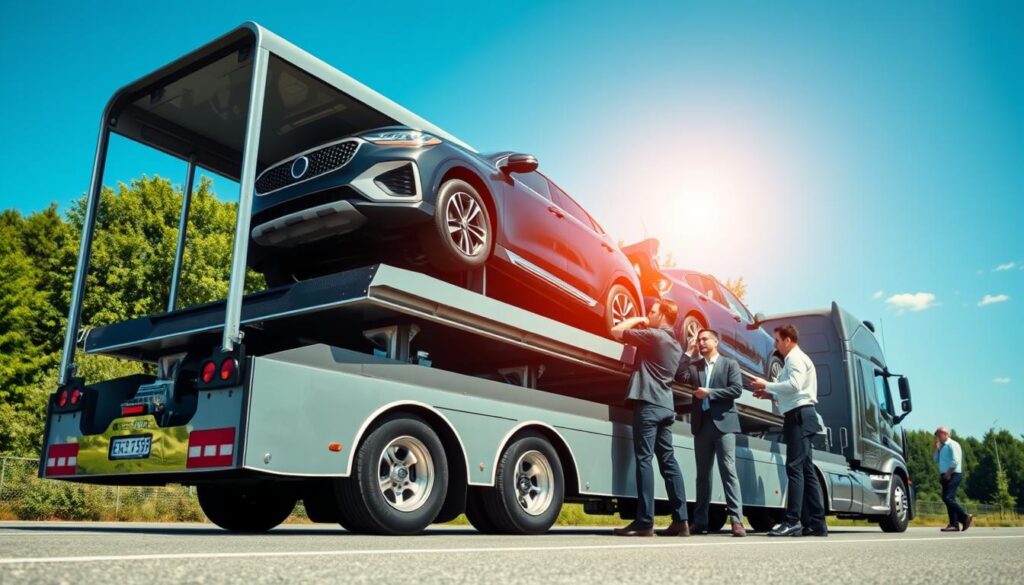
You get a straightforward plan for pickup windows, carrier assignment, and final delivery. We offer reliable auto transport services designed to move your vehicle safely and on schedule. Our approach balances clear timing with practical solutions when access is limited.
Door-to-door pickup and delivery options
Our door model means we coordinate pickup at your home or business when it is safe and legal. If residential streets, low branches, or HOA rules block a large truck, we plan a short handoff at a nearby lot.
Transport for sedans, SUVs, trucks, and motorcycles
We move standard cars, SUVs, pickup trucks, and motorcycles nationwide. On-time delivery relies on smart routing, clear pickup windows, and proactive updates from the assigned carriers.
- Clear door rules: we explain limits up front and offer nearby meeting points when needed.
- Service options: choose open or enclosed carriers, flexible windows, and route timing to balance speed and budget.
- Seasonal note: availability varies by lane demand—book early to protect pricing and timelines from peak swings.
Car Shipping & Auto Transport Woodstock GA
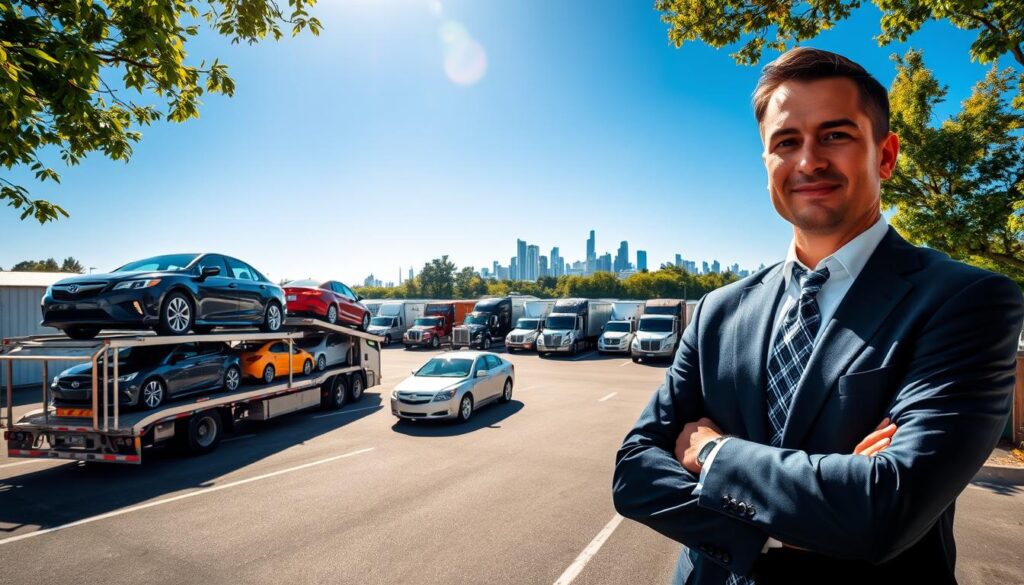
Easy curb access and nearby highway ramps make local pickups efficient and predictable. Our suburban layout helps carriers maneuver with fewer restrictions than dense downtown areas. That means quicker loading, safer handling, and steadier timelines for each shipment.
Local pickup begins when our team confirms the best address, notes any access limits, and sets a realistic pickup window. We inspect approach routes, advise on nearby meeting points if needed, and share clear arrival updates so you know when to expect the driver.
State-to-state and cross-country vehicle options
As a carrier-friendly location, this area serves as a strong origin for regional car transport across the Southeast and for long-distance vehicle transport to major U.S. destinations. Pricing and transit depend on lane demand and destination density, so we help plan the best route strategy for your timeline.
- Why it works: easier truck maneuvering and fewer city limits than metro centers.
- What we do: confirm address details, set windows, and coordinate with carriers.
- Risk reduction: professional companies reduce wear, mileage, and road exposure compared with DIY drives.
Our approach focuses on clear communication and predictable delivery from quote to handoff. Contact our team at info@bestcarshippinginc.com or 307-456-6194 for a tailored service plan.
Woodstock Car Shipping Costs and Transit Times
We give practical cost ranges and realistic timeframes to help you choose the right option.
Typical 2025 benchmark: most local moves fall between $625 and $1,525. This range reflects common demand and route choices.
What to expect for pricing and days
Many lanes deliver in about 2–6 days. Coast-to-coast runs can take longer based on mileage and scheduling.
How distance affects the final price
Distance is the biggest cost driver: longer mileage raises fuel, driver time, and logistics fees. Popular lanes often lower costs because more carriers serve them.
What a proper quote should include
- Transport type (open or enclosed)
- Pickup and delivery ZIPs
- Vehicle size and whether the vehicle runs
- Requested pickup window and any access constraints
“We focus on safe delivery and clear communication—not just the lowest number on a screen.”
| Metric | Typical Range | Impact on price |
|---|---|---|
| Local benchmark | $625 – $1,525 | Baseline for many regional lanes |
| Transit time | 2 – 6 days | Depends on distance and routing |
| Flexible pickup | Lower price | Carrier scheduling efficiency |
| Expedited requests | Higher price | Priority routing and limited slots |
Get a quote with your ZIPs, vehicle details, and preferred dates. We’ll match options that balance price and time while keeping your vehicle safe.
Popular Auto Transport Routes From Woodstock, GA
We list the most requested lanes and clear benchmarks so you can plan pickup, delivery, and budget. These examples show how distance and carrier density shape transit days and prices.
Woodstock to Los Angeles — 2,196 miles
Price: $1,050–$1,350 • Days: 3–7. This long-haul lane illustrates cross-country expectations: higher distance raises cost and scheduling needs on busy corridors.
Woodstock to Seattle — 2,637 miles
Price: $1,275–$1,525 • Days: 4–9. Greater mileage and routing complexity to the northwest can lengthen transit and affect available pickup windows.
Woodstock to New York City — 863 miles
Price: $800–$1,050 • Days: 1–4. Mid-range distance with urban delivery rules—expect tight meeting-point needs and possible extra time in dense areas.
Woodstock to Miami — 665 miles
Price: $600–$750 • Days: 0–3. Shorter lanes often deliver faster when carrier supply is strong; dispatch timing can make same- or next-day pickups possible.
Woodstock to Washington, DC — 640 miles
Price: $625–$825 • Days: 0–3. High-demand regional routes benefit from frequent runs and lower cost per mile.
- Use these numbers as planning references—request a tailored quote for exact pickup ZIP, vehicle details, and preferred dates.
- Mileage, carrier density, and seasonal demand drive final price and delivery timing.
Open vs Enclosed Auto Transport for Woodstock Customers
Your vehicle’s condition and risk tolerance should guide whether you pick an open or enclosed carrier.
Open carrier shipping is the standard choice for most everyday cars. Open trailers move more units per run, which makes pricing lower and schedules more frequent. For routine vehicles, this option balances cost and reliability.
Enclosed transport adds a hard layer of protection from weather and road debris. It is recommended for luxury, classic, and high-value vehicles. Enclosed trailers limit exposure and often use dedicated carriers trained for careful handling.
- Typical enclosed premium: 40–60% more than open pricing.
- Choose enclosed when custom paint, collector models, or low-clearance sports cars are involved.
- Both options use professional carriers and a documented inspection process at pickup and delivery.
| Option | Best for | Typical cost impact |
|---|---|---|
| Open carrier | Everyday cars, budget-conscious owners | Baseline price, most available |
| Enclosed transport | Luxury, classics, high-value vehicles | +40–60% over open |
| Decision factors | Value, condition, risk tolerance | Choose protection over lowest price when needed |
“Match the trailer to your vehicle’s needs—not just the lowest quote.”
What Affects Car Shipping Prices in Woodstock, GA
Pricing reflects a mix of route demand, vehicle specs, and seasonal pressure. We break down the main drivers so you know what changes a quote and why.
Distance, destination, and lane demand
Longer routes raise fuel and driver time, which increases the base fare. Busy lanes with many runs keep rates steadier.
Vehicle size, weight, and condition
Larger or heavier units take more trailer space and can add fees. Non-running vehicles often need special equipment or extra handling time.
Seasonality and peak windows in the United States
Summer demand usually pushes prices up and widens pickup windows. Off-season months often offer more capacity and lower rates.
Pickup and delivery accessibility
Narrow streets, HOA limits, or tight driveways may require alternate meeting points—expect scheduling adjustments and modest surcharges.
Fuel prices and expedited timelines
Fuel volatility and rush requests add direct costs. Booking early and choosing flexible windows helps control final pricing.
- Quick tip: the biggest levers you control are booking lead time and pickup flexibility.
Pickup Timing and Carrier Availability in Woodstock
Timing matters: early bookings open more routing choices and better prices for your vehicle move. We recommend reserving a pickup about two to three weeks ahead to improve carrier availability and protect pricing.
When to book for the best rates
Book 2–3 weeks in advance for most lanes. That lead time increases carrier options and gives us room to secure a competitive quote.
Peak season vs off-season patterns
Summer demand often extends pickup windows and raises prices. In contrast, off-season months usually provide faster availability and lower pricing.
How we manage carrier coverage
Our team monitors carriers and dispatch windows to lock in workable pickup times. If you need expedited service, expect shorter wait days but higher prices.
“Proactive planning reduces stress and improves the overall shipping experience.”
- Tip: flexible pickup windows often lower final prices.
- Tip: request a quote early to preserve availability and delivery expectations.
How the Woodstock Vehicle Shipping Process Works
From booking to final sign-off, we guide your vehicle through a clear, predictable workflow. Our goal is to remove uncertainty and keep you informed at every stage.
Get a quote and lock your shipment details
Request a quote with vehicle type, ZIPs, dates, and preferred service. Once you accept, we lock shipment details to protect pricing and scheduling.
Schedule pickup, inspect, and load
On pickup day the assigned driver calls, performs a joint inspection, and documents pre-load condition. We then load the vehicle safely onto the carrier.
Track transit and confirm delivery with final inspection
During transit you receive status updates and tracking links. Weather or traffic can shift timing—our team notifies you of changes.
- What we map: quote → booking → pickup → transit → delivery.
- Delivery step: final inspection, sign-off, and confirmation of condition.
- Our role: coordinate carriers, answer questions, and protect the shipment from start to finish.
“Clear milestones and open updates make the whole experience simple and secure.”
Preparing Your Vehicle for Transport
Simple preparation steps make pickup smoother and cut the chance of disputes after delivery. We provide a focused checklist so the inspection is quick and the vehicle’s condition is documented clearly.
Cleaning, photos, and condition documentation
Clean first: a quick wash highlights scratches, dings, and paint issues. Take clear photos from all sides and close-ups of any damage.
Save time at pickup by emailing or uploading images ahead of the scheduled pickup. That photo record helps resolve questions about condition faster if they arise.
Personal items limits and what to remove before pickup
Remove valuables, toll tags, loose accessories, and bent items. Many carriers allow limited weight below the window line—typically about 100 lbs—but those items are not covered by cargo insurance.
Tip: keep personal goods out of the vehicle to reduce risk and avoid delays during final inspection.
Fuel level, battery readiness, and keys for the driver
Keep fuel near one-quarter tank to balance safety and loading needs. Make sure the battery is charged and provide a spare key to the driver so the vehicle can be moved if necessary.
Confirm access features (alarm, hood release) and remove parking passes that might complicate pickup or delivery.
Quick checklist
- Wash and photograph exterior and interior.
- Remove personal items and valuables.
- Set fuel to ~1/4 tank and ensure battery charge.
- Provide keys and note any mechanical issues.
| Task | Why it matters | Expected result |
|---|---|---|
| Photos before pickup | Documents condition for inspection | Faster dispute resolution |
| Remove personal items | Reduces loss risk; not covered by cargo policies | Smoother delivery and fewer questions |
| Fuel & battery check | Ensures safe loading and movement | Reduced delays at pickup |
| Provide keys | Allows drivers to position vehicle during pickup/delivery | Efficient handoff and timely delivery |
Insurance, Licensing, and Peace of Mind During Transport
Insurance and licensing form the backbone of a worry-free vehicle move—here’s what to check before pickup.
Carrier cargo and liability coverage expectations
Most reputable carriers carry high limits: common networks require at least $1,000,000 liability and $100,000 cargo coverage. Ask the provider or company for proof of insurance before booking.
What the Bill of Lading covers at pickup and delivery
The Bill of Lading is the official receipt and inspection record. It lists pre-load condition, mileage, and any noted exceptions. Sign only after you review and agree.
- Verify: insurance certificates and USDOT/MC numbers.
- Document: take photos and note exceptions on the Bill of Lading.
- Report: contact our team immediately with questions or damage so we can support claims and next steps.
“Working with licensed companies and clear documentation improves the overall customer experience and reduces disputes.”
Why Woodstock, GA Is a Smart Starting Point for Auto Shipping
Our location links directly to I-575 and I-75, giving us a routing advantage that benefits every customer. This proximity increases carrier traffic and improves scheduling options for local pickups.
Fast access to I-575 and I-75 corridors
Quick freeway access reduces deadhead distance and lets carriers reach pickup points faster. That lowers wait time and helps keep timelines steady.
How highway proximity helps keep prices competitive
More carrier runs through major corridors create market competition. That often translates to better prices and lower overall costs than remote locations.
- Efficient dispatch: faster routing and fewer reroutes.
- Lower deadhead: reduced empty miles means steadier pricing.
- Improved timelines: better connectivity cuts the chance of missed windows.
| Benefit | What it means | Customer value |
|---|---|---|
| Highway access | Direct routing to major lanes | Faster pickups, reliable timeframes |
| Carrier density | More available runs per week | More competitive prices |
| Reduced deadhead | Less empty travel | Lower costs and fewer delays |
“We plan pickup and delivery around these corridor advantages to create a smoother shipping plan.”
Areas We Serve in and Around Woodstock, GA
We cover the local communities you rely on and the wider region you may be moving to or from. Our service area includes primary ZIP codes 30188 and 30189 and extends into nearby suburbs and Cherokee County for both pickup and delivery planning.
Woodstock ZIP codes and nearby communities we cover
We serve ZIPs 30188 and 30189 for residential and business pickups. These locations are common meeting points that help keep delivery predictable and easy to schedule.
Towne Lake, East Woodstock, West Woodstock, and surrounding suburbs
We routinely coordinate services in Towne Lake, East Woodstock, West Woodstock, and the North Metro Atlanta suburbs. Suburban pickup points are often easier for large carriers than dense urban streets, which helps keep timelines steady.
Service scope and expectations:
- We support outbound shipping from the local area and inbound vehicle transport to this location when you relocate or buy a vehicle.
- Our company arranges nationwide routes, so we can ship to nearly any U.S. destination.
- We confirm exact pickup details, contact numbers, and delivery preferences before dispatch to avoid surprises.
“Choosing an accessible meeting point makes pickup smoother and helps carriers stay on schedule.”
| Area | Primary ZIP(s) | Why it helps |
|---|---|---|
| Woodstock suburbs | 30188, 30189 | Clear pickup points, easier carrier access |
| Towne Lake | Nearby coverage | Plenty of lots for safe handoffs |
| Cherokee County & North Metro | Regional coverage | Connects local moves to national routes |
Need a tailored plan? Contact our team at info@bestcarshippinginc.com or 307-456-6194 and we’ll confirm service options, pickup windows, and delivery preferences for your exact location.
Conclusion
Summary: A clear plan for pricing, pickup timing, and protection choices keeps surprises to a minimum.
Understand the drivers: typical costs sit in the local benchmark range, and many runs arrive in a few days. Booking early improves availability and can lower the final price.
Choose open or enclosed service based on value and condition—enclosed adds protection for high‑value units, open offers lower costs and more frequent runs.
Our team focuses on clear communication, careful carrier selection, and a documented process from pickup to delivery. Request a quote or call with any questions: info@bestcarshippinginc.com or 307-456-6194 to plan car transport to your destination.
FAQ
What services do we offer for reliable vehicle transport?
How do our door-to-door pickup and delivery options work?
Can we transport different vehicle types?
What local pickup advantages does Woodstock offer?
Do you handle state-to-state and cross-country moves from Woodstock?
What is the typical price range for shipments from Woodstock in 2025?
FAQ
What services do we offer for reliable vehicle transport?
We provide door-to-door pickup and delivery, open and enclosed carrier options, and specialized handling for sedans, SUVs, trucks, and motorcycles. Our team coordinates scheduling, inspection, and delivery to ensure a smooth shipment process.
How do our door-to-door pickup and delivery options work?
We arrange pickup at your home or office and deliver directly to the destination address whenever carrier access and local rules allow. If residential pickup isn’t feasible, we’ll suggest the nearest secure carrier-accessible lot to minimize extra handling.
Can we transport different vehicle types?
Yes. We move everyday vehicles, larger pickups and SUVs, and motorcycles. For classic or high-value cars, we recommend enclosed carrier service to limit exposure to weather and road debris.
What local pickup advantages does Woodstock offer?
The suburban layout is carrier-friendly, with many residential streets suited to truck access and nearby staging areas, helping reduce waiting time and simplifying pickup logistics.
Do you handle state-to-state and cross-country moves from Woodstock?
Absolutely. We manage long-haul and interstate shipments with scheduled lanes and vetted carriers to provide predictable transit windows and reliable delivery across the country.
What is the typical price range for shipments from Woodstock in 2025?
Typical rates for many routes fall between 5 and
FAQ
What services do we offer for reliable vehicle transport?
We provide door-to-door pickup and delivery, open and enclosed carrier options, and specialized handling for sedans, SUVs, trucks, and motorcycles. Our team coordinates scheduling, inspection, and delivery to ensure a smooth shipment process.
How do our door-to-door pickup and delivery options work?
We arrange pickup at your home or office and deliver directly to the destination address whenever carrier access and local rules allow. If residential pickup isn’t feasible, we’ll suggest the nearest secure carrier-accessible lot to minimize extra handling.
Can we transport different vehicle types?
Yes. We move everyday vehicles, larger pickups and SUVs, and motorcycles. For classic or high-value cars, we recommend enclosed carrier service to limit exposure to weather and road debris.
What local pickup advantages does Woodstock offer?
The suburban layout is carrier-friendly, with many residential streets suited to truck access and nearby staging areas, helping reduce waiting time and simplifying pickup logistics.
Do you handle state-to-state and cross-country moves from Woodstock?
Absolutely. We manage long-haul and interstate shipments with scheduled lanes and vetted carriers to provide predictable transit windows and reliable delivery across the country.
What is the typical price range for shipments from Woodstock in 2025?
Typical rates for many routes fall between $625 and $1,525, depending on distance, carrier type, and service level. Exact pricing requires a quote that reflects your shipment details and current market conditions.
How long should customers expect transit to take?
Many shipments arrive within 2–6 days for common regional routes. Long-haul trips may extend to the 3–9 day range or longer, depending on distance and routing.
How does distance and route selection affect price?
Longer distances add fuel and labor costs, while popular lanes have more frequent carrier availability and often lower per-mile rates. Remote or low-demand routes typically increase the price.
What are common route examples and typical times and costs?
Representative routes include: Woodstock to Los Angeles — about 2,196 miles, $1,050–$1,350, 3–7 days; Woodstock to Seattle — about 2,637 miles, $1,275–$1,525, 4–9 days; Woodstock to NYC — about 863 miles, $800–$1,050, 1–4 days; Woodstock to Miami — about 665 miles, $600–$750, 0–3 days; Woodstock to Washington, DC — about 640 miles, $625–$825, 0–3 days.
When should customers choose open carriers?
Open carriers provide the most cost-effective option for everyday vehicles. They’re ideal if you prioritize price and don’t require protection from weather or road debris.
When is enclosed transport the better choice?
Enclosed transport is recommended for luxury, classic, or high-value vehicles. It shields the vehicle from the elements and offers more secure handling during transit.
How much more does enclosed transport typically cost?
Expect an enclosed premium of about 40–60% above open carrier pricing, depending on demand and the specific lane.
What primary factors affect pricing from Woodstock?
Price drivers include distance and destination, lane demand, vehicle size and weight, vehicle condition, seasonal demand spikes, pickup and delivery accessibility, and current fuel costs.
How does vehicle size and condition influence cost?
Larger or heavier vehicles take more space and weight allowance on a trailer, increasing cost. Non-running cars require extra equipment and handling, which adds to the fee.
How does seasonality change pricing and availability?
Peak shipping seasons (spring and summer, holiday periods) push prices higher and reduce carrier availability. Off-peak months often offer better rates and more flexible pickup windows.
How far in advance should customers book to get the best rates?
For optimal pricing and carrier availability, book about 2–3 weeks in advance. For peak seasons or guaranteed pickup dates, allow more lead time.
What is the step-by-step transport process we follow?
We start with a detailed quote and lock your shipment details. We then schedule pickup, complete a vehicle inspection and condition report, load the vehicle onto the carrier, provide transit tracking updates, and finalize delivery with a final inspection and Bill of Lading.
How should owners prepare their vehicle for pickup?
Clean the vehicle and take photos for condition documentation. Remove personal items and excess weight. Leave minimal fuel (about a quarter tank), ensure the battery is charged, and provide the driver with keys and any special instructions.
What are the rules about personal items left in the vehicle?
Most carriers limit personal items due to liability and weight restrictions. Keep personal belongings to a minimum and notify us if you must transport light items so we can confirm carrier policy.
What insurance and liability protections should customers expect?
Carriers carry cargo liability coverage for shipments. We verify carrier insurance and recommend reviewing policy limits. At pickup and delivery, the Bill of Lading documents condition and serves as the basis for any claims.
What does the Bill of Lading cover at pickup and delivery?
The Bill of Lading records the vehicle’s condition, mileage, and any preexisting damage. It serves as the legal receipt for the shipment and the reference for loss or damage claims.
Why is Woodstock a strategic starting point for deliveries?
Woodstock’s proximity to I-575 and I-75 offers fast access to major north-south corridors, improving carrier routing options and often keeping pricing competitive thanks to higher lane frequency.
Which local areas and ZIP codes do we serve around Woodstock?
We cover Woodstock and nearby communities, including Towne Lake, East Woodstock, West Woodstock, and surrounding suburbs. Contact us to confirm specific ZIP code coverage and available pickup options.
How can customers get a firm quote and schedule a shipment?
Request a quote by emailing info@bestcarshippinginc.com or calling 307-456-6194. Provide pickup and delivery ZIP codes, vehicle year/make/model, and preferred pickup window so we can secure accurate pricing and carrier availability.
,525, depending on distance, carrier type, and service level. Exact pricing requires a quote that reflects your shipment details and current market conditions.
How long should customers expect transit to take?
Many shipments arrive within 2–6 days for common regional routes. Long-haul trips may extend to the 3–9 day range or longer, depending on distance and routing.
How does distance and route selection affect price?
Longer distances add fuel and labor costs, while popular lanes have more frequent carrier availability and often lower per-mile rates. Remote or low-demand routes typically increase the price.
What are common route examples and typical times and costs?
Representative routes include: Woodstock to Los Angeles — about 2,196 miles,
FAQ
What services do we offer for reliable vehicle transport?
We provide door-to-door pickup and delivery, open and enclosed carrier options, and specialized handling for sedans, SUVs, trucks, and motorcycles. Our team coordinates scheduling, inspection, and delivery to ensure a smooth shipment process.
How do our door-to-door pickup and delivery options work?
We arrange pickup at your home or office and deliver directly to the destination address whenever carrier access and local rules allow. If residential pickup isn’t feasible, we’ll suggest the nearest secure carrier-accessible lot to minimize extra handling.
Can we transport different vehicle types?
Yes. We move everyday vehicles, larger pickups and SUVs, and motorcycles. For classic or high-value cars, we recommend enclosed carrier service to limit exposure to weather and road debris.
What local pickup advantages does Woodstock offer?
The suburban layout is carrier-friendly, with many residential streets suited to truck access and nearby staging areas, helping reduce waiting time and simplifying pickup logistics.
Do you handle state-to-state and cross-country moves from Woodstock?
Absolutely. We manage long-haul and interstate shipments with scheduled lanes and vetted carriers to provide predictable transit windows and reliable delivery across the country.
What is the typical price range for shipments from Woodstock in 2025?
Typical rates for many routes fall between $625 and $1,525, depending on distance, carrier type, and service level. Exact pricing requires a quote that reflects your shipment details and current market conditions.
How long should customers expect transit to take?
Many shipments arrive within 2–6 days for common regional routes. Long-haul trips may extend to the 3–9 day range or longer, depending on distance and routing.
How does distance and route selection affect price?
Longer distances add fuel and labor costs, while popular lanes have more frequent carrier availability and often lower per-mile rates. Remote or low-demand routes typically increase the price.
What are common route examples and typical times and costs?
Representative routes include: Woodstock to Los Angeles — about 2,196 miles, $1,050–$1,350, 3–7 days; Woodstock to Seattle — about 2,637 miles, $1,275–$1,525, 4–9 days; Woodstock to NYC — about 863 miles, $800–$1,050, 1–4 days; Woodstock to Miami — about 665 miles, $600–$750, 0–3 days; Woodstock to Washington, DC — about 640 miles, $625–$825, 0–3 days.
When should customers choose open carriers?
Open carriers provide the most cost-effective option for everyday vehicles. They’re ideal if you prioritize price and don’t require protection from weather or road debris.
When is enclosed transport the better choice?
Enclosed transport is recommended for luxury, classic, or high-value vehicles. It shields the vehicle from the elements and offers more secure handling during transit.
How much more does enclosed transport typically cost?
Expect an enclosed premium of about 40–60% above open carrier pricing, depending on demand and the specific lane.
What primary factors affect pricing from Woodstock?
Price drivers include distance and destination, lane demand, vehicle size and weight, vehicle condition, seasonal demand spikes, pickup and delivery accessibility, and current fuel costs.
How does vehicle size and condition influence cost?
Larger or heavier vehicles take more space and weight allowance on a trailer, increasing cost. Non-running cars require extra equipment and handling, which adds to the fee.
How does seasonality change pricing and availability?
Peak shipping seasons (spring and summer, holiday periods) push prices higher and reduce carrier availability. Off-peak months often offer better rates and more flexible pickup windows.
How far in advance should customers book to get the best rates?
For optimal pricing and carrier availability, book about 2–3 weeks in advance. For peak seasons or guaranteed pickup dates, allow more lead time.
What is the step-by-step transport process we follow?
We start with a detailed quote and lock your shipment details. We then schedule pickup, complete a vehicle inspection and condition report, load the vehicle onto the carrier, provide transit tracking updates, and finalize delivery with a final inspection and Bill of Lading.
How should owners prepare their vehicle for pickup?
Clean the vehicle and take photos for condition documentation. Remove personal items and excess weight. Leave minimal fuel (about a quarter tank), ensure the battery is charged, and provide the driver with keys and any special instructions.
What are the rules about personal items left in the vehicle?
Most carriers limit personal items due to liability and weight restrictions. Keep personal belongings to a minimum and notify us if you must transport light items so we can confirm carrier policy.
What insurance and liability protections should customers expect?
Carriers carry cargo liability coverage for shipments. We verify carrier insurance and recommend reviewing policy limits. At pickup and delivery, the Bill of Lading documents condition and serves as the basis for any claims.
What does the Bill of Lading cover at pickup and delivery?
The Bill of Lading records the vehicle’s condition, mileage, and any preexisting damage. It serves as the legal receipt for the shipment and the reference for loss or damage claims.
Why is Woodstock a strategic starting point for deliveries?
Woodstock’s proximity to I-575 and I-75 offers fast access to major north-south corridors, improving carrier routing options and often keeping pricing competitive thanks to higher lane frequency.
Which local areas and ZIP codes do we serve around Woodstock?
We cover Woodstock and nearby communities, including Towne Lake, East Woodstock, West Woodstock, and surrounding suburbs. Contact us to confirm specific ZIP code coverage and available pickup options.
How can customers get a firm quote and schedule a shipment?
Request a quote by emailing info@bestcarshippinginc.com or calling 307-456-6194. Provide pickup and delivery ZIP codes, vehicle year/make/model, and preferred pickup window so we can secure accurate pricing and carrier availability.
,050–
FAQ
What services do we offer for reliable vehicle transport?
We provide door-to-door pickup and delivery, open and enclosed carrier options, and specialized handling for sedans, SUVs, trucks, and motorcycles. Our team coordinates scheduling, inspection, and delivery to ensure a smooth shipment process.
How do our door-to-door pickup and delivery options work?
We arrange pickup at your home or office and deliver directly to the destination address whenever carrier access and local rules allow. If residential pickup isn’t feasible, we’ll suggest the nearest secure carrier-accessible lot to minimize extra handling.
Can we transport different vehicle types?
Yes. We move everyday vehicles, larger pickups and SUVs, and motorcycles. For classic or high-value cars, we recommend enclosed carrier service to limit exposure to weather and road debris.
What local pickup advantages does Woodstock offer?
The suburban layout is carrier-friendly, with many residential streets suited to truck access and nearby staging areas, helping reduce waiting time and simplifying pickup logistics.
Do you handle state-to-state and cross-country moves from Woodstock?
Absolutely. We manage long-haul and interstate shipments with scheduled lanes and vetted carriers to provide predictable transit windows and reliable delivery across the country.
What is the typical price range for shipments from Woodstock in 2025?
Typical rates for many routes fall between $625 and $1,525, depending on distance, carrier type, and service level. Exact pricing requires a quote that reflects your shipment details and current market conditions.
How long should customers expect transit to take?
Many shipments arrive within 2–6 days for common regional routes. Long-haul trips may extend to the 3–9 day range or longer, depending on distance and routing.
How does distance and route selection affect price?
Longer distances add fuel and labor costs, while popular lanes have more frequent carrier availability and often lower per-mile rates. Remote or low-demand routes typically increase the price.
What are common route examples and typical times and costs?
Representative routes include: Woodstock to Los Angeles — about 2,196 miles, $1,050–$1,350, 3–7 days; Woodstock to Seattle — about 2,637 miles, $1,275–$1,525, 4–9 days; Woodstock to NYC — about 863 miles, $800–$1,050, 1–4 days; Woodstock to Miami — about 665 miles, $600–$750, 0–3 days; Woodstock to Washington, DC — about 640 miles, $625–$825, 0–3 days.
When should customers choose open carriers?
Open carriers provide the most cost-effective option for everyday vehicles. They’re ideal if you prioritize price and don’t require protection from weather or road debris.
When is enclosed transport the better choice?
Enclosed transport is recommended for luxury, classic, or high-value vehicles. It shields the vehicle from the elements and offers more secure handling during transit.
How much more does enclosed transport typically cost?
Expect an enclosed premium of about 40–60% above open carrier pricing, depending on demand and the specific lane.
What primary factors affect pricing from Woodstock?
Price drivers include distance and destination, lane demand, vehicle size and weight, vehicle condition, seasonal demand spikes, pickup and delivery accessibility, and current fuel costs.
How does vehicle size and condition influence cost?
Larger or heavier vehicles take more space and weight allowance on a trailer, increasing cost. Non-running cars require extra equipment and handling, which adds to the fee.
How does seasonality change pricing and availability?
Peak shipping seasons (spring and summer, holiday periods) push prices higher and reduce carrier availability. Off-peak months often offer better rates and more flexible pickup windows.
How far in advance should customers book to get the best rates?
For optimal pricing and carrier availability, book about 2–3 weeks in advance. For peak seasons or guaranteed pickup dates, allow more lead time.
What is the step-by-step transport process we follow?
We start with a detailed quote and lock your shipment details. We then schedule pickup, complete a vehicle inspection and condition report, load the vehicle onto the carrier, provide transit tracking updates, and finalize delivery with a final inspection and Bill of Lading.
How should owners prepare their vehicle for pickup?
Clean the vehicle and take photos for condition documentation. Remove personal items and excess weight. Leave minimal fuel (about a quarter tank), ensure the battery is charged, and provide the driver with keys and any special instructions.
What are the rules about personal items left in the vehicle?
Most carriers limit personal items due to liability and weight restrictions. Keep personal belongings to a minimum and notify us if you must transport light items so we can confirm carrier policy.
What insurance and liability protections should customers expect?
Carriers carry cargo liability coverage for shipments. We verify carrier insurance and recommend reviewing policy limits. At pickup and delivery, the Bill of Lading documents condition and serves as the basis for any claims.
What does the Bill of Lading cover at pickup and delivery?
The Bill of Lading records the vehicle’s condition, mileage, and any preexisting damage. It serves as the legal receipt for the shipment and the reference for loss or damage claims.
Why is Woodstock a strategic starting point for deliveries?
Woodstock’s proximity to I-575 and I-75 offers fast access to major north-south corridors, improving carrier routing options and often keeping pricing competitive thanks to higher lane frequency.
Which local areas and ZIP codes do we serve around Woodstock?
We cover Woodstock and nearby communities, including Towne Lake, East Woodstock, West Woodstock, and surrounding suburbs. Contact us to confirm specific ZIP code coverage and available pickup options.
How can customers get a firm quote and schedule a shipment?
Request a quote by emailing info@bestcarshippinginc.com or calling 307-456-6194. Provide pickup and delivery ZIP codes, vehicle year/make/model, and preferred pickup window so we can secure accurate pricing and carrier availability.
,350, 3–7 days; Woodstock to Seattle — about 2,637 miles,
FAQ
What services do we offer for reliable vehicle transport?
We provide door-to-door pickup and delivery, open and enclosed carrier options, and specialized handling for sedans, SUVs, trucks, and motorcycles. Our team coordinates scheduling, inspection, and delivery to ensure a smooth shipment process.
How do our door-to-door pickup and delivery options work?
We arrange pickup at your home or office and deliver directly to the destination address whenever carrier access and local rules allow. If residential pickup isn’t feasible, we’ll suggest the nearest secure carrier-accessible lot to minimize extra handling.
Can we transport different vehicle types?
Yes. We move everyday vehicles, larger pickups and SUVs, and motorcycles. For classic or high-value cars, we recommend enclosed carrier service to limit exposure to weather and road debris.
What local pickup advantages does Woodstock offer?
The suburban layout is carrier-friendly, with many residential streets suited to truck access and nearby staging areas, helping reduce waiting time and simplifying pickup logistics.
Do you handle state-to-state and cross-country moves from Woodstock?
Absolutely. We manage long-haul and interstate shipments with scheduled lanes and vetted carriers to provide predictable transit windows and reliable delivery across the country.
What is the typical price range for shipments from Woodstock in 2025?
Typical rates for many routes fall between $625 and $1,525, depending on distance, carrier type, and service level. Exact pricing requires a quote that reflects your shipment details and current market conditions.
How long should customers expect transit to take?
Many shipments arrive within 2–6 days for common regional routes. Long-haul trips may extend to the 3–9 day range or longer, depending on distance and routing.
How does distance and route selection affect price?
Longer distances add fuel and labor costs, while popular lanes have more frequent carrier availability and often lower per-mile rates. Remote or low-demand routes typically increase the price.
What are common route examples and typical times and costs?
Representative routes include: Woodstock to Los Angeles — about 2,196 miles, $1,050–$1,350, 3–7 days; Woodstock to Seattle — about 2,637 miles, $1,275–$1,525, 4–9 days; Woodstock to NYC — about 863 miles, $800–$1,050, 1–4 days; Woodstock to Miami — about 665 miles, $600–$750, 0–3 days; Woodstock to Washington, DC — about 640 miles, $625–$825, 0–3 days.
When should customers choose open carriers?
Open carriers provide the most cost-effective option for everyday vehicles. They’re ideal if you prioritize price and don’t require protection from weather or road debris.
When is enclosed transport the better choice?
Enclosed transport is recommended for luxury, classic, or high-value vehicles. It shields the vehicle from the elements and offers more secure handling during transit.
How much more does enclosed transport typically cost?
Expect an enclosed premium of about 40–60% above open carrier pricing, depending on demand and the specific lane.
What primary factors affect pricing from Woodstock?
Price drivers include distance and destination, lane demand, vehicle size and weight, vehicle condition, seasonal demand spikes, pickup and delivery accessibility, and current fuel costs.
How does vehicle size and condition influence cost?
Larger or heavier vehicles take more space and weight allowance on a trailer, increasing cost. Non-running cars require extra equipment and handling, which adds to the fee.
How does seasonality change pricing and availability?
Peak shipping seasons (spring and summer, holiday periods) push prices higher and reduce carrier availability. Off-peak months often offer better rates and more flexible pickup windows.
How far in advance should customers book to get the best rates?
For optimal pricing and carrier availability, book about 2–3 weeks in advance. For peak seasons or guaranteed pickup dates, allow more lead time.
What is the step-by-step transport process we follow?
We start with a detailed quote and lock your shipment details. We then schedule pickup, complete a vehicle inspection and condition report, load the vehicle onto the carrier, provide transit tracking updates, and finalize delivery with a final inspection and Bill of Lading.
How should owners prepare their vehicle for pickup?
Clean the vehicle and take photos for condition documentation. Remove personal items and excess weight. Leave minimal fuel (about a quarter tank), ensure the battery is charged, and provide the driver with keys and any special instructions.
What are the rules about personal items left in the vehicle?
Most carriers limit personal items due to liability and weight restrictions. Keep personal belongings to a minimum and notify us if you must transport light items so we can confirm carrier policy.
What insurance and liability protections should customers expect?
Carriers carry cargo liability coverage for shipments. We verify carrier insurance and recommend reviewing policy limits. At pickup and delivery, the Bill of Lading documents condition and serves as the basis for any claims.
What does the Bill of Lading cover at pickup and delivery?
The Bill of Lading records the vehicle’s condition, mileage, and any preexisting damage. It serves as the legal receipt for the shipment and the reference for loss or damage claims.
Why is Woodstock a strategic starting point for deliveries?
Woodstock’s proximity to I-575 and I-75 offers fast access to major north-south corridors, improving carrier routing options and often keeping pricing competitive thanks to higher lane frequency.
Which local areas and ZIP codes do we serve around Woodstock?
We cover Woodstock and nearby communities, including Towne Lake, East Woodstock, West Woodstock, and surrounding suburbs. Contact us to confirm specific ZIP code coverage and available pickup options.
How can customers get a firm quote and schedule a shipment?
Request a quote by emailing info@bestcarshippinginc.com or calling 307-456-6194. Provide pickup and delivery ZIP codes, vehicle year/make/model, and preferred pickup window so we can secure accurate pricing and carrier availability.
,275–
FAQ
What services do we offer for reliable vehicle transport?
We provide door-to-door pickup and delivery, open and enclosed carrier options, and specialized handling for sedans, SUVs, trucks, and motorcycles. Our team coordinates scheduling, inspection, and delivery to ensure a smooth shipment process.
How do our door-to-door pickup and delivery options work?
We arrange pickup at your home or office and deliver directly to the destination address whenever carrier access and local rules allow. If residential pickup isn’t feasible, we’ll suggest the nearest secure carrier-accessible lot to minimize extra handling.
Can we transport different vehicle types?
Yes. We move everyday vehicles, larger pickups and SUVs, and motorcycles. For classic or high-value cars, we recommend enclosed carrier service to limit exposure to weather and road debris.
What local pickup advantages does Woodstock offer?
The suburban layout is carrier-friendly, with many residential streets suited to truck access and nearby staging areas, helping reduce waiting time and simplifying pickup logistics.
Do you handle state-to-state and cross-country moves from Woodstock?
Absolutely. We manage long-haul and interstate shipments with scheduled lanes and vetted carriers to provide predictable transit windows and reliable delivery across the country.
What is the typical price range for shipments from Woodstock in 2025?
Typical rates for many routes fall between $625 and $1,525, depending on distance, carrier type, and service level. Exact pricing requires a quote that reflects your shipment details and current market conditions.
How long should customers expect transit to take?
Many shipments arrive within 2–6 days for common regional routes. Long-haul trips may extend to the 3–9 day range or longer, depending on distance and routing.
How does distance and route selection affect price?
Longer distances add fuel and labor costs, while popular lanes have more frequent carrier availability and often lower per-mile rates. Remote or low-demand routes typically increase the price.
What are common route examples and typical times and costs?
Representative routes include: Woodstock to Los Angeles — about 2,196 miles, $1,050–$1,350, 3–7 days; Woodstock to Seattle — about 2,637 miles, $1,275–$1,525, 4–9 days; Woodstock to NYC — about 863 miles, $800–$1,050, 1–4 days; Woodstock to Miami — about 665 miles, $600–$750, 0–3 days; Woodstock to Washington, DC — about 640 miles, $625–$825, 0–3 days.
When should customers choose open carriers?
Open carriers provide the most cost-effective option for everyday vehicles. They’re ideal if you prioritize price and don’t require protection from weather or road debris.
When is enclosed transport the better choice?
Enclosed transport is recommended for luxury, classic, or high-value vehicles. It shields the vehicle from the elements and offers more secure handling during transit.
How much more does enclosed transport typically cost?
Expect an enclosed premium of about 40–60% above open carrier pricing, depending on demand and the specific lane.
What primary factors affect pricing from Woodstock?
Price drivers include distance and destination, lane demand, vehicle size and weight, vehicle condition, seasonal demand spikes, pickup and delivery accessibility, and current fuel costs.
How does vehicle size and condition influence cost?
Larger or heavier vehicles take more space and weight allowance on a trailer, increasing cost. Non-running cars require extra equipment and handling, which adds to the fee.
How does seasonality change pricing and availability?
Peak shipping seasons (spring and summer, holiday periods) push prices higher and reduce carrier availability. Off-peak months often offer better rates and more flexible pickup windows.
How far in advance should customers book to get the best rates?
For optimal pricing and carrier availability, book about 2–3 weeks in advance. For peak seasons or guaranteed pickup dates, allow more lead time.
What is the step-by-step transport process we follow?
We start with a detailed quote and lock your shipment details. We then schedule pickup, complete a vehicle inspection and condition report, load the vehicle onto the carrier, provide transit tracking updates, and finalize delivery with a final inspection and Bill of Lading.
How should owners prepare their vehicle for pickup?
Clean the vehicle and take photos for condition documentation. Remove personal items and excess weight. Leave minimal fuel (about a quarter tank), ensure the battery is charged, and provide the driver with keys and any special instructions.
What are the rules about personal items left in the vehicle?
Most carriers limit personal items due to liability and weight restrictions. Keep personal belongings to a minimum and notify us if you must transport light items so we can confirm carrier policy.
What insurance and liability protections should customers expect?
Carriers carry cargo liability coverage for shipments. We verify carrier insurance and recommend reviewing policy limits. At pickup and delivery, the Bill of Lading documents condition and serves as the basis for any claims.
What does the Bill of Lading cover at pickup and delivery?
The Bill of Lading records the vehicle’s condition, mileage, and any preexisting damage. It serves as the legal receipt for the shipment and the reference for loss or damage claims.
Why is Woodstock a strategic starting point for deliveries?
Woodstock’s proximity to I-575 and I-75 offers fast access to major north-south corridors, improving carrier routing options and often keeping pricing competitive thanks to higher lane frequency.
Which local areas and ZIP codes do we serve around Woodstock?
We cover Woodstock and nearby communities, including Towne Lake, East Woodstock, West Woodstock, and surrounding suburbs. Contact us to confirm specific ZIP code coverage and available pickup options.
How can customers get a firm quote and schedule a shipment?
Request a quote by emailing info@bestcarshippinginc.com or calling 307-456-6194. Provide pickup and delivery ZIP codes, vehicle year/make/model, and preferred pickup window so we can secure accurate pricing and carrier availability.
,525, 4–9 days; Woodstock to NYC — about 863 miles, 0–
FAQ
What services do we offer for reliable vehicle transport?
We provide door-to-door pickup and delivery, open and enclosed carrier options, and specialized handling for sedans, SUVs, trucks, and motorcycles. Our team coordinates scheduling, inspection, and delivery to ensure a smooth shipment process.
How do our door-to-door pickup and delivery options work?
We arrange pickup at your home or office and deliver directly to the destination address whenever carrier access and local rules allow. If residential pickup isn’t feasible, we’ll suggest the nearest secure carrier-accessible lot to minimize extra handling.
Can we transport different vehicle types?
Yes. We move everyday vehicles, larger pickups and SUVs, and motorcycles. For classic or high-value cars, we recommend enclosed carrier service to limit exposure to weather and road debris.
What local pickup advantages does Woodstock offer?
The suburban layout is carrier-friendly, with many residential streets suited to truck access and nearby staging areas, helping reduce waiting time and simplifying pickup logistics.
Do you handle state-to-state and cross-country moves from Woodstock?
Absolutely. We manage long-haul and interstate shipments with scheduled lanes and vetted carriers to provide predictable transit windows and reliable delivery across the country.
What is the typical price range for shipments from Woodstock in 2025?
Typical rates for many routes fall between $625 and $1,525, depending on distance, carrier type, and service level. Exact pricing requires a quote that reflects your shipment details and current market conditions.
How long should customers expect transit to take?
Many shipments arrive within 2–6 days for common regional routes. Long-haul trips may extend to the 3–9 day range or longer, depending on distance and routing.
How does distance and route selection affect price?
Longer distances add fuel and labor costs, while popular lanes have more frequent carrier availability and often lower per-mile rates. Remote or low-demand routes typically increase the price.
What are common route examples and typical times and costs?
Representative routes include: Woodstock to Los Angeles — about 2,196 miles, $1,050–$1,350, 3–7 days; Woodstock to Seattle — about 2,637 miles, $1,275–$1,525, 4–9 days; Woodstock to NYC — about 863 miles, $800–$1,050, 1–4 days; Woodstock to Miami — about 665 miles, $600–$750, 0–3 days; Woodstock to Washington, DC — about 640 miles, $625–$825, 0–3 days.
When should customers choose open carriers?
Open carriers provide the most cost-effective option for everyday vehicles. They’re ideal if you prioritize price and don’t require protection from weather or road debris.
When is enclosed transport the better choice?
Enclosed transport is recommended for luxury, classic, or high-value vehicles. It shields the vehicle from the elements and offers more secure handling during transit.
How much more does enclosed transport typically cost?
Expect an enclosed premium of about 40–60% above open carrier pricing, depending on demand and the specific lane.
What primary factors affect pricing from Woodstock?
Price drivers include distance and destination, lane demand, vehicle size and weight, vehicle condition, seasonal demand spikes, pickup and delivery accessibility, and current fuel costs.
How does vehicle size and condition influence cost?
Larger or heavier vehicles take more space and weight allowance on a trailer, increasing cost. Non-running cars require extra equipment and handling, which adds to the fee.
How does seasonality change pricing and availability?
Peak shipping seasons (spring and summer, holiday periods) push prices higher and reduce carrier availability. Off-peak months often offer better rates and more flexible pickup windows.
How far in advance should customers book to get the best rates?
For optimal pricing and carrier availability, book about 2–3 weeks in advance. For peak seasons or guaranteed pickup dates, allow more lead time.
What is the step-by-step transport process we follow?
We start with a detailed quote and lock your shipment details. We then schedule pickup, complete a vehicle inspection and condition report, load the vehicle onto the carrier, provide transit tracking updates, and finalize delivery with a final inspection and Bill of Lading.
How should owners prepare their vehicle for pickup?
Clean the vehicle and take photos for condition documentation. Remove personal items and excess weight. Leave minimal fuel (about a quarter tank), ensure the battery is charged, and provide the driver with keys and any special instructions.
What are the rules about personal items left in the vehicle?
Most carriers limit personal items due to liability and weight restrictions. Keep personal belongings to a minimum and notify us if you must transport light items so we can confirm carrier policy.
What insurance and liability protections should customers expect?
Carriers carry cargo liability coverage for shipments. We verify carrier insurance and recommend reviewing policy limits. At pickup and delivery, the Bill of Lading documents condition and serves as the basis for any claims.
What does the Bill of Lading cover at pickup and delivery?
The Bill of Lading records the vehicle’s condition, mileage, and any preexisting damage. It serves as the legal receipt for the shipment and the reference for loss or damage claims.
Why is Woodstock a strategic starting point for deliveries?
Woodstock’s proximity to I-575 and I-75 offers fast access to major north-south corridors, improving carrier routing options and often keeping pricing competitive thanks to higher lane frequency.
Which local areas and ZIP codes do we serve around Woodstock?
We cover Woodstock and nearby communities, including Towne Lake, East Woodstock, West Woodstock, and surrounding suburbs. Contact us to confirm specific ZIP code coverage and available pickup options.
How can customers get a firm quote and schedule a shipment?
Request a quote by emailing info@bestcarshippinginc.com or calling 307-456-6194. Provide pickup and delivery ZIP codes, vehicle year/make/model, and preferred pickup window so we can secure accurate pricing and carrier availability.
,050, 1–4 days; Woodstock to Miami — about 665 miles, 0–0, 0–3 days; Woodstock to Washington, DC — about 640 miles, 5–5, 0–3 days.
When should customers choose open carriers?
Open carriers provide the most cost-effective option for everyday vehicles. They’re ideal if you prioritize price and don’t require protection from weather or road debris.
When is enclosed transport the better choice?
Enclosed transport is recommended for luxury, classic, or high-value vehicles. It shields the vehicle from the elements and offers more secure handling during transit.
How much more does enclosed transport typically cost?
Expect an enclosed premium of about 40–60% above open carrier pricing, depending on demand and the specific lane.
What primary factors affect pricing from Woodstock?
Price drivers include distance and destination, lane demand, vehicle size and weight, vehicle condition, seasonal demand spikes, pickup and delivery accessibility, and current fuel costs.
How does vehicle size and condition influence cost?
Larger or heavier vehicles take more space and weight allowance on a trailer, increasing cost. Non-running cars require extra equipment and handling, which adds to the fee.
How does seasonality change pricing and availability?
Peak shipping seasons (spring and summer, holiday periods) push prices higher and reduce carrier availability. Off-peak months often offer better rates and more flexible pickup windows.
How far in advance should customers book to get the best rates?
For optimal pricing and carrier availability, book about 2–3 weeks in advance. For peak seasons or guaranteed pickup dates, allow more lead time.
What is the step-by-step transport process we follow?
We start with a detailed quote and lock your shipment details. We then schedule pickup, complete a vehicle inspection and condition report, load the vehicle onto the carrier, provide transit tracking updates, and finalize delivery with a final inspection and Bill of Lading.
How should owners prepare their vehicle for pickup?
Clean the vehicle and take photos for condition documentation. Remove personal items and excess weight. Leave minimal fuel (about a quarter tank), ensure the battery is charged, and provide the driver with keys and any special instructions.
What are the rules about personal items left in the vehicle?
Most carriers limit personal items due to liability and weight restrictions. Keep personal belongings to a minimum and notify us if you must transport light items so we can confirm carrier policy.
What insurance and liability protections should customers expect?
Carriers carry cargo liability coverage for shipments. We verify carrier insurance and recommend reviewing policy limits. At pickup and delivery, the Bill of Lading documents condition and serves as the basis for any claims.
What does the Bill of Lading cover at pickup and delivery?
The Bill of Lading records the vehicle’s condition, mileage, and any preexisting damage. It serves as the legal receipt for the shipment and the reference for loss or damage claims.
Why is Woodstock a strategic starting point for deliveries?
Woodstock’s proximity to I-575 and I-75 offers fast access to major north-south corridors, improving carrier routing options and often keeping pricing competitive thanks to higher lane frequency.
Which local areas and ZIP codes do we serve around Woodstock?
We cover Woodstock and nearby communities, including Towne Lake, East Woodstock, West Woodstock, and surrounding suburbs. Contact us to confirm specific ZIP code coverage and available pickup options.
How can customers get a firm quote and schedule a shipment?
Request a quote by emailing info@bestcarshippinginc.com or calling 307-456-6194. Provide pickup and delivery ZIP codes, vehicle year/make/model, and preferred pickup window so we can secure accurate pricing and carrier availability.
FAQ
What services do we offer for reliable vehicle transport?
We provide door-to-door pickup and delivery, open and enclosed carrier options, and specialized handling for sedans, SUVs, trucks, and motorcycles. Our team coordinates scheduling, inspection, and delivery to ensure a smooth shipment process.
How do our door-to-door pickup and delivery options work?
We arrange pickup at your home or office and deliver directly to the destination address whenever carrier access and local rules allow. If residential pickup isn’t feasible, we’ll suggest the nearest secure carrier-accessible lot to minimize extra handling.
Can we transport different vehicle types?
Yes. We move everyday vehicles, larger pickups and SUVs, and motorcycles. For classic or high-value cars, we recommend enclosed carrier service to limit exposure to weather and road debris.
What local pickup advantages does Woodstock offer?
The suburban layout is carrier-friendly, with many residential streets suited to truck access and nearby staging areas, helping reduce waiting time and simplifying pickup logistics.
Do you handle state-to-state and cross-country moves from Woodstock?
Absolutely. We manage long-haul and interstate shipments with scheduled lanes and vetted carriers to provide predictable transit windows and reliable delivery across the country.
What is the typical price range for shipments from Woodstock in 2025?
Typical rates for many routes fall between 5 and
FAQ
What services do we offer for reliable vehicle transport?
We provide door-to-door pickup and delivery, open and enclosed carrier options, and specialized handling for sedans, SUVs, trucks, and motorcycles. Our team coordinates scheduling, inspection, and delivery to ensure a smooth shipment process.
How do our door-to-door pickup and delivery options work?
We arrange pickup at your home or office and deliver directly to the destination address whenever carrier access and local rules allow. If residential pickup isn’t feasible, we’ll suggest the nearest secure carrier-accessible lot to minimize extra handling.
Can we transport different vehicle types?
Yes. We move everyday vehicles, larger pickups and SUVs, and motorcycles. For classic or high-value cars, we recommend enclosed carrier service to limit exposure to weather and road debris.
What local pickup advantages does Woodstock offer?
The suburban layout is carrier-friendly, with many residential streets suited to truck access and nearby staging areas, helping reduce waiting time and simplifying pickup logistics.
Do you handle state-to-state and cross-country moves from Woodstock?
Absolutely. We manage long-haul and interstate shipments with scheduled lanes and vetted carriers to provide predictable transit windows and reliable delivery across the country.
What is the typical price range for shipments from Woodstock in 2025?
Typical rates for many routes fall between $625 and $1,525, depending on distance, carrier type, and service level. Exact pricing requires a quote that reflects your shipment details and current market conditions.
How long should customers expect transit to take?
Many shipments arrive within 2–6 days for common regional routes. Long-haul trips may extend to the 3–9 day range or longer, depending on distance and routing.
How does distance and route selection affect price?
Longer distances add fuel and labor costs, while popular lanes have more frequent carrier availability and often lower per-mile rates. Remote or low-demand routes typically increase the price.
What are common route examples and typical times and costs?
Representative routes include: Woodstock to Los Angeles — about 2,196 miles, $1,050–$1,350, 3–7 days; Woodstock to Seattle — about 2,637 miles, $1,275–$1,525, 4–9 days; Woodstock to NYC — about 863 miles, $800–$1,050, 1–4 days; Woodstock to Miami — about 665 miles, $600–$750, 0–3 days; Woodstock to Washington, DC — about 640 miles, $625–$825, 0–3 days.
When should customers choose open carriers?
Open carriers provide the most cost-effective option for everyday vehicles. They’re ideal if you prioritize price and don’t require protection from weather or road debris.
When is enclosed transport the better choice?
Enclosed transport is recommended for luxury, classic, or high-value vehicles. It shields the vehicle from the elements and offers more secure handling during transit.
How much more does enclosed transport typically cost?
Expect an enclosed premium of about 40–60% above open carrier pricing, depending on demand and the specific lane.
What primary factors affect pricing from Woodstock?
Price drivers include distance and destination, lane demand, vehicle size and weight, vehicle condition, seasonal demand spikes, pickup and delivery accessibility, and current fuel costs.
How does vehicle size and condition influence cost?
Larger or heavier vehicles take more space and weight allowance on a trailer, increasing cost. Non-running cars require extra equipment and handling, which adds to the fee.
How does seasonality change pricing and availability?
Peak shipping seasons (spring and summer, holiday periods) push prices higher and reduce carrier availability. Off-peak months often offer better rates and more flexible pickup windows.
How far in advance should customers book to get the best rates?
For optimal pricing and carrier availability, book about 2–3 weeks in advance. For peak seasons or guaranteed pickup dates, allow more lead time.
What is the step-by-step transport process we follow?
We start with a detailed quote and lock your shipment details. We then schedule pickup, complete a vehicle inspection and condition report, load the vehicle onto the carrier, provide transit tracking updates, and finalize delivery with a final inspection and Bill of Lading.
How should owners prepare their vehicle for pickup?
Clean the vehicle and take photos for condition documentation. Remove personal items and excess weight. Leave minimal fuel (about a quarter tank), ensure the battery is charged, and provide the driver with keys and any special instructions.
What are the rules about personal items left in the vehicle?
Most carriers limit personal items due to liability and weight restrictions. Keep personal belongings to a minimum and notify us if you must transport light items so we can confirm carrier policy.
What insurance and liability protections should customers expect?
Carriers carry cargo liability coverage for shipments. We verify carrier insurance and recommend reviewing policy limits. At pickup and delivery, the Bill of Lading documents condition and serves as the basis for any claims.
What does the Bill of Lading cover at pickup and delivery?
The Bill of Lading records the vehicle’s condition, mileage, and any preexisting damage. It serves as the legal receipt for the shipment and the reference for loss or damage claims.
Why is Woodstock a strategic starting point for deliveries?
Woodstock’s proximity to I-575 and I-75 offers fast access to major north-south corridors, improving carrier routing options and often keeping pricing competitive thanks to higher lane frequency.
Which local areas and ZIP codes do we serve around Woodstock?
We cover Woodstock and nearby communities, including Towne Lake, East Woodstock, West Woodstock, and surrounding suburbs. Contact us to confirm specific ZIP code coverage and available pickup options.
How can customers get a firm quote and schedule a shipment?
Request a quote by emailing info@bestcarshippinginc.com or calling 307-456-6194. Provide pickup and delivery ZIP codes, vehicle year/make/model, and preferred pickup window so we can secure accurate pricing and carrier availability.
,525, depending on distance, carrier type, and service level. Exact pricing requires a quote that reflects your shipment details and current market conditions.
How long should customers expect transit to take?
Many shipments arrive within 2–6 days for common regional routes. Long-haul trips may extend to the 3–9 day range or longer, depending on distance and routing.
How does distance and route selection affect price?
Longer distances add fuel and labor costs, while popular lanes have more frequent carrier availability and often lower per-mile rates. Remote or low-demand routes typically increase the price.
What are common route examples and typical times and costs?
Representative routes include: Woodstock to Los Angeles — about 2,196 miles,
FAQ
What services do we offer for reliable vehicle transport?
We provide door-to-door pickup and delivery, open and enclosed carrier options, and specialized handling for sedans, SUVs, trucks, and motorcycles. Our team coordinates scheduling, inspection, and delivery to ensure a smooth shipment process.
How do our door-to-door pickup and delivery options work?
We arrange pickup at your home or office and deliver directly to the destination address whenever carrier access and local rules allow. If residential pickup isn’t feasible, we’ll suggest the nearest secure carrier-accessible lot to minimize extra handling.
Can we transport different vehicle types?
Yes. We move everyday vehicles, larger pickups and SUVs, and motorcycles. For classic or high-value cars, we recommend enclosed carrier service to limit exposure to weather and road debris.
What local pickup advantages does Woodstock offer?
The suburban layout is carrier-friendly, with many residential streets suited to truck access and nearby staging areas, helping reduce waiting time and simplifying pickup logistics.
Do you handle state-to-state and cross-country moves from Woodstock?
Absolutely. We manage long-haul and interstate shipments with scheduled lanes and vetted carriers to provide predictable transit windows and reliable delivery across the country.
What is the typical price range for shipments from Woodstock in 2025?
Typical rates for many routes fall between $625 and $1,525, depending on distance, carrier type, and service level. Exact pricing requires a quote that reflects your shipment details and current market conditions.
How long should customers expect transit to take?
Many shipments arrive within 2–6 days for common regional routes. Long-haul trips may extend to the 3–9 day range or longer, depending on distance and routing.
How does distance and route selection affect price?
Longer distances add fuel and labor costs, while popular lanes have more frequent carrier availability and often lower per-mile rates. Remote or low-demand routes typically increase the price.
What are common route examples and typical times and costs?
Representative routes include: Woodstock to Los Angeles — about 2,196 miles, $1,050–$1,350, 3–7 days; Woodstock to Seattle — about 2,637 miles, $1,275–$1,525, 4–9 days; Woodstock to NYC — about 863 miles, $800–$1,050, 1–4 days; Woodstock to Miami — about 665 miles, $600–$750, 0–3 days; Woodstock to Washington, DC — about 640 miles, $625–$825, 0–3 days.
When should customers choose open carriers?
Open carriers provide the most cost-effective option for everyday vehicles. They’re ideal if you prioritize price and don’t require protection from weather or road debris.
When is enclosed transport the better choice?
Enclosed transport is recommended for luxury, classic, or high-value vehicles. It shields the vehicle from the elements and offers more secure handling during transit.
How much more does enclosed transport typically cost?
Expect an enclosed premium of about 40–60% above open carrier pricing, depending on demand and the specific lane.
What primary factors affect pricing from Woodstock?
Price drivers include distance and destination, lane demand, vehicle size and weight, vehicle condition, seasonal demand spikes, pickup and delivery accessibility, and current fuel costs.
How does vehicle size and condition influence cost?
Larger or heavier vehicles take more space and weight allowance on a trailer, increasing cost. Non-running cars require extra equipment and handling, which adds to the fee.
How does seasonality change pricing and availability?
Peak shipping seasons (spring and summer, holiday periods) push prices higher and reduce carrier availability. Off-peak months often offer better rates and more flexible pickup windows.
How far in advance should customers book to get the best rates?
For optimal pricing and carrier availability, book about 2–3 weeks in advance. For peak seasons or guaranteed pickup dates, allow more lead time.
What is the step-by-step transport process we follow?
We start with a detailed quote and lock your shipment details. We then schedule pickup, complete a vehicle inspection and condition report, load the vehicle onto the carrier, provide transit tracking updates, and finalize delivery with a final inspection and Bill of Lading.
How should owners prepare their vehicle for pickup?
Clean the vehicle and take photos for condition documentation. Remove personal items and excess weight. Leave minimal fuel (about a quarter tank), ensure the battery is charged, and provide the driver with keys and any special instructions.
What are the rules about personal items left in the vehicle?
Most carriers limit personal items due to liability and weight restrictions. Keep personal belongings to a minimum and notify us if you must transport light items so we can confirm carrier policy.
What insurance and liability protections should customers expect?
Carriers carry cargo liability coverage for shipments. We verify carrier insurance and recommend reviewing policy limits. At pickup and delivery, the Bill of Lading documents condition and serves as the basis for any claims.
What does the Bill of Lading cover at pickup and delivery?
The Bill of Lading records the vehicle’s condition, mileage, and any preexisting damage. It serves as the legal receipt for the shipment and the reference for loss or damage claims.
Why is Woodstock a strategic starting point for deliveries?
Woodstock’s proximity to I-575 and I-75 offers fast access to major north-south corridors, improving carrier routing options and often keeping pricing competitive thanks to higher lane frequency.
Which local areas and ZIP codes do we serve around Woodstock?
We cover Woodstock and nearby communities, including Towne Lake, East Woodstock, West Woodstock, and surrounding suburbs. Contact us to confirm specific ZIP code coverage and available pickup options.
How can customers get a firm quote and schedule a shipment?
Request a quote by emailing info@bestcarshippinginc.com or calling 307-456-6194. Provide pickup and delivery ZIP codes, vehicle year/make/model, and preferred pickup window so we can secure accurate pricing and carrier availability.
,050–
FAQ
What services do we offer for reliable vehicle transport?
We provide door-to-door pickup and delivery, open and enclosed carrier options, and specialized handling for sedans, SUVs, trucks, and motorcycles. Our team coordinates scheduling, inspection, and delivery to ensure a smooth shipment process.
How do our door-to-door pickup and delivery options work?
We arrange pickup at your home or office and deliver directly to the destination address whenever carrier access and local rules allow. If residential pickup isn’t feasible, we’ll suggest the nearest secure carrier-accessible lot to minimize extra handling.
Can we transport different vehicle types?
Yes. We move everyday vehicles, larger pickups and SUVs, and motorcycles. For classic or high-value cars, we recommend enclosed carrier service to limit exposure to weather and road debris.
What local pickup advantages does Woodstock offer?
The suburban layout is carrier-friendly, with many residential streets suited to truck access and nearby staging areas, helping reduce waiting time and simplifying pickup logistics.
Do you handle state-to-state and cross-country moves from Woodstock?
Absolutely. We manage long-haul and interstate shipments with scheduled lanes and vetted carriers to provide predictable transit windows and reliable delivery across the country.
What is the typical price range for shipments from Woodstock in 2025?
Typical rates for many routes fall between $625 and $1,525, depending on distance, carrier type, and service level. Exact pricing requires a quote that reflects your shipment details and current market conditions.
How long should customers expect transit to take?
Many shipments arrive within 2–6 days for common regional routes. Long-haul trips may extend to the 3–9 day range or longer, depending on distance and routing.
How does distance and route selection affect price?
Longer distances add fuel and labor costs, while popular lanes have more frequent carrier availability and often lower per-mile rates. Remote or low-demand routes typically increase the price.
What are common route examples and typical times and costs?
Representative routes include: Woodstock to Los Angeles — about 2,196 miles, $1,050–$1,350, 3–7 days; Woodstock to Seattle — about 2,637 miles, $1,275–$1,525, 4–9 days; Woodstock to NYC — about 863 miles, $800–$1,050, 1–4 days; Woodstock to Miami — about 665 miles, $600–$750, 0–3 days; Woodstock to Washington, DC — about 640 miles, $625–$825, 0–3 days.
When should customers choose open carriers?
Open carriers provide the most cost-effective option for everyday vehicles. They’re ideal if you prioritize price and don’t require protection from weather or road debris.
When is enclosed transport the better choice?
Enclosed transport is recommended for luxury, classic, or high-value vehicles. It shields the vehicle from the elements and offers more secure handling during transit.
How much more does enclosed transport typically cost?
Expect an enclosed premium of about 40–60% above open carrier pricing, depending on demand and the specific lane.
What primary factors affect pricing from Woodstock?
Price drivers include distance and destination, lane demand, vehicle size and weight, vehicle condition, seasonal demand spikes, pickup and delivery accessibility, and current fuel costs.
How does vehicle size and condition influence cost?
Larger or heavier vehicles take more space and weight allowance on a trailer, increasing cost. Non-running cars require extra equipment and handling, which adds to the fee.
How does seasonality change pricing and availability?
Peak shipping seasons (spring and summer, holiday periods) push prices higher and reduce carrier availability. Off-peak months often offer better rates and more flexible pickup windows.
How far in advance should customers book to get the best rates?
For optimal pricing and carrier availability, book about 2–3 weeks in advance. For peak seasons or guaranteed pickup dates, allow more lead time.
What is the step-by-step transport process we follow?
We start with a detailed quote and lock your shipment details. We then schedule pickup, complete a vehicle inspection and condition report, load the vehicle onto the carrier, provide transit tracking updates, and finalize delivery with a final inspection and Bill of Lading.
How should owners prepare their vehicle for pickup?
Clean the vehicle and take photos for condition documentation. Remove personal items and excess weight. Leave minimal fuel (about a quarter tank), ensure the battery is charged, and provide the driver with keys and any special instructions.
What are the rules about personal items left in the vehicle?
Most carriers limit personal items due to liability and weight restrictions. Keep personal belongings to a minimum and notify us if you must transport light items so we can confirm carrier policy.
What insurance and liability protections should customers expect?
Carriers carry cargo liability coverage for shipments. We verify carrier insurance and recommend reviewing policy limits. At pickup and delivery, the Bill of Lading documents condition and serves as the basis for any claims.
What does the Bill of Lading cover at pickup and delivery?
The Bill of Lading records the vehicle’s condition, mileage, and any preexisting damage. It serves as the legal receipt for the shipment and the reference for loss or damage claims.
Why is Woodstock a strategic starting point for deliveries?
Woodstock’s proximity to I-575 and I-75 offers fast access to major north-south corridors, improving carrier routing options and often keeping pricing competitive thanks to higher lane frequency.
Which local areas and ZIP codes do we serve around Woodstock?
We cover Woodstock and nearby communities, including Towne Lake, East Woodstock, West Woodstock, and surrounding suburbs. Contact us to confirm specific ZIP code coverage and available pickup options.
How can customers get a firm quote and schedule a shipment?
Request a quote by emailing info@bestcarshippinginc.com or calling 307-456-6194. Provide pickup and delivery ZIP codes, vehicle year/make/model, and preferred pickup window so we can secure accurate pricing and carrier availability.
,350, 3–7 days; Woodstock to Seattle — about 2,637 miles,
FAQ
What services do we offer for reliable vehicle transport?
We provide door-to-door pickup and delivery, open and enclosed carrier options, and specialized handling for sedans, SUVs, trucks, and motorcycles. Our team coordinates scheduling, inspection, and delivery to ensure a smooth shipment process.
How do our door-to-door pickup and delivery options work?
We arrange pickup at your home or office and deliver directly to the destination address whenever carrier access and local rules allow. If residential pickup isn’t feasible, we’ll suggest the nearest secure carrier-accessible lot to minimize extra handling.
Can we transport different vehicle types?
Yes. We move everyday vehicles, larger pickups and SUVs, and motorcycles. For classic or high-value cars, we recommend enclosed carrier service to limit exposure to weather and road debris.
What local pickup advantages does Woodstock offer?
The suburban layout is carrier-friendly, with many residential streets suited to truck access and nearby staging areas, helping reduce waiting time and simplifying pickup logistics.
Do you handle state-to-state and cross-country moves from Woodstock?
Absolutely. We manage long-haul and interstate shipments with scheduled lanes and vetted carriers to provide predictable transit windows and reliable delivery across the country.
What is the typical price range for shipments from Woodstock in 2025?
Typical rates for many routes fall between $625 and $1,525, depending on distance, carrier type, and service level. Exact pricing requires a quote that reflects your shipment details and current market conditions.
How long should customers expect transit to take?
Many shipments arrive within 2–6 days for common regional routes. Long-haul trips may extend to the 3–9 day range or longer, depending on distance and routing.
How does distance and route selection affect price?
Longer distances add fuel and labor costs, while popular lanes have more frequent carrier availability and often lower per-mile rates. Remote or low-demand routes typically increase the price.
What are common route examples and typical times and costs?
Representative routes include: Woodstock to Los Angeles — about 2,196 miles, $1,050–$1,350, 3–7 days; Woodstock to Seattle — about 2,637 miles, $1,275–$1,525, 4–9 days; Woodstock to NYC — about 863 miles, $800–$1,050, 1–4 days; Woodstock to Miami — about 665 miles, $600–$750, 0–3 days; Woodstock to Washington, DC — about 640 miles, $625–$825, 0–3 days.
When should customers choose open carriers?
Open carriers provide the most cost-effective option for everyday vehicles. They’re ideal if you prioritize price and don’t require protection from weather or road debris.
When is enclosed transport the better choice?
Enclosed transport is recommended for luxury, classic, or high-value vehicles. It shields the vehicle from the elements and offers more secure handling during transit.
How much more does enclosed transport typically cost?
Expect an enclosed premium of about 40–60% above open carrier pricing, depending on demand and the specific lane.
What primary factors affect pricing from Woodstock?
Price drivers include distance and destination, lane demand, vehicle size and weight, vehicle condition, seasonal demand spikes, pickup and delivery accessibility, and current fuel costs.
How does vehicle size and condition influence cost?
Larger or heavier vehicles take more space and weight allowance on a trailer, increasing cost. Non-running cars require extra equipment and handling, which adds to the fee.
How does seasonality change pricing and availability?
Peak shipping seasons (spring and summer, holiday periods) push prices higher and reduce carrier availability. Off-peak months often offer better rates and more flexible pickup windows.
How far in advance should customers book to get the best rates?
For optimal pricing and carrier availability, book about 2–3 weeks in advance. For peak seasons or guaranteed pickup dates, allow more lead time.
What is the step-by-step transport process we follow?
We start with a detailed quote and lock your shipment details. We then schedule pickup, complete a vehicle inspection and condition report, load the vehicle onto the carrier, provide transit tracking updates, and finalize delivery with a final inspection and Bill of Lading.
How should owners prepare their vehicle for pickup?
Clean the vehicle and take photos for condition documentation. Remove personal items and excess weight. Leave minimal fuel (about a quarter tank), ensure the battery is charged, and provide the driver with keys and any special instructions.
What are the rules about personal items left in the vehicle?
Most carriers limit personal items due to liability and weight restrictions. Keep personal belongings to a minimum and notify us if you must transport light items so we can confirm carrier policy.
What insurance and liability protections should customers expect?
Carriers carry cargo liability coverage for shipments. We verify carrier insurance and recommend reviewing policy limits. At pickup and delivery, the Bill of Lading documents condition and serves as the basis for any claims.
What does the Bill of Lading cover at pickup and delivery?
The Bill of Lading records the vehicle’s condition, mileage, and any preexisting damage. It serves as the legal receipt for the shipment and the reference for loss or damage claims.
Why is Woodstock a strategic starting point for deliveries?
Woodstock’s proximity to I-575 and I-75 offers fast access to major north-south corridors, improving carrier routing options and often keeping pricing competitive thanks to higher lane frequency.
Which local areas and ZIP codes do we serve around Woodstock?
We cover Woodstock and nearby communities, including Towne Lake, East Woodstock, West Woodstock, and surrounding suburbs. Contact us to confirm specific ZIP code coverage and available pickup options.
How can customers get a firm quote and schedule a shipment?
Request a quote by emailing info@bestcarshippinginc.com or calling 307-456-6194. Provide pickup and delivery ZIP codes, vehicle year/make/model, and preferred pickup window so we can secure accurate pricing and carrier availability.
,275–
FAQ
What services do we offer for reliable vehicle transport?
We provide door-to-door pickup and delivery, open and enclosed carrier options, and specialized handling for sedans, SUVs, trucks, and motorcycles. Our team coordinates scheduling, inspection, and delivery to ensure a smooth shipment process.
How do our door-to-door pickup and delivery options work?
We arrange pickup at your home or office and deliver directly to the destination address whenever carrier access and local rules allow. If residential pickup isn’t feasible, we’ll suggest the nearest secure carrier-accessible lot to minimize extra handling.
Can we transport different vehicle types?
Yes. We move everyday vehicles, larger pickups and SUVs, and motorcycles. For classic or high-value cars, we recommend enclosed carrier service to limit exposure to weather and road debris.
What local pickup advantages does Woodstock offer?
The suburban layout is carrier-friendly, with many residential streets suited to truck access and nearby staging areas, helping reduce waiting time and simplifying pickup logistics.
Do you handle state-to-state and cross-country moves from Woodstock?
Absolutely. We manage long-haul and interstate shipments with scheduled lanes and vetted carriers to provide predictable transit windows and reliable delivery across the country.
What is the typical price range for shipments from Woodstock in 2025?
Typical rates for many routes fall between $625 and $1,525, depending on distance, carrier type, and service level. Exact pricing requires a quote that reflects your shipment details and current market conditions.
How long should customers expect transit to take?
Many shipments arrive within 2–6 days for common regional routes. Long-haul trips may extend to the 3–9 day range or longer, depending on distance and routing.
How does distance and route selection affect price?
Longer distances add fuel and labor costs, while popular lanes have more frequent carrier availability and often lower per-mile rates. Remote or low-demand routes typically increase the price.
What are common route examples and typical times and costs?
Representative routes include: Woodstock to Los Angeles — about 2,196 miles, $1,050–$1,350, 3–7 days; Woodstock to Seattle — about 2,637 miles, $1,275–$1,525, 4–9 days; Woodstock to NYC — about 863 miles, $800–$1,050, 1–4 days; Woodstock to Miami — about 665 miles, $600–$750, 0–3 days; Woodstock to Washington, DC — about 640 miles, $625–$825, 0–3 days.
When should customers choose open carriers?
Open carriers provide the most cost-effective option for everyday vehicles. They’re ideal if you prioritize price and don’t require protection from weather or road debris.
When is enclosed transport the better choice?
Enclosed transport is recommended for luxury, classic, or high-value vehicles. It shields the vehicle from the elements and offers more secure handling during transit.
How much more does enclosed transport typically cost?
Expect an enclosed premium of about 40–60% above open carrier pricing, depending on demand and the specific lane.
What primary factors affect pricing from Woodstock?
Price drivers include distance and destination, lane demand, vehicle size and weight, vehicle condition, seasonal demand spikes, pickup and delivery accessibility, and current fuel costs.
How does vehicle size and condition influence cost?
Larger or heavier vehicles take more space and weight allowance on a trailer, increasing cost. Non-running cars require extra equipment and handling, which adds to the fee.
How does seasonality change pricing and availability?
Peak shipping seasons (spring and summer, holiday periods) push prices higher and reduce carrier availability. Off-peak months often offer better rates and more flexible pickup windows.
How far in advance should customers book to get the best rates?
For optimal pricing and carrier availability, book about 2–3 weeks in advance. For peak seasons or guaranteed pickup dates, allow more lead time.
What is the step-by-step transport process we follow?
We start with a detailed quote and lock your shipment details. We then schedule pickup, complete a vehicle inspection and condition report, load the vehicle onto the carrier, provide transit tracking updates, and finalize delivery with a final inspection and Bill of Lading.
How should owners prepare their vehicle for pickup?
Clean the vehicle and take photos for condition documentation. Remove personal items and excess weight. Leave minimal fuel (about a quarter tank), ensure the battery is charged, and provide the driver with keys and any special instructions.
What are the rules about personal items left in the vehicle?
Most carriers limit personal items due to liability and weight restrictions. Keep personal belongings to a minimum and notify us if you must transport light items so we can confirm carrier policy.
What insurance and liability protections should customers expect?
Carriers carry cargo liability coverage for shipments. We verify carrier insurance and recommend reviewing policy limits. At pickup and delivery, the Bill of Lading documents condition and serves as the basis for any claims.
What does the Bill of Lading cover at pickup and delivery?
The Bill of Lading records the vehicle’s condition, mileage, and any preexisting damage. It serves as the legal receipt for the shipment and the reference for loss or damage claims.
Why is Woodstock a strategic starting point for deliveries?
Woodstock’s proximity to I-575 and I-75 offers fast access to major north-south corridors, improving carrier routing options and often keeping pricing competitive thanks to higher lane frequency.
Which local areas and ZIP codes do we serve around Woodstock?
We cover Woodstock and nearby communities, including Towne Lake, East Woodstock, West Woodstock, and surrounding suburbs. Contact us to confirm specific ZIP code coverage and available pickup options.
How can customers get a firm quote and schedule a shipment?
Request a quote by emailing info@bestcarshippinginc.com or calling 307-456-6194. Provide pickup and delivery ZIP codes, vehicle year/make/model, and preferred pickup window so we can secure accurate pricing and carrier availability.
,525, 4–9 days; Woodstock to NYC — about 863 miles, 0–
FAQ
What services do we offer for reliable vehicle transport?
We provide door-to-door pickup and delivery, open and enclosed carrier options, and specialized handling for sedans, SUVs, trucks, and motorcycles. Our team coordinates scheduling, inspection, and delivery to ensure a smooth shipment process.
How do our door-to-door pickup and delivery options work?
We arrange pickup at your home or office and deliver directly to the destination address whenever carrier access and local rules allow. If residential pickup isn’t feasible, we’ll suggest the nearest secure carrier-accessible lot to minimize extra handling.
Can we transport different vehicle types?
Yes. We move everyday vehicles, larger pickups and SUVs, and motorcycles. For classic or high-value cars, we recommend enclosed carrier service to limit exposure to weather and road debris.
What local pickup advantages does Woodstock offer?
The suburban layout is carrier-friendly, with many residential streets suited to truck access and nearby staging areas, helping reduce waiting time and simplifying pickup logistics.
Do you handle state-to-state and cross-country moves from Woodstock?
Absolutely. We manage long-haul and interstate shipments with scheduled lanes and vetted carriers to provide predictable transit windows and reliable delivery across the country.
What is the typical price range for shipments from Woodstock in 2025?
Typical rates for many routes fall between $625 and $1,525, depending on distance, carrier type, and service level. Exact pricing requires a quote that reflects your shipment details and current market conditions.
How long should customers expect transit to take?
Many shipments arrive within 2–6 days for common regional routes. Long-haul trips may extend to the 3–9 day range or longer, depending on distance and routing.
How does distance and route selection affect price?
Longer distances add fuel and labor costs, while popular lanes have more frequent carrier availability and often lower per-mile rates. Remote or low-demand routes typically increase the price.
What are common route examples and typical times and costs?
Representative routes include: Woodstock to Los Angeles — about 2,196 miles, $1,050–$1,350, 3–7 days; Woodstock to Seattle — about 2,637 miles, $1,275–$1,525, 4–9 days; Woodstock to NYC — about 863 miles, $800–$1,050, 1–4 days; Woodstock to Miami — about 665 miles, $600–$750, 0–3 days; Woodstock to Washington, DC — about 640 miles, $625–$825, 0–3 days.
When should customers choose open carriers?
Open carriers provide the most cost-effective option for everyday vehicles. They’re ideal if you prioritize price and don’t require protection from weather or road debris.
When is enclosed transport the better choice?
Enclosed transport is recommended for luxury, classic, or high-value vehicles. It shields the vehicle from the elements and offers more secure handling during transit.
How much more does enclosed transport typically cost?
Expect an enclosed premium of about 40–60% above open carrier pricing, depending on demand and the specific lane.
What primary factors affect pricing from Woodstock?
Price drivers include distance and destination, lane demand, vehicle size and weight, vehicle condition, seasonal demand spikes, pickup and delivery accessibility, and current fuel costs.
How does vehicle size and condition influence cost?
Larger or heavier vehicles take more space and weight allowance on a trailer, increasing cost. Non-running cars require extra equipment and handling, which adds to the fee.
How does seasonality change pricing and availability?
Peak shipping seasons (spring and summer, holiday periods) push prices higher and reduce carrier availability. Off-peak months often offer better rates and more flexible pickup windows.
How far in advance should customers book to get the best rates?
For optimal pricing and carrier availability, book about 2–3 weeks in advance. For peak seasons or guaranteed pickup dates, allow more lead time.
What is the step-by-step transport process we follow?
We start with a detailed quote and lock your shipment details. We then schedule pickup, complete a vehicle inspection and condition report, load the vehicle onto the carrier, provide transit tracking updates, and finalize delivery with a final inspection and Bill of Lading.
How should owners prepare their vehicle for pickup?
Clean the vehicle and take photos for condition documentation. Remove personal items and excess weight. Leave minimal fuel (about a quarter tank), ensure the battery is charged, and provide the driver with keys and any special instructions.
What are the rules about personal items left in the vehicle?
Most carriers limit personal items due to liability and weight restrictions. Keep personal belongings to a minimum and notify us if you must transport light items so we can confirm carrier policy.
What insurance and liability protections should customers expect?
Carriers carry cargo liability coverage for shipments. We verify carrier insurance and recommend reviewing policy limits. At pickup and delivery, the Bill of Lading documents condition and serves as the basis for any claims.
What does the Bill of Lading cover at pickup and delivery?
The Bill of Lading records the vehicle’s condition, mileage, and any preexisting damage. It serves as the legal receipt for the shipment and the reference for loss or damage claims.
Why is Woodstock a strategic starting point for deliveries?
Woodstock’s proximity to I-575 and I-75 offers fast access to major north-south corridors, improving carrier routing options and often keeping pricing competitive thanks to higher lane frequency.
Which local areas and ZIP codes do we serve around Woodstock?
We cover Woodstock and nearby communities, including Towne Lake, East Woodstock, West Woodstock, and surrounding suburbs. Contact us to confirm specific ZIP code coverage and available pickup options.
How can customers get a firm quote and schedule a shipment?
Request a quote by emailing info@bestcarshippinginc.com or calling 307-456-6194. Provide pickup and delivery ZIP codes, vehicle year/make/model, and preferred pickup window so we can secure accurate pricing and carrier availability.
,050, 1–4 days; Woodstock to Miami — about 665 miles, 0–0, 0–3 days; Woodstock to Washington, DC — about 640 miles, 5–5, 0–3 days.
When should customers choose open carriers?
Open carriers provide the most cost-effective option for everyday vehicles. They’re ideal if you prioritize price and don’t require protection from weather or road debris.
When is enclosed transport the better choice?
Enclosed transport is recommended for luxury, classic, or high-value vehicles. It shields the vehicle from the elements and offers more secure handling during transit.
How much more does enclosed transport typically cost?
Expect an enclosed premium of about 40–60% above open carrier pricing, depending on demand and the specific lane.
What primary factors affect pricing from Woodstock?
Price drivers include distance and destination, lane demand, vehicle size and weight, vehicle condition, seasonal demand spikes, pickup and delivery accessibility, and current fuel costs.
How does vehicle size and condition influence cost?
Larger or heavier vehicles take more space and weight allowance on a trailer, increasing cost. Non-running cars require extra equipment and handling, which adds to the fee.
How does seasonality change pricing and availability?
Peak shipping seasons (spring and summer, holiday periods) push prices higher and reduce carrier availability. Off-peak months often offer better rates and more flexible pickup windows.
How far in advance should customers book to get the best rates?
For optimal pricing and carrier availability, book about 2–3 weeks in advance. For peak seasons or guaranteed pickup dates, allow more lead time.
What is the step-by-step transport process we follow?
We start with a detailed quote and lock your shipment details. We then schedule pickup, complete a vehicle inspection and condition report, load the vehicle onto the carrier, provide transit tracking updates, and finalize delivery with a final inspection and Bill of Lading.
How should owners prepare their vehicle for pickup?
Clean the vehicle and take photos for condition documentation. Remove personal items and excess weight. Leave minimal fuel (about a quarter tank), ensure the battery is charged, and provide the driver with keys and any special instructions.
What are the rules about personal items left in the vehicle?
Most carriers limit personal items due to liability and weight restrictions. Keep personal belongings to a minimum and notify us if you must transport light items so we can confirm carrier policy.
What insurance and liability protections should customers expect?
Carriers carry cargo liability coverage for shipments. We verify carrier insurance and recommend reviewing policy limits. At pickup and delivery, the Bill of Lading documents condition and serves as the basis for any claims.
What does the Bill of Lading cover at pickup and delivery?
The Bill of Lading records the vehicle’s condition, mileage, and any preexisting damage. It serves as the legal receipt for the shipment and the reference for loss or damage claims.
Why is Woodstock a strategic starting point for deliveries?
Woodstock’s proximity to I-575 and I-75 offers fast access to major north-south corridors, improving carrier routing options and often keeping pricing competitive thanks to higher lane frequency.
Which local areas and ZIP codes do we serve around Woodstock?
We cover Woodstock and nearby communities, including Towne Lake, East Woodstock, West Woodstock, and surrounding suburbs. Contact us to confirm specific ZIP code coverage and available pickup options.
How can customers get a firm quote and schedule a shipment?
Request a quote by emailing info@bestcarshippinginc.com or calling 307-456-6194. Provide pickup and delivery ZIP codes, vehicle year/make/model, and preferred pickup window so we can secure accurate pricing and carrier availability.
FAQ
What services do we offer for reliable vehicle transport?
We provide door-to-door pickup and delivery, open and enclosed carrier options, and specialized handling for sedans, SUVs, trucks, and motorcycles. Our team coordinates scheduling, inspection, and delivery to ensure a smooth shipment process.
How do our door-to-door pickup and delivery options work?
We arrange pickup at your home or office and deliver directly to the destination address whenever carrier access and local rules allow. If residential pickup isn’t feasible, we’ll suggest the nearest secure carrier-accessible lot to minimize extra handling.
Can we transport different vehicle types?
Yes. We move everyday vehicles, larger pickups and SUVs, and motorcycles. For classic or high-value cars, we recommend enclosed carrier service to limit exposure to weather and road debris.
What local pickup advantages does Woodstock offer?
The suburban layout is carrier-friendly, with many residential streets suited to truck access and nearby staging areas, helping reduce waiting time and simplifying pickup logistics.
Do you handle state-to-state and cross-country moves from Woodstock?
Absolutely. We manage long-haul and interstate shipments with scheduled lanes and vetted carriers to provide predictable transit windows and reliable delivery across the country.
What is the typical price range for shipments from Woodstock in 2025?
Typical rates for many routes fall between 5 and
FAQ
What services do we offer for reliable vehicle transport?
We provide door-to-door pickup and delivery, open and enclosed carrier options, and specialized handling for sedans, SUVs, trucks, and motorcycles. Our team coordinates scheduling, inspection, and delivery to ensure a smooth shipment process.
How do our door-to-door pickup and delivery options work?
We arrange pickup at your home or office and deliver directly to the destination address whenever carrier access and local rules allow. If residential pickup isn’t feasible, we’ll suggest the nearest secure carrier-accessible lot to minimize extra handling.
Can we transport different vehicle types?
Yes. We move everyday vehicles, larger pickups and SUVs, and motorcycles. For classic or high-value cars, we recommend enclosed carrier service to limit exposure to weather and road debris.
What local pickup advantages does Woodstock offer?
The suburban layout is carrier-friendly, with many residential streets suited to truck access and nearby staging areas, helping reduce waiting time and simplifying pickup logistics.
Do you handle state-to-state and cross-country moves from Woodstock?
Absolutely. We manage long-haul and interstate shipments with scheduled lanes and vetted carriers to provide predictable transit windows and reliable delivery across the country.
What is the typical price range for shipments from Woodstock in 2025?
Typical rates for many routes fall between $625 and $1,525, depending on distance, carrier type, and service level. Exact pricing requires a quote that reflects your shipment details and current market conditions.
How long should customers expect transit to take?
Many shipments arrive within 2–6 days for common regional routes. Long-haul trips may extend to the 3–9 day range or longer, depending on distance and routing.
How does distance and route selection affect price?
Longer distances add fuel and labor costs, while popular lanes have more frequent carrier availability and often lower per-mile rates. Remote or low-demand routes typically increase the price.
What are common route examples and typical times and costs?
Representative routes include: Woodstock to Los Angeles — about 2,196 miles, $1,050–$1,350, 3–7 days; Woodstock to Seattle — about 2,637 miles, $1,275–$1,525, 4–9 days; Woodstock to NYC — about 863 miles, $800–$1,050, 1–4 days; Woodstock to Miami — about 665 miles, $600–$750, 0–3 days; Woodstock to Washington, DC — about 640 miles, $625–$825, 0–3 days.
When should customers choose open carriers?
Open carriers provide the most cost-effective option for everyday vehicles. They’re ideal if you prioritize price and don’t require protection from weather or road debris.
When is enclosed transport the better choice?
Enclosed transport is recommended for luxury, classic, or high-value vehicles. It shields the vehicle from the elements and offers more secure handling during transit.
How much more does enclosed transport typically cost?
Expect an enclosed premium of about 40–60% above open carrier pricing, depending on demand and the specific lane.
What primary factors affect pricing from Woodstock?
Price drivers include distance and destination, lane demand, vehicle size and weight, vehicle condition, seasonal demand spikes, pickup and delivery accessibility, and current fuel costs.
How does vehicle size and condition influence cost?
Larger or heavier vehicles take more space and weight allowance on a trailer, increasing cost. Non-running cars require extra equipment and handling, which adds to the fee.
How does seasonality change pricing and availability?
Peak shipping seasons (spring and summer, holiday periods) push prices higher and reduce carrier availability. Off-peak months often offer better rates and more flexible pickup windows.
How far in advance should customers book to get the best rates?
For optimal pricing and carrier availability, book about 2–3 weeks in advance. For peak seasons or guaranteed pickup dates, allow more lead time.
What is the step-by-step transport process we follow?
We start with a detailed quote and lock your shipment details. We then schedule pickup, complete a vehicle inspection and condition report, load the vehicle onto the carrier, provide transit tracking updates, and finalize delivery with a final inspection and Bill of Lading.
How should owners prepare their vehicle for pickup?
Clean the vehicle and take photos for condition documentation. Remove personal items and excess weight. Leave minimal fuel (about a quarter tank), ensure the battery is charged, and provide the driver with keys and any special instructions.
What are the rules about personal items left in the vehicle?
Most carriers limit personal items due to liability and weight restrictions. Keep personal belongings to a minimum and notify us if you must transport light items so we can confirm carrier policy.
What insurance and liability protections should customers expect?
Carriers carry cargo liability coverage for shipments. We verify carrier insurance and recommend reviewing policy limits. At pickup and delivery, the Bill of Lading documents condition and serves as the basis for any claims.
What does the Bill of Lading cover at pickup and delivery?
The Bill of Lading records the vehicle’s condition, mileage, and any preexisting damage. It serves as the legal receipt for the shipment and the reference for loss or damage claims.
Why is Woodstock a strategic starting point for deliveries?
Woodstock’s proximity to I-575 and I-75 offers fast access to major north-south corridors, improving carrier routing options and often keeping pricing competitive thanks to higher lane frequency.
Which local areas and ZIP codes do we serve around Woodstock?
We cover Woodstock and nearby communities, including Towne Lake, East Woodstock, West Woodstock, and surrounding suburbs. Contact us to confirm specific ZIP code coverage and available pickup options.
How can customers get a firm quote and schedule a shipment?
Request a quote by emailing info@bestcarshippinginc.com or calling 307-456-6194. Provide pickup and delivery ZIP codes, vehicle year/make/model, and preferred pickup window so we can secure accurate pricing and carrier availability.
,525, depending on distance, carrier type, and service level. Exact pricing requires a quote that reflects your shipment details and current market conditions.
How long should customers expect transit to take?
Many shipments arrive within 2–6 days for common regional routes. Long-haul trips may extend to the 3–9 day range or longer, depending on distance and routing.
How does distance and route selection affect price?
Longer distances add fuel and labor costs, while popular lanes have more frequent carrier availability and often lower per-mile rates. Remote or low-demand routes typically increase the price.
What are common route examples and typical times and costs?
Representative routes include: Woodstock to Los Angeles — about 2,196 miles,
FAQ
What services do we offer for reliable vehicle transport?
We provide door-to-door pickup and delivery, open and enclosed carrier options, and specialized handling for sedans, SUVs, trucks, and motorcycles. Our team coordinates scheduling, inspection, and delivery to ensure a smooth shipment process.
How do our door-to-door pickup and delivery options work?
We arrange pickup at your home or office and deliver directly to the destination address whenever carrier access and local rules allow. If residential pickup isn’t feasible, we’ll suggest the nearest secure carrier-accessible lot to minimize extra handling.
Can we transport different vehicle types?
Yes. We move everyday vehicles, larger pickups and SUVs, and motorcycles. For classic or high-value cars, we recommend enclosed carrier service to limit exposure to weather and road debris.
What local pickup advantages does Woodstock offer?
The suburban layout is carrier-friendly, with many residential streets suited to truck access and nearby staging areas, helping reduce waiting time and simplifying pickup logistics.
Do you handle state-to-state and cross-country moves from Woodstock?
Absolutely. We manage long-haul and interstate shipments with scheduled lanes and vetted carriers to provide predictable transit windows and reliable delivery across the country.
What is the typical price range for shipments from Woodstock in 2025?
Typical rates for many routes fall between $625 and $1,525, depending on distance, carrier type, and service level. Exact pricing requires a quote that reflects your shipment details and current market conditions.
How long should customers expect transit to take?
Many shipments arrive within 2–6 days for common regional routes. Long-haul trips may extend to the 3–9 day range or longer, depending on distance and routing.
How does distance and route selection affect price?
Longer distances add fuel and labor costs, while popular lanes have more frequent carrier availability and often lower per-mile rates. Remote or low-demand routes typically increase the price.
What are common route examples and typical times and costs?
Representative routes include: Woodstock to Los Angeles — about 2,196 miles, $1,050–$1,350, 3–7 days; Woodstock to Seattle — about 2,637 miles, $1,275–$1,525, 4–9 days; Woodstock to NYC — about 863 miles, $800–$1,050, 1–4 days; Woodstock to Miami — about 665 miles, $600–$750, 0–3 days; Woodstock to Washington, DC — about 640 miles, $625–$825, 0–3 days.
When should customers choose open carriers?
Open carriers provide the most cost-effective option for everyday vehicles. They’re ideal if you prioritize price and don’t require protection from weather or road debris.
When is enclosed transport the better choice?
Enclosed transport is recommended for luxury, classic, or high-value vehicles. It shields the vehicle from the elements and offers more secure handling during transit.
How much more does enclosed transport typically cost?
Expect an enclosed premium of about 40–60% above open carrier pricing, depending on demand and the specific lane.
What primary factors affect pricing from Woodstock?
Price drivers include distance and destination, lane demand, vehicle size and weight, vehicle condition, seasonal demand spikes, pickup and delivery accessibility, and current fuel costs.
How does vehicle size and condition influence cost?
Larger or heavier vehicles take more space and weight allowance on a trailer, increasing cost. Non-running cars require extra equipment and handling, which adds to the fee.
How does seasonality change pricing and availability?
Peak shipping seasons (spring and summer, holiday periods) push prices higher and reduce carrier availability. Off-peak months often offer better rates and more flexible pickup windows.
How far in advance should customers book to get the best rates?
For optimal pricing and carrier availability, book about 2–3 weeks in advance. For peak seasons or guaranteed pickup dates, allow more lead time.
What is the step-by-step transport process we follow?
We start with a detailed quote and lock your shipment details. We then schedule pickup, complete a vehicle inspection and condition report, load the vehicle onto the carrier, provide transit tracking updates, and finalize delivery with a final inspection and Bill of Lading.
How should owners prepare their vehicle for pickup?
Clean the vehicle and take photos for condition documentation. Remove personal items and excess weight. Leave minimal fuel (about a quarter tank), ensure the battery is charged, and provide the driver with keys and any special instructions.
What are the rules about personal items left in the vehicle?
Most carriers limit personal items due to liability and weight restrictions. Keep personal belongings to a minimum and notify us if you must transport light items so we can confirm carrier policy.
What insurance and liability protections should customers expect?
Carriers carry cargo liability coverage for shipments. We verify carrier insurance and recommend reviewing policy limits. At pickup and delivery, the Bill of Lading documents condition and serves as the basis for any claims.
What does the Bill of Lading cover at pickup and delivery?
The Bill of Lading records the vehicle’s condition, mileage, and any preexisting damage. It serves as the legal receipt for the shipment and the reference for loss or damage claims.
Why is Woodstock a strategic starting point for deliveries?
Woodstock’s proximity to I-575 and I-75 offers fast access to major north-south corridors, improving carrier routing options and often keeping pricing competitive thanks to higher lane frequency.
Which local areas and ZIP codes do we serve around Woodstock?
We cover Woodstock and nearby communities, including Towne Lake, East Woodstock, West Woodstock, and surrounding suburbs. Contact us to confirm specific ZIP code coverage and available pickup options.
How can customers get a firm quote and schedule a shipment?
Request a quote by emailing info@bestcarshippinginc.com or calling 307-456-6194. Provide pickup and delivery ZIP codes, vehicle year/make/model, and preferred pickup window so we can secure accurate pricing and carrier availability.
,050–
FAQ
What services do we offer for reliable vehicle transport?
We provide door-to-door pickup and delivery, open and enclosed carrier options, and specialized handling for sedans, SUVs, trucks, and motorcycles. Our team coordinates scheduling, inspection, and delivery to ensure a smooth shipment process.
How do our door-to-door pickup and delivery options work?
We arrange pickup at your home or office and deliver directly to the destination address whenever carrier access and local rules allow. If residential pickup isn’t feasible, we’ll suggest the nearest secure carrier-accessible lot to minimize extra handling.
Can we transport different vehicle types?
Yes. We move everyday vehicles, larger pickups and SUVs, and motorcycles. For classic or high-value cars, we recommend enclosed carrier service to limit exposure to weather and road debris.
What local pickup advantages does Woodstock offer?
The suburban layout is carrier-friendly, with many residential streets suited to truck access and nearby staging areas, helping reduce waiting time and simplifying pickup logistics.
Do you handle state-to-state and cross-country moves from Woodstock?
Absolutely. We manage long-haul and interstate shipments with scheduled lanes and vetted carriers to provide predictable transit windows and reliable delivery across the country.
What is the typical price range for shipments from Woodstock in 2025?
Typical rates for many routes fall between $625 and $1,525, depending on distance, carrier type, and service level. Exact pricing requires a quote that reflects your shipment details and current market conditions.
How long should customers expect transit to take?
Many shipments arrive within 2–6 days for common regional routes. Long-haul trips may extend to the 3–9 day range or longer, depending on distance and routing.
How does distance and route selection affect price?
Longer distances add fuel and labor costs, while popular lanes have more frequent carrier availability and often lower per-mile rates. Remote or low-demand routes typically increase the price.
What are common route examples and typical times and costs?
Representative routes include: Woodstock to Los Angeles — about 2,196 miles, $1,050–$1,350, 3–7 days; Woodstock to Seattle — about 2,637 miles, $1,275–$1,525, 4–9 days; Woodstock to NYC — about 863 miles, $800–$1,050, 1–4 days; Woodstock to Miami — about 665 miles, $600–$750, 0–3 days; Woodstock to Washington, DC — about 640 miles, $625–$825, 0–3 days.
When should customers choose open carriers?
Open carriers provide the most cost-effective option for everyday vehicles. They’re ideal if you prioritize price and don’t require protection from weather or road debris.
When is enclosed transport the better choice?
Enclosed transport is recommended for luxury, classic, or high-value vehicles. It shields the vehicle from the elements and offers more secure handling during transit.
How much more does enclosed transport typically cost?
Expect an enclosed premium of about 40–60% above open carrier pricing, depending on demand and the specific lane.
What primary factors affect pricing from Woodstock?
Price drivers include distance and destination, lane demand, vehicle size and weight, vehicle condition, seasonal demand spikes, pickup and delivery accessibility, and current fuel costs.
How does vehicle size and condition influence cost?
Larger or heavier vehicles take more space and weight allowance on a trailer, increasing cost. Non-running cars require extra equipment and handling, which adds to the fee.
How does seasonality change pricing and availability?
Peak shipping seasons (spring and summer, holiday periods) push prices higher and reduce carrier availability. Off-peak months often offer better rates and more flexible pickup windows.
How far in advance should customers book to get the best rates?
For optimal pricing and carrier availability, book about 2–3 weeks in advance. For peak seasons or guaranteed pickup dates, allow more lead time.
What is the step-by-step transport process we follow?
We start with a detailed quote and lock your shipment details. We then schedule pickup, complete a vehicle inspection and condition report, load the vehicle onto the carrier, provide transit tracking updates, and finalize delivery with a final inspection and Bill of Lading.
How should owners prepare their vehicle for pickup?
Clean the vehicle and take photos for condition documentation. Remove personal items and excess weight. Leave minimal fuel (about a quarter tank), ensure the battery is charged, and provide the driver with keys and any special instructions.
What are the rules about personal items left in the vehicle?
Most carriers limit personal items due to liability and weight restrictions. Keep personal belongings to a minimum and notify us if you must transport light items so we can confirm carrier policy.
What insurance and liability protections should customers expect?
Carriers carry cargo liability coverage for shipments. We verify carrier insurance and recommend reviewing policy limits. At pickup and delivery, the Bill of Lading documents condition and serves as the basis for any claims.
What does the Bill of Lading cover at pickup and delivery?
The Bill of Lading records the vehicle’s condition, mileage, and any preexisting damage. It serves as the legal receipt for the shipment and the reference for loss or damage claims.
Why is Woodstock a strategic starting point for deliveries?
Woodstock’s proximity to I-575 and I-75 offers fast access to major north-south corridors, improving carrier routing options and often keeping pricing competitive thanks to higher lane frequency.
Which local areas and ZIP codes do we serve around Woodstock?
We cover Woodstock and nearby communities, including Towne Lake, East Woodstock, West Woodstock, and surrounding suburbs. Contact us to confirm specific ZIP code coverage and available pickup options.
How can customers get a firm quote and schedule a shipment?
Request a quote by emailing info@bestcarshippinginc.com or calling 307-456-6194. Provide pickup and delivery ZIP codes, vehicle year/make/model, and preferred pickup window so we can secure accurate pricing and carrier availability.
,350, 3–7 days; Woodstock to Seattle — about 2,637 miles,
FAQ
What services do we offer for reliable vehicle transport?
We provide door-to-door pickup and delivery, open and enclosed carrier options, and specialized handling for sedans, SUVs, trucks, and motorcycles. Our team coordinates scheduling, inspection, and delivery to ensure a smooth shipment process.
How do our door-to-door pickup and delivery options work?
We arrange pickup at your home or office and deliver directly to the destination address whenever carrier access and local rules allow. If residential pickup isn’t feasible, we’ll suggest the nearest secure carrier-accessible lot to minimize extra handling.
Can we transport different vehicle types?
Yes. We move everyday vehicles, larger pickups and SUVs, and motorcycles. For classic or high-value cars, we recommend enclosed carrier service to limit exposure to weather and road debris.
What local pickup advantages does Woodstock offer?
The suburban layout is carrier-friendly, with many residential streets suited to truck access and nearby staging areas, helping reduce waiting time and simplifying pickup logistics.
Do you handle state-to-state and cross-country moves from Woodstock?
Absolutely. We manage long-haul and interstate shipments with scheduled lanes and vetted carriers to provide predictable transit windows and reliable delivery across the country.
What is the typical price range for shipments from Woodstock in 2025?
Typical rates for many routes fall between $625 and $1,525, depending on distance, carrier type, and service level. Exact pricing requires a quote that reflects your shipment details and current market conditions.
How long should customers expect transit to take?
Many shipments arrive within 2–6 days for common regional routes. Long-haul trips may extend to the 3–9 day range or longer, depending on distance and routing.
How does distance and route selection affect price?
Longer distances add fuel and labor costs, while popular lanes have more frequent carrier availability and often lower per-mile rates. Remote or low-demand routes typically increase the price.
What are common route examples and typical times and costs?
Representative routes include: Woodstock to Los Angeles — about 2,196 miles, $1,050–$1,350, 3–7 days; Woodstock to Seattle — about 2,637 miles, $1,275–$1,525, 4–9 days; Woodstock to NYC — about 863 miles, $800–$1,050, 1–4 days; Woodstock to Miami — about 665 miles, $600–$750, 0–3 days; Woodstock to Washington, DC — about 640 miles, $625–$825, 0–3 days.
When should customers choose open carriers?
Open carriers provide the most cost-effective option for everyday vehicles. They’re ideal if you prioritize price and don’t require protection from weather or road debris.
When is enclosed transport the better choice?
Enclosed transport is recommended for luxury, classic, or high-value vehicles. It shields the vehicle from the elements and offers more secure handling during transit.
How much more does enclosed transport typically cost?
Expect an enclosed premium of about 40–60% above open carrier pricing, depending on demand and the specific lane.
What primary factors affect pricing from Woodstock?
Price drivers include distance and destination, lane demand, vehicle size and weight, vehicle condition, seasonal demand spikes, pickup and delivery accessibility, and current fuel costs.
How does vehicle size and condition influence cost?
Larger or heavier vehicles take more space and weight allowance on a trailer, increasing cost. Non-running cars require extra equipment and handling, which adds to the fee.
How does seasonality change pricing and availability?
Peak shipping seasons (spring and summer, holiday periods) push prices higher and reduce carrier availability. Off-peak months often offer better rates and more flexible pickup windows.
How far in advance should customers book to get the best rates?
For optimal pricing and carrier availability, book about 2–3 weeks in advance. For peak seasons or guaranteed pickup dates, allow more lead time.
What is the step-by-step transport process we follow?
We start with a detailed quote and lock your shipment details. We then schedule pickup, complete a vehicle inspection and condition report, load the vehicle onto the carrier, provide transit tracking updates, and finalize delivery with a final inspection and Bill of Lading.
How should owners prepare their vehicle for pickup?
Clean the vehicle and take photos for condition documentation. Remove personal items and excess weight. Leave minimal fuel (about a quarter tank), ensure the battery is charged, and provide the driver with keys and any special instructions.
What are the rules about personal items left in the vehicle?
Most carriers limit personal items due to liability and weight restrictions. Keep personal belongings to a minimum and notify us if you must transport light items so we can confirm carrier policy.
What insurance and liability protections should customers expect?
Carriers carry cargo liability coverage for shipments. We verify carrier insurance and recommend reviewing policy limits. At pickup and delivery, the Bill of Lading documents condition and serves as the basis for any claims.
What does the Bill of Lading cover at pickup and delivery?
The Bill of Lading records the vehicle’s condition, mileage, and any preexisting damage. It serves as the legal receipt for the shipment and the reference for loss or damage claims.
Why is Woodstock a strategic starting point for deliveries?
Woodstock’s proximity to I-575 and I-75 offers fast access to major north-south corridors, improving carrier routing options and often keeping pricing competitive thanks to higher lane frequency.
Which local areas and ZIP codes do we serve around Woodstock?
We cover Woodstock and nearby communities, including Towne Lake, East Woodstock, West Woodstock, and surrounding suburbs. Contact us to confirm specific ZIP code coverage and available pickup options.
How can customers get a firm quote and schedule a shipment?
Request a quote by emailing info@bestcarshippinginc.com or calling 307-456-6194. Provide pickup and delivery ZIP codes, vehicle year/make/model, and preferred pickup window so we can secure accurate pricing and carrier availability.
,275–
FAQ
What services do we offer for reliable vehicle transport?
We provide door-to-door pickup and delivery, open and enclosed carrier options, and specialized handling for sedans, SUVs, trucks, and motorcycles. Our team coordinates scheduling, inspection, and delivery to ensure a smooth shipment process.
How do our door-to-door pickup and delivery options work?
We arrange pickup at your home or office and deliver directly to the destination address whenever carrier access and local rules allow. If residential pickup isn’t feasible, we’ll suggest the nearest secure carrier-accessible lot to minimize extra handling.
Can we transport different vehicle types?
Yes. We move everyday vehicles, larger pickups and SUVs, and motorcycles. For classic or high-value cars, we recommend enclosed carrier service to limit exposure to weather and road debris.
What local pickup advantages does Woodstock offer?
The suburban layout is carrier-friendly, with many residential streets suited to truck access and nearby staging areas, helping reduce waiting time and simplifying pickup logistics.
Do you handle state-to-state and cross-country moves from Woodstock?
Absolutely. We manage long-haul and interstate shipments with scheduled lanes and vetted carriers to provide predictable transit windows and reliable delivery across the country.
What is the typical price range for shipments from Woodstock in 2025?
Typical rates for many routes fall between $625 and $1,525, depending on distance, carrier type, and service level. Exact pricing requires a quote that reflects your shipment details and current market conditions.
How long should customers expect transit to take?
Many shipments arrive within 2–6 days for common regional routes. Long-haul trips may extend to the 3–9 day range or longer, depending on distance and routing.
How does distance and route selection affect price?
Longer distances add fuel and labor costs, while popular lanes have more frequent carrier availability and often lower per-mile rates. Remote or low-demand routes typically increase the price.
What are common route examples and typical times and costs?
Representative routes include: Woodstock to Los Angeles — about 2,196 miles, $1,050–$1,350, 3–7 days; Woodstock to Seattle — about 2,637 miles, $1,275–$1,525, 4–9 days; Woodstock to NYC — about 863 miles, $800–$1,050, 1–4 days; Woodstock to Miami — about 665 miles, $600–$750, 0–3 days; Woodstock to Washington, DC — about 640 miles, $625–$825, 0–3 days.
When should customers choose open carriers?
Open carriers provide the most cost-effective option for everyday vehicles. They’re ideal if you prioritize price and don’t require protection from weather or road debris.
When is enclosed transport the better choice?
Enclosed transport is recommended for luxury, classic, or high-value vehicles. It shields the vehicle from the elements and offers more secure handling during transit.
How much more does enclosed transport typically cost?
Expect an enclosed premium of about 40–60% above open carrier pricing, depending on demand and the specific lane.
What primary factors affect pricing from Woodstock?
Price drivers include distance and destination, lane demand, vehicle size and weight, vehicle condition, seasonal demand spikes, pickup and delivery accessibility, and current fuel costs.
How does vehicle size and condition influence cost?
Larger or heavier vehicles take more space and weight allowance on a trailer, increasing cost. Non-running cars require extra equipment and handling, which adds to the fee.
How does seasonality change pricing and availability?
Peak shipping seasons (spring and summer, holiday periods) push prices higher and reduce carrier availability. Off-peak months often offer better rates and more flexible pickup windows.
How far in advance should customers book to get the best rates?
For optimal pricing and carrier availability, book about 2–3 weeks in advance. For peak seasons or guaranteed pickup dates, allow more lead time.
What is the step-by-step transport process we follow?
We start with a detailed quote and lock your shipment details. We then schedule pickup, complete a vehicle inspection and condition report, load the vehicle onto the carrier, provide transit tracking updates, and finalize delivery with a final inspection and Bill of Lading.
How should owners prepare their vehicle for pickup?
Clean the vehicle and take photos for condition documentation. Remove personal items and excess weight. Leave minimal fuel (about a quarter tank), ensure the battery is charged, and provide the driver with keys and any special instructions.
What are the rules about personal items left in the vehicle?
Most carriers limit personal items due to liability and weight restrictions. Keep personal belongings to a minimum and notify us if you must transport light items so we can confirm carrier policy.
What insurance and liability protections should customers expect?
Carriers carry cargo liability coverage for shipments. We verify carrier insurance and recommend reviewing policy limits. At pickup and delivery, the Bill of Lading documents condition and serves as the basis for any claims.
What does the Bill of Lading cover at pickup and delivery?
The Bill of Lading records the vehicle’s condition, mileage, and any preexisting damage. It serves as the legal receipt for the shipment and the reference for loss or damage claims.
Why is Woodstock a strategic starting point for deliveries?
Woodstock’s proximity to I-575 and I-75 offers fast access to major north-south corridors, improving carrier routing options and often keeping pricing competitive thanks to higher lane frequency.
Which local areas and ZIP codes do we serve around Woodstock?
We cover Woodstock and nearby communities, including Towne Lake, East Woodstock, West Woodstock, and surrounding suburbs. Contact us to confirm specific ZIP code coverage and available pickup options.
How can customers get a firm quote and schedule a shipment?
Request a quote by emailing info@bestcarshippinginc.com or calling 307-456-6194. Provide pickup and delivery ZIP codes, vehicle year/make/model, and preferred pickup window so we can secure accurate pricing and carrier availability.
,525, 4–9 days; Woodstock to NYC — about 863 miles, 0–
FAQ
What services do we offer for reliable vehicle transport?
We provide door-to-door pickup and delivery, open and enclosed carrier options, and specialized handling for sedans, SUVs, trucks, and motorcycles. Our team coordinates scheduling, inspection, and delivery to ensure a smooth shipment process.
How do our door-to-door pickup and delivery options work?
We arrange pickup at your home or office and deliver directly to the destination address whenever carrier access and local rules allow. If residential pickup isn’t feasible, we’ll suggest the nearest secure carrier-accessible lot to minimize extra handling.
Can we transport different vehicle types?
Yes. We move everyday vehicles, larger pickups and SUVs, and motorcycles. For classic or high-value cars, we recommend enclosed carrier service to limit exposure to weather and road debris.
What local pickup advantages does Woodstock offer?
The suburban layout is carrier-friendly, with many residential streets suited to truck access and nearby staging areas, helping reduce waiting time and simplifying pickup logistics.
Do you handle state-to-state and cross-country moves from Woodstock?
Absolutely. We manage long-haul and interstate shipments with scheduled lanes and vetted carriers to provide predictable transit windows and reliable delivery across the country.
What is the typical price range for shipments from Woodstock in 2025?
Typical rates for many routes fall between $625 and $1,525, depending on distance, carrier type, and service level. Exact pricing requires a quote that reflects your shipment details and current market conditions.
How long should customers expect transit to take?
Many shipments arrive within 2–6 days for common regional routes. Long-haul trips may extend to the 3–9 day range or longer, depending on distance and routing.
How does distance and route selection affect price?
Longer distances add fuel and labor costs, while popular lanes have more frequent carrier availability and often lower per-mile rates. Remote or low-demand routes typically increase the price.
What are common route examples and typical times and costs?
Representative routes include: Woodstock to Los Angeles — about 2,196 miles, $1,050–$1,350, 3–7 days; Woodstock to Seattle — about 2,637 miles, $1,275–$1,525, 4–9 days; Woodstock to NYC — about 863 miles, $800–$1,050, 1–4 days; Woodstock to Miami — about 665 miles, $600–$750, 0–3 days; Woodstock to Washington, DC — about 640 miles, $625–$825, 0–3 days.
When should customers choose open carriers?
Open carriers provide the most cost-effective option for everyday vehicles. They’re ideal if you prioritize price and don’t require protection from weather or road debris.
When is enclosed transport the better choice?
Enclosed transport is recommended for luxury, classic, or high-value vehicles. It shields the vehicle from the elements and offers more secure handling during transit.
How much more does enclosed transport typically cost?
Expect an enclosed premium of about 40–60% above open carrier pricing, depending on demand and the specific lane.
What primary factors affect pricing from Woodstock?
Price drivers include distance and destination, lane demand, vehicle size and weight, vehicle condition, seasonal demand spikes, pickup and delivery accessibility, and current fuel costs.
How does vehicle size and condition influence cost?
Larger or heavier vehicles take more space and weight allowance on a trailer, increasing cost. Non-running cars require extra equipment and handling, which adds to the fee.
How does seasonality change pricing and availability?
Peak shipping seasons (spring and summer, holiday periods) push prices higher and reduce carrier availability. Off-peak months often offer better rates and more flexible pickup windows.
How far in advance should customers book to get the best rates?
For optimal pricing and carrier availability, book about 2–3 weeks in advance. For peak seasons or guaranteed pickup dates, allow more lead time.
What is the step-by-step transport process we follow?
We start with a detailed quote and lock your shipment details. We then schedule pickup, complete a vehicle inspection and condition report, load the vehicle onto the carrier, provide transit tracking updates, and finalize delivery with a final inspection and Bill of Lading.
How should owners prepare their vehicle for pickup?
Clean the vehicle and take photos for condition documentation. Remove personal items and excess weight. Leave minimal fuel (about a quarter tank), ensure the battery is charged, and provide the driver with keys and any special instructions.
What are the rules about personal items left in the vehicle?
Most carriers limit personal items due to liability and weight restrictions. Keep personal belongings to a minimum and notify us if you must transport light items so we can confirm carrier policy.
What insurance and liability protections should customers expect?
Carriers carry cargo liability coverage for shipments. We verify carrier insurance and recommend reviewing policy limits. At pickup and delivery, the Bill of Lading documents condition and serves as the basis for any claims.
What does the Bill of Lading cover at pickup and delivery?
The Bill of Lading records the vehicle’s condition, mileage, and any preexisting damage. It serves as the legal receipt for the shipment and the reference for loss or damage claims.
Why is Woodstock a strategic starting point for deliveries?
Woodstock’s proximity to I-575 and I-75 offers fast access to major north-south corridors, improving carrier routing options and often keeping pricing competitive thanks to higher lane frequency.
Which local areas and ZIP codes do we serve around Woodstock?
We cover Woodstock and nearby communities, including Towne Lake, East Woodstock, West Woodstock, and surrounding suburbs. Contact us to confirm specific ZIP code coverage and available pickup options.
How can customers get a firm quote and schedule a shipment?
Request a quote by emailing info@bestcarshippinginc.com or calling 307-456-6194. Provide pickup and delivery ZIP codes, vehicle year/make/model, and preferred pickup window so we can secure accurate pricing and carrier availability.
,050, 1–4 days; Woodstock to Miami — about 665 miles, 0–0, 0–3 days; Woodstock to Washington, DC — about 640 miles, 5–5, 0–3 days.
When should customers choose open carriers?
Open carriers provide the most cost-effective option for everyday vehicles. They’re ideal if you prioritize price and don’t require protection from weather or road debris.
When is enclosed transport the better choice?
Enclosed transport is recommended for luxury, classic, or high-value vehicles. It shields the vehicle from the elements and offers more secure handling during transit.
How much more does enclosed transport typically cost?
Expect an enclosed premium of about 40–60% above open carrier pricing, depending on demand and the specific lane.
What primary factors affect pricing from Woodstock?
Price drivers include distance and destination, lane demand, vehicle size and weight, vehicle condition, seasonal demand spikes, pickup and delivery accessibility, and current fuel costs.
How does vehicle size and condition influence cost?
Larger or heavier vehicles take more space and weight allowance on a trailer, increasing cost. Non-running cars require extra equipment and handling, which adds to the fee.
How does seasonality change pricing and availability?
Peak shipping seasons (spring and summer, holiday periods) push prices higher and reduce carrier availability. Off-peak months often offer better rates and more flexible pickup windows.
How far in advance should customers book to get the best rates?
For optimal pricing and carrier availability, book about 2–3 weeks in advance. For peak seasons or guaranteed pickup dates, allow more lead time.
What is the step-by-step transport process we follow?
We start with a detailed quote and lock your shipment details. We then schedule pickup, complete a vehicle inspection and condition report, load the vehicle onto the carrier, provide transit tracking updates, and finalize delivery with a final inspection and Bill of Lading.
How should owners prepare their vehicle for pickup?
Clean the vehicle and take photos for condition documentation. Remove personal items and excess weight. Leave minimal fuel (about a quarter tank), ensure the battery is charged, and provide the driver with keys and any special instructions.
What are the rules about personal items left in the vehicle?
Most carriers limit personal items due to liability and weight restrictions. Keep personal belongings to a minimum and notify us if you must transport light items so we can confirm carrier policy.
What insurance and liability protections should customers expect?
Carriers carry cargo liability coverage for shipments. We verify carrier insurance and recommend reviewing policy limits. At pickup and delivery, the Bill of Lading documents condition and serves as the basis for any claims.
What does the Bill of Lading cover at pickup and delivery?
The Bill of Lading records the vehicle’s condition, mileage, and any preexisting damage. It serves as the legal receipt for the shipment and the reference for loss or damage claims.
Why is Woodstock a strategic starting point for deliveries?
Woodstock’s proximity to I-575 and I-75 offers fast access to major north-south corridors, improving carrier routing options and often keeping pricing competitive thanks to higher lane frequency.
Which local areas and ZIP codes do we serve around Woodstock?
We cover Woodstock and nearby communities, including Towne Lake, East Woodstock, West Woodstock, and surrounding suburbs. Contact us to confirm specific ZIP code coverage and available pickup options.
How can customers get a firm quote and schedule a shipment?
Request a quote by emailing info@bestcarshippinginc.com or calling 307-456-6194. Provide pickup and delivery ZIP codes, vehicle year/make/model, and preferred pickup window so we can secure accurate pricing and carrier availability.
FAQ
What services do we offer for reliable vehicle transport?
We provide door-to-door pickup and delivery, open and enclosed carrier options, and specialized handling for sedans, SUVs, trucks, and motorcycles. Our team coordinates scheduling, inspection, and delivery to ensure a smooth shipment process.
How do our door-to-door pickup and delivery options work?
We arrange pickup at your home or office and deliver directly to the destination address whenever carrier access and local rules allow. If residential pickup isn’t feasible, we’ll suggest the nearest secure carrier-accessible lot to minimize extra handling.
Can we transport different vehicle types?
Yes. We move everyday vehicles, larger pickups and SUVs, and motorcycles. For classic or high-value cars, we recommend enclosed carrier service to limit exposure to weather and road debris.
What local pickup advantages does Woodstock offer?
The suburban layout is carrier-friendly, with many residential streets suited to truck access and nearby staging areas, helping reduce waiting time and simplifying pickup logistics.
Do you handle state-to-state and cross-country moves from Woodstock?
Absolutely. We manage long-haul and interstate shipments with scheduled lanes and vetted carriers to provide predictable transit windows and reliable delivery across the country.
What is the typical price range for shipments from Woodstock in 2025?
Typical rates for many routes fall between 5 and
FAQ
What services do we offer for reliable vehicle transport?
We provide door-to-door pickup and delivery, open and enclosed carrier options, and specialized handling for sedans, SUVs, trucks, and motorcycles. Our team coordinates scheduling, inspection, and delivery to ensure a smooth shipment process.
How do our door-to-door pickup and delivery options work?
We arrange pickup at your home or office and deliver directly to the destination address whenever carrier access and local rules allow. If residential pickup isn’t feasible, we’ll suggest the nearest secure carrier-accessible lot to minimize extra handling.
Can we transport different vehicle types?
Yes. We move everyday vehicles, larger pickups and SUVs, and motorcycles. For classic or high-value cars, we recommend enclosed carrier service to limit exposure to weather and road debris.
What local pickup advantages does Woodstock offer?
The suburban layout is carrier-friendly, with many residential streets suited to truck access and nearby staging areas, helping reduce waiting time and simplifying pickup logistics.
Do you handle state-to-state and cross-country moves from Woodstock?
Absolutely. We manage long-haul and interstate shipments with scheduled lanes and vetted carriers to provide predictable transit windows and reliable delivery across the country.
What is the typical price range for shipments from Woodstock in 2025?
Typical rates for many routes fall between $625 and $1,525, depending on distance, carrier type, and service level. Exact pricing requires a quote that reflects your shipment details and current market conditions.
How long should customers expect transit to take?
Many shipments arrive within 2–6 days for common regional routes. Long-haul trips may extend to the 3–9 day range or longer, depending on distance and routing.
How does distance and route selection affect price?
Longer distances add fuel and labor costs, while popular lanes have more frequent carrier availability and often lower per-mile rates. Remote or low-demand routes typically increase the price.
What are common route examples and typical times and costs?
Representative routes include: Woodstock to Los Angeles — about 2,196 miles, $1,050–$1,350, 3–7 days; Woodstock to Seattle — about 2,637 miles, $1,275–$1,525, 4–9 days; Woodstock to NYC — about 863 miles, $800–$1,050, 1–4 days; Woodstock to Miami — about 665 miles, $600–$750, 0–3 days; Woodstock to Washington, DC — about 640 miles, $625–$825, 0–3 days.
When should customers choose open carriers?
Open carriers provide the most cost-effective option for everyday vehicles. They’re ideal if you prioritize price and don’t require protection from weather or road debris.
When is enclosed transport the better choice?
Enclosed transport is recommended for luxury, classic, or high-value vehicles. It shields the vehicle from the elements and offers more secure handling during transit.
How much more does enclosed transport typically cost?
Expect an enclosed premium of about 40–60% above open carrier pricing, depending on demand and the specific lane.
What primary factors affect pricing from Woodstock?
Price drivers include distance and destination, lane demand, vehicle size and weight, vehicle condition, seasonal demand spikes, pickup and delivery accessibility, and current fuel costs.
How does vehicle size and condition influence cost?
Larger or heavier vehicles take more space and weight allowance on a trailer, increasing cost. Non-running cars require extra equipment and handling, which adds to the fee.
How does seasonality change pricing and availability?
Peak shipping seasons (spring and summer, holiday periods) push prices higher and reduce carrier availability. Off-peak months often offer better rates and more flexible pickup windows.
How far in advance should customers book to get the best rates?
For optimal pricing and carrier availability, book about 2–3 weeks in advance. For peak seasons or guaranteed pickup dates, allow more lead time.
What is the step-by-step transport process we follow?
We start with a detailed quote and lock your shipment details. We then schedule pickup, complete a vehicle inspection and condition report, load the vehicle onto the carrier, provide transit tracking updates, and finalize delivery with a final inspection and Bill of Lading.
How should owners prepare their vehicle for pickup?
Clean the vehicle and take photos for condition documentation. Remove personal items and excess weight. Leave minimal fuel (about a quarter tank), ensure the battery is charged, and provide the driver with keys and any special instructions.
What are the rules about personal items left in the vehicle?
Most carriers limit personal items due to liability and weight restrictions. Keep personal belongings to a minimum and notify us if you must transport light items so we can confirm carrier policy.
What insurance and liability protections should customers expect?
Carriers carry cargo liability coverage for shipments. We verify carrier insurance and recommend reviewing policy limits. At pickup and delivery, the Bill of Lading documents condition and serves as the basis for any claims.
What does the Bill of Lading cover at pickup and delivery?
The Bill of Lading records the vehicle’s condition, mileage, and any preexisting damage. It serves as the legal receipt for the shipment and the reference for loss or damage claims.
Why is Woodstock a strategic starting point for deliveries?
Woodstock’s proximity to I-575 and I-75 offers fast access to major north-south corridors, improving carrier routing options and often keeping pricing competitive thanks to higher lane frequency.
Which local areas and ZIP codes do we serve around Woodstock?
We cover Woodstock and nearby communities, including Towne Lake, East Woodstock, West Woodstock, and surrounding suburbs. Contact us to confirm specific ZIP code coverage and available pickup options.
How can customers get a firm quote and schedule a shipment?
Request a quote by emailing info@bestcarshippinginc.com or calling 307-456-6194. Provide pickup and delivery ZIP codes, vehicle year/make/model, and preferred pickup window so we can secure accurate pricing and carrier availability.
,525, depending on distance, carrier type, and service level. Exact pricing requires a quote that reflects your shipment details and current market conditions.
How long should customers expect transit to take?
Many shipments arrive within 2–6 days for common regional routes. Long-haul trips may extend to the 3–9 day range or longer, depending on distance and routing.
How does distance and route selection affect price?
Longer distances add fuel and labor costs, while popular lanes have more frequent carrier availability and often lower per-mile rates. Remote or low-demand routes typically increase the price.
What are common route examples and typical times and costs?
Representative routes include: Woodstock to Los Angeles — about 2,196 miles,
FAQ
What services do we offer for reliable vehicle transport?
We provide door-to-door pickup and delivery, open and enclosed carrier options, and specialized handling for sedans, SUVs, trucks, and motorcycles. Our team coordinates scheduling, inspection, and delivery to ensure a smooth shipment process.
How do our door-to-door pickup and delivery options work?
We arrange pickup at your home or office and deliver directly to the destination address whenever carrier access and local rules allow. If residential pickup isn’t feasible, we’ll suggest the nearest secure carrier-accessible lot to minimize extra handling.
Can we transport different vehicle types?
Yes. We move everyday vehicles, larger pickups and SUVs, and motorcycles. For classic or high-value cars, we recommend enclosed carrier service to limit exposure to weather and road debris.
What local pickup advantages does Woodstock offer?
The suburban layout is carrier-friendly, with many residential streets suited to truck access and nearby staging areas, helping reduce waiting time and simplifying pickup logistics.
Do you handle state-to-state and cross-country moves from Woodstock?
Absolutely. We manage long-haul and interstate shipments with scheduled lanes and vetted carriers to provide predictable transit windows and reliable delivery across the country.
What is the typical price range for shipments from Woodstock in 2025?
Typical rates for many routes fall between $625 and $1,525, depending on distance, carrier type, and service level. Exact pricing requires a quote that reflects your shipment details and current market conditions.
How long should customers expect transit to take?
Many shipments arrive within 2–6 days for common regional routes. Long-haul trips may extend to the 3–9 day range or longer, depending on distance and routing.
How does distance and route selection affect price?
Longer distances add fuel and labor costs, while popular lanes have more frequent carrier availability and often lower per-mile rates. Remote or low-demand routes typically increase the price.
What are common route examples and typical times and costs?
Representative routes include: Woodstock to Los Angeles — about 2,196 miles, $1,050–$1,350, 3–7 days; Woodstock to Seattle — about 2,637 miles, $1,275–$1,525, 4–9 days; Woodstock to NYC — about 863 miles, $800–$1,050, 1–4 days; Woodstock to Miami — about 665 miles, $600–$750, 0–3 days; Woodstock to Washington, DC — about 640 miles, $625–$825, 0–3 days.
When should customers choose open carriers?
Open carriers provide the most cost-effective option for everyday vehicles. They’re ideal if you prioritize price and don’t require protection from weather or road debris.
When is enclosed transport the better choice?
Enclosed transport is recommended for luxury, classic, or high-value vehicles. It shields the vehicle from the elements and offers more secure handling during transit.
How much more does enclosed transport typically cost?
Expect an enclosed premium of about 40–60% above open carrier pricing, depending on demand and the specific lane.
What primary factors affect pricing from Woodstock?
Price drivers include distance and destination, lane demand, vehicle size and weight, vehicle condition, seasonal demand spikes, pickup and delivery accessibility, and current fuel costs.
How does vehicle size and condition influence cost?
Larger or heavier vehicles take more space and weight allowance on a trailer, increasing cost. Non-running cars require extra equipment and handling, which adds to the fee.
How does seasonality change pricing and availability?
Peak shipping seasons (spring and summer, holiday periods) push prices higher and reduce carrier availability. Off-peak months often offer better rates and more flexible pickup windows.
How far in advance should customers book to get the best rates?
For optimal pricing and carrier availability, book about 2–3 weeks in advance. For peak seasons or guaranteed pickup dates, allow more lead time.
What is the step-by-step transport process we follow?
We start with a detailed quote and lock your shipment details. We then schedule pickup, complete a vehicle inspection and condition report, load the vehicle onto the carrier, provide transit tracking updates, and finalize delivery with a final inspection and Bill of Lading.
How should owners prepare their vehicle for pickup?
Clean the vehicle and take photos for condition documentation. Remove personal items and excess weight. Leave minimal fuel (about a quarter tank), ensure the battery is charged, and provide the driver with keys and any special instructions.
What are the rules about personal items left in the vehicle?
Most carriers limit personal items due to liability and weight restrictions. Keep personal belongings to a minimum and notify us if you must transport light items so we can confirm carrier policy.
What insurance and liability protections should customers expect?
Carriers carry cargo liability coverage for shipments. We verify carrier insurance and recommend reviewing policy limits. At pickup and delivery, the Bill of Lading documents condition and serves as the basis for any claims.
What does the Bill of Lading cover at pickup and delivery?
The Bill of Lading records the vehicle’s condition, mileage, and any preexisting damage. It serves as the legal receipt for the shipment and the reference for loss or damage claims.
Why is Woodstock a strategic starting point for deliveries?
Woodstock’s proximity to I-575 and I-75 offers fast access to major north-south corridors, improving carrier routing options and often keeping pricing competitive thanks to higher lane frequency.
Which local areas and ZIP codes do we serve around Woodstock?
We cover Woodstock and nearby communities, including Towne Lake, East Woodstock, West Woodstock, and surrounding suburbs. Contact us to confirm specific ZIP code coverage and available pickup options.
How can customers get a firm quote and schedule a shipment?
Request a quote by emailing info@bestcarshippinginc.com or calling 307-456-6194. Provide pickup and delivery ZIP codes, vehicle year/make/model, and preferred pickup window so we can secure accurate pricing and carrier availability.
,050–
FAQ
What services do we offer for reliable vehicle transport?
We provide door-to-door pickup and delivery, open and enclosed carrier options, and specialized handling for sedans, SUVs, trucks, and motorcycles. Our team coordinates scheduling, inspection, and delivery to ensure a smooth shipment process.
How do our door-to-door pickup and delivery options work?
We arrange pickup at your home or office and deliver directly to the destination address whenever carrier access and local rules allow. If residential pickup isn’t feasible, we’ll suggest the nearest secure carrier-accessible lot to minimize extra handling.
Can we transport different vehicle types?
Yes. We move everyday vehicles, larger pickups and SUVs, and motorcycles. For classic or high-value cars, we recommend enclosed carrier service to limit exposure to weather and road debris.
What local pickup advantages does Woodstock offer?
The suburban layout is carrier-friendly, with many residential streets suited to truck access and nearby staging areas, helping reduce waiting time and simplifying pickup logistics.
Do you handle state-to-state and cross-country moves from Woodstock?
Absolutely. We manage long-haul and interstate shipments with scheduled lanes and vetted carriers to provide predictable transit windows and reliable delivery across the country.
What is the typical price range for shipments from Woodstock in 2025?
Typical rates for many routes fall between $625 and $1,525, depending on distance, carrier type, and service level. Exact pricing requires a quote that reflects your shipment details and current market conditions.
How long should customers expect transit to take?
Many shipments arrive within 2–6 days for common regional routes. Long-haul trips may extend to the 3–9 day range or longer, depending on distance and routing.
How does distance and route selection affect price?
Longer distances add fuel and labor costs, while popular lanes have more frequent carrier availability and often lower per-mile rates. Remote or low-demand routes typically increase the price.
What are common route examples and typical times and costs?
Representative routes include: Woodstock to Los Angeles — about 2,196 miles, $1,050–$1,350, 3–7 days; Woodstock to Seattle — about 2,637 miles, $1,275–$1,525, 4–9 days; Woodstock to NYC — about 863 miles, $800–$1,050, 1–4 days; Woodstock to Miami — about 665 miles, $600–$750, 0–3 days; Woodstock to Washington, DC — about 640 miles, $625–$825, 0–3 days.
When should customers choose open carriers?
Open carriers provide the most cost-effective option for everyday vehicles. They’re ideal if you prioritize price and don’t require protection from weather or road debris.
When is enclosed transport the better choice?
Enclosed transport is recommended for luxury, classic, or high-value vehicles. It shields the vehicle from the elements and offers more secure handling during transit.
How much more does enclosed transport typically cost?
Expect an enclosed premium of about 40–60% above open carrier pricing, depending on demand and the specific lane.
What primary factors affect pricing from Woodstock?
Price drivers include distance and destination, lane demand, vehicle size and weight, vehicle condition, seasonal demand spikes, pickup and delivery accessibility, and current fuel costs.
How does vehicle size and condition influence cost?
Larger or heavier vehicles take more space and weight allowance on a trailer, increasing cost. Non-running cars require extra equipment and handling, which adds to the fee.
How does seasonality change pricing and availability?
Peak shipping seasons (spring and summer, holiday periods) push prices higher and reduce carrier availability. Off-peak months often offer better rates and more flexible pickup windows.
How far in advance should customers book to get the best rates?
For optimal pricing and carrier availability, book about 2–3 weeks in advance. For peak seasons or guaranteed pickup dates, allow more lead time.
What is the step-by-step transport process we follow?
We start with a detailed quote and lock your shipment details. We then schedule pickup, complete a vehicle inspection and condition report, load the vehicle onto the carrier, provide transit tracking updates, and finalize delivery with a final inspection and Bill of Lading.
How should owners prepare their vehicle for pickup?
Clean the vehicle and take photos for condition documentation. Remove personal items and excess weight. Leave minimal fuel (about a quarter tank), ensure the battery is charged, and provide the driver with keys and any special instructions.
What are the rules about personal items left in the vehicle?
Most carriers limit personal items due to liability and weight restrictions. Keep personal belongings to a minimum and notify us if you must transport light items so we can confirm carrier policy.
What insurance and liability protections should customers expect?
Carriers carry cargo liability coverage for shipments. We verify carrier insurance and recommend reviewing policy limits. At pickup and delivery, the Bill of Lading documents condition and serves as the basis for any claims.
What does the Bill of Lading cover at pickup and delivery?
The Bill of Lading records the vehicle’s condition, mileage, and any preexisting damage. It serves as the legal receipt for the shipment and the reference for loss or damage claims.
Why is Woodstock a strategic starting point for deliveries?
Woodstock’s proximity to I-575 and I-75 offers fast access to major north-south corridors, improving carrier routing options and often keeping pricing competitive thanks to higher lane frequency.
Which local areas and ZIP codes do we serve around Woodstock?
We cover Woodstock and nearby communities, including Towne Lake, East Woodstock, West Woodstock, and surrounding suburbs. Contact us to confirm specific ZIP code coverage and available pickup options.
How can customers get a firm quote and schedule a shipment?
Request a quote by emailing info@bestcarshippinginc.com or calling 307-456-6194. Provide pickup and delivery ZIP codes, vehicle year/make/model, and preferred pickup window so we can secure accurate pricing and carrier availability.
,350, 3–7 days; Woodstock to Seattle — about 2,637 miles,
FAQ
What services do we offer for reliable vehicle transport?
We provide door-to-door pickup and delivery, open and enclosed carrier options, and specialized handling for sedans, SUVs, trucks, and motorcycles. Our team coordinates scheduling, inspection, and delivery to ensure a smooth shipment process.
How do our door-to-door pickup and delivery options work?
We arrange pickup at your home or office and deliver directly to the destination address whenever carrier access and local rules allow. If residential pickup isn’t feasible, we’ll suggest the nearest secure carrier-accessible lot to minimize extra handling.
Can we transport different vehicle types?
Yes. We move everyday vehicles, larger pickups and SUVs, and motorcycles. For classic or high-value cars, we recommend enclosed carrier service to limit exposure to weather and road debris.
What local pickup advantages does Woodstock offer?
The suburban layout is carrier-friendly, with many residential streets suited to truck access and nearby staging areas, helping reduce waiting time and simplifying pickup logistics.
Do you handle state-to-state and cross-country moves from Woodstock?
Absolutely. We manage long-haul and interstate shipments with scheduled lanes and vetted carriers to provide predictable transit windows and reliable delivery across the country.
What is the typical price range for shipments from Woodstock in 2025?
Typical rates for many routes fall between $625 and $1,525, depending on distance, carrier type, and service level. Exact pricing requires a quote that reflects your shipment details and current market conditions.
How long should customers expect transit to take?
Many shipments arrive within 2–6 days for common regional routes. Long-haul trips may extend to the 3–9 day range or longer, depending on distance and routing.
How does distance and route selection affect price?
Longer distances add fuel and labor costs, while popular lanes have more frequent carrier availability and often lower per-mile rates. Remote or low-demand routes typically increase the price.
What are common route examples and typical times and costs?
Representative routes include: Woodstock to Los Angeles — about 2,196 miles, $1,050–$1,350, 3–7 days; Woodstock to Seattle — about 2,637 miles, $1,275–$1,525, 4–9 days; Woodstock to NYC — about 863 miles, $800–$1,050, 1–4 days; Woodstock to Miami — about 665 miles, $600–$750, 0–3 days; Woodstock to Washington, DC — about 640 miles, $625–$825, 0–3 days.
When should customers choose open carriers?
Open carriers provide the most cost-effective option for everyday vehicles. They’re ideal if you prioritize price and don’t require protection from weather or road debris.
When is enclosed transport the better choice?
Enclosed transport is recommended for luxury, classic, or high-value vehicles. It shields the vehicle from the elements and offers more secure handling during transit.
How much more does enclosed transport typically cost?
Expect an enclosed premium of about 40–60% above open carrier pricing, depending on demand and the specific lane.
What primary factors affect pricing from Woodstock?
Price drivers include distance and destination, lane demand, vehicle size and weight, vehicle condition, seasonal demand spikes, pickup and delivery accessibility, and current fuel costs.
How does vehicle size and condition influence cost?
Larger or heavier vehicles take more space and weight allowance on a trailer, increasing cost. Non-running cars require extra equipment and handling, which adds to the fee.
How does seasonality change pricing and availability?
Peak shipping seasons (spring and summer, holiday periods) push prices higher and reduce carrier availability. Off-peak months often offer better rates and more flexible pickup windows.
How far in advance should customers book to get the best rates?
For optimal pricing and carrier availability, book about 2–3 weeks in advance. For peak seasons or guaranteed pickup dates, allow more lead time.
What is the step-by-step transport process we follow?
We start with a detailed quote and lock your shipment details. We then schedule pickup, complete a vehicle inspection and condition report, load the vehicle onto the carrier, provide transit tracking updates, and finalize delivery with a final inspection and Bill of Lading.
How should owners prepare their vehicle for pickup?
Clean the vehicle and take photos for condition documentation. Remove personal items and excess weight. Leave minimal fuel (about a quarter tank), ensure the battery is charged, and provide the driver with keys and any special instructions.
What are the rules about personal items left in the vehicle?
Most carriers limit personal items due to liability and weight restrictions. Keep personal belongings to a minimum and notify us if you must transport light items so we can confirm carrier policy.
What insurance and liability protections should customers expect?
Carriers carry cargo liability coverage for shipments. We verify carrier insurance and recommend reviewing policy limits. At pickup and delivery, the Bill of Lading documents condition and serves as the basis for any claims.
What does the Bill of Lading cover at pickup and delivery?
The Bill of Lading records the vehicle’s condition, mileage, and any preexisting damage. It serves as the legal receipt for the shipment and the reference for loss or damage claims.
Why is Woodstock a strategic starting point for deliveries?
Woodstock’s proximity to I-575 and I-75 offers fast access to major north-south corridors, improving carrier routing options and often keeping pricing competitive thanks to higher lane frequency.
Which local areas and ZIP codes do we serve around Woodstock?
We cover Woodstock and nearby communities, including Towne Lake, East Woodstock, West Woodstock, and surrounding suburbs. Contact us to confirm specific ZIP code coverage and available pickup options.
How can customers get a firm quote and schedule a shipment?
Request a quote by emailing info@bestcarshippinginc.com or calling 307-456-6194. Provide pickup and delivery ZIP codes, vehicle year/make/model, and preferred pickup window so we can secure accurate pricing and carrier availability.
,275–
FAQ
What services do we offer for reliable vehicle transport?
We provide door-to-door pickup and delivery, open and enclosed carrier options, and specialized handling for sedans, SUVs, trucks, and motorcycles. Our team coordinates scheduling, inspection, and delivery to ensure a smooth shipment process.
How do our door-to-door pickup and delivery options work?
We arrange pickup at your home or office and deliver directly to the destination address whenever carrier access and local rules allow. If residential pickup isn’t feasible, we’ll suggest the nearest secure carrier-accessible lot to minimize extra handling.
Can we transport different vehicle types?
Yes. We move everyday vehicles, larger pickups and SUVs, and motorcycles. For classic or high-value cars, we recommend enclosed carrier service to limit exposure to weather and road debris.
What local pickup advantages does Woodstock offer?
The suburban layout is carrier-friendly, with many residential streets suited to truck access and nearby staging areas, helping reduce waiting time and simplifying pickup logistics.
Do you handle state-to-state and cross-country moves from Woodstock?
Absolutely. We manage long-haul and interstate shipments with scheduled lanes and vetted carriers to provide predictable transit windows and reliable delivery across the country.
What is the typical price range for shipments from Woodstock in 2025?
Typical rates for many routes fall between $625 and $1,525, depending on distance, carrier type, and service level. Exact pricing requires a quote that reflects your shipment details and current market conditions.
How long should customers expect transit to take?
Many shipments arrive within 2–6 days for common regional routes. Long-haul trips may extend to the 3–9 day range or longer, depending on distance and routing.
How does distance and route selection affect price?
Longer distances add fuel and labor costs, while popular lanes have more frequent carrier availability and often lower per-mile rates. Remote or low-demand routes typically increase the price.
What are common route examples and typical times and costs?
Representative routes include: Woodstock to Los Angeles — about 2,196 miles, $1,050–$1,350, 3–7 days; Woodstock to Seattle — about 2,637 miles, $1,275–$1,525, 4–9 days; Woodstock to NYC — about 863 miles, $800–$1,050, 1–4 days; Woodstock to Miami — about 665 miles, $600–$750, 0–3 days; Woodstock to Washington, DC — about 640 miles, $625–$825, 0–3 days.
When should customers choose open carriers?
Open carriers provide the most cost-effective option for everyday vehicles. They’re ideal if you prioritize price and don’t require protection from weather or road debris.
When is enclosed transport the better choice?
Enclosed transport is recommended for luxury, classic, or high-value vehicles. It shields the vehicle from the elements and offers more secure handling during transit.
How much more does enclosed transport typically cost?
Expect an enclosed premium of about 40–60% above open carrier pricing, depending on demand and the specific lane.
What primary factors affect pricing from Woodstock?
Price drivers include distance and destination, lane demand, vehicle size and weight, vehicle condition, seasonal demand spikes, pickup and delivery accessibility, and current fuel costs.
How does vehicle size and condition influence cost?
Larger or heavier vehicles take more space and weight allowance on a trailer, increasing cost. Non-running cars require extra equipment and handling, which adds to the fee.
How does seasonality change pricing and availability?
Peak shipping seasons (spring and summer, holiday periods) push prices higher and reduce carrier availability. Off-peak months often offer better rates and more flexible pickup windows.
How far in advance should customers book to get the best rates?
For optimal pricing and carrier availability, book about 2–3 weeks in advance. For peak seasons or guaranteed pickup dates, allow more lead time.
What is the step-by-step transport process we follow?
We start with a detailed quote and lock your shipment details. We then schedule pickup, complete a vehicle inspection and condition report, load the vehicle onto the carrier, provide transit tracking updates, and finalize delivery with a final inspection and Bill of Lading.
How should owners prepare their vehicle for pickup?
Clean the vehicle and take photos for condition documentation. Remove personal items and excess weight. Leave minimal fuel (about a quarter tank), ensure the battery is charged, and provide the driver with keys and any special instructions.
What are the rules about personal items left in the vehicle?
Most carriers limit personal items due to liability and weight restrictions. Keep personal belongings to a minimum and notify us if you must transport light items so we can confirm carrier policy.
What insurance and liability protections should customers expect?
Carriers carry cargo liability coverage for shipments. We verify carrier insurance and recommend reviewing policy limits. At pickup and delivery, the Bill of Lading documents condition and serves as the basis for any claims.
What does the Bill of Lading cover at pickup and delivery?
The Bill of Lading records the vehicle’s condition, mileage, and any preexisting damage. It serves as the legal receipt for the shipment and the reference for loss or damage claims.
Why is Woodstock a strategic starting point for deliveries?
Woodstock’s proximity to I-575 and I-75 offers fast access to major north-south corridors, improving carrier routing options and often keeping pricing competitive thanks to higher lane frequency.
Which local areas and ZIP codes do we serve around Woodstock?
We cover Woodstock and nearby communities, including Towne Lake, East Woodstock, West Woodstock, and surrounding suburbs. Contact us to confirm specific ZIP code coverage and available pickup options.
How can customers get a firm quote and schedule a shipment?
Request a quote by emailing info@bestcarshippinginc.com or calling 307-456-6194. Provide pickup and delivery ZIP codes, vehicle year/make/model, and preferred pickup window so we can secure accurate pricing and carrier availability.
,525, 4–9 days; Woodstock to NYC — about 863 miles, 0–
FAQ
What services do we offer for reliable vehicle transport?
We provide door-to-door pickup and delivery, open and enclosed carrier options, and specialized handling for sedans, SUVs, trucks, and motorcycles. Our team coordinates scheduling, inspection, and delivery to ensure a smooth shipment process.
How do our door-to-door pickup and delivery options work?
We arrange pickup at your home or office and deliver directly to the destination address whenever carrier access and local rules allow. If residential pickup isn’t feasible, we’ll suggest the nearest secure carrier-accessible lot to minimize extra handling.
Can we transport different vehicle types?
Yes. We move everyday vehicles, larger pickups and SUVs, and motorcycles. For classic or high-value cars, we recommend enclosed carrier service to limit exposure to weather and road debris.
What local pickup advantages does Woodstock offer?
The suburban layout is carrier-friendly, with many residential streets suited to truck access and nearby staging areas, helping reduce waiting time and simplifying pickup logistics.
Do you handle state-to-state and cross-country moves from Woodstock?
Absolutely. We manage long-haul and interstate shipments with scheduled lanes and vetted carriers to provide predictable transit windows and reliable delivery across the country.
What is the typical price range for shipments from Woodstock in 2025?
Typical rates for many routes fall between $625 and $1,525, depending on distance, carrier type, and service level. Exact pricing requires a quote that reflects your shipment details and current market conditions.
How long should customers expect transit to take?
Many shipments arrive within 2–6 days for common regional routes. Long-haul trips may extend to the 3–9 day range or longer, depending on distance and routing.
How does distance and route selection affect price?
Longer distances add fuel and labor costs, while popular lanes have more frequent carrier availability and often lower per-mile rates. Remote or low-demand routes typically increase the price.
What are common route examples and typical times and costs?
Representative routes include: Woodstock to Los Angeles — about 2,196 miles, $1,050–$1,350, 3–7 days; Woodstock to Seattle — about 2,637 miles, $1,275–$1,525, 4–9 days; Woodstock to NYC — about 863 miles, $800–$1,050, 1–4 days; Woodstock to Miami — about 665 miles, $600–$750, 0–3 days; Woodstock to Washington, DC — about 640 miles, $625–$825, 0–3 days.
When should customers choose open carriers?
Open carriers provide the most cost-effective option for everyday vehicles. They’re ideal if you prioritize price and don’t require protection from weather or road debris.
When is enclosed transport the better choice?
Enclosed transport is recommended for luxury, classic, or high-value vehicles. It shields the vehicle from the elements and offers more secure handling during transit.
How much more does enclosed transport typically cost?
Expect an enclosed premium of about 40–60% above open carrier pricing, depending on demand and the specific lane.
What primary factors affect pricing from Woodstock?
Price drivers include distance and destination, lane demand, vehicle size and weight, vehicle condition, seasonal demand spikes, pickup and delivery accessibility, and current fuel costs.
How does vehicle size and condition influence cost?
Larger or heavier vehicles take more space and weight allowance on a trailer, increasing cost. Non-running cars require extra equipment and handling, which adds to the fee.
How does seasonality change pricing and availability?
Peak shipping seasons (spring and summer, holiday periods) push prices higher and reduce carrier availability. Off-peak months often offer better rates and more flexible pickup windows.
How far in advance should customers book to get the best rates?
For optimal pricing and carrier availability, book about 2–3 weeks in advance. For peak seasons or guaranteed pickup dates, allow more lead time.
What is the step-by-step transport process we follow?
We start with a detailed quote and lock your shipment details. We then schedule pickup, complete a vehicle inspection and condition report, load the vehicle onto the carrier, provide transit tracking updates, and finalize delivery with a final inspection and Bill of Lading.
How should owners prepare their vehicle for pickup?
Clean the vehicle and take photos for condition documentation. Remove personal items and excess weight. Leave minimal fuel (about a quarter tank), ensure the battery is charged, and provide the driver with keys and any special instructions.
What are the rules about personal items left in the vehicle?
Most carriers limit personal items due to liability and weight restrictions. Keep personal belongings to a minimum and notify us if you must transport light items so we can confirm carrier policy.
What insurance and liability protections should customers expect?
Carriers carry cargo liability coverage for shipments. We verify carrier insurance and recommend reviewing policy limits. At pickup and delivery, the Bill of Lading documents condition and serves as the basis for any claims.
What does the Bill of Lading cover at pickup and delivery?
The Bill of Lading records the vehicle’s condition, mileage, and any preexisting damage. It serves as the legal receipt for the shipment and the reference for loss or damage claims.
Why is Woodstock a strategic starting point for deliveries?
Woodstock’s proximity to I-575 and I-75 offers fast access to major north-south corridors, improving carrier routing options and often keeping pricing competitive thanks to higher lane frequency.
Which local areas and ZIP codes do we serve around Woodstock?
We cover Woodstock and nearby communities, including Towne Lake, East Woodstock, West Woodstock, and surrounding suburbs. Contact us to confirm specific ZIP code coverage and available pickup options.
How can customers get a firm quote and schedule a shipment?
Request a quote by emailing info@bestcarshippinginc.com or calling 307-456-6194. Provide pickup and delivery ZIP codes, vehicle year/make/model, and preferred pickup window so we can secure accurate pricing and carrier availability.
,050, 1–4 days; Woodstock to Miami — about 665 miles, 0–0, 0–3 days; Woodstock to Washington, DC — about 640 miles, 5–5, 0–3 days.
When should customers choose open carriers?
Open carriers provide the most cost-effective option for everyday vehicles. They’re ideal if you prioritize price and don’t require protection from weather or road debris.
When is enclosed transport the better choice?
Enclosed transport is recommended for luxury, classic, or high-value vehicles. It shields the vehicle from the elements and offers more secure handling during transit.
How much more does enclosed transport typically cost?
Expect an enclosed premium of about 40–60% above open carrier pricing, depending on demand and the specific lane.
What primary factors affect pricing from Woodstock?
Price drivers include distance and destination, lane demand, vehicle size and weight, vehicle condition, seasonal demand spikes, pickup and delivery accessibility, and current fuel costs.
How does vehicle size and condition influence cost?
Larger or heavier vehicles take more space and weight allowance on a trailer, increasing cost. Non-running cars require extra equipment and handling, which adds to the fee.
How does seasonality change pricing and availability?
Peak shipping seasons (spring and summer, holiday periods) push prices higher and reduce carrier availability. Off-peak months often offer better rates and more flexible pickup windows.
How far in advance should customers book to get the best rates?
For optimal pricing and carrier availability, book about 2–3 weeks in advance. For peak seasons or guaranteed pickup dates, allow more lead time.
What is the step-by-step transport process we follow?
We start with a detailed quote and lock your shipment details. We then schedule pickup, complete a vehicle inspection and condition report, load the vehicle onto the carrier, provide transit tracking updates, and finalize delivery with a final inspection and Bill of Lading.
How should owners prepare their vehicle for pickup?
Clean the vehicle and take photos for condition documentation. Remove personal items and excess weight. Leave minimal fuel (about a quarter tank), ensure the battery is charged, and provide the driver with keys and any special instructions.
What are the rules about personal items left in the vehicle?
Most carriers limit personal items due to liability and weight restrictions. Keep personal belongings to a minimum and notify us if you must transport light items so we can confirm carrier policy.
What insurance and liability protections should customers expect?
Carriers carry cargo liability coverage for shipments. We verify carrier insurance and recommend reviewing policy limits. At pickup and delivery, the Bill of Lading documents condition and serves as the basis for any claims.
What does the Bill of Lading cover at pickup and delivery?
The Bill of Lading records the vehicle’s condition, mileage, and any preexisting damage. It serves as the legal receipt for the shipment and the reference for loss or damage claims.
Why is Woodstock a strategic starting point for deliveries?
Woodstock’s proximity to I-575 and I-75 offers fast access to major north-south corridors, improving carrier routing options and often keeping pricing competitive thanks to higher lane frequency.
Which local areas and ZIP codes do we serve around Woodstock?
We cover Woodstock and nearby communities, including Towne Lake, East Woodstock, West Woodstock, and surrounding suburbs. Contact us to confirm specific ZIP code coverage and available pickup options.
How can customers get a firm quote and schedule a shipment?
Request a quote by emailing info@bestcarshippinginc.com or calling 307-456-6194. Provide pickup and delivery ZIP codes, vehicle year/make/model, and preferred pickup window so we can secure accurate pricing and carrier availability.
FAQ
What services do we offer for reliable vehicle transport?
We provide door-to-door pickup and delivery, open and enclosed carrier options, and specialized handling for sedans, SUVs, trucks, and motorcycles. Our team coordinates scheduling, inspection, and delivery to ensure a smooth shipment process.
How do our door-to-door pickup and delivery options work?
We arrange pickup at your home or office and deliver directly to the destination address whenever carrier access and local rules allow. If residential pickup isn’t feasible, we’ll suggest the nearest secure carrier-accessible lot to minimize extra handling.
Can we transport different vehicle types?
Yes. We move everyday vehicles, larger pickups and SUVs, and motorcycles. For classic or high-value cars, we recommend enclosed carrier service to limit exposure to weather and road debris.
What local pickup advantages does Woodstock offer?
The suburban layout is carrier-friendly, with many residential streets suited to truck access and nearby staging areas, helping reduce waiting time and simplifying pickup logistics.
Do you handle state-to-state and cross-country moves from Woodstock?
Absolutely. We manage long-haul and interstate shipments with scheduled lanes and vetted carriers to provide predictable transit windows and reliable delivery across the country.
What is the typical price range for shipments from Woodstock in 2025?
Typical rates for many routes fall between 5 and
FAQ
What services do we offer for reliable vehicle transport?
We provide door-to-door pickup and delivery, open and enclosed carrier options, and specialized handling for sedans, SUVs, trucks, and motorcycles. Our team coordinates scheduling, inspection, and delivery to ensure a smooth shipment process.
How do our door-to-door pickup and delivery options work?
We arrange pickup at your home or office and deliver directly to the destination address whenever carrier access and local rules allow. If residential pickup isn’t feasible, we’ll suggest the nearest secure carrier-accessible lot to minimize extra handling.
Can we transport different vehicle types?
Yes. We move everyday vehicles, larger pickups and SUVs, and motorcycles. For classic or high-value cars, we recommend enclosed carrier service to limit exposure to weather and road debris.
What local pickup advantages does Woodstock offer?
The suburban layout is carrier-friendly, with many residential streets suited to truck access and nearby staging areas, helping reduce waiting time and simplifying pickup logistics.
Do you handle state-to-state and cross-country moves from Woodstock?
Absolutely. We manage long-haul and interstate shipments with scheduled lanes and vetted carriers to provide predictable transit windows and reliable delivery across the country.
What is the typical price range for shipments from Woodstock in 2025?
Typical rates for many routes fall between $625 and $1,525, depending on distance, carrier type, and service level. Exact pricing requires a quote that reflects your shipment details and current market conditions.
How long should customers expect transit to take?
Many shipments arrive within 2–6 days for common regional routes. Long-haul trips may extend to the 3–9 day range or longer, depending on distance and routing.
How does distance and route selection affect price?
Longer distances add fuel and labor costs, while popular lanes have more frequent carrier availability and often lower per-mile rates. Remote or low-demand routes typically increase the price.
What are common route examples and typical times and costs?
Representative routes include: Woodstock to Los Angeles — about 2,196 miles, $1,050–$1,350, 3–7 days; Woodstock to Seattle — about 2,637 miles, $1,275–$1,525, 4–9 days; Woodstock to NYC — about 863 miles, $800–$1,050, 1–4 days; Woodstock to Miami — about 665 miles, $600–$750, 0–3 days; Woodstock to Washington, DC — about 640 miles, $625–$825, 0–3 days.
When should customers choose open carriers?
Open carriers provide the most cost-effective option for everyday vehicles. They’re ideal if you prioritize price and don’t require protection from weather or road debris.
When is enclosed transport the better choice?
Enclosed transport is recommended for luxury, classic, or high-value vehicles. It shields the vehicle from the elements and offers more secure handling during transit.
How much more does enclosed transport typically cost?
Expect an enclosed premium of about 40–60% above open carrier pricing, depending on demand and the specific lane.
What primary factors affect pricing from Woodstock?
Price drivers include distance and destination, lane demand, vehicle size and weight, vehicle condition, seasonal demand spikes, pickup and delivery accessibility, and current fuel costs.
How does vehicle size and condition influence cost?
Larger or heavier vehicles take more space and weight allowance on a trailer, increasing cost. Non-running cars require extra equipment and handling, which adds to the fee.
How does seasonality change pricing and availability?
Peak shipping seasons (spring and summer, holiday periods) push prices higher and reduce carrier availability. Off-peak months often offer better rates and more flexible pickup windows.
How far in advance should customers book to get the best rates?
For optimal pricing and carrier availability, book about 2–3 weeks in advance. For peak seasons or guaranteed pickup dates, allow more lead time.
What is the step-by-step transport process we follow?
We start with a detailed quote and lock your shipment details. We then schedule pickup, complete a vehicle inspection and condition report, load the vehicle onto the carrier, provide transit tracking updates, and finalize delivery with a final inspection and Bill of Lading.
How should owners prepare their vehicle for pickup?
Clean the vehicle and take photos for condition documentation. Remove personal items and excess weight. Leave minimal fuel (about a quarter tank), ensure the battery is charged, and provide the driver with keys and any special instructions.
What are the rules about personal items left in the vehicle?
Most carriers limit personal items due to liability and weight restrictions. Keep personal belongings to a minimum and notify us if you must transport light items so we can confirm carrier policy.
What insurance and liability protections should customers expect?
Carriers carry cargo liability coverage for shipments. We verify carrier insurance and recommend reviewing policy limits. At pickup and delivery, the Bill of Lading documents condition and serves as the basis for any claims.
What does the Bill of Lading cover at pickup and delivery?
The Bill of Lading records the vehicle’s condition, mileage, and any preexisting damage. It serves as the legal receipt for the shipment and the reference for loss or damage claims.
Why is Woodstock a strategic starting point for deliveries?
Woodstock’s proximity to I-575 and I-75 offers fast access to major north-south corridors, improving carrier routing options and often keeping pricing competitive thanks to higher lane frequency.
Which local areas and ZIP codes do we serve around Woodstock?
We cover Woodstock and nearby communities, including Towne Lake, East Woodstock, West Woodstock, and surrounding suburbs. Contact us to confirm specific ZIP code coverage and available pickup options.
How can customers get a firm quote and schedule a shipment?
Request a quote by emailing info@bestcarshippinginc.com or calling 307-456-6194. Provide pickup and delivery ZIP codes, vehicle year/make/model, and preferred pickup window so we can secure accurate pricing and carrier availability.
,525, depending on distance, carrier type, and service level. Exact pricing requires a quote that reflects your shipment details and current market conditions.
How long should customers expect transit to take?
Many shipments arrive within 2–6 days for common regional routes. Long-haul trips may extend to the 3–9 day range or longer, depending on distance and routing.
How does distance and route selection affect price?
Longer distances add fuel and labor costs, while popular lanes have more frequent carrier availability and often lower per-mile rates. Remote or low-demand routes typically increase the price.
What are common route examples and typical times and costs?
Representative routes include: Woodstock to Los Angeles — about 2,196 miles,
FAQ
What services do we offer for reliable vehicle transport?
We provide door-to-door pickup and delivery, open and enclosed carrier options, and specialized handling for sedans, SUVs, trucks, and motorcycles. Our team coordinates scheduling, inspection, and delivery to ensure a smooth shipment process.
How do our door-to-door pickup and delivery options work?
We arrange pickup at your home or office and deliver directly to the destination address whenever carrier access and local rules allow. If residential pickup isn’t feasible, we’ll suggest the nearest secure carrier-accessible lot to minimize extra handling.
Can we transport different vehicle types?
Yes. We move everyday vehicles, larger pickups and SUVs, and motorcycles. For classic or high-value cars, we recommend enclosed carrier service to limit exposure to weather and road debris.
What local pickup advantages does Woodstock offer?
The suburban layout is carrier-friendly, with many residential streets suited to truck access and nearby staging areas, helping reduce waiting time and simplifying pickup logistics.
Do you handle state-to-state and cross-country moves from Woodstock?
Absolutely. We manage long-haul and interstate shipments with scheduled lanes and vetted carriers to provide predictable transit windows and reliable delivery across the country.
What is the typical price range for shipments from Woodstock in 2025?
Typical rates for many routes fall between $625 and $1,525, depending on distance, carrier type, and service level. Exact pricing requires a quote that reflects your shipment details and current market conditions.
How long should customers expect transit to take?
Many shipments arrive within 2–6 days for common regional routes. Long-haul trips may extend to the 3–9 day range or longer, depending on distance and routing.
How does distance and route selection affect price?
Longer distances add fuel and labor costs, while popular lanes have more frequent carrier availability and often lower per-mile rates. Remote or low-demand routes typically increase the price.
What are common route examples and typical times and costs?
Representative routes include: Woodstock to Los Angeles — about 2,196 miles, $1,050–$1,350, 3–7 days; Woodstock to Seattle — about 2,637 miles, $1,275–$1,525, 4–9 days; Woodstock to NYC — about 863 miles, $800–$1,050, 1–4 days; Woodstock to Miami — about 665 miles, $600–$750, 0–3 days; Woodstock to Washington, DC — about 640 miles, $625–$825, 0–3 days.
When should customers choose open carriers?
Open carriers provide the most cost-effective option for everyday vehicles. They’re ideal if you prioritize price and don’t require protection from weather or road debris.
When is enclosed transport the better choice?
Enclosed transport is recommended for luxury, classic, or high-value vehicles. It shields the vehicle from the elements and offers more secure handling during transit.
How much more does enclosed transport typically cost?
Expect an enclosed premium of about 40–60% above open carrier pricing, depending on demand and the specific lane.
What primary factors affect pricing from Woodstock?
Price drivers include distance and destination, lane demand, vehicle size and weight, vehicle condition, seasonal demand spikes, pickup and delivery accessibility, and current fuel costs.
How does vehicle size and condition influence cost?
Larger or heavier vehicles take more space and weight allowance on a trailer, increasing cost. Non-running cars require extra equipment and handling, which adds to the fee.
How does seasonality change pricing and availability?
Peak shipping seasons (spring and summer, holiday periods) push prices higher and reduce carrier availability. Off-peak months often offer better rates and more flexible pickup windows.
How far in advance should customers book to get the best rates?
For optimal pricing and carrier availability, book about 2–3 weeks in advance. For peak seasons or guaranteed pickup dates, allow more lead time.
What is the step-by-step transport process we follow?
We start with a detailed quote and lock your shipment details. We then schedule pickup, complete a vehicle inspection and condition report, load the vehicle onto the carrier, provide transit tracking updates, and finalize delivery with a final inspection and Bill of Lading.
How should owners prepare their vehicle for pickup?
Clean the vehicle and take photos for condition documentation. Remove personal items and excess weight. Leave minimal fuel (about a quarter tank), ensure the battery is charged, and provide the driver with keys and any special instructions.
What are the rules about personal items left in the vehicle?
Most carriers limit personal items due to liability and weight restrictions. Keep personal belongings to a minimum and notify us if you must transport light items so we can confirm carrier policy.
What insurance and liability protections should customers expect?
Carriers carry cargo liability coverage for shipments. We verify carrier insurance and recommend reviewing policy limits. At pickup and delivery, the Bill of Lading documents condition and serves as the basis for any claims.
What does the Bill of Lading cover at pickup and delivery?
The Bill of Lading records the vehicle’s condition, mileage, and any preexisting damage. It serves as the legal receipt for the shipment and the reference for loss or damage claims.
Why is Woodstock a strategic starting point for deliveries?
Woodstock’s proximity to I-575 and I-75 offers fast access to major north-south corridors, improving carrier routing options and often keeping pricing competitive thanks to higher lane frequency.
Which local areas and ZIP codes do we serve around Woodstock?
We cover Woodstock and nearby communities, including Towne Lake, East Woodstock, West Woodstock, and surrounding suburbs. Contact us to confirm specific ZIP code coverage and available pickup options.
How can customers get a firm quote and schedule a shipment?
Request a quote by emailing info@bestcarshippinginc.com or calling 307-456-6194. Provide pickup and delivery ZIP codes, vehicle year/make/model, and preferred pickup window so we can secure accurate pricing and carrier availability.
,050–
FAQ
What services do we offer for reliable vehicle transport?
We provide door-to-door pickup and delivery, open and enclosed carrier options, and specialized handling for sedans, SUVs, trucks, and motorcycles. Our team coordinates scheduling, inspection, and delivery to ensure a smooth shipment process.
How do our door-to-door pickup and delivery options work?
We arrange pickup at your home or office and deliver directly to the destination address whenever carrier access and local rules allow. If residential pickup isn’t feasible, we’ll suggest the nearest secure carrier-accessible lot to minimize extra handling.
Can we transport different vehicle types?
Yes. We move everyday vehicles, larger pickups and SUVs, and motorcycles. For classic or high-value cars, we recommend enclosed carrier service to limit exposure to weather and road debris.
What local pickup advantages does Woodstock offer?
The suburban layout is carrier-friendly, with many residential streets suited to truck access and nearby staging areas, helping reduce waiting time and simplifying pickup logistics.
Do you handle state-to-state and cross-country moves from Woodstock?
Absolutely. We manage long-haul and interstate shipments with scheduled lanes and vetted carriers to provide predictable transit windows and reliable delivery across the country.
What is the typical price range for shipments from Woodstock in 2025?
Typical rates for many routes fall between $625 and $1,525, depending on distance, carrier type, and service level. Exact pricing requires a quote that reflects your shipment details and current market conditions.
How long should customers expect transit to take?
Many shipments arrive within 2–6 days for common regional routes. Long-haul trips may extend to the 3–9 day range or longer, depending on distance and routing.
How does distance and route selection affect price?
Longer distances add fuel and labor costs, while popular lanes have more frequent carrier availability and often lower per-mile rates. Remote or low-demand routes typically increase the price.
What are common route examples and typical times and costs?
Representative routes include: Woodstock to Los Angeles — about 2,196 miles, $1,050–$1,350, 3–7 days; Woodstock to Seattle — about 2,637 miles, $1,275–$1,525, 4–9 days; Woodstock to NYC — about 863 miles, $800–$1,050, 1–4 days; Woodstock to Miami — about 665 miles, $600–$750, 0–3 days; Woodstock to Washington, DC — about 640 miles, $625–$825, 0–3 days.
When should customers choose open carriers?
Open carriers provide the most cost-effective option for everyday vehicles. They’re ideal if you prioritize price and don’t require protection from weather or road debris.
When is enclosed transport the better choice?
Enclosed transport is recommended for luxury, classic, or high-value vehicles. It shields the vehicle from the elements and offers more secure handling during transit.
How much more does enclosed transport typically cost?
Expect an enclosed premium of about 40–60% above open carrier pricing, depending on demand and the specific lane.
What primary factors affect pricing from Woodstock?
Price drivers include distance and destination, lane demand, vehicle size and weight, vehicle condition, seasonal demand spikes, pickup and delivery accessibility, and current fuel costs.
How does vehicle size and condition influence cost?
Larger or heavier vehicles take more space and weight allowance on a trailer, increasing cost. Non-running cars require extra equipment and handling, which adds to the fee.
How does seasonality change pricing and availability?
Peak shipping seasons (spring and summer, holiday periods) push prices higher and reduce carrier availability. Off-peak months often offer better rates and more flexible pickup windows.
How far in advance should customers book to get the best rates?
For optimal pricing and carrier availability, book about 2–3 weeks in advance. For peak seasons or guaranteed pickup dates, allow more lead time.
What is the step-by-step transport process we follow?
We start with a detailed quote and lock your shipment details. We then schedule pickup, complete a vehicle inspection and condition report, load the vehicle onto the carrier, provide transit tracking updates, and finalize delivery with a final inspection and Bill of Lading.
How should owners prepare their vehicle for pickup?
Clean the vehicle and take photos for condition documentation. Remove personal items and excess weight. Leave minimal fuel (about a quarter tank), ensure the battery is charged, and provide the driver with keys and any special instructions.
What are the rules about personal items left in the vehicle?
Most carriers limit personal items due to liability and weight restrictions. Keep personal belongings to a minimum and notify us if you must transport light items so we can confirm carrier policy.
What insurance and liability protections should customers expect?
Carriers carry cargo liability coverage for shipments. We verify carrier insurance and recommend reviewing policy limits. At pickup and delivery, the Bill of Lading documents condition and serves as the basis for any claims.
What does the Bill of Lading cover at pickup and delivery?
The Bill of Lading records the vehicle’s condition, mileage, and any preexisting damage. It serves as the legal receipt for the shipment and the reference for loss or damage claims.
Why is Woodstock a strategic starting point for deliveries?
Woodstock’s proximity to I-575 and I-75 offers fast access to major north-south corridors, improving carrier routing options and often keeping pricing competitive thanks to higher lane frequency.
Which local areas and ZIP codes do we serve around Woodstock?
We cover Woodstock and nearby communities, including Towne Lake, East Woodstock, West Woodstock, and surrounding suburbs. Contact us to confirm specific ZIP code coverage and available pickup options.
How can customers get a firm quote and schedule a shipment?
Request a quote by emailing info@bestcarshippinginc.com or calling 307-456-6194. Provide pickup and delivery ZIP codes, vehicle year/make/model, and preferred pickup window so we can secure accurate pricing and carrier availability.
,350, 3–7 days; Woodstock to Seattle — about 2,637 miles,
FAQ
What services do we offer for reliable vehicle transport?
We provide door-to-door pickup and delivery, open and enclosed carrier options, and specialized handling for sedans, SUVs, trucks, and motorcycles. Our team coordinates scheduling, inspection, and delivery to ensure a smooth shipment process.
How do our door-to-door pickup and delivery options work?
We arrange pickup at your home or office and deliver directly to the destination address whenever carrier access and local rules allow. If residential pickup isn’t feasible, we’ll suggest the nearest secure carrier-accessible lot to minimize extra handling.
Can we transport different vehicle types?
Yes. We move everyday vehicles, larger pickups and SUVs, and motorcycles. For classic or high-value cars, we recommend enclosed carrier service to limit exposure to weather and road debris.
What local pickup advantages does Woodstock offer?
The suburban layout is carrier-friendly, with many residential streets suited to truck access and nearby staging areas, helping reduce waiting time and simplifying pickup logistics.
Do you handle state-to-state and cross-country moves from Woodstock?
Absolutely. We manage long-haul and interstate shipments with scheduled lanes and vetted carriers to provide predictable transit windows and reliable delivery across the country.
What is the typical price range for shipments from Woodstock in 2025?
Typical rates for many routes fall between $625 and $1,525, depending on distance, carrier type, and service level. Exact pricing requires a quote that reflects your shipment details and current market conditions.
How long should customers expect transit to take?
Many shipments arrive within 2–6 days for common regional routes. Long-haul trips may extend to the 3–9 day range or longer, depending on distance and routing.
How does distance and route selection affect price?
Longer distances add fuel and labor costs, while popular lanes have more frequent carrier availability and often lower per-mile rates. Remote or low-demand routes typically increase the price.
What are common route examples and typical times and costs?
Representative routes include: Woodstock to Los Angeles — about 2,196 miles, $1,050–$1,350, 3–7 days; Woodstock to Seattle — about 2,637 miles, $1,275–$1,525, 4–9 days; Woodstock to NYC — about 863 miles, $800–$1,050, 1–4 days; Woodstock to Miami — about 665 miles, $600–$750, 0–3 days; Woodstock to Washington, DC — about 640 miles, $625–$825, 0–3 days.
When should customers choose open carriers?
Open carriers provide the most cost-effective option for everyday vehicles. They’re ideal if you prioritize price and don’t require protection from weather or road debris.
When is enclosed transport the better choice?
Enclosed transport is recommended for luxury, classic, or high-value vehicles. It shields the vehicle from the elements and offers more secure handling during transit.
How much more does enclosed transport typically cost?
Expect an enclosed premium of about 40–60% above open carrier pricing, depending on demand and the specific lane.
What primary factors affect pricing from Woodstock?
Price drivers include distance and destination, lane demand, vehicle size and weight, vehicle condition, seasonal demand spikes, pickup and delivery accessibility, and current fuel costs.
How does vehicle size and condition influence cost?
Larger or heavier vehicles take more space and weight allowance on a trailer, increasing cost. Non-running cars require extra equipment and handling, which adds to the fee.
How does seasonality change pricing and availability?
Peak shipping seasons (spring and summer, holiday periods) push prices higher and reduce carrier availability. Off-peak months often offer better rates and more flexible pickup windows.
How far in advance should customers book to get the best rates?
For optimal pricing and carrier availability, book about 2–3 weeks in advance. For peak seasons or guaranteed pickup dates, allow more lead time.
What is the step-by-step transport process we follow?
We start with a detailed quote and lock your shipment details. We then schedule pickup, complete a vehicle inspection and condition report, load the vehicle onto the carrier, provide transit tracking updates, and finalize delivery with a final inspection and Bill of Lading.
How should owners prepare their vehicle for pickup?
Clean the vehicle and take photos for condition documentation. Remove personal items and excess weight. Leave minimal fuel (about a quarter tank), ensure the battery is charged, and provide the driver with keys and any special instructions.
What are the rules about personal items left in the vehicle?
Most carriers limit personal items due to liability and weight restrictions. Keep personal belongings to a minimum and notify us if you must transport light items so we can confirm carrier policy.
What insurance and liability protections should customers expect?
Carriers carry cargo liability coverage for shipments. We verify carrier insurance and recommend reviewing policy limits. At pickup and delivery, the Bill of Lading documents condition and serves as the basis for any claims.
What does the Bill of Lading cover at pickup and delivery?
The Bill of Lading records the vehicle’s condition, mileage, and any preexisting damage. It serves as the legal receipt for the shipment and the reference for loss or damage claims.
Why is Woodstock a strategic starting point for deliveries?
Woodstock’s proximity to I-575 and I-75 offers fast access to major north-south corridors, improving carrier routing options and often keeping pricing competitive thanks to higher lane frequency.
Which local areas and ZIP codes do we serve around Woodstock?
We cover Woodstock and nearby communities, including Towne Lake, East Woodstock, West Woodstock, and surrounding suburbs. Contact us to confirm specific ZIP code coverage and available pickup options.
How can customers get a firm quote and schedule a shipment?
Request a quote by emailing info@bestcarshippinginc.com or calling 307-456-6194. Provide pickup and delivery ZIP codes, vehicle year/make/model, and preferred pickup window so we can secure accurate pricing and carrier availability.
,275–
FAQ
What services do we offer for reliable vehicle transport?
We provide door-to-door pickup and delivery, open and enclosed carrier options, and specialized handling for sedans, SUVs, trucks, and motorcycles. Our team coordinates scheduling, inspection, and delivery to ensure a smooth shipment process.
How do our door-to-door pickup and delivery options work?
We arrange pickup at your home or office and deliver directly to the destination address whenever carrier access and local rules allow. If residential pickup isn’t feasible, we’ll suggest the nearest secure carrier-accessible lot to minimize extra handling.
Can we transport different vehicle types?
Yes. We move everyday vehicles, larger pickups and SUVs, and motorcycles. For classic or high-value cars, we recommend enclosed carrier service to limit exposure to weather and road debris.
What local pickup advantages does Woodstock offer?
The suburban layout is carrier-friendly, with many residential streets suited to truck access and nearby staging areas, helping reduce waiting time and simplifying pickup logistics.
Do you handle state-to-state and cross-country moves from Woodstock?
Absolutely. We manage long-haul and interstate shipments with scheduled lanes and vetted carriers to provide predictable transit windows and reliable delivery across the country.
What is the typical price range for shipments from Woodstock in 2025?
Typical rates for many routes fall between $625 and $1,525, depending on distance, carrier type, and service level. Exact pricing requires a quote that reflects your shipment details and current market conditions.
How long should customers expect transit to take?
Many shipments arrive within 2–6 days for common regional routes. Long-haul trips may extend to the 3–9 day range or longer, depending on distance and routing.
How does distance and route selection affect price?
Longer distances add fuel and labor costs, while popular lanes have more frequent carrier availability and often lower per-mile rates. Remote or low-demand routes typically increase the price.
What are common route examples and typical times and costs?
Representative routes include: Woodstock to Los Angeles — about 2,196 miles, $1,050–$1,350, 3–7 days; Woodstock to Seattle — about 2,637 miles, $1,275–$1,525, 4–9 days; Woodstock to NYC — about 863 miles, $800–$1,050, 1–4 days; Woodstock to Miami — about 665 miles, $600–$750, 0–3 days; Woodstock to Washington, DC — about 640 miles, $625–$825, 0–3 days.
When should customers choose open carriers?
Open carriers provide the most cost-effective option for everyday vehicles. They’re ideal if you prioritize price and don’t require protection from weather or road debris.
When is enclosed transport the better choice?
Enclosed transport is recommended for luxury, classic, or high-value vehicles. It shields the vehicle from the elements and offers more secure handling during transit.
How much more does enclosed transport typically cost?
Expect an enclosed premium of about 40–60% above open carrier pricing, depending on demand and the specific lane.
What primary factors affect pricing from Woodstock?
Price drivers include distance and destination, lane demand, vehicle size and weight, vehicle condition, seasonal demand spikes, pickup and delivery accessibility, and current fuel costs.
How does vehicle size and condition influence cost?
Larger or heavier vehicles take more space and weight allowance on a trailer, increasing cost. Non-running cars require extra equipment and handling, which adds to the fee.
How does seasonality change pricing and availability?
Peak shipping seasons (spring and summer, holiday periods) push prices higher and reduce carrier availability. Off-peak months often offer better rates and more flexible pickup windows.
How far in advance should customers book to get the best rates?
For optimal pricing and carrier availability, book about 2–3 weeks in advance. For peak seasons or guaranteed pickup dates, allow more lead time.
What is the step-by-step transport process we follow?
We start with a detailed quote and lock your shipment details. We then schedule pickup, complete a vehicle inspection and condition report, load the vehicle onto the carrier, provide transit tracking updates, and finalize delivery with a final inspection and Bill of Lading.
How should owners prepare their vehicle for pickup?
Clean the vehicle and take photos for condition documentation. Remove personal items and excess weight. Leave minimal fuel (about a quarter tank), ensure the battery is charged, and provide the driver with keys and any special instructions.
What are the rules about personal items left in the vehicle?
Most carriers limit personal items due to liability and weight restrictions. Keep personal belongings to a minimum and notify us if you must transport light items so we can confirm carrier policy.
What insurance and liability protections should customers expect?
Carriers carry cargo liability coverage for shipments. We verify carrier insurance and recommend reviewing policy limits. At pickup and delivery, the Bill of Lading documents condition and serves as the basis for any claims.
What does the Bill of Lading cover at pickup and delivery?
The Bill of Lading records the vehicle’s condition, mileage, and any preexisting damage. It serves as the legal receipt for the shipment and the reference for loss or damage claims.
Why is Woodstock a strategic starting point for deliveries?
Woodstock’s proximity to I-575 and I-75 offers fast access to major north-south corridors, improving carrier routing options and often keeping pricing competitive thanks to higher lane frequency.
Which local areas and ZIP codes do we serve around Woodstock?
We cover Woodstock and nearby communities, including Towne Lake, East Woodstock, West Woodstock, and surrounding suburbs. Contact us to confirm specific ZIP code coverage and available pickup options.
How can customers get a firm quote and schedule a shipment?
Request a quote by emailing info@bestcarshippinginc.com or calling 307-456-6194. Provide pickup and delivery ZIP codes, vehicle year/make/model, and preferred pickup window so we can secure accurate pricing and carrier availability.
,525, 4–9 days; Woodstock to NYC — about 863 miles, 0–
FAQ
What services do we offer for reliable vehicle transport?
We provide door-to-door pickup and delivery, open and enclosed carrier options, and specialized handling for sedans, SUVs, trucks, and motorcycles. Our team coordinates scheduling, inspection, and delivery to ensure a smooth shipment process.
How do our door-to-door pickup and delivery options work?
We arrange pickup at your home or office and deliver directly to the destination address whenever carrier access and local rules allow. If residential pickup isn’t feasible, we’ll suggest the nearest secure carrier-accessible lot to minimize extra handling.
Can we transport different vehicle types?
Yes. We move everyday vehicles, larger pickups and SUVs, and motorcycles. For classic or high-value cars, we recommend enclosed carrier service to limit exposure to weather and road debris.
What local pickup advantages does Woodstock offer?
The suburban layout is carrier-friendly, with many residential streets suited to truck access and nearby staging areas, helping reduce waiting time and simplifying pickup logistics.
Do you handle state-to-state and cross-country moves from Woodstock?
Absolutely. We manage long-haul and interstate shipments with scheduled lanes and vetted carriers to provide predictable transit windows and reliable delivery across the country.
What is the typical price range for shipments from Woodstock in 2025?
Typical rates for many routes fall between $625 and $1,525, depending on distance, carrier type, and service level. Exact pricing requires a quote that reflects your shipment details and current market conditions.
How long should customers expect transit to take?
Many shipments arrive within 2–6 days for common regional routes. Long-haul trips may extend to the 3–9 day range or longer, depending on distance and routing.
How does distance and route selection affect price?
Longer distances add fuel and labor costs, while popular lanes have more frequent carrier availability and often lower per-mile rates. Remote or low-demand routes typically increase the price.
What are common route examples and typical times and costs?
Representative routes include: Woodstock to Los Angeles — about 2,196 miles, $1,050–$1,350, 3–7 days; Woodstock to Seattle — about 2,637 miles, $1,275–$1,525, 4–9 days; Woodstock to NYC — about 863 miles, $800–$1,050, 1–4 days; Woodstock to Miami — about 665 miles, $600–$750, 0–3 days; Woodstock to Washington, DC — about 640 miles, $625–$825, 0–3 days.
When should customers choose open carriers?
Open carriers provide the most cost-effective option for everyday vehicles. They’re ideal if you prioritize price and don’t require protection from weather or road debris.
When is enclosed transport the better choice?
Enclosed transport is recommended for luxury, classic, or high-value vehicles. It shields the vehicle from the elements and offers more secure handling during transit.
How much more does enclosed transport typically cost?
Expect an enclosed premium of about 40–60% above open carrier pricing, depending on demand and the specific lane.
What primary factors affect pricing from Woodstock?
Price drivers include distance and destination, lane demand, vehicle size and weight, vehicle condition, seasonal demand spikes, pickup and delivery accessibility, and current fuel costs.
How does vehicle size and condition influence cost?
Larger or heavier vehicles take more space and weight allowance on a trailer, increasing cost. Non-running cars require extra equipment and handling, which adds to the fee.
How does seasonality change pricing and availability?
Peak shipping seasons (spring and summer, holiday periods) push prices higher and reduce carrier availability. Off-peak months often offer better rates and more flexible pickup windows.
How far in advance should customers book to get the best rates?
For optimal pricing and carrier availability, book about 2–3 weeks in advance. For peak seasons or guaranteed pickup dates, allow more lead time.
What is the step-by-step transport process we follow?
We start with a detailed quote and lock your shipment details. We then schedule pickup, complete a vehicle inspection and condition report, load the vehicle onto the carrier, provide transit tracking updates, and finalize delivery with a final inspection and Bill of Lading.
How should owners prepare their vehicle for pickup?
Clean the vehicle and take photos for condition documentation. Remove personal items and excess weight. Leave minimal fuel (about a quarter tank), ensure the battery is charged, and provide the driver with keys and any special instructions.
What are the rules about personal items left in the vehicle?
Most carriers limit personal items due to liability and weight restrictions. Keep personal belongings to a minimum and notify us if you must transport light items so we can confirm carrier policy.
What insurance and liability protections should customers expect?
Carriers carry cargo liability coverage for shipments. We verify carrier insurance and recommend reviewing policy limits. At pickup and delivery, the Bill of Lading documents condition and serves as the basis for any claims.
What does the Bill of Lading cover at pickup and delivery?
The Bill of Lading records the vehicle’s condition, mileage, and any preexisting damage. It serves as the legal receipt for the shipment and the reference for loss or damage claims.
Why is Woodstock a strategic starting point for deliveries?
Woodstock’s proximity to I-575 and I-75 offers fast access to major north-south corridors, improving carrier routing options and often keeping pricing competitive thanks to higher lane frequency.
Which local areas and ZIP codes do we serve around Woodstock?
We cover Woodstock and nearby communities, including Towne Lake, East Woodstock, West Woodstock, and surrounding suburbs. Contact us to confirm specific ZIP code coverage and available pickup options.
How can customers get a firm quote and schedule a shipment?
Request a quote by emailing info@bestcarshippinginc.com or calling 307-456-6194. Provide pickup and delivery ZIP codes, vehicle year/make/model, and preferred pickup window so we can secure accurate pricing and carrier availability.
,050, 1–4 days; Woodstock to Miami — about 665 miles, 0–0, 0–3 days; Woodstock to Washington, DC — about 640 miles, 5–5, 0–3 days.
When should customers choose open carriers?
Open carriers provide the most cost-effective option for everyday vehicles. They’re ideal if you prioritize price and don’t require protection from weather or road debris.
When is enclosed transport the better choice?
Enclosed transport is recommended for luxury, classic, or high-value vehicles. It shields the vehicle from the elements and offers more secure handling during transit.
How much more does enclosed transport typically cost?
Expect an enclosed premium of about 40–60% above open carrier pricing, depending on demand and the specific lane.
What primary factors affect pricing from Woodstock?
Price drivers include distance and destination, lane demand, vehicle size and weight, vehicle condition, seasonal demand spikes, pickup and delivery accessibility, and current fuel costs.
How does vehicle size and condition influence cost?
Larger or heavier vehicles take more space and weight allowance on a trailer, increasing cost. Non-running cars require extra equipment and handling, which adds to the fee.
How does seasonality change pricing and availability?
Peak shipping seasons (spring and summer, holiday periods) push prices higher and reduce carrier availability. Off-peak months often offer better rates and more flexible pickup windows.
How far in advance should customers book to get the best rates?
For optimal pricing and carrier availability, book about 2–3 weeks in advance. For peak seasons or guaranteed pickup dates, allow more lead time.
What is the step-by-step transport process we follow?
We start with a detailed quote and lock your shipment details. We then schedule pickup, complete a vehicle inspection and condition report, load the vehicle onto the carrier, provide transit tracking updates, and finalize delivery with a final inspection and Bill of Lading.
How should owners prepare their vehicle for pickup?
Clean the vehicle and take photos for condition documentation. Remove personal items and excess weight. Leave minimal fuel (about a quarter tank), ensure the battery is charged, and provide the driver with keys and any special instructions.
What are the rules about personal items left in the vehicle?
Most carriers limit personal items due to liability and weight restrictions. Keep personal belongings to a minimum and notify us if you must transport light items so we can confirm carrier policy.
What insurance and liability protections should customers expect?
Carriers carry cargo liability coverage for shipments. We verify carrier insurance and recommend reviewing policy limits. At pickup and delivery, the Bill of Lading documents condition and serves as the basis for any claims.
What does the Bill of Lading cover at pickup and delivery?
The Bill of Lading records the vehicle’s condition, mileage, and any preexisting damage. It serves as the legal receipt for the shipment and the reference for loss or damage claims.
Why is Woodstock a strategic starting point for deliveries?
Woodstock’s proximity to I-575 and I-75 offers fast access to major north-south corridors, improving carrier routing options and often keeping pricing competitive thanks to higher lane frequency.
Which local areas and ZIP codes do we serve around Woodstock?
We cover Woodstock and nearby communities, including Towne Lake, East Woodstock, West Woodstock, and surrounding suburbs. Contact us to confirm specific ZIP code coverage and available pickup options.
How can customers get a firm quote and schedule a shipment?
Request a quote by emailing info@bestcarshippinginc.com or calling 307-456-6194. Provide pickup and delivery ZIP codes, vehicle year/make/model, and preferred pickup window so we can secure accurate pricing and carrier availability.
FAQ
What services do we offer for reliable vehicle transport?
We provide door-to-door pickup and delivery, open and enclosed carrier options, and specialized handling for sedans, SUVs, trucks, and motorcycles. Our team coordinates scheduling, inspection, and delivery to ensure a smooth shipment process.
How do our door-to-door pickup and delivery options work?
We arrange pickup at your home or office and deliver directly to the destination address whenever carrier access and local rules allow. If residential pickup isn’t feasible, we’ll suggest the nearest secure carrier-accessible lot to minimize extra handling.
Can we transport different vehicle types?
Yes. We move everyday vehicles, larger pickups and SUVs, and motorcycles. For classic or high-value cars, we recommend enclosed carrier service to limit exposure to weather and road debris.
What local pickup advantages does Woodstock offer?
The suburban layout is carrier-friendly, with many residential streets suited to truck access and nearby staging areas, helping reduce waiting time and simplifying pickup logistics.
Do you handle state-to-state and cross-country moves from Woodstock?
Absolutely. We manage long-haul and interstate shipments with scheduled lanes and vetted carriers to provide predictable transit windows and reliable delivery across the country.
What is the typical price range for shipments from Woodstock in 2025?
Typical rates for many routes fall between 5 and
FAQ
What services do we offer for reliable vehicle transport?
We provide door-to-door pickup and delivery, open and enclosed carrier options, and specialized handling for sedans, SUVs, trucks, and motorcycles. Our team coordinates scheduling, inspection, and delivery to ensure a smooth shipment process.
How do our door-to-door pickup and delivery options work?
We arrange pickup at your home or office and deliver directly to the destination address whenever carrier access and local rules allow. If residential pickup isn’t feasible, we’ll suggest the nearest secure carrier-accessible lot to minimize extra handling.
Can we transport different vehicle types?
Yes. We move everyday vehicles, larger pickups and SUVs, and motorcycles. For classic or high-value cars, we recommend enclosed carrier service to limit exposure to weather and road debris.
What local pickup advantages does Woodstock offer?
The suburban layout is carrier-friendly, with many residential streets suited to truck access and nearby staging areas, helping reduce waiting time and simplifying pickup logistics.
Do you handle state-to-state and cross-country moves from Woodstock?
Absolutely. We manage long-haul and interstate shipments with scheduled lanes and vetted carriers to provide predictable transit windows and reliable delivery across the country.
What is the typical price range for shipments from Woodstock in 2025?
Typical rates for many routes fall between $625 and $1,525, depending on distance, carrier type, and service level. Exact pricing requires a quote that reflects your shipment details and current market conditions.
How long should customers expect transit to take?
Many shipments arrive within 2–6 days for common regional routes. Long-haul trips may extend to the 3–9 day range or longer, depending on distance and routing.
How does distance and route selection affect price?
Longer distances add fuel and labor costs, while popular lanes have more frequent carrier availability and often lower per-mile rates. Remote or low-demand routes typically increase the price.
What are common route examples and typical times and costs?
Representative routes include: Woodstock to Los Angeles — about 2,196 miles, $1,050–$1,350, 3–7 days; Woodstock to Seattle — about 2,637 miles, $1,275–$1,525, 4–9 days; Woodstock to NYC — about 863 miles, $800–$1,050, 1–4 days; Woodstock to Miami — about 665 miles, $600–$750, 0–3 days; Woodstock to Washington, DC — about 640 miles, $625–$825, 0–3 days.
When should customers choose open carriers?
Open carriers provide the most cost-effective option for everyday vehicles. They’re ideal if you prioritize price and don’t require protection from weather or road debris.
When is enclosed transport the better choice?
Enclosed transport is recommended for luxury, classic, or high-value vehicles. It shields the vehicle from the elements and offers more secure handling during transit.
How much more does enclosed transport typically cost?
Expect an enclosed premium of about 40–60% above open carrier pricing, depending on demand and the specific lane.
What primary factors affect pricing from Woodstock?
Price drivers include distance and destination, lane demand, vehicle size and weight, vehicle condition, seasonal demand spikes, pickup and delivery accessibility, and current fuel costs.
How does vehicle size and condition influence cost?
Larger or heavier vehicles take more space and weight allowance on a trailer, increasing cost. Non-running cars require extra equipment and handling, which adds to the fee.
How does seasonality change pricing and availability?
Peak shipping seasons (spring and summer, holiday periods) push prices higher and reduce carrier availability. Off-peak months often offer better rates and more flexible pickup windows.
How far in advance should customers book to get the best rates?
For optimal pricing and carrier availability, book about 2–3 weeks in advance. For peak seasons or guaranteed pickup dates, allow more lead time.
What is the step-by-step transport process we follow?
We start with a detailed quote and lock your shipment details. We then schedule pickup, complete a vehicle inspection and condition report, load the vehicle onto the carrier, provide transit tracking updates, and finalize delivery with a final inspection and Bill of Lading.
How should owners prepare their vehicle for pickup?
Clean the vehicle and take photos for condition documentation. Remove personal items and excess weight. Leave minimal fuel (about a quarter tank), ensure the battery is charged, and provide the driver with keys and any special instructions.
What are the rules about personal items left in the vehicle?
Most carriers limit personal items due to liability and weight restrictions. Keep personal belongings to a minimum and notify us if you must transport light items so we can confirm carrier policy.
What insurance and liability protections should customers expect?
Carriers carry cargo liability coverage for shipments. We verify carrier insurance and recommend reviewing policy limits. At pickup and delivery, the Bill of Lading documents condition and serves as the basis for any claims.
What does the Bill of Lading cover at pickup and delivery?
The Bill of Lading records the vehicle’s condition, mileage, and any preexisting damage. It serves as the legal receipt for the shipment and the reference for loss or damage claims.
Why is Woodstock a strategic starting point for deliveries?
Woodstock’s proximity to I-575 and I-75 offers fast access to major north-south corridors, improving carrier routing options and often keeping pricing competitive thanks to higher lane frequency.
Which local areas and ZIP codes do we serve around Woodstock?
We cover Woodstock and nearby communities, including Towne Lake, East Woodstock, West Woodstock, and surrounding suburbs. Contact us to confirm specific ZIP code coverage and available pickup options.
How can customers get a firm quote and schedule a shipment?
Request a quote by emailing info@bestcarshippinginc.com or calling 307-456-6194. Provide pickup and delivery ZIP codes, vehicle year/make/model, and preferred pickup window so we can secure accurate pricing and carrier availability.
,525, depending on distance, carrier type, and service level. Exact pricing requires a quote that reflects your shipment details and current market conditions.
How long should customers expect transit to take?
Many shipments arrive within 2–6 days for common regional routes. Long-haul trips may extend to the 3–9 day range or longer, depending on distance and routing.
How does distance and route selection affect price?
Longer distances add fuel and labor costs, while popular lanes have more frequent carrier availability and often lower per-mile rates. Remote or low-demand routes typically increase the price.
What are common route examples and typical times and costs?
Representative routes include: Woodstock to Los Angeles — about 2,196 miles,
FAQ
What services do we offer for reliable vehicle transport?
We provide door-to-door pickup and delivery, open and enclosed carrier options, and specialized handling for sedans, SUVs, trucks, and motorcycles. Our team coordinates scheduling, inspection, and delivery to ensure a smooth shipment process.
How do our door-to-door pickup and delivery options work?
We arrange pickup at your home or office and deliver directly to the destination address whenever carrier access and local rules allow. If residential pickup isn’t feasible, we’ll suggest the nearest secure carrier-accessible lot to minimize extra handling.
Can we transport different vehicle types?
Yes. We move everyday vehicles, larger pickups and SUVs, and motorcycles. For classic or high-value cars, we recommend enclosed carrier service to limit exposure to weather and road debris.
What local pickup advantages does Woodstock offer?
The suburban layout is carrier-friendly, with many residential streets suited to truck access and nearby staging areas, helping reduce waiting time and simplifying pickup logistics.
Do you handle state-to-state and cross-country moves from Woodstock?
Absolutely. We manage long-haul and interstate shipments with scheduled lanes and vetted carriers to provide predictable transit windows and reliable delivery across the country.
What is the typical price range for shipments from Woodstock in 2025?
Typical rates for many routes fall between $625 and $1,525, depending on distance, carrier type, and service level. Exact pricing requires a quote that reflects your shipment details and current market conditions.
How long should customers expect transit to take?
Many shipments arrive within 2–6 days for common regional routes. Long-haul trips may extend to the 3–9 day range or longer, depending on distance and routing.
How does distance and route selection affect price?
Longer distances add fuel and labor costs, while popular lanes have more frequent carrier availability and often lower per-mile rates. Remote or low-demand routes typically increase the price.
What are common route examples and typical times and costs?
Representative routes include: Woodstock to Los Angeles — about 2,196 miles, $1,050–$1,350, 3–7 days; Woodstock to Seattle — about 2,637 miles, $1,275–$1,525, 4–9 days; Woodstock to NYC — about 863 miles, $800–$1,050, 1–4 days; Woodstock to Miami — about 665 miles, $600–$750, 0–3 days; Woodstock to Washington, DC — about 640 miles, $625–$825, 0–3 days.
When should customers choose open carriers?
Open carriers provide the most cost-effective option for everyday vehicles. They’re ideal if you prioritize price and don’t require protection from weather or road debris.
When is enclosed transport the better choice?
Enclosed transport is recommended for luxury, classic, or high-value vehicles. It shields the vehicle from the elements and offers more secure handling during transit.
How much more does enclosed transport typically cost?
Expect an enclosed premium of about 40–60% above open carrier pricing, depending on demand and the specific lane.
What primary factors affect pricing from Woodstock?
Price drivers include distance and destination, lane demand, vehicle size and weight, vehicle condition, seasonal demand spikes, pickup and delivery accessibility, and current fuel costs.
How does vehicle size and condition influence cost?
Larger or heavier vehicles take more space and weight allowance on a trailer, increasing cost. Non-running cars require extra equipment and handling, which adds to the fee.
How does seasonality change pricing and availability?
Peak shipping seasons (spring and summer, holiday periods) push prices higher and reduce carrier availability. Off-peak months often offer better rates and more flexible pickup windows.
How far in advance should customers book to get the best rates?
For optimal pricing and carrier availability, book about 2–3 weeks in advance. For peak seasons or guaranteed pickup dates, allow more lead time.
What is the step-by-step transport process we follow?
We start with a detailed quote and lock your shipment details. We then schedule pickup, complete a vehicle inspection and condition report, load the vehicle onto the carrier, provide transit tracking updates, and finalize delivery with a final inspection and Bill of Lading.
How should owners prepare their vehicle for pickup?
Clean the vehicle and take photos for condition documentation. Remove personal items and excess weight. Leave minimal fuel (about a quarter tank), ensure the battery is charged, and provide the driver with keys and any special instructions.
What are the rules about personal items left in the vehicle?
Most carriers limit personal items due to liability and weight restrictions. Keep personal belongings to a minimum and notify us if you must transport light items so we can confirm carrier policy.
What insurance and liability protections should customers expect?
Carriers carry cargo liability coverage for shipments. We verify carrier insurance and recommend reviewing policy limits. At pickup and delivery, the Bill of Lading documents condition and serves as the basis for any claims.
What does the Bill of Lading cover at pickup and delivery?
The Bill of Lading records the vehicle’s condition, mileage, and any preexisting damage. It serves as the legal receipt for the shipment and the reference for loss or damage claims.
Why is Woodstock a strategic starting point for deliveries?
Woodstock’s proximity to I-575 and I-75 offers fast access to major north-south corridors, improving carrier routing options and often keeping pricing competitive thanks to higher lane frequency.
Which local areas and ZIP codes do we serve around Woodstock?
We cover Woodstock and nearby communities, including Towne Lake, East Woodstock, West Woodstock, and surrounding suburbs. Contact us to confirm specific ZIP code coverage and available pickup options.
How can customers get a firm quote and schedule a shipment?
Request a quote by emailing info@bestcarshippinginc.com or calling 307-456-6194. Provide pickup and delivery ZIP codes, vehicle year/make/model, and preferred pickup window so we can secure accurate pricing and carrier availability.
,050–
FAQ
What services do we offer for reliable vehicle transport?
We provide door-to-door pickup and delivery, open and enclosed carrier options, and specialized handling for sedans, SUVs, trucks, and motorcycles. Our team coordinates scheduling, inspection, and delivery to ensure a smooth shipment process.
How do our door-to-door pickup and delivery options work?
We arrange pickup at your home or office and deliver directly to the destination address whenever carrier access and local rules allow. If residential pickup isn’t feasible, we’ll suggest the nearest secure carrier-accessible lot to minimize extra handling.
Can we transport different vehicle types?
Yes. We move everyday vehicles, larger pickups and SUVs, and motorcycles. For classic or high-value cars, we recommend enclosed carrier service to limit exposure to weather and road debris.
What local pickup advantages does Woodstock offer?
The suburban layout is carrier-friendly, with many residential streets suited to truck access and nearby staging areas, helping reduce waiting time and simplifying pickup logistics.
Do you handle state-to-state and cross-country moves from Woodstock?
Absolutely. We manage long-haul and interstate shipments with scheduled lanes and vetted carriers to provide predictable transit windows and reliable delivery across the country.
What is the typical price range for shipments from Woodstock in 2025?
Typical rates for many routes fall between $625 and $1,525, depending on distance, carrier type, and service level. Exact pricing requires a quote that reflects your shipment details and current market conditions.
How long should customers expect transit to take?
Many shipments arrive within 2–6 days for common regional routes. Long-haul trips may extend to the 3–9 day range or longer, depending on distance and routing.
How does distance and route selection affect price?
Longer distances add fuel and labor costs, while popular lanes have more frequent carrier availability and often lower per-mile rates. Remote or low-demand routes typically increase the price.
What are common route examples and typical times and costs?
Representative routes include: Woodstock to Los Angeles — about 2,196 miles, $1,050–$1,350, 3–7 days; Woodstock to Seattle — about 2,637 miles, $1,275–$1,525, 4–9 days; Woodstock to NYC — about 863 miles, $800–$1,050, 1–4 days; Woodstock to Miami — about 665 miles, $600–$750, 0–3 days; Woodstock to Washington, DC — about 640 miles, $625–$825, 0–3 days.
When should customers choose open carriers?
Open carriers provide the most cost-effective option for everyday vehicles. They’re ideal if you prioritize price and don’t require protection from weather or road debris.
When is enclosed transport the better choice?
Enclosed transport is recommended for luxury, classic, or high-value vehicles. It shields the vehicle from the elements and offers more secure handling during transit.
How much more does enclosed transport typically cost?
Expect an enclosed premium of about 40–60% above open carrier pricing, depending on demand and the specific lane.
What primary factors affect pricing from Woodstock?
Price drivers include distance and destination, lane demand, vehicle size and weight, vehicle condition, seasonal demand spikes, pickup and delivery accessibility, and current fuel costs.
How does vehicle size and condition influence cost?
Larger or heavier vehicles take more space and weight allowance on a trailer, increasing cost. Non-running cars require extra equipment and handling, which adds to the fee.
How does seasonality change pricing and availability?
Peak shipping seasons (spring and summer, holiday periods) push prices higher and reduce carrier availability. Off-peak months often offer better rates and more flexible pickup windows.
How far in advance should customers book to get the best rates?
For optimal pricing and carrier availability, book about 2–3 weeks in advance. For peak seasons or guaranteed pickup dates, allow more lead time.
What is the step-by-step transport process we follow?
We start with a detailed quote and lock your shipment details. We then schedule pickup, complete a vehicle inspection and condition report, load the vehicle onto the carrier, provide transit tracking updates, and finalize delivery with a final inspection and Bill of Lading.
How should owners prepare their vehicle for pickup?
Clean the vehicle and take photos for condition documentation. Remove personal items and excess weight. Leave minimal fuel (about a quarter tank), ensure the battery is charged, and provide the driver with keys and any special instructions.
What are the rules about personal items left in the vehicle?
Most carriers limit personal items due to liability and weight restrictions. Keep personal belongings to a minimum and notify us if you must transport light items so we can confirm carrier policy.
What insurance and liability protections should customers expect?
Carriers carry cargo liability coverage for shipments. We verify carrier insurance and recommend reviewing policy limits. At pickup and delivery, the Bill of Lading documents condition and serves as the basis for any claims.
What does the Bill of Lading cover at pickup and delivery?
The Bill of Lading records the vehicle’s condition, mileage, and any preexisting damage. It serves as the legal receipt for the shipment and the reference for loss or damage claims.
Why is Woodstock a strategic starting point for deliveries?
Woodstock’s proximity to I-575 and I-75 offers fast access to major north-south corridors, improving carrier routing options and often keeping pricing competitive thanks to higher lane frequency.
Which local areas and ZIP codes do we serve around Woodstock?
We cover Woodstock and nearby communities, including Towne Lake, East Woodstock, West Woodstock, and surrounding suburbs. Contact us to confirm specific ZIP code coverage and available pickup options.
How can customers get a firm quote and schedule a shipment?
Request a quote by emailing info@bestcarshippinginc.com or calling 307-456-6194. Provide pickup and delivery ZIP codes, vehicle year/make/model, and preferred pickup window so we can secure accurate pricing and carrier availability.
,350, 3–7 days; Woodstock to Seattle — about 2,637 miles,
FAQ
What services do we offer for reliable vehicle transport?
We provide door-to-door pickup and delivery, open and enclosed carrier options, and specialized handling for sedans, SUVs, trucks, and motorcycles. Our team coordinates scheduling, inspection, and delivery to ensure a smooth shipment process.
How do our door-to-door pickup and delivery options work?
We arrange pickup at your home or office and deliver directly to the destination address whenever carrier access and local rules allow. If residential pickup isn’t feasible, we’ll suggest the nearest secure carrier-accessible lot to minimize extra handling.
Can we transport different vehicle types?
Yes. We move everyday vehicles, larger pickups and SUVs, and motorcycles. For classic or high-value cars, we recommend enclosed carrier service to limit exposure to weather and road debris.
What local pickup advantages does Woodstock offer?
The suburban layout is carrier-friendly, with many residential streets suited to truck access and nearby staging areas, helping reduce waiting time and simplifying pickup logistics.
Do you handle state-to-state and cross-country moves from Woodstock?
Absolutely. We manage long-haul and interstate shipments with scheduled lanes and vetted carriers to provide predictable transit windows and reliable delivery across the country.
What is the typical price range for shipments from Woodstock in 2025?
Typical rates for many routes fall between $625 and $1,525, depending on distance, carrier type, and service level. Exact pricing requires a quote that reflects your shipment details and current market conditions.
How long should customers expect transit to take?
Many shipments arrive within 2–6 days for common regional routes. Long-haul trips may extend to the 3–9 day range or longer, depending on distance and routing.
How does distance and route selection affect price?
Longer distances add fuel and labor costs, while popular lanes have more frequent carrier availability and often lower per-mile rates. Remote or low-demand routes typically increase the price.
What are common route examples and typical times and costs?
Representative routes include: Woodstock to Los Angeles — about 2,196 miles, $1,050–$1,350, 3–7 days; Woodstock to Seattle — about 2,637 miles, $1,275–$1,525, 4–9 days; Woodstock to NYC — about 863 miles, $800–$1,050, 1–4 days; Woodstock to Miami — about 665 miles, $600–$750, 0–3 days; Woodstock to Washington, DC — about 640 miles, $625–$825, 0–3 days.
When should customers choose open carriers?
Open carriers provide the most cost-effective option for everyday vehicles. They’re ideal if you prioritize price and don’t require protection from weather or road debris.
When is enclosed transport the better choice?
Enclosed transport is recommended for luxury, classic, or high-value vehicles. It shields the vehicle from the elements and offers more secure handling during transit.
How much more does enclosed transport typically cost?
Expect an enclosed premium of about 40–60% above open carrier pricing, depending on demand and the specific lane.
What primary factors affect pricing from Woodstock?
Price drivers include distance and destination, lane demand, vehicle size and weight, vehicle condition, seasonal demand spikes, pickup and delivery accessibility, and current fuel costs.
How does vehicle size and condition influence cost?
Larger or heavier vehicles take more space and weight allowance on a trailer, increasing cost. Non-running cars require extra equipment and handling, which adds to the fee.
How does seasonality change pricing and availability?
Peak shipping seasons (spring and summer, holiday periods) push prices higher and reduce carrier availability. Off-peak months often offer better rates and more flexible pickup windows.
How far in advance should customers book to get the best rates?
For optimal pricing and carrier availability, book about 2–3 weeks in advance. For peak seasons or guaranteed pickup dates, allow more lead time.
What is the step-by-step transport process we follow?
We start with a detailed quote and lock your shipment details. We then schedule pickup, complete a vehicle inspection and condition report, load the vehicle onto the carrier, provide transit tracking updates, and finalize delivery with a final inspection and Bill of Lading.
How should owners prepare their vehicle for pickup?
Clean the vehicle and take photos for condition documentation. Remove personal items and excess weight. Leave minimal fuel (about a quarter tank), ensure the battery is charged, and provide the driver with keys and any special instructions.
What are the rules about personal items left in the vehicle?
Most carriers limit personal items due to liability and weight restrictions. Keep personal belongings to a minimum and notify us if you must transport light items so we can confirm carrier policy.
What insurance and liability protections should customers expect?
Carriers carry cargo liability coverage for shipments. We verify carrier insurance and recommend reviewing policy limits. At pickup and delivery, the Bill of Lading documents condition and serves as the basis for any claims.
What does the Bill of Lading cover at pickup and delivery?
The Bill of Lading records the vehicle’s condition, mileage, and any preexisting damage. It serves as the legal receipt for the shipment and the reference for loss or damage claims.
Why is Woodstock a strategic starting point for deliveries?
Woodstock’s proximity to I-575 and I-75 offers fast access to major north-south corridors, improving carrier routing options and often keeping pricing competitive thanks to higher lane frequency.
Which local areas and ZIP codes do we serve around Woodstock?
We cover Woodstock and nearby communities, including Towne Lake, East Woodstock, West Woodstock, and surrounding suburbs. Contact us to confirm specific ZIP code coverage and available pickup options.
How can customers get a firm quote and schedule a shipment?
Request a quote by emailing info@bestcarshippinginc.com or calling 307-456-6194. Provide pickup and delivery ZIP codes, vehicle year/make/model, and preferred pickup window so we can secure accurate pricing and carrier availability.
,275–
FAQ
What services do we offer for reliable vehicle transport?
We provide door-to-door pickup and delivery, open and enclosed carrier options, and specialized handling for sedans, SUVs, trucks, and motorcycles. Our team coordinates scheduling, inspection, and delivery to ensure a smooth shipment process.
How do our door-to-door pickup and delivery options work?
We arrange pickup at your home or office and deliver directly to the destination address whenever carrier access and local rules allow. If residential pickup isn’t feasible, we’ll suggest the nearest secure carrier-accessible lot to minimize extra handling.
Can we transport different vehicle types?
Yes. We move everyday vehicles, larger pickups and SUVs, and motorcycles. For classic or high-value cars, we recommend enclosed carrier service to limit exposure to weather and road debris.
What local pickup advantages does Woodstock offer?
The suburban layout is carrier-friendly, with many residential streets suited to truck access and nearby staging areas, helping reduce waiting time and simplifying pickup logistics.
Do you handle state-to-state and cross-country moves from Woodstock?
Absolutely. We manage long-haul and interstate shipments with scheduled lanes and vetted carriers to provide predictable transit windows and reliable delivery across the country.
What is the typical price range for shipments from Woodstock in 2025?
Typical rates for many routes fall between $625 and $1,525, depending on distance, carrier type, and service level. Exact pricing requires a quote that reflects your shipment details and current market conditions.
How long should customers expect transit to take?
Many shipments arrive within 2–6 days for common regional routes. Long-haul trips may extend to the 3–9 day range or longer, depending on distance and routing.
How does distance and route selection affect price?
Longer distances add fuel and labor costs, while popular lanes have more frequent carrier availability and often lower per-mile rates. Remote or low-demand routes typically increase the price.
What are common route examples and typical times and costs?
Representative routes include: Woodstock to Los Angeles — about 2,196 miles, $1,050–$1,350, 3–7 days; Woodstock to Seattle — about 2,637 miles, $1,275–$1,525, 4–9 days; Woodstock to NYC — about 863 miles, $800–$1,050, 1–4 days; Woodstock to Miami — about 665 miles, $600–$750, 0–3 days; Woodstock to Washington, DC — about 640 miles, $625–$825, 0–3 days.
When should customers choose open carriers?
Open carriers provide the most cost-effective option for everyday vehicles. They’re ideal if you prioritize price and don’t require protection from weather or road debris.
When is enclosed transport the better choice?
Enclosed transport is recommended for luxury, classic, or high-value vehicles. It shields the vehicle from the elements and offers more secure handling during transit.
How much more does enclosed transport typically cost?
Expect an enclosed premium of about 40–60% above open carrier pricing, depending on demand and the specific lane.
What primary factors affect pricing from Woodstock?
Price drivers include distance and destination, lane demand, vehicle size and weight, vehicle condition, seasonal demand spikes, pickup and delivery accessibility, and current fuel costs.
How does vehicle size and condition influence cost?
Larger or heavier vehicles take more space and weight allowance on a trailer, increasing cost. Non-running cars require extra equipment and handling, which adds to the fee.
How does seasonality change pricing and availability?
Peak shipping seasons (spring and summer, holiday periods) push prices higher and reduce carrier availability. Off-peak months often offer better rates and more flexible pickup windows.
How far in advance should customers book to get the best rates?
For optimal pricing and carrier availability, book about 2–3 weeks in advance. For peak seasons or guaranteed pickup dates, allow more lead time.
What is the step-by-step transport process we follow?
We start with a detailed quote and lock your shipment details. We then schedule pickup, complete a vehicle inspection and condition report, load the vehicle onto the carrier, provide transit tracking updates, and finalize delivery with a final inspection and Bill of Lading.
How should owners prepare their vehicle for pickup?
Clean the vehicle and take photos for condition documentation. Remove personal items and excess weight. Leave minimal fuel (about a quarter tank), ensure the battery is charged, and provide the driver with keys and any special instructions.
What are the rules about personal items left in the vehicle?
Most carriers limit personal items due to liability and weight restrictions. Keep personal belongings to a minimum and notify us if you must transport light items so we can confirm carrier policy.
What insurance and liability protections should customers expect?
Carriers carry cargo liability coverage for shipments. We verify carrier insurance and recommend reviewing policy limits. At pickup and delivery, the Bill of Lading documents condition and serves as the basis for any claims.
What does the Bill of Lading cover at pickup and delivery?
The Bill of Lading records the vehicle’s condition, mileage, and any preexisting damage. It serves as the legal receipt for the shipment and the reference for loss or damage claims.
Why is Woodstock a strategic starting point for deliveries?
Woodstock’s proximity to I-575 and I-75 offers fast access to major north-south corridors, improving carrier routing options and often keeping pricing competitive thanks to higher lane frequency.
Which local areas and ZIP codes do we serve around Woodstock?
We cover Woodstock and nearby communities, including Towne Lake, East Woodstock, West Woodstock, and surrounding suburbs. Contact us to confirm specific ZIP code coverage and available pickup options.
How can customers get a firm quote and schedule a shipment?
Request a quote by emailing info@bestcarshippinginc.com or calling 307-456-6194. Provide pickup and delivery ZIP codes, vehicle year/make/model, and preferred pickup window so we can secure accurate pricing and carrier availability.
,525, 4–9 days; Woodstock to NYC — about 863 miles, 0–
FAQ
What services do we offer for reliable vehicle transport?
We provide door-to-door pickup and delivery, open and enclosed carrier options, and specialized handling for sedans, SUVs, trucks, and motorcycles. Our team coordinates scheduling, inspection, and delivery to ensure a smooth shipment process.
How do our door-to-door pickup and delivery options work?
We arrange pickup at your home or office and deliver directly to the destination address whenever carrier access and local rules allow. If residential pickup isn’t feasible, we’ll suggest the nearest secure carrier-accessible lot to minimize extra handling.
Can we transport different vehicle types?
Yes. We move everyday vehicles, larger pickups and SUVs, and motorcycles. For classic or high-value cars, we recommend enclosed carrier service to limit exposure to weather and road debris.
What local pickup advantages does Woodstock offer?
The suburban layout is carrier-friendly, with many residential streets suited to truck access and nearby staging areas, helping reduce waiting time and simplifying pickup logistics.
Do you handle state-to-state and cross-country moves from Woodstock?
Absolutely. We manage long-haul and interstate shipments with scheduled lanes and vetted carriers to provide predictable transit windows and reliable delivery across the country.
What is the typical price range for shipments from Woodstock in 2025?
Typical rates for many routes fall between $625 and $1,525, depending on distance, carrier type, and service level. Exact pricing requires a quote that reflects your shipment details and current market conditions.
How long should customers expect transit to take?
Many shipments arrive within 2–6 days for common regional routes. Long-haul trips may extend to the 3–9 day range or longer, depending on distance and routing.
How does distance and route selection affect price?
Longer distances add fuel and labor costs, while popular lanes have more frequent carrier availability and often lower per-mile rates. Remote or low-demand routes typically increase the price.
What are common route examples and typical times and costs?
Representative routes include: Woodstock to Los Angeles — about 2,196 miles, $1,050–$1,350, 3–7 days; Woodstock to Seattle — about 2,637 miles, $1,275–$1,525, 4–9 days; Woodstock to NYC — about 863 miles, $800–$1,050, 1–4 days; Woodstock to Miami — about 665 miles, $600–$750, 0–3 days; Woodstock to Washington, DC — about 640 miles, $625–$825, 0–3 days.
When should customers choose open carriers?
Open carriers provide the most cost-effective option for everyday vehicles. They’re ideal if you prioritize price and don’t require protection from weather or road debris.
When is enclosed transport the better choice?
Enclosed transport is recommended for luxury, classic, or high-value vehicles. It shields the vehicle from the elements and offers more secure handling during transit.
How much more does enclosed transport typically cost?
Expect an enclosed premium of about 40–60% above open carrier pricing, depending on demand and the specific lane.
What primary factors affect pricing from Woodstock?
Price drivers include distance and destination, lane demand, vehicle size and weight, vehicle condition, seasonal demand spikes, pickup and delivery accessibility, and current fuel costs.
How does vehicle size and condition influence cost?
Larger or heavier vehicles take more space and weight allowance on a trailer, increasing cost. Non-running cars require extra equipment and handling, which adds to the fee.
How does seasonality change pricing and availability?
Peak shipping seasons (spring and summer, holiday periods) push prices higher and reduce carrier availability. Off-peak months often offer better rates and more flexible pickup windows.
How far in advance should customers book to get the best rates?
For optimal pricing and carrier availability, book about 2–3 weeks in advance. For peak seasons or guaranteed pickup dates, allow more lead time.
What is the step-by-step transport process we follow?
We start with a detailed quote and lock your shipment details. We then schedule pickup, complete a vehicle inspection and condition report, load the vehicle onto the carrier, provide transit tracking updates, and finalize delivery with a final inspection and Bill of Lading.
How should owners prepare their vehicle for pickup?
Clean the vehicle and take photos for condition documentation. Remove personal items and excess weight. Leave minimal fuel (about a quarter tank), ensure the battery is charged, and provide the driver with keys and any special instructions.
What are the rules about personal items left in the vehicle?
Most carriers limit personal items due to liability and weight restrictions. Keep personal belongings to a minimum and notify us if you must transport light items so we can confirm carrier policy.
What insurance and liability protections should customers expect?
Carriers carry cargo liability coverage for shipments. We verify carrier insurance and recommend reviewing policy limits. At pickup and delivery, the Bill of Lading documents condition and serves as the basis for any claims.
What does the Bill of Lading cover at pickup and delivery?
The Bill of Lading records the vehicle’s condition, mileage, and any preexisting damage. It serves as the legal receipt for the shipment and the reference for loss or damage claims.
Why is Woodstock a strategic starting point for deliveries?
Woodstock’s proximity to I-575 and I-75 offers fast access to major north-south corridors, improving carrier routing options and often keeping pricing competitive thanks to higher lane frequency.
Which local areas and ZIP codes do we serve around Woodstock?
We cover Woodstock and nearby communities, including Towne Lake, East Woodstock, West Woodstock, and surrounding suburbs. Contact us to confirm specific ZIP code coverage and available pickup options.
How can customers get a firm quote and schedule a shipment?
Request a quote by emailing info@bestcarshippinginc.com or calling 307-456-6194. Provide pickup and delivery ZIP codes, vehicle year/make/model, and preferred pickup window so we can secure accurate pricing and carrier availability.
,050, 1–4 days; Woodstock to Miami — about 665 miles, 0–0, 0–3 days; Woodstock to Washington, DC — about 640 miles, 5–5, 0–3 days.
When should customers choose open carriers?
Open carriers provide the most cost-effective option for everyday vehicles. They’re ideal if you prioritize price and don’t require protection from weather or road debris.
When is enclosed transport the better choice?
Enclosed transport is recommended for luxury, classic, or high-value vehicles. It shields the vehicle from the elements and offers more secure handling during transit.
How much more does enclosed transport typically cost?
Expect an enclosed premium of about 40–60% above open carrier pricing, depending on demand and the specific lane.
What primary factors affect pricing from Woodstock?
Price drivers include distance and destination, lane demand, vehicle size and weight, vehicle condition, seasonal demand spikes, pickup and delivery accessibility, and current fuel costs.
How does vehicle size and condition influence cost?
Larger or heavier vehicles take more space and weight allowance on a trailer, increasing cost. Non-running cars require extra equipment and handling, which adds to the fee.
How does seasonality change pricing and availability?
Peak shipping seasons (spring and summer, holiday periods) push prices higher and reduce carrier availability. Off-peak months often offer better rates and more flexible pickup windows.
How far in advance should customers book to get the best rates?
For optimal pricing and carrier availability, book about 2–3 weeks in advance. For peak seasons or guaranteed pickup dates, allow more lead time.
What is the step-by-step transport process we follow?
We start with a detailed quote and lock your shipment details. We then schedule pickup, complete a vehicle inspection and condition report, load the vehicle onto the carrier, provide transit tracking updates, and finalize delivery with a final inspection and Bill of Lading.
How should owners prepare their vehicle for pickup?
Clean the vehicle and take photos for condition documentation. Remove personal items and excess weight. Leave minimal fuel (about a quarter tank), ensure the battery is charged, and provide the driver with keys and any special instructions.
What are the rules about personal items left in the vehicle?
Most carriers limit personal items due to liability and weight restrictions. Keep personal belongings to a minimum and notify us if you must transport light items so we can confirm carrier policy.
What insurance and liability protections should customers expect?
Carriers carry cargo liability coverage for shipments. We verify carrier insurance and recommend reviewing policy limits. At pickup and delivery, the Bill of Lading documents condition and serves as the basis for any claims.
What does the Bill of Lading cover at pickup and delivery?
The Bill of Lading records the vehicle’s condition, mileage, and any preexisting damage. It serves as the legal receipt for the shipment and the reference for loss or damage claims.
Why is Woodstock a strategic starting point for deliveries?
Woodstock’s proximity to I-575 and I-75 offers fast access to major north-south corridors, improving carrier routing options and often keeping pricing competitive thanks to higher lane frequency.
Which local areas and ZIP codes do we serve around Woodstock?
We cover Woodstock and nearby communities, including Towne Lake, East Woodstock, West Woodstock, and surrounding suburbs. Contact us to confirm specific ZIP code coverage and available pickup options.
How can customers get a firm quote and schedule a shipment?
Request a quote by emailing info@bestcarshippinginc.com or calling 307-456-6194. Provide pickup and delivery ZIP codes, vehicle year/make/model, and preferred pickup window so we can secure accurate pricing and carrier availability.
How long should customers expect transit to take?
How does distance and route selection affect price?
What are common route examples and typical times and costs?
FAQ
What services do we offer for reliable vehicle transport?
We provide door-to-door pickup and delivery, open and enclosed carrier options, and specialized handling for sedans, SUVs, trucks, and motorcycles. Our team coordinates scheduling, inspection, and delivery to ensure a smooth shipment process.
How do our door-to-door pickup and delivery options work?
We arrange pickup at your home or office and deliver directly to the destination address whenever carrier access and local rules allow. If residential pickup isn’t feasible, we’ll suggest the nearest secure carrier-accessible lot to minimize extra handling.
Can we transport different vehicle types?
Yes. We move everyday vehicles, larger pickups and SUVs, and motorcycles. For classic or high-value cars, we recommend enclosed carrier service to limit exposure to weather and road debris.
What local pickup advantages does Woodstock offer?
The suburban layout is carrier-friendly, with many residential streets suited to truck access and nearby staging areas, helping reduce waiting time and simplifying pickup logistics.
Do you handle state-to-state and cross-country moves from Woodstock?
Absolutely. We manage long-haul and interstate shipments with scheduled lanes and vetted carriers to provide predictable transit windows and reliable delivery across the country.
What is the typical price range for shipments from Woodstock in 2025?
Typical rates for many routes fall between 5 and
FAQ
What services do we offer for reliable vehicle transport?
We provide door-to-door pickup and delivery, open and enclosed carrier options, and specialized handling for sedans, SUVs, trucks, and motorcycles. Our team coordinates scheduling, inspection, and delivery to ensure a smooth shipment process.
How do our door-to-door pickup and delivery options work?
We arrange pickup at your home or office and deliver directly to the destination address whenever carrier access and local rules allow. If residential pickup isn’t feasible, we’ll suggest the nearest secure carrier-accessible lot to minimize extra handling.
Can we transport different vehicle types?
Yes. We move everyday vehicles, larger pickups and SUVs, and motorcycles. For classic or high-value cars, we recommend enclosed carrier service to limit exposure to weather and road debris.
What local pickup advantages does Woodstock offer?
The suburban layout is carrier-friendly, with many residential streets suited to truck access and nearby staging areas, helping reduce waiting time and simplifying pickup logistics.
Do you handle state-to-state and cross-country moves from Woodstock?
Absolutely. We manage long-haul and interstate shipments with scheduled lanes and vetted carriers to provide predictable transit windows and reliable delivery across the country.
What is the typical price range for shipments from Woodstock in 2025?
Typical rates for many routes fall between $625 and $1,525, depending on distance, carrier type, and service level. Exact pricing requires a quote that reflects your shipment details and current market conditions.
How long should customers expect transit to take?
Many shipments arrive within 2–6 days for common regional routes. Long-haul trips may extend to the 3–9 day range or longer, depending on distance and routing.
How does distance and route selection affect price?
Longer distances add fuel and labor costs, while popular lanes have more frequent carrier availability and often lower per-mile rates. Remote or low-demand routes typically increase the price.
What are common route examples and typical times and costs?
Representative routes include: Woodstock to Los Angeles — about 2,196 miles, $1,050–$1,350, 3–7 days; Woodstock to Seattle — about 2,637 miles, $1,275–$1,525, 4–9 days; Woodstock to NYC — about 863 miles, $800–$1,050, 1–4 days; Woodstock to Miami — about 665 miles, $600–$750, 0–3 days; Woodstock to Washington, DC — about 640 miles, $625–$825, 0–3 days.
When should customers choose open carriers?
Open carriers provide the most cost-effective option for everyday vehicles. They’re ideal if you prioritize price and don’t require protection from weather or road debris.
When is enclosed transport the better choice?
Enclosed transport is recommended for luxury, classic, or high-value vehicles. It shields the vehicle from the elements and offers more secure handling during transit.
How much more does enclosed transport typically cost?
Expect an enclosed premium of about 40–60% above open carrier pricing, depending on demand and the specific lane.
What primary factors affect pricing from Woodstock?
Price drivers include distance and destination, lane demand, vehicle size and weight, vehicle condition, seasonal demand spikes, pickup and delivery accessibility, and current fuel costs.
How does vehicle size and condition influence cost?
Larger or heavier vehicles take more space and weight allowance on a trailer, increasing cost. Non-running cars require extra equipment and handling, which adds to the fee.
How does seasonality change pricing and availability?
Peak shipping seasons (spring and summer, holiday periods) push prices higher and reduce carrier availability. Off-peak months often offer better rates and more flexible pickup windows.
How far in advance should customers book to get the best rates?
For optimal pricing and carrier availability, book about 2–3 weeks in advance. For peak seasons or guaranteed pickup dates, allow more lead time.
What is the step-by-step transport process we follow?
We start with a detailed quote and lock your shipment details. We then schedule pickup, complete a vehicle inspection and condition report, load the vehicle onto the carrier, provide transit tracking updates, and finalize delivery with a final inspection and Bill of Lading.
How should owners prepare their vehicle for pickup?
Clean the vehicle and take photos for condition documentation. Remove personal items and excess weight. Leave minimal fuel (about a quarter tank), ensure the battery is charged, and provide the driver with keys and any special instructions.
What are the rules about personal items left in the vehicle?
Most carriers limit personal items due to liability and weight restrictions. Keep personal belongings to a minimum and notify us if you must transport light items so we can confirm carrier policy.
What insurance and liability protections should customers expect?
Carriers carry cargo liability coverage for shipments. We verify carrier insurance and recommend reviewing policy limits. At pickup and delivery, the Bill of Lading documents condition and serves as the basis for any claims.
What does the Bill of Lading cover at pickup and delivery?
The Bill of Lading records the vehicle’s condition, mileage, and any preexisting damage. It serves as the legal receipt for the shipment and the reference for loss or damage claims.
Why is Woodstock a strategic starting point for deliveries?
Woodstock’s proximity to I-575 and I-75 offers fast access to major north-south corridors, improving carrier routing options and often keeping pricing competitive thanks to higher lane frequency.
Which local areas and ZIP codes do we serve around Woodstock?
We cover Woodstock and nearby communities, including Towne Lake, East Woodstock, West Woodstock, and surrounding suburbs. Contact us to confirm specific ZIP code coverage and available pickup options.
How can customers get a firm quote and schedule a shipment?
Request a quote by emailing info@bestcarshippinginc.com or calling 307-456-6194. Provide pickup and delivery ZIP codes, vehicle year/make/model, and preferred pickup window so we can secure accurate pricing and carrier availability.
,525, depending on distance, carrier type, and service level. Exact pricing requires a quote that reflects your shipment details and current market conditions.
How long should customers expect transit to take?
Many shipments arrive within 2–6 days for common regional routes. Long-haul trips may extend to the 3–9 day range or longer, depending on distance and routing.
How does distance and route selection affect price?
Longer distances add fuel and labor costs, while popular lanes have more frequent carrier availability and often lower per-mile rates. Remote or low-demand routes typically increase the price.
What are common route examples and typical times and costs?
Representative routes include: Woodstock to Los Angeles — about 2,196 miles,
FAQ
What services do we offer for reliable vehicle transport?
We provide door-to-door pickup and delivery, open and enclosed carrier options, and specialized handling for sedans, SUVs, trucks, and motorcycles. Our team coordinates scheduling, inspection, and delivery to ensure a smooth shipment process.
How do our door-to-door pickup and delivery options work?
We arrange pickup at your home or office and deliver directly to the destination address whenever carrier access and local rules allow. If residential pickup isn’t feasible, we’ll suggest the nearest secure carrier-accessible lot to minimize extra handling.
Can we transport different vehicle types?
Yes. We move everyday vehicles, larger pickups and SUVs, and motorcycles. For classic or high-value cars, we recommend enclosed carrier service to limit exposure to weather and road debris.
What local pickup advantages does Woodstock offer?
The suburban layout is carrier-friendly, with many residential streets suited to truck access and nearby staging areas, helping reduce waiting time and simplifying pickup logistics.
Do you handle state-to-state and cross-country moves from Woodstock?
Absolutely. We manage long-haul and interstate shipments with scheduled lanes and vetted carriers to provide predictable transit windows and reliable delivery across the country.
What is the typical price range for shipments from Woodstock in 2025?
Typical rates for many routes fall between $625 and $1,525, depending on distance, carrier type, and service level. Exact pricing requires a quote that reflects your shipment details and current market conditions.
How long should customers expect transit to take?
Many shipments arrive within 2–6 days for common regional routes. Long-haul trips may extend to the 3–9 day range or longer, depending on distance and routing.
How does distance and route selection affect price?
Longer distances add fuel and labor costs, while popular lanes have more frequent carrier availability and often lower per-mile rates. Remote or low-demand routes typically increase the price.
What are common route examples and typical times and costs?
Representative routes include: Woodstock to Los Angeles — about 2,196 miles, $1,050–$1,350, 3–7 days; Woodstock to Seattle — about 2,637 miles, $1,275–$1,525, 4–9 days; Woodstock to NYC — about 863 miles, $800–$1,050, 1–4 days; Woodstock to Miami — about 665 miles, $600–$750, 0–3 days; Woodstock to Washington, DC — about 640 miles, $625–$825, 0–3 days.
When should customers choose open carriers?
Open carriers provide the most cost-effective option for everyday vehicles. They’re ideal if you prioritize price and don’t require protection from weather or road debris.
When is enclosed transport the better choice?
Enclosed transport is recommended for luxury, classic, or high-value vehicles. It shields the vehicle from the elements and offers more secure handling during transit.
How much more does enclosed transport typically cost?
Expect an enclosed premium of about 40–60% above open carrier pricing, depending on demand and the specific lane.
What primary factors affect pricing from Woodstock?
Price drivers include distance and destination, lane demand, vehicle size and weight, vehicle condition, seasonal demand spikes, pickup and delivery accessibility, and current fuel costs.
How does vehicle size and condition influence cost?
Larger or heavier vehicles take more space and weight allowance on a trailer, increasing cost. Non-running cars require extra equipment and handling, which adds to the fee.
How does seasonality change pricing and availability?
Peak shipping seasons (spring and summer, holiday periods) push prices higher and reduce carrier availability. Off-peak months often offer better rates and more flexible pickup windows.
How far in advance should customers book to get the best rates?
For optimal pricing and carrier availability, book about 2–3 weeks in advance. For peak seasons or guaranteed pickup dates, allow more lead time.
What is the step-by-step transport process we follow?
We start with a detailed quote and lock your shipment details. We then schedule pickup, complete a vehicle inspection and condition report, load the vehicle onto the carrier, provide transit tracking updates, and finalize delivery with a final inspection and Bill of Lading.
How should owners prepare their vehicle for pickup?
Clean the vehicle and take photos for condition documentation. Remove personal items and excess weight. Leave minimal fuel (about a quarter tank), ensure the battery is charged, and provide the driver with keys and any special instructions.
What are the rules about personal items left in the vehicle?
Most carriers limit personal items due to liability and weight restrictions. Keep personal belongings to a minimum and notify us if you must transport light items so we can confirm carrier policy.
What insurance and liability protections should customers expect?
Carriers carry cargo liability coverage for shipments. We verify carrier insurance and recommend reviewing policy limits. At pickup and delivery, the Bill of Lading documents condition and serves as the basis for any claims.
What does the Bill of Lading cover at pickup and delivery?
The Bill of Lading records the vehicle’s condition, mileage, and any preexisting damage. It serves as the legal receipt for the shipment and the reference for loss or damage claims.
Why is Woodstock a strategic starting point for deliveries?
Woodstock’s proximity to I-575 and I-75 offers fast access to major north-south corridors, improving carrier routing options and often keeping pricing competitive thanks to higher lane frequency.
Which local areas and ZIP codes do we serve around Woodstock?
We cover Woodstock and nearby communities, including Towne Lake, East Woodstock, West Woodstock, and surrounding suburbs. Contact us to confirm specific ZIP code coverage and available pickup options.
How can customers get a firm quote and schedule a shipment?
Request a quote by emailing info@bestcarshippinginc.com or calling 307-456-6194. Provide pickup and delivery ZIP codes, vehicle year/make/model, and preferred pickup window so we can secure accurate pricing and carrier availability.
,050–
FAQ
What services do we offer for reliable vehicle transport?
We provide door-to-door pickup and delivery, open and enclosed carrier options, and specialized handling for sedans, SUVs, trucks, and motorcycles. Our team coordinates scheduling, inspection, and delivery to ensure a smooth shipment process.
How do our door-to-door pickup and delivery options work?
We arrange pickup at your home or office and deliver directly to the destination address whenever carrier access and local rules allow. If residential pickup isn’t feasible, we’ll suggest the nearest secure carrier-accessible lot to minimize extra handling.
Can we transport different vehicle types?
Yes. We move everyday vehicles, larger pickups and SUVs, and motorcycles. For classic or high-value cars, we recommend enclosed carrier service to limit exposure to weather and road debris.
What local pickup advantages does Woodstock offer?
The suburban layout is carrier-friendly, with many residential streets suited to truck access and nearby staging areas, helping reduce waiting time and simplifying pickup logistics.
Do you handle state-to-state and cross-country moves from Woodstock?
Absolutely. We manage long-haul and interstate shipments with scheduled lanes and vetted carriers to provide predictable transit windows and reliable delivery across the country.
What is the typical price range for shipments from Woodstock in 2025?
Typical rates for many routes fall between $625 and $1,525, depending on distance, carrier type, and service level. Exact pricing requires a quote that reflects your shipment details and current market conditions.
How long should customers expect transit to take?
Many shipments arrive within 2–6 days for common regional routes. Long-haul trips may extend to the 3–9 day range or longer, depending on distance and routing.
How does distance and route selection affect price?
Longer distances add fuel and labor costs, while popular lanes have more frequent carrier availability and often lower per-mile rates. Remote or low-demand routes typically increase the price.
What are common route examples and typical times and costs?
Representative routes include: Woodstock to Los Angeles — about 2,196 miles, $1,050–$1,350, 3–7 days; Woodstock to Seattle — about 2,637 miles, $1,275–$1,525, 4–9 days; Woodstock to NYC — about 863 miles, $800–$1,050, 1–4 days; Woodstock to Miami — about 665 miles, $600–$750, 0–3 days; Woodstock to Washington, DC — about 640 miles, $625–$825, 0–3 days.
When should customers choose open carriers?
Open carriers provide the most cost-effective option for everyday vehicles. They’re ideal if you prioritize price and don’t require protection from weather or road debris.
When is enclosed transport the better choice?
Enclosed transport is recommended for luxury, classic, or high-value vehicles. It shields the vehicle from the elements and offers more secure handling during transit.
How much more does enclosed transport typically cost?
Expect an enclosed premium of about 40–60% above open carrier pricing, depending on demand and the specific lane.
What primary factors affect pricing from Woodstock?
Price drivers include distance and destination, lane demand, vehicle size and weight, vehicle condition, seasonal demand spikes, pickup and delivery accessibility, and current fuel costs.
How does vehicle size and condition influence cost?
Larger or heavier vehicles take more space and weight allowance on a trailer, increasing cost. Non-running cars require extra equipment and handling, which adds to the fee.
How does seasonality change pricing and availability?
Peak shipping seasons (spring and summer, holiday periods) push prices higher and reduce carrier availability. Off-peak months often offer better rates and more flexible pickup windows.
How far in advance should customers book to get the best rates?
For optimal pricing and carrier availability, book about 2–3 weeks in advance. For peak seasons or guaranteed pickup dates, allow more lead time.
What is the step-by-step transport process we follow?
We start with a detailed quote and lock your shipment details. We then schedule pickup, complete a vehicle inspection and condition report, load the vehicle onto the carrier, provide transit tracking updates, and finalize delivery with a final inspection and Bill of Lading.
How should owners prepare their vehicle for pickup?
Clean the vehicle and take photos for condition documentation. Remove personal items and excess weight. Leave minimal fuel (about a quarter tank), ensure the battery is charged, and provide the driver with keys and any special instructions.
What are the rules about personal items left in the vehicle?
Most carriers limit personal items due to liability and weight restrictions. Keep personal belongings to a minimum and notify us if you must transport light items so we can confirm carrier policy.
What insurance and liability protections should customers expect?
Carriers carry cargo liability coverage for shipments. We verify carrier insurance and recommend reviewing policy limits. At pickup and delivery, the Bill of Lading documents condition and serves as the basis for any claims.
What does the Bill of Lading cover at pickup and delivery?
The Bill of Lading records the vehicle’s condition, mileage, and any preexisting damage. It serves as the legal receipt for the shipment and the reference for loss or damage claims.
Why is Woodstock a strategic starting point for deliveries?
Woodstock’s proximity to I-575 and I-75 offers fast access to major north-south corridors, improving carrier routing options and often keeping pricing competitive thanks to higher lane frequency.
Which local areas and ZIP codes do we serve around Woodstock?
We cover Woodstock and nearby communities, including Towne Lake, East Woodstock, West Woodstock, and surrounding suburbs. Contact us to confirm specific ZIP code coverage and available pickup options.
How can customers get a firm quote and schedule a shipment?
Request a quote by emailing info@bestcarshippinginc.com or calling 307-456-6194. Provide pickup and delivery ZIP codes, vehicle year/make/model, and preferred pickup window so we can secure accurate pricing and carrier availability.
,350, 3–7 days; Woodstock to Seattle — about 2,637 miles,
FAQ
What services do we offer for reliable vehicle transport?
We provide door-to-door pickup and delivery, open and enclosed carrier options, and specialized handling for sedans, SUVs, trucks, and motorcycles. Our team coordinates scheduling, inspection, and delivery to ensure a smooth shipment process.
How do our door-to-door pickup and delivery options work?
We arrange pickup at your home or office and deliver directly to the destination address whenever carrier access and local rules allow. If residential pickup isn’t feasible, we’ll suggest the nearest secure carrier-accessible lot to minimize extra handling.
Can we transport different vehicle types?
Yes. We move everyday vehicles, larger pickups and SUVs, and motorcycles. For classic or high-value cars, we recommend enclosed carrier service to limit exposure to weather and road debris.
What local pickup advantages does Woodstock offer?
The suburban layout is carrier-friendly, with many residential streets suited to truck access and nearby staging areas, helping reduce waiting time and simplifying pickup logistics.
Do you handle state-to-state and cross-country moves from Woodstock?
Absolutely. We manage long-haul and interstate shipments with scheduled lanes and vetted carriers to provide predictable transit windows and reliable delivery across the country.
What is the typical price range for shipments from Woodstock in 2025?
Typical rates for many routes fall between $625 and $1,525, depending on distance, carrier type, and service level. Exact pricing requires a quote that reflects your shipment details and current market conditions.
How long should customers expect transit to take?
Many shipments arrive within 2–6 days for common regional routes. Long-haul trips may extend to the 3–9 day range or longer, depending on distance and routing.
How does distance and route selection affect price?
Longer distances add fuel and labor costs, while popular lanes have more frequent carrier availability and often lower per-mile rates. Remote or low-demand routes typically increase the price.
What are common route examples and typical times and costs?
Representative routes include: Woodstock to Los Angeles — about 2,196 miles, $1,050–$1,350, 3–7 days; Woodstock to Seattle — about 2,637 miles, $1,275–$1,525, 4–9 days; Woodstock to NYC — about 863 miles, $800–$1,050, 1–4 days; Woodstock to Miami — about 665 miles, $600–$750, 0–3 days; Woodstock to Washington, DC — about 640 miles, $625–$825, 0–3 days.
When should customers choose open carriers?
Open carriers provide the most cost-effective option for everyday vehicles. They’re ideal if you prioritize price and don’t require protection from weather or road debris.
When is enclosed transport the better choice?
Enclosed transport is recommended for luxury, classic, or high-value vehicles. It shields the vehicle from the elements and offers more secure handling during transit.
How much more does enclosed transport typically cost?
Expect an enclosed premium of about 40–60% above open carrier pricing, depending on demand and the specific lane.
What primary factors affect pricing from Woodstock?
Price drivers include distance and destination, lane demand, vehicle size and weight, vehicle condition, seasonal demand spikes, pickup and delivery accessibility, and current fuel costs.
How does vehicle size and condition influence cost?
Larger or heavier vehicles take more space and weight allowance on a trailer, increasing cost. Non-running cars require extra equipment and handling, which adds to the fee.
How does seasonality change pricing and availability?
Peak shipping seasons (spring and summer, holiday periods) push prices higher and reduce carrier availability. Off-peak months often offer better rates and more flexible pickup windows.
How far in advance should customers book to get the best rates?
For optimal pricing and carrier availability, book about 2–3 weeks in advance. For peak seasons or guaranteed pickup dates, allow more lead time.
What is the step-by-step transport process we follow?
We start with a detailed quote and lock your shipment details. We then schedule pickup, complete a vehicle inspection and condition report, load the vehicle onto the carrier, provide transit tracking updates, and finalize delivery with a final inspection and Bill of Lading.
How should owners prepare their vehicle for pickup?
Clean the vehicle and take photos for condition documentation. Remove personal items and excess weight. Leave minimal fuel (about a quarter tank), ensure the battery is charged, and provide the driver with keys and any special instructions.
What are the rules about personal items left in the vehicle?
Most carriers limit personal items due to liability and weight restrictions. Keep personal belongings to a minimum and notify us if you must transport light items so we can confirm carrier policy.
What insurance and liability protections should customers expect?
Carriers carry cargo liability coverage for shipments. We verify carrier insurance and recommend reviewing policy limits. At pickup and delivery, the Bill of Lading documents condition and serves as the basis for any claims.
What does the Bill of Lading cover at pickup and delivery?
The Bill of Lading records the vehicle’s condition, mileage, and any preexisting damage. It serves as the legal receipt for the shipment and the reference for loss or damage claims.
Why is Woodstock a strategic starting point for deliveries?
Woodstock’s proximity to I-575 and I-75 offers fast access to major north-south corridors, improving carrier routing options and often keeping pricing competitive thanks to higher lane frequency.
Which local areas and ZIP codes do we serve around Woodstock?
We cover Woodstock and nearby communities, including Towne Lake, East Woodstock, West Woodstock, and surrounding suburbs. Contact us to confirm specific ZIP code coverage and available pickup options.
How can customers get a firm quote and schedule a shipment?
Request a quote by emailing info@bestcarshippinginc.com or calling 307-456-6194. Provide pickup and delivery ZIP codes, vehicle year/make/model, and preferred pickup window so we can secure accurate pricing and carrier availability.
,275–
FAQ
What services do we offer for reliable vehicle transport?
We provide door-to-door pickup and delivery, open and enclosed carrier options, and specialized handling for sedans, SUVs, trucks, and motorcycles. Our team coordinates scheduling, inspection, and delivery to ensure a smooth shipment process.
How do our door-to-door pickup and delivery options work?
We arrange pickup at your home or office and deliver directly to the destination address whenever carrier access and local rules allow. If residential pickup isn’t feasible, we’ll suggest the nearest secure carrier-accessible lot to minimize extra handling.
Can we transport different vehicle types?
Yes. We move everyday vehicles, larger pickups and SUVs, and motorcycles. For classic or high-value cars, we recommend enclosed carrier service to limit exposure to weather and road debris.
What local pickup advantages does Woodstock offer?
The suburban layout is carrier-friendly, with many residential streets suited to truck access and nearby staging areas, helping reduce waiting time and simplifying pickup logistics.
Do you handle state-to-state and cross-country moves from Woodstock?
Absolutely. We manage long-haul and interstate shipments with scheduled lanes and vetted carriers to provide predictable transit windows and reliable delivery across the country.
What is the typical price range for shipments from Woodstock in 2025?
Typical rates for many routes fall between $625 and $1,525, depending on distance, carrier type, and service level. Exact pricing requires a quote that reflects your shipment details and current market conditions.
How long should customers expect transit to take?
Many shipments arrive within 2–6 days for common regional routes. Long-haul trips may extend to the 3–9 day range or longer, depending on distance and routing.
How does distance and route selection affect price?
Longer distances add fuel and labor costs, while popular lanes have more frequent carrier availability and often lower per-mile rates. Remote or low-demand routes typically increase the price.
What are common route examples and typical times and costs?
Representative routes include: Woodstock to Los Angeles — about 2,196 miles, $1,050–$1,350, 3–7 days; Woodstock to Seattle — about 2,637 miles, $1,275–$1,525, 4–9 days; Woodstock to NYC — about 863 miles, $800–$1,050, 1–4 days; Woodstock to Miami — about 665 miles, $600–$750, 0–3 days; Woodstock to Washington, DC — about 640 miles, $625–$825, 0–3 days.
When should customers choose open carriers?
Open carriers provide the most cost-effective option for everyday vehicles. They’re ideal if you prioritize price and don’t require protection from weather or road debris.
When is enclosed transport the better choice?
Enclosed transport is recommended for luxury, classic, or high-value vehicles. It shields the vehicle from the elements and offers more secure handling during transit.
How much more does enclosed transport typically cost?
Expect an enclosed premium of about 40–60% above open carrier pricing, depending on demand and the specific lane.
What primary factors affect pricing from Woodstock?
Price drivers include distance and destination, lane demand, vehicle size and weight, vehicle condition, seasonal demand spikes, pickup and delivery accessibility, and current fuel costs.
How does vehicle size and condition influence cost?
Larger or heavier vehicles take more space and weight allowance on a trailer, increasing cost. Non-running cars require extra equipment and handling, which adds to the fee.
How does seasonality change pricing and availability?
Peak shipping seasons (spring and summer, holiday periods) push prices higher and reduce carrier availability. Off-peak months often offer better rates and more flexible pickup windows.
How far in advance should customers book to get the best rates?
For optimal pricing and carrier availability, book about 2–3 weeks in advance. For peak seasons or guaranteed pickup dates, allow more lead time.
What is the step-by-step transport process we follow?
We start with a detailed quote and lock your shipment details. We then schedule pickup, complete a vehicle inspection and condition report, load the vehicle onto the carrier, provide transit tracking updates, and finalize delivery with a final inspection and Bill of Lading.
How should owners prepare their vehicle for pickup?
Clean the vehicle and take photos for condition documentation. Remove personal items and excess weight. Leave minimal fuel (about a quarter tank), ensure the battery is charged, and provide the driver with keys and any special instructions.
What are the rules about personal items left in the vehicle?
Most carriers limit personal items due to liability and weight restrictions. Keep personal belongings to a minimum and notify us if you must transport light items so we can confirm carrier policy.
What insurance and liability protections should customers expect?
Carriers carry cargo liability coverage for shipments. We verify carrier insurance and recommend reviewing policy limits. At pickup and delivery, the Bill of Lading documents condition and serves as the basis for any claims.
What does the Bill of Lading cover at pickup and delivery?
The Bill of Lading records the vehicle’s condition, mileage, and any preexisting damage. It serves as the legal receipt for the shipment and the reference for loss or damage claims.
Why is Woodstock a strategic starting point for deliveries?
Woodstock’s proximity to I-575 and I-75 offers fast access to major north-south corridors, improving carrier routing options and often keeping pricing competitive thanks to higher lane frequency.
Which local areas and ZIP codes do we serve around Woodstock?
We cover Woodstock and nearby communities, including Towne Lake, East Woodstock, West Woodstock, and surrounding suburbs. Contact us to confirm specific ZIP code coverage and available pickup options.
How can customers get a firm quote and schedule a shipment?
Request a quote by emailing info@bestcarshippinginc.com or calling 307-456-6194. Provide pickup and delivery ZIP codes, vehicle year/make/model, and preferred pickup window so we can secure accurate pricing and carrier availability.
,525, 4–9 days; Woodstock to NYC — about 863 miles, 0–
FAQ
What services do we offer for reliable vehicle transport?
We provide door-to-door pickup and delivery, open and enclosed carrier options, and specialized handling for sedans, SUVs, trucks, and motorcycles. Our team coordinates scheduling, inspection, and delivery to ensure a smooth shipment process.
How do our door-to-door pickup and delivery options work?
We arrange pickup at your home or office and deliver directly to the destination address whenever carrier access and local rules allow. If residential pickup isn’t feasible, we’ll suggest the nearest secure carrier-accessible lot to minimize extra handling.
Can we transport different vehicle types?
Yes. We move everyday vehicles, larger pickups and SUVs, and motorcycles. For classic or high-value cars, we recommend enclosed carrier service to limit exposure to weather and road debris.
What local pickup advantages does Woodstock offer?
The suburban layout is carrier-friendly, with many residential streets suited to truck access and nearby staging areas, helping reduce waiting time and simplifying pickup logistics.
Do you handle state-to-state and cross-country moves from Woodstock?
Absolutely. We manage long-haul and interstate shipments with scheduled lanes and vetted carriers to provide predictable transit windows and reliable delivery across the country.
What is the typical price range for shipments from Woodstock in 2025?
Typical rates for many routes fall between $625 and $1,525, depending on distance, carrier type, and service level. Exact pricing requires a quote that reflects your shipment details and current market conditions.
How long should customers expect transit to take?
Many shipments arrive within 2–6 days for common regional routes. Long-haul trips may extend to the 3–9 day range or longer, depending on distance and routing.
How does distance and route selection affect price?
Longer distances add fuel and labor costs, while popular lanes have more frequent carrier availability and often lower per-mile rates. Remote or low-demand routes typically increase the price.
What are common route examples and typical times and costs?
Representative routes include: Woodstock to Los Angeles — about 2,196 miles, $1,050–$1,350, 3–7 days; Woodstock to Seattle — about 2,637 miles, $1,275–$1,525, 4–9 days; Woodstock to NYC — about 863 miles, $800–$1,050, 1–4 days; Woodstock to Miami — about 665 miles, $600–$750, 0–3 days; Woodstock to Washington, DC — about 640 miles, $625–$825, 0–3 days.
When should customers choose open carriers?
Open carriers provide the most cost-effective option for everyday vehicles. They’re ideal if you prioritize price and don’t require protection from weather or road debris.
When is enclosed transport the better choice?
Enclosed transport is recommended for luxury, classic, or high-value vehicles. It shields the vehicle from the elements and offers more secure handling during transit.
How much more does enclosed transport typically cost?
Expect an enclosed premium of about 40–60% above open carrier pricing, depending on demand and the specific lane.
What primary factors affect pricing from Woodstock?
Price drivers include distance and destination, lane demand, vehicle size and weight, vehicle condition, seasonal demand spikes, pickup and delivery accessibility, and current fuel costs.
How does vehicle size and condition influence cost?
Larger or heavier vehicles take more space and weight allowance on a trailer, increasing cost. Non-running cars require extra equipment and handling, which adds to the fee.
How does seasonality change pricing and availability?
Peak shipping seasons (spring and summer, holiday periods) push prices higher and reduce carrier availability. Off-peak months often offer better rates and more flexible pickup windows.
How far in advance should customers book to get the best rates?
For optimal pricing and carrier availability, book about 2–3 weeks in advance. For peak seasons or guaranteed pickup dates, allow more lead time.
What is the step-by-step transport process we follow?
We start with a detailed quote and lock your shipment details. We then schedule pickup, complete a vehicle inspection and condition report, load the vehicle onto the carrier, provide transit tracking updates, and finalize delivery with a final inspection and Bill of Lading.
How should owners prepare their vehicle for pickup?
Clean the vehicle and take photos for condition documentation. Remove personal items and excess weight. Leave minimal fuel (about a quarter tank), ensure the battery is charged, and provide the driver with keys and any special instructions.
What are the rules about personal items left in the vehicle?
Most carriers limit personal items due to liability and weight restrictions. Keep personal belongings to a minimum and notify us if you must transport light items so we can confirm carrier policy.
What insurance and liability protections should customers expect?
Carriers carry cargo liability coverage for shipments. We verify carrier insurance and recommend reviewing policy limits. At pickup and delivery, the Bill of Lading documents condition and serves as the basis for any claims.
What does the Bill of Lading cover at pickup and delivery?
The Bill of Lading records the vehicle’s condition, mileage, and any preexisting damage. It serves as the legal receipt for the shipment and the reference for loss or damage claims.
Why is Woodstock a strategic starting point for deliveries?
Woodstock’s proximity to I-575 and I-75 offers fast access to major north-south corridors, improving carrier routing options and often keeping pricing competitive thanks to higher lane frequency.
Which local areas and ZIP codes do we serve around Woodstock?
We cover Woodstock and nearby communities, including Towne Lake, East Woodstock, West Woodstock, and surrounding suburbs. Contact us to confirm specific ZIP code coverage and available pickup options.
How can customers get a firm quote and schedule a shipment?
Request a quote by emailing info@bestcarshippinginc.com or calling 307-456-6194. Provide pickup and delivery ZIP codes, vehicle year/make/model, and preferred pickup window so we can secure accurate pricing and carrier availability.
,050, 1–4 days; Woodstock to Miami — about 665 miles, 0–0, 0–3 days; Woodstock to Washington, DC — about 640 miles, 5–5, 0–3 days.
When should customers choose open carriers?
Open carriers provide the most cost-effective option for everyday vehicles. They’re ideal if you prioritize price and don’t require protection from weather or road debris.
When is enclosed transport the better choice?
Enclosed transport is recommended for luxury, classic, or high-value vehicles. It shields the vehicle from the elements and offers more secure handling during transit.
How much more does enclosed transport typically cost?
Expect an enclosed premium of about 40–60% above open carrier pricing, depending on demand and the specific lane.
What primary factors affect pricing from Woodstock?
Price drivers include distance and destination, lane demand, vehicle size and weight, vehicle condition, seasonal demand spikes, pickup and delivery accessibility, and current fuel costs.
How does vehicle size and condition influence cost?
Larger or heavier vehicles take more space and weight allowance on a trailer, increasing cost. Non-running cars require extra equipment and handling, which adds to the fee.
How does seasonality change pricing and availability?
Peak shipping seasons (spring and summer, holiday periods) push prices higher and reduce carrier availability. Off-peak months often offer better rates and more flexible pickup windows.
How far in advance should customers book to get the best rates?
For optimal pricing and carrier availability, book about 2–3 weeks in advance. For peak seasons or guaranteed pickup dates, allow more lead time.
What is the step-by-step transport process we follow?
We start with a detailed quote and lock your shipment details. We then schedule pickup, complete a vehicle inspection and condition report, load the vehicle onto the carrier, provide transit tracking updates, and finalize delivery with a final inspection and Bill of Lading.
How should owners prepare their vehicle for pickup?
Clean the vehicle and take photos for condition documentation. Remove personal items and excess weight. Leave minimal fuel (about a quarter tank), ensure the battery is charged, and provide the driver with keys and any special instructions.
What are the rules about personal items left in the vehicle?
Most carriers limit personal items due to liability and weight restrictions. Keep personal belongings to a minimum and notify us if you must transport light items so we can confirm carrier policy.
What insurance and liability protections should customers expect?
Carriers carry cargo liability coverage for shipments. We verify carrier insurance and recommend reviewing policy limits. At pickup and delivery, the Bill of Lading documents condition and serves as the basis for any claims.
What does the Bill of Lading cover at pickup and delivery?
The Bill of Lading records the vehicle’s condition, mileage, and any preexisting damage. It serves as the legal receipt for the shipment and the reference for loss or damage claims.
Why is Woodstock a strategic starting point for deliveries?
Woodstock’s proximity to I-575 and I-75 offers fast access to major north-south corridors, improving carrier routing options and often keeping pricing competitive thanks to higher lane frequency.
Which local areas and ZIP codes do we serve around Woodstock?
We cover Woodstock and nearby communities, including Towne Lake, East Woodstock, West Woodstock, and surrounding suburbs. Contact us to confirm specific ZIP code coverage and available pickup options.
How can customers get a firm quote and schedule a shipment?
Request a quote by emailing info@bestcarshippinginc.com or calling 307-456-6194. Provide pickup and delivery ZIP codes, vehicle year/make/model, and preferred pickup window so we can secure accurate pricing and carrier availability.
FAQ
What services do we offer for reliable vehicle transport?
We provide door-to-door pickup and delivery, open and enclosed carrier options, and specialized handling for sedans, SUVs, trucks, and motorcycles. Our team coordinates scheduling, inspection, and delivery to ensure a smooth shipment process.
How do our door-to-door pickup and delivery options work?
We arrange pickup at your home or office and deliver directly to the destination address whenever carrier access and local rules allow. If residential pickup isn’t feasible, we’ll suggest the nearest secure carrier-accessible lot to minimize extra handling.
Can we transport different vehicle types?
Yes. We move everyday vehicles, larger pickups and SUVs, and motorcycles. For classic or high-value cars, we recommend enclosed carrier service to limit exposure to weather and road debris.
What local pickup advantages does Woodstock offer?
The suburban layout is carrier-friendly, with many residential streets suited to truck access and nearby staging areas, helping reduce waiting time and simplifying pickup logistics.
Do you handle state-to-state and cross-country moves from Woodstock?
Absolutely. We manage long-haul and interstate shipments with scheduled lanes and vetted carriers to provide predictable transit windows and reliable delivery across the country.
What is the typical price range for shipments from Woodstock in 2025?
Typical rates for many routes fall between 5 and
FAQ
What services do we offer for reliable vehicle transport?
We provide door-to-door pickup and delivery, open and enclosed carrier options, and specialized handling for sedans, SUVs, trucks, and motorcycles. Our team coordinates scheduling, inspection, and delivery to ensure a smooth shipment process.
How do our door-to-door pickup and delivery options work?
We arrange pickup at your home or office and deliver directly to the destination address whenever carrier access and local rules allow. If residential pickup isn’t feasible, we’ll suggest the nearest secure carrier-accessible lot to minimize extra handling.
Can we transport different vehicle types?
Yes. We move everyday vehicles, larger pickups and SUVs, and motorcycles. For classic or high-value cars, we recommend enclosed carrier service to limit exposure to weather and road debris.
What local pickup advantages does Woodstock offer?
The suburban layout is carrier-friendly, with many residential streets suited to truck access and nearby staging areas, helping reduce waiting time and simplifying pickup logistics.
Do you handle state-to-state and cross-country moves from Woodstock?
Absolutely. We manage long-haul and interstate shipments with scheduled lanes and vetted carriers to provide predictable transit windows and reliable delivery across the country.
What is the typical price range for shipments from Woodstock in 2025?
Typical rates for many routes fall between $625 and $1,525, depending on distance, carrier type, and service level. Exact pricing requires a quote that reflects your shipment details and current market conditions.
How long should customers expect transit to take?
Many shipments arrive within 2–6 days for common regional routes. Long-haul trips may extend to the 3–9 day range or longer, depending on distance and routing.
How does distance and route selection affect price?
Longer distances add fuel and labor costs, while popular lanes have more frequent carrier availability and often lower per-mile rates. Remote or low-demand routes typically increase the price.
What are common route examples and typical times and costs?
Representative routes include: Woodstock to Los Angeles — about 2,196 miles, $1,050–$1,350, 3–7 days; Woodstock to Seattle — about 2,637 miles, $1,275–$1,525, 4–9 days; Woodstock to NYC — about 863 miles, $800–$1,050, 1–4 days; Woodstock to Miami — about 665 miles, $600–$750, 0–3 days; Woodstock to Washington, DC — about 640 miles, $625–$825, 0–3 days.
When should customers choose open carriers?
Open carriers provide the most cost-effective option for everyday vehicles. They’re ideal if you prioritize price and don’t require protection from weather or road debris.
When is enclosed transport the better choice?
Enclosed transport is recommended for luxury, classic, or high-value vehicles. It shields the vehicle from the elements and offers more secure handling during transit.
How much more does enclosed transport typically cost?
Expect an enclosed premium of about 40–60% above open carrier pricing, depending on demand and the specific lane.
What primary factors affect pricing from Woodstock?
Price drivers include distance and destination, lane demand, vehicle size and weight, vehicle condition, seasonal demand spikes, pickup and delivery accessibility, and current fuel costs.
How does vehicle size and condition influence cost?
Larger or heavier vehicles take more space and weight allowance on a trailer, increasing cost. Non-running cars require extra equipment and handling, which adds to the fee.
How does seasonality change pricing and availability?
Peak shipping seasons (spring and summer, holiday periods) push prices higher and reduce carrier availability. Off-peak months often offer better rates and more flexible pickup windows.
How far in advance should customers book to get the best rates?
For optimal pricing and carrier availability, book about 2–3 weeks in advance. For peak seasons or guaranteed pickup dates, allow more lead time.
What is the step-by-step transport process we follow?
We start with a detailed quote and lock your shipment details. We then schedule pickup, complete a vehicle inspection and condition report, load the vehicle onto the carrier, provide transit tracking updates, and finalize delivery with a final inspection and Bill of Lading.
How should owners prepare their vehicle for pickup?
Clean the vehicle and take photos for condition documentation. Remove personal items and excess weight. Leave minimal fuel (about a quarter tank), ensure the battery is charged, and provide the driver with keys and any special instructions.
What are the rules about personal items left in the vehicle?
Most carriers limit personal items due to liability and weight restrictions. Keep personal belongings to a minimum and notify us if you must transport light items so we can confirm carrier policy.
What insurance and liability protections should customers expect?
Carriers carry cargo liability coverage for shipments. We verify carrier insurance and recommend reviewing policy limits. At pickup and delivery, the Bill of Lading documents condition and serves as the basis for any claims.
What does the Bill of Lading cover at pickup and delivery?
The Bill of Lading records the vehicle’s condition, mileage, and any preexisting damage. It serves as the legal receipt for the shipment and the reference for loss or damage claims.
Why is Woodstock a strategic starting point for deliveries?
Woodstock’s proximity to I-575 and I-75 offers fast access to major north-south corridors, improving carrier routing options and often keeping pricing competitive thanks to higher lane frequency.
Which local areas and ZIP codes do we serve around Woodstock?
We cover Woodstock and nearby communities, including Towne Lake, East Woodstock, West Woodstock, and surrounding suburbs. Contact us to confirm specific ZIP code coverage and available pickup options.
How can customers get a firm quote and schedule a shipment?
Request a quote by emailing info@bestcarshippinginc.com or calling 307-456-6194. Provide pickup and delivery ZIP codes, vehicle year/make/model, and preferred pickup window so we can secure accurate pricing and carrier availability.
,525, depending on distance, carrier type, and service level. Exact pricing requires a quote that reflects your shipment details and current market conditions.
How long should customers expect transit to take?
Many shipments arrive within 2–6 days for common regional routes. Long-haul trips may extend to the 3–9 day range or longer, depending on distance and routing.
How does distance and route selection affect price?
Longer distances add fuel and labor costs, while popular lanes have more frequent carrier availability and often lower per-mile rates. Remote or low-demand routes typically increase the price.
What are common route examples and typical times and costs?
Representative routes include: Woodstock to Los Angeles — about 2,196 miles,
FAQ
What services do we offer for reliable vehicle transport?
We provide door-to-door pickup and delivery, open and enclosed carrier options, and specialized handling for sedans, SUVs, trucks, and motorcycles. Our team coordinates scheduling, inspection, and delivery to ensure a smooth shipment process.
How do our door-to-door pickup and delivery options work?
We arrange pickup at your home or office and deliver directly to the destination address whenever carrier access and local rules allow. If residential pickup isn’t feasible, we’ll suggest the nearest secure carrier-accessible lot to minimize extra handling.
Can we transport different vehicle types?
Yes. We move everyday vehicles, larger pickups and SUVs, and motorcycles. For classic or high-value cars, we recommend enclosed carrier service to limit exposure to weather and road debris.
What local pickup advantages does Woodstock offer?
The suburban layout is carrier-friendly, with many residential streets suited to truck access and nearby staging areas, helping reduce waiting time and simplifying pickup logistics.
Do you handle state-to-state and cross-country moves from Woodstock?
Absolutely. We manage long-haul and interstate shipments with scheduled lanes and vetted carriers to provide predictable transit windows and reliable delivery across the country.
What is the typical price range for shipments from Woodstock in 2025?
Typical rates for many routes fall between $625 and $1,525, depending on distance, carrier type, and service level. Exact pricing requires a quote that reflects your shipment details and current market conditions.
How long should customers expect transit to take?
Many shipments arrive within 2–6 days for common regional routes. Long-haul trips may extend to the 3–9 day range or longer, depending on distance and routing.
How does distance and route selection affect price?
Longer distances add fuel and labor costs, while popular lanes have more frequent carrier availability and often lower per-mile rates. Remote or low-demand routes typically increase the price.
What are common route examples and typical times and costs?
Representative routes include: Woodstock to Los Angeles — about 2,196 miles, $1,050–$1,350, 3–7 days; Woodstock to Seattle — about 2,637 miles, $1,275–$1,525, 4–9 days; Woodstock to NYC — about 863 miles, $800–$1,050, 1–4 days; Woodstock to Miami — about 665 miles, $600–$750, 0–3 days; Woodstock to Washington, DC — about 640 miles, $625–$825, 0–3 days.
When should customers choose open carriers?
Open carriers provide the most cost-effective option for everyday vehicles. They’re ideal if you prioritize price and don’t require protection from weather or road debris.
When is enclosed transport the better choice?
Enclosed transport is recommended for luxury, classic, or high-value vehicles. It shields the vehicle from the elements and offers more secure handling during transit.
How much more does enclosed transport typically cost?
Expect an enclosed premium of about 40–60% above open carrier pricing, depending on demand and the specific lane.
What primary factors affect pricing from Woodstock?
Price drivers include distance and destination, lane demand, vehicle size and weight, vehicle condition, seasonal demand spikes, pickup and delivery accessibility, and current fuel costs.
How does vehicle size and condition influence cost?
Larger or heavier vehicles take more space and weight allowance on a trailer, increasing cost. Non-running cars require extra equipment and handling, which adds to the fee.
How does seasonality change pricing and availability?
Peak shipping seasons (spring and summer, holiday periods) push prices higher and reduce carrier availability. Off-peak months often offer better rates and more flexible pickup windows.
How far in advance should customers book to get the best rates?
For optimal pricing and carrier availability, book about 2–3 weeks in advance. For peak seasons or guaranteed pickup dates, allow more lead time.
What is the step-by-step transport process we follow?
We start with a detailed quote and lock your shipment details. We then schedule pickup, complete a vehicle inspection and condition report, load the vehicle onto the carrier, provide transit tracking updates, and finalize delivery with a final inspection and Bill of Lading.
How should owners prepare their vehicle for pickup?
Clean the vehicle and take photos for condition documentation. Remove personal items and excess weight. Leave minimal fuel (about a quarter tank), ensure the battery is charged, and provide the driver with keys and any special instructions.
What are the rules about personal items left in the vehicle?
Most carriers limit personal items due to liability and weight restrictions. Keep personal belongings to a minimum and notify us if you must transport light items so we can confirm carrier policy.
What insurance and liability protections should customers expect?
Carriers carry cargo liability coverage for shipments. We verify carrier insurance and recommend reviewing policy limits. At pickup and delivery, the Bill of Lading documents condition and serves as the basis for any claims.
What does the Bill of Lading cover at pickup and delivery?
The Bill of Lading records the vehicle’s condition, mileage, and any preexisting damage. It serves as the legal receipt for the shipment and the reference for loss or damage claims.
Why is Woodstock a strategic starting point for deliveries?
Woodstock’s proximity to I-575 and I-75 offers fast access to major north-south corridors, improving carrier routing options and often keeping pricing competitive thanks to higher lane frequency.
Which local areas and ZIP codes do we serve around Woodstock?
We cover Woodstock and nearby communities, including Towne Lake, East Woodstock, West Woodstock, and surrounding suburbs. Contact us to confirm specific ZIP code coverage and available pickup options.
How can customers get a firm quote and schedule a shipment?
Request a quote by emailing info@bestcarshippinginc.com or calling 307-456-6194. Provide pickup and delivery ZIP codes, vehicle year/make/model, and preferred pickup window so we can secure accurate pricing and carrier availability.
,050–
FAQ
What services do we offer for reliable vehicle transport?
We provide door-to-door pickup and delivery, open and enclosed carrier options, and specialized handling for sedans, SUVs, trucks, and motorcycles. Our team coordinates scheduling, inspection, and delivery to ensure a smooth shipment process.
How do our door-to-door pickup and delivery options work?
We arrange pickup at your home or office and deliver directly to the destination address whenever carrier access and local rules allow. If residential pickup isn’t feasible, we’ll suggest the nearest secure carrier-accessible lot to minimize extra handling.
Can we transport different vehicle types?
Yes. We move everyday vehicles, larger pickups and SUVs, and motorcycles. For classic or high-value cars, we recommend enclosed carrier service to limit exposure to weather and road debris.
What local pickup advantages does Woodstock offer?
The suburban layout is carrier-friendly, with many residential streets suited to truck access and nearby staging areas, helping reduce waiting time and simplifying pickup logistics.
Do you handle state-to-state and cross-country moves from Woodstock?
Absolutely. We manage long-haul and interstate shipments with scheduled lanes and vetted carriers to provide predictable transit windows and reliable delivery across the country.
What is the typical price range for shipments from Woodstock in 2025?
Typical rates for many routes fall between $625 and $1,525, depending on distance, carrier type, and service level. Exact pricing requires a quote that reflects your shipment details and current market conditions.
How long should customers expect transit to take?
Many shipments arrive within 2–6 days for common regional routes. Long-haul trips may extend to the 3–9 day range or longer, depending on distance and routing.
How does distance and route selection affect price?
Longer distances add fuel and labor costs, while popular lanes have more frequent carrier availability and often lower per-mile rates. Remote or low-demand routes typically increase the price.
What are common route examples and typical times and costs?
Representative routes include: Woodstock to Los Angeles — about 2,196 miles, $1,050–$1,350, 3–7 days; Woodstock to Seattle — about 2,637 miles, $1,275–$1,525, 4–9 days; Woodstock to NYC — about 863 miles, $800–$1,050, 1–4 days; Woodstock to Miami — about 665 miles, $600–$750, 0–3 days; Woodstock to Washington, DC — about 640 miles, $625–$825, 0–3 days.
When should customers choose open carriers?
Open carriers provide the most cost-effective option for everyday vehicles. They’re ideal if you prioritize price and don’t require protection from weather or road debris.
When is enclosed transport the better choice?
Enclosed transport is recommended for luxury, classic, or high-value vehicles. It shields the vehicle from the elements and offers more secure handling during transit.
How much more does enclosed transport typically cost?
Expect an enclosed premium of about 40–60% above open carrier pricing, depending on demand and the specific lane.
What primary factors affect pricing from Woodstock?
Price drivers include distance and destination, lane demand, vehicle size and weight, vehicle condition, seasonal demand spikes, pickup and delivery accessibility, and current fuel costs.
How does vehicle size and condition influence cost?
Larger or heavier vehicles take more space and weight allowance on a trailer, increasing cost. Non-running cars require extra equipment and handling, which adds to the fee.
How does seasonality change pricing and availability?
Peak shipping seasons (spring and summer, holiday periods) push prices higher and reduce carrier availability. Off-peak months often offer better rates and more flexible pickup windows.
How far in advance should customers book to get the best rates?
For optimal pricing and carrier availability, book about 2–3 weeks in advance. For peak seasons or guaranteed pickup dates, allow more lead time.
What is the step-by-step transport process we follow?
We start with a detailed quote and lock your shipment details. We then schedule pickup, complete a vehicle inspection and condition report, load the vehicle onto the carrier, provide transit tracking updates, and finalize delivery with a final inspection and Bill of Lading.
How should owners prepare their vehicle for pickup?
Clean the vehicle and take photos for condition documentation. Remove personal items and excess weight. Leave minimal fuel (about a quarter tank), ensure the battery is charged, and provide the driver with keys and any special instructions.
What are the rules about personal items left in the vehicle?
Most carriers limit personal items due to liability and weight restrictions. Keep personal belongings to a minimum and notify us if you must transport light items so we can confirm carrier policy.
What insurance and liability protections should customers expect?
Carriers carry cargo liability coverage for shipments. We verify carrier insurance and recommend reviewing policy limits. At pickup and delivery, the Bill of Lading documents condition and serves as the basis for any claims.
What does the Bill of Lading cover at pickup and delivery?
The Bill of Lading records the vehicle’s condition, mileage, and any preexisting damage. It serves as the legal receipt for the shipment and the reference for loss or damage claims.
Why is Woodstock a strategic starting point for deliveries?
Woodstock’s proximity to I-575 and I-75 offers fast access to major north-south corridors, improving carrier routing options and often keeping pricing competitive thanks to higher lane frequency.
Which local areas and ZIP codes do we serve around Woodstock?
We cover Woodstock and nearby communities, including Towne Lake, East Woodstock, West Woodstock, and surrounding suburbs. Contact us to confirm specific ZIP code coverage and available pickup options.
How can customers get a firm quote and schedule a shipment?
Request a quote by emailing info@bestcarshippinginc.com or calling 307-456-6194. Provide pickup and delivery ZIP codes, vehicle year/make/model, and preferred pickup window so we can secure accurate pricing and carrier availability.
,350, 3–7 days; Woodstock to Seattle — about 2,637 miles,
FAQ
What services do we offer for reliable vehicle transport?
We provide door-to-door pickup and delivery, open and enclosed carrier options, and specialized handling for sedans, SUVs, trucks, and motorcycles. Our team coordinates scheduling, inspection, and delivery to ensure a smooth shipment process.
How do our door-to-door pickup and delivery options work?
We arrange pickup at your home or office and deliver directly to the destination address whenever carrier access and local rules allow. If residential pickup isn’t feasible, we’ll suggest the nearest secure carrier-accessible lot to minimize extra handling.
Can we transport different vehicle types?
Yes. We move everyday vehicles, larger pickups and SUVs, and motorcycles. For classic or high-value cars, we recommend enclosed carrier service to limit exposure to weather and road debris.
What local pickup advantages does Woodstock offer?
The suburban layout is carrier-friendly, with many residential streets suited to truck access and nearby staging areas, helping reduce waiting time and simplifying pickup logistics.
Do you handle state-to-state and cross-country moves from Woodstock?
Absolutely. We manage long-haul and interstate shipments with scheduled lanes and vetted carriers to provide predictable transit windows and reliable delivery across the country.
What is the typical price range for shipments from Woodstock in 2025?
Typical rates for many routes fall between $625 and $1,525, depending on distance, carrier type, and service level. Exact pricing requires a quote that reflects your shipment details and current market conditions.
How long should customers expect transit to take?
Many shipments arrive within 2–6 days for common regional routes. Long-haul trips may extend to the 3–9 day range or longer, depending on distance and routing.
How does distance and route selection affect price?
Longer distances add fuel and labor costs, while popular lanes have more frequent carrier availability and often lower per-mile rates. Remote or low-demand routes typically increase the price.
What are common route examples and typical times and costs?
Representative routes include: Woodstock to Los Angeles — about 2,196 miles, $1,050–$1,350, 3–7 days; Woodstock to Seattle — about 2,637 miles, $1,275–$1,525, 4–9 days; Woodstock to NYC — about 863 miles, $800–$1,050, 1–4 days; Woodstock to Miami — about 665 miles, $600–$750, 0–3 days; Woodstock to Washington, DC — about 640 miles, $625–$825, 0–3 days.
When should customers choose open carriers?
Open carriers provide the most cost-effective option for everyday vehicles. They’re ideal if you prioritize price and don’t require protection from weather or road debris.
When is enclosed transport the better choice?
Enclosed transport is recommended for luxury, classic, or high-value vehicles. It shields the vehicle from the elements and offers more secure handling during transit.
How much more does enclosed transport typically cost?
Expect an enclosed premium of about 40–60% above open carrier pricing, depending on demand and the specific lane.
What primary factors affect pricing from Woodstock?
Price drivers include distance and destination, lane demand, vehicle size and weight, vehicle condition, seasonal demand spikes, pickup and delivery accessibility, and current fuel costs.
How does vehicle size and condition influence cost?
Larger or heavier vehicles take more space and weight allowance on a trailer, increasing cost. Non-running cars require extra equipment and handling, which adds to the fee.
How does seasonality change pricing and availability?
Peak shipping seasons (spring and summer, holiday periods) push prices higher and reduce carrier availability. Off-peak months often offer better rates and more flexible pickup windows.
How far in advance should customers book to get the best rates?
For optimal pricing and carrier availability, book about 2–3 weeks in advance. For peak seasons or guaranteed pickup dates, allow more lead time.
What is the step-by-step transport process we follow?
We start with a detailed quote and lock your shipment details. We then schedule pickup, complete a vehicle inspection and condition report, load the vehicle onto the carrier, provide transit tracking updates, and finalize delivery with a final inspection and Bill of Lading.
How should owners prepare their vehicle for pickup?
Clean the vehicle and take photos for condition documentation. Remove personal items and excess weight. Leave minimal fuel (about a quarter tank), ensure the battery is charged, and provide the driver with keys and any special instructions.
What are the rules about personal items left in the vehicle?
Most carriers limit personal items due to liability and weight restrictions. Keep personal belongings to a minimum and notify us if you must transport light items so we can confirm carrier policy.
What insurance and liability protections should customers expect?
Carriers carry cargo liability coverage for shipments. We verify carrier insurance and recommend reviewing policy limits. At pickup and delivery, the Bill of Lading documents condition and serves as the basis for any claims.
What does the Bill of Lading cover at pickup and delivery?
The Bill of Lading records the vehicle’s condition, mileage, and any preexisting damage. It serves as the legal receipt for the shipment and the reference for loss or damage claims.
Why is Woodstock a strategic starting point for deliveries?
Woodstock’s proximity to I-575 and I-75 offers fast access to major north-south corridors, improving carrier routing options and often keeping pricing competitive thanks to higher lane frequency.
Which local areas and ZIP codes do we serve around Woodstock?
We cover Woodstock and nearby communities, including Towne Lake, East Woodstock, West Woodstock, and surrounding suburbs. Contact us to confirm specific ZIP code coverage and available pickup options.
How can customers get a firm quote and schedule a shipment?
Request a quote by emailing info@bestcarshippinginc.com or calling 307-456-6194. Provide pickup and delivery ZIP codes, vehicle year/make/model, and preferred pickup window so we can secure accurate pricing and carrier availability.
,275–
FAQ
What services do we offer for reliable vehicle transport?
We provide door-to-door pickup and delivery, open and enclosed carrier options, and specialized handling for sedans, SUVs, trucks, and motorcycles. Our team coordinates scheduling, inspection, and delivery to ensure a smooth shipment process.
How do our door-to-door pickup and delivery options work?
We arrange pickup at your home or office and deliver directly to the destination address whenever carrier access and local rules allow. If residential pickup isn’t feasible, we’ll suggest the nearest secure carrier-accessible lot to minimize extra handling.
Can we transport different vehicle types?
Yes. We move everyday vehicles, larger pickups and SUVs, and motorcycles. For classic or high-value cars, we recommend enclosed carrier service to limit exposure to weather and road debris.
What local pickup advantages does Woodstock offer?
The suburban layout is carrier-friendly, with many residential streets suited to truck access and nearby staging areas, helping reduce waiting time and simplifying pickup logistics.
Do you handle state-to-state and cross-country moves from Woodstock?
Absolutely. We manage long-haul and interstate shipments with scheduled lanes and vetted carriers to provide predictable transit windows and reliable delivery across the country.
What is the typical price range for shipments from Woodstock in 2025?
Typical rates for many routes fall between $625 and $1,525, depending on distance, carrier type, and service level. Exact pricing requires a quote that reflects your shipment details and current market conditions.
How long should customers expect transit to take?
Many shipments arrive within 2–6 days for common regional routes. Long-haul trips may extend to the 3–9 day range or longer, depending on distance and routing.
How does distance and route selection affect price?
Longer distances add fuel and labor costs, while popular lanes have more frequent carrier availability and often lower per-mile rates. Remote or low-demand routes typically increase the price.
What are common route examples and typical times and costs?
Representative routes include: Woodstock to Los Angeles — about 2,196 miles, $1,050–$1,350, 3–7 days; Woodstock to Seattle — about 2,637 miles, $1,275–$1,525, 4–9 days; Woodstock to NYC — about 863 miles, $800–$1,050, 1–4 days; Woodstock to Miami — about 665 miles, $600–$750, 0–3 days; Woodstock to Washington, DC — about 640 miles, $625–$825, 0–3 days.
When should customers choose open carriers?
Open carriers provide the most cost-effective option for everyday vehicles. They’re ideal if you prioritize price and don’t require protection from weather or road debris.
When is enclosed transport the better choice?
Enclosed transport is recommended for luxury, classic, or high-value vehicles. It shields the vehicle from the elements and offers more secure handling during transit.
How much more does enclosed transport typically cost?
Expect an enclosed premium of about 40–60% above open carrier pricing, depending on demand and the specific lane.
What primary factors affect pricing from Woodstock?
Price drivers include distance and destination, lane demand, vehicle size and weight, vehicle condition, seasonal demand spikes, pickup and delivery accessibility, and current fuel costs.
How does vehicle size and condition influence cost?
Larger or heavier vehicles take more space and weight allowance on a trailer, increasing cost. Non-running cars require extra equipment and handling, which adds to the fee.
How does seasonality change pricing and availability?
Peak shipping seasons (spring and summer, holiday periods) push prices higher and reduce carrier availability. Off-peak months often offer better rates and more flexible pickup windows.
How far in advance should customers book to get the best rates?
For optimal pricing and carrier availability, book about 2–3 weeks in advance. For peak seasons or guaranteed pickup dates, allow more lead time.
What is the step-by-step transport process we follow?
We start with a detailed quote and lock your shipment details. We then schedule pickup, complete a vehicle inspection and condition report, load the vehicle onto the carrier, provide transit tracking updates, and finalize delivery with a final inspection and Bill of Lading.
How should owners prepare their vehicle for pickup?
Clean the vehicle and take photos for condition documentation. Remove personal items and excess weight. Leave minimal fuel (about a quarter tank), ensure the battery is charged, and provide the driver with keys and any special instructions.
What are the rules about personal items left in the vehicle?
Most carriers limit personal items due to liability and weight restrictions. Keep personal belongings to a minimum and notify us if you must transport light items so we can confirm carrier policy.
What insurance and liability protections should customers expect?
Carriers carry cargo liability coverage for shipments. We verify carrier insurance and recommend reviewing policy limits. At pickup and delivery, the Bill of Lading documents condition and serves as the basis for any claims.
What does the Bill of Lading cover at pickup and delivery?
The Bill of Lading records the vehicle’s condition, mileage, and any preexisting damage. It serves as the legal receipt for the shipment and the reference for loss or damage claims.
Why is Woodstock a strategic starting point for deliveries?
Woodstock’s proximity to I-575 and I-75 offers fast access to major north-south corridors, improving carrier routing options and often keeping pricing competitive thanks to higher lane frequency.
Which local areas and ZIP codes do we serve around Woodstock?
We cover Woodstock and nearby communities, including Towne Lake, East Woodstock, West Woodstock, and surrounding suburbs. Contact us to confirm specific ZIP code coverage and available pickup options.
How can customers get a firm quote and schedule a shipment?
Request a quote by emailing info@bestcarshippinginc.com or calling 307-456-6194. Provide pickup and delivery ZIP codes, vehicle year/make/model, and preferred pickup window so we can secure accurate pricing and carrier availability.
,525, 4–9 days; Woodstock to NYC — about 863 miles, 0–
FAQ
What services do we offer for reliable vehicle transport?
We provide door-to-door pickup and delivery, open and enclosed carrier options, and specialized handling for sedans, SUVs, trucks, and motorcycles. Our team coordinates scheduling, inspection, and delivery to ensure a smooth shipment process.
How do our door-to-door pickup and delivery options work?
We arrange pickup at your home or office and deliver directly to the destination address whenever carrier access and local rules allow. If residential pickup isn’t feasible, we’ll suggest the nearest secure carrier-accessible lot to minimize extra handling.
Can we transport different vehicle types?
Yes. We move everyday vehicles, larger pickups and SUVs, and motorcycles. For classic or high-value cars, we recommend enclosed carrier service to limit exposure to weather and road debris.
What local pickup advantages does Woodstock offer?
The suburban layout is carrier-friendly, with many residential streets suited to truck access and nearby staging areas, helping reduce waiting time and simplifying pickup logistics.
Do you handle state-to-state and cross-country moves from Woodstock?
Absolutely. We manage long-haul and interstate shipments with scheduled lanes and vetted carriers to provide predictable transit windows and reliable delivery across the country.
What is the typical price range for shipments from Woodstock in 2025?
Typical rates for many routes fall between $625 and $1,525, depending on distance, carrier type, and service level. Exact pricing requires a quote that reflects your shipment details and current market conditions.
How long should customers expect transit to take?
Many shipments arrive within 2–6 days for common regional routes. Long-haul trips may extend to the 3–9 day range or longer, depending on distance and routing.
How does distance and route selection affect price?
Longer distances add fuel and labor costs, while popular lanes have more frequent carrier availability and often lower per-mile rates. Remote or low-demand routes typically increase the price.
What are common route examples and typical times and costs?
Representative routes include: Woodstock to Los Angeles — about 2,196 miles, $1,050–$1,350, 3–7 days; Woodstock to Seattle — about 2,637 miles, $1,275–$1,525, 4–9 days; Woodstock to NYC — about 863 miles, $800–$1,050, 1–4 days; Woodstock to Miami — about 665 miles, $600–$750, 0–3 days; Woodstock to Washington, DC — about 640 miles, $625–$825, 0–3 days.
When should customers choose open carriers?
Open carriers provide the most cost-effective option for everyday vehicles. They’re ideal if you prioritize price and don’t require protection from weather or road debris.
When is enclosed transport the better choice?
Enclosed transport is recommended for luxury, classic, or high-value vehicles. It shields the vehicle from the elements and offers more secure handling during transit.
How much more does enclosed transport typically cost?
Expect an enclosed premium of about 40–60% above open carrier pricing, depending on demand and the specific lane.
What primary factors affect pricing from Woodstock?
Price drivers include distance and destination, lane demand, vehicle size and weight, vehicle condition, seasonal demand spikes, pickup and delivery accessibility, and current fuel costs.
How does vehicle size and condition influence cost?
Larger or heavier vehicles take more space and weight allowance on a trailer, increasing cost. Non-running cars require extra equipment and handling, which adds to the fee.
How does seasonality change pricing and availability?
Peak shipping seasons (spring and summer, holiday periods) push prices higher and reduce carrier availability. Off-peak months often offer better rates and more flexible pickup windows.
How far in advance should customers book to get the best rates?
For optimal pricing and carrier availability, book about 2–3 weeks in advance. For peak seasons or guaranteed pickup dates, allow more lead time.
What is the step-by-step transport process we follow?
We start with a detailed quote and lock your shipment details. We then schedule pickup, complete a vehicle inspection and condition report, load the vehicle onto the carrier, provide transit tracking updates, and finalize delivery with a final inspection and Bill of Lading.
How should owners prepare their vehicle for pickup?
Clean the vehicle and take photos for condition documentation. Remove personal items and excess weight. Leave minimal fuel (about a quarter tank), ensure the battery is charged, and provide the driver with keys and any special instructions.
What are the rules about personal items left in the vehicle?
Most carriers limit personal items due to liability and weight restrictions. Keep personal belongings to a minimum and notify us if you must transport light items so we can confirm carrier policy.
What insurance and liability protections should customers expect?
Carriers carry cargo liability coverage for shipments. We verify carrier insurance and recommend reviewing policy limits. At pickup and delivery, the Bill of Lading documents condition and serves as the basis for any claims.
What does the Bill of Lading cover at pickup and delivery?
The Bill of Lading records the vehicle’s condition, mileage, and any preexisting damage. It serves as the legal receipt for the shipment and the reference for loss or damage claims.
Why is Woodstock a strategic starting point for deliveries?
Woodstock’s proximity to I-575 and I-75 offers fast access to major north-south corridors, improving carrier routing options and often keeping pricing competitive thanks to higher lane frequency.
Which local areas and ZIP codes do we serve around Woodstock?
We cover Woodstock and nearby communities, including Towne Lake, East Woodstock, West Woodstock, and surrounding suburbs. Contact us to confirm specific ZIP code coverage and available pickup options.
How can customers get a firm quote and schedule a shipment?
Request a quote by emailing info@bestcarshippinginc.com or calling 307-456-6194. Provide pickup and delivery ZIP codes, vehicle year/make/model, and preferred pickup window so we can secure accurate pricing and carrier availability.
,050, 1–4 days; Woodstock to Miami — about 665 miles, 0–0, 0–3 days; Woodstock to Washington, DC — about 640 miles, 5–5, 0–3 days.
When should customers choose open carriers?
Open carriers provide the most cost-effective option for everyday vehicles. They’re ideal if you prioritize price and don’t require protection from weather or road debris.
When is enclosed transport the better choice?
Enclosed transport is recommended for luxury, classic, or high-value vehicles. It shields the vehicle from the elements and offers more secure handling during transit.
How much more does enclosed transport typically cost?
Expect an enclosed premium of about 40–60% above open carrier pricing, depending on demand and the specific lane.
What primary factors affect pricing from Woodstock?
Price drivers include distance and destination, lane demand, vehicle size and weight, vehicle condition, seasonal demand spikes, pickup and delivery accessibility, and current fuel costs.
How does vehicle size and condition influence cost?
Larger or heavier vehicles take more space and weight allowance on a trailer, increasing cost. Non-running cars require extra equipment and handling, which adds to the fee.
How does seasonality change pricing and availability?
Peak shipping seasons (spring and summer, holiday periods) push prices higher and reduce carrier availability. Off-peak months often offer better rates and more flexible pickup windows.
How far in advance should customers book to get the best rates?
For optimal pricing and carrier availability, book about 2–3 weeks in advance. For peak seasons or guaranteed pickup dates, allow more lead time.
What is the step-by-step transport process we follow?
We start with a detailed quote and lock your shipment details. We then schedule pickup, complete a vehicle inspection and condition report, load the vehicle onto the carrier, provide transit tracking updates, and finalize delivery with a final inspection and Bill of Lading.
How should owners prepare their vehicle for pickup?
Clean the vehicle and take photos for condition documentation. Remove personal items and excess weight. Leave minimal fuel (about a quarter tank), ensure the battery is charged, and provide the driver with keys and any special instructions.
What are the rules about personal items left in the vehicle?
Most carriers limit personal items due to liability and weight restrictions. Keep personal belongings to a minimum and notify us if you must transport light items so we can confirm carrier policy.
What insurance and liability protections should customers expect?
Carriers carry cargo liability coverage for shipments. We verify carrier insurance and recommend reviewing policy limits. At pickup and delivery, the Bill of Lading documents condition and serves as the basis for any claims.
What does the Bill of Lading cover at pickup and delivery?
The Bill of Lading records the vehicle’s condition, mileage, and any preexisting damage. It serves as the legal receipt for the shipment and the reference for loss or damage claims.
Why is Woodstock a strategic starting point for deliveries?
Woodstock’s proximity to I-575 and I-75 offers fast access to major north-south corridors, improving carrier routing options and often keeping pricing competitive thanks to higher lane frequency.
Which local areas and ZIP codes do we serve around Woodstock?
We cover Woodstock and nearby communities, including Towne Lake, East Woodstock, West Woodstock, and surrounding suburbs. Contact us to confirm specific ZIP code coverage and available pickup options.
How can customers get a firm quote and schedule a shipment?
Request a quote by emailing info@bestcarshippinginc.com or calling 307-456-6194. Provide pickup and delivery ZIP codes, vehicle year/make/model, and preferred pickup window so we can secure accurate pricing and carrier availability.
FAQ
What services do we offer for reliable vehicle transport?
We provide door-to-door pickup and delivery, open and enclosed carrier options, and specialized handling for sedans, SUVs, trucks, and motorcycles. Our team coordinates scheduling, inspection, and delivery to ensure a smooth shipment process.
How do our door-to-door pickup and delivery options work?
We arrange pickup at your home or office and deliver directly to the destination address whenever carrier access and local rules allow. If residential pickup isn’t feasible, we’ll suggest the nearest secure carrier-accessible lot to minimize extra handling.
Can we transport different vehicle types?
Yes. We move everyday vehicles, larger pickups and SUVs, and motorcycles. For classic or high-value cars, we recommend enclosed carrier service to limit exposure to weather and road debris.
What local pickup advantages does Woodstock offer?
The suburban layout is carrier-friendly, with many residential streets suited to truck access and nearby staging areas, helping reduce waiting time and simplifying pickup logistics.
Do you handle state-to-state and cross-country moves from Woodstock?
Absolutely. We manage long-haul and interstate shipments with scheduled lanes and vetted carriers to provide predictable transit windows and reliable delivery across the country.
What is the typical price range for shipments from Woodstock in 2025?
Typical rates for many routes fall between 5 and
FAQ
What services do we offer for reliable vehicle transport?
We provide door-to-door pickup and delivery, open and enclosed carrier options, and specialized handling for sedans, SUVs, trucks, and motorcycles. Our team coordinates scheduling, inspection, and delivery to ensure a smooth shipment process.
How do our door-to-door pickup and delivery options work?
We arrange pickup at your home or office and deliver directly to the destination address whenever carrier access and local rules allow. If residential pickup isn’t feasible, we’ll suggest the nearest secure carrier-accessible lot to minimize extra handling.
Can we transport different vehicle types?
Yes. We move everyday vehicles, larger pickups and SUVs, and motorcycles. For classic or high-value cars, we recommend enclosed carrier service to limit exposure to weather and road debris.
What local pickup advantages does Woodstock offer?
The suburban layout is carrier-friendly, with many residential streets suited to truck access and nearby staging areas, helping reduce waiting time and simplifying pickup logistics.
Do you handle state-to-state and cross-country moves from Woodstock?
Absolutely. We manage long-haul and interstate shipments with scheduled lanes and vetted carriers to provide predictable transit windows and reliable delivery across the country.
What is the typical price range for shipments from Woodstock in 2025?
Typical rates for many routes fall between $625 and $1,525, depending on distance, carrier type, and service level. Exact pricing requires a quote that reflects your shipment details and current market conditions.
How long should customers expect transit to take?
Many shipments arrive within 2–6 days for common regional routes. Long-haul trips may extend to the 3–9 day range or longer, depending on distance and routing.
How does distance and route selection affect price?
Longer distances add fuel and labor costs, while popular lanes have more frequent carrier availability and often lower per-mile rates. Remote or low-demand routes typically increase the price.
What are common route examples and typical times and costs?
Representative routes include: Woodstock to Los Angeles — about 2,196 miles, $1,050–$1,350, 3–7 days; Woodstock to Seattle — about 2,637 miles, $1,275–$1,525, 4–9 days; Woodstock to NYC — about 863 miles, $800–$1,050, 1–4 days; Woodstock to Miami — about 665 miles, $600–$750, 0–3 days; Woodstock to Washington, DC — about 640 miles, $625–$825, 0–3 days.
When should customers choose open carriers?
Open carriers provide the most cost-effective option for everyday vehicles. They’re ideal if you prioritize price and don’t require protection from weather or road debris.
When is enclosed transport the better choice?
Enclosed transport is recommended for luxury, classic, or high-value vehicles. It shields the vehicle from the elements and offers more secure handling during transit.
How much more does enclosed transport typically cost?
Expect an enclosed premium of about 40–60% above open carrier pricing, depending on demand and the specific lane.
What primary factors affect pricing from Woodstock?
Price drivers include distance and destination, lane demand, vehicle size and weight, vehicle condition, seasonal demand spikes, pickup and delivery accessibility, and current fuel costs.
How does vehicle size and condition influence cost?
Larger or heavier vehicles take more space and weight allowance on a trailer, increasing cost. Non-running cars require extra equipment and handling, which adds to the fee.
How does seasonality change pricing and availability?
Peak shipping seasons (spring and summer, holiday periods) push prices higher and reduce carrier availability. Off-peak months often offer better rates and more flexible pickup windows.
How far in advance should customers book to get the best rates?
For optimal pricing and carrier availability, book about 2–3 weeks in advance. For peak seasons or guaranteed pickup dates, allow more lead time.
What is the step-by-step transport process we follow?
We start with a detailed quote and lock your shipment details. We then schedule pickup, complete a vehicle inspection and condition report, load the vehicle onto the carrier, provide transit tracking updates, and finalize delivery with a final inspection and Bill of Lading.
How should owners prepare their vehicle for pickup?
Clean the vehicle and take photos for condition documentation. Remove personal items and excess weight. Leave minimal fuel (about a quarter tank), ensure the battery is charged, and provide the driver with keys and any special instructions.
What are the rules about personal items left in the vehicle?
Most carriers limit personal items due to liability and weight restrictions. Keep personal belongings to a minimum and notify us if you must transport light items so we can confirm carrier policy.
What insurance and liability protections should customers expect?
Carriers carry cargo liability coverage for shipments. We verify carrier insurance and recommend reviewing policy limits. At pickup and delivery, the Bill of Lading documents condition and serves as the basis for any claims.
What does the Bill of Lading cover at pickup and delivery?
The Bill of Lading records the vehicle’s condition, mileage, and any preexisting damage. It serves as the legal receipt for the shipment and the reference for loss or damage claims.
Why is Woodstock a strategic starting point for deliveries?
Woodstock’s proximity to I-575 and I-75 offers fast access to major north-south corridors, improving carrier routing options and often keeping pricing competitive thanks to higher lane frequency.
Which local areas and ZIP codes do we serve around Woodstock?
We cover Woodstock and nearby communities, including Towne Lake, East Woodstock, West Woodstock, and surrounding suburbs. Contact us to confirm specific ZIP code coverage and available pickup options.
How can customers get a firm quote and schedule a shipment?
Request a quote by emailing info@bestcarshippinginc.com or calling 307-456-6194. Provide pickup and delivery ZIP codes, vehicle year/make/model, and preferred pickup window so we can secure accurate pricing and carrier availability.
,525, depending on distance, carrier type, and service level. Exact pricing requires a quote that reflects your shipment details and current market conditions.
How long should customers expect transit to take?
Many shipments arrive within 2–6 days for common regional routes. Long-haul trips may extend to the 3–9 day range or longer, depending on distance and routing.
How does distance and route selection affect price?
Longer distances add fuel and labor costs, while popular lanes have more frequent carrier availability and often lower per-mile rates. Remote or low-demand routes typically increase the price.
What are common route examples and typical times and costs?
Representative routes include: Woodstock to Los Angeles — about 2,196 miles,
FAQ
What services do we offer for reliable vehicle transport?
We provide door-to-door pickup and delivery, open and enclosed carrier options, and specialized handling for sedans, SUVs, trucks, and motorcycles. Our team coordinates scheduling, inspection, and delivery to ensure a smooth shipment process.
How do our door-to-door pickup and delivery options work?
We arrange pickup at your home or office and deliver directly to the destination address whenever carrier access and local rules allow. If residential pickup isn’t feasible, we’ll suggest the nearest secure carrier-accessible lot to minimize extra handling.
Can we transport different vehicle types?
Yes. We move everyday vehicles, larger pickups and SUVs, and motorcycles. For classic or high-value cars, we recommend enclosed carrier service to limit exposure to weather and road debris.
What local pickup advantages does Woodstock offer?
The suburban layout is carrier-friendly, with many residential streets suited to truck access and nearby staging areas, helping reduce waiting time and simplifying pickup logistics.
Do you handle state-to-state and cross-country moves from Woodstock?
Absolutely. We manage long-haul and interstate shipments with scheduled lanes and vetted carriers to provide predictable transit windows and reliable delivery across the country.
What is the typical price range for shipments from Woodstock in 2025?
Typical rates for many routes fall between $625 and $1,525, depending on distance, carrier type, and service level. Exact pricing requires a quote that reflects your shipment details and current market conditions.
How long should customers expect transit to take?
Many shipments arrive within 2–6 days for common regional routes. Long-haul trips may extend to the 3–9 day range or longer, depending on distance and routing.
How does distance and route selection affect price?
Longer distances add fuel and labor costs, while popular lanes have more frequent carrier availability and often lower per-mile rates. Remote or low-demand routes typically increase the price.
What are common route examples and typical times and costs?
Representative routes include: Woodstock to Los Angeles — about 2,196 miles, $1,050–$1,350, 3–7 days; Woodstock to Seattle — about 2,637 miles, $1,275–$1,525, 4–9 days; Woodstock to NYC — about 863 miles, $800–$1,050, 1–4 days; Woodstock to Miami — about 665 miles, $600–$750, 0–3 days; Woodstock to Washington, DC — about 640 miles, $625–$825, 0–3 days.
When should customers choose open carriers?
Open carriers provide the most cost-effective option for everyday vehicles. They’re ideal if you prioritize price and don’t require protection from weather or road debris.
When is enclosed transport the better choice?
Enclosed transport is recommended for luxury, classic, or high-value vehicles. It shields the vehicle from the elements and offers more secure handling during transit.
How much more does enclosed transport typically cost?
Expect an enclosed premium of about 40–60% above open carrier pricing, depending on demand and the specific lane.
What primary factors affect pricing from Woodstock?
Price drivers include distance and destination, lane demand, vehicle size and weight, vehicle condition, seasonal demand spikes, pickup and delivery accessibility, and current fuel costs.
How does vehicle size and condition influence cost?
Larger or heavier vehicles take more space and weight allowance on a trailer, increasing cost. Non-running cars require extra equipment and handling, which adds to the fee.
How does seasonality change pricing and availability?
Peak shipping seasons (spring and summer, holiday periods) push prices higher and reduce carrier availability. Off-peak months often offer better rates and more flexible pickup windows.
How far in advance should customers book to get the best rates?
For optimal pricing and carrier availability, book about 2–3 weeks in advance. For peak seasons or guaranteed pickup dates, allow more lead time.
What is the step-by-step transport process we follow?
We start with a detailed quote and lock your shipment details. We then schedule pickup, complete a vehicle inspection and condition report, load the vehicle onto the carrier, provide transit tracking updates, and finalize delivery with a final inspection and Bill of Lading.
How should owners prepare their vehicle for pickup?
Clean the vehicle and take photos for condition documentation. Remove personal items and excess weight. Leave minimal fuel (about a quarter tank), ensure the battery is charged, and provide the driver with keys and any special instructions.
What are the rules about personal items left in the vehicle?
Most carriers limit personal items due to liability and weight restrictions. Keep personal belongings to a minimum and notify us if you must transport light items so we can confirm carrier policy.
What insurance and liability protections should customers expect?
Carriers carry cargo liability coverage for shipments. We verify carrier insurance and recommend reviewing policy limits. At pickup and delivery, the Bill of Lading documents condition and serves as the basis for any claims.
What does the Bill of Lading cover at pickup and delivery?
The Bill of Lading records the vehicle’s condition, mileage, and any preexisting damage. It serves as the legal receipt for the shipment and the reference for loss or damage claims.
Why is Woodstock a strategic starting point for deliveries?
Woodstock’s proximity to I-575 and I-75 offers fast access to major north-south corridors, improving carrier routing options and often keeping pricing competitive thanks to higher lane frequency.
Which local areas and ZIP codes do we serve around Woodstock?
We cover Woodstock and nearby communities, including Towne Lake, East Woodstock, West Woodstock, and surrounding suburbs. Contact us to confirm specific ZIP code coverage and available pickup options.
How can customers get a firm quote and schedule a shipment?
Request a quote by emailing info@bestcarshippinginc.com or calling 307-456-6194. Provide pickup and delivery ZIP codes, vehicle year/make/model, and preferred pickup window so we can secure accurate pricing and carrier availability.
,050–
FAQ
What services do we offer for reliable vehicle transport?
We provide door-to-door pickup and delivery, open and enclosed carrier options, and specialized handling for sedans, SUVs, trucks, and motorcycles. Our team coordinates scheduling, inspection, and delivery to ensure a smooth shipment process.
How do our door-to-door pickup and delivery options work?
We arrange pickup at your home or office and deliver directly to the destination address whenever carrier access and local rules allow. If residential pickup isn’t feasible, we’ll suggest the nearest secure carrier-accessible lot to minimize extra handling.
Can we transport different vehicle types?
Yes. We move everyday vehicles, larger pickups and SUVs, and motorcycles. For classic or high-value cars, we recommend enclosed carrier service to limit exposure to weather and road debris.
What local pickup advantages does Woodstock offer?
The suburban layout is carrier-friendly, with many residential streets suited to truck access and nearby staging areas, helping reduce waiting time and simplifying pickup logistics.
Do you handle state-to-state and cross-country moves from Woodstock?
Absolutely. We manage long-haul and interstate shipments with scheduled lanes and vetted carriers to provide predictable transit windows and reliable delivery across the country.
What is the typical price range for shipments from Woodstock in 2025?
Typical rates for many routes fall between $625 and $1,525, depending on distance, carrier type, and service level. Exact pricing requires a quote that reflects your shipment details and current market conditions.
How long should customers expect transit to take?
Many shipments arrive within 2–6 days for common regional routes. Long-haul trips may extend to the 3–9 day range or longer, depending on distance and routing.
How does distance and route selection affect price?
Longer distances add fuel and labor costs, while popular lanes have more frequent carrier availability and often lower per-mile rates. Remote or low-demand routes typically increase the price.
What are common route examples and typical times and costs?
Representative routes include: Woodstock to Los Angeles — about 2,196 miles, $1,050–$1,350, 3–7 days; Woodstock to Seattle — about 2,637 miles, $1,275–$1,525, 4–9 days; Woodstock to NYC — about 863 miles, $800–$1,050, 1–4 days; Woodstock to Miami — about 665 miles, $600–$750, 0–3 days; Woodstock to Washington, DC — about 640 miles, $625–$825, 0–3 days.
When should customers choose open carriers?
Open carriers provide the most cost-effective option for everyday vehicles. They’re ideal if you prioritize price and don’t require protection from weather or road debris.
When is enclosed transport the better choice?
Enclosed transport is recommended for luxury, classic, or high-value vehicles. It shields the vehicle from the elements and offers more secure handling during transit.
How much more does enclosed transport typically cost?
Expect an enclosed premium of about 40–60% above open carrier pricing, depending on demand and the specific lane.
What primary factors affect pricing from Woodstock?
Price drivers include distance and destination, lane demand, vehicle size and weight, vehicle condition, seasonal demand spikes, pickup and delivery accessibility, and current fuel costs.
How does vehicle size and condition influence cost?
Larger or heavier vehicles take more space and weight allowance on a trailer, increasing cost. Non-running cars require extra equipment and handling, which adds to the fee.
How does seasonality change pricing and availability?
Peak shipping seasons (spring and summer, holiday periods) push prices higher and reduce carrier availability. Off-peak months often offer better rates and more flexible pickup windows.
How far in advance should customers book to get the best rates?
For optimal pricing and carrier availability, book about 2–3 weeks in advance. For peak seasons or guaranteed pickup dates, allow more lead time.
What is the step-by-step transport process we follow?
We start with a detailed quote and lock your shipment details. We then schedule pickup, complete a vehicle inspection and condition report, load the vehicle onto the carrier, provide transit tracking updates, and finalize delivery with a final inspection and Bill of Lading.
How should owners prepare their vehicle for pickup?
Clean the vehicle and take photos for condition documentation. Remove personal items and excess weight. Leave minimal fuel (about a quarter tank), ensure the battery is charged, and provide the driver with keys and any special instructions.
What are the rules about personal items left in the vehicle?
Most carriers limit personal items due to liability and weight restrictions. Keep personal belongings to a minimum and notify us if you must transport light items so we can confirm carrier policy.
What insurance and liability protections should customers expect?
Carriers carry cargo liability coverage for shipments. We verify carrier insurance and recommend reviewing policy limits. At pickup and delivery, the Bill of Lading documents condition and serves as the basis for any claims.
What does the Bill of Lading cover at pickup and delivery?
The Bill of Lading records the vehicle’s condition, mileage, and any preexisting damage. It serves as the legal receipt for the shipment and the reference for loss or damage claims.
Why is Woodstock a strategic starting point for deliveries?
Woodstock’s proximity to I-575 and I-75 offers fast access to major north-south corridors, improving carrier routing options and often keeping pricing competitive thanks to higher lane frequency.
Which local areas and ZIP codes do we serve around Woodstock?
We cover Woodstock and nearby communities, including Towne Lake, East Woodstock, West Woodstock, and surrounding suburbs. Contact us to confirm specific ZIP code coverage and available pickup options.
How can customers get a firm quote and schedule a shipment?
Request a quote by emailing info@bestcarshippinginc.com or calling 307-456-6194. Provide pickup and delivery ZIP codes, vehicle year/make/model, and preferred pickup window so we can secure accurate pricing and carrier availability.
,350, 3–7 days; Woodstock to Seattle — about 2,637 miles,
FAQ
What services do we offer for reliable vehicle transport?
We provide door-to-door pickup and delivery, open and enclosed carrier options, and specialized handling for sedans, SUVs, trucks, and motorcycles. Our team coordinates scheduling, inspection, and delivery to ensure a smooth shipment process.
How do our door-to-door pickup and delivery options work?
We arrange pickup at your home or office and deliver directly to the destination address whenever carrier access and local rules allow. If residential pickup isn’t feasible, we’ll suggest the nearest secure carrier-accessible lot to minimize extra handling.
Can we transport different vehicle types?
Yes. We move everyday vehicles, larger pickups and SUVs, and motorcycles. For classic or high-value cars, we recommend enclosed carrier service to limit exposure to weather and road debris.
What local pickup advantages does Woodstock offer?
The suburban layout is carrier-friendly, with many residential streets suited to truck access and nearby staging areas, helping reduce waiting time and simplifying pickup logistics.
Do you handle state-to-state and cross-country moves from Woodstock?
Absolutely. We manage long-haul and interstate shipments with scheduled lanes and vetted carriers to provide predictable transit windows and reliable delivery across the country.
What is the typical price range for shipments from Woodstock in 2025?
Typical rates for many routes fall between $625 and $1,525, depending on distance, carrier type, and service level. Exact pricing requires a quote that reflects your shipment details and current market conditions.
How long should customers expect transit to take?
Many shipments arrive within 2–6 days for common regional routes. Long-haul trips may extend to the 3–9 day range or longer, depending on distance and routing.
How does distance and route selection affect price?
Longer distances add fuel and labor costs, while popular lanes have more frequent carrier availability and often lower per-mile rates. Remote or low-demand routes typically increase the price.
What are common route examples and typical times and costs?
Representative routes include: Woodstock to Los Angeles — about 2,196 miles, $1,050–$1,350, 3–7 days; Woodstock to Seattle — about 2,637 miles, $1,275–$1,525, 4–9 days; Woodstock to NYC — about 863 miles, $800–$1,050, 1–4 days; Woodstock to Miami — about 665 miles, $600–$750, 0–3 days; Woodstock to Washington, DC — about 640 miles, $625–$825, 0–3 days.
When should customers choose open carriers?
Open carriers provide the most cost-effective option for everyday vehicles. They’re ideal if you prioritize price and don’t require protection from weather or road debris.
When is enclosed transport the better choice?
Enclosed transport is recommended for luxury, classic, or high-value vehicles. It shields the vehicle from the elements and offers more secure handling during transit.
How much more does enclosed transport typically cost?
Expect an enclosed premium of about 40–60% above open carrier pricing, depending on demand and the specific lane.
What primary factors affect pricing from Woodstock?
Price drivers include distance and destination, lane demand, vehicle size and weight, vehicle condition, seasonal demand spikes, pickup and delivery accessibility, and current fuel costs.
How does vehicle size and condition influence cost?
Larger or heavier vehicles take more space and weight allowance on a trailer, increasing cost. Non-running cars require extra equipment and handling, which adds to the fee.
How does seasonality change pricing and availability?
Peak shipping seasons (spring and summer, holiday periods) push prices higher and reduce carrier availability. Off-peak months often offer better rates and more flexible pickup windows.
How far in advance should customers book to get the best rates?
For optimal pricing and carrier availability, book about 2–3 weeks in advance. For peak seasons or guaranteed pickup dates, allow more lead time.
What is the step-by-step transport process we follow?
We start with a detailed quote and lock your shipment details. We then schedule pickup, complete a vehicle inspection and condition report, load the vehicle onto the carrier, provide transit tracking updates, and finalize delivery with a final inspection and Bill of Lading.
How should owners prepare their vehicle for pickup?
Clean the vehicle and take photos for condition documentation. Remove personal items and excess weight. Leave minimal fuel (about a quarter tank), ensure the battery is charged, and provide the driver with keys and any special instructions.
What are the rules about personal items left in the vehicle?
Most carriers limit personal items due to liability and weight restrictions. Keep personal belongings to a minimum and notify us if you must transport light items so we can confirm carrier policy.
What insurance and liability protections should customers expect?
Carriers carry cargo liability coverage for shipments. We verify carrier insurance and recommend reviewing policy limits. At pickup and delivery, the Bill of Lading documents condition and serves as the basis for any claims.
What does the Bill of Lading cover at pickup and delivery?
The Bill of Lading records the vehicle’s condition, mileage, and any preexisting damage. It serves as the legal receipt for the shipment and the reference for loss or damage claims.
Why is Woodstock a strategic starting point for deliveries?
Woodstock’s proximity to I-575 and I-75 offers fast access to major north-south corridors, improving carrier routing options and often keeping pricing competitive thanks to higher lane frequency.
Which local areas and ZIP codes do we serve around Woodstock?
We cover Woodstock and nearby communities, including Towne Lake, East Woodstock, West Woodstock, and surrounding suburbs. Contact us to confirm specific ZIP code coverage and available pickup options.
How can customers get a firm quote and schedule a shipment?
Request a quote by emailing info@bestcarshippinginc.com or calling 307-456-6194. Provide pickup and delivery ZIP codes, vehicle year/make/model, and preferred pickup window so we can secure accurate pricing and carrier availability.
,275–
FAQ
What services do we offer for reliable vehicle transport?
We provide door-to-door pickup and delivery, open and enclosed carrier options, and specialized handling for sedans, SUVs, trucks, and motorcycles. Our team coordinates scheduling, inspection, and delivery to ensure a smooth shipment process.
How do our door-to-door pickup and delivery options work?
We arrange pickup at your home or office and deliver directly to the destination address whenever carrier access and local rules allow. If residential pickup isn’t feasible, we’ll suggest the nearest secure carrier-accessible lot to minimize extra handling.
Can we transport different vehicle types?
Yes. We move everyday vehicles, larger pickups and SUVs, and motorcycles. For classic or high-value cars, we recommend enclosed carrier service to limit exposure to weather and road debris.
What local pickup advantages does Woodstock offer?
The suburban layout is carrier-friendly, with many residential streets suited to truck access and nearby staging areas, helping reduce waiting time and simplifying pickup logistics.
Do you handle state-to-state and cross-country moves from Woodstock?
Absolutely. We manage long-haul and interstate shipments with scheduled lanes and vetted carriers to provide predictable transit windows and reliable delivery across the country.
What is the typical price range for shipments from Woodstock in 2025?
Typical rates for many routes fall between $625 and $1,525, depending on distance, carrier type, and service level. Exact pricing requires a quote that reflects your shipment details and current market conditions.
How long should customers expect transit to take?
Many shipments arrive within 2–6 days for common regional routes. Long-haul trips may extend to the 3–9 day range or longer, depending on distance and routing.
How does distance and route selection affect price?
Longer distances add fuel and labor costs, while popular lanes have more frequent carrier availability and often lower per-mile rates. Remote or low-demand routes typically increase the price.
What are common route examples and typical times and costs?
Representative routes include: Woodstock to Los Angeles — about 2,196 miles, $1,050–$1,350, 3–7 days; Woodstock to Seattle — about 2,637 miles, $1,275–$1,525, 4–9 days; Woodstock to NYC — about 863 miles, $800–$1,050, 1–4 days; Woodstock to Miami — about 665 miles, $600–$750, 0–3 days; Woodstock to Washington, DC — about 640 miles, $625–$825, 0–3 days.
When should customers choose open carriers?
Open carriers provide the most cost-effective option for everyday vehicles. They’re ideal if you prioritize price and don’t require protection from weather or road debris.
When is enclosed transport the better choice?
Enclosed transport is recommended for luxury, classic, or high-value vehicles. It shields the vehicle from the elements and offers more secure handling during transit.
How much more does enclosed transport typically cost?
Expect an enclosed premium of about 40–60% above open carrier pricing, depending on demand and the specific lane.
What primary factors affect pricing from Woodstock?
Price drivers include distance and destination, lane demand, vehicle size and weight, vehicle condition, seasonal demand spikes, pickup and delivery accessibility, and current fuel costs.
How does vehicle size and condition influence cost?
Larger or heavier vehicles take more space and weight allowance on a trailer, increasing cost. Non-running cars require extra equipment and handling, which adds to the fee.
How does seasonality change pricing and availability?
Peak shipping seasons (spring and summer, holiday periods) push prices higher and reduce carrier availability. Off-peak months often offer better rates and more flexible pickup windows.
How far in advance should customers book to get the best rates?
For optimal pricing and carrier availability, book about 2–3 weeks in advance. For peak seasons or guaranteed pickup dates, allow more lead time.
What is the step-by-step transport process we follow?
We start with a detailed quote and lock your shipment details. We then schedule pickup, complete a vehicle inspection and condition report, load the vehicle onto the carrier, provide transit tracking updates, and finalize delivery with a final inspection and Bill of Lading.
How should owners prepare their vehicle for pickup?
Clean the vehicle and take photos for condition documentation. Remove personal items and excess weight. Leave minimal fuel (about a quarter tank), ensure the battery is charged, and provide the driver with keys and any special instructions.
What are the rules about personal items left in the vehicle?
Most carriers limit personal items due to liability and weight restrictions. Keep personal belongings to a minimum and notify us if you must transport light items so we can confirm carrier policy.
What insurance and liability protections should customers expect?
Carriers carry cargo liability coverage for shipments. We verify carrier insurance and recommend reviewing policy limits. At pickup and delivery, the Bill of Lading documents condition and serves as the basis for any claims.
What does the Bill of Lading cover at pickup and delivery?
The Bill of Lading records the vehicle’s condition, mileage, and any preexisting damage. It serves as the legal receipt for the shipment and the reference for loss or damage claims.
Why is Woodstock a strategic starting point for deliveries?
Woodstock’s proximity to I-575 and I-75 offers fast access to major north-south corridors, improving carrier routing options and often keeping pricing competitive thanks to higher lane frequency.
Which local areas and ZIP codes do we serve around Woodstock?
We cover Woodstock and nearby communities, including Towne Lake, East Woodstock, West Woodstock, and surrounding suburbs. Contact us to confirm specific ZIP code coverage and available pickup options.
How can customers get a firm quote and schedule a shipment?
Request a quote by emailing info@bestcarshippinginc.com or calling 307-456-6194. Provide pickup and delivery ZIP codes, vehicle year/make/model, and preferred pickup window so we can secure accurate pricing and carrier availability.
,525, 4–9 days; Woodstock to NYC — about 863 miles, 0–
FAQ
What services do we offer for reliable vehicle transport?
We provide door-to-door pickup and delivery, open and enclosed carrier options, and specialized handling for sedans, SUVs, trucks, and motorcycles. Our team coordinates scheduling, inspection, and delivery to ensure a smooth shipment process.
How do our door-to-door pickup and delivery options work?
We arrange pickup at your home or office and deliver directly to the destination address whenever carrier access and local rules allow. If residential pickup isn’t feasible, we’ll suggest the nearest secure carrier-accessible lot to minimize extra handling.
Can we transport different vehicle types?
Yes. We move everyday vehicles, larger pickups and SUVs, and motorcycles. For classic or high-value cars, we recommend enclosed carrier service to limit exposure to weather and road debris.
What local pickup advantages does Woodstock offer?
The suburban layout is carrier-friendly, with many residential streets suited to truck access and nearby staging areas, helping reduce waiting time and simplifying pickup logistics.
Do you handle state-to-state and cross-country moves from Woodstock?
Absolutely. We manage long-haul and interstate shipments with scheduled lanes and vetted carriers to provide predictable transit windows and reliable delivery across the country.
What is the typical price range for shipments from Woodstock in 2025?
Typical rates for many routes fall between $625 and $1,525, depending on distance, carrier type, and service level. Exact pricing requires a quote that reflects your shipment details and current market conditions.
How long should customers expect transit to take?
Many shipments arrive within 2–6 days for common regional routes. Long-haul trips may extend to the 3–9 day range or longer, depending on distance and routing.
How does distance and route selection affect price?
Longer distances add fuel and labor costs, while popular lanes have more frequent carrier availability and often lower per-mile rates. Remote or low-demand routes typically increase the price.
What are common route examples and typical times and costs?
Representative routes include: Woodstock to Los Angeles — about 2,196 miles, $1,050–$1,350, 3–7 days; Woodstock to Seattle — about 2,637 miles, $1,275–$1,525, 4–9 days; Woodstock to NYC — about 863 miles, $800–$1,050, 1–4 days; Woodstock to Miami — about 665 miles, $600–$750, 0–3 days; Woodstock to Washington, DC — about 640 miles, $625–$825, 0–3 days.
When should customers choose open carriers?
Open carriers provide the most cost-effective option for everyday vehicles. They’re ideal if you prioritize price and don’t require protection from weather or road debris.
When is enclosed transport the better choice?
Enclosed transport is recommended for luxury, classic, or high-value vehicles. It shields the vehicle from the elements and offers more secure handling during transit.
How much more does enclosed transport typically cost?
Expect an enclosed premium of about 40–60% above open carrier pricing, depending on demand and the specific lane.
What primary factors affect pricing from Woodstock?
Price drivers include distance and destination, lane demand, vehicle size and weight, vehicle condition, seasonal demand spikes, pickup and delivery accessibility, and current fuel costs.
How does vehicle size and condition influence cost?
Larger or heavier vehicles take more space and weight allowance on a trailer, increasing cost. Non-running cars require extra equipment and handling, which adds to the fee.
How does seasonality change pricing and availability?
Peak shipping seasons (spring and summer, holiday periods) push prices higher and reduce carrier availability. Off-peak months often offer better rates and more flexible pickup windows.
How far in advance should customers book to get the best rates?
For optimal pricing and carrier availability, book about 2–3 weeks in advance. For peak seasons or guaranteed pickup dates, allow more lead time.
What is the step-by-step transport process we follow?
We start with a detailed quote and lock your shipment details. We then schedule pickup, complete a vehicle inspection and condition report, load the vehicle onto the carrier, provide transit tracking updates, and finalize delivery with a final inspection and Bill of Lading.
How should owners prepare their vehicle for pickup?
Clean the vehicle and take photos for condition documentation. Remove personal items and excess weight. Leave minimal fuel (about a quarter tank), ensure the battery is charged, and provide the driver with keys and any special instructions.
What are the rules about personal items left in the vehicle?
Most carriers limit personal items due to liability and weight restrictions. Keep personal belongings to a minimum and notify us if you must transport light items so we can confirm carrier policy.
What insurance and liability protections should customers expect?
Carriers carry cargo liability coverage for shipments. We verify carrier insurance and recommend reviewing policy limits. At pickup and delivery, the Bill of Lading documents condition and serves as the basis for any claims.
What does the Bill of Lading cover at pickup and delivery?
The Bill of Lading records the vehicle’s condition, mileage, and any preexisting damage. It serves as the legal receipt for the shipment and the reference for loss or damage claims.
Why is Woodstock a strategic starting point for deliveries?
Woodstock’s proximity to I-575 and I-75 offers fast access to major north-south corridors, improving carrier routing options and often keeping pricing competitive thanks to higher lane frequency.
Which local areas and ZIP codes do we serve around Woodstock?
We cover Woodstock and nearby communities, including Towne Lake, East Woodstock, West Woodstock, and surrounding suburbs. Contact us to confirm specific ZIP code coverage and available pickup options.
How can customers get a firm quote and schedule a shipment?
Request a quote by emailing info@bestcarshippinginc.com or calling 307-456-6194. Provide pickup and delivery ZIP codes, vehicle year/make/model, and preferred pickup window so we can secure accurate pricing and carrier availability.
,050, 1–4 days; Woodstock to Miami — about 665 miles, 0–0, 0–3 days; Woodstock to Washington, DC — about 640 miles, 5–5, 0–3 days.
When should customers choose open carriers?
Open carriers provide the most cost-effective option for everyday vehicles. They’re ideal if you prioritize price and don’t require protection from weather or road debris.
When is enclosed transport the better choice?
Enclosed transport is recommended for luxury, classic, or high-value vehicles. It shields the vehicle from the elements and offers more secure handling during transit.
How much more does enclosed transport typically cost?
Expect an enclosed premium of about 40–60% above open carrier pricing, depending on demand and the specific lane.
What primary factors affect pricing from Woodstock?
Price drivers include distance and destination, lane demand, vehicle size and weight, vehicle condition, seasonal demand spikes, pickup and delivery accessibility, and current fuel costs.
How does vehicle size and condition influence cost?
Larger or heavier vehicles take more space and weight allowance on a trailer, increasing cost. Non-running cars require extra equipment and handling, which adds to the fee.
How does seasonality change pricing and availability?
Peak shipping seasons (spring and summer, holiday periods) push prices higher and reduce carrier availability. Off-peak months often offer better rates and more flexible pickup windows.
How far in advance should customers book to get the best rates?
For optimal pricing and carrier availability, book about 2–3 weeks in advance. For peak seasons or guaranteed pickup dates, allow more lead time.
What is the step-by-step transport process we follow?
We start with a detailed quote and lock your shipment details. We then schedule pickup, complete a vehicle inspection and condition report, load the vehicle onto the carrier, provide transit tracking updates, and finalize delivery with a final inspection and Bill of Lading.
How should owners prepare their vehicle for pickup?
Clean the vehicle and take photos for condition documentation. Remove personal items and excess weight. Leave minimal fuel (about a quarter tank), ensure the battery is charged, and provide the driver with keys and any special instructions.
What are the rules about personal items left in the vehicle?
Most carriers limit personal items due to liability and weight restrictions. Keep personal belongings to a minimum and notify us if you must transport light items so we can confirm carrier policy.
What insurance and liability protections should customers expect?
Carriers carry cargo liability coverage for shipments. We verify carrier insurance and recommend reviewing policy limits. At pickup and delivery, the Bill of Lading documents condition and serves as the basis for any claims.
What does the Bill of Lading cover at pickup and delivery?
The Bill of Lading records the vehicle’s condition, mileage, and any preexisting damage. It serves as the legal receipt for the shipment and the reference for loss or damage claims.
Why is Woodstock a strategic starting point for deliveries?
Woodstock’s proximity to I-575 and I-75 offers fast access to major north-south corridors, improving carrier routing options and often keeping pricing competitive thanks to higher lane frequency.
Which local areas and ZIP codes do we serve around Woodstock?
We cover Woodstock and nearby communities, including Towne Lake, East Woodstock, West Woodstock, and surrounding suburbs. Contact us to confirm specific ZIP code coverage and available pickup options.
How can customers get a firm quote and schedule a shipment?
Request a quote by emailing info@bestcarshippinginc.com or calling 307-456-6194. Provide pickup and delivery ZIP codes, vehicle year/make/model, and preferred pickup window so we can secure accurate pricing and carrier availability.
FAQ
What services do we offer for reliable vehicle transport?
We provide door-to-door pickup and delivery, open and enclosed carrier options, and specialized handling for sedans, SUVs, trucks, and motorcycles. Our team coordinates scheduling, inspection, and delivery to ensure a smooth shipment process.
How do our door-to-door pickup and delivery options work?
We arrange pickup at your home or office and deliver directly to the destination address whenever carrier access and local rules allow. If residential pickup isn’t feasible, we’ll suggest the nearest secure carrier-accessible lot to minimize extra handling.
Can we transport different vehicle types?
Yes. We move everyday vehicles, larger pickups and SUVs, and motorcycles. For classic or high-value cars, we recommend enclosed carrier service to limit exposure to weather and road debris.
What local pickup advantages does Woodstock offer?
The suburban layout is carrier-friendly, with many residential streets suited to truck access and nearby staging areas, helping reduce waiting time and simplifying pickup logistics.
Do you handle state-to-state and cross-country moves from Woodstock?
Absolutely. We manage long-haul and interstate shipments with scheduled lanes and vetted carriers to provide predictable transit windows and reliable delivery across the country.
What is the typical price range for shipments from Woodstock in 2025?
Typical rates for many routes fall between 5 and
FAQ
What services do we offer for reliable vehicle transport?
We provide door-to-door pickup and delivery, open and enclosed carrier options, and specialized handling for sedans, SUVs, trucks, and motorcycles. Our team coordinates scheduling, inspection, and delivery to ensure a smooth shipment process.
How do our door-to-door pickup and delivery options work?
We arrange pickup at your home or office and deliver directly to the destination address whenever carrier access and local rules allow. If residential pickup isn’t feasible, we’ll suggest the nearest secure carrier-accessible lot to minimize extra handling.
Can we transport different vehicle types?
Yes. We move everyday vehicles, larger pickups and SUVs, and motorcycles. For classic or high-value cars, we recommend enclosed carrier service to limit exposure to weather and road debris.
What local pickup advantages does Woodstock offer?
The suburban layout is carrier-friendly, with many residential streets suited to truck access and nearby staging areas, helping reduce waiting time and simplifying pickup logistics.
Do you handle state-to-state and cross-country moves from Woodstock?
Absolutely. We manage long-haul and interstate shipments with scheduled lanes and vetted carriers to provide predictable transit windows and reliable delivery across the country.
What is the typical price range for shipments from Woodstock in 2025?
Typical rates for many routes fall between $625 and $1,525, depending on distance, carrier type, and service level. Exact pricing requires a quote that reflects your shipment details and current market conditions.
How long should customers expect transit to take?
Many shipments arrive within 2–6 days for common regional routes. Long-haul trips may extend to the 3–9 day range or longer, depending on distance and routing.
How does distance and route selection affect price?
Longer distances add fuel and labor costs, while popular lanes have more frequent carrier availability and often lower per-mile rates. Remote or low-demand routes typically increase the price.
What are common route examples and typical times and costs?
Representative routes include: Woodstock to Los Angeles — about 2,196 miles, $1,050–$1,350, 3–7 days; Woodstock to Seattle — about 2,637 miles, $1,275–$1,525, 4–9 days; Woodstock to NYC — about 863 miles, $800–$1,050, 1–4 days; Woodstock to Miami — about 665 miles, $600–$750, 0–3 days; Woodstock to Washington, DC — about 640 miles, $625–$825, 0–3 days.
When should customers choose open carriers?
Open carriers provide the most cost-effective option for everyday vehicles. They’re ideal if you prioritize price and don’t require protection from weather or road debris.
When is enclosed transport the better choice?
Enclosed transport is recommended for luxury, classic, or high-value vehicles. It shields the vehicle from the elements and offers more secure handling during transit.
How much more does enclosed transport typically cost?
Expect an enclosed premium of about 40–60% above open carrier pricing, depending on demand and the specific lane.
What primary factors affect pricing from Woodstock?
Price drivers include distance and destination, lane demand, vehicle size and weight, vehicle condition, seasonal demand spikes, pickup and delivery accessibility, and current fuel costs.
How does vehicle size and condition influence cost?
Larger or heavier vehicles take more space and weight allowance on a trailer, increasing cost. Non-running cars require extra equipment and handling, which adds to the fee.
How does seasonality change pricing and availability?
Peak shipping seasons (spring and summer, holiday periods) push prices higher and reduce carrier availability. Off-peak months often offer better rates and more flexible pickup windows.
How far in advance should customers book to get the best rates?
For optimal pricing and carrier availability, book about 2–3 weeks in advance. For peak seasons or guaranteed pickup dates, allow more lead time.
What is the step-by-step transport process we follow?
We start with a detailed quote and lock your shipment details. We then schedule pickup, complete a vehicle inspection and condition report, load the vehicle onto the carrier, provide transit tracking updates, and finalize delivery with a final inspection and Bill of Lading.
How should owners prepare their vehicle for pickup?
Clean the vehicle and take photos for condition documentation. Remove personal items and excess weight. Leave minimal fuel (about a quarter tank), ensure the battery is charged, and provide the driver with keys and any special instructions.
What are the rules about personal items left in the vehicle?
Most carriers limit personal items due to liability and weight restrictions. Keep personal belongings to a minimum and notify us if you must transport light items so we can confirm carrier policy.
What insurance and liability protections should customers expect?
Carriers carry cargo liability coverage for shipments. We verify carrier insurance and recommend reviewing policy limits. At pickup and delivery, the Bill of Lading documents condition and serves as the basis for any claims.
What does the Bill of Lading cover at pickup and delivery?
The Bill of Lading records the vehicle’s condition, mileage, and any preexisting damage. It serves as the legal receipt for the shipment and the reference for loss or damage claims.
Why is Woodstock a strategic starting point for deliveries?
Woodstock’s proximity to I-575 and I-75 offers fast access to major north-south corridors, improving carrier routing options and often keeping pricing competitive thanks to higher lane frequency.
Which local areas and ZIP codes do we serve around Woodstock?
We cover Woodstock and nearby communities, including Towne Lake, East Woodstock, West Woodstock, and surrounding suburbs. Contact us to confirm specific ZIP code coverage and available pickup options.
How can customers get a firm quote and schedule a shipment?
Request a quote by emailing info@bestcarshippinginc.com or calling 307-456-6194. Provide pickup and delivery ZIP codes, vehicle year/make/model, and preferred pickup window so we can secure accurate pricing and carrier availability.
,525, depending on distance, carrier type, and service level. Exact pricing requires a quote that reflects your shipment details and current market conditions.
How long should customers expect transit to take?
Many shipments arrive within 2–6 days for common regional routes. Long-haul trips may extend to the 3–9 day range or longer, depending on distance and routing.
How does distance and route selection affect price?
Longer distances add fuel and labor costs, while popular lanes have more frequent carrier availability and often lower per-mile rates. Remote or low-demand routes typically increase the price.
What are common route examples and typical times and costs?
Representative routes include: Woodstock to Los Angeles — about 2,196 miles,
FAQ
What services do we offer for reliable vehicle transport?
We provide door-to-door pickup and delivery, open and enclosed carrier options, and specialized handling for sedans, SUVs, trucks, and motorcycles. Our team coordinates scheduling, inspection, and delivery to ensure a smooth shipment process.
How do our door-to-door pickup and delivery options work?
We arrange pickup at your home or office and deliver directly to the destination address whenever carrier access and local rules allow. If residential pickup isn’t feasible, we’ll suggest the nearest secure carrier-accessible lot to minimize extra handling.
Can we transport different vehicle types?
Yes. We move everyday vehicles, larger pickups and SUVs, and motorcycles. For classic or high-value cars, we recommend enclosed carrier service to limit exposure to weather and road debris.
What local pickup advantages does Woodstock offer?
The suburban layout is carrier-friendly, with many residential streets suited to truck access and nearby staging areas, helping reduce waiting time and simplifying pickup logistics.
Do you handle state-to-state and cross-country moves from Woodstock?
Absolutely. We manage long-haul and interstate shipments with scheduled lanes and vetted carriers to provide predictable transit windows and reliable delivery across the country.
What is the typical price range for shipments from Woodstock in 2025?
Typical rates for many routes fall between $625 and $1,525, depending on distance, carrier type, and service level. Exact pricing requires a quote that reflects your shipment details and current market conditions.
How long should customers expect transit to take?
Many shipments arrive within 2–6 days for common regional routes. Long-haul trips may extend to the 3–9 day range or longer, depending on distance and routing.
How does distance and route selection affect price?
Longer distances add fuel and labor costs, while popular lanes have more frequent carrier availability and often lower per-mile rates. Remote or low-demand routes typically increase the price.
What are common route examples and typical times and costs?
Representative routes include: Woodstock to Los Angeles — about 2,196 miles, $1,050–$1,350, 3–7 days; Woodstock to Seattle — about 2,637 miles, $1,275–$1,525, 4–9 days; Woodstock to NYC — about 863 miles, $800–$1,050, 1–4 days; Woodstock to Miami — about 665 miles, $600–$750, 0–3 days; Woodstock to Washington, DC — about 640 miles, $625–$825, 0–3 days.
When should customers choose open carriers?
Open carriers provide the most cost-effective option for everyday vehicles. They’re ideal if you prioritize price and don’t require protection from weather or road debris.
When is enclosed transport the better choice?
Enclosed transport is recommended for luxury, classic, or high-value vehicles. It shields the vehicle from the elements and offers more secure handling during transit.
How much more does enclosed transport typically cost?
Expect an enclosed premium of about 40–60% above open carrier pricing, depending on demand and the specific lane.
What primary factors affect pricing from Woodstock?
Price drivers include distance and destination, lane demand, vehicle size and weight, vehicle condition, seasonal demand spikes, pickup and delivery accessibility, and current fuel costs.
How does vehicle size and condition influence cost?
Larger or heavier vehicles take more space and weight allowance on a trailer, increasing cost. Non-running cars require extra equipment and handling, which adds to the fee.
How does seasonality change pricing and availability?
Peak shipping seasons (spring and summer, holiday periods) push prices higher and reduce carrier availability. Off-peak months often offer better rates and more flexible pickup windows.
How far in advance should customers book to get the best rates?
For optimal pricing and carrier availability, book about 2–3 weeks in advance. For peak seasons or guaranteed pickup dates, allow more lead time.
What is the step-by-step transport process we follow?
We start with a detailed quote and lock your shipment details. We then schedule pickup, complete a vehicle inspection and condition report, load the vehicle onto the carrier, provide transit tracking updates, and finalize delivery with a final inspection and Bill of Lading.
How should owners prepare their vehicle for pickup?
Clean the vehicle and take photos for condition documentation. Remove personal items and excess weight. Leave minimal fuel (about a quarter tank), ensure the battery is charged, and provide the driver with keys and any special instructions.
What are the rules about personal items left in the vehicle?
Most carriers limit personal items due to liability and weight restrictions. Keep personal belongings to a minimum and notify us if you must transport light items so we can confirm carrier policy.
What insurance and liability protections should customers expect?
Carriers carry cargo liability coverage for shipments. We verify carrier insurance and recommend reviewing policy limits. At pickup and delivery, the Bill of Lading documents condition and serves as the basis for any claims.
What does the Bill of Lading cover at pickup and delivery?
The Bill of Lading records the vehicle’s condition, mileage, and any preexisting damage. It serves as the legal receipt for the shipment and the reference for loss or damage claims.
Why is Woodstock a strategic starting point for deliveries?
Woodstock’s proximity to I-575 and I-75 offers fast access to major north-south corridors, improving carrier routing options and often keeping pricing competitive thanks to higher lane frequency.
Which local areas and ZIP codes do we serve around Woodstock?
We cover Woodstock and nearby communities, including Towne Lake, East Woodstock, West Woodstock, and surrounding suburbs. Contact us to confirm specific ZIP code coverage and available pickup options.
How can customers get a firm quote and schedule a shipment?
Request a quote by emailing info@bestcarshippinginc.com or calling 307-456-6194. Provide pickup and delivery ZIP codes, vehicle year/make/model, and preferred pickup window so we can secure accurate pricing and carrier availability.
,050–
FAQ
What services do we offer for reliable vehicle transport?
We provide door-to-door pickup and delivery, open and enclosed carrier options, and specialized handling for sedans, SUVs, trucks, and motorcycles. Our team coordinates scheduling, inspection, and delivery to ensure a smooth shipment process.
How do our door-to-door pickup and delivery options work?
We arrange pickup at your home or office and deliver directly to the destination address whenever carrier access and local rules allow. If residential pickup isn’t feasible, we’ll suggest the nearest secure carrier-accessible lot to minimize extra handling.
Can we transport different vehicle types?
Yes. We move everyday vehicles, larger pickups and SUVs, and motorcycles. For classic or high-value cars, we recommend enclosed carrier service to limit exposure to weather and road debris.
What local pickup advantages does Woodstock offer?
The suburban layout is carrier-friendly, with many residential streets suited to truck access and nearby staging areas, helping reduce waiting time and simplifying pickup logistics.
Do you handle state-to-state and cross-country moves from Woodstock?
Absolutely. We manage long-haul and interstate shipments with scheduled lanes and vetted carriers to provide predictable transit windows and reliable delivery across the country.
What is the typical price range for shipments from Woodstock in 2025?
Typical rates for many routes fall between $625 and $1,525, depending on distance, carrier type, and service level. Exact pricing requires a quote that reflects your shipment details and current market conditions.
How long should customers expect transit to take?
Many shipments arrive within 2–6 days for common regional routes. Long-haul trips may extend to the 3–9 day range or longer, depending on distance and routing.
How does distance and route selection affect price?
Longer distances add fuel and labor costs, while popular lanes have more frequent carrier availability and often lower per-mile rates. Remote or low-demand routes typically increase the price.
What are common route examples and typical times and costs?
Representative routes include: Woodstock to Los Angeles — about 2,196 miles, $1,050–$1,350, 3–7 days; Woodstock to Seattle — about 2,637 miles, $1,275–$1,525, 4–9 days; Woodstock to NYC — about 863 miles, $800–$1,050, 1–4 days; Woodstock to Miami — about 665 miles, $600–$750, 0–3 days; Woodstock to Washington, DC — about 640 miles, $625–$825, 0–3 days.
When should customers choose open carriers?
Open carriers provide the most cost-effective option for everyday vehicles. They’re ideal if you prioritize price and don’t require protection from weather or road debris.
When is enclosed transport the better choice?
Enclosed transport is recommended for luxury, classic, or high-value vehicles. It shields the vehicle from the elements and offers more secure handling during transit.
How much more does enclosed transport typically cost?
Expect an enclosed premium of about 40–60% above open carrier pricing, depending on demand and the specific lane.
What primary factors affect pricing from Woodstock?
Price drivers include distance and destination, lane demand, vehicle size and weight, vehicle condition, seasonal demand spikes, pickup and delivery accessibility, and current fuel costs.
How does vehicle size and condition influence cost?
Larger or heavier vehicles take more space and weight allowance on a trailer, increasing cost. Non-running cars require extra equipment and handling, which adds to the fee.
How does seasonality change pricing and availability?
Peak shipping seasons (spring and summer, holiday periods) push prices higher and reduce carrier availability. Off-peak months often offer better rates and more flexible pickup windows.
How far in advance should customers book to get the best rates?
For optimal pricing and carrier availability, book about 2–3 weeks in advance. For peak seasons or guaranteed pickup dates, allow more lead time.
What is the step-by-step transport process we follow?
We start with a detailed quote and lock your shipment details. We then schedule pickup, complete a vehicle inspection and condition report, load the vehicle onto the carrier, provide transit tracking updates, and finalize delivery with a final inspection and Bill of Lading.
How should owners prepare their vehicle for pickup?
Clean the vehicle and take photos for condition documentation. Remove personal items and excess weight. Leave minimal fuel (about a quarter tank), ensure the battery is charged, and provide the driver with keys and any special instructions.
What are the rules about personal items left in the vehicle?
Most carriers limit personal items due to liability and weight restrictions. Keep personal belongings to a minimum and notify us if you must transport light items so we can confirm carrier policy.
What insurance and liability protections should customers expect?
Carriers carry cargo liability coverage for shipments. We verify carrier insurance and recommend reviewing policy limits. At pickup and delivery, the Bill of Lading documents condition and serves as the basis for any claims.
What does the Bill of Lading cover at pickup and delivery?
The Bill of Lading records the vehicle’s condition, mileage, and any preexisting damage. It serves as the legal receipt for the shipment and the reference for loss or damage claims.
Why is Woodstock a strategic starting point for deliveries?
Woodstock’s proximity to I-575 and I-75 offers fast access to major north-south corridors, improving carrier routing options and often keeping pricing competitive thanks to higher lane frequency.
Which local areas and ZIP codes do we serve around Woodstock?
We cover Woodstock and nearby communities, including Towne Lake, East Woodstock, West Woodstock, and surrounding suburbs. Contact us to confirm specific ZIP code coverage and available pickup options.
How can customers get a firm quote and schedule a shipment?
Request a quote by emailing info@bestcarshippinginc.com or calling 307-456-6194. Provide pickup and delivery ZIP codes, vehicle year/make/model, and preferred pickup window so we can secure accurate pricing and carrier availability.
,350, 3–7 days; Woodstock to Seattle — about 2,637 miles,
FAQ
What services do we offer for reliable vehicle transport?
We provide door-to-door pickup and delivery, open and enclosed carrier options, and specialized handling for sedans, SUVs, trucks, and motorcycles. Our team coordinates scheduling, inspection, and delivery to ensure a smooth shipment process.
How do our door-to-door pickup and delivery options work?
We arrange pickup at your home or office and deliver directly to the destination address whenever carrier access and local rules allow. If residential pickup isn’t feasible, we’ll suggest the nearest secure carrier-accessible lot to minimize extra handling.
Can we transport different vehicle types?
Yes. We move everyday vehicles, larger pickups and SUVs, and motorcycles. For classic or high-value cars, we recommend enclosed carrier service to limit exposure to weather and road debris.
What local pickup advantages does Woodstock offer?
The suburban layout is carrier-friendly, with many residential streets suited to truck access and nearby staging areas, helping reduce waiting time and simplifying pickup logistics.
Do you handle state-to-state and cross-country moves from Woodstock?
Absolutely. We manage long-haul and interstate shipments with scheduled lanes and vetted carriers to provide predictable transit windows and reliable delivery across the country.
What is the typical price range for shipments from Woodstock in 2025?
Typical rates for many routes fall between $625 and $1,525, depending on distance, carrier type, and service level. Exact pricing requires a quote that reflects your shipment details and current market conditions.
How long should customers expect transit to take?
Many shipments arrive within 2–6 days for common regional routes. Long-haul trips may extend to the 3–9 day range or longer, depending on distance and routing.
How does distance and route selection affect price?
Longer distances add fuel and labor costs, while popular lanes have more frequent carrier availability and often lower per-mile rates. Remote or low-demand routes typically increase the price.
What are common route examples and typical times and costs?
Representative routes include: Woodstock to Los Angeles — about 2,196 miles, $1,050–$1,350, 3–7 days; Woodstock to Seattle — about 2,637 miles, $1,275–$1,525, 4–9 days; Woodstock to NYC — about 863 miles, $800–$1,050, 1–4 days; Woodstock to Miami — about 665 miles, $600–$750, 0–3 days; Woodstock to Washington, DC — about 640 miles, $625–$825, 0–3 days.
When should customers choose open carriers?
Open carriers provide the most cost-effective option for everyday vehicles. They’re ideal if you prioritize price and don’t require protection from weather or road debris.
When is enclosed transport the better choice?
Enclosed transport is recommended for luxury, classic, or high-value vehicles. It shields the vehicle from the elements and offers more secure handling during transit.
How much more does enclosed transport typically cost?
Expect an enclosed premium of about 40–60% above open carrier pricing, depending on demand and the specific lane.
What primary factors affect pricing from Woodstock?
Price drivers include distance and destination, lane demand, vehicle size and weight, vehicle condition, seasonal demand spikes, pickup and delivery accessibility, and current fuel costs.
How does vehicle size and condition influence cost?
Larger or heavier vehicles take more space and weight allowance on a trailer, increasing cost. Non-running cars require extra equipment and handling, which adds to the fee.
How does seasonality change pricing and availability?
Peak shipping seasons (spring and summer, holiday periods) push prices higher and reduce carrier availability. Off-peak months often offer better rates and more flexible pickup windows.
How far in advance should customers book to get the best rates?
For optimal pricing and carrier availability, book about 2–3 weeks in advance. For peak seasons or guaranteed pickup dates, allow more lead time.
What is the step-by-step transport process we follow?
We start with a detailed quote and lock your shipment details. We then schedule pickup, complete a vehicle inspection and condition report, load the vehicle onto the carrier, provide transit tracking updates, and finalize delivery with a final inspection and Bill of Lading.
How should owners prepare their vehicle for pickup?
Clean the vehicle and take photos for condition documentation. Remove personal items and excess weight. Leave minimal fuel (about a quarter tank), ensure the battery is charged, and provide the driver with keys and any special instructions.
What are the rules about personal items left in the vehicle?
Most carriers limit personal items due to liability and weight restrictions. Keep personal belongings to a minimum and notify us if you must transport light items so we can confirm carrier policy.
What insurance and liability protections should customers expect?
Carriers carry cargo liability coverage for shipments. We verify carrier insurance and recommend reviewing policy limits. At pickup and delivery, the Bill of Lading documents condition and serves as the basis for any claims.
What does the Bill of Lading cover at pickup and delivery?
The Bill of Lading records the vehicle’s condition, mileage, and any preexisting damage. It serves as the legal receipt for the shipment and the reference for loss or damage claims.
Why is Woodstock a strategic starting point for deliveries?
Woodstock’s proximity to I-575 and I-75 offers fast access to major north-south corridors, improving carrier routing options and often keeping pricing competitive thanks to higher lane frequency.
Which local areas and ZIP codes do we serve around Woodstock?
We cover Woodstock and nearby communities, including Towne Lake, East Woodstock, West Woodstock, and surrounding suburbs. Contact us to confirm specific ZIP code coverage and available pickup options.
How can customers get a firm quote and schedule a shipment?
Request a quote by emailing info@bestcarshippinginc.com or calling 307-456-6194. Provide pickup and delivery ZIP codes, vehicle year/make/model, and preferred pickup window so we can secure accurate pricing and carrier availability.
,275–
FAQ
What services do we offer for reliable vehicle transport?
We provide door-to-door pickup and delivery, open and enclosed carrier options, and specialized handling for sedans, SUVs, trucks, and motorcycles. Our team coordinates scheduling, inspection, and delivery to ensure a smooth shipment process.
How do our door-to-door pickup and delivery options work?
We arrange pickup at your home or office and deliver directly to the destination address whenever carrier access and local rules allow. If residential pickup isn’t feasible, we’ll suggest the nearest secure carrier-accessible lot to minimize extra handling.
Can we transport different vehicle types?
Yes. We move everyday vehicles, larger pickups and SUVs, and motorcycles. For classic or high-value cars, we recommend enclosed carrier service to limit exposure to weather and road debris.
What local pickup advantages does Woodstock offer?
The suburban layout is carrier-friendly, with many residential streets suited to truck access and nearby staging areas, helping reduce waiting time and simplifying pickup logistics.
Do you handle state-to-state and cross-country moves from Woodstock?
Absolutely. We manage long-haul and interstate shipments with scheduled lanes and vetted carriers to provide predictable transit windows and reliable delivery across the country.
What is the typical price range for shipments from Woodstock in 2025?
Typical rates for many routes fall between $625 and $1,525, depending on distance, carrier type, and service level. Exact pricing requires a quote that reflects your shipment details and current market conditions.
How long should customers expect transit to take?
Many shipments arrive within 2–6 days for common regional routes. Long-haul trips may extend to the 3–9 day range or longer, depending on distance and routing.
How does distance and route selection affect price?
Longer distances add fuel and labor costs, while popular lanes have more frequent carrier availability and often lower per-mile rates. Remote or low-demand routes typically increase the price.
What are common route examples and typical times and costs?
Representative routes include: Woodstock to Los Angeles — about 2,196 miles, $1,050–$1,350, 3–7 days; Woodstock to Seattle — about 2,637 miles, $1,275–$1,525, 4–9 days; Woodstock to NYC — about 863 miles, $800–$1,050, 1–4 days; Woodstock to Miami — about 665 miles, $600–$750, 0–3 days; Woodstock to Washington, DC — about 640 miles, $625–$825, 0–3 days.
When should customers choose open carriers?
Open carriers provide the most cost-effective option for everyday vehicles. They’re ideal if you prioritize price and don’t require protection from weather or road debris.
When is enclosed transport the better choice?
Enclosed transport is recommended for luxury, classic, or high-value vehicles. It shields the vehicle from the elements and offers more secure handling during transit.
How much more does enclosed transport typically cost?
Expect an enclosed premium of about 40–60% above open carrier pricing, depending on demand and the specific lane.
What primary factors affect pricing from Woodstock?
Price drivers include distance and destination, lane demand, vehicle size and weight, vehicle condition, seasonal demand spikes, pickup and delivery accessibility, and current fuel costs.
How does vehicle size and condition influence cost?
Larger or heavier vehicles take more space and weight allowance on a trailer, increasing cost. Non-running cars require extra equipment and handling, which adds to the fee.
How does seasonality change pricing and availability?
Peak shipping seasons (spring and summer, holiday periods) push prices higher and reduce carrier availability. Off-peak months often offer better rates and more flexible pickup windows.
How far in advance should customers book to get the best rates?
For optimal pricing and carrier availability, book about 2–3 weeks in advance. For peak seasons or guaranteed pickup dates, allow more lead time.
What is the step-by-step transport process we follow?
We start with a detailed quote and lock your shipment details. We then schedule pickup, complete a vehicle inspection and condition report, load the vehicle onto the carrier, provide transit tracking updates, and finalize delivery with a final inspection and Bill of Lading.
How should owners prepare their vehicle for pickup?
Clean the vehicle and take photos for condition documentation. Remove personal items and excess weight. Leave minimal fuel (about a quarter tank), ensure the battery is charged, and provide the driver with keys and any special instructions.
What are the rules about personal items left in the vehicle?
Most carriers limit personal items due to liability and weight restrictions. Keep personal belongings to a minimum and notify us if you must transport light items so we can confirm carrier policy.
What insurance and liability protections should customers expect?
Carriers carry cargo liability coverage for shipments. We verify carrier insurance and recommend reviewing policy limits. At pickup and delivery, the Bill of Lading documents condition and serves as the basis for any claims.
What does the Bill of Lading cover at pickup and delivery?
The Bill of Lading records the vehicle’s condition, mileage, and any preexisting damage. It serves as the legal receipt for the shipment and the reference for loss or damage claims.
Why is Woodstock a strategic starting point for deliveries?
Woodstock’s proximity to I-575 and I-75 offers fast access to major north-south corridors, improving carrier routing options and often keeping pricing competitive thanks to higher lane frequency.
Which local areas and ZIP codes do we serve around Woodstock?
We cover Woodstock and nearby communities, including Towne Lake, East Woodstock, West Woodstock, and surrounding suburbs. Contact us to confirm specific ZIP code coverage and available pickup options.
How can customers get a firm quote and schedule a shipment?
Request a quote by emailing info@bestcarshippinginc.com or calling 307-456-6194. Provide pickup and delivery ZIP codes, vehicle year/make/model, and preferred pickup window so we can secure accurate pricing and carrier availability.
,525, 4–9 days; Woodstock to NYC — about 863 miles, 0–
FAQ
What services do we offer for reliable vehicle transport?
We provide door-to-door pickup and delivery, open and enclosed carrier options, and specialized handling for sedans, SUVs, trucks, and motorcycles. Our team coordinates scheduling, inspection, and delivery to ensure a smooth shipment process.
How do our door-to-door pickup and delivery options work?
We arrange pickup at your home or office and deliver directly to the destination address whenever carrier access and local rules allow. If residential pickup isn’t feasible, we’ll suggest the nearest secure carrier-accessible lot to minimize extra handling.
Can we transport different vehicle types?
Yes. We move everyday vehicles, larger pickups and SUVs, and motorcycles. For classic or high-value cars, we recommend enclosed carrier service to limit exposure to weather and road debris.
What local pickup advantages does Woodstock offer?
The suburban layout is carrier-friendly, with many residential streets suited to truck access and nearby staging areas, helping reduce waiting time and simplifying pickup logistics.
Do you handle state-to-state and cross-country moves from Woodstock?
Absolutely. We manage long-haul and interstate shipments with scheduled lanes and vetted carriers to provide predictable transit windows and reliable delivery across the country.
What is the typical price range for shipments from Woodstock in 2025?
Typical rates for many routes fall between $625 and $1,525, depending on distance, carrier type, and service level. Exact pricing requires a quote that reflects your shipment details and current market conditions.
How long should customers expect transit to take?
Many shipments arrive within 2–6 days for common regional routes. Long-haul trips may extend to the 3–9 day range or longer, depending on distance and routing.
How does distance and route selection affect price?
Longer distances add fuel and labor costs, while popular lanes have more frequent carrier availability and often lower per-mile rates. Remote or low-demand routes typically increase the price.
What are common route examples and typical times and costs?
Representative routes include: Woodstock to Los Angeles — about 2,196 miles, $1,050–$1,350, 3–7 days; Woodstock to Seattle — about 2,637 miles, $1,275–$1,525, 4–9 days; Woodstock to NYC — about 863 miles, $800–$1,050, 1–4 days; Woodstock to Miami — about 665 miles, $600–$750, 0–3 days; Woodstock to Washington, DC — about 640 miles, $625–$825, 0–3 days.
When should customers choose open carriers?
Open carriers provide the most cost-effective option for everyday vehicles. They’re ideal if you prioritize price and don’t require protection from weather or road debris.
When is enclosed transport the better choice?
Enclosed transport is recommended for luxury, classic, or high-value vehicles. It shields the vehicle from the elements and offers more secure handling during transit.
How much more does enclosed transport typically cost?
Expect an enclosed premium of about 40–60% above open carrier pricing, depending on demand and the specific lane.
What primary factors affect pricing from Woodstock?
Price drivers include distance and destination, lane demand, vehicle size and weight, vehicle condition, seasonal demand spikes, pickup and delivery accessibility, and current fuel costs.
How does vehicle size and condition influence cost?
Larger or heavier vehicles take more space and weight allowance on a trailer, increasing cost. Non-running cars require extra equipment and handling, which adds to the fee.
How does seasonality change pricing and availability?
Peak shipping seasons (spring and summer, holiday periods) push prices higher and reduce carrier availability. Off-peak months often offer better rates and more flexible pickup windows.
How far in advance should customers book to get the best rates?
For optimal pricing and carrier availability, book about 2–3 weeks in advance. For peak seasons or guaranteed pickup dates, allow more lead time.
What is the step-by-step transport process we follow?
We start with a detailed quote and lock your shipment details. We then schedule pickup, complete a vehicle inspection and condition report, load the vehicle onto the carrier, provide transit tracking updates, and finalize delivery with a final inspection and Bill of Lading.
How should owners prepare their vehicle for pickup?
Clean the vehicle and take photos for condition documentation. Remove personal items and excess weight. Leave minimal fuel (about a quarter tank), ensure the battery is charged, and provide the driver with keys and any special instructions.
What are the rules about personal items left in the vehicle?
Most carriers limit personal items due to liability and weight restrictions. Keep personal belongings to a minimum and notify us if you must transport light items so we can confirm carrier policy.
What insurance and liability protections should customers expect?
Carriers carry cargo liability coverage for shipments. We verify carrier insurance and recommend reviewing policy limits. At pickup and delivery, the Bill of Lading documents condition and serves as the basis for any claims.
What does the Bill of Lading cover at pickup and delivery?
The Bill of Lading records the vehicle’s condition, mileage, and any preexisting damage. It serves as the legal receipt for the shipment and the reference for loss or damage claims.
Why is Woodstock a strategic starting point for deliveries?
Woodstock’s proximity to I-575 and I-75 offers fast access to major north-south corridors, improving carrier routing options and often keeping pricing competitive thanks to higher lane frequency.
Which local areas and ZIP codes do we serve around Woodstock?
We cover Woodstock and nearby communities, including Towne Lake, East Woodstock, West Woodstock, and surrounding suburbs. Contact us to confirm specific ZIP code coverage and available pickup options.
How can customers get a firm quote and schedule a shipment?
Request a quote by emailing info@bestcarshippinginc.com or calling 307-456-6194. Provide pickup and delivery ZIP codes, vehicle year/make/model, and preferred pickup window so we can secure accurate pricing and carrier availability.
,050, 1–4 days; Woodstock to Miami — about 665 miles, 0–0, 0–3 days; Woodstock to Washington, DC — about 640 miles, 5–5, 0–3 days.
When should customers choose open carriers?
Open carriers provide the most cost-effective option for everyday vehicles. They’re ideal if you prioritize price and don’t require protection from weather or road debris.
When is enclosed transport the better choice?
Enclosed transport is recommended for luxury, classic, or high-value vehicles. It shields the vehicle from the elements and offers more secure handling during transit.
How much more does enclosed transport typically cost?
Expect an enclosed premium of about 40–60% above open carrier pricing, depending on demand and the specific lane.
What primary factors affect pricing from Woodstock?
Price drivers include distance and destination, lane demand, vehicle size and weight, vehicle condition, seasonal demand spikes, pickup and delivery accessibility, and current fuel costs.
How does vehicle size and condition influence cost?
Larger or heavier vehicles take more space and weight allowance on a trailer, increasing cost. Non-running cars require extra equipment and handling, which adds to the fee.
How does seasonality change pricing and availability?
Peak shipping seasons (spring and summer, holiday periods) push prices higher and reduce carrier availability. Off-peak months often offer better rates and more flexible pickup windows.
How far in advance should customers book to get the best rates?
For optimal pricing and carrier availability, book about 2–3 weeks in advance. For peak seasons or guaranteed pickup dates, allow more lead time.
What is the step-by-step transport process we follow?
We start with a detailed quote and lock your shipment details. We then schedule pickup, complete a vehicle inspection and condition report, load the vehicle onto the carrier, provide transit tracking updates, and finalize delivery with a final inspection and Bill of Lading.
How should owners prepare their vehicle for pickup?
Clean the vehicle and take photos for condition documentation. Remove personal items and excess weight. Leave minimal fuel (about a quarter tank), ensure the battery is charged, and provide the driver with keys and any special instructions.
What are the rules about personal items left in the vehicle?
Most carriers limit personal items due to liability and weight restrictions. Keep personal belongings to a minimum and notify us if you must transport light items so we can confirm carrier policy.
What insurance and liability protections should customers expect?
Carriers carry cargo liability coverage for shipments. We verify carrier insurance and recommend reviewing policy limits. At pickup and delivery, the Bill of Lading documents condition and serves as the basis for any claims.
What does the Bill of Lading cover at pickup and delivery?
The Bill of Lading records the vehicle’s condition, mileage, and any preexisting damage. It serves as the legal receipt for the shipment and the reference for loss or damage claims.
Why is Woodstock a strategic starting point for deliveries?
Woodstock’s proximity to I-575 and I-75 offers fast access to major north-south corridors, improving carrier routing options and often keeping pricing competitive thanks to higher lane frequency.
Which local areas and ZIP codes do we serve around Woodstock?
We cover Woodstock and nearby communities, including Towne Lake, East Woodstock, West Woodstock, and surrounding suburbs. Contact us to confirm specific ZIP code coverage and available pickup options.
How can customers get a firm quote and schedule a shipment?
Request a quote by emailing info@bestcarshippinginc.com or calling 307-456-6194. Provide pickup and delivery ZIP codes, vehicle year/make/model, and preferred pickup window so we can secure accurate pricing and carrier availability.
FAQ
What services do we offer for reliable vehicle transport?
We provide door-to-door pickup and delivery, open and enclosed carrier options, and specialized handling for sedans, SUVs, trucks, and motorcycles. Our team coordinates scheduling, inspection, and delivery to ensure a smooth shipment process.
How do our door-to-door pickup and delivery options work?
We arrange pickup at your home or office and deliver directly to the destination address whenever carrier access and local rules allow. If residential pickup isn’t feasible, we’ll suggest the nearest secure carrier-accessible lot to minimize extra handling.
Can we transport different vehicle types?
Yes. We move everyday vehicles, larger pickups and SUVs, and motorcycles. For classic or high-value cars, we recommend enclosed carrier service to limit exposure to weather and road debris.
What local pickup advantages does Woodstock offer?
The suburban layout is carrier-friendly, with many residential streets suited to truck access and nearby staging areas, helping reduce waiting time and simplifying pickup logistics.
Do you handle state-to-state and cross-country moves from Woodstock?
Absolutely. We manage long-haul and interstate shipments with scheduled lanes and vetted carriers to provide predictable transit windows and reliable delivery across the country.
What is the typical price range for shipments from Woodstock in 2025?
Typical rates for many routes fall between 5 and
FAQ
What services do we offer for reliable vehicle transport?
We provide door-to-door pickup and delivery, open and enclosed carrier options, and specialized handling for sedans, SUVs, trucks, and motorcycles. Our team coordinates scheduling, inspection, and delivery to ensure a smooth shipment process.
How do our door-to-door pickup and delivery options work?
We arrange pickup at your home or office and deliver directly to the destination address whenever carrier access and local rules allow. If residential pickup isn’t feasible, we’ll suggest the nearest secure carrier-accessible lot to minimize extra handling.
Can we transport different vehicle types?
Yes. We move everyday vehicles, larger pickups and SUVs, and motorcycles. For classic or high-value cars, we recommend enclosed carrier service to limit exposure to weather and road debris.
What local pickup advantages does Woodstock offer?
The suburban layout is carrier-friendly, with many residential streets suited to truck access and nearby staging areas, helping reduce waiting time and simplifying pickup logistics.
Do you handle state-to-state and cross-country moves from Woodstock?
Absolutely. We manage long-haul and interstate shipments with scheduled lanes and vetted carriers to provide predictable transit windows and reliable delivery across the country.
What is the typical price range for shipments from Woodstock in 2025?
Typical rates for many routes fall between $625 and $1,525, depending on distance, carrier type, and service level. Exact pricing requires a quote that reflects your shipment details and current market conditions.
How long should customers expect transit to take?
Many shipments arrive within 2–6 days for common regional routes. Long-haul trips may extend to the 3–9 day range or longer, depending on distance and routing.
How does distance and route selection affect price?
Longer distances add fuel and labor costs, while popular lanes have more frequent carrier availability and often lower per-mile rates. Remote or low-demand routes typically increase the price.
What are common route examples and typical times and costs?
Representative routes include: Woodstock to Los Angeles — about 2,196 miles, $1,050–$1,350, 3–7 days; Woodstock to Seattle — about 2,637 miles, $1,275–$1,525, 4–9 days; Woodstock to NYC — about 863 miles, $800–$1,050, 1–4 days; Woodstock to Miami — about 665 miles, $600–$750, 0–3 days; Woodstock to Washington, DC — about 640 miles, $625–$825, 0–3 days.
When should customers choose open carriers?
Open carriers provide the most cost-effective option for everyday vehicles. They’re ideal if you prioritize price and don’t require protection from weather or road debris.
When is enclosed transport the better choice?
Enclosed transport is recommended for luxury, classic, or high-value vehicles. It shields the vehicle from the elements and offers more secure handling during transit.
How much more does enclosed transport typically cost?
Expect an enclosed premium of about 40–60% above open carrier pricing, depending on demand and the specific lane.
What primary factors affect pricing from Woodstock?
Price drivers include distance and destination, lane demand, vehicle size and weight, vehicle condition, seasonal demand spikes, pickup and delivery accessibility, and current fuel costs.
How does vehicle size and condition influence cost?
Larger or heavier vehicles take more space and weight allowance on a trailer, increasing cost. Non-running cars require extra equipment and handling, which adds to the fee.
How does seasonality change pricing and availability?
Peak shipping seasons (spring and summer, holiday periods) push prices higher and reduce carrier availability. Off-peak months often offer better rates and more flexible pickup windows.
How far in advance should customers book to get the best rates?
For optimal pricing and carrier availability, book about 2–3 weeks in advance. For peak seasons or guaranteed pickup dates, allow more lead time.
What is the step-by-step transport process we follow?
We start with a detailed quote and lock your shipment details. We then schedule pickup, complete a vehicle inspection and condition report, load the vehicle onto the carrier, provide transit tracking updates, and finalize delivery with a final inspection and Bill of Lading.
How should owners prepare their vehicle for pickup?
Clean the vehicle and take photos for condition documentation. Remove personal items and excess weight. Leave minimal fuel (about a quarter tank), ensure the battery is charged, and provide the driver with keys and any special instructions.
What are the rules about personal items left in the vehicle?
Most carriers limit personal items due to liability and weight restrictions. Keep personal belongings to a minimum and notify us if you must transport light items so we can confirm carrier policy.
What insurance and liability protections should customers expect?
Carriers carry cargo liability coverage for shipments. We verify carrier insurance and recommend reviewing policy limits. At pickup and delivery, the Bill of Lading documents condition and serves as the basis for any claims.
What does the Bill of Lading cover at pickup and delivery?
The Bill of Lading records the vehicle’s condition, mileage, and any preexisting damage. It serves as the legal receipt for the shipment and the reference for loss or damage claims.
Why is Woodstock a strategic starting point for deliveries?
Woodstock’s proximity to I-575 and I-75 offers fast access to major north-south corridors, improving carrier routing options and often keeping pricing competitive thanks to higher lane frequency.
Which local areas and ZIP codes do we serve around Woodstock?
We cover Woodstock and nearby communities, including Towne Lake, East Woodstock, West Woodstock, and surrounding suburbs. Contact us to confirm specific ZIP code coverage and available pickup options.
How can customers get a firm quote and schedule a shipment?
Request a quote by emailing info@bestcarshippinginc.com or calling 307-456-6194. Provide pickup and delivery ZIP codes, vehicle year/make/model, and preferred pickup window so we can secure accurate pricing and carrier availability.
,525, depending on distance, carrier type, and service level. Exact pricing requires a quote that reflects your shipment details and current market conditions.
How long should customers expect transit to take?
Many shipments arrive within 2–6 days for common regional routes. Long-haul trips may extend to the 3–9 day range or longer, depending on distance and routing.
How does distance and route selection affect price?
Longer distances add fuel and labor costs, while popular lanes have more frequent carrier availability and often lower per-mile rates. Remote or low-demand routes typically increase the price.
What are common route examples and typical times and costs?
Representative routes include: Woodstock to Los Angeles — about 2,196 miles,
FAQ
What services do we offer for reliable vehicle transport?
We provide door-to-door pickup and delivery, open and enclosed carrier options, and specialized handling for sedans, SUVs, trucks, and motorcycles. Our team coordinates scheduling, inspection, and delivery to ensure a smooth shipment process.
How do our door-to-door pickup and delivery options work?
We arrange pickup at your home or office and deliver directly to the destination address whenever carrier access and local rules allow. If residential pickup isn’t feasible, we’ll suggest the nearest secure carrier-accessible lot to minimize extra handling.
Can we transport different vehicle types?
Yes. We move everyday vehicles, larger pickups and SUVs, and motorcycles. For classic or high-value cars, we recommend enclosed carrier service to limit exposure to weather and road debris.
What local pickup advantages does Woodstock offer?
The suburban layout is carrier-friendly, with many residential streets suited to truck access and nearby staging areas, helping reduce waiting time and simplifying pickup logistics.
Do you handle state-to-state and cross-country moves from Woodstock?
Absolutely. We manage long-haul and interstate shipments with scheduled lanes and vetted carriers to provide predictable transit windows and reliable delivery across the country.
What is the typical price range for shipments from Woodstock in 2025?
Typical rates for many routes fall between $625 and $1,525, depending on distance, carrier type, and service level. Exact pricing requires a quote that reflects your shipment details and current market conditions.
How long should customers expect transit to take?
Many shipments arrive within 2–6 days for common regional routes. Long-haul trips may extend to the 3–9 day range or longer, depending on distance and routing.
How does distance and route selection affect price?
Longer distances add fuel and labor costs, while popular lanes have more frequent carrier availability and often lower per-mile rates. Remote or low-demand routes typically increase the price.
What are common route examples and typical times and costs?
Representative routes include: Woodstock to Los Angeles — about 2,196 miles, $1,050–$1,350, 3–7 days; Woodstock to Seattle — about 2,637 miles, $1,275–$1,525, 4–9 days; Woodstock to NYC — about 863 miles, $800–$1,050, 1–4 days; Woodstock to Miami — about 665 miles, $600–$750, 0–3 days; Woodstock to Washington, DC — about 640 miles, $625–$825, 0–3 days.
When should customers choose open carriers?
Open carriers provide the most cost-effective option for everyday vehicles. They’re ideal if you prioritize price and don’t require protection from weather or road debris.
When is enclosed transport the better choice?
Enclosed transport is recommended for luxury, classic, or high-value vehicles. It shields the vehicle from the elements and offers more secure handling during transit.
How much more does enclosed transport typically cost?
Expect an enclosed premium of about 40–60% above open carrier pricing, depending on demand and the specific lane.
What primary factors affect pricing from Woodstock?
Price drivers include distance and destination, lane demand, vehicle size and weight, vehicle condition, seasonal demand spikes, pickup and delivery accessibility, and current fuel costs.
How does vehicle size and condition influence cost?
Larger or heavier vehicles take more space and weight allowance on a trailer, increasing cost. Non-running cars require extra equipment and handling, which adds to the fee.
How does seasonality change pricing and availability?
Peak shipping seasons (spring and summer, holiday periods) push prices higher and reduce carrier availability. Off-peak months often offer better rates and more flexible pickup windows.
How far in advance should customers book to get the best rates?
For optimal pricing and carrier availability, book about 2–3 weeks in advance. For peak seasons or guaranteed pickup dates, allow more lead time.
What is the step-by-step transport process we follow?
We start with a detailed quote and lock your shipment details. We then schedule pickup, complete a vehicle inspection and condition report, load the vehicle onto the carrier, provide transit tracking updates, and finalize delivery with a final inspection and Bill of Lading.
How should owners prepare their vehicle for pickup?
Clean the vehicle and take photos for condition documentation. Remove personal items and excess weight. Leave minimal fuel (about a quarter tank), ensure the battery is charged, and provide the driver with keys and any special instructions.
What are the rules about personal items left in the vehicle?
Most carriers limit personal items due to liability and weight restrictions. Keep personal belongings to a minimum and notify us if you must transport light items so we can confirm carrier policy.
What insurance and liability protections should customers expect?
Carriers carry cargo liability coverage for shipments. We verify carrier insurance and recommend reviewing policy limits. At pickup and delivery, the Bill of Lading documents condition and serves as the basis for any claims.
What does the Bill of Lading cover at pickup and delivery?
The Bill of Lading records the vehicle’s condition, mileage, and any preexisting damage. It serves as the legal receipt for the shipment and the reference for loss or damage claims.
Why is Woodstock a strategic starting point for deliveries?
Woodstock’s proximity to I-575 and I-75 offers fast access to major north-south corridors, improving carrier routing options and often keeping pricing competitive thanks to higher lane frequency.
Which local areas and ZIP codes do we serve around Woodstock?
We cover Woodstock and nearby communities, including Towne Lake, East Woodstock, West Woodstock, and surrounding suburbs. Contact us to confirm specific ZIP code coverage and available pickup options.
How can customers get a firm quote and schedule a shipment?
Request a quote by emailing info@bestcarshippinginc.com or calling 307-456-6194. Provide pickup and delivery ZIP codes, vehicle year/make/model, and preferred pickup window so we can secure accurate pricing and carrier availability.
,050–
FAQ
What services do we offer for reliable vehicle transport?
We provide door-to-door pickup and delivery, open and enclosed carrier options, and specialized handling for sedans, SUVs, trucks, and motorcycles. Our team coordinates scheduling, inspection, and delivery to ensure a smooth shipment process.
How do our door-to-door pickup and delivery options work?
We arrange pickup at your home or office and deliver directly to the destination address whenever carrier access and local rules allow. If residential pickup isn’t feasible, we’ll suggest the nearest secure carrier-accessible lot to minimize extra handling.
Can we transport different vehicle types?
Yes. We move everyday vehicles, larger pickups and SUVs, and motorcycles. For classic or high-value cars, we recommend enclosed carrier service to limit exposure to weather and road debris.
What local pickup advantages does Woodstock offer?
The suburban layout is carrier-friendly, with many residential streets suited to truck access and nearby staging areas, helping reduce waiting time and simplifying pickup logistics.
Do you handle state-to-state and cross-country moves from Woodstock?
Absolutely. We manage long-haul and interstate shipments with scheduled lanes and vetted carriers to provide predictable transit windows and reliable delivery across the country.
What is the typical price range for shipments from Woodstock in 2025?
Typical rates for many routes fall between $625 and $1,525, depending on distance, carrier type, and service level. Exact pricing requires a quote that reflects your shipment details and current market conditions.
How long should customers expect transit to take?
Many shipments arrive within 2–6 days for common regional routes. Long-haul trips may extend to the 3–9 day range or longer, depending on distance and routing.
How does distance and route selection affect price?
Longer distances add fuel and labor costs, while popular lanes have more frequent carrier availability and often lower per-mile rates. Remote or low-demand routes typically increase the price.
What are common route examples and typical times and costs?
Representative routes include: Woodstock to Los Angeles — about 2,196 miles, $1,050–$1,350, 3–7 days; Woodstock to Seattle — about 2,637 miles, $1,275–$1,525, 4–9 days; Woodstock to NYC — about 863 miles, $800–$1,050, 1–4 days; Woodstock to Miami — about 665 miles, $600–$750, 0–3 days; Woodstock to Washington, DC — about 640 miles, $625–$825, 0–3 days.
When should customers choose open carriers?
Open carriers provide the most cost-effective option for everyday vehicles. They’re ideal if you prioritize price and don’t require protection from weather or road debris.
When is enclosed transport the better choice?
Enclosed transport is recommended for luxury, classic, or high-value vehicles. It shields the vehicle from the elements and offers more secure handling during transit.
How much more does enclosed transport typically cost?
Expect an enclosed premium of about 40–60% above open carrier pricing, depending on demand and the specific lane.
What primary factors affect pricing from Woodstock?
Price drivers include distance and destination, lane demand, vehicle size and weight, vehicle condition, seasonal demand spikes, pickup and delivery accessibility, and current fuel costs.
How does vehicle size and condition influence cost?
Larger or heavier vehicles take more space and weight allowance on a trailer, increasing cost. Non-running cars require extra equipment and handling, which adds to the fee.
How does seasonality change pricing and availability?
Peak shipping seasons (spring and summer, holiday periods) push prices higher and reduce carrier availability. Off-peak months often offer better rates and more flexible pickup windows.
How far in advance should customers book to get the best rates?
For optimal pricing and carrier availability, book about 2–3 weeks in advance. For peak seasons or guaranteed pickup dates, allow more lead time.
What is the step-by-step transport process we follow?
We start with a detailed quote and lock your shipment details. We then schedule pickup, complete a vehicle inspection and condition report, load the vehicle onto the carrier, provide transit tracking updates, and finalize delivery with a final inspection and Bill of Lading.
How should owners prepare their vehicle for pickup?
Clean the vehicle and take photos for condition documentation. Remove personal items and excess weight. Leave minimal fuel (about a quarter tank), ensure the battery is charged, and provide the driver with keys and any special instructions.
What are the rules about personal items left in the vehicle?
Most carriers limit personal items due to liability and weight restrictions. Keep personal belongings to a minimum and notify us if you must transport light items so we can confirm carrier policy.
What insurance and liability protections should customers expect?
Carriers carry cargo liability coverage for shipments. We verify carrier insurance and recommend reviewing policy limits. At pickup and delivery, the Bill of Lading documents condition and serves as the basis for any claims.
What does the Bill of Lading cover at pickup and delivery?
The Bill of Lading records the vehicle’s condition, mileage, and any preexisting damage. It serves as the legal receipt for the shipment and the reference for loss or damage claims.
Why is Woodstock a strategic starting point for deliveries?
Woodstock’s proximity to I-575 and I-75 offers fast access to major north-south corridors, improving carrier routing options and often keeping pricing competitive thanks to higher lane frequency.
Which local areas and ZIP codes do we serve around Woodstock?
We cover Woodstock and nearby communities, including Towne Lake, East Woodstock, West Woodstock, and surrounding suburbs. Contact us to confirm specific ZIP code coverage and available pickup options.
How can customers get a firm quote and schedule a shipment?
Request a quote by emailing info@bestcarshippinginc.com or calling 307-456-6194. Provide pickup and delivery ZIP codes, vehicle year/make/model, and preferred pickup window so we can secure accurate pricing and carrier availability.
,350, 3–7 days; Woodstock to Seattle — about 2,637 miles,
FAQ
What services do we offer for reliable vehicle transport?
We provide door-to-door pickup and delivery, open and enclosed carrier options, and specialized handling for sedans, SUVs, trucks, and motorcycles. Our team coordinates scheduling, inspection, and delivery to ensure a smooth shipment process.
How do our door-to-door pickup and delivery options work?
We arrange pickup at your home or office and deliver directly to the destination address whenever carrier access and local rules allow. If residential pickup isn’t feasible, we’ll suggest the nearest secure carrier-accessible lot to minimize extra handling.
Can we transport different vehicle types?
Yes. We move everyday vehicles, larger pickups and SUVs, and motorcycles. For classic or high-value cars, we recommend enclosed carrier service to limit exposure to weather and road debris.
What local pickup advantages does Woodstock offer?
The suburban layout is carrier-friendly, with many residential streets suited to truck access and nearby staging areas, helping reduce waiting time and simplifying pickup logistics.
Do you handle state-to-state and cross-country moves from Woodstock?
Absolutely. We manage long-haul and interstate shipments with scheduled lanes and vetted carriers to provide predictable transit windows and reliable delivery across the country.
What is the typical price range for shipments from Woodstock in 2025?
Typical rates for many routes fall between $625 and $1,525, depending on distance, carrier type, and service level. Exact pricing requires a quote that reflects your shipment details and current market conditions.
How long should customers expect transit to take?
Many shipments arrive within 2–6 days for common regional routes. Long-haul trips may extend to the 3–9 day range or longer, depending on distance and routing.
How does distance and route selection affect price?
Longer distances add fuel and labor costs, while popular lanes have more frequent carrier availability and often lower per-mile rates. Remote or low-demand routes typically increase the price.
What are common route examples and typical times and costs?
Representative routes include: Woodstock to Los Angeles — about 2,196 miles, $1,050–$1,350, 3–7 days; Woodstock to Seattle — about 2,637 miles, $1,275–$1,525, 4–9 days; Woodstock to NYC — about 863 miles, $800–$1,050, 1–4 days; Woodstock to Miami — about 665 miles, $600–$750, 0–3 days; Woodstock to Washington, DC — about 640 miles, $625–$825, 0–3 days.
When should customers choose open carriers?
Open carriers provide the most cost-effective option for everyday vehicles. They’re ideal if you prioritize price and don’t require protection from weather or road debris.
When is enclosed transport the better choice?
Enclosed transport is recommended for luxury, classic, or high-value vehicles. It shields the vehicle from the elements and offers more secure handling during transit.
How much more does enclosed transport typically cost?
Expect an enclosed premium of about 40–60% above open carrier pricing, depending on demand and the specific lane.
What primary factors affect pricing from Woodstock?
Price drivers include distance and destination, lane demand, vehicle size and weight, vehicle condition, seasonal demand spikes, pickup and delivery accessibility, and current fuel costs.
How does vehicle size and condition influence cost?
Larger or heavier vehicles take more space and weight allowance on a trailer, increasing cost. Non-running cars require extra equipment and handling, which adds to the fee.
How does seasonality change pricing and availability?
Peak shipping seasons (spring and summer, holiday periods) push prices higher and reduce carrier availability. Off-peak months often offer better rates and more flexible pickup windows.
How far in advance should customers book to get the best rates?
For optimal pricing and carrier availability, book about 2–3 weeks in advance. For peak seasons or guaranteed pickup dates, allow more lead time.
What is the step-by-step transport process we follow?
We start with a detailed quote and lock your shipment details. We then schedule pickup, complete a vehicle inspection and condition report, load the vehicle onto the carrier, provide transit tracking updates, and finalize delivery with a final inspection and Bill of Lading.
How should owners prepare their vehicle for pickup?
Clean the vehicle and take photos for condition documentation. Remove personal items and excess weight. Leave minimal fuel (about a quarter tank), ensure the battery is charged, and provide the driver with keys and any special instructions.
What are the rules about personal items left in the vehicle?
Most carriers limit personal items due to liability and weight restrictions. Keep personal belongings to a minimum and notify us if you must transport light items so we can confirm carrier policy.
What insurance and liability protections should customers expect?
Carriers carry cargo liability coverage for shipments. We verify carrier insurance and recommend reviewing policy limits. At pickup and delivery, the Bill of Lading documents condition and serves as the basis for any claims.
What does the Bill of Lading cover at pickup and delivery?
The Bill of Lading records the vehicle’s condition, mileage, and any preexisting damage. It serves as the legal receipt for the shipment and the reference for loss or damage claims.
Why is Woodstock a strategic starting point for deliveries?
Woodstock’s proximity to I-575 and I-75 offers fast access to major north-south corridors, improving carrier routing options and often keeping pricing competitive thanks to higher lane frequency.
Which local areas and ZIP codes do we serve around Woodstock?
We cover Woodstock and nearby communities, including Towne Lake, East Woodstock, West Woodstock, and surrounding suburbs. Contact us to confirm specific ZIP code coverage and available pickup options.
How can customers get a firm quote and schedule a shipment?
Request a quote by emailing info@bestcarshippinginc.com or calling 307-456-6194. Provide pickup and delivery ZIP codes, vehicle year/make/model, and preferred pickup window so we can secure accurate pricing and carrier availability.
,275–
FAQ
What services do we offer for reliable vehicle transport?
We provide door-to-door pickup and delivery, open and enclosed carrier options, and specialized handling for sedans, SUVs, trucks, and motorcycles. Our team coordinates scheduling, inspection, and delivery to ensure a smooth shipment process.
How do our door-to-door pickup and delivery options work?
We arrange pickup at your home or office and deliver directly to the destination address whenever carrier access and local rules allow. If residential pickup isn’t feasible, we’ll suggest the nearest secure carrier-accessible lot to minimize extra handling.
Can we transport different vehicle types?
Yes. We move everyday vehicles, larger pickups and SUVs, and motorcycles. For classic or high-value cars, we recommend enclosed carrier service to limit exposure to weather and road debris.
What local pickup advantages does Woodstock offer?
The suburban layout is carrier-friendly, with many residential streets suited to truck access and nearby staging areas, helping reduce waiting time and simplifying pickup logistics.
Do you handle state-to-state and cross-country moves from Woodstock?
Absolutely. We manage long-haul and interstate shipments with scheduled lanes and vetted carriers to provide predictable transit windows and reliable delivery across the country.
What is the typical price range for shipments from Woodstock in 2025?
Typical rates for many routes fall between $625 and $1,525, depending on distance, carrier type, and service level. Exact pricing requires a quote that reflects your shipment details and current market conditions.
How long should customers expect transit to take?
Many shipments arrive within 2–6 days for common regional routes. Long-haul trips may extend to the 3–9 day range or longer, depending on distance and routing.
How does distance and route selection affect price?
Longer distances add fuel and labor costs, while popular lanes have more frequent carrier availability and often lower per-mile rates. Remote or low-demand routes typically increase the price.
What are common route examples and typical times and costs?
Representative routes include: Woodstock to Los Angeles — about 2,196 miles, $1,050–$1,350, 3–7 days; Woodstock to Seattle — about 2,637 miles, $1,275–$1,525, 4–9 days; Woodstock to NYC — about 863 miles, $800–$1,050, 1–4 days; Woodstock to Miami — about 665 miles, $600–$750, 0–3 days; Woodstock to Washington, DC — about 640 miles, $625–$825, 0–3 days.
When should customers choose open carriers?
Open carriers provide the most cost-effective option for everyday vehicles. They’re ideal if you prioritize price and don’t require protection from weather or road debris.
When is enclosed transport the better choice?
Enclosed transport is recommended for luxury, classic, or high-value vehicles. It shields the vehicle from the elements and offers more secure handling during transit.
How much more does enclosed transport typically cost?
Expect an enclosed premium of about 40–60% above open carrier pricing, depending on demand and the specific lane.
What primary factors affect pricing from Woodstock?
Price drivers include distance and destination, lane demand, vehicle size and weight, vehicle condition, seasonal demand spikes, pickup and delivery accessibility, and current fuel costs.
How does vehicle size and condition influence cost?
Larger or heavier vehicles take more space and weight allowance on a trailer, increasing cost. Non-running cars require extra equipment and handling, which adds to the fee.
How does seasonality change pricing and availability?
Peak shipping seasons (spring and summer, holiday periods) push prices higher and reduce carrier availability. Off-peak months often offer better rates and more flexible pickup windows.
How far in advance should customers book to get the best rates?
For optimal pricing and carrier availability, book about 2–3 weeks in advance. For peak seasons or guaranteed pickup dates, allow more lead time.
What is the step-by-step transport process we follow?
We start with a detailed quote and lock your shipment details. We then schedule pickup, complete a vehicle inspection and condition report, load the vehicle onto the carrier, provide transit tracking updates, and finalize delivery with a final inspection and Bill of Lading.
How should owners prepare their vehicle for pickup?
Clean the vehicle and take photos for condition documentation. Remove personal items and excess weight. Leave minimal fuel (about a quarter tank), ensure the battery is charged, and provide the driver with keys and any special instructions.
What are the rules about personal items left in the vehicle?
Most carriers limit personal items due to liability and weight restrictions. Keep personal belongings to a minimum and notify us if you must transport light items so we can confirm carrier policy.
What insurance and liability protections should customers expect?
Carriers carry cargo liability coverage for shipments. We verify carrier insurance and recommend reviewing policy limits. At pickup and delivery, the Bill of Lading documents condition and serves as the basis for any claims.
What does the Bill of Lading cover at pickup and delivery?
The Bill of Lading records the vehicle’s condition, mileage, and any preexisting damage. It serves as the legal receipt for the shipment and the reference for loss or damage claims.
Why is Woodstock a strategic starting point for deliveries?
Woodstock’s proximity to I-575 and I-75 offers fast access to major north-south corridors, improving carrier routing options and often keeping pricing competitive thanks to higher lane frequency.
Which local areas and ZIP codes do we serve around Woodstock?
We cover Woodstock and nearby communities, including Towne Lake, East Woodstock, West Woodstock, and surrounding suburbs. Contact us to confirm specific ZIP code coverage and available pickup options.
How can customers get a firm quote and schedule a shipment?
Request a quote by emailing info@bestcarshippinginc.com or calling 307-456-6194. Provide pickup and delivery ZIP codes, vehicle year/make/model, and preferred pickup window so we can secure accurate pricing and carrier availability.
,525, 4–9 days; Woodstock to NYC — about 863 miles, 0–
FAQ
What services do we offer for reliable vehicle transport?
We provide door-to-door pickup and delivery, open and enclosed carrier options, and specialized handling for sedans, SUVs, trucks, and motorcycles. Our team coordinates scheduling, inspection, and delivery to ensure a smooth shipment process.
How do our door-to-door pickup and delivery options work?
We arrange pickup at your home or office and deliver directly to the destination address whenever carrier access and local rules allow. If residential pickup isn’t feasible, we’ll suggest the nearest secure carrier-accessible lot to minimize extra handling.
Can we transport different vehicle types?
Yes. We move everyday vehicles, larger pickups and SUVs, and motorcycles. For classic or high-value cars, we recommend enclosed carrier service to limit exposure to weather and road debris.
What local pickup advantages does Woodstock offer?
The suburban layout is carrier-friendly, with many residential streets suited to truck access and nearby staging areas, helping reduce waiting time and simplifying pickup logistics.
Do you handle state-to-state and cross-country moves from Woodstock?
Absolutely. We manage long-haul and interstate shipments with scheduled lanes and vetted carriers to provide predictable transit windows and reliable delivery across the country.
What is the typical price range for shipments from Woodstock in 2025?
Typical rates for many routes fall between $625 and $1,525, depending on distance, carrier type, and service level. Exact pricing requires a quote that reflects your shipment details and current market conditions.
How long should customers expect transit to take?
Many shipments arrive within 2–6 days for common regional routes. Long-haul trips may extend to the 3–9 day range or longer, depending on distance and routing.
How does distance and route selection affect price?
Longer distances add fuel and labor costs, while popular lanes have more frequent carrier availability and often lower per-mile rates. Remote or low-demand routes typically increase the price.
What are common route examples and typical times and costs?
Representative routes include: Woodstock to Los Angeles — about 2,196 miles, $1,050–$1,350, 3–7 days; Woodstock to Seattle — about 2,637 miles, $1,275–$1,525, 4–9 days; Woodstock to NYC — about 863 miles, $800–$1,050, 1–4 days; Woodstock to Miami — about 665 miles, $600–$750, 0–3 days; Woodstock to Washington, DC — about 640 miles, $625–$825, 0–3 days.
When should customers choose open carriers?
Open carriers provide the most cost-effective option for everyday vehicles. They’re ideal if you prioritize price and don’t require protection from weather or road debris.
When is enclosed transport the better choice?
Enclosed transport is recommended for luxury, classic, or high-value vehicles. It shields the vehicle from the elements and offers more secure handling during transit.
How much more does enclosed transport typically cost?
Expect an enclosed premium of about 40–60% above open carrier pricing, depending on demand and the specific lane.
What primary factors affect pricing from Woodstock?
Price drivers include distance and destination, lane demand, vehicle size and weight, vehicle condition, seasonal demand spikes, pickup and delivery accessibility, and current fuel costs.
How does vehicle size and condition influence cost?
Larger or heavier vehicles take more space and weight allowance on a trailer, increasing cost. Non-running cars require extra equipment and handling, which adds to the fee.
How does seasonality change pricing and availability?
Peak shipping seasons (spring and summer, holiday periods) push prices higher and reduce carrier availability. Off-peak months often offer better rates and more flexible pickup windows.
How far in advance should customers book to get the best rates?
For optimal pricing and carrier availability, book about 2–3 weeks in advance. For peak seasons or guaranteed pickup dates, allow more lead time.
What is the step-by-step transport process we follow?
We start with a detailed quote and lock your shipment details. We then schedule pickup, complete a vehicle inspection and condition report, load the vehicle onto the carrier, provide transit tracking updates, and finalize delivery with a final inspection and Bill of Lading.
How should owners prepare their vehicle for pickup?
Clean the vehicle and take photos for condition documentation. Remove personal items and excess weight. Leave minimal fuel (about a quarter tank), ensure the battery is charged, and provide the driver with keys and any special instructions.
What are the rules about personal items left in the vehicle?
Most carriers limit personal items due to liability and weight restrictions. Keep personal belongings to a minimum and notify us if you must transport light items so we can confirm carrier policy.
What insurance and liability protections should customers expect?
Carriers carry cargo liability coverage for shipments. We verify carrier insurance and recommend reviewing policy limits. At pickup and delivery, the Bill of Lading documents condition and serves as the basis for any claims.
What does the Bill of Lading cover at pickup and delivery?
The Bill of Lading records the vehicle’s condition, mileage, and any preexisting damage. It serves as the legal receipt for the shipment and the reference for loss or damage claims.
Why is Woodstock a strategic starting point for deliveries?
Woodstock’s proximity to I-575 and I-75 offers fast access to major north-south corridors, improving carrier routing options and often keeping pricing competitive thanks to higher lane frequency.
Which local areas and ZIP codes do we serve around Woodstock?
We cover Woodstock and nearby communities, including Towne Lake, East Woodstock, West Woodstock, and surrounding suburbs. Contact us to confirm specific ZIP code coverage and available pickup options.
How can customers get a firm quote and schedule a shipment?
Request a quote by emailing info@bestcarshippinginc.com or calling 307-456-6194. Provide pickup and delivery ZIP codes, vehicle year/make/model, and preferred pickup window so we can secure accurate pricing and carrier availability.
,050, 1–4 days; Woodstock to Miami — about 665 miles, 0–0, 0–3 days; Woodstock to Washington, DC — about 640 miles, 5–5, 0–3 days.
When should customers choose open carriers?
Open carriers provide the most cost-effective option for everyday vehicles. They’re ideal if you prioritize price and don’t require protection from weather or road debris.
When is enclosed transport the better choice?
Enclosed transport is recommended for luxury, classic, or high-value vehicles. It shields the vehicle from the elements and offers more secure handling during transit.
How much more does enclosed transport typically cost?
Expect an enclosed premium of about 40–60% above open carrier pricing, depending on demand and the specific lane.
What primary factors affect pricing from Woodstock?
Price drivers include distance and destination, lane demand, vehicle size and weight, vehicle condition, seasonal demand spikes, pickup and delivery accessibility, and current fuel costs.
How does vehicle size and condition influence cost?
Larger or heavier vehicles take more space and weight allowance on a trailer, increasing cost. Non-running cars require extra equipment and handling, which adds to the fee.
How does seasonality change pricing and availability?
Peak shipping seasons (spring and summer, holiday periods) push prices higher and reduce carrier availability. Off-peak months often offer better rates and more flexible pickup windows.
How far in advance should customers book to get the best rates?
For optimal pricing and carrier availability, book about 2–3 weeks in advance. For peak seasons or guaranteed pickup dates, allow more lead time.
What is the step-by-step transport process we follow?
We start with a detailed quote and lock your shipment details. We then schedule pickup, complete a vehicle inspection and condition report, load the vehicle onto the carrier, provide transit tracking updates, and finalize delivery with a final inspection and Bill of Lading.
How should owners prepare their vehicle for pickup?
Clean the vehicle and take photos for condition documentation. Remove personal items and excess weight. Leave minimal fuel (about a quarter tank), ensure the battery is charged, and provide the driver with keys and any special instructions.
What are the rules about personal items left in the vehicle?
Most carriers limit personal items due to liability and weight restrictions. Keep personal belongings to a minimum and notify us if you must transport light items so we can confirm carrier policy.
What insurance and liability protections should customers expect?
Carriers carry cargo liability coverage for shipments. We verify carrier insurance and recommend reviewing policy limits. At pickup and delivery, the Bill of Lading documents condition and serves as the basis for any claims.
What does the Bill of Lading cover at pickup and delivery?
The Bill of Lading records the vehicle’s condition, mileage, and any preexisting damage. It serves as the legal receipt for the shipment and the reference for loss or damage claims.
Why is Woodstock a strategic starting point for deliveries?
Woodstock’s proximity to I-575 and I-75 offers fast access to major north-south corridors, improving carrier routing options and often keeping pricing competitive thanks to higher lane frequency.
Which local areas and ZIP codes do we serve around Woodstock?
We cover Woodstock and nearby communities, including Towne Lake, East Woodstock, West Woodstock, and surrounding suburbs. Contact us to confirm specific ZIP code coverage and available pickup options.
How can customers get a firm quote and schedule a shipment?
Request a quote by emailing info@bestcarshippinginc.com or calling 307-456-6194. Provide pickup and delivery ZIP codes, vehicle year/make/model, and preferred pickup window so we can secure accurate pricing and carrier availability.
FAQ
What services do we offer for reliable vehicle transport?
We provide door-to-door pickup and delivery, open and enclosed carrier options, and specialized handling for sedans, SUVs, trucks, and motorcycles. Our team coordinates scheduling, inspection, and delivery to ensure a smooth shipment process.
How do our door-to-door pickup and delivery options work?
We arrange pickup at your home or office and deliver directly to the destination address whenever carrier access and local rules allow. If residential pickup isn’t feasible, we’ll suggest the nearest secure carrier-accessible lot to minimize extra handling.
Can we transport different vehicle types?
Yes. We move everyday vehicles, larger pickups and SUVs, and motorcycles. For classic or high-value cars, we recommend enclosed carrier service to limit exposure to weather and road debris.
What local pickup advantages does Woodstock offer?
The suburban layout is carrier-friendly, with many residential streets suited to truck access and nearby staging areas, helping reduce waiting time and simplifying pickup logistics.
Do you handle state-to-state and cross-country moves from Woodstock?
Absolutely. We manage long-haul and interstate shipments with scheduled lanes and vetted carriers to provide predictable transit windows and reliable delivery across the country.
What is the typical price range for shipments from Woodstock in 2025?
Typical rates for many routes fall between 5 and
FAQ
What services do we offer for reliable vehicle transport?
We provide door-to-door pickup and delivery, open and enclosed carrier options, and specialized handling for sedans, SUVs, trucks, and motorcycles. Our team coordinates scheduling, inspection, and delivery to ensure a smooth shipment process.
How do our door-to-door pickup and delivery options work?
We arrange pickup at your home or office and deliver directly to the destination address whenever carrier access and local rules allow. If residential pickup isn’t feasible, we’ll suggest the nearest secure carrier-accessible lot to minimize extra handling.
Can we transport different vehicle types?
Yes. We move everyday vehicles, larger pickups and SUVs, and motorcycles. For classic or high-value cars, we recommend enclosed carrier service to limit exposure to weather and road debris.
What local pickup advantages does Woodstock offer?
The suburban layout is carrier-friendly, with many residential streets suited to truck access and nearby staging areas, helping reduce waiting time and simplifying pickup logistics.
Do you handle state-to-state and cross-country moves from Woodstock?
Absolutely. We manage long-haul and interstate shipments with scheduled lanes and vetted carriers to provide predictable transit windows and reliable delivery across the country.
What is the typical price range for shipments from Woodstock in 2025?
Typical rates for many routes fall between $625 and $1,525, depending on distance, carrier type, and service level. Exact pricing requires a quote that reflects your shipment details and current market conditions.
How long should customers expect transit to take?
Many shipments arrive within 2–6 days for common regional routes. Long-haul trips may extend to the 3–9 day range or longer, depending on distance and routing.
How does distance and route selection affect price?
Longer distances add fuel and labor costs, while popular lanes have more frequent carrier availability and often lower per-mile rates. Remote or low-demand routes typically increase the price.
What are common route examples and typical times and costs?
Representative routes include: Woodstock to Los Angeles — about 2,196 miles, $1,050–$1,350, 3–7 days; Woodstock to Seattle — about 2,637 miles, $1,275–$1,525, 4–9 days; Woodstock to NYC — about 863 miles, $800–$1,050, 1–4 days; Woodstock to Miami — about 665 miles, $600–$750, 0–3 days; Woodstock to Washington, DC — about 640 miles, $625–$825, 0–3 days.
When should customers choose open carriers?
Open carriers provide the most cost-effective option for everyday vehicles. They’re ideal if you prioritize price and don’t require protection from weather or road debris.
When is enclosed transport the better choice?
Enclosed transport is recommended for luxury, classic, or high-value vehicles. It shields the vehicle from the elements and offers more secure handling during transit.
How much more does enclosed transport typically cost?
Expect an enclosed premium of about 40–60% above open carrier pricing, depending on demand and the specific lane.
What primary factors affect pricing from Woodstock?
Price drivers include distance and destination, lane demand, vehicle size and weight, vehicle condition, seasonal demand spikes, pickup and delivery accessibility, and current fuel costs.
How does vehicle size and condition influence cost?
Larger or heavier vehicles take more space and weight allowance on a trailer, increasing cost. Non-running cars require extra equipment and handling, which adds to the fee.
How does seasonality change pricing and availability?
Peak shipping seasons (spring and summer, holiday periods) push prices higher and reduce carrier availability. Off-peak months often offer better rates and more flexible pickup windows.
How far in advance should customers book to get the best rates?
For optimal pricing and carrier availability, book about 2–3 weeks in advance. For peak seasons or guaranteed pickup dates, allow more lead time.
What is the step-by-step transport process we follow?
We start with a detailed quote and lock your shipment details. We then schedule pickup, complete a vehicle inspection and condition report, load the vehicle onto the carrier, provide transit tracking updates, and finalize delivery with a final inspection and Bill of Lading.
How should owners prepare their vehicle for pickup?
Clean the vehicle and take photos for condition documentation. Remove personal items and excess weight. Leave minimal fuel (about a quarter tank), ensure the battery is charged, and provide the driver with keys and any special instructions.
What are the rules about personal items left in the vehicle?
Most carriers limit personal items due to liability and weight restrictions. Keep personal belongings to a minimum and notify us if you must transport light items so we can confirm carrier policy.
What insurance and liability protections should customers expect?
Carriers carry cargo liability coverage for shipments. We verify carrier insurance and recommend reviewing policy limits. At pickup and delivery, the Bill of Lading documents condition and serves as the basis for any claims.
What does the Bill of Lading cover at pickup and delivery?
The Bill of Lading records the vehicle’s condition, mileage, and any preexisting damage. It serves as the legal receipt for the shipment and the reference for loss or damage claims.
Why is Woodstock a strategic starting point for deliveries?
Woodstock’s proximity to I-575 and I-75 offers fast access to major north-south corridors, improving carrier routing options and often keeping pricing competitive thanks to higher lane frequency.
Which local areas and ZIP codes do we serve around Woodstock?
We cover Woodstock and nearby communities, including Towne Lake, East Woodstock, West Woodstock, and surrounding suburbs. Contact us to confirm specific ZIP code coverage and available pickup options.
How can customers get a firm quote and schedule a shipment?
Request a quote by emailing info@bestcarshippinginc.com or calling 307-456-6194. Provide pickup and delivery ZIP codes, vehicle year/make/model, and preferred pickup window so we can secure accurate pricing and carrier availability.
,525, depending on distance, carrier type, and service level. Exact pricing requires a quote that reflects your shipment details and current market conditions.
How long should customers expect transit to take?
Many shipments arrive within 2–6 days for common regional routes. Long-haul trips may extend to the 3–9 day range or longer, depending on distance and routing.
How does distance and route selection affect price?
Longer distances add fuel and labor costs, while popular lanes have more frequent carrier availability and often lower per-mile rates. Remote or low-demand routes typically increase the price.
What are common route examples and typical times and costs?
Representative routes include: Woodstock to Los Angeles — about 2,196 miles,
FAQ
What services do we offer for reliable vehicle transport?
We provide door-to-door pickup and delivery, open and enclosed carrier options, and specialized handling for sedans, SUVs, trucks, and motorcycles. Our team coordinates scheduling, inspection, and delivery to ensure a smooth shipment process.
How do our door-to-door pickup and delivery options work?
We arrange pickup at your home or office and deliver directly to the destination address whenever carrier access and local rules allow. If residential pickup isn’t feasible, we’ll suggest the nearest secure carrier-accessible lot to minimize extra handling.
Can we transport different vehicle types?
Yes. We move everyday vehicles, larger pickups and SUVs, and motorcycles. For classic or high-value cars, we recommend enclosed carrier service to limit exposure to weather and road debris.
What local pickup advantages does Woodstock offer?
The suburban layout is carrier-friendly, with many residential streets suited to truck access and nearby staging areas, helping reduce waiting time and simplifying pickup logistics.
Do you handle state-to-state and cross-country moves from Woodstock?
Absolutely. We manage long-haul and interstate shipments with scheduled lanes and vetted carriers to provide predictable transit windows and reliable delivery across the country.
What is the typical price range for shipments from Woodstock in 2025?
Typical rates for many routes fall between $625 and $1,525, depending on distance, carrier type, and service level. Exact pricing requires a quote that reflects your shipment details and current market conditions.
How long should customers expect transit to take?
Many shipments arrive within 2–6 days for common regional routes. Long-haul trips may extend to the 3–9 day range or longer, depending on distance and routing.
How does distance and route selection affect price?
Longer distances add fuel and labor costs, while popular lanes have more frequent carrier availability and often lower per-mile rates. Remote or low-demand routes typically increase the price.
What are common route examples and typical times and costs?
Representative routes include: Woodstock to Los Angeles — about 2,196 miles, $1,050–$1,350, 3–7 days; Woodstock to Seattle — about 2,637 miles, $1,275–$1,525, 4–9 days; Woodstock to NYC — about 863 miles, $800–$1,050, 1–4 days; Woodstock to Miami — about 665 miles, $600–$750, 0–3 days; Woodstock to Washington, DC — about 640 miles, $625–$825, 0–3 days.
When should customers choose open carriers?
Open carriers provide the most cost-effective option for everyday vehicles. They’re ideal if you prioritize price and don’t require protection from weather or road debris.
When is enclosed transport the better choice?
Enclosed transport is recommended for luxury, classic, or high-value vehicles. It shields the vehicle from the elements and offers more secure handling during transit.
How much more does enclosed transport typically cost?
Expect an enclosed premium of about 40–60% above open carrier pricing, depending on demand and the specific lane.
What primary factors affect pricing from Woodstock?
Price drivers include distance and destination, lane demand, vehicle size and weight, vehicle condition, seasonal demand spikes, pickup and delivery accessibility, and current fuel costs.
How does vehicle size and condition influence cost?
Larger or heavier vehicles take more space and weight allowance on a trailer, increasing cost. Non-running cars require extra equipment and handling, which adds to the fee.
How does seasonality change pricing and availability?
Peak shipping seasons (spring and summer, holiday periods) push prices higher and reduce carrier availability. Off-peak months often offer better rates and more flexible pickup windows.
How far in advance should customers book to get the best rates?
For optimal pricing and carrier availability, book about 2–3 weeks in advance. For peak seasons or guaranteed pickup dates, allow more lead time.
What is the step-by-step transport process we follow?
We start with a detailed quote and lock your shipment details. We then schedule pickup, complete a vehicle inspection and condition report, load the vehicle onto the carrier, provide transit tracking updates, and finalize delivery with a final inspection and Bill of Lading.
How should owners prepare their vehicle for pickup?
Clean the vehicle and take photos for condition documentation. Remove personal items and excess weight. Leave minimal fuel (about a quarter tank), ensure the battery is charged, and provide the driver with keys and any special instructions.
What are the rules about personal items left in the vehicle?
Most carriers limit personal items due to liability and weight restrictions. Keep personal belongings to a minimum and notify us if you must transport light items so we can confirm carrier policy.
What insurance and liability protections should customers expect?
Carriers carry cargo liability coverage for shipments. We verify carrier insurance and recommend reviewing policy limits. At pickup and delivery, the Bill of Lading documents condition and serves as the basis for any claims.
What does the Bill of Lading cover at pickup and delivery?
The Bill of Lading records the vehicle’s condition, mileage, and any preexisting damage. It serves as the legal receipt for the shipment and the reference for loss or damage claims.
Why is Woodstock a strategic starting point for deliveries?
Woodstock’s proximity to I-575 and I-75 offers fast access to major north-south corridors, improving carrier routing options and often keeping pricing competitive thanks to higher lane frequency.
Which local areas and ZIP codes do we serve around Woodstock?
We cover Woodstock and nearby communities, including Towne Lake, East Woodstock, West Woodstock, and surrounding suburbs. Contact us to confirm specific ZIP code coverage and available pickup options.
How can customers get a firm quote and schedule a shipment?
Request a quote by emailing info@bestcarshippinginc.com or calling 307-456-6194. Provide pickup and delivery ZIP codes, vehicle year/make/model, and preferred pickup window so we can secure accurate pricing and carrier availability.
,050–
FAQ
What services do we offer for reliable vehicle transport?
We provide door-to-door pickup and delivery, open and enclosed carrier options, and specialized handling for sedans, SUVs, trucks, and motorcycles. Our team coordinates scheduling, inspection, and delivery to ensure a smooth shipment process.
How do our door-to-door pickup and delivery options work?
We arrange pickup at your home or office and deliver directly to the destination address whenever carrier access and local rules allow. If residential pickup isn’t feasible, we’ll suggest the nearest secure carrier-accessible lot to minimize extra handling.
Can we transport different vehicle types?
Yes. We move everyday vehicles, larger pickups and SUVs, and motorcycles. For classic or high-value cars, we recommend enclosed carrier service to limit exposure to weather and road debris.
What local pickup advantages does Woodstock offer?
The suburban layout is carrier-friendly, with many residential streets suited to truck access and nearby staging areas, helping reduce waiting time and simplifying pickup logistics.
Do you handle state-to-state and cross-country moves from Woodstock?
Absolutely. We manage long-haul and interstate shipments with scheduled lanes and vetted carriers to provide predictable transit windows and reliable delivery across the country.
What is the typical price range for shipments from Woodstock in 2025?
Typical rates for many routes fall between $625 and $1,525, depending on distance, carrier type, and service level. Exact pricing requires a quote that reflects your shipment details and current market conditions.
How long should customers expect transit to take?
Many shipments arrive within 2–6 days for common regional routes. Long-haul trips may extend to the 3–9 day range or longer, depending on distance and routing.
How does distance and route selection affect price?
Longer distances add fuel and labor costs, while popular lanes have more frequent carrier availability and often lower per-mile rates. Remote or low-demand routes typically increase the price.
What are common route examples and typical times and costs?
Representative routes include: Woodstock to Los Angeles — about 2,196 miles, $1,050–$1,350, 3–7 days; Woodstock to Seattle — about 2,637 miles, $1,275–$1,525, 4–9 days; Woodstock to NYC — about 863 miles, $800–$1,050, 1–4 days; Woodstock to Miami — about 665 miles, $600–$750, 0–3 days; Woodstock to Washington, DC — about 640 miles, $625–$825, 0–3 days.
When should customers choose open carriers?
Open carriers provide the most cost-effective option for everyday vehicles. They’re ideal if you prioritize price and don’t require protection from weather or road debris.
When is enclosed transport the better choice?
Enclosed transport is recommended for luxury, classic, or high-value vehicles. It shields the vehicle from the elements and offers more secure handling during transit.
How much more does enclosed transport typically cost?
Expect an enclosed premium of about 40–60% above open carrier pricing, depending on demand and the specific lane.
What primary factors affect pricing from Woodstock?
Price drivers include distance and destination, lane demand, vehicle size and weight, vehicle condition, seasonal demand spikes, pickup and delivery accessibility, and current fuel costs.
How does vehicle size and condition influence cost?
Larger or heavier vehicles take more space and weight allowance on a trailer, increasing cost. Non-running cars require extra equipment and handling, which adds to the fee.
How does seasonality change pricing and availability?
Peak shipping seasons (spring and summer, holiday periods) push prices higher and reduce carrier availability. Off-peak months often offer better rates and more flexible pickup windows.
How far in advance should customers book to get the best rates?
For optimal pricing and carrier availability, book about 2–3 weeks in advance. For peak seasons or guaranteed pickup dates, allow more lead time.
What is the step-by-step transport process we follow?
We start with a detailed quote and lock your shipment details. We then schedule pickup, complete a vehicle inspection and condition report, load the vehicle onto the carrier, provide transit tracking updates, and finalize delivery with a final inspection and Bill of Lading.
How should owners prepare their vehicle for pickup?
Clean the vehicle and take photos for condition documentation. Remove personal items and excess weight. Leave minimal fuel (about a quarter tank), ensure the battery is charged, and provide the driver with keys and any special instructions.
What are the rules about personal items left in the vehicle?
Most carriers limit personal items due to liability and weight restrictions. Keep personal belongings to a minimum and notify us if you must transport light items so we can confirm carrier policy.
What insurance and liability protections should customers expect?
Carriers carry cargo liability coverage for shipments. We verify carrier insurance and recommend reviewing policy limits. At pickup and delivery, the Bill of Lading documents condition and serves as the basis for any claims.
What does the Bill of Lading cover at pickup and delivery?
The Bill of Lading records the vehicle’s condition, mileage, and any preexisting damage. It serves as the legal receipt for the shipment and the reference for loss or damage claims.
Why is Woodstock a strategic starting point for deliveries?
Woodstock’s proximity to I-575 and I-75 offers fast access to major north-south corridors, improving carrier routing options and often keeping pricing competitive thanks to higher lane frequency.
Which local areas and ZIP codes do we serve around Woodstock?
We cover Woodstock and nearby communities, including Towne Lake, East Woodstock, West Woodstock, and surrounding suburbs. Contact us to confirm specific ZIP code coverage and available pickup options.
How can customers get a firm quote and schedule a shipment?
Request a quote by emailing info@bestcarshippinginc.com or calling 307-456-6194. Provide pickup and delivery ZIP codes, vehicle year/make/model, and preferred pickup window so we can secure accurate pricing and carrier availability.
,350, 3–7 days; Woodstock to Seattle — about 2,637 miles,
FAQ
What services do we offer for reliable vehicle transport?
We provide door-to-door pickup and delivery, open and enclosed carrier options, and specialized handling for sedans, SUVs, trucks, and motorcycles. Our team coordinates scheduling, inspection, and delivery to ensure a smooth shipment process.
How do our door-to-door pickup and delivery options work?
We arrange pickup at your home or office and deliver directly to the destination address whenever carrier access and local rules allow. If residential pickup isn’t feasible, we’ll suggest the nearest secure carrier-accessible lot to minimize extra handling.
Can we transport different vehicle types?
Yes. We move everyday vehicles, larger pickups and SUVs, and motorcycles. For classic or high-value cars, we recommend enclosed carrier service to limit exposure to weather and road debris.
What local pickup advantages does Woodstock offer?
The suburban layout is carrier-friendly, with many residential streets suited to truck access and nearby staging areas, helping reduce waiting time and simplifying pickup logistics.
Do you handle state-to-state and cross-country moves from Woodstock?
Absolutely. We manage long-haul and interstate shipments with scheduled lanes and vetted carriers to provide predictable transit windows and reliable delivery across the country.
What is the typical price range for shipments from Woodstock in 2025?
Typical rates for many routes fall between $625 and $1,525, depending on distance, carrier type, and service level. Exact pricing requires a quote that reflects your shipment details and current market conditions.
How long should customers expect transit to take?
Many shipments arrive within 2–6 days for common regional routes. Long-haul trips may extend to the 3–9 day range or longer, depending on distance and routing.
How does distance and route selection affect price?
Longer distances add fuel and labor costs, while popular lanes have more frequent carrier availability and often lower per-mile rates. Remote or low-demand routes typically increase the price.
What are common route examples and typical times and costs?
Representative routes include: Woodstock to Los Angeles — about 2,196 miles, $1,050–$1,350, 3–7 days; Woodstock to Seattle — about 2,637 miles, $1,275–$1,525, 4–9 days; Woodstock to NYC — about 863 miles, $800–$1,050, 1–4 days; Woodstock to Miami — about 665 miles, $600–$750, 0–3 days; Woodstock to Washington, DC — about 640 miles, $625–$825, 0–3 days.
When should customers choose open carriers?
Open carriers provide the most cost-effective option for everyday vehicles. They’re ideal if you prioritize price and don’t require protection from weather or road debris.
When is enclosed transport the better choice?
Enclosed transport is recommended for luxury, classic, or high-value vehicles. It shields the vehicle from the elements and offers more secure handling during transit.
How much more does enclosed transport typically cost?
Expect an enclosed premium of about 40–60% above open carrier pricing, depending on demand and the specific lane.
What primary factors affect pricing from Woodstock?
Price drivers include distance and destination, lane demand, vehicle size and weight, vehicle condition, seasonal demand spikes, pickup and delivery accessibility, and current fuel costs.
How does vehicle size and condition influence cost?
Larger or heavier vehicles take more space and weight allowance on a trailer, increasing cost. Non-running cars require extra equipment and handling, which adds to the fee.
How does seasonality change pricing and availability?
Peak shipping seasons (spring and summer, holiday periods) push prices higher and reduce carrier availability. Off-peak months often offer better rates and more flexible pickup windows.
How far in advance should customers book to get the best rates?
For optimal pricing and carrier availability, book about 2–3 weeks in advance. For peak seasons or guaranteed pickup dates, allow more lead time.
What is the step-by-step transport process we follow?
We start with a detailed quote and lock your shipment details. We then schedule pickup, complete a vehicle inspection and condition report, load the vehicle onto the carrier, provide transit tracking updates, and finalize delivery with a final inspection and Bill of Lading.
How should owners prepare their vehicle for pickup?
Clean the vehicle and take photos for condition documentation. Remove personal items and excess weight. Leave minimal fuel (about a quarter tank), ensure the battery is charged, and provide the driver with keys and any special instructions.
What are the rules about personal items left in the vehicle?
Most carriers limit personal items due to liability and weight restrictions. Keep personal belongings to a minimum and notify us if you must transport light items so we can confirm carrier policy.
What insurance and liability protections should customers expect?
Carriers carry cargo liability coverage for shipments. We verify carrier insurance and recommend reviewing policy limits. At pickup and delivery, the Bill of Lading documents condition and serves as the basis for any claims.
What does the Bill of Lading cover at pickup and delivery?
The Bill of Lading records the vehicle’s condition, mileage, and any preexisting damage. It serves as the legal receipt for the shipment and the reference for loss or damage claims.
Why is Woodstock a strategic starting point for deliveries?
Woodstock’s proximity to I-575 and I-75 offers fast access to major north-south corridors, improving carrier routing options and often keeping pricing competitive thanks to higher lane frequency.
Which local areas and ZIP codes do we serve around Woodstock?
We cover Woodstock and nearby communities, including Towne Lake, East Woodstock, West Woodstock, and surrounding suburbs. Contact us to confirm specific ZIP code coverage and available pickup options.
How can customers get a firm quote and schedule a shipment?
Request a quote by emailing info@bestcarshippinginc.com or calling 307-456-6194. Provide pickup and delivery ZIP codes, vehicle year/make/model, and preferred pickup window so we can secure accurate pricing and carrier availability.
,275–
FAQ
What services do we offer for reliable vehicle transport?
We provide door-to-door pickup and delivery, open and enclosed carrier options, and specialized handling for sedans, SUVs, trucks, and motorcycles. Our team coordinates scheduling, inspection, and delivery to ensure a smooth shipment process.
How do our door-to-door pickup and delivery options work?
We arrange pickup at your home or office and deliver directly to the destination address whenever carrier access and local rules allow. If residential pickup isn’t feasible, we’ll suggest the nearest secure carrier-accessible lot to minimize extra handling.
Can we transport different vehicle types?
Yes. We move everyday vehicles, larger pickups and SUVs, and motorcycles. For classic or high-value cars, we recommend enclosed carrier service to limit exposure to weather and road debris.
What local pickup advantages does Woodstock offer?
The suburban layout is carrier-friendly, with many residential streets suited to truck access and nearby staging areas, helping reduce waiting time and simplifying pickup logistics.
Do you handle state-to-state and cross-country moves from Woodstock?
Absolutely. We manage long-haul and interstate shipments with scheduled lanes and vetted carriers to provide predictable transit windows and reliable delivery across the country.
What is the typical price range for shipments from Woodstock in 2025?
Typical rates for many routes fall between $625 and $1,525, depending on distance, carrier type, and service level. Exact pricing requires a quote that reflects your shipment details and current market conditions.
How long should customers expect transit to take?
Many shipments arrive within 2–6 days for common regional routes. Long-haul trips may extend to the 3–9 day range or longer, depending on distance and routing.
How does distance and route selection affect price?
Longer distances add fuel and labor costs, while popular lanes have more frequent carrier availability and often lower per-mile rates. Remote or low-demand routes typically increase the price.
What are common route examples and typical times and costs?
Representative routes include: Woodstock to Los Angeles — about 2,196 miles, $1,050–$1,350, 3–7 days; Woodstock to Seattle — about 2,637 miles, $1,275–$1,525, 4–9 days; Woodstock to NYC — about 863 miles, $800–$1,050, 1–4 days; Woodstock to Miami — about 665 miles, $600–$750, 0–3 days; Woodstock to Washington, DC — about 640 miles, $625–$825, 0–3 days.
When should customers choose open carriers?
Open carriers provide the most cost-effective option for everyday vehicles. They’re ideal if you prioritize price and don’t require protection from weather or road debris.
When is enclosed transport the better choice?
Enclosed transport is recommended for luxury, classic, or high-value vehicles. It shields the vehicle from the elements and offers more secure handling during transit.
How much more does enclosed transport typically cost?
Expect an enclosed premium of about 40–60% above open carrier pricing, depending on demand and the specific lane.
What primary factors affect pricing from Woodstock?
Price drivers include distance and destination, lane demand, vehicle size and weight, vehicle condition, seasonal demand spikes, pickup and delivery accessibility, and current fuel costs.
How does vehicle size and condition influence cost?
Larger or heavier vehicles take more space and weight allowance on a trailer, increasing cost. Non-running cars require extra equipment and handling, which adds to the fee.
How does seasonality change pricing and availability?
Peak shipping seasons (spring and summer, holiday periods) push prices higher and reduce carrier availability. Off-peak months often offer better rates and more flexible pickup windows.
How far in advance should customers book to get the best rates?
For optimal pricing and carrier availability, book about 2–3 weeks in advance. For peak seasons or guaranteed pickup dates, allow more lead time.
What is the step-by-step transport process we follow?
We start with a detailed quote and lock your shipment details. We then schedule pickup, complete a vehicle inspection and condition report, load the vehicle onto the carrier, provide transit tracking updates, and finalize delivery with a final inspection and Bill of Lading.
How should owners prepare their vehicle for pickup?
Clean the vehicle and take photos for condition documentation. Remove personal items and excess weight. Leave minimal fuel (about a quarter tank), ensure the battery is charged, and provide the driver with keys and any special instructions.
What are the rules about personal items left in the vehicle?
Most carriers limit personal items due to liability and weight restrictions. Keep personal belongings to a minimum and notify us if you must transport light items so we can confirm carrier policy.
What insurance and liability protections should customers expect?
Carriers carry cargo liability coverage for shipments. We verify carrier insurance and recommend reviewing policy limits. At pickup and delivery, the Bill of Lading documents condition and serves as the basis for any claims.
What does the Bill of Lading cover at pickup and delivery?
The Bill of Lading records the vehicle’s condition, mileage, and any preexisting damage. It serves as the legal receipt for the shipment and the reference for loss or damage claims.
Why is Woodstock a strategic starting point for deliveries?
Woodstock’s proximity to I-575 and I-75 offers fast access to major north-south corridors, improving carrier routing options and often keeping pricing competitive thanks to higher lane frequency.
Which local areas and ZIP codes do we serve around Woodstock?
We cover Woodstock and nearby communities, including Towne Lake, East Woodstock, West Woodstock, and surrounding suburbs. Contact us to confirm specific ZIP code coverage and available pickup options.
How can customers get a firm quote and schedule a shipment?
Request a quote by emailing info@bestcarshippinginc.com or calling 307-456-6194. Provide pickup and delivery ZIP codes, vehicle year/make/model, and preferred pickup window so we can secure accurate pricing and carrier availability.
,525, 4–9 days; Woodstock to NYC — about 863 miles, 0–
FAQ
What services do we offer for reliable vehicle transport?
We provide door-to-door pickup and delivery, open and enclosed carrier options, and specialized handling for sedans, SUVs, trucks, and motorcycles. Our team coordinates scheduling, inspection, and delivery to ensure a smooth shipment process.
How do our door-to-door pickup and delivery options work?
We arrange pickup at your home or office and deliver directly to the destination address whenever carrier access and local rules allow. If residential pickup isn’t feasible, we’ll suggest the nearest secure carrier-accessible lot to minimize extra handling.
Can we transport different vehicle types?
Yes. We move everyday vehicles, larger pickups and SUVs, and motorcycles. For classic or high-value cars, we recommend enclosed carrier service to limit exposure to weather and road debris.
What local pickup advantages does Woodstock offer?
The suburban layout is carrier-friendly, with many residential streets suited to truck access and nearby staging areas, helping reduce waiting time and simplifying pickup logistics.
Do you handle state-to-state and cross-country moves from Woodstock?
Absolutely. We manage long-haul and interstate shipments with scheduled lanes and vetted carriers to provide predictable transit windows and reliable delivery across the country.
What is the typical price range for shipments from Woodstock in 2025?
Typical rates for many routes fall between $625 and $1,525, depending on distance, carrier type, and service level. Exact pricing requires a quote that reflects your shipment details and current market conditions.
How long should customers expect transit to take?
Many shipments arrive within 2–6 days for common regional routes. Long-haul trips may extend to the 3–9 day range or longer, depending on distance and routing.
How does distance and route selection affect price?
Longer distances add fuel and labor costs, while popular lanes have more frequent carrier availability and often lower per-mile rates. Remote or low-demand routes typically increase the price.
What are common route examples and typical times and costs?
Representative routes include: Woodstock to Los Angeles — about 2,196 miles, $1,050–$1,350, 3–7 days; Woodstock to Seattle — about 2,637 miles, $1,275–$1,525, 4–9 days; Woodstock to NYC — about 863 miles, $800–$1,050, 1–4 days; Woodstock to Miami — about 665 miles, $600–$750, 0–3 days; Woodstock to Washington, DC — about 640 miles, $625–$825, 0–3 days.
When should customers choose open carriers?
Open carriers provide the most cost-effective option for everyday vehicles. They’re ideal if you prioritize price and don’t require protection from weather or road debris.
When is enclosed transport the better choice?
Enclosed transport is recommended for luxury, classic, or high-value vehicles. It shields the vehicle from the elements and offers more secure handling during transit.
How much more does enclosed transport typically cost?
Expect an enclosed premium of about 40–60% above open carrier pricing, depending on demand and the specific lane.
What primary factors affect pricing from Woodstock?
Price drivers include distance and destination, lane demand, vehicle size and weight, vehicle condition, seasonal demand spikes, pickup and delivery accessibility, and current fuel costs.
How does vehicle size and condition influence cost?
Larger or heavier vehicles take more space and weight allowance on a trailer, increasing cost. Non-running cars require extra equipment and handling, which adds to the fee.
How does seasonality change pricing and availability?
Peak shipping seasons (spring and summer, holiday periods) push prices higher and reduce carrier availability. Off-peak months often offer better rates and more flexible pickup windows.
How far in advance should customers book to get the best rates?
For optimal pricing and carrier availability, book about 2–3 weeks in advance. For peak seasons or guaranteed pickup dates, allow more lead time.
What is the step-by-step transport process we follow?
We start with a detailed quote and lock your shipment details. We then schedule pickup, complete a vehicle inspection and condition report, load the vehicle onto the carrier, provide transit tracking updates, and finalize delivery with a final inspection and Bill of Lading.
How should owners prepare their vehicle for pickup?
Clean the vehicle and take photos for condition documentation. Remove personal items and excess weight. Leave minimal fuel (about a quarter tank), ensure the battery is charged, and provide the driver with keys and any special instructions.
What are the rules about personal items left in the vehicle?
Most carriers limit personal items due to liability and weight restrictions. Keep personal belongings to a minimum and notify us if you must transport light items so we can confirm carrier policy.
What insurance and liability protections should customers expect?
Carriers carry cargo liability coverage for shipments. We verify carrier insurance and recommend reviewing policy limits. At pickup and delivery, the Bill of Lading documents condition and serves as the basis for any claims.
What does the Bill of Lading cover at pickup and delivery?
The Bill of Lading records the vehicle’s condition, mileage, and any preexisting damage. It serves as the legal receipt for the shipment and the reference for loss or damage claims.
Why is Woodstock a strategic starting point for deliveries?
Woodstock’s proximity to I-575 and I-75 offers fast access to major north-south corridors, improving carrier routing options and often keeping pricing competitive thanks to higher lane frequency.
Which local areas and ZIP codes do we serve around Woodstock?
We cover Woodstock and nearby communities, including Towne Lake, East Woodstock, West Woodstock, and surrounding suburbs. Contact us to confirm specific ZIP code coverage and available pickup options.
How can customers get a firm quote and schedule a shipment?
Request a quote by emailing info@bestcarshippinginc.com or calling 307-456-6194. Provide pickup and delivery ZIP codes, vehicle year/make/model, and preferred pickup window so we can secure accurate pricing and carrier availability.
,050, 1–4 days; Woodstock to Miami — about 665 miles, 0–0, 0–3 days; Woodstock to Washington, DC — about 640 miles, 5–5, 0–3 days.
When should customers choose open carriers?
Open carriers provide the most cost-effective option for everyday vehicles. They’re ideal if you prioritize price and don’t require protection from weather or road debris.
When is enclosed transport the better choice?
Enclosed transport is recommended for luxury, classic, or high-value vehicles. It shields the vehicle from the elements and offers more secure handling during transit.
How much more does enclosed transport typically cost?
Expect an enclosed premium of about 40–60% above open carrier pricing, depending on demand and the specific lane.
What primary factors affect pricing from Woodstock?
Price drivers include distance and destination, lane demand, vehicle size and weight, vehicle condition, seasonal demand spikes, pickup and delivery accessibility, and current fuel costs.
How does vehicle size and condition influence cost?
Larger or heavier vehicles take more space and weight allowance on a trailer, increasing cost. Non-running cars require extra equipment and handling, which adds to the fee.
How does seasonality change pricing and availability?
Peak shipping seasons (spring and summer, holiday periods) push prices higher and reduce carrier availability. Off-peak months often offer better rates and more flexible pickup windows.
How far in advance should customers book to get the best rates?
For optimal pricing and carrier availability, book about 2–3 weeks in advance. For peak seasons or guaranteed pickup dates, allow more lead time.
What is the step-by-step transport process we follow?
We start with a detailed quote and lock your shipment details. We then schedule pickup, complete a vehicle inspection and condition report, load the vehicle onto the carrier, provide transit tracking updates, and finalize delivery with a final inspection and Bill of Lading.
How should owners prepare their vehicle for pickup?
Clean the vehicle and take photos for condition documentation. Remove personal items and excess weight. Leave minimal fuel (about a quarter tank), ensure the battery is charged, and provide the driver with keys and any special instructions.
What are the rules about personal items left in the vehicle?
Most carriers limit personal items due to liability and weight restrictions. Keep personal belongings to a minimum and notify us if you must transport light items so we can confirm carrier policy.
What insurance and liability protections should customers expect?
Carriers carry cargo liability coverage for shipments. We verify carrier insurance and recommend reviewing policy limits. At pickup and delivery, the Bill of Lading documents condition and serves as the basis for any claims.
What does the Bill of Lading cover at pickup and delivery?
The Bill of Lading records the vehicle’s condition, mileage, and any preexisting damage. It serves as the legal receipt for the shipment and the reference for loss or damage claims.
Why is Woodstock a strategic starting point for deliveries?
Woodstock’s proximity to I-575 and I-75 offers fast access to major north-south corridors, improving carrier routing options and often keeping pricing competitive thanks to higher lane frequency.
Which local areas and ZIP codes do we serve around Woodstock?
We cover Woodstock and nearby communities, including Towne Lake, East Woodstock, West Woodstock, and surrounding suburbs. Contact us to confirm specific ZIP code coverage and available pickup options.
How can customers get a firm quote and schedule a shipment?
Request a quote by emailing info@bestcarshippinginc.com or calling 307-456-6194. Provide pickup and delivery ZIP codes, vehicle year/make/model, and preferred pickup window so we can secure accurate pricing and carrier availability.
FAQ
What services do we offer for reliable vehicle transport?
We provide door-to-door pickup and delivery, open and enclosed carrier options, and specialized handling for sedans, SUVs, trucks, and motorcycles. Our team coordinates scheduling, inspection, and delivery to ensure a smooth shipment process.
How do our door-to-door pickup and delivery options work?
We arrange pickup at your home or office and deliver directly to the destination address whenever carrier access and local rules allow. If residential pickup isn’t feasible, we’ll suggest the nearest secure carrier-accessible lot to minimize extra handling.
Can we transport different vehicle types?
Yes. We move everyday vehicles, larger pickups and SUVs, and motorcycles. For classic or high-value cars, we recommend enclosed carrier service to limit exposure to weather and road debris.
What local pickup advantages does Woodstock offer?
The suburban layout is carrier-friendly, with many residential streets suited to truck access and nearby staging areas, helping reduce waiting time and simplifying pickup logistics.
Do you handle state-to-state and cross-country moves from Woodstock?
Absolutely. We manage long-haul and interstate shipments with scheduled lanes and vetted carriers to provide predictable transit windows and reliable delivery across the country.
What is the typical price range for shipments from Woodstock in 2025?
Typical rates for many routes fall between 5 and
FAQ
What services do we offer for reliable vehicle transport?
We provide door-to-door pickup and delivery, open and enclosed carrier options, and specialized handling for sedans, SUVs, trucks, and motorcycles. Our team coordinates scheduling, inspection, and delivery to ensure a smooth shipment process.
How do our door-to-door pickup and delivery options work?
We arrange pickup at your home or office and deliver directly to the destination address whenever carrier access and local rules allow. If residential pickup isn’t feasible, we’ll suggest the nearest secure carrier-accessible lot to minimize extra handling.
Can we transport different vehicle types?
Yes. We move everyday vehicles, larger pickups and SUVs, and motorcycles. For classic or high-value cars, we recommend enclosed carrier service to limit exposure to weather and road debris.
What local pickup advantages does Woodstock offer?
The suburban layout is carrier-friendly, with many residential streets suited to truck access and nearby staging areas, helping reduce waiting time and simplifying pickup logistics.
Do you handle state-to-state and cross-country moves from Woodstock?
Absolutely. We manage long-haul and interstate shipments with scheduled lanes and vetted carriers to provide predictable transit windows and reliable delivery across the country.
What is the typical price range for shipments from Woodstock in 2025?
Typical rates for many routes fall between $625 and $1,525, depending on distance, carrier type, and service level. Exact pricing requires a quote that reflects your shipment details and current market conditions.
How long should customers expect transit to take?
Many shipments arrive within 2–6 days for common regional routes. Long-haul trips may extend to the 3–9 day range or longer, depending on distance and routing.
How does distance and route selection affect price?
Longer distances add fuel and labor costs, while popular lanes have more frequent carrier availability and often lower per-mile rates. Remote or low-demand routes typically increase the price.
What are common route examples and typical times and costs?
Representative routes include: Woodstock to Los Angeles — about 2,196 miles, $1,050–$1,350, 3–7 days; Woodstock to Seattle — about 2,637 miles, $1,275–$1,525, 4–9 days; Woodstock to NYC — about 863 miles, $800–$1,050, 1–4 days; Woodstock to Miami — about 665 miles, $600–$750, 0–3 days; Woodstock to Washington, DC — about 640 miles, $625–$825, 0–3 days.
When should customers choose open carriers?
Open carriers provide the most cost-effective option for everyday vehicles. They’re ideal if you prioritize price and don’t require protection from weather or road debris.
When is enclosed transport the better choice?
Enclosed transport is recommended for luxury, classic, or high-value vehicles. It shields the vehicle from the elements and offers more secure handling during transit.
How much more does enclosed transport typically cost?
Expect an enclosed premium of about 40–60% above open carrier pricing, depending on demand and the specific lane.
What primary factors affect pricing from Woodstock?
Price drivers include distance and destination, lane demand, vehicle size and weight, vehicle condition, seasonal demand spikes, pickup and delivery accessibility, and current fuel costs.
How does vehicle size and condition influence cost?
Larger or heavier vehicles take more space and weight allowance on a trailer, increasing cost. Non-running cars require extra equipment and handling, which adds to the fee.
How does seasonality change pricing and availability?
Peak shipping seasons (spring and summer, holiday periods) push prices higher and reduce carrier availability. Off-peak months often offer better rates and more flexible pickup windows.
How far in advance should customers book to get the best rates?
For optimal pricing and carrier availability, book about 2–3 weeks in advance. For peak seasons or guaranteed pickup dates, allow more lead time.
What is the step-by-step transport process we follow?
We start with a detailed quote and lock your shipment details. We then schedule pickup, complete a vehicle inspection and condition report, load the vehicle onto the carrier, provide transit tracking updates, and finalize delivery with a final inspection and Bill of Lading.
How should owners prepare their vehicle for pickup?
Clean the vehicle and take photos for condition documentation. Remove personal items and excess weight. Leave minimal fuel (about a quarter tank), ensure the battery is charged, and provide the driver with keys and any special instructions.
What are the rules about personal items left in the vehicle?
Most carriers limit personal items due to liability and weight restrictions. Keep personal belongings to a minimum and notify us if you must transport light items so we can confirm carrier policy.
What insurance and liability protections should customers expect?
Carriers carry cargo liability coverage for shipments. We verify carrier insurance and recommend reviewing policy limits. At pickup and delivery, the Bill of Lading documents condition and serves as the basis for any claims.
What does the Bill of Lading cover at pickup and delivery?
The Bill of Lading records the vehicle’s condition, mileage, and any preexisting damage. It serves as the legal receipt for the shipment and the reference for loss or damage claims.
Why is Woodstock a strategic starting point for deliveries?
Woodstock’s proximity to I-575 and I-75 offers fast access to major north-south corridors, improving carrier routing options and often keeping pricing competitive thanks to higher lane frequency.
Which local areas and ZIP codes do we serve around Woodstock?
We cover Woodstock and nearby communities, including Towne Lake, East Woodstock, West Woodstock, and surrounding suburbs. Contact us to confirm specific ZIP code coverage and available pickup options.
How can customers get a firm quote and schedule a shipment?
Request a quote by emailing info@bestcarshippinginc.com or calling 307-456-6194. Provide pickup and delivery ZIP codes, vehicle year/make/model, and preferred pickup window so we can secure accurate pricing and carrier availability.
,525, depending on distance, carrier type, and service level. Exact pricing requires a quote that reflects your shipment details and current market conditions.
How long should customers expect transit to take?
Many shipments arrive within 2–6 days for common regional routes. Long-haul trips may extend to the 3–9 day range or longer, depending on distance and routing.
How does distance and route selection affect price?
Longer distances add fuel and labor costs, while popular lanes have more frequent carrier availability and often lower per-mile rates. Remote or low-demand routes typically increase the price.
What are common route examples and typical times and costs?
Representative routes include: Woodstock to Los Angeles — about 2,196 miles,
FAQ
What services do we offer for reliable vehicle transport?
We provide door-to-door pickup and delivery, open and enclosed carrier options, and specialized handling for sedans, SUVs, trucks, and motorcycles. Our team coordinates scheduling, inspection, and delivery to ensure a smooth shipment process.
How do our door-to-door pickup and delivery options work?
We arrange pickup at your home or office and deliver directly to the destination address whenever carrier access and local rules allow. If residential pickup isn’t feasible, we’ll suggest the nearest secure carrier-accessible lot to minimize extra handling.
Can we transport different vehicle types?
Yes. We move everyday vehicles, larger pickups and SUVs, and motorcycles. For classic or high-value cars, we recommend enclosed carrier service to limit exposure to weather and road debris.
What local pickup advantages does Woodstock offer?
The suburban layout is carrier-friendly, with many residential streets suited to truck access and nearby staging areas, helping reduce waiting time and simplifying pickup logistics.
Do you handle state-to-state and cross-country moves from Woodstock?
Absolutely. We manage long-haul and interstate shipments with scheduled lanes and vetted carriers to provide predictable transit windows and reliable delivery across the country.
What is the typical price range for shipments from Woodstock in 2025?
Typical rates for many routes fall between $625 and $1,525, depending on distance, carrier type, and service level. Exact pricing requires a quote that reflects your shipment details and current market conditions.
How long should customers expect transit to take?
Many shipments arrive within 2–6 days for common regional routes. Long-haul trips may extend to the 3–9 day range or longer, depending on distance and routing.
How does distance and route selection affect price?
Longer distances add fuel and labor costs, while popular lanes have more frequent carrier availability and often lower per-mile rates. Remote or low-demand routes typically increase the price.
What are common route examples and typical times and costs?
Representative routes include: Woodstock to Los Angeles — about 2,196 miles, $1,050–$1,350, 3–7 days; Woodstock to Seattle — about 2,637 miles, $1,275–$1,525, 4–9 days; Woodstock to NYC — about 863 miles, $800–$1,050, 1–4 days; Woodstock to Miami — about 665 miles, $600–$750, 0–3 days; Woodstock to Washington, DC — about 640 miles, $625–$825, 0–3 days.
When should customers choose open carriers?
Open carriers provide the most cost-effective option for everyday vehicles. They’re ideal if you prioritize price and don’t require protection from weather or road debris.
When is enclosed transport the better choice?
Enclosed transport is recommended for luxury, classic, or high-value vehicles. It shields the vehicle from the elements and offers more secure handling during transit.
How much more does enclosed transport typically cost?
Expect an enclosed premium of about 40–60% above open carrier pricing, depending on demand and the specific lane.
What primary factors affect pricing from Woodstock?
Price drivers include distance and destination, lane demand, vehicle size and weight, vehicle condition, seasonal demand spikes, pickup and delivery accessibility, and current fuel costs.
How does vehicle size and condition influence cost?
Larger or heavier vehicles take more space and weight allowance on a trailer, increasing cost. Non-running cars require extra equipment and handling, which adds to the fee.
How does seasonality change pricing and availability?
Peak shipping seasons (spring and summer, holiday periods) push prices higher and reduce carrier availability. Off-peak months often offer better rates and more flexible pickup windows.
How far in advance should customers book to get the best rates?
For optimal pricing and carrier availability, book about 2–3 weeks in advance. For peak seasons or guaranteed pickup dates, allow more lead time.
What is the step-by-step transport process we follow?
We start with a detailed quote and lock your shipment details. We then schedule pickup, complete a vehicle inspection and condition report, load the vehicle onto the carrier, provide transit tracking updates, and finalize delivery with a final inspection and Bill of Lading.
How should owners prepare their vehicle for pickup?
Clean the vehicle and take photos for condition documentation. Remove personal items and excess weight. Leave minimal fuel (about a quarter tank), ensure the battery is charged, and provide the driver with keys and any special instructions.
What are the rules about personal items left in the vehicle?
Most carriers limit personal items due to liability and weight restrictions. Keep personal belongings to a minimum and notify us if you must transport light items so we can confirm carrier policy.
What insurance and liability protections should customers expect?
Carriers carry cargo liability coverage for shipments. We verify carrier insurance and recommend reviewing policy limits. At pickup and delivery, the Bill of Lading documents condition and serves as the basis for any claims.
What does the Bill of Lading cover at pickup and delivery?
The Bill of Lading records the vehicle’s condition, mileage, and any preexisting damage. It serves as the legal receipt for the shipment and the reference for loss or damage claims.
Why is Woodstock a strategic starting point for deliveries?
Woodstock’s proximity to I-575 and I-75 offers fast access to major north-south corridors, improving carrier routing options and often keeping pricing competitive thanks to higher lane frequency.
Which local areas and ZIP codes do we serve around Woodstock?
We cover Woodstock and nearby communities, including Towne Lake, East Woodstock, West Woodstock, and surrounding suburbs. Contact us to confirm specific ZIP code coverage and available pickup options.
How can customers get a firm quote and schedule a shipment?
Request a quote by emailing info@bestcarshippinginc.com or calling 307-456-6194. Provide pickup and delivery ZIP codes, vehicle year/make/model, and preferred pickup window so we can secure accurate pricing and carrier availability.
,050–
FAQ
What services do we offer for reliable vehicle transport?
We provide door-to-door pickup and delivery, open and enclosed carrier options, and specialized handling for sedans, SUVs, trucks, and motorcycles. Our team coordinates scheduling, inspection, and delivery to ensure a smooth shipment process.
How do our door-to-door pickup and delivery options work?
We arrange pickup at your home or office and deliver directly to the destination address whenever carrier access and local rules allow. If residential pickup isn’t feasible, we’ll suggest the nearest secure carrier-accessible lot to minimize extra handling.
Can we transport different vehicle types?
Yes. We move everyday vehicles, larger pickups and SUVs, and motorcycles. For classic or high-value cars, we recommend enclosed carrier service to limit exposure to weather and road debris.
What local pickup advantages does Woodstock offer?
The suburban layout is carrier-friendly, with many residential streets suited to truck access and nearby staging areas, helping reduce waiting time and simplifying pickup logistics.
Do you handle state-to-state and cross-country moves from Woodstock?
Absolutely. We manage long-haul and interstate shipments with scheduled lanes and vetted carriers to provide predictable transit windows and reliable delivery across the country.
What is the typical price range for shipments from Woodstock in 2025?
Typical rates for many routes fall between $625 and $1,525, depending on distance, carrier type, and service level. Exact pricing requires a quote that reflects your shipment details and current market conditions.
How long should customers expect transit to take?
Many shipments arrive within 2–6 days for common regional routes. Long-haul trips may extend to the 3–9 day range or longer, depending on distance and routing.
How does distance and route selection affect price?
Longer distances add fuel and labor costs, while popular lanes have more frequent carrier availability and often lower per-mile rates. Remote or low-demand routes typically increase the price.
What are common route examples and typical times and costs?
Representative routes include: Woodstock to Los Angeles — about 2,196 miles, $1,050–$1,350, 3–7 days; Woodstock to Seattle — about 2,637 miles, $1,275–$1,525, 4–9 days; Woodstock to NYC — about 863 miles, $800–$1,050, 1–4 days; Woodstock to Miami — about 665 miles, $600–$750, 0–3 days; Woodstock to Washington, DC — about 640 miles, $625–$825, 0–3 days.
When should customers choose open carriers?
Open carriers provide the most cost-effective option for everyday vehicles. They’re ideal if you prioritize price and don’t require protection from weather or road debris.
When is enclosed transport the better choice?
Enclosed transport is recommended for luxury, classic, or high-value vehicles. It shields the vehicle from the elements and offers more secure handling during transit.
How much more does enclosed transport typically cost?
Expect an enclosed premium of about 40–60% above open carrier pricing, depending on demand and the specific lane.
What primary factors affect pricing from Woodstock?
Price drivers include distance and destination, lane demand, vehicle size and weight, vehicle condition, seasonal demand spikes, pickup and delivery accessibility, and current fuel costs.
How does vehicle size and condition influence cost?
Larger or heavier vehicles take more space and weight allowance on a trailer, increasing cost. Non-running cars require extra equipment and handling, which adds to the fee.
How does seasonality change pricing and availability?
Peak shipping seasons (spring and summer, holiday periods) push prices higher and reduce carrier availability. Off-peak months often offer better rates and more flexible pickup windows.
How far in advance should customers book to get the best rates?
For optimal pricing and carrier availability, book about 2–3 weeks in advance. For peak seasons or guaranteed pickup dates, allow more lead time.
What is the step-by-step transport process we follow?
We start with a detailed quote and lock your shipment details. We then schedule pickup, complete a vehicle inspection and condition report, load the vehicle onto the carrier, provide transit tracking updates, and finalize delivery with a final inspection and Bill of Lading.
How should owners prepare their vehicle for pickup?
Clean the vehicle and take photos for condition documentation. Remove personal items and excess weight. Leave minimal fuel (about a quarter tank), ensure the battery is charged, and provide the driver with keys and any special instructions.
What are the rules about personal items left in the vehicle?
Most carriers limit personal items due to liability and weight restrictions. Keep personal belongings to a minimum and notify us if you must transport light items so we can confirm carrier policy.
What insurance and liability protections should customers expect?
Carriers carry cargo liability coverage for shipments. We verify carrier insurance and recommend reviewing policy limits. At pickup and delivery, the Bill of Lading documents condition and serves as the basis for any claims.
What does the Bill of Lading cover at pickup and delivery?
The Bill of Lading records the vehicle’s condition, mileage, and any preexisting damage. It serves as the legal receipt for the shipment and the reference for loss or damage claims.
Why is Woodstock a strategic starting point for deliveries?
Woodstock’s proximity to I-575 and I-75 offers fast access to major north-south corridors, improving carrier routing options and often keeping pricing competitive thanks to higher lane frequency.
Which local areas and ZIP codes do we serve around Woodstock?
We cover Woodstock and nearby communities, including Towne Lake, East Woodstock, West Woodstock, and surrounding suburbs. Contact us to confirm specific ZIP code coverage and available pickup options.
How can customers get a firm quote and schedule a shipment?
Request a quote by emailing info@bestcarshippinginc.com or calling 307-456-6194. Provide pickup and delivery ZIP codes, vehicle year/make/model, and preferred pickup window so we can secure accurate pricing and carrier availability.
,350, 3–7 days; Woodstock to Seattle — about 2,637 miles,
FAQ
What services do we offer for reliable vehicle transport?
We provide door-to-door pickup and delivery, open and enclosed carrier options, and specialized handling for sedans, SUVs, trucks, and motorcycles. Our team coordinates scheduling, inspection, and delivery to ensure a smooth shipment process.
How do our door-to-door pickup and delivery options work?
We arrange pickup at your home or office and deliver directly to the destination address whenever carrier access and local rules allow. If residential pickup isn’t feasible, we’ll suggest the nearest secure carrier-accessible lot to minimize extra handling.
Can we transport different vehicle types?
Yes. We move everyday vehicles, larger pickups and SUVs, and motorcycles. For classic or high-value cars, we recommend enclosed carrier service to limit exposure to weather and road debris.
What local pickup advantages does Woodstock offer?
The suburban layout is carrier-friendly, with many residential streets suited to truck access and nearby staging areas, helping reduce waiting time and simplifying pickup logistics.
Do you handle state-to-state and cross-country moves from Woodstock?
Absolutely. We manage long-haul and interstate shipments with scheduled lanes and vetted carriers to provide predictable transit windows and reliable delivery across the country.
What is the typical price range for shipments from Woodstock in 2025?
Typical rates for many routes fall between $625 and $1,525, depending on distance, carrier type, and service level. Exact pricing requires a quote that reflects your shipment details and current market conditions.
How long should customers expect transit to take?
Many shipments arrive within 2–6 days for common regional routes. Long-haul trips may extend to the 3–9 day range or longer, depending on distance and routing.
How does distance and route selection affect price?
Longer distances add fuel and labor costs, while popular lanes have more frequent carrier availability and often lower per-mile rates. Remote or low-demand routes typically increase the price.
What are common route examples and typical times and costs?
Representative routes include: Woodstock to Los Angeles — about 2,196 miles, $1,050–$1,350, 3–7 days; Woodstock to Seattle — about 2,637 miles, $1,275–$1,525, 4–9 days; Woodstock to NYC — about 863 miles, $800–$1,050, 1–4 days; Woodstock to Miami — about 665 miles, $600–$750, 0–3 days; Woodstock to Washington, DC — about 640 miles, $625–$825, 0–3 days.
When should customers choose open carriers?
Open carriers provide the most cost-effective option for everyday vehicles. They’re ideal if you prioritize price and don’t require protection from weather or road debris.
When is enclosed transport the better choice?
Enclosed transport is recommended for luxury, classic, or high-value vehicles. It shields the vehicle from the elements and offers more secure handling during transit.
How much more does enclosed transport typically cost?
Expect an enclosed premium of about 40–60% above open carrier pricing, depending on demand and the specific lane.
What primary factors affect pricing from Woodstock?
Price drivers include distance and destination, lane demand, vehicle size and weight, vehicle condition, seasonal demand spikes, pickup and delivery accessibility, and current fuel costs.
How does vehicle size and condition influence cost?
Larger or heavier vehicles take more space and weight allowance on a trailer, increasing cost. Non-running cars require extra equipment and handling, which adds to the fee.
How does seasonality change pricing and availability?
Peak shipping seasons (spring and summer, holiday periods) push prices higher and reduce carrier availability. Off-peak months often offer better rates and more flexible pickup windows.
How far in advance should customers book to get the best rates?
For optimal pricing and carrier availability, book about 2–3 weeks in advance. For peak seasons or guaranteed pickup dates, allow more lead time.
What is the step-by-step transport process we follow?
We start with a detailed quote and lock your shipment details. We then schedule pickup, complete a vehicle inspection and condition report, load the vehicle onto the carrier, provide transit tracking updates, and finalize delivery with a final inspection and Bill of Lading.
How should owners prepare their vehicle for pickup?
Clean the vehicle and take photos for condition documentation. Remove personal items and excess weight. Leave minimal fuel (about a quarter tank), ensure the battery is charged, and provide the driver with keys and any special instructions.
What are the rules about personal items left in the vehicle?
Most carriers limit personal items due to liability and weight restrictions. Keep personal belongings to a minimum and notify us if you must transport light items so we can confirm carrier policy.
What insurance and liability protections should customers expect?
Carriers carry cargo liability coverage for shipments. We verify carrier insurance and recommend reviewing policy limits. At pickup and delivery, the Bill of Lading documents condition and serves as the basis for any claims.
What does the Bill of Lading cover at pickup and delivery?
The Bill of Lading records the vehicle’s condition, mileage, and any preexisting damage. It serves as the legal receipt for the shipment and the reference for loss or damage claims.
Why is Woodstock a strategic starting point for deliveries?
Woodstock’s proximity to I-575 and I-75 offers fast access to major north-south corridors, improving carrier routing options and often keeping pricing competitive thanks to higher lane frequency.
Which local areas and ZIP codes do we serve around Woodstock?
We cover Woodstock and nearby communities, including Towne Lake, East Woodstock, West Woodstock, and surrounding suburbs. Contact us to confirm specific ZIP code coverage and available pickup options.
How can customers get a firm quote and schedule a shipment?
Request a quote by emailing info@bestcarshippinginc.com or calling 307-456-6194. Provide pickup and delivery ZIP codes, vehicle year/make/model, and preferred pickup window so we can secure accurate pricing and carrier availability.
,275–
FAQ
What services do we offer for reliable vehicle transport?
We provide door-to-door pickup and delivery, open and enclosed carrier options, and specialized handling for sedans, SUVs, trucks, and motorcycles. Our team coordinates scheduling, inspection, and delivery to ensure a smooth shipment process.
How do our door-to-door pickup and delivery options work?
We arrange pickup at your home or office and deliver directly to the destination address whenever carrier access and local rules allow. If residential pickup isn’t feasible, we’ll suggest the nearest secure carrier-accessible lot to minimize extra handling.
Can we transport different vehicle types?
Yes. We move everyday vehicles, larger pickups and SUVs, and motorcycles. For classic or high-value cars, we recommend enclosed carrier service to limit exposure to weather and road debris.
What local pickup advantages does Woodstock offer?
The suburban layout is carrier-friendly, with many residential streets suited to truck access and nearby staging areas, helping reduce waiting time and simplifying pickup logistics.
Do you handle state-to-state and cross-country moves from Woodstock?
Absolutely. We manage long-haul and interstate shipments with scheduled lanes and vetted carriers to provide predictable transit windows and reliable delivery across the country.
What is the typical price range for shipments from Woodstock in 2025?
Typical rates for many routes fall between $625 and $1,525, depending on distance, carrier type, and service level. Exact pricing requires a quote that reflects your shipment details and current market conditions.
How long should customers expect transit to take?
Many shipments arrive within 2–6 days for common regional routes. Long-haul trips may extend to the 3–9 day range or longer, depending on distance and routing.
How does distance and route selection affect price?
Longer distances add fuel and labor costs, while popular lanes have more frequent carrier availability and often lower per-mile rates. Remote or low-demand routes typically increase the price.
What are common route examples and typical times and costs?
Representative routes include: Woodstock to Los Angeles — about 2,196 miles, $1,050–$1,350, 3–7 days; Woodstock to Seattle — about 2,637 miles, $1,275–$1,525, 4–9 days; Woodstock to NYC — about 863 miles, $800–$1,050, 1–4 days; Woodstock to Miami — about 665 miles, $600–$750, 0–3 days; Woodstock to Washington, DC — about 640 miles, $625–$825, 0–3 days.
When should customers choose open carriers?
Open carriers provide the most cost-effective option for everyday vehicles. They’re ideal if you prioritize price and don’t require protection from weather or road debris.
When is enclosed transport the better choice?
Enclosed transport is recommended for luxury, classic, or high-value vehicles. It shields the vehicle from the elements and offers more secure handling during transit.
How much more does enclosed transport typically cost?
Expect an enclosed premium of about 40–60% above open carrier pricing, depending on demand and the specific lane.
What primary factors affect pricing from Woodstock?
Price drivers include distance and destination, lane demand, vehicle size and weight, vehicle condition, seasonal demand spikes, pickup and delivery accessibility, and current fuel costs.
How does vehicle size and condition influence cost?
Larger or heavier vehicles take more space and weight allowance on a trailer, increasing cost. Non-running cars require extra equipment and handling, which adds to the fee.
How does seasonality change pricing and availability?
Peak shipping seasons (spring and summer, holiday periods) push prices higher and reduce carrier availability. Off-peak months often offer better rates and more flexible pickup windows.
How far in advance should customers book to get the best rates?
For optimal pricing and carrier availability, book about 2–3 weeks in advance. For peak seasons or guaranteed pickup dates, allow more lead time.
What is the step-by-step transport process we follow?
We start with a detailed quote and lock your shipment details. We then schedule pickup, complete a vehicle inspection and condition report, load the vehicle onto the carrier, provide transit tracking updates, and finalize delivery with a final inspection and Bill of Lading.
How should owners prepare their vehicle for pickup?
Clean the vehicle and take photos for condition documentation. Remove personal items and excess weight. Leave minimal fuel (about a quarter tank), ensure the battery is charged, and provide the driver with keys and any special instructions.
What are the rules about personal items left in the vehicle?
Most carriers limit personal items due to liability and weight restrictions. Keep personal belongings to a minimum and notify us if you must transport light items so we can confirm carrier policy.
What insurance and liability protections should customers expect?
Carriers carry cargo liability coverage for shipments. We verify carrier insurance and recommend reviewing policy limits. At pickup and delivery, the Bill of Lading documents condition and serves as the basis for any claims.
What does the Bill of Lading cover at pickup and delivery?
The Bill of Lading records the vehicle’s condition, mileage, and any preexisting damage. It serves as the legal receipt for the shipment and the reference for loss or damage claims.
Why is Woodstock a strategic starting point for deliveries?
Woodstock’s proximity to I-575 and I-75 offers fast access to major north-south corridors, improving carrier routing options and often keeping pricing competitive thanks to higher lane frequency.
Which local areas and ZIP codes do we serve around Woodstock?
We cover Woodstock and nearby communities, including Towne Lake, East Woodstock, West Woodstock, and surrounding suburbs. Contact us to confirm specific ZIP code coverage and available pickup options.
How can customers get a firm quote and schedule a shipment?
Request a quote by emailing info@bestcarshippinginc.com or calling 307-456-6194. Provide pickup and delivery ZIP codes, vehicle year/make/model, and preferred pickup window so we can secure accurate pricing and carrier availability.
,525, 4–9 days; Woodstock to NYC — about 863 miles, 0–
FAQ
What services do we offer for reliable vehicle transport?
We provide door-to-door pickup and delivery, open and enclosed carrier options, and specialized handling for sedans, SUVs, trucks, and motorcycles. Our team coordinates scheduling, inspection, and delivery to ensure a smooth shipment process.
How do our door-to-door pickup and delivery options work?
We arrange pickup at your home or office and deliver directly to the destination address whenever carrier access and local rules allow. If residential pickup isn’t feasible, we’ll suggest the nearest secure carrier-accessible lot to minimize extra handling.
Can we transport different vehicle types?
Yes. We move everyday vehicles, larger pickups and SUVs, and motorcycles. For classic or high-value cars, we recommend enclosed carrier service to limit exposure to weather and road debris.
What local pickup advantages does Woodstock offer?
The suburban layout is carrier-friendly, with many residential streets suited to truck access and nearby staging areas, helping reduce waiting time and simplifying pickup logistics.
Do you handle state-to-state and cross-country moves from Woodstock?
Absolutely. We manage long-haul and interstate shipments with scheduled lanes and vetted carriers to provide predictable transit windows and reliable delivery across the country.
What is the typical price range for shipments from Woodstock in 2025?
Typical rates for many routes fall between $625 and $1,525, depending on distance, carrier type, and service level. Exact pricing requires a quote that reflects your shipment details and current market conditions.
How long should customers expect transit to take?
Many shipments arrive within 2–6 days for common regional routes. Long-haul trips may extend to the 3–9 day range or longer, depending on distance and routing.
How does distance and route selection affect price?
Longer distances add fuel and labor costs, while popular lanes have more frequent carrier availability and often lower per-mile rates. Remote or low-demand routes typically increase the price.
What are common route examples and typical times and costs?
Representative routes include: Woodstock to Los Angeles — about 2,196 miles, $1,050–$1,350, 3–7 days; Woodstock to Seattle — about 2,637 miles, $1,275–$1,525, 4–9 days; Woodstock to NYC — about 863 miles, $800–$1,050, 1–4 days; Woodstock to Miami — about 665 miles, $600–$750, 0–3 days; Woodstock to Washington, DC — about 640 miles, $625–$825, 0–3 days.
When should customers choose open carriers?
Open carriers provide the most cost-effective option for everyday vehicles. They’re ideal if you prioritize price and don’t require protection from weather or road debris.
When is enclosed transport the better choice?
Enclosed transport is recommended for luxury, classic, or high-value vehicles. It shields the vehicle from the elements and offers more secure handling during transit.
How much more does enclosed transport typically cost?
Expect an enclosed premium of about 40–60% above open carrier pricing, depending on demand and the specific lane.
What primary factors affect pricing from Woodstock?
Price drivers include distance and destination, lane demand, vehicle size and weight, vehicle condition, seasonal demand spikes, pickup and delivery accessibility, and current fuel costs.
How does vehicle size and condition influence cost?
Larger or heavier vehicles take more space and weight allowance on a trailer, increasing cost. Non-running cars require extra equipment and handling, which adds to the fee.
How does seasonality change pricing and availability?
Peak shipping seasons (spring and summer, holiday periods) push prices higher and reduce carrier availability. Off-peak months often offer better rates and more flexible pickup windows.
How far in advance should customers book to get the best rates?
For optimal pricing and carrier availability, book about 2–3 weeks in advance. For peak seasons or guaranteed pickup dates, allow more lead time.
What is the step-by-step transport process we follow?
We start with a detailed quote and lock your shipment details. We then schedule pickup, complete a vehicle inspection and condition report, load the vehicle onto the carrier, provide transit tracking updates, and finalize delivery with a final inspection and Bill of Lading.
How should owners prepare their vehicle for pickup?
Clean the vehicle and take photos for condition documentation. Remove personal items and excess weight. Leave minimal fuel (about a quarter tank), ensure the battery is charged, and provide the driver with keys and any special instructions.
What are the rules about personal items left in the vehicle?
Most carriers limit personal items due to liability and weight restrictions. Keep personal belongings to a minimum and notify us if you must transport light items so we can confirm carrier policy.
What insurance and liability protections should customers expect?
Carriers carry cargo liability coverage for shipments. We verify carrier insurance and recommend reviewing policy limits. At pickup and delivery, the Bill of Lading documents condition and serves as the basis for any claims.
What does the Bill of Lading cover at pickup and delivery?
The Bill of Lading records the vehicle’s condition, mileage, and any preexisting damage. It serves as the legal receipt for the shipment and the reference for loss or damage claims.
Why is Woodstock a strategic starting point for deliveries?
Woodstock’s proximity to I-575 and I-75 offers fast access to major north-south corridors, improving carrier routing options and often keeping pricing competitive thanks to higher lane frequency.
Which local areas and ZIP codes do we serve around Woodstock?
We cover Woodstock and nearby communities, including Towne Lake, East Woodstock, West Woodstock, and surrounding suburbs. Contact us to confirm specific ZIP code coverage and available pickup options.
How can customers get a firm quote and schedule a shipment?
Request a quote by emailing info@bestcarshippinginc.com or calling 307-456-6194. Provide pickup and delivery ZIP codes, vehicle year/make/model, and preferred pickup window so we can secure accurate pricing and carrier availability.
,050, 1–4 days; Woodstock to Miami — about 665 miles, 0–0, 0–3 days; Woodstock to Washington, DC — about 640 miles, 5–5, 0–3 days.
When should customers choose open carriers?
Open carriers provide the most cost-effective option for everyday vehicles. They’re ideal if you prioritize price and don’t require protection from weather or road debris.
When is enclosed transport the better choice?
Enclosed transport is recommended for luxury, classic, or high-value vehicles. It shields the vehicle from the elements and offers more secure handling during transit.
How much more does enclosed transport typically cost?
Expect an enclosed premium of about 40–60% above open carrier pricing, depending on demand and the specific lane.
What primary factors affect pricing from Woodstock?
Price drivers include distance and destination, lane demand, vehicle size and weight, vehicle condition, seasonal demand spikes, pickup and delivery accessibility, and current fuel costs.
How does vehicle size and condition influence cost?
Larger or heavier vehicles take more space and weight allowance on a trailer, increasing cost. Non-running cars require extra equipment and handling, which adds to the fee.
How does seasonality change pricing and availability?
Peak shipping seasons (spring and summer, holiday periods) push prices higher and reduce carrier availability. Off-peak months often offer better rates and more flexible pickup windows.
How far in advance should customers book to get the best rates?
For optimal pricing and carrier availability, book about 2–3 weeks in advance. For peak seasons or guaranteed pickup dates, allow more lead time.
What is the step-by-step transport process we follow?
We start with a detailed quote and lock your shipment details. We then schedule pickup, complete a vehicle inspection and condition report, load the vehicle onto the carrier, provide transit tracking updates, and finalize delivery with a final inspection and Bill of Lading.
How should owners prepare their vehicle for pickup?
Clean the vehicle and take photos for condition documentation. Remove personal items and excess weight. Leave minimal fuel (about a quarter tank), ensure the battery is charged, and provide the driver with keys and any special instructions.
What are the rules about personal items left in the vehicle?
Most carriers limit personal items due to liability and weight restrictions. Keep personal belongings to a minimum and notify us if you must transport light items so we can confirm carrier policy.
What insurance and liability protections should customers expect?
Carriers carry cargo liability coverage for shipments. We verify carrier insurance and recommend reviewing policy limits. At pickup and delivery, the Bill of Lading documents condition and serves as the basis for any claims.
What does the Bill of Lading cover at pickup and delivery?
The Bill of Lading records the vehicle’s condition, mileage, and any preexisting damage. It serves as the legal receipt for the shipment and the reference for loss or damage claims.
Why is Woodstock a strategic starting point for deliveries?
Woodstock’s proximity to I-575 and I-75 offers fast access to major north-south corridors, improving carrier routing options and often keeping pricing competitive thanks to higher lane frequency.
Which local areas and ZIP codes do we serve around Woodstock?
We cover Woodstock and nearby communities, including Towne Lake, East Woodstock, West Woodstock, and surrounding suburbs. Contact us to confirm specific ZIP code coverage and available pickup options.
How can customers get a firm quote and schedule a shipment?
Request a quote by emailing info@bestcarshippinginc.com or calling 307-456-6194. Provide pickup and delivery ZIP codes, vehicle year/make/model, and preferred pickup window so we can secure accurate pricing and carrier availability.
FAQ
What services do we offer for reliable vehicle transport?
We provide door-to-door pickup and delivery, open and enclosed carrier options, and specialized handling for sedans, SUVs, trucks, and motorcycles. Our team coordinates scheduling, inspection, and delivery to ensure a smooth shipment process.
How do our door-to-door pickup and delivery options work?
We arrange pickup at your home or office and deliver directly to the destination address whenever carrier access and local rules allow. If residential pickup isn’t feasible, we’ll suggest the nearest secure carrier-accessible lot to minimize extra handling.
Can we transport different vehicle types?
Yes. We move everyday vehicles, larger pickups and SUVs, and motorcycles. For classic or high-value cars, we recommend enclosed carrier service to limit exposure to weather and road debris.
What local pickup advantages does Woodstock offer?
The suburban layout is carrier-friendly, with many residential streets suited to truck access and nearby staging areas, helping reduce waiting time and simplifying pickup logistics.
Do you handle state-to-state and cross-country moves from Woodstock?
Absolutely. We manage long-haul and interstate shipments with scheduled lanes and vetted carriers to provide predictable transit windows and reliable delivery across the country.
What is the typical price range for shipments from Woodstock in 2025?
Typical rates for many routes fall between 5 and
FAQ
What services do we offer for reliable vehicle transport?
We provide door-to-door pickup and delivery, open and enclosed carrier options, and specialized handling for sedans, SUVs, trucks, and motorcycles. Our team coordinates scheduling, inspection, and delivery to ensure a smooth shipment process.
How do our door-to-door pickup and delivery options work?
We arrange pickup at your home or office and deliver directly to the destination address whenever carrier access and local rules allow. If residential pickup isn’t feasible, we’ll suggest the nearest secure carrier-accessible lot to minimize extra handling.
Can we transport different vehicle types?
Yes. We move everyday vehicles, larger pickups and SUVs, and motorcycles. For classic or high-value cars, we recommend enclosed carrier service to limit exposure to weather and road debris.
What local pickup advantages does Woodstock offer?
The suburban layout is carrier-friendly, with many residential streets suited to truck access and nearby staging areas, helping reduce waiting time and simplifying pickup logistics.
Do you handle state-to-state and cross-country moves from Woodstock?
Absolutely. We manage long-haul and interstate shipments with scheduled lanes and vetted carriers to provide predictable transit windows and reliable delivery across the country.
What is the typical price range for shipments from Woodstock in 2025?
Typical rates for many routes fall between $625 and $1,525, depending on distance, carrier type, and service level. Exact pricing requires a quote that reflects your shipment details and current market conditions.
How long should customers expect transit to take?
Many shipments arrive within 2–6 days for common regional routes. Long-haul trips may extend to the 3–9 day range or longer, depending on distance and routing.
How does distance and route selection affect price?
Longer distances add fuel and labor costs, while popular lanes have more frequent carrier availability and often lower per-mile rates. Remote or low-demand routes typically increase the price.
What are common route examples and typical times and costs?
Representative routes include: Woodstock to Los Angeles — about 2,196 miles, $1,050–$1,350, 3–7 days; Woodstock to Seattle — about 2,637 miles, $1,275–$1,525, 4–9 days; Woodstock to NYC — about 863 miles, $800–$1,050, 1–4 days; Woodstock to Miami — about 665 miles, $600–$750, 0–3 days; Woodstock to Washington, DC — about 640 miles, $625–$825, 0–3 days.
When should customers choose open carriers?
Open carriers provide the most cost-effective option for everyday vehicles. They’re ideal if you prioritize price and don’t require protection from weather or road debris.
When is enclosed transport the better choice?
Enclosed transport is recommended for luxury, classic, or high-value vehicles. It shields the vehicle from the elements and offers more secure handling during transit.
How much more does enclosed transport typically cost?
Expect an enclosed premium of about 40–60% above open carrier pricing, depending on demand and the specific lane.
What primary factors affect pricing from Woodstock?
Price drivers include distance and destination, lane demand, vehicle size and weight, vehicle condition, seasonal demand spikes, pickup and delivery accessibility, and current fuel costs.
How does vehicle size and condition influence cost?
Larger or heavier vehicles take more space and weight allowance on a trailer, increasing cost. Non-running cars require extra equipment and handling, which adds to the fee.
How does seasonality change pricing and availability?
Peak shipping seasons (spring and summer, holiday periods) push prices higher and reduce carrier availability. Off-peak months often offer better rates and more flexible pickup windows.
How far in advance should customers book to get the best rates?
For optimal pricing and carrier availability, book about 2–3 weeks in advance. For peak seasons or guaranteed pickup dates, allow more lead time.
What is the step-by-step transport process we follow?
We start with a detailed quote and lock your shipment details. We then schedule pickup, complete a vehicle inspection and condition report, load the vehicle onto the carrier, provide transit tracking updates, and finalize delivery with a final inspection and Bill of Lading.
How should owners prepare their vehicle for pickup?
Clean the vehicle and take photos for condition documentation. Remove personal items and excess weight. Leave minimal fuel (about a quarter tank), ensure the battery is charged, and provide the driver with keys and any special instructions.
What are the rules about personal items left in the vehicle?
Most carriers limit personal items due to liability and weight restrictions. Keep personal belongings to a minimum and notify us if you must transport light items so we can confirm carrier policy.
What insurance and liability protections should customers expect?
Carriers carry cargo liability coverage for shipments. We verify carrier insurance and recommend reviewing policy limits. At pickup and delivery, the Bill of Lading documents condition and serves as the basis for any claims.
What does the Bill of Lading cover at pickup and delivery?
The Bill of Lading records the vehicle’s condition, mileage, and any preexisting damage. It serves as the legal receipt for the shipment and the reference for loss or damage claims.
Why is Woodstock a strategic starting point for deliveries?
Woodstock’s proximity to I-575 and I-75 offers fast access to major north-south corridors, improving carrier routing options and often keeping pricing competitive thanks to higher lane frequency.
Which local areas and ZIP codes do we serve around Woodstock?
We cover Woodstock and nearby communities, including Towne Lake, East Woodstock, West Woodstock, and surrounding suburbs. Contact us to confirm specific ZIP code coverage and available pickup options.
How can customers get a firm quote and schedule a shipment?
Request a quote by emailing info@bestcarshippinginc.com or calling 307-456-6194. Provide pickup and delivery ZIP codes, vehicle year/make/model, and preferred pickup window so we can secure accurate pricing and carrier availability.
,525, depending on distance, carrier type, and service level. Exact pricing requires a quote that reflects your shipment details and current market conditions.
How long should customers expect transit to take?
Many shipments arrive within 2–6 days for common regional routes. Long-haul trips may extend to the 3–9 day range or longer, depending on distance and routing.
How does distance and route selection affect price?
Longer distances add fuel and labor costs, while popular lanes have more frequent carrier availability and often lower per-mile rates. Remote or low-demand routes typically increase the price.
What are common route examples and typical times and costs?
Representative routes include: Woodstock to Los Angeles — about 2,196 miles,
FAQ
What services do we offer for reliable vehicle transport?
We provide door-to-door pickup and delivery, open and enclosed carrier options, and specialized handling for sedans, SUVs, trucks, and motorcycles. Our team coordinates scheduling, inspection, and delivery to ensure a smooth shipment process.
How do our door-to-door pickup and delivery options work?
We arrange pickup at your home or office and deliver directly to the destination address whenever carrier access and local rules allow. If residential pickup isn’t feasible, we’ll suggest the nearest secure carrier-accessible lot to minimize extra handling.
Can we transport different vehicle types?
Yes. We move everyday vehicles, larger pickups and SUVs, and motorcycles. For classic or high-value cars, we recommend enclosed carrier service to limit exposure to weather and road debris.
What local pickup advantages does Woodstock offer?
The suburban layout is carrier-friendly, with many residential streets suited to truck access and nearby staging areas, helping reduce waiting time and simplifying pickup logistics.
Do you handle state-to-state and cross-country moves from Woodstock?
Absolutely. We manage long-haul and interstate shipments with scheduled lanes and vetted carriers to provide predictable transit windows and reliable delivery across the country.
What is the typical price range for shipments from Woodstock in 2025?
Typical rates for many routes fall between $625 and $1,525, depending on distance, carrier type, and service level. Exact pricing requires a quote that reflects your shipment details and current market conditions.
How long should customers expect transit to take?
Many shipments arrive within 2–6 days for common regional routes. Long-haul trips may extend to the 3–9 day range or longer, depending on distance and routing.
How does distance and route selection affect price?
Longer distances add fuel and labor costs, while popular lanes have more frequent carrier availability and often lower per-mile rates. Remote or low-demand routes typically increase the price.
What are common route examples and typical times and costs?
Representative routes include: Woodstock to Los Angeles — about 2,196 miles, $1,050–$1,350, 3–7 days; Woodstock to Seattle — about 2,637 miles, $1,275–$1,525, 4–9 days; Woodstock to NYC — about 863 miles, $800–$1,050, 1–4 days; Woodstock to Miami — about 665 miles, $600–$750, 0–3 days; Woodstock to Washington, DC — about 640 miles, $625–$825, 0–3 days.
When should customers choose open carriers?
Open carriers provide the most cost-effective option for everyday vehicles. They’re ideal if you prioritize price and don’t require protection from weather or road debris.
When is enclosed transport the better choice?
Enclosed transport is recommended for luxury, classic, or high-value vehicles. It shields the vehicle from the elements and offers more secure handling during transit.
How much more does enclosed transport typically cost?
Expect an enclosed premium of about 40–60% above open carrier pricing, depending on demand and the specific lane.
What primary factors affect pricing from Woodstock?
Price drivers include distance and destination, lane demand, vehicle size and weight, vehicle condition, seasonal demand spikes, pickup and delivery accessibility, and current fuel costs.
How does vehicle size and condition influence cost?
Larger or heavier vehicles take more space and weight allowance on a trailer, increasing cost. Non-running cars require extra equipment and handling, which adds to the fee.
How does seasonality change pricing and availability?
Peak shipping seasons (spring and summer, holiday periods) push prices higher and reduce carrier availability. Off-peak months often offer better rates and more flexible pickup windows.
How far in advance should customers book to get the best rates?
For optimal pricing and carrier availability, book about 2–3 weeks in advance. For peak seasons or guaranteed pickup dates, allow more lead time.
What is the step-by-step transport process we follow?
We start with a detailed quote and lock your shipment details. We then schedule pickup, complete a vehicle inspection and condition report, load the vehicle onto the carrier, provide transit tracking updates, and finalize delivery with a final inspection and Bill of Lading.
How should owners prepare their vehicle for pickup?
Clean the vehicle and take photos for condition documentation. Remove personal items and excess weight. Leave minimal fuel (about a quarter tank), ensure the battery is charged, and provide the driver with keys and any special instructions.
What are the rules about personal items left in the vehicle?
Most carriers limit personal items due to liability and weight restrictions. Keep personal belongings to a minimum and notify us if you must transport light items so we can confirm carrier policy.
What insurance and liability protections should customers expect?
Carriers carry cargo liability coverage for shipments. We verify carrier insurance and recommend reviewing policy limits. At pickup and delivery, the Bill of Lading documents condition and serves as the basis for any claims.
What does the Bill of Lading cover at pickup and delivery?
The Bill of Lading records the vehicle’s condition, mileage, and any preexisting damage. It serves as the legal receipt for the shipment and the reference for loss or damage claims.
Why is Woodstock a strategic starting point for deliveries?
Woodstock’s proximity to I-575 and I-75 offers fast access to major north-south corridors, improving carrier routing options and often keeping pricing competitive thanks to higher lane frequency.
Which local areas and ZIP codes do we serve around Woodstock?
We cover Woodstock and nearby communities, including Towne Lake, East Woodstock, West Woodstock, and surrounding suburbs. Contact us to confirm specific ZIP code coverage and available pickup options.
How can customers get a firm quote and schedule a shipment?
Request a quote by emailing info@bestcarshippinginc.com or calling 307-456-6194. Provide pickup and delivery ZIP codes, vehicle year/make/model, and preferred pickup window so we can secure accurate pricing and carrier availability.
,050–
FAQ
What services do we offer for reliable vehicle transport?
We provide door-to-door pickup and delivery, open and enclosed carrier options, and specialized handling for sedans, SUVs, trucks, and motorcycles. Our team coordinates scheduling, inspection, and delivery to ensure a smooth shipment process.
How do our door-to-door pickup and delivery options work?
We arrange pickup at your home or office and deliver directly to the destination address whenever carrier access and local rules allow. If residential pickup isn’t feasible, we’ll suggest the nearest secure carrier-accessible lot to minimize extra handling.
Can we transport different vehicle types?
Yes. We move everyday vehicles, larger pickups and SUVs, and motorcycles. For classic or high-value cars, we recommend enclosed carrier service to limit exposure to weather and road debris.
What local pickup advantages does Woodstock offer?
The suburban layout is carrier-friendly, with many residential streets suited to truck access and nearby staging areas, helping reduce waiting time and simplifying pickup logistics.
Do you handle state-to-state and cross-country moves from Woodstock?
Absolutely. We manage long-haul and interstate shipments with scheduled lanes and vetted carriers to provide predictable transit windows and reliable delivery across the country.
What is the typical price range for shipments from Woodstock in 2025?
Typical rates for many routes fall between $625 and $1,525, depending on distance, carrier type, and service level. Exact pricing requires a quote that reflects your shipment details and current market conditions.
How long should customers expect transit to take?
Many shipments arrive within 2–6 days for common regional routes. Long-haul trips may extend to the 3–9 day range or longer, depending on distance and routing.
How does distance and route selection affect price?
Longer distances add fuel and labor costs, while popular lanes have more frequent carrier availability and often lower per-mile rates. Remote or low-demand routes typically increase the price.
What are common route examples and typical times and costs?
Representative routes include: Woodstock to Los Angeles — about 2,196 miles, $1,050–$1,350, 3–7 days; Woodstock to Seattle — about 2,637 miles, $1,275–$1,525, 4–9 days; Woodstock to NYC — about 863 miles, $800–$1,050, 1–4 days; Woodstock to Miami — about 665 miles, $600–$750, 0–3 days; Woodstock to Washington, DC — about 640 miles, $625–$825, 0–3 days.
When should customers choose open carriers?
Open carriers provide the most cost-effective option for everyday vehicles. They’re ideal if you prioritize price and don’t require protection from weather or road debris.
When is enclosed transport the better choice?
Enclosed transport is recommended for luxury, classic, or high-value vehicles. It shields the vehicle from the elements and offers more secure handling during transit.
How much more does enclosed transport typically cost?
Expect an enclosed premium of about 40–60% above open carrier pricing, depending on demand and the specific lane.
What primary factors affect pricing from Woodstock?
Price drivers include distance and destination, lane demand, vehicle size and weight, vehicle condition, seasonal demand spikes, pickup and delivery accessibility, and current fuel costs.
How does vehicle size and condition influence cost?
Larger or heavier vehicles take more space and weight allowance on a trailer, increasing cost. Non-running cars require extra equipment and handling, which adds to the fee.
How does seasonality change pricing and availability?
Peak shipping seasons (spring and summer, holiday periods) push prices higher and reduce carrier availability. Off-peak months often offer better rates and more flexible pickup windows.
How far in advance should customers book to get the best rates?
For optimal pricing and carrier availability, book about 2–3 weeks in advance. For peak seasons or guaranteed pickup dates, allow more lead time.
What is the step-by-step transport process we follow?
We start with a detailed quote and lock your shipment details. We then schedule pickup, complete a vehicle inspection and condition report, load the vehicle onto the carrier, provide transit tracking updates, and finalize delivery with a final inspection and Bill of Lading.
How should owners prepare their vehicle for pickup?
Clean the vehicle and take photos for condition documentation. Remove personal items and excess weight. Leave minimal fuel (about a quarter tank), ensure the battery is charged, and provide the driver with keys and any special instructions.
What are the rules about personal items left in the vehicle?
Most carriers limit personal items due to liability and weight restrictions. Keep personal belongings to a minimum and notify us if you must transport light items so we can confirm carrier policy.
What insurance and liability protections should customers expect?
Carriers carry cargo liability coverage for shipments. We verify carrier insurance and recommend reviewing policy limits. At pickup and delivery, the Bill of Lading documents condition and serves as the basis for any claims.
What does the Bill of Lading cover at pickup and delivery?
The Bill of Lading records the vehicle’s condition, mileage, and any preexisting damage. It serves as the legal receipt for the shipment and the reference for loss or damage claims.
Why is Woodstock a strategic starting point for deliveries?
Woodstock’s proximity to I-575 and I-75 offers fast access to major north-south corridors, improving carrier routing options and often keeping pricing competitive thanks to higher lane frequency.
Which local areas and ZIP codes do we serve around Woodstock?
We cover Woodstock and nearby communities, including Towne Lake, East Woodstock, West Woodstock, and surrounding suburbs. Contact us to confirm specific ZIP code coverage and available pickup options.
How can customers get a firm quote and schedule a shipment?
Request a quote by emailing info@bestcarshippinginc.com or calling 307-456-6194. Provide pickup and delivery ZIP codes, vehicle year/make/model, and preferred pickup window so we can secure accurate pricing and carrier availability.
,350, 3–7 days; Woodstock to Seattle — about 2,637 miles,
FAQ
What services do we offer for reliable vehicle transport?
We provide door-to-door pickup and delivery, open and enclosed carrier options, and specialized handling for sedans, SUVs, trucks, and motorcycles. Our team coordinates scheduling, inspection, and delivery to ensure a smooth shipment process.
How do our door-to-door pickup and delivery options work?
We arrange pickup at your home or office and deliver directly to the destination address whenever carrier access and local rules allow. If residential pickup isn’t feasible, we’ll suggest the nearest secure carrier-accessible lot to minimize extra handling.
Can we transport different vehicle types?
Yes. We move everyday vehicles, larger pickups and SUVs, and motorcycles. For classic or high-value cars, we recommend enclosed carrier service to limit exposure to weather and road debris.
What local pickup advantages does Woodstock offer?
The suburban layout is carrier-friendly, with many residential streets suited to truck access and nearby staging areas, helping reduce waiting time and simplifying pickup logistics.
Do you handle state-to-state and cross-country moves from Woodstock?
Absolutely. We manage long-haul and interstate shipments with scheduled lanes and vetted carriers to provide predictable transit windows and reliable delivery across the country.
What is the typical price range for shipments from Woodstock in 2025?
Typical rates for many routes fall between $625 and $1,525, depending on distance, carrier type, and service level. Exact pricing requires a quote that reflects your shipment details and current market conditions.
How long should customers expect transit to take?
Many shipments arrive within 2–6 days for common regional routes. Long-haul trips may extend to the 3–9 day range or longer, depending on distance and routing.
How does distance and route selection affect price?
Longer distances add fuel and labor costs, while popular lanes have more frequent carrier availability and often lower per-mile rates. Remote or low-demand routes typically increase the price.
What are common route examples and typical times and costs?
Representative routes include: Woodstock to Los Angeles — about 2,196 miles, $1,050–$1,350, 3–7 days; Woodstock to Seattle — about 2,637 miles, $1,275–$1,525, 4–9 days; Woodstock to NYC — about 863 miles, $800–$1,050, 1–4 days; Woodstock to Miami — about 665 miles, $600–$750, 0–3 days; Woodstock to Washington, DC — about 640 miles, $625–$825, 0–3 days.
When should customers choose open carriers?
Open carriers provide the most cost-effective option for everyday vehicles. They’re ideal if you prioritize price and don’t require protection from weather or road debris.
When is enclosed transport the better choice?
Enclosed transport is recommended for luxury, classic, or high-value vehicles. It shields the vehicle from the elements and offers more secure handling during transit.
How much more does enclosed transport typically cost?
Expect an enclosed premium of about 40–60% above open carrier pricing, depending on demand and the specific lane.
What primary factors affect pricing from Woodstock?
Price drivers include distance and destination, lane demand, vehicle size and weight, vehicle condition, seasonal demand spikes, pickup and delivery accessibility, and current fuel costs.
How does vehicle size and condition influence cost?
Larger or heavier vehicles take more space and weight allowance on a trailer, increasing cost. Non-running cars require extra equipment and handling, which adds to the fee.
How does seasonality change pricing and availability?
Peak shipping seasons (spring and summer, holiday periods) push prices higher and reduce carrier availability. Off-peak months often offer better rates and more flexible pickup windows.
How far in advance should customers book to get the best rates?
For optimal pricing and carrier availability, book about 2–3 weeks in advance. For peak seasons or guaranteed pickup dates, allow more lead time.
What is the step-by-step transport process we follow?
We start with a detailed quote and lock your shipment details. We then schedule pickup, complete a vehicle inspection and condition report, load the vehicle onto the carrier, provide transit tracking updates, and finalize delivery with a final inspection and Bill of Lading.
How should owners prepare their vehicle for pickup?
Clean the vehicle and take photos for condition documentation. Remove personal items and excess weight. Leave minimal fuel (about a quarter tank), ensure the battery is charged, and provide the driver with keys and any special instructions.
What are the rules about personal items left in the vehicle?
Most carriers limit personal items due to liability and weight restrictions. Keep personal belongings to a minimum and notify us if you must transport light items so we can confirm carrier policy.
What insurance and liability protections should customers expect?
Carriers carry cargo liability coverage for shipments. We verify carrier insurance and recommend reviewing policy limits. At pickup and delivery, the Bill of Lading documents condition and serves as the basis for any claims.
What does the Bill of Lading cover at pickup and delivery?
The Bill of Lading records the vehicle’s condition, mileage, and any preexisting damage. It serves as the legal receipt for the shipment and the reference for loss or damage claims.
Why is Woodstock a strategic starting point for deliveries?
Woodstock’s proximity to I-575 and I-75 offers fast access to major north-south corridors, improving carrier routing options and often keeping pricing competitive thanks to higher lane frequency.
Which local areas and ZIP codes do we serve around Woodstock?
We cover Woodstock and nearby communities, including Towne Lake, East Woodstock, West Woodstock, and surrounding suburbs. Contact us to confirm specific ZIP code coverage and available pickup options.
How can customers get a firm quote and schedule a shipment?
Request a quote by emailing info@bestcarshippinginc.com or calling 307-456-6194. Provide pickup and delivery ZIP codes, vehicle year/make/model, and preferred pickup window so we can secure accurate pricing and carrier availability.
,275–
FAQ
What services do we offer for reliable vehicle transport?
We provide door-to-door pickup and delivery, open and enclosed carrier options, and specialized handling for sedans, SUVs, trucks, and motorcycles. Our team coordinates scheduling, inspection, and delivery to ensure a smooth shipment process.
How do our door-to-door pickup and delivery options work?
We arrange pickup at your home or office and deliver directly to the destination address whenever carrier access and local rules allow. If residential pickup isn’t feasible, we’ll suggest the nearest secure carrier-accessible lot to minimize extra handling.
Can we transport different vehicle types?
Yes. We move everyday vehicles, larger pickups and SUVs, and motorcycles. For classic or high-value cars, we recommend enclosed carrier service to limit exposure to weather and road debris.
What local pickup advantages does Woodstock offer?
The suburban layout is carrier-friendly, with many residential streets suited to truck access and nearby staging areas, helping reduce waiting time and simplifying pickup logistics.
Do you handle state-to-state and cross-country moves from Woodstock?
Absolutely. We manage long-haul and interstate shipments with scheduled lanes and vetted carriers to provide predictable transit windows and reliable delivery across the country.
What is the typical price range for shipments from Woodstock in 2025?
Typical rates for many routes fall between $625 and $1,525, depending on distance, carrier type, and service level. Exact pricing requires a quote that reflects your shipment details and current market conditions.
How long should customers expect transit to take?
Many shipments arrive within 2–6 days for common regional routes. Long-haul trips may extend to the 3–9 day range or longer, depending on distance and routing.
How does distance and route selection affect price?
Longer distances add fuel and labor costs, while popular lanes have more frequent carrier availability and often lower per-mile rates. Remote or low-demand routes typically increase the price.
What are common route examples and typical times and costs?
Representative routes include: Woodstock to Los Angeles — about 2,196 miles, $1,050–$1,350, 3–7 days; Woodstock to Seattle — about 2,637 miles, $1,275–$1,525, 4–9 days; Woodstock to NYC — about 863 miles, $800–$1,050, 1–4 days; Woodstock to Miami — about 665 miles, $600–$750, 0–3 days; Woodstock to Washington, DC — about 640 miles, $625–$825, 0–3 days.
When should customers choose open carriers?
Open carriers provide the most cost-effective option for everyday vehicles. They’re ideal if you prioritize price and don’t require protection from weather or road debris.
When is enclosed transport the better choice?
Enclosed transport is recommended for luxury, classic, or high-value vehicles. It shields the vehicle from the elements and offers more secure handling during transit.
How much more does enclosed transport typically cost?
Expect an enclosed premium of about 40–60% above open carrier pricing, depending on demand and the specific lane.
What primary factors affect pricing from Woodstock?
Price drivers include distance and destination, lane demand, vehicle size and weight, vehicle condition, seasonal demand spikes, pickup and delivery accessibility, and current fuel costs.
How does vehicle size and condition influence cost?
Larger or heavier vehicles take more space and weight allowance on a trailer, increasing cost. Non-running cars require extra equipment and handling, which adds to the fee.
How does seasonality change pricing and availability?
Peak shipping seasons (spring and summer, holiday periods) push prices higher and reduce carrier availability. Off-peak months often offer better rates and more flexible pickup windows.
How far in advance should customers book to get the best rates?
For optimal pricing and carrier availability, book about 2–3 weeks in advance. For peak seasons or guaranteed pickup dates, allow more lead time.
What is the step-by-step transport process we follow?
We start with a detailed quote and lock your shipment details. We then schedule pickup, complete a vehicle inspection and condition report, load the vehicle onto the carrier, provide transit tracking updates, and finalize delivery with a final inspection and Bill of Lading.
How should owners prepare their vehicle for pickup?
Clean the vehicle and take photos for condition documentation. Remove personal items and excess weight. Leave minimal fuel (about a quarter tank), ensure the battery is charged, and provide the driver with keys and any special instructions.
What are the rules about personal items left in the vehicle?
Most carriers limit personal items due to liability and weight restrictions. Keep personal belongings to a minimum and notify us if you must transport light items so we can confirm carrier policy.
What insurance and liability protections should customers expect?
Carriers carry cargo liability coverage for shipments. We verify carrier insurance and recommend reviewing policy limits. At pickup and delivery, the Bill of Lading documents condition and serves as the basis for any claims.
What does the Bill of Lading cover at pickup and delivery?
The Bill of Lading records the vehicle’s condition, mileage, and any preexisting damage. It serves as the legal receipt for the shipment and the reference for loss or damage claims.
Why is Woodstock a strategic starting point for deliveries?
Woodstock’s proximity to I-575 and I-75 offers fast access to major north-south corridors, improving carrier routing options and often keeping pricing competitive thanks to higher lane frequency.
Which local areas and ZIP codes do we serve around Woodstock?
We cover Woodstock and nearby communities, including Towne Lake, East Woodstock, West Woodstock, and surrounding suburbs. Contact us to confirm specific ZIP code coverage and available pickup options.
How can customers get a firm quote and schedule a shipment?
Request a quote by emailing info@bestcarshippinginc.com or calling 307-456-6194. Provide pickup and delivery ZIP codes, vehicle year/make/model, and preferred pickup window so we can secure accurate pricing and carrier availability.
,525, 4–9 days; Woodstock to NYC — about 863 miles, 0–
FAQ
What services do we offer for reliable vehicle transport?
We provide door-to-door pickup and delivery, open and enclosed carrier options, and specialized handling for sedans, SUVs, trucks, and motorcycles. Our team coordinates scheduling, inspection, and delivery to ensure a smooth shipment process.
How do our door-to-door pickup and delivery options work?
We arrange pickup at your home or office and deliver directly to the destination address whenever carrier access and local rules allow. If residential pickup isn’t feasible, we’ll suggest the nearest secure carrier-accessible lot to minimize extra handling.
Can we transport different vehicle types?
Yes. We move everyday vehicles, larger pickups and SUVs, and motorcycles. For classic or high-value cars, we recommend enclosed carrier service to limit exposure to weather and road debris.
What local pickup advantages does Woodstock offer?
The suburban layout is carrier-friendly, with many residential streets suited to truck access and nearby staging areas, helping reduce waiting time and simplifying pickup logistics.
Do you handle state-to-state and cross-country moves from Woodstock?
Absolutely. We manage long-haul and interstate shipments with scheduled lanes and vetted carriers to provide predictable transit windows and reliable delivery across the country.
What is the typical price range for shipments from Woodstock in 2025?
Typical rates for many routes fall between $625 and $1,525, depending on distance, carrier type, and service level. Exact pricing requires a quote that reflects your shipment details and current market conditions.
How long should customers expect transit to take?
Many shipments arrive within 2–6 days for common regional routes. Long-haul trips may extend to the 3–9 day range or longer, depending on distance and routing.
How does distance and route selection affect price?
Longer distances add fuel and labor costs, while popular lanes have more frequent carrier availability and often lower per-mile rates. Remote or low-demand routes typically increase the price.
What are common route examples and typical times and costs?
Representative routes include: Woodstock to Los Angeles — about 2,196 miles, $1,050–$1,350, 3–7 days; Woodstock to Seattle — about 2,637 miles, $1,275–$1,525, 4–9 days; Woodstock to NYC — about 863 miles, $800–$1,050, 1–4 days; Woodstock to Miami — about 665 miles, $600–$750, 0–3 days; Woodstock to Washington, DC — about 640 miles, $625–$825, 0–3 days.
When should customers choose open carriers?
Open carriers provide the most cost-effective option for everyday vehicles. They’re ideal if you prioritize price and don’t require protection from weather or road debris.
When is enclosed transport the better choice?
Enclosed transport is recommended for luxury, classic, or high-value vehicles. It shields the vehicle from the elements and offers more secure handling during transit.
How much more does enclosed transport typically cost?
Expect an enclosed premium of about 40–60% above open carrier pricing, depending on demand and the specific lane.
What primary factors affect pricing from Woodstock?
Price drivers include distance and destination, lane demand, vehicle size and weight, vehicle condition, seasonal demand spikes, pickup and delivery accessibility, and current fuel costs.
How does vehicle size and condition influence cost?
Larger or heavier vehicles take more space and weight allowance on a trailer, increasing cost. Non-running cars require extra equipment and handling, which adds to the fee.
How does seasonality change pricing and availability?
Peak shipping seasons (spring and summer, holiday periods) push prices higher and reduce carrier availability. Off-peak months often offer better rates and more flexible pickup windows.
How far in advance should customers book to get the best rates?
For optimal pricing and carrier availability, book about 2–3 weeks in advance. For peak seasons or guaranteed pickup dates, allow more lead time.
What is the step-by-step transport process we follow?
We start with a detailed quote and lock your shipment details. We then schedule pickup, complete a vehicle inspection and condition report, load the vehicle onto the carrier, provide transit tracking updates, and finalize delivery with a final inspection and Bill of Lading.
How should owners prepare their vehicle for pickup?
Clean the vehicle and take photos for condition documentation. Remove personal items and excess weight. Leave minimal fuel (about a quarter tank), ensure the battery is charged, and provide the driver with keys and any special instructions.
What are the rules about personal items left in the vehicle?
Most carriers limit personal items due to liability and weight restrictions. Keep personal belongings to a minimum and notify us if you must transport light items so we can confirm carrier policy.
What insurance and liability protections should customers expect?
Carriers carry cargo liability coverage for shipments. We verify carrier insurance and recommend reviewing policy limits. At pickup and delivery, the Bill of Lading documents condition and serves as the basis for any claims.
What does the Bill of Lading cover at pickup and delivery?
The Bill of Lading records the vehicle’s condition, mileage, and any preexisting damage. It serves as the legal receipt for the shipment and the reference for loss or damage claims.
Why is Woodstock a strategic starting point for deliveries?
Woodstock’s proximity to I-575 and I-75 offers fast access to major north-south corridors, improving carrier routing options and often keeping pricing competitive thanks to higher lane frequency.
Which local areas and ZIP codes do we serve around Woodstock?
We cover Woodstock and nearby communities, including Towne Lake, East Woodstock, West Woodstock, and surrounding suburbs. Contact us to confirm specific ZIP code coverage and available pickup options.
How can customers get a firm quote and schedule a shipment?
Request a quote by emailing info@bestcarshippinginc.com or calling 307-456-6194. Provide pickup and delivery ZIP codes, vehicle year/make/model, and preferred pickup window so we can secure accurate pricing and carrier availability.
,050, 1–4 days; Woodstock to Miami — about 665 miles, 0–0, 0–3 days; Woodstock to Washington, DC — about 640 miles, 5–5, 0–3 days.
When should customers choose open carriers?
Open carriers provide the most cost-effective option for everyday vehicles. They’re ideal if you prioritize price and don’t require protection from weather or road debris.
When is enclosed transport the better choice?
Enclosed transport is recommended for luxury, classic, or high-value vehicles. It shields the vehicle from the elements and offers more secure handling during transit.
How much more does enclosed transport typically cost?
Expect an enclosed premium of about 40–60% above open carrier pricing, depending on demand and the specific lane.
What primary factors affect pricing from Woodstock?
Price drivers include distance and destination, lane demand, vehicle size and weight, vehicle condition, seasonal demand spikes, pickup and delivery accessibility, and current fuel costs.
How does vehicle size and condition influence cost?
Larger or heavier vehicles take more space and weight allowance on a trailer, increasing cost. Non-running cars require extra equipment and handling, which adds to the fee.
How does seasonality change pricing and availability?
Peak shipping seasons (spring and summer, holiday periods) push prices higher and reduce carrier availability. Off-peak months often offer better rates and more flexible pickup windows.
How far in advance should customers book to get the best rates?
For optimal pricing and carrier availability, book about 2–3 weeks in advance. For peak seasons or guaranteed pickup dates, allow more lead time.
What is the step-by-step transport process we follow?
We start with a detailed quote and lock your shipment details. We then schedule pickup, complete a vehicle inspection and condition report, load the vehicle onto the carrier, provide transit tracking updates, and finalize delivery with a final inspection and Bill of Lading.
How should owners prepare their vehicle for pickup?
Clean the vehicle and take photos for condition documentation. Remove personal items and excess weight. Leave minimal fuel (about a quarter tank), ensure the battery is charged, and provide the driver with keys and any special instructions.
What are the rules about personal items left in the vehicle?
Most carriers limit personal items due to liability and weight restrictions. Keep personal belongings to a minimum and notify us if you must transport light items so we can confirm carrier policy.
What insurance and liability protections should customers expect?
Carriers carry cargo liability coverage for shipments. We verify carrier insurance and recommend reviewing policy limits. At pickup and delivery, the Bill of Lading documents condition and serves as the basis for any claims.
What does the Bill of Lading cover at pickup and delivery?
The Bill of Lading records the vehicle’s condition, mileage, and any preexisting damage. It serves as the legal receipt for the shipment and the reference for loss or damage claims.
Why is Woodstock a strategic starting point for deliveries?
Woodstock’s proximity to I-575 and I-75 offers fast access to major north-south corridors, improving carrier routing options and often keeping pricing competitive thanks to higher lane frequency.
Which local areas and ZIP codes do we serve around Woodstock?
We cover Woodstock and nearby communities, including Towne Lake, East Woodstock, West Woodstock, and surrounding suburbs. Contact us to confirm specific ZIP code coverage and available pickup options.
How can customers get a firm quote and schedule a shipment?
Request a quote by emailing info@bestcarshippinginc.com or calling 307-456-6194. Provide pickup and delivery ZIP codes, vehicle year/make/model, and preferred pickup window so we can secure accurate pricing and carrier availability.
FAQ
What services do we offer for reliable vehicle transport?
We provide door-to-door pickup and delivery, open and enclosed carrier options, and specialized handling for sedans, SUVs, trucks, and motorcycles. Our team coordinates scheduling, inspection, and delivery to ensure a smooth shipment process.
How do our door-to-door pickup and delivery options work?
We arrange pickup at your home or office and deliver directly to the destination address whenever carrier access and local rules allow. If residential pickup isn’t feasible, we’ll suggest the nearest secure carrier-accessible lot to minimize extra handling.
Can we transport different vehicle types?
Yes. We move everyday vehicles, larger pickups and SUVs, and motorcycles. For classic or high-value cars, we recommend enclosed carrier service to limit exposure to weather and road debris.
What local pickup advantages does Woodstock offer?
The suburban layout is carrier-friendly, with many residential streets suited to truck access and nearby staging areas, helping reduce waiting time and simplifying pickup logistics.
Do you handle state-to-state and cross-country moves from Woodstock?
Absolutely. We manage long-haul and interstate shipments with scheduled lanes and vetted carriers to provide predictable transit windows and reliable delivery across the country.
What is the typical price range for shipments from Woodstock in 2025?
Typical rates for many routes fall between 5 and
FAQ
What services do we offer for reliable vehicle transport?
We provide door-to-door pickup and delivery, open and enclosed carrier options, and specialized handling for sedans, SUVs, trucks, and motorcycles. Our team coordinates scheduling, inspection, and delivery to ensure a smooth shipment process.
How do our door-to-door pickup and delivery options work?
We arrange pickup at your home or office and deliver directly to the destination address whenever carrier access and local rules allow. If residential pickup isn’t feasible, we’ll suggest the nearest secure carrier-accessible lot to minimize extra handling.
Can we transport different vehicle types?
Yes. We move everyday vehicles, larger pickups and SUVs, and motorcycles. For classic or high-value cars, we recommend enclosed carrier service to limit exposure to weather and road debris.
What local pickup advantages does Woodstock offer?
The suburban layout is carrier-friendly, with many residential streets suited to truck access and nearby staging areas, helping reduce waiting time and simplifying pickup logistics.
Do you handle state-to-state and cross-country moves from Woodstock?
Absolutely. We manage long-haul and interstate shipments with scheduled lanes and vetted carriers to provide predictable transit windows and reliable delivery across the country.
What is the typical price range for shipments from Woodstock in 2025?
Typical rates for many routes fall between $625 and $1,525, depending on distance, carrier type, and service level. Exact pricing requires a quote that reflects your shipment details and current market conditions.
How long should customers expect transit to take?
Many shipments arrive within 2–6 days for common regional routes. Long-haul trips may extend to the 3–9 day range or longer, depending on distance and routing.
How does distance and route selection affect price?
Longer distances add fuel and labor costs, while popular lanes have more frequent carrier availability and often lower per-mile rates. Remote or low-demand routes typically increase the price.
What are common route examples and typical times and costs?
Representative routes include: Woodstock to Los Angeles — about 2,196 miles, $1,050–$1,350, 3–7 days; Woodstock to Seattle — about 2,637 miles, $1,275–$1,525, 4–9 days; Woodstock to NYC — about 863 miles, $800–$1,050, 1–4 days; Woodstock to Miami — about 665 miles, $600–$750, 0–3 days; Woodstock to Washington, DC — about 640 miles, $625–$825, 0–3 days.
When should customers choose open carriers?
Open carriers provide the most cost-effective option for everyday vehicles. They’re ideal if you prioritize price and don’t require protection from weather or road debris.
When is enclosed transport the better choice?
Enclosed transport is recommended for luxury, classic, or high-value vehicles. It shields the vehicle from the elements and offers more secure handling during transit.
How much more does enclosed transport typically cost?
Expect an enclosed premium of about 40–60% above open carrier pricing, depending on demand and the specific lane.
What primary factors affect pricing from Woodstock?
Price drivers include distance and destination, lane demand, vehicle size and weight, vehicle condition, seasonal demand spikes, pickup and delivery accessibility, and current fuel costs.
How does vehicle size and condition influence cost?
Larger or heavier vehicles take more space and weight allowance on a trailer, increasing cost. Non-running cars require extra equipment and handling, which adds to the fee.
How does seasonality change pricing and availability?
Peak shipping seasons (spring and summer, holiday periods) push prices higher and reduce carrier availability. Off-peak months often offer better rates and more flexible pickup windows.
How far in advance should customers book to get the best rates?
For optimal pricing and carrier availability, book about 2–3 weeks in advance. For peak seasons or guaranteed pickup dates, allow more lead time.
What is the step-by-step transport process we follow?
We start with a detailed quote and lock your shipment details. We then schedule pickup, complete a vehicle inspection and condition report, load the vehicle onto the carrier, provide transit tracking updates, and finalize delivery with a final inspection and Bill of Lading.
How should owners prepare their vehicle for pickup?
Clean the vehicle and take photos for condition documentation. Remove personal items and excess weight. Leave minimal fuel (about a quarter tank), ensure the battery is charged, and provide the driver with keys and any special instructions.
What are the rules about personal items left in the vehicle?
Most carriers limit personal items due to liability and weight restrictions. Keep personal belongings to a minimum and notify us if you must transport light items so we can confirm carrier policy.
What insurance and liability protections should customers expect?
Carriers carry cargo liability coverage for shipments. We verify carrier insurance and recommend reviewing policy limits. At pickup and delivery, the Bill of Lading documents condition and serves as the basis for any claims.
What does the Bill of Lading cover at pickup and delivery?
The Bill of Lading records the vehicle’s condition, mileage, and any preexisting damage. It serves as the legal receipt for the shipment and the reference for loss or damage claims.
Why is Woodstock a strategic starting point for deliveries?
Woodstock’s proximity to I-575 and I-75 offers fast access to major north-south corridors, improving carrier routing options and often keeping pricing competitive thanks to higher lane frequency.
Which local areas and ZIP codes do we serve around Woodstock?
We cover Woodstock and nearby communities, including Towne Lake, East Woodstock, West Woodstock, and surrounding suburbs. Contact us to confirm specific ZIP code coverage and available pickup options.
How can customers get a firm quote and schedule a shipment?
Request a quote by emailing info@bestcarshippinginc.com or calling 307-456-6194. Provide pickup and delivery ZIP codes, vehicle year/make/model, and preferred pickup window so we can secure accurate pricing and carrier availability.
,525, depending on distance, carrier type, and service level. Exact pricing requires a quote that reflects your shipment details and current market conditions.
How long should customers expect transit to take?
Many shipments arrive within 2–6 days for common regional routes. Long-haul trips may extend to the 3–9 day range or longer, depending on distance and routing.
How does distance and route selection affect price?
Longer distances add fuel and labor costs, while popular lanes have more frequent carrier availability and often lower per-mile rates. Remote or low-demand routes typically increase the price.
What are common route examples and typical times and costs?
Representative routes include: Woodstock to Los Angeles — about 2,196 miles,
FAQ
What services do we offer for reliable vehicle transport?
We provide door-to-door pickup and delivery, open and enclosed carrier options, and specialized handling for sedans, SUVs, trucks, and motorcycles. Our team coordinates scheduling, inspection, and delivery to ensure a smooth shipment process.
How do our door-to-door pickup and delivery options work?
We arrange pickup at your home or office and deliver directly to the destination address whenever carrier access and local rules allow. If residential pickup isn’t feasible, we’ll suggest the nearest secure carrier-accessible lot to minimize extra handling.
Can we transport different vehicle types?
Yes. We move everyday vehicles, larger pickups and SUVs, and motorcycles. For classic or high-value cars, we recommend enclosed carrier service to limit exposure to weather and road debris.
What local pickup advantages does Woodstock offer?
The suburban layout is carrier-friendly, with many residential streets suited to truck access and nearby staging areas, helping reduce waiting time and simplifying pickup logistics.
Do you handle state-to-state and cross-country moves from Woodstock?
Absolutely. We manage long-haul and interstate shipments with scheduled lanes and vetted carriers to provide predictable transit windows and reliable delivery across the country.
What is the typical price range for shipments from Woodstock in 2025?
Typical rates for many routes fall between $625 and $1,525, depending on distance, carrier type, and service level. Exact pricing requires a quote that reflects your shipment details and current market conditions.
How long should customers expect transit to take?
Many shipments arrive within 2–6 days for common regional routes. Long-haul trips may extend to the 3–9 day range or longer, depending on distance and routing.
How does distance and route selection affect price?
Longer distances add fuel and labor costs, while popular lanes have more frequent carrier availability and often lower per-mile rates. Remote or low-demand routes typically increase the price.
What are common route examples and typical times and costs?
Representative routes include: Woodstock to Los Angeles — about 2,196 miles, $1,050–$1,350, 3–7 days; Woodstock to Seattle — about 2,637 miles, $1,275–$1,525, 4–9 days; Woodstock to NYC — about 863 miles, $800–$1,050, 1–4 days; Woodstock to Miami — about 665 miles, $600–$750, 0–3 days; Woodstock to Washington, DC — about 640 miles, $625–$825, 0–3 days.
When should customers choose open carriers?
Open carriers provide the most cost-effective option for everyday vehicles. They’re ideal if you prioritize price and don’t require protection from weather or road debris.
When is enclosed transport the better choice?
Enclosed transport is recommended for luxury, classic, or high-value vehicles. It shields the vehicle from the elements and offers more secure handling during transit.
How much more does enclosed transport typically cost?
Expect an enclosed premium of about 40–60% above open carrier pricing, depending on demand and the specific lane.
What primary factors affect pricing from Woodstock?
Price drivers include distance and destination, lane demand, vehicle size and weight, vehicle condition, seasonal demand spikes, pickup and delivery accessibility, and current fuel costs.
How does vehicle size and condition influence cost?
Larger or heavier vehicles take more space and weight allowance on a trailer, increasing cost. Non-running cars require extra equipment and handling, which adds to the fee.
How does seasonality change pricing and availability?
Peak shipping seasons (spring and summer, holiday periods) push prices higher and reduce carrier availability. Off-peak months often offer better rates and more flexible pickup windows.
How far in advance should customers book to get the best rates?
For optimal pricing and carrier availability, book about 2–3 weeks in advance. For peak seasons or guaranteed pickup dates, allow more lead time.
What is the step-by-step transport process we follow?
We start with a detailed quote and lock your shipment details. We then schedule pickup, complete a vehicle inspection and condition report, load the vehicle onto the carrier, provide transit tracking updates, and finalize delivery with a final inspection and Bill of Lading.
How should owners prepare their vehicle for pickup?
Clean the vehicle and take photos for condition documentation. Remove personal items and excess weight. Leave minimal fuel (about a quarter tank), ensure the battery is charged, and provide the driver with keys and any special instructions.
What are the rules about personal items left in the vehicle?
Most carriers limit personal items due to liability and weight restrictions. Keep personal belongings to a minimum and notify us if you must transport light items so we can confirm carrier policy.
What insurance and liability protections should customers expect?
Carriers carry cargo liability coverage for shipments. We verify carrier insurance and recommend reviewing policy limits. At pickup and delivery, the Bill of Lading documents condition and serves as the basis for any claims.
What does the Bill of Lading cover at pickup and delivery?
The Bill of Lading records the vehicle’s condition, mileage, and any preexisting damage. It serves as the legal receipt for the shipment and the reference for loss or damage claims.
Why is Woodstock a strategic starting point for deliveries?
Woodstock’s proximity to I-575 and I-75 offers fast access to major north-south corridors, improving carrier routing options and often keeping pricing competitive thanks to higher lane frequency.
Which local areas and ZIP codes do we serve around Woodstock?
We cover Woodstock and nearby communities, including Towne Lake, East Woodstock, West Woodstock, and surrounding suburbs. Contact us to confirm specific ZIP code coverage and available pickup options.
How can customers get a firm quote and schedule a shipment?
Request a quote by emailing info@bestcarshippinginc.com or calling 307-456-6194. Provide pickup and delivery ZIP codes, vehicle year/make/model, and preferred pickup window so we can secure accurate pricing and carrier availability.
,050–
FAQ
What services do we offer for reliable vehicle transport?
We provide door-to-door pickup and delivery, open and enclosed carrier options, and specialized handling for sedans, SUVs, trucks, and motorcycles. Our team coordinates scheduling, inspection, and delivery to ensure a smooth shipment process.
How do our door-to-door pickup and delivery options work?
We arrange pickup at your home or office and deliver directly to the destination address whenever carrier access and local rules allow. If residential pickup isn’t feasible, we’ll suggest the nearest secure carrier-accessible lot to minimize extra handling.
Can we transport different vehicle types?
Yes. We move everyday vehicles, larger pickups and SUVs, and motorcycles. For classic or high-value cars, we recommend enclosed carrier service to limit exposure to weather and road debris.
What local pickup advantages does Woodstock offer?
The suburban layout is carrier-friendly, with many residential streets suited to truck access and nearby staging areas, helping reduce waiting time and simplifying pickup logistics.
Do you handle state-to-state and cross-country moves from Woodstock?
Absolutely. We manage long-haul and interstate shipments with scheduled lanes and vetted carriers to provide predictable transit windows and reliable delivery across the country.
What is the typical price range for shipments from Woodstock in 2025?
Typical rates for many routes fall between $625 and $1,525, depending on distance, carrier type, and service level. Exact pricing requires a quote that reflects your shipment details and current market conditions.
How long should customers expect transit to take?
Many shipments arrive within 2–6 days for common regional routes. Long-haul trips may extend to the 3–9 day range or longer, depending on distance and routing.
How does distance and route selection affect price?
Longer distances add fuel and labor costs, while popular lanes have more frequent carrier availability and often lower per-mile rates. Remote or low-demand routes typically increase the price.
What are common route examples and typical times and costs?
Representative routes include: Woodstock to Los Angeles — about 2,196 miles, $1,050–$1,350, 3–7 days; Woodstock to Seattle — about 2,637 miles, $1,275–$1,525, 4–9 days; Woodstock to NYC — about 863 miles, $800–$1,050, 1–4 days; Woodstock to Miami — about 665 miles, $600–$750, 0–3 days; Woodstock to Washington, DC — about 640 miles, $625–$825, 0–3 days.
When should customers choose open carriers?
Open carriers provide the most cost-effective option for everyday vehicles. They’re ideal if you prioritize price and don’t require protection from weather or road debris.
When is enclosed transport the better choice?
Enclosed transport is recommended for luxury, classic, or high-value vehicles. It shields the vehicle from the elements and offers more secure handling during transit.
How much more does enclosed transport typically cost?
Expect an enclosed premium of about 40–60% above open carrier pricing, depending on demand and the specific lane.
What primary factors affect pricing from Woodstock?
Price drivers include distance and destination, lane demand, vehicle size and weight, vehicle condition, seasonal demand spikes, pickup and delivery accessibility, and current fuel costs.
How does vehicle size and condition influence cost?
Larger or heavier vehicles take more space and weight allowance on a trailer, increasing cost. Non-running cars require extra equipment and handling, which adds to the fee.
How does seasonality change pricing and availability?
Peak shipping seasons (spring and summer, holiday periods) push prices higher and reduce carrier availability. Off-peak months often offer better rates and more flexible pickup windows.
How far in advance should customers book to get the best rates?
For optimal pricing and carrier availability, book about 2–3 weeks in advance. For peak seasons or guaranteed pickup dates, allow more lead time.
What is the step-by-step transport process we follow?
We start with a detailed quote and lock your shipment details. We then schedule pickup, complete a vehicle inspection and condition report, load the vehicle onto the carrier, provide transit tracking updates, and finalize delivery with a final inspection and Bill of Lading.
How should owners prepare their vehicle for pickup?
Clean the vehicle and take photos for condition documentation. Remove personal items and excess weight. Leave minimal fuel (about a quarter tank), ensure the battery is charged, and provide the driver with keys and any special instructions.
What are the rules about personal items left in the vehicle?
Most carriers limit personal items due to liability and weight restrictions. Keep personal belongings to a minimum and notify us if you must transport light items so we can confirm carrier policy.
What insurance and liability protections should customers expect?
Carriers carry cargo liability coverage for shipments. We verify carrier insurance and recommend reviewing policy limits. At pickup and delivery, the Bill of Lading documents condition and serves as the basis for any claims.
What does the Bill of Lading cover at pickup and delivery?
The Bill of Lading records the vehicle’s condition, mileage, and any preexisting damage. It serves as the legal receipt for the shipment and the reference for loss or damage claims.
Why is Woodstock a strategic starting point for deliveries?
Woodstock’s proximity to I-575 and I-75 offers fast access to major north-south corridors, improving carrier routing options and often keeping pricing competitive thanks to higher lane frequency.
Which local areas and ZIP codes do we serve around Woodstock?
We cover Woodstock and nearby communities, including Towne Lake, East Woodstock, West Woodstock, and surrounding suburbs. Contact us to confirm specific ZIP code coverage and available pickup options.
How can customers get a firm quote and schedule a shipment?
Request a quote by emailing info@bestcarshippinginc.com or calling 307-456-6194. Provide pickup and delivery ZIP codes, vehicle year/make/model, and preferred pickup window so we can secure accurate pricing and carrier availability.
,350, 3–7 days; Woodstock to Seattle — about 2,637 miles,
FAQ
What services do we offer for reliable vehicle transport?
We provide door-to-door pickup and delivery, open and enclosed carrier options, and specialized handling for sedans, SUVs, trucks, and motorcycles. Our team coordinates scheduling, inspection, and delivery to ensure a smooth shipment process.
How do our door-to-door pickup and delivery options work?
We arrange pickup at your home or office and deliver directly to the destination address whenever carrier access and local rules allow. If residential pickup isn’t feasible, we’ll suggest the nearest secure carrier-accessible lot to minimize extra handling.
Can we transport different vehicle types?
Yes. We move everyday vehicles, larger pickups and SUVs, and motorcycles. For classic or high-value cars, we recommend enclosed carrier service to limit exposure to weather and road debris.
What local pickup advantages does Woodstock offer?
The suburban layout is carrier-friendly, with many residential streets suited to truck access and nearby staging areas, helping reduce waiting time and simplifying pickup logistics.
Do you handle state-to-state and cross-country moves from Woodstock?
Absolutely. We manage long-haul and interstate shipments with scheduled lanes and vetted carriers to provide predictable transit windows and reliable delivery across the country.
What is the typical price range for shipments from Woodstock in 2025?
Typical rates for many routes fall between $625 and $1,525, depending on distance, carrier type, and service level. Exact pricing requires a quote that reflects your shipment details and current market conditions.
How long should customers expect transit to take?
Many shipments arrive within 2–6 days for common regional routes. Long-haul trips may extend to the 3–9 day range or longer, depending on distance and routing.
How does distance and route selection affect price?
Longer distances add fuel and labor costs, while popular lanes have more frequent carrier availability and often lower per-mile rates. Remote or low-demand routes typically increase the price.
What are common route examples and typical times and costs?
Representative routes include: Woodstock to Los Angeles — about 2,196 miles, $1,050–$1,350, 3–7 days; Woodstock to Seattle — about 2,637 miles, $1,275–$1,525, 4–9 days; Woodstock to NYC — about 863 miles, $800–$1,050, 1–4 days; Woodstock to Miami — about 665 miles, $600–$750, 0–3 days; Woodstock to Washington, DC — about 640 miles, $625–$825, 0–3 days.
When should customers choose open carriers?
Open carriers provide the most cost-effective option for everyday vehicles. They’re ideal if you prioritize price and don’t require protection from weather or road debris.
When is enclosed transport the better choice?
Enclosed transport is recommended for luxury, classic, or high-value vehicles. It shields the vehicle from the elements and offers more secure handling during transit.
How much more does enclosed transport typically cost?
Expect an enclosed premium of about 40–60% above open carrier pricing, depending on demand and the specific lane.
What primary factors affect pricing from Woodstock?
Price drivers include distance and destination, lane demand, vehicle size and weight, vehicle condition, seasonal demand spikes, pickup and delivery accessibility, and current fuel costs.
How does vehicle size and condition influence cost?
Larger or heavier vehicles take more space and weight allowance on a trailer, increasing cost. Non-running cars require extra equipment and handling, which adds to the fee.
How does seasonality change pricing and availability?
Peak shipping seasons (spring and summer, holiday periods) push prices higher and reduce carrier availability. Off-peak months often offer better rates and more flexible pickup windows.
How far in advance should customers book to get the best rates?
For optimal pricing and carrier availability, book about 2–3 weeks in advance. For peak seasons or guaranteed pickup dates, allow more lead time.
What is the step-by-step transport process we follow?
We start with a detailed quote and lock your shipment details. We then schedule pickup, complete a vehicle inspection and condition report, load the vehicle onto the carrier, provide transit tracking updates, and finalize delivery with a final inspection and Bill of Lading.
How should owners prepare their vehicle for pickup?
Clean the vehicle and take photos for condition documentation. Remove personal items and excess weight. Leave minimal fuel (about a quarter tank), ensure the battery is charged, and provide the driver with keys and any special instructions.
What are the rules about personal items left in the vehicle?
Most carriers limit personal items due to liability and weight restrictions. Keep personal belongings to a minimum and notify us if you must transport light items so we can confirm carrier policy.
What insurance and liability protections should customers expect?
Carriers carry cargo liability coverage for shipments. We verify carrier insurance and recommend reviewing policy limits. At pickup and delivery, the Bill of Lading documents condition and serves as the basis for any claims.
What does the Bill of Lading cover at pickup and delivery?
The Bill of Lading records the vehicle’s condition, mileage, and any preexisting damage. It serves as the legal receipt for the shipment and the reference for loss or damage claims.
Why is Woodstock a strategic starting point for deliveries?
Woodstock’s proximity to I-575 and I-75 offers fast access to major north-south corridors, improving carrier routing options and often keeping pricing competitive thanks to higher lane frequency.
Which local areas and ZIP codes do we serve around Woodstock?
We cover Woodstock and nearby communities, including Towne Lake, East Woodstock, West Woodstock, and surrounding suburbs. Contact us to confirm specific ZIP code coverage and available pickup options.
How can customers get a firm quote and schedule a shipment?
Request a quote by emailing info@bestcarshippinginc.com or calling 307-456-6194. Provide pickup and delivery ZIP codes, vehicle year/make/model, and preferred pickup window so we can secure accurate pricing and carrier availability.
,275–
FAQ
What services do we offer for reliable vehicle transport?
We provide door-to-door pickup and delivery, open and enclosed carrier options, and specialized handling for sedans, SUVs, trucks, and motorcycles. Our team coordinates scheduling, inspection, and delivery to ensure a smooth shipment process.
How do our door-to-door pickup and delivery options work?
We arrange pickup at your home or office and deliver directly to the destination address whenever carrier access and local rules allow. If residential pickup isn’t feasible, we’ll suggest the nearest secure carrier-accessible lot to minimize extra handling.
Can we transport different vehicle types?
Yes. We move everyday vehicles, larger pickups and SUVs, and motorcycles. For classic or high-value cars, we recommend enclosed carrier service to limit exposure to weather and road debris.
What local pickup advantages does Woodstock offer?
The suburban layout is carrier-friendly, with many residential streets suited to truck access and nearby staging areas, helping reduce waiting time and simplifying pickup logistics.
Do you handle state-to-state and cross-country moves from Woodstock?
Absolutely. We manage long-haul and interstate shipments with scheduled lanes and vetted carriers to provide predictable transit windows and reliable delivery across the country.
What is the typical price range for shipments from Woodstock in 2025?
Typical rates for many routes fall between $625 and $1,525, depending on distance, carrier type, and service level. Exact pricing requires a quote that reflects your shipment details and current market conditions.
How long should customers expect transit to take?
Many shipments arrive within 2–6 days for common regional routes. Long-haul trips may extend to the 3–9 day range or longer, depending on distance and routing.
How does distance and route selection affect price?
Longer distances add fuel and labor costs, while popular lanes have more frequent carrier availability and often lower per-mile rates. Remote or low-demand routes typically increase the price.
What are common route examples and typical times and costs?
Representative routes include: Woodstock to Los Angeles — about 2,196 miles, $1,050–$1,350, 3–7 days; Woodstock to Seattle — about 2,637 miles, $1,275–$1,525, 4–9 days; Woodstock to NYC — about 863 miles, $800–$1,050, 1–4 days; Woodstock to Miami — about 665 miles, $600–$750, 0–3 days; Woodstock to Washington, DC — about 640 miles, $625–$825, 0–3 days.
When should customers choose open carriers?
Open carriers provide the most cost-effective option for everyday vehicles. They’re ideal if you prioritize price and don’t require protection from weather or road debris.
When is enclosed transport the better choice?
Enclosed transport is recommended for luxury, classic, or high-value vehicles. It shields the vehicle from the elements and offers more secure handling during transit.
How much more does enclosed transport typically cost?
Expect an enclosed premium of about 40–60% above open carrier pricing, depending on demand and the specific lane.
What primary factors affect pricing from Woodstock?
Price drivers include distance and destination, lane demand, vehicle size and weight, vehicle condition, seasonal demand spikes, pickup and delivery accessibility, and current fuel costs.
How does vehicle size and condition influence cost?
Larger or heavier vehicles take more space and weight allowance on a trailer, increasing cost. Non-running cars require extra equipment and handling, which adds to the fee.
How does seasonality change pricing and availability?
Peak shipping seasons (spring and summer, holiday periods) push prices higher and reduce carrier availability. Off-peak months often offer better rates and more flexible pickup windows.
How far in advance should customers book to get the best rates?
For optimal pricing and carrier availability, book about 2–3 weeks in advance. For peak seasons or guaranteed pickup dates, allow more lead time.
What is the step-by-step transport process we follow?
We start with a detailed quote and lock your shipment details. We then schedule pickup, complete a vehicle inspection and condition report, load the vehicle onto the carrier, provide transit tracking updates, and finalize delivery with a final inspection and Bill of Lading.
How should owners prepare their vehicle for pickup?
Clean the vehicle and take photos for condition documentation. Remove personal items and excess weight. Leave minimal fuel (about a quarter tank), ensure the battery is charged, and provide the driver with keys and any special instructions.
What are the rules about personal items left in the vehicle?
Most carriers limit personal items due to liability and weight restrictions. Keep personal belongings to a minimum and notify us if you must transport light items so we can confirm carrier policy.
What insurance and liability protections should customers expect?
Carriers carry cargo liability coverage for shipments. We verify carrier insurance and recommend reviewing policy limits. At pickup and delivery, the Bill of Lading documents condition and serves as the basis for any claims.
What does the Bill of Lading cover at pickup and delivery?
The Bill of Lading records the vehicle’s condition, mileage, and any preexisting damage. It serves as the legal receipt for the shipment and the reference for loss or damage claims.
Why is Woodstock a strategic starting point for deliveries?
Woodstock’s proximity to I-575 and I-75 offers fast access to major north-south corridors, improving carrier routing options and often keeping pricing competitive thanks to higher lane frequency.
Which local areas and ZIP codes do we serve around Woodstock?
We cover Woodstock and nearby communities, including Towne Lake, East Woodstock, West Woodstock, and surrounding suburbs. Contact us to confirm specific ZIP code coverage and available pickup options.
How can customers get a firm quote and schedule a shipment?
Request a quote by emailing info@bestcarshippinginc.com or calling 307-456-6194. Provide pickup and delivery ZIP codes, vehicle year/make/model, and preferred pickup window so we can secure accurate pricing and carrier availability.
,525, 4–9 days; Woodstock to NYC — about 863 miles, 0–
FAQ
What services do we offer for reliable vehicle transport?
We provide door-to-door pickup and delivery, open and enclosed carrier options, and specialized handling for sedans, SUVs, trucks, and motorcycles. Our team coordinates scheduling, inspection, and delivery to ensure a smooth shipment process.
How do our door-to-door pickup and delivery options work?
We arrange pickup at your home or office and deliver directly to the destination address whenever carrier access and local rules allow. If residential pickup isn’t feasible, we’ll suggest the nearest secure carrier-accessible lot to minimize extra handling.
Can we transport different vehicle types?
Yes. We move everyday vehicles, larger pickups and SUVs, and motorcycles. For classic or high-value cars, we recommend enclosed carrier service to limit exposure to weather and road debris.
What local pickup advantages does Woodstock offer?
The suburban layout is carrier-friendly, with many residential streets suited to truck access and nearby staging areas, helping reduce waiting time and simplifying pickup logistics.
Do you handle state-to-state and cross-country moves from Woodstock?
Absolutely. We manage long-haul and interstate shipments with scheduled lanes and vetted carriers to provide predictable transit windows and reliable delivery across the country.
What is the typical price range for shipments from Woodstock in 2025?
Typical rates for many routes fall between $625 and $1,525, depending on distance, carrier type, and service level. Exact pricing requires a quote that reflects your shipment details and current market conditions.
How long should customers expect transit to take?
Many shipments arrive within 2–6 days for common regional routes. Long-haul trips may extend to the 3–9 day range or longer, depending on distance and routing.
How does distance and route selection affect price?
Longer distances add fuel and labor costs, while popular lanes have more frequent carrier availability and often lower per-mile rates. Remote or low-demand routes typically increase the price.
What are common route examples and typical times and costs?
Representative routes include: Woodstock to Los Angeles — about 2,196 miles, $1,050–$1,350, 3–7 days; Woodstock to Seattle — about 2,637 miles, $1,275–$1,525, 4–9 days; Woodstock to NYC — about 863 miles, $800–$1,050, 1–4 days; Woodstock to Miami — about 665 miles, $600–$750, 0–3 days; Woodstock to Washington, DC — about 640 miles, $625–$825, 0–3 days.
When should customers choose open carriers?
Open carriers provide the most cost-effective option for everyday vehicles. They’re ideal if you prioritize price and don’t require protection from weather or road debris.
When is enclosed transport the better choice?
Enclosed transport is recommended for luxury, classic, or high-value vehicles. It shields the vehicle from the elements and offers more secure handling during transit.
How much more does enclosed transport typically cost?
Expect an enclosed premium of about 40–60% above open carrier pricing, depending on demand and the specific lane.
What primary factors affect pricing from Woodstock?
Price drivers include distance and destination, lane demand, vehicle size and weight, vehicle condition, seasonal demand spikes, pickup and delivery accessibility, and current fuel costs.
How does vehicle size and condition influence cost?
Larger or heavier vehicles take more space and weight allowance on a trailer, increasing cost. Non-running cars require extra equipment and handling, which adds to the fee.
How does seasonality change pricing and availability?
Peak shipping seasons (spring and summer, holiday periods) push prices higher and reduce carrier availability. Off-peak months often offer better rates and more flexible pickup windows.
How far in advance should customers book to get the best rates?
For optimal pricing and carrier availability, book about 2–3 weeks in advance. For peak seasons or guaranteed pickup dates, allow more lead time.
What is the step-by-step transport process we follow?
We start with a detailed quote and lock your shipment details. We then schedule pickup, complete a vehicle inspection and condition report, load the vehicle onto the carrier, provide transit tracking updates, and finalize delivery with a final inspection and Bill of Lading.
How should owners prepare their vehicle for pickup?
Clean the vehicle and take photos for condition documentation. Remove personal items and excess weight. Leave minimal fuel (about a quarter tank), ensure the battery is charged, and provide the driver with keys and any special instructions.
What are the rules about personal items left in the vehicle?
Most carriers limit personal items due to liability and weight restrictions. Keep personal belongings to a minimum and notify us if you must transport light items so we can confirm carrier policy.
What insurance and liability protections should customers expect?
Carriers carry cargo liability coverage for shipments. We verify carrier insurance and recommend reviewing policy limits. At pickup and delivery, the Bill of Lading documents condition and serves as the basis for any claims.
What does the Bill of Lading cover at pickup and delivery?
The Bill of Lading records the vehicle’s condition, mileage, and any preexisting damage. It serves as the legal receipt for the shipment and the reference for loss or damage claims.
Why is Woodstock a strategic starting point for deliveries?
Woodstock’s proximity to I-575 and I-75 offers fast access to major north-south corridors, improving carrier routing options and often keeping pricing competitive thanks to higher lane frequency.
Which local areas and ZIP codes do we serve around Woodstock?
We cover Woodstock and nearby communities, including Towne Lake, East Woodstock, West Woodstock, and surrounding suburbs. Contact us to confirm specific ZIP code coverage and available pickup options.
How can customers get a firm quote and schedule a shipment?
Request a quote by emailing info@bestcarshippinginc.com or calling 307-456-6194. Provide pickup and delivery ZIP codes, vehicle year/make/model, and preferred pickup window so we can secure accurate pricing and carrier availability.
,050, 1–4 days; Woodstock to Miami — about 665 miles, 0–0, 0–3 days; Woodstock to Washington, DC — about 640 miles, 5–5, 0–3 days.
When should customers choose open carriers?
Open carriers provide the most cost-effective option for everyday vehicles. They’re ideal if you prioritize price and don’t require protection from weather or road debris.
When is enclosed transport the better choice?
Enclosed transport is recommended for luxury, classic, or high-value vehicles. It shields the vehicle from the elements and offers more secure handling during transit.
How much more does enclosed transport typically cost?
Expect an enclosed premium of about 40–60% above open carrier pricing, depending on demand and the specific lane.
What primary factors affect pricing from Woodstock?
Price drivers include distance and destination, lane demand, vehicle size and weight, vehicle condition, seasonal demand spikes, pickup and delivery accessibility, and current fuel costs.
How does vehicle size and condition influence cost?
Larger or heavier vehicles take more space and weight allowance on a trailer, increasing cost. Non-running cars require extra equipment and handling, which adds to the fee.
How does seasonality change pricing and availability?
Peak shipping seasons (spring and summer, holiday periods) push prices higher and reduce carrier availability. Off-peak months often offer better rates and more flexible pickup windows.
How far in advance should customers book to get the best rates?
For optimal pricing and carrier availability, book about 2–3 weeks in advance. For peak seasons or guaranteed pickup dates, allow more lead time.
What is the step-by-step transport process we follow?
We start with a detailed quote and lock your shipment details. We then schedule pickup, complete a vehicle inspection and condition report, load the vehicle onto the carrier, provide transit tracking updates, and finalize delivery with a final inspection and Bill of Lading.
How should owners prepare their vehicle for pickup?
Clean the vehicle and take photos for condition documentation. Remove personal items and excess weight. Leave minimal fuel (about a quarter tank), ensure the battery is charged, and provide the driver with keys and any special instructions.
What are the rules about personal items left in the vehicle?
Most carriers limit personal items due to liability and weight restrictions. Keep personal belongings to a minimum and notify us if you must transport light items so we can confirm carrier policy.
What insurance and liability protections should customers expect?
Carriers carry cargo liability coverage for shipments. We verify carrier insurance and recommend reviewing policy limits. At pickup and delivery, the Bill of Lading documents condition and serves as the basis for any claims.
What does the Bill of Lading cover at pickup and delivery?
The Bill of Lading records the vehicle’s condition, mileage, and any preexisting damage. It serves as the legal receipt for the shipment and the reference for loss or damage claims.
Why is Woodstock a strategic starting point for deliveries?
Woodstock’s proximity to I-575 and I-75 offers fast access to major north-south corridors, improving carrier routing options and often keeping pricing competitive thanks to higher lane frequency.
Which local areas and ZIP codes do we serve around Woodstock?
We cover Woodstock and nearby communities, including Towne Lake, East Woodstock, West Woodstock, and surrounding suburbs. Contact us to confirm specific ZIP code coverage and available pickup options.
How can customers get a firm quote and schedule a shipment?
Request a quote by emailing info@bestcarshippinginc.com or calling 307-456-6194. Provide pickup and delivery ZIP codes, vehicle year/make/model, and preferred pickup window so we can secure accurate pricing and carrier availability.
FAQ
What services do we offer for reliable vehicle transport?
We provide door-to-door pickup and delivery, open and enclosed carrier options, and specialized handling for sedans, SUVs, trucks, and motorcycles. Our team coordinates scheduling, inspection, and delivery to ensure a smooth shipment process.
How do our door-to-door pickup and delivery options work?
We arrange pickup at your home or office and deliver directly to the destination address whenever carrier access and local rules allow. If residential pickup isn’t feasible, we’ll suggest the nearest secure carrier-accessible lot to minimize extra handling.
Can we transport different vehicle types?
Yes. We move everyday vehicles, larger pickups and SUVs, and motorcycles. For classic or high-value cars, we recommend enclosed carrier service to limit exposure to weather and road debris.
What local pickup advantages does Woodstock offer?
The suburban layout is carrier-friendly, with many residential streets suited to truck access and nearby staging areas, helping reduce waiting time and simplifying pickup logistics.
Do you handle state-to-state and cross-country moves from Woodstock?
Absolutely. We manage long-haul and interstate shipments with scheduled lanes and vetted carriers to provide predictable transit windows and reliable delivery across the country.
What is the typical price range for shipments from Woodstock in 2025?
Typical rates for many routes fall between 5 and
FAQ
What services do we offer for reliable vehicle transport?
We provide door-to-door pickup and delivery, open and enclosed carrier options, and specialized handling for sedans, SUVs, trucks, and motorcycles. Our team coordinates scheduling, inspection, and delivery to ensure a smooth shipment process.
How do our door-to-door pickup and delivery options work?
We arrange pickup at your home or office and deliver directly to the destination address whenever carrier access and local rules allow. If residential pickup isn’t feasible, we’ll suggest the nearest secure carrier-accessible lot to minimize extra handling.
Can we transport different vehicle types?
Yes. We move everyday vehicles, larger pickups and SUVs, and motorcycles. For classic or high-value cars, we recommend enclosed carrier service to limit exposure to weather and road debris.
What local pickup advantages does Woodstock offer?
The suburban layout is carrier-friendly, with many residential streets suited to truck access and nearby staging areas, helping reduce waiting time and simplifying pickup logistics.
Do you handle state-to-state and cross-country moves from Woodstock?
Absolutely. We manage long-haul and interstate shipments with scheduled lanes and vetted carriers to provide predictable transit windows and reliable delivery across the country.
What is the typical price range for shipments from Woodstock in 2025?
Typical rates for many routes fall between $625 and $1,525, depending on distance, carrier type, and service level. Exact pricing requires a quote that reflects your shipment details and current market conditions.
How long should customers expect transit to take?
Many shipments arrive within 2–6 days for common regional routes. Long-haul trips may extend to the 3–9 day range or longer, depending on distance and routing.
How does distance and route selection affect price?
Longer distances add fuel and labor costs, while popular lanes have more frequent carrier availability and often lower per-mile rates. Remote or low-demand routes typically increase the price.
What are common route examples and typical times and costs?
Representative routes include: Woodstock to Los Angeles — about 2,196 miles, $1,050–$1,350, 3–7 days; Woodstock to Seattle — about 2,637 miles, $1,275–$1,525, 4–9 days; Woodstock to NYC — about 863 miles, $800–$1,050, 1–4 days; Woodstock to Miami — about 665 miles, $600–$750, 0–3 days; Woodstock to Washington, DC — about 640 miles, $625–$825, 0–3 days.
When should customers choose open carriers?
Open carriers provide the most cost-effective option for everyday vehicles. They’re ideal if you prioritize price and don’t require protection from weather or road debris.
When is enclosed transport the better choice?
Enclosed transport is recommended for luxury, classic, or high-value vehicles. It shields the vehicle from the elements and offers more secure handling during transit.
How much more does enclosed transport typically cost?
Expect an enclosed premium of about 40–60% above open carrier pricing, depending on demand and the specific lane.
What primary factors affect pricing from Woodstock?
Price drivers include distance and destination, lane demand, vehicle size and weight, vehicle condition, seasonal demand spikes, pickup and delivery accessibility, and current fuel costs.
How does vehicle size and condition influence cost?
Larger or heavier vehicles take more space and weight allowance on a trailer, increasing cost. Non-running cars require extra equipment and handling, which adds to the fee.
How does seasonality change pricing and availability?
Peak shipping seasons (spring and summer, holiday periods) push prices higher and reduce carrier availability. Off-peak months often offer better rates and more flexible pickup windows.
How far in advance should customers book to get the best rates?
For optimal pricing and carrier availability, book about 2–3 weeks in advance. For peak seasons or guaranteed pickup dates, allow more lead time.
What is the step-by-step transport process we follow?
We start with a detailed quote and lock your shipment details. We then schedule pickup, complete a vehicle inspection and condition report, load the vehicle onto the carrier, provide transit tracking updates, and finalize delivery with a final inspection and Bill of Lading.
How should owners prepare their vehicle for pickup?
Clean the vehicle and take photos for condition documentation. Remove personal items and excess weight. Leave minimal fuel (about a quarter tank), ensure the battery is charged, and provide the driver with keys and any special instructions.
What are the rules about personal items left in the vehicle?
Most carriers limit personal items due to liability and weight restrictions. Keep personal belongings to a minimum and notify us if you must transport light items so we can confirm carrier policy.
What insurance and liability protections should customers expect?
Carriers carry cargo liability coverage for shipments. We verify carrier insurance and recommend reviewing policy limits. At pickup and delivery, the Bill of Lading documents condition and serves as the basis for any claims.
What does the Bill of Lading cover at pickup and delivery?
The Bill of Lading records the vehicle’s condition, mileage, and any preexisting damage. It serves as the legal receipt for the shipment and the reference for loss or damage claims.
Why is Woodstock a strategic starting point for deliveries?
Woodstock’s proximity to I-575 and I-75 offers fast access to major north-south corridors, improving carrier routing options and often keeping pricing competitive thanks to higher lane frequency.
Which local areas and ZIP codes do we serve around Woodstock?
We cover Woodstock and nearby communities, including Towne Lake, East Woodstock, West Woodstock, and surrounding suburbs. Contact us to confirm specific ZIP code coverage and available pickup options.
How can customers get a firm quote and schedule a shipment?
Request a quote by emailing info@bestcarshippinginc.com or calling 307-456-6194. Provide pickup and delivery ZIP codes, vehicle year/make/model, and preferred pickup window so we can secure accurate pricing and carrier availability.
,525, depending on distance, carrier type, and service level. Exact pricing requires a quote that reflects your shipment details and current market conditions.
How long should customers expect transit to take?
Many shipments arrive within 2–6 days for common regional routes. Long-haul trips may extend to the 3–9 day range or longer, depending on distance and routing.
How does distance and route selection affect price?
Longer distances add fuel and labor costs, while popular lanes have more frequent carrier availability and often lower per-mile rates. Remote or low-demand routes typically increase the price.
What are common route examples and typical times and costs?
Representative routes include: Woodstock to Los Angeles — about 2,196 miles,
FAQ
What services do we offer for reliable vehicle transport?
We provide door-to-door pickup and delivery, open and enclosed carrier options, and specialized handling for sedans, SUVs, trucks, and motorcycles. Our team coordinates scheduling, inspection, and delivery to ensure a smooth shipment process.
How do our door-to-door pickup and delivery options work?
We arrange pickup at your home or office and deliver directly to the destination address whenever carrier access and local rules allow. If residential pickup isn’t feasible, we’ll suggest the nearest secure carrier-accessible lot to minimize extra handling.
Can we transport different vehicle types?
Yes. We move everyday vehicles, larger pickups and SUVs, and motorcycles. For classic or high-value cars, we recommend enclosed carrier service to limit exposure to weather and road debris.
What local pickup advantages does Woodstock offer?
The suburban layout is carrier-friendly, with many residential streets suited to truck access and nearby staging areas, helping reduce waiting time and simplifying pickup logistics.
Do you handle state-to-state and cross-country moves from Woodstock?
Absolutely. We manage long-haul and interstate shipments with scheduled lanes and vetted carriers to provide predictable transit windows and reliable delivery across the country.
What is the typical price range for shipments from Woodstock in 2025?
Typical rates for many routes fall between $625 and $1,525, depending on distance, carrier type, and service level. Exact pricing requires a quote that reflects your shipment details and current market conditions.
How long should customers expect transit to take?
Many shipments arrive within 2–6 days for common regional routes. Long-haul trips may extend to the 3–9 day range or longer, depending on distance and routing.
How does distance and route selection affect price?
Longer distances add fuel and labor costs, while popular lanes have more frequent carrier availability and often lower per-mile rates. Remote or low-demand routes typically increase the price.
What are common route examples and typical times and costs?
Representative routes include: Woodstock to Los Angeles — about 2,196 miles, $1,050–$1,350, 3–7 days; Woodstock to Seattle — about 2,637 miles, $1,275–$1,525, 4–9 days; Woodstock to NYC — about 863 miles, $800–$1,050, 1–4 days; Woodstock to Miami — about 665 miles, $600–$750, 0–3 days; Woodstock to Washington, DC — about 640 miles, $625–$825, 0–3 days.
When should customers choose open carriers?
Open carriers provide the most cost-effective option for everyday vehicles. They’re ideal if you prioritize price and don’t require protection from weather or road debris.
When is enclosed transport the better choice?
Enclosed transport is recommended for luxury, classic, or high-value vehicles. It shields the vehicle from the elements and offers more secure handling during transit.
How much more does enclosed transport typically cost?
Expect an enclosed premium of about 40–60% above open carrier pricing, depending on demand and the specific lane.
What primary factors affect pricing from Woodstock?
Price drivers include distance and destination, lane demand, vehicle size and weight, vehicle condition, seasonal demand spikes, pickup and delivery accessibility, and current fuel costs.
How does vehicle size and condition influence cost?
Larger or heavier vehicles take more space and weight allowance on a trailer, increasing cost. Non-running cars require extra equipment and handling, which adds to the fee.
How does seasonality change pricing and availability?
Peak shipping seasons (spring and summer, holiday periods) push prices higher and reduce carrier availability. Off-peak months often offer better rates and more flexible pickup windows.
How far in advance should customers book to get the best rates?
For optimal pricing and carrier availability, book about 2–3 weeks in advance. For peak seasons or guaranteed pickup dates, allow more lead time.
What is the step-by-step transport process we follow?
We start with a detailed quote and lock your shipment details. We then schedule pickup, complete a vehicle inspection and condition report, load the vehicle onto the carrier, provide transit tracking updates, and finalize delivery with a final inspection and Bill of Lading.
How should owners prepare their vehicle for pickup?
Clean the vehicle and take photos for condition documentation. Remove personal items and excess weight. Leave minimal fuel (about a quarter tank), ensure the battery is charged, and provide the driver with keys and any special instructions.
What are the rules about personal items left in the vehicle?
Most carriers limit personal items due to liability and weight restrictions. Keep personal belongings to a minimum and notify us if you must transport light items so we can confirm carrier policy.
What insurance and liability protections should customers expect?
Carriers carry cargo liability coverage for shipments. We verify carrier insurance and recommend reviewing policy limits. At pickup and delivery, the Bill of Lading documents condition and serves as the basis for any claims.
What does the Bill of Lading cover at pickup and delivery?
The Bill of Lading records the vehicle’s condition, mileage, and any preexisting damage. It serves as the legal receipt for the shipment and the reference for loss or damage claims.
Why is Woodstock a strategic starting point for deliveries?
Woodstock’s proximity to I-575 and I-75 offers fast access to major north-south corridors, improving carrier routing options and often keeping pricing competitive thanks to higher lane frequency.
Which local areas and ZIP codes do we serve around Woodstock?
We cover Woodstock and nearby communities, including Towne Lake, East Woodstock, West Woodstock, and surrounding suburbs. Contact us to confirm specific ZIP code coverage and available pickup options.
How can customers get a firm quote and schedule a shipment?
Request a quote by emailing info@bestcarshippinginc.com or calling 307-456-6194. Provide pickup and delivery ZIP codes, vehicle year/make/model, and preferred pickup window so we can secure accurate pricing and carrier availability.
,050–
FAQ
What services do we offer for reliable vehicle transport?
We provide door-to-door pickup and delivery, open and enclosed carrier options, and specialized handling for sedans, SUVs, trucks, and motorcycles. Our team coordinates scheduling, inspection, and delivery to ensure a smooth shipment process.
How do our door-to-door pickup and delivery options work?
We arrange pickup at your home or office and deliver directly to the destination address whenever carrier access and local rules allow. If residential pickup isn’t feasible, we’ll suggest the nearest secure carrier-accessible lot to minimize extra handling.
Can we transport different vehicle types?
Yes. We move everyday vehicles, larger pickups and SUVs, and motorcycles. For classic or high-value cars, we recommend enclosed carrier service to limit exposure to weather and road debris.
What local pickup advantages does Woodstock offer?
The suburban layout is carrier-friendly, with many residential streets suited to truck access and nearby staging areas, helping reduce waiting time and simplifying pickup logistics.
Do you handle state-to-state and cross-country moves from Woodstock?
Absolutely. We manage long-haul and interstate shipments with scheduled lanes and vetted carriers to provide predictable transit windows and reliable delivery across the country.
What is the typical price range for shipments from Woodstock in 2025?
Typical rates for many routes fall between $625 and $1,525, depending on distance, carrier type, and service level. Exact pricing requires a quote that reflects your shipment details and current market conditions.
How long should customers expect transit to take?
Many shipments arrive within 2–6 days for common regional routes. Long-haul trips may extend to the 3–9 day range or longer, depending on distance and routing.
How does distance and route selection affect price?
Longer distances add fuel and labor costs, while popular lanes have more frequent carrier availability and often lower per-mile rates. Remote or low-demand routes typically increase the price.
What are common route examples and typical times and costs?
Representative routes include: Woodstock to Los Angeles — about 2,196 miles, $1,050–$1,350, 3–7 days; Woodstock to Seattle — about 2,637 miles, $1,275–$1,525, 4–9 days; Woodstock to NYC — about 863 miles, $800–$1,050, 1–4 days; Woodstock to Miami — about 665 miles, $600–$750, 0–3 days; Woodstock to Washington, DC — about 640 miles, $625–$825, 0–3 days.
When should customers choose open carriers?
Open carriers provide the most cost-effective option for everyday vehicles. They’re ideal if you prioritize price and don’t require protection from weather or road debris.
When is enclosed transport the better choice?
Enclosed transport is recommended for luxury, classic, or high-value vehicles. It shields the vehicle from the elements and offers more secure handling during transit.
How much more does enclosed transport typically cost?
Expect an enclosed premium of about 40–60% above open carrier pricing, depending on demand and the specific lane.
What primary factors affect pricing from Woodstock?
Price drivers include distance and destination, lane demand, vehicle size and weight, vehicle condition, seasonal demand spikes, pickup and delivery accessibility, and current fuel costs.
How does vehicle size and condition influence cost?
Larger or heavier vehicles take more space and weight allowance on a trailer, increasing cost. Non-running cars require extra equipment and handling, which adds to the fee.
How does seasonality change pricing and availability?
Peak shipping seasons (spring and summer, holiday periods) push prices higher and reduce carrier availability. Off-peak months often offer better rates and more flexible pickup windows.
How far in advance should customers book to get the best rates?
For optimal pricing and carrier availability, book about 2–3 weeks in advance. For peak seasons or guaranteed pickup dates, allow more lead time.
What is the step-by-step transport process we follow?
We start with a detailed quote and lock your shipment details. We then schedule pickup, complete a vehicle inspection and condition report, load the vehicle onto the carrier, provide transit tracking updates, and finalize delivery with a final inspection and Bill of Lading.
How should owners prepare their vehicle for pickup?
Clean the vehicle and take photos for condition documentation. Remove personal items and excess weight. Leave minimal fuel (about a quarter tank), ensure the battery is charged, and provide the driver with keys and any special instructions.
What are the rules about personal items left in the vehicle?
Most carriers limit personal items due to liability and weight restrictions. Keep personal belongings to a minimum and notify us if you must transport light items so we can confirm carrier policy.
What insurance and liability protections should customers expect?
Carriers carry cargo liability coverage for shipments. We verify carrier insurance and recommend reviewing policy limits. At pickup and delivery, the Bill of Lading documents condition and serves as the basis for any claims.
What does the Bill of Lading cover at pickup and delivery?
The Bill of Lading records the vehicle’s condition, mileage, and any preexisting damage. It serves as the legal receipt for the shipment and the reference for loss or damage claims.
Why is Woodstock a strategic starting point for deliveries?
Woodstock’s proximity to I-575 and I-75 offers fast access to major north-south corridors, improving carrier routing options and often keeping pricing competitive thanks to higher lane frequency.
Which local areas and ZIP codes do we serve around Woodstock?
We cover Woodstock and nearby communities, including Towne Lake, East Woodstock, West Woodstock, and surrounding suburbs. Contact us to confirm specific ZIP code coverage and available pickup options.
How can customers get a firm quote and schedule a shipment?
Request a quote by emailing info@bestcarshippinginc.com or calling 307-456-6194. Provide pickup and delivery ZIP codes, vehicle year/make/model, and preferred pickup window so we can secure accurate pricing and carrier availability.
,350, 3–7 days; Woodstock to Seattle — about 2,637 miles,
FAQ
What services do we offer for reliable vehicle transport?
We provide door-to-door pickup and delivery, open and enclosed carrier options, and specialized handling for sedans, SUVs, trucks, and motorcycles. Our team coordinates scheduling, inspection, and delivery to ensure a smooth shipment process.
How do our door-to-door pickup and delivery options work?
We arrange pickup at your home or office and deliver directly to the destination address whenever carrier access and local rules allow. If residential pickup isn’t feasible, we’ll suggest the nearest secure carrier-accessible lot to minimize extra handling.
Can we transport different vehicle types?
Yes. We move everyday vehicles, larger pickups and SUVs, and motorcycles. For classic or high-value cars, we recommend enclosed carrier service to limit exposure to weather and road debris.
What local pickup advantages does Woodstock offer?
The suburban layout is carrier-friendly, with many residential streets suited to truck access and nearby staging areas, helping reduce waiting time and simplifying pickup logistics.
Do you handle state-to-state and cross-country moves from Woodstock?
Absolutely. We manage long-haul and interstate shipments with scheduled lanes and vetted carriers to provide predictable transit windows and reliable delivery across the country.
What is the typical price range for shipments from Woodstock in 2025?
Typical rates for many routes fall between $625 and $1,525, depending on distance, carrier type, and service level. Exact pricing requires a quote that reflects your shipment details and current market conditions.
How long should customers expect transit to take?
Many shipments arrive within 2–6 days for common regional routes. Long-haul trips may extend to the 3–9 day range or longer, depending on distance and routing.
How does distance and route selection affect price?
Longer distances add fuel and labor costs, while popular lanes have more frequent carrier availability and often lower per-mile rates. Remote or low-demand routes typically increase the price.
What are common route examples and typical times and costs?
Representative routes include: Woodstock to Los Angeles — about 2,196 miles, $1,050–$1,350, 3–7 days; Woodstock to Seattle — about 2,637 miles, $1,275–$1,525, 4–9 days; Woodstock to NYC — about 863 miles, $800–$1,050, 1–4 days; Woodstock to Miami — about 665 miles, $600–$750, 0–3 days; Woodstock to Washington, DC — about 640 miles, $625–$825, 0–3 days.
When should customers choose open carriers?
Open carriers provide the most cost-effective option for everyday vehicles. They’re ideal if you prioritize price and don’t require protection from weather or road debris.
When is enclosed transport the better choice?
Enclosed transport is recommended for luxury, classic, or high-value vehicles. It shields the vehicle from the elements and offers more secure handling during transit.
How much more does enclosed transport typically cost?
Expect an enclosed premium of about 40–60% above open carrier pricing, depending on demand and the specific lane.
What primary factors affect pricing from Woodstock?
Price drivers include distance and destination, lane demand, vehicle size and weight, vehicle condition, seasonal demand spikes, pickup and delivery accessibility, and current fuel costs.
How does vehicle size and condition influence cost?
Larger or heavier vehicles take more space and weight allowance on a trailer, increasing cost. Non-running cars require extra equipment and handling, which adds to the fee.
How does seasonality change pricing and availability?
Peak shipping seasons (spring and summer, holiday periods) push prices higher and reduce carrier availability. Off-peak months often offer better rates and more flexible pickup windows.
How far in advance should customers book to get the best rates?
For optimal pricing and carrier availability, book about 2–3 weeks in advance. For peak seasons or guaranteed pickup dates, allow more lead time.
What is the step-by-step transport process we follow?
We start with a detailed quote and lock your shipment details. We then schedule pickup, complete a vehicle inspection and condition report, load the vehicle onto the carrier, provide transit tracking updates, and finalize delivery with a final inspection and Bill of Lading.
How should owners prepare their vehicle for pickup?
Clean the vehicle and take photos for condition documentation. Remove personal items and excess weight. Leave minimal fuel (about a quarter tank), ensure the battery is charged, and provide the driver with keys and any special instructions.
What are the rules about personal items left in the vehicle?
Most carriers limit personal items due to liability and weight restrictions. Keep personal belongings to a minimum and notify us if you must transport light items so we can confirm carrier policy.
What insurance and liability protections should customers expect?
Carriers carry cargo liability coverage for shipments. We verify carrier insurance and recommend reviewing policy limits. At pickup and delivery, the Bill of Lading documents condition and serves as the basis for any claims.
What does the Bill of Lading cover at pickup and delivery?
The Bill of Lading records the vehicle’s condition, mileage, and any preexisting damage. It serves as the legal receipt for the shipment and the reference for loss or damage claims.
Why is Woodstock a strategic starting point for deliveries?
Woodstock’s proximity to I-575 and I-75 offers fast access to major north-south corridors, improving carrier routing options and often keeping pricing competitive thanks to higher lane frequency.
Which local areas and ZIP codes do we serve around Woodstock?
We cover Woodstock and nearby communities, including Towne Lake, East Woodstock, West Woodstock, and surrounding suburbs. Contact us to confirm specific ZIP code coverage and available pickup options.
How can customers get a firm quote and schedule a shipment?
Request a quote by emailing info@bestcarshippinginc.com or calling 307-456-6194. Provide pickup and delivery ZIP codes, vehicle year/make/model, and preferred pickup window so we can secure accurate pricing and carrier availability.
,275–
FAQ
What services do we offer for reliable vehicle transport?
We provide door-to-door pickup and delivery, open and enclosed carrier options, and specialized handling for sedans, SUVs, trucks, and motorcycles. Our team coordinates scheduling, inspection, and delivery to ensure a smooth shipment process.
How do our door-to-door pickup and delivery options work?
We arrange pickup at your home or office and deliver directly to the destination address whenever carrier access and local rules allow. If residential pickup isn’t feasible, we’ll suggest the nearest secure carrier-accessible lot to minimize extra handling.
Can we transport different vehicle types?
Yes. We move everyday vehicles, larger pickups and SUVs, and motorcycles. For classic or high-value cars, we recommend enclosed carrier service to limit exposure to weather and road debris.
What local pickup advantages does Woodstock offer?
The suburban layout is carrier-friendly, with many residential streets suited to truck access and nearby staging areas, helping reduce waiting time and simplifying pickup logistics.
Do you handle state-to-state and cross-country moves from Woodstock?
Absolutely. We manage long-haul and interstate shipments with scheduled lanes and vetted carriers to provide predictable transit windows and reliable delivery across the country.
What is the typical price range for shipments from Woodstock in 2025?
Typical rates for many routes fall between $625 and $1,525, depending on distance, carrier type, and service level. Exact pricing requires a quote that reflects your shipment details and current market conditions.
How long should customers expect transit to take?
Many shipments arrive within 2–6 days for common regional routes. Long-haul trips may extend to the 3–9 day range or longer, depending on distance and routing.
How does distance and route selection affect price?
Longer distances add fuel and labor costs, while popular lanes have more frequent carrier availability and often lower per-mile rates. Remote or low-demand routes typically increase the price.
What are common route examples and typical times and costs?
Representative routes include: Woodstock to Los Angeles — about 2,196 miles, $1,050–$1,350, 3–7 days; Woodstock to Seattle — about 2,637 miles, $1,275–$1,525, 4–9 days; Woodstock to NYC — about 863 miles, $800–$1,050, 1–4 days; Woodstock to Miami — about 665 miles, $600–$750, 0–3 days; Woodstock to Washington, DC — about 640 miles, $625–$825, 0–3 days.
When should customers choose open carriers?
Open carriers provide the most cost-effective option for everyday vehicles. They’re ideal if you prioritize price and don’t require protection from weather or road debris.
When is enclosed transport the better choice?
Enclosed transport is recommended for luxury, classic, or high-value vehicles. It shields the vehicle from the elements and offers more secure handling during transit.
How much more does enclosed transport typically cost?
Expect an enclosed premium of about 40–60% above open carrier pricing, depending on demand and the specific lane.
What primary factors affect pricing from Woodstock?
Price drivers include distance and destination, lane demand, vehicle size and weight, vehicle condition, seasonal demand spikes, pickup and delivery accessibility, and current fuel costs.
How does vehicle size and condition influence cost?
Larger or heavier vehicles take more space and weight allowance on a trailer, increasing cost. Non-running cars require extra equipment and handling, which adds to the fee.
How does seasonality change pricing and availability?
Peak shipping seasons (spring and summer, holiday periods) push prices higher and reduce carrier availability. Off-peak months often offer better rates and more flexible pickup windows.
How far in advance should customers book to get the best rates?
For optimal pricing and carrier availability, book about 2–3 weeks in advance. For peak seasons or guaranteed pickup dates, allow more lead time.
What is the step-by-step transport process we follow?
We start with a detailed quote and lock your shipment details. We then schedule pickup, complete a vehicle inspection and condition report, load the vehicle onto the carrier, provide transit tracking updates, and finalize delivery with a final inspection and Bill of Lading.
How should owners prepare their vehicle for pickup?
Clean the vehicle and take photos for condition documentation. Remove personal items and excess weight. Leave minimal fuel (about a quarter tank), ensure the battery is charged, and provide the driver with keys and any special instructions.
What are the rules about personal items left in the vehicle?
Most carriers limit personal items due to liability and weight restrictions. Keep personal belongings to a minimum and notify us if you must transport light items so we can confirm carrier policy.
What insurance and liability protections should customers expect?
Carriers carry cargo liability coverage for shipments. We verify carrier insurance and recommend reviewing policy limits. At pickup and delivery, the Bill of Lading documents condition and serves as the basis for any claims.
What does the Bill of Lading cover at pickup and delivery?
The Bill of Lading records the vehicle’s condition, mileage, and any preexisting damage. It serves as the legal receipt for the shipment and the reference for loss or damage claims.
Why is Woodstock a strategic starting point for deliveries?
Woodstock’s proximity to I-575 and I-75 offers fast access to major north-south corridors, improving carrier routing options and often keeping pricing competitive thanks to higher lane frequency.
Which local areas and ZIP codes do we serve around Woodstock?
We cover Woodstock and nearby communities, including Towne Lake, East Woodstock, West Woodstock, and surrounding suburbs. Contact us to confirm specific ZIP code coverage and available pickup options.
How can customers get a firm quote and schedule a shipment?
Request a quote by emailing info@bestcarshippinginc.com or calling 307-456-6194. Provide pickup and delivery ZIP codes, vehicle year/make/model, and preferred pickup window so we can secure accurate pricing and carrier availability.
,525, 4–9 days; Woodstock to NYC — about 863 miles, 0–
FAQ
What services do we offer for reliable vehicle transport?
We provide door-to-door pickup and delivery, open and enclosed carrier options, and specialized handling for sedans, SUVs, trucks, and motorcycles. Our team coordinates scheduling, inspection, and delivery to ensure a smooth shipment process.
How do our door-to-door pickup and delivery options work?
We arrange pickup at your home or office and deliver directly to the destination address whenever carrier access and local rules allow. If residential pickup isn’t feasible, we’ll suggest the nearest secure carrier-accessible lot to minimize extra handling.
Can we transport different vehicle types?
Yes. We move everyday vehicles, larger pickups and SUVs, and motorcycles. For classic or high-value cars, we recommend enclosed carrier service to limit exposure to weather and road debris.
What local pickup advantages does Woodstock offer?
The suburban layout is carrier-friendly, with many residential streets suited to truck access and nearby staging areas, helping reduce waiting time and simplifying pickup logistics.
Do you handle state-to-state and cross-country moves from Woodstock?
Absolutely. We manage long-haul and interstate shipments with scheduled lanes and vetted carriers to provide predictable transit windows and reliable delivery across the country.
What is the typical price range for shipments from Woodstock in 2025?
Typical rates for many routes fall between $625 and $1,525, depending on distance, carrier type, and service level. Exact pricing requires a quote that reflects your shipment details and current market conditions.
How long should customers expect transit to take?
Many shipments arrive within 2–6 days for common regional routes. Long-haul trips may extend to the 3–9 day range or longer, depending on distance and routing.
How does distance and route selection affect price?
Longer distances add fuel and labor costs, while popular lanes have more frequent carrier availability and often lower per-mile rates. Remote or low-demand routes typically increase the price.
What are common route examples and typical times and costs?
Representative routes include: Woodstock to Los Angeles — about 2,196 miles, $1,050–$1,350, 3–7 days; Woodstock to Seattle — about 2,637 miles, $1,275–$1,525, 4–9 days; Woodstock to NYC — about 863 miles, $800–$1,050, 1–4 days; Woodstock to Miami — about 665 miles, $600–$750, 0–3 days; Woodstock to Washington, DC — about 640 miles, $625–$825, 0–3 days.
When should customers choose open carriers?
Open carriers provide the most cost-effective option for everyday vehicles. They’re ideal if you prioritize price and don’t require protection from weather or road debris.
When is enclosed transport the better choice?
Enclosed transport is recommended for luxury, classic, or high-value vehicles. It shields the vehicle from the elements and offers more secure handling during transit.
How much more does enclosed transport typically cost?
Expect an enclosed premium of about 40–60% above open carrier pricing, depending on demand and the specific lane.
What primary factors affect pricing from Woodstock?
Price drivers include distance and destination, lane demand, vehicle size and weight, vehicle condition, seasonal demand spikes, pickup and delivery accessibility, and current fuel costs.
How does vehicle size and condition influence cost?
Larger or heavier vehicles take more space and weight allowance on a trailer, increasing cost. Non-running cars require extra equipment and handling, which adds to the fee.
How does seasonality change pricing and availability?
Peak shipping seasons (spring and summer, holiday periods) push prices higher and reduce carrier availability. Off-peak months often offer better rates and more flexible pickup windows.
How far in advance should customers book to get the best rates?
For optimal pricing and carrier availability, book about 2–3 weeks in advance. For peak seasons or guaranteed pickup dates, allow more lead time.
What is the step-by-step transport process we follow?
We start with a detailed quote and lock your shipment details. We then schedule pickup, complete a vehicle inspection and condition report, load the vehicle onto the carrier, provide transit tracking updates, and finalize delivery with a final inspection and Bill of Lading.
How should owners prepare their vehicle for pickup?
Clean the vehicle and take photos for condition documentation. Remove personal items and excess weight. Leave minimal fuel (about a quarter tank), ensure the battery is charged, and provide the driver with keys and any special instructions.
What are the rules about personal items left in the vehicle?
Most carriers limit personal items due to liability and weight restrictions. Keep personal belongings to a minimum and notify us if you must transport light items so we can confirm carrier policy.
What insurance and liability protections should customers expect?
Carriers carry cargo liability coverage for shipments. We verify carrier insurance and recommend reviewing policy limits. At pickup and delivery, the Bill of Lading documents condition and serves as the basis for any claims.
What does the Bill of Lading cover at pickup and delivery?
The Bill of Lading records the vehicle’s condition, mileage, and any preexisting damage. It serves as the legal receipt for the shipment and the reference for loss or damage claims.
Why is Woodstock a strategic starting point for deliveries?
Woodstock’s proximity to I-575 and I-75 offers fast access to major north-south corridors, improving carrier routing options and often keeping pricing competitive thanks to higher lane frequency.
Which local areas and ZIP codes do we serve around Woodstock?
We cover Woodstock and nearby communities, including Towne Lake, East Woodstock, West Woodstock, and surrounding suburbs. Contact us to confirm specific ZIP code coverage and available pickup options.
How can customers get a firm quote and schedule a shipment?
Request a quote by emailing info@bestcarshippinginc.com or calling 307-456-6194. Provide pickup and delivery ZIP codes, vehicle year/make/model, and preferred pickup window so we can secure accurate pricing and carrier availability.
,050, 1–4 days; Woodstock to Miami — about 665 miles, 0–0, 0–3 days; Woodstock to Washington, DC — about 640 miles, 5–5, 0–3 days.
When should customers choose open carriers?
Open carriers provide the most cost-effective option for everyday vehicles. They’re ideal if you prioritize price and don’t require protection from weather or road debris.
When is enclosed transport the better choice?
Enclosed transport is recommended for luxury, classic, or high-value vehicles. It shields the vehicle from the elements and offers more secure handling during transit.
How much more does enclosed transport typically cost?
Expect an enclosed premium of about 40–60% above open carrier pricing, depending on demand and the specific lane.
What primary factors affect pricing from Woodstock?
Price drivers include distance and destination, lane demand, vehicle size and weight, vehicle condition, seasonal demand spikes, pickup and delivery accessibility, and current fuel costs.
How does vehicle size and condition influence cost?
Larger or heavier vehicles take more space and weight allowance on a trailer, increasing cost. Non-running cars require extra equipment and handling, which adds to the fee.
How does seasonality change pricing and availability?
Peak shipping seasons (spring and summer, holiday periods) push prices higher and reduce carrier availability. Off-peak months often offer better rates and more flexible pickup windows.
How far in advance should customers book to get the best rates?
For optimal pricing and carrier availability, book about 2–3 weeks in advance. For peak seasons or guaranteed pickup dates, allow more lead time.
What is the step-by-step transport process we follow?
We start with a detailed quote and lock your shipment details. We then schedule pickup, complete a vehicle inspection and condition report, load the vehicle onto the carrier, provide transit tracking updates, and finalize delivery with a final inspection and Bill of Lading.
How should owners prepare their vehicle for pickup?
Clean the vehicle and take photos for condition documentation. Remove personal items and excess weight. Leave minimal fuel (about a quarter tank), ensure the battery is charged, and provide the driver with keys and any special instructions.
What are the rules about personal items left in the vehicle?
Most carriers limit personal items due to liability and weight restrictions. Keep personal belongings to a minimum and notify us if you must transport light items so we can confirm carrier policy.
What insurance and liability protections should customers expect?
Carriers carry cargo liability coverage for shipments. We verify carrier insurance and recommend reviewing policy limits. At pickup and delivery, the Bill of Lading documents condition and serves as the basis for any claims.
What does the Bill of Lading cover at pickup and delivery?
The Bill of Lading records the vehicle’s condition, mileage, and any preexisting damage. It serves as the legal receipt for the shipment and the reference for loss or damage claims.
Why is Woodstock a strategic starting point for deliveries?
Woodstock’s proximity to I-575 and I-75 offers fast access to major north-south corridors, improving carrier routing options and often keeping pricing competitive thanks to higher lane frequency.
Which local areas and ZIP codes do we serve around Woodstock?
We cover Woodstock and nearby communities, including Towne Lake, East Woodstock, West Woodstock, and surrounding suburbs. Contact us to confirm specific ZIP code coverage and available pickup options.
How can customers get a firm quote and schedule a shipment?
Request a quote by emailing info@bestcarshippinginc.com or calling 307-456-6194. Provide pickup and delivery ZIP codes, vehicle year/make/model, and preferred pickup window so we can secure accurate pricing and carrier availability.
FAQ
What services do we offer for reliable vehicle transport?
We provide door-to-door pickup and delivery, open and enclosed carrier options, and specialized handling for sedans, SUVs, trucks, and motorcycles. Our team coordinates scheduling, inspection, and delivery to ensure a smooth shipment process.
How do our door-to-door pickup and delivery options work?
We arrange pickup at your home or office and deliver directly to the destination address whenever carrier access and local rules allow. If residential pickup isn’t feasible, we’ll suggest the nearest secure carrier-accessible lot to minimize extra handling.
Can we transport different vehicle types?
Yes. We move everyday vehicles, larger pickups and SUVs, and motorcycles. For classic or high-value cars, we recommend enclosed carrier service to limit exposure to weather and road debris.
What local pickup advantages does Woodstock offer?
The suburban layout is carrier-friendly, with many residential streets suited to truck access and nearby staging areas, helping reduce waiting time and simplifying pickup logistics.
Do you handle state-to-state and cross-country moves from Woodstock?
Absolutely. We manage long-haul and interstate shipments with scheduled lanes and vetted carriers to provide predictable transit windows and reliable delivery across the country.
What is the typical price range for shipments from Woodstock in 2025?
Typical rates for many routes fall between 5 and
FAQ
What services do we offer for reliable vehicle transport?
We provide door-to-door pickup and delivery, open and enclosed carrier options, and specialized handling for sedans, SUVs, trucks, and motorcycles. Our team coordinates scheduling, inspection, and delivery to ensure a smooth shipment process.
How do our door-to-door pickup and delivery options work?
We arrange pickup at your home or office and deliver directly to the destination address whenever carrier access and local rules allow. If residential pickup isn’t feasible, we’ll suggest the nearest secure carrier-accessible lot to minimize extra handling.
Can we transport different vehicle types?
Yes. We move everyday vehicles, larger pickups and SUVs, and motorcycles. For classic or high-value cars, we recommend enclosed carrier service to limit exposure to weather and road debris.
What local pickup advantages does Woodstock offer?
The suburban layout is carrier-friendly, with many residential streets suited to truck access and nearby staging areas, helping reduce waiting time and simplifying pickup logistics.
Do you handle state-to-state and cross-country moves from Woodstock?
Absolutely. We manage long-haul and interstate shipments with scheduled lanes and vetted carriers to provide predictable transit windows and reliable delivery across the country.
What is the typical price range for shipments from Woodstock in 2025?
Typical rates for many routes fall between $625 and $1,525, depending on distance, carrier type, and service level. Exact pricing requires a quote that reflects your shipment details and current market conditions.
How long should customers expect transit to take?
Many shipments arrive within 2–6 days for common regional routes. Long-haul trips may extend to the 3–9 day range or longer, depending on distance and routing.
How does distance and route selection affect price?
Longer distances add fuel and labor costs, while popular lanes have more frequent carrier availability and often lower per-mile rates. Remote or low-demand routes typically increase the price.
What are common route examples and typical times and costs?
Representative routes include: Woodstock to Los Angeles — about 2,196 miles, $1,050–$1,350, 3–7 days; Woodstock to Seattle — about 2,637 miles, $1,275–$1,525, 4–9 days; Woodstock to NYC — about 863 miles, $800–$1,050, 1–4 days; Woodstock to Miami — about 665 miles, $600–$750, 0–3 days; Woodstock to Washington, DC — about 640 miles, $625–$825, 0–3 days.
When should customers choose open carriers?
Open carriers provide the most cost-effective option for everyday vehicles. They’re ideal if you prioritize price and don’t require protection from weather or road debris.
When is enclosed transport the better choice?
Enclosed transport is recommended for luxury, classic, or high-value vehicles. It shields the vehicle from the elements and offers more secure handling during transit.
How much more does enclosed transport typically cost?
Expect an enclosed premium of about 40–60% above open carrier pricing, depending on demand and the specific lane.
What primary factors affect pricing from Woodstock?
Price drivers include distance and destination, lane demand, vehicle size and weight, vehicle condition, seasonal demand spikes, pickup and delivery accessibility, and current fuel costs.
How does vehicle size and condition influence cost?
Larger or heavier vehicles take more space and weight allowance on a trailer, increasing cost. Non-running cars require extra equipment and handling, which adds to the fee.
How does seasonality change pricing and availability?
Peak shipping seasons (spring and summer, holiday periods) push prices higher and reduce carrier availability. Off-peak months often offer better rates and more flexible pickup windows.
How far in advance should customers book to get the best rates?
For optimal pricing and carrier availability, book about 2–3 weeks in advance. For peak seasons or guaranteed pickup dates, allow more lead time.
What is the step-by-step transport process we follow?
We start with a detailed quote and lock your shipment details. We then schedule pickup, complete a vehicle inspection and condition report, load the vehicle onto the carrier, provide transit tracking updates, and finalize delivery with a final inspection and Bill of Lading.
How should owners prepare their vehicle for pickup?
Clean the vehicle and take photos for condition documentation. Remove personal items and excess weight. Leave minimal fuel (about a quarter tank), ensure the battery is charged, and provide the driver with keys and any special instructions.
What are the rules about personal items left in the vehicle?
Most carriers limit personal items due to liability and weight restrictions. Keep personal belongings to a minimum and notify us if you must transport light items so we can confirm carrier policy.
What insurance and liability protections should customers expect?
Carriers carry cargo liability coverage for shipments. We verify carrier insurance and recommend reviewing policy limits. At pickup and delivery, the Bill of Lading documents condition and serves as the basis for any claims.
What does the Bill of Lading cover at pickup and delivery?
The Bill of Lading records the vehicle’s condition, mileage, and any preexisting damage. It serves as the legal receipt for the shipment and the reference for loss or damage claims.
Why is Woodstock a strategic starting point for deliveries?
Woodstock’s proximity to I-575 and I-75 offers fast access to major north-south corridors, improving carrier routing options and often keeping pricing competitive thanks to higher lane frequency.
Which local areas and ZIP codes do we serve around Woodstock?
We cover Woodstock and nearby communities, including Towne Lake, East Woodstock, West Woodstock, and surrounding suburbs. Contact us to confirm specific ZIP code coverage and available pickup options.
How can customers get a firm quote and schedule a shipment?
Request a quote by emailing info@bestcarshippinginc.com or calling 307-456-6194. Provide pickup and delivery ZIP codes, vehicle year/make/model, and preferred pickup window so we can secure accurate pricing and carrier availability.
,525, depending on distance, carrier type, and service level. Exact pricing requires a quote that reflects your shipment details and current market conditions.
How long should customers expect transit to take?
Many shipments arrive within 2–6 days for common regional routes. Long-haul trips may extend to the 3–9 day range or longer, depending on distance and routing.
How does distance and route selection affect price?
Longer distances add fuel and labor costs, while popular lanes have more frequent carrier availability and often lower per-mile rates. Remote or low-demand routes typically increase the price.
What are common route examples and typical times and costs?
Representative routes include: Woodstock to Los Angeles — about 2,196 miles,
FAQ
What services do we offer for reliable vehicle transport?
We provide door-to-door pickup and delivery, open and enclosed carrier options, and specialized handling for sedans, SUVs, trucks, and motorcycles. Our team coordinates scheduling, inspection, and delivery to ensure a smooth shipment process.
How do our door-to-door pickup and delivery options work?
We arrange pickup at your home or office and deliver directly to the destination address whenever carrier access and local rules allow. If residential pickup isn’t feasible, we’ll suggest the nearest secure carrier-accessible lot to minimize extra handling.
Can we transport different vehicle types?
Yes. We move everyday vehicles, larger pickups and SUVs, and motorcycles. For classic or high-value cars, we recommend enclosed carrier service to limit exposure to weather and road debris.
What local pickup advantages does Woodstock offer?
The suburban layout is carrier-friendly, with many residential streets suited to truck access and nearby staging areas, helping reduce waiting time and simplifying pickup logistics.
Do you handle state-to-state and cross-country moves from Woodstock?
Absolutely. We manage long-haul and interstate shipments with scheduled lanes and vetted carriers to provide predictable transit windows and reliable delivery across the country.
What is the typical price range for shipments from Woodstock in 2025?
Typical rates for many routes fall between $625 and $1,525, depending on distance, carrier type, and service level. Exact pricing requires a quote that reflects your shipment details and current market conditions.
How long should customers expect transit to take?
Many shipments arrive within 2–6 days for common regional routes. Long-haul trips may extend to the 3–9 day range or longer, depending on distance and routing.
How does distance and route selection affect price?
Longer distances add fuel and labor costs, while popular lanes have more frequent carrier availability and often lower per-mile rates. Remote or low-demand routes typically increase the price.
What are common route examples and typical times and costs?
Representative routes include: Woodstock to Los Angeles — about 2,196 miles, $1,050–$1,350, 3–7 days; Woodstock to Seattle — about 2,637 miles, $1,275–$1,525, 4–9 days; Woodstock to NYC — about 863 miles, $800–$1,050, 1–4 days; Woodstock to Miami — about 665 miles, $600–$750, 0–3 days; Woodstock to Washington, DC — about 640 miles, $625–$825, 0–3 days.
When should customers choose open carriers?
Open carriers provide the most cost-effective option for everyday vehicles. They’re ideal if you prioritize price and don’t require protection from weather or road debris.
When is enclosed transport the better choice?
Enclosed transport is recommended for luxury, classic, or high-value vehicles. It shields the vehicle from the elements and offers more secure handling during transit.
How much more does enclosed transport typically cost?
Expect an enclosed premium of about 40–60% above open carrier pricing, depending on demand and the specific lane.
What primary factors affect pricing from Woodstock?
Price drivers include distance and destination, lane demand, vehicle size and weight, vehicle condition, seasonal demand spikes, pickup and delivery accessibility, and current fuel costs.
How does vehicle size and condition influence cost?
Larger or heavier vehicles take more space and weight allowance on a trailer, increasing cost. Non-running cars require extra equipment and handling, which adds to the fee.
How does seasonality change pricing and availability?
Peak shipping seasons (spring and summer, holiday periods) push prices higher and reduce carrier availability. Off-peak months often offer better rates and more flexible pickup windows.
How far in advance should customers book to get the best rates?
For optimal pricing and carrier availability, book about 2–3 weeks in advance. For peak seasons or guaranteed pickup dates, allow more lead time.
What is the step-by-step transport process we follow?
We start with a detailed quote and lock your shipment details. We then schedule pickup, complete a vehicle inspection and condition report, load the vehicle onto the carrier, provide transit tracking updates, and finalize delivery with a final inspection and Bill of Lading.
How should owners prepare their vehicle for pickup?
Clean the vehicle and take photos for condition documentation. Remove personal items and excess weight. Leave minimal fuel (about a quarter tank), ensure the battery is charged, and provide the driver with keys and any special instructions.
What are the rules about personal items left in the vehicle?
Most carriers limit personal items due to liability and weight restrictions. Keep personal belongings to a minimum and notify us if you must transport light items so we can confirm carrier policy.
What insurance and liability protections should customers expect?
Carriers carry cargo liability coverage for shipments. We verify carrier insurance and recommend reviewing policy limits. At pickup and delivery, the Bill of Lading documents condition and serves as the basis for any claims.
What does the Bill of Lading cover at pickup and delivery?
The Bill of Lading records the vehicle’s condition, mileage, and any preexisting damage. It serves as the legal receipt for the shipment and the reference for loss or damage claims.
Why is Woodstock a strategic starting point for deliveries?
Woodstock’s proximity to I-575 and I-75 offers fast access to major north-south corridors, improving carrier routing options and often keeping pricing competitive thanks to higher lane frequency.
Which local areas and ZIP codes do we serve around Woodstock?
We cover Woodstock and nearby communities, including Towne Lake, East Woodstock, West Woodstock, and surrounding suburbs. Contact us to confirm specific ZIP code coverage and available pickup options.
How can customers get a firm quote and schedule a shipment?
Request a quote by emailing info@bestcarshippinginc.com or calling 307-456-6194. Provide pickup and delivery ZIP codes, vehicle year/make/model, and preferred pickup window so we can secure accurate pricing and carrier availability.
,050–
FAQ
What services do we offer for reliable vehicle transport?
We provide door-to-door pickup and delivery, open and enclosed carrier options, and specialized handling for sedans, SUVs, trucks, and motorcycles. Our team coordinates scheduling, inspection, and delivery to ensure a smooth shipment process.
How do our door-to-door pickup and delivery options work?
We arrange pickup at your home or office and deliver directly to the destination address whenever carrier access and local rules allow. If residential pickup isn’t feasible, we’ll suggest the nearest secure carrier-accessible lot to minimize extra handling.
Can we transport different vehicle types?
Yes. We move everyday vehicles, larger pickups and SUVs, and motorcycles. For classic or high-value cars, we recommend enclosed carrier service to limit exposure to weather and road debris.
What local pickup advantages does Woodstock offer?
The suburban layout is carrier-friendly, with many residential streets suited to truck access and nearby staging areas, helping reduce waiting time and simplifying pickup logistics.
Do you handle state-to-state and cross-country moves from Woodstock?
Absolutely. We manage long-haul and interstate shipments with scheduled lanes and vetted carriers to provide predictable transit windows and reliable delivery across the country.
What is the typical price range for shipments from Woodstock in 2025?
Typical rates for many routes fall between $625 and $1,525, depending on distance, carrier type, and service level. Exact pricing requires a quote that reflects your shipment details and current market conditions.
How long should customers expect transit to take?
Many shipments arrive within 2–6 days for common regional routes. Long-haul trips may extend to the 3–9 day range or longer, depending on distance and routing.
How does distance and route selection affect price?
Longer distances add fuel and labor costs, while popular lanes have more frequent carrier availability and often lower per-mile rates. Remote or low-demand routes typically increase the price.
What are common route examples and typical times and costs?
Representative routes include: Woodstock to Los Angeles — about 2,196 miles, $1,050–$1,350, 3–7 days; Woodstock to Seattle — about 2,637 miles, $1,275–$1,525, 4–9 days; Woodstock to NYC — about 863 miles, $800–$1,050, 1–4 days; Woodstock to Miami — about 665 miles, $600–$750, 0–3 days; Woodstock to Washington, DC — about 640 miles, $625–$825, 0–3 days.
When should customers choose open carriers?
Open carriers provide the most cost-effective option for everyday vehicles. They’re ideal if you prioritize price and don’t require protection from weather or road debris.
When is enclosed transport the better choice?
Enclosed transport is recommended for luxury, classic, or high-value vehicles. It shields the vehicle from the elements and offers more secure handling during transit.
How much more does enclosed transport typically cost?
Expect an enclosed premium of about 40–60% above open carrier pricing, depending on demand and the specific lane.
What primary factors affect pricing from Woodstock?
Price drivers include distance and destination, lane demand, vehicle size and weight, vehicle condition, seasonal demand spikes, pickup and delivery accessibility, and current fuel costs.
How does vehicle size and condition influence cost?
Larger or heavier vehicles take more space and weight allowance on a trailer, increasing cost. Non-running cars require extra equipment and handling, which adds to the fee.
How does seasonality change pricing and availability?
Peak shipping seasons (spring and summer, holiday periods) push prices higher and reduce carrier availability. Off-peak months often offer better rates and more flexible pickup windows.
How far in advance should customers book to get the best rates?
For optimal pricing and carrier availability, book about 2–3 weeks in advance. For peak seasons or guaranteed pickup dates, allow more lead time.
What is the step-by-step transport process we follow?
We start with a detailed quote and lock your shipment details. We then schedule pickup, complete a vehicle inspection and condition report, load the vehicle onto the carrier, provide transit tracking updates, and finalize delivery with a final inspection and Bill of Lading.
How should owners prepare their vehicle for pickup?
Clean the vehicle and take photos for condition documentation. Remove personal items and excess weight. Leave minimal fuel (about a quarter tank), ensure the battery is charged, and provide the driver with keys and any special instructions.
What are the rules about personal items left in the vehicle?
Most carriers limit personal items due to liability and weight restrictions. Keep personal belongings to a minimum and notify us if you must transport light items so we can confirm carrier policy.
What insurance and liability protections should customers expect?
Carriers carry cargo liability coverage for shipments. We verify carrier insurance and recommend reviewing policy limits. At pickup and delivery, the Bill of Lading documents condition and serves as the basis for any claims.
What does the Bill of Lading cover at pickup and delivery?
The Bill of Lading records the vehicle’s condition, mileage, and any preexisting damage. It serves as the legal receipt for the shipment and the reference for loss or damage claims.
Why is Woodstock a strategic starting point for deliveries?
Woodstock’s proximity to I-575 and I-75 offers fast access to major north-south corridors, improving carrier routing options and often keeping pricing competitive thanks to higher lane frequency.
Which local areas and ZIP codes do we serve around Woodstock?
We cover Woodstock and nearby communities, including Towne Lake, East Woodstock, West Woodstock, and surrounding suburbs. Contact us to confirm specific ZIP code coverage and available pickup options.
How can customers get a firm quote and schedule a shipment?
Request a quote by emailing info@bestcarshippinginc.com or calling 307-456-6194. Provide pickup and delivery ZIP codes, vehicle year/make/model, and preferred pickup window so we can secure accurate pricing and carrier availability.
,350, 3–7 days; Woodstock to Seattle — about 2,637 miles,
FAQ
What services do we offer for reliable vehicle transport?
We provide door-to-door pickup and delivery, open and enclosed carrier options, and specialized handling for sedans, SUVs, trucks, and motorcycles. Our team coordinates scheduling, inspection, and delivery to ensure a smooth shipment process.
How do our door-to-door pickup and delivery options work?
We arrange pickup at your home or office and deliver directly to the destination address whenever carrier access and local rules allow. If residential pickup isn’t feasible, we’ll suggest the nearest secure carrier-accessible lot to minimize extra handling.
Can we transport different vehicle types?
Yes. We move everyday vehicles, larger pickups and SUVs, and motorcycles. For classic or high-value cars, we recommend enclosed carrier service to limit exposure to weather and road debris.
What local pickup advantages does Woodstock offer?
The suburban layout is carrier-friendly, with many residential streets suited to truck access and nearby staging areas, helping reduce waiting time and simplifying pickup logistics.
Do you handle state-to-state and cross-country moves from Woodstock?
Absolutely. We manage long-haul and interstate shipments with scheduled lanes and vetted carriers to provide predictable transit windows and reliable delivery across the country.
What is the typical price range for shipments from Woodstock in 2025?
Typical rates for many routes fall between $625 and $1,525, depending on distance, carrier type, and service level. Exact pricing requires a quote that reflects your shipment details and current market conditions.
How long should customers expect transit to take?
Many shipments arrive within 2–6 days for common regional routes. Long-haul trips may extend to the 3–9 day range or longer, depending on distance and routing.
How does distance and route selection affect price?
Longer distances add fuel and labor costs, while popular lanes have more frequent carrier availability and often lower per-mile rates. Remote or low-demand routes typically increase the price.
What are common route examples and typical times and costs?
Representative routes include: Woodstock to Los Angeles — about 2,196 miles, $1,050–$1,350, 3–7 days; Woodstock to Seattle — about 2,637 miles, $1,275–$1,525, 4–9 days; Woodstock to NYC — about 863 miles, $800–$1,050, 1–4 days; Woodstock to Miami — about 665 miles, $600–$750, 0–3 days; Woodstock to Washington, DC — about 640 miles, $625–$825, 0–3 days.
When should customers choose open carriers?
Open carriers provide the most cost-effective option for everyday vehicles. They’re ideal if you prioritize price and don’t require protection from weather or road debris.
When is enclosed transport the better choice?
Enclosed transport is recommended for luxury, classic, or high-value vehicles. It shields the vehicle from the elements and offers more secure handling during transit.
How much more does enclosed transport typically cost?
Expect an enclosed premium of about 40–60% above open carrier pricing, depending on demand and the specific lane.
What primary factors affect pricing from Woodstock?
Price drivers include distance and destination, lane demand, vehicle size and weight, vehicle condition, seasonal demand spikes, pickup and delivery accessibility, and current fuel costs.
How does vehicle size and condition influence cost?
Larger or heavier vehicles take more space and weight allowance on a trailer, increasing cost. Non-running cars require extra equipment and handling, which adds to the fee.
How does seasonality change pricing and availability?
Peak shipping seasons (spring and summer, holiday periods) push prices higher and reduce carrier availability. Off-peak months often offer better rates and more flexible pickup windows.
How far in advance should customers book to get the best rates?
For optimal pricing and carrier availability, book about 2–3 weeks in advance. For peak seasons or guaranteed pickup dates, allow more lead time.
What is the step-by-step transport process we follow?
We start with a detailed quote and lock your shipment details. We then schedule pickup, complete a vehicle inspection and condition report, load the vehicle onto the carrier, provide transit tracking updates, and finalize delivery with a final inspection and Bill of Lading.
How should owners prepare their vehicle for pickup?
Clean the vehicle and take photos for condition documentation. Remove personal items and excess weight. Leave minimal fuel (about a quarter tank), ensure the battery is charged, and provide the driver with keys and any special instructions.
What are the rules about personal items left in the vehicle?
Most carriers limit personal items due to liability and weight restrictions. Keep personal belongings to a minimum and notify us if you must transport light items so we can confirm carrier policy.
What insurance and liability protections should customers expect?
Carriers carry cargo liability coverage for shipments. We verify carrier insurance and recommend reviewing policy limits. At pickup and delivery, the Bill of Lading documents condition and serves as the basis for any claims.
What does the Bill of Lading cover at pickup and delivery?
The Bill of Lading records the vehicle’s condition, mileage, and any preexisting damage. It serves as the legal receipt for the shipment and the reference for loss or damage claims.
Why is Woodstock a strategic starting point for deliveries?
Woodstock’s proximity to I-575 and I-75 offers fast access to major north-south corridors, improving carrier routing options and often keeping pricing competitive thanks to higher lane frequency.
Which local areas and ZIP codes do we serve around Woodstock?
We cover Woodstock and nearby communities, including Towne Lake, East Woodstock, West Woodstock, and surrounding suburbs. Contact us to confirm specific ZIP code coverage and available pickup options.
How can customers get a firm quote and schedule a shipment?
Request a quote by emailing info@bestcarshippinginc.com or calling 307-456-6194. Provide pickup and delivery ZIP codes, vehicle year/make/model, and preferred pickup window so we can secure accurate pricing and carrier availability.
,275–
FAQ
What services do we offer for reliable vehicle transport?
We provide door-to-door pickup and delivery, open and enclosed carrier options, and specialized handling for sedans, SUVs, trucks, and motorcycles. Our team coordinates scheduling, inspection, and delivery to ensure a smooth shipment process.
How do our door-to-door pickup and delivery options work?
We arrange pickup at your home or office and deliver directly to the destination address whenever carrier access and local rules allow. If residential pickup isn’t feasible, we’ll suggest the nearest secure carrier-accessible lot to minimize extra handling.
Can we transport different vehicle types?
Yes. We move everyday vehicles, larger pickups and SUVs, and motorcycles. For classic or high-value cars, we recommend enclosed carrier service to limit exposure to weather and road debris.
What local pickup advantages does Woodstock offer?
The suburban layout is carrier-friendly, with many residential streets suited to truck access and nearby staging areas, helping reduce waiting time and simplifying pickup logistics.
Do you handle state-to-state and cross-country moves from Woodstock?
Absolutely. We manage long-haul and interstate shipments with scheduled lanes and vetted carriers to provide predictable transit windows and reliable delivery across the country.
What is the typical price range for shipments from Woodstock in 2025?
Typical rates for many routes fall between $625 and $1,525, depending on distance, carrier type, and service level. Exact pricing requires a quote that reflects your shipment details and current market conditions.
How long should customers expect transit to take?
Many shipments arrive within 2–6 days for common regional routes. Long-haul trips may extend to the 3–9 day range or longer, depending on distance and routing.
How does distance and route selection affect price?
Longer distances add fuel and labor costs, while popular lanes have more frequent carrier availability and often lower per-mile rates. Remote or low-demand routes typically increase the price.
What are common route examples and typical times and costs?
Representative routes include: Woodstock to Los Angeles — about 2,196 miles, $1,050–$1,350, 3–7 days; Woodstock to Seattle — about 2,637 miles, $1,275–$1,525, 4–9 days; Woodstock to NYC — about 863 miles, $800–$1,050, 1–4 days; Woodstock to Miami — about 665 miles, $600–$750, 0–3 days; Woodstock to Washington, DC — about 640 miles, $625–$825, 0–3 days.
When should customers choose open carriers?
Open carriers provide the most cost-effective option for everyday vehicles. They’re ideal if you prioritize price and don’t require protection from weather or road debris.
When is enclosed transport the better choice?
Enclosed transport is recommended for luxury, classic, or high-value vehicles. It shields the vehicle from the elements and offers more secure handling during transit.
How much more does enclosed transport typically cost?
Expect an enclosed premium of about 40–60% above open carrier pricing, depending on demand and the specific lane.
What primary factors affect pricing from Woodstock?
Price drivers include distance and destination, lane demand, vehicle size and weight, vehicle condition, seasonal demand spikes, pickup and delivery accessibility, and current fuel costs.
How does vehicle size and condition influence cost?
Larger or heavier vehicles take more space and weight allowance on a trailer, increasing cost. Non-running cars require extra equipment and handling, which adds to the fee.
How does seasonality change pricing and availability?
Peak shipping seasons (spring and summer, holiday periods) push prices higher and reduce carrier availability. Off-peak months often offer better rates and more flexible pickup windows.
How far in advance should customers book to get the best rates?
For optimal pricing and carrier availability, book about 2–3 weeks in advance. For peak seasons or guaranteed pickup dates, allow more lead time.
What is the step-by-step transport process we follow?
We start with a detailed quote and lock your shipment details. We then schedule pickup, complete a vehicle inspection and condition report, load the vehicle onto the carrier, provide transit tracking updates, and finalize delivery with a final inspection and Bill of Lading.
How should owners prepare their vehicle for pickup?
Clean the vehicle and take photos for condition documentation. Remove personal items and excess weight. Leave minimal fuel (about a quarter tank), ensure the battery is charged, and provide the driver with keys and any special instructions.
What are the rules about personal items left in the vehicle?
Most carriers limit personal items due to liability and weight restrictions. Keep personal belongings to a minimum and notify us if you must transport light items so we can confirm carrier policy.
What insurance and liability protections should customers expect?
Carriers carry cargo liability coverage for shipments. We verify carrier insurance and recommend reviewing policy limits. At pickup and delivery, the Bill of Lading documents condition and serves as the basis for any claims.
What does the Bill of Lading cover at pickup and delivery?
The Bill of Lading records the vehicle’s condition, mileage, and any preexisting damage. It serves as the legal receipt for the shipment and the reference for loss or damage claims.
Why is Woodstock a strategic starting point for deliveries?
Woodstock’s proximity to I-575 and I-75 offers fast access to major north-south corridors, improving carrier routing options and often keeping pricing competitive thanks to higher lane frequency.
Which local areas and ZIP codes do we serve around Woodstock?
We cover Woodstock and nearby communities, including Towne Lake, East Woodstock, West Woodstock, and surrounding suburbs. Contact us to confirm specific ZIP code coverage and available pickup options.
How can customers get a firm quote and schedule a shipment?
Request a quote by emailing info@bestcarshippinginc.com or calling 307-456-6194. Provide pickup and delivery ZIP codes, vehicle year/make/model, and preferred pickup window so we can secure accurate pricing and carrier availability.
,525, 4–9 days; Woodstock to NYC — about 863 miles, 0–
FAQ
What services do we offer for reliable vehicle transport?
We provide door-to-door pickup and delivery, open and enclosed carrier options, and specialized handling for sedans, SUVs, trucks, and motorcycles. Our team coordinates scheduling, inspection, and delivery to ensure a smooth shipment process.
How do our door-to-door pickup and delivery options work?
We arrange pickup at your home or office and deliver directly to the destination address whenever carrier access and local rules allow. If residential pickup isn’t feasible, we’ll suggest the nearest secure carrier-accessible lot to minimize extra handling.
Can we transport different vehicle types?
Yes. We move everyday vehicles, larger pickups and SUVs, and motorcycles. For classic or high-value cars, we recommend enclosed carrier service to limit exposure to weather and road debris.
What local pickup advantages does Woodstock offer?
The suburban layout is carrier-friendly, with many residential streets suited to truck access and nearby staging areas, helping reduce waiting time and simplifying pickup logistics.
Do you handle state-to-state and cross-country moves from Woodstock?
Absolutely. We manage long-haul and interstate shipments with scheduled lanes and vetted carriers to provide predictable transit windows and reliable delivery across the country.
What is the typical price range for shipments from Woodstock in 2025?
Typical rates for many routes fall between $625 and $1,525, depending on distance, carrier type, and service level. Exact pricing requires a quote that reflects your shipment details and current market conditions.
How long should customers expect transit to take?
Many shipments arrive within 2–6 days for common regional routes. Long-haul trips may extend to the 3–9 day range or longer, depending on distance and routing.
How does distance and route selection affect price?
Longer distances add fuel and labor costs, while popular lanes have more frequent carrier availability and often lower per-mile rates. Remote or low-demand routes typically increase the price.
What are common route examples and typical times and costs?
Representative routes include: Woodstock to Los Angeles — about 2,196 miles, $1,050–$1,350, 3–7 days; Woodstock to Seattle — about 2,637 miles, $1,275–$1,525, 4–9 days; Woodstock to NYC — about 863 miles, $800–$1,050, 1–4 days; Woodstock to Miami — about 665 miles, $600–$750, 0–3 days; Woodstock to Washington, DC — about 640 miles, $625–$825, 0–3 days.
When should customers choose open carriers?
Open carriers provide the most cost-effective option for everyday vehicles. They’re ideal if you prioritize price and don’t require protection from weather or road debris.
When is enclosed transport the better choice?
Enclosed transport is recommended for luxury, classic, or high-value vehicles. It shields the vehicle from the elements and offers more secure handling during transit.
How much more does enclosed transport typically cost?
Expect an enclosed premium of about 40–60% above open carrier pricing, depending on demand and the specific lane.
What primary factors affect pricing from Woodstock?
Price drivers include distance and destination, lane demand, vehicle size and weight, vehicle condition, seasonal demand spikes, pickup and delivery accessibility, and current fuel costs.
How does vehicle size and condition influence cost?
Larger or heavier vehicles take more space and weight allowance on a trailer, increasing cost. Non-running cars require extra equipment and handling, which adds to the fee.
How does seasonality change pricing and availability?
Peak shipping seasons (spring and summer, holiday periods) push prices higher and reduce carrier availability. Off-peak months often offer better rates and more flexible pickup windows.
How far in advance should customers book to get the best rates?
For optimal pricing and carrier availability, book about 2–3 weeks in advance. For peak seasons or guaranteed pickup dates, allow more lead time.
What is the step-by-step transport process we follow?
We start with a detailed quote and lock your shipment details. We then schedule pickup, complete a vehicle inspection and condition report, load the vehicle onto the carrier, provide transit tracking updates, and finalize delivery with a final inspection and Bill of Lading.
How should owners prepare their vehicle for pickup?
Clean the vehicle and take photos for condition documentation. Remove personal items and excess weight. Leave minimal fuel (about a quarter tank), ensure the battery is charged, and provide the driver with keys and any special instructions.
What are the rules about personal items left in the vehicle?
Most carriers limit personal items due to liability and weight restrictions. Keep personal belongings to a minimum and notify us if you must transport light items so we can confirm carrier policy.
What insurance and liability protections should customers expect?
Carriers carry cargo liability coverage for shipments. We verify carrier insurance and recommend reviewing policy limits. At pickup and delivery, the Bill of Lading documents condition and serves as the basis for any claims.
What does the Bill of Lading cover at pickup and delivery?
The Bill of Lading records the vehicle’s condition, mileage, and any preexisting damage. It serves as the legal receipt for the shipment and the reference for loss or damage claims.
Why is Woodstock a strategic starting point for deliveries?
Woodstock’s proximity to I-575 and I-75 offers fast access to major north-south corridors, improving carrier routing options and often keeping pricing competitive thanks to higher lane frequency.
Which local areas and ZIP codes do we serve around Woodstock?
We cover Woodstock and nearby communities, including Towne Lake, East Woodstock, West Woodstock, and surrounding suburbs. Contact us to confirm specific ZIP code coverage and available pickup options.
How can customers get a firm quote and schedule a shipment?
Request a quote by emailing info@bestcarshippinginc.com or calling 307-456-6194. Provide pickup and delivery ZIP codes, vehicle year/make/model, and preferred pickup window so we can secure accurate pricing and carrier availability.
,050, 1–4 days; Woodstock to Miami — about 665 miles, 0–0, 0–3 days; Woodstock to Washington, DC — about 640 miles, 5–5, 0–3 days.
When should customers choose open carriers?
Open carriers provide the most cost-effective option for everyday vehicles. They’re ideal if you prioritize price and don’t require protection from weather or road debris.
When is enclosed transport the better choice?
Enclosed transport is recommended for luxury, classic, or high-value vehicles. It shields the vehicle from the elements and offers more secure handling during transit.
How much more does enclosed transport typically cost?
Expect an enclosed premium of about 40–60% above open carrier pricing, depending on demand and the specific lane.
What primary factors affect pricing from Woodstock?
Price drivers include distance and destination, lane demand, vehicle size and weight, vehicle condition, seasonal demand spikes, pickup and delivery accessibility, and current fuel costs.
How does vehicle size and condition influence cost?
Larger or heavier vehicles take more space and weight allowance on a trailer, increasing cost. Non-running cars require extra equipment and handling, which adds to the fee.
How does seasonality change pricing and availability?
Peak shipping seasons (spring and summer, holiday periods) push prices higher and reduce carrier availability. Off-peak months often offer better rates and more flexible pickup windows.
How far in advance should customers book to get the best rates?
For optimal pricing and carrier availability, book about 2–3 weeks in advance. For peak seasons or guaranteed pickup dates, allow more lead time.
What is the step-by-step transport process we follow?
We start with a detailed quote and lock your shipment details. We then schedule pickup, complete a vehicle inspection and condition report, load the vehicle onto the carrier, provide transit tracking updates, and finalize delivery with a final inspection and Bill of Lading.
How should owners prepare their vehicle for pickup?
Clean the vehicle and take photos for condition documentation. Remove personal items and excess weight. Leave minimal fuel (about a quarter tank), ensure the battery is charged, and provide the driver with keys and any special instructions.
What are the rules about personal items left in the vehicle?
Most carriers limit personal items due to liability and weight restrictions. Keep personal belongings to a minimum and notify us if you must transport light items so we can confirm carrier policy.
What insurance and liability protections should customers expect?
Carriers carry cargo liability coverage for shipments. We verify carrier insurance and recommend reviewing policy limits. At pickup and delivery, the Bill of Lading documents condition and serves as the basis for any claims.
What does the Bill of Lading cover at pickup and delivery?
The Bill of Lading records the vehicle’s condition, mileage, and any preexisting damage. It serves as the legal receipt for the shipment and the reference for loss or damage claims.
Why is Woodstock a strategic starting point for deliveries?
Woodstock’s proximity to I-575 and I-75 offers fast access to major north-south corridors, improving carrier routing options and often keeping pricing competitive thanks to higher lane frequency.
Which local areas and ZIP codes do we serve around Woodstock?
We cover Woodstock and nearby communities, including Towne Lake, East Woodstock, West Woodstock, and surrounding suburbs. Contact us to confirm specific ZIP code coverage and available pickup options.
How can customers get a firm quote and schedule a shipment?
Request a quote by emailing info@bestcarshippinginc.com or calling 307-456-6194. Provide pickup and delivery ZIP codes, vehicle year/make/model, and preferred pickup window so we can secure accurate pricing and carrier availability.
FAQ
What services do we offer for reliable vehicle transport?
We provide door-to-door pickup and delivery, open and enclosed carrier options, and specialized handling for sedans, SUVs, trucks, and motorcycles. Our team coordinates scheduling, inspection, and delivery to ensure a smooth shipment process.
How do our door-to-door pickup and delivery options work?
We arrange pickup at your home or office and deliver directly to the destination address whenever carrier access and local rules allow. If residential pickup isn’t feasible, we’ll suggest the nearest secure carrier-accessible lot to minimize extra handling.
Can we transport different vehicle types?
Yes. We move everyday vehicles, larger pickups and SUVs, and motorcycles. For classic or high-value cars, we recommend enclosed carrier service to limit exposure to weather and road debris.
What local pickup advantages does Woodstock offer?
The suburban layout is carrier-friendly, with many residential streets suited to truck access and nearby staging areas, helping reduce waiting time and simplifying pickup logistics.
Do you handle state-to-state and cross-country moves from Woodstock?
Absolutely. We manage long-haul and interstate shipments with scheduled lanes and vetted carriers to provide predictable transit windows and reliable delivery across the country.
What is the typical price range for shipments from Woodstock in 2025?
Typical rates for many routes fall between 5 and
FAQ
What services do we offer for reliable vehicle transport?
We provide door-to-door pickup and delivery, open and enclosed carrier options, and specialized handling for sedans, SUVs, trucks, and motorcycles. Our team coordinates scheduling, inspection, and delivery to ensure a smooth shipment process.
How do our door-to-door pickup and delivery options work?
We arrange pickup at your home or office and deliver directly to the destination address whenever carrier access and local rules allow. If residential pickup isn’t feasible, we’ll suggest the nearest secure carrier-accessible lot to minimize extra handling.
Can we transport different vehicle types?
Yes. We move everyday vehicles, larger pickups and SUVs, and motorcycles. For classic or high-value cars, we recommend enclosed carrier service to limit exposure to weather and road debris.
What local pickup advantages does Woodstock offer?
The suburban layout is carrier-friendly, with many residential streets suited to truck access and nearby staging areas, helping reduce waiting time and simplifying pickup logistics.
Do you handle state-to-state and cross-country moves from Woodstock?
Absolutely. We manage long-haul and interstate shipments with scheduled lanes and vetted carriers to provide predictable transit windows and reliable delivery across the country.
What is the typical price range for shipments from Woodstock in 2025?
Typical rates for many routes fall between $625 and $1,525, depending on distance, carrier type, and service level. Exact pricing requires a quote that reflects your shipment details and current market conditions.
How long should customers expect transit to take?
Many shipments arrive within 2–6 days for common regional routes. Long-haul trips may extend to the 3–9 day range or longer, depending on distance and routing.
How does distance and route selection affect price?
Longer distances add fuel and labor costs, while popular lanes have more frequent carrier availability and often lower per-mile rates. Remote or low-demand routes typically increase the price.
What are common route examples and typical times and costs?
Representative routes include: Woodstock to Los Angeles — about 2,196 miles, $1,050–$1,350, 3–7 days; Woodstock to Seattle — about 2,637 miles, $1,275–$1,525, 4–9 days; Woodstock to NYC — about 863 miles, $800–$1,050, 1–4 days; Woodstock to Miami — about 665 miles, $600–$750, 0–3 days; Woodstock to Washington, DC — about 640 miles, $625–$825, 0–3 days.
When should customers choose open carriers?
Open carriers provide the most cost-effective option for everyday vehicles. They’re ideal if you prioritize price and don’t require protection from weather or road debris.
When is enclosed transport the better choice?
Enclosed transport is recommended for luxury, classic, or high-value vehicles. It shields the vehicle from the elements and offers more secure handling during transit.
How much more does enclosed transport typically cost?
Expect an enclosed premium of about 40–60% above open carrier pricing, depending on demand and the specific lane.
What primary factors affect pricing from Woodstock?
Price drivers include distance and destination, lane demand, vehicle size and weight, vehicle condition, seasonal demand spikes, pickup and delivery accessibility, and current fuel costs.
How does vehicle size and condition influence cost?
Larger or heavier vehicles take more space and weight allowance on a trailer, increasing cost. Non-running cars require extra equipment and handling, which adds to the fee.
How does seasonality change pricing and availability?
Peak shipping seasons (spring and summer, holiday periods) push prices higher and reduce carrier availability. Off-peak months often offer better rates and more flexible pickup windows.
How far in advance should customers book to get the best rates?
For optimal pricing and carrier availability, book about 2–3 weeks in advance. For peak seasons or guaranteed pickup dates, allow more lead time.
What is the step-by-step transport process we follow?
We start with a detailed quote and lock your shipment details. We then schedule pickup, complete a vehicle inspection and condition report, load the vehicle onto the carrier, provide transit tracking updates, and finalize delivery with a final inspection and Bill of Lading.
How should owners prepare their vehicle for pickup?
Clean the vehicle and take photos for condition documentation. Remove personal items and excess weight. Leave minimal fuel (about a quarter tank), ensure the battery is charged, and provide the driver with keys and any special instructions.
What are the rules about personal items left in the vehicle?
Most carriers limit personal items due to liability and weight restrictions. Keep personal belongings to a minimum and notify us if you must transport light items so we can confirm carrier policy.
What insurance and liability protections should customers expect?
Carriers carry cargo liability coverage for shipments. We verify carrier insurance and recommend reviewing policy limits. At pickup and delivery, the Bill of Lading documents condition and serves as the basis for any claims.
What does the Bill of Lading cover at pickup and delivery?
The Bill of Lading records the vehicle’s condition, mileage, and any preexisting damage. It serves as the legal receipt for the shipment and the reference for loss or damage claims.
Why is Woodstock a strategic starting point for deliveries?
Woodstock’s proximity to I-575 and I-75 offers fast access to major north-south corridors, improving carrier routing options and often keeping pricing competitive thanks to higher lane frequency.
Which local areas and ZIP codes do we serve around Woodstock?
We cover Woodstock and nearby communities, including Towne Lake, East Woodstock, West Woodstock, and surrounding suburbs. Contact us to confirm specific ZIP code coverage and available pickup options.
How can customers get a firm quote and schedule a shipment?
Request a quote by emailing info@bestcarshippinginc.com or calling 307-456-6194. Provide pickup and delivery ZIP codes, vehicle year/make/model, and preferred pickup window so we can secure accurate pricing and carrier availability.
,525, depending on distance, carrier type, and service level. Exact pricing requires a quote that reflects your shipment details and current market conditions.
How long should customers expect transit to take?
Many shipments arrive within 2–6 days for common regional routes. Long-haul trips may extend to the 3–9 day range or longer, depending on distance and routing.
How does distance and route selection affect price?
Longer distances add fuel and labor costs, while popular lanes have more frequent carrier availability and often lower per-mile rates. Remote or low-demand routes typically increase the price.
What are common route examples and typical times and costs?
Representative routes include: Woodstock to Los Angeles — about 2,196 miles,
FAQ
What services do we offer for reliable vehicle transport?
We provide door-to-door pickup and delivery, open and enclosed carrier options, and specialized handling for sedans, SUVs, trucks, and motorcycles. Our team coordinates scheduling, inspection, and delivery to ensure a smooth shipment process.
How do our door-to-door pickup and delivery options work?
We arrange pickup at your home or office and deliver directly to the destination address whenever carrier access and local rules allow. If residential pickup isn’t feasible, we’ll suggest the nearest secure carrier-accessible lot to minimize extra handling.
Can we transport different vehicle types?
Yes. We move everyday vehicles, larger pickups and SUVs, and motorcycles. For classic or high-value cars, we recommend enclosed carrier service to limit exposure to weather and road debris.
What local pickup advantages does Woodstock offer?
The suburban layout is carrier-friendly, with many residential streets suited to truck access and nearby staging areas, helping reduce waiting time and simplifying pickup logistics.
Do you handle state-to-state and cross-country moves from Woodstock?
Absolutely. We manage long-haul and interstate shipments with scheduled lanes and vetted carriers to provide predictable transit windows and reliable delivery across the country.
What is the typical price range for shipments from Woodstock in 2025?
Typical rates for many routes fall between $625 and $1,525, depending on distance, carrier type, and service level. Exact pricing requires a quote that reflects your shipment details and current market conditions.
How long should customers expect transit to take?
Many shipments arrive within 2–6 days for common regional routes. Long-haul trips may extend to the 3–9 day range or longer, depending on distance and routing.
How does distance and route selection affect price?
Longer distances add fuel and labor costs, while popular lanes have more frequent carrier availability and often lower per-mile rates. Remote or low-demand routes typically increase the price.
What are common route examples and typical times and costs?
Representative routes include: Woodstock to Los Angeles — about 2,196 miles, $1,050–$1,350, 3–7 days; Woodstock to Seattle — about 2,637 miles, $1,275–$1,525, 4–9 days; Woodstock to NYC — about 863 miles, $800–$1,050, 1–4 days; Woodstock to Miami — about 665 miles, $600–$750, 0–3 days; Woodstock to Washington, DC — about 640 miles, $625–$825, 0–3 days.
When should customers choose open carriers?
Open carriers provide the most cost-effective option for everyday vehicles. They’re ideal if you prioritize price and don’t require protection from weather or road debris.
When is enclosed transport the better choice?
Enclosed transport is recommended for luxury, classic, or high-value vehicles. It shields the vehicle from the elements and offers more secure handling during transit.
How much more does enclosed transport typically cost?
Expect an enclosed premium of about 40–60% above open carrier pricing, depending on demand and the specific lane.
What primary factors affect pricing from Woodstock?
Price drivers include distance and destination, lane demand, vehicle size and weight, vehicle condition, seasonal demand spikes, pickup and delivery accessibility, and current fuel costs.
How does vehicle size and condition influence cost?
Larger or heavier vehicles take more space and weight allowance on a trailer, increasing cost. Non-running cars require extra equipment and handling, which adds to the fee.
How does seasonality change pricing and availability?
Peak shipping seasons (spring and summer, holiday periods) push prices higher and reduce carrier availability. Off-peak months often offer better rates and more flexible pickup windows.
How far in advance should customers book to get the best rates?
For optimal pricing and carrier availability, book about 2–3 weeks in advance. For peak seasons or guaranteed pickup dates, allow more lead time.
What is the step-by-step transport process we follow?
We start with a detailed quote and lock your shipment details. We then schedule pickup, complete a vehicle inspection and condition report, load the vehicle onto the carrier, provide transit tracking updates, and finalize delivery with a final inspection and Bill of Lading.
How should owners prepare their vehicle for pickup?
Clean the vehicle and take photos for condition documentation. Remove personal items and excess weight. Leave minimal fuel (about a quarter tank), ensure the battery is charged, and provide the driver with keys and any special instructions.
What are the rules about personal items left in the vehicle?
Most carriers limit personal items due to liability and weight restrictions. Keep personal belongings to a minimum and notify us if you must transport light items so we can confirm carrier policy.
What insurance and liability protections should customers expect?
Carriers carry cargo liability coverage for shipments. We verify carrier insurance and recommend reviewing policy limits. At pickup and delivery, the Bill of Lading documents condition and serves as the basis for any claims.
What does the Bill of Lading cover at pickup and delivery?
The Bill of Lading records the vehicle’s condition, mileage, and any preexisting damage. It serves as the legal receipt for the shipment and the reference for loss or damage claims.
Why is Woodstock a strategic starting point for deliveries?
Woodstock’s proximity to I-575 and I-75 offers fast access to major north-south corridors, improving carrier routing options and often keeping pricing competitive thanks to higher lane frequency.
Which local areas and ZIP codes do we serve around Woodstock?
We cover Woodstock and nearby communities, including Towne Lake, East Woodstock, West Woodstock, and surrounding suburbs. Contact us to confirm specific ZIP code coverage and available pickup options.
How can customers get a firm quote and schedule a shipment?
Request a quote by emailing info@bestcarshippinginc.com or calling 307-456-6194. Provide pickup and delivery ZIP codes, vehicle year/make/model, and preferred pickup window so we can secure accurate pricing and carrier availability.
,050–
FAQ
What services do we offer for reliable vehicle transport?
We provide door-to-door pickup and delivery, open and enclosed carrier options, and specialized handling for sedans, SUVs, trucks, and motorcycles. Our team coordinates scheduling, inspection, and delivery to ensure a smooth shipment process.
How do our door-to-door pickup and delivery options work?
We arrange pickup at your home or office and deliver directly to the destination address whenever carrier access and local rules allow. If residential pickup isn’t feasible, we’ll suggest the nearest secure carrier-accessible lot to minimize extra handling.
Can we transport different vehicle types?
Yes. We move everyday vehicles, larger pickups and SUVs, and motorcycles. For classic or high-value cars, we recommend enclosed carrier service to limit exposure to weather and road debris.
What local pickup advantages does Woodstock offer?
The suburban layout is carrier-friendly, with many residential streets suited to truck access and nearby staging areas, helping reduce waiting time and simplifying pickup logistics.
Do you handle state-to-state and cross-country moves from Woodstock?
Absolutely. We manage long-haul and interstate shipments with scheduled lanes and vetted carriers to provide predictable transit windows and reliable delivery across the country.
What is the typical price range for shipments from Woodstock in 2025?
Typical rates for many routes fall between $625 and $1,525, depending on distance, carrier type, and service level. Exact pricing requires a quote that reflects your shipment details and current market conditions.
How long should customers expect transit to take?
Many shipments arrive within 2–6 days for common regional routes. Long-haul trips may extend to the 3–9 day range or longer, depending on distance and routing.
How does distance and route selection affect price?
Longer distances add fuel and labor costs, while popular lanes have more frequent carrier availability and often lower per-mile rates. Remote or low-demand routes typically increase the price.
What are common route examples and typical times and costs?
Representative routes include: Woodstock to Los Angeles — about 2,196 miles, $1,050–$1,350, 3–7 days; Woodstock to Seattle — about 2,637 miles, $1,275–$1,525, 4–9 days; Woodstock to NYC — about 863 miles, $800–$1,050, 1–4 days; Woodstock to Miami — about 665 miles, $600–$750, 0–3 days; Woodstock to Washington, DC — about 640 miles, $625–$825, 0–3 days.
When should customers choose open carriers?
Open carriers provide the most cost-effective option for everyday vehicles. They’re ideal if you prioritize price and don’t require protection from weather or road debris.
When is enclosed transport the better choice?
Enclosed transport is recommended for luxury, classic, or high-value vehicles. It shields the vehicle from the elements and offers more secure handling during transit.
How much more does enclosed transport typically cost?
Expect an enclosed premium of about 40–60% above open carrier pricing, depending on demand and the specific lane.
What primary factors affect pricing from Woodstock?
Price drivers include distance and destination, lane demand, vehicle size and weight, vehicle condition, seasonal demand spikes, pickup and delivery accessibility, and current fuel costs.
How does vehicle size and condition influence cost?
Larger or heavier vehicles take more space and weight allowance on a trailer, increasing cost. Non-running cars require extra equipment and handling, which adds to the fee.
How does seasonality change pricing and availability?
Peak shipping seasons (spring and summer, holiday periods) push prices higher and reduce carrier availability. Off-peak months often offer better rates and more flexible pickup windows.
How far in advance should customers book to get the best rates?
For optimal pricing and carrier availability, book about 2–3 weeks in advance. For peak seasons or guaranteed pickup dates, allow more lead time.
What is the step-by-step transport process we follow?
We start with a detailed quote and lock your shipment details. We then schedule pickup, complete a vehicle inspection and condition report, load the vehicle onto the carrier, provide transit tracking updates, and finalize delivery with a final inspection and Bill of Lading.
How should owners prepare their vehicle for pickup?
Clean the vehicle and take photos for condition documentation. Remove personal items and excess weight. Leave minimal fuel (about a quarter tank), ensure the battery is charged, and provide the driver with keys and any special instructions.
What are the rules about personal items left in the vehicle?
Most carriers limit personal items due to liability and weight restrictions. Keep personal belongings to a minimum and notify us if you must transport light items so we can confirm carrier policy.
What insurance and liability protections should customers expect?
Carriers carry cargo liability coverage for shipments. We verify carrier insurance and recommend reviewing policy limits. At pickup and delivery, the Bill of Lading documents condition and serves as the basis for any claims.
What does the Bill of Lading cover at pickup and delivery?
The Bill of Lading records the vehicle’s condition, mileage, and any preexisting damage. It serves as the legal receipt for the shipment and the reference for loss or damage claims.
Why is Woodstock a strategic starting point for deliveries?
Woodstock’s proximity to I-575 and I-75 offers fast access to major north-south corridors, improving carrier routing options and often keeping pricing competitive thanks to higher lane frequency.
Which local areas and ZIP codes do we serve around Woodstock?
We cover Woodstock and nearby communities, including Towne Lake, East Woodstock, West Woodstock, and surrounding suburbs. Contact us to confirm specific ZIP code coverage and available pickup options.
How can customers get a firm quote and schedule a shipment?
Request a quote by emailing info@bestcarshippinginc.com or calling 307-456-6194. Provide pickup and delivery ZIP codes, vehicle year/make/model, and preferred pickup window so we can secure accurate pricing and carrier availability.
,350, 3–7 days; Woodstock to Seattle — about 2,637 miles,
FAQ
What services do we offer for reliable vehicle transport?
We provide door-to-door pickup and delivery, open and enclosed carrier options, and specialized handling for sedans, SUVs, trucks, and motorcycles. Our team coordinates scheduling, inspection, and delivery to ensure a smooth shipment process.
How do our door-to-door pickup and delivery options work?
We arrange pickup at your home or office and deliver directly to the destination address whenever carrier access and local rules allow. If residential pickup isn’t feasible, we’ll suggest the nearest secure carrier-accessible lot to minimize extra handling.
Can we transport different vehicle types?
Yes. We move everyday vehicles, larger pickups and SUVs, and motorcycles. For classic or high-value cars, we recommend enclosed carrier service to limit exposure to weather and road debris.
What local pickup advantages does Woodstock offer?
The suburban layout is carrier-friendly, with many residential streets suited to truck access and nearby staging areas, helping reduce waiting time and simplifying pickup logistics.
Do you handle state-to-state and cross-country moves from Woodstock?
Absolutely. We manage long-haul and interstate shipments with scheduled lanes and vetted carriers to provide predictable transit windows and reliable delivery across the country.
What is the typical price range for shipments from Woodstock in 2025?
Typical rates for many routes fall between $625 and $1,525, depending on distance, carrier type, and service level. Exact pricing requires a quote that reflects your shipment details and current market conditions.
How long should customers expect transit to take?
Many shipments arrive within 2–6 days for common regional routes. Long-haul trips may extend to the 3–9 day range or longer, depending on distance and routing.
How does distance and route selection affect price?
Longer distances add fuel and labor costs, while popular lanes have more frequent carrier availability and often lower per-mile rates. Remote or low-demand routes typically increase the price.
What are common route examples and typical times and costs?
Representative routes include: Woodstock to Los Angeles — about 2,196 miles, $1,050–$1,350, 3–7 days; Woodstock to Seattle — about 2,637 miles, $1,275–$1,525, 4–9 days; Woodstock to NYC — about 863 miles, $800–$1,050, 1–4 days; Woodstock to Miami — about 665 miles, $600–$750, 0–3 days; Woodstock to Washington, DC — about 640 miles, $625–$825, 0–3 days.
When should customers choose open carriers?
Open carriers provide the most cost-effective option for everyday vehicles. They’re ideal if you prioritize price and don’t require protection from weather or road debris.
When is enclosed transport the better choice?
Enclosed transport is recommended for luxury, classic, or high-value vehicles. It shields the vehicle from the elements and offers more secure handling during transit.
How much more does enclosed transport typically cost?
Expect an enclosed premium of about 40–60% above open carrier pricing, depending on demand and the specific lane.
What primary factors affect pricing from Woodstock?
Price drivers include distance and destination, lane demand, vehicle size and weight, vehicle condition, seasonal demand spikes, pickup and delivery accessibility, and current fuel costs.
How does vehicle size and condition influence cost?
Larger or heavier vehicles take more space and weight allowance on a trailer, increasing cost. Non-running cars require extra equipment and handling, which adds to the fee.
How does seasonality change pricing and availability?
Peak shipping seasons (spring and summer, holiday periods) push prices higher and reduce carrier availability. Off-peak months often offer better rates and more flexible pickup windows.
How far in advance should customers book to get the best rates?
For optimal pricing and carrier availability, book about 2–3 weeks in advance. For peak seasons or guaranteed pickup dates, allow more lead time.
What is the step-by-step transport process we follow?
We start with a detailed quote and lock your shipment details. We then schedule pickup, complete a vehicle inspection and condition report, load the vehicle onto the carrier, provide transit tracking updates, and finalize delivery with a final inspection and Bill of Lading.
How should owners prepare their vehicle for pickup?
Clean the vehicle and take photos for condition documentation. Remove personal items and excess weight. Leave minimal fuel (about a quarter tank), ensure the battery is charged, and provide the driver with keys and any special instructions.
What are the rules about personal items left in the vehicle?
Most carriers limit personal items due to liability and weight restrictions. Keep personal belongings to a minimum and notify us if you must transport light items so we can confirm carrier policy.
What insurance and liability protections should customers expect?
Carriers carry cargo liability coverage for shipments. We verify carrier insurance and recommend reviewing policy limits. At pickup and delivery, the Bill of Lading documents condition and serves as the basis for any claims.
What does the Bill of Lading cover at pickup and delivery?
The Bill of Lading records the vehicle’s condition, mileage, and any preexisting damage. It serves as the legal receipt for the shipment and the reference for loss or damage claims.
Why is Woodstock a strategic starting point for deliveries?
Woodstock’s proximity to I-575 and I-75 offers fast access to major north-south corridors, improving carrier routing options and often keeping pricing competitive thanks to higher lane frequency.
Which local areas and ZIP codes do we serve around Woodstock?
We cover Woodstock and nearby communities, including Towne Lake, East Woodstock, West Woodstock, and surrounding suburbs. Contact us to confirm specific ZIP code coverage and available pickup options.
How can customers get a firm quote and schedule a shipment?
Request a quote by emailing info@bestcarshippinginc.com or calling 307-456-6194. Provide pickup and delivery ZIP codes, vehicle year/make/model, and preferred pickup window so we can secure accurate pricing and carrier availability.
,275–
FAQ
What services do we offer for reliable vehicle transport?
We provide door-to-door pickup and delivery, open and enclosed carrier options, and specialized handling for sedans, SUVs, trucks, and motorcycles. Our team coordinates scheduling, inspection, and delivery to ensure a smooth shipment process.
How do our door-to-door pickup and delivery options work?
We arrange pickup at your home or office and deliver directly to the destination address whenever carrier access and local rules allow. If residential pickup isn’t feasible, we’ll suggest the nearest secure carrier-accessible lot to minimize extra handling.
Can we transport different vehicle types?
Yes. We move everyday vehicles, larger pickups and SUVs, and motorcycles. For classic or high-value cars, we recommend enclosed carrier service to limit exposure to weather and road debris.
What local pickup advantages does Woodstock offer?
The suburban layout is carrier-friendly, with many residential streets suited to truck access and nearby staging areas, helping reduce waiting time and simplifying pickup logistics.
Do you handle state-to-state and cross-country moves from Woodstock?
Absolutely. We manage long-haul and interstate shipments with scheduled lanes and vetted carriers to provide predictable transit windows and reliable delivery across the country.
What is the typical price range for shipments from Woodstock in 2025?
Typical rates for many routes fall between $625 and $1,525, depending on distance, carrier type, and service level. Exact pricing requires a quote that reflects your shipment details and current market conditions.
How long should customers expect transit to take?
Many shipments arrive within 2–6 days for common regional routes. Long-haul trips may extend to the 3–9 day range or longer, depending on distance and routing.
How does distance and route selection affect price?
Longer distances add fuel and labor costs, while popular lanes have more frequent carrier availability and often lower per-mile rates. Remote or low-demand routes typically increase the price.
What are common route examples and typical times and costs?
Representative routes include: Woodstock to Los Angeles — about 2,196 miles, $1,050–$1,350, 3–7 days; Woodstock to Seattle — about 2,637 miles, $1,275–$1,525, 4–9 days; Woodstock to NYC — about 863 miles, $800–$1,050, 1–4 days; Woodstock to Miami — about 665 miles, $600–$750, 0–3 days; Woodstock to Washington, DC — about 640 miles, $625–$825, 0–3 days.
When should customers choose open carriers?
Open carriers provide the most cost-effective option for everyday vehicles. They’re ideal if you prioritize price and don’t require protection from weather or road debris.
When is enclosed transport the better choice?
Enclosed transport is recommended for luxury, classic, or high-value vehicles. It shields the vehicle from the elements and offers more secure handling during transit.
How much more does enclosed transport typically cost?
Expect an enclosed premium of about 40–60% above open carrier pricing, depending on demand and the specific lane.
What primary factors affect pricing from Woodstock?
Price drivers include distance and destination, lane demand, vehicle size and weight, vehicle condition, seasonal demand spikes, pickup and delivery accessibility, and current fuel costs.
How does vehicle size and condition influence cost?
Larger or heavier vehicles take more space and weight allowance on a trailer, increasing cost. Non-running cars require extra equipment and handling, which adds to the fee.
How does seasonality change pricing and availability?
Peak shipping seasons (spring and summer, holiday periods) push prices higher and reduce carrier availability. Off-peak months often offer better rates and more flexible pickup windows.
How far in advance should customers book to get the best rates?
For optimal pricing and carrier availability, book about 2–3 weeks in advance. For peak seasons or guaranteed pickup dates, allow more lead time.
What is the step-by-step transport process we follow?
We start with a detailed quote and lock your shipment details. We then schedule pickup, complete a vehicle inspection and condition report, load the vehicle onto the carrier, provide transit tracking updates, and finalize delivery with a final inspection and Bill of Lading.
How should owners prepare their vehicle for pickup?
Clean the vehicle and take photos for condition documentation. Remove personal items and excess weight. Leave minimal fuel (about a quarter tank), ensure the battery is charged, and provide the driver with keys and any special instructions.
What are the rules about personal items left in the vehicle?
Most carriers limit personal items due to liability and weight restrictions. Keep personal belongings to a minimum and notify us if you must transport light items so we can confirm carrier policy.
What insurance and liability protections should customers expect?
Carriers carry cargo liability coverage for shipments. We verify carrier insurance and recommend reviewing policy limits. At pickup and delivery, the Bill of Lading documents condition and serves as the basis for any claims.
What does the Bill of Lading cover at pickup and delivery?
The Bill of Lading records the vehicle’s condition, mileage, and any preexisting damage. It serves as the legal receipt for the shipment and the reference for loss or damage claims.
Why is Woodstock a strategic starting point for deliveries?
Woodstock’s proximity to I-575 and I-75 offers fast access to major north-south corridors, improving carrier routing options and often keeping pricing competitive thanks to higher lane frequency.
Which local areas and ZIP codes do we serve around Woodstock?
We cover Woodstock and nearby communities, including Towne Lake, East Woodstock, West Woodstock, and surrounding suburbs. Contact us to confirm specific ZIP code coverage and available pickup options.
How can customers get a firm quote and schedule a shipment?
Request a quote by emailing info@bestcarshippinginc.com or calling 307-456-6194. Provide pickup and delivery ZIP codes, vehicle year/make/model, and preferred pickup window so we can secure accurate pricing and carrier availability.
,525, 4–9 days; Woodstock to NYC — about 863 miles, 0–
FAQ
What services do we offer for reliable vehicle transport?
We provide door-to-door pickup and delivery, open and enclosed carrier options, and specialized handling for sedans, SUVs, trucks, and motorcycles. Our team coordinates scheduling, inspection, and delivery to ensure a smooth shipment process.
How do our door-to-door pickup and delivery options work?
We arrange pickup at your home or office and deliver directly to the destination address whenever carrier access and local rules allow. If residential pickup isn’t feasible, we’ll suggest the nearest secure carrier-accessible lot to minimize extra handling.
Can we transport different vehicle types?
Yes. We move everyday vehicles, larger pickups and SUVs, and motorcycles. For classic or high-value cars, we recommend enclosed carrier service to limit exposure to weather and road debris.
What local pickup advantages does Woodstock offer?
The suburban layout is carrier-friendly, with many residential streets suited to truck access and nearby staging areas, helping reduce waiting time and simplifying pickup logistics.
Do you handle state-to-state and cross-country moves from Woodstock?
Absolutely. We manage long-haul and interstate shipments with scheduled lanes and vetted carriers to provide predictable transit windows and reliable delivery across the country.
What is the typical price range for shipments from Woodstock in 2025?
Typical rates for many routes fall between $625 and $1,525, depending on distance, carrier type, and service level. Exact pricing requires a quote that reflects your shipment details and current market conditions.
How long should customers expect transit to take?
Many shipments arrive within 2–6 days for common regional routes. Long-haul trips may extend to the 3–9 day range or longer, depending on distance and routing.
How does distance and route selection affect price?
Longer distances add fuel and labor costs, while popular lanes have more frequent carrier availability and often lower per-mile rates. Remote or low-demand routes typically increase the price.
What are common route examples and typical times and costs?
Representative routes include: Woodstock to Los Angeles — about 2,196 miles, $1,050–$1,350, 3–7 days; Woodstock to Seattle — about 2,637 miles, $1,275–$1,525, 4–9 days; Woodstock to NYC — about 863 miles, $800–$1,050, 1–4 days; Woodstock to Miami — about 665 miles, $600–$750, 0–3 days; Woodstock to Washington, DC — about 640 miles, $625–$825, 0–3 days.
When should customers choose open carriers?
Open carriers provide the most cost-effective option for everyday vehicles. They’re ideal if you prioritize price and don’t require protection from weather or road debris.
When is enclosed transport the better choice?
Enclosed transport is recommended for luxury, classic, or high-value vehicles. It shields the vehicle from the elements and offers more secure handling during transit.
How much more does enclosed transport typically cost?
Expect an enclosed premium of about 40–60% above open carrier pricing, depending on demand and the specific lane.
What primary factors affect pricing from Woodstock?
Price drivers include distance and destination, lane demand, vehicle size and weight, vehicle condition, seasonal demand spikes, pickup and delivery accessibility, and current fuel costs.
How does vehicle size and condition influence cost?
Larger or heavier vehicles take more space and weight allowance on a trailer, increasing cost. Non-running cars require extra equipment and handling, which adds to the fee.
How does seasonality change pricing and availability?
Peak shipping seasons (spring and summer, holiday periods) push prices higher and reduce carrier availability. Off-peak months often offer better rates and more flexible pickup windows.
How far in advance should customers book to get the best rates?
For optimal pricing and carrier availability, book about 2–3 weeks in advance. For peak seasons or guaranteed pickup dates, allow more lead time.
What is the step-by-step transport process we follow?
We start with a detailed quote and lock your shipment details. We then schedule pickup, complete a vehicle inspection and condition report, load the vehicle onto the carrier, provide transit tracking updates, and finalize delivery with a final inspection and Bill of Lading.
How should owners prepare their vehicle for pickup?
Clean the vehicle and take photos for condition documentation. Remove personal items and excess weight. Leave minimal fuel (about a quarter tank), ensure the battery is charged, and provide the driver with keys and any special instructions.
What are the rules about personal items left in the vehicle?
Most carriers limit personal items due to liability and weight restrictions. Keep personal belongings to a minimum and notify us if you must transport light items so we can confirm carrier policy.
What insurance and liability protections should customers expect?
Carriers carry cargo liability coverage for shipments. We verify carrier insurance and recommend reviewing policy limits. At pickup and delivery, the Bill of Lading documents condition and serves as the basis for any claims.
What does the Bill of Lading cover at pickup and delivery?
The Bill of Lading records the vehicle’s condition, mileage, and any preexisting damage. It serves as the legal receipt for the shipment and the reference for loss or damage claims.
Why is Woodstock a strategic starting point for deliveries?
Woodstock’s proximity to I-575 and I-75 offers fast access to major north-south corridors, improving carrier routing options and often keeping pricing competitive thanks to higher lane frequency.
Which local areas and ZIP codes do we serve around Woodstock?
We cover Woodstock and nearby communities, including Towne Lake, East Woodstock, West Woodstock, and surrounding suburbs. Contact us to confirm specific ZIP code coverage and available pickup options.
How can customers get a firm quote and schedule a shipment?
Request a quote by emailing info@bestcarshippinginc.com or calling 307-456-6194. Provide pickup and delivery ZIP codes, vehicle year/make/model, and preferred pickup window so we can secure accurate pricing and carrier availability.
,050, 1–4 days; Woodstock to Miami — about 665 miles, 0–0, 0–3 days; Woodstock to Washington, DC — about 640 miles, 5–5, 0–3 days.
When should customers choose open carriers?
Open carriers provide the most cost-effective option for everyday vehicles. They’re ideal if you prioritize price and don’t require protection from weather or road debris.
When is enclosed transport the better choice?
Enclosed transport is recommended for luxury, classic, or high-value vehicles. It shields the vehicle from the elements and offers more secure handling during transit.
How much more does enclosed transport typically cost?
Expect an enclosed premium of about 40–60% above open carrier pricing, depending on demand and the specific lane.
What primary factors affect pricing from Woodstock?
Price drivers include distance and destination, lane demand, vehicle size and weight, vehicle condition, seasonal demand spikes, pickup and delivery accessibility, and current fuel costs.
How does vehicle size and condition influence cost?
Larger or heavier vehicles take more space and weight allowance on a trailer, increasing cost. Non-running cars require extra equipment and handling, which adds to the fee.
How does seasonality change pricing and availability?
Peak shipping seasons (spring and summer, holiday periods) push prices higher and reduce carrier availability. Off-peak months often offer better rates and more flexible pickup windows.
How far in advance should customers book to get the best rates?
For optimal pricing and carrier availability, book about 2–3 weeks in advance. For peak seasons or guaranteed pickup dates, allow more lead time.
What is the step-by-step transport process we follow?
We start with a detailed quote and lock your shipment details. We then schedule pickup, complete a vehicle inspection and condition report, load the vehicle onto the carrier, provide transit tracking updates, and finalize delivery with a final inspection and Bill of Lading.
How should owners prepare their vehicle for pickup?
Clean the vehicle and take photos for condition documentation. Remove personal items and excess weight. Leave minimal fuel (about a quarter tank), ensure the battery is charged, and provide the driver with keys and any special instructions.
What are the rules about personal items left in the vehicle?
Most carriers limit personal items due to liability and weight restrictions. Keep personal belongings to a minimum and notify us if you must transport light items so we can confirm carrier policy.
What insurance and liability protections should customers expect?
Carriers carry cargo liability coverage for shipments. We verify carrier insurance and recommend reviewing policy limits. At pickup and delivery, the Bill of Lading documents condition and serves as the basis for any claims.
What does the Bill of Lading cover at pickup and delivery?
The Bill of Lading records the vehicle’s condition, mileage, and any preexisting damage. It serves as the legal receipt for the shipment and the reference for loss or damage claims.
Why is Woodstock a strategic starting point for deliveries?
Woodstock’s proximity to I-575 and I-75 offers fast access to major north-south corridors, improving carrier routing options and often keeping pricing competitive thanks to higher lane frequency.
Which local areas and ZIP codes do we serve around Woodstock?
We cover Woodstock and nearby communities, including Towne Lake, East Woodstock, West Woodstock, and surrounding suburbs. Contact us to confirm specific ZIP code coverage and available pickup options.
How can customers get a firm quote and schedule a shipment?
Request a quote by emailing info@bestcarshippinginc.com or calling 307-456-6194. Provide pickup and delivery ZIP codes, vehicle year/make/model, and preferred pickup window so we can secure accurate pricing and carrier availability.
FAQ
What services do we offer for reliable vehicle transport?
We provide door-to-door pickup and delivery, open and enclosed carrier options, and specialized handling for sedans, SUVs, trucks, and motorcycles. Our team coordinates scheduling, inspection, and delivery to ensure a smooth shipment process.
How do our door-to-door pickup and delivery options work?
We arrange pickup at your home or office and deliver directly to the destination address whenever carrier access and local rules allow. If residential pickup isn’t feasible, we’ll suggest the nearest secure carrier-accessible lot to minimize extra handling.
Can we transport different vehicle types?
Yes. We move everyday vehicles, larger pickups and SUVs, and motorcycles. For classic or high-value cars, we recommend enclosed carrier service to limit exposure to weather and road debris.
What local pickup advantages does Woodstock offer?
The suburban layout is carrier-friendly, with many residential streets suited to truck access and nearby staging areas, helping reduce waiting time and simplifying pickup logistics.
Do you handle state-to-state and cross-country moves from Woodstock?
Absolutely. We manage long-haul and interstate shipments with scheduled lanes and vetted carriers to provide predictable transit windows and reliable delivery across the country.
What is the typical price range for shipments from Woodstock in 2025?
Typical rates for many routes fall between 5 and
FAQ
What services do we offer for reliable vehicle transport?
We provide door-to-door pickup and delivery, open and enclosed carrier options, and specialized handling for sedans, SUVs, trucks, and motorcycles. Our team coordinates scheduling, inspection, and delivery to ensure a smooth shipment process.
How do our door-to-door pickup and delivery options work?
We arrange pickup at your home or office and deliver directly to the destination address whenever carrier access and local rules allow. If residential pickup isn’t feasible, we’ll suggest the nearest secure carrier-accessible lot to minimize extra handling.
Can we transport different vehicle types?
Yes. We move everyday vehicles, larger pickups and SUVs, and motorcycles. For classic or high-value cars, we recommend enclosed carrier service to limit exposure to weather and road debris.
What local pickup advantages does Woodstock offer?
The suburban layout is carrier-friendly, with many residential streets suited to truck access and nearby staging areas, helping reduce waiting time and simplifying pickup logistics.
Do you handle state-to-state and cross-country moves from Woodstock?
Absolutely. We manage long-haul and interstate shipments with scheduled lanes and vetted carriers to provide predictable transit windows and reliable delivery across the country.
What is the typical price range for shipments from Woodstock in 2025?
Typical rates for many routes fall between $625 and $1,525, depending on distance, carrier type, and service level. Exact pricing requires a quote that reflects your shipment details and current market conditions.
How long should customers expect transit to take?
Many shipments arrive within 2–6 days for common regional routes. Long-haul trips may extend to the 3–9 day range or longer, depending on distance and routing.
How does distance and route selection affect price?
Longer distances add fuel and labor costs, while popular lanes have more frequent carrier availability and often lower per-mile rates. Remote or low-demand routes typically increase the price.
What are common route examples and typical times and costs?
Representative routes include: Woodstock to Los Angeles — about 2,196 miles, $1,050–$1,350, 3–7 days; Woodstock to Seattle — about 2,637 miles, $1,275–$1,525, 4–9 days; Woodstock to NYC — about 863 miles, $800–$1,050, 1–4 days; Woodstock to Miami — about 665 miles, $600–$750, 0–3 days; Woodstock to Washington, DC — about 640 miles, $625–$825, 0–3 days.
When should customers choose open carriers?
Open carriers provide the most cost-effective option for everyday vehicles. They’re ideal if you prioritize price and don’t require protection from weather or road debris.
When is enclosed transport the better choice?
Enclosed transport is recommended for luxury, classic, or high-value vehicles. It shields the vehicle from the elements and offers more secure handling during transit.
How much more does enclosed transport typically cost?
Expect an enclosed premium of about 40–60% above open carrier pricing, depending on demand and the specific lane.
What primary factors affect pricing from Woodstock?
Price drivers include distance and destination, lane demand, vehicle size and weight, vehicle condition, seasonal demand spikes, pickup and delivery accessibility, and current fuel costs.
How does vehicle size and condition influence cost?
Larger or heavier vehicles take more space and weight allowance on a trailer, increasing cost. Non-running cars require extra equipment and handling, which adds to the fee.
How does seasonality change pricing and availability?
Peak shipping seasons (spring and summer, holiday periods) push prices higher and reduce carrier availability. Off-peak months often offer better rates and more flexible pickup windows.
How far in advance should customers book to get the best rates?
For optimal pricing and carrier availability, book about 2–3 weeks in advance. For peak seasons or guaranteed pickup dates, allow more lead time.
What is the step-by-step transport process we follow?
We start with a detailed quote and lock your shipment details. We then schedule pickup, complete a vehicle inspection and condition report, load the vehicle onto the carrier, provide transit tracking updates, and finalize delivery with a final inspection and Bill of Lading.
How should owners prepare their vehicle for pickup?
Clean the vehicle and take photos for condition documentation. Remove personal items and excess weight. Leave minimal fuel (about a quarter tank), ensure the battery is charged, and provide the driver with keys and any special instructions.
What are the rules about personal items left in the vehicle?
Most carriers limit personal items due to liability and weight restrictions. Keep personal belongings to a minimum and notify us if you must transport light items so we can confirm carrier policy.
What insurance and liability protections should customers expect?
Carriers carry cargo liability coverage for shipments. We verify carrier insurance and recommend reviewing policy limits. At pickup and delivery, the Bill of Lading documents condition and serves as the basis for any claims.
What does the Bill of Lading cover at pickup and delivery?
The Bill of Lading records the vehicle’s condition, mileage, and any preexisting damage. It serves as the legal receipt for the shipment and the reference for loss or damage claims.
Why is Woodstock a strategic starting point for deliveries?
Woodstock’s proximity to I-575 and I-75 offers fast access to major north-south corridors, improving carrier routing options and often keeping pricing competitive thanks to higher lane frequency.
Which local areas and ZIP codes do we serve around Woodstock?
We cover Woodstock and nearby communities, including Towne Lake, East Woodstock, West Woodstock, and surrounding suburbs. Contact us to confirm specific ZIP code coverage and available pickup options.
How can customers get a firm quote and schedule a shipment?
Request a quote by emailing info@bestcarshippinginc.com or calling 307-456-6194. Provide pickup and delivery ZIP codes, vehicle year/make/model, and preferred pickup window so we can secure accurate pricing and carrier availability.
,525, depending on distance, carrier type, and service level. Exact pricing requires a quote that reflects your shipment details and current market conditions.
How long should customers expect transit to take?
Many shipments arrive within 2–6 days for common regional routes. Long-haul trips may extend to the 3–9 day range or longer, depending on distance and routing.
How does distance and route selection affect price?
Longer distances add fuel and labor costs, while popular lanes have more frequent carrier availability and often lower per-mile rates. Remote or low-demand routes typically increase the price.
What are common route examples and typical times and costs?
Representative routes include: Woodstock to Los Angeles — about 2,196 miles,
FAQ
What services do we offer for reliable vehicle transport?
We provide door-to-door pickup and delivery, open and enclosed carrier options, and specialized handling for sedans, SUVs, trucks, and motorcycles. Our team coordinates scheduling, inspection, and delivery to ensure a smooth shipment process.
How do our door-to-door pickup and delivery options work?
We arrange pickup at your home or office and deliver directly to the destination address whenever carrier access and local rules allow. If residential pickup isn’t feasible, we’ll suggest the nearest secure carrier-accessible lot to minimize extra handling.
Can we transport different vehicle types?
Yes. We move everyday vehicles, larger pickups and SUVs, and motorcycles. For classic or high-value cars, we recommend enclosed carrier service to limit exposure to weather and road debris.
What local pickup advantages does Woodstock offer?
The suburban layout is carrier-friendly, with many residential streets suited to truck access and nearby staging areas, helping reduce waiting time and simplifying pickup logistics.
Do you handle state-to-state and cross-country moves from Woodstock?
Absolutely. We manage long-haul and interstate shipments with scheduled lanes and vetted carriers to provide predictable transit windows and reliable delivery across the country.
What is the typical price range for shipments from Woodstock in 2025?
Typical rates for many routes fall between $625 and $1,525, depending on distance, carrier type, and service level. Exact pricing requires a quote that reflects your shipment details and current market conditions.
How long should customers expect transit to take?
Many shipments arrive within 2–6 days for common regional routes. Long-haul trips may extend to the 3–9 day range or longer, depending on distance and routing.
How does distance and route selection affect price?
Longer distances add fuel and labor costs, while popular lanes have more frequent carrier availability and often lower per-mile rates. Remote or low-demand routes typically increase the price.
What are common route examples and typical times and costs?
Representative routes include: Woodstock to Los Angeles — about 2,196 miles, $1,050–$1,350, 3–7 days; Woodstock to Seattle — about 2,637 miles, $1,275–$1,525, 4–9 days; Woodstock to NYC — about 863 miles, $800–$1,050, 1–4 days; Woodstock to Miami — about 665 miles, $600–$750, 0–3 days; Woodstock to Washington, DC — about 640 miles, $625–$825, 0–3 days.
When should customers choose open carriers?
Open carriers provide the most cost-effective option for everyday vehicles. They’re ideal if you prioritize price and don’t require protection from weather or road debris.
When is enclosed transport the better choice?
Enclosed transport is recommended for luxury, classic, or high-value vehicles. It shields the vehicle from the elements and offers more secure handling during transit.
How much more does enclosed transport typically cost?
Expect an enclosed premium of about 40–60% above open carrier pricing, depending on demand and the specific lane.
What primary factors affect pricing from Woodstock?
Price drivers include distance and destination, lane demand, vehicle size and weight, vehicle condition, seasonal demand spikes, pickup and delivery accessibility, and current fuel costs.
How does vehicle size and condition influence cost?
Larger or heavier vehicles take more space and weight allowance on a trailer, increasing cost. Non-running cars require extra equipment and handling, which adds to the fee.
How does seasonality change pricing and availability?
Peak shipping seasons (spring and summer, holiday periods) push prices higher and reduce carrier availability. Off-peak months often offer better rates and more flexible pickup windows.
How far in advance should customers book to get the best rates?
For optimal pricing and carrier availability, book about 2–3 weeks in advance. For peak seasons or guaranteed pickup dates, allow more lead time.
What is the step-by-step transport process we follow?
We start with a detailed quote and lock your shipment details. We then schedule pickup, complete a vehicle inspection and condition report, load the vehicle onto the carrier, provide transit tracking updates, and finalize delivery with a final inspection and Bill of Lading.
How should owners prepare their vehicle for pickup?
Clean the vehicle and take photos for condition documentation. Remove personal items and excess weight. Leave minimal fuel (about a quarter tank), ensure the battery is charged, and provide the driver with keys and any special instructions.
What are the rules about personal items left in the vehicle?
Most carriers limit personal items due to liability and weight restrictions. Keep personal belongings to a minimum and notify us if you must transport light items so we can confirm carrier policy.
What insurance and liability protections should customers expect?
Carriers carry cargo liability coverage for shipments. We verify carrier insurance and recommend reviewing policy limits. At pickup and delivery, the Bill of Lading documents condition and serves as the basis for any claims.
What does the Bill of Lading cover at pickup and delivery?
The Bill of Lading records the vehicle’s condition, mileage, and any preexisting damage. It serves as the legal receipt for the shipment and the reference for loss or damage claims.
Why is Woodstock a strategic starting point for deliveries?
Woodstock’s proximity to I-575 and I-75 offers fast access to major north-south corridors, improving carrier routing options and often keeping pricing competitive thanks to higher lane frequency.
Which local areas and ZIP codes do we serve around Woodstock?
We cover Woodstock and nearby communities, including Towne Lake, East Woodstock, West Woodstock, and surrounding suburbs. Contact us to confirm specific ZIP code coverage and available pickup options.
How can customers get a firm quote and schedule a shipment?
Request a quote by emailing info@bestcarshippinginc.com or calling 307-456-6194. Provide pickup and delivery ZIP codes, vehicle year/make/model, and preferred pickup window so we can secure accurate pricing and carrier availability.
,050–
FAQ
What services do we offer for reliable vehicle transport?
We provide door-to-door pickup and delivery, open and enclosed carrier options, and specialized handling for sedans, SUVs, trucks, and motorcycles. Our team coordinates scheduling, inspection, and delivery to ensure a smooth shipment process.
How do our door-to-door pickup and delivery options work?
We arrange pickup at your home or office and deliver directly to the destination address whenever carrier access and local rules allow. If residential pickup isn’t feasible, we’ll suggest the nearest secure carrier-accessible lot to minimize extra handling.
Can we transport different vehicle types?
Yes. We move everyday vehicles, larger pickups and SUVs, and motorcycles. For classic or high-value cars, we recommend enclosed carrier service to limit exposure to weather and road debris.
What local pickup advantages does Woodstock offer?
The suburban layout is carrier-friendly, with many residential streets suited to truck access and nearby staging areas, helping reduce waiting time and simplifying pickup logistics.
Do you handle state-to-state and cross-country moves from Woodstock?
Absolutely. We manage long-haul and interstate shipments with scheduled lanes and vetted carriers to provide predictable transit windows and reliable delivery across the country.
What is the typical price range for shipments from Woodstock in 2025?
Typical rates for many routes fall between $625 and $1,525, depending on distance, carrier type, and service level. Exact pricing requires a quote that reflects your shipment details and current market conditions.
How long should customers expect transit to take?
Many shipments arrive within 2–6 days for common regional routes. Long-haul trips may extend to the 3–9 day range or longer, depending on distance and routing.
How does distance and route selection affect price?
Longer distances add fuel and labor costs, while popular lanes have more frequent carrier availability and often lower per-mile rates. Remote or low-demand routes typically increase the price.
What are common route examples and typical times and costs?
Representative routes include: Woodstock to Los Angeles — about 2,196 miles, $1,050–$1,350, 3–7 days; Woodstock to Seattle — about 2,637 miles, $1,275–$1,525, 4–9 days; Woodstock to NYC — about 863 miles, $800–$1,050, 1–4 days; Woodstock to Miami — about 665 miles, $600–$750, 0–3 days; Woodstock to Washington, DC — about 640 miles, $625–$825, 0–3 days.
When should customers choose open carriers?
Open carriers provide the most cost-effective option for everyday vehicles. They’re ideal if you prioritize price and don’t require protection from weather or road debris.
When is enclosed transport the better choice?
Enclosed transport is recommended for luxury, classic, or high-value vehicles. It shields the vehicle from the elements and offers more secure handling during transit.
How much more does enclosed transport typically cost?
Expect an enclosed premium of about 40–60% above open carrier pricing, depending on demand and the specific lane.
What primary factors affect pricing from Woodstock?
Price drivers include distance and destination, lane demand, vehicle size and weight, vehicle condition, seasonal demand spikes, pickup and delivery accessibility, and current fuel costs.
How does vehicle size and condition influence cost?
Larger or heavier vehicles take more space and weight allowance on a trailer, increasing cost. Non-running cars require extra equipment and handling, which adds to the fee.
How does seasonality change pricing and availability?
Peak shipping seasons (spring and summer, holiday periods) push prices higher and reduce carrier availability. Off-peak months often offer better rates and more flexible pickup windows.
How far in advance should customers book to get the best rates?
For optimal pricing and carrier availability, book about 2–3 weeks in advance. For peak seasons or guaranteed pickup dates, allow more lead time.
What is the step-by-step transport process we follow?
We start with a detailed quote and lock your shipment details. We then schedule pickup, complete a vehicle inspection and condition report, load the vehicle onto the carrier, provide transit tracking updates, and finalize delivery with a final inspection and Bill of Lading.
How should owners prepare their vehicle for pickup?
Clean the vehicle and take photos for condition documentation. Remove personal items and excess weight. Leave minimal fuel (about a quarter tank), ensure the battery is charged, and provide the driver with keys and any special instructions.
What are the rules about personal items left in the vehicle?
Most carriers limit personal items due to liability and weight restrictions. Keep personal belongings to a minimum and notify us if you must transport light items so we can confirm carrier policy.
What insurance and liability protections should customers expect?
Carriers carry cargo liability coverage for shipments. We verify carrier insurance and recommend reviewing policy limits. At pickup and delivery, the Bill of Lading documents condition and serves as the basis for any claims.
What does the Bill of Lading cover at pickup and delivery?
The Bill of Lading records the vehicle’s condition, mileage, and any preexisting damage. It serves as the legal receipt for the shipment and the reference for loss or damage claims.
Why is Woodstock a strategic starting point for deliveries?
Woodstock’s proximity to I-575 and I-75 offers fast access to major north-south corridors, improving carrier routing options and often keeping pricing competitive thanks to higher lane frequency.
Which local areas and ZIP codes do we serve around Woodstock?
We cover Woodstock and nearby communities, including Towne Lake, East Woodstock, West Woodstock, and surrounding suburbs. Contact us to confirm specific ZIP code coverage and available pickup options.
How can customers get a firm quote and schedule a shipment?
Request a quote by emailing info@bestcarshippinginc.com or calling 307-456-6194. Provide pickup and delivery ZIP codes, vehicle year/make/model, and preferred pickup window so we can secure accurate pricing and carrier availability.
,350, 3–7 days; Woodstock to Seattle — about 2,637 miles,
FAQ
What services do we offer for reliable vehicle transport?
We provide door-to-door pickup and delivery, open and enclosed carrier options, and specialized handling for sedans, SUVs, trucks, and motorcycles. Our team coordinates scheduling, inspection, and delivery to ensure a smooth shipment process.
How do our door-to-door pickup and delivery options work?
We arrange pickup at your home or office and deliver directly to the destination address whenever carrier access and local rules allow. If residential pickup isn’t feasible, we’ll suggest the nearest secure carrier-accessible lot to minimize extra handling.
Can we transport different vehicle types?
Yes. We move everyday vehicles, larger pickups and SUVs, and motorcycles. For classic or high-value cars, we recommend enclosed carrier service to limit exposure to weather and road debris.
What local pickup advantages does Woodstock offer?
The suburban layout is carrier-friendly, with many residential streets suited to truck access and nearby staging areas, helping reduce waiting time and simplifying pickup logistics.
Do you handle state-to-state and cross-country moves from Woodstock?
Absolutely. We manage long-haul and interstate shipments with scheduled lanes and vetted carriers to provide predictable transit windows and reliable delivery across the country.
What is the typical price range for shipments from Woodstock in 2025?
Typical rates for many routes fall between $625 and $1,525, depending on distance, carrier type, and service level. Exact pricing requires a quote that reflects your shipment details and current market conditions.
How long should customers expect transit to take?
Many shipments arrive within 2–6 days for common regional routes. Long-haul trips may extend to the 3–9 day range or longer, depending on distance and routing.
How does distance and route selection affect price?
Longer distances add fuel and labor costs, while popular lanes have more frequent carrier availability and often lower per-mile rates. Remote or low-demand routes typically increase the price.
What are common route examples and typical times and costs?
Representative routes include: Woodstock to Los Angeles — about 2,196 miles, $1,050–$1,350, 3–7 days; Woodstock to Seattle — about 2,637 miles, $1,275–$1,525, 4–9 days; Woodstock to NYC — about 863 miles, $800–$1,050, 1–4 days; Woodstock to Miami — about 665 miles, $600–$750, 0–3 days; Woodstock to Washington, DC — about 640 miles, $625–$825, 0–3 days.
When should customers choose open carriers?
Open carriers provide the most cost-effective option for everyday vehicles. They’re ideal if you prioritize price and don’t require protection from weather or road debris.
When is enclosed transport the better choice?
Enclosed transport is recommended for luxury, classic, or high-value vehicles. It shields the vehicle from the elements and offers more secure handling during transit.
How much more does enclosed transport typically cost?
Expect an enclosed premium of about 40–60% above open carrier pricing, depending on demand and the specific lane.
What primary factors affect pricing from Woodstock?
Price drivers include distance and destination, lane demand, vehicle size and weight, vehicle condition, seasonal demand spikes, pickup and delivery accessibility, and current fuel costs.
How does vehicle size and condition influence cost?
Larger or heavier vehicles take more space and weight allowance on a trailer, increasing cost. Non-running cars require extra equipment and handling, which adds to the fee.
How does seasonality change pricing and availability?
Peak shipping seasons (spring and summer, holiday periods) push prices higher and reduce carrier availability. Off-peak months often offer better rates and more flexible pickup windows.
How far in advance should customers book to get the best rates?
For optimal pricing and carrier availability, book about 2–3 weeks in advance. For peak seasons or guaranteed pickup dates, allow more lead time.
What is the step-by-step transport process we follow?
We start with a detailed quote and lock your shipment details. We then schedule pickup, complete a vehicle inspection and condition report, load the vehicle onto the carrier, provide transit tracking updates, and finalize delivery with a final inspection and Bill of Lading.
How should owners prepare their vehicle for pickup?
Clean the vehicle and take photos for condition documentation. Remove personal items and excess weight. Leave minimal fuel (about a quarter tank), ensure the battery is charged, and provide the driver with keys and any special instructions.
What are the rules about personal items left in the vehicle?
Most carriers limit personal items due to liability and weight restrictions. Keep personal belongings to a minimum and notify us if you must transport light items so we can confirm carrier policy.
What insurance and liability protections should customers expect?
Carriers carry cargo liability coverage for shipments. We verify carrier insurance and recommend reviewing policy limits. At pickup and delivery, the Bill of Lading documents condition and serves as the basis for any claims.
What does the Bill of Lading cover at pickup and delivery?
The Bill of Lading records the vehicle’s condition, mileage, and any preexisting damage. It serves as the legal receipt for the shipment and the reference for loss or damage claims.
Why is Woodstock a strategic starting point for deliveries?
Woodstock’s proximity to I-575 and I-75 offers fast access to major north-south corridors, improving carrier routing options and often keeping pricing competitive thanks to higher lane frequency.
Which local areas and ZIP codes do we serve around Woodstock?
We cover Woodstock and nearby communities, including Towne Lake, East Woodstock, West Woodstock, and surrounding suburbs. Contact us to confirm specific ZIP code coverage and available pickup options.
How can customers get a firm quote and schedule a shipment?
Request a quote by emailing info@bestcarshippinginc.com or calling 307-456-6194. Provide pickup and delivery ZIP codes, vehicle year/make/model, and preferred pickup window so we can secure accurate pricing and carrier availability.
,275–
FAQ
What services do we offer for reliable vehicle transport?
We provide door-to-door pickup and delivery, open and enclosed carrier options, and specialized handling for sedans, SUVs, trucks, and motorcycles. Our team coordinates scheduling, inspection, and delivery to ensure a smooth shipment process.
How do our door-to-door pickup and delivery options work?
We arrange pickup at your home or office and deliver directly to the destination address whenever carrier access and local rules allow. If residential pickup isn’t feasible, we’ll suggest the nearest secure carrier-accessible lot to minimize extra handling.
Can we transport different vehicle types?
Yes. We move everyday vehicles, larger pickups and SUVs, and motorcycles. For classic or high-value cars, we recommend enclosed carrier service to limit exposure to weather and road debris.
What local pickup advantages does Woodstock offer?
The suburban layout is carrier-friendly, with many residential streets suited to truck access and nearby staging areas, helping reduce waiting time and simplifying pickup logistics.
Do you handle state-to-state and cross-country moves from Woodstock?
Absolutely. We manage long-haul and interstate shipments with scheduled lanes and vetted carriers to provide predictable transit windows and reliable delivery across the country.
What is the typical price range for shipments from Woodstock in 2025?
Typical rates for many routes fall between $625 and $1,525, depending on distance, carrier type, and service level. Exact pricing requires a quote that reflects your shipment details and current market conditions.
How long should customers expect transit to take?
Many shipments arrive within 2–6 days for common regional routes. Long-haul trips may extend to the 3–9 day range or longer, depending on distance and routing.
How does distance and route selection affect price?
Longer distances add fuel and labor costs, while popular lanes have more frequent carrier availability and often lower per-mile rates. Remote or low-demand routes typically increase the price.
What are common route examples and typical times and costs?
Representative routes include: Woodstock to Los Angeles — about 2,196 miles, $1,050–$1,350, 3–7 days; Woodstock to Seattle — about 2,637 miles, $1,275–$1,525, 4–9 days; Woodstock to NYC — about 863 miles, $800–$1,050, 1–4 days; Woodstock to Miami — about 665 miles, $600–$750, 0–3 days; Woodstock to Washington, DC — about 640 miles, $625–$825, 0–3 days.
When should customers choose open carriers?
Open carriers provide the most cost-effective option for everyday vehicles. They’re ideal if you prioritize price and don’t require protection from weather or road debris.
When is enclosed transport the better choice?
Enclosed transport is recommended for luxury, classic, or high-value vehicles. It shields the vehicle from the elements and offers more secure handling during transit.
How much more does enclosed transport typically cost?
Expect an enclosed premium of about 40–60% above open carrier pricing, depending on demand and the specific lane.
What primary factors affect pricing from Woodstock?
Price drivers include distance and destination, lane demand, vehicle size and weight, vehicle condition, seasonal demand spikes, pickup and delivery accessibility, and current fuel costs.
How does vehicle size and condition influence cost?
Larger or heavier vehicles take more space and weight allowance on a trailer, increasing cost. Non-running cars require extra equipment and handling, which adds to the fee.
How does seasonality change pricing and availability?
Peak shipping seasons (spring and summer, holiday periods) push prices higher and reduce carrier availability. Off-peak months often offer better rates and more flexible pickup windows.
How far in advance should customers book to get the best rates?
For optimal pricing and carrier availability, book about 2–3 weeks in advance. For peak seasons or guaranteed pickup dates, allow more lead time.
What is the step-by-step transport process we follow?
We start with a detailed quote and lock your shipment details. We then schedule pickup, complete a vehicle inspection and condition report, load the vehicle onto the carrier, provide transit tracking updates, and finalize delivery with a final inspection and Bill of Lading.
How should owners prepare their vehicle for pickup?
Clean the vehicle and take photos for condition documentation. Remove personal items and excess weight. Leave minimal fuel (about a quarter tank), ensure the battery is charged, and provide the driver with keys and any special instructions.
What are the rules about personal items left in the vehicle?
Most carriers limit personal items due to liability and weight restrictions. Keep personal belongings to a minimum and notify us if you must transport light items so we can confirm carrier policy.
What insurance and liability protections should customers expect?
Carriers carry cargo liability coverage for shipments. We verify carrier insurance and recommend reviewing policy limits. At pickup and delivery, the Bill of Lading documents condition and serves as the basis for any claims.
What does the Bill of Lading cover at pickup and delivery?
The Bill of Lading records the vehicle’s condition, mileage, and any preexisting damage. It serves as the legal receipt for the shipment and the reference for loss or damage claims.
Why is Woodstock a strategic starting point for deliveries?
Woodstock’s proximity to I-575 and I-75 offers fast access to major north-south corridors, improving carrier routing options and often keeping pricing competitive thanks to higher lane frequency.
Which local areas and ZIP codes do we serve around Woodstock?
We cover Woodstock and nearby communities, including Towne Lake, East Woodstock, West Woodstock, and surrounding suburbs. Contact us to confirm specific ZIP code coverage and available pickup options.
How can customers get a firm quote and schedule a shipment?
Request a quote by emailing info@bestcarshippinginc.com or calling 307-456-6194. Provide pickup and delivery ZIP codes, vehicle year/make/model, and preferred pickup window so we can secure accurate pricing and carrier availability.
,525, 4–9 days; Woodstock to NYC — about 863 miles, 0–
FAQ
What services do we offer for reliable vehicle transport?
We provide door-to-door pickup and delivery, open and enclosed carrier options, and specialized handling for sedans, SUVs, trucks, and motorcycles. Our team coordinates scheduling, inspection, and delivery to ensure a smooth shipment process.
How do our door-to-door pickup and delivery options work?
We arrange pickup at your home or office and deliver directly to the destination address whenever carrier access and local rules allow. If residential pickup isn’t feasible, we’ll suggest the nearest secure carrier-accessible lot to minimize extra handling.
Can we transport different vehicle types?
Yes. We move everyday vehicles, larger pickups and SUVs, and motorcycles. For classic or high-value cars, we recommend enclosed carrier service to limit exposure to weather and road debris.
What local pickup advantages does Woodstock offer?
The suburban layout is carrier-friendly, with many residential streets suited to truck access and nearby staging areas, helping reduce waiting time and simplifying pickup logistics.
Do you handle state-to-state and cross-country moves from Woodstock?
Absolutely. We manage long-haul and interstate shipments with scheduled lanes and vetted carriers to provide predictable transit windows and reliable delivery across the country.
What is the typical price range for shipments from Woodstock in 2025?
Typical rates for many routes fall between $625 and $1,525, depending on distance, carrier type, and service level. Exact pricing requires a quote that reflects your shipment details and current market conditions.
How long should customers expect transit to take?
Many shipments arrive within 2–6 days for common regional routes. Long-haul trips may extend to the 3–9 day range or longer, depending on distance and routing.
How does distance and route selection affect price?
Longer distances add fuel and labor costs, while popular lanes have more frequent carrier availability and often lower per-mile rates. Remote or low-demand routes typically increase the price.
What are common route examples and typical times and costs?
Representative routes include: Woodstock to Los Angeles — about 2,196 miles, $1,050–$1,350, 3–7 days; Woodstock to Seattle — about 2,637 miles, $1,275–$1,525, 4–9 days; Woodstock to NYC — about 863 miles, $800–$1,050, 1–4 days; Woodstock to Miami — about 665 miles, $600–$750, 0–3 days; Woodstock to Washington, DC — about 640 miles, $625–$825, 0–3 days.
When should customers choose open carriers?
Open carriers provide the most cost-effective option for everyday vehicles. They’re ideal if you prioritize price and don’t require protection from weather or road debris.
When is enclosed transport the better choice?
Enclosed transport is recommended for luxury, classic, or high-value vehicles. It shields the vehicle from the elements and offers more secure handling during transit.
How much more does enclosed transport typically cost?
Expect an enclosed premium of about 40–60% above open carrier pricing, depending on demand and the specific lane.
What primary factors affect pricing from Woodstock?
Price drivers include distance and destination, lane demand, vehicle size and weight, vehicle condition, seasonal demand spikes, pickup and delivery accessibility, and current fuel costs.
How does vehicle size and condition influence cost?
Larger or heavier vehicles take more space and weight allowance on a trailer, increasing cost. Non-running cars require extra equipment and handling, which adds to the fee.
How does seasonality change pricing and availability?
Peak shipping seasons (spring and summer, holiday periods) push prices higher and reduce carrier availability. Off-peak months often offer better rates and more flexible pickup windows.
How far in advance should customers book to get the best rates?
For optimal pricing and carrier availability, book about 2–3 weeks in advance. For peak seasons or guaranteed pickup dates, allow more lead time.
What is the step-by-step transport process we follow?
We start with a detailed quote and lock your shipment details. We then schedule pickup, complete a vehicle inspection and condition report, load the vehicle onto the carrier, provide transit tracking updates, and finalize delivery with a final inspection and Bill of Lading.
How should owners prepare their vehicle for pickup?
Clean the vehicle and take photos for condition documentation. Remove personal items and excess weight. Leave minimal fuel (about a quarter tank), ensure the battery is charged, and provide the driver with keys and any special instructions.
What are the rules about personal items left in the vehicle?
Most carriers limit personal items due to liability and weight restrictions. Keep personal belongings to a minimum and notify us if you must transport light items so we can confirm carrier policy.
What insurance and liability protections should customers expect?
Carriers carry cargo liability coverage for shipments. We verify carrier insurance and recommend reviewing policy limits. At pickup and delivery, the Bill of Lading documents condition and serves as the basis for any claims.
What does the Bill of Lading cover at pickup and delivery?
The Bill of Lading records the vehicle’s condition, mileage, and any preexisting damage. It serves as the legal receipt for the shipment and the reference for loss or damage claims.
Why is Woodstock a strategic starting point for deliveries?
Woodstock’s proximity to I-575 and I-75 offers fast access to major north-south corridors, improving carrier routing options and often keeping pricing competitive thanks to higher lane frequency.
Which local areas and ZIP codes do we serve around Woodstock?
We cover Woodstock and nearby communities, including Towne Lake, East Woodstock, West Woodstock, and surrounding suburbs. Contact us to confirm specific ZIP code coverage and available pickup options.
How can customers get a firm quote and schedule a shipment?
Request a quote by emailing info@bestcarshippinginc.com or calling 307-456-6194. Provide pickup and delivery ZIP codes, vehicle year/make/model, and preferred pickup window so we can secure accurate pricing and carrier availability.
,050, 1–4 days; Woodstock to Miami — about 665 miles, 0–0, 0–3 days; Woodstock to Washington, DC — about 640 miles, 5–5, 0–3 days.
When should customers choose open carriers?
Open carriers provide the most cost-effective option for everyday vehicles. They’re ideal if you prioritize price and don’t require protection from weather or road debris.
When is enclosed transport the better choice?
Enclosed transport is recommended for luxury, classic, or high-value vehicles. It shields the vehicle from the elements and offers more secure handling during transit.
How much more does enclosed transport typically cost?
Expect an enclosed premium of about 40–60% above open carrier pricing, depending on demand and the specific lane.
What primary factors affect pricing from Woodstock?
Price drivers include distance and destination, lane demand, vehicle size and weight, vehicle condition, seasonal demand spikes, pickup and delivery accessibility, and current fuel costs.
How does vehicle size and condition influence cost?
Larger or heavier vehicles take more space and weight allowance on a trailer, increasing cost. Non-running cars require extra equipment and handling, which adds to the fee.
How does seasonality change pricing and availability?
Peak shipping seasons (spring and summer, holiday periods) push prices higher and reduce carrier availability. Off-peak months often offer better rates and more flexible pickup windows.
How far in advance should customers book to get the best rates?
For optimal pricing and carrier availability, book about 2–3 weeks in advance. For peak seasons or guaranteed pickup dates, allow more lead time.
What is the step-by-step transport process we follow?
We start with a detailed quote and lock your shipment details. We then schedule pickup, complete a vehicle inspection and condition report, load the vehicle onto the carrier, provide transit tracking updates, and finalize delivery with a final inspection and Bill of Lading.
How should owners prepare their vehicle for pickup?
Clean the vehicle and take photos for condition documentation. Remove personal items and excess weight. Leave minimal fuel (about a quarter tank), ensure the battery is charged, and provide the driver with keys and any special instructions.
What are the rules about personal items left in the vehicle?
Most carriers limit personal items due to liability and weight restrictions. Keep personal belongings to a minimum and notify us if you must transport light items so we can confirm carrier policy.
What insurance and liability protections should customers expect?
Carriers carry cargo liability coverage for shipments. We verify carrier insurance and recommend reviewing policy limits. At pickup and delivery, the Bill of Lading documents condition and serves as the basis for any claims.
What does the Bill of Lading cover at pickup and delivery?
The Bill of Lading records the vehicle’s condition, mileage, and any preexisting damage. It serves as the legal receipt for the shipment and the reference for loss or damage claims.
Why is Woodstock a strategic starting point for deliveries?
Woodstock’s proximity to I-575 and I-75 offers fast access to major north-south corridors, improving carrier routing options and often keeping pricing competitive thanks to higher lane frequency.
Which local areas and ZIP codes do we serve around Woodstock?
We cover Woodstock and nearby communities, including Towne Lake, East Woodstock, West Woodstock, and surrounding suburbs. Contact us to confirm specific ZIP code coverage and available pickup options.
How can customers get a firm quote and schedule a shipment?
Request a quote by emailing info@bestcarshippinginc.com or calling 307-456-6194. Provide pickup and delivery ZIP codes, vehicle year/make/model, and preferred pickup window so we can secure accurate pricing and carrier availability.
FAQ
What services do we offer for reliable vehicle transport?
We provide door-to-door pickup and delivery, open and enclosed carrier options, and specialized handling for sedans, SUVs, trucks, and motorcycles. Our team coordinates scheduling, inspection, and delivery to ensure a smooth shipment process.
How do our door-to-door pickup and delivery options work?
We arrange pickup at your home or office and deliver directly to the destination address whenever carrier access and local rules allow. If residential pickup isn’t feasible, we’ll suggest the nearest secure carrier-accessible lot to minimize extra handling.
Can we transport different vehicle types?
Yes. We move everyday vehicles, larger pickups and SUVs, and motorcycles. For classic or high-value cars, we recommend enclosed carrier service to limit exposure to weather and road debris.
What local pickup advantages does Woodstock offer?
The suburban layout is carrier-friendly, with many residential streets suited to truck access and nearby staging areas, helping reduce waiting time and simplifying pickup logistics.
Do you handle state-to-state and cross-country moves from Woodstock?
Absolutely. We manage long-haul and interstate shipments with scheduled lanes and vetted carriers to provide predictable transit windows and reliable delivery across the country.
What is the typical price range for shipments from Woodstock in 2025?
Typical rates for many routes fall between 5 and
FAQ
What services do we offer for reliable vehicle transport?
We provide door-to-door pickup and delivery, open and enclosed carrier options, and specialized handling for sedans, SUVs, trucks, and motorcycles. Our team coordinates scheduling, inspection, and delivery to ensure a smooth shipment process.
How do our door-to-door pickup and delivery options work?
We arrange pickup at your home or office and deliver directly to the destination address whenever carrier access and local rules allow. If residential pickup isn’t feasible, we’ll suggest the nearest secure carrier-accessible lot to minimize extra handling.
Can we transport different vehicle types?
Yes. We move everyday vehicles, larger pickups and SUVs, and motorcycles. For classic or high-value cars, we recommend enclosed carrier service to limit exposure to weather and road debris.
What local pickup advantages does Woodstock offer?
The suburban layout is carrier-friendly, with many residential streets suited to truck access and nearby staging areas, helping reduce waiting time and simplifying pickup logistics.
Do you handle state-to-state and cross-country moves from Woodstock?
Absolutely. We manage long-haul and interstate shipments with scheduled lanes and vetted carriers to provide predictable transit windows and reliable delivery across the country.
What is the typical price range for shipments from Woodstock in 2025?
Typical rates for many routes fall between $625 and $1,525, depending on distance, carrier type, and service level. Exact pricing requires a quote that reflects your shipment details and current market conditions.
How long should customers expect transit to take?
Many shipments arrive within 2–6 days for common regional routes. Long-haul trips may extend to the 3–9 day range or longer, depending on distance and routing.
How does distance and route selection affect price?
Longer distances add fuel and labor costs, while popular lanes have more frequent carrier availability and often lower per-mile rates. Remote or low-demand routes typically increase the price.
What are common route examples and typical times and costs?
Representative routes include: Woodstock to Los Angeles — about 2,196 miles, $1,050–$1,350, 3–7 days; Woodstock to Seattle — about 2,637 miles, $1,275–$1,525, 4–9 days; Woodstock to NYC — about 863 miles, $800–$1,050, 1–4 days; Woodstock to Miami — about 665 miles, $600–$750, 0–3 days; Woodstock to Washington, DC — about 640 miles, $625–$825, 0–3 days.
When should customers choose open carriers?
Open carriers provide the most cost-effective option for everyday vehicles. They’re ideal if you prioritize price and don’t require protection from weather or road debris.
When is enclosed transport the better choice?
Enclosed transport is recommended for luxury, classic, or high-value vehicles. It shields the vehicle from the elements and offers more secure handling during transit.
How much more does enclosed transport typically cost?
Expect an enclosed premium of about 40–60% above open carrier pricing, depending on demand and the specific lane.
What primary factors affect pricing from Woodstock?
Price drivers include distance and destination, lane demand, vehicle size and weight, vehicle condition, seasonal demand spikes, pickup and delivery accessibility, and current fuel costs.
How does vehicle size and condition influence cost?
Larger or heavier vehicles take more space and weight allowance on a trailer, increasing cost. Non-running cars require extra equipment and handling, which adds to the fee.
How does seasonality change pricing and availability?
Peak shipping seasons (spring and summer, holiday periods) push prices higher and reduce carrier availability. Off-peak months often offer better rates and more flexible pickup windows.
How far in advance should customers book to get the best rates?
For optimal pricing and carrier availability, book about 2–3 weeks in advance. For peak seasons or guaranteed pickup dates, allow more lead time.
What is the step-by-step transport process we follow?
We start with a detailed quote and lock your shipment details. We then schedule pickup, complete a vehicle inspection and condition report, load the vehicle onto the carrier, provide transit tracking updates, and finalize delivery with a final inspection and Bill of Lading.
How should owners prepare their vehicle for pickup?
Clean the vehicle and take photos for condition documentation. Remove personal items and excess weight. Leave minimal fuel (about a quarter tank), ensure the battery is charged, and provide the driver with keys and any special instructions.
What are the rules about personal items left in the vehicle?
Most carriers limit personal items due to liability and weight restrictions. Keep personal belongings to a minimum and notify us if you must transport light items so we can confirm carrier policy.
What insurance and liability protections should customers expect?
Carriers carry cargo liability coverage for shipments. We verify carrier insurance and recommend reviewing policy limits. At pickup and delivery, the Bill of Lading documents condition and serves as the basis for any claims.
What does the Bill of Lading cover at pickup and delivery?
The Bill of Lading records the vehicle’s condition, mileage, and any preexisting damage. It serves as the legal receipt for the shipment and the reference for loss or damage claims.
Why is Woodstock a strategic starting point for deliveries?
Woodstock’s proximity to I-575 and I-75 offers fast access to major north-south corridors, improving carrier routing options and often keeping pricing competitive thanks to higher lane frequency.
Which local areas and ZIP codes do we serve around Woodstock?
We cover Woodstock and nearby communities, including Towne Lake, East Woodstock, West Woodstock, and surrounding suburbs. Contact us to confirm specific ZIP code coverage and available pickup options.
How can customers get a firm quote and schedule a shipment?
Request a quote by emailing info@bestcarshippinginc.com or calling 307-456-6194. Provide pickup and delivery ZIP codes, vehicle year/make/model, and preferred pickup window so we can secure accurate pricing and carrier availability.
,525, depending on distance, carrier type, and service level. Exact pricing requires a quote that reflects your shipment details and current market conditions.
How long should customers expect transit to take?
Many shipments arrive within 2–6 days for common regional routes. Long-haul trips may extend to the 3–9 day range or longer, depending on distance and routing.
How does distance and route selection affect price?
Longer distances add fuel and labor costs, while popular lanes have more frequent carrier availability and often lower per-mile rates. Remote or low-demand routes typically increase the price.
What are common route examples and typical times and costs?
Representative routes include: Woodstock to Los Angeles — about 2,196 miles,
FAQ
What services do we offer for reliable vehicle transport?
We provide door-to-door pickup and delivery, open and enclosed carrier options, and specialized handling for sedans, SUVs, trucks, and motorcycles. Our team coordinates scheduling, inspection, and delivery to ensure a smooth shipment process.
How do our door-to-door pickup and delivery options work?
We arrange pickup at your home or office and deliver directly to the destination address whenever carrier access and local rules allow. If residential pickup isn’t feasible, we’ll suggest the nearest secure carrier-accessible lot to minimize extra handling.
Can we transport different vehicle types?
Yes. We move everyday vehicles, larger pickups and SUVs, and motorcycles. For classic or high-value cars, we recommend enclosed carrier service to limit exposure to weather and road debris.
What local pickup advantages does Woodstock offer?
The suburban layout is carrier-friendly, with many residential streets suited to truck access and nearby staging areas, helping reduce waiting time and simplifying pickup logistics.
Do you handle state-to-state and cross-country moves from Woodstock?
Absolutely. We manage long-haul and interstate shipments with scheduled lanes and vetted carriers to provide predictable transit windows and reliable delivery across the country.
What is the typical price range for shipments from Woodstock in 2025?
Typical rates for many routes fall between $625 and $1,525, depending on distance, carrier type, and service level. Exact pricing requires a quote that reflects your shipment details and current market conditions.
How long should customers expect transit to take?
Many shipments arrive within 2–6 days for common regional routes. Long-haul trips may extend to the 3–9 day range or longer, depending on distance and routing.
How does distance and route selection affect price?
Longer distances add fuel and labor costs, while popular lanes have more frequent carrier availability and often lower per-mile rates. Remote or low-demand routes typically increase the price.
What are common route examples and typical times and costs?
Representative routes include: Woodstock to Los Angeles — about 2,196 miles, $1,050–$1,350, 3–7 days; Woodstock to Seattle — about 2,637 miles, $1,275–$1,525, 4–9 days; Woodstock to NYC — about 863 miles, $800–$1,050, 1–4 days; Woodstock to Miami — about 665 miles, $600–$750, 0–3 days; Woodstock to Washington, DC — about 640 miles, $625–$825, 0–3 days.
When should customers choose open carriers?
Open carriers provide the most cost-effective option for everyday vehicles. They’re ideal if you prioritize price and don’t require protection from weather or road debris.
When is enclosed transport the better choice?
Enclosed transport is recommended for luxury, classic, or high-value vehicles. It shields the vehicle from the elements and offers more secure handling during transit.
How much more does enclosed transport typically cost?
Expect an enclosed premium of about 40–60% above open carrier pricing, depending on demand and the specific lane.
What primary factors affect pricing from Woodstock?
Price drivers include distance and destination, lane demand, vehicle size and weight, vehicle condition, seasonal demand spikes, pickup and delivery accessibility, and current fuel costs.
How does vehicle size and condition influence cost?
Larger or heavier vehicles take more space and weight allowance on a trailer, increasing cost. Non-running cars require extra equipment and handling, which adds to the fee.
How does seasonality change pricing and availability?
Peak shipping seasons (spring and summer, holiday periods) push prices higher and reduce carrier availability. Off-peak months often offer better rates and more flexible pickup windows.
How far in advance should customers book to get the best rates?
For optimal pricing and carrier availability, book about 2–3 weeks in advance. For peak seasons or guaranteed pickup dates, allow more lead time.
What is the step-by-step transport process we follow?
We start with a detailed quote and lock your shipment details. We then schedule pickup, complete a vehicle inspection and condition report, load the vehicle onto the carrier, provide transit tracking updates, and finalize delivery with a final inspection and Bill of Lading.
How should owners prepare their vehicle for pickup?
Clean the vehicle and take photos for condition documentation. Remove personal items and excess weight. Leave minimal fuel (about a quarter tank), ensure the battery is charged, and provide the driver with keys and any special instructions.
What are the rules about personal items left in the vehicle?
Most carriers limit personal items due to liability and weight restrictions. Keep personal belongings to a minimum and notify us if you must transport light items so we can confirm carrier policy.
What insurance and liability protections should customers expect?
Carriers carry cargo liability coverage for shipments. We verify carrier insurance and recommend reviewing policy limits. At pickup and delivery, the Bill of Lading documents condition and serves as the basis for any claims.
What does the Bill of Lading cover at pickup and delivery?
The Bill of Lading records the vehicle’s condition, mileage, and any preexisting damage. It serves as the legal receipt for the shipment and the reference for loss or damage claims.
Why is Woodstock a strategic starting point for deliveries?
Woodstock’s proximity to I-575 and I-75 offers fast access to major north-south corridors, improving carrier routing options and often keeping pricing competitive thanks to higher lane frequency.
Which local areas and ZIP codes do we serve around Woodstock?
We cover Woodstock and nearby communities, including Towne Lake, East Woodstock, West Woodstock, and surrounding suburbs. Contact us to confirm specific ZIP code coverage and available pickup options.
How can customers get a firm quote and schedule a shipment?
Request a quote by emailing info@bestcarshippinginc.com or calling 307-456-6194. Provide pickup and delivery ZIP codes, vehicle year/make/model, and preferred pickup window so we can secure accurate pricing and carrier availability.
,050–
FAQ
What services do we offer for reliable vehicle transport?
We provide door-to-door pickup and delivery, open and enclosed carrier options, and specialized handling for sedans, SUVs, trucks, and motorcycles. Our team coordinates scheduling, inspection, and delivery to ensure a smooth shipment process.
How do our door-to-door pickup and delivery options work?
We arrange pickup at your home or office and deliver directly to the destination address whenever carrier access and local rules allow. If residential pickup isn’t feasible, we’ll suggest the nearest secure carrier-accessible lot to minimize extra handling.
Can we transport different vehicle types?
Yes. We move everyday vehicles, larger pickups and SUVs, and motorcycles. For classic or high-value cars, we recommend enclosed carrier service to limit exposure to weather and road debris.
What local pickup advantages does Woodstock offer?
The suburban layout is carrier-friendly, with many residential streets suited to truck access and nearby staging areas, helping reduce waiting time and simplifying pickup logistics.
Do you handle state-to-state and cross-country moves from Woodstock?
Absolutely. We manage long-haul and interstate shipments with scheduled lanes and vetted carriers to provide predictable transit windows and reliable delivery across the country.
What is the typical price range for shipments from Woodstock in 2025?
Typical rates for many routes fall between $625 and $1,525, depending on distance, carrier type, and service level. Exact pricing requires a quote that reflects your shipment details and current market conditions.
How long should customers expect transit to take?
Many shipments arrive within 2–6 days for common regional routes. Long-haul trips may extend to the 3–9 day range or longer, depending on distance and routing.
How does distance and route selection affect price?
Longer distances add fuel and labor costs, while popular lanes have more frequent carrier availability and often lower per-mile rates. Remote or low-demand routes typically increase the price.
What are common route examples and typical times and costs?
Representative routes include: Woodstock to Los Angeles — about 2,196 miles, $1,050–$1,350, 3–7 days; Woodstock to Seattle — about 2,637 miles, $1,275–$1,525, 4–9 days; Woodstock to NYC — about 863 miles, $800–$1,050, 1–4 days; Woodstock to Miami — about 665 miles, $600–$750, 0–3 days; Woodstock to Washington, DC — about 640 miles, $625–$825, 0–3 days.
When should customers choose open carriers?
Open carriers provide the most cost-effective option for everyday vehicles. They’re ideal if you prioritize price and don’t require protection from weather or road debris.
When is enclosed transport the better choice?
Enclosed transport is recommended for luxury, classic, or high-value vehicles. It shields the vehicle from the elements and offers more secure handling during transit.
How much more does enclosed transport typically cost?
Expect an enclosed premium of about 40–60% above open carrier pricing, depending on demand and the specific lane.
What primary factors affect pricing from Woodstock?
Price drivers include distance and destination, lane demand, vehicle size and weight, vehicle condition, seasonal demand spikes, pickup and delivery accessibility, and current fuel costs.
How does vehicle size and condition influence cost?
Larger or heavier vehicles take more space and weight allowance on a trailer, increasing cost. Non-running cars require extra equipment and handling, which adds to the fee.
How does seasonality change pricing and availability?
Peak shipping seasons (spring and summer, holiday periods) push prices higher and reduce carrier availability. Off-peak months often offer better rates and more flexible pickup windows.
How far in advance should customers book to get the best rates?
For optimal pricing and carrier availability, book about 2–3 weeks in advance. For peak seasons or guaranteed pickup dates, allow more lead time.
What is the step-by-step transport process we follow?
We start with a detailed quote and lock your shipment details. We then schedule pickup, complete a vehicle inspection and condition report, load the vehicle onto the carrier, provide transit tracking updates, and finalize delivery with a final inspection and Bill of Lading.
How should owners prepare their vehicle for pickup?
Clean the vehicle and take photos for condition documentation. Remove personal items and excess weight. Leave minimal fuel (about a quarter tank), ensure the battery is charged, and provide the driver with keys and any special instructions.
What are the rules about personal items left in the vehicle?
Most carriers limit personal items due to liability and weight restrictions. Keep personal belongings to a minimum and notify us if you must transport light items so we can confirm carrier policy.
What insurance and liability protections should customers expect?
Carriers carry cargo liability coverage for shipments. We verify carrier insurance and recommend reviewing policy limits. At pickup and delivery, the Bill of Lading documents condition and serves as the basis for any claims.
What does the Bill of Lading cover at pickup and delivery?
The Bill of Lading records the vehicle’s condition, mileage, and any preexisting damage. It serves as the legal receipt for the shipment and the reference for loss or damage claims.
Why is Woodstock a strategic starting point for deliveries?
Woodstock’s proximity to I-575 and I-75 offers fast access to major north-south corridors, improving carrier routing options and often keeping pricing competitive thanks to higher lane frequency.
Which local areas and ZIP codes do we serve around Woodstock?
We cover Woodstock and nearby communities, including Towne Lake, East Woodstock, West Woodstock, and surrounding suburbs. Contact us to confirm specific ZIP code coverage and available pickup options.
How can customers get a firm quote and schedule a shipment?
Request a quote by emailing info@bestcarshippinginc.com or calling 307-456-6194. Provide pickup and delivery ZIP codes, vehicle year/make/model, and preferred pickup window so we can secure accurate pricing and carrier availability.
,350, 3–7 days; Woodstock to Seattle — about 2,637 miles,
FAQ
What services do we offer for reliable vehicle transport?
We provide door-to-door pickup and delivery, open and enclosed carrier options, and specialized handling for sedans, SUVs, trucks, and motorcycles. Our team coordinates scheduling, inspection, and delivery to ensure a smooth shipment process.
How do our door-to-door pickup and delivery options work?
We arrange pickup at your home or office and deliver directly to the destination address whenever carrier access and local rules allow. If residential pickup isn’t feasible, we’ll suggest the nearest secure carrier-accessible lot to minimize extra handling.
Can we transport different vehicle types?
Yes. We move everyday vehicles, larger pickups and SUVs, and motorcycles. For classic or high-value cars, we recommend enclosed carrier service to limit exposure to weather and road debris.
What local pickup advantages does Woodstock offer?
The suburban layout is carrier-friendly, with many residential streets suited to truck access and nearby staging areas, helping reduce waiting time and simplifying pickup logistics.
Do you handle state-to-state and cross-country moves from Woodstock?
Absolutely. We manage long-haul and interstate shipments with scheduled lanes and vetted carriers to provide predictable transit windows and reliable delivery across the country.
What is the typical price range for shipments from Woodstock in 2025?
Typical rates for many routes fall between $625 and $1,525, depending on distance, carrier type, and service level. Exact pricing requires a quote that reflects your shipment details and current market conditions.
How long should customers expect transit to take?
Many shipments arrive within 2–6 days for common regional routes. Long-haul trips may extend to the 3–9 day range or longer, depending on distance and routing.
How does distance and route selection affect price?
Longer distances add fuel and labor costs, while popular lanes have more frequent carrier availability and often lower per-mile rates. Remote or low-demand routes typically increase the price.
What are common route examples and typical times and costs?
Representative routes include: Woodstock to Los Angeles — about 2,196 miles, $1,050–$1,350, 3–7 days; Woodstock to Seattle — about 2,637 miles, $1,275–$1,525, 4–9 days; Woodstock to NYC — about 863 miles, $800–$1,050, 1–4 days; Woodstock to Miami — about 665 miles, $600–$750, 0–3 days; Woodstock to Washington, DC — about 640 miles, $625–$825, 0–3 days.
When should customers choose open carriers?
Open carriers provide the most cost-effective option for everyday vehicles. They’re ideal if you prioritize price and don’t require protection from weather or road debris.
When is enclosed transport the better choice?
Enclosed transport is recommended for luxury, classic, or high-value vehicles. It shields the vehicle from the elements and offers more secure handling during transit.
How much more does enclosed transport typically cost?
Expect an enclosed premium of about 40–60% above open carrier pricing, depending on demand and the specific lane.
What primary factors affect pricing from Woodstock?
Price drivers include distance and destination, lane demand, vehicle size and weight, vehicle condition, seasonal demand spikes, pickup and delivery accessibility, and current fuel costs.
How does vehicle size and condition influence cost?
Larger or heavier vehicles take more space and weight allowance on a trailer, increasing cost. Non-running cars require extra equipment and handling, which adds to the fee.
How does seasonality change pricing and availability?
Peak shipping seasons (spring and summer, holiday periods) push prices higher and reduce carrier availability. Off-peak months often offer better rates and more flexible pickup windows.
How far in advance should customers book to get the best rates?
For optimal pricing and carrier availability, book about 2–3 weeks in advance. For peak seasons or guaranteed pickup dates, allow more lead time.
What is the step-by-step transport process we follow?
We start with a detailed quote and lock your shipment details. We then schedule pickup, complete a vehicle inspection and condition report, load the vehicle onto the carrier, provide transit tracking updates, and finalize delivery with a final inspection and Bill of Lading.
How should owners prepare their vehicle for pickup?
Clean the vehicle and take photos for condition documentation. Remove personal items and excess weight. Leave minimal fuel (about a quarter tank), ensure the battery is charged, and provide the driver with keys and any special instructions.
What are the rules about personal items left in the vehicle?
Most carriers limit personal items due to liability and weight restrictions. Keep personal belongings to a minimum and notify us if you must transport light items so we can confirm carrier policy.
What insurance and liability protections should customers expect?
Carriers carry cargo liability coverage for shipments. We verify carrier insurance and recommend reviewing policy limits. At pickup and delivery, the Bill of Lading documents condition and serves as the basis for any claims.
What does the Bill of Lading cover at pickup and delivery?
The Bill of Lading records the vehicle’s condition, mileage, and any preexisting damage. It serves as the legal receipt for the shipment and the reference for loss or damage claims.
Why is Woodstock a strategic starting point for deliveries?
Woodstock’s proximity to I-575 and I-75 offers fast access to major north-south corridors, improving carrier routing options and often keeping pricing competitive thanks to higher lane frequency.
Which local areas and ZIP codes do we serve around Woodstock?
We cover Woodstock and nearby communities, including Towne Lake, East Woodstock, West Woodstock, and surrounding suburbs. Contact us to confirm specific ZIP code coverage and available pickup options.
How can customers get a firm quote and schedule a shipment?
Request a quote by emailing info@bestcarshippinginc.com or calling 307-456-6194. Provide pickup and delivery ZIP codes, vehicle year/make/model, and preferred pickup window so we can secure accurate pricing and carrier availability.
,275–
FAQ
What services do we offer for reliable vehicle transport?
We provide door-to-door pickup and delivery, open and enclosed carrier options, and specialized handling for sedans, SUVs, trucks, and motorcycles. Our team coordinates scheduling, inspection, and delivery to ensure a smooth shipment process.
How do our door-to-door pickup and delivery options work?
We arrange pickup at your home or office and deliver directly to the destination address whenever carrier access and local rules allow. If residential pickup isn’t feasible, we’ll suggest the nearest secure carrier-accessible lot to minimize extra handling.
Can we transport different vehicle types?
Yes. We move everyday vehicles, larger pickups and SUVs, and motorcycles. For classic or high-value cars, we recommend enclosed carrier service to limit exposure to weather and road debris.
What local pickup advantages does Woodstock offer?
The suburban layout is carrier-friendly, with many residential streets suited to truck access and nearby staging areas, helping reduce waiting time and simplifying pickup logistics.
Do you handle state-to-state and cross-country moves from Woodstock?
Absolutely. We manage long-haul and interstate shipments with scheduled lanes and vetted carriers to provide predictable transit windows and reliable delivery across the country.
What is the typical price range for shipments from Woodstock in 2025?
Typical rates for many routes fall between $625 and $1,525, depending on distance, carrier type, and service level. Exact pricing requires a quote that reflects your shipment details and current market conditions.
How long should customers expect transit to take?
Many shipments arrive within 2–6 days for common regional routes. Long-haul trips may extend to the 3–9 day range or longer, depending on distance and routing.
How does distance and route selection affect price?
Longer distances add fuel and labor costs, while popular lanes have more frequent carrier availability and often lower per-mile rates. Remote or low-demand routes typically increase the price.
What are common route examples and typical times and costs?
Representative routes include: Woodstock to Los Angeles — about 2,196 miles, $1,050–$1,350, 3–7 days; Woodstock to Seattle — about 2,637 miles, $1,275–$1,525, 4–9 days; Woodstock to NYC — about 863 miles, $800–$1,050, 1–4 days; Woodstock to Miami — about 665 miles, $600–$750, 0–3 days; Woodstock to Washington, DC — about 640 miles, $625–$825, 0–3 days.
When should customers choose open carriers?
Open carriers provide the most cost-effective option for everyday vehicles. They’re ideal if you prioritize price and don’t require protection from weather or road debris.
When is enclosed transport the better choice?
Enclosed transport is recommended for luxury, classic, or high-value vehicles. It shields the vehicle from the elements and offers more secure handling during transit.
How much more does enclosed transport typically cost?
Expect an enclosed premium of about 40–60% above open carrier pricing, depending on demand and the specific lane.
What primary factors affect pricing from Woodstock?
Price drivers include distance and destination, lane demand, vehicle size and weight, vehicle condition, seasonal demand spikes, pickup and delivery accessibility, and current fuel costs.
How does vehicle size and condition influence cost?
Larger or heavier vehicles take more space and weight allowance on a trailer, increasing cost. Non-running cars require extra equipment and handling, which adds to the fee.
How does seasonality change pricing and availability?
Peak shipping seasons (spring and summer, holiday periods) push prices higher and reduce carrier availability. Off-peak months often offer better rates and more flexible pickup windows.
How far in advance should customers book to get the best rates?
For optimal pricing and carrier availability, book about 2–3 weeks in advance. For peak seasons or guaranteed pickup dates, allow more lead time.
What is the step-by-step transport process we follow?
We start with a detailed quote and lock your shipment details. We then schedule pickup, complete a vehicle inspection and condition report, load the vehicle onto the carrier, provide transit tracking updates, and finalize delivery with a final inspection and Bill of Lading.
How should owners prepare their vehicle for pickup?
Clean the vehicle and take photos for condition documentation. Remove personal items and excess weight. Leave minimal fuel (about a quarter tank), ensure the battery is charged, and provide the driver with keys and any special instructions.
What are the rules about personal items left in the vehicle?
Most carriers limit personal items due to liability and weight restrictions. Keep personal belongings to a minimum and notify us if you must transport light items so we can confirm carrier policy.
What insurance and liability protections should customers expect?
Carriers carry cargo liability coverage for shipments. We verify carrier insurance and recommend reviewing policy limits. At pickup and delivery, the Bill of Lading documents condition and serves as the basis for any claims.
What does the Bill of Lading cover at pickup and delivery?
The Bill of Lading records the vehicle’s condition, mileage, and any preexisting damage. It serves as the legal receipt for the shipment and the reference for loss or damage claims.
Why is Woodstock a strategic starting point for deliveries?
Woodstock’s proximity to I-575 and I-75 offers fast access to major north-south corridors, improving carrier routing options and often keeping pricing competitive thanks to higher lane frequency.
Which local areas and ZIP codes do we serve around Woodstock?
We cover Woodstock and nearby communities, including Towne Lake, East Woodstock, West Woodstock, and surrounding suburbs. Contact us to confirm specific ZIP code coverage and available pickup options.
How can customers get a firm quote and schedule a shipment?
Request a quote by emailing info@bestcarshippinginc.com or calling 307-456-6194. Provide pickup and delivery ZIP codes, vehicle year/make/model, and preferred pickup window so we can secure accurate pricing and carrier availability.
,525, 4–9 days; Woodstock to NYC — about 863 miles, 0–
FAQ
What services do we offer for reliable vehicle transport?
We provide door-to-door pickup and delivery, open and enclosed carrier options, and specialized handling for sedans, SUVs, trucks, and motorcycles. Our team coordinates scheduling, inspection, and delivery to ensure a smooth shipment process.
How do our door-to-door pickup and delivery options work?
We arrange pickup at your home or office and deliver directly to the destination address whenever carrier access and local rules allow. If residential pickup isn’t feasible, we’ll suggest the nearest secure carrier-accessible lot to minimize extra handling.
Can we transport different vehicle types?
Yes. We move everyday vehicles, larger pickups and SUVs, and motorcycles. For classic or high-value cars, we recommend enclosed carrier service to limit exposure to weather and road debris.
What local pickup advantages does Woodstock offer?
The suburban layout is carrier-friendly, with many residential streets suited to truck access and nearby staging areas, helping reduce waiting time and simplifying pickup logistics.
Do you handle state-to-state and cross-country moves from Woodstock?
Absolutely. We manage long-haul and interstate shipments with scheduled lanes and vetted carriers to provide predictable transit windows and reliable delivery across the country.
What is the typical price range for shipments from Woodstock in 2025?
Typical rates for many routes fall between $625 and $1,525, depending on distance, carrier type, and service level. Exact pricing requires a quote that reflects your shipment details and current market conditions.
How long should customers expect transit to take?
Many shipments arrive within 2–6 days for common regional routes. Long-haul trips may extend to the 3–9 day range or longer, depending on distance and routing.
How does distance and route selection affect price?
Longer distances add fuel and labor costs, while popular lanes have more frequent carrier availability and often lower per-mile rates. Remote or low-demand routes typically increase the price.
What are common route examples and typical times and costs?
Representative routes include: Woodstock to Los Angeles — about 2,196 miles, $1,050–$1,350, 3–7 days; Woodstock to Seattle — about 2,637 miles, $1,275–$1,525, 4–9 days; Woodstock to NYC — about 863 miles, $800–$1,050, 1–4 days; Woodstock to Miami — about 665 miles, $600–$750, 0–3 days; Woodstock to Washington, DC — about 640 miles, $625–$825, 0–3 days.
When should customers choose open carriers?
Open carriers provide the most cost-effective option for everyday vehicles. They’re ideal if you prioritize price and don’t require protection from weather or road debris.
When is enclosed transport the better choice?
Enclosed transport is recommended for luxury, classic, or high-value vehicles. It shields the vehicle from the elements and offers more secure handling during transit.
How much more does enclosed transport typically cost?
Expect an enclosed premium of about 40–60% above open carrier pricing, depending on demand and the specific lane.
What primary factors affect pricing from Woodstock?
Price drivers include distance and destination, lane demand, vehicle size and weight, vehicle condition, seasonal demand spikes, pickup and delivery accessibility, and current fuel costs.
How does vehicle size and condition influence cost?
Larger or heavier vehicles take more space and weight allowance on a trailer, increasing cost. Non-running cars require extra equipment and handling, which adds to the fee.
How does seasonality change pricing and availability?
Peak shipping seasons (spring and summer, holiday periods) push prices higher and reduce carrier availability. Off-peak months often offer better rates and more flexible pickup windows.
How far in advance should customers book to get the best rates?
For optimal pricing and carrier availability, book about 2–3 weeks in advance. For peak seasons or guaranteed pickup dates, allow more lead time.
What is the step-by-step transport process we follow?
We start with a detailed quote and lock your shipment details. We then schedule pickup, complete a vehicle inspection and condition report, load the vehicle onto the carrier, provide transit tracking updates, and finalize delivery with a final inspection and Bill of Lading.
How should owners prepare their vehicle for pickup?
Clean the vehicle and take photos for condition documentation. Remove personal items and excess weight. Leave minimal fuel (about a quarter tank), ensure the battery is charged, and provide the driver with keys and any special instructions.
What are the rules about personal items left in the vehicle?
Most carriers limit personal items due to liability and weight restrictions. Keep personal belongings to a minimum and notify us if you must transport light items so we can confirm carrier policy.
What insurance and liability protections should customers expect?
Carriers carry cargo liability coverage for shipments. We verify carrier insurance and recommend reviewing policy limits. At pickup and delivery, the Bill of Lading documents condition and serves as the basis for any claims.
What does the Bill of Lading cover at pickup and delivery?
The Bill of Lading records the vehicle’s condition, mileage, and any preexisting damage. It serves as the legal receipt for the shipment and the reference for loss or damage claims.
Why is Woodstock a strategic starting point for deliveries?
Woodstock’s proximity to I-575 and I-75 offers fast access to major north-south corridors, improving carrier routing options and often keeping pricing competitive thanks to higher lane frequency.
Which local areas and ZIP codes do we serve around Woodstock?
We cover Woodstock and nearby communities, including Towne Lake, East Woodstock, West Woodstock, and surrounding suburbs. Contact us to confirm specific ZIP code coverage and available pickup options.
How can customers get a firm quote and schedule a shipment?
Request a quote by emailing info@bestcarshippinginc.com or calling 307-456-6194. Provide pickup and delivery ZIP codes, vehicle year/make/model, and preferred pickup window so we can secure accurate pricing and carrier availability.
,050, 1–4 days; Woodstock to Miami — about 665 miles, 0–0, 0–3 days; Woodstock to Washington, DC — about 640 miles, 5–5, 0–3 days.
When should customers choose open carriers?
Open carriers provide the most cost-effective option for everyday vehicles. They’re ideal if you prioritize price and don’t require protection from weather or road debris.
When is enclosed transport the better choice?
Enclosed transport is recommended for luxury, classic, or high-value vehicles. It shields the vehicle from the elements and offers more secure handling during transit.
How much more does enclosed transport typically cost?
Expect an enclosed premium of about 40–60% above open carrier pricing, depending on demand and the specific lane.
What primary factors affect pricing from Woodstock?
Price drivers include distance and destination, lane demand, vehicle size and weight, vehicle condition, seasonal demand spikes, pickup and delivery accessibility, and current fuel costs.
How does vehicle size and condition influence cost?
Larger or heavier vehicles take more space and weight allowance on a trailer, increasing cost. Non-running cars require extra equipment and handling, which adds to the fee.
How does seasonality change pricing and availability?
Peak shipping seasons (spring and summer, holiday periods) push prices higher and reduce carrier availability. Off-peak months often offer better rates and more flexible pickup windows.
How far in advance should customers book to get the best rates?
For optimal pricing and carrier availability, book about 2–3 weeks in advance. For peak seasons or guaranteed pickup dates, allow more lead time.
What is the step-by-step transport process we follow?
We start with a detailed quote and lock your shipment details. We then schedule pickup, complete a vehicle inspection and condition report, load the vehicle onto the carrier, provide transit tracking updates, and finalize delivery with a final inspection and Bill of Lading.
How should owners prepare their vehicle for pickup?
Clean the vehicle and take photos for condition documentation. Remove personal items and excess weight. Leave minimal fuel (about a quarter tank), ensure the battery is charged, and provide the driver with keys and any special instructions.
What are the rules about personal items left in the vehicle?
Most carriers limit personal items due to liability and weight restrictions. Keep personal belongings to a minimum and notify us if you must transport light items so we can confirm carrier policy.
What insurance and liability protections should customers expect?
Carriers carry cargo liability coverage for shipments. We verify carrier insurance and recommend reviewing policy limits. At pickup and delivery, the Bill of Lading documents condition and serves as the basis for any claims.
What does the Bill of Lading cover at pickup and delivery?
The Bill of Lading records the vehicle’s condition, mileage, and any preexisting damage. It serves as the legal receipt for the shipment and the reference for loss or damage claims.
Why is Woodstock a strategic starting point for deliveries?
Woodstock’s proximity to I-575 and I-75 offers fast access to major north-south corridors, improving carrier routing options and often keeping pricing competitive thanks to higher lane frequency.
Which local areas and ZIP codes do we serve around Woodstock?
We cover Woodstock and nearby communities, including Towne Lake, East Woodstock, West Woodstock, and surrounding suburbs. Contact us to confirm specific ZIP code coverage and available pickup options.
How can customers get a firm quote and schedule a shipment?
Request a quote by emailing info@bestcarshippinginc.com or calling 307-456-6194. Provide pickup and delivery ZIP codes, vehicle year/make/model, and preferred pickup window so we can secure accurate pricing and carrier availability.
FAQ
What services do we offer for reliable vehicle transport?
We provide door-to-door pickup and delivery, open and enclosed carrier options, and specialized handling for sedans, SUVs, trucks, and motorcycles. Our team coordinates scheduling, inspection, and delivery to ensure a smooth shipment process.
How do our door-to-door pickup and delivery options work?
We arrange pickup at your home or office and deliver directly to the destination address whenever carrier access and local rules allow. If residential pickup isn’t feasible, we’ll suggest the nearest secure carrier-accessible lot to minimize extra handling.
Can we transport different vehicle types?
Yes. We move everyday vehicles, larger pickups and SUVs, and motorcycles. For classic or high-value cars, we recommend enclosed carrier service to limit exposure to weather and road debris.
What local pickup advantages does Woodstock offer?
The suburban layout is carrier-friendly, with many residential streets suited to truck access and nearby staging areas, helping reduce waiting time and simplifying pickup logistics.
Do you handle state-to-state and cross-country moves from Woodstock?
Absolutely. We manage long-haul and interstate shipments with scheduled lanes and vetted carriers to provide predictable transit windows and reliable delivery across the country.
What is the typical price range for shipments from Woodstock in 2025?
Typical rates for many routes fall between 5 and
FAQ
What services do we offer for reliable vehicle transport?
We provide door-to-door pickup and delivery, open and enclosed carrier options, and specialized handling for sedans, SUVs, trucks, and motorcycles. Our team coordinates scheduling, inspection, and delivery to ensure a smooth shipment process.
How do our door-to-door pickup and delivery options work?
We arrange pickup at your home or office and deliver directly to the destination address whenever carrier access and local rules allow. If residential pickup isn’t feasible, we’ll suggest the nearest secure carrier-accessible lot to minimize extra handling.
Can we transport different vehicle types?
Yes. We move everyday vehicles, larger pickups and SUVs, and motorcycles. For classic or high-value cars, we recommend enclosed carrier service to limit exposure to weather and road debris.
What local pickup advantages does Woodstock offer?
The suburban layout is carrier-friendly, with many residential streets suited to truck access and nearby staging areas, helping reduce waiting time and simplifying pickup logistics.
Do you handle state-to-state and cross-country moves from Woodstock?
Absolutely. We manage long-haul and interstate shipments with scheduled lanes and vetted carriers to provide predictable transit windows and reliable delivery across the country.
What is the typical price range for shipments from Woodstock in 2025?
Typical rates for many routes fall between $625 and $1,525, depending on distance, carrier type, and service level. Exact pricing requires a quote that reflects your shipment details and current market conditions.
How long should customers expect transit to take?
Many shipments arrive within 2–6 days for common regional routes. Long-haul trips may extend to the 3–9 day range or longer, depending on distance and routing.
How does distance and route selection affect price?
Longer distances add fuel and labor costs, while popular lanes have more frequent carrier availability and often lower per-mile rates. Remote or low-demand routes typically increase the price.
What are common route examples and typical times and costs?
Representative routes include: Woodstock to Los Angeles — about 2,196 miles, $1,050–$1,350, 3–7 days; Woodstock to Seattle — about 2,637 miles, $1,275–$1,525, 4–9 days; Woodstock to NYC — about 863 miles, $800–$1,050, 1–4 days; Woodstock to Miami — about 665 miles, $600–$750, 0–3 days; Woodstock to Washington, DC — about 640 miles, $625–$825, 0–3 days.
When should customers choose open carriers?
Open carriers provide the most cost-effective option for everyday vehicles. They’re ideal if you prioritize price and don’t require protection from weather or road debris.
When is enclosed transport the better choice?
Enclosed transport is recommended for luxury, classic, or high-value vehicles. It shields the vehicle from the elements and offers more secure handling during transit.
How much more does enclosed transport typically cost?
Expect an enclosed premium of about 40–60% above open carrier pricing, depending on demand and the specific lane.
What primary factors affect pricing from Woodstock?
Price drivers include distance and destination, lane demand, vehicle size and weight, vehicle condition, seasonal demand spikes, pickup and delivery accessibility, and current fuel costs.
How does vehicle size and condition influence cost?
Larger or heavier vehicles take more space and weight allowance on a trailer, increasing cost. Non-running cars require extra equipment and handling, which adds to the fee.
How does seasonality change pricing and availability?
Peak shipping seasons (spring and summer, holiday periods) push prices higher and reduce carrier availability. Off-peak months often offer better rates and more flexible pickup windows.
How far in advance should customers book to get the best rates?
For optimal pricing and carrier availability, book about 2–3 weeks in advance. For peak seasons or guaranteed pickup dates, allow more lead time.
What is the step-by-step transport process we follow?
We start with a detailed quote and lock your shipment details. We then schedule pickup, complete a vehicle inspection and condition report, load the vehicle onto the carrier, provide transit tracking updates, and finalize delivery with a final inspection and Bill of Lading.
How should owners prepare their vehicle for pickup?
Clean the vehicle and take photos for condition documentation. Remove personal items and excess weight. Leave minimal fuel (about a quarter tank), ensure the battery is charged, and provide the driver with keys and any special instructions.
What are the rules about personal items left in the vehicle?
Most carriers limit personal items due to liability and weight restrictions. Keep personal belongings to a minimum and notify us if you must transport light items so we can confirm carrier policy.
What insurance and liability protections should customers expect?
Carriers carry cargo liability coverage for shipments. We verify carrier insurance and recommend reviewing policy limits. At pickup and delivery, the Bill of Lading documents condition and serves as the basis for any claims.
What does the Bill of Lading cover at pickup and delivery?
The Bill of Lading records the vehicle’s condition, mileage, and any preexisting damage. It serves as the legal receipt for the shipment and the reference for loss or damage claims.
Why is Woodstock a strategic starting point for deliveries?
Woodstock’s proximity to I-575 and I-75 offers fast access to major north-south corridors, improving carrier routing options and often keeping pricing competitive thanks to higher lane frequency.
Which local areas and ZIP codes do we serve around Woodstock?
We cover Woodstock and nearby communities, including Towne Lake, East Woodstock, West Woodstock, and surrounding suburbs. Contact us to confirm specific ZIP code coverage and available pickup options.
How can customers get a firm quote and schedule a shipment?
Request a quote by emailing info@bestcarshippinginc.com or calling 307-456-6194. Provide pickup and delivery ZIP codes, vehicle year/make/model, and preferred pickup window so we can secure accurate pricing and carrier availability.
,525, depending on distance, carrier type, and service level. Exact pricing requires a quote that reflects your shipment details and current market conditions.
How long should customers expect transit to take?
Many shipments arrive within 2–6 days for common regional routes. Long-haul trips may extend to the 3–9 day range or longer, depending on distance and routing.
How does distance and route selection affect price?
Longer distances add fuel and labor costs, while popular lanes have more frequent carrier availability and often lower per-mile rates. Remote or low-demand routes typically increase the price.
What are common route examples and typical times and costs?
Representative routes include: Woodstock to Los Angeles — about 2,196 miles,
FAQ
What services do we offer for reliable vehicle transport?
We provide door-to-door pickup and delivery, open and enclosed carrier options, and specialized handling for sedans, SUVs, trucks, and motorcycles. Our team coordinates scheduling, inspection, and delivery to ensure a smooth shipment process.
How do our door-to-door pickup and delivery options work?
We arrange pickup at your home or office and deliver directly to the destination address whenever carrier access and local rules allow. If residential pickup isn’t feasible, we’ll suggest the nearest secure carrier-accessible lot to minimize extra handling.
Can we transport different vehicle types?
Yes. We move everyday vehicles, larger pickups and SUVs, and motorcycles. For classic or high-value cars, we recommend enclosed carrier service to limit exposure to weather and road debris.
What local pickup advantages does Woodstock offer?
The suburban layout is carrier-friendly, with many residential streets suited to truck access and nearby staging areas, helping reduce waiting time and simplifying pickup logistics.
Do you handle state-to-state and cross-country moves from Woodstock?
Absolutely. We manage long-haul and interstate shipments with scheduled lanes and vetted carriers to provide predictable transit windows and reliable delivery across the country.
What is the typical price range for shipments from Woodstock in 2025?
Typical rates for many routes fall between $625 and $1,525, depending on distance, carrier type, and service level. Exact pricing requires a quote that reflects your shipment details and current market conditions.
How long should customers expect transit to take?
Many shipments arrive within 2–6 days for common regional routes. Long-haul trips may extend to the 3–9 day range or longer, depending on distance and routing.
How does distance and route selection affect price?
Longer distances add fuel and labor costs, while popular lanes have more frequent carrier availability and often lower per-mile rates. Remote or low-demand routes typically increase the price.
What are common route examples and typical times and costs?
Representative routes include: Woodstock to Los Angeles — about 2,196 miles, $1,050–$1,350, 3–7 days; Woodstock to Seattle — about 2,637 miles, $1,275–$1,525, 4–9 days; Woodstock to NYC — about 863 miles, $800–$1,050, 1–4 days; Woodstock to Miami — about 665 miles, $600–$750, 0–3 days; Woodstock to Washington, DC — about 640 miles, $625–$825, 0–3 days.
When should customers choose open carriers?
Open carriers provide the most cost-effective option for everyday vehicles. They’re ideal if you prioritize price and don’t require protection from weather or road debris.
When is enclosed transport the better choice?
Enclosed transport is recommended for luxury, classic, or high-value vehicles. It shields the vehicle from the elements and offers more secure handling during transit.
How much more does enclosed transport typically cost?
Expect an enclosed premium of about 40–60% above open carrier pricing, depending on demand and the specific lane.
What primary factors affect pricing from Woodstock?
Price drivers include distance and destination, lane demand, vehicle size and weight, vehicle condition, seasonal demand spikes, pickup and delivery accessibility, and current fuel costs.
How does vehicle size and condition influence cost?
Larger or heavier vehicles take more space and weight allowance on a trailer, increasing cost. Non-running cars require extra equipment and handling, which adds to the fee.
How does seasonality change pricing and availability?
Peak shipping seasons (spring and summer, holiday periods) push prices higher and reduce carrier availability. Off-peak months often offer better rates and more flexible pickup windows.
How far in advance should customers book to get the best rates?
For optimal pricing and carrier availability, book about 2–3 weeks in advance. For peak seasons or guaranteed pickup dates, allow more lead time.
What is the step-by-step transport process we follow?
We start with a detailed quote and lock your shipment details. We then schedule pickup, complete a vehicle inspection and condition report, load the vehicle onto the carrier, provide transit tracking updates, and finalize delivery with a final inspection and Bill of Lading.
How should owners prepare their vehicle for pickup?
Clean the vehicle and take photos for condition documentation. Remove personal items and excess weight. Leave minimal fuel (about a quarter tank), ensure the battery is charged, and provide the driver with keys and any special instructions.
What are the rules about personal items left in the vehicle?
Most carriers limit personal items due to liability and weight restrictions. Keep personal belongings to a minimum and notify us if you must transport light items so we can confirm carrier policy.
What insurance and liability protections should customers expect?
Carriers carry cargo liability coverage for shipments. We verify carrier insurance and recommend reviewing policy limits. At pickup and delivery, the Bill of Lading documents condition and serves as the basis for any claims.
What does the Bill of Lading cover at pickup and delivery?
The Bill of Lading records the vehicle’s condition, mileage, and any preexisting damage. It serves as the legal receipt for the shipment and the reference for loss or damage claims.
Why is Woodstock a strategic starting point for deliveries?
Woodstock’s proximity to I-575 and I-75 offers fast access to major north-south corridors, improving carrier routing options and often keeping pricing competitive thanks to higher lane frequency.
Which local areas and ZIP codes do we serve around Woodstock?
We cover Woodstock and nearby communities, including Towne Lake, East Woodstock, West Woodstock, and surrounding suburbs. Contact us to confirm specific ZIP code coverage and available pickup options.
How can customers get a firm quote and schedule a shipment?
Request a quote by emailing info@bestcarshippinginc.com or calling 307-456-6194. Provide pickup and delivery ZIP codes, vehicle year/make/model, and preferred pickup window so we can secure accurate pricing and carrier availability.
,050–
FAQ
What services do we offer for reliable vehicle transport?
We provide door-to-door pickup and delivery, open and enclosed carrier options, and specialized handling for sedans, SUVs, trucks, and motorcycles. Our team coordinates scheduling, inspection, and delivery to ensure a smooth shipment process.
How do our door-to-door pickup and delivery options work?
We arrange pickup at your home or office and deliver directly to the destination address whenever carrier access and local rules allow. If residential pickup isn’t feasible, we’ll suggest the nearest secure carrier-accessible lot to minimize extra handling.
Can we transport different vehicle types?
Yes. We move everyday vehicles, larger pickups and SUVs, and motorcycles. For classic or high-value cars, we recommend enclosed carrier service to limit exposure to weather and road debris.
What local pickup advantages does Woodstock offer?
The suburban layout is carrier-friendly, with many residential streets suited to truck access and nearby staging areas, helping reduce waiting time and simplifying pickup logistics.
Do you handle state-to-state and cross-country moves from Woodstock?
Absolutely. We manage long-haul and interstate shipments with scheduled lanes and vetted carriers to provide predictable transit windows and reliable delivery across the country.
What is the typical price range for shipments from Woodstock in 2025?
Typical rates for many routes fall between $625 and $1,525, depending on distance, carrier type, and service level. Exact pricing requires a quote that reflects your shipment details and current market conditions.
How long should customers expect transit to take?
Many shipments arrive within 2–6 days for common regional routes. Long-haul trips may extend to the 3–9 day range or longer, depending on distance and routing.
How does distance and route selection affect price?
Longer distances add fuel and labor costs, while popular lanes have more frequent carrier availability and often lower per-mile rates. Remote or low-demand routes typically increase the price.
What are common route examples and typical times and costs?
Representative routes include: Woodstock to Los Angeles — about 2,196 miles, $1,050–$1,350, 3–7 days; Woodstock to Seattle — about 2,637 miles, $1,275–$1,525, 4–9 days; Woodstock to NYC — about 863 miles, $800–$1,050, 1–4 days; Woodstock to Miami — about 665 miles, $600–$750, 0–3 days; Woodstock to Washington, DC — about 640 miles, $625–$825, 0–3 days.
When should customers choose open carriers?
Open carriers provide the most cost-effective option for everyday vehicles. They’re ideal if you prioritize price and don’t require protection from weather or road debris.
When is enclosed transport the better choice?
Enclosed transport is recommended for luxury, classic, or high-value vehicles. It shields the vehicle from the elements and offers more secure handling during transit.
How much more does enclosed transport typically cost?
Expect an enclosed premium of about 40–60% above open carrier pricing, depending on demand and the specific lane.
What primary factors affect pricing from Woodstock?
Price drivers include distance and destination, lane demand, vehicle size and weight, vehicle condition, seasonal demand spikes, pickup and delivery accessibility, and current fuel costs.
How does vehicle size and condition influence cost?
Larger or heavier vehicles take more space and weight allowance on a trailer, increasing cost. Non-running cars require extra equipment and handling, which adds to the fee.
How does seasonality change pricing and availability?
Peak shipping seasons (spring and summer, holiday periods) push prices higher and reduce carrier availability. Off-peak months often offer better rates and more flexible pickup windows.
How far in advance should customers book to get the best rates?
For optimal pricing and carrier availability, book about 2–3 weeks in advance. For peak seasons or guaranteed pickup dates, allow more lead time.
What is the step-by-step transport process we follow?
We start with a detailed quote and lock your shipment details. We then schedule pickup, complete a vehicle inspection and condition report, load the vehicle onto the carrier, provide transit tracking updates, and finalize delivery with a final inspection and Bill of Lading.
How should owners prepare their vehicle for pickup?
Clean the vehicle and take photos for condition documentation. Remove personal items and excess weight. Leave minimal fuel (about a quarter tank), ensure the battery is charged, and provide the driver with keys and any special instructions.
What are the rules about personal items left in the vehicle?
Most carriers limit personal items due to liability and weight restrictions. Keep personal belongings to a minimum and notify us if you must transport light items so we can confirm carrier policy.
What insurance and liability protections should customers expect?
Carriers carry cargo liability coverage for shipments. We verify carrier insurance and recommend reviewing policy limits. At pickup and delivery, the Bill of Lading documents condition and serves as the basis for any claims.
What does the Bill of Lading cover at pickup and delivery?
The Bill of Lading records the vehicle’s condition, mileage, and any preexisting damage. It serves as the legal receipt for the shipment and the reference for loss or damage claims.
Why is Woodstock a strategic starting point for deliveries?
Woodstock’s proximity to I-575 and I-75 offers fast access to major north-south corridors, improving carrier routing options and often keeping pricing competitive thanks to higher lane frequency.
Which local areas and ZIP codes do we serve around Woodstock?
We cover Woodstock and nearby communities, including Towne Lake, East Woodstock, West Woodstock, and surrounding suburbs. Contact us to confirm specific ZIP code coverage and available pickup options.
How can customers get a firm quote and schedule a shipment?
Request a quote by emailing info@bestcarshippinginc.com or calling 307-456-6194. Provide pickup and delivery ZIP codes, vehicle year/make/model, and preferred pickup window so we can secure accurate pricing and carrier availability.
,350, 3–7 days; Woodstock to Seattle — about 2,637 miles,
FAQ
What services do we offer for reliable vehicle transport?
We provide door-to-door pickup and delivery, open and enclosed carrier options, and specialized handling for sedans, SUVs, trucks, and motorcycles. Our team coordinates scheduling, inspection, and delivery to ensure a smooth shipment process.
How do our door-to-door pickup and delivery options work?
We arrange pickup at your home or office and deliver directly to the destination address whenever carrier access and local rules allow. If residential pickup isn’t feasible, we’ll suggest the nearest secure carrier-accessible lot to minimize extra handling.
Can we transport different vehicle types?
Yes. We move everyday vehicles, larger pickups and SUVs, and motorcycles. For classic or high-value cars, we recommend enclosed carrier service to limit exposure to weather and road debris.
What local pickup advantages does Woodstock offer?
The suburban layout is carrier-friendly, with many residential streets suited to truck access and nearby staging areas, helping reduce waiting time and simplifying pickup logistics.
Do you handle state-to-state and cross-country moves from Woodstock?
Absolutely. We manage long-haul and interstate shipments with scheduled lanes and vetted carriers to provide predictable transit windows and reliable delivery across the country.
What is the typical price range for shipments from Woodstock in 2025?
Typical rates for many routes fall between $625 and $1,525, depending on distance, carrier type, and service level. Exact pricing requires a quote that reflects your shipment details and current market conditions.
How long should customers expect transit to take?
Many shipments arrive within 2–6 days for common regional routes. Long-haul trips may extend to the 3–9 day range or longer, depending on distance and routing.
How does distance and route selection affect price?
Longer distances add fuel and labor costs, while popular lanes have more frequent carrier availability and often lower per-mile rates. Remote or low-demand routes typically increase the price.
What are common route examples and typical times and costs?
Representative routes include: Woodstock to Los Angeles — about 2,196 miles, $1,050–$1,350, 3–7 days; Woodstock to Seattle — about 2,637 miles, $1,275–$1,525, 4–9 days; Woodstock to NYC — about 863 miles, $800–$1,050, 1–4 days; Woodstock to Miami — about 665 miles, $600–$750, 0–3 days; Woodstock to Washington, DC — about 640 miles, $625–$825, 0–3 days.
When should customers choose open carriers?
Open carriers provide the most cost-effective option for everyday vehicles. They’re ideal if you prioritize price and don’t require protection from weather or road debris.
When is enclosed transport the better choice?
Enclosed transport is recommended for luxury, classic, or high-value vehicles. It shields the vehicle from the elements and offers more secure handling during transit.
How much more does enclosed transport typically cost?
Expect an enclosed premium of about 40–60% above open carrier pricing, depending on demand and the specific lane.
What primary factors affect pricing from Woodstock?
Price drivers include distance and destination, lane demand, vehicle size and weight, vehicle condition, seasonal demand spikes, pickup and delivery accessibility, and current fuel costs.
How does vehicle size and condition influence cost?
Larger or heavier vehicles take more space and weight allowance on a trailer, increasing cost. Non-running cars require extra equipment and handling, which adds to the fee.
How does seasonality change pricing and availability?
Peak shipping seasons (spring and summer, holiday periods) push prices higher and reduce carrier availability. Off-peak months often offer better rates and more flexible pickup windows.
How far in advance should customers book to get the best rates?
For optimal pricing and carrier availability, book about 2–3 weeks in advance. For peak seasons or guaranteed pickup dates, allow more lead time.
What is the step-by-step transport process we follow?
We start with a detailed quote and lock your shipment details. We then schedule pickup, complete a vehicle inspection and condition report, load the vehicle onto the carrier, provide transit tracking updates, and finalize delivery with a final inspection and Bill of Lading.
How should owners prepare their vehicle for pickup?
Clean the vehicle and take photos for condition documentation. Remove personal items and excess weight. Leave minimal fuel (about a quarter tank), ensure the battery is charged, and provide the driver with keys and any special instructions.
What are the rules about personal items left in the vehicle?
Most carriers limit personal items due to liability and weight restrictions. Keep personal belongings to a minimum and notify us if you must transport light items so we can confirm carrier policy.
What insurance and liability protections should customers expect?
Carriers carry cargo liability coverage for shipments. We verify carrier insurance and recommend reviewing policy limits. At pickup and delivery, the Bill of Lading documents condition and serves as the basis for any claims.
What does the Bill of Lading cover at pickup and delivery?
The Bill of Lading records the vehicle’s condition, mileage, and any preexisting damage. It serves as the legal receipt for the shipment and the reference for loss or damage claims.
Why is Woodstock a strategic starting point for deliveries?
Woodstock’s proximity to I-575 and I-75 offers fast access to major north-south corridors, improving carrier routing options and often keeping pricing competitive thanks to higher lane frequency.
Which local areas and ZIP codes do we serve around Woodstock?
We cover Woodstock and nearby communities, including Towne Lake, East Woodstock, West Woodstock, and surrounding suburbs. Contact us to confirm specific ZIP code coverage and available pickup options.
How can customers get a firm quote and schedule a shipment?
Request a quote by emailing info@bestcarshippinginc.com or calling 307-456-6194. Provide pickup and delivery ZIP codes, vehicle year/make/model, and preferred pickup window so we can secure accurate pricing and carrier availability.
,275–
FAQ
What services do we offer for reliable vehicle transport?
We provide door-to-door pickup and delivery, open and enclosed carrier options, and specialized handling for sedans, SUVs, trucks, and motorcycles. Our team coordinates scheduling, inspection, and delivery to ensure a smooth shipment process.
How do our door-to-door pickup and delivery options work?
We arrange pickup at your home or office and deliver directly to the destination address whenever carrier access and local rules allow. If residential pickup isn’t feasible, we’ll suggest the nearest secure carrier-accessible lot to minimize extra handling.
Can we transport different vehicle types?
Yes. We move everyday vehicles, larger pickups and SUVs, and motorcycles. For classic or high-value cars, we recommend enclosed carrier service to limit exposure to weather and road debris.
What local pickup advantages does Woodstock offer?
The suburban layout is carrier-friendly, with many residential streets suited to truck access and nearby staging areas, helping reduce waiting time and simplifying pickup logistics.
Do you handle state-to-state and cross-country moves from Woodstock?
Absolutely. We manage long-haul and interstate shipments with scheduled lanes and vetted carriers to provide predictable transit windows and reliable delivery across the country.
What is the typical price range for shipments from Woodstock in 2025?
Typical rates for many routes fall between $625 and $1,525, depending on distance, carrier type, and service level. Exact pricing requires a quote that reflects your shipment details and current market conditions.
How long should customers expect transit to take?
Many shipments arrive within 2–6 days for common regional routes. Long-haul trips may extend to the 3–9 day range or longer, depending on distance and routing.
How does distance and route selection affect price?
Longer distances add fuel and labor costs, while popular lanes have more frequent carrier availability and often lower per-mile rates. Remote or low-demand routes typically increase the price.
What are common route examples and typical times and costs?
Representative routes include: Woodstock to Los Angeles — about 2,196 miles, $1,050–$1,350, 3–7 days; Woodstock to Seattle — about 2,637 miles, $1,275–$1,525, 4–9 days; Woodstock to NYC — about 863 miles, $800–$1,050, 1–4 days; Woodstock to Miami — about 665 miles, $600–$750, 0–3 days; Woodstock to Washington, DC — about 640 miles, $625–$825, 0–3 days.
When should customers choose open carriers?
Open carriers provide the most cost-effective option for everyday vehicles. They’re ideal if you prioritize price and don’t require protection from weather or road debris.
When is enclosed transport the better choice?
Enclosed transport is recommended for luxury, classic, or high-value vehicles. It shields the vehicle from the elements and offers more secure handling during transit.
How much more does enclosed transport typically cost?
Expect an enclosed premium of about 40–60% above open carrier pricing, depending on demand and the specific lane.
What primary factors affect pricing from Woodstock?
Price drivers include distance and destination, lane demand, vehicle size and weight, vehicle condition, seasonal demand spikes, pickup and delivery accessibility, and current fuel costs.
How does vehicle size and condition influence cost?
Larger or heavier vehicles take more space and weight allowance on a trailer, increasing cost. Non-running cars require extra equipment and handling, which adds to the fee.
How does seasonality change pricing and availability?
Peak shipping seasons (spring and summer, holiday periods) push prices higher and reduce carrier availability. Off-peak months often offer better rates and more flexible pickup windows.
How far in advance should customers book to get the best rates?
For optimal pricing and carrier availability, book about 2–3 weeks in advance. For peak seasons or guaranteed pickup dates, allow more lead time.
What is the step-by-step transport process we follow?
We start with a detailed quote and lock your shipment details. We then schedule pickup, complete a vehicle inspection and condition report, load the vehicle onto the carrier, provide transit tracking updates, and finalize delivery with a final inspection and Bill of Lading.
How should owners prepare their vehicle for pickup?
Clean the vehicle and take photos for condition documentation. Remove personal items and excess weight. Leave minimal fuel (about a quarter tank), ensure the battery is charged, and provide the driver with keys and any special instructions.
What are the rules about personal items left in the vehicle?
Most carriers limit personal items due to liability and weight restrictions. Keep personal belongings to a minimum and notify us if you must transport light items so we can confirm carrier policy.
What insurance and liability protections should customers expect?
Carriers carry cargo liability coverage for shipments. We verify carrier insurance and recommend reviewing policy limits. At pickup and delivery, the Bill of Lading documents condition and serves as the basis for any claims.
What does the Bill of Lading cover at pickup and delivery?
The Bill of Lading records the vehicle’s condition, mileage, and any preexisting damage. It serves as the legal receipt for the shipment and the reference for loss or damage claims.
Why is Woodstock a strategic starting point for deliveries?
Woodstock’s proximity to I-575 and I-75 offers fast access to major north-south corridors, improving carrier routing options and often keeping pricing competitive thanks to higher lane frequency.
Which local areas and ZIP codes do we serve around Woodstock?
We cover Woodstock and nearby communities, including Towne Lake, East Woodstock, West Woodstock, and surrounding suburbs. Contact us to confirm specific ZIP code coverage and available pickup options.
How can customers get a firm quote and schedule a shipment?
Request a quote by emailing info@bestcarshippinginc.com or calling 307-456-6194. Provide pickup and delivery ZIP codes, vehicle year/make/model, and preferred pickup window so we can secure accurate pricing and carrier availability.
,525, 4–9 days; Woodstock to NYC — about 863 miles, 0–
FAQ
What services do we offer for reliable vehicle transport?
We provide door-to-door pickup and delivery, open and enclosed carrier options, and specialized handling for sedans, SUVs, trucks, and motorcycles. Our team coordinates scheduling, inspection, and delivery to ensure a smooth shipment process.
How do our door-to-door pickup and delivery options work?
We arrange pickup at your home or office and deliver directly to the destination address whenever carrier access and local rules allow. If residential pickup isn’t feasible, we’ll suggest the nearest secure carrier-accessible lot to minimize extra handling.
Can we transport different vehicle types?
Yes. We move everyday vehicles, larger pickups and SUVs, and motorcycles. For classic or high-value cars, we recommend enclosed carrier service to limit exposure to weather and road debris.
What local pickup advantages does Woodstock offer?
The suburban layout is carrier-friendly, with many residential streets suited to truck access and nearby staging areas, helping reduce waiting time and simplifying pickup logistics.
Do you handle state-to-state and cross-country moves from Woodstock?
Absolutely. We manage long-haul and interstate shipments with scheduled lanes and vetted carriers to provide predictable transit windows and reliable delivery across the country.
What is the typical price range for shipments from Woodstock in 2025?
Typical rates for many routes fall between $625 and $1,525, depending on distance, carrier type, and service level. Exact pricing requires a quote that reflects your shipment details and current market conditions.
How long should customers expect transit to take?
Many shipments arrive within 2–6 days for common regional routes. Long-haul trips may extend to the 3–9 day range or longer, depending on distance and routing.
How does distance and route selection affect price?
Longer distances add fuel and labor costs, while popular lanes have more frequent carrier availability and often lower per-mile rates. Remote or low-demand routes typically increase the price.
What are common route examples and typical times and costs?
Representative routes include: Woodstock to Los Angeles — about 2,196 miles, $1,050–$1,350, 3–7 days; Woodstock to Seattle — about 2,637 miles, $1,275–$1,525, 4–9 days; Woodstock to NYC — about 863 miles, $800–$1,050, 1–4 days; Woodstock to Miami — about 665 miles, $600–$750, 0–3 days; Woodstock to Washington, DC — about 640 miles, $625–$825, 0–3 days.
When should customers choose open carriers?
Open carriers provide the most cost-effective option for everyday vehicles. They’re ideal if you prioritize price and don’t require protection from weather or road debris.
When is enclosed transport the better choice?
Enclosed transport is recommended for luxury, classic, or high-value vehicles. It shields the vehicle from the elements and offers more secure handling during transit.
How much more does enclosed transport typically cost?
Expect an enclosed premium of about 40–60% above open carrier pricing, depending on demand and the specific lane.
What primary factors affect pricing from Woodstock?
Price drivers include distance and destination, lane demand, vehicle size and weight, vehicle condition, seasonal demand spikes, pickup and delivery accessibility, and current fuel costs.
How does vehicle size and condition influence cost?
Larger or heavier vehicles take more space and weight allowance on a trailer, increasing cost. Non-running cars require extra equipment and handling, which adds to the fee.
How does seasonality change pricing and availability?
Peak shipping seasons (spring and summer, holiday periods) push prices higher and reduce carrier availability. Off-peak months often offer better rates and more flexible pickup windows.
How far in advance should customers book to get the best rates?
For optimal pricing and carrier availability, book about 2–3 weeks in advance. For peak seasons or guaranteed pickup dates, allow more lead time.
What is the step-by-step transport process we follow?
We start with a detailed quote and lock your shipment details. We then schedule pickup, complete a vehicle inspection and condition report, load the vehicle onto the carrier, provide transit tracking updates, and finalize delivery with a final inspection and Bill of Lading.
How should owners prepare their vehicle for pickup?
Clean the vehicle and take photos for condition documentation. Remove personal items and excess weight. Leave minimal fuel (about a quarter tank), ensure the battery is charged, and provide the driver with keys and any special instructions.
What are the rules about personal items left in the vehicle?
Most carriers limit personal items due to liability and weight restrictions. Keep personal belongings to a minimum and notify us if you must transport light items so we can confirm carrier policy.
What insurance and liability protections should customers expect?
Carriers carry cargo liability coverage for shipments. We verify carrier insurance and recommend reviewing policy limits. At pickup and delivery, the Bill of Lading documents condition and serves as the basis for any claims.
What does the Bill of Lading cover at pickup and delivery?
The Bill of Lading records the vehicle’s condition, mileage, and any preexisting damage. It serves as the legal receipt for the shipment and the reference for loss or damage claims.
Why is Woodstock a strategic starting point for deliveries?
Woodstock’s proximity to I-575 and I-75 offers fast access to major north-south corridors, improving carrier routing options and often keeping pricing competitive thanks to higher lane frequency.
Which local areas and ZIP codes do we serve around Woodstock?
We cover Woodstock and nearby communities, including Towne Lake, East Woodstock, West Woodstock, and surrounding suburbs. Contact us to confirm specific ZIP code coverage and available pickup options.
How can customers get a firm quote and schedule a shipment?
Request a quote by emailing info@bestcarshippinginc.com or calling 307-456-6194. Provide pickup and delivery ZIP codes, vehicle year/make/model, and preferred pickup window so we can secure accurate pricing and carrier availability.
,050, 1–4 days; Woodstock to Miami — about 665 miles, 0–0, 0–3 days; Woodstock to Washington, DC — about 640 miles, 5–5, 0–3 days.
When should customers choose open carriers?
Open carriers provide the most cost-effective option for everyday vehicles. They’re ideal if you prioritize price and don’t require protection from weather or road debris.
When is enclosed transport the better choice?
Enclosed transport is recommended for luxury, classic, or high-value vehicles. It shields the vehicle from the elements and offers more secure handling during transit.
How much more does enclosed transport typically cost?
Expect an enclosed premium of about 40–60% above open carrier pricing, depending on demand and the specific lane.
What primary factors affect pricing from Woodstock?
Price drivers include distance and destination, lane demand, vehicle size and weight, vehicle condition, seasonal demand spikes, pickup and delivery accessibility, and current fuel costs.
How does vehicle size and condition influence cost?
Larger or heavier vehicles take more space and weight allowance on a trailer, increasing cost. Non-running cars require extra equipment and handling, which adds to the fee.
How does seasonality change pricing and availability?
Peak shipping seasons (spring and summer, holiday periods) push prices higher and reduce carrier availability. Off-peak months often offer better rates and more flexible pickup windows.
How far in advance should customers book to get the best rates?
For optimal pricing and carrier availability, book about 2–3 weeks in advance. For peak seasons or guaranteed pickup dates, allow more lead time.
What is the step-by-step transport process we follow?
We start with a detailed quote and lock your shipment details. We then schedule pickup, complete a vehicle inspection and condition report, load the vehicle onto the carrier, provide transit tracking updates, and finalize delivery with a final inspection and Bill of Lading.
How should owners prepare their vehicle for pickup?
Clean the vehicle and take photos for condition documentation. Remove personal items and excess weight. Leave minimal fuel (about a quarter tank), ensure the battery is charged, and provide the driver with keys and any special instructions.
What are the rules about personal items left in the vehicle?
Most carriers limit personal items due to liability and weight restrictions. Keep personal belongings to a minimum and notify us if you must transport light items so we can confirm carrier policy.
What insurance and liability protections should customers expect?
Carriers carry cargo liability coverage for shipments. We verify carrier insurance and recommend reviewing policy limits. At pickup and delivery, the Bill of Lading documents condition and serves as the basis for any claims.
What does the Bill of Lading cover at pickup and delivery?
The Bill of Lading records the vehicle’s condition, mileage, and any preexisting damage. It serves as the legal receipt for the shipment and the reference for loss or damage claims.
Why is Woodstock a strategic starting point for deliveries?
Woodstock’s proximity to I-575 and I-75 offers fast access to major north-south corridors, improving carrier routing options and often keeping pricing competitive thanks to higher lane frequency.
Which local areas and ZIP codes do we serve around Woodstock?
We cover Woodstock and nearby communities, including Towne Lake, East Woodstock, West Woodstock, and surrounding suburbs. Contact us to confirm specific ZIP code coverage and available pickup options.
How can customers get a firm quote and schedule a shipment?
Request a quote by emailing info@bestcarshippinginc.com or calling 307-456-6194. Provide pickup and delivery ZIP codes, vehicle year/make/model, and preferred pickup window so we can secure accurate pricing and carrier availability.
FAQ
What services do we offer for reliable vehicle transport?
We provide door-to-door pickup and delivery, open and enclosed carrier options, and specialized handling for sedans, SUVs, trucks, and motorcycles. Our team coordinates scheduling, inspection, and delivery to ensure a smooth shipment process.
How do our door-to-door pickup and delivery options work?
We arrange pickup at your home or office and deliver directly to the destination address whenever carrier access and local rules allow. If residential pickup isn’t feasible, we’ll suggest the nearest secure carrier-accessible lot to minimize extra handling.
Can we transport different vehicle types?
Yes. We move everyday vehicles, larger pickups and SUVs, and motorcycles. For classic or high-value cars, we recommend enclosed carrier service to limit exposure to weather and road debris.
What local pickup advantages does Woodstock offer?
The suburban layout is carrier-friendly, with many residential streets suited to truck access and nearby staging areas, helping reduce waiting time and simplifying pickup logistics.
Do you handle state-to-state and cross-country moves from Woodstock?
Absolutely. We manage long-haul and interstate shipments with scheduled lanes and vetted carriers to provide predictable transit windows and reliable delivery across the country.
What is the typical price range for shipments from Woodstock in 2025?
Typical rates for many routes fall between 5 and
FAQ
What services do we offer for reliable vehicle transport?
We provide door-to-door pickup and delivery, open and enclosed carrier options, and specialized handling for sedans, SUVs, trucks, and motorcycles. Our team coordinates scheduling, inspection, and delivery to ensure a smooth shipment process.
How do our door-to-door pickup and delivery options work?
We arrange pickup at your home or office and deliver directly to the destination address whenever carrier access and local rules allow. If residential pickup isn’t feasible, we’ll suggest the nearest secure carrier-accessible lot to minimize extra handling.
Can we transport different vehicle types?
Yes. We move everyday vehicles, larger pickups and SUVs, and motorcycles. For classic or high-value cars, we recommend enclosed carrier service to limit exposure to weather and road debris.
What local pickup advantages does Woodstock offer?
The suburban layout is carrier-friendly, with many residential streets suited to truck access and nearby staging areas, helping reduce waiting time and simplifying pickup logistics.
Do you handle state-to-state and cross-country moves from Woodstock?
Absolutely. We manage long-haul and interstate shipments with scheduled lanes and vetted carriers to provide predictable transit windows and reliable delivery across the country.
What is the typical price range for shipments from Woodstock in 2025?
Typical rates for many routes fall between $625 and $1,525, depending on distance, carrier type, and service level. Exact pricing requires a quote that reflects your shipment details and current market conditions.
How long should customers expect transit to take?
Many shipments arrive within 2–6 days for common regional routes. Long-haul trips may extend to the 3–9 day range or longer, depending on distance and routing.
How does distance and route selection affect price?
Longer distances add fuel and labor costs, while popular lanes have more frequent carrier availability and often lower per-mile rates. Remote or low-demand routes typically increase the price.
What are common route examples and typical times and costs?
Representative routes include: Woodstock to Los Angeles — about 2,196 miles, $1,050–$1,350, 3–7 days; Woodstock to Seattle — about 2,637 miles, $1,275–$1,525, 4–9 days; Woodstock to NYC — about 863 miles, $800–$1,050, 1–4 days; Woodstock to Miami — about 665 miles, $600–$750, 0–3 days; Woodstock to Washington, DC — about 640 miles, $625–$825, 0–3 days.
When should customers choose open carriers?
Open carriers provide the most cost-effective option for everyday vehicles. They’re ideal if you prioritize price and don’t require protection from weather or road debris.
When is enclosed transport the better choice?
Enclosed transport is recommended for luxury, classic, or high-value vehicles. It shields the vehicle from the elements and offers more secure handling during transit.
How much more does enclosed transport typically cost?
Expect an enclosed premium of about 40–60% above open carrier pricing, depending on demand and the specific lane.
What primary factors affect pricing from Woodstock?
Price drivers include distance and destination, lane demand, vehicle size and weight, vehicle condition, seasonal demand spikes, pickup and delivery accessibility, and current fuel costs.
How does vehicle size and condition influence cost?
Larger or heavier vehicles take more space and weight allowance on a trailer, increasing cost. Non-running cars require extra equipment and handling, which adds to the fee.
How does seasonality change pricing and availability?
Peak shipping seasons (spring and summer, holiday periods) push prices higher and reduce carrier availability. Off-peak months often offer better rates and more flexible pickup windows.
How far in advance should customers book to get the best rates?
For optimal pricing and carrier availability, book about 2–3 weeks in advance. For peak seasons or guaranteed pickup dates, allow more lead time.
What is the step-by-step transport process we follow?
We start with a detailed quote and lock your shipment details. We then schedule pickup, complete a vehicle inspection and condition report, load the vehicle onto the carrier, provide transit tracking updates, and finalize delivery with a final inspection and Bill of Lading.
How should owners prepare their vehicle for pickup?
Clean the vehicle and take photos for condition documentation. Remove personal items and excess weight. Leave minimal fuel (about a quarter tank), ensure the battery is charged, and provide the driver with keys and any special instructions.
What are the rules about personal items left in the vehicle?
Most carriers limit personal items due to liability and weight restrictions. Keep personal belongings to a minimum and notify us if you must transport light items so we can confirm carrier policy.
What insurance and liability protections should customers expect?
Carriers carry cargo liability coverage for shipments. We verify carrier insurance and recommend reviewing policy limits. At pickup and delivery, the Bill of Lading documents condition and serves as the basis for any claims.
What does the Bill of Lading cover at pickup and delivery?
The Bill of Lading records the vehicle’s condition, mileage, and any preexisting damage. It serves as the legal receipt for the shipment and the reference for loss or damage claims.
Why is Woodstock a strategic starting point for deliveries?
Woodstock’s proximity to I-575 and I-75 offers fast access to major north-south corridors, improving carrier routing options and often keeping pricing competitive thanks to higher lane frequency.
Which local areas and ZIP codes do we serve around Woodstock?
We cover Woodstock and nearby communities, including Towne Lake, East Woodstock, West Woodstock, and surrounding suburbs. Contact us to confirm specific ZIP code coverage and available pickup options.
How can customers get a firm quote and schedule a shipment?
Request a quote by emailing info@bestcarshippinginc.com or calling 307-456-6194. Provide pickup and delivery ZIP codes, vehicle year/make/model, and preferred pickup window so we can secure accurate pricing and carrier availability.
,525, depending on distance, carrier type, and service level. Exact pricing requires a quote that reflects your shipment details and current market conditions.
How long should customers expect transit to take?
Many shipments arrive within 2–6 days for common regional routes. Long-haul trips may extend to the 3–9 day range or longer, depending on distance and routing.
How does distance and route selection affect price?
Longer distances add fuel and labor costs, while popular lanes have more frequent carrier availability and often lower per-mile rates. Remote or low-demand routes typically increase the price.
What are common route examples and typical times and costs?
Representative routes include: Woodstock to Los Angeles — about 2,196 miles,
FAQ
What services do we offer for reliable vehicle transport?
We provide door-to-door pickup and delivery, open and enclosed carrier options, and specialized handling for sedans, SUVs, trucks, and motorcycles. Our team coordinates scheduling, inspection, and delivery to ensure a smooth shipment process.
How do our door-to-door pickup and delivery options work?
We arrange pickup at your home or office and deliver directly to the destination address whenever carrier access and local rules allow. If residential pickup isn’t feasible, we’ll suggest the nearest secure carrier-accessible lot to minimize extra handling.
Can we transport different vehicle types?
Yes. We move everyday vehicles, larger pickups and SUVs, and motorcycles. For classic or high-value cars, we recommend enclosed carrier service to limit exposure to weather and road debris.
What local pickup advantages does Woodstock offer?
The suburban layout is carrier-friendly, with many residential streets suited to truck access and nearby staging areas, helping reduce waiting time and simplifying pickup logistics.
Do you handle state-to-state and cross-country moves from Woodstock?
Absolutely. We manage long-haul and interstate shipments with scheduled lanes and vetted carriers to provide predictable transit windows and reliable delivery across the country.
What is the typical price range for shipments from Woodstock in 2025?
Typical rates for many routes fall between $625 and $1,525, depending on distance, carrier type, and service level. Exact pricing requires a quote that reflects your shipment details and current market conditions.
How long should customers expect transit to take?
Many shipments arrive within 2–6 days for common regional routes. Long-haul trips may extend to the 3–9 day range or longer, depending on distance and routing.
How does distance and route selection affect price?
Longer distances add fuel and labor costs, while popular lanes have more frequent carrier availability and often lower per-mile rates. Remote or low-demand routes typically increase the price.
What are common route examples and typical times and costs?
Representative routes include: Woodstock to Los Angeles — about 2,196 miles, $1,050–$1,350, 3–7 days; Woodstock to Seattle — about 2,637 miles, $1,275–$1,525, 4–9 days; Woodstock to NYC — about 863 miles, $800–$1,050, 1–4 days; Woodstock to Miami — about 665 miles, $600–$750, 0–3 days; Woodstock to Washington, DC — about 640 miles, $625–$825, 0–3 days.
When should customers choose open carriers?
Open carriers provide the most cost-effective option for everyday vehicles. They’re ideal if you prioritize price and don’t require protection from weather or road debris.
When is enclosed transport the better choice?
Enclosed transport is recommended for luxury, classic, or high-value vehicles. It shields the vehicle from the elements and offers more secure handling during transit.
How much more does enclosed transport typically cost?
Expect an enclosed premium of about 40–60% above open carrier pricing, depending on demand and the specific lane.
What primary factors affect pricing from Woodstock?
Price drivers include distance and destination, lane demand, vehicle size and weight, vehicle condition, seasonal demand spikes, pickup and delivery accessibility, and current fuel costs.
How does vehicle size and condition influence cost?
Larger or heavier vehicles take more space and weight allowance on a trailer, increasing cost. Non-running cars require extra equipment and handling, which adds to the fee.
How does seasonality change pricing and availability?
Peak shipping seasons (spring and summer, holiday periods) push prices higher and reduce carrier availability. Off-peak months often offer better rates and more flexible pickup windows.
How far in advance should customers book to get the best rates?
For optimal pricing and carrier availability, book about 2–3 weeks in advance. For peak seasons or guaranteed pickup dates, allow more lead time.
What is the step-by-step transport process we follow?
We start with a detailed quote and lock your shipment details. We then schedule pickup, complete a vehicle inspection and condition report, load the vehicle onto the carrier, provide transit tracking updates, and finalize delivery with a final inspection and Bill of Lading.
How should owners prepare their vehicle for pickup?
Clean the vehicle and take photos for condition documentation. Remove personal items and excess weight. Leave minimal fuel (about a quarter tank), ensure the battery is charged, and provide the driver with keys and any special instructions.
What are the rules about personal items left in the vehicle?
Most carriers limit personal items due to liability and weight restrictions. Keep personal belongings to a minimum and notify us if you must transport light items so we can confirm carrier policy.
What insurance and liability protections should customers expect?
Carriers carry cargo liability coverage for shipments. We verify carrier insurance and recommend reviewing policy limits. At pickup and delivery, the Bill of Lading documents condition and serves as the basis for any claims.
What does the Bill of Lading cover at pickup and delivery?
The Bill of Lading records the vehicle’s condition, mileage, and any preexisting damage. It serves as the legal receipt for the shipment and the reference for loss or damage claims.
Why is Woodstock a strategic starting point for deliveries?
Woodstock’s proximity to I-575 and I-75 offers fast access to major north-south corridors, improving carrier routing options and often keeping pricing competitive thanks to higher lane frequency.
Which local areas and ZIP codes do we serve around Woodstock?
We cover Woodstock and nearby communities, including Towne Lake, East Woodstock, West Woodstock, and surrounding suburbs. Contact us to confirm specific ZIP code coverage and available pickup options.
How can customers get a firm quote and schedule a shipment?
Request a quote by emailing info@bestcarshippinginc.com or calling 307-456-6194. Provide pickup and delivery ZIP codes, vehicle year/make/model, and preferred pickup window so we can secure accurate pricing and carrier availability.
,050–
FAQ
What services do we offer for reliable vehicle transport?
We provide door-to-door pickup and delivery, open and enclosed carrier options, and specialized handling for sedans, SUVs, trucks, and motorcycles. Our team coordinates scheduling, inspection, and delivery to ensure a smooth shipment process.
How do our door-to-door pickup and delivery options work?
We arrange pickup at your home or office and deliver directly to the destination address whenever carrier access and local rules allow. If residential pickup isn’t feasible, we’ll suggest the nearest secure carrier-accessible lot to minimize extra handling.
Can we transport different vehicle types?
Yes. We move everyday vehicles, larger pickups and SUVs, and motorcycles. For classic or high-value cars, we recommend enclosed carrier service to limit exposure to weather and road debris.
What local pickup advantages does Woodstock offer?
The suburban layout is carrier-friendly, with many residential streets suited to truck access and nearby staging areas, helping reduce waiting time and simplifying pickup logistics.
Do you handle state-to-state and cross-country moves from Woodstock?
Absolutely. We manage long-haul and interstate shipments with scheduled lanes and vetted carriers to provide predictable transit windows and reliable delivery across the country.
What is the typical price range for shipments from Woodstock in 2025?
Typical rates for many routes fall between $625 and $1,525, depending on distance, carrier type, and service level. Exact pricing requires a quote that reflects your shipment details and current market conditions.
How long should customers expect transit to take?
Many shipments arrive within 2–6 days for common regional routes. Long-haul trips may extend to the 3–9 day range or longer, depending on distance and routing.
How does distance and route selection affect price?
Longer distances add fuel and labor costs, while popular lanes have more frequent carrier availability and often lower per-mile rates. Remote or low-demand routes typically increase the price.
What are common route examples and typical times and costs?
Representative routes include: Woodstock to Los Angeles — about 2,196 miles, $1,050–$1,350, 3–7 days; Woodstock to Seattle — about 2,637 miles, $1,275–$1,525, 4–9 days; Woodstock to NYC — about 863 miles, $800–$1,050, 1–4 days; Woodstock to Miami — about 665 miles, $600–$750, 0–3 days; Woodstock to Washington, DC — about 640 miles, $625–$825, 0–3 days.
When should customers choose open carriers?
Open carriers provide the most cost-effective option for everyday vehicles. They’re ideal if you prioritize price and don’t require protection from weather or road debris.
When is enclosed transport the better choice?
Enclosed transport is recommended for luxury, classic, or high-value vehicles. It shields the vehicle from the elements and offers more secure handling during transit.
How much more does enclosed transport typically cost?
Expect an enclosed premium of about 40–60% above open carrier pricing, depending on demand and the specific lane.
What primary factors affect pricing from Woodstock?
Price drivers include distance and destination, lane demand, vehicle size and weight, vehicle condition, seasonal demand spikes, pickup and delivery accessibility, and current fuel costs.
How does vehicle size and condition influence cost?
Larger or heavier vehicles take more space and weight allowance on a trailer, increasing cost. Non-running cars require extra equipment and handling, which adds to the fee.
How does seasonality change pricing and availability?
Peak shipping seasons (spring and summer, holiday periods) push prices higher and reduce carrier availability. Off-peak months often offer better rates and more flexible pickup windows.
How far in advance should customers book to get the best rates?
For optimal pricing and carrier availability, book about 2–3 weeks in advance. For peak seasons or guaranteed pickup dates, allow more lead time.
What is the step-by-step transport process we follow?
We start with a detailed quote and lock your shipment details. We then schedule pickup, complete a vehicle inspection and condition report, load the vehicle onto the carrier, provide transit tracking updates, and finalize delivery with a final inspection and Bill of Lading.
How should owners prepare their vehicle for pickup?
Clean the vehicle and take photos for condition documentation. Remove personal items and excess weight. Leave minimal fuel (about a quarter tank), ensure the battery is charged, and provide the driver with keys and any special instructions.
What are the rules about personal items left in the vehicle?
Most carriers limit personal items due to liability and weight restrictions. Keep personal belongings to a minimum and notify us if you must transport light items so we can confirm carrier policy.
What insurance and liability protections should customers expect?
Carriers carry cargo liability coverage for shipments. We verify carrier insurance and recommend reviewing policy limits. At pickup and delivery, the Bill of Lading documents condition and serves as the basis for any claims.
What does the Bill of Lading cover at pickup and delivery?
The Bill of Lading records the vehicle’s condition, mileage, and any preexisting damage. It serves as the legal receipt for the shipment and the reference for loss or damage claims.
Why is Woodstock a strategic starting point for deliveries?
Woodstock’s proximity to I-575 and I-75 offers fast access to major north-south corridors, improving carrier routing options and often keeping pricing competitive thanks to higher lane frequency.
Which local areas and ZIP codes do we serve around Woodstock?
We cover Woodstock and nearby communities, including Towne Lake, East Woodstock, West Woodstock, and surrounding suburbs. Contact us to confirm specific ZIP code coverage and available pickup options.
How can customers get a firm quote and schedule a shipment?
Request a quote by emailing info@bestcarshippinginc.com or calling 307-456-6194. Provide pickup and delivery ZIP codes, vehicle year/make/model, and preferred pickup window so we can secure accurate pricing and carrier availability.
,350, 3–7 days; Woodstock to Seattle — about 2,637 miles,
FAQ
What services do we offer for reliable vehicle transport?
We provide door-to-door pickup and delivery, open and enclosed carrier options, and specialized handling for sedans, SUVs, trucks, and motorcycles. Our team coordinates scheduling, inspection, and delivery to ensure a smooth shipment process.
How do our door-to-door pickup and delivery options work?
We arrange pickup at your home or office and deliver directly to the destination address whenever carrier access and local rules allow. If residential pickup isn’t feasible, we’ll suggest the nearest secure carrier-accessible lot to minimize extra handling.
Can we transport different vehicle types?
Yes. We move everyday vehicles, larger pickups and SUVs, and motorcycles. For classic or high-value cars, we recommend enclosed carrier service to limit exposure to weather and road debris.
What local pickup advantages does Woodstock offer?
The suburban layout is carrier-friendly, with many residential streets suited to truck access and nearby staging areas, helping reduce waiting time and simplifying pickup logistics.
Do you handle state-to-state and cross-country moves from Woodstock?
Absolutely. We manage long-haul and interstate shipments with scheduled lanes and vetted carriers to provide predictable transit windows and reliable delivery across the country.
What is the typical price range for shipments from Woodstock in 2025?
Typical rates for many routes fall between $625 and $1,525, depending on distance, carrier type, and service level. Exact pricing requires a quote that reflects your shipment details and current market conditions.
How long should customers expect transit to take?
Many shipments arrive within 2–6 days for common regional routes. Long-haul trips may extend to the 3–9 day range or longer, depending on distance and routing.
How does distance and route selection affect price?
Longer distances add fuel and labor costs, while popular lanes have more frequent carrier availability and often lower per-mile rates. Remote or low-demand routes typically increase the price.
What are common route examples and typical times and costs?
Representative routes include: Woodstock to Los Angeles — about 2,196 miles, $1,050–$1,350, 3–7 days; Woodstock to Seattle — about 2,637 miles, $1,275–$1,525, 4–9 days; Woodstock to NYC — about 863 miles, $800–$1,050, 1–4 days; Woodstock to Miami — about 665 miles, $600–$750, 0–3 days; Woodstock to Washington, DC — about 640 miles, $625–$825, 0–3 days.
When should customers choose open carriers?
Open carriers provide the most cost-effective option for everyday vehicles. They’re ideal if you prioritize price and don’t require protection from weather or road debris.
When is enclosed transport the better choice?
Enclosed transport is recommended for luxury, classic, or high-value vehicles. It shields the vehicle from the elements and offers more secure handling during transit.
How much more does enclosed transport typically cost?
Expect an enclosed premium of about 40–60% above open carrier pricing, depending on demand and the specific lane.
What primary factors affect pricing from Woodstock?
Price drivers include distance and destination, lane demand, vehicle size and weight, vehicle condition, seasonal demand spikes, pickup and delivery accessibility, and current fuel costs.
How does vehicle size and condition influence cost?
Larger or heavier vehicles take more space and weight allowance on a trailer, increasing cost. Non-running cars require extra equipment and handling, which adds to the fee.
How does seasonality change pricing and availability?
Peak shipping seasons (spring and summer, holiday periods) push prices higher and reduce carrier availability. Off-peak months often offer better rates and more flexible pickup windows.
How far in advance should customers book to get the best rates?
For optimal pricing and carrier availability, book about 2–3 weeks in advance. For peak seasons or guaranteed pickup dates, allow more lead time.
What is the step-by-step transport process we follow?
We start with a detailed quote and lock your shipment details. We then schedule pickup, complete a vehicle inspection and condition report, load the vehicle onto the carrier, provide transit tracking updates, and finalize delivery with a final inspection and Bill of Lading.
How should owners prepare their vehicle for pickup?
Clean the vehicle and take photos for condition documentation. Remove personal items and excess weight. Leave minimal fuel (about a quarter tank), ensure the battery is charged, and provide the driver with keys and any special instructions.
What are the rules about personal items left in the vehicle?
Most carriers limit personal items due to liability and weight restrictions. Keep personal belongings to a minimum and notify us if you must transport light items so we can confirm carrier policy.
What insurance and liability protections should customers expect?
Carriers carry cargo liability coverage for shipments. We verify carrier insurance and recommend reviewing policy limits. At pickup and delivery, the Bill of Lading documents condition and serves as the basis for any claims.
What does the Bill of Lading cover at pickup and delivery?
The Bill of Lading records the vehicle’s condition, mileage, and any preexisting damage. It serves as the legal receipt for the shipment and the reference for loss or damage claims.
Why is Woodstock a strategic starting point for deliveries?
Woodstock’s proximity to I-575 and I-75 offers fast access to major north-south corridors, improving carrier routing options and often keeping pricing competitive thanks to higher lane frequency.
Which local areas and ZIP codes do we serve around Woodstock?
We cover Woodstock and nearby communities, including Towne Lake, East Woodstock, West Woodstock, and surrounding suburbs. Contact us to confirm specific ZIP code coverage and available pickup options.
How can customers get a firm quote and schedule a shipment?
Request a quote by emailing info@bestcarshippinginc.com or calling 307-456-6194. Provide pickup and delivery ZIP codes, vehicle year/make/model, and preferred pickup window so we can secure accurate pricing and carrier availability.
,275–
FAQ
What services do we offer for reliable vehicle transport?
We provide door-to-door pickup and delivery, open and enclosed carrier options, and specialized handling for sedans, SUVs, trucks, and motorcycles. Our team coordinates scheduling, inspection, and delivery to ensure a smooth shipment process.
How do our door-to-door pickup and delivery options work?
We arrange pickup at your home or office and deliver directly to the destination address whenever carrier access and local rules allow. If residential pickup isn’t feasible, we’ll suggest the nearest secure carrier-accessible lot to minimize extra handling.
Can we transport different vehicle types?
Yes. We move everyday vehicles, larger pickups and SUVs, and motorcycles. For classic or high-value cars, we recommend enclosed carrier service to limit exposure to weather and road debris.
What local pickup advantages does Woodstock offer?
The suburban layout is carrier-friendly, with many residential streets suited to truck access and nearby staging areas, helping reduce waiting time and simplifying pickup logistics.
Do you handle state-to-state and cross-country moves from Woodstock?
Absolutely. We manage long-haul and interstate shipments with scheduled lanes and vetted carriers to provide predictable transit windows and reliable delivery across the country.
What is the typical price range for shipments from Woodstock in 2025?
Typical rates for many routes fall between $625 and $1,525, depending on distance, carrier type, and service level. Exact pricing requires a quote that reflects your shipment details and current market conditions.
How long should customers expect transit to take?
Many shipments arrive within 2–6 days for common regional routes. Long-haul trips may extend to the 3–9 day range or longer, depending on distance and routing.
How does distance and route selection affect price?
Longer distances add fuel and labor costs, while popular lanes have more frequent carrier availability and often lower per-mile rates. Remote or low-demand routes typically increase the price.
What are common route examples and typical times and costs?
Representative routes include: Woodstock to Los Angeles — about 2,196 miles, $1,050–$1,350, 3–7 days; Woodstock to Seattle — about 2,637 miles, $1,275–$1,525, 4–9 days; Woodstock to NYC — about 863 miles, $800–$1,050, 1–4 days; Woodstock to Miami — about 665 miles, $600–$750, 0–3 days; Woodstock to Washington, DC — about 640 miles, $625–$825, 0–3 days.
When should customers choose open carriers?
Open carriers provide the most cost-effective option for everyday vehicles. They’re ideal if you prioritize price and don’t require protection from weather or road debris.
When is enclosed transport the better choice?
Enclosed transport is recommended for luxury, classic, or high-value vehicles. It shields the vehicle from the elements and offers more secure handling during transit.
How much more does enclosed transport typically cost?
Expect an enclosed premium of about 40–60% above open carrier pricing, depending on demand and the specific lane.
What primary factors affect pricing from Woodstock?
Price drivers include distance and destination, lane demand, vehicle size and weight, vehicle condition, seasonal demand spikes, pickup and delivery accessibility, and current fuel costs.
How does vehicle size and condition influence cost?
Larger or heavier vehicles take more space and weight allowance on a trailer, increasing cost. Non-running cars require extra equipment and handling, which adds to the fee.
How does seasonality change pricing and availability?
Peak shipping seasons (spring and summer, holiday periods) push prices higher and reduce carrier availability. Off-peak months often offer better rates and more flexible pickup windows.
How far in advance should customers book to get the best rates?
For optimal pricing and carrier availability, book about 2–3 weeks in advance. For peak seasons or guaranteed pickup dates, allow more lead time.
What is the step-by-step transport process we follow?
We start with a detailed quote and lock your shipment details. We then schedule pickup, complete a vehicle inspection and condition report, load the vehicle onto the carrier, provide transit tracking updates, and finalize delivery with a final inspection and Bill of Lading.
How should owners prepare their vehicle for pickup?
Clean the vehicle and take photos for condition documentation. Remove personal items and excess weight. Leave minimal fuel (about a quarter tank), ensure the battery is charged, and provide the driver with keys and any special instructions.
What are the rules about personal items left in the vehicle?
Most carriers limit personal items due to liability and weight restrictions. Keep personal belongings to a minimum and notify us if you must transport light items so we can confirm carrier policy.
What insurance and liability protections should customers expect?
Carriers carry cargo liability coverage for shipments. We verify carrier insurance and recommend reviewing policy limits. At pickup and delivery, the Bill of Lading documents condition and serves as the basis for any claims.
What does the Bill of Lading cover at pickup and delivery?
The Bill of Lading records the vehicle’s condition, mileage, and any preexisting damage. It serves as the legal receipt for the shipment and the reference for loss or damage claims.
Why is Woodstock a strategic starting point for deliveries?
Woodstock’s proximity to I-575 and I-75 offers fast access to major north-south corridors, improving carrier routing options and often keeping pricing competitive thanks to higher lane frequency.
Which local areas and ZIP codes do we serve around Woodstock?
We cover Woodstock and nearby communities, including Towne Lake, East Woodstock, West Woodstock, and surrounding suburbs. Contact us to confirm specific ZIP code coverage and available pickup options.
How can customers get a firm quote and schedule a shipment?
Request a quote by emailing info@bestcarshippinginc.com or calling 307-456-6194. Provide pickup and delivery ZIP codes, vehicle year/make/model, and preferred pickup window so we can secure accurate pricing and carrier availability.
,525, 4–9 days; Woodstock to NYC — about 863 miles, 0–
FAQ
What services do we offer for reliable vehicle transport?
We provide door-to-door pickup and delivery, open and enclosed carrier options, and specialized handling for sedans, SUVs, trucks, and motorcycles. Our team coordinates scheduling, inspection, and delivery to ensure a smooth shipment process.
How do our door-to-door pickup and delivery options work?
We arrange pickup at your home or office and deliver directly to the destination address whenever carrier access and local rules allow. If residential pickup isn’t feasible, we’ll suggest the nearest secure carrier-accessible lot to minimize extra handling.
Can we transport different vehicle types?
Yes. We move everyday vehicles, larger pickups and SUVs, and motorcycles. For classic or high-value cars, we recommend enclosed carrier service to limit exposure to weather and road debris.
What local pickup advantages does Woodstock offer?
The suburban layout is carrier-friendly, with many residential streets suited to truck access and nearby staging areas, helping reduce waiting time and simplifying pickup logistics.
Do you handle state-to-state and cross-country moves from Woodstock?
Absolutely. We manage long-haul and interstate shipments with scheduled lanes and vetted carriers to provide predictable transit windows and reliable delivery across the country.
What is the typical price range for shipments from Woodstock in 2025?
Typical rates for many routes fall between $625 and $1,525, depending on distance, carrier type, and service level. Exact pricing requires a quote that reflects your shipment details and current market conditions.
How long should customers expect transit to take?
Many shipments arrive within 2–6 days for common regional routes. Long-haul trips may extend to the 3–9 day range or longer, depending on distance and routing.
How does distance and route selection affect price?
Longer distances add fuel and labor costs, while popular lanes have more frequent carrier availability and often lower per-mile rates. Remote or low-demand routes typically increase the price.
What are common route examples and typical times and costs?
Representative routes include: Woodstock to Los Angeles — about 2,196 miles, $1,050–$1,350, 3–7 days; Woodstock to Seattle — about 2,637 miles, $1,275–$1,525, 4–9 days; Woodstock to NYC — about 863 miles, $800–$1,050, 1–4 days; Woodstock to Miami — about 665 miles, $600–$750, 0–3 days; Woodstock to Washington, DC — about 640 miles, $625–$825, 0–3 days.
When should customers choose open carriers?
Open carriers provide the most cost-effective option for everyday vehicles. They’re ideal if you prioritize price and don’t require protection from weather or road debris.
When is enclosed transport the better choice?
Enclosed transport is recommended for luxury, classic, or high-value vehicles. It shields the vehicle from the elements and offers more secure handling during transit.
How much more does enclosed transport typically cost?
Expect an enclosed premium of about 40–60% above open carrier pricing, depending on demand and the specific lane.
What primary factors affect pricing from Woodstock?
Price drivers include distance and destination, lane demand, vehicle size and weight, vehicle condition, seasonal demand spikes, pickup and delivery accessibility, and current fuel costs.
How does vehicle size and condition influence cost?
Larger or heavier vehicles take more space and weight allowance on a trailer, increasing cost. Non-running cars require extra equipment and handling, which adds to the fee.
How does seasonality change pricing and availability?
Peak shipping seasons (spring and summer, holiday periods) push prices higher and reduce carrier availability. Off-peak months often offer better rates and more flexible pickup windows.
How far in advance should customers book to get the best rates?
For optimal pricing and carrier availability, book about 2–3 weeks in advance. For peak seasons or guaranteed pickup dates, allow more lead time.
What is the step-by-step transport process we follow?
We start with a detailed quote and lock your shipment details. We then schedule pickup, complete a vehicle inspection and condition report, load the vehicle onto the carrier, provide transit tracking updates, and finalize delivery with a final inspection and Bill of Lading.
How should owners prepare their vehicle for pickup?
Clean the vehicle and take photos for condition documentation. Remove personal items and excess weight. Leave minimal fuel (about a quarter tank), ensure the battery is charged, and provide the driver with keys and any special instructions.
What are the rules about personal items left in the vehicle?
Most carriers limit personal items due to liability and weight restrictions. Keep personal belongings to a minimum and notify us if you must transport light items so we can confirm carrier policy.
What insurance and liability protections should customers expect?
Carriers carry cargo liability coverage for shipments. We verify carrier insurance and recommend reviewing policy limits. At pickup and delivery, the Bill of Lading documents condition and serves as the basis for any claims.
What does the Bill of Lading cover at pickup and delivery?
The Bill of Lading records the vehicle’s condition, mileage, and any preexisting damage. It serves as the legal receipt for the shipment and the reference for loss or damage claims.
Why is Woodstock a strategic starting point for deliveries?
Woodstock’s proximity to I-575 and I-75 offers fast access to major north-south corridors, improving carrier routing options and often keeping pricing competitive thanks to higher lane frequency.
Which local areas and ZIP codes do we serve around Woodstock?
We cover Woodstock and nearby communities, including Towne Lake, East Woodstock, West Woodstock, and surrounding suburbs. Contact us to confirm specific ZIP code coverage and available pickup options.
How can customers get a firm quote and schedule a shipment?
Request a quote by emailing info@bestcarshippinginc.com or calling 307-456-6194. Provide pickup and delivery ZIP codes, vehicle year/make/model, and preferred pickup window so we can secure accurate pricing and carrier availability.
,050, 1–4 days; Woodstock to Miami — about 665 miles, 0–0, 0–3 days; Woodstock to Washington, DC — about 640 miles, 5–5, 0–3 days.
When should customers choose open carriers?
Open carriers provide the most cost-effective option for everyday vehicles. They’re ideal if you prioritize price and don’t require protection from weather or road debris.
When is enclosed transport the better choice?
Enclosed transport is recommended for luxury, classic, or high-value vehicles. It shields the vehicle from the elements and offers more secure handling during transit.
How much more does enclosed transport typically cost?
Expect an enclosed premium of about 40–60% above open carrier pricing, depending on demand and the specific lane.
What primary factors affect pricing from Woodstock?
Price drivers include distance and destination, lane demand, vehicle size and weight, vehicle condition, seasonal demand spikes, pickup and delivery accessibility, and current fuel costs.
How does vehicle size and condition influence cost?
Larger or heavier vehicles take more space and weight allowance on a trailer, increasing cost. Non-running cars require extra equipment and handling, which adds to the fee.
How does seasonality change pricing and availability?
Peak shipping seasons (spring and summer, holiday periods) push prices higher and reduce carrier availability. Off-peak months often offer better rates and more flexible pickup windows.
How far in advance should customers book to get the best rates?
For optimal pricing and carrier availability, book about 2–3 weeks in advance. For peak seasons or guaranteed pickup dates, allow more lead time.
What is the step-by-step transport process we follow?
We start with a detailed quote and lock your shipment details. We then schedule pickup, complete a vehicle inspection and condition report, load the vehicle onto the carrier, provide transit tracking updates, and finalize delivery with a final inspection and Bill of Lading.
How should owners prepare their vehicle for pickup?
Clean the vehicle and take photos for condition documentation. Remove personal items and excess weight. Leave minimal fuel (about a quarter tank), ensure the battery is charged, and provide the driver with keys and any special instructions.
What are the rules about personal items left in the vehicle?
Most carriers limit personal items due to liability and weight restrictions. Keep personal belongings to a minimum and notify us if you must transport light items so we can confirm carrier policy.
What insurance and liability protections should customers expect?
Carriers carry cargo liability coverage for shipments. We verify carrier insurance and recommend reviewing policy limits. At pickup and delivery, the Bill of Lading documents condition and serves as the basis for any claims.
What does the Bill of Lading cover at pickup and delivery?
The Bill of Lading records the vehicle’s condition, mileage, and any preexisting damage. It serves as the legal receipt for the shipment and the reference for loss or damage claims.
Why is Woodstock a strategic starting point for deliveries?
Woodstock’s proximity to I-575 and I-75 offers fast access to major north-south corridors, improving carrier routing options and often keeping pricing competitive thanks to higher lane frequency.
Which local areas and ZIP codes do we serve around Woodstock?
We cover Woodstock and nearby communities, including Towne Lake, East Woodstock, West Woodstock, and surrounding suburbs. Contact us to confirm specific ZIP code coverage and available pickup options.
How can customers get a firm quote and schedule a shipment?
Request a quote by emailing info@bestcarshippinginc.com or calling 307-456-6194. Provide pickup and delivery ZIP codes, vehicle year/make/model, and preferred pickup window so we can secure accurate pricing and carrier availability.
FAQ
What services do we offer for reliable vehicle transport?
We provide door-to-door pickup and delivery, open and enclosed carrier options, and specialized handling for sedans, SUVs, trucks, and motorcycles. Our team coordinates scheduling, inspection, and delivery to ensure a smooth shipment process.
How do our door-to-door pickup and delivery options work?
We arrange pickup at your home or office and deliver directly to the destination address whenever carrier access and local rules allow. If residential pickup isn’t feasible, we’ll suggest the nearest secure carrier-accessible lot to minimize extra handling.
Can we transport different vehicle types?
Yes. We move everyday vehicles, larger pickups and SUVs, and motorcycles. For classic or high-value cars, we recommend enclosed carrier service to limit exposure to weather and road debris.
What local pickup advantages does Woodstock offer?
The suburban layout is carrier-friendly, with many residential streets suited to truck access and nearby staging areas, helping reduce waiting time and simplifying pickup logistics.
Do you handle state-to-state and cross-country moves from Woodstock?
Absolutely. We manage long-haul and interstate shipments with scheduled lanes and vetted carriers to provide predictable transit windows and reliable delivery across the country.
What is the typical price range for shipments from Woodstock in 2025?
Typical rates for many routes fall between 5 and
FAQ
What services do we offer for reliable vehicle transport?
We provide door-to-door pickup and delivery, open and enclosed carrier options, and specialized handling for sedans, SUVs, trucks, and motorcycles. Our team coordinates scheduling, inspection, and delivery to ensure a smooth shipment process.
How do our door-to-door pickup and delivery options work?
We arrange pickup at your home or office and deliver directly to the destination address whenever carrier access and local rules allow. If residential pickup isn’t feasible, we’ll suggest the nearest secure carrier-accessible lot to minimize extra handling.
Can we transport different vehicle types?
Yes. We move everyday vehicles, larger pickups and SUVs, and motorcycles. For classic or high-value cars, we recommend enclosed carrier service to limit exposure to weather and road debris.
What local pickup advantages does Woodstock offer?
The suburban layout is carrier-friendly, with many residential streets suited to truck access and nearby staging areas, helping reduce waiting time and simplifying pickup logistics.
Do you handle state-to-state and cross-country moves from Woodstock?
Absolutely. We manage long-haul and interstate shipments with scheduled lanes and vetted carriers to provide predictable transit windows and reliable delivery across the country.
What is the typical price range for shipments from Woodstock in 2025?
Typical rates for many routes fall between $625 and $1,525, depending on distance, carrier type, and service level. Exact pricing requires a quote that reflects your shipment details and current market conditions.
How long should customers expect transit to take?
Many shipments arrive within 2–6 days for common regional routes. Long-haul trips may extend to the 3–9 day range or longer, depending on distance and routing.
How does distance and route selection affect price?
Longer distances add fuel and labor costs, while popular lanes have more frequent carrier availability and often lower per-mile rates. Remote or low-demand routes typically increase the price.
What are common route examples and typical times and costs?
Representative routes include: Woodstock to Los Angeles — about 2,196 miles, $1,050–$1,350, 3–7 days; Woodstock to Seattle — about 2,637 miles, $1,275–$1,525, 4–9 days; Woodstock to NYC — about 863 miles, $800–$1,050, 1–4 days; Woodstock to Miami — about 665 miles, $600–$750, 0–3 days; Woodstock to Washington, DC — about 640 miles, $625–$825, 0–3 days.
When should customers choose open carriers?
Open carriers provide the most cost-effective option for everyday vehicles. They’re ideal if you prioritize price and don’t require protection from weather or road debris.
When is enclosed transport the better choice?
Enclosed transport is recommended for luxury, classic, or high-value vehicles. It shields the vehicle from the elements and offers more secure handling during transit.
How much more does enclosed transport typically cost?
Expect an enclosed premium of about 40–60% above open carrier pricing, depending on demand and the specific lane.
What primary factors affect pricing from Woodstock?
Price drivers include distance and destination, lane demand, vehicle size and weight, vehicle condition, seasonal demand spikes, pickup and delivery accessibility, and current fuel costs.
How does vehicle size and condition influence cost?
Larger or heavier vehicles take more space and weight allowance on a trailer, increasing cost. Non-running cars require extra equipment and handling, which adds to the fee.
How does seasonality change pricing and availability?
Peak shipping seasons (spring and summer, holiday periods) push prices higher and reduce carrier availability. Off-peak months often offer better rates and more flexible pickup windows.
How far in advance should customers book to get the best rates?
For optimal pricing and carrier availability, book about 2–3 weeks in advance. For peak seasons or guaranteed pickup dates, allow more lead time.
What is the step-by-step transport process we follow?
We start with a detailed quote and lock your shipment details. We then schedule pickup, complete a vehicle inspection and condition report, load the vehicle onto the carrier, provide transit tracking updates, and finalize delivery with a final inspection and Bill of Lading.
How should owners prepare their vehicle for pickup?
Clean the vehicle and take photos for condition documentation. Remove personal items and excess weight. Leave minimal fuel (about a quarter tank), ensure the battery is charged, and provide the driver with keys and any special instructions.
What are the rules about personal items left in the vehicle?
Most carriers limit personal items due to liability and weight restrictions. Keep personal belongings to a minimum and notify us if you must transport light items so we can confirm carrier policy.
What insurance and liability protections should customers expect?
Carriers carry cargo liability coverage for shipments. We verify carrier insurance and recommend reviewing policy limits. At pickup and delivery, the Bill of Lading documents condition and serves as the basis for any claims.
What does the Bill of Lading cover at pickup and delivery?
The Bill of Lading records the vehicle’s condition, mileage, and any preexisting damage. It serves as the legal receipt for the shipment and the reference for loss or damage claims.
Why is Woodstock a strategic starting point for deliveries?
Woodstock’s proximity to I-575 and I-75 offers fast access to major north-south corridors, improving carrier routing options and often keeping pricing competitive thanks to higher lane frequency.
Which local areas and ZIP codes do we serve around Woodstock?
We cover Woodstock and nearby communities, including Towne Lake, East Woodstock, West Woodstock, and surrounding suburbs. Contact us to confirm specific ZIP code coverage and available pickup options.
How can customers get a firm quote and schedule a shipment?
Request a quote by emailing info@bestcarshippinginc.com or calling 307-456-6194. Provide pickup and delivery ZIP codes, vehicle year/make/model, and preferred pickup window so we can secure accurate pricing and carrier availability.
,525, depending on distance, carrier type, and service level. Exact pricing requires a quote that reflects your shipment details and current market conditions.
How long should customers expect transit to take?
Many shipments arrive within 2–6 days for common regional routes. Long-haul trips may extend to the 3–9 day range or longer, depending on distance and routing.
How does distance and route selection affect price?
Longer distances add fuel and labor costs, while popular lanes have more frequent carrier availability and often lower per-mile rates. Remote or low-demand routes typically increase the price.
What are common route examples and typical times and costs?
Representative routes include: Woodstock to Los Angeles — about 2,196 miles,
FAQ
What services do we offer for reliable vehicle transport?
We provide door-to-door pickup and delivery, open and enclosed carrier options, and specialized handling for sedans, SUVs, trucks, and motorcycles. Our team coordinates scheduling, inspection, and delivery to ensure a smooth shipment process.
How do our door-to-door pickup and delivery options work?
We arrange pickup at your home or office and deliver directly to the destination address whenever carrier access and local rules allow. If residential pickup isn’t feasible, we’ll suggest the nearest secure carrier-accessible lot to minimize extra handling.
Can we transport different vehicle types?
Yes. We move everyday vehicles, larger pickups and SUVs, and motorcycles. For classic or high-value cars, we recommend enclosed carrier service to limit exposure to weather and road debris.
What local pickup advantages does Woodstock offer?
The suburban layout is carrier-friendly, with many residential streets suited to truck access and nearby staging areas, helping reduce waiting time and simplifying pickup logistics.
Do you handle state-to-state and cross-country moves from Woodstock?
Absolutely. We manage long-haul and interstate shipments with scheduled lanes and vetted carriers to provide predictable transit windows and reliable delivery across the country.
What is the typical price range for shipments from Woodstock in 2025?
Typical rates for many routes fall between $625 and $1,525, depending on distance, carrier type, and service level. Exact pricing requires a quote that reflects your shipment details and current market conditions.
How long should customers expect transit to take?
Many shipments arrive within 2–6 days for common regional routes. Long-haul trips may extend to the 3–9 day range or longer, depending on distance and routing.
How does distance and route selection affect price?
Longer distances add fuel and labor costs, while popular lanes have more frequent carrier availability and often lower per-mile rates. Remote or low-demand routes typically increase the price.
What are common route examples and typical times and costs?
Representative routes include: Woodstock to Los Angeles — about 2,196 miles, $1,050–$1,350, 3–7 days; Woodstock to Seattle — about 2,637 miles, $1,275–$1,525, 4–9 days; Woodstock to NYC — about 863 miles, $800–$1,050, 1–4 days; Woodstock to Miami — about 665 miles, $600–$750, 0–3 days; Woodstock to Washington, DC — about 640 miles, $625–$825, 0–3 days.
When should customers choose open carriers?
Open carriers provide the most cost-effective option for everyday vehicles. They’re ideal if you prioritize price and don’t require protection from weather or road debris.
When is enclosed transport the better choice?
Enclosed transport is recommended for luxury, classic, or high-value vehicles. It shields the vehicle from the elements and offers more secure handling during transit.
How much more does enclosed transport typically cost?
Expect an enclosed premium of about 40–60% above open carrier pricing, depending on demand and the specific lane.
What primary factors affect pricing from Woodstock?
Price drivers include distance and destination, lane demand, vehicle size and weight, vehicle condition, seasonal demand spikes, pickup and delivery accessibility, and current fuel costs.
How does vehicle size and condition influence cost?
Larger or heavier vehicles take more space and weight allowance on a trailer, increasing cost. Non-running cars require extra equipment and handling, which adds to the fee.
How does seasonality change pricing and availability?
Peak shipping seasons (spring and summer, holiday periods) push prices higher and reduce carrier availability. Off-peak months often offer better rates and more flexible pickup windows.
How far in advance should customers book to get the best rates?
For optimal pricing and carrier availability, book about 2–3 weeks in advance. For peak seasons or guaranteed pickup dates, allow more lead time.
What is the step-by-step transport process we follow?
We start with a detailed quote and lock your shipment details. We then schedule pickup, complete a vehicle inspection and condition report, load the vehicle onto the carrier, provide transit tracking updates, and finalize delivery with a final inspection and Bill of Lading.
How should owners prepare their vehicle for pickup?
Clean the vehicle and take photos for condition documentation. Remove personal items and excess weight. Leave minimal fuel (about a quarter tank), ensure the battery is charged, and provide the driver with keys and any special instructions.
What are the rules about personal items left in the vehicle?
Most carriers limit personal items due to liability and weight restrictions. Keep personal belongings to a minimum and notify us if you must transport light items so we can confirm carrier policy.
What insurance and liability protections should customers expect?
Carriers carry cargo liability coverage for shipments. We verify carrier insurance and recommend reviewing policy limits. At pickup and delivery, the Bill of Lading documents condition and serves as the basis for any claims.
What does the Bill of Lading cover at pickup and delivery?
The Bill of Lading records the vehicle’s condition, mileage, and any preexisting damage. It serves as the legal receipt for the shipment and the reference for loss or damage claims.
Why is Woodstock a strategic starting point for deliveries?
Woodstock’s proximity to I-575 and I-75 offers fast access to major north-south corridors, improving carrier routing options and often keeping pricing competitive thanks to higher lane frequency.
Which local areas and ZIP codes do we serve around Woodstock?
We cover Woodstock and nearby communities, including Towne Lake, East Woodstock, West Woodstock, and surrounding suburbs. Contact us to confirm specific ZIP code coverage and available pickup options.
How can customers get a firm quote and schedule a shipment?
Request a quote by emailing info@bestcarshippinginc.com or calling 307-456-6194. Provide pickup and delivery ZIP codes, vehicle year/make/model, and preferred pickup window so we can secure accurate pricing and carrier availability.
,050–
FAQ
What services do we offer for reliable vehicle transport?
We provide door-to-door pickup and delivery, open and enclosed carrier options, and specialized handling for sedans, SUVs, trucks, and motorcycles. Our team coordinates scheduling, inspection, and delivery to ensure a smooth shipment process.
How do our door-to-door pickup and delivery options work?
We arrange pickup at your home or office and deliver directly to the destination address whenever carrier access and local rules allow. If residential pickup isn’t feasible, we’ll suggest the nearest secure carrier-accessible lot to minimize extra handling.
Can we transport different vehicle types?
Yes. We move everyday vehicles, larger pickups and SUVs, and motorcycles. For classic or high-value cars, we recommend enclosed carrier service to limit exposure to weather and road debris.
What local pickup advantages does Woodstock offer?
The suburban layout is carrier-friendly, with many residential streets suited to truck access and nearby staging areas, helping reduce waiting time and simplifying pickup logistics.
Do you handle state-to-state and cross-country moves from Woodstock?
Absolutely. We manage long-haul and interstate shipments with scheduled lanes and vetted carriers to provide predictable transit windows and reliable delivery across the country.
What is the typical price range for shipments from Woodstock in 2025?
Typical rates for many routes fall between $625 and $1,525, depending on distance, carrier type, and service level. Exact pricing requires a quote that reflects your shipment details and current market conditions.
How long should customers expect transit to take?
Many shipments arrive within 2–6 days for common regional routes. Long-haul trips may extend to the 3–9 day range or longer, depending on distance and routing.
How does distance and route selection affect price?
Longer distances add fuel and labor costs, while popular lanes have more frequent carrier availability and often lower per-mile rates. Remote or low-demand routes typically increase the price.
What are common route examples and typical times and costs?
Representative routes include: Woodstock to Los Angeles — about 2,196 miles, $1,050–$1,350, 3–7 days; Woodstock to Seattle — about 2,637 miles, $1,275–$1,525, 4–9 days; Woodstock to NYC — about 863 miles, $800–$1,050, 1–4 days; Woodstock to Miami — about 665 miles, $600–$750, 0–3 days; Woodstock to Washington, DC — about 640 miles, $625–$825, 0–3 days.
When should customers choose open carriers?
Open carriers provide the most cost-effective option for everyday vehicles. They’re ideal if you prioritize price and don’t require protection from weather or road debris.
When is enclosed transport the better choice?
Enclosed transport is recommended for luxury, classic, or high-value vehicles. It shields the vehicle from the elements and offers more secure handling during transit.
How much more does enclosed transport typically cost?
Expect an enclosed premium of about 40–60% above open carrier pricing, depending on demand and the specific lane.
What primary factors affect pricing from Woodstock?
Price drivers include distance and destination, lane demand, vehicle size and weight, vehicle condition, seasonal demand spikes, pickup and delivery accessibility, and current fuel costs.
How does vehicle size and condition influence cost?
Larger or heavier vehicles take more space and weight allowance on a trailer, increasing cost. Non-running cars require extra equipment and handling, which adds to the fee.
How does seasonality change pricing and availability?
Peak shipping seasons (spring and summer, holiday periods) push prices higher and reduce carrier availability. Off-peak months often offer better rates and more flexible pickup windows.
How far in advance should customers book to get the best rates?
For optimal pricing and carrier availability, book about 2–3 weeks in advance. For peak seasons or guaranteed pickup dates, allow more lead time.
What is the step-by-step transport process we follow?
We start with a detailed quote and lock your shipment details. We then schedule pickup, complete a vehicle inspection and condition report, load the vehicle onto the carrier, provide transit tracking updates, and finalize delivery with a final inspection and Bill of Lading.
How should owners prepare their vehicle for pickup?
Clean the vehicle and take photos for condition documentation. Remove personal items and excess weight. Leave minimal fuel (about a quarter tank), ensure the battery is charged, and provide the driver with keys and any special instructions.
What are the rules about personal items left in the vehicle?
Most carriers limit personal items due to liability and weight restrictions. Keep personal belongings to a minimum and notify us if you must transport light items so we can confirm carrier policy.
What insurance and liability protections should customers expect?
Carriers carry cargo liability coverage for shipments. We verify carrier insurance and recommend reviewing policy limits. At pickup and delivery, the Bill of Lading documents condition and serves as the basis for any claims.
What does the Bill of Lading cover at pickup and delivery?
The Bill of Lading records the vehicle’s condition, mileage, and any preexisting damage. It serves as the legal receipt for the shipment and the reference for loss or damage claims.
Why is Woodstock a strategic starting point for deliveries?
Woodstock’s proximity to I-575 and I-75 offers fast access to major north-south corridors, improving carrier routing options and often keeping pricing competitive thanks to higher lane frequency.
Which local areas and ZIP codes do we serve around Woodstock?
We cover Woodstock and nearby communities, including Towne Lake, East Woodstock, West Woodstock, and surrounding suburbs. Contact us to confirm specific ZIP code coverage and available pickup options.
How can customers get a firm quote and schedule a shipment?
Request a quote by emailing info@bestcarshippinginc.com or calling 307-456-6194. Provide pickup and delivery ZIP codes, vehicle year/make/model, and preferred pickup window so we can secure accurate pricing and carrier availability.
,350, 3–7 days; Woodstock to Seattle — about 2,637 miles,
FAQ
What services do we offer for reliable vehicle transport?
We provide door-to-door pickup and delivery, open and enclosed carrier options, and specialized handling for sedans, SUVs, trucks, and motorcycles. Our team coordinates scheduling, inspection, and delivery to ensure a smooth shipment process.
How do our door-to-door pickup and delivery options work?
We arrange pickup at your home or office and deliver directly to the destination address whenever carrier access and local rules allow. If residential pickup isn’t feasible, we’ll suggest the nearest secure carrier-accessible lot to minimize extra handling.
Can we transport different vehicle types?
Yes. We move everyday vehicles, larger pickups and SUVs, and motorcycles. For classic or high-value cars, we recommend enclosed carrier service to limit exposure to weather and road debris.
What local pickup advantages does Woodstock offer?
The suburban layout is carrier-friendly, with many residential streets suited to truck access and nearby staging areas, helping reduce waiting time and simplifying pickup logistics.
Do you handle state-to-state and cross-country moves from Woodstock?
Absolutely. We manage long-haul and interstate shipments with scheduled lanes and vetted carriers to provide predictable transit windows and reliable delivery across the country.
What is the typical price range for shipments from Woodstock in 2025?
Typical rates for many routes fall between $625 and $1,525, depending on distance, carrier type, and service level. Exact pricing requires a quote that reflects your shipment details and current market conditions.
How long should customers expect transit to take?
Many shipments arrive within 2–6 days for common regional routes. Long-haul trips may extend to the 3–9 day range or longer, depending on distance and routing.
How does distance and route selection affect price?
Longer distances add fuel and labor costs, while popular lanes have more frequent carrier availability and often lower per-mile rates. Remote or low-demand routes typically increase the price.
What are common route examples and typical times and costs?
Representative routes include: Woodstock to Los Angeles — about 2,196 miles, $1,050–$1,350, 3–7 days; Woodstock to Seattle — about 2,637 miles, $1,275–$1,525, 4–9 days; Woodstock to NYC — about 863 miles, $800–$1,050, 1–4 days; Woodstock to Miami — about 665 miles, $600–$750, 0–3 days; Woodstock to Washington, DC — about 640 miles, $625–$825, 0–3 days.
When should customers choose open carriers?
Open carriers provide the most cost-effective option for everyday vehicles. They’re ideal if you prioritize price and don’t require protection from weather or road debris.
When is enclosed transport the better choice?
Enclosed transport is recommended for luxury, classic, or high-value vehicles. It shields the vehicle from the elements and offers more secure handling during transit.
How much more does enclosed transport typically cost?
Expect an enclosed premium of about 40–60% above open carrier pricing, depending on demand and the specific lane.
What primary factors affect pricing from Woodstock?
Price drivers include distance and destination, lane demand, vehicle size and weight, vehicle condition, seasonal demand spikes, pickup and delivery accessibility, and current fuel costs.
How does vehicle size and condition influence cost?
Larger or heavier vehicles take more space and weight allowance on a trailer, increasing cost. Non-running cars require extra equipment and handling, which adds to the fee.
How does seasonality change pricing and availability?
Peak shipping seasons (spring and summer, holiday periods) push prices higher and reduce carrier availability. Off-peak months often offer better rates and more flexible pickup windows.
How far in advance should customers book to get the best rates?
For optimal pricing and carrier availability, book about 2–3 weeks in advance. For peak seasons or guaranteed pickup dates, allow more lead time.
What is the step-by-step transport process we follow?
We start with a detailed quote and lock your shipment details. We then schedule pickup, complete a vehicle inspection and condition report, load the vehicle onto the carrier, provide transit tracking updates, and finalize delivery with a final inspection and Bill of Lading.
How should owners prepare their vehicle for pickup?
Clean the vehicle and take photos for condition documentation. Remove personal items and excess weight. Leave minimal fuel (about a quarter tank), ensure the battery is charged, and provide the driver with keys and any special instructions.
What are the rules about personal items left in the vehicle?
Most carriers limit personal items due to liability and weight restrictions. Keep personal belongings to a minimum and notify us if you must transport light items so we can confirm carrier policy.
What insurance and liability protections should customers expect?
Carriers carry cargo liability coverage for shipments. We verify carrier insurance and recommend reviewing policy limits. At pickup and delivery, the Bill of Lading documents condition and serves as the basis for any claims.
What does the Bill of Lading cover at pickup and delivery?
The Bill of Lading records the vehicle’s condition, mileage, and any preexisting damage. It serves as the legal receipt for the shipment and the reference for loss or damage claims.
Why is Woodstock a strategic starting point for deliveries?
Woodstock’s proximity to I-575 and I-75 offers fast access to major north-south corridors, improving carrier routing options and often keeping pricing competitive thanks to higher lane frequency.
Which local areas and ZIP codes do we serve around Woodstock?
We cover Woodstock and nearby communities, including Towne Lake, East Woodstock, West Woodstock, and surrounding suburbs. Contact us to confirm specific ZIP code coverage and available pickup options.
How can customers get a firm quote and schedule a shipment?
Request a quote by emailing info@bestcarshippinginc.com or calling 307-456-6194. Provide pickup and delivery ZIP codes, vehicle year/make/model, and preferred pickup window so we can secure accurate pricing and carrier availability.
,275–
FAQ
What services do we offer for reliable vehicle transport?
We provide door-to-door pickup and delivery, open and enclosed carrier options, and specialized handling for sedans, SUVs, trucks, and motorcycles. Our team coordinates scheduling, inspection, and delivery to ensure a smooth shipment process.
How do our door-to-door pickup and delivery options work?
We arrange pickup at your home or office and deliver directly to the destination address whenever carrier access and local rules allow. If residential pickup isn’t feasible, we’ll suggest the nearest secure carrier-accessible lot to minimize extra handling.
Can we transport different vehicle types?
Yes. We move everyday vehicles, larger pickups and SUVs, and motorcycles. For classic or high-value cars, we recommend enclosed carrier service to limit exposure to weather and road debris.
What local pickup advantages does Woodstock offer?
The suburban layout is carrier-friendly, with many residential streets suited to truck access and nearby staging areas, helping reduce waiting time and simplifying pickup logistics.
Do you handle state-to-state and cross-country moves from Woodstock?
Absolutely. We manage long-haul and interstate shipments with scheduled lanes and vetted carriers to provide predictable transit windows and reliable delivery across the country.
What is the typical price range for shipments from Woodstock in 2025?
Typical rates for many routes fall between $625 and $1,525, depending on distance, carrier type, and service level. Exact pricing requires a quote that reflects your shipment details and current market conditions.
How long should customers expect transit to take?
Many shipments arrive within 2–6 days for common regional routes. Long-haul trips may extend to the 3–9 day range or longer, depending on distance and routing.
How does distance and route selection affect price?
Longer distances add fuel and labor costs, while popular lanes have more frequent carrier availability and often lower per-mile rates. Remote or low-demand routes typically increase the price.
What are common route examples and typical times and costs?
Representative routes include: Woodstock to Los Angeles — about 2,196 miles, $1,050–$1,350, 3–7 days; Woodstock to Seattle — about 2,637 miles, $1,275–$1,525, 4–9 days; Woodstock to NYC — about 863 miles, $800–$1,050, 1–4 days; Woodstock to Miami — about 665 miles, $600–$750, 0–3 days; Woodstock to Washington, DC — about 640 miles, $625–$825, 0–3 days.
When should customers choose open carriers?
Open carriers provide the most cost-effective option for everyday vehicles. They’re ideal if you prioritize price and don’t require protection from weather or road debris.
When is enclosed transport the better choice?
Enclosed transport is recommended for luxury, classic, or high-value vehicles. It shields the vehicle from the elements and offers more secure handling during transit.
How much more does enclosed transport typically cost?
Expect an enclosed premium of about 40–60% above open carrier pricing, depending on demand and the specific lane.
What primary factors affect pricing from Woodstock?
Price drivers include distance and destination, lane demand, vehicle size and weight, vehicle condition, seasonal demand spikes, pickup and delivery accessibility, and current fuel costs.
How does vehicle size and condition influence cost?
Larger or heavier vehicles take more space and weight allowance on a trailer, increasing cost. Non-running cars require extra equipment and handling, which adds to the fee.
How does seasonality change pricing and availability?
Peak shipping seasons (spring and summer, holiday periods) push prices higher and reduce carrier availability. Off-peak months often offer better rates and more flexible pickup windows.
How far in advance should customers book to get the best rates?
For optimal pricing and carrier availability, book about 2–3 weeks in advance. For peak seasons or guaranteed pickup dates, allow more lead time.
What is the step-by-step transport process we follow?
We start with a detailed quote and lock your shipment details. We then schedule pickup, complete a vehicle inspection and condition report, load the vehicle onto the carrier, provide transit tracking updates, and finalize delivery with a final inspection and Bill of Lading.
How should owners prepare their vehicle for pickup?
Clean the vehicle and take photos for condition documentation. Remove personal items and excess weight. Leave minimal fuel (about a quarter tank), ensure the battery is charged, and provide the driver with keys and any special instructions.
What are the rules about personal items left in the vehicle?
Most carriers limit personal items due to liability and weight restrictions. Keep personal belongings to a minimum and notify us if you must transport light items so we can confirm carrier policy.
What insurance and liability protections should customers expect?
Carriers carry cargo liability coverage for shipments. We verify carrier insurance and recommend reviewing policy limits. At pickup and delivery, the Bill of Lading documents condition and serves as the basis for any claims.
What does the Bill of Lading cover at pickup and delivery?
The Bill of Lading records the vehicle’s condition, mileage, and any preexisting damage. It serves as the legal receipt for the shipment and the reference for loss or damage claims.
Why is Woodstock a strategic starting point for deliveries?
Woodstock’s proximity to I-575 and I-75 offers fast access to major north-south corridors, improving carrier routing options and often keeping pricing competitive thanks to higher lane frequency.
Which local areas and ZIP codes do we serve around Woodstock?
We cover Woodstock and nearby communities, including Towne Lake, East Woodstock, West Woodstock, and surrounding suburbs. Contact us to confirm specific ZIP code coverage and available pickup options.
How can customers get a firm quote and schedule a shipment?
Request a quote by emailing info@bestcarshippinginc.com or calling 307-456-6194. Provide pickup and delivery ZIP codes, vehicle year/make/model, and preferred pickup window so we can secure accurate pricing and carrier availability.
,525, 4–9 days; Woodstock to NYC — about 863 miles, 0–
FAQ
What services do we offer for reliable vehicle transport?
We provide door-to-door pickup and delivery, open and enclosed carrier options, and specialized handling for sedans, SUVs, trucks, and motorcycles. Our team coordinates scheduling, inspection, and delivery to ensure a smooth shipment process.
How do our door-to-door pickup and delivery options work?
We arrange pickup at your home or office and deliver directly to the destination address whenever carrier access and local rules allow. If residential pickup isn’t feasible, we’ll suggest the nearest secure carrier-accessible lot to minimize extra handling.
Can we transport different vehicle types?
Yes. We move everyday vehicles, larger pickups and SUVs, and motorcycles. For classic or high-value cars, we recommend enclosed carrier service to limit exposure to weather and road debris.
What local pickup advantages does Woodstock offer?
The suburban layout is carrier-friendly, with many residential streets suited to truck access and nearby staging areas, helping reduce waiting time and simplifying pickup logistics.
Do you handle state-to-state and cross-country moves from Woodstock?
Absolutely. We manage long-haul and interstate shipments with scheduled lanes and vetted carriers to provide predictable transit windows and reliable delivery across the country.
What is the typical price range for shipments from Woodstock in 2025?
Typical rates for many routes fall between $625 and $1,525, depending on distance, carrier type, and service level. Exact pricing requires a quote that reflects your shipment details and current market conditions.
How long should customers expect transit to take?
Many shipments arrive within 2–6 days for common regional routes. Long-haul trips may extend to the 3–9 day range or longer, depending on distance and routing.
How does distance and route selection affect price?
Longer distances add fuel and labor costs, while popular lanes have more frequent carrier availability and often lower per-mile rates. Remote or low-demand routes typically increase the price.
What are common route examples and typical times and costs?
Representative routes include: Woodstock to Los Angeles — about 2,196 miles, $1,050–$1,350, 3–7 days; Woodstock to Seattle — about 2,637 miles, $1,275–$1,525, 4–9 days; Woodstock to NYC — about 863 miles, $800–$1,050, 1–4 days; Woodstock to Miami — about 665 miles, $600–$750, 0–3 days; Woodstock to Washington, DC — about 640 miles, $625–$825, 0–3 days.
When should customers choose open carriers?
Open carriers provide the most cost-effective option for everyday vehicles. They’re ideal if you prioritize price and don’t require protection from weather or road debris.
When is enclosed transport the better choice?
Enclosed transport is recommended for luxury, classic, or high-value vehicles. It shields the vehicle from the elements and offers more secure handling during transit.
How much more does enclosed transport typically cost?
Expect an enclosed premium of about 40–60% above open carrier pricing, depending on demand and the specific lane.
What primary factors affect pricing from Woodstock?
Price drivers include distance and destination, lane demand, vehicle size and weight, vehicle condition, seasonal demand spikes, pickup and delivery accessibility, and current fuel costs.
How does vehicle size and condition influence cost?
Larger or heavier vehicles take more space and weight allowance on a trailer, increasing cost. Non-running cars require extra equipment and handling, which adds to the fee.
How does seasonality change pricing and availability?
Peak shipping seasons (spring and summer, holiday periods) push prices higher and reduce carrier availability. Off-peak months often offer better rates and more flexible pickup windows.
How far in advance should customers book to get the best rates?
For optimal pricing and carrier availability, book about 2–3 weeks in advance. For peak seasons or guaranteed pickup dates, allow more lead time.
What is the step-by-step transport process we follow?
We start with a detailed quote and lock your shipment details. We then schedule pickup, complete a vehicle inspection and condition report, load the vehicle onto the carrier, provide transit tracking updates, and finalize delivery with a final inspection and Bill of Lading.
How should owners prepare their vehicle for pickup?
Clean the vehicle and take photos for condition documentation. Remove personal items and excess weight. Leave minimal fuel (about a quarter tank), ensure the battery is charged, and provide the driver with keys and any special instructions.
What are the rules about personal items left in the vehicle?
Most carriers limit personal items due to liability and weight restrictions. Keep personal belongings to a minimum and notify us if you must transport light items so we can confirm carrier policy.
What insurance and liability protections should customers expect?
Carriers carry cargo liability coverage for shipments. We verify carrier insurance and recommend reviewing policy limits. At pickup and delivery, the Bill of Lading documents condition and serves as the basis for any claims.
What does the Bill of Lading cover at pickup and delivery?
The Bill of Lading records the vehicle’s condition, mileage, and any preexisting damage. It serves as the legal receipt for the shipment and the reference for loss or damage claims.
Why is Woodstock a strategic starting point for deliveries?
Woodstock’s proximity to I-575 and I-75 offers fast access to major north-south corridors, improving carrier routing options and often keeping pricing competitive thanks to higher lane frequency.
Which local areas and ZIP codes do we serve around Woodstock?
We cover Woodstock and nearby communities, including Towne Lake, East Woodstock, West Woodstock, and surrounding suburbs. Contact us to confirm specific ZIP code coverage and available pickup options.
How can customers get a firm quote and schedule a shipment?
Request a quote by emailing info@bestcarshippinginc.com or calling 307-456-6194. Provide pickup and delivery ZIP codes, vehicle year/make/model, and preferred pickup window so we can secure accurate pricing and carrier availability.
,050, 1–4 days; Woodstock to Miami — about 665 miles, 0–0, 0–3 days; Woodstock to Washington, DC — about 640 miles, 5–5, 0–3 days.
When should customers choose open carriers?
Open carriers provide the most cost-effective option for everyday vehicles. They’re ideal if you prioritize price and don’t require protection from weather or road debris.
When is enclosed transport the better choice?
Enclosed transport is recommended for luxury, classic, or high-value vehicles. It shields the vehicle from the elements and offers more secure handling during transit.
How much more does enclosed transport typically cost?
Expect an enclosed premium of about 40–60% above open carrier pricing, depending on demand and the specific lane.
What primary factors affect pricing from Woodstock?
Price drivers include distance and destination, lane demand, vehicle size and weight, vehicle condition, seasonal demand spikes, pickup and delivery accessibility, and current fuel costs.
How does vehicle size and condition influence cost?
Larger or heavier vehicles take more space and weight allowance on a trailer, increasing cost. Non-running cars require extra equipment and handling, which adds to the fee.
How does seasonality change pricing and availability?
Peak shipping seasons (spring and summer, holiday periods) push prices higher and reduce carrier availability. Off-peak months often offer better rates and more flexible pickup windows.
How far in advance should customers book to get the best rates?
For optimal pricing and carrier availability, book about 2–3 weeks in advance. For peak seasons or guaranteed pickup dates, allow more lead time.
What is the step-by-step transport process we follow?
We start with a detailed quote and lock your shipment details. We then schedule pickup, complete a vehicle inspection and condition report, load the vehicle onto the carrier, provide transit tracking updates, and finalize delivery with a final inspection and Bill of Lading.
How should owners prepare their vehicle for pickup?
Clean the vehicle and take photos for condition documentation. Remove personal items and excess weight. Leave minimal fuel (about a quarter tank), ensure the battery is charged, and provide the driver with keys and any special instructions.
What are the rules about personal items left in the vehicle?
Most carriers limit personal items due to liability and weight restrictions. Keep personal belongings to a minimum and notify us if you must transport light items so we can confirm carrier policy.
What insurance and liability protections should customers expect?
Carriers carry cargo liability coverage for shipments. We verify carrier insurance and recommend reviewing policy limits. At pickup and delivery, the Bill of Lading documents condition and serves as the basis for any claims.
What does the Bill of Lading cover at pickup and delivery?
The Bill of Lading records the vehicle’s condition, mileage, and any preexisting damage. It serves as the legal receipt for the shipment and the reference for loss or damage claims.
Why is Woodstock a strategic starting point for deliveries?
Woodstock’s proximity to I-575 and I-75 offers fast access to major north-south corridors, improving carrier routing options and often keeping pricing competitive thanks to higher lane frequency.
Which local areas and ZIP codes do we serve around Woodstock?
We cover Woodstock and nearby communities, including Towne Lake, East Woodstock, West Woodstock, and surrounding suburbs. Contact us to confirm specific ZIP code coverage and available pickup options.
How can customers get a firm quote and schedule a shipment?
Request a quote by emailing info@bestcarshippinginc.com or calling 307-456-6194. Provide pickup and delivery ZIP codes, vehicle year/make/model, and preferred pickup window so we can secure accurate pricing and carrier availability.
FAQ
What services do we offer for reliable vehicle transport?
We provide door-to-door pickup and delivery, open and enclosed carrier options, and specialized handling for sedans, SUVs, trucks, and motorcycles. Our team coordinates scheduling, inspection, and delivery to ensure a smooth shipment process.
How do our door-to-door pickup and delivery options work?
We arrange pickup at your home or office and deliver directly to the destination address whenever carrier access and local rules allow. If residential pickup isn’t feasible, we’ll suggest the nearest secure carrier-accessible lot to minimize extra handling.
Can we transport different vehicle types?
Yes. We move everyday vehicles, larger pickups and SUVs, and motorcycles. For classic or high-value cars, we recommend enclosed carrier service to limit exposure to weather and road debris.
What local pickup advantages does Woodstock offer?
The suburban layout is carrier-friendly, with many residential streets suited to truck access and nearby staging areas, helping reduce waiting time and simplifying pickup logistics.
Do you handle state-to-state and cross-country moves from Woodstock?
Absolutely. We manage long-haul and interstate shipments with scheduled lanes and vetted carriers to provide predictable transit windows and reliable delivery across the country.
What is the typical price range for shipments from Woodstock in 2025?
Typical rates for many routes fall between 5 and
FAQ
What services do we offer for reliable vehicle transport?
We provide door-to-door pickup and delivery, open and enclosed carrier options, and specialized handling for sedans, SUVs, trucks, and motorcycles. Our team coordinates scheduling, inspection, and delivery to ensure a smooth shipment process.
How do our door-to-door pickup and delivery options work?
We arrange pickup at your home or office and deliver directly to the destination address whenever carrier access and local rules allow. If residential pickup isn’t feasible, we’ll suggest the nearest secure carrier-accessible lot to minimize extra handling.
Can we transport different vehicle types?
Yes. We move everyday vehicles, larger pickups and SUVs, and motorcycles. For classic or high-value cars, we recommend enclosed carrier service to limit exposure to weather and road debris.
What local pickup advantages does Woodstock offer?
The suburban layout is carrier-friendly, with many residential streets suited to truck access and nearby staging areas, helping reduce waiting time and simplifying pickup logistics.
Do you handle state-to-state and cross-country moves from Woodstock?
Absolutely. We manage long-haul and interstate shipments with scheduled lanes and vetted carriers to provide predictable transit windows and reliable delivery across the country.
What is the typical price range for shipments from Woodstock in 2025?
Typical rates for many routes fall between $625 and $1,525, depending on distance, carrier type, and service level. Exact pricing requires a quote that reflects your shipment details and current market conditions.
How long should customers expect transit to take?
Many shipments arrive within 2–6 days for common regional routes. Long-haul trips may extend to the 3–9 day range or longer, depending on distance and routing.
How does distance and route selection affect price?
Longer distances add fuel and labor costs, while popular lanes have more frequent carrier availability and often lower per-mile rates. Remote or low-demand routes typically increase the price.
What are common route examples and typical times and costs?
Representative routes include: Woodstock to Los Angeles — about 2,196 miles, $1,050–$1,350, 3–7 days; Woodstock to Seattle — about 2,637 miles, $1,275–$1,525, 4–9 days; Woodstock to NYC — about 863 miles, $800–$1,050, 1–4 days; Woodstock to Miami — about 665 miles, $600–$750, 0–3 days; Woodstock to Washington, DC — about 640 miles, $625–$825, 0–3 days.
When should customers choose open carriers?
Open carriers provide the most cost-effective option for everyday vehicles. They’re ideal if you prioritize price and don’t require protection from weather or road debris.
When is enclosed transport the better choice?
Enclosed transport is recommended for luxury, classic, or high-value vehicles. It shields the vehicle from the elements and offers more secure handling during transit.
How much more does enclosed transport typically cost?
Expect an enclosed premium of about 40–60% above open carrier pricing, depending on demand and the specific lane.
What primary factors affect pricing from Woodstock?
Price drivers include distance and destination, lane demand, vehicle size and weight, vehicle condition, seasonal demand spikes, pickup and delivery accessibility, and current fuel costs.
How does vehicle size and condition influence cost?
Larger or heavier vehicles take more space and weight allowance on a trailer, increasing cost. Non-running cars require extra equipment and handling, which adds to the fee.
How does seasonality change pricing and availability?
Peak shipping seasons (spring and summer, holiday periods) push prices higher and reduce carrier availability. Off-peak months often offer better rates and more flexible pickup windows.
How far in advance should customers book to get the best rates?
For optimal pricing and carrier availability, book about 2–3 weeks in advance. For peak seasons or guaranteed pickup dates, allow more lead time.
What is the step-by-step transport process we follow?
We start with a detailed quote and lock your shipment details. We then schedule pickup, complete a vehicle inspection and condition report, load the vehicle onto the carrier, provide transit tracking updates, and finalize delivery with a final inspection and Bill of Lading.
How should owners prepare their vehicle for pickup?
Clean the vehicle and take photos for condition documentation. Remove personal items and excess weight. Leave minimal fuel (about a quarter tank), ensure the battery is charged, and provide the driver with keys and any special instructions.
What are the rules about personal items left in the vehicle?
Most carriers limit personal items due to liability and weight restrictions. Keep personal belongings to a minimum and notify us if you must transport light items so we can confirm carrier policy.
What insurance and liability protections should customers expect?
Carriers carry cargo liability coverage for shipments. We verify carrier insurance and recommend reviewing policy limits. At pickup and delivery, the Bill of Lading documents condition and serves as the basis for any claims.
What does the Bill of Lading cover at pickup and delivery?
The Bill of Lading records the vehicle’s condition, mileage, and any preexisting damage. It serves as the legal receipt for the shipment and the reference for loss or damage claims.
Why is Woodstock a strategic starting point for deliveries?
Woodstock’s proximity to I-575 and I-75 offers fast access to major north-south corridors, improving carrier routing options and often keeping pricing competitive thanks to higher lane frequency.
Which local areas and ZIP codes do we serve around Woodstock?
We cover Woodstock and nearby communities, including Towne Lake, East Woodstock, West Woodstock, and surrounding suburbs. Contact us to confirm specific ZIP code coverage and available pickup options.
How can customers get a firm quote and schedule a shipment?
Request a quote by emailing info@bestcarshippinginc.com or calling 307-456-6194. Provide pickup and delivery ZIP codes, vehicle year/make/model, and preferred pickup window so we can secure accurate pricing and carrier availability.
,525, depending on distance, carrier type, and service level. Exact pricing requires a quote that reflects your shipment details and current market conditions.
How long should customers expect transit to take?
Many shipments arrive within 2–6 days for common regional routes. Long-haul trips may extend to the 3–9 day range or longer, depending on distance and routing.
How does distance and route selection affect price?
Longer distances add fuel and labor costs, while popular lanes have more frequent carrier availability and often lower per-mile rates. Remote or low-demand routes typically increase the price.
What are common route examples and typical times and costs?
Representative routes include: Woodstock to Los Angeles — about 2,196 miles,
FAQ
What services do we offer for reliable vehicle transport?
We provide door-to-door pickup and delivery, open and enclosed carrier options, and specialized handling for sedans, SUVs, trucks, and motorcycles. Our team coordinates scheduling, inspection, and delivery to ensure a smooth shipment process.
How do our door-to-door pickup and delivery options work?
We arrange pickup at your home or office and deliver directly to the destination address whenever carrier access and local rules allow. If residential pickup isn’t feasible, we’ll suggest the nearest secure carrier-accessible lot to minimize extra handling.
Can we transport different vehicle types?
Yes. We move everyday vehicles, larger pickups and SUVs, and motorcycles. For classic or high-value cars, we recommend enclosed carrier service to limit exposure to weather and road debris.
What local pickup advantages does Woodstock offer?
The suburban layout is carrier-friendly, with many residential streets suited to truck access and nearby staging areas, helping reduce waiting time and simplifying pickup logistics.
Do you handle state-to-state and cross-country moves from Woodstock?
Absolutely. We manage long-haul and interstate shipments with scheduled lanes and vetted carriers to provide predictable transit windows and reliable delivery across the country.
What is the typical price range for shipments from Woodstock in 2025?
Typical rates for many routes fall between $625 and $1,525, depending on distance, carrier type, and service level. Exact pricing requires a quote that reflects your shipment details and current market conditions.
How long should customers expect transit to take?
Many shipments arrive within 2–6 days for common regional routes. Long-haul trips may extend to the 3–9 day range or longer, depending on distance and routing.
How does distance and route selection affect price?
Longer distances add fuel and labor costs, while popular lanes have more frequent carrier availability and often lower per-mile rates. Remote or low-demand routes typically increase the price.
What are common route examples and typical times and costs?
Representative routes include: Woodstock to Los Angeles — about 2,196 miles, $1,050–$1,350, 3–7 days; Woodstock to Seattle — about 2,637 miles, $1,275–$1,525, 4–9 days; Woodstock to NYC — about 863 miles, $800–$1,050, 1–4 days; Woodstock to Miami — about 665 miles, $600–$750, 0–3 days; Woodstock to Washington, DC — about 640 miles, $625–$825, 0–3 days.
When should customers choose open carriers?
Open carriers provide the most cost-effective option for everyday vehicles. They’re ideal if you prioritize price and don’t require protection from weather or road debris.
When is enclosed transport the better choice?
Enclosed transport is recommended for luxury, classic, or high-value vehicles. It shields the vehicle from the elements and offers more secure handling during transit.
How much more does enclosed transport typically cost?
Expect an enclosed premium of about 40–60% above open carrier pricing, depending on demand and the specific lane.
What primary factors affect pricing from Woodstock?
Price drivers include distance and destination, lane demand, vehicle size and weight, vehicle condition, seasonal demand spikes, pickup and delivery accessibility, and current fuel costs.
How does vehicle size and condition influence cost?
Larger or heavier vehicles take more space and weight allowance on a trailer, increasing cost. Non-running cars require extra equipment and handling, which adds to the fee.
How does seasonality change pricing and availability?
Peak shipping seasons (spring and summer, holiday periods) push prices higher and reduce carrier availability. Off-peak months often offer better rates and more flexible pickup windows.
How far in advance should customers book to get the best rates?
For optimal pricing and carrier availability, book about 2–3 weeks in advance. For peak seasons or guaranteed pickup dates, allow more lead time.
What is the step-by-step transport process we follow?
We start with a detailed quote and lock your shipment details. We then schedule pickup, complete a vehicle inspection and condition report, load the vehicle onto the carrier, provide transit tracking updates, and finalize delivery with a final inspection and Bill of Lading.
How should owners prepare their vehicle for pickup?
Clean the vehicle and take photos for condition documentation. Remove personal items and excess weight. Leave minimal fuel (about a quarter tank), ensure the battery is charged, and provide the driver with keys and any special instructions.
What are the rules about personal items left in the vehicle?
Most carriers limit personal items due to liability and weight restrictions. Keep personal belongings to a minimum and notify us if you must transport light items so we can confirm carrier policy.
What insurance and liability protections should customers expect?
Carriers carry cargo liability coverage for shipments. We verify carrier insurance and recommend reviewing policy limits. At pickup and delivery, the Bill of Lading documents condition and serves as the basis for any claims.
What does the Bill of Lading cover at pickup and delivery?
The Bill of Lading records the vehicle’s condition, mileage, and any preexisting damage. It serves as the legal receipt for the shipment and the reference for loss or damage claims.
Why is Woodstock a strategic starting point for deliveries?
Woodstock’s proximity to I-575 and I-75 offers fast access to major north-south corridors, improving carrier routing options and often keeping pricing competitive thanks to higher lane frequency.
Which local areas and ZIP codes do we serve around Woodstock?
We cover Woodstock and nearby communities, including Towne Lake, East Woodstock, West Woodstock, and surrounding suburbs. Contact us to confirm specific ZIP code coverage and available pickup options.
How can customers get a firm quote and schedule a shipment?
Request a quote by emailing info@bestcarshippinginc.com or calling 307-456-6194. Provide pickup and delivery ZIP codes, vehicle year/make/model, and preferred pickup window so we can secure accurate pricing and carrier availability.
,050–
FAQ
What services do we offer for reliable vehicle transport?
We provide door-to-door pickup and delivery, open and enclosed carrier options, and specialized handling for sedans, SUVs, trucks, and motorcycles. Our team coordinates scheduling, inspection, and delivery to ensure a smooth shipment process.
How do our door-to-door pickup and delivery options work?
We arrange pickup at your home or office and deliver directly to the destination address whenever carrier access and local rules allow. If residential pickup isn’t feasible, we’ll suggest the nearest secure carrier-accessible lot to minimize extra handling.
Can we transport different vehicle types?
Yes. We move everyday vehicles, larger pickups and SUVs, and motorcycles. For classic or high-value cars, we recommend enclosed carrier service to limit exposure to weather and road debris.
What local pickup advantages does Woodstock offer?
The suburban layout is carrier-friendly, with many residential streets suited to truck access and nearby staging areas, helping reduce waiting time and simplifying pickup logistics.
Do you handle state-to-state and cross-country moves from Woodstock?
Absolutely. We manage long-haul and interstate shipments with scheduled lanes and vetted carriers to provide predictable transit windows and reliable delivery across the country.
What is the typical price range for shipments from Woodstock in 2025?
Typical rates for many routes fall between $625 and $1,525, depending on distance, carrier type, and service level. Exact pricing requires a quote that reflects your shipment details and current market conditions.
How long should customers expect transit to take?
Many shipments arrive within 2–6 days for common regional routes. Long-haul trips may extend to the 3–9 day range or longer, depending on distance and routing.
How does distance and route selection affect price?
Longer distances add fuel and labor costs, while popular lanes have more frequent carrier availability and often lower per-mile rates. Remote or low-demand routes typically increase the price.
What are common route examples and typical times and costs?
Representative routes include: Woodstock to Los Angeles — about 2,196 miles, $1,050–$1,350, 3–7 days; Woodstock to Seattle — about 2,637 miles, $1,275–$1,525, 4–9 days; Woodstock to NYC — about 863 miles, $800–$1,050, 1–4 days; Woodstock to Miami — about 665 miles, $600–$750, 0–3 days; Woodstock to Washington, DC — about 640 miles, $625–$825, 0–3 days.
When should customers choose open carriers?
Open carriers provide the most cost-effective option for everyday vehicles. They’re ideal if you prioritize price and don’t require protection from weather or road debris.
When is enclosed transport the better choice?
Enclosed transport is recommended for luxury, classic, or high-value vehicles. It shields the vehicle from the elements and offers more secure handling during transit.
How much more does enclosed transport typically cost?
Expect an enclosed premium of about 40–60% above open carrier pricing, depending on demand and the specific lane.
What primary factors affect pricing from Woodstock?
Price drivers include distance and destination, lane demand, vehicle size and weight, vehicle condition, seasonal demand spikes, pickup and delivery accessibility, and current fuel costs.
How does vehicle size and condition influence cost?
Larger or heavier vehicles take more space and weight allowance on a trailer, increasing cost. Non-running cars require extra equipment and handling, which adds to the fee.
How does seasonality change pricing and availability?
Peak shipping seasons (spring and summer, holiday periods) push prices higher and reduce carrier availability. Off-peak months often offer better rates and more flexible pickup windows.
How far in advance should customers book to get the best rates?
For optimal pricing and carrier availability, book about 2–3 weeks in advance. For peak seasons or guaranteed pickup dates, allow more lead time.
What is the step-by-step transport process we follow?
We start with a detailed quote and lock your shipment details. We then schedule pickup, complete a vehicle inspection and condition report, load the vehicle onto the carrier, provide transit tracking updates, and finalize delivery with a final inspection and Bill of Lading.
How should owners prepare their vehicle for pickup?
Clean the vehicle and take photos for condition documentation. Remove personal items and excess weight. Leave minimal fuel (about a quarter tank), ensure the battery is charged, and provide the driver with keys and any special instructions.
What are the rules about personal items left in the vehicle?
Most carriers limit personal items due to liability and weight restrictions. Keep personal belongings to a minimum and notify us if you must transport light items so we can confirm carrier policy.
What insurance and liability protections should customers expect?
Carriers carry cargo liability coverage for shipments. We verify carrier insurance and recommend reviewing policy limits. At pickup and delivery, the Bill of Lading documents condition and serves as the basis for any claims.
What does the Bill of Lading cover at pickup and delivery?
The Bill of Lading records the vehicle’s condition, mileage, and any preexisting damage. It serves as the legal receipt for the shipment and the reference for loss or damage claims.
Why is Woodstock a strategic starting point for deliveries?
Woodstock’s proximity to I-575 and I-75 offers fast access to major north-south corridors, improving carrier routing options and often keeping pricing competitive thanks to higher lane frequency.
Which local areas and ZIP codes do we serve around Woodstock?
We cover Woodstock and nearby communities, including Towne Lake, East Woodstock, West Woodstock, and surrounding suburbs. Contact us to confirm specific ZIP code coverage and available pickup options.
How can customers get a firm quote and schedule a shipment?
Request a quote by emailing info@bestcarshippinginc.com or calling 307-456-6194. Provide pickup and delivery ZIP codes, vehicle year/make/model, and preferred pickup window so we can secure accurate pricing and carrier availability.
,350, 3–7 days; Woodstock to Seattle — about 2,637 miles,
FAQ
What services do we offer for reliable vehicle transport?
We provide door-to-door pickup and delivery, open and enclosed carrier options, and specialized handling for sedans, SUVs, trucks, and motorcycles. Our team coordinates scheduling, inspection, and delivery to ensure a smooth shipment process.
How do our door-to-door pickup and delivery options work?
We arrange pickup at your home or office and deliver directly to the destination address whenever carrier access and local rules allow. If residential pickup isn’t feasible, we’ll suggest the nearest secure carrier-accessible lot to minimize extra handling.
Can we transport different vehicle types?
Yes. We move everyday vehicles, larger pickups and SUVs, and motorcycles. For classic or high-value cars, we recommend enclosed carrier service to limit exposure to weather and road debris.
What local pickup advantages does Woodstock offer?
The suburban layout is carrier-friendly, with many residential streets suited to truck access and nearby staging areas, helping reduce waiting time and simplifying pickup logistics.
Do you handle state-to-state and cross-country moves from Woodstock?
Absolutely. We manage long-haul and interstate shipments with scheduled lanes and vetted carriers to provide predictable transit windows and reliable delivery across the country.
What is the typical price range for shipments from Woodstock in 2025?
Typical rates for many routes fall between $625 and $1,525, depending on distance, carrier type, and service level. Exact pricing requires a quote that reflects your shipment details and current market conditions.
How long should customers expect transit to take?
Many shipments arrive within 2–6 days for common regional routes. Long-haul trips may extend to the 3–9 day range or longer, depending on distance and routing.
How does distance and route selection affect price?
Longer distances add fuel and labor costs, while popular lanes have more frequent carrier availability and often lower per-mile rates. Remote or low-demand routes typically increase the price.
What are common route examples and typical times and costs?
Representative routes include: Woodstock to Los Angeles — about 2,196 miles, $1,050–$1,350, 3–7 days; Woodstock to Seattle — about 2,637 miles, $1,275–$1,525, 4–9 days; Woodstock to NYC — about 863 miles, $800–$1,050, 1–4 days; Woodstock to Miami — about 665 miles, $600–$750, 0–3 days; Woodstock to Washington, DC — about 640 miles, $625–$825, 0–3 days.
When should customers choose open carriers?
Open carriers provide the most cost-effective option for everyday vehicles. They’re ideal if you prioritize price and don’t require protection from weather or road debris.
When is enclosed transport the better choice?
Enclosed transport is recommended for luxury, classic, or high-value vehicles. It shields the vehicle from the elements and offers more secure handling during transit.
How much more does enclosed transport typically cost?
Expect an enclosed premium of about 40–60% above open carrier pricing, depending on demand and the specific lane.
What primary factors affect pricing from Woodstock?
Price drivers include distance and destination, lane demand, vehicle size and weight, vehicle condition, seasonal demand spikes, pickup and delivery accessibility, and current fuel costs.
How does vehicle size and condition influence cost?
Larger or heavier vehicles take more space and weight allowance on a trailer, increasing cost. Non-running cars require extra equipment and handling, which adds to the fee.
How does seasonality change pricing and availability?
Peak shipping seasons (spring and summer, holiday periods) push prices higher and reduce carrier availability. Off-peak months often offer better rates and more flexible pickup windows.
How far in advance should customers book to get the best rates?
For optimal pricing and carrier availability, book about 2–3 weeks in advance. For peak seasons or guaranteed pickup dates, allow more lead time.
What is the step-by-step transport process we follow?
We start with a detailed quote and lock your shipment details. We then schedule pickup, complete a vehicle inspection and condition report, load the vehicle onto the carrier, provide transit tracking updates, and finalize delivery with a final inspection and Bill of Lading.
How should owners prepare their vehicle for pickup?
Clean the vehicle and take photos for condition documentation. Remove personal items and excess weight. Leave minimal fuel (about a quarter tank), ensure the battery is charged, and provide the driver with keys and any special instructions.
What are the rules about personal items left in the vehicle?
Most carriers limit personal items due to liability and weight restrictions. Keep personal belongings to a minimum and notify us if you must transport light items so we can confirm carrier policy.
What insurance and liability protections should customers expect?
Carriers carry cargo liability coverage for shipments. We verify carrier insurance and recommend reviewing policy limits. At pickup and delivery, the Bill of Lading documents condition and serves as the basis for any claims.
What does the Bill of Lading cover at pickup and delivery?
The Bill of Lading records the vehicle’s condition, mileage, and any preexisting damage. It serves as the legal receipt for the shipment and the reference for loss or damage claims.
Why is Woodstock a strategic starting point for deliveries?
Woodstock’s proximity to I-575 and I-75 offers fast access to major north-south corridors, improving carrier routing options and often keeping pricing competitive thanks to higher lane frequency.
Which local areas and ZIP codes do we serve around Woodstock?
We cover Woodstock and nearby communities, including Towne Lake, East Woodstock, West Woodstock, and surrounding suburbs. Contact us to confirm specific ZIP code coverage and available pickup options.
How can customers get a firm quote and schedule a shipment?
Request a quote by emailing info@bestcarshippinginc.com or calling 307-456-6194. Provide pickup and delivery ZIP codes, vehicle year/make/model, and preferred pickup window so we can secure accurate pricing and carrier availability.
,275–
FAQ
What services do we offer for reliable vehicle transport?
We provide door-to-door pickup and delivery, open and enclosed carrier options, and specialized handling for sedans, SUVs, trucks, and motorcycles. Our team coordinates scheduling, inspection, and delivery to ensure a smooth shipment process.
How do our door-to-door pickup and delivery options work?
We arrange pickup at your home or office and deliver directly to the destination address whenever carrier access and local rules allow. If residential pickup isn’t feasible, we’ll suggest the nearest secure carrier-accessible lot to minimize extra handling.
Can we transport different vehicle types?
Yes. We move everyday vehicles, larger pickups and SUVs, and motorcycles. For classic or high-value cars, we recommend enclosed carrier service to limit exposure to weather and road debris.
What local pickup advantages does Woodstock offer?
The suburban layout is carrier-friendly, with many residential streets suited to truck access and nearby staging areas, helping reduce waiting time and simplifying pickup logistics.
Do you handle state-to-state and cross-country moves from Woodstock?
Absolutely. We manage long-haul and interstate shipments with scheduled lanes and vetted carriers to provide predictable transit windows and reliable delivery across the country.
What is the typical price range for shipments from Woodstock in 2025?
Typical rates for many routes fall between $625 and $1,525, depending on distance, carrier type, and service level. Exact pricing requires a quote that reflects your shipment details and current market conditions.
How long should customers expect transit to take?
Many shipments arrive within 2–6 days for common regional routes. Long-haul trips may extend to the 3–9 day range or longer, depending on distance and routing.
How does distance and route selection affect price?
Longer distances add fuel and labor costs, while popular lanes have more frequent carrier availability and often lower per-mile rates. Remote or low-demand routes typically increase the price.
What are common route examples and typical times and costs?
Representative routes include: Woodstock to Los Angeles — about 2,196 miles, $1,050–$1,350, 3–7 days; Woodstock to Seattle — about 2,637 miles, $1,275–$1,525, 4–9 days; Woodstock to NYC — about 863 miles, $800–$1,050, 1–4 days; Woodstock to Miami — about 665 miles, $600–$750, 0–3 days; Woodstock to Washington, DC — about 640 miles, $625–$825, 0–3 days.
When should customers choose open carriers?
Open carriers provide the most cost-effective option for everyday vehicles. They’re ideal if you prioritize price and don’t require protection from weather or road debris.
When is enclosed transport the better choice?
Enclosed transport is recommended for luxury, classic, or high-value vehicles. It shields the vehicle from the elements and offers more secure handling during transit.
How much more does enclosed transport typically cost?
Expect an enclosed premium of about 40–60% above open carrier pricing, depending on demand and the specific lane.
What primary factors affect pricing from Woodstock?
Price drivers include distance and destination, lane demand, vehicle size and weight, vehicle condition, seasonal demand spikes, pickup and delivery accessibility, and current fuel costs.
How does vehicle size and condition influence cost?
Larger or heavier vehicles take more space and weight allowance on a trailer, increasing cost. Non-running cars require extra equipment and handling, which adds to the fee.
How does seasonality change pricing and availability?
Peak shipping seasons (spring and summer, holiday periods) push prices higher and reduce carrier availability. Off-peak months often offer better rates and more flexible pickup windows.
How far in advance should customers book to get the best rates?
For optimal pricing and carrier availability, book about 2–3 weeks in advance. For peak seasons or guaranteed pickup dates, allow more lead time.
What is the step-by-step transport process we follow?
We start with a detailed quote and lock your shipment details. We then schedule pickup, complete a vehicle inspection and condition report, load the vehicle onto the carrier, provide transit tracking updates, and finalize delivery with a final inspection and Bill of Lading.
How should owners prepare their vehicle for pickup?
Clean the vehicle and take photos for condition documentation. Remove personal items and excess weight. Leave minimal fuel (about a quarter tank), ensure the battery is charged, and provide the driver with keys and any special instructions.
What are the rules about personal items left in the vehicle?
Most carriers limit personal items due to liability and weight restrictions. Keep personal belongings to a minimum and notify us if you must transport light items so we can confirm carrier policy.
What insurance and liability protections should customers expect?
Carriers carry cargo liability coverage for shipments. We verify carrier insurance and recommend reviewing policy limits. At pickup and delivery, the Bill of Lading documents condition and serves as the basis for any claims.
What does the Bill of Lading cover at pickup and delivery?
The Bill of Lading records the vehicle’s condition, mileage, and any preexisting damage. It serves as the legal receipt for the shipment and the reference for loss or damage claims.
Why is Woodstock a strategic starting point for deliveries?
Woodstock’s proximity to I-575 and I-75 offers fast access to major north-south corridors, improving carrier routing options and often keeping pricing competitive thanks to higher lane frequency.
Which local areas and ZIP codes do we serve around Woodstock?
We cover Woodstock and nearby communities, including Towne Lake, East Woodstock, West Woodstock, and surrounding suburbs. Contact us to confirm specific ZIP code coverage and available pickup options.
How can customers get a firm quote and schedule a shipment?
Request a quote by emailing info@bestcarshippinginc.com or calling 307-456-6194. Provide pickup and delivery ZIP codes, vehicle year/make/model, and preferred pickup window so we can secure accurate pricing and carrier availability.
,525, 4–9 days; Woodstock to NYC — about 863 miles, 0–
FAQ
What services do we offer for reliable vehicle transport?
We provide door-to-door pickup and delivery, open and enclosed carrier options, and specialized handling for sedans, SUVs, trucks, and motorcycles. Our team coordinates scheduling, inspection, and delivery to ensure a smooth shipment process.
How do our door-to-door pickup and delivery options work?
We arrange pickup at your home or office and deliver directly to the destination address whenever carrier access and local rules allow. If residential pickup isn’t feasible, we’ll suggest the nearest secure carrier-accessible lot to minimize extra handling.
Can we transport different vehicle types?
Yes. We move everyday vehicles, larger pickups and SUVs, and motorcycles. For classic or high-value cars, we recommend enclosed carrier service to limit exposure to weather and road debris.
What local pickup advantages does Woodstock offer?
The suburban layout is carrier-friendly, with many residential streets suited to truck access and nearby staging areas, helping reduce waiting time and simplifying pickup logistics.
Do you handle state-to-state and cross-country moves from Woodstock?
Absolutely. We manage long-haul and interstate shipments with scheduled lanes and vetted carriers to provide predictable transit windows and reliable delivery across the country.
What is the typical price range for shipments from Woodstock in 2025?
Typical rates for many routes fall between $625 and $1,525, depending on distance, carrier type, and service level. Exact pricing requires a quote that reflects your shipment details and current market conditions.
How long should customers expect transit to take?
Many shipments arrive within 2–6 days for common regional routes. Long-haul trips may extend to the 3–9 day range or longer, depending on distance and routing.
How does distance and route selection affect price?
Longer distances add fuel and labor costs, while popular lanes have more frequent carrier availability and often lower per-mile rates. Remote or low-demand routes typically increase the price.
What are common route examples and typical times and costs?
Representative routes include: Woodstock to Los Angeles — about 2,196 miles, $1,050–$1,350, 3–7 days; Woodstock to Seattle — about 2,637 miles, $1,275–$1,525, 4–9 days; Woodstock to NYC — about 863 miles, $800–$1,050, 1–4 days; Woodstock to Miami — about 665 miles, $600–$750, 0–3 days; Woodstock to Washington, DC — about 640 miles, $625–$825, 0–3 days.
When should customers choose open carriers?
Open carriers provide the most cost-effective option for everyday vehicles. They’re ideal if you prioritize price and don’t require protection from weather or road debris.
When is enclosed transport the better choice?
Enclosed transport is recommended for luxury, classic, or high-value vehicles. It shields the vehicle from the elements and offers more secure handling during transit.
How much more does enclosed transport typically cost?
Expect an enclosed premium of about 40–60% above open carrier pricing, depending on demand and the specific lane.
What primary factors affect pricing from Woodstock?
Price drivers include distance and destination, lane demand, vehicle size and weight, vehicle condition, seasonal demand spikes, pickup and delivery accessibility, and current fuel costs.
How does vehicle size and condition influence cost?
Larger or heavier vehicles take more space and weight allowance on a trailer, increasing cost. Non-running cars require extra equipment and handling, which adds to the fee.
How does seasonality change pricing and availability?
Peak shipping seasons (spring and summer, holiday periods) push prices higher and reduce carrier availability. Off-peak months often offer better rates and more flexible pickup windows.
How far in advance should customers book to get the best rates?
For optimal pricing and carrier availability, book about 2–3 weeks in advance. For peak seasons or guaranteed pickup dates, allow more lead time.
What is the step-by-step transport process we follow?
We start with a detailed quote and lock your shipment details. We then schedule pickup, complete a vehicle inspection and condition report, load the vehicle onto the carrier, provide transit tracking updates, and finalize delivery with a final inspection and Bill of Lading.
How should owners prepare their vehicle for pickup?
Clean the vehicle and take photos for condition documentation. Remove personal items and excess weight. Leave minimal fuel (about a quarter tank), ensure the battery is charged, and provide the driver with keys and any special instructions.
What are the rules about personal items left in the vehicle?
Most carriers limit personal items due to liability and weight restrictions. Keep personal belongings to a minimum and notify us if you must transport light items so we can confirm carrier policy.
What insurance and liability protections should customers expect?
Carriers carry cargo liability coverage for shipments. We verify carrier insurance and recommend reviewing policy limits. At pickup and delivery, the Bill of Lading documents condition and serves as the basis for any claims.
What does the Bill of Lading cover at pickup and delivery?
The Bill of Lading records the vehicle’s condition, mileage, and any preexisting damage. It serves as the legal receipt for the shipment and the reference for loss or damage claims.
Why is Woodstock a strategic starting point for deliveries?
Woodstock’s proximity to I-575 and I-75 offers fast access to major north-south corridors, improving carrier routing options and often keeping pricing competitive thanks to higher lane frequency.
Which local areas and ZIP codes do we serve around Woodstock?
We cover Woodstock and nearby communities, including Towne Lake, East Woodstock, West Woodstock, and surrounding suburbs. Contact us to confirm specific ZIP code coverage and available pickup options.
How can customers get a firm quote and schedule a shipment?
Request a quote by emailing info@bestcarshippinginc.com or calling 307-456-6194. Provide pickup and delivery ZIP codes, vehicle year/make/model, and preferred pickup window so we can secure accurate pricing and carrier availability.
,050, 1–4 days; Woodstock to Miami — about 665 miles, 0–0, 0–3 days; Woodstock to Washington, DC — about 640 miles, 5–5, 0–3 days.
When should customers choose open carriers?
Open carriers provide the most cost-effective option for everyday vehicles. They’re ideal if you prioritize price and don’t require protection from weather or road debris.
When is enclosed transport the better choice?
Enclosed transport is recommended for luxury, classic, or high-value vehicles. It shields the vehicle from the elements and offers more secure handling during transit.
How much more does enclosed transport typically cost?
Expect an enclosed premium of about 40–60% above open carrier pricing, depending on demand and the specific lane.
What primary factors affect pricing from Woodstock?
Price drivers include distance and destination, lane demand, vehicle size and weight, vehicle condition, seasonal demand spikes, pickup and delivery accessibility, and current fuel costs.
How does vehicle size and condition influence cost?
Larger or heavier vehicles take more space and weight allowance on a trailer, increasing cost. Non-running cars require extra equipment and handling, which adds to the fee.
How does seasonality change pricing and availability?
Peak shipping seasons (spring and summer, holiday periods) push prices higher and reduce carrier availability. Off-peak months often offer better rates and more flexible pickup windows.
How far in advance should customers book to get the best rates?
For optimal pricing and carrier availability, book about 2–3 weeks in advance. For peak seasons or guaranteed pickup dates, allow more lead time.
What is the step-by-step transport process we follow?
We start with a detailed quote and lock your shipment details. We then schedule pickup, complete a vehicle inspection and condition report, load the vehicle onto the carrier, provide transit tracking updates, and finalize delivery with a final inspection and Bill of Lading.
How should owners prepare their vehicle for pickup?
Clean the vehicle and take photos for condition documentation. Remove personal items and excess weight. Leave minimal fuel (about a quarter tank), ensure the battery is charged, and provide the driver with keys and any special instructions.
What are the rules about personal items left in the vehicle?
Most carriers limit personal items due to liability and weight restrictions. Keep personal belongings to a minimum and notify us if you must transport light items so we can confirm carrier policy.
What insurance and liability protections should customers expect?
Carriers carry cargo liability coverage for shipments. We verify carrier insurance and recommend reviewing policy limits. At pickup and delivery, the Bill of Lading documents condition and serves as the basis for any claims.
What does the Bill of Lading cover at pickup and delivery?
The Bill of Lading records the vehicle’s condition, mileage, and any preexisting damage. It serves as the legal receipt for the shipment and the reference for loss or damage claims.
Why is Woodstock a strategic starting point for deliveries?
Woodstock’s proximity to I-575 and I-75 offers fast access to major north-south corridors, improving carrier routing options and often keeping pricing competitive thanks to higher lane frequency.
Which local areas and ZIP codes do we serve around Woodstock?
We cover Woodstock and nearby communities, including Towne Lake, East Woodstock, West Woodstock, and surrounding suburbs. Contact us to confirm specific ZIP code coverage and available pickup options.
How can customers get a firm quote and schedule a shipment?
Request a quote by emailing info@bestcarshippinginc.com or calling 307-456-6194. Provide pickup and delivery ZIP codes, vehicle year/make/model, and preferred pickup window so we can secure accurate pricing and carrier availability.
FAQ
What services do we offer for reliable vehicle transport?
We provide door-to-door pickup and delivery, open and enclosed carrier options, and specialized handling for sedans, SUVs, trucks, and motorcycles. Our team coordinates scheduling, inspection, and delivery to ensure a smooth shipment process.
How do our door-to-door pickup and delivery options work?
We arrange pickup at your home or office and deliver directly to the destination address whenever carrier access and local rules allow. If residential pickup isn’t feasible, we’ll suggest the nearest secure carrier-accessible lot to minimize extra handling.
Can we transport different vehicle types?
Yes. We move everyday vehicles, larger pickups and SUVs, and motorcycles. For classic or high-value cars, we recommend enclosed carrier service to limit exposure to weather and road debris.
What local pickup advantages does Woodstock offer?
The suburban layout is carrier-friendly, with many residential streets suited to truck access and nearby staging areas, helping reduce waiting time and simplifying pickup logistics.
Do you handle state-to-state and cross-country moves from Woodstock?
Absolutely. We manage long-haul and interstate shipments with scheduled lanes and vetted carriers to provide predictable transit windows and reliable delivery across the country.
What is the typical price range for shipments from Woodstock in 2025?
Typical rates for many routes fall between 5 and
FAQ
What services do we offer for reliable vehicle transport?
We provide door-to-door pickup and delivery, open and enclosed carrier options, and specialized handling for sedans, SUVs, trucks, and motorcycles. Our team coordinates scheduling, inspection, and delivery to ensure a smooth shipment process.
How do our door-to-door pickup and delivery options work?
We arrange pickup at your home or office and deliver directly to the destination address whenever carrier access and local rules allow. If residential pickup isn’t feasible, we’ll suggest the nearest secure carrier-accessible lot to minimize extra handling.
Can we transport different vehicle types?
Yes. We move everyday vehicles, larger pickups and SUVs, and motorcycles. For classic or high-value cars, we recommend enclosed carrier service to limit exposure to weather and road debris.
What local pickup advantages does Woodstock offer?
The suburban layout is carrier-friendly, with many residential streets suited to truck access and nearby staging areas, helping reduce waiting time and simplifying pickup logistics.
Do you handle state-to-state and cross-country moves from Woodstock?
Absolutely. We manage long-haul and interstate shipments with scheduled lanes and vetted carriers to provide predictable transit windows and reliable delivery across the country.
What is the typical price range for shipments from Woodstock in 2025?
Typical rates for many routes fall between $625 and $1,525, depending on distance, carrier type, and service level. Exact pricing requires a quote that reflects your shipment details and current market conditions.
How long should customers expect transit to take?
Many shipments arrive within 2–6 days for common regional routes. Long-haul trips may extend to the 3–9 day range or longer, depending on distance and routing.
How does distance and route selection affect price?
Longer distances add fuel and labor costs, while popular lanes have more frequent carrier availability and often lower per-mile rates. Remote or low-demand routes typically increase the price.
What are common route examples and typical times and costs?
Representative routes include: Woodstock to Los Angeles — about 2,196 miles, $1,050–$1,350, 3–7 days; Woodstock to Seattle — about 2,637 miles, $1,275–$1,525, 4–9 days; Woodstock to NYC — about 863 miles, $800–$1,050, 1–4 days; Woodstock to Miami — about 665 miles, $600–$750, 0–3 days; Woodstock to Washington, DC — about 640 miles, $625–$825, 0–3 days.
When should customers choose open carriers?
Open carriers provide the most cost-effective option for everyday vehicles. They’re ideal if you prioritize price and don’t require protection from weather or road debris.
When is enclosed transport the better choice?
Enclosed transport is recommended for luxury, classic, or high-value vehicles. It shields the vehicle from the elements and offers more secure handling during transit.
How much more does enclosed transport typically cost?
Expect an enclosed premium of about 40–60% above open carrier pricing, depending on demand and the specific lane.
What primary factors affect pricing from Woodstock?
Price drivers include distance and destination, lane demand, vehicle size and weight, vehicle condition, seasonal demand spikes, pickup and delivery accessibility, and current fuel costs.
How does vehicle size and condition influence cost?
Larger or heavier vehicles take more space and weight allowance on a trailer, increasing cost. Non-running cars require extra equipment and handling, which adds to the fee.
How does seasonality change pricing and availability?
Peak shipping seasons (spring and summer, holiday periods) push prices higher and reduce carrier availability. Off-peak months often offer better rates and more flexible pickup windows.
How far in advance should customers book to get the best rates?
For optimal pricing and carrier availability, book about 2–3 weeks in advance. For peak seasons or guaranteed pickup dates, allow more lead time.
What is the step-by-step transport process we follow?
We start with a detailed quote and lock your shipment details. We then schedule pickup, complete a vehicle inspection and condition report, load the vehicle onto the carrier, provide transit tracking updates, and finalize delivery with a final inspection and Bill of Lading.
How should owners prepare their vehicle for pickup?
Clean the vehicle and take photos for condition documentation. Remove personal items and excess weight. Leave minimal fuel (about a quarter tank), ensure the battery is charged, and provide the driver with keys and any special instructions.
What are the rules about personal items left in the vehicle?
Most carriers limit personal items due to liability and weight restrictions. Keep personal belongings to a minimum and notify us if you must transport light items so we can confirm carrier policy.
What insurance and liability protections should customers expect?
Carriers carry cargo liability coverage for shipments. We verify carrier insurance and recommend reviewing policy limits. At pickup and delivery, the Bill of Lading documents condition and serves as the basis for any claims.
What does the Bill of Lading cover at pickup and delivery?
The Bill of Lading records the vehicle’s condition, mileage, and any preexisting damage. It serves as the legal receipt for the shipment and the reference for loss or damage claims.
Why is Woodstock a strategic starting point for deliveries?
Woodstock’s proximity to I-575 and I-75 offers fast access to major north-south corridors, improving carrier routing options and often keeping pricing competitive thanks to higher lane frequency.
Which local areas and ZIP codes do we serve around Woodstock?
We cover Woodstock and nearby communities, including Towne Lake, East Woodstock, West Woodstock, and surrounding suburbs. Contact us to confirm specific ZIP code coverage and available pickup options.
How can customers get a firm quote and schedule a shipment?
Request a quote by emailing info@bestcarshippinginc.com or calling 307-456-6194. Provide pickup and delivery ZIP codes, vehicle year/make/model, and preferred pickup window so we can secure accurate pricing and carrier availability.
,525, depending on distance, carrier type, and service level. Exact pricing requires a quote that reflects your shipment details and current market conditions.
How long should customers expect transit to take?
Many shipments arrive within 2–6 days for common regional routes. Long-haul trips may extend to the 3–9 day range or longer, depending on distance and routing.
How does distance and route selection affect price?
Longer distances add fuel and labor costs, while popular lanes have more frequent carrier availability and often lower per-mile rates. Remote or low-demand routes typically increase the price.
What are common route examples and typical times and costs?
Representative routes include: Woodstock to Los Angeles — about 2,196 miles,
FAQ
What services do we offer for reliable vehicle transport?
We provide door-to-door pickup and delivery, open and enclosed carrier options, and specialized handling for sedans, SUVs, trucks, and motorcycles. Our team coordinates scheduling, inspection, and delivery to ensure a smooth shipment process.
How do our door-to-door pickup and delivery options work?
We arrange pickup at your home or office and deliver directly to the destination address whenever carrier access and local rules allow. If residential pickup isn’t feasible, we’ll suggest the nearest secure carrier-accessible lot to minimize extra handling.
Can we transport different vehicle types?
Yes. We move everyday vehicles, larger pickups and SUVs, and motorcycles. For classic or high-value cars, we recommend enclosed carrier service to limit exposure to weather and road debris.
What local pickup advantages does Woodstock offer?
The suburban layout is carrier-friendly, with many residential streets suited to truck access and nearby staging areas, helping reduce waiting time and simplifying pickup logistics.
Do you handle state-to-state and cross-country moves from Woodstock?
Absolutely. We manage long-haul and interstate shipments with scheduled lanes and vetted carriers to provide predictable transit windows and reliable delivery across the country.
What is the typical price range for shipments from Woodstock in 2025?
Typical rates for many routes fall between $625 and $1,525, depending on distance, carrier type, and service level. Exact pricing requires a quote that reflects your shipment details and current market conditions.
How long should customers expect transit to take?
Many shipments arrive within 2–6 days for common regional routes. Long-haul trips may extend to the 3–9 day range or longer, depending on distance and routing.
How does distance and route selection affect price?
Longer distances add fuel and labor costs, while popular lanes have more frequent carrier availability and often lower per-mile rates. Remote or low-demand routes typically increase the price.
What are common route examples and typical times and costs?
Representative routes include: Woodstock to Los Angeles — about 2,196 miles, $1,050–$1,350, 3–7 days; Woodstock to Seattle — about 2,637 miles, $1,275–$1,525, 4–9 days; Woodstock to NYC — about 863 miles, $800–$1,050, 1–4 days; Woodstock to Miami — about 665 miles, $600–$750, 0–3 days; Woodstock to Washington, DC — about 640 miles, $625–$825, 0–3 days.
When should customers choose open carriers?
Open carriers provide the most cost-effective option for everyday vehicles. They’re ideal if you prioritize price and don’t require protection from weather or road debris.
When is enclosed transport the better choice?
Enclosed transport is recommended for luxury, classic, or high-value vehicles. It shields the vehicle from the elements and offers more secure handling during transit.
How much more does enclosed transport typically cost?
Expect an enclosed premium of about 40–60% above open carrier pricing, depending on demand and the specific lane.
What primary factors affect pricing from Woodstock?
Price drivers include distance and destination, lane demand, vehicle size and weight, vehicle condition, seasonal demand spikes, pickup and delivery accessibility, and current fuel costs.
How does vehicle size and condition influence cost?
Larger or heavier vehicles take more space and weight allowance on a trailer, increasing cost. Non-running cars require extra equipment and handling, which adds to the fee.
How does seasonality change pricing and availability?
Peak shipping seasons (spring and summer, holiday periods) push prices higher and reduce carrier availability. Off-peak months often offer better rates and more flexible pickup windows.
How far in advance should customers book to get the best rates?
For optimal pricing and carrier availability, book about 2–3 weeks in advance. For peak seasons or guaranteed pickup dates, allow more lead time.
What is the step-by-step transport process we follow?
We start with a detailed quote and lock your shipment details. We then schedule pickup, complete a vehicle inspection and condition report, load the vehicle onto the carrier, provide transit tracking updates, and finalize delivery with a final inspection and Bill of Lading.
How should owners prepare their vehicle for pickup?
Clean the vehicle and take photos for condition documentation. Remove personal items and excess weight. Leave minimal fuel (about a quarter tank), ensure the battery is charged, and provide the driver with keys and any special instructions.
What are the rules about personal items left in the vehicle?
Most carriers limit personal items due to liability and weight restrictions. Keep personal belongings to a minimum and notify us if you must transport light items so we can confirm carrier policy.
What insurance and liability protections should customers expect?
Carriers carry cargo liability coverage for shipments. We verify carrier insurance and recommend reviewing policy limits. At pickup and delivery, the Bill of Lading documents condition and serves as the basis for any claims.
What does the Bill of Lading cover at pickup and delivery?
The Bill of Lading records the vehicle’s condition, mileage, and any preexisting damage. It serves as the legal receipt for the shipment and the reference for loss or damage claims.
Why is Woodstock a strategic starting point for deliveries?
Woodstock’s proximity to I-575 and I-75 offers fast access to major north-south corridors, improving carrier routing options and often keeping pricing competitive thanks to higher lane frequency.
Which local areas and ZIP codes do we serve around Woodstock?
We cover Woodstock and nearby communities, including Towne Lake, East Woodstock, West Woodstock, and surrounding suburbs. Contact us to confirm specific ZIP code coverage and available pickup options.
How can customers get a firm quote and schedule a shipment?
Request a quote by emailing info@bestcarshippinginc.com or calling 307-456-6194. Provide pickup and delivery ZIP codes, vehicle year/make/model, and preferred pickup window so we can secure accurate pricing and carrier availability.
,050–
FAQ
What services do we offer for reliable vehicle transport?
We provide door-to-door pickup and delivery, open and enclosed carrier options, and specialized handling for sedans, SUVs, trucks, and motorcycles. Our team coordinates scheduling, inspection, and delivery to ensure a smooth shipment process.
How do our door-to-door pickup and delivery options work?
We arrange pickup at your home or office and deliver directly to the destination address whenever carrier access and local rules allow. If residential pickup isn’t feasible, we’ll suggest the nearest secure carrier-accessible lot to minimize extra handling.
Can we transport different vehicle types?
Yes. We move everyday vehicles, larger pickups and SUVs, and motorcycles. For classic or high-value cars, we recommend enclosed carrier service to limit exposure to weather and road debris.
What local pickup advantages does Woodstock offer?
The suburban layout is carrier-friendly, with many residential streets suited to truck access and nearby staging areas, helping reduce waiting time and simplifying pickup logistics.
Do you handle state-to-state and cross-country moves from Woodstock?
Absolutely. We manage long-haul and interstate shipments with scheduled lanes and vetted carriers to provide predictable transit windows and reliable delivery across the country.
What is the typical price range for shipments from Woodstock in 2025?
Typical rates for many routes fall between $625 and $1,525, depending on distance, carrier type, and service level. Exact pricing requires a quote that reflects your shipment details and current market conditions.
How long should customers expect transit to take?
Many shipments arrive within 2–6 days for common regional routes. Long-haul trips may extend to the 3–9 day range or longer, depending on distance and routing.
How does distance and route selection affect price?
Longer distances add fuel and labor costs, while popular lanes have more frequent carrier availability and often lower per-mile rates. Remote or low-demand routes typically increase the price.
What are common route examples and typical times and costs?
Representative routes include: Woodstock to Los Angeles — about 2,196 miles, $1,050–$1,350, 3–7 days; Woodstock to Seattle — about 2,637 miles, $1,275–$1,525, 4–9 days; Woodstock to NYC — about 863 miles, $800–$1,050, 1–4 days; Woodstock to Miami — about 665 miles, $600–$750, 0–3 days; Woodstock to Washington, DC — about 640 miles, $625–$825, 0–3 days.
When should customers choose open carriers?
Open carriers provide the most cost-effective option for everyday vehicles. They’re ideal if you prioritize price and don’t require protection from weather or road debris.
When is enclosed transport the better choice?
Enclosed transport is recommended for luxury, classic, or high-value vehicles. It shields the vehicle from the elements and offers more secure handling during transit.
How much more does enclosed transport typically cost?
Expect an enclosed premium of about 40–60% above open carrier pricing, depending on demand and the specific lane.
What primary factors affect pricing from Woodstock?
Price drivers include distance and destination, lane demand, vehicle size and weight, vehicle condition, seasonal demand spikes, pickup and delivery accessibility, and current fuel costs.
How does vehicle size and condition influence cost?
Larger or heavier vehicles take more space and weight allowance on a trailer, increasing cost. Non-running cars require extra equipment and handling, which adds to the fee.
How does seasonality change pricing and availability?
Peak shipping seasons (spring and summer, holiday periods) push prices higher and reduce carrier availability. Off-peak months often offer better rates and more flexible pickup windows.
How far in advance should customers book to get the best rates?
For optimal pricing and carrier availability, book about 2–3 weeks in advance. For peak seasons or guaranteed pickup dates, allow more lead time.
What is the step-by-step transport process we follow?
We start with a detailed quote and lock your shipment details. We then schedule pickup, complete a vehicle inspection and condition report, load the vehicle onto the carrier, provide transit tracking updates, and finalize delivery with a final inspection and Bill of Lading.
How should owners prepare their vehicle for pickup?
Clean the vehicle and take photos for condition documentation. Remove personal items and excess weight. Leave minimal fuel (about a quarter tank), ensure the battery is charged, and provide the driver with keys and any special instructions.
What are the rules about personal items left in the vehicle?
Most carriers limit personal items due to liability and weight restrictions. Keep personal belongings to a minimum and notify us if you must transport light items so we can confirm carrier policy.
What insurance and liability protections should customers expect?
Carriers carry cargo liability coverage for shipments. We verify carrier insurance and recommend reviewing policy limits. At pickup and delivery, the Bill of Lading documents condition and serves as the basis for any claims.
What does the Bill of Lading cover at pickup and delivery?
The Bill of Lading records the vehicle’s condition, mileage, and any preexisting damage. It serves as the legal receipt for the shipment and the reference for loss or damage claims.
Why is Woodstock a strategic starting point for deliveries?
Woodstock’s proximity to I-575 and I-75 offers fast access to major north-south corridors, improving carrier routing options and often keeping pricing competitive thanks to higher lane frequency.
Which local areas and ZIP codes do we serve around Woodstock?
We cover Woodstock and nearby communities, including Towne Lake, East Woodstock, West Woodstock, and surrounding suburbs. Contact us to confirm specific ZIP code coverage and available pickup options.
How can customers get a firm quote and schedule a shipment?
Request a quote by emailing info@bestcarshippinginc.com or calling 307-456-6194. Provide pickup and delivery ZIP codes, vehicle year/make/model, and preferred pickup window so we can secure accurate pricing and carrier availability.
,350, 3–7 days; Woodstock to Seattle — about 2,637 miles,
FAQ
What services do we offer for reliable vehicle transport?
We provide door-to-door pickup and delivery, open and enclosed carrier options, and specialized handling for sedans, SUVs, trucks, and motorcycles. Our team coordinates scheduling, inspection, and delivery to ensure a smooth shipment process.
How do our door-to-door pickup and delivery options work?
We arrange pickup at your home or office and deliver directly to the destination address whenever carrier access and local rules allow. If residential pickup isn’t feasible, we’ll suggest the nearest secure carrier-accessible lot to minimize extra handling.
Can we transport different vehicle types?
Yes. We move everyday vehicles, larger pickups and SUVs, and motorcycles. For classic or high-value cars, we recommend enclosed carrier service to limit exposure to weather and road debris.
What local pickup advantages does Woodstock offer?
The suburban layout is carrier-friendly, with many residential streets suited to truck access and nearby staging areas, helping reduce waiting time and simplifying pickup logistics.
Do you handle state-to-state and cross-country moves from Woodstock?
Absolutely. We manage long-haul and interstate shipments with scheduled lanes and vetted carriers to provide predictable transit windows and reliable delivery across the country.
What is the typical price range for shipments from Woodstock in 2025?
Typical rates for many routes fall between $625 and $1,525, depending on distance, carrier type, and service level. Exact pricing requires a quote that reflects your shipment details and current market conditions.
How long should customers expect transit to take?
Many shipments arrive within 2–6 days for common regional routes. Long-haul trips may extend to the 3–9 day range or longer, depending on distance and routing.
How does distance and route selection affect price?
Longer distances add fuel and labor costs, while popular lanes have more frequent carrier availability and often lower per-mile rates. Remote or low-demand routes typically increase the price.
What are common route examples and typical times and costs?
Representative routes include: Woodstock to Los Angeles — about 2,196 miles, $1,050–$1,350, 3–7 days; Woodstock to Seattle — about 2,637 miles, $1,275–$1,525, 4–9 days; Woodstock to NYC — about 863 miles, $800–$1,050, 1–4 days; Woodstock to Miami — about 665 miles, $600–$750, 0–3 days; Woodstock to Washington, DC — about 640 miles, $625–$825, 0–3 days.
When should customers choose open carriers?
Open carriers provide the most cost-effective option for everyday vehicles. They’re ideal if you prioritize price and don’t require protection from weather or road debris.
When is enclosed transport the better choice?
Enclosed transport is recommended for luxury, classic, or high-value vehicles. It shields the vehicle from the elements and offers more secure handling during transit.
How much more does enclosed transport typically cost?
Expect an enclosed premium of about 40–60% above open carrier pricing, depending on demand and the specific lane.
What primary factors affect pricing from Woodstock?
Price drivers include distance and destination, lane demand, vehicle size and weight, vehicle condition, seasonal demand spikes, pickup and delivery accessibility, and current fuel costs.
How does vehicle size and condition influence cost?
Larger or heavier vehicles take more space and weight allowance on a trailer, increasing cost. Non-running cars require extra equipment and handling, which adds to the fee.
How does seasonality change pricing and availability?
Peak shipping seasons (spring and summer, holiday periods) push prices higher and reduce carrier availability. Off-peak months often offer better rates and more flexible pickup windows.
How far in advance should customers book to get the best rates?
For optimal pricing and carrier availability, book about 2–3 weeks in advance. For peak seasons or guaranteed pickup dates, allow more lead time.
What is the step-by-step transport process we follow?
We start with a detailed quote and lock your shipment details. We then schedule pickup, complete a vehicle inspection and condition report, load the vehicle onto the carrier, provide transit tracking updates, and finalize delivery with a final inspection and Bill of Lading.
How should owners prepare their vehicle for pickup?
Clean the vehicle and take photos for condition documentation. Remove personal items and excess weight. Leave minimal fuel (about a quarter tank), ensure the battery is charged, and provide the driver with keys and any special instructions.
What are the rules about personal items left in the vehicle?
Most carriers limit personal items due to liability and weight restrictions. Keep personal belongings to a minimum and notify us if you must transport light items so we can confirm carrier policy.
What insurance and liability protections should customers expect?
Carriers carry cargo liability coverage for shipments. We verify carrier insurance and recommend reviewing policy limits. At pickup and delivery, the Bill of Lading documents condition and serves as the basis for any claims.
What does the Bill of Lading cover at pickup and delivery?
The Bill of Lading records the vehicle’s condition, mileage, and any preexisting damage. It serves as the legal receipt for the shipment and the reference for loss or damage claims.
Why is Woodstock a strategic starting point for deliveries?
Woodstock’s proximity to I-575 and I-75 offers fast access to major north-south corridors, improving carrier routing options and often keeping pricing competitive thanks to higher lane frequency.
Which local areas and ZIP codes do we serve around Woodstock?
We cover Woodstock and nearby communities, including Towne Lake, East Woodstock, West Woodstock, and surrounding suburbs. Contact us to confirm specific ZIP code coverage and available pickup options.
How can customers get a firm quote and schedule a shipment?
Request a quote by emailing info@bestcarshippinginc.com or calling 307-456-6194. Provide pickup and delivery ZIP codes, vehicle year/make/model, and preferred pickup window so we can secure accurate pricing and carrier availability.
,275–
FAQ
What services do we offer for reliable vehicle transport?
We provide door-to-door pickup and delivery, open and enclosed carrier options, and specialized handling for sedans, SUVs, trucks, and motorcycles. Our team coordinates scheduling, inspection, and delivery to ensure a smooth shipment process.
How do our door-to-door pickup and delivery options work?
We arrange pickup at your home or office and deliver directly to the destination address whenever carrier access and local rules allow. If residential pickup isn’t feasible, we’ll suggest the nearest secure carrier-accessible lot to minimize extra handling.
Can we transport different vehicle types?
Yes. We move everyday vehicles, larger pickups and SUVs, and motorcycles. For classic or high-value cars, we recommend enclosed carrier service to limit exposure to weather and road debris.
What local pickup advantages does Woodstock offer?
The suburban layout is carrier-friendly, with many residential streets suited to truck access and nearby staging areas, helping reduce waiting time and simplifying pickup logistics.
Do you handle state-to-state and cross-country moves from Woodstock?
Absolutely. We manage long-haul and interstate shipments with scheduled lanes and vetted carriers to provide predictable transit windows and reliable delivery across the country.
What is the typical price range for shipments from Woodstock in 2025?
Typical rates for many routes fall between $625 and $1,525, depending on distance, carrier type, and service level. Exact pricing requires a quote that reflects your shipment details and current market conditions.
How long should customers expect transit to take?
Many shipments arrive within 2–6 days for common regional routes. Long-haul trips may extend to the 3–9 day range or longer, depending on distance and routing.
How does distance and route selection affect price?
Longer distances add fuel and labor costs, while popular lanes have more frequent carrier availability and often lower per-mile rates. Remote or low-demand routes typically increase the price.
What are common route examples and typical times and costs?
Representative routes include: Woodstock to Los Angeles — about 2,196 miles, $1,050–$1,350, 3–7 days; Woodstock to Seattle — about 2,637 miles, $1,275–$1,525, 4–9 days; Woodstock to NYC — about 863 miles, $800–$1,050, 1–4 days; Woodstock to Miami — about 665 miles, $600–$750, 0–3 days; Woodstock to Washington, DC — about 640 miles, $625–$825, 0–3 days.
When should customers choose open carriers?
Open carriers provide the most cost-effective option for everyday vehicles. They’re ideal if you prioritize price and don’t require protection from weather or road debris.
When is enclosed transport the better choice?
Enclosed transport is recommended for luxury, classic, or high-value vehicles. It shields the vehicle from the elements and offers more secure handling during transit.
How much more does enclosed transport typically cost?
Expect an enclosed premium of about 40–60% above open carrier pricing, depending on demand and the specific lane.
What primary factors affect pricing from Woodstock?
Price drivers include distance and destination, lane demand, vehicle size and weight, vehicle condition, seasonal demand spikes, pickup and delivery accessibility, and current fuel costs.
How does vehicle size and condition influence cost?
Larger or heavier vehicles take more space and weight allowance on a trailer, increasing cost. Non-running cars require extra equipment and handling, which adds to the fee.
How does seasonality change pricing and availability?
Peak shipping seasons (spring and summer, holiday periods) push prices higher and reduce carrier availability. Off-peak months often offer better rates and more flexible pickup windows.
How far in advance should customers book to get the best rates?
For optimal pricing and carrier availability, book about 2–3 weeks in advance. For peak seasons or guaranteed pickup dates, allow more lead time.
What is the step-by-step transport process we follow?
We start with a detailed quote and lock your shipment details. We then schedule pickup, complete a vehicle inspection and condition report, load the vehicle onto the carrier, provide transit tracking updates, and finalize delivery with a final inspection and Bill of Lading.
How should owners prepare their vehicle for pickup?
Clean the vehicle and take photos for condition documentation. Remove personal items and excess weight. Leave minimal fuel (about a quarter tank), ensure the battery is charged, and provide the driver with keys and any special instructions.
What are the rules about personal items left in the vehicle?
Most carriers limit personal items due to liability and weight restrictions. Keep personal belongings to a minimum and notify us if you must transport light items so we can confirm carrier policy.
What insurance and liability protections should customers expect?
Carriers carry cargo liability coverage for shipments. We verify carrier insurance and recommend reviewing policy limits. At pickup and delivery, the Bill of Lading documents condition and serves as the basis for any claims.
What does the Bill of Lading cover at pickup and delivery?
The Bill of Lading records the vehicle’s condition, mileage, and any preexisting damage. It serves as the legal receipt for the shipment and the reference for loss or damage claims.
Why is Woodstock a strategic starting point for deliveries?
Woodstock’s proximity to I-575 and I-75 offers fast access to major north-south corridors, improving carrier routing options and often keeping pricing competitive thanks to higher lane frequency.
Which local areas and ZIP codes do we serve around Woodstock?
We cover Woodstock and nearby communities, including Towne Lake, East Woodstock, West Woodstock, and surrounding suburbs. Contact us to confirm specific ZIP code coverage and available pickup options.
How can customers get a firm quote and schedule a shipment?
Request a quote by emailing info@bestcarshippinginc.com or calling 307-456-6194. Provide pickup and delivery ZIP codes, vehicle year/make/model, and preferred pickup window so we can secure accurate pricing and carrier availability.
,525, 4–9 days; Woodstock to NYC — about 863 miles, 0–
FAQ
What services do we offer for reliable vehicle transport?
We provide door-to-door pickup and delivery, open and enclosed carrier options, and specialized handling for sedans, SUVs, trucks, and motorcycles. Our team coordinates scheduling, inspection, and delivery to ensure a smooth shipment process.
How do our door-to-door pickup and delivery options work?
We arrange pickup at your home or office and deliver directly to the destination address whenever carrier access and local rules allow. If residential pickup isn’t feasible, we’ll suggest the nearest secure carrier-accessible lot to minimize extra handling.
Can we transport different vehicle types?
Yes. We move everyday vehicles, larger pickups and SUVs, and motorcycles. For classic or high-value cars, we recommend enclosed carrier service to limit exposure to weather and road debris.
What local pickup advantages does Woodstock offer?
The suburban layout is carrier-friendly, with many residential streets suited to truck access and nearby staging areas, helping reduce waiting time and simplifying pickup logistics.
Do you handle state-to-state and cross-country moves from Woodstock?
Absolutely. We manage long-haul and interstate shipments with scheduled lanes and vetted carriers to provide predictable transit windows and reliable delivery across the country.
What is the typical price range for shipments from Woodstock in 2025?
Typical rates for many routes fall between $625 and $1,525, depending on distance, carrier type, and service level. Exact pricing requires a quote that reflects your shipment details and current market conditions.
How long should customers expect transit to take?
Many shipments arrive within 2–6 days for common regional routes. Long-haul trips may extend to the 3–9 day range or longer, depending on distance and routing.
How does distance and route selection affect price?
Longer distances add fuel and labor costs, while popular lanes have more frequent carrier availability and often lower per-mile rates. Remote or low-demand routes typically increase the price.
What are common route examples and typical times and costs?
Representative routes include: Woodstock to Los Angeles — about 2,196 miles, $1,050–$1,350, 3–7 days; Woodstock to Seattle — about 2,637 miles, $1,275–$1,525, 4–9 days; Woodstock to NYC — about 863 miles, $800–$1,050, 1–4 days; Woodstock to Miami — about 665 miles, $600–$750, 0–3 days; Woodstock to Washington, DC — about 640 miles, $625–$825, 0–3 days.
When should customers choose open carriers?
Open carriers provide the most cost-effective option for everyday vehicles. They’re ideal if you prioritize price and don’t require protection from weather or road debris.
When is enclosed transport the better choice?
Enclosed transport is recommended for luxury, classic, or high-value vehicles. It shields the vehicle from the elements and offers more secure handling during transit.
How much more does enclosed transport typically cost?
Expect an enclosed premium of about 40–60% above open carrier pricing, depending on demand and the specific lane.
What primary factors affect pricing from Woodstock?
Price drivers include distance and destination, lane demand, vehicle size and weight, vehicle condition, seasonal demand spikes, pickup and delivery accessibility, and current fuel costs.
How does vehicle size and condition influence cost?
Larger or heavier vehicles take more space and weight allowance on a trailer, increasing cost. Non-running cars require extra equipment and handling, which adds to the fee.
How does seasonality change pricing and availability?
Peak shipping seasons (spring and summer, holiday periods) push prices higher and reduce carrier availability. Off-peak months often offer better rates and more flexible pickup windows.
How far in advance should customers book to get the best rates?
For optimal pricing and carrier availability, book about 2–3 weeks in advance. For peak seasons or guaranteed pickup dates, allow more lead time.
What is the step-by-step transport process we follow?
We start with a detailed quote and lock your shipment details. We then schedule pickup, complete a vehicle inspection and condition report, load the vehicle onto the carrier, provide transit tracking updates, and finalize delivery with a final inspection and Bill of Lading.
How should owners prepare their vehicle for pickup?
Clean the vehicle and take photos for condition documentation. Remove personal items and excess weight. Leave minimal fuel (about a quarter tank), ensure the battery is charged, and provide the driver with keys and any special instructions.
What are the rules about personal items left in the vehicle?
Most carriers limit personal items due to liability and weight restrictions. Keep personal belongings to a minimum and notify us if you must transport light items so we can confirm carrier policy.
What insurance and liability protections should customers expect?
Carriers carry cargo liability coverage for shipments. We verify carrier insurance and recommend reviewing policy limits. At pickup and delivery, the Bill of Lading documents condition and serves as the basis for any claims.
What does the Bill of Lading cover at pickup and delivery?
The Bill of Lading records the vehicle’s condition, mileage, and any preexisting damage. It serves as the legal receipt for the shipment and the reference for loss or damage claims.
Why is Woodstock a strategic starting point for deliveries?
Woodstock’s proximity to I-575 and I-75 offers fast access to major north-south corridors, improving carrier routing options and often keeping pricing competitive thanks to higher lane frequency.
Which local areas and ZIP codes do we serve around Woodstock?
We cover Woodstock and nearby communities, including Towne Lake, East Woodstock, West Woodstock, and surrounding suburbs. Contact us to confirm specific ZIP code coverage and available pickup options.
How can customers get a firm quote and schedule a shipment?
Request a quote by emailing info@bestcarshippinginc.com or calling 307-456-6194. Provide pickup and delivery ZIP codes, vehicle year/make/model, and preferred pickup window so we can secure accurate pricing and carrier availability.
,050, 1–4 days; Woodstock to Miami — about 665 miles, 0–0, 0–3 days; Woodstock to Washington, DC — about 640 miles, 5–5, 0–3 days.
When should customers choose open carriers?
Open carriers provide the most cost-effective option for everyday vehicles. They’re ideal if you prioritize price and don’t require protection from weather or road debris.
When is enclosed transport the better choice?
Enclosed transport is recommended for luxury, classic, or high-value vehicles. It shields the vehicle from the elements and offers more secure handling during transit.
How much more does enclosed transport typically cost?
Expect an enclosed premium of about 40–60% above open carrier pricing, depending on demand and the specific lane.
What primary factors affect pricing from Woodstock?
Price drivers include distance and destination, lane demand, vehicle size and weight, vehicle condition, seasonal demand spikes, pickup and delivery accessibility, and current fuel costs.
How does vehicle size and condition influence cost?
Larger or heavier vehicles take more space and weight allowance on a trailer, increasing cost. Non-running cars require extra equipment and handling, which adds to the fee.
How does seasonality change pricing and availability?
Peak shipping seasons (spring and summer, holiday periods) push prices higher and reduce carrier availability. Off-peak months often offer better rates and more flexible pickup windows.
How far in advance should customers book to get the best rates?
For optimal pricing and carrier availability, book about 2–3 weeks in advance. For peak seasons or guaranteed pickup dates, allow more lead time.
What is the step-by-step transport process we follow?
We start with a detailed quote and lock your shipment details. We then schedule pickup, complete a vehicle inspection and condition report, load the vehicle onto the carrier, provide transit tracking updates, and finalize delivery with a final inspection and Bill of Lading.
How should owners prepare their vehicle for pickup?
Clean the vehicle and take photos for condition documentation. Remove personal items and excess weight. Leave minimal fuel (about a quarter tank), ensure the battery is charged, and provide the driver with keys and any special instructions.
What are the rules about personal items left in the vehicle?
Most carriers limit personal items due to liability and weight restrictions. Keep personal belongings to a minimum and notify us if you must transport light items so we can confirm carrier policy.
What insurance and liability protections should customers expect?
Carriers carry cargo liability coverage for shipments. We verify carrier insurance and recommend reviewing policy limits. At pickup and delivery, the Bill of Lading documents condition and serves as the basis for any claims.
What does the Bill of Lading cover at pickup and delivery?
The Bill of Lading records the vehicle’s condition, mileage, and any preexisting damage. It serves as the legal receipt for the shipment and the reference for loss or damage claims.
Why is Woodstock a strategic starting point for deliveries?
Woodstock’s proximity to I-575 and I-75 offers fast access to major north-south corridors, improving carrier routing options and often keeping pricing competitive thanks to higher lane frequency.
Which local areas and ZIP codes do we serve around Woodstock?
We cover Woodstock and nearby communities, including Towne Lake, East Woodstock, West Woodstock, and surrounding suburbs. Contact us to confirm specific ZIP code coverage and available pickup options.
How can customers get a firm quote and schedule a shipment?
Request a quote by emailing info@bestcarshippinginc.com or calling 307-456-6194. Provide pickup and delivery ZIP codes, vehicle year/make/model, and preferred pickup window so we can secure accurate pricing and carrier availability.
FAQ
What services do we offer for reliable vehicle transport?
We provide door-to-door pickup and delivery, open and enclosed carrier options, and specialized handling for sedans, SUVs, trucks, and motorcycles. Our team coordinates scheduling, inspection, and delivery to ensure a smooth shipment process.
How do our door-to-door pickup and delivery options work?
We arrange pickup at your home or office and deliver directly to the destination address whenever carrier access and local rules allow. If residential pickup isn’t feasible, we’ll suggest the nearest secure carrier-accessible lot to minimize extra handling.
Can we transport different vehicle types?
Yes. We move everyday vehicles, larger pickups and SUVs, and motorcycles. For classic or high-value cars, we recommend enclosed carrier service to limit exposure to weather and road debris.
What local pickup advantages does Woodstock offer?
The suburban layout is carrier-friendly, with many residential streets suited to truck access and nearby staging areas, helping reduce waiting time and simplifying pickup logistics.
Do you handle state-to-state and cross-country moves from Woodstock?
Absolutely. We manage long-haul and interstate shipments with scheduled lanes and vetted carriers to provide predictable transit windows and reliable delivery across the country.
What is the typical price range for shipments from Woodstock in 2025?
Typical rates for many routes fall between 5 and
FAQ
What services do we offer for reliable vehicle transport?
We provide door-to-door pickup and delivery, open and enclosed carrier options, and specialized handling for sedans, SUVs, trucks, and motorcycles. Our team coordinates scheduling, inspection, and delivery to ensure a smooth shipment process.
How do our door-to-door pickup and delivery options work?
We arrange pickup at your home or office and deliver directly to the destination address whenever carrier access and local rules allow. If residential pickup isn’t feasible, we’ll suggest the nearest secure carrier-accessible lot to minimize extra handling.
Can we transport different vehicle types?
Yes. We move everyday vehicles, larger pickups and SUVs, and motorcycles. For classic or high-value cars, we recommend enclosed carrier service to limit exposure to weather and road debris.
What local pickup advantages does Woodstock offer?
The suburban layout is carrier-friendly, with many residential streets suited to truck access and nearby staging areas, helping reduce waiting time and simplifying pickup logistics.
Do you handle state-to-state and cross-country moves from Woodstock?
Absolutely. We manage long-haul and interstate shipments with scheduled lanes and vetted carriers to provide predictable transit windows and reliable delivery across the country.
What is the typical price range for shipments from Woodstock in 2025?
Typical rates for many routes fall between $625 and $1,525, depending on distance, carrier type, and service level. Exact pricing requires a quote that reflects your shipment details and current market conditions.
How long should customers expect transit to take?
Many shipments arrive within 2–6 days for common regional routes. Long-haul trips may extend to the 3–9 day range or longer, depending on distance and routing.
How does distance and route selection affect price?
Longer distances add fuel and labor costs, while popular lanes have more frequent carrier availability and often lower per-mile rates. Remote or low-demand routes typically increase the price.
What are common route examples and typical times and costs?
Representative routes include: Woodstock to Los Angeles — about 2,196 miles, $1,050–$1,350, 3–7 days; Woodstock to Seattle — about 2,637 miles, $1,275–$1,525, 4–9 days; Woodstock to NYC — about 863 miles, $800–$1,050, 1–4 days; Woodstock to Miami — about 665 miles, $600–$750, 0–3 days; Woodstock to Washington, DC — about 640 miles, $625–$825, 0–3 days.
When should customers choose open carriers?
Open carriers provide the most cost-effective option for everyday vehicles. They’re ideal if you prioritize price and don’t require protection from weather or road debris.
When is enclosed transport the better choice?
Enclosed transport is recommended for luxury, classic, or high-value vehicles. It shields the vehicle from the elements and offers more secure handling during transit.
How much more does enclosed transport typically cost?
Expect an enclosed premium of about 40–60% above open carrier pricing, depending on demand and the specific lane.
What primary factors affect pricing from Woodstock?
Price drivers include distance and destination, lane demand, vehicle size and weight, vehicle condition, seasonal demand spikes, pickup and delivery accessibility, and current fuel costs.
How does vehicle size and condition influence cost?
Larger or heavier vehicles take more space and weight allowance on a trailer, increasing cost. Non-running cars require extra equipment and handling, which adds to the fee.
How does seasonality change pricing and availability?
Peak shipping seasons (spring and summer, holiday periods) push prices higher and reduce carrier availability. Off-peak months often offer better rates and more flexible pickup windows.
How far in advance should customers book to get the best rates?
For optimal pricing and carrier availability, book about 2–3 weeks in advance. For peak seasons or guaranteed pickup dates, allow more lead time.
What is the step-by-step transport process we follow?
We start with a detailed quote and lock your shipment details. We then schedule pickup, complete a vehicle inspection and condition report, load the vehicle onto the carrier, provide transit tracking updates, and finalize delivery with a final inspection and Bill of Lading.
How should owners prepare their vehicle for pickup?
Clean the vehicle and take photos for condition documentation. Remove personal items and excess weight. Leave minimal fuel (about a quarter tank), ensure the battery is charged, and provide the driver with keys and any special instructions.
What are the rules about personal items left in the vehicle?
Most carriers limit personal items due to liability and weight restrictions. Keep personal belongings to a minimum and notify us if you must transport light items so we can confirm carrier policy.
What insurance and liability protections should customers expect?
Carriers carry cargo liability coverage for shipments. We verify carrier insurance and recommend reviewing policy limits. At pickup and delivery, the Bill of Lading documents condition and serves as the basis for any claims.
What does the Bill of Lading cover at pickup and delivery?
The Bill of Lading records the vehicle’s condition, mileage, and any preexisting damage. It serves as the legal receipt for the shipment and the reference for loss or damage claims.
Why is Woodstock a strategic starting point for deliveries?
Woodstock’s proximity to I-575 and I-75 offers fast access to major north-south corridors, improving carrier routing options and often keeping pricing competitive thanks to higher lane frequency.
Which local areas and ZIP codes do we serve around Woodstock?
We cover Woodstock and nearby communities, including Towne Lake, East Woodstock, West Woodstock, and surrounding suburbs. Contact us to confirm specific ZIP code coverage and available pickup options.
How can customers get a firm quote and schedule a shipment?
Request a quote by emailing info@bestcarshippinginc.com or calling 307-456-6194. Provide pickup and delivery ZIP codes, vehicle year/make/model, and preferred pickup window so we can secure accurate pricing and carrier availability.
,525, depending on distance, carrier type, and service level. Exact pricing requires a quote that reflects your shipment details and current market conditions.
How long should customers expect transit to take?
Many shipments arrive within 2–6 days for common regional routes. Long-haul trips may extend to the 3–9 day range or longer, depending on distance and routing.
How does distance and route selection affect price?
Longer distances add fuel and labor costs, while popular lanes have more frequent carrier availability and often lower per-mile rates. Remote or low-demand routes typically increase the price.
What are common route examples and typical times and costs?
Representative routes include: Woodstock to Los Angeles — about 2,196 miles,
FAQ
What services do we offer for reliable vehicle transport?
We provide door-to-door pickup and delivery, open and enclosed carrier options, and specialized handling for sedans, SUVs, trucks, and motorcycles. Our team coordinates scheduling, inspection, and delivery to ensure a smooth shipment process.
How do our door-to-door pickup and delivery options work?
We arrange pickup at your home or office and deliver directly to the destination address whenever carrier access and local rules allow. If residential pickup isn’t feasible, we’ll suggest the nearest secure carrier-accessible lot to minimize extra handling.
Can we transport different vehicle types?
Yes. We move everyday vehicles, larger pickups and SUVs, and motorcycles. For classic or high-value cars, we recommend enclosed carrier service to limit exposure to weather and road debris.
What local pickup advantages does Woodstock offer?
The suburban layout is carrier-friendly, with many residential streets suited to truck access and nearby staging areas, helping reduce waiting time and simplifying pickup logistics.
Do you handle state-to-state and cross-country moves from Woodstock?
Absolutely. We manage long-haul and interstate shipments with scheduled lanes and vetted carriers to provide predictable transit windows and reliable delivery across the country.
What is the typical price range for shipments from Woodstock in 2025?
Typical rates for many routes fall between $625 and $1,525, depending on distance, carrier type, and service level. Exact pricing requires a quote that reflects your shipment details and current market conditions.
How long should customers expect transit to take?
Many shipments arrive within 2–6 days for common regional routes. Long-haul trips may extend to the 3–9 day range or longer, depending on distance and routing.
How does distance and route selection affect price?
Longer distances add fuel and labor costs, while popular lanes have more frequent carrier availability and often lower per-mile rates. Remote or low-demand routes typically increase the price.
What are common route examples and typical times and costs?
Representative routes include: Woodstock to Los Angeles — about 2,196 miles, $1,050–$1,350, 3–7 days; Woodstock to Seattle — about 2,637 miles, $1,275–$1,525, 4–9 days; Woodstock to NYC — about 863 miles, $800–$1,050, 1–4 days; Woodstock to Miami — about 665 miles, $600–$750, 0–3 days; Woodstock to Washington, DC — about 640 miles, $625–$825, 0–3 days.
When should customers choose open carriers?
Open carriers provide the most cost-effective option for everyday vehicles. They’re ideal if you prioritize price and don’t require protection from weather or road debris.
When is enclosed transport the better choice?
Enclosed transport is recommended for luxury, classic, or high-value vehicles. It shields the vehicle from the elements and offers more secure handling during transit.
How much more does enclosed transport typically cost?
Expect an enclosed premium of about 40–60% above open carrier pricing, depending on demand and the specific lane.
What primary factors affect pricing from Woodstock?
Price drivers include distance and destination, lane demand, vehicle size and weight, vehicle condition, seasonal demand spikes, pickup and delivery accessibility, and current fuel costs.
How does vehicle size and condition influence cost?
Larger or heavier vehicles take more space and weight allowance on a trailer, increasing cost. Non-running cars require extra equipment and handling, which adds to the fee.
How does seasonality change pricing and availability?
Peak shipping seasons (spring and summer, holiday periods) push prices higher and reduce carrier availability. Off-peak months often offer better rates and more flexible pickup windows.
How far in advance should customers book to get the best rates?
For optimal pricing and carrier availability, book about 2–3 weeks in advance. For peak seasons or guaranteed pickup dates, allow more lead time.
What is the step-by-step transport process we follow?
We start with a detailed quote and lock your shipment details. We then schedule pickup, complete a vehicle inspection and condition report, load the vehicle onto the carrier, provide transit tracking updates, and finalize delivery with a final inspection and Bill of Lading.
How should owners prepare their vehicle for pickup?
Clean the vehicle and take photos for condition documentation. Remove personal items and excess weight. Leave minimal fuel (about a quarter tank), ensure the battery is charged, and provide the driver with keys and any special instructions.
What are the rules about personal items left in the vehicle?
Most carriers limit personal items due to liability and weight restrictions. Keep personal belongings to a minimum and notify us if you must transport light items so we can confirm carrier policy.
What insurance and liability protections should customers expect?
Carriers carry cargo liability coverage for shipments. We verify carrier insurance and recommend reviewing policy limits. At pickup and delivery, the Bill of Lading documents condition and serves as the basis for any claims.
What does the Bill of Lading cover at pickup and delivery?
The Bill of Lading records the vehicle’s condition, mileage, and any preexisting damage. It serves as the legal receipt for the shipment and the reference for loss or damage claims.
Why is Woodstock a strategic starting point for deliveries?
Woodstock’s proximity to I-575 and I-75 offers fast access to major north-south corridors, improving carrier routing options and often keeping pricing competitive thanks to higher lane frequency.
Which local areas and ZIP codes do we serve around Woodstock?
We cover Woodstock and nearby communities, including Towne Lake, East Woodstock, West Woodstock, and surrounding suburbs. Contact us to confirm specific ZIP code coverage and available pickup options.
How can customers get a firm quote and schedule a shipment?
Request a quote by emailing info@bestcarshippinginc.com or calling 307-456-6194. Provide pickup and delivery ZIP codes, vehicle year/make/model, and preferred pickup window so we can secure accurate pricing and carrier availability.
,050–
FAQ
What services do we offer for reliable vehicle transport?
We provide door-to-door pickup and delivery, open and enclosed carrier options, and specialized handling for sedans, SUVs, trucks, and motorcycles. Our team coordinates scheduling, inspection, and delivery to ensure a smooth shipment process.
How do our door-to-door pickup and delivery options work?
We arrange pickup at your home or office and deliver directly to the destination address whenever carrier access and local rules allow. If residential pickup isn’t feasible, we’ll suggest the nearest secure carrier-accessible lot to minimize extra handling.
Can we transport different vehicle types?
Yes. We move everyday vehicles, larger pickups and SUVs, and motorcycles. For classic or high-value cars, we recommend enclosed carrier service to limit exposure to weather and road debris.
What local pickup advantages does Woodstock offer?
The suburban layout is carrier-friendly, with many residential streets suited to truck access and nearby staging areas, helping reduce waiting time and simplifying pickup logistics.
Do you handle state-to-state and cross-country moves from Woodstock?
Absolutely. We manage long-haul and interstate shipments with scheduled lanes and vetted carriers to provide predictable transit windows and reliable delivery across the country.
What is the typical price range for shipments from Woodstock in 2025?
Typical rates for many routes fall between $625 and $1,525, depending on distance, carrier type, and service level. Exact pricing requires a quote that reflects your shipment details and current market conditions.
How long should customers expect transit to take?
Many shipments arrive within 2–6 days for common regional routes. Long-haul trips may extend to the 3–9 day range or longer, depending on distance and routing.
How does distance and route selection affect price?
Longer distances add fuel and labor costs, while popular lanes have more frequent carrier availability and often lower per-mile rates. Remote or low-demand routes typically increase the price.
What are common route examples and typical times and costs?
Representative routes include: Woodstock to Los Angeles — about 2,196 miles, $1,050–$1,350, 3–7 days; Woodstock to Seattle — about 2,637 miles, $1,275–$1,525, 4–9 days; Woodstock to NYC — about 863 miles, $800–$1,050, 1–4 days; Woodstock to Miami — about 665 miles, $600–$750, 0–3 days; Woodstock to Washington, DC — about 640 miles, $625–$825, 0–3 days.
When should customers choose open carriers?
Open carriers provide the most cost-effective option for everyday vehicles. They’re ideal if you prioritize price and don’t require protection from weather or road debris.
When is enclosed transport the better choice?
Enclosed transport is recommended for luxury, classic, or high-value vehicles. It shields the vehicle from the elements and offers more secure handling during transit.
How much more does enclosed transport typically cost?
Expect an enclosed premium of about 40–60% above open carrier pricing, depending on demand and the specific lane.
What primary factors affect pricing from Woodstock?
Price drivers include distance and destination, lane demand, vehicle size and weight, vehicle condition, seasonal demand spikes, pickup and delivery accessibility, and current fuel costs.
How does vehicle size and condition influence cost?
Larger or heavier vehicles take more space and weight allowance on a trailer, increasing cost. Non-running cars require extra equipment and handling, which adds to the fee.
How does seasonality change pricing and availability?
Peak shipping seasons (spring and summer, holiday periods) push prices higher and reduce carrier availability. Off-peak months often offer better rates and more flexible pickup windows.
How far in advance should customers book to get the best rates?
For optimal pricing and carrier availability, book about 2–3 weeks in advance. For peak seasons or guaranteed pickup dates, allow more lead time.
What is the step-by-step transport process we follow?
We start with a detailed quote and lock your shipment details. We then schedule pickup, complete a vehicle inspection and condition report, load the vehicle onto the carrier, provide transit tracking updates, and finalize delivery with a final inspection and Bill of Lading.
How should owners prepare their vehicle for pickup?
Clean the vehicle and take photos for condition documentation. Remove personal items and excess weight. Leave minimal fuel (about a quarter tank), ensure the battery is charged, and provide the driver with keys and any special instructions.
What are the rules about personal items left in the vehicle?
Most carriers limit personal items due to liability and weight restrictions. Keep personal belongings to a minimum and notify us if you must transport light items so we can confirm carrier policy.
What insurance and liability protections should customers expect?
Carriers carry cargo liability coverage for shipments. We verify carrier insurance and recommend reviewing policy limits. At pickup and delivery, the Bill of Lading documents condition and serves as the basis for any claims.
What does the Bill of Lading cover at pickup and delivery?
The Bill of Lading records the vehicle’s condition, mileage, and any preexisting damage. It serves as the legal receipt for the shipment and the reference for loss or damage claims.
Why is Woodstock a strategic starting point for deliveries?
Woodstock’s proximity to I-575 and I-75 offers fast access to major north-south corridors, improving carrier routing options and often keeping pricing competitive thanks to higher lane frequency.
Which local areas and ZIP codes do we serve around Woodstock?
We cover Woodstock and nearby communities, including Towne Lake, East Woodstock, West Woodstock, and surrounding suburbs. Contact us to confirm specific ZIP code coverage and available pickup options.
How can customers get a firm quote and schedule a shipment?
Request a quote by emailing info@bestcarshippinginc.com or calling 307-456-6194. Provide pickup and delivery ZIP codes, vehicle year/make/model, and preferred pickup window so we can secure accurate pricing and carrier availability.
,350, 3–7 days; Woodstock to Seattle — about 2,637 miles,
FAQ
What services do we offer for reliable vehicle transport?
We provide door-to-door pickup and delivery, open and enclosed carrier options, and specialized handling for sedans, SUVs, trucks, and motorcycles. Our team coordinates scheduling, inspection, and delivery to ensure a smooth shipment process.
How do our door-to-door pickup and delivery options work?
We arrange pickup at your home or office and deliver directly to the destination address whenever carrier access and local rules allow. If residential pickup isn’t feasible, we’ll suggest the nearest secure carrier-accessible lot to minimize extra handling.
Can we transport different vehicle types?
Yes. We move everyday vehicles, larger pickups and SUVs, and motorcycles. For classic or high-value cars, we recommend enclosed carrier service to limit exposure to weather and road debris.
What local pickup advantages does Woodstock offer?
The suburban layout is carrier-friendly, with many residential streets suited to truck access and nearby staging areas, helping reduce waiting time and simplifying pickup logistics.
Do you handle state-to-state and cross-country moves from Woodstock?
Absolutely. We manage long-haul and interstate shipments with scheduled lanes and vetted carriers to provide predictable transit windows and reliable delivery across the country.
What is the typical price range for shipments from Woodstock in 2025?
Typical rates for many routes fall between $625 and $1,525, depending on distance, carrier type, and service level. Exact pricing requires a quote that reflects your shipment details and current market conditions.
How long should customers expect transit to take?
Many shipments arrive within 2–6 days for common regional routes. Long-haul trips may extend to the 3–9 day range or longer, depending on distance and routing.
How does distance and route selection affect price?
Longer distances add fuel and labor costs, while popular lanes have more frequent carrier availability and often lower per-mile rates. Remote or low-demand routes typically increase the price.
What are common route examples and typical times and costs?
Representative routes include: Woodstock to Los Angeles — about 2,196 miles, $1,050–$1,350, 3–7 days; Woodstock to Seattle — about 2,637 miles, $1,275–$1,525, 4–9 days; Woodstock to NYC — about 863 miles, $800–$1,050, 1–4 days; Woodstock to Miami — about 665 miles, $600–$750, 0–3 days; Woodstock to Washington, DC — about 640 miles, $625–$825, 0–3 days.
When should customers choose open carriers?
Open carriers provide the most cost-effective option for everyday vehicles. They’re ideal if you prioritize price and don’t require protection from weather or road debris.
When is enclosed transport the better choice?
Enclosed transport is recommended for luxury, classic, or high-value vehicles. It shields the vehicle from the elements and offers more secure handling during transit.
How much more does enclosed transport typically cost?
Expect an enclosed premium of about 40–60% above open carrier pricing, depending on demand and the specific lane.
What primary factors affect pricing from Woodstock?
Price drivers include distance and destination, lane demand, vehicle size and weight, vehicle condition, seasonal demand spikes, pickup and delivery accessibility, and current fuel costs.
How does vehicle size and condition influence cost?
Larger or heavier vehicles take more space and weight allowance on a trailer, increasing cost. Non-running cars require extra equipment and handling, which adds to the fee.
How does seasonality change pricing and availability?
Peak shipping seasons (spring and summer, holiday periods) push prices higher and reduce carrier availability. Off-peak months often offer better rates and more flexible pickup windows.
How far in advance should customers book to get the best rates?
For optimal pricing and carrier availability, book about 2–3 weeks in advance. For peak seasons or guaranteed pickup dates, allow more lead time.
What is the step-by-step transport process we follow?
We start with a detailed quote and lock your shipment details. We then schedule pickup, complete a vehicle inspection and condition report, load the vehicle onto the carrier, provide transit tracking updates, and finalize delivery with a final inspection and Bill of Lading.
How should owners prepare their vehicle for pickup?
Clean the vehicle and take photos for condition documentation. Remove personal items and excess weight. Leave minimal fuel (about a quarter tank), ensure the battery is charged, and provide the driver with keys and any special instructions.
What are the rules about personal items left in the vehicle?
Most carriers limit personal items due to liability and weight restrictions. Keep personal belongings to a minimum and notify us if you must transport light items so we can confirm carrier policy.
What insurance and liability protections should customers expect?
Carriers carry cargo liability coverage for shipments. We verify carrier insurance and recommend reviewing policy limits. At pickup and delivery, the Bill of Lading documents condition and serves as the basis for any claims.
What does the Bill of Lading cover at pickup and delivery?
The Bill of Lading records the vehicle’s condition, mileage, and any preexisting damage. It serves as the legal receipt for the shipment and the reference for loss or damage claims.
Why is Woodstock a strategic starting point for deliveries?
Woodstock’s proximity to I-575 and I-75 offers fast access to major north-south corridors, improving carrier routing options and often keeping pricing competitive thanks to higher lane frequency.
Which local areas and ZIP codes do we serve around Woodstock?
We cover Woodstock and nearby communities, including Towne Lake, East Woodstock, West Woodstock, and surrounding suburbs. Contact us to confirm specific ZIP code coverage and available pickup options.
How can customers get a firm quote and schedule a shipment?
Request a quote by emailing info@bestcarshippinginc.com or calling 307-456-6194. Provide pickup and delivery ZIP codes, vehicle year/make/model, and preferred pickup window so we can secure accurate pricing and carrier availability.
,275–
FAQ
What services do we offer for reliable vehicle transport?
We provide door-to-door pickup and delivery, open and enclosed carrier options, and specialized handling for sedans, SUVs, trucks, and motorcycles. Our team coordinates scheduling, inspection, and delivery to ensure a smooth shipment process.
How do our door-to-door pickup and delivery options work?
We arrange pickup at your home or office and deliver directly to the destination address whenever carrier access and local rules allow. If residential pickup isn’t feasible, we’ll suggest the nearest secure carrier-accessible lot to minimize extra handling.
Can we transport different vehicle types?
Yes. We move everyday vehicles, larger pickups and SUVs, and motorcycles. For classic or high-value cars, we recommend enclosed carrier service to limit exposure to weather and road debris.
What local pickup advantages does Woodstock offer?
The suburban layout is carrier-friendly, with many residential streets suited to truck access and nearby staging areas, helping reduce waiting time and simplifying pickup logistics.
Do you handle state-to-state and cross-country moves from Woodstock?
Absolutely. We manage long-haul and interstate shipments with scheduled lanes and vetted carriers to provide predictable transit windows and reliable delivery across the country.
What is the typical price range for shipments from Woodstock in 2025?
Typical rates for many routes fall between $625 and $1,525, depending on distance, carrier type, and service level. Exact pricing requires a quote that reflects your shipment details and current market conditions.
How long should customers expect transit to take?
Many shipments arrive within 2–6 days for common regional routes. Long-haul trips may extend to the 3–9 day range or longer, depending on distance and routing.
How does distance and route selection affect price?
Longer distances add fuel and labor costs, while popular lanes have more frequent carrier availability and often lower per-mile rates. Remote or low-demand routes typically increase the price.
What are common route examples and typical times and costs?
Representative routes include: Woodstock to Los Angeles — about 2,196 miles, $1,050–$1,350, 3–7 days; Woodstock to Seattle — about 2,637 miles, $1,275–$1,525, 4–9 days; Woodstock to NYC — about 863 miles, $800–$1,050, 1–4 days; Woodstock to Miami — about 665 miles, $600–$750, 0–3 days; Woodstock to Washington, DC — about 640 miles, $625–$825, 0–3 days.
When should customers choose open carriers?
Open carriers provide the most cost-effective option for everyday vehicles. They’re ideal if you prioritize price and don’t require protection from weather or road debris.
When is enclosed transport the better choice?
Enclosed transport is recommended for luxury, classic, or high-value vehicles. It shields the vehicle from the elements and offers more secure handling during transit.
How much more does enclosed transport typically cost?
Expect an enclosed premium of about 40–60% above open carrier pricing, depending on demand and the specific lane.
What primary factors affect pricing from Woodstock?
Price drivers include distance and destination, lane demand, vehicle size and weight, vehicle condition, seasonal demand spikes, pickup and delivery accessibility, and current fuel costs.
How does vehicle size and condition influence cost?
Larger or heavier vehicles take more space and weight allowance on a trailer, increasing cost. Non-running cars require extra equipment and handling, which adds to the fee.
How does seasonality change pricing and availability?
Peak shipping seasons (spring and summer, holiday periods) push prices higher and reduce carrier availability. Off-peak months often offer better rates and more flexible pickup windows.
How far in advance should customers book to get the best rates?
For optimal pricing and carrier availability, book about 2–3 weeks in advance. For peak seasons or guaranteed pickup dates, allow more lead time.
What is the step-by-step transport process we follow?
We start with a detailed quote and lock your shipment details. We then schedule pickup, complete a vehicle inspection and condition report, load the vehicle onto the carrier, provide transit tracking updates, and finalize delivery with a final inspection and Bill of Lading.
How should owners prepare their vehicle for pickup?
Clean the vehicle and take photos for condition documentation. Remove personal items and excess weight. Leave minimal fuel (about a quarter tank), ensure the battery is charged, and provide the driver with keys and any special instructions.
What are the rules about personal items left in the vehicle?
Most carriers limit personal items due to liability and weight restrictions. Keep personal belongings to a minimum and notify us if you must transport light items so we can confirm carrier policy.
What insurance and liability protections should customers expect?
Carriers carry cargo liability coverage for shipments. We verify carrier insurance and recommend reviewing policy limits. At pickup and delivery, the Bill of Lading documents condition and serves as the basis for any claims.
What does the Bill of Lading cover at pickup and delivery?
The Bill of Lading records the vehicle’s condition, mileage, and any preexisting damage. It serves as the legal receipt for the shipment and the reference for loss or damage claims.
Why is Woodstock a strategic starting point for deliveries?
Woodstock’s proximity to I-575 and I-75 offers fast access to major north-south corridors, improving carrier routing options and often keeping pricing competitive thanks to higher lane frequency.
Which local areas and ZIP codes do we serve around Woodstock?
We cover Woodstock and nearby communities, including Towne Lake, East Woodstock, West Woodstock, and surrounding suburbs. Contact us to confirm specific ZIP code coverage and available pickup options.
How can customers get a firm quote and schedule a shipment?
Request a quote by emailing info@bestcarshippinginc.com or calling 307-456-6194. Provide pickup and delivery ZIP codes, vehicle year/make/model, and preferred pickup window so we can secure accurate pricing and carrier availability.
,525, 4–9 days; Woodstock to NYC — about 863 miles, 0–
FAQ
What services do we offer for reliable vehicle transport?
We provide door-to-door pickup and delivery, open and enclosed carrier options, and specialized handling for sedans, SUVs, trucks, and motorcycles. Our team coordinates scheduling, inspection, and delivery to ensure a smooth shipment process.
How do our door-to-door pickup and delivery options work?
We arrange pickup at your home or office and deliver directly to the destination address whenever carrier access and local rules allow. If residential pickup isn’t feasible, we’ll suggest the nearest secure carrier-accessible lot to minimize extra handling.
Can we transport different vehicle types?
Yes. We move everyday vehicles, larger pickups and SUVs, and motorcycles. For classic or high-value cars, we recommend enclosed carrier service to limit exposure to weather and road debris.
What local pickup advantages does Woodstock offer?
The suburban layout is carrier-friendly, with many residential streets suited to truck access and nearby staging areas, helping reduce waiting time and simplifying pickup logistics.
Do you handle state-to-state and cross-country moves from Woodstock?
Absolutely. We manage long-haul and interstate shipments with scheduled lanes and vetted carriers to provide predictable transit windows and reliable delivery across the country.
What is the typical price range for shipments from Woodstock in 2025?
Typical rates for many routes fall between $625 and $1,525, depending on distance, carrier type, and service level. Exact pricing requires a quote that reflects your shipment details and current market conditions.
How long should customers expect transit to take?
Many shipments arrive within 2–6 days for common regional routes. Long-haul trips may extend to the 3–9 day range or longer, depending on distance and routing.
How does distance and route selection affect price?
Longer distances add fuel and labor costs, while popular lanes have more frequent carrier availability and often lower per-mile rates. Remote or low-demand routes typically increase the price.
What are common route examples and typical times and costs?
Representative routes include: Woodstock to Los Angeles — about 2,196 miles, $1,050–$1,350, 3–7 days; Woodstock to Seattle — about 2,637 miles, $1,275–$1,525, 4–9 days; Woodstock to NYC — about 863 miles, $800–$1,050, 1–4 days; Woodstock to Miami — about 665 miles, $600–$750, 0–3 days; Woodstock to Washington, DC — about 640 miles, $625–$825, 0–3 days.
When should customers choose open carriers?
Open carriers provide the most cost-effective option for everyday vehicles. They’re ideal if you prioritize price and don’t require protection from weather or road debris.
When is enclosed transport the better choice?
Enclosed transport is recommended for luxury, classic, or high-value vehicles. It shields the vehicle from the elements and offers more secure handling during transit.
How much more does enclosed transport typically cost?
Expect an enclosed premium of about 40–60% above open carrier pricing, depending on demand and the specific lane.
What primary factors affect pricing from Woodstock?
Price drivers include distance and destination, lane demand, vehicle size and weight, vehicle condition, seasonal demand spikes, pickup and delivery accessibility, and current fuel costs.
How does vehicle size and condition influence cost?
Larger or heavier vehicles take more space and weight allowance on a trailer, increasing cost. Non-running cars require extra equipment and handling, which adds to the fee.
How does seasonality change pricing and availability?
Peak shipping seasons (spring and summer, holiday periods) push prices higher and reduce carrier availability. Off-peak months often offer better rates and more flexible pickup windows.
How far in advance should customers book to get the best rates?
For optimal pricing and carrier availability, book about 2–3 weeks in advance. For peak seasons or guaranteed pickup dates, allow more lead time.
What is the step-by-step transport process we follow?
We start with a detailed quote and lock your shipment details. We then schedule pickup, complete a vehicle inspection and condition report, load the vehicle onto the carrier, provide transit tracking updates, and finalize delivery with a final inspection and Bill of Lading.
How should owners prepare their vehicle for pickup?
Clean the vehicle and take photos for condition documentation. Remove personal items and excess weight. Leave minimal fuel (about a quarter tank), ensure the battery is charged, and provide the driver with keys and any special instructions.
What are the rules about personal items left in the vehicle?
Most carriers limit personal items due to liability and weight restrictions. Keep personal belongings to a minimum and notify us if you must transport light items so we can confirm carrier policy.
What insurance and liability protections should customers expect?
Carriers carry cargo liability coverage for shipments. We verify carrier insurance and recommend reviewing policy limits. At pickup and delivery, the Bill of Lading documents condition and serves as the basis for any claims.
What does the Bill of Lading cover at pickup and delivery?
The Bill of Lading records the vehicle’s condition, mileage, and any preexisting damage. It serves as the legal receipt for the shipment and the reference for loss or damage claims.
Why is Woodstock a strategic starting point for deliveries?
Woodstock’s proximity to I-575 and I-75 offers fast access to major north-south corridors, improving carrier routing options and often keeping pricing competitive thanks to higher lane frequency.
Which local areas and ZIP codes do we serve around Woodstock?
We cover Woodstock and nearby communities, including Towne Lake, East Woodstock, West Woodstock, and surrounding suburbs. Contact us to confirm specific ZIP code coverage and available pickup options.
How can customers get a firm quote and schedule a shipment?
Request a quote by emailing info@bestcarshippinginc.com or calling 307-456-6194. Provide pickup and delivery ZIP codes, vehicle year/make/model, and preferred pickup window so we can secure accurate pricing and carrier availability.
,050, 1–4 days; Woodstock to Miami — about 665 miles, 0–0, 0–3 days; Woodstock to Washington, DC — about 640 miles, 5–5, 0–3 days.
When should customers choose open carriers?
Open carriers provide the most cost-effective option for everyday vehicles. They’re ideal if you prioritize price and don’t require protection from weather or road debris.
When is enclosed transport the better choice?
Enclosed transport is recommended for luxury, classic, or high-value vehicles. It shields the vehicle from the elements and offers more secure handling during transit.
How much more does enclosed transport typically cost?
Expect an enclosed premium of about 40–60% above open carrier pricing, depending on demand and the specific lane.
What primary factors affect pricing from Woodstock?
Price drivers include distance and destination, lane demand, vehicle size and weight, vehicle condition, seasonal demand spikes, pickup and delivery accessibility, and current fuel costs.
How does vehicle size and condition influence cost?
Larger or heavier vehicles take more space and weight allowance on a trailer, increasing cost. Non-running cars require extra equipment and handling, which adds to the fee.
How does seasonality change pricing and availability?
Peak shipping seasons (spring and summer, holiday periods) push prices higher and reduce carrier availability. Off-peak months often offer better rates and more flexible pickup windows.
How far in advance should customers book to get the best rates?
For optimal pricing and carrier availability, book about 2–3 weeks in advance. For peak seasons or guaranteed pickup dates, allow more lead time.
What is the step-by-step transport process we follow?
We start with a detailed quote and lock your shipment details. We then schedule pickup, complete a vehicle inspection and condition report, load the vehicle onto the carrier, provide transit tracking updates, and finalize delivery with a final inspection and Bill of Lading.
How should owners prepare their vehicle for pickup?
Clean the vehicle and take photos for condition documentation. Remove personal items and excess weight. Leave minimal fuel (about a quarter tank), ensure the battery is charged, and provide the driver with keys and any special instructions.
What are the rules about personal items left in the vehicle?
Most carriers limit personal items due to liability and weight restrictions. Keep personal belongings to a minimum and notify us if you must transport light items so we can confirm carrier policy.
What insurance and liability protections should customers expect?
Carriers carry cargo liability coverage for shipments. We verify carrier insurance and recommend reviewing policy limits. At pickup and delivery, the Bill of Lading documents condition and serves as the basis for any claims.
What does the Bill of Lading cover at pickup and delivery?
The Bill of Lading records the vehicle’s condition, mileage, and any preexisting damage. It serves as the legal receipt for the shipment and the reference for loss or damage claims.
Why is Woodstock a strategic starting point for deliveries?
Woodstock’s proximity to I-575 and I-75 offers fast access to major north-south corridors, improving carrier routing options and often keeping pricing competitive thanks to higher lane frequency.
Which local areas and ZIP codes do we serve around Woodstock?
We cover Woodstock and nearby communities, including Towne Lake, East Woodstock, West Woodstock, and surrounding suburbs. Contact us to confirm specific ZIP code coverage and available pickup options.
How can customers get a firm quote and schedule a shipment?
Request a quote by emailing info@bestcarshippinginc.com or calling 307-456-6194. Provide pickup and delivery ZIP codes, vehicle year/make/model, and preferred pickup window so we can secure accurate pricing and carrier availability.
FAQ
What services do we offer for reliable vehicle transport?
We provide door-to-door pickup and delivery, open and enclosed carrier options, and specialized handling for sedans, SUVs, trucks, and motorcycles. Our team coordinates scheduling, inspection, and delivery to ensure a smooth shipment process.
How do our door-to-door pickup and delivery options work?
We arrange pickup at your home or office and deliver directly to the destination address whenever carrier access and local rules allow. If residential pickup isn’t feasible, we’ll suggest the nearest secure carrier-accessible lot to minimize extra handling.
Can we transport different vehicle types?
Yes. We move everyday vehicles, larger pickups and SUVs, and motorcycles. For classic or high-value cars, we recommend enclosed carrier service to limit exposure to weather and road debris.
What local pickup advantages does Woodstock offer?
The suburban layout is carrier-friendly, with many residential streets suited to truck access and nearby staging areas, helping reduce waiting time and simplifying pickup logistics.
Do you handle state-to-state and cross-country moves from Woodstock?
Absolutely. We manage long-haul and interstate shipments with scheduled lanes and vetted carriers to provide predictable transit windows and reliable delivery across the country.
What is the typical price range for shipments from Woodstock in 2025?
Typical rates for many routes fall between 5 and
FAQ
What services do we offer for reliable vehicle transport?
We provide door-to-door pickup and delivery, open and enclosed carrier options, and specialized handling for sedans, SUVs, trucks, and motorcycles. Our team coordinates scheduling, inspection, and delivery to ensure a smooth shipment process.
How do our door-to-door pickup and delivery options work?
We arrange pickup at your home or office and deliver directly to the destination address whenever carrier access and local rules allow. If residential pickup isn’t feasible, we’ll suggest the nearest secure carrier-accessible lot to minimize extra handling.
Can we transport different vehicle types?
Yes. We move everyday vehicles, larger pickups and SUVs, and motorcycles. For classic or high-value cars, we recommend enclosed carrier service to limit exposure to weather and road debris.
What local pickup advantages does Woodstock offer?
The suburban layout is carrier-friendly, with many residential streets suited to truck access and nearby staging areas, helping reduce waiting time and simplifying pickup logistics.
Do you handle state-to-state and cross-country moves from Woodstock?
Absolutely. We manage long-haul and interstate shipments with scheduled lanes and vetted carriers to provide predictable transit windows and reliable delivery across the country.
What is the typical price range for shipments from Woodstock in 2025?
Typical rates for many routes fall between $625 and $1,525, depending on distance, carrier type, and service level. Exact pricing requires a quote that reflects your shipment details and current market conditions.
How long should customers expect transit to take?
Many shipments arrive within 2–6 days for common regional routes. Long-haul trips may extend to the 3–9 day range or longer, depending on distance and routing.
How does distance and route selection affect price?
Longer distances add fuel and labor costs, while popular lanes have more frequent carrier availability and often lower per-mile rates. Remote or low-demand routes typically increase the price.
What are common route examples and typical times and costs?
Representative routes include: Woodstock to Los Angeles — about 2,196 miles, $1,050–$1,350, 3–7 days; Woodstock to Seattle — about 2,637 miles, $1,275–$1,525, 4–9 days; Woodstock to NYC — about 863 miles, $800–$1,050, 1–4 days; Woodstock to Miami — about 665 miles, $600–$750, 0–3 days; Woodstock to Washington, DC — about 640 miles, $625–$825, 0–3 days.
When should customers choose open carriers?
Open carriers provide the most cost-effective option for everyday vehicles. They’re ideal if you prioritize price and don’t require protection from weather or road debris.
When is enclosed transport the better choice?
Enclosed transport is recommended for luxury, classic, or high-value vehicles. It shields the vehicle from the elements and offers more secure handling during transit.
How much more does enclosed transport typically cost?
Expect an enclosed premium of about 40–60% above open carrier pricing, depending on demand and the specific lane.
What primary factors affect pricing from Woodstock?
Price drivers include distance and destination, lane demand, vehicle size and weight, vehicle condition, seasonal demand spikes, pickup and delivery accessibility, and current fuel costs.
How does vehicle size and condition influence cost?
Larger or heavier vehicles take more space and weight allowance on a trailer, increasing cost. Non-running cars require extra equipment and handling, which adds to the fee.
How does seasonality change pricing and availability?
Peak shipping seasons (spring and summer, holiday periods) push prices higher and reduce carrier availability. Off-peak months often offer better rates and more flexible pickup windows.
How far in advance should customers book to get the best rates?
For optimal pricing and carrier availability, book about 2–3 weeks in advance. For peak seasons or guaranteed pickup dates, allow more lead time.
What is the step-by-step transport process we follow?
We start with a detailed quote and lock your shipment details. We then schedule pickup, complete a vehicle inspection and condition report, load the vehicle onto the carrier, provide transit tracking updates, and finalize delivery with a final inspection and Bill of Lading.
How should owners prepare their vehicle for pickup?
Clean the vehicle and take photos for condition documentation. Remove personal items and excess weight. Leave minimal fuel (about a quarter tank), ensure the battery is charged, and provide the driver with keys and any special instructions.
What are the rules about personal items left in the vehicle?
Most carriers limit personal items due to liability and weight restrictions. Keep personal belongings to a minimum and notify us if you must transport light items so we can confirm carrier policy.
What insurance and liability protections should customers expect?
Carriers carry cargo liability coverage for shipments. We verify carrier insurance and recommend reviewing policy limits. At pickup and delivery, the Bill of Lading documents condition and serves as the basis for any claims.
What does the Bill of Lading cover at pickup and delivery?
The Bill of Lading records the vehicle’s condition, mileage, and any preexisting damage. It serves as the legal receipt for the shipment and the reference for loss or damage claims.
Why is Woodstock a strategic starting point for deliveries?
Woodstock’s proximity to I-575 and I-75 offers fast access to major north-south corridors, improving carrier routing options and often keeping pricing competitive thanks to higher lane frequency.
Which local areas and ZIP codes do we serve around Woodstock?
We cover Woodstock and nearby communities, including Towne Lake, East Woodstock, West Woodstock, and surrounding suburbs. Contact us to confirm specific ZIP code coverage and available pickup options.
How can customers get a firm quote and schedule a shipment?
Request a quote by emailing info@bestcarshippinginc.com or calling 307-456-6194. Provide pickup and delivery ZIP codes, vehicle year/make/model, and preferred pickup window so we can secure accurate pricing and carrier availability.
,525, depending on distance, carrier type, and service level. Exact pricing requires a quote that reflects your shipment details and current market conditions.
How long should customers expect transit to take?
Many shipments arrive within 2–6 days for common regional routes. Long-haul trips may extend to the 3–9 day range or longer, depending on distance and routing.
How does distance and route selection affect price?
Longer distances add fuel and labor costs, while popular lanes have more frequent carrier availability and often lower per-mile rates. Remote or low-demand routes typically increase the price.
What are common route examples and typical times and costs?
Representative routes include: Woodstock to Los Angeles — about 2,196 miles,
FAQ
What services do we offer for reliable vehicle transport?
We provide door-to-door pickup and delivery, open and enclosed carrier options, and specialized handling for sedans, SUVs, trucks, and motorcycles. Our team coordinates scheduling, inspection, and delivery to ensure a smooth shipment process.
How do our door-to-door pickup and delivery options work?
We arrange pickup at your home or office and deliver directly to the destination address whenever carrier access and local rules allow. If residential pickup isn’t feasible, we’ll suggest the nearest secure carrier-accessible lot to minimize extra handling.
Can we transport different vehicle types?
Yes. We move everyday vehicles, larger pickups and SUVs, and motorcycles. For classic or high-value cars, we recommend enclosed carrier service to limit exposure to weather and road debris.
What local pickup advantages does Woodstock offer?
The suburban layout is carrier-friendly, with many residential streets suited to truck access and nearby staging areas, helping reduce waiting time and simplifying pickup logistics.
Do you handle state-to-state and cross-country moves from Woodstock?
Absolutely. We manage long-haul and interstate shipments with scheduled lanes and vetted carriers to provide predictable transit windows and reliable delivery across the country.
What is the typical price range for shipments from Woodstock in 2025?
Typical rates for many routes fall between $625 and $1,525, depending on distance, carrier type, and service level. Exact pricing requires a quote that reflects your shipment details and current market conditions.
How long should customers expect transit to take?
Many shipments arrive within 2–6 days for common regional routes. Long-haul trips may extend to the 3–9 day range or longer, depending on distance and routing.
How does distance and route selection affect price?
Longer distances add fuel and labor costs, while popular lanes have more frequent carrier availability and often lower per-mile rates. Remote or low-demand routes typically increase the price.
What are common route examples and typical times and costs?
Representative routes include: Woodstock to Los Angeles — about 2,196 miles, $1,050–$1,350, 3–7 days; Woodstock to Seattle — about 2,637 miles, $1,275–$1,525, 4–9 days; Woodstock to NYC — about 863 miles, $800–$1,050, 1–4 days; Woodstock to Miami — about 665 miles, $600–$750, 0–3 days; Woodstock to Washington, DC — about 640 miles, $625–$825, 0–3 days.
When should customers choose open carriers?
Open carriers provide the most cost-effective option for everyday vehicles. They’re ideal if you prioritize price and don’t require protection from weather or road debris.
When is enclosed transport the better choice?
Enclosed transport is recommended for luxury, classic, or high-value vehicles. It shields the vehicle from the elements and offers more secure handling during transit.
How much more does enclosed transport typically cost?
Expect an enclosed premium of about 40–60% above open carrier pricing, depending on demand and the specific lane.
What primary factors affect pricing from Woodstock?
Price drivers include distance and destination, lane demand, vehicle size and weight, vehicle condition, seasonal demand spikes, pickup and delivery accessibility, and current fuel costs.
How does vehicle size and condition influence cost?
Larger or heavier vehicles take more space and weight allowance on a trailer, increasing cost. Non-running cars require extra equipment and handling, which adds to the fee.
How does seasonality change pricing and availability?
Peak shipping seasons (spring and summer, holiday periods) push prices higher and reduce carrier availability. Off-peak months often offer better rates and more flexible pickup windows.
How far in advance should customers book to get the best rates?
For optimal pricing and carrier availability, book about 2–3 weeks in advance. For peak seasons or guaranteed pickup dates, allow more lead time.
What is the step-by-step transport process we follow?
We start with a detailed quote and lock your shipment details. We then schedule pickup, complete a vehicle inspection and condition report, load the vehicle onto the carrier, provide transit tracking updates, and finalize delivery with a final inspection and Bill of Lading.
How should owners prepare their vehicle for pickup?
Clean the vehicle and take photos for condition documentation. Remove personal items and excess weight. Leave minimal fuel (about a quarter tank), ensure the battery is charged, and provide the driver with keys and any special instructions.
What are the rules about personal items left in the vehicle?
Most carriers limit personal items due to liability and weight restrictions. Keep personal belongings to a minimum and notify us if you must transport light items so we can confirm carrier policy.
What insurance and liability protections should customers expect?
Carriers carry cargo liability coverage for shipments. We verify carrier insurance and recommend reviewing policy limits. At pickup and delivery, the Bill of Lading documents condition and serves as the basis for any claims.
What does the Bill of Lading cover at pickup and delivery?
The Bill of Lading records the vehicle’s condition, mileage, and any preexisting damage. It serves as the legal receipt for the shipment and the reference for loss or damage claims.
Why is Woodstock a strategic starting point for deliveries?
Woodstock’s proximity to I-575 and I-75 offers fast access to major north-south corridors, improving carrier routing options and often keeping pricing competitive thanks to higher lane frequency.
Which local areas and ZIP codes do we serve around Woodstock?
We cover Woodstock and nearby communities, including Towne Lake, East Woodstock, West Woodstock, and surrounding suburbs. Contact us to confirm specific ZIP code coverage and available pickup options.
How can customers get a firm quote and schedule a shipment?
Request a quote by emailing info@bestcarshippinginc.com or calling 307-456-6194. Provide pickup and delivery ZIP codes, vehicle year/make/model, and preferred pickup window so we can secure accurate pricing and carrier availability.
,050–
FAQ
What services do we offer for reliable vehicle transport?
We provide door-to-door pickup and delivery, open and enclosed carrier options, and specialized handling for sedans, SUVs, trucks, and motorcycles. Our team coordinates scheduling, inspection, and delivery to ensure a smooth shipment process.
How do our door-to-door pickup and delivery options work?
We arrange pickup at your home or office and deliver directly to the destination address whenever carrier access and local rules allow. If residential pickup isn’t feasible, we’ll suggest the nearest secure carrier-accessible lot to minimize extra handling.
Can we transport different vehicle types?
Yes. We move everyday vehicles, larger pickups and SUVs, and motorcycles. For classic or high-value cars, we recommend enclosed carrier service to limit exposure to weather and road debris.
What local pickup advantages does Woodstock offer?
The suburban layout is carrier-friendly, with many residential streets suited to truck access and nearby staging areas, helping reduce waiting time and simplifying pickup logistics.
Do you handle state-to-state and cross-country moves from Woodstock?
Absolutely. We manage long-haul and interstate shipments with scheduled lanes and vetted carriers to provide predictable transit windows and reliable delivery across the country.
What is the typical price range for shipments from Woodstock in 2025?
Typical rates for many routes fall between $625 and $1,525, depending on distance, carrier type, and service level. Exact pricing requires a quote that reflects your shipment details and current market conditions.
How long should customers expect transit to take?
Many shipments arrive within 2–6 days for common regional routes. Long-haul trips may extend to the 3–9 day range or longer, depending on distance and routing.
How does distance and route selection affect price?
Longer distances add fuel and labor costs, while popular lanes have more frequent carrier availability and often lower per-mile rates. Remote or low-demand routes typically increase the price.
What are common route examples and typical times and costs?
Representative routes include: Woodstock to Los Angeles — about 2,196 miles, $1,050–$1,350, 3–7 days; Woodstock to Seattle — about 2,637 miles, $1,275–$1,525, 4–9 days; Woodstock to NYC — about 863 miles, $800–$1,050, 1–4 days; Woodstock to Miami — about 665 miles, $600–$750, 0–3 days; Woodstock to Washington, DC — about 640 miles, $625–$825, 0–3 days.
When should customers choose open carriers?
Open carriers provide the most cost-effective option for everyday vehicles. They’re ideal if you prioritize price and don’t require protection from weather or road debris.
When is enclosed transport the better choice?
Enclosed transport is recommended for luxury, classic, or high-value vehicles. It shields the vehicle from the elements and offers more secure handling during transit.
How much more does enclosed transport typically cost?
Expect an enclosed premium of about 40–60% above open carrier pricing, depending on demand and the specific lane.
What primary factors affect pricing from Woodstock?
Price drivers include distance and destination, lane demand, vehicle size and weight, vehicle condition, seasonal demand spikes, pickup and delivery accessibility, and current fuel costs.
How does vehicle size and condition influence cost?
Larger or heavier vehicles take more space and weight allowance on a trailer, increasing cost. Non-running cars require extra equipment and handling, which adds to the fee.
How does seasonality change pricing and availability?
Peak shipping seasons (spring and summer, holiday periods) push prices higher and reduce carrier availability. Off-peak months often offer better rates and more flexible pickup windows.
How far in advance should customers book to get the best rates?
For optimal pricing and carrier availability, book about 2–3 weeks in advance. For peak seasons or guaranteed pickup dates, allow more lead time.
What is the step-by-step transport process we follow?
We start with a detailed quote and lock your shipment details. We then schedule pickup, complete a vehicle inspection and condition report, load the vehicle onto the carrier, provide transit tracking updates, and finalize delivery with a final inspection and Bill of Lading.
How should owners prepare their vehicle for pickup?
Clean the vehicle and take photos for condition documentation. Remove personal items and excess weight. Leave minimal fuel (about a quarter tank), ensure the battery is charged, and provide the driver with keys and any special instructions.
What are the rules about personal items left in the vehicle?
Most carriers limit personal items due to liability and weight restrictions. Keep personal belongings to a minimum and notify us if you must transport light items so we can confirm carrier policy.
What insurance and liability protections should customers expect?
Carriers carry cargo liability coverage for shipments. We verify carrier insurance and recommend reviewing policy limits. At pickup and delivery, the Bill of Lading documents condition and serves as the basis for any claims.
What does the Bill of Lading cover at pickup and delivery?
The Bill of Lading records the vehicle’s condition, mileage, and any preexisting damage. It serves as the legal receipt for the shipment and the reference for loss or damage claims.
Why is Woodstock a strategic starting point for deliveries?
Woodstock’s proximity to I-575 and I-75 offers fast access to major north-south corridors, improving carrier routing options and often keeping pricing competitive thanks to higher lane frequency.
Which local areas and ZIP codes do we serve around Woodstock?
We cover Woodstock and nearby communities, including Towne Lake, East Woodstock, West Woodstock, and surrounding suburbs. Contact us to confirm specific ZIP code coverage and available pickup options.
How can customers get a firm quote and schedule a shipment?
Request a quote by emailing info@bestcarshippinginc.com or calling 307-456-6194. Provide pickup and delivery ZIP codes, vehicle year/make/model, and preferred pickup window so we can secure accurate pricing and carrier availability.
,350, 3–7 days; Woodstock to Seattle — about 2,637 miles,
FAQ
What services do we offer for reliable vehicle transport?
We provide door-to-door pickup and delivery, open and enclosed carrier options, and specialized handling for sedans, SUVs, trucks, and motorcycles. Our team coordinates scheduling, inspection, and delivery to ensure a smooth shipment process.
How do our door-to-door pickup and delivery options work?
We arrange pickup at your home or office and deliver directly to the destination address whenever carrier access and local rules allow. If residential pickup isn’t feasible, we’ll suggest the nearest secure carrier-accessible lot to minimize extra handling.
Can we transport different vehicle types?
Yes. We move everyday vehicles, larger pickups and SUVs, and motorcycles. For classic or high-value cars, we recommend enclosed carrier service to limit exposure to weather and road debris.
What local pickup advantages does Woodstock offer?
The suburban layout is carrier-friendly, with many residential streets suited to truck access and nearby staging areas, helping reduce waiting time and simplifying pickup logistics.
Do you handle state-to-state and cross-country moves from Woodstock?
Absolutely. We manage long-haul and interstate shipments with scheduled lanes and vetted carriers to provide predictable transit windows and reliable delivery across the country.
What is the typical price range for shipments from Woodstock in 2025?
Typical rates for many routes fall between $625 and $1,525, depending on distance, carrier type, and service level. Exact pricing requires a quote that reflects your shipment details and current market conditions.
How long should customers expect transit to take?
Many shipments arrive within 2–6 days for common regional routes. Long-haul trips may extend to the 3–9 day range or longer, depending on distance and routing.
How does distance and route selection affect price?
Longer distances add fuel and labor costs, while popular lanes have more frequent carrier availability and often lower per-mile rates. Remote or low-demand routes typically increase the price.
What are common route examples and typical times and costs?
Representative routes include: Woodstock to Los Angeles — about 2,196 miles, $1,050–$1,350, 3–7 days; Woodstock to Seattle — about 2,637 miles, $1,275–$1,525, 4–9 days; Woodstock to NYC — about 863 miles, $800–$1,050, 1–4 days; Woodstock to Miami — about 665 miles, $600–$750, 0–3 days; Woodstock to Washington, DC — about 640 miles, $625–$825, 0–3 days.
When should customers choose open carriers?
Open carriers provide the most cost-effective option for everyday vehicles. They’re ideal if you prioritize price and don’t require protection from weather or road debris.
When is enclosed transport the better choice?
Enclosed transport is recommended for luxury, classic, or high-value vehicles. It shields the vehicle from the elements and offers more secure handling during transit.
How much more does enclosed transport typically cost?
Expect an enclosed premium of about 40–60% above open carrier pricing, depending on demand and the specific lane.
What primary factors affect pricing from Woodstock?
Price drivers include distance and destination, lane demand, vehicle size and weight, vehicle condition, seasonal demand spikes, pickup and delivery accessibility, and current fuel costs.
How does vehicle size and condition influence cost?
Larger or heavier vehicles take more space and weight allowance on a trailer, increasing cost. Non-running cars require extra equipment and handling, which adds to the fee.
How does seasonality change pricing and availability?
Peak shipping seasons (spring and summer, holiday periods) push prices higher and reduce carrier availability. Off-peak months often offer better rates and more flexible pickup windows.
How far in advance should customers book to get the best rates?
For optimal pricing and carrier availability, book about 2–3 weeks in advance. For peak seasons or guaranteed pickup dates, allow more lead time.
What is the step-by-step transport process we follow?
We start with a detailed quote and lock your shipment details. We then schedule pickup, complete a vehicle inspection and condition report, load the vehicle onto the carrier, provide transit tracking updates, and finalize delivery with a final inspection and Bill of Lading.
How should owners prepare their vehicle for pickup?
Clean the vehicle and take photos for condition documentation. Remove personal items and excess weight. Leave minimal fuel (about a quarter tank), ensure the battery is charged, and provide the driver with keys and any special instructions.
What are the rules about personal items left in the vehicle?
Most carriers limit personal items due to liability and weight restrictions. Keep personal belongings to a minimum and notify us if you must transport light items so we can confirm carrier policy.
What insurance and liability protections should customers expect?
Carriers carry cargo liability coverage for shipments. We verify carrier insurance and recommend reviewing policy limits. At pickup and delivery, the Bill of Lading documents condition and serves as the basis for any claims.
What does the Bill of Lading cover at pickup and delivery?
The Bill of Lading records the vehicle’s condition, mileage, and any preexisting damage. It serves as the legal receipt for the shipment and the reference for loss or damage claims.
Why is Woodstock a strategic starting point for deliveries?
Woodstock’s proximity to I-575 and I-75 offers fast access to major north-south corridors, improving carrier routing options and often keeping pricing competitive thanks to higher lane frequency.
Which local areas and ZIP codes do we serve around Woodstock?
We cover Woodstock and nearby communities, including Towne Lake, East Woodstock, West Woodstock, and surrounding suburbs. Contact us to confirm specific ZIP code coverage and available pickup options.
How can customers get a firm quote and schedule a shipment?
Request a quote by emailing info@bestcarshippinginc.com or calling 307-456-6194. Provide pickup and delivery ZIP codes, vehicle year/make/model, and preferred pickup window so we can secure accurate pricing and carrier availability.
,275–
FAQ
What services do we offer for reliable vehicle transport?
We provide door-to-door pickup and delivery, open and enclosed carrier options, and specialized handling for sedans, SUVs, trucks, and motorcycles. Our team coordinates scheduling, inspection, and delivery to ensure a smooth shipment process.
How do our door-to-door pickup and delivery options work?
We arrange pickup at your home or office and deliver directly to the destination address whenever carrier access and local rules allow. If residential pickup isn’t feasible, we’ll suggest the nearest secure carrier-accessible lot to minimize extra handling.
Can we transport different vehicle types?
Yes. We move everyday vehicles, larger pickups and SUVs, and motorcycles. For classic or high-value cars, we recommend enclosed carrier service to limit exposure to weather and road debris.
What local pickup advantages does Woodstock offer?
The suburban layout is carrier-friendly, with many residential streets suited to truck access and nearby staging areas, helping reduce waiting time and simplifying pickup logistics.
Do you handle state-to-state and cross-country moves from Woodstock?
Absolutely. We manage long-haul and interstate shipments with scheduled lanes and vetted carriers to provide predictable transit windows and reliable delivery across the country.
What is the typical price range for shipments from Woodstock in 2025?
Typical rates for many routes fall between $625 and $1,525, depending on distance, carrier type, and service level. Exact pricing requires a quote that reflects your shipment details and current market conditions.
How long should customers expect transit to take?
Many shipments arrive within 2–6 days for common regional routes. Long-haul trips may extend to the 3–9 day range or longer, depending on distance and routing.
How does distance and route selection affect price?
Longer distances add fuel and labor costs, while popular lanes have more frequent carrier availability and often lower per-mile rates. Remote or low-demand routes typically increase the price.
What are common route examples and typical times and costs?
Representative routes include: Woodstock to Los Angeles — about 2,196 miles, $1,050–$1,350, 3–7 days; Woodstock to Seattle — about 2,637 miles, $1,275–$1,525, 4–9 days; Woodstock to NYC — about 863 miles, $800–$1,050, 1–4 days; Woodstock to Miami — about 665 miles, $600–$750, 0–3 days; Woodstock to Washington, DC — about 640 miles, $625–$825, 0–3 days.
When should customers choose open carriers?
Open carriers provide the most cost-effective option for everyday vehicles. They’re ideal if you prioritize price and don’t require protection from weather or road debris.
When is enclosed transport the better choice?
Enclosed transport is recommended for luxury, classic, or high-value vehicles. It shields the vehicle from the elements and offers more secure handling during transit.
How much more does enclosed transport typically cost?
Expect an enclosed premium of about 40–60% above open carrier pricing, depending on demand and the specific lane.
What primary factors affect pricing from Woodstock?
Price drivers include distance and destination, lane demand, vehicle size and weight, vehicle condition, seasonal demand spikes, pickup and delivery accessibility, and current fuel costs.
How does vehicle size and condition influence cost?
Larger or heavier vehicles take more space and weight allowance on a trailer, increasing cost. Non-running cars require extra equipment and handling, which adds to the fee.
How does seasonality change pricing and availability?
Peak shipping seasons (spring and summer, holiday periods) push prices higher and reduce carrier availability. Off-peak months often offer better rates and more flexible pickup windows.
How far in advance should customers book to get the best rates?
For optimal pricing and carrier availability, book about 2–3 weeks in advance. For peak seasons or guaranteed pickup dates, allow more lead time.
What is the step-by-step transport process we follow?
We start with a detailed quote and lock your shipment details. We then schedule pickup, complete a vehicle inspection and condition report, load the vehicle onto the carrier, provide transit tracking updates, and finalize delivery with a final inspection and Bill of Lading.
How should owners prepare their vehicle for pickup?
Clean the vehicle and take photos for condition documentation. Remove personal items and excess weight. Leave minimal fuel (about a quarter tank), ensure the battery is charged, and provide the driver with keys and any special instructions.
What are the rules about personal items left in the vehicle?
Most carriers limit personal items due to liability and weight restrictions. Keep personal belongings to a minimum and notify us if you must transport light items so we can confirm carrier policy.
What insurance and liability protections should customers expect?
Carriers carry cargo liability coverage for shipments. We verify carrier insurance and recommend reviewing policy limits. At pickup and delivery, the Bill of Lading documents condition and serves as the basis for any claims.
What does the Bill of Lading cover at pickup and delivery?
The Bill of Lading records the vehicle’s condition, mileage, and any preexisting damage. It serves as the legal receipt for the shipment and the reference for loss or damage claims.
Why is Woodstock a strategic starting point for deliveries?
Woodstock’s proximity to I-575 and I-75 offers fast access to major north-south corridors, improving carrier routing options and often keeping pricing competitive thanks to higher lane frequency.
Which local areas and ZIP codes do we serve around Woodstock?
We cover Woodstock and nearby communities, including Towne Lake, East Woodstock, West Woodstock, and surrounding suburbs. Contact us to confirm specific ZIP code coverage and available pickup options.
How can customers get a firm quote and schedule a shipment?
Request a quote by emailing info@bestcarshippinginc.com or calling 307-456-6194. Provide pickup and delivery ZIP codes, vehicle year/make/model, and preferred pickup window so we can secure accurate pricing and carrier availability.
,525, 4–9 days; Woodstock to NYC — about 863 miles, 0–
FAQ
What services do we offer for reliable vehicle transport?
We provide door-to-door pickup and delivery, open and enclosed carrier options, and specialized handling for sedans, SUVs, trucks, and motorcycles. Our team coordinates scheduling, inspection, and delivery to ensure a smooth shipment process.
How do our door-to-door pickup and delivery options work?
We arrange pickup at your home or office and deliver directly to the destination address whenever carrier access and local rules allow. If residential pickup isn’t feasible, we’ll suggest the nearest secure carrier-accessible lot to minimize extra handling.
Can we transport different vehicle types?
Yes. We move everyday vehicles, larger pickups and SUVs, and motorcycles. For classic or high-value cars, we recommend enclosed carrier service to limit exposure to weather and road debris.
What local pickup advantages does Woodstock offer?
The suburban layout is carrier-friendly, with many residential streets suited to truck access and nearby staging areas, helping reduce waiting time and simplifying pickup logistics.
Do you handle state-to-state and cross-country moves from Woodstock?
Absolutely. We manage long-haul and interstate shipments with scheduled lanes and vetted carriers to provide predictable transit windows and reliable delivery across the country.
What is the typical price range for shipments from Woodstock in 2025?
Typical rates for many routes fall between $625 and $1,525, depending on distance, carrier type, and service level. Exact pricing requires a quote that reflects your shipment details and current market conditions.
How long should customers expect transit to take?
Many shipments arrive within 2–6 days for common regional routes. Long-haul trips may extend to the 3–9 day range or longer, depending on distance and routing.
How does distance and route selection affect price?
Longer distances add fuel and labor costs, while popular lanes have more frequent carrier availability and often lower per-mile rates. Remote or low-demand routes typically increase the price.
What are common route examples and typical times and costs?
Representative routes include: Woodstock to Los Angeles — about 2,196 miles, $1,050–$1,350, 3–7 days; Woodstock to Seattle — about 2,637 miles, $1,275–$1,525, 4–9 days; Woodstock to NYC — about 863 miles, $800–$1,050, 1–4 days; Woodstock to Miami — about 665 miles, $600–$750, 0–3 days; Woodstock to Washington, DC — about 640 miles, $625–$825, 0–3 days.
When should customers choose open carriers?
Open carriers provide the most cost-effective option for everyday vehicles. They’re ideal if you prioritize price and don’t require protection from weather or road debris.
When is enclosed transport the better choice?
Enclosed transport is recommended for luxury, classic, or high-value vehicles. It shields the vehicle from the elements and offers more secure handling during transit.
How much more does enclosed transport typically cost?
Expect an enclosed premium of about 40–60% above open carrier pricing, depending on demand and the specific lane.
What primary factors affect pricing from Woodstock?
Price drivers include distance and destination, lane demand, vehicle size and weight, vehicle condition, seasonal demand spikes, pickup and delivery accessibility, and current fuel costs.
How does vehicle size and condition influence cost?
Larger or heavier vehicles take more space and weight allowance on a trailer, increasing cost. Non-running cars require extra equipment and handling, which adds to the fee.
How does seasonality change pricing and availability?
Peak shipping seasons (spring and summer, holiday periods) push prices higher and reduce carrier availability. Off-peak months often offer better rates and more flexible pickup windows.
How far in advance should customers book to get the best rates?
For optimal pricing and carrier availability, book about 2–3 weeks in advance. For peak seasons or guaranteed pickup dates, allow more lead time.
What is the step-by-step transport process we follow?
We start with a detailed quote and lock your shipment details. We then schedule pickup, complete a vehicle inspection and condition report, load the vehicle onto the carrier, provide transit tracking updates, and finalize delivery with a final inspection and Bill of Lading.
How should owners prepare their vehicle for pickup?
Clean the vehicle and take photos for condition documentation. Remove personal items and excess weight. Leave minimal fuel (about a quarter tank), ensure the battery is charged, and provide the driver with keys and any special instructions.
What are the rules about personal items left in the vehicle?
Most carriers limit personal items due to liability and weight restrictions. Keep personal belongings to a minimum and notify us if you must transport light items so we can confirm carrier policy.
What insurance and liability protections should customers expect?
Carriers carry cargo liability coverage for shipments. We verify carrier insurance and recommend reviewing policy limits. At pickup and delivery, the Bill of Lading documents condition and serves as the basis for any claims.
What does the Bill of Lading cover at pickup and delivery?
The Bill of Lading records the vehicle’s condition, mileage, and any preexisting damage. It serves as the legal receipt for the shipment and the reference for loss or damage claims.
Why is Woodstock a strategic starting point for deliveries?
Woodstock’s proximity to I-575 and I-75 offers fast access to major north-south corridors, improving carrier routing options and often keeping pricing competitive thanks to higher lane frequency.
Which local areas and ZIP codes do we serve around Woodstock?
We cover Woodstock and nearby communities, including Towne Lake, East Woodstock, West Woodstock, and surrounding suburbs. Contact us to confirm specific ZIP code coverage and available pickup options.
How can customers get a firm quote and schedule a shipment?
Request a quote by emailing info@bestcarshippinginc.com or calling 307-456-6194. Provide pickup and delivery ZIP codes, vehicle year/make/model, and preferred pickup window so we can secure accurate pricing and carrier availability.
,050, 1–4 days; Woodstock to Miami — about 665 miles, 0–0, 0–3 days; Woodstock to Washington, DC — about 640 miles, 5–5, 0–3 days.
When should customers choose open carriers?
Open carriers provide the most cost-effective option for everyday vehicles. They’re ideal if you prioritize price and don’t require protection from weather or road debris.
When is enclosed transport the better choice?
Enclosed transport is recommended for luxury, classic, or high-value vehicles. It shields the vehicle from the elements and offers more secure handling during transit.
How much more does enclosed transport typically cost?
Expect an enclosed premium of about 40–60% above open carrier pricing, depending on demand and the specific lane.
What primary factors affect pricing from Woodstock?
Price drivers include distance and destination, lane demand, vehicle size and weight, vehicle condition, seasonal demand spikes, pickup and delivery accessibility, and current fuel costs.
How does vehicle size and condition influence cost?
Larger or heavier vehicles take more space and weight allowance on a trailer, increasing cost. Non-running cars require extra equipment and handling, which adds to the fee.
How does seasonality change pricing and availability?
Peak shipping seasons (spring and summer, holiday periods) push prices higher and reduce carrier availability. Off-peak months often offer better rates and more flexible pickup windows.
How far in advance should customers book to get the best rates?
For optimal pricing and carrier availability, book about 2–3 weeks in advance. For peak seasons or guaranteed pickup dates, allow more lead time.
What is the step-by-step transport process we follow?
We start with a detailed quote and lock your shipment details. We then schedule pickup, complete a vehicle inspection and condition report, load the vehicle onto the carrier, provide transit tracking updates, and finalize delivery with a final inspection and Bill of Lading.
How should owners prepare their vehicle for pickup?
Clean the vehicle and take photos for condition documentation. Remove personal items and excess weight. Leave minimal fuel (about a quarter tank), ensure the battery is charged, and provide the driver with keys and any special instructions.
What are the rules about personal items left in the vehicle?
Most carriers limit personal items due to liability and weight restrictions. Keep personal belongings to a minimum and notify us if you must transport light items so we can confirm carrier policy.
What insurance and liability protections should customers expect?
Carriers carry cargo liability coverage for shipments. We verify carrier insurance and recommend reviewing policy limits. At pickup and delivery, the Bill of Lading documents condition and serves as the basis for any claims.
What does the Bill of Lading cover at pickup and delivery?
The Bill of Lading records the vehicle’s condition, mileage, and any preexisting damage. It serves as the legal receipt for the shipment and the reference for loss or damage claims.
Why is Woodstock a strategic starting point for deliveries?
Woodstock’s proximity to I-575 and I-75 offers fast access to major north-south corridors, improving carrier routing options and often keeping pricing competitive thanks to higher lane frequency.
Which local areas and ZIP codes do we serve around Woodstock?
We cover Woodstock and nearby communities, including Towne Lake, East Woodstock, West Woodstock, and surrounding suburbs. Contact us to confirm specific ZIP code coverage and available pickup options.
How can customers get a firm quote and schedule a shipment?
Request a quote by emailing info@bestcarshippinginc.com or calling 307-456-6194. Provide pickup and delivery ZIP codes, vehicle year/make/model, and preferred pickup window so we can secure accurate pricing and carrier availability.
FAQ
What services do we offer for reliable vehicle transport?
We provide door-to-door pickup and delivery, open and enclosed carrier options, and specialized handling for sedans, SUVs, trucks, and motorcycles. Our team coordinates scheduling, inspection, and delivery to ensure a smooth shipment process.
How do our door-to-door pickup and delivery options work?
We arrange pickup at your home or office and deliver directly to the destination address whenever carrier access and local rules allow. If residential pickup isn’t feasible, we’ll suggest the nearest secure carrier-accessible lot to minimize extra handling.
Can we transport different vehicle types?
Yes. We move everyday vehicles, larger pickups and SUVs, and motorcycles. For classic or high-value cars, we recommend enclosed carrier service to limit exposure to weather and road debris.
What local pickup advantages does Woodstock offer?
The suburban layout is carrier-friendly, with many residential streets suited to truck access and nearby staging areas, helping reduce waiting time and simplifying pickup logistics.
Do you handle state-to-state and cross-country moves from Woodstock?
Absolutely. We manage long-haul and interstate shipments with scheduled lanes and vetted carriers to provide predictable transit windows and reliable delivery across the country.
What is the typical price range for shipments from Woodstock in 2025?
Typical rates for many routes fall between 5 and
FAQ
What services do we offer for reliable vehicle transport?
We provide door-to-door pickup and delivery, open and enclosed carrier options, and specialized handling for sedans, SUVs, trucks, and motorcycles. Our team coordinates scheduling, inspection, and delivery to ensure a smooth shipment process.
How do our door-to-door pickup and delivery options work?
We arrange pickup at your home or office and deliver directly to the destination address whenever carrier access and local rules allow. If residential pickup isn’t feasible, we’ll suggest the nearest secure carrier-accessible lot to minimize extra handling.
Can we transport different vehicle types?
Yes. We move everyday vehicles, larger pickups and SUVs, and motorcycles. For classic or high-value cars, we recommend enclosed carrier service to limit exposure to weather and road debris.
What local pickup advantages does Woodstock offer?
The suburban layout is carrier-friendly, with many residential streets suited to truck access and nearby staging areas, helping reduce waiting time and simplifying pickup logistics.
Do you handle state-to-state and cross-country moves from Woodstock?
Absolutely. We manage long-haul and interstate shipments with scheduled lanes and vetted carriers to provide predictable transit windows and reliable delivery across the country.
What is the typical price range for shipments from Woodstock in 2025?
Typical rates for many routes fall between $625 and $1,525, depending on distance, carrier type, and service level. Exact pricing requires a quote that reflects your shipment details and current market conditions.
How long should customers expect transit to take?
Many shipments arrive within 2–6 days for common regional routes. Long-haul trips may extend to the 3–9 day range or longer, depending on distance and routing.
How does distance and route selection affect price?
Longer distances add fuel and labor costs, while popular lanes have more frequent carrier availability and often lower per-mile rates. Remote or low-demand routes typically increase the price.
What are common route examples and typical times and costs?
Representative routes include: Woodstock to Los Angeles — about 2,196 miles, $1,050–$1,350, 3–7 days; Woodstock to Seattle — about 2,637 miles, $1,275–$1,525, 4–9 days; Woodstock to NYC — about 863 miles, $800–$1,050, 1–4 days; Woodstock to Miami — about 665 miles, $600–$750, 0–3 days; Woodstock to Washington, DC — about 640 miles, $625–$825, 0–3 days.
When should customers choose open carriers?
Open carriers provide the most cost-effective option for everyday vehicles. They’re ideal if you prioritize price and don’t require protection from weather or road debris.
When is enclosed transport the better choice?
Enclosed transport is recommended for luxury, classic, or high-value vehicles. It shields the vehicle from the elements and offers more secure handling during transit.
How much more does enclosed transport typically cost?
Expect an enclosed premium of about 40–60% above open carrier pricing, depending on demand and the specific lane.
What primary factors affect pricing from Woodstock?
Price drivers include distance and destination, lane demand, vehicle size and weight, vehicle condition, seasonal demand spikes, pickup and delivery accessibility, and current fuel costs.
How does vehicle size and condition influence cost?
Larger or heavier vehicles take more space and weight allowance on a trailer, increasing cost. Non-running cars require extra equipment and handling, which adds to the fee.
How does seasonality change pricing and availability?
Peak shipping seasons (spring and summer, holiday periods) push prices higher and reduce carrier availability. Off-peak months often offer better rates and more flexible pickup windows.
How far in advance should customers book to get the best rates?
For optimal pricing and carrier availability, book about 2–3 weeks in advance. For peak seasons or guaranteed pickup dates, allow more lead time.
What is the step-by-step transport process we follow?
We start with a detailed quote and lock your shipment details. We then schedule pickup, complete a vehicle inspection and condition report, load the vehicle onto the carrier, provide transit tracking updates, and finalize delivery with a final inspection and Bill of Lading.
How should owners prepare their vehicle for pickup?
Clean the vehicle and take photos for condition documentation. Remove personal items and excess weight. Leave minimal fuel (about a quarter tank), ensure the battery is charged, and provide the driver with keys and any special instructions.
What are the rules about personal items left in the vehicle?
Most carriers limit personal items due to liability and weight restrictions. Keep personal belongings to a minimum and notify us if you must transport light items so we can confirm carrier policy.
What insurance and liability protections should customers expect?
Carriers carry cargo liability coverage for shipments. We verify carrier insurance and recommend reviewing policy limits. At pickup and delivery, the Bill of Lading documents condition and serves as the basis for any claims.
What does the Bill of Lading cover at pickup and delivery?
The Bill of Lading records the vehicle’s condition, mileage, and any preexisting damage. It serves as the legal receipt for the shipment and the reference for loss or damage claims.
Why is Woodstock a strategic starting point for deliveries?
Woodstock’s proximity to I-575 and I-75 offers fast access to major north-south corridors, improving carrier routing options and often keeping pricing competitive thanks to higher lane frequency.
Which local areas and ZIP codes do we serve around Woodstock?
We cover Woodstock and nearby communities, including Towne Lake, East Woodstock, West Woodstock, and surrounding suburbs. Contact us to confirm specific ZIP code coverage and available pickup options.
How can customers get a firm quote and schedule a shipment?
Request a quote by emailing info@bestcarshippinginc.com or calling 307-456-6194. Provide pickup and delivery ZIP codes, vehicle year/make/model, and preferred pickup window so we can secure accurate pricing and carrier availability.
,525, depending on distance, carrier type, and service level. Exact pricing requires a quote that reflects your shipment details and current market conditions.
How long should customers expect transit to take?
Many shipments arrive within 2–6 days for common regional routes. Long-haul trips may extend to the 3–9 day range or longer, depending on distance and routing.
How does distance and route selection affect price?
Longer distances add fuel and labor costs, while popular lanes have more frequent carrier availability and often lower per-mile rates. Remote or low-demand routes typically increase the price.
What are common route examples and typical times and costs?
Representative routes include: Woodstock to Los Angeles — about 2,196 miles,
FAQ
What services do we offer for reliable vehicle transport?
We provide door-to-door pickup and delivery, open and enclosed carrier options, and specialized handling for sedans, SUVs, trucks, and motorcycles. Our team coordinates scheduling, inspection, and delivery to ensure a smooth shipment process.
How do our door-to-door pickup and delivery options work?
We arrange pickup at your home or office and deliver directly to the destination address whenever carrier access and local rules allow. If residential pickup isn’t feasible, we’ll suggest the nearest secure carrier-accessible lot to minimize extra handling.
Can we transport different vehicle types?
Yes. We move everyday vehicles, larger pickups and SUVs, and motorcycles. For classic or high-value cars, we recommend enclosed carrier service to limit exposure to weather and road debris.
What local pickup advantages does Woodstock offer?
The suburban layout is carrier-friendly, with many residential streets suited to truck access and nearby staging areas, helping reduce waiting time and simplifying pickup logistics.
Do you handle state-to-state and cross-country moves from Woodstock?
Absolutely. We manage long-haul and interstate shipments with scheduled lanes and vetted carriers to provide predictable transit windows and reliable delivery across the country.
What is the typical price range for shipments from Woodstock in 2025?
Typical rates for many routes fall between $625 and $1,525, depending on distance, carrier type, and service level. Exact pricing requires a quote that reflects your shipment details and current market conditions.
How long should customers expect transit to take?
Many shipments arrive within 2–6 days for common regional routes. Long-haul trips may extend to the 3–9 day range or longer, depending on distance and routing.
How does distance and route selection affect price?
Longer distances add fuel and labor costs, while popular lanes have more frequent carrier availability and often lower per-mile rates. Remote or low-demand routes typically increase the price.
What are common route examples and typical times and costs?
Representative routes include: Woodstock to Los Angeles — about 2,196 miles, $1,050–$1,350, 3–7 days; Woodstock to Seattle — about 2,637 miles, $1,275–$1,525, 4–9 days; Woodstock to NYC — about 863 miles, $800–$1,050, 1–4 days; Woodstock to Miami — about 665 miles, $600–$750, 0–3 days; Woodstock to Washington, DC — about 640 miles, $625–$825, 0–3 days.
When should customers choose open carriers?
Open carriers provide the most cost-effective option for everyday vehicles. They’re ideal if you prioritize price and don’t require protection from weather or road debris.
When is enclosed transport the better choice?
Enclosed transport is recommended for luxury, classic, or high-value vehicles. It shields the vehicle from the elements and offers more secure handling during transit.
How much more does enclosed transport typically cost?
Expect an enclosed premium of about 40–60% above open carrier pricing, depending on demand and the specific lane.
What primary factors affect pricing from Woodstock?
Price drivers include distance and destination, lane demand, vehicle size and weight, vehicle condition, seasonal demand spikes, pickup and delivery accessibility, and current fuel costs.
How does vehicle size and condition influence cost?
Larger or heavier vehicles take more space and weight allowance on a trailer, increasing cost. Non-running cars require extra equipment and handling, which adds to the fee.
How does seasonality change pricing and availability?
Peak shipping seasons (spring and summer, holiday periods) push prices higher and reduce carrier availability. Off-peak months often offer better rates and more flexible pickup windows.
How far in advance should customers book to get the best rates?
For optimal pricing and carrier availability, book about 2–3 weeks in advance. For peak seasons or guaranteed pickup dates, allow more lead time.
What is the step-by-step transport process we follow?
We start with a detailed quote and lock your shipment details. We then schedule pickup, complete a vehicle inspection and condition report, load the vehicle onto the carrier, provide transit tracking updates, and finalize delivery with a final inspection and Bill of Lading.
How should owners prepare their vehicle for pickup?
Clean the vehicle and take photos for condition documentation. Remove personal items and excess weight. Leave minimal fuel (about a quarter tank), ensure the battery is charged, and provide the driver with keys and any special instructions.
What are the rules about personal items left in the vehicle?
Most carriers limit personal items due to liability and weight restrictions. Keep personal belongings to a minimum and notify us if you must transport light items so we can confirm carrier policy.
What insurance and liability protections should customers expect?
Carriers carry cargo liability coverage for shipments. We verify carrier insurance and recommend reviewing policy limits. At pickup and delivery, the Bill of Lading documents condition and serves as the basis for any claims.
What does the Bill of Lading cover at pickup and delivery?
The Bill of Lading records the vehicle’s condition, mileage, and any preexisting damage. It serves as the legal receipt for the shipment and the reference for loss or damage claims.
Why is Woodstock a strategic starting point for deliveries?
Woodstock’s proximity to I-575 and I-75 offers fast access to major north-south corridors, improving carrier routing options and often keeping pricing competitive thanks to higher lane frequency.
Which local areas and ZIP codes do we serve around Woodstock?
We cover Woodstock and nearby communities, including Towne Lake, East Woodstock, West Woodstock, and surrounding suburbs. Contact us to confirm specific ZIP code coverage and available pickup options.
How can customers get a firm quote and schedule a shipment?
Request a quote by emailing info@bestcarshippinginc.com or calling 307-456-6194. Provide pickup and delivery ZIP codes, vehicle year/make/model, and preferred pickup window so we can secure accurate pricing and carrier availability.
,050–
FAQ
What services do we offer for reliable vehicle transport?
We provide door-to-door pickup and delivery, open and enclosed carrier options, and specialized handling for sedans, SUVs, trucks, and motorcycles. Our team coordinates scheduling, inspection, and delivery to ensure a smooth shipment process.
How do our door-to-door pickup and delivery options work?
We arrange pickup at your home or office and deliver directly to the destination address whenever carrier access and local rules allow. If residential pickup isn’t feasible, we’ll suggest the nearest secure carrier-accessible lot to minimize extra handling.
Can we transport different vehicle types?
Yes. We move everyday vehicles, larger pickups and SUVs, and motorcycles. For classic or high-value cars, we recommend enclosed carrier service to limit exposure to weather and road debris.
What local pickup advantages does Woodstock offer?
The suburban layout is carrier-friendly, with many residential streets suited to truck access and nearby staging areas, helping reduce waiting time and simplifying pickup logistics.
Do you handle state-to-state and cross-country moves from Woodstock?
Absolutely. We manage long-haul and interstate shipments with scheduled lanes and vetted carriers to provide predictable transit windows and reliable delivery across the country.
What is the typical price range for shipments from Woodstock in 2025?
Typical rates for many routes fall between $625 and $1,525, depending on distance, carrier type, and service level. Exact pricing requires a quote that reflects your shipment details and current market conditions.
How long should customers expect transit to take?
Many shipments arrive within 2–6 days for common regional routes. Long-haul trips may extend to the 3–9 day range or longer, depending on distance and routing.
How does distance and route selection affect price?
Longer distances add fuel and labor costs, while popular lanes have more frequent carrier availability and often lower per-mile rates. Remote or low-demand routes typically increase the price.
What are common route examples and typical times and costs?
Representative routes include: Woodstock to Los Angeles — about 2,196 miles, $1,050–$1,350, 3–7 days; Woodstock to Seattle — about 2,637 miles, $1,275–$1,525, 4–9 days; Woodstock to NYC — about 863 miles, $800–$1,050, 1–4 days; Woodstock to Miami — about 665 miles, $600–$750, 0–3 days; Woodstock to Washington, DC — about 640 miles, $625–$825, 0–3 days.
When should customers choose open carriers?
Open carriers provide the most cost-effective option for everyday vehicles. They’re ideal if you prioritize price and don’t require protection from weather or road debris.
When is enclosed transport the better choice?
Enclosed transport is recommended for luxury, classic, or high-value vehicles. It shields the vehicle from the elements and offers more secure handling during transit.
How much more does enclosed transport typically cost?
Expect an enclosed premium of about 40–60% above open carrier pricing, depending on demand and the specific lane.
What primary factors affect pricing from Woodstock?
Price drivers include distance and destination, lane demand, vehicle size and weight, vehicle condition, seasonal demand spikes, pickup and delivery accessibility, and current fuel costs.
How does vehicle size and condition influence cost?
Larger or heavier vehicles take more space and weight allowance on a trailer, increasing cost. Non-running cars require extra equipment and handling, which adds to the fee.
How does seasonality change pricing and availability?
Peak shipping seasons (spring and summer, holiday periods) push prices higher and reduce carrier availability. Off-peak months often offer better rates and more flexible pickup windows.
How far in advance should customers book to get the best rates?
For optimal pricing and carrier availability, book about 2–3 weeks in advance. For peak seasons or guaranteed pickup dates, allow more lead time.
What is the step-by-step transport process we follow?
We start with a detailed quote and lock your shipment details. We then schedule pickup, complete a vehicle inspection and condition report, load the vehicle onto the carrier, provide transit tracking updates, and finalize delivery with a final inspection and Bill of Lading.
How should owners prepare their vehicle for pickup?
Clean the vehicle and take photos for condition documentation. Remove personal items and excess weight. Leave minimal fuel (about a quarter tank), ensure the battery is charged, and provide the driver with keys and any special instructions.
What are the rules about personal items left in the vehicle?
Most carriers limit personal items due to liability and weight restrictions. Keep personal belongings to a minimum and notify us if you must transport light items so we can confirm carrier policy.
What insurance and liability protections should customers expect?
Carriers carry cargo liability coverage for shipments. We verify carrier insurance and recommend reviewing policy limits. At pickup and delivery, the Bill of Lading documents condition and serves as the basis for any claims.
What does the Bill of Lading cover at pickup and delivery?
The Bill of Lading records the vehicle’s condition, mileage, and any preexisting damage. It serves as the legal receipt for the shipment and the reference for loss or damage claims.
Why is Woodstock a strategic starting point for deliveries?
Woodstock’s proximity to I-575 and I-75 offers fast access to major north-south corridors, improving carrier routing options and often keeping pricing competitive thanks to higher lane frequency.
Which local areas and ZIP codes do we serve around Woodstock?
We cover Woodstock and nearby communities, including Towne Lake, East Woodstock, West Woodstock, and surrounding suburbs. Contact us to confirm specific ZIP code coverage and available pickup options.
How can customers get a firm quote and schedule a shipment?
Request a quote by emailing info@bestcarshippinginc.com or calling 307-456-6194. Provide pickup and delivery ZIP codes, vehicle year/make/model, and preferred pickup window so we can secure accurate pricing and carrier availability.
,350, 3–7 days; Woodstock to Seattle — about 2,637 miles,
FAQ
What services do we offer for reliable vehicle transport?
We provide door-to-door pickup and delivery, open and enclosed carrier options, and specialized handling for sedans, SUVs, trucks, and motorcycles. Our team coordinates scheduling, inspection, and delivery to ensure a smooth shipment process.
How do our door-to-door pickup and delivery options work?
We arrange pickup at your home or office and deliver directly to the destination address whenever carrier access and local rules allow. If residential pickup isn’t feasible, we’ll suggest the nearest secure carrier-accessible lot to minimize extra handling.
Can we transport different vehicle types?
Yes. We move everyday vehicles, larger pickups and SUVs, and motorcycles. For classic or high-value cars, we recommend enclosed carrier service to limit exposure to weather and road debris.
What local pickup advantages does Woodstock offer?
The suburban layout is carrier-friendly, with many residential streets suited to truck access and nearby staging areas, helping reduce waiting time and simplifying pickup logistics.
Do you handle state-to-state and cross-country moves from Woodstock?
Absolutely. We manage long-haul and interstate shipments with scheduled lanes and vetted carriers to provide predictable transit windows and reliable delivery across the country.
What is the typical price range for shipments from Woodstock in 2025?
Typical rates for many routes fall between $625 and $1,525, depending on distance, carrier type, and service level. Exact pricing requires a quote that reflects your shipment details and current market conditions.
How long should customers expect transit to take?
Many shipments arrive within 2–6 days for common regional routes. Long-haul trips may extend to the 3–9 day range or longer, depending on distance and routing.
How does distance and route selection affect price?
Longer distances add fuel and labor costs, while popular lanes have more frequent carrier availability and often lower per-mile rates. Remote or low-demand routes typically increase the price.
What are common route examples and typical times and costs?
Representative routes include: Woodstock to Los Angeles — about 2,196 miles, $1,050–$1,350, 3–7 days; Woodstock to Seattle — about 2,637 miles, $1,275–$1,525, 4–9 days; Woodstock to NYC — about 863 miles, $800–$1,050, 1–4 days; Woodstock to Miami — about 665 miles, $600–$750, 0–3 days; Woodstock to Washington, DC — about 640 miles, $625–$825, 0–3 days.
When should customers choose open carriers?
Open carriers provide the most cost-effective option for everyday vehicles. They’re ideal if you prioritize price and don’t require protection from weather or road debris.
When is enclosed transport the better choice?
Enclosed transport is recommended for luxury, classic, or high-value vehicles. It shields the vehicle from the elements and offers more secure handling during transit.
How much more does enclosed transport typically cost?
Expect an enclosed premium of about 40–60% above open carrier pricing, depending on demand and the specific lane.
What primary factors affect pricing from Woodstock?
Price drivers include distance and destination, lane demand, vehicle size and weight, vehicle condition, seasonal demand spikes, pickup and delivery accessibility, and current fuel costs.
How does vehicle size and condition influence cost?
Larger or heavier vehicles take more space and weight allowance on a trailer, increasing cost. Non-running cars require extra equipment and handling, which adds to the fee.
How does seasonality change pricing and availability?
Peak shipping seasons (spring and summer, holiday periods) push prices higher and reduce carrier availability. Off-peak months often offer better rates and more flexible pickup windows.
How far in advance should customers book to get the best rates?
For optimal pricing and carrier availability, book about 2–3 weeks in advance. For peak seasons or guaranteed pickup dates, allow more lead time.
What is the step-by-step transport process we follow?
We start with a detailed quote and lock your shipment details. We then schedule pickup, complete a vehicle inspection and condition report, load the vehicle onto the carrier, provide transit tracking updates, and finalize delivery with a final inspection and Bill of Lading.
How should owners prepare their vehicle for pickup?
Clean the vehicle and take photos for condition documentation. Remove personal items and excess weight. Leave minimal fuel (about a quarter tank), ensure the battery is charged, and provide the driver with keys and any special instructions.
What are the rules about personal items left in the vehicle?
Most carriers limit personal items due to liability and weight restrictions. Keep personal belongings to a minimum and notify us if you must transport light items so we can confirm carrier policy.
What insurance and liability protections should customers expect?
Carriers carry cargo liability coverage for shipments. We verify carrier insurance and recommend reviewing policy limits. At pickup and delivery, the Bill of Lading documents condition and serves as the basis for any claims.
What does the Bill of Lading cover at pickup and delivery?
The Bill of Lading records the vehicle’s condition, mileage, and any preexisting damage. It serves as the legal receipt for the shipment and the reference for loss or damage claims.
Why is Woodstock a strategic starting point for deliveries?
Woodstock’s proximity to I-575 and I-75 offers fast access to major north-south corridors, improving carrier routing options and often keeping pricing competitive thanks to higher lane frequency.
Which local areas and ZIP codes do we serve around Woodstock?
We cover Woodstock and nearby communities, including Towne Lake, East Woodstock, West Woodstock, and surrounding suburbs. Contact us to confirm specific ZIP code coverage and available pickup options.
How can customers get a firm quote and schedule a shipment?
Request a quote by emailing info@bestcarshippinginc.com or calling 307-456-6194. Provide pickup and delivery ZIP codes, vehicle year/make/model, and preferred pickup window so we can secure accurate pricing and carrier availability.
,275–
FAQ
What services do we offer for reliable vehicle transport?
We provide door-to-door pickup and delivery, open and enclosed carrier options, and specialized handling for sedans, SUVs, trucks, and motorcycles. Our team coordinates scheduling, inspection, and delivery to ensure a smooth shipment process.
How do our door-to-door pickup and delivery options work?
We arrange pickup at your home or office and deliver directly to the destination address whenever carrier access and local rules allow. If residential pickup isn’t feasible, we’ll suggest the nearest secure carrier-accessible lot to minimize extra handling.
Can we transport different vehicle types?
Yes. We move everyday vehicles, larger pickups and SUVs, and motorcycles. For classic or high-value cars, we recommend enclosed carrier service to limit exposure to weather and road debris.
What local pickup advantages does Woodstock offer?
The suburban layout is carrier-friendly, with many residential streets suited to truck access and nearby staging areas, helping reduce waiting time and simplifying pickup logistics.
Do you handle state-to-state and cross-country moves from Woodstock?
Absolutely. We manage long-haul and interstate shipments with scheduled lanes and vetted carriers to provide predictable transit windows and reliable delivery across the country.
What is the typical price range for shipments from Woodstock in 2025?
Typical rates for many routes fall between $625 and $1,525, depending on distance, carrier type, and service level. Exact pricing requires a quote that reflects your shipment details and current market conditions.
How long should customers expect transit to take?
Many shipments arrive within 2–6 days for common regional routes. Long-haul trips may extend to the 3–9 day range or longer, depending on distance and routing.
How does distance and route selection affect price?
Longer distances add fuel and labor costs, while popular lanes have more frequent carrier availability and often lower per-mile rates. Remote or low-demand routes typically increase the price.
What are common route examples and typical times and costs?
Representative routes include: Woodstock to Los Angeles — about 2,196 miles, $1,050–$1,350, 3–7 days; Woodstock to Seattle — about 2,637 miles, $1,275–$1,525, 4–9 days; Woodstock to NYC — about 863 miles, $800–$1,050, 1–4 days; Woodstock to Miami — about 665 miles, $600–$750, 0–3 days; Woodstock to Washington, DC — about 640 miles, $625–$825, 0–3 days.
When should customers choose open carriers?
Open carriers provide the most cost-effective option for everyday vehicles. They’re ideal if you prioritize price and don’t require protection from weather or road debris.
When is enclosed transport the better choice?
Enclosed transport is recommended for luxury, classic, or high-value vehicles. It shields the vehicle from the elements and offers more secure handling during transit.
How much more does enclosed transport typically cost?
Expect an enclosed premium of about 40–60% above open carrier pricing, depending on demand and the specific lane.
What primary factors affect pricing from Woodstock?
Price drivers include distance and destination, lane demand, vehicle size and weight, vehicle condition, seasonal demand spikes, pickup and delivery accessibility, and current fuel costs.
How does vehicle size and condition influence cost?
Larger or heavier vehicles take more space and weight allowance on a trailer, increasing cost. Non-running cars require extra equipment and handling, which adds to the fee.
How does seasonality change pricing and availability?
Peak shipping seasons (spring and summer, holiday periods) push prices higher and reduce carrier availability. Off-peak months often offer better rates and more flexible pickup windows.
How far in advance should customers book to get the best rates?
For optimal pricing and carrier availability, book about 2–3 weeks in advance. For peak seasons or guaranteed pickup dates, allow more lead time.
What is the step-by-step transport process we follow?
We start with a detailed quote and lock your shipment details. We then schedule pickup, complete a vehicle inspection and condition report, load the vehicle onto the carrier, provide transit tracking updates, and finalize delivery with a final inspection and Bill of Lading.
How should owners prepare their vehicle for pickup?
Clean the vehicle and take photos for condition documentation. Remove personal items and excess weight. Leave minimal fuel (about a quarter tank), ensure the battery is charged, and provide the driver with keys and any special instructions.
What are the rules about personal items left in the vehicle?
Most carriers limit personal items due to liability and weight restrictions. Keep personal belongings to a minimum and notify us if you must transport light items so we can confirm carrier policy.
What insurance and liability protections should customers expect?
Carriers carry cargo liability coverage for shipments. We verify carrier insurance and recommend reviewing policy limits. At pickup and delivery, the Bill of Lading documents condition and serves as the basis for any claims.
What does the Bill of Lading cover at pickup and delivery?
The Bill of Lading records the vehicle’s condition, mileage, and any preexisting damage. It serves as the legal receipt for the shipment and the reference for loss or damage claims.
Why is Woodstock a strategic starting point for deliveries?
Woodstock’s proximity to I-575 and I-75 offers fast access to major north-south corridors, improving carrier routing options and often keeping pricing competitive thanks to higher lane frequency.
Which local areas and ZIP codes do we serve around Woodstock?
We cover Woodstock and nearby communities, including Towne Lake, East Woodstock, West Woodstock, and surrounding suburbs. Contact us to confirm specific ZIP code coverage and available pickup options.
How can customers get a firm quote and schedule a shipment?
Request a quote by emailing info@bestcarshippinginc.com or calling 307-456-6194. Provide pickup and delivery ZIP codes, vehicle year/make/model, and preferred pickup window so we can secure accurate pricing and carrier availability.
,525, 4–9 days; Woodstock to NYC — about 863 miles, 0–
FAQ
What services do we offer for reliable vehicle transport?
We provide door-to-door pickup and delivery, open and enclosed carrier options, and specialized handling for sedans, SUVs, trucks, and motorcycles. Our team coordinates scheduling, inspection, and delivery to ensure a smooth shipment process.
How do our door-to-door pickup and delivery options work?
We arrange pickup at your home or office and deliver directly to the destination address whenever carrier access and local rules allow. If residential pickup isn’t feasible, we’ll suggest the nearest secure carrier-accessible lot to minimize extra handling.
Can we transport different vehicle types?
Yes. We move everyday vehicles, larger pickups and SUVs, and motorcycles. For classic or high-value cars, we recommend enclosed carrier service to limit exposure to weather and road debris.
What local pickup advantages does Woodstock offer?
The suburban layout is carrier-friendly, with many residential streets suited to truck access and nearby staging areas, helping reduce waiting time and simplifying pickup logistics.
Do you handle state-to-state and cross-country moves from Woodstock?
Absolutely. We manage long-haul and interstate shipments with scheduled lanes and vetted carriers to provide predictable transit windows and reliable delivery across the country.
What is the typical price range for shipments from Woodstock in 2025?
Typical rates for many routes fall between $625 and $1,525, depending on distance, carrier type, and service level. Exact pricing requires a quote that reflects your shipment details and current market conditions.
How long should customers expect transit to take?
Many shipments arrive within 2–6 days for common regional routes. Long-haul trips may extend to the 3–9 day range or longer, depending on distance and routing.
How does distance and route selection affect price?
Longer distances add fuel and labor costs, while popular lanes have more frequent carrier availability and often lower per-mile rates. Remote or low-demand routes typically increase the price.
What are common route examples and typical times and costs?
Representative routes include: Woodstock to Los Angeles — about 2,196 miles, $1,050–$1,350, 3–7 days; Woodstock to Seattle — about 2,637 miles, $1,275–$1,525, 4–9 days; Woodstock to NYC — about 863 miles, $800–$1,050, 1–4 days; Woodstock to Miami — about 665 miles, $600–$750, 0–3 days; Woodstock to Washington, DC — about 640 miles, $625–$825, 0–3 days.
When should customers choose open carriers?
Open carriers provide the most cost-effective option for everyday vehicles. They’re ideal if you prioritize price and don’t require protection from weather or road debris.
When is enclosed transport the better choice?
Enclosed transport is recommended for luxury, classic, or high-value vehicles. It shields the vehicle from the elements and offers more secure handling during transit.
How much more does enclosed transport typically cost?
Expect an enclosed premium of about 40–60% above open carrier pricing, depending on demand and the specific lane.
What primary factors affect pricing from Woodstock?
Price drivers include distance and destination, lane demand, vehicle size and weight, vehicle condition, seasonal demand spikes, pickup and delivery accessibility, and current fuel costs.
How does vehicle size and condition influence cost?
Larger or heavier vehicles take more space and weight allowance on a trailer, increasing cost. Non-running cars require extra equipment and handling, which adds to the fee.
How does seasonality change pricing and availability?
Peak shipping seasons (spring and summer, holiday periods) push prices higher and reduce carrier availability. Off-peak months often offer better rates and more flexible pickup windows.
How far in advance should customers book to get the best rates?
For optimal pricing and carrier availability, book about 2–3 weeks in advance. For peak seasons or guaranteed pickup dates, allow more lead time.
What is the step-by-step transport process we follow?
We start with a detailed quote and lock your shipment details. We then schedule pickup, complete a vehicle inspection and condition report, load the vehicle onto the carrier, provide transit tracking updates, and finalize delivery with a final inspection and Bill of Lading.
How should owners prepare their vehicle for pickup?
Clean the vehicle and take photos for condition documentation. Remove personal items and excess weight. Leave minimal fuel (about a quarter tank), ensure the battery is charged, and provide the driver with keys and any special instructions.
What are the rules about personal items left in the vehicle?
Most carriers limit personal items due to liability and weight restrictions. Keep personal belongings to a minimum and notify us if you must transport light items so we can confirm carrier policy.
What insurance and liability protections should customers expect?
Carriers carry cargo liability coverage for shipments. We verify carrier insurance and recommend reviewing policy limits. At pickup and delivery, the Bill of Lading documents condition and serves as the basis for any claims.
What does the Bill of Lading cover at pickup and delivery?
The Bill of Lading records the vehicle’s condition, mileage, and any preexisting damage. It serves as the legal receipt for the shipment and the reference for loss or damage claims.
Why is Woodstock a strategic starting point for deliveries?
Woodstock’s proximity to I-575 and I-75 offers fast access to major north-south corridors, improving carrier routing options and often keeping pricing competitive thanks to higher lane frequency.
Which local areas and ZIP codes do we serve around Woodstock?
We cover Woodstock and nearby communities, including Towne Lake, East Woodstock, West Woodstock, and surrounding suburbs. Contact us to confirm specific ZIP code coverage and available pickup options.
How can customers get a firm quote and schedule a shipment?
Request a quote by emailing info@bestcarshippinginc.com or calling 307-456-6194. Provide pickup and delivery ZIP codes, vehicle year/make/model, and preferred pickup window so we can secure accurate pricing and carrier availability.
,050, 1–4 days; Woodstock to Miami — about 665 miles, 0–0, 0–3 days; Woodstock to Washington, DC — about 640 miles, 5–5, 0–3 days.
When should customers choose open carriers?
Open carriers provide the most cost-effective option for everyday vehicles. They’re ideal if you prioritize price and don’t require protection from weather or road debris.
When is enclosed transport the better choice?
Enclosed transport is recommended for luxury, classic, or high-value vehicles. It shields the vehicle from the elements and offers more secure handling during transit.
How much more does enclosed transport typically cost?
Expect an enclosed premium of about 40–60% above open carrier pricing, depending on demand and the specific lane.
What primary factors affect pricing from Woodstock?
Price drivers include distance and destination, lane demand, vehicle size and weight, vehicle condition, seasonal demand spikes, pickup and delivery accessibility, and current fuel costs.
How does vehicle size and condition influence cost?
Larger or heavier vehicles take more space and weight allowance on a trailer, increasing cost. Non-running cars require extra equipment and handling, which adds to the fee.
How does seasonality change pricing and availability?
Peak shipping seasons (spring and summer, holiday periods) push prices higher and reduce carrier availability. Off-peak months often offer better rates and more flexible pickup windows.
How far in advance should customers book to get the best rates?
For optimal pricing and carrier availability, book about 2–3 weeks in advance. For peak seasons or guaranteed pickup dates, allow more lead time.
What is the step-by-step transport process we follow?
We start with a detailed quote and lock your shipment details. We then schedule pickup, complete a vehicle inspection and condition report, load the vehicle onto the carrier, provide transit tracking updates, and finalize delivery with a final inspection and Bill of Lading.
How should owners prepare their vehicle for pickup?
Clean the vehicle and take photos for condition documentation. Remove personal items and excess weight. Leave minimal fuel (about a quarter tank), ensure the battery is charged, and provide the driver with keys and any special instructions.
What are the rules about personal items left in the vehicle?
Most carriers limit personal items due to liability and weight restrictions. Keep personal belongings to a minimum and notify us if you must transport light items so we can confirm carrier policy.
What insurance and liability protections should customers expect?
Carriers carry cargo liability coverage for shipments. We verify carrier insurance and recommend reviewing policy limits. At pickup and delivery, the Bill of Lading documents condition and serves as the basis for any claims.
What does the Bill of Lading cover at pickup and delivery?
The Bill of Lading records the vehicle’s condition, mileage, and any preexisting damage. It serves as the legal receipt for the shipment and the reference for loss or damage claims.
Why is Woodstock a strategic starting point for deliveries?
Woodstock’s proximity to I-575 and I-75 offers fast access to major north-south corridors, improving carrier routing options and often keeping pricing competitive thanks to higher lane frequency.
Which local areas and ZIP codes do we serve around Woodstock?
We cover Woodstock and nearby communities, including Towne Lake, East Woodstock, West Woodstock, and surrounding suburbs. Contact us to confirm specific ZIP code coverage and available pickup options.
How can customers get a firm quote and schedule a shipment?
Request a quote by emailing info@bestcarshippinginc.com or calling 307-456-6194. Provide pickup and delivery ZIP codes, vehicle year/make/model, and preferred pickup window so we can secure accurate pricing and carrier availability.
FAQ
What services do we offer for reliable vehicle transport?
We provide door-to-door pickup and delivery, open and enclosed carrier options, and specialized handling for sedans, SUVs, trucks, and motorcycles. Our team coordinates scheduling, inspection, and delivery to ensure a smooth shipment process.
How do our door-to-door pickup and delivery options work?
We arrange pickup at your home or office and deliver directly to the destination address whenever carrier access and local rules allow. If residential pickup isn’t feasible, we’ll suggest the nearest secure carrier-accessible lot to minimize extra handling.
Can we transport different vehicle types?
Yes. We move everyday vehicles, larger pickups and SUVs, and motorcycles. For classic or high-value cars, we recommend enclosed carrier service to limit exposure to weather and road debris.
What local pickup advantages does Woodstock offer?
The suburban layout is carrier-friendly, with many residential streets suited to truck access and nearby staging areas, helping reduce waiting time and simplifying pickup logistics.
Do you handle state-to-state and cross-country moves from Woodstock?
Absolutely. We manage long-haul and interstate shipments with scheduled lanes and vetted carriers to provide predictable transit windows and reliable delivery across the country.
What is the typical price range for shipments from Woodstock in 2025?
Typical rates for many routes fall between 5 and
FAQ
What services do we offer for reliable vehicle transport?
We provide door-to-door pickup and delivery, open and enclosed carrier options, and specialized handling for sedans, SUVs, trucks, and motorcycles. Our team coordinates scheduling, inspection, and delivery to ensure a smooth shipment process.
How do our door-to-door pickup and delivery options work?
We arrange pickup at your home or office and deliver directly to the destination address whenever carrier access and local rules allow. If residential pickup isn’t feasible, we’ll suggest the nearest secure carrier-accessible lot to minimize extra handling.
Can we transport different vehicle types?
Yes. We move everyday vehicles, larger pickups and SUVs, and motorcycles. For classic or high-value cars, we recommend enclosed carrier service to limit exposure to weather and road debris.
What local pickup advantages does Woodstock offer?
The suburban layout is carrier-friendly, with many residential streets suited to truck access and nearby staging areas, helping reduce waiting time and simplifying pickup logistics.
Do you handle state-to-state and cross-country moves from Woodstock?
Absolutely. We manage long-haul and interstate shipments with scheduled lanes and vetted carriers to provide predictable transit windows and reliable delivery across the country.
What is the typical price range for shipments from Woodstock in 2025?
Typical rates for many routes fall between $625 and $1,525, depending on distance, carrier type, and service level. Exact pricing requires a quote that reflects your shipment details and current market conditions.
How long should customers expect transit to take?
Many shipments arrive within 2–6 days for common regional routes. Long-haul trips may extend to the 3–9 day range or longer, depending on distance and routing.
How does distance and route selection affect price?
Longer distances add fuel and labor costs, while popular lanes have more frequent carrier availability and often lower per-mile rates. Remote or low-demand routes typically increase the price.
What are common route examples and typical times and costs?
Representative routes include: Woodstock to Los Angeles — about 2,196 miles, $1,050–$1,350, 3–7 days; Woodstock to Seattle — about 2,637 miles, $1,275–$1,525, 4–9 days; Woodstock to NYC — about 863 miles, $800–$1,050, 1–4 days; Woodstock to Miami — about 665 miles, $600–$750, 0–3 days; Woodstock to Washington, DC — about 640 miles, $625–$825, 0–3 days.
When should customers choose open carriers?
Open carriers provide the most cost-effective option for everyday vehicles. They’re ideal if you prioritize price and don’t require protection from weather or road debris.
When is enclosed transport the better choice?
Enclosed transport is recommended for luxury, classic, or high-value vehicles. It shields the vehicle from the elements and offers more secure handling during transit.
How much more does enclosed transport typically cost?
Expect an enclosed premium of about 40–60% above open carrier pricing, depending on demand and the specific lane.
What primary factors affect pricing from Woodstock?
Price drivers include distance and destination, lane demand, vehicle size and weight, vehicle condition, seasonal demand spikes, pickup and delivery accessibility, and current fuel costs.
How does vehicle size and condition influence cost?
Larger or heavier vehicles take more space and weight allowance on a trailer, increasing cost. Non-running cars require extra equipment and handling, which adds to the fee.
How does seasonality change pricing and availability?
Peak shipping seasons (spring and summer, holiday periods) push prices higher and reduce carrier availability. Off-peak months often offer better rates and more flexible pickup windows.
How far in advance should customers book to get the best rates?
For optimal pricing and carrier availability, book about 2–3 weeks in advance. For peak seasons or guaranteed pickup dates, allow more lead time.
What is the step-by-step transport process we follow?
We start with a detailed quote and lock your shipment details. We then schedule pickup, complete a vehicle inspection and condition report, load the vehicle onto the carrier, provide transit tracking updates, and finalize delivery with a final inspection and Bill of Lading.
How should owners prepare their vehicle for pickup?
Clean the vehicle and take photos for condition documentation. Remove personal items and excess weight. Leave minimal fuel (about a quarter tank), ensure the battery is charged, and provide the driver with keys and any special instructions.
What are the rules about personal items left in the vehicle?
Most carriers limit personal items due to liability and weight restrictions. Keep personal belongings to a minimum and notify us if you must transport light items so we can confirm carrier policy.
What insurance and liability protections should customers expect?
Carriers carry cargo liability coverage for shipments. We verify carrier insurance and recommend reviewing policy limits. At pickup and delivery, the Bill of Lading documents condition and serves as the basis for any claims.
What does the Bill of Lading cover at pickup and delivery?
The Bill of Lading records the vehicle’s condition, mileage, and any preexisting damage. It serves as the legal receipt for the shipment and the reference for loss or damage claims.
Why is Woodstock a strategic starting point for deliveries?
Woodstock’s proximity to I-575 and I-75 offers fast access to major north-south corridors, improving carrier routing options and often keeping pricing competitive thanks to higher lane frequency.
Which local areas and ZIP codes do we serve around Woodstock?
We cover Woodstock and nearby communities, including Towne Lake, East Woodstock, West Woodstock, and surrounding suburbs. Contact us to confirm specific ZIP code coverage and available pickup options.
How can customers get a firm quote and schedule a shipment?
Request a quote by emailing info@bestcarshippinginc.com or calling 307-456-6194. Provide pickup and delivery ZIP codes, vehicle year/make/model, and preferred pickup window so we can secure accurate pricing and carrier availability.
,525, depending on distance, carrier type, and service level. Exact pricing requires a quote that reflects your shipment details and current market conditions.
How long should customers expect transit to take?
Many shipments arrive within 2–6 days for common regional routes. Long-haul trips may extend to the 3–9 day range or longer, depending on distance and routing.
How does distance and route selection affect price?
Longer distances add fuel and labor costs, while popular lanes have more frequent carrier availability and often lower per-mile rates. Remote or low-demand routes typically increase the price.
What are common route examples and typical times and costs?
Representative routes include: Woodstock to Los Angeles — about 2,196 miles,
FAQ
What services do we offer for reliable vehicle transport?
We provide door-to-door pickup and delivery, open and enclosed carrier options, and specialized handling for sedans, SUVs, trucks, and motorcycles. Our team coordinates scheduling, inspection, and delivery to ensure a smooth shipment process.
How do our door-to-door pickup and delivery options work?
We arrange pickup at your home or office and deliver directly to the destination address whenever carrier access and local rules allow. If residential pickup isn’t feasible, we’ll suggest the nearest secure carrier-accessible lot to minimize extra handling.
Can we transport different vehicle types?
Yes. We move everyday vehicles, larger pickups and SUVs, and motorcycles. For classic or high-value cars, we recommend enclosed carrier service to limit exposure to weather and road debris.
What local pickup advantages does Woodstock offer?
The suburban layout is carrier-friendly, with many residential streets suited to truck access and nearby staging areas, helping reduce waiting time and simplifying pickup logistics.
Do you handle state-to-state and cross-country moves from Woodstock?
Absolutely. We manage long-haul and interstate shipments with scheduled lanes and vetted carriers to provide predictable transit windows and reliable delivery across the country.
What is the typical price range for shipments from Woodstock in 2025?
Typical rates for many routes fall between $625 and $1,525, depending on distance, carrier type, and service level. Exact pricing requires a quote that reflects your shipment details and current market conditions.
How long should customers expect transit to take?
Many shipments arrive within 2–6 days for common regional routes. Long-haul trips may extend to the 3–9 day range or longer, depending on distance and routing.
How does distance and route selection affect price?
Longer distances add fuel and labor costs, while popular lanes have more frequent carrier availability and often lower per-mile rates. Remote or low-demand routes typically increase the price.
What are common route examples and typical times and costs?
Representative routes include: Woodstock to Los Angeles — about 2,196 miles, $1,050–$1,350, 3–7 days; Woodstock to Seattle — about 2,637 miles, $1,275–$1,525, 4–9 days; Woodstock to NYC — about 863 miles, $800–$1,050, 1–4 days; Woodstock to Miami — about 665 miles, $600–$750, 0–3 days; Woodstock to Washington, DC — about 640 miles, $625–$825, 0–3 days.
When should customers choose open carriers?
Open carriers provide the most cost-effective option for everyday vehicles. They’re ideal if you prioritize price and don’t require protection from weather or road debris.
When is enclosed transport the better choice?
Enclosed transport is recommended for luxury, classic, or high-value vehicles. It shields the vehicle from the elements and offers more secure handling during transit.
How much more does enclosed transport typically cost?
Expect an enclosed premium of about 40–60% above open carrier pricing, depending on demand and the specific lane.
What primary factors affect pricing from Woodstock?
Price drivers include distance and destination, lane demand, vehicle size and weight, vehicle condition, seasonal demand spikes, pickup and delivery accessibility, and current fuel costs.
How does vehicle size and condition influence cost?
Larger or heavier vehicles take more space and weight allowance on a trailer, increasing cost. Non-running cars require extra equipment and handling, which adds to the fee.
How does seasonality change pricing and availability?
Peak shipping seasons (spring and summer, holiday periods) push prices higher and reduce carrier availability. Off-peak months often offer better rates and more flexible pickup windows.
How far in advance should customers book to get the best rates?
For optimal pricing and carrier availability, book about 2–3 weeks in advance. For peak seasons or guaranteed pickup dates, allow more lead time.
What is the step-by-step transport process we follow?
We start with a detailed quote and lock your shipment details. We then schedule pickup, complete a vehicle inspection and condition report, load the vehicle onto the carrier, provide transit tracking updates, and finalize delivery with a final inspection and Bill of Lading.
How should owners prepare their vehicle for pickup?
Clean the vehicle and take photos for condition documentation. Remove personal items and excess weight. Leave minimal fuel (about a quarter tank), ensure the battery is charged, and provide the driver with keys and any special instructions.
What are the rules about personal items left in the vehicle?
Most carriers limit personal items due to liability and weight restrictions. Keep personal belongings to a minimum and notify us if you must transport light items so we can confirm carrier policy.
What insurance and liability protections should customers expect?
Carriers carry cargo liability coverage for shipments. We verify carrier insurance and recommend reviewing policy limits. At pickup and delivery, the Bill of Lading documents condition and serves as the basis for any claims.
What does the Bill of Lading cover at pickup and delivery?
The Bill of Lading records the vehicle’s condition, mileage, and any preexisting damage. It serves as the legal receipt for the shipment and the reference for loss or damage claims.
Why is Woodstock a strategic starting point for deliveries?
Woodstock’s proximity to I-575 and I-75 offers fast access to major north-south corridors, improving carrier routing options and often keeping pricing competitive thanks to higher lane frequency.
Which local areas and ZIP codes do we serve around Woodstock?
We cover Woodstock and nearby communities, including Towne Lake, East Woodstock, West Woodstock, and surrounding suburbs. Contact us to confirm specific ZIP code coverage and available pickup options.
How can customers get a firm quote and schedule a shipment?
Request a quote by emailing info@bestcarshippinginc.com or calling 307-456-6194. Provide pickup and delivery ZIP codes, vehicle year/make/model, and preferred pickup window so we can secure accurate pricing and carrier availability.
,050–
FAQ
What services do we offer for reliable vehicle transport?
We provide door-to-door pickup and delivery, open and enclosed carrier options, and specialized handling for sedans, SUVs, trucks, and motorcycles. Our team coordinates scheduling, inspection, and delivery to ensure a smooth shipment process.
How do our door-to-door pickup and delivery options work?
We arrange pickup at your home or office and deliver directly to the destination address whenever carrier access and local rules allow. If residential pickup isn’t feasible, we’ll suggest the nearest secure carrier-accessible lot to minimize extra handling.
Can we transport different vehicle types?
Yes. We move everyday vehicles, larger pickups and SUVs, and motorcycles. For classic or high-value cars, we recommend enclosed carrier service to limit exposure to weather and road debris.
What local pickup advantages does Woodstock offer?
The suburban layout is carrier-friendly, with many residential streets suited to truck access and nearby staging areas, helping reduce waiting time and simplifying pickup logistics.
Do you handle state-to-state and cross-country moves from Woodstock?
Absolutely. We manage long-haul and interstate shipments with scheduled lanes and vetted carriers to provide predictable transit windows and reliable delivery across the country.
What is the typical price range for shipments from Woodstock in 2025?
Typical rates for many routes fall between $625 and $1,525, depending on distance, carrier type, and service level. Exact pricing requires a quote that reflects your shipment details and current market conditions.
How long should customers expect transit to take?
Many shipments arrive within 2–6 days for common regional routes. Long-haul trips may extend to the 3–9 day range or longer, depending on distance and routing.
How does distance and route selection affect price?
Longer distances add fuel and labor costs, while popular lanes have more frequent carrier availability and often lower per-mile rates. Remote or low-demand routes typically increase the price.
What are common route examples and typical times and costs?
Representative routes include: Woodstock to Los Angeles — about 2,196 miles, $1,050–$1,350, 3–7 days; Woodstock to Seattle — about 2,637 miles, $1,275–$1,525, 4–9 days; Woodstock to NYC — about 863 miles, $800–$1,050, 1–4 days; Woodstock to Miami — about 665 miles, $600–$750, 0–3 days; Woodstock to Washington, DC — about 640 miles, $625–$825, 0–3 days.
When should customers choose open carriers?
Open carriers provide the most cost-effective option for everyday vehicles. They’re ideal if you prioritize price and don’t require protection from weather or road debris.
When is enclosed transport the better choice?
Enclosed transport is recommended for luxury, classic, or high-value vehicles. It shields the vehicle from the elements and offers more secure handling during transit.
How much more does enclosed transport typically cost?
Expect an enclosed premium of about 40–60% above open carrier pricing, depending on demand and the specific lane.
What primary factors affect pricing from Woodstock?
Price drivers include distance and destination, lane demand, vehicle size and weight, vehicle condition, seasonal demand spikes, pickup and delivery accessibility, and current fuel costs.
How does vehicle size and condition influence cost?
Larger or heavier vehicles take more space and weight allowance on a trailer, increasing cost. Non-running cars require extra equipment and handling, which adds to the fee.
How does seasonality change pricing and availability?
Peak shipping seasons (spring and summer, holiday periods) push prices higher and reduce carrier availability. Off-peak months often offer better rates and more flexible pickup windows.
How far in advance should customers book to get the best rates?
For optimal pricing and carrier availability, book about 2–3 weeks in advance. For peak seasons or guaranteed pickup dates, allow more lead time.
What is the step-by-step transport process we follow?
We start with a detailed quote and lock your shipment details. We then schedule pickup, complete a vehicle inspection and condition report, load the vehicle onto the carrier, provide transit tracking updates, and finalize delivery with a final inspection and Bill of Lading.
How should owners prepare their vehicle for pickup?
Clean the vehicle and take photos for condition documentation. Remove personal items and excess weight. Leave minimal fuel (about a quarter tank), ensure the battery is charged, and provide the driver with keys and any special instructions.
What are the rules about personal items left in the vehicle?
Most carriers limit personal items due to liability and weight restrictions. Keep personal belongings to a minimum and notify us if you must transport light items so we can confirm carrier policy.
What insurance and liability protections should customers expect?
Carriers carry cargo liability coverage for shipments. We verify carrier insurance and recommend reviewing policy limits. At pickup and delivery, the Bill of Lading documents condition and serves as the basis for any claims.
What does the Bill of Lading cover at pickup and delivery?
The Bill of Lading records the vehicle’s condition, mileage, and any preexisting damage. It serves as the legal receipt for the shipment and the reference for loss or damage claims.
Why is Woodstock a strategic starting point for deliveries?
Woodstock’s proximity to I-575 and I-75 offers fast access to major north-south corridors, improving carrier routing options and often keeping pricing competitive thanks to higher lane frequency.
Which local areas and ZIP codes do we serve around Woodstock?
We cover Woodstock and nearby communities, including Towne Lake, East Woodstock, West Woodstock, and surrounding suburbs. Contact us to confirm specific ZIP code coverage and available pickup options.
How can customers get a firm quote and schedule a shipment?
Request a quote by emailing info@bestcarshippinginc.com or calling 307-456-6194. Provide pickup and delivery ZIP codes, vehicle year/make/model, and preferred pickup window so we can secure accurate pricing and carrier availability.
,350, 3–7 days; Woodstock to Seattle — about 2,637 miles,
FAQ
What services do we offer for reliable vehicle transport?
We provide door-to-door pickup and delivery, open and enclosed carrier options, and specialized handling for sedans, SUVs, trucks, and motorcycles. Our team coordinates scheduling, inspection, and delivery to ensure a smooth shipment process.
How do our door-to-door pickup and delivery options work?
We arrange pickup at your home or office and deliver directly to the destination address whenever carrier access and local rules allow. If residential pickup isn’t feasible, we’ll suggest the nearest secure carrier-accessible lot to minimize extra handling.
Can we transport different vehicle types?
Yes. We move everyday vehicles, larger pickups and SUVs, and motorcycles. For classic or high-value cars, we recommend enclosed carrier service to limit exposure to weather and road debris.
What local pickup advantages does Woodstock offer?
The suburban layout is carrier-friendly, with many residential streets suited to truck access and nearby staging areas, helping reduce waiting time and simplifying pickup logistics.
Do you handle state-to-state and cross-country moves from Woodstock?
Absolutely. We manage long-haul and interstate shipments with scheduled lanes and vetted carriers to provide predictable transit windows and reliable delivery across the country.
What is the typical price range for shipments from Woodstock in 2025?
Typical rates for many routes fall between $625 and $1,525, depending on distance, carrier type, and service level. Exact pricing requires a quote that reflects your shipment details and current market conditions.
How long should customers expect transit to take?
Many shipments arrive within 2–6 days for common regional routes. Long-haul trips may extend to the 3–9 day range or longer, depending on distance and routing.
How does distance and route selection affect price?
Longer distances add fuel and labor costs, while popular lanes have more frequent carrier availability and often lower per-mile rates. Remote or low-demand routes typically increase the price.
What are common route examples and typical times and costs?
Representative routes include: Woodstock to Los Angeles — about 2,196 miles, $1,050–$1,350, 3–7 days; Woodstock to Seattle — about 2,637 miles, $1,275–$1,525, 4–9 days; Woodstock to NYC — about 863 miles, $800–$1,050, 1–4 days; Woodstock to Miami — about 665 miles, $600–$750, 0–3 days; Woodstock to Washington, DC — about 640 miles, $625–$825, 0–3 days.
When should customers choose open carriers?
Open carriers provide the most cost-effective option for everyday vehicles. They’re ideal if you prioritize price and don’t require protection from weather or road debris.
When is enclosed transport the better choice?
Enclosed transport is recommended for luxury, classic, or high-value vehicles. It shields the vehicle from the elements and offers more secure handling during transit.
How much more does enclosed transport typically cost?
Expect an enclosed premium of about 40–60% above open carrier pricing, depending on demand and the specific lane.
What primary factors affect pricing from Woodstock?
Price drivers include distance and destination, lane demand, vehicle size and weight, vehicle condition, seasonal demand spikes, pickup and delivery accessibility, and current fuel costs.
How does vehicle size and condition influence cost?
Larger or heavier vehicles take more space and weight allowance on a trailer, increasing cost. Non-running cars require extra equipment and handling, which adds to the fee.
How does seasonality change pricing and availability?
Peak shipping seasons (spring and summer, holiday periods) push prices higher and reduce carrier availability. Off-peak months often offer better rates and more flexible pickup windows.
How far in advance should customers book to get the best rates?
For optimal pricing and carrier availability, book about 2–3 weeks in advance. For peak seasons or guaranteed pickup dates, allow more lead time.
What is the step-by-step transport process we follow?
We start with a detailed quote and lock your shipment details. We then schedule pickup, complete a vehicle inspection and condition report, load the vehicle onto the carrier, provide transit tracking updates, and finalize delivery with a final inspection and Bill of Lading.
How should owners prepare their vehicle for pickup?
Clean the vehicle and take photos for condition documentation. Remove personal items and excess weight. Leave minimal fuel (about a quarter tank), ensure the battery is charged, and provide the driver with keys and any special instructions.
What are the rules about personal items left in the vehicle?
Most carriers limit personal items due to liability and weight restrictions. Keep personal belongings to a minimum and notify us if you must transport light items so we can confirm carrier policy.
What insurance and liability protections should customers expect?
Carriers carry cargo liability coverage for shipments. We verify carrier insurance and recommend reviewing policy limits. At pickup and delivery, the Bill of Lading documents condition and serves as the basis for any claims.
What does the Bill of Lading cover at pickup and delivery?
The Bill of Lading records the vehicle’s condition, mileage, and any preexisting damage. It serves as the legal receipt for the shipment and the reference for loss or damage claims.
Why is Woodstock a strategic starting point for deliveries?
Woodstock’s proximity to I-575 and I-75 offers fast access to major north-south corridors, improving carrier routing options and often keeping pricing competitive thanks to higher lane frequency.
Which local areas and ZIP codes do we serve around Woodstock?
We cover Woodstock and nearby communities, including Towne Lake, East Woodstock, West Woodstock, and surrounding suburbs. Contact us to confirm specific ZIP code coverage and available pickup options.
How can customers get a firm quote and schedule a shipment?
Request a quote by emailing info@bestcarshippinginc.com or calling 307-456-6194. Provide pickup and delivery ZIP codes, vehicle year/make/model, and preferred pickup window so we can secure accurate pricing and carrier availability.
,275–
FAQ
What services do we offer for reliable vehicle transport?
We provide door-to-door pickup and delivery, open and enclosed carrier options, and specialized handling for sedans, SUVs, trucks, and motorcycles. Our team coordinates scheduling, inspection, and delivery to ensure a smooth shipment process.
How do our door-to-door pickup and delivery options work?
We arrange pickup at your home or office and deliver directly to the destination address whenever carrier access and local rules allow. If residential pickup isn’t feasible, we’ll suggest the nearest secure carrier-accessible lot to minimize extra handling.
Can we transport different vehicle types?
Yes. We move everyday vehicles, larger pickups and SUVs, and motorcycles. For classic or high-value cars, we recommend enclosed carrier service to limit exposure to weather and road debris.
What local pickup advantages does Woodstock offer?
The suburban layout is carrier-friendly, with many residential streets suited to truck access and nearby staging areas, helping reduce waiting time and simplifying pickup logistics.
Do you handle state-to-state and cross-country moves from Woodstock?
Absolutely. We manage long-haul and interstate shipments with scheduled lanes and vetted carriers to provide predictable transit windows and reliable delivery across the country.
What is the typical price range for shipments from Woodstock in 2025?
Typical rates for many routes fall between $625 and $1,525, depending on distance, carrier type, and service level. Exact pricing requires a quote that reflects your shipment details and current market conditions.
How long should customers expect transit to take?
Many shipments arrive within 2–6 days for common regional routes. Long-haul trips may extend to the 3–9 day range or longer, depending on distance and routing.
How does distance and route selection affect price?
Longer distances add fuel and labor costs, while popular lanes have more frequent carrier availability and often lower per-mile rates. Remote or low-demand routes typically increase the price.
What are common route examples and typical times and costs?
Representative routes include: Woodstock to Los Angeles — about 2,196 miles, $1,050–$1,350, 3–7 days; Woodstock to Seattle — about 2,637 miles, $1,275–$1,525, 4–9 days; Woodstock to NYC — about 863 miles, $800–$1,050, 1–4 days; Woodstock to Miami — about 665 miles, $600–$750, 0–3 days; Woodstock to Washington, DC — about 640 miles, $625–$825, 0–3 days.
When should customers choose open carriers?
Open carriers provide the most cost-effective option for everyday vehicles. They’re ideal if you prioritize price and don’t require protection from weather or road debris.
When is enclosed transport the better choice?
Enclosed transport is recommended for luxury, classic, or high-value vehicles. It shields the vehicle from the elements and offers more secure handling during transit.
How much more does enclosed transport typically cost?
Expect an enclosed premium of about 40–60% above open carrier pricing, depending on demand and the specific lane.
What primary factors affect pricing from Woodstock?
Price drivers include distance and destination, lane demand, vehicle size and weight, vehicle condition, seasonal demand spikes, pickup and delivery accessibility, and current fuel costs.
How does vehicle size and condition influence cost?
Larger or heavier vehicles take more space and weight allowance on a trailer, increasing cost. Non-running cars require extra equipment and handling, which adds to the fee.
How does seasonality change pricing and availability?
Peak shipping seasons (spring and summer, holiday periods) push prices higher and reduce carrier availability. Off-peak months often offer better rates and more flexible pickup windows.
How far in advance should customers book to get the best rates?
For optimal pricing and carrier availability, book about 2–3 weeks in advance. For peak seasons or guaranteed pickup dates, allow more lead time.
What is the step-by-step transport process we follow?
We start with a detailed quote and lock your shipment details. We then schedule pickup, complete a vehicle inspection and condition report, load the vehicle onto the carrier, provide transit tracking updates, and finalize delivery with a final inspection and Bill of Lading.
How should owners prepare their vehicle for pickup?
Clean the vehicle and take photos for condition documentation. Remove personal items and excess weight. Leave minimal fuel (about a quarter tank), ensure the battery is charged, and provide the driver with keys and any special instructions.
What are the rules about personal items left in the vehicle?
Most carriers limit personal items due to liability and weight restrictions. Keep personal belongings to a minimum and notify us if you must transport light items so we can confirm carrier policy.
What insurance and liability protections should customers expect?
Carriers carry cargo liability coverage for shipments. We verify carrier insurance and recommend reviewing policy limits. At pickup and delivery, the Bill of Lading documents condition and serves as the basis for any claims.
What does the Bill of Lading cover at pickup and delivery?
The Bill of Lading records the vehicle’s condition, mileage, and any preexisting damage. It serves as the legal receipt for the shipment and the reference for loss or damage claims.
Why is Woodstock a strategic starting point for deliveries?
Woodstock’s proximity to I-575 and I-75 offers fast access to major north-south corridors, improving carrier routing options and often keeping pricing competitive thanks to higher lane frequency.
Which local areas and ZIP codes do we serve around Woodstock?
We cover Woodstock and nearby communities, including Towne Lake, East Woodstock, West Woodstock, and surrounding suburbs. Contact us to confirm specific ZIP code coverage and available pickup options.
How can customers get a firm quote and schedule a shipment?
Request a quote by emailing info@bestcarshippinginc.com or calling 307-456-6194. Provide pickup and delivery ZIP codes, vehicle year/make/model, and preferred pickup window so we can secure accurate pricing and carrier availability.
,525, 4–9 days; Woodstock to NYC — about 863 miles, 0–
FAQ
What services do we offer for reliable vehicle transport?
We provide door-to-door pickup and delivery, open and enclosed carrier options, and specialized handling for sedans, SUVs, trucks, and motorcycles. Our team coordinates scheduling, inspection, and delivery to ensure a smooth shipment process.
How do our door-to-door pickup and delivery options work?
We arrange pickup at your home or office and deliver directly to the destination address whenever carrier access and local rules allow. If residential pickup isn’t feasible, we’ll suggest the nearest secure carrier-accessible lot to minimize extra handling.
Can we transport different vehicle types?
Yes. We move everyday vehicles, larger pickups and SUVs, and motorcycles. For classic or high-value cars, we recommend enclosed carrier service to limit exposure to weather and road debris.
What local pickup advantages does Woodstock offer?
The suburban layout is carrier-friendly, with many residential streets suited to truck access and nearby staging areas, helping reduce waiting time and simplifying pickup logistics.
Do you handle state-to-state and cross-country moves from Woodstock?
Absolutely. We manage long-haul and interstate shipments with scheduled lanes and vetted carriers to provide predictable transit windows and reliable delivery across the country.
What is the typical price range for shipments from Woodstock in 2025?
Typical rates for many routes fall between $625 and $1,525, depending on distance, carrier type, and service level. Exact pricing requires a quote that reflects your shipment details and current market conditions.
How long should customers expect transit to take?
Many shipments arrive within 2–6 days for common regional routes. Long-haul trips may extend to the 3–9 day range or longer, depending on distance and routing.
How does distance and route selection affect price?
Longer distances add fuel and labor costs, while popular lanes have more frequent carrier availability and often lower per-mile rates. Remote or low-demand routes typically increase the price.
What are common route examples and typical times and costs?
Representative routes include: Woodstock to Los Angeles — about 2,196 miles, $1,050–$1,350, 3–7 days; Woodstock to Seattle — about 2,637 miles, $1,275–$1,525, 4–9 days; Woodstock to NYC — about 863 miles, $800–$1,050, 1–4 days; Woodstock to Miami — about 665 miles, $600–$750, 0–3 days; Woodstock to Washington, DC — about 640 miles, $625–$825, 0–3 days.
When should customers choose open carriers?
Open carriers provide the most cost-effective option for everyday vehicles. They’re ideal if you prioritize price and don’t require protection from weather or road debris.
When is enclosed transport the better choice?
Enclosed transport is recommended for luxury, classic, or high-value vehicles. It shields the vehicle from the elements and offers more secure handling during transit.
How much more does enclosed transport typically cost?
Expect an enclosed premium of about 40–60% above open carrier pricing, depending on demand and the specific lane.
What primary factors affect pricing from Woodstock?
Price drivers include distance and destination, lane demand, vehicle size and weight, vehicle condition, seasonal demand spikes, pickup and delivery accessibility, and current fuel costs.
How does vehicle size and condition influence cost?
Larger or heavier vehicles take more space and weight allowance on a trailer, increasing cost. Non-running cars require extra equipment and handling, which adds to the fee.
How does seasonality change pricing and availability?
Peak shipping seasons (spring and summer, holiday periods) push prices higher and reduce carrier availability. Off-peak months often offer better rates and more flexible pickup windows.
How far in advance should customers book to get the best rates?
For optimal pricing and carrier availability, book about 2–3 weeks in advance. For peak seasons or guaranteed pickup dates, allow more lead time.
What is the step-by-step transport process we follow?
We start with a detailed quote and lock your shipment details. We then schedule pickup, complete a vehicle inspection and condition report, load the vehicle onto the carrier, provide transit tracking updates, and finalize delivery with a final inspection and Bill of Lading.
How should owners prepare their vehicle for pickup?
Clean the vehicle and take photos for condition documentation. Remove personal items and excess weight. Leave minimal fuel (about a quarter tank), ensure the battery is charged, and provide the driver with keys and any special instructions.
What are the rules about personal items left in the vehicle?
Most carriers limit personal items due to liability and weight restrictions. Keep personal belongings to a minimum and notify us if you must transport light items so we can confirm carrier policy.
What insurance and liability protections should customers expect?
Carriers carry cargo liability coverage for shipments. We verify carrier insurance and recommend reviewing policy limits. At pickup and delivery, the Bill of Lading documents condition and serves as the basis for any claims.
What does the Bill of Lading cover at pickup and delivery?
The Bill of Lading records the vehicle’s condition, mileage, and any preexisting damage. It serves as the legal receipt for the shipment and the reference for loss or damage claims.
Why is Woodstock a strategic starting point for deliveries?
Woodstock’s proximity to I-575 and I-75 offers fast access to major north-south corridors, improving carrier routing options and often keeping pricing competitive thanks to higher lane frequency.
Which local areas and ZIP codes do we serve around Woodstock?
We cover Woodstock and nearby communities, including Towne Lake, East Woodstock, West Woodstock, and surrounding suburbs. Contact us to confirm specific ZIP code coverage and available pickup options.
How can customers get a firm quote and schedule a shipment?
Request a quote by emailing info@bestcarshippinginc.com or calling 307-456-6194. Provide pickup and delivery ZIP codes, vehicle year/make/model, and preferred pickup window so we can secure accurate pricing and carrier availability.
,050, 1–4 days; Woodstock to Miami — about 665 miles, 0–0, 0–3 days; Woodstock to Washington, DC — about 640 miles, 5–5, 0–3 days.
When should customers choose open carriers?
Open carriers provide the most cost-effective option for everyday vehicles. They’re ideal if you prioritize price and don’t require protection from weather or road debris.
When is enclosed transport the better choice?
Enclosed transport is recommended for luxury, classic, or high-value vehicles. It shields the vehicle from the elements and offers more secure handling during transit.
How much more does enclosed transport typically cost?
Expect an enclosed premium of about 40–60% above open carrier pricing, depending on demand and the specific lane.
What primary factors affect pricing from Woodstock?
Price drivers include distance and destination, lane demand, vehicle size and weight, vehicle condition, seasonal demand spikes, pickup and delivery accessibility, and current fuel costs.
How does vehicle size and condition influence cost?
Larger or heavier vehicles take more space and weight allowance on a trailer, increasing cost. Non-running cars require extra equipment and handling, which adds to the fee.
How does seasonality change pricing and availability?
Peak shipping seasons (spring and summer, holiday periods) push prices higher and reduce carrier availability. Off-peak months often offer better rates and more flexible pickup windows.
How far in advance should customers book to get the best rates?
For optimal pricing and carrier availability, book about 2–3 weeks in advance. For peak seasons or guaranteed pickup dates, allow more lead time.
What is the step-by-step transport process we follow?
We start with a detailed quote and lock your shipment details. We then schedule pickup, complete a vehicle inspection and condition report, load the vehicle onto the carrier, provide transit tracking updates, and finalize delivery with a final inspection and Bill of Lading.
How should owners prepare their vehicle for pickup?
Clean the vehicle and take photos for condition documentation. Remove personal items and excess weight. Leave minimal fuel (about a quarter tank), ensure the battery is charged, and provide the driver with keys and any special instructions.
What are the rules about personal items left in the vehicle?
Most carriers limit personal items due to liability and weight restrictions. Keep personal belongings to a minimum and notify us if you must transport light items so we can confirm carrier policy.
What insurance and liability protections should customers expect?
Carriers carry cargo liability coverage for shipments. We verify carrier insurance and recommend reviewing policy limits. At pickup and delivery, the Bill of Lading documents condition and serves as the basis for any claims.
What does the Bill of Lading cover at pickup and delivery?
The Bill of Lading records the vehicle’s condition, mileage, and any preexisting damage. It serves as the legal receipt for the shipment and the reference for loss or damage claims.
Why is Woodstock a strategic starting point for deliveries?
Woodstock’s proximity to I-575 and I-75 offers fast access to major north-south corridors, improving carrier routing options and often keeping pricing competitive thanks to higher lane frequency.
Which local areas and ZIP codes do we serve around Woodstock?
We cover Woodstock and nearby communities, including Towne Lake, East Woodstock, West Woodstock, and surrounding suburbs. Contact us to confirm specific ZIP code coverage and available pickup options.
How can customers get a firm quote and schedule a shipment?
Request a quote by emailing info@bestcarshippinginc.com or calling 307-456-6194. Provide pickup and delivery ZIP codes, vehicle year/make/model, and preferred pickup window so we can secure accurate pricing and carrier availability.
FAQ
What services do we offer for reliable vehicle transport?
We provide door-to-door pickup and delivery, open and enclosed carrier options, and specialized handling for sedans, SUVs, trucks, and motorcycles. Our team coordinates scheduling, inspection, and delivery to ensure a smooth shipment process.
How do our door-to-door pickup and delivery options work?
We arrange pickup at your home or office and deliver directly to the destination address whenever carrier access and local rules allow. If residential pickup isn’t feasible, we’ll suggest the nearest secure carrier-accessible lot to minimize extra handling.
Can we transport different vehicle types?
Yes. We move everyday vehicles, larger pickups and SUVs, and motorcycles. For classic or high-value cars, we recommend enclosed carrier service to limit exposure to weather and road debris.
What local pickup advantages does Woodstock offer?
The suburban layout is carrier-friendly, with many residential streets suited to truck access and nearby staging areas, helping reduce waiting time and simplifying pickup logistics.
Do you handle state-to-state and cross-country moves from Woodstock?
Absolutely. We manage long-haul and interstate shipments with scheduled lanes and vetted carriers to provide predictable transit windows and reliable delivery across the country.
What is the typical price range for shipments from Woodstock in 2025?
Typical rates for many routes fall between 5 and
FAQ
What services do we offer for reliable vehicle transport?
We provide door-to-door pickup and delivery, open and enclosed carrier options, and specialized handling for sedans, SUVs, trucks, and motorcycles. Our team coordinates scheduling, inspection, and delivery to ensure a smooth shipment process.
How do our door-to-door pickup and delivery options work?
We arrange pickup at your home or office and deliver directly to the destination address whenever carrier access and local rules allow. If residential pickup isn’t feasible, we’ll suggest the nearest secure carrier-accessible lot to minimize extra handling.
Can we transport different vehicle types?
Yes. We move everyday vehicles, larger pickups and SUVs, and motorcycles. For classic or high-value cars, we recommend enclosed carrier service to limit exposure to weather and road debris.
What local pickup advantages does Woodstock offer?
The suburban layout is carrier-friendly, with many residential streets suited to truck access and nearby staging areas, helping reduce waiting time and simplifying pickup logistics.
Do you handle state-to-state and cross-country moves from Woodstock?
Absolutely. We manage long-haul and interstate shipments with scheduled lanes and vetted carriers to provide predictable transit windows and reliable delivery across the country.
What is the typical price range for shipments from Woodstock in 2025?
Typical rates for many routes fall between $625 and $1,525, depending on distance, carrier type, and service level. Exact pricing requires a quote that reflects your shipment details and current market conditions.
How long should customers expect transit to take?
Many shipments arrive within 2–6 days for common regional routes. Long-haul trips may extend to the 3–9 day range or longer, depending on distance and routing.
How does distance and route selection affect price?
Longer distances add fuel and labor costs, while popular lanes have more frequent carrier availability and often lower per-mile rates. Remote or low-demand routes typically increase the price.
What are common route examples and typical times and costs?
Representative routes include: Woodstock to Los Angeles — about 2,196 miles, $1,050–$1,350, 3–7 days; Woodstock to Seattle — about 2,637 miles, $1,275–$1,525, 4–9 days; Woodstock to NYC — about 863 miles, $800–$1,050, 1–4 days; Woodstock to Miami — about 665 miles, $600–$750, 0–3 days; Woodstock to Washington, DC — about 640 miles, $625–$825, 0–3 days.
When should customers choose open carriers?
Open carriers provide the most cost-effective option for everyday vehicles. They’re ideal if you prioritize price and don’t require protection from weather or road debris.
When is enclosed transport the better choice?
Enclosed transport is recommended for luxury, classic, or high-value vehicles. It shields the vehicle from the elements and offers more secure handling during transit.
How much more does enclosed transport typically cost?
Expect an enclosed premium of about 40–60% above open carrier pricing, depending on demand and the specific lane.
What primary factors affect pricing from Woodstock?
Price drivers include distance and destination, lane demand, vehicle size and weight, vehicle condition, seasonal demand spikes, pickup and delivery accessibility, and current fuel costs.
How does vehicle size and condition influence cost?
Larger or heavier vehicles take more space and weight allowance on a trailer, increasing cost. Non-running cars require extra equipment and handling, which adds to the fee.
How does seasonality change pricing and availability?
Peak shipping seasons (spring and summer, holiday periods) push prices higher and reduce carrier availability. Off-peak months often offer better rates and more flexible pickup windows.
How far in advance should customers book to get the best rates?
For optimal pricing and carrier availability, book about 2–3 weeks in advance. For peak seasons or guaranteed pickup dates, allow more lead time.
What is the step-by-step transport process we follow?
We start with a detailed quote and lock your shipment details. We then schedule pickup, complete a vehicle inspection and condition report, load the vehicle onto the carrier, provide transit tracking updates, and finalize delivery with a final inspection and Bill of Lading.
How should owners prepare their vehicle for pickup?
Clean the vehicle and take photos for condition documentation. Remove personal items and excess weight. Leave minimal fuel (about a quarter tank), ensure the battery is charged, and provide the driver with keys and any special instructions.
What are the rules about personal items left in the vehicle?
Most carriers limit personal items due to liability and weight restrictions. Keep personal belongings to a minimum and notify us if you must transport light items so we can confirm carrier policy.
What insurance and liability protections should customers expect?
Carriers carry cargo liability coverage for shipments. We verify carrier insurance and recommend reviewing policy limits. At pickup and delivery, the Bill of Lading documents condition and serves as the basis for any claims.
What does the Bill of Lading cover at pickup and delivery?
The Bill of Lading records the vehicle’s condition, mileage, and any preexisting damage. It serves as the legal receipt for the shipment and the reference for loss or damage claims.
Why is Woodstock a strategic starting point for deliveries?
Woodstock’s proximity to I-575 and I-75 offers fast access to major north-south corridors, improving carrier routing options and often keeping pricing competitive thanks to higher lane frequency.
Which local areas and ZIP codes do we serve around Woodstock?
We cover Woodstock and nearby communities, including Towne Lake, East Woodstock, West Woodstock, and surrounding suburbs. Contact us to confirm specific ZIP code coverage and available pickup options.
How can customers get a firm quote and schedule a shipment?
Request a quote by emailing info@bestcarshippinginc.com or calling 307-456-6194. Provide pickup and delivery ZIP codes, vehicle year/make/model, and preferred pickup window so we can secure accurate pricing and carrier availability.
,525, depending on distance, carrier type, and service level. Exact pricing requires a quote that reflects your shipment details and current market conditions.
How long should customers expect transit to take?
Many shipments arrive within 2–6 days for common regional routes. Long-haul trips may extend to the 3–9 day range or longer, depending on distance and routing.
How does distance and route selection affect price?
Longer distances add fuel and labor costs, while popular lanes have more frequent carrier availability and often lower per-mile rates. Remote or low-demand routes typically increase the price.
What are common route examples and typical times and costs?
Representative routes include: Woodstock to Los Angeles — about 2,196 miles,
FAQ
What services do we offer for reliable vehicle transport?
We provide door-to-door pickup and delivery, open and enclosed carrier options, and specialized handling for sedans, SUVs, trucks, and motorcycles. Our team coordinates scheduling, inspection, and delivery to ensure a smooth shipment process.
How do our door-to-door pickup and delivery options work?
We arrange pickup at your home or office and deliver directly to the destination address whenever carrier access and local rules allow. If residential pickup isn’t feasible, we’ll suggest the nearest secure carrier-accessible lot to minimize extra handling.
Can we transport different vehicle types?
Yes. We move everyday vehicles, larger pickups and SUVs, and motorcycles. For classic or high-value cars, we recommend enclosed carrier service to limit exposure to weather and road debris.
What local pickup advantages does Woodstock offer?
The suburban layout is carrier-friendly, with many residential streets suited to truck access and nearby staging areas, helping reduce waiting time and simplifying pickup logistics.
Do you handle state-to-state and cross-country moves from Woodstock?
Absolutely. We manage long-haul and interstate shipments with scheduled lanes and vetted carriers to provide predictable transit windows and reliable delivery across the country.
What is the typical price range for shipments from Woodstock in 2025?
Typical rates for many routes fall between $625 and $1,525, depending on distance, carrier type, and service level. Exact pricing requires a quote that reflects your shipment details and current market conditions.
How long should customers expect transit to take?
Many shipments arrive within 2–6 days for common regional routes. Long-haul trips may extend to the 3–9 day range or longer, depending on distance and routing.
How does distance and route selection affect price?
Longer distances add fuel and labor costs, while popular lanes have more frequent carrier availability and often lower per-mile rates. Remote or low-demand routes typically increase the price.
What are common route examples and typical times and costs?
Representative routes include: Woodstock to Los Angeles — about 2,196 miles, $1,050–$1,350, 3–7 days; Woodstock to Seattle — about 2,637 miles, $1,275–$1,525, 4–9 days; Woodstock to NYC — about 863 miles, $800–$1,050, 1–4 days; Woodstock to Miami — about 665 miles, $600–$750, 0–3 days; Woodstock to Washington, DC — about 640 miles, $625–$825, 0–3 days.
When should customers choose open carriers?
Open carriers provide the most cost-effective option for everyday vehicles. They’re ideal if you prioritize price and don’t require protection from weather or road debris.
When is enclosed transport the better choice?
Enclosed transport is recommended for luxury, classic, or high-value vehicles. It shields the vehicle from the elements and offers more secure handling during transit.
How much more does enclosed transport typically cost?
Expect an enclosed premium of about 40–60% above open carrier pricing, depending on demand and the specific lane.
What primary factors affect pricing from Woodstock?
Price drivers include distance and destination, lane demand, vehicle size and weight, vehicle condition, seasonal demand spikes, pickup and delivery accessibility, and current fuel costs.
How does vehicle size and condition influence cost?
Larger or heavier vehicles take more space and weight allowance on a trailer, increasing cost. Non-running cars require extra equipment and handling, which adds to the fee.
How does seasonality change pricing and availability?
Peak shipping seasons (spring and summer, holiday periods) push prices higher and reduce carrier availability. Off-peak months often offer better rates and more flexible pickup windows.
How far in advance should customers book to get the best rates?
For optimal pricing and carrier availability, book about 2–3 weeks in advance. For peak seasons or guaranteed pickup dates, allow more lead time.
What is the step-by-step transport process we follow?
We start with a detailed quote and lock your shipment details. We then schedule pickup, complete a vehicle inspection and condition report, load the vehicle onto the carrier, provide transit tracking updates, and finalize delivery with a final inspection and Bill of Lading.
How should owners prepare their vehicle for pickup?
Clean the vehicle and take photos for condition documentation. Remove personal items and excess weight. Leave minimal fuel (about a quarter tank), ensure the battery is charged, and provide the driver with keys and any special instructions.
What are the rules about personal items left in the vehicle?
Most carriers limit personal items due to liability and weight restrictions. Keep personal belongings to a minimum and notify us if you must transport light items so we can confirm carrier policy.
What insurance and liability protections should customers expect?
Carriers carry cargo liability coverage for shipments. We verify carrier insurance and recommend reviewing policy limits. At pickup and delivery, the Bill of Lading documents condition and serves as the basis for any claims.
What does the Bill of Lading cover at pickup and delivery?
The Bill of Lading records the vehicle’s condition, mileage, and any preexisting damage. It serves as the legal receipt for the shipment and the reference for loss or damage claims.
Why is Woodstock a strategic starting point for deliveries?
Woodstock’s proximity to I-575 and I-75 offers fast access to major north-south corridors, improving carrier routing options and often keeping pricing competitive thanks to higher lane frequency.
Which local areas and ZIP codes do we serve around Woodstock?
We cover Woodstock and nearby communities, including Towne Lake, East Woodstock, West Woodstock, and surrounding suburbs. Contact us to confirm specific ZIP code coverage and available pickup options.
How can customers get a firm quote and schedule a shipment?
Request a quote by emailing info@bestcarshippinginc.com or calling 307-456-6194. Provide pickup and delivery ZIP codes, vehicle year/make/model, and preferred pickup window so we can secure accurate pricing and carrier availability.
,050–
FAQ
What services do we offer for reliable vehicle transport?
We provide door-to-door pickup and delivery, open and enclosed carrier options, and specialized handling for sedans, SUVs, trucks, and motorcycles. Our team coordinates scheduling, inspection, and delivery to ensure a smooth shipment process.
How do our door-to-door pickup and delivery options work?
We arrange pickup at your home or office and deliver directly to the destination address whenever carrier access and local rules allow. If residential pickup isn’t feasible, we’ll suggest the nearest secure carrier-accessible lot to minimize extra handling.
Can we transport different vehicle types?
Yes. We move everyday vehicles, larger pickups and SUVs, and motorcycles. For classic or high-value cars, we recommend enclosed carrier service to limit exposure to weather and road debris.
What local pickup advantages does Woodstock offer?
The suburban layout is carrier-friendly, with many residential streets suited to truck access and nearby staging areas, helping reduce waiting time and simplifying pickup logistics.
Do you handle state-to-state and cross-country moves from Woodstock?
Absolutely. We manage long-haul and interstate shipments with scheduled lanes and vetted carriers to provide predictable transit windows and reliable delivery across the country.
What is the typical price range for shipments from Woodstock in 2025?
Typical rates for many routes fall between $625 and $1,525, depending on distance, carrier type, and service level. Exact pricing requires a quote that reflects your shipment details and current market conditions.
How long should customers expect transit to take?
Many shipments arrive within 2–6 days for common regional routes. Long-haul trips may extend to the 3–9 day range or longer, depending on distance and routing.
How does distance and route selection affect price?
Longer distances add fuel and labor costs, while popular lanes have more frequent carrier availability and often lower per-mile rates. Remote or low-demand routes typically increase the price.
What are common route examples and typical times and costs?
Representative routes include: Woodstock to Los Angeles — about 2,196 miles, $1,050–$1,350, 3–7 days; Woodstock to Seattle — about 2,637 miles, $1,275–$1,525, 4–9 days; Woodstock to NYC — about 863 miles, $800–$1,050, 1–4 days; Woodstock to Miami — about 665 miles, $600–$750, 0–3 days; Woodstock to Washington, DC — about 640 miles, $625–$825, 0–3 days.
When should customers choose open carriers?
Open carriers provide the most cost-effective option for everyday vehicles. They’re ideal if you prioritize price and don’t require protection from weather or road debris.
When is enclosed transport the better choice?
Enclosed transport is recommended for luxury, classic, or high-value vehicles. It shields the vehicle from the elements and offers more secure handling during transit.
How much more does enclosed transport typically cost?
Expect an enclosed premium of about 40–60% above open carrier pricing, depending on demand and the specific lane.
What primary factors affect pricing from Woodstock?
Price drivers include distance and destination, lane demand, vehicle size and weight, vehicle condition, seasonal demand spikes, pickup and delivery accessibility, and current fuel costs.
How does vehicle size and condition influence cost?
Larger or heavier vehicles take more space and weight allowance on a trailer, increasing cost. Non-running cars require extra equipment and handling, which adds to the fee.
How does seasonality change pricing and availability?
Peak shipping seasons (spring and summer, holiday periods) push prices higher and reduce carrier availability. Off-peak months often offer better rates and more flexible pickup windows.
How far in advance should customers book to get the best rates?
For optimal pricing and carrier availability, book about 2–3 weeks in advance. For peak seasons or guaranteed pickup dates, allow more lead time.
What is the step-by-step transport process we follow?
We start with a detailed quote and lock your shipment details. We then schedule pickup, complete a vehicle inspection and condition report, load the vehicle onto the carrier, provide transit tracking updates, and finalize delivery with a final inspection and Bill of Lading.
How should owners prepare their vehicle for pickup?
Clean the vehicle and take photos for condition documentation. Remove personal items and excess weight. Leave minimal fuel (about a quarter tank), ensure the battery is charged, and provide the driver with keys and any special instructions.
What are the rules about personal items left in the vehicle?
Most carriers limit personal items due to liability and weight restrictions. Keep personal belongings to a minimum and notify us if you must transport light items so we can confirm carrier policy.
What insurance and liability protections should customers expect?
Carriers carry cargo liability coverage for shipments. We verify carrier insurance and recommend reviewing policy limits. At pickup and delivery, the Bill of Lading documents condition and serves as the basis for any claims.
What does the Bill of Lading cover at pickup and delivery?
The Bill of Lading records the vehicle’s condition, mileage, and any preexisting damage. It serves as the legal receipt for the shipment and the reference for loss or damage claims.
Why is Woodstock a strategic starting point for deliveries?
Woodstock’s proximity to I-575 and I-75 offers fast access to major north-south corridors, improving carrier routing options and often keeping pricing competitive thanks to higher lane frequency.
Which local areas and ZIP codes do we serve around Woodstock?
We cover Woodstock and nearby communities, including Towne Lake, East Woodstock, West Woodstock, and surrounding suburbs. Contact us to confirm specific ZIP code coverage and available pickup options.
How can customers get a firm quote and schedule a shipment?
Request a quote by emailing info@bestcarshippinginc.com or calling 307-456-6194. Provide pickup and delivery ZIP codes, vehicle year/make/model, and preferred pickup window so we can secure accurate pricing and carrier availability.
,350, 3–7 days; Woodstock to Seattle — about 2,637 miles,
FAQ
What services do we offer for reliable vehicle transport?
We provide door-to-door pickup and delivery, open and enclosed carrier options, and specialized handling for sedans, SUVs, trucks, and motorcycles. Our team coordinates scheduling, inspection, and delivery to ensure a smooth shipment process.
How do our door-to-door pickup and delivery options work?
We arrange pickup at your home or office and deliver directly to the destination address whenever carrier access and local rules allow. If residential pickup isn’t feasible, we’ll suggest the nearest secure carrier-accessible lot to minimize extra handling.
Can we transport different vehicle types?
Yes. We move everyday vehicles, larger pickups and SUVs, and motorcycles. For classic or high-value cars, we recommend enclosed carrier service to limit exposure to weather and road debris.
What local pickup advantages does Woodstock offer?
The suburban layout is carrier-friendly, with many residential streets suited to truck access and nearby staging areas, helping reduce waiting time and simplifying pickup logistics.
Do you handle state-to-state and cross-country moves from Woodstock?
Absolutely. We manage long-haul and interstate shipments with scheduled lanes and vetted carriers to provide predictable transit windows and reliable delivery across the country.
What is the typical price range for shipments from Woodstock in 2025?
Typical rates for many routes fall between $625 and $1,525, depending on distance, carrier type, and service level. Exact pricing requires a quote that reflects your shipment details and current market conditions.
How long should customers expect transit to take?
Many shipments arrive within 2–6 days for common regional routes. Long-haul trips may extend to the 3–9 day range or longer, depending on distance and routing.
How does distance and route selection affect price?
Longer distances add fuel and labor costs, while popular lanes have more frequent carrier availability and often lower per-mile rates. Remote or low-demand routes typically increase the price.
What are common route examples and typical times and costs?
Representative routes include: Woodstock to Los Angeles — about 2,196 miles, $1,050–$1,350, 3–7 days; Woodstock to Seattle — about 2,637 miles, $1,275–$1,525, 4–9 days; Woodstock to NYC — about 863 miles, $800–$1,050, 1–4 days; Woodstock to Miami — about 665 miles, $600–$750, 0–3 days; Woodstock to Washington, DC — about 640 miles, $625–$825, 0–3 days.
When should customers choose open carriers?
Open carriers provide the most cost-effective option for everyday vehicles. They’re ideal if you prioritize price and don’t require protection from weather or road debris.
When is enclosed transport the better choice?
Enclosed transport is recommended for luxury, classic, or high-value vehicles. It shields the vehicle from the elements and offers more secure handling during transit.
How much more does enclosed transport typically cost?
Expect an enclosed premium of about 40–60% above open carrier pricing, depending on demand and the specific lane.
What primary factors affect pricing from Woodstock?
Price drivers include distance and destination, lane demand, vehicle size and weight, vehicle condition, seasonal demand spikes, pickup and delivery accessibility, and current fuel costs.
How does vehicle size and condition influence cost?
Larger or heavier vehicles take more space and weight allowance on a trailer, increasing cost. Non-running cars require extra equipment and handling, which adds to the fee.
How does seasonality change pricing and availability?
Peak shipping seasons (spring and summer, holiday periods) push prices higher and reduce carrier availability. Off-peak months often offer better rates and more flexible pickup windows.
How far in advance should customers book to get the best rates?
For optimal pricing and carrier availability, book about 2–3 weeks in advance. For peak seasons or guaranteed pickup dates, allow more lead time.
What is the step-by-step transport process we follow?
We start with a detailed quote and lock your shipment details. We then schedule pickup, complete a vehicle inspection and condition report, load the vehicle onto the carrier, provide transit tracking updates, and finalize delivery with a final inspection and Bill of Lading.
How should owners prepare their vehicle for pickup?
Clean the vehicle and take photos for condition documentation. Remove personal items and excess weight. Leave minimal fuel (about a quarter tank), ensure the battery is charged, and provide the driver with keys and any special instructions.
What are the rules about personal items left in the vehicle?
Most carriers limit personal items due to liability and weight restrictions. Keep personal belongings to a minimum and notify us if you must transport light items so we can confirm carrier policy.
What insurance and liability protections should customers expect?
Carriers carry cargo liability coverage for shipments. We verify carrier insurance and recommend reviewing policy limits. At pickup and delivery, the Bill of Lading documents condition and serves as the basis for any claims.
What does the Bill of Lading cover at pickup and delivery?
The Bill of Lading records the vehicle’s condition, mileage, and any preexisting damage. It serves as the legal receipt for the shipment and the reference for loss or damage claims.
Why is Woodstock a strategic starting point for deliveries?
Woodstock’s proximity to I-575 and I-75 offers fast access to major north-south corridors, improving carrier routing options and often keeping pricing competitive thanks to higher lane frequency.
Which local areas and ZIP codes do we serve around Woodstock?
We cover Woodstock and nearby communities, including Towne Lake, East Woodstock, West Woodstock, and surrounding suburbs. Contact us to confirm specific ZIP code coverage and available pickup options.
How can customers get a firm quote and schedule a shipment?
Request a quote by emailing info@bestcarshippinginc.com or calling 307-456-6194. Provide pickup and delivery ZIP codes, vehicle year/make/model, and preferred pickup window so we can secure accurate pricing and carrier availability.
,275–
FAQ
What services do we offer for reliable vehicle transport?
We provide door-to-door pickup and delivery, open and enclosed carrier options, and specialized handling for sedans, SUVs, trucks, and motorcycles. Our team coordinates scheduling, inspection, and delivery to ensure a smooth shipment process.
How do our door-to-door pickup and delivery options work?
We arrange pickup at your home or office and deliver directly to the destination address whenever carrier access and local rules allow. If residential pickup isn’t feasible, we’ll suggest the nearest secure carrier-accessible lot to minimize extra handling.
Can we transport different vehicle types?
Yes. We move everyday vehicles, larger pickups and SUVs, and motorcycles. For classic or high-value cars, we recommend enclosed carrier service to limit exposure to weather and road debris.
What local pickup advantages does Woodstock offer?
The suburban layout is carrier-friendly, with many residential streets suited to truck access and nearby staging areas, helping reduce waiting time and simplifying pickup logistics.
Do you handle state-to-state and cross-country moves from Woodstock?
Absolutely. We manage long-haul and interstate shipments with scheduled lanes and vetted carriers to provide predictable transit windows and reliable delivery across the country.
What is the typical price range for shipments from Woodstock in 2025?
Typical rates for many routes fall between $625 and $1,525, depending on distance, carrier type, and service level. Exact pricing requires a quote that reflects your shipment details and current market conditions.
How long should customers expect transit to take?
Many shipments arrive within 2–6 days for common regional routes. Long-haul trips may extend to the 3–9 day range or longer, depending on distance and routing.
How does distance and route selection affect price?
Longer distances add fuel and labor costs, while popular lanes have more frequent carrier availability and often lower per-mile rates. Remote or low-demand routes typically increase the price.
What are common route examples and typical times and costs?
Representative routes include: Woodstock to Los Angeles — about 2,196 miles, $1,050–$1,350, 3–7 days; Woodstock to Seattle — about 2,637 miles, $1,275–$1,525, 4–9 days; Woodstock to NYC — about 863 miles, $800–$1,050, 1–4 days; Woodstock to Miami — about 665 miles, $600–$750, 0–3 days; Woodstock to Washington, DC — about 640 miles, $625–$825, 0–3 days.
When should customers choose open carriers?
Open carriers provide the most cost-effective option for everyday vehicles. They’re ideal if you prioritize price and don’t require protection from weather or road debris.
When is enclosed transport the better choice?
Enclosed transport is recommended for luxury, classic, or high-value vehicles. It shields the vehicle from the elements and offers more secure handling during transit.
How much more does enclosed transport typically cost?
Expect an enclosed premium of about 40–60% above open carrier pricing, depending on demand and the specific lane.
What primary factors affect pricing from Woodstock?
Price drivers include distance and destination, lane demand, vehicle size and weight, vehicle condition, seasonal demand spikes, pickup and delivery accessibility, and current fuel costs.
How does vehicle size and condition influence cost?
Larger or heavier vehicles take more space and weight allowance on a trailer, increasing cost. Non-running cars require extra equipment and handling, which adds to the fee.
How does seasonality change pricing and availability?
Peak shipping seasons (spring and summer, holiday periods) push prices higher and reduce carrier availability. Off-peak months often offer better rates and more flexible pickup windows.
How far in advance should customers book to get the best rates?
For optimal pricing and carrier availability, book about 2–3 weeks in advance. For peak seasons or guaranteed pickup dates, allow more lead time.
What is the step-by-step transport process we follow?
We start with a detailed quote and lock your shipment details. We then schedule pickup, complete a vehicle inspection and condition report, load the vehicle onto the carrier, provide transit tracking updates, and finalize delivery with a final inspection and Bill of Lading.
How should owners prepare their vehicle for pickup?
Clean the vehicle and take photos for condition documentation. Remove personal items and excess weight. Leave minimal fuel (about a quarter tank), ensure the battery is charged, and provide the driver with keys and any special instructions.
What are the rules about personal items left in the vehicle?
Most carriers limit personal items due to liability and weight restrictions. Keep personal belongings to a minimum and notify us if you must transport light items so we can confirm carrier policy.
What insurance and liability protections should customers expect?
Carriers carry cargo liability coverage for shipments. We verify carrier insurance and recommend reviewing policy limits. At pickup and delivery, the Bill of Lading documents condition and serves as the basis for any claims.
What does the Bill of Lading cover at pickup and delivery?
The Bill of Lading records the vehicle’s condition, mileage, and any preexisting damage. It serves as the legal receipt for the shipment and the reference for loss or damage claims.
Why is Woodstock a strategic starting point for deliveries?
Woodstock’s proximity to I-575 and I-75 offers fast access to major north-south corridors, improving carrier routing options and often keeping pricing competitive thanks to higher lane frequency.
Which local areas and ZIP codes do we serve around Woodstock?
We cover Woodstock and nearby communities, including Towne Lake, East Woodstock, West Woodstock, and surrounding suburbs. Contact us to confirm specific ZIP code coverage and available pickup options.
How can customers get a firm quote and schedule a shipment?
Request a quote by emailing info@bestcarshippinginc.com or calling 307-456-6194. Provide pickup and delivery ZIP codes, vehicle year/make/model, and preferred pickup window so we can secure accurate pricing and carrier availability.
,525, 4–9 days; Woodstock to NYC — about 863 miles, 0–
FAQ
What services do we offer for reliable vehicle transport?
We provide door-to-door pickup and delivery, open and enclosed carrier options, and specialized handling for sedans, SUVs, trucks, and motorcycles. Our team coordinates scheduling, inspection, and delivery to ensure a smooth shipment process.
How do our door-to-door pickup and delivery options work?
We arrange pickup at your home or office and deliver directly to the destination address whenever carrier access and local rules allow. If residential pickup isn’t feasible, we’ll suggest the nearest secure carrier-accessible lot to minimize extra handling.
Can we transport different vehicle types?
Yes. We move everyday vehicles, larger pickups and SUVs, and motorcycles. For classic or high-value cars, we recommend enclosed carrier service to limit exposure to weather and road debris.
What local pickup advantages does Woodstock offer?
The suburban layout is carrier-friendly, with many residential streets suited to truck access and nearby staging areas, helping reduce waiting time and simplifying pickup logistics.
Do you handle state-to-state and cross-country moves from Woodstock?
Absolutely. We manage long-haul and interstate shipments with scheduled lanes and vetted carriers to provide predictable transit windows and reliable delivery across the country.
What is the typical price range for shipments from Woodstock in 2025?
Typical rates for many routes fall between $625 and $1,525, depending on distance, carrier type, and service level. Exact pricing requires a quote that reflects your shipment details and current market conditions.
How long should customers expect transit to take?
Many shipments arrive within 2–6 days for common regional routes. Long-haul trips may extend to the 3–9 day range or longer, depending on distance and routing.
How does distance and route selection affect price?
Longer distances add fuel and labor costs, while popular lanes have more frequent carrier availability and often lower per-mile rates. Remote or low-demand routes typically increase the price.
What are common route examples and typical times and costs?
Representative routes include: Woodstock to Los Angeles — about 2,196 miles, $1,050–$1,350, 3–7 days; Woodstock to Seattle — about 2,637 miles, $1,275–$1,525, 4–9 days; Woodstock to NYC — about 863 miles, $800–$1,050, 1–4 days; Woodstock to Miami — about 665 miles, $600–$750, 0–3 days; Woodstock to Washington, DC — about 640 miles, $625–$825, 0–3 days.
When should customers choose open carriers?
Open carriers provide the most cost-effective option for everyday vehicles. They’re ideal if you prioritize price and don’t require protection from weather or road debris.
When is enclosed transport the better choice?
Enclosed transport is recommended for luxury, classic, or high-value vehicles. It shields the vehicle from the elements and offers more secure handling during transit.
How much more does enclosed transport typically cost?
Expect an enclosed premium of about 40–60% above open carrier pricing, depending on demand and the specific lane.
What primary factors affect pricing from Woodstock?
Price drivers include distance and destination, lane demand, vehicle size and weight, vehicle condition, seasonal demand spikes, pickup and delivery accessibility, and current fuel costs.
How does vehicle size and condition influence cost?
Larger or heavier vehicles take more space and weight allowance on a trailer, increasing cost. Non-running cars require extra equipment and handling, which adds to the fee.
How does seasonality change pricing and availability?
Peak shipping seasons (spring and summer, holiday periods) push prices higher and reduce carrier availability. Off-peak months often offer better rates and more flexible pickup windows.
How far in advance should customers book to get the best rates?
For optimal pricing and carrier availability, book about 2–3 weeks in advance. For peak seasons or guaranteed pickup dates, allow more lead time.
What is the step-by-step transport process we follow?
We start with a detailed quote and lock your shipment details. We then schedule pickup, complete a vehicle inspection and condition report, load the vehicle onto the carrier, provide transit tracking updates, and finalize delivery with a final inspection and Bill of Lading.
How should owners prepare their vehicle for pickup?
Clean the vehicle and take photos for condition documentation. Remove personal items and excess weight. Leave minimal fuel (about a quarter tank), ensure the battery is charged, and provide the driver with keys and any special instructions.
What are the rules about personal items left in the vehicle?
Most carriers limit personal items due to liability and weight restrictions. Keep personal belongings to a minimum and notify us if you must transport light items so we can confirm carrier policy.
What insurance and liability protections should customers expect?
Carriers carry cargo liability coverage for shipments. We verify carrier insurance and recommend reviewing policy limits. At pickup and delivery, the Bill of Lading documents condition and serves as the basis for any claims.
What does the Bill of Lading cover at pickup and delivery?
The Bill of Lading records the vehicle’s condition, mileage, and any preexisting damage. It serves as the legal receipt for the shipment and the reference for loss or damage claims.
Why is Woodstock a strategic starting point for deliveries?
Woodstock’s proximity to I-575 and I-75 offers fast access to major north-south corridors, improving carrier routing options and often keeping pricing competitive thanks to higher lane frequency.
Which local areas and ZIP codes do we serve around Woodstock?
We cover Woodstock and nearby communities, including Towne Lake, East Woodstock, West Woodstock, and surrounding suburbs. Contact us to confirm specific ZIP code coverage and available pickup options.
How can customers get a firm quote and schedule a shipment?
Request a quote by emailing info@bestcarshippinginc.com or calling 307-456-6194. Provide pickup and delivery ZIP codes, vehicle year/make/model, and preferred pickup window so we can secure accurate pricing and carrier availability.
,050, 1–4 days; Woodstock to Miami — about 665 miles, 0–0, 0–3 days; Woodstock to Washington, DC — about 640 miles, 5–5, 0–3 days.
When should customers choose open carriers?
Open carriers provide the most cost-effective option for everyday vehicles. They’re ideal if you prioritize price and don’t require protection from weather or road debris.
When is enclosed transport the better choice?
Enclosed transport is recommended for luxury, classic, or high-value vehicles. It shields the vehicle from the elements and offers more secure handling during transit.
How much more does enclosed transport typically cost?
Expect an enclosed premium of about 40–60% above open carrier pricing, depending on demand and the specific lane.
What primary factors affect pricing from Woodstock?
Price drivers include distance and destination, lane demand, vehicle size and weight, vehicle condition, seasonal demand spikes, pickup and delivery accessibility, and current fuel costs.
How does vehicle size and condition influence cost?
Larger or heavier vehicles take more space and weight allowance on a trailer, increasing cost. Non-running cars require extra equipment and handling, which adds to the fee.
How does seasonality change pricing and availability?
Peak shipping seasons (spring and summer, holiday periods) push prices higher and reduce carrier availability. Off-peak months often offer better rates and more flexible pickup windows.
How far in advance should customers book to get the best rates?
For optimal pricing and carrier availability, book about 2–3 weeks in advance. For peak seasons or guaranteed pickup dates, allow more lead time.
What is the step-by-step transport process we follow?
We start with a detailed quote and lock your shipment details. We then schedule pickup, complete a vehicle inspection and condition report, load the vehicle onto the carrier, provide transit tracking updates, and finalize delivery with a final inspection and Bill of Lading.
How should owners prepare their vehicle for pickup?
Clean the vehicle and take photos for condition documentation. Remove personal items and excess weight. Leave minimal fuel (about a quarter tank), ensure the battery is charged, and provide the driver with keys and any special instructions.
What are the rules about personal items left in the vehicle?
Most carriers limit personal items due to liability and weight restrictions. Keep personal belongings to a minimum and notify us if you must transport light items so we can confirm carrier policy.
What insurance and liability protections should customers expect?
Carriers carry cargo liability coverage for shipments. We verify carrier insurance and recommend reviewing policy limits. At pickup and delivery, the Bill of Lading documents condition and serves as the basis for any claims.
What does the Bill of Lading cover at pickup and delivery?
The Bill of Lading records the vehicle’s condition, mileage, and any preexisting damage. It serves as the legal receipt for the shipment and the reference for loss or damage claims.
Why is Woodstock a strategic starting point for deliveries?
Woodstock’s proximity to I-575 and I-75 offers fast access to major north-south corridors, improving carrier routing options and often keeping pricing competitive thanks to higher lane frequency.
Which local areas and ZIP codes do we serve around Woodstock?
We cover Woodstock and nearby communities, including Towne Lake, East Woodstock, West Woodstock, and surrounding suburbs. Contact us to confirm specific ZIP code coverage and available pickup options.
How can customers get a firm quote and schedule a shipment?
Request a quote by emailing info@bestcarshippinginc.com or calling 307-456-6194. Provide pickup and delivery ZIP codes, vehicle year/make/model, and preferred pickup window so we can secure accurate pricing and carrier availability.
FAQ
What services do we offer for reliable vehicle transport?
We provide door-to-door pickup and delivery, open and enclosed carrier options, and specialized handling for sedans, SUVs, trucks, and motorcycles. Our team coordinates scheduling, inspection, and delivery to ensure a smooth shipment process.
How do our door-to-door pickup and delivery options work?
We arrange pickup at your home or office and deliver directly to the destination address whenever carrier access and local rules allow. If residential pickup isn’t feasible, we’ll suggest the nearest secure carrier-accessible lot to minimize extra handling.
Can we transport different vehicle types?
Yes. We move everyday vehicles, larger pickups and SUVs, and motorcycles. For classic or high-value cars, we recommend enclosed carrier service to limit exposure to weather and road debris.
What local pickup advantages does Woodstock offer?
The suburban layout is carrier-friendly, with many residential streets suited to truck access and nearby staging areas, helping reduce waiting time and simplifying pickup logistics.
Do you handle state-to-state and cross-country moves from Woodstock?
Absolutely. We manage long-haul and interstate shipments with scheduled lanes and vetted carriers to provide predictable transit windows and reliable delivery across the country.
What is the typical price range for shipments from Woodstock in 2025?
Typical rates for many routes fall between 5 and
FAQ
What services do we offer for reliable vehicle transport?
We provide door-to-door pickup and delivery, open and enclosed carrier options, and specialized handling for sedans, SUVs, trucks, and motorcycles. Our team coordinates scheduling, inspection, and delivery to ensure a smooth shipment process.
How do our door-to-door pickup and delivery options work?
We arrange pickup at your home or office and deliver directly to the destination address whenever carrier access and local rules allow. If residential pickup isn’t feasible, we’ll suggest the nearest secure carrier-accessible lot to minimize extra handling.
Can we transport different vehicle types?
Yes. We move everyday vehicles, larger pickups and SUVs, and motorcycles. For classic or high-value cars, we recommend enclosed carrier service to limit exposure to weather and road debris.
What local pickup advantages does Woodstock offer?
The suburban layout is carrier-friendly, with many residential streets suited to truck access and nearby staging areas, helping reduce waiting time and simplifying pickup logistics.
Do you handle state-to-state and cross-country moves from Woodstock?
Absolutely. We manage long-haul and interstate shipments with scheduled lanes and vetted carriers to provide predictable transit windows and reliable delivery across the country.
What is the typical price range for shipments from Woodstock in 2025?
Typical rates for many routes fall between $625 and $1,525, depending on distance, carrier type, and service level. Exact pricing requires a quote that reflects your shipment details and current market conditions.
How long should customers expect transit to take?
Many shipments arrive within 2–6 days for common regional routes. Long-haul trips may extend to the 3–9 day range or longer, depending on distance and routing.
How does distance and route selection affect price?
Longer distances add fuel and labor costs, while popular lanes have more frequent carrier availability and often lower per-mile rates. Remote or low-demand routes typically increase the price.
What are common route examples and typical times and costs?
Representative routes include: Woodstock to Los Angeles — about 2,196 miles, $1,050–$1,350, 3–7 days; Woodstock to Seattle — about 2,637 miles, $1,275–$1,525, 4–9 days; Woodstock to NYC — about 863 miles, $800–$1,050, 1–4 days; Woodstock to Miami — about 665 miles, $600–$750, 0–3 days; Woodstock to Washington, DC — about 640 miles, $625–$825, 0–3 days.
When should customers choose open carriers?
Open carriers provide the most cost-effective option for everyday vehicles. They’re ideal if you prioritize price and don’t require protection from weather or road debris.
When is enclosed transport the better choice?
Enclosed transport is recommended for luxury, classic, or high-value vehicles. It shields the vehicle from the elements and offers more secure handling during transit.
How much more does enclosed transport typically cost?
Expect an enclosed premium of about 40–60% above open carrier pricing, depending on demand and the specific lane.
What primary factors affect pricing from Woodstock?
Price drivers include distance and destination, lane demand, vehicle size and weight, vehicle condition, seasonal demand spikes, pickup and delivery accessibility, and current fuel costs.
How does vehicle size and condition influence cost?
Larger or heavier vehicles take more space and weight allowance on a trailer, increasing cost. Non-running cars require extra equipment and handling, which adds to the fee.
How does seasonality change pricing and availability?
Peak shipping seasons (spring and summer, holiday periods) push prices higher and reduce carrier availability. Off-peak months often offer better rates and more flexible pickup windows.
How far in advance should customers book to get the best rates?
For optimal pricing and carrier availability, book about 2–3 weeks in advance. For peak seasons or guaranteed pickup dates, allow more lead time.
What is the step-by-step transport process we follow?
We start with a detailed quote and lock your shipment details. We then schedule pickup, complete a vehicle inspection and condition report, load the vehicle onto the carrier, provide transit tracking updates, and finalize delivery with a final inspection and Bill of Lading.
How should owners prepare their vehicle for pickup?
Clean the vehicle and take photos for condition documentation. Remove personal items and excess weight. Leave minimal fuel (about a quarter tank), ensure the battery is charged, and provide the driver with keys and any special instructions.
What are the rules about personal items left in the vehicle?
Most carriers limit personal items due to liability and weight restrictions. Keep personal belongings to a minimum and notify us if you must transport light items so we can confirm carrier policy.
What insurance and liability protections should customers expect?
Carriers carry cargo liability coverage for shipments. We verify carrier insurance and recommend reviewing policy limits. At pickup and delivery, the Bill of Lading documents condition and serves as the basis for any claims.
What does the Bill of Lading cover at pickup and delivery?
The Bill of Lading records the vehicle’s condition, mileage, and any preexisting damage. It serves as the legal receipt for the shipment and the reference for loss or damage claims.
Why is Woodstock a strategic starting point for deliveries?
Woodstock’s proximity to I-575 and I-75 offers fast access to major north-south corridors, improving carrier routing options and often keeping pricing competitive thanks to higher lane frequency.
Which local areas and ZIP codes do we serve around Woodstock?
We cover Woodstock and nearby communities, including Towne Lake, East Woodstock, West Woodstock, and surrounding suburbs. Contact us to confirm specific ZIP code coverage and available pickup options.
How can customers get a firm quote and schedule a shipment?
Request a quote by emailing info@bestcarshippinginc.com or calling 307-456-6194. Provide pickup and delivery ZIP codes, vehicle year/make/model, and preferred pickup window so we can secure accurate pricing and carrier availability.
,525, depending on distance, carrier type, and service level. Exact pricing requires a quote that reflects your shipment details and current market conditions.
How long should customers expect transit to take?
Many shipments arrive within 2–6 days for common regional routes. Long-haul trips may extend to the 3–9 day range or longer, depending on distance and routing.
How does distance and route selection affect price?
Longer distances add fuel and labor costs, while popular lanes have more frequent carrier availability and often lower per-mile rates. Remote or low-demand routes typically increase the price.
What are common route examples and typical times and costs?
Representative routes include: Woodstock to Los Angeles — about 2,196 miles,
FAQ
What services do we offer for reliable vehicle transport?
We provide door-to-door pickup and delivery, open and enclosed carrier options, and specialized handling for sedans, SUVs, trucks, and motorcycles. Our team coordinates scheduling, inspection, and delivery to ensure a smooth shipment process.
How do our door-to-door pickup and delivery options work?
We arrange pickup at your home or office and deliver directly to the destination address whenever carrier access and local rules allow. If residential pickup isn’t feasible, we’ll suggest the nearest secure carrier-accessible lot to minimize extra handling.
Can we transport different vehicle types?
Yes. We move everyday vehicles, larger pickups and SUVs, and motorcycles. For classic or high-value cars, we recommend enclosed carrier service to limit exposure to weather and road debris.
What local pickup advantages does Woodstock offer?
The suburban layout is carrier-friendly, with many residential streets suited to truck access and nearby staging areas, helping reduce waiting time and simplifying pickup logistics.
Do you handle state-to-state and cross-country moves from Woodstock?
Absolutely. We manage long-haul and interstate shipments with scheduled lanes and vetted carriers to provide predictable transit windows and reliable delivery across the country.
What is the typical price range for shipments from Woodstock in 2025?
Typical rates for many routes fall between $625 and $1,525, depending on distance, carrier type, and service level. Exact pricing requires a quote that reflects your shipment details and current market conditions.
How long should customers expect transit to take?
Many shipments arrive within 2–6 days for common regional routes. Long-haul trips may extend to the 3–9 day range or longer, depending on distance and routing.
How does distance and route selection affect price?
Longer distances add fuel and labor costs, while popular lanes have more frequent carrier availability and often lower per-mile rates. Remote or low-demand routes typically increase the price.
What are common route examples and typical times and costs?
Representative routes include: Woodstock to Los Angeles — about 2,196 miles, $1,050–$1,350, 3–7 days; Woodstock to Seattle — about 2,637 miles, $1,275–$1,525, 4–9 days; Woodstock to NYC — about 863 miles, $800–$1,050, 1–4 days; Woodstock to Miami — about 665 miles, $600–$750, 0–3 days; Woodstock to Washington, DC — about 640 miles, $625–$825, 0–3 days.
When should customers choose open carriers?
Open carriers provide the most cost-effective option for everyday vehicles. They’re ideal if you prioritize price and don’t require protection from weather or road debris.
When is enclosed transport the better choice?
Enclosed transport is recommended for luxury, classic, or high-value vehicles. It shields the vehicle from the elements and offers more secure handling during transit.
How much more does enclosed transport typically cost?
Expect an enclosed premium of about 40–60% above open carrier pricing, depending on demand and the specific lane.
What primary factors affect pricing from Woodstock?
Price drivers include distance and destination, lane demand, vehicle size and weight, vehicle condition, seasonal demand spikes, pickup and delivery accessibility, and current fuel costs.
How does vehicle size and condition influence cost?
Larger or heavier vehicles take more space and weight allowance on a trailer, increasing cost. Non-running cars require extra equipment and handling, which adds to the fee.
How does seasonality change pricing and availability?
Peak shipping seasons (spring and summer, holiday periods) push prices higher and reduce carrier availability. Off-peak months often offer better rates and more flexible pickup windows.
How far in advance should customers book to get the best rates?
For optimal pricing and carrier availability, book about 2–3 weeks in advance. For peak seasons or guaranteed pickup dates, allow more lead time.
What is the step-by-step transport process we follow?
We start with a detailed quote and lock your shipment details. We then schedule pickup, complete a vehicle inspection and condition report, load the vehicle onto the carrier, provide transit tracking updates, and finalize delivery with a final inspection and Bill of Lading.
How should owners prepare their vehicle for pickup?
Clean the vehicle and take photos for condition documentation. Remove personal items and excess weight. Leave minimal fuel (about a quarter tank), ensure the battery is charged, and provide the driver with keys and any special instructions.
What are the rules about personal items left in the vehicle?
Most carriers limit personal items due to liability and weight restrictions. Keep personal belongings to a minimum and notify us if you must transport light items so we can confirm carrier policy.
What insurance and liability protections should customers expect?
Carriers carry cargo liability coverage for shipments. We verify carrier insurance and recommend reviewing policy limits. At pickup and delivery, the Bill of Lading documents condition and serves as the basis for any claims.
What does the Bill of Lading cover at pickup and delivery?
The Bill of Lading records the vehicle’s condition, mileage, and any preexisting damage. It serves as the legal receipt for the shipment and the reference for loss or damage claims.
Why is Woodstock a strategic starting point for deliveries?
Woodstock’s proximity to I-575 and I-75 offers fast access to major north-south corridors, improving carrier routing options and often keeping pricing competitive thanks to higher lane frequency.
Which local areas and ZIP codes do we serve around Woodstock?
We cover Woodstock and nearby communities, including Towne Lake, East Woodstock, West Woodstock, and surrounding suburbs. Contact us to confirm specific ZIP code coverage and available pickup options.
How can customers get a firm quote and schedule a shipment?
Request a quote by emailing info@bestcarshippinginc.com or calling 307-456-6194. Provide pickup and delivery ZIP codes, vehicle year/make/model, and preferred pickup window so we can secure accurate pricing and carrier availability.
,050–
FAQ
What services do we offer for reliable vehicle transport?
We provide door-to-door pickup and delivery, open and enclosed carrier options, and specialized handling for sedans, SUVs, trucks, and motorcycles. Our team coordinates scheduling, inspection, and delivery to ensure a smooth shipment process.
How do our door-to-door pickup and delivery options work?
We arrange pickup at your home or office and deliver directly to the destination address whenever carrier access and local rules allow. If residential pickup isn’t feasible, we’ll suggest the nearest secure carrier-accessible lot to minimize extra handling.
Can we transport different vehicle types?
Yes. We move everyday vehicles, larger pickups and SUVs, and motorcycles. For classic or high-value cars, we recommend enclosed carrier service to limit exposure to weather and road debris.
What local pickup advantages does Woodstock offer?
The suburban layout is carrier-friendly, with many residential streets suited to truck access and nearby staging areas, helping reduce waiting time and simplifying pickup logistics.
Do you handle state-to-state and cross-country moves from Woodstock?
Absolutely. We manage long-haul and interstate shipments with scheduled lanes and vetted carriers to provide predictable transit windows and reliable delivery across the country.
What is the typical price range for shipments from Woodstock in 2025?
Typical rates for many routes fall between $625 and $1,525, depending on distance, carrier type, and service level. Exact pricing requires a quote that reflects your shipment details and current market conditions.
How long should customers expect transit to take?
Many shipments arrive within 2–6 days for common regional routes. Long-haul trips may extend to the 3–9 day range or longer, depending on distance and routing.
How does distance and route selection affect price?
Longer distances add fuel and labor costs, while popular lanes have more frequent carrier availability and often lower per-mile rates. Remote or low-demand routes typically increase the price.
What are common route examples and typical times and costs?
Representative routes include: Woodstock to Los Angeles — about 2,196 miles, $1,050–$1,350, 3–7 days; Woodstock to Seattle — about 2,637 miles, $1,275–$1,525, 4–9 days; Woodstock to NYC — about 863 miles, $800–$1,050, 1–4 days; Woodstock to Miami — about 665 miles, $600–$750, 0–3 days; Woodstock to Washington, DC — about 640 miles, $625–$825, 0–3 days.
When should customers choose open carriers?
Open carriers provide the most cost-effective option for everyday vehicles. They’re ideal if you prioritize price and don’t require protection from weather or road debris.
When is enclosed transport the better choice?
Enclosed transport is recommended for luxury, classic, or high-value vehicles. It shields the vehicle from the elements and offers more secure handling during transit.
How much more does enclosed transport typically cost?
Expect an enclosed premium of about 40–60% above open carrier pricing, depending on demand and the specific lane.
What primary factors affect pricing from Woodstock?
Price drivers include distance and destination, lane demand, vehicle size and weight, vehicle condition, seasonal demand spikes, pickup and delivery accessibility, and current fuel costs.
How does vehicle size and condition influence cost?
Larger or heavier vehicles take more space and weight allowance on a trailer, increasing cost. Non-running cars require extra equipment and handling, which adds to the fee.
How does seasonality change pricing and availability?
Peak shipping seasons (spring and summer, holiday periods) push prices higher and reduce carrier availability. Off-peak months often offer better rates and more flexible pickup windows.
How far in advance should customers book to get the best rates?
For optimal pricing and carrier availability, book about 2–3 weeks in advance. For peak seasons or guaranteed pickup dates, allow more lead time.
What is the step-by-step transport process we follow?
We start with a detailed quote and lock your shipment details. We then schedule pickup, complete a vehicle inspection and condition report, load the vehicle onto the carrier, provide transit tracking updates, and finalize delivery with a final inspection and Bill of Lading.
How should owners prepare their vehicle for pickup?
Clean the vehicle and take photos for condition documentation. Remove personal items and excess weight. Leave minimal fuel (about a quarter tank), ensure the battery is charged, and provide the driver with keys and any special instructions.
What are the rules about personal items left in the vehicle?
Most carriers limit personal items due to liability and weight restrictions. Keep personal belongings to a minimum and notify us if you must transport light items so we can confirm carrier policy.
What insurance and liability protections should customers expect?
Carriers carry cargo liability coverage for shipments. We verify carrier insurance and recommend reviewing policy limits. At pickup and delivery, the Bill of Lading documents condition and serves as the basis for any claims.
What does the Bill of Lading cover at pickup and delivery?
The Bill of Lading records the vehicle’s condition, mileage, and any preexisting damage. It serves as the legal receipt for the shipment and the reference for loss or damage claims.
Why is Woodstock a strategic starting point for deliveries?
Woodstock’s proximity to I-575 and I-75 offers fast access to major north-south corridors, improving carrier routing options and often keeping pricing competitive thanks to higher lane frequency.
Which local areas and ZIP codes do we serve around Woodstock?
We cover Woodstock and nearby communities, including Towne Lake, East Woodstock, West Woodstock, and surrounding suburbs. Contact us to confirm specific ZIP code coverage and available pickup options.
How can customers get a firm quote and schedule a shipment?
Request a quote by emailing info@bestcarshippinginc.com or calling 307-456-6194. Provide pickup and delivery ZIP codes, vehicle year/make/model, and preferred pickup window so we can secure accurate pricing and carrier availability.
,350, 3–7 days; Woodstock to Seattle — about 2,637 miles,
FAQ
What services do we offer for reliable vehicle transport?
We provide door-to-door pickup and delivery, open and enclosed carrier options, and specialized handling for sedans, SUVs, trucks, and motorcycles. Our team coordinates scheduling, inspection, and delivery to ensure a smooth shipment process.
How do our door-to-door pickup and delivery options work?
We arrange pickup at your home or office and deliver directly to the destination address whenever carrier access and local rules allow. If residential pickup isn’t feasible, we’ll suggest the nearest secure carrier-accessible lot to minimize extra handling.
Can we transport different vehicle types?
Yes. We move everyday vehicles, larger pickups and SUVs, and motorcycles. For classic or high-value cars, we recommend enclosed carrier service to limit exposure to weather and road debris.
What local pickup advantages does Woodstock offer?
The suburban layout is carrier-friendly, with many residential streets suited to truck access and nearby staging areas, helping reduce waiting time and simplifying pickup logistics.
Do you handle state-to-state and cross-country moves from Woodstock?
Absolutely. We manage long-haul and interstate shipments with scheduled lanes and vetted carriers to provide predictable transit windows and reliable delivery across the country.
What is the typical price range for shipments from Woodstock in 2025?
Typical rates for many routes fall between $625 and $1,525, depending on distance, carrier type, and service level. Exact pricing requires a quote that reflects your shipment details and current market conditions.
How long should customers expect transit to take?
Many shipments arrive within 2–6 days for common regional routes. Long-haul trips may extend to the 3–9 day range or longer, depending on distance and routing.
How does distance and route selection affect price?
Longer distances add fuel and labor costs, while popular lanes have more frequent carrier availability and often lower per-mile rates. Remote or low-demand routes typically increase the price.
What are common route examples and typical times and costs?
Representative routes include: Woodstock to Los Angeles — about 2,196 miles, $1,050–$1,350, 3–7 days; Woodstock to Seattle — about 2,637 miles, $1,275–$1,525, 4–9 days; Woodstock to NYC — about 863 miles, $800–$1,050, 1–4 days; Woodstock to Miami — about 665 miles, $600–$750, 0–3 days; Woodstock to Washington, DC — about 640 miles, $625–$825, 0–3 days.
When should customers choose open carriers?
Open carriers provide the most cost-effective option for everyday vehicles. They’re ideal if you prioritize price and don’t require protection from weather or road debris.
When is enclosed transport the better choice?
Enclosed transport is recommended for luxury, classic, or high-value vehicles. It shields the vehicle from the elements and offers more secure handling during transit.
How much more does enclosed transport typically cost?
Expect an enclosed premium of about 40–60% above open carrier pricing, depending on demand and the specific lane.
What primary factors affect pricing from Woodstock?
Price drivers include distance and destination, lane demand, vehicle size and weight, vehicle condition, seasonal demand spikes, pickup and delivery accessibility, and current fuel costs.
How does vehicle size and condition influence cost?
Larger or heavier vehicles take more space and weight allowance on a trailer, increasing cost. Non-running cars require extra equipment and handling, which adds to the fee.
How does seasonality change pricing and availability?
Peak shipping seasons (spring and summer, holiday periods) push prices higher and reduce carrier availability. Off-peak months often offer better rates and more flexible pickup windows.
How far in advance should customers book to get the best rates?
For optimal pricing and carrier availability, book about 2–3 weeks in advance. For peak seasons or guaranteed pickup dates, allow more lead time.
What is the step-by-step transport process we follow?
We start with a detailed quote and lock your shipment details. We then schedule pickup, complete a vehicle inspection and condition report, load the vehicle onto the carrier, provide transit tracking updates, and finalize delivery with a final inspection and Bill of Lading.
How should owners prepare their vehicle for pickup?
Clean the vehicle and take photos for condition documentation. Remove personal items and excess weight. Leave minimal fuel (about a quarter tank), ensure the battery is charged, and provide the driver with keys and any special instructions.
What are the rules about personal items left in the vehicle?
Most carriers limit personal items due to liability and weight restrictions. Keep personal belongings to a minimum and notify us if you must transport light items so we can confirm carrier policy.
What insurance and liability protections should customers expect?
Carriers carry cargo liability coverage for shipments. We verify carrier insurance and recommend reviewing policy limits. At pickup and delivery, the Bill of Lading documents condition and serves as the basis for any claims.
What does the Bill of Lading cover at pickup and delivery?
The Bill of Lading records the vehicle’s condition, mileage, and any preexisting damage. It serves as the legal receipt for the shipment and the reference for loss or damage claims.
Why is Woodstock a strategic starting point for deliveries?
Woodstock’s proximity to I-575 and I-75 offers fast access to major north-south corridors, improving carrier routing options and often keeping pricing competitive thanks to higher lane frequency.
Which local areas and ZIP codes do we serve around Woodstock?
We cover Woodstock and nearby communities, including Towne Lake, East Woodstock, West Woodstock, and surrounding suburbs. Contact us to confirm specific ZIP code coverage and available pickup options.
How can customers get a firm quote and schedule a shipment?
Request a quote by emailing info@bestcarshippinginc.com or calling 307-456-6194. Provide pickup and delivery ZIP codes, vehicle year/make/model, and preferred pickup window so we can secure accurate pricing and carrier availability.
,275–
FAQ
What services do we offer for reliable vehicle transport?
We provide door-to-door pickup and delivery, open and enclosed carrier options, and specialized handling for sedans, SUVs, trucks, and motorcycles. Our team coordinates scheduling, inspection, and delivery to ensure a smooth shipment process.
How do our door-to-door pickup and delivery options work?
We arrange pickup at your home or office and deliver directly to the destination address whenever carrier access and local rules allow. If residential pickup isn’t feasible, we’ll suggest the nearest secure carrier-accessible lot to minimize extra handling.
Can we transport different vehicle types?
Yes. We move everyday vehicles, larger pickups and SUVs, and motorcycles. For classic or high-value cars, we recommend enclosed carrier service to limit exposure to weather and road debris.
What local pickup advantages does Woodstock offer?
The suburban layout is carrier-friendly, with many residential streets suited to truck access and nearby staging areas, helping reduce waiting time and simplifying pickup logistics.
Do you handle state-to-state and cross-country moves from Woodstock?
Absolutely. We manage long-haul and interstate shipments with scheduled lanes and vetted carriers to provide predictable transit windows and reliable delivery across the country.
What is the typical price range for shipments from Woodstock in 2025?
Typical rates for many routes fall between $625 and $1,525, depending on distance, carrier type, and service level. Exact pricing requires a quote that reflects your shipment details and current market conditions.
How long should customers expect transit to take?
Many shipments arrive within 2–6 days for common regional routes. Long-haul trips may extend to the 3–9 day range or longer, depending on distance and routing.
How does distance and route selection affect price?
Longer distances add fuel and labor costs, while popular lanes have more frequent carrier availability and often lower per-mile rates. Remote or low-demand routes typically increase the price.
What are common route examples and typical times and costs?
Representative routes include: Woodstock to Los Angeles — about 2,196 miles, $1,050–$1,350, 3–7 days; Woodstock to Seattle — about 2,637 miles, $1,275–$1,525, 4–9 days; Woodstock to NYC — about 863 miles, $800–$1,050, 1–4 days; Woodstock to Miami — about 665 miles, $600–$750, 0–3 days; Woodstock to Washington, DC — about 640 miles, $625–$825, 0–3 days.
When should customers choose open carriers?
Open carriers provide the most cost-effective option for everyday vehicles. They’re ideal if you prioritize price and don’t require protection from weather or road debris.
When is enclosed transport the better choice?
Enclosed transport is recommended for luxury, classic, or high-value vehicles. It shields the vehicle from the elements and offers more secure handling during transit.
How much more does enclosed transport typically cost?
Expect an enclosed premium of about 40–60% above open carrier pricing, depending on demand and the specific lane.
What primary factors affect pricing from Woodstock?
Price drivers include distance and destination, lane demand, vehicle size and weight, vehicle condition, seasonal demand spikes, pickup and delivery accessibility, and current fuel costs.
How does vehicle size and condition influence cost?
Larger or heavier vehicles take more space and weight allowance on a trailer, increasing cost. Non-running cars require extra equipment and handling, which adds to the fee.
How does seasonality change pricing and availability?
Peak shipping seasons (spring and summer, holiday periods) push prices higher and reduce carrier availability. Off-peak months often offer better rates and more flexible pickup windows.
How far in advance should customers book to get the best rates?
For optimal pricing and carrier availability, book about 2–3 weeks in advance. For peak seasons or guaranteed pickup dates, allow more lead time.
What is the step-by-step transport process we follow?
We start with a detailed quote and lock your shipment details. We then schedule pickup, complete a vehicle inspection and condition report, load the vehicle onto the carrier, provide transit tracking updates, and finalize delivery with a final inspection and Bill of Lading.
How should owners prepare their vehicle for pickup?
Clean the vehicle and take photos for condition documentation. Remove personal items and excess weight. Leave minimal fuel (about a quarter tank), ensure the battery is charged, and provide the driver with keys and any special instructions.
What are the rules about personal items left in the vehicle?
Most carriers limit personal items due to liability and weight restrictions. Keep personal belongings to a minimum and notify us if you must transport light items so we can confirm carrier policy.
What insurance and liability protections should customers expect?
Carriers carry cargo liability coverage for shipments. We verify carrier insurance and recommend reviewing policy limits. At pickup and delivery, the Bill of Lading documents condition and serves as the basis for any claims.
What does the Bill of Lading cover at pickup and delivery?
The Bill of Lading records the vehicle’s condition, mileage, and any preexisting damage. It serves as the legal receipt for the shipment and the reference for loss or damage claims.
Why is Woodstock a strategic starting point for deliveries?
Woodstock’s proximity to I-575 and I-75 offers fast access to major north-south corridors, improving carrier routing options and often keeping pricing competitive thanks to higher lane frequency.
Which local areas and ZIP codes do we serve around Woodstock?
We cover Woodstock and nearby communities, including Towne Lake, East Woodstock, West Woodstock, and surrounding suburbs. Contact us to confirm specific ZIP code coverage and available pickup options.
How can customers get a firm quote and schedule a shipment?
Request a quote by emailing info@bestcarshippinginc.com or calling 307-456-6194. Provide pickup and delivery ZIP codes, vehicle year/make/model, and preferred pickup window so we can secure accurate pricing and carrier availability.
,525, 4–9 days; Woodstock to NYC — about 863 miles, 0–
FAQ
What services do we offer for reliable vehicle transport?
We provide door-to-door pickup and delivery, open and enclosed carrier options, and specialized handling for sedans, SUVs, trucks, and motorcycles. Our team coordinates scheduling, inspection, and delivery to ensure a smooth shipment process.
How do our door-to-door pickup and delivery options work?
We arrange pickup at your home or office and deliver directly to the destination address whenever carrier access and local rules allow. If residential pickup isn’t feasible, we’ll suggest the nearest secure carrier-accessible lot to minimize extra handling.
Can we transport different vehicle types?
Yes. We move everyday vehicles, larger pickups and SUVs, and motorcycles. For classic or high-value cars, we recommend enclosed carrier service to limit exposure to weather and road debris.
What local pickup advantages does Woodstock offer?
The suburban layout is carrier-friendly, with many residential streets suited to truck access and nearby staging areas, helping reduce waiting time and simplifying pickup logistics.
Do you handle state-to-state and cross-country moves from Woodstock?
Absolutely. We manage long-haul and interstate shipments with scheduled lanes and vetted carriers to provide predictable transit windows and reliable delivery across the country.
What is the typical price range for shipments from Woodstock in 2025?
Typical rates for many routes fall between $625 and $1,525, depending on distance, carrier type, and service level. Exact pricing requires a quote that reflects your shipment details and current market conditions.
How long should customers expect transit to take?
Many shipments arrive within 2–6 days for common regional routes. Long-haul trips may extend to the 3–9 day range or longer, depending on distance and routing.
How does distance and route selection affect price?
Longer distances add fuel and labor costs, while popular lanes have more frequent carrier availability and often lower per-mile rates. Remote or low-demand routes typically increase the price.
What are common route examples and typical times and costs?
Representative routes include: Woodstock to Los Angeles — about 2,196 miles, $1,050–$1,350, 3–7 days; Woodstock to Seattle — about 2,637 miles, $1,275–$1,525, 4–9 days; Woodstock to NYC — about 863 miles, $800–$1,050, 1–4 days; Woodstock to Miami — about 665 miles, $600–$750, 0–3 days; Woodstock to Washington, DC — about 640 miles, $625–$825, 0–3 days.
When should customers choose open carriers?
Open carriers provide the most cost-effective option for everyday vehicles. They’re ideal if you prioritize price and don’t require protection from weather or road debris.
When is enclosed transport the better choice?
Enclosed transport is recommended for luxury, classic, or high-value vehicles. It shields the vehicle from the elements and offers more secure handling during transit.
How much more does enclosed transport typically cost?
Expect an enclosed premium of about 40–60% above open carrier pricing, depending on demand and the specific lane.
What primary factors affect pricing from Woodstock?
Price drivers include distance and destination, lane demand, vehicle size and weight, vehicle condition, seasonal demand spikes, pickup and delivery accessibility, and current fuel costs.
How does vehicle size and condition influence cost?
Larger or heavier vehicles take more space and weight allowance on a trailer, increasing cost. Non-running cars require extra equipment and handling, which adds to the fee.
How does seasonality change pricing and availability?
Peak shipping seasons (spring and summer, holiday periods) push prices higher and reduce carrier availability. Off-peak months often offer better rates and more flexible pickup windows.
How far in advance should customers book to get the best rates?
For optimal pricing and carrier availability, book about 2–3 weeks in advance. For peak seasons or guaranteed pickup dates, allow more lead time.
What is the step-by-step transport process we follow?
We start with a detailed quote and lock your shipment details. We then schedule pickup, complete a vehicle inspection and condition report, load the vehicle onto the carrier, provide transit tracking updates, and finalize delivery with a final inspection and Bill of Lading.
How should owners prepare their vehicle for pickup?
Clean the vehicle and take photos for condition documentation. Remove personal items and excess weight. Leave minimal fuel (about a quarter tank), ensure the battery is charged, and provide the driver with keys and any special instructions.
What are the rules about personal items left in the vehicle?
Most carriers limit personal items due to liability and weight restrictions. Keep personal belongings to a minimum and notify us if you must transport light items so we can confirm carrier policy.
What insurance and liability protections should customers expect?
Carriers carry cargo liability coverage for shipments. We verify carrier insurance and recommend reviewing policy limits. At pickup and delivery, the Bill of Lading documents condition and serves as the basis for any claims.
What does the Bill of Lading cover at pickup and delivery?
The Bill of Lading records the vehicle’s condition, mileage, and any preexisting damage. It serves as the legal receipt for the shipment and the reference for loss or damage claims.
Why is Woodstock a strategic starting point for deliveries?
Woodstock’s proximity to I-575 and I-75 offers fast access to major north-south corridors, improving carrier routing options and often keeping pricing competitive thanks to higher lane frequency.
Which local areas and ZIP codes do we serve around Woodstock?
We cover Woodstock and nearby communities, including Towne Lake, East Woodstock, West Woodstock, and surrounding suburbs. Contact us to confirm specific ZIP code coverage and available pickup options.
How can customers get a firm quote and schedule a shipment?
Request a quote by emailing info@bestcarshippinginc.com or calling 307-456-6194. Provide pickup and delivery ZIP codes, vehicle year/make/model, and preferred pickup window so we can secure accurate pricing and carrier availability.
,050, 1–4 days; Woodstock to Miami — about 665 miles, 0–0, 0–3 days; Woodstock to Washington, DC — about 640 miles, 5–5, 0–3 days.
When should customers choose open carriers?
Open carriers provide the most cost-effective option for everyday vehicles. They’re ideal if you prioritize price and don’t require protection from weather or road debris.
When is enclosed transport the better choice?
Enclosed transport is recommended for luxury, classic, or high-value vehicles. It shields the vehicle from the elements and offers more secure handling during transit.
How much more does enclosed transport typically cost?
Expect an enclosed premium of about 40–60% above open carrier pricing, depending on demand and the specific lane.
What primary factors affect pricing from Woodstock?
Price drivers include distance and destination, lane demand, vehicle size and weight, vehicle condition, seasonal demand spikes, pickup and delivery accessibility, and current fuel costs.
How does vehicle size and condition influence cost?
Larger or heavier vehicles take more space and weight allowance on a trailer, increasing cost. Non-running cars require extra equipment and handling, which adds to the fee.
How does seasonality change pricing and availability?
Peak shipping seasons (spring and summer, holiday periods) push prices higher and reduce carrier availability. Off-peak months often offer better rates and more flexible pickup windows.
How far in advance should customers book to get the best rates?
For optimal pricing and carrier availability, book about 2–3 weeks in advance. For peak seasons or guaranteed pickup dates, allow more lead time.
What is the step-by-step transport process we follow?
We start with a detailed quote and lock your shipment details. We then schedule pickup, complete a vehicle inspection and condition report, load the vehicle onto the carrier, provide transit tracking updates, and finalize delivery with a final inspection and Bill of Lading.
How should owners prepare their vehicle for pickup?
Clean the vehicle and take photos for condition documentation. Remove personal items and excess weight. Leave minimal fuel (about a quarter tank), ensure the battery is charged, and provide the driver with keys and any special instructions.
What are the rules about personal items left in the vehicle?
Most carriers limit personal items due to liability and weight restrictions. Keep personal belongings to a minimum and notify us if you must transport light items so we can confirm carrier policy.
What insurance and liability protections should customers expect?
Carriers carry cargo liability coverage for shipments. We verify carrier insurance and recommend reviewing policy limits. At pickup and delivery, the Bill of Lading documents condition and serves as the basis for any claims.
What does the Bill of Lading cover at pickup and delivery?
The Bill of Lading records the vehicle’s condition, mileage, and any preexisting damage. It serves as the legal receipt for the shipment and the reference for loss or damage claims.
Why is Woodstock a strategic starting point for deliveries?
Woodstock’s proximity to I-575 and I-75 offers fast access to major north-south corridors, improving carrier routing options and often keeping pricing competitive thanks to higher lane frequency.
Which local areas and ZIP codes do we serve around Woodstock?
We cover Woodstock and nearby communities, including Towne Lake, East Woodstock, West Woodstock, and surrounding suburbs. Contact us to confirm specific ZIP code coverage and available pickup options.
How can customers get a firm quote and schedule a shipment?
Request a quote by emailing info@bestcarshippinginc.com or calling 307-456-6194. Provide pickup and delivery ZIP codes, vehicle year/make/model, and preferred pickup window so we can secure accurate pricing and carrier availability.
FAQ
What services do we offer for reliable vehicle transport?
We provide door-to-door pickup and delivery, open and enclosed carrier options, and specialized handling for sedans, SUVs, trucks, and motorcycles. Our team coordinates scheduling, inspection, and delivery to ensure a smooth shipment process.
How do our door-to-door pickup and delivery options work?
We arrange pickup at your home or office and deliver directly to the destination address whenever carrier access and local rules allow. If residential pickup isn’t feasible, we’ll suggest the nearest secure carrier-accessible lot to minimize extra handling.
Can we transport different vehicle types?
Yes. We move everyday vehicles, larger pickups and SUVs, and motorcycles. For classic or high-value cars, we recommend enclosed carrier service to limit exposure to weather and road debris.
What local pickup advantages does Woodstock offer?
The suburban layout is carrier-friendly, with many residential streets suited to truck access and nearby staging areas, helping reduce waiting time and simplifying pickup logistics.
Do you handle state-to-state and cross-country moves from Woodstock?
Absolutely. We manage long-haul and interstate shipments with scheduled lanes and vetted carriers to provide predictable transit windows and reliable delivery across the country.
What is the typical price range for shipments from Woodstock in 2025?
Typical rates for many routes fall between 5 and
FAQ
What services do we offer for reliable vehicle transport?
We provide door-to-door pickup and delivery, open and enclosed carrier options, and specialized handling for sedans, SUVs, trucks, and motorcycles. Our team coordinates scheduling, inspection, and delivery to ensure a smooth shipment process.
How do our door-to-door pickup and delivery options work?
We arrange pickup at your home or office and deliver directly to the destination address whenever carrier access and local rules allow. If residential pickup isn’t feasible, we’ll suggest the nearest secure carrier-accessible lot to minimize extra handling.
Can we transport different vehicle types?
Yes. We move everyday vehicles, larger pickups and SUVs, and motorcycles. For classic or high-value cars, we recommend enclosed carrier service to limit exposure to weather and road debris.
What local pickup advantages does Woodstock offer?
The suburban layout is carrier-friendly, with many residential streets suited to truck access and nearby staging areas, helping reduce waiting time and simplifying pickup logistics.
Do you handle state-to-state and cross-country moves from Woodstock?
Absolutely. We manage long-haul and interstate shipments with scheduled lanes and vetted carriers to provide predictable transit windows and reliable delivery across the country.
What is the typical price range for shipments from Woodstock in 2025?
Typical rates for many routes fall between $625 and $1,525, depending on distance, carrier type, and service level. Exact pricing requires a quote that reflects your shipment details and current market conditions.
How long should customers expect transit to take?
Many shipments arrive within 2–6 days for common regional routes. Long-haul trips may extend to the 3–9 day range or longer, depending on distance and routing.
How does distance and route selection affect price?
Longer distances add fuel and labor costs, while popular lanes have more frequent carrier availability and often lower per-mile rates. Remote or low-demand routes typically increase the price.
What are common route examples and typical times and costs?
Representative routes include: Woodstock to Los Angeles — about 2,196 miles, $1,050–$1,350, 3–7 days; Woodstock to Seattle — about 2,637 miles, $1,275–$1,525, 4–9 days; Woodstock to NYC — about 863 miles, $800–$1,050, 1–4 days; Woodstock to Miami — about 665 miles, $600–$750, 0–3 days; Woodstock to Washington, DC — about 640 miles, $625–$825, 0–3 days.
When should customers choose open carriers?
Open carriers provide the most cost-effective option for everyday vehicles. They’re ideal if you prioritize price and don’t require protection from weather or road debris.
When is enclosed transport the better choice?
Enclosed transport is recommended for luxury, classic, or high-value vehicles. It shields the vehicle from the elements and offers more secure handling during transit.
How much more does enclosed transport typically cost?
Expect an enclosed premium of about 40–60% above open carrier pricing, depending on demand and the specific lane.
What primary factors affect pricing from Woodstock?
Price drivers include distance and destination, lane demand, vehicle size and weight, vehicle condition, seasonal demand spikes, pickup and delivery accessibility, and current fuel costs.
How does vehicle size and condition influence cost?
Larger or heavier vehicles take more space and weight allowance on a trailer, increasing cost. Non-running cars require extra equipment and handling, which adds to the fee.
How does seasonality change pricing and availability?
Peak shipping seasons (spring and summer, holiday periods) push prices higher and reduce carrier availability. Off-peak months often offer better rates and more flexible pickup windows.
How far in advance should customers book to get the best rates?
For optimal pricing and carrier availability, book about 2–3 weeks in advance. For peak seasons or guaranteed pickup dates, allow more lead time.
What is the step-by-step transport process we follow?
We start with a detailed quote and lock your shipment details. We then schedule pickup, complete a vehicle inspection and condition report, load the vehicle onto the carrier, provide transit tracking updates, and finalize delivery with a final inspection and Bill of Lading.
How should owners prepare their vehicle for pickup?
Clean the vehicle and take photos for condition documentation. Remove personal items and excess weight. Leave minimal fuel (about a quarter tank), ensure the battery is charged, and provide the driver with keys and any special instructions.
What are the rules about personal items left in the vehicle?
Most carriers limit personal items due to liability and weight restrictions. Keep personal belongings to a minimum and notify us if you must transport light items so we can confirm carrier policy.
What insurance and liability protections should customers expect?
Carriers carry cargo liability coverage for shipments. We verify carrier insurance and recommend reviewing policy limits. At pickup and delivery, the Bill of Lading documents condition and serves as the basis for any claims.
What does the Bill of Lading cover at pickup and delivery?
The Bill of Lading records the vehicle’s condition, mileage, and any preexisting damage. It serves as the legal receipt for the shipment and the reference for loss or damage claims.
Why is Woodstock a strategic starting point for deliveries?
Woodstock’s proximity to I-575 and I-75 offers fast access to major north-south corridors, improving carrier routing options and often keeping pricing competitive thanks to higher lane frequency.
Which local areas and ZIP codes do we serve around Woodstock?
We cover Woodstock and nearby communities, including Towne Lake, East Woodstock, West Woodstock, and surrounding suburbs. Contact us to confirm specific ZIP code coverage and available pickup options.
How can customers get a firm quote and schedule a shipment?
Request a quote by emailing info@bestcarshippinginc.com or calling 307-456-6194. Provide pickup and delivery ZIP codes, vehicle year/make/model, and preferred pickup window so we can secure accurate pricing and carrier availability.
,525, depending on distance, carrier type, and service level. Exact pricing requires a quote that reflects your shipment details and current market conditions.
How long should customers expect transit to take?
Many shipments arrive within 2–6 days for common regional routes. Long-haul trips may extend to the 3–9 day range or longer, depending on distance and routing.
How does distance and route selection affect price?
Longer distances add fuel and labor costs, while popular lanes have more frequent carrier availability and often lower per-mile rates. Remote or low-demand routes typically increase the price.
What are common route examples and typical times and costs?
Representative routes include: Woodstock to Los Angeles — about 2,196 miles,
FAQ
What services do we offer for reliable vehicle transport?
We provide door-to-door pickup and delivery, open and enclosed carrier options, and specialized handling for sedans, SUVs, trucks, and motorcycles. Our team coordinates scheduling, inspection, and delivery to ensure a smooth shipment process.
How do our door-to-door pickup and delivery options work?
We arrange pickup at your home or office and deliver directly to the destination address whenever carrier access and local rules allow. If residential pickup isn’t feasible, we’ll suggest the nearest secure carrier-accessible lot to minimize extra handling.
Can we transport different vehicle types?
Yes. We move everyday vehicles, larger pickups and SUVs, and motorcycles. For classic or high-value cars, we recommend enclosed carrier service to limit exposure to weather and road debris.
What local pickup advantages does Woodstock offer?
The suburban layout is carrier-friendly, with many residential streets suited to truck access and nearby staging areas, helping reduce waiting time and simplifying pickup logistics.
Do you handle state-to-state and cross-country moves from Woodstock?
Absolutely. We manage long-haul and interstate shipments with scheduled lanes and vetted carriers to provide predictable transit windows and reliable delivery across the country.
What is the typical price range for shipments from Woodstock in 2025?
Typical rates for many routes fall between $625 and $1,525, depending on distance, carrier type, and service level. Exact pricing requires a quote that reflects your shipment details and current market conditions.
How long should customers expect transit to take?
Many shipments arrive within 2–6 days for common regional routes. Long-haul trips may extend to the 3–9 day range or longer, depending on distance and routing.
How does distance and route selection affect price?
Longer distances add fuel and labor costs, while popular lanes have more frequent carrier availability and often lower per-mile rates. Remote or low-demand routes typically increase the price.
What are common route examples and typical times and costs?
Representative routes include: Woodstock to Los Angeles — about 2,196 miles, $1,050–$1,350, 3–7 days; Woodstock to Seattle — about 2,637 miles, $1,275–$1,525, 4–9 days; Woodstock to NYC — about 863 miles, $800–$1,050, 1–4 days; Woodstock to Miami — about 665 miles, $600–$750, 0–3 days; Woodstock to Washington, DC — about 640 miles, $625–$825, 0–3 days.
When should customers choose open carriers?
Open carriers provide the most cost-effective option for everyday vehicles. They’re ideal if you prioritize price and don’t require protection from weather or road debris.
When is enclosed transport the better choice?
Enclosed transport is recommended for luxury, classic, or high-value vehicles. It shields the vehicle from the elements and offers more secure handling during transit.
How much more does enclosed transport typically cost?
Expect an enclosed premium of about 40–60% above open carrier pricing, depending on demand and the specific lane.
What primary factors affect pricing from Woodstock?
Price drivers include distance and destination, lane demand, vehicle size and weight, vehicle condition, seasonal demand spikes, pickup and delivery accessibility, and current fuel costs.
How does vehicle size and condition influence cost?
Larger or heavier vehicles take more space and weight allowance on a trailer, increasing cost. Non-running cars require extra equipment and handling, which adds to the fee.
How does seasonality change pricing and availability?
Peak shipping seasons (spring and summer, holiday periods) push prices higher and reduce carrier availability. Off-peak months often offer better rates and more flexible pickup windows.
How far in advance should customers book to get the best rates?
For optimal pricing and carrier availability, book about 2–3 weeks in advance. For peak seasons or guaranteed pickup dates, allow more lead time.
What is the step-by-step transport process we follow?
We start with a detailed quote and lock your shipment details. We then schedule pickup, complete a vehicle inspection and condition report, load the vehicle onto the carrier, provide transit tracking updates, and finalize delivery with a final inspection and Bill of Lading.
How should owners prepare their vehicle for pickup?
Clean the vehicle and take photos for condition documentation. Remove personal items and excess weight. Leave minimal fuel (about a quarter tank), ensure the battery is charged, and provide the driver with keys and any special instructions.
What are the rules about personal items left in the vehicle?
Most carriers limit personal items due to liability and weight restrictions. Keep personal belongings to a minimum and notify us if you must transport light items so we can confirm carrier policy.
What insurance and liability protections should customers expect?
Carriers carry cargo liability coverage for shipments. We verify carrier insurance and recommend reviewing policy limits. At pickup and delivery, the Bill of Lading documents condition and serves as the basis for any claims.
What does the Bill of Lading cover at pickup and delivery?
The Bill of Lading records the vehicle’s condition, mileage, and any preexisting damage. It serves as the legal receipt for the shipment and the reference for loss or damage claims.
Why is Woodstock a strategic starting point for deliveries?
Woodstock’s proximity to I-575 and I-75 offers fast access to major north-south corridors, improving carrier routing options and often keeping pricing competitive thanks to higher lane frequency.
Which local areas and ZIP codes do we serve around Woodstock?
We cover Woodstock and nearby communities, including Towne Lake, East Woodstock, West Woodstock, and surrounding suburbs. Contact us to confirm specific ZIP code coverage and available pickup options.
How can customers get a firm quote and schedule a shipment?
Request a quote by emailing info@bestcarshippinginc.com or calling 307-456-6194. Provide pickup and delivery ZIP codes, vehicle year/make/model, and preferred pickup window so we can secure accurate pricing and carrier availability.
,050–
FAQ
What services do we offer for reliable vehicle transport?
We provide door-to-door pickup and delivery, open and enclosed carrier options, and specialized handling for sedans, SUVs, trucks, and motorcycles. Our team coordinates scheduling, inspection, and delivery to ensure a smooth shipment process.
How do our door-to-door pickup and delivery options work?
We arrange pickup at your home or office and deliver directly to the destination address whenever carrier access and local rules allow. If residential pickup isn’t feasible, we’ll suggest the nearest secure carrier-accessible lot to minimize extra handling.
Can we transport different vehicle types?
Yes. We move everyday vehicles, larger pickups and SUVs, and motorcycles. For classic or high-value cars, we recommend enclosed carrier service to limit exposure to weather and road debris.
What local pickup advantages does Woodstock offer?
The suburban layout is carrier-friendly, with many residential streets suited to truck access and nearby staging areas, helping reduce waiting time and simplifying pickup logistics.
Do you handle state-to-state and cross-country moves from Woodstock?
Absolutely. We manage long-haul and interstate shipments with scheduled lanes and vetted carriers to provide predictable transit windows and reliable delivery across the country.
What is the typical price range for shipments from Woodstock in 2025?
Typical rates for many routes fall between $625 and $1,525, depending on distance, carrier type, and service level. Exact pricing requires a quote that reflects your shipment details and current market conditions.
How long should customers expect transit to take?
Many shipments arrive within 2–6 days for common regional routes. Long-haul trips may extend to the 3–9 day range or longer, depending on distance and routing.
How does distance and route selection affect price?
Longer distances add fuel and labor costs, while popular lanes have more frequent carrier availability and often lower per-mile rates. Remote or low-demand routes typically increase the price.
What are common route examples and typical times and costs?
Representative routes include: Woodstock to Los Angeles — about 2,196 miles, $1,050–$1,350, 3–7 days; Woodstock to Seattle — about 2,637 miles, $1,275–$1,525, 4–9 days; Woodstock to NYC — about 863 miles, $800–$1,050, 1–4 days; Woodstock to Miami — about 665 miles, $600–$750, 0–3 days; Woodstock to Washington, DC — about 640 miles, $625–$825, 0–3 days.
When should customers choose open carriers?
Open carriers provide the most cost-effective option for everyday vehicles. They’re ideal if you prioritize price and don’t require protection from weather or road debris.
When is enclosed transport the better choice?
Enclosed transport is recommended for luxury, classic, or high-value vehicles. It shields the vehicle from the elements and offers more secure handling during transit.
How much more does enclosed transport typically cost?
Expect an enclosed premium of about 40–60% above open carrier pricing, depending on demand and the specific lane.
What primary factors affect pricing from Woodstock?
Price drivers include distance and destination, lane demand, vehicle size and weight, vehicle condition, seasonal demand spikes, pickup and delivery accessibility, and current fuel costs.
How does vehicle size and condition influence cost?
Larger or heavier vehicles take more space and weight allowance on a trailer, increasing cost. Non-running cars require extra equipment and handling, which adds to the fee.
How does seasonality change pricing and availability?
Peak shipping seasons (spring and summer, holiday periods) push prices higher and reduce carrier availability. Off-peak months often offer better rates and more flexible pickup windows.
How far in advance should customers book to get the best rates?
For optimal pricing and carrier availability, book about 2–3 weeks in advance. For peak seasons or guaranteed pickup dates, allow more lead time.
What is the step-by-step transport process we follow?
We start with a detailed quote and lock your shipment details. We then schedule pickup, complete a vehicle inspection and condition report, load the vehicle onto the carrier, provide transit tracking updates, and finalize delivery with a final inspection and Bill of Lading.
How should owners prepare their vehicle for pickup?
Clean the vehicle and take photos for condition documentation. Remove personal items and excess weight. Leave minimal fuel (about a quarter tank), ensure the battery is charged, and provide the driver with keys and any special instructions.
What are the rules about personal items left in the vehicle?
Most carriers limit personal items due to liability and weight restrictions. Keep personal belongings to a minimum and notify us if you must transport light items so we can confirm carrier policy.
What insurance and liability protections should customers expect?
Carriers carry cargo liability coverage for shipments. We verify carrier insurance and recommend reviewing policy limits. At pickup and delivery, the Bill of Lading documents condition and serves as the basis for any claims.
What does the Bill of Lading cover at pickup and delivery?
The Bill of Lading records the vehicle’s condition, mileage, and any preexisting damage. It serves as the legal receipt for the shipment and the reference for loss or damage claims.
Why is Woodstock a strategic starting point for deliveries?
Woodstock’s proximity to I-575 and I-75 offers fast access to major north-south corridors, improving carrier routing options and often keeping pricing competitive thanks to higher lane frequency.
Which local areas and ZIP codes do we serve around Woodstock?
We cover Woodstock and nearby communities, including Towne Lake, East Woodstock, West Woodstock, and surrounding suburbs. Contact us to confirm specific ZIP code coverage and available pickup options.
How can customers get a firm quote and schedule a shipment?
Request a quote by emailing info@bestcarshippinginc.com or calling 307-456-6194. Provide pickup and delivery ZIP codes, vehicle year/make/model, and preferred pickup window so we can secure accurate pricing and carrier availability.
,350, 3–7 days; Woodstock to Seattle — about 2,637 miles,
FAQ
What services do we offer for reliable vehicle transport?
We provide door-to-door pickup and delivery, open and enclosed carrier options, and specialized handling for sedans, SUVs, trucks, and motorcycles. Our team coordinates scheduling, inspection, and delivery to ensure a smooth shipment process.
How do our door-to-door pickup and delivery options work?
We arrange pickup at your home or office and deliver directly to the destination address whenever carrier access and local rules allow. If residential pickup isn’t feasible, we’ll suggest the nearest secure carrier-accessible lot to minimize extra handling.
Can we transport different vehicle types?
Yes. We move everyday vehicles, larger pickups and SUVs, and motorcycles. For classic or high-value cars, we recommend enclosed carrier service to limit exposure to weather and road debris.
What local pickup advantages does Woodstock offer?
The suburban layout is carrier-friendly, with many residential streets suited to truck access and nearby staging areas, helping reduce waiting time and simplifying pickup logistics.
Do you handle state-to-state and cross-country moves from Woodstock?
Absolutely. We manage long-haul and interstate shipments with scheduled lanes and vetted carriers to provide predictable transit windows and reliable delivery across the country.
What is the typical price range for shipments from Woodstock in 2025?
Typical rates for many routes fall between $625 and $1,525, depending on distance, carrier type, and service level. Exact pricing requires a quote that reflects your shipment details and current market conditions.
How long should customers expect transit to take?
Many shipments arrive within 2–6 days for common regional routes. Long-haul trips may extend to the 3–9 day range or longer, depending on distance and routing.
How does distance and route selection affect price?
Longer distances add fuel and labor costs, while popular lanes have more frequent carrier availability and often lower per-mile rates. Remote or low-demand routes typically increase the price.
What are common route examples and typical times and costs?
Representative routes include: Woodstock to Los Angeles — about 2,196 miles, $1,050–$1,350, 3–7 days; Woodstock to Seattle — about 2,637 miles, $1,275–$1,525, 4–9 days; Woodstock to NYC — about 863 miles, $800–$1,050, 1–4 days; Woodstock to Miami — about 665 miles, $600–$750, 0–3 days; Woodstock to Washington, DC — about 640 miles, $625–$825, 0–3 days.
When should customers choose open carriers?
Open carriers provide the most cost-effective option for everyday vehicles. They’re ideal if you prioritize price and don’t require protection from weather or road debris.
When is enclosed transport the better choice?
Enclosed transport is recommended for luxury, classic, or high-value vehicles. It shields the vehicle from the elements and offers more secure handling during transit.
How much more does enclosed transport typically cost?
Expect an enclosed premium of about 40–60% above open carrier pricing, depending on demand and the specific lane.
What primary factors affect pricing from Woodstock?
Price drivers include distance and destination, lane demand, vehicle size and weight, vehicle condition, seasonal demand spikes, pickup and delivery accessibility, and current fuel costs.
How does vehicle size and condition influence cost?
Larger or heavier vehicles take more space and weight allowance on a trailer, increasing cost. Non-running cars require extra equipment and handling, which adds to the fee.
How does seasonality change pricing and availability?
Peak shipping seasons (spring and summer, holiday periods) push prices higher and reduce carrier availability. Off-peak months often offer better rates and more flexible pickup windows.
How far in advance should customers book to get the best rates?
For optimal pricing and carrier availability, book about 2–3 weeks in advance. For peak seasons or guaranteed pickup dates, allow more lead time.
What is the step-by-step transport process we follow?
We start with a detailed quote and lock your shipment details. We then schedule pickup, complete a vehicle inspection and condition report, load the vehicle onto the carrier, provide transit tracking updates, and finalize delivery with a final inspection and Bill of Lading.
How should owners prepare their vehicle for pickup?
Clean the vehicle and take photos for condition documentation. Remove personal items and excess weight. Leave minimal fuel (about a quarter tank), ensure the battery is charged, and provide the driver with keys and any special instructions.
What are the rules about personal items left in the vehicle?
Most carriers limit personal items due to liability and weight restrictions. Keep personal belongings to a minimum and notify us if you must transport light items so we can confirm carrier policy.
What insurance and liability protections should customers expect?
Carriers carry cargo liability coverage for shipments. We verify carrier insurance and recommend reviewing policy limits. At pickup and delivery, the Bill of Lading documents condition and serves as the basis for any claims.
What does the Bill of Lading cover at pickup and delivery?
The Bill of Lading records the vehicle’s condition, mileage, and any preexisting damage. It serves as the legal receipt for the shipment and the reference for loss or damage claims.
Why is Woodstock a strategic starting point for deliveries?
Woodstock’s proximity to I-575 and I-75 offers fast access to major north-south corridors, improving carrier routing options and often keeping pricing competitive thanks to higher lane frequency.
Which local areas and ZIP codes do we serve around Woodstock?
We cover Woodstock and nearby communities, including Towne Lake, East Woodstock, West Woodstock, and surrounding suburbs. Contact us to confirm specific ZIP code coverage and available pickup options.
How can customers get a firm quote and schedule a shipment?
Request a quote by emailing info@bestcarshippinginc.com or calling 307-456-6194. Provide pickup and delivery ZIP codes, vehicle year/make/model, and preferred pickup window so we can secure accurate pricing and carrier availability.
,275–
FAQ
What services do we offer for reliable vehicle transport?
We provide door-to-door pickup and delivery, open and enclosed carrier options, and specialized handling for sedans, SUVs, trucks, and motorcycles. Our team coordinates scheduling, inspection, and delivery to ensure a smooth shipment process.
How do our door-to-door pickup and delivery options work?
We arrange pickup at your home or office and deliver directly to the destination address whenever carrier access and local rules allow. If residential pickup isn’t feasible, we’ll suggest the nearest secure carrier-accessible lot to minimize extra handling.
Can we transport different vehicle types?
Yes. We move everyday vehicles, larger pickups and SUVs, and motorcycles. For classic or high-value cars, we recommend enclosed carrier service to limit exposure to weather and road debris.
What local pickup advantages does Woodstock offer?
The suburban layout is carrier-friendly, with many residential streets suited to truck access and nearby staging areas, helping reduce waiting time and simplifying pickup logistics.
Do you handle state-to-state and cross-country moves from Woodstock?
Absolutely. We manage long-haul and interstate shipments with scheduled lanes and vetted carriers to provide predictable transit windows and reliable delivery across the country.
What is the typical price range for shipments from Woodstock in 2025?
Typical rates for many routes fall between $625 and $1,525, depending on distance, carrier type, and service level. Exact pricing requires a quote that reflects your shipment details and current market conditions.
How long should customers expect transit to take?
Many shipments arrive within 2–6 days for common regional routes. Long-haul trips may extend to the 3–9 day range or longer, depending on distance and routing.
How does distance and route selection affect price?
Longer distances add fuel and labor costs, while popular lanes have more frequent carrier availability and often lower per-mile rates. Remote or low-demand routes typically increase the price.
What are common route examples and typical times and costs?
Representative routes include: Woodstock to Los Angeles — about 2,196 miles, $1,050–$1,350, 3–7 days; Woodstock to Seattle — about 2,637 miles, $1,275–$1,525, 4–9 days; Woodstock to NYC — about 863 miles, $800–$1,050, 1–4 days; Woodstock to Miami — about 665 miles, $600–$750, 0–3 days; Woodstock to Washington, DC — about 640 miles, $625–$825, 0–3 days.
When should customers choose open carriers?
Open carriers provide the most cost-effective option for everyday vehicles. They’re ideal if you prioritize price and don’t require protection from weather or road debris.
When is enclosed transport the better choice?
Enclosed transport is recommended for luxury, classic, or high-value vehicles. It shields the vehicle from the elements and offers more secure handling during transit.
How much more does enclosed transport typically cost?
Expect an enclosed premium of about 40–60% above open carrier pricing, depending on demand and the specific lane.
What primary factors affect pricing from Woodstock?
Price drivers include distance and destination, lane demand, vehicle size and weight, vehicle condition, seasonal demand spikes, pickup and delivery accessibility, and current fuel costs.
How does vehicle size and condition influence cost?
Larger or heavier vehicles take more space and weight allowance on a trailer, increasing cost. Non-running cars require extra equipment and handling, which adds to the fee.
How does seasonality change pricing and availability?
Peak shipping seasons (spring and summer, holiday periods) push prices higher and reduce carrier availability. Off-peak months often offer better rates and more flexible pickup windows.
How far in advance should customers book to get the best rates?
For optimal pricing and carrier availability, book about 2–3 weeks in advance. For peak seasons or guaranteed pickup dates, allow more lead time.
What is the step-by-step transport process we follow?
We start with a detailed quote and lock your shipment details. We then schedule pickup, complete a vehicle inspection and condition report, load the vehicle onto the carrier, provide transit tracking updates, and finalize delivery with a final inspection and Bill of Lading.
How should owners prepare their vehicle for pickup?
Clean the vehicle and take photos for condition documentation. Remove personal items and excess weight. Leave minimal fuel (about a quarter tank), ensure the battery is charged, and provide the driver with keys and any special instructions.
What are the rules about personal items left in the vehicle?
Most carriers limit personal items due to liability and weight restrictions. Keep personal belongings to a minimum and notify us if you must transport light items so we can confirm carrier policy.
What insurance and liability protections should customers expect?
Carriers carry cargo liability coverage for shipments. We verify carrier insurance and recommend reviewing policy limits. At pickup and delivery, the Bill of Lading documents condition and serves as the basis for any claims.
What does the Bill of Lading cover at pickup and delivery?
The Bill of Lading records the vehicle’s condition, mileage, and any preexisting damage. It serves as the legal receipt for the shipment and the reference for loss or damage claims.
Why is Woodstock a strategic starting point for deliveries?
Woodstock’s proximity to I-575 and I-75 offers fast access to major north-south corridors, improving carrier routing options and often keeping pricing competitive thanks to higher lane frequency.
Which local areas and ZIP codes do we serve around Woodstock?
We cover Woodstock and nearby communities, including Towne Lake, East Woodstock, West Woodstock, and surrounding suburbs. Contact us to confirm specific ZIP code coverage and available pickup options.
How can customers get a firm quote and schedule a shipment?
Request a quote by emailing info@bestcarshippinginc.com or calling 307-456-6194. Provide pickup and delivery ZIP codes, vehicle year/make/model, and preferred pickup window so we can secure accurate pricing and carrier availability.
,525, 4–9 days; Woodstock to NYC — about 863 miles, 0–
FAQ
What services do we offer for reliable vehicle transport?
We provide door-to-door pickup and delivery, open and enclosed carrier options, and specialized handling for sedans, SUVs, trucks, and motorcycles. Our team coordinates scheduling, inspection, and delivery to ensure a smooth shipment process.
How do our door-to-door pickup and delivery options work?
We arrange pickup at your home or office and deliver directly to the destination address whenever carrier access and local rules allow. If residential pickup isn’t feasible, we’ll suggest the nearest secure carrier-accessible lot to minimize extra handling.
Can we transport different vehicle types?
Yes. We move everyday vehicles, larger pickups and SUVs, and motorcycles. For classic or high-value cars, we recommend enclosed carrier service to limit exposure to weather and road debris.
What local pickup advantages does Woodstock offer?
The suburban layout is carrier-friendly, with many residential streets suited to truck access and nearby staging areas, helping reduce waiting time and simplifying pickup logistics.
Do you handle state-to-state and cross-country moves from Woodstock?
Absolutely. We manage long-haul and interstate shipments with scheduled lanes and vetted carriers to provide predictable transit windows and reliable delivery across the country.
What is the typical price range for shipments from Woodstock in 2025?
Typical rates for many routes fall between $625 and $1,525, depending on distance, carrier type, and service level. Exact pricing requires a quote that reflects your shipment details and current market conditions.
How long should customers expect transit to take?
Many shipments arrive within 2–6 days for common regional routes. Long-haul trips may extend to the 3–9 day range or longer, depending on distance and routing.
How does distance and route selection affect price?
Longer distances add fuel and labor costs, while popular lanes have more frequent carrier availability and often lower per-mile rates. Remote or low-demand routes typically increase the price.
What are common route examples and typical times and costs?
Representative routes include: Woodstock to Los Angeles — about 2,196 miles, $1,050–$1,350, 3–7 days; Woodstock to Seattle — about 2,637 miles, $1,275–$1,525, 4–9 days; Woodstock to NYC — about 863 miles, $800–$1,050, 1–4 days; Woodstock to Miami — about 665 miles, $600–$750, 0–3 days; Woodstock to Washington, DC — about 640 miles, $625–$825, 0–3 days.
When should customers choose open carriers?
Open carriers provide the most cost-effective option for everyday vehicles. They’re ideal if you prioritize price and don’t require protection from weather or road debris.
When is enclosed transport the better choice?
Enclosed transport is recommended for luxury, classic, or high-value vehicles. It shields the vehicle from the elements and offers more secure handling during transit.
How much more does enclosed transport typically cost?
Expect an enclosed premium of about 40–60% above open carrier pricing, depending on demand and the specific lane.
What primary factors affect pricing from Woodstock?
Price drivers include distance and destination, lane demand, vehicle size and weight, vehicle condition, seasonal demand spikes, pickup and delivery accessibility, and current fuel costs.
How does vehicle size and condition influence cost?
Larger or heavier vehicles take more space and weight allowance on a trailer, increasing cost. Non-running cars require extra equipment and handling, which adds to the fee.
How does seasonality change pricing and availability?
Peak shipping seasons (spring and summer, holiday periods) push prices higher and reduce carrier availability. Off-peak months often offer better rates and more flexible pickup windows.
How far in advance should customers book to get the best rates?
For optimal pricing and carrier availability, book about 2–3 weeks in advance. For peak seasons or guaranteed pickup dates, allow more lead time.
What is the step-by-step transport process we follow?
We start with a detailed quote and lock your shipment details. We then schedule pickup, complete a vehicle inspection and condition report, load the vehicle onto the carrier, provide transit tracking updates, and finalize delivery with a final inspection and Bill of Lading.
How should owners prepare their vehicle for pickup?
Clean the vehicle and take photos for condition documentation. Remove personal items and excess weight. Leave minimal fuel (about a quarter tank), ensure the battery is charged, and provide the driver with keys and any special instructions.
What are the rules about personal items left in the vehicle?
Most carriers limit personal items due to liability and weight restrictions. Keep personal belongings to a minimum and notify us if you must transport light items so we can confirm carrier policy.
What insurance and liability protections should customers expect?
Carriers carry cargo liability coverage for shipments. We verify carrier insurance and recommend reviewing policy limits. At pickup and delivery, the Bill of Lading documents condition and serves as the basis for any claims.
What does the Bill of Lading cover at pickup and delivery?
The Bill of Lading records the vehicle’s condition, mileage, and any preexisting damage. It serves as the legal receipt for the shipment and the reference for loss or damage claims.
Why is Woodstock a strategic starting point for deliveries?
Woodstock’s proximity to I-575 and I-75 offers fast access to major north-south corridors, improving carrier routing options and often keeping pricing competitive thanks to higher lane frequency.
Which local areas and ZIP codes do we serve around Woodstock?
We cover Woodstock and nearby communities, including Towne Lake, East Woodstock, West Woodstock, and surrounding suburbs. Contact us to confirm specific ZIP code coverage and available pickup options.
How can customers get a firm quote and schedule a shipment?
Request a quote by emailing info@bestcarshippinginc.com or calling 307-456-6194. Provide pickup and delivery ZIP codes, vehicle year/make/model, and preferred pickup window so we can secure accurate pricing and carrier availability.
,050, 1–4 days; Woodstock to Miami — about 665 miles, 0–0, 0–3 days; Woodstock to Washington, DC — about 640 miles, 5–5, 0–3 days.
When should customers choose open carriers?
Open carriers provide the most cost-effective option for everyday vehicles. They’re ideal if you prioritize price and don’t require protection from weather or road debris.
When is enclosed transport the better choice?
Enclosed transport is recommended for luxury, classic, or high-value vehicles. It shields the vehicle from the elements and offers more secure handling during transit.
How much more does enclosed transport typically cost?
Expect an enclosed premium of about 40–60% above open carrier pricing, depending on demand and the specific lane.
What primary factors affect pricing from Woodstock?
Price drivers include distance and destination, lane demand, vehicle size and weight, vehicle condition, seasonal demand spikes, pickup and delivery accessibility, and current fuel costs.
How does vehicle size and condition influence cost?
Larger or heavier vehicles take more space and weight allowance on a trailer, increasing cost. Non-running cars require extra equipment and handling, which adds to the fee.
How does seasonality change pricing and availability?
Peak shipping seasons (spring and summer, holiday periods) push prices higher and reduce carrier availability. Off-peak months often offer better rates and more flexible pickup windows.
How far in advance should customers book to get the best rates?
For optimal pricing and carrier availability, book about 2–3 weeks in advance. For peak seasons or guaranteed pickup dates, allow more lead time.
What is the step-by-step transport process we follow?
We start with a detailed quote and lock your shipment details. We then schedule pickup, complete a vehicle inspection and condition report, load the vehicle onto the carrier, provide transit tracking updates, and finalize delivery with a final inspection and Bill of Lading.
How should owners prepare their vehicle for pickup?
Clean the vehicle and take photos for condition documentation. Remove personal items and excess weight. Leave minimal fuel (about a quarter tank), ensure the battery is charged, and provide the driver with keys and any special instructions.
What are the rules about personal items left in the vehicle?
Most carriers limit personal items due to liability and weight restrictions. Keep personal belongings to a minimum and notify us if you must transport light items so we can confirm carrier policy.
What insurance and liability protections should customers expect?
Carriers carry cargo liability coverage for shipments. We verify carrier insurance and recommend reviewing policy limits. At pickup and delivery, the Bill of Lading documents condition and serves as the basis for any claims.
What does the Bill of Lading cover at pickup and delivery?
The Bill of Lading records the vehicle’s condition, mileage, and any preexisting damage. It serves as the legal receipt for the shipment and the reference for loss or damage claims.
Why is Woodstock a strategic starting point for deliveries?
Woodstock’s proximity to I-575 and I-75 offers fast access to major north-south corridors, improving carrier routing options and often keeping pricing competitive thanks to higher lane frequency.
Which local areas and ZIP codes do we serve around Woodstock?
We cover Woodstock and nearby communities, including Towne Lake, East Woodstock, West Woodstock, and surrounding suburbs. Contact us to confirm specific ZIP code coverage and available pickup options.
How can customers get a firm quote and schedule a shipment?
Request a quote by emailing info@bestcarshippinginc.com or calling 307-456-6194. Provide pickup and delivery ZIP codes, vehicle year/make/model, and preferred pickup window so we can secure accurate pricing and carrier availability.
FAQ
What services do we offer for reliable vehicle transport?
We provide door-to-door pickup and delivery, open and enclosed carrier options, and specialized handling for sedans, SUVs, trucks, and motorcycles. Our team coordinates scheduling, inspection, and delivery to ensure a smooth shipment process.
How do our door-to-door pickup and delivery options work?
We arrange pickup at your home or office and deliver directly to the destination address whenever carrier access and local rules allow. If residential pickup isn’t feasible, we’ll suggest the nearest secure carrier-accessible lot to minimize extra handling.
Can we transport different vehicle types?
Yes. We move everyday vehicles, larger pickups and SUVs, and motorcycles. For classic or high-value cars, we recommend enclosed carrier service to limit exposure to weather and road debris.
What local pickup advantages does Woodstock offer?
The suburban layout is carrier-friendly, with many residential streets suited to truck access and nearby staging areas, helping reduce waiting time and simplifying pickup logistics.
Do you handle state-to-state and cross-country moves from Woodstock?
Absolutely. We manage long-haul and interstate shipments with scheduled lanes and vetted carriers to provide predictable transit windows and reliable delivery across the country.
What is the typical price range for shipments from Woodstock in 2025?
Typical rates for many routes fall between 5 and
FAQ
What services do we offer for reliable vehicle transport?
We provide door-to-door pickup and delivery, open and enclosed carrier options, and specialized handling for sedans, SUVs, trucks, and motorcycles. Our team coordinates scheduling, inspection, and delivery to ensure a smooth shipment process.
How do our door-to-door pickup and delivery options work?
We arrange pickup at your home or office and deliver directly to the destination address whenever carrier access and local rules allow. If residential pickup isn’t feasible, we’ll suggest the nearest secure carrier-accessible lot to minimize extra handling.
Can we transport different vehicle types?
Yes. We move everyday vehicles, larger pickups and SUVs, and motorcycles. For classic or high-value cars, we recommend enclosed carrier service to limit exposure to weather and road debris.
What local pickup advantages does Woodstock offer?
The suburban layout is carrier-friendly, with many residential streets suited to truck access and nearby staging areas, helping reduce waiting time and simplifying pickup logistics.
Do you handle state-to-state and cross-country moves from Woodstock?
Absolutely. We manage long-haul and interstate shipments with scheduled lanes and vetted carriers to provide predictable transit windows and reliable delivery across the country.
What is the typical price range for shipments from Woodstock in 2025?
Typical rates for many routes fall between $625 and $1,525, depending on distance, carrier type, and service level. Exact pricing requires a quote that reflects your shipment details and current market conditions.
How long should customers expect transit to take?
Many shipments arrive within 2–6 days for common regional routes. Long-haul trips may extend to the 3–9 day range or longer, depending on distance and routing.
How does distance and route selection affect price?
Longer distances add fuel and labor costs, while popular lanes have more frequent carrier availability and often lower per-mile rates. Remote or low-demand routes typically increase the price.
What are common route examples and typical times and costs?
Representative routes include: Woodstock to Los Angeles — about 2,196 miles, $1,050–$1,350, 3–7 days; Woodstock to Seattle — about 2,637 miles, $1,275–$1,525, 4–9 days; Woodstock to NYC — about 863 miles, $800–$1,050, 1–4 days; Woodstock to Miami — about 665 miles, $600–$750, 0–3 days; Woodstock to Washington, DC — about 640 miles, $625–$825, 0–3 days.
When should customers choose open carriers?
Open carriers provide the most cost-effective option for everyday vehicles. They’re ideal if you prioritize price and don’t require protection from weather or road debris.
When is enclosed transport the better choice?
Enclosed transport is recommended for luxury, classic, or high-value vehicles. It shields the vehicle from the elements and offers more secure handling during transit.
How much more does enclosed transport typically cost?
Expect an enclosed premium of about 40–60% above open carrier pricing, depending on demand and the specific lane.
What primary factors affect pricing from Woodstock?
Price drivers include distance and destination, lane demand, vehicle size and weight, vehicle condition, seasonal demand spikes, pickup and delivery accessibility, and current fuel costs.
How does vehicle size and condition influence cost?
Larger or heavier vehicles take more space and weight allowance on a trailer, increasing cost. Non-running cars require extra equipment and handling, which adds to the fee.
How does seasonality change pricing and availability?
Peak shipping seasons (spring and summer, holiday periods) push prices higher and reduce carrier availability. Off-peak months often offer better rates and more flexible pickup windows.
How far in advance should customers book to get the best rates?
For optimal pricing and carrier availability, book about 2–3 weeks in advance. For peak seasons or guaranteed pickup dates, allow more lead time.
What is the step-by-step transport process we follow?
We start with a detailed quote and lock your shipment details. We then schedule pickup, complete a vehicle inspection and condition report, load the vehicle onto the carrier, provide transit tracking updates, and finalize delivery with a final inspection and Bill of Lading.
How should owners prepare their vehicle for pickup?
Clean the vehicle and take photos for condition documentation. Remove personal items and excess weight. Leave minimal fuel (about a quarter tank), ensure the battery is charged, and provide the driver with keys and any special instructions.
What are the rules about personal items left in the vehicle?
Most carriers limit personal items due to liability and weight restrictions. Keep personal belongings to a minimum and notify us if you must transport light items so we can confirm carrier policy.
What insurance and liability protections should customers expect?
Carriers carry cargo liability coverage for shipments. We verify carrier insurance and recommend reviewing policy limits. At pickup and delivery, the Bill of Lading documents condition and serves as the basis for any claims.
What does the Bill of Lading cover at pickup and delivery?
The Bill of Lading records the vehicle’s condition, mileage, and any preexisting damage. It serves as the legal receipt for the shipment and the reference for loss or damage claims.
Why is Woodstock a strategic starting point for deliveries?
Woodstock’s proximity to I-575 and I-75 offers fast access to major north-south corridors, improving carrier routing options and often keeping pricing competitive thanks to higher lane frequency.
Which local areas and ZIP codes do we serve around Woodstock?
We cover Woodstock and nearby communities, including Towne Lake, East Woodstock, West Woodstock, and surrounding suburbs. Contact us to confirm specific ZIP code coverage and available pickup options.
How can customers get a firm quote and schedule a shipment?
Request a quote by emailing info@bestcarshippinginc.com or calling 307-456-6194. Provide pickup and delivery ZIP codes, vehicle year/make/model, and preferred pickup window so we can secure accurate pricing and carrier availability.
,525, depending on distance, carrier type, and service level. Exact pricing requires a quote that reflects your shipment details and current market conditions.
How long should customers expect transit to take?
Many shipments arrive within 2–6 days for common regional routes. Long-haul trips may extend to the 3–9 day range or longer, depending on distance and routing.
How does distance and route selection affect price?
Longer distances add fuel and labor costs, while popular lanes have more frequent carrier availability and often lower per-mile rates. Remote or low-demand routes typically increase the price.
What are common route examples and typical times and costs?
Representative routes include: Woodstock to Los Angeles — about 2,196 miles,
FAQ
What services do we offer for reliable vehicle transport?
We provide door-to-door pickup and delivery, open and enclosed carrier options, and specialized handling for sedans, SUVs, trucks, and motorcycles. Our team coordinates scheduling, inspection, and delivery to ensure a smooth shipment process.
How do our door-to-door pickup and delivery options work?
We arrange pickup at your home or office and deliver directly to the destination address whenever carrier access and local rules allow. If residential pickup isn’t feasible, we’ll suggest the nearest secure carrier-accessible lot to minimize extra handling.
Can we transport different vehicle types?
Yes. We move everyday vehicles, larger pickups and SUVs, and motorcycles. For classic or high-value cars, we recommend enclosed carrier service to limit exposure to weather and road debris.
What local pickup advantages does Woodstock offer?
The suburban layout is carrier-friendly, with many residential streets suited to truck access and nearby staging areas, helping reduce waiting time and simplifying pickup logistics.
Do you handle state-to-state and cross-country moves from Woodstock?
Absolutely. We manage long-haul and interstate shipments with scheduled lanes and vetted carriers to provide predictable transit windows and reliable delivery across the country.
What is the typical price range for shipments from Woodstock in 2025?
Typical rates for many routes fall between $625 and $1,525, depending on distance, carrier type, and service level. Exact pricing requires a quote that reflects your shipment details and current market conditions.
How long should customers expect transit to take?
Many shipments arrive within 2–6 days for common regional routes. Long-haul trips may extend to the 3–9 day range or longer, depending on distance and routing.
How does distance and route selection affect price?
Longer distances add fuel and labor costs, while popular lanes have more frequent carrier availability and often lower per-mile rates. Remote or low-demand routes typically increase the price.
What are common route examples and typical times and costs?
Representative routes include: Woodstock to Los Angeles — about 2,196 miles, $1,050–$1,350, 3–7 days; Woodstock to Seattle — about 2,637 miles, $1,275–$1,525, 4–9 days; Woodstock to NYC — about 863 miles, $800–$1,050, 1–4 days; Woodstock to Miami — about 665 miles, $600–$750, 0–3 days; Woodstock to Washington, DC — about 640 miles, $625–$825, 0–3 days.
When should customers choose open carriers?
Open carriers provide the most cost-effective option for everyday vehicles. They’re ideal if you prioritize price and don’t require protection from weather or road debris.
When is enclosed transport the better choice?
Enclosed transport is recommended for luxury, classic, or high-value vehicles. It shields the vehicle from the elements and offers more secure handling during transit.
How much more does enclosed transport typically cost?
Expect an enclosed premium of about 40–60% above open carrier pricing, depending on demand and the specific lane.
What primary factors affect pricing from Woodstock?
Price drivers include distance and destination, lane demand, vehicle size and weight, vehicle condition, seasonal demand spikes, pickup and delivery accessibility, and current fuel costs.
How does vehicle size and condition influence cost?
Larger or heavier vehicles take more space and weight allowance on a trailer, increasing cost. Non-running cars require extra equipment and handling, which adds to the fee.
How does seasonality change pricing and availability?
Peak shipping seasons (spring and summer, holiday periods) push prices higher and reduce carrier availability. Off-peak months often offer better rates and more flexible pickup windows.
How far in advance should customers book to get the best rates?
For optimal pricing and carrier availability, book about 2–3 weeks in advance. For peak seasons or guaranteed pickup dates, allow more lead time.
What is the step-by-step transport process we follow?
We start with a detailed quote and lock your shipment details. We then schedule pickup, complete a vehicle inspection and condition report, load the vehicle onto the carrier, provide transit tracking updates, and finalize delivery with a final inspection and Bill of Lading.
How should owners prepare their vehicle for pickup?
Clean the vehicle and take photos for condition documentation. Remove personal items and excess weight. Leave minimal fuel (about a quarter tank), ensure the battery is charged, and provide the driver with keys and any special instructions.
What are the rules about personal items left in the vehicle?
Most carriers limit personal items due to liability and weight restrictions. Keep personal belongings to a minimum and notify us if you must transport light items so we can confirm carrier policy.
What insurance and liability protections should customers expect?
Carriers carry cargo liability coverage for shipments. We verify carrier insurance and recommend reviewing policy limits. At pickup and delivery, the Bill of Lading documents condition and serves as the basis for any claims.
What does the Bill of Lading cover at pickup and delivery?
The Bill of Lading records the vehicle’s condition, mileage, and any preexisting damage. It serves as the legal receipt for the shipment and the reference for loss or damage claims.
Why is Woodstock a strategic starting point for deliveries?
Woodstock’s proximity to I-575 and I-75 offers fast access to major north-south corridors, improving carrier routing options and often keeping pricing competitive thanks to higher lane frequency.
Which local areas and ZIP codes do we serve around Woodstock?
We cover Woodstock and nearby communities, including Towne Lake, East Woodstock, West Woodstock, and surrounding suburbs. Contact us to confirm specific ZIP code coverage and available pickup options.
How can customers get a firm quote and schedule a shipment?
Request a quote by emailing info@bestcarshippinginc.com or calling 307-456-6194. Provide pickup and delivery ZIP codes, vehicle year/make/model, and preferred pickup window so we can secure accurate pricing and carrier availability.
,050–
FAQ
What services do we offer for reliable vehicle transport?
We provide door-to-door pickup and delivery, open and enclosed carrier options, and specialized handling for sedans, SUVs, trucks, and motorcycles. Our team coordinates scheduling, inspection, and delivery to ensure a smooth shipment process.
How do our door-to-door pickup and delivery options work?
We arrange pickup at your home or office and deliver directly to the destination address whenever carrier access and local rules allow. If residential pickup isn’t feasible, we’ll suggest the nearest secure carrier-accessible lot to minimize extra handling.
Can we transport different vehicle types?
Yes. We move everyday vehicles, larger pickups and SUVs, and motorcycles. For classic or high-value cars, we recommend enclosed carrier service to limit exposure to weather and road debris.
What local pickup advantages does Woodstock offer?
The suburban layout is carrier-friendly, with many residential streets suited to truck access and nearby staging areas, helping reduce waiting time and simplifying pickup logistics.
Do you handle state-to-state and cross-country moves from Woodstock?
Absolutely. We manage long-haul and interstate shipments with scheduled lanes and vetted carriers to provide predictable transit windows and reliable delivery across the country.
What is the typical price range for shipments from Woodstock in 2025?
Typical rates for many routes fall between $625 and $1,525, depending on distance, carrier type, and service level. Exact pricing requires a quote that reflects your shipment details and current market conditions.
How long should customers expect transit to take?
Many shipments arrive within 2–6 days for common regional routes. Long-haul trips may extend to the 3–9 day range or longer, depending on distance and routing.
How does distance and route selection affect price?
Longer distances add fuel and labor costs, while popular lanes have more frequent carrier availability and often lower per-mile rates. Remote or low-demand routes typically increase the price.
What are common route examples and typical times and costs?
Representative routes include: Woodstock to Los Angeles — about 2,196 miles, $1,050–$1,350, 3–7 days; Woodstock to Seattle — about 2,637 miles, $1,275–$1,525, 4–9 days; Woodstock to NYC — about 863 miles, $800–$1,050, 1–4 days; Woodstock to Miami — about 665 miles, $600–$750, 0–3 days; Woodstock to Washington, DC — about 640 miles, $625–$825, 0–3 days.
When should customers choose open carriers?
Open carriers provide the most cost-effective option for everyday vehicles. They’re ideal if you prioritize price and don’t require protection from weather or road debris.
When is enclosed transport the better choice?
Enclosed transport is recommended for luxury, classic, or high-value vehicles. It shields the vehicle from the elements and offers more secure handling during transit.
How much more does enclosed transport typically cost?
Expect an enclosed premium of about 40–60% above open carrier pricing, depending on demand and the specific lane.
What primary factors affect pricing from Woodstock?
Price drivers include distance and destination, lane demand, vehicle size and weight, vehicle condition, seasonal demand spikes, pickup and delivery accessibility, and current fuel costs.
How does vehicle size and condition influence cost?
Larger or heavier vehicles take more space and weight allowance on a trailer, increasing cost. Non-running cars require extra equipment and handling, which adds to the fee.
How does seasonality change pricing and availability?
Peak shipping seasons (spring and summer, holiday periods) push prices higher and reduce carrier availability. Off-peak months often offer better rates and more flexible pickup windows.
How far in advance should customers book to get the best rates?
For optimal pricing and carrier availability, book about 2–3 weeks in advance. For peak seasons or guaranteed pickup dates, allow more lead time.
What is the step-by-step transport process we follow?
We start with a detailed quote and lock your shipment details. We then schedule pickup, complete a vehicle inspection and condition report, load the vehicle onto the carrier, provide transit tracking updates, and finalize delivery with a final inspection and Bill of Lading.
How should owners prepare their vehicle for pickup?
Clean the vehicle and take photos for condition documentation. Remove personal items and excess weight. Leave minimal fuel (about a quarter tank), ensure the battery is charged, and provide the driver with keys and any special instructions.
What are the rules about personal items left in the vehicle?
Most carriers limit personal items due to liability and weight restrictions. Keep personal belongings to a minimum and notify us if you must transport light items so we can confirm carrier policy.
What insurance and liability protections should customers expect?
Carriers carry cargo liability coverage for shipments. We verify carrier insurance and recommend reviewing policy limits. At pickup and delivery, the Bill of Lading documents condition and serves as the basis for any claims.
What does the Bill of Lading cover at pickup and delivery?
The Bill of Lading records the vehicle’s condition, mileage, and any preexisting damage. It serves as the legal receipt for the shipment and the reference for loss or damage claims.
Why is Woodstock a strategic starting point for deliveries?
Woodstock’s proximity to I-575 and I-75 offers fast access to major north-south corridors, improving carrier routing options and often keeping pricing competitive thanks to higher lane frequency.
Which local areas and ZIP codes do we serve around Woodstock?
We cover Woodstock and nearby communities, including Towne Lake, East Woodstock, West Woodstock, and surrounding suburbs. Contact us to confirm specific ZIP code coverage and available pickup options.
How can customers get a firm quote and schedule a shipment?
Request a quote by emailing info@bestcarshippinginc.com or calling 307-456-6194. Provide pickup and delivery ZIP codes, vehicle year/make/model, and preferred pickup window so we can secure accurate pricing and carrier availability.
,350, 3–7 days; Woodstock to Seattle — about 2,637 miles,
FAQ
What services do we offer for reliable vehicle transport?
We provide door-to-door pickup and delivery, open and enclosed carrier options, and specialized handling for sedans, SUVs, trucks, and motorcycles. Our team coordinates scheduling, inspection, and delivery to ensure a smooth shipment process.
How do our door-to-door pickup and delivery options work?
We arrange pickup at your home or office and deliver directly to the destination address whenever carrier access and local rules allow. If residential pickup isn’t feasible, we’ll suggest the nearest secure carrier-accessible lot to minimize extra handling.
Can we transport different vehicle types?
Yes. We move everyday vehicles, larger pickups and SUVs, and motorcycles. For classic or high-value cars, we recommend enclosed carrier service to limit exposure to weather and road debris.
What local pickup advantages does Woodstock offer?
The suburban layout is carrier-friendly, with many residential streets suited to truck access and nearby staging areas, helping reduce waiting time and simplifying pickup logistics.
Do you handle state-to-state and cross-country moves from Woodstock?
Absolutely. We manage long-haul and interstate shipments with scheduled lanes and vetted carriers to provide predictable transit windows and reliable delivery across the country.
What is the typical price range for shipments from Woodstock in 2025?
Typical rates for many routes fall between $625 and $1,525, depending on distance, carrier type, and service level. Exact pricing requires a quote that reflects your shipment details and current market conditions.
How long should customers expect transit to take?
Many shipments arrive within 2–6 days for common regional routes. Long-haul trips may extend to the 3–9 day range or longer, depending on distance and routing.
How does distance and route selection affect price?
Longer distances add fuel and labor costs, while popular lanes have more frequent carrier availability and often lower per-mile rates. Remote or low-demand routes typically increase the price.
What are common route examples and typical times and costs?
Representative routes include: Woodstock to Los Angeles — about 2,196 miles, $1,050–$1,350, 3–7 days; Woodstock to Seattle — about 2,637 miles, $1,275–$1,525, 4–9 days; Woodstock to NYC — about 863 miles, $800–$1,050, 1–4 days; Woodstock to Miami — about 665 miles, $600–$750, 0–3 days; Woodstock to Washington, DC — about 640 miles, $625–$825, 0–3 days.
When should customers choose open carriers?
Open carriers provide the most cost-effective option for everyday vehicles. They’re ideal if you prioritize price and don’t require protection from weather or road debris.
When is enclosed transport the better choice?
Enclosed transport is recommended for luxury, classic, or high-value vehicles. It shields the vehicle from the elements and offers more secure handling during transit.
How much more does enclosed transport typically cost?
Expect an enclosed premium of about 40–60% above open carrier pricing, depending on demand and the specific lane.
What primary factors affect pricing from Woodstock?
Price drivers include distance and destination, lane demand, vehicle size and weight, vehicle condition, seasonal demand spikes, pickup and delivery accessibility, and current fuel costs.
How does vehicle size and condition influence cost?
Larger or heavier vehicles take more space and weight allowance on a trailer, increasing cost. Non-running cars require extra equipment and handling, which adds to the fee.
How does seasonality change pricing and availability?
Peak shipping seasons (spring and summer, holiday periods) push prices higher and reduce carrier availability. Off-peak months often offer better rates and more flexible pickup windows.
How far in advance should customers book to get the best rates?
For optimal pricing and carrier availability, book about 2–3 weeks in advance. For peak seasons or guaranteed pickup dates, allow more lead time.
What is the step-by-step transport process we follow?
We start with a detailed quote and lock your shipment details. We then schedule pickup, complete a vehicle inspection and condition report, load the vehicle onto the carrier, provide transit tracking updates, and finalize delivery with a final inspection and Bill of Lading.
How should owners prepare their vehicle for pickup?
Clean the vehicle and take photos for condition documentation. Remove personal items and excess weight. Leave minimal fuel (about a quarter tank), ensure the battery is charged, and provide the driver with keys and any special instructions.
What are the rules about personal items left in the vehicle?
Most carriers limit personal items due to liability and weight restrictions. Keep personal belongings to a minimum and notify us if you must transport light items so we can confirm carrier policy.
What insurance and liability protections should customers expect?
Carriers carry cargo liability coverage for shipments. We verify carrier insurance and recommend reviewing policy limits. At pickup and delivery, the Bill of Lading documents condition and serves as the basis for any claims.
What does the Bill of Lading cover at pickup and delivery?
The Bill of Lading records the vehicle’s condition, mileage, and any preexisting damage. It serves as the legal receipt for the shipment and the reference for loss or damage claims.
Why is Woodstock a strategic starting point for deliveries?
Woodstock’s proximity to I-575 and I-75 offers fast access to major north-south corridors, improving carrier routing options and often keeping pricing competitive thanks to higher lane frequency.
Which local areas and ZIP codes do we serve around Woodstock?
We cover Woodstock and nearby communities, including Towne Lake, East Woodstock, West Woodstock, and surrounding suburbs. Contact us to confirm specific ZIP code coverage and available pickup options.
How can customers get a firm quote and schedule a shipment?
Request a quote by emailing info@bestcarshippinginc.com or calling 307-456-6194. Provide pickup and delivery ZIP codes, vehicle year/make/model, and preferred pickup window so we can secure accurate pricing and carrier availability.
,275–
FAQ
What services do we offer for reliable vehicle transport?
We provide door-to-door pickup and delivery, open and enclosed carrier options, and specialized handling for sedans, SUVs, trucks, and motorcycles. Our team coordinates scheduling, inspection, and delivery to ensure a smooth shipment process.
How do our door-to-door pickup and delivery options work?
We arrange pickup at your home or office and deliver directly to the destination address whenever carrier access and local rules allow. If residential pickup isn’t feasible, we’ll suggest the nearest secure carrier-accessible lot to minimize extra handling.
Can we transport different vehicle types?
Yes. We move everyday vehicles, larger pickups and SUVs, and motorcycles. For classic or high-value cars, we recommend enclosed carrier service to limit exposure to weather and road debris.
What local pickup advantages does Woodstock offer?
The suburban layout is carrier-friendly, with many residential streets suited to truck access and nearby staging areas, helping reduce waiting time and simplifying pickup logistics.
Do you handle state-to-state and cross-country moves from Woodstock?
Absolutely. We manage long-haul and interstate shipments with scheduled lanes and vetted carriers to provide predictable transit windows and reliable delivery across the country.
What is the typical price range for shipments from Woodstock in 2025?
Typical rates for many routes fall between $625 and $1,525, depending on distance, carrier type, and service level. Exact pricing requires a quote that reflects your shipment details and current market conditions.
How long should customers expect transit to take?
Many shipments arrive within 2–6 days for common regional routes. Long-haul trips may extend to the 3–9 day range or longer, depending on distance and routing.
How does distance and route selection affect price?
Longer distances add fuel and labor costs, while popular lanes have more frequent carrier availability and often lower per-mile rates. Remote or low-demand routes typically increase the price.
What are common route examples and typical times and costs?
Representative routes include: Woodstock to Los Angeles — about 2,196 miles, $1,050–$1,350, 3–7 days; Woodstock to Seattle — about 2,637 miles, $1,275–$1,525, 4–9 days; Woodstock to NYC — about 863 miles, $800–$1,050, 1–4 days; Woodstock to Miami — about 665 miles, $600–$750, 0–3 days; Woodstock to Washington, DC — about 640 miles, $625–$825, 0–3 days.
When should customers choose open carriers?
Open carriers provide the most cost-effective option for everyday vehicles. They’re ideal if you prioritize price and don’t require protection from weather or road debris.
When is enclosed transport the better choice?
Enclosed transport is recommended for luxury, classic, or high-value vehicles. It shields the vehicle from the elements and offers more secure handling during transit.
How much more does enclosed transport typically cost?
Expect an enclosed premium of about 40–60% above open carrier pricing, depending on demand and the specific lane.
What primary factors affect pricing from Woodstock?
Price drivers include distance and destination, lane demand, vehicle size and weight, vehicle condition, seasonal demand spikes, pickup and delivery accessibility, and current fuel costs.
How does vehicle size and condition influence cost?
Larger or heavier vehicles take more space and weight allowance on a trailer, increasing cost. Non-running cars require extra equipment and handling, which adds to the fee.
How does seasonality change pricing and availability?
Peak shipping seasons (spring and summer, holiday periods) push prices higher and reduce carrier availability. Off-peak months often offer better rates and more flexible pickup windows.
How far in advance should customers book to get the best rates?
For optimal pricing and carrier availability, book about 2–3 weeks in advance. For peak seasons or guaranteed pickup dates, allow more lead time.
What is the step-by-step transport process we follow?
We start with a detailed quote and lock your shipment details. We then schedule pickup, complete a vehicle inspection and condition report, load the vehicle onto the carrier, provide transit tracking updates, and finalize delivery with a final inspection and Bill of Lading.
How should owners prepare their vehicle for pickup?
Clean the vehicle and take photos for condition documentation. Remove personal items and excess weight. Leave minimal fuel (about a quarter tank), ensure the battery is charged, and provide the driver with keys and any special instructions.
What are the rules about personal items left in the vehicle?
Most carriers limit personal items due to liability and weight restrictions. Keep personal belongings to a minimum and notify us if you must transport light items so we can confirm carrier policy.
What insurance and liability protections should customers expect?
Carriers carry cargo liability coverage for shipments. We verify carrier insurance and recommend reviewing policy limits. At pickup and delivery, the Bill of Lading documents condition and serves as the basis for any claims.
What does the Bill of Lading cover at pickup and delivery?
The Bill of Lading records the vehicle’s condition, mileage, and any preexisting damage. It serves as the legal receipt for the shipment and the reference for loss or damage claims.
Why is Woodstock a strategic starting point for deliveries?
Woodstock’s proximity to I-575 and I-75 offers fast access to major north-south corridors, improving carrier routing options and often keeping pricing competitive thanks to higher lane frequency.
Which local areas and ZIP codes do we serve around Woodstock?
We cover Woodstock and nearby communities, including Towne Lake, East Woodstock, West Woodstock, and surrounding suburbs. Contact us to confirm specific ZIP code coverage and available pickup options.
How can customers get a firm quote and schedule a shipment?
Request a quote by emailing info@bestcarshippinginc.com or calling 307-456-6194. Provide pickup and delivery ZIP codes, vehicle year/make/model, and preferred pickup window so we can secure accurate pricing and carrier availability.
,525, 4–9 days; Woodstock to NYC — about 863 miles, 0–
FAQ
What services do we offer for reliable vehicle transport?
We provide door-to-door pickup and delivery, open and enclosed carrier options, and specialized handling for sedans, SUVs, trucks, and motorcycles. Our team coordinates scheduling, inspection, and delivery to ensure a smooth shipment process.
How do our door-to-door pickup and delivery options work?
We arrange pickup at your home or office and deliver directly to the destination address whenever carrier access and local rules allow. If residential pickup isn’t feasible, we’ll suggest the nearest secure carrier-accessible lot to minimize extra handling.
Can we transport different vehicle types?
Yes. We move everyday vehicles, larger pickups and SUVs, and motorcycles. For classic or high-value cars, we recommend enclosed carrier service to limit exposure to weather and road debris.
What local pickup advantages does Woodstock offer?
The suburban layout is carrier-friendly, with many residential streets suited to truck access and nearby staging areas, helping reduce waiting time and simplifying pickup logistics.
Do you handle state-to-state and cross-country moves from Woodstock?
Absolutely. We manage long-haul and interstate shipments with scheduled lanes and vetted carriers to provide predictable transit windows and reliable delivery across the country.
What is the typical price range for shipments from Woodstock in 2025?
Typical rates for many routes fall between $625 and $1,525, depending on distance, carrier type, and service level. Exact pricing requires a quote that reflects your shipment details and current market conditions.
How long should customers expect transit to take?
Many shipments arrive within 2–6 days for common regional routes. Long-haul trips may extend to the 3–9 day range or longer, depending on distance and routing.
How does distance and route selection affect price?
Longer distances add fuel and labor costs, while popular lanes have more frequent carrier availability and often lower per-mile rates. Remote or low-demand routes typically increase the price.
What are common route examples and typical times and costs?
Representative routes include: Woodstock to Los Angeles — about 2,196 miles, $1,050–$1,350, 3–7 days; Woodstock to Seattle — about 2,637 miles, $1,275–$1,525, 4–9 days; Woodstock to NYC — about 863 miles, $800–$1,050, 1–4 days; Woodstock to Miami — about 665 miles, $600–$750, 0–3 days; Woodstock to Washington, DC — about 640 miles, $625–$825, 0–3 days.
When should customers choose open carriers?
Open carriers provide the most cost-effective option for everyday vehicles. They’re ideal if you prioritize price and don’t require protection from weather or road debris.
When is enclosed transport the better choice?
Enclosed transport is recommended for luxury, classic, or high-value vehicles. It shields the vehicle from the elements and offers more secure handling during transit.
How much more does enclosed transport typically cost?
Expect an enclosed premium of about 40–60% above open carrier pricing, depending on demand and the specific lane.
What primary factors affect pricing from Woodstock?
Price drivers include distance and destination, lane demand, vehicle size and weight, vehicle condition, seasonal demand spikes, pickup and delivery accessibility, and current fuel costs.
How does vehicle size and condition influence cost?
Larger or heavier vehicles take more space and weight allowance on a trailer, increasing cost. Non-running cars require extra equipment and handling, which adds to the fee.
How does seasonality change pricing and availability?
Peak shipping seasons (spring and summer, holiday periods) push prices higher and reduce carrier availability. Off-peak months often offer better rates and more flexible pickup windows.
How far in advance should customers book to get the best rates?
For optimal pricing and carrier availability, book about 2–3 weeks in advance. For peak seasons or guaranteed pickup dates, allow more lead time.
What is the step-by-step transport process we follow?
We start with a detailed quote and lock your shipment details. We then schedule pickup, complete a vehicle inspection and condition report, load the vehicle onto the carrier, provide transit tracking updates, and finalize delivery with a final inspection and Bill of Lading.
How should owners prepare their vehicle for pickup?
Clean the vehicle and take photos for condition documentation. Remove personal items and excess weight. Leave minimal fuel (about a quarter tank), ensure the battery is charged, and provide the driver with keys and any special instructions.
What are the rules about personal items left in the vehicle?
Most carriers limit personal items due to liability and weight restrictions. Keep personal belongings to a minimum and notify us if you must transport light items so we can confirm carrier policy.
What insurance and liability protections should customers expect?
Carriers carry cargo liability coverage for shipments. We verify carrier insurance and recommend reviewing policy limits. At pickup and delivery, the Bill of Lading documents condition and serves as the basis for any claims.
What does the Bill of Lading cover at pickup and delivery?
The Bill of Lading records the vehicle’s condition, mileage, and any preexisting damage. It serves as the legal receipt for the shipment and the reference for loss or damage claims.
Why is Woodstock a strategic starting point for deliveries?
Woodstock’s proximity to I-575 and I-75 offers fast access to major north-south corridors, improving carrier routing options and often keeping pricing competitive thanks to higher lane frequency.
Which local areas and ZIP codes do we serve around Woodstock?
We cover Woodstock and nearby communities, including Towne Lake, East Woodstock, West Woodstock, and surrounding suburbs. Contact us to confirm specific ZIP code coverage and available pickup options.
How can customers get a firm quote and schedule a shipment?
Request a quote by emailing info@bestcarshippinginc.com or calling 307-456-6194. Provide pickup and delivery ZIP codes, vehicle year/make/model, and preferred pickup window so we can secure accurate pricing and carrier availability.
,050, 1–4 days; Woodstock to Miami — about 665 miles, 0–0, 0–3 days; Woodstock to Washington, DC — about 640 miles, 5–5, 0–3 days.
When should customers choose open carriers?
Open carriers provide the most cost-effective option for everyday vehicles. They’re ideal if you prioritize price and don’t require protection from weather or road debris.
When is enclosed transport the better choice?
Enclosed transport is recommended for luxury, classic, or high-value vehicles. It shields the vehicle from the elements and offers more secure handling during transit.
How much more does enclosed transport typically cost?
Expect an enclosed premium of about 40–60% above open carrier pricing, depending on demand and the specific lane.
What primary factors affect pricing from Woodstock?
Price drivers include distance and destination, lane demand, vehicle size and weight, vehicle condition, seasonal demand spikes, pickup and delivery accessibility, and current fuel costs.
How does vehicle size and condition influence cost?
Larger or heavier vehicles take more space and weight allowance on a trailer, increasing cost. Non-running cars require extra equipment and handling, which adds to the fee.
How does seasonality change pricing and availability?
Peak shipping seasons (spring and summer, holiday periods) push prices higher and reduce carrier availability. Off-peak months often offer better rates and more flexible pickup windows.
How far in advance should customers book to get the best rates?
For optimal pricing and carrier availability, book about 2–3 weeks in advance. For peak seasons or guaranteed pickup dates, allow more lead time.
What is the step-by-step transport process we follow?
We start with a detailed quote and lock your shipment details. We then schedule pickup, complete a vehicle inspection and condition report, load the vehicle onto the carrier, provide transit tracking updates, and finalize delivery with a final inspection and Bill of Lading.
How should owners prepare their vehicle for pickup?
Clean the vehicle and take photos for condition documentation. Remove personal items and excess weight. Leave minimal fuel (about a quarter tank), ensure the battery is charged, and provide the driver with keys and any special instructions.
What are the rules about personal items left in the vehicle?
Most carriers limit personal items due to liability and weight restrictions. Keep personal belongings to a minimum and notify us if you must transport light items so we can confirm carrier policy.
What insurance and liability protections should customers expect?
Carriers carry cargo liability coverage for shipments. We verify carrier insurance and recommend reviewing policy limits. At pickup and delivery, the Bill of Lading documents condition and serves as the basis for any claims.
What does the Bill of Lading cover at pickup and delivery?
The Bill of Lading records the vehicle’s condition, mileage, and any preexisting damage. It serves as the legal receipt for the shipment and the reference for loss or damage claims.
Why is Woodstock a strategic starting point for deliveries?
Woodstock’s proximity to I-575 and I-75 offers fast access to major north-south corridors, improving carrier routing options and often keeping pricing competitive thanks to higher lane frequency.
Which local areas and ZIP codes do we serve around Woodstock?
We cover Woodstock and nearby communities, including Towne Lake, East Woodstock, West Woodstock, and surrounding suburbs. Contact us to confirm specific ZIP code coverage and available pickup options.
How can customers get a firm quote and schedule a shipment?
Request a quote by emailing info@bestcarshippinginc.com or calling 307-456-6194. Provide pickup and delivery ZIP codes, vehicle year/make/model, and preferred pickup window so we can secure accurate pricing and carrier availability.
FAQ
What services do we offer for reliable vehicle transport?
We provide door-to-door pickup and delivery, open and enclosed carrier options, and specialized handling for sedans, SUVs, trucks, and motorcycles. Our team coordinates scheduling, inspection, and delivery to ensure a smooth shipment process.
How do our door-to-door pickup and delivery options work?
We arrange pickup at your home or office and deliver directly to the destination address whenever carrier access and local rules allow. If residential pickup isn’t feasible, we’ll suggest the nearest secure carrier-accessible lot to minimize extra handling.
Can we transport different vehicle types?
Yes. We move everyday vehicles, larger pickups and SUVs, and motorcycles. For classic or high-value cars, we recommend enclosed carrier service to limit exposure to weather and road debris.
What local pickup advantages does Woodstock offer?
The suburban layout is carrier-friendly, with many residential streets suited to truck access and nearby staging areas, helping reduce waiting time and simplifying pickup logistics.
Do you handle state-to-state and cross-country moves from Woodstock?
Absolutely. We manage long-haul and interstate shipments with scheduled lanes and vetted carriers to provide predictable transit windows and reliable delivery across the country.
What is the typical price range for shipments from Woodstock in 2025?
Typical rates for many routes fall between 5 and
FAQ
What services do we offer for reliable vehicle transport?
We provide door-to-door pickup and delivery, open and enclosed carrier options, and specialized handling for sedans, SUVs, trucks, and motorcycles. Our team coordinates scheduling, inspection, and delivery to ensure a smooth shipment process.
How do our door-to-door pickup and delivery options work?
We arrange pickup at your home or office and deliver directly to the destination address whenever carrier access and local rules allow. If residential pickup isn’t feasible, we’ll suggest the nearest secure carrier-accessible lot to minimize extra handling.
Can we transport different vehicle types?
Yes. We move everyday vehicles, larger pickups and SUVs, and motorcycles. For classic or high-value cars, we recommend enclosed carrier service to limit exposure to weather and road debris.
What local pickup advantages does Woodstock offer?
The suburban layout is carrier-friendly, with many residential streets suited to truck access and nearby staging areas, helping reduce waiting time and simplifying pickup logistics.
Do you handle state-to-state and cross-country moves from Woodstock?
Absolutely. We manage long-haul and interstate shipments with scheduled lanes and vetted carriers to provide predictable transit windows and reliable delivery across the country.
What is the typical price range for shipments from Woodstock in 2025?
Typical rates for many routes fall between $625 and $1,525, depending on distance, carrier type, and service level. Exact pricing requires a quote that reflects your shipment details and current market conditions.
How long should customers expect transit to take?
Many shipments arrive within 2–6 days for common regional routes. Long-haul trips may extend to the 3–9 day range or longer, depending on distance and routing.
How does distance and route selection affect price?
Longer distances add fuel and labor costs, while popular lanes have more frequent carrier availability and often lower per-mile rates. Remote or low-demand routes typically increase the price.
What are common route examples and typical times and costs?
Representative routes include: Woodstock to Los Angeles — about 2,196 miles, $1,050–$1,350, 3–7 days; Woodstock to Seattle — about 2,637 miles, $1,275–$1,525, 4–9 days; Woodstock to NYC — about 863 miles, $800–$1,050, 1–4 days; Woodstock to Miami — about 665 miles, $600–$750, 0–3 days; Woodstock to Washington, DC — about 640 miles, $625–$825, 0–3 days.
When should customers choose open carriers?
Open carriers provide the most cost-effective option for everyday vehicles. They’re ideal if you prioritize price and don’t require protection from weather or road debris.
When is enclosed transport the better choice?
Enclosed transport is recommended for luxury, classic, or high-value vehicles. It shields the vehicle from the elements and offers more secure handling during transit.
How much more does enclosed transport typically cost?
Expect an enclosed premium of about 40–60% above open carrier pricing, depending on demand and the specific lane.
What primary factors affect pricing from Woodstock?
Price drivers include distance and destination, lane demand, vehicle size and weight, vehicle condition, seasonal demand spikes, pickup and delivery accessibility, and current fuel costs.
How does vehicle size and condition influence cost?
Larger or heavier vehicles take more space and weight allowance on a trailer, increasing cost. Non-running cars require extra equipment and handling, which adds to the fee.
How does seasonality change pricing and availability?
Peak shipping seasons (spring and summer, holiday periods) push prices higher and reduce carrier availability. Off-peak months often offer better rates and more flexible pickup windows.
How far in advance should customers book to get the best rates?
For optimal pricing and carrier availability, book about 2–3 weeks in advance. For peak seasons or guaranteed pickup dates, allow more lead time.
What is the step-by-step transport process we follow?
We start with a detailed quote and lock your shipment details. We then schedule pickup, complete a vehicle inspection and condition report, load the vehicle onto the carrier, provide transit tracking updates, and finalize delivery with a final inspection and Bill of Lading.
How should owners prepare their vehicle for pickup?
Clean the vehicle and take photos for condition documentation. Remove personal items and excess weight. Leave minimal fuel (about a quarter tank), ensure the battery is charged, and provide the driver with keys and any special instructions.
What are the rules about personal items left in the vehicle?
Most carriers limit personal items due to liability and weight restrictions. Keep personal belongings to a minimum and notify us if you must transport light items so we can confirm carrier policy.
What insurance and liability protections should customers expect?
Carriers carry cargo liability coverage for shipments. We verify carrier insurance and recommend reviewing policy limits. At pickup and delivery, the Bill of Lading documents condition and serves as the basis for any claims.
What does the Bill of Lading cover at pickup and delivery?
The Bill of Lading records the vehicle’s condition, mileage, and any preexisting damage. It serves as the legal receipt for the shipment and the reference for loss or damage claims.
Why is Woodstock a strategic starting point for deliveries?
Woodstock’s proximity to I-575 and I-75 offers fast access to major north-south corridors, improving carrier routing options and often keeping pricing competitive thanks to higher lane frequency.
Which local areas and ZIP codes do we serve around Woodstock?
We cover Woodstock and nearby communities, including Towne Lake, East Woodstock, West Woodstock, and surrounding suburbs. Contact us to confirm specific ZIP code coverage and available pickup options.
How can customers get a firm quote and schedule a shipment?
Request a quote by emailing info@bestcarshippinginc.com or calling 307-456-6194. Provide pickup and delivery ZIP codes, vehicle year/make/model, and preferred pickup window so we can secure accurate pricing and carrier availability.
,525, depending on distance, carrier type, and service level. Exact pricing requires a quote that reflects your shipment details and current market conditions.
How long should customers expect transit to take?
Many shipments arrive within 2–6 days for common regional routes. Long-haul trips may extend to the 3–9 day range or longer, depending on distance and routing.
How does distance and route selection affect price?
Longer distances add fuel and labor costs, while popular lanes have more frequent carrier availability and often lower per-mile rates. Remote or low-demand routes typically increase the price.
What are common route examples and typical times and costs?
Representative routes include: Woodstock to Los Angeles — about 2,196 miles,
FAQ
What services do we offer for reliable vehicle transport?
We provide door-to-door pickup and delivery, open and enclosed carrier options, and specialized handling for sedans, SUVs, trucks, and motorcycles. Our team coordinates scheduling, inspection, and delivery to ensure a smooth shipment process.
How do our door-to-door pickup and delivery options work?
We arrange pickup at your home or office and deliver directly to the destination address whenever carrier access and local rules allow. If residential pickup isn’t feasible, we’ll suggest the nearest secure carrier-accessible lot to minimize extra handling.
Can we transport different vehicle types?
Yes. We move everyday vehicles, larger pickups and SUVs, and motorcycles. For classic or high-value cars, we recommend enclosed carrier service to limit exposure to weather and road debris.
What local pickup advantages does Woodstock offer?
The suburban layout is carrier-friendly, with many residential streets suited to truck access and nearby staging areas, helping reduce waiting time and simplifying pickup logistics.
Do you handle state-to-state and cross-country moves from Woodstock?
Absolutely. We manage long-haul and interstate shipments with scheduled lanes and vetted carriers to provide predictable transit windows and reliable delivery across the country.
What is the typical price range for shipments from Woodstock in 2025?
Typical rates for many routes fall between $625 and $1,525, depending on distance, carrier type, and service level. Exact pricing requires a quote that reflects your shipment details and current market conditions.
How long should customers expect transit to take?
Many shipments arrive within 2–6 days for common regional routes. Long-haul trips may extend to the 3–9 day range or longer, depending on distance and routing.
How does distance and route selection affect price?
Longer distances add fuel and labor costs, while popular lanes have more frequent carrier availability and often lower per-mile rates. Remote or low-demand routes typically increase the price.
What are common route examples and typical times and costs?
Representative routes include: Woodstock to Los Angeles — about 2,196 miles, $1,050–$1,350, 3–7 days; Woodstock to Seattle — about 2,637 miles, $1,275–$1,525, 4–9 days; Woodstock to NYC — about 863 miles, $800–$1,050, 1–4 days; Woodstock to Miami — about 665 miles, $600–$750, 0–3 days; Woodstock to Washington, DC — about 640 miles, $625–$825, 0–3 days.
When should customers choose open carriers?
Open carriers provide the most cost-effective option for everyday vehicles. They’re ideal if you prioritize price and don’t require protection from weather or road debris.
When is enclosed transport the better choice?
Enclosed transport is recommended for luxury, classic, or high-value vehicles. It shields the vehicle from the elements and offers more secure handling during transit.
How much more does enclosed transport typically cost?
Expect an enclosed premium of about 40–60% above open carrier pricing, depending on demand and the specific lane.
What primary factors affect pricing from Woodstock?
Price drivers include distance and destination, lane demand, vehicle size and weight, vehicle condition, seasonal demand spikes, pickup and delivery accessibility, and current fuel costs.
How does vehicle size and condition influence cost?
Larger or heavier vehicles take more space and weight allowance on a trailer, increasing cost. Non-running cars require extra equipment and handling, which adds to the fee.
How does seasonality change pricing and availability?
Peak shipping seasons (spring and summer, holiday periods) push prices higher and reduce carrier availability. Off-peak months often offer better rates and more flexible pickup windows.
How far in advance should customers book to get the best rates?
For optimal pricing and carrier availability, book about 2–3 weeks in advance. For peak seasons or guaranteed pickup dates, allow more lead time.
What is the step-by-step transport process we follow?
We start with a detailed quote and lock your shipment details. We then schedule pickup, complete a vehicle inspection and condition report, load the vehicle onto the carrier, provide transit tracking updates, and finalize delivery with a final inspection and Bill of Lading.
How should owners prepare their vehicle for pickup?
Clean the vehicle and take photos for condition documentation. Remove personal items and excess weight. Leave minimal fuel (about a quarter tank), ensure the battery is charged, and provide the driver with keys and any special instructions.
What are the rules about personal items left in the vehicle?
Most carriers limit personal items due to liability and weight restrictions. Keep personal belongings to a minimum and notify us if you must transport light items so we can confirm carrier policy.
What insurance and liability protections should customers expect?
Carriers carry cargo liability coverage for shipments. We verify carrier insurance and recommend reviewing policy limits. At pickup and delivery, the Bill of Lading documents condition and serves as the basis for any claims.
What does the Bill of Lading cover at pickup and delivery?
The Bill of Lading records the vehicle’s condition, mileage, and any preexisting damage. It serves as the legal receipt for the shipment and the reference for loss or damage claims.
Why is Woodstock a strategic starting point for deliveries?
Woodstock’s proximity to I-575 and I-75 offers fast access to major north-south corridors, improving carrier routing options and often keeping pricing competitive thanks to higher lane frequency.
Which local areas and ZIP codes do we serve around Woodstock?
We cover Woodstock and nearby communities, including Towne Lake, East Woodstock, West Woodstock, and surrounding suburbs. Contact us to confirm specific ZIP code coverage and available pickup options.
How can customers get a firm quote and schedule a shipment?
Request a quote by emailing info@bestcarshippinginc.com or calling 307-456-6194. Provide pickup and delivery ZIP codes, vehicle year/make/model, and preferred pickup window so we can secure accurate pricing and carrier availability.
,050–
FAQ
What services do we offer for reliable vehicle transport?
We provide door-to-door pickup and delivery, open and enclosed carrier options, and specialized handling for sedans, SUVs, trucks, and motorcycles. Our team coordinates scheduling, inspection, and delivery to ensure a smooth shipment process.
How do our door-to-door pickup and delivery options work?
We arrange pickup at your home or office and deliver directly to the destination address whenever carrier access and local rules allow. If residential pickup isn’t feasible, we’ll suggest the nearest secure carrier-accessible lot to minimize extra handling.
Can we transport different vehicle types?
Yes. We move everyday vehicles, larger pickups and SUVs, and motorcycles. For classic or high-value cars, we recommend enclosed carrier service to limit exposure to weather and road debris.
What local pickup advantages does Woodstock offer?
The suburban layout is carrier-friendly, with many residential streets suited to truck access and nearby staging areas, helping reduce waiting time and simplifying pickup logistics.
Do you handle state-to-state and cross-country moves from Woodstock?
Absolutely. We manage long-haul and interstate shipments with scheduled lanes and vetted carriers to provide predictable transit windows and reliable delivery across the country.
What is the typical price range for shipments from Woodstock in 2025?
Typical rates for many routes fall between $625 and $1,525, depending on distance, carrier type, and service level. Exact pricing requires a quote that reflects your shipment details and current market conditions.
How long should customers expect transit to take?
Many shipments arrive within 2–6 days for common regional routes. Long-haul trips may extend to the 3–9 day range or longer, depending on distance and routing.
How does distance and route selection affect price?
Longer distances add fuel and labor costs, while popular lanes have more frequent carrier availability and often lower per-mile rates. Remote or low-demand routes typically increase the price.
What are common route examples and typical times and costs?
Representative routes include: Woodstock to Los Angeles — about 2,196 miles, $1,050–$1,350, 3–7 days; Woodstock to Seattle — about 2,637 miles, $1,275–$1,525, 4–9 days; Woodstock to NYC — about 863 miles, $800–$1,050, 1–4 days; Woodstock to Miami — about 665 miles, $600–$750, 0–3 days; Woodstock to Washington, DC — about 640 miles, $625–$825, 0–3 days.
When should customers choose open carriers?
Open carriers provide the most cost-effective option for everyday vehicles. They’re ideal if you prioritize price and don’t require protection from weather or road debris.
When is enclosed transport the better choice?
Enclosed transport is recommended for luxury, classic, or high-value vehicles. It shields the vehicle from the elements and offers more secure handling during transit.
How much more does enclosed transport typically cost?
Expect an enclosed premium of about 40–60% above open carrier pricing, depending on demand and the specific lane.
What primary factors affect pricing from Woodstock?
Price drivers include distance and destination, lane demand, vehicle size and weight, vehicle condition, seasonal demand spikes, pickup and delivery accessibility, and current fuel costs.
How does vehicle size and condition influence cost?
Larger or heavier vehicles take more space and weight allowance on a trailer, increasing cost. Non-running cars require extra equipment and handling, which adds to the fee.
How does seasonality change pricing and availability?
Peak shipping seasons (spring and summer, holiday periods) push prices higher and reduce carrier availability. Off-peak months often offer better rates and more flexible pickup windows.
How far in advance should customers book to get the best rates?
For optimal pricing and carrier availability, book about 2–3 weeks in advance. For peak seasons or guaranteed pickup dates, allow more lead time.
What is the step-by-step transport process we follow?
We start with a detailed quote and lock your shipment details. We then schedule pickup, complete a vehicle inspection and condition report, load the vehicle onto the carrier, provide transit tracking updates, and finalize delivery with a final inspection and Bill of Lading.
How should owners prepare their vehicle for pickup?
Clean the vehicle and take photos for condition documentation. Remove personal items and excess weight. Leave minimal fuel (about a quarter tank), ensure the battery is charged, and provide the driver with keys and any special instructions.
What are the rules about personal items left in the vehicle?
Most carriers limit personal items due to liability and weight restrictions. Keep personal belongings to a minimum and notify us if you must transport light items so we can confirm carrier policy.
What insurance and liability protections should customers expect?
Carriers carry cargo liability coverage for shipments. We verify carrier insurance and recommend reviewing policy limits. At pickup and delivery, the Bill of Lading documents condition and serves as the basis for any claims.
What does the Bill of Lading cover at pickup and delivery?
The Bill of Lading records the vehicle’s condition, mileage, and any preexisting damage. It serves as the legal receipt for the shipment and the reference for loss or damage claims.
Why is Woodstock a strategic starting point for deliveries?
Woodstock’s proximity to I-575 and I-75 offers fast access to major north-south corridors, improving carrier routing options and often keeping pricing competitive thanks to higher lane frequency.
Which local areas and ZIP codes do we serve around Woodstock?
We cover Woodstock and nearby communities, including Towne Lake, East Woodstock, West Woodstock, and surrounding suburbs. Contact us to confirm specific ZIP code coverage and available pickup options.
How can customers get a firm quote and schedule a shipment?
Request a quote by emailing info@bestcarshippinginc.com or calling 307-456-6194. Provide pickup and delivery ZIP codes, vehicle year/make/model, and preferred pickup window so we can secure accurate pricing and carrier availability.
,350, 3–7 days; Woodstock to Seattle — about 2,637 miles,
FAQ
What services do we offer for reliable vehicle transport?
We provide door-to-door pickup and delivery, open and enclosed carrier options, and specialized handling for sedans, SUVs, trucks, and motorcycles. Our team coordinates scheduling, inspection, and delivery to ensure a smooth shipment process.
How do our door-to-door pickup and delivery options work?
We arrange pickup at your home or office and deliver directly to the destination address whenever carrier access and local rules allow. If residential pickup isn’t feasible, we’ll suggest the nearest secure carrier-accessible lot to minimize extra handling.
Can we transport different vehicle types?
Yes. We move everyday vehicles, larger pickups and SUVs, and motorcycles. For classic or high-value cars, we recommend enclosed carrier service to limit exposure to weather and road debris.
What local pickup advantages does Woodstock offer?
The suburban layout is carrier-friendly, with many residential streets suited to truck access and nearby staging areas, helping reduce waiting time and simplifying pickup logistics.
Do you handle state-to-state and cross-country moves from Woodstock?
Absolutely. We manage long-haul and interstate shipments with scheduled lanes and vetted carriers to provide predictable transit windows and reliable delivery across the country.
What is the typical price range for shipments from Woodstock in 2025?
Typical rates for many routes fall between $625 and $1,525, depending on distance, carrier type, and service level. Exact pricing requires a quote that reflects your shipment details and current market conditions.
How long should customers expect transit to take?
Many shipments arrive within 2–6 days for common regional routes. Long-haul trips may extend to the 3–9 day range or longer, depending on distance and routing.
How does distance and route selection affect price?
Longer distances add fuel and labor costs, while popular lanes have more frequent carrier availability and often lower per-mile rates. Remote or low-demand routes typically increase the price.
What are common route examples and typical times and costs?
Representative routes include: Woodstock to Los Angeles — about 2,196 miles, $1,050–$1,350, 3–7 days; Woodstock to Seattle — about 2,637 miles, $1,275–$1,525, 4–9 days; Woodstock to NYC — about 863 miles, $800–$1,050, 1–4 days; Woodstock to Miami — about 665 miles, $600–$750, 0–3 days; Woodstock to Washington, DC — about 640 miles, $625–$825, 0–3 days.
When should customers choose open carriers?
Open carriers provide the most cost-effective option for everyday vehicles. They’re ideal if you prioritize price and don’t require protection from weather or road debris.
When is enclosed transport the better choice?
Enclosed transport is recommended for luxury, classic, or high-value vehicles. It shields the vehicle from the elements and offers more secure handling during transit.
How much more does enclosed transport typically cost?
Expect an enclosed premium of about 40–60% above open carrier pricing, depending on demand and the specific lane.
What primary factors affect pricing from Woodstock?
Price drivers include distance and destination, lane demand, vehicle size and weight, vehicle condition, seasonal demand spikes, pickup and delivery accessibility, and current fuel costs.
How does vehicle size and condition influence cost?
Larger or heavier vehicles take more space and weight allowance on a trailer, increasing cost. Non-running cars require extra equipment and handling, which adds to the fee.
How does seasonality change pricing and availability?
Peak shipping seasons (spring and summer, holiday periods) push prices higher and reduce carrier availability. Off-peak months often offer better rates and more flexible pickup windows.
How far in advance should customers book to get the best rates?
For optimal pricing and carrier availability, book about 2–3 weeks in advance. For peak seasons or guaranteed pickup dates, allow more lead time.
What is the step-by-step transport process we follow?
We start with a detailed quote and lock your shipment details. We then schedule pickup, complete a vehicle inspection and condition report, load the vehicle onto the carrier, provide transit tracking updates, and finalize delivery with a final inspection and Bill of Lading.
How should owners prepare their vehicle for pickup?
Clean the vehicle and take photos for condition documentation. Remove personal items and excess weight. Leave minimal fuel (about a quarter tank), ensure the battery is charged, and provide the driver with keys and any special instructions.
What are the rules about personal items left in the vehicle?
Most carriers limit personal items due to liability and weight restrictions. Keep personal belongings to a minimum and notify us if you must transport light items so we can confirm carrier policy.
What insurance and liability protections should customers expect?
Carriers carry cargo liability coverage for shipments. We verify carrier insurance and recommend reviewing policy limits. At pickup and delivery, the Bill of Lading documents condition and serves as the basis for any claims.
What does the Bill of Lading cover at pickup and delivery?
The Bill of Lading records the vehicle’s condition, mileage, and any preexisting damage. It serves as the legal receipt for the shipment and the reference for loss or damage claims.
Why is Woodstock a strategic starting point for deliveries?
Woodstock’s proximity to I-575 and I-75 offers fast access to major north-south corridors, improving carrier routing options and often keeping pricing competitive thanks to higher lane frequency.
Which local areas and ZIP codes do we serve around Woodstock?
We cover Woodstock and nearby communities, including Towne Lake, East Woodstock, West Woodstock, and surrounding suburbs. Contact us to confirm specific ZIP code coverage and available pickup options.
How can customers get a firm quote and schedule a shipment?
Request a quote by emailing info@bestcarshippinginc.com or calling 307-456-6194. Provide pickup and delivery ZIP codes, vehicle year/make/model, and preferred pickup window so we can secure accurate pricing and carrier availability.
,275–
FAQ
What services do we offer for reliable vehicle transport?
We provide door-to-door pickup and delivery, open and enclosed carrier options, and specialized handling for sedans, SUVs, trucks, and motorcycles. Our team coordinates scheduling, inspection, and delivery to ensure a smooth shipment process.
How do our door-to-door pickup and delivery options work?
We arrange pickup at your home or office and deliver directly to the destination address whenever carrier access and local rules allow. If residential pickup isn’t feasible, we’ll suggest the nearest secure carrier-accessible lot to minimize extra handling.
Can we transport different vehicle types?
Yes. We move everyday vehicles, larger pickups and SUVs, and motorcycles. For classic or high-value cars, we recommend enclosed carrier service to limit exposure to weather and road debris.
What local pickup advantages does Woodstock offer?
The suburban layout is carrier-friendly, with many residential streets suited to truck access and nearby staging areas, helping reduce waiting time and simplifying pickup logistics.
Do you handle state-to-state and cross-country moves from Woodstock?
Absolutely. We manage long-haul and interstate shipments with scheduled lanes and vetted carriers to provide predictable transit windows and reliable delivery across the country.
What is the typical price range for shipments from Woodstock in 2025?
Typical rates for many routes fall between $625 and $1,525, depending on distance, carrier type, and service level. Exact pricing requires a quote that reflects your shipment details and current market conditions.
How long should customers expect transit to take?
Many shipments arrive within 2–6 days for common regional routes. Long-haul trips may extend to the 3–9 day range or longer, depending on distance and routing.
How does distance and route selection affect price?
Longer distances add fuel and labor costs, while popular lanes have more frequent carrier availability and often lower per-mile rates. Remote or low-demand routes typically increase the price.
What are common route examples and typical times and costs?
Representative routes include: Woodstock to Los Angeles — about 2,196 miles, $1,050–$1,350, 3–7 days; Woodstock to Seattle — about 2,637 miles, $1,275–$1,525, 4–9 days; Woodstock to NYC — about 863 miles, $800–$1,050, 1–4 days; Woodstock to Miami — about 665 miles, $600–$750, 0–3 days; Woodstock to Washington, DC — about 640 miles, $625–$825, 0–3 days.
When should customers choose open carriers?
Open carriers provide the most cost-effective option for everyday vehicles. They’re ideal if you prioritize price and don’t require protection from weather or road debris.
When is enclosed transport the better choice?
Enclosed transport is recommended for luxury, classic, or high-value vehicles. It shields the vehicle from the elements and offers more secure handling during transit.
How much more does enclosed transport typically cost?
Expect an enclosed premium of about 40–60% above open carrier pricing, depending on demand and the specific lane.
What primary factors affect pricing from Woodstock?
Price drivers include distance and destination, lane demand, vehicle size and weight, vehicle condition, seasonal demand spikes, pickup and delivery accessibility, and current fuel costs.
How does vehicle size and condition influence cost?
Larger or heavier vehicles take more space and weight allowance on a trailer, increasing cost. Non-running cars require extra equipment and handling, which adds to the fee.
How does seasonality change pricing and availability?
Peak shipping seasons (spring and summer, holiday periods) push prices higher and reduce carrier availability. Off-peak months often offer better rates and more flexible pickup windows.
How far in advance should customers book to get the best rates?
For optimal pricing and carrier availability, book about 2–3 weeks in advance. For peak seasons or guaranteed pickup dates, allow more lead time.
What is the step-by-step transport process we follow?
We start with a detailed quote and lock your shipment details. We then schedule pickup, complete a vehicle inspection and condition report, load the vehicle onto the carrier, provide transit tracking updates, and finalize delivery with a final inspection and Bill of Lading.
How should owners prepare their vehicle for pickup?
Clean the vehicle and take photos for condition documentation. Remove personal items and excess weight. Leave minimal fuel (about a quarter tank), ensure the battery is charged, and provide the driver with keys and any special instructions.
What are the rules about personal items left in the vehicle?
Most carriers limit personal items due to liability and weight restrictions. Keep personal belongings to a minimum and notify us if you must transport light items so we can confirm carrier policy.
What insurance and liability protections should customers expect?
Carriers carry cargo liability coverage for shipments. We verify carrier insurance and recommend reviewing policy limits. At pickup and delivery, the Bill of Lading documents condition and serves as the basis for any claims.
What does the Bill of Lading cover at pickup and delivery?
The Bill of Lading records the vehicle’s condition, mileage, and any preexisting damage. It serves as the legal receipt for the shipment and the reference for loss or damage claims.
Why is Woodstock a strategic starting point for deliveries?
Woodstock’s proximity to I-575 and I-75 offers fast access to major north-south corridors, improving carrier routing options and often keeping pricing competitive thanks to higher lane frequency.
Which local areas and ZIP codes do we serve around Woodstock?
We cover Woodstock and nearby communities, including Towne Lake, East Woodstock, West Woodstock, and surrounding suburbs. Contact us to confirm specific ZIP code coverage and available pickup options.
How can customers get a firm quote and schedule a shipment?
Request a quote by emailing info@bestcarshippinginc.com or calling 307-456-6194. Provide pickup and delivery ZIP codes, vehicle year/make/model, and preferred pickup window so we can secure accurate pricing and carrier availability.
,525, 4–9 days; Woodstock to NYC — about 863 miles, 0–
FAQ
What services do we offer for reliable vehicle transport?
We provide door-to-door pickup and delivery, open and enclosed carrier options, and specialized handling for sedans, SUVs, trucks, and motorcycles. Our team coordinates scheduling, inspection, and delivery to ensure a smooth shipment process.
How do our door-to-door pickup and delivery options work?
We arrange pickup at your home or office and deliver directly to the destination address whenever carrier access and local rules allow. If residential pickup isn’t feasible, we’ll suggest the nearest secure carrier-accessible lot to minimize extra handling.
Can we transport different vehicle types?
Yes. We move everyday vehicles, larger pickups and SUVs, and motorcycles. For classic or high-value cars, we recommend enclosed carrier service to limit exposure to weather and road debris.
What local pickup advantages does Woodstock offer?
The suburban layout is carrier-friendly, with many residential streets suited to truck access and nearby staging areas, helping reduce waiting time and simplifying pickup logistics.
Do you handle state-to-state and cross-country moves from Woodstock?
Absolutely. We manage long-haul and interstate shipments with scheduled lanes and vetted carriers to provide predictable transit windows and reliable delivery across the country.
What is the typical price range for shipments from Woodstock in 2025?
Typical rates for many routes fall between $625 and $1,525, depending on distance, carrier type, and service level. Exact pricing requires a quote that reflects your shipment details and current market conditions.
How long should customers expect transit to take?
Many shipments arrive within 2–6 days for common regional routes. Long-haul trips may extend to the 3–9 day range or longer, depending on distance and routing.
How does distance and route selection affect price?
Longer distances add fuel and labor costs, while popular lanes have more frequent carrier availability and often lower per-mile rates. Remote or low-demand routes typically increase the price.
What are common route examples and typical times and costs?
Representative routes include: Woodstock to Los Angeles — about 2,196 miles, $1,050–$1,350, 3–7 days; Woodstock to Seattle — about 2,637 miles, $1,275–$1,525, 4–9 days; Woodstock to NYC — about 863 miles, $800–$1,050, 1–4 days; Woodstock to Miami — about 665 miles, $600–$750, 0–3 days; Woodstock to Washington, DC — about 640 miles, $625–$825, 0–3 days.
When should customers choose open carriers?
Open carriers provide the most cost-effective option for everyday vehicles. They’re ideal if you prioritize price and don’t require protection from weather or road debris.
When is enclosed transport the better choice?
Enclosed transport is recommended for luxury, classic, or high-value vehicles. It shields the vehicle from the elements and offers more secure handling during transit.
How much more does enclosed transport typically cost?
Expect an enclosed premium of about 40–60% above open carrier pricing, depending on demand and the specific lane.
What primary factors affect pricing from Woodstock?
Price drivers include distance and destination, lane demand, vehicle size and weight, vehicle condition, seasonal demand spikes, pickup and delivery accessibility, and current fuel costs.
How does vehicle size and condition influence cost?
Larger or heavier vehicles take more space and weight allowance on a trailer, increasing cost. Non-running cars require extra equipment and handling, which adds to the fee.
How does seasonality change pricing and availability?
Peak shipping seasons (spring and summer, holiday periods) push prices higher and reduce carrier availability. Off-peak months often offer better rates and more flexible pickup windows.
How far in advance should customers book to get the best rates?
For optimal pricing and carrier availability, book about 2–3 weeks in advance. For peak seasons or guaranteed pickup dates, allow more lead time.
What is the step-by-step transport process we follow?
We start with a detailed quote and lock your shipment details. We then schedule pickup, complete a vehicle inspection and condition report, load the vehicle onto the carrier, provide transit tracking updates, and finalize delivery with a final inspection and Bill of Lading.
How should owners prepare their vehicle for pickup?
Clean the vehicle and take photos for condition documentation. Remove personal items and excess weight. Leave minimal fuel (about a quarter tank), ensure the battery is charged, and provide the driver with keys and any special instructions.
What are the rules about personal items left in the vehicle?
Most carriers limit personal items due to liability and weight restrictions. Keep personal belongings to a minimum and notify us if you must transport light items so we can confirm carrier policy.
What insurance and liability protections should customers expect?
Carriers carry cargo liability coverage for shipments. We verify carrier insurance and recommend reviewing policy limits. At pickup and delivery, the Bill of Lading documents condition and serves as the basis for any claims.
What does the Bill of Lading cover at pickup and delivery?
The Bill of Lading records the vehicle’s condition, mileage, and any preexisting damage. It serves as the legal receipt for the shipment and the reference for loss or damage claims.
Why is Woodstock a strategic starting point for deliveries?
Woodstock’s proximity to I-575 and I-75 offers fast access to major north-south corridors, improving carrier routing options and often keeping pricing competitive thanks to higher lane frequency.
Which local areas and ZIP codes do we serve around Woodstock?
We cover Woodstock and nearby communities, including Towne Lake, East Woodstock, West Woodstock, and surrounding suburbs. Contact us to confirm specific ZIP code coverage and available pickup options.
How can customers get a firm quote and schedule a shipment?
Request a quote by emailing info@bestcarshippinginc.com or calling 307-456-6194. Provide pickup and delivery ZIP codes, vehicle year/make/model, and preferred pickup window so we can secure accurate pricing and carrier availability.
,050, 1–4 days; Woodstock to Miami — about 665 miles, 0–0, 0–3 days; Woodstock to Washington, DC — about 640 miles, 5–5, 0–3 days.
When should customers choose open carriers?
Open carriers provide the most cost-effective option for everyday vehicles. They’re ideal if you prioritize price and don’t require protection from weather or road debris.
When is enclosed transport the better choice?
Enclosed transport is recommended for luxury, classic, or high-value vehicles. It shields the vehicle from the elements and offers more secure handling during transit.
How much more does enclosed transport typically cost?
Expect an enclosed premium of about 40–60% above open carrier pricing, depending on demand and the specific lane.
What primary factors affect pricing from Woodstock?
Price drivers include distance and destination, lane demand, vehicle size and weight, vehicle condition, seasonal demand spikes, pickup and delivery accessibility, and current fuel costs.
How does vehicle size and condition influence cost?
Larger or heavier vehicles take more space and weight allowance on a trailer, increasing cost. Non-running cars require extra equipment and handling, which adds to the fee.
How does seasonality change pricing and availability?
Peak shipping seasons (spring and summer, holiday periods) push prices higher and reduce carrier availability. Off-peak months often offer better rates and more flexible pickup windows.
How far in advance should customers book to get the best rates?
For optimal pricing and carrier availability, book about 2–3 weeks in advance. For peak seasons or guaranteed pickup dates, allow more lead time.
What is the step-by-step transport process we follow?
We start with a detailed quote and lock your shipment details. We then schedule pickup, complete a vehicle inspection and condition report, load the vehicle onto the carrier, provide transit tracking updates, and finalize delivery with a final inspection and Bill of Lading.
How should owners prepare their vehicle for pickup?
Clean the vehicle and take photos for condition documentation. Remove personal items and excess weight. Leave minimal fuel (about a quarter tank), ensure the battery is charged, and provide the driver with keys and any special instructions.
What are the rules about personal items left in the vehicle?
Most carriers limit personal items due to liability and weight restrictions. Keep personal belongings to a minimum and notify us if you must transport light items so we can confirm carrier policy.
What insurance and liability protections should customers expect?
Carriers carry cargo liability coverage for shipments. We verify carrier insurance and recommend reviewing policy limits. At pickup and delivery, the Bill of Lading documents condition and serves as the basis for any claims.
What does the Bill of Lading cover at pickup and delivery?
The Bill of Lading records the vehicle’s condition, mileage, and any preexisting damage. It serves as the legal receipt for the shipment and the reference for loss or damage claims.
Why is Woodstock a strategic starting point for deliveries?
Woodstock’s proximity to I-575 and I-75 offers fast access to major north-south corridors, improving carrier routing options and often keeping pricing competitive thanks to higher lane frequency.
Which local areas and ZIP codes do we serve around Woodstock?
We cover Woodstock and nearby communities, including Towne Lake, East Woodstock, West Woodstock, and surrounding suburbs. Contact us to confirm specific ZIP code coverage and available pickup options.
How can customers get a firm quote and schedule a shipment?
Request a quote by emailing info@bestcarshippinginc.com or calling 307-456-6194. Provide pickup and delivery ZIP codes, vehicle year/make/model, and preferred pickup window so we can secure accurate pricing and carrier availability.
FAQ
What services do we offer for reliable vehicle transport?
We provide door-to-door pickup and delivery, open and enclosed carrier options, and specialized handling for sedans, SUVs, trucks, and motorcycles. Our team coordinates scheduling, inspection, and delivery to ensure a smooth shipment process.
How do our door-to-door pickup and delivery options work?
We arrange pickup at your home or office and deliver directly to the destination address whenever carrier access and local rules allow. If residential pickup isn’t feasible, we’ll suggest the nearest secure carrier-accessible lot to minimize extra handling.
Can we transport different vehicle types?
Yes. We move everyday vehicles, larger pickups and SUVs, and motorcycles. For classic or high-value cars, we recommend enclosed carrier service to limit exposure to weather and road debris.
What local pickup advantages does Woodstock offer?
The suburban layout is carrier-friendly, with many residential streets suited to truck access and nearby staging areas, helping reduce waiting time and simplifying pickup logistics.
Do you handle state-to-state and cross-country moves from Woodstock?
Absolutely. We manage long-haul and interstate shipments with scheduled lanes and vetted carriers to provide predictable transit windows and reliable delivery across the country.
What is the typical price range for shipments from Woodstock in 2025?
Typical rates for many routes fall between 5 and
FAQ
What services do we offer for reliable vehicle transport?
We provide door-to-door pickup and delivery, open and enclosed carrier options, and specialized handling for sedans, SUVs, trucks, and motorcycles. Our team coordinates scheduling, inspection, and delivery to ensure a smooth shipment process.
How do our door-to-door pickup and delivery options work?
We arrange pickup at your home or office and deliver directly to the destination address whenever carrier access and local rules allow. If residential pickup isn’t feasible, we’ll suggest the nearest secure carrier-accessible lot to minimize extra handling.
Can we transport different vehicle types?
Yes. We move everyday vehicles, larger pickups and SUVs, and motorcycles. For classic or high-value cars, we recommend enclosed carrier service to limit exposure to weather and road debris.
What local pickup advantages does Woodstock offer?
The suburban layout is carrier-friendly, with many residential streets suited to truck access and nearby staging areas, helping reduce waiting time and simplifying pickup logistics.
Do you handle state-to-state and cross-country moves from Woodstock?
Absolutely. We manage long-haul and interstate shipments with scheduled lanes and vetted carriers to provide predictable transit windows and reliable delivery across the country.
What is the typical price range for shipments from Woodstock in 2025?
Typical rates for many routes fall between $625 and $1,525, depending on distance, carrier type, and service level. Exact pricing requires a quote that reflects your shipment details and current market conditions.
How long should customers expect transit to take?
Many shipments arrive within 2–6 days for common regional routes. Long-haul trips may extend to the 3–9 day range or longer, depending on distance and routing.
How does distance and route selection affect price?
Longer distances add fuel and labor costs, while popular lanes have more frequent carrier availability and often lower per-mile rates. Remote or low-demand routes typically increase the price.
What are common route examples and typical times and costs?
Representative routes include: Woodstock to Los Angeles — about 2,196 miles, $1,050–$1,350, 3–7 days; Woodstock to Seattle — about 2,637 miles, $1,275–$1,525, 4–9 days; Woodstock to NYC — about 863 miles, $800–$1,050, 1–4 days; Woodstock to Miami — about 665 miles, $600–$750, 0–3 days; Woodstock to Washington, DC — about 640 miles, $625–$825, 0–3 days.
When should customers choose open carriers?
Open carriers provide the most cost-effective option for everyday vehicles. They’re ideal if you prioritize price and don’t require protection from weather or road debris.
When is enclosed transport the better choice?
Enclosed transport is recommended for luxury, classic, or high-value vehicles. It shields the vehicle from the elements and offers more secure handling during transit.
How much more does enclosed transport typically cost?
Expect an enclosed premium of about 40–60% above open carrier pricing, depending on demand and the specific lane.
What primary factors affect pricing from Woodstock?
Price drivers include distance and destination, lane demand, vehicle size and weight, vehicle condition, seasonal demand spikes, pickup and delivery accessibility, and current fuel costs.
How does vehicle size and condition influence cost?
Larger or heavier vehicles take more space and weight allowance on a trailer, increasing cost. Non-running cars require extra equipment and handling, which adds to the fee.
How does seasonality change pricing and availability?
Peak shipping seasons (spring and summer, holiday periods) push prices higher and reduce carrier availability. Off-peak months often offer better rates and more flexible pickup windows.
How far in advance should customers book to get the best rates?
For optimal pricing and carrier availability, book about 2–3 weeks in advance. For peak seasons or guaranteed pickup dates, allow more lead time.
What is the step-by-step transport process we follow?
We start with a detailed quote and lock your shipment details. We then schedule pickup, complete a vehicle inspection and condition report, load the vehicle onto the carrier, provide transit tracking updates, and finalize delivery with a final inspection and Bill of Lading.
How should owners prepare their vehicle for pickup?
Clean the vehicle and take photos for condition documentation. Remove personal items and excess weight. Leave minimal fuel (about a quarter tank), ensure the battery is charged, and provide the driver with keys and any special instructions.
What are the rules about personal items left in the vehicle?
Most carriers limit personal items due to liability and weight restrictions. Keep personal belongings to a minimum and notify us if you must transport light items so we can confirm carrier policy.
What insurance and liability protections should customers expect?
Carriers carry cargo liability coverage for shipments. We verify carrier insurance and recommend reviewing policy limits. At pickup and delivery, the Bill of Lading documents condition and serves as the basis for any claims.
What does the Bill of Lading cover at pickup and delivery?
The Bill of Lading records the vehicle’s condition, mileage, and any preexisting damage. It serves as the legal receipt for the shipment and the reference for loss or damage claims.
Why is Woodstock a strategic starting point for deliveries?
Woodstock’s proximity to I-575 and I-75 offers fast access to major north-south corridors, improving carrier routing options and often keeping pricing competitive thanks to higher lane frequency.
Which local areas and ZIP codes do we serve around Woodstock?
We cover Woodstock and nearby communities, including Towne Lake, East Woodstock, West Woodstock, and surrounding suburbs. Contact us to confirm specific ZIP code coverage and available pickup options.
How can customers get a firm quote and schedule a shipment?
Request a quote by emailing info@bestcarshippinginc.com or calling 307-456-6194. Provide pickup and delivery ZIP codes, vehicle year/make/model, and preferred pickup window so we can secure accurate pricing and carrier availability.
,525, depending on distance, carrier type, and service level. Exact pricing requires a quote that reflects your shipment details and current market conditions.
How long should customers expect transit to take?
Many shipments arrive within 2–6 days for common regional routes. Long-haul trips may extend to the 3–9 day range or longer, depending on distance and routing.
How does distance and route selection affect price?
Longer distances add fuel and labor costs, while popular lanes have more frequent carrier availability and often lower per-mile rates. Remote or low-demand routes typically increase the price.
What are common route examples and typical times and costs?
Representative routes include: Woodstock to Los Angeles — about 2,196 miles,
FAQ
What services do we offer for reliable vehicle transport?
We provide door-to-door pickup and delivery, open and enclosed carrier options, and specialized handling for sedans, SUVs, trucks, and motorcycles. Our team coordinates scheduling, inspection, and delivery to ensure a smooth shipment process.
How do our door-to-door pickup and delivery options work?
We arrange pickup at your home or office and deliver directly to the destination address whenever carrier access and local rules allow. If residential pickup isn’t feasible, we’ll suggest the nearest secure carrier-accessible lot to minimize extra handling.
Can we transport different vehicle types?
Yes. We move everyday vehicles, larger pickups and SUVs, and motorcycles. For classic or high-value cars, we recommend enclosed carrier service to limit exposure to weather and road debris.
What local pickup advantages does Woodstock offer?
The suburban layout is carrier-friendly, with many residential streets suited to truck access and nearby staging areas, helping reduce waiting time and simplifying pickup logistics.
Do you handle state-to-state and cross-country moves from Woodstock?
Absolutely. We manage long-haul and interstate shipments with scheduled lanes and vetted carriers to provide predictable transit windows and reliable delivery across the country.
What is the typical price range for shipments from Woodstock in 2025?
Typical rates for many routes fall between $625 and $1,525, depending on distance, carrier type, and service level. Exact pricing requires a quote that reflects your shipment details and current market conditions.
How long should customers expect transit to take?
Many shipments arrive within 2–6 days for common regional routes. Long-haul trips may extend to the 3–9 day range or longer, depending on distance and routing.
How does distance and route selection affect price?
Longer distances add fuel and labor costs, while popular lanes have more frequent carrier availability and often lower per-mile rates. Remote or low-demand routes typically increase the price.
What are common route examples and typical times and costs?
Representative routes include: Woodstock to Los Angeles — about 2,196 miles, $1,050–$1,350, 3–7 days; Woodstock to Seattle — about 2,637 miles, $1,275–$1,525, 4–9 days; Woodstock to NYC — about 863 miles, $800–$1,050, 1–4 days; Woodstock to Miami — about 665 miles, $600–$750, 0–3 days; Woodstock to Washington, DC — about 640 miles, $625–$825, 0–3 days.
When should customers choose open carriers?
Open carriers provide the most cost-effective option for everyday vehicles. They’re ideal if you prioritize price and don’t require protection from weather or road debris.
When is enclosed transport the better choice?
Enclosed transport is recommended for luxury, classic, or high-value vehicles. It shields the vehicle from the elements and offers more secure handling during transit.
How much more does enclosed transport typically cost?
Expect an enclosed premium of about 40–60% above open carrier pricing, depending on demand and the specific lane.
What primary factors affect pricing from Woodstock?
Price drivers include distance and destination, lane demand, vehicle size and weight, vehicle condition, seasonal demand spikes, pickup and delivery accessibility, and current fuel costs.
How does vehicle size and condition influence cost?
Larger or heavier vehicles take more space and weight allowance on a trailer, increasing cost. Non-running cars require extra equipment and handling, which adds to the fee.
How does seasonality change pricing and availability?
Peak shipping seasons (spring and summer, holiday periods) push prices higher and reduce carrier availability. Off-peak months often offer better rates and more flexible pickup windows.
How far in advance should customers book to get the best rates?
For optimal pricing and carrier availability, book about 2–3 weeks in advance. For peak seasons or guaranteed pickup dates, allow more lead time.
What is the step-by-step transport process we follow?
We start with a detailed quote and lock your shipment details. We then schedule pickup, complete a vehicle inspection and condition report, load the vehicle onto the carrier, provide transit tracking updates, and finalize delivery with a final inspection and Bill of Lading.
How should owners prepare their vehicle for pickup?
Clean the vehicle and take photos for condition documentation. Remove personal items and excess weight. Leave minimal fuel (about a quarter tank), ensure the battery is charged, and provide the driver with keys and any special instructions.
What are the rules about personal items left in the vehicle?
Most carriers limit personal items due to liability and weight restrictions. Keep personal belongings to a minimum and notify us if you must transport light items so we can confirm carrier policy.
What insurance and liability protections should customers expect?
Carriers carry cargo liability coverage for shipments. We verify carrier insurance and recommend reviewing policy limits. At pickup and delivery, the Bill of Lading documents condition and serves as the basis for any claims.
What does the Bill of Lading cover at pickup and delivery?
The Bill of Lading records the vehicle’s condition, mileage, and any preexisting damage. It serves as the legal receipt for the shipment and the reference for loss or damage claims.
Why is Woodstock a strategic starting point for deliveries?
Woodstock’s proximity to I-575 and I-75 offers fast access to major north-south corridors, improving carrier routing options and often keeping pricing competitive thanks to higher lane frequency.
Which local areas and ZIP codes do we serve around Woodstock?
We cover Woodstock and nearby communities, including Towne Lake, East Woodstock, West Woodstock, and surrounding suburbs. Contact us to confirm specific ZIP code coverage and available pickup options.
How can customers get a firm quote and schedule a shipment?
Request a quote by emailing info@bestcarshippinginc.com or calling 307-456-6194. Provide pickup and delivery ZIP codes, vehicle year/make/model, and preferred pickup window so we can secure accurate pricing and carrier availability.
,050–
FAQ
What services do we offer for reliable vehicle transport?
We provide door-to-door pickup and delivery, open and enclosed carrier options, and specialized handling for sedans, SUVs, trucks, and motorcycles. Our team coordinates scheduling, inspection, and delivery to ensure a smooth shipment process.
How do our door-to-door pickup and delivery options work?
We arrange pickup at your home or office and deliver directly to the destination address whenever carrier access and local rules allow. If residential pickup isn’t feasible, we’ll suggest the nearest secure carrier-accessible lot to minimize extra handling.
Can we transport different vehicle types?
Yes. We move everyday vehicles, larger pickups and SUVs, and motorcycles. For classic or high-value cars, we recommend enclosed carrier service to limit exposure to weather and road debris.
What local pickup advantages does Woodstock offer?
The suburban layout is carrier-friendly, with many residential streets suited to truck access and nearby staging areas, helping reduce waiting time and simplifying pickup logistics.
Do you handle state-to-state and cross-country moves from Woodstock?
Absolutely. We manage long-haul and interstate shipments with scheduled lanes and vetted carriers to provide predictable transit windows and reliable delivery across the country.
What is the typical price range for shipments from Woodstock in 2025?
Typical rates for many routes fall between $625 and $1,525, depending on distance, carrier type, and service level. Exact pricing requires a quote that reflects your shipment details and current market conditions.
How long should customers expect transit to take?
Many shipments arrive within 2–6 days for common regional routes. Long-haul trips may extend to the 3–9 day range or longer, depending on distance and routing.
How does distance and route selection affect price?
Longer distances add fuel and labor costs, while popular lanes have more frequent carrier availability and often lower per-mile rates. Remote or low-demand routes typically increase the price.
What are common route examples and typical times and costs?
Representative routes include: Woodstock to Los Angeles — about 2,196 miles, $1,050–$1,350, 3–7 days; Woodstock to Seattle — about 2,637 miles, $1,275–$1,525, 4–9 days; Woodstock to NYC — about 863 miles, $800–$1,050, 1–4 days; Woodstock to Miami — about 665 miles, $600–$750, 0–3 days; Woodstock to Washington, DC — about 640 miles, $625–$825, 0–3 days.
When should customers choose open carriers?
Open carriers provide the most cost-effective option for everyday vehicles. They’re ideal if you prioritize price and don’t require protection from weather or road debris.
When is enclosed transport the better choice?
Enclosed transport is recommended for luxury, classic, or high-value vehicles. It shields the vehicle from the elements and offers more secure handling during transit.
How much more does enclosed transport typically cost?
Expect an enclosed premium of about 40–60% above open carrier pricing, depending on demand and the specific lane.
What primary factors affect pricing from Woodstock?
Price drivers include distance and destination, lane demand, vehicle size and weight, vehicle condition, seasonal demand spikes, pickup and delivery accessibility, and current fuel costs.
How does vehicle size and condition influence cost?
Larger or heavier vehicles take more space and weight allowance on a trailer, increasing cost. Non-running cars require extra equipment and handling, which adds to the fee.
How does seasonality change pricing and availability?
Peak shipping seasons (spring and summer, holiday periods) push prices higher and reduce carrier availability. Off-peak months often offer better rates and more flexible pickup windows.
How far in advance should customers book to get the best rates?
For optimal pricing and carrier availability, book about 2–3 weeks in advance. For peak seasons or guaranteed pickup dates, allow more lead time.
What is the step-by-step transport process we follow?
We start with a detailed quote and lock your shipment details. We then schedule pickup, complete a vehicle inspection and condition report, load the vehicle onto the carrier, provide transit tracking updates, and finalize delivery with a final inspection and Bill of Lading.
How should owners prepare their vehicle for pickup?
Clean the vehicle and take photos for condition documentation. Remove personal items and excess weight. Leave minimal fuel (about a quarter tank), ensure the battery is charged, and provide the driver with keys and any special instructions.
What are the rules about personal items left in the vehicle?
Most carriers limit personal items due to liability and weight restrictions. Keep personal belongings to a minimum and notify us if you must transport light items so we can confirm carrier policy.
What insurance and liability protections should customers expect?
Carriers carry cargo liability coverage for shipments. We verify carrier insurance and recommend reviewing policy limits. At pickup and delivery, the Bill of Lading documents condition and serves as the basis for any claims.
What does the Bill of Lading cover at pickup and delivery?
The Bill of Lading records the vehicle’s condition, mileage, and any preexisting damage. It serves as the legal receipt for the shipment and the reference for loss or damage claims.
Why is Woodstock a strategic starting point for deliveries?
Woodstock’s proximity to I-575 and I-75 offers fast access to major north-south corridors, improving carrier routing options and often keeping pricing competitive thanks to higher lane frequency.
Which local areas and ZIP codes do we serve around Woodstock?
We cover Woodstock and nearby communities, including Towne Lake, East Woodstock, West Woodstock, and surrounding suburbs. Contact us to confirm specific ZIP code coverage and available pickup options.
How can customers get a firm quote and schedule a shipment?
Request a quote by emailing info@bestcarshippinginc.com or calling 307-456-6194. Provide pickup and delivery ZIP codes, vehicle year/make/model, and preferred pickup window so we can secure accurate pricing and carrier availability.
,350, 3–7 days; Woodstock to Seattle — about 2,637 miles,
FAQ
What services do we offer for reliable vehicle transport?
We provide door-to-door pickup and delivery, open and enclosed carrier options, and specialized handling for sedans, SUVs, trucks, and motorcycles. Our team coordinates scheduling, inspection, and delivery to ensure a smooth shipment process.
How do our door-to-door pickup and delivery options work?
We arrange pickup at your home or office and deliver directly to the destination address whenever carrier access and local rules allow. If residential pickup isn’t feasible, we’ll suggest the nearest secure carrier-accessible lot to minimize extra handling.
Can we transport different vehicle types?
Yes. We move everyday vehicles, larger pickups and SUVs, and motorcycles. For classic or high-value cars, we recommend enclosed carrier service to limit exposure to weather and road debris.
What local pickup advantages does Woodstock offer?
The suburban layout is carrier-friendly, with many residential streets suited to truck access and nearby staging areas, helping reduce waiting time and simplifying pickup logistics.
Do you handle state-to-state and cross-country moves from Woodstock?
Absolutely. We manage long-haul and interstate shipments with scheduled lanes and vetted carriers to provide predictable transit windows and reliable delivery across the country.
What is the typical price range for shipments from Woodstock in 2025?
Typical rates for many routes fall between $625 and $1,525, depending on distance, carrier type, and service level. Exact pricing requires a quote that reflects your shipment details and current market conditions.
How long should customers expect transit to take?
Many shipments arrive within 2–6 days for common regional routes. Long-haul trips may extend to the 3–9 day range or longer, depending on distance and routing.
How does distance and route selection affect price?
Longer distances add fuel and labor costs, while popular lanes have more frequent carrier availability and often lower per-mile rates. Remote or low-demand routes typically increase the price.
What are common route examples and typical times and costs?
Representative routes include: Woodstock to Los Angeles — about 2,196 miles, $1,050–$1,350, 3–7 days; Woodstock to Seattle — about 2,637 miles, $1,275–$1,525, 4–9 days; Woodstock to NYC — about 863 miles, $800–$1,050, 1–4 days; Woodstock to Miami — about 665 miles, $600–$750, 0–3 days; Woodstock to Washington, DC — about 640 miles, $625–$825, 0–3 days.
When should customers choose open carriers?
Open carriers provide the most cost-effective option for everyday vehicles. They’re ideal if you prioritize price and don’t require protection from weather or road debris.
When is enclosed transport the better choice?
Enclosed transport is recommended for luxury, classic, or high-value vehicles. It shields the vehicle from the elements and offers more secure handling during transit.
How much more does enclosed transport typically cost?
Expect an enclosed premium of about 40–60% above open carrier pricing, depending on demand and the specific lane.
What primary factors affect pricing from Woodstock?
Price drivers include distance and destination, lane demand, vehicle size and weight, vehicle condition, seasonal demand spikes, pickup and delivery accessibility, and current fuel costs.
How does vehicle size and condition influence cost?
Larger or heavier vehicles take more space and weight allowance on a trailer, increasing cost. Non-running cars require extra equipment and handling, which adds to the fee.
How does seasonality change pricing and availability?
Peak shipping seasons (spring and summer, holiday periods) push prices higher and reduce carrier availability. Off-peak months often offer better rates and more flexible pickup windows.
How far in advance should customers book to get the best rates?
For optimal pricing and carrier availability, book about 2–3 weeks in advance. For peak seasons or guaranteed pickup dates, allow more lead time.
What is the step-by-step transport process we follow?
We start with a detailed quote and lock your shipment details. We then schedule pickup, complete a vehicle inspection and condition report, load the vehicle onto the carrier, provide transit tracking updates, and finalize delivery with a final inspection and Bill of Lading.
How should owners prepare their vehicle for pickup?
Clean the vehicle and take photos for condition documentation. Remove personal items and excess weight. Leave minimal fuel (about a quarter tank), ensure the battery is charged, and provide the driver with keys and any special instructions.
What are the rules about personal items left in the vehicle?
Most carriers limit personal items due to liability and weight restrictions. Keep personal belongings to a minimum and notify us if you must transport light items so we can confirm carrier policy.
What insurance and liability protections should customers expect?
Carriers carry cargo liability coverage for shipments. We verify carrier insurance and recommend reviewing policy limits. At pickup and delivery, the Bill of Lading documents condition and serves as the basis for any claims.
What does the Bill of Lading cover at pickup and delivery?
The Bill of Lading records the vehicle’s condition, mileage, and any preexisting damage. It serves as the legal receipt for the shipment and the reference for loss or damage claims.
Why is Woodstock a strategic starting point for deliveries?
Woodstock’s proximity to I-575 and I-75 offers fast access to major north-south corridors, improving carrier routing options and often keeping pricing competitive thanks to higher lane frequency.
Which local areas and ZIP codes do we serve around Woodstock?
We cover Woodstock and nearby communities, including Towne Lake, East Woodstock, West Woodstock, and surrounding suburbs. Contact us to confirm specific ZIP code coverage and available pickup options.
How can customers get a firm quote and schedule a shipment?
Request a quote by emailing info@bestcarshippinginc.com or calling 307-456-6194. Provide pickup and delivery ZIP codes, vehicle year/make/model, and preferred pickup window so we can secure accurate pricing and carrier availability.
,275–
FAQ
What services do we offer for reliable vehicle transport?
We provide door-to-door pickup and delivery, open and enclosed carrier options, and specialized handling for sedans, SUVs, trucks, and motorcycles. Our team coordinates scheduling, inspection, and delivery to ensure a smooth shipment process.
How do our door-to-door pickup and delivery options work?
We arrange pickup at your home or office and deliver directly to the destination address whenever carrier access and local rules allow. If residential pickup isn’t feasible, we’ll suggest the nearest secure carrier-accessible lot to minimize extra handling.
Can we transport different vehicle types?
Yes. We move everyday vehicles, larger pickups and SUVs, and motorcycles. For classic or high-value cars, we recommend enclosed carrier service to limit exposure to weather and road debris.
What local pickup advantages does Woodstock offer?
The suburban layout is carrier-friendly, with many residential streets suited to truck access and nearby staging areas, helping reduce waiting time and simplifying pickup logistics.
Do you handle state-to-state and cross-country moves from Woodstock?
Absolutely. We manage long-haul and interstate shipments with scheduled lanes and vetted carriers to provide predictable transit windows and reliable delivery across the country.
What is the typical price range for shipments from Woodstock in 2025?
Typical rates for many routes fall between $625 and $1,525, depending on distance, carrier type, and service level. Exact pricing requires a quote that reflects your shipment details and current market conditions.
How long should customers expect transit to take?
Many shipments arrive within 2–6 days for common regional routes. Long-haul trips may extend to the 3–9 day range or longer, depending on distance and routing.
How does distance and route selection affect price?
Longer distances add fuel and labor costs, while popular lanes have more frequent carrier availability and often lower per-mile rates. Remote or low-demand routes typically increase the price.
What are common route examples and typical times and costs?
Representative routes include: Woodstock to Los Angeles — about 2,196 miles, $1,050–$1,350, 3–7 days; Woodstock to Seattle — about 2,637 miles, $1,275–$1,525, 4–9 days; Woodstock to NYC — about 863 miles, $800–$1,050, 1–4 days; Woodstock to Miami — about 665 miles, $600–$750, 0–3 days; Woodstock to Washington, DC — about 640 miles, $625–$825, 0–3 days.
When should customers choose open carriers?
Open carriers provide the most cost-effective option for everyday vehicles. They’re ideal if you prioritize price and don’t require protection from weather or road debris.
When is enclosed transport the better choice?
Enclosed transport is recommended for luxury, classic, or high-value vehicles. It shields the vehicle from the elements and offers more secure handling during transit.
How much more does enclosed transport typically cost?
Expect an enclosed premium of about 40–60% above open carrier pricing, depending on demand and the specific lane.
What primary factors affect pricing from Woodstock?
Price drivers include distance and destination, lane demand, vehicle size and weight, vehicle condition, seasonal demand spikes, pickup and delivery accessibility, and current fuel costs.
How does vehicle size and condition influence cost?
Larger or heavier vehicles take more space and weight allowance on a trailer, increasing cost. Non-running cars require extra equipment and handling, which adds to the fee.
How does seasonality change pricing and availability?
Peak shipping seasons (spring and summer, holiday periods) push prices higher and reduce carrier availability. Off-peak months often offer better rates and more flexible pickup windows.
How far in advance should customers book to get the best rates?
For optimal pricing and carrier availability, book about 2–3 weeks in advance. For peak seasons or guaranteed pickup dates, allow more lead time.
What is the step-by-step transport process we follow?
We start with a detailed quote and lock your shipment details. We then schedule pickup, complete a vehicle inspection and condition report, load the vehicle onto the carrier, provide transit tracking updates, and finalize delivery with a final inspection and Bill of Lading.
How should owners prepare their vehicle for pickup?
Clean the vehicle and take photos for condition documentation. Remove personal items and excess weight. Leave minimal fuel (about a quarter tank), ensure the battery is charged, and provide the driver with keys and any special instructions.
What are the rules about personal items left in the vehicle?
Most carriers limit personal items due to liability and weight restrictions. Keep personal belongings to a minimum and notify us if you must transport light items so we can confirm carrier policy.
What insurance and liability protections should customers expect?
Carriers carry cargo liability coverage for shipments. We verify carrier insurance and recommend reviewing policy limits. At pickup and delivery, the Bill of Lading documents condition and serves as the basis for any claims.
What does the Bill of Lading cover at pickup and delivery?
The Bill of Lading records the vehicle’s condition, mileage, and any preexisting damage. It serves as the legal receipt for the shipment and the reference for loss or damage claims.
Why is Woodstock a strategic starting point for deliveries?
Woodstock’s proximity to I-575 and I-75 offers fast access to major north-south corridors, improving carrier routing options and often keeping pricing competitive thanks to higher lane frequency.
Which local areas and ZIP codes do we serve around Woodstock?
We cover Woodstock and nearby communities, including Towne Lake, East Woodstock, West Woodstock, and surrounding suburbs. Contact us to confirm specific ZIP code coverage and available pickup options.
How can customers get a firm quote and schedule a shipment?
Request a quote by emailing info@bestcarshippinginc.com or calling 307-456-6194. Provide pickup and delivery ZIP codes, vehicle year/make/model, and preferred pickup window so we can secure accurate pricing and carrier availability.
,525, 4–9 days; Woodstock to NYC — about 863 miles, 0–
FAQ
What services do we offer for reliable vehicle transport?
We provide door-to-door pickup and delivery, open and enclosed carrier options, and specialized handling for sedans, SUVs, trucks, and motorcycles. Our team coordinates scheduling, inspection, and delivery to ensure a smooth shipment process.
How do our door-to-door pickup and delivery options work?
We arrange pickup at your home or office and deliver directly to the destination address whenever carrier access and local rules allow. If residential pickup isn’t feasible, we’ll suggest the nearest secure carrier-accessible lot to minimize extra handling.
Can we transport different vehicle types?
Yes. We move everyday vehicles, larger pickups and SUVs, and motorcycles. For classic or high-value cars, we recommend enclosed carrier service to limit exposure to weather and road debris.
What local pickup advantages does Woodstock offer?
The suburban layout is carrier-friendly, with many residential streets suited to truck access and nearby staging areas, helping reduce waiting time and simplifying pickup logistics.
Do you handle state-to-state and cross-country moves from Woodstock?
Absolutely. We manage long-haul and interstate shipments with scheduled lanes and vetted carriers to provide predictable transit windows and reliable delivery across the country.
What is the typical price range for shipments from Woodstock in 2025?
Typical rates for many routes fall between $625 and $1,525, depending on distance, carrier type, and service level. Exact pricing requires a quote that reflects your shipment details and current market conditions.
How long should customers expect transit to take?
Many shipments arrive within 2–6 days for common regional routes. Long-haul trips may extend to the 3–9 day range or longer, depending on distance and routing.
How does distance and route selection affect price?
Longer distances add fuel and labor costs, while popular lanes have more frequent carrier availability and often lower per-mile rates. Remote or low-demand routes typically increase the price.
What are common route examples and typical times and costs?
Representative routes include: Woodstock to Los Angeles — about 2,196 miles, $1,050–$1,350, 3–7 days; Woodstock to Seattle — about 2,637 miles, $1,275–$1,525, 4–9 days; Woodstock to NYC — about 863 miles, $800–$1,050, 1–4 days; Woodstock to Miami — about 665 miles, $600–$750, 0–3 days; Woodstock to Washington, DC — about 640 miles, $625–$825, 0–3 days.
When should customers choose open carriers?
Open carriers provide the most cost-effective option for everyday vehicles. They’re ideal if you prioritize price and don’t require protection from weather or road debris.
When is enclosed transport the better choice?
Enclosed transport is recommended for luxury, classic, or high-value vehicles. It shields the vehicle from the elements and offers more secure handling during transit.
How much more does enclosed transport typically cost?
Expect an enclosed premium of about 40–60% above open carrier pricing, depending on demand and the specific lane.
What primary factors affect pricing from Woodstock?
Price drivers include distance and destination, lane demand, vehicle size and weight, vehicle condition, seasonal demand spikes, pickup and delivery accessibility, and current fuel costs.
How does vehicle size and condition influence cost?
Larger or heavier vehicles take more space and weight allowance on a trailer, increasing cost. Non-running cars require extra equipment and handling, which adds to the fee.
How does seasonality change pricing and availability?
Peak shipping seasons (spring and summer, holiday periods) push prices higher and reduce carrier availability. Off-peak months often offer better rates and more flexible pickup windows.
How far in advance should customers book to get the best rates?
For optimal pricing and carrier availability, book about 2–3 weeks in advance. For peak seasons or guaranteed pickup dates, allow more lead time.
What is the step-by-step transport process we follow?
We start with a detailed quote and lock your shipment details. We then schedule pickup, complete a vehicle inspection and condition report, load the vehicle onto the carrier, provide transit tracking updates, and finalize delivery with a final inspection and Bill of Lading.
How should owners prepare their vehicle for pickup?
Clean the vehicle and take photos for condition documentation. Remove personal items and excess weight. Leave minimal fuel (about a quarter tank), ensure the battery is charged, and provide the driver with keys and any special instructions.
What are the rules about personal items left in the vehicle?
Most carriers limit personal items due to liability and weight restrictions. Keep personal belongings to a minimum and notify us if you must transport light items so we can confirm carrier policy.
What insurance and liability protections should customers expect?
Carriers carry cargo liability coverage for shipments. We verify carrier insurance and recommend reviewing policy limits. At pickup and delivery, the Bill of Lading documents condition and serves as the basis for any claims.
What does the Bill of Lading cover at pickup and delivery?
The Bill of Lading records the vehicle’s condition, mileage, and any preexisting damage. It serves as the legal receipt for the shipment and the reference for loss or damage claims.
Why is Woodstock a strategic starting point for deliveries?
Woodstock’s proximity to I-575 and I-75 offers fast access to major north-south corridors, improving carrier routing options and often keeping pricing competitive thanks to higher lane frequency.
Which local areas and ZIP codes do we serve around Woodstock?
We cover Woodstock and nearby communities, including Towne Lake, East Woodstock, West Woodstock, and surrounding suburbs. Contact us to confirm specific ZIP code coverage and available pickup options.
How can customers get a firm quote and schedule a shipment?
Request a quote by emailing info@bestcarshippinginc.com or calling 307-456-6194. Provide pickup and delivery ZIP codes, vehicle year/make/model, and preferred pickup window so we can secure accurate pricing and carrier availability.
,050, 1–4 days; Woodstock to Miami — about 665 miles, 0–0, 0–3 days; Woodstock to Washington, DC — about 640 miles, 5–5, 0–3 days.
When should customers choose open carriers?
Open carriers provide the most cost-effective option for everyday vehicles. They’re ideal if you prioritize price and don’t require protection from weather or road debris.
When is enclosed transport the better choice?
Enclosed transport is recommended for luxury, classic, or high-value vehicles. It shields the vehicle from the elements and offers more secure handling during transit.
How much more does enclosed transport typically cost?
Expect an enclosed premium of about 40–60% above open carrier pricing, depending on demand and the specific lane.
What primary factors affect pricing from Woodstock?
Price drivers include distance and destination, lane demand, vehicle size and weight, vehicle condition, seasonal demand spikes, pickup and delivery accessibility, and current fuel costs.
How does vehicle size and condition influence cost?
Larger or heavier vehicles take more space and weight allowance on a trailer, increasing cost. Non-running cars require extra equipment and handling, which adds to the fee.
How does seasonality change pricing and availability?
Peak shipping seasons (spring and summer, holiday periods) push prices higher and reduce carrier availability. Off-peak months often offer better rates and more flexible pickup windows.
How far in advance should customers book to get the best rates?
For optimal pricing and carrier availability, book about 2–3 weeks in advance. For peak seasons or guaranteed pickup dates, allow more lead time.
What is the step-by-step transport process we follow?
We start with a detailed quote and lock your shipment details. We then schedule pickup, complete a vehicle inspection and condition report, load the vehicle onto the carrier, provide transit tracking updates, and finalize delivery with a final inspection and Bill of Lading.
How should owners prepare their vehicle for pickup?
Clean the vehicle and take photos for condition documentation. Remove personal items and excess weight. Leave minimal fuel (about a quarter tank), ensure the battery is charged, and provide the driver with keys and any special instructions.
What are the rules about personal items left in the vehicle?
Most carriers limit personal items due to liability and weight restrictions. Keep personal belongings to a minimum and notify us if you must transport light items so we can confirm carrier policy.
What insurance and liability protections should customers expect?
Carriers carry cargo liability coverage for shipments. We verify carrier insurance and recommend reviewing policy limits. At pickup and delivery, the Bill of Lading documents condition and serves as the basis for any claims.
What does the Bill of Lading cover at pickup and delivery?
The Bill of Lading records the vehicle’s condition, mileage, and any preexisting damage. It serves as the legal receipt for the shipment and the reference for loss or damage claims.
Why is Woodstock a strategic starting point for deliveries?
Woodstock’s proximity to I-575 and I-75 offers fast access to major north-south corridors, improving carrier routing options and often keeping pricing competitive thanks to higher lane frequency.
Which local areas and ZIP codes do we serve around Woodstock?
We cover Woodstock and nearby communities, including Towne Lake, East Woodstock, West Woodstock, and surrounding suburbs. Contact us to confirm specific ZIP code coverage and available pickup options.
How can customers get a firm quote and schedule a shipment?
Request a quote by emailing info@bestcarshippinginc.com or calling 307-456-6194. Provide pickup and delivery ZIP codes, vehicle year/make/model, and preferred pickup window so we can secure accurate pricing and carrier availability.
FAQ
What services do we offer for reliable vehicle transport?
We provide door-to-door pickup and delivery, open and enclosed carrier options, and specialized handling for sedans, SUVs, trucks, and motorcycles. Our team coordinates scheduling, inspection, and delivery to ensure a smooth shipment process.
How do our door-to-door pickup and delivery options work?
We arrange pickup at your home or office and deliver directly to the destination address whenever carrier access and local rules allow. If residential pickup isn’t feasible, we’ll suggest the nearest secure carrier-accessible lot to minimize extra handling.
Can we transport different vehicle types?
Yes. We move everyday vehicles, larger pickups and SUVs, and motorcycles. For classic or high-value cars, we recommend enclosed carrier service to limit exposure to weather and road debris.
What local pickup advantages does Woodstock offer?
The suburban layout is carrier-friendly, with many residential streets suited to truck access and nearby staging areas, helping reduce waiting time and simplifying pickup logistics.
Do you handle state-to-state and cross-country moves from Woodstock?
Absolutely. We manage long-haul and interstate shipments with scheduled lanes and vetted carriers to provide predictable transit windows and reliable delivery across the country.
What is the typical price range for shipments from Woodstock in 2025?
Typical rates for many routes fall between 5 and
FAQ
What services do we offer for reliable vehicle transport?
We provide door-to-door pickup and delivery, open and enclosed carrier options, and specialized handling for sedans, SUVs, trucks, and motorcycles. Our team coordinates scheduling, inspection, and delivery to ensure a smooth shipment process.
How do our door-to-door pickup and delivery options work?
We arrange pickup at your home or office and deliver directly to the destination address whenever carrier access and local rules allow. If residential pickup isn’t feasible, we’ll suggest the nearest secure carrier-accessible lot to minimize extra handling.
Can we transport different vehicle types?
Yes. We move everyday vehicles, larger pickups and SUVs, and motorcycles. For classic or high-value cars, we recommend enclosed carrier service to limit exposure to weather and road debris.
What local pickup advantages does Woodstock offer?
The suburban layout is carrier-friendly, with many residential streets suited to truck access and nearby staging areas, helping reduce waiting time and simplifying pickup logistics.
Do you handle state-to-state and cross-country moves from Woodstock?
Absolutely. We manage long-haul and interstate shipments with scheduled lanes and vetted carriers to provide predictable transit windows and reliable delivery across the country.
What is the typical price range for shipments from Woodstock in 2025?
Typical rates for many routes fall between $625 and $1,525, depending on distance, carrier type, and service level. Exact pricing requires a quote that reflects your shipment details and current market conditions.
How long should customers expect transit to take?
Many shipments arrive within 2–6 days for common regional routes. Long-haul trips may extend to the 3–9 day range or longer, depending on distance and routing.
How does distance and route selection affect price?
Longer distances add fuel and labor costs, while popular lanes have more frequent carrier availability and often lower per-mile rates. Remote or low-demand routes typically increase the price.
What are common route examples and typical times and costs?
Representative routes include: Woodstock to Los Angeles — about 2,196 miles, $1,050–$1,350, 3–7 days; Woodstock to Seattle — about 2,637 miles, $1,275–$1,525, 4–9 days; Woodstock to NYC — about 863 miles, $800–$1,050, 1–4 days; Woodstock to Miami — about 665 miles, $600–$750, 0–3 days; Woodstock to Washington, DC — about 640 miles, $625–$825, 0–3 days.
When should customers choose open carriers?
Open carriers provide the most cost-effective option for everyday vehicles. They’re ideal if you prioritize price and don’t require protection from weather or road debris.
When is enclosed transport the better choice?
Enclosed transport is recommended for luxury, classic, or high-value vehicles. It shields the vehicle from the elements and offers more secure handling during transit.
How much more does enclosed transport typically cost?
Expect an enclosed premium of about 40–60% above open carrier pricing, depending on demand and the specific lane.
What primary factors affect pricing from Woodstock?
Price drivers include distance and destination, lane demand, vehicle size and weight, vehicle condition, seasonal demand spikes, pickup and delivery accessibility, and current fuel costs.
How does vehicle size and condition influence cost?
Larger or heavier vehicles take more space and weight allowance on a trailer, increasing cost. Non-running cars require extra equipment and handling, which adds to the fee.
How does seasonality change pricing and availability?
Peak shipping seasons (spring and summer, holiday periods) push prices higher and reduce carrier availability. Off-peak months often offer better rates and more flexible pickup windows.
How far in advance should customers book to get the best rates?
For optimal pricing and carrier availability, book about 2–3 weeks in advance. For peak seasons or guaranteed pickup dates, allow more lead time.
What is the step-by-step transport process we follow?
We start with a detailed quote and lock your shipment details. We then schedule pickup, complete a vehicle inspection and condition report, load the vehicle onto the carrier, provide transit tracking updates, and finalize delivery with a final inspection and Bill of Lading.
How should owners prepare their vehicle for pickup?
Clean the vehicle and take photos for condition documentation. Remove personal items and excess weight. Leave minimal fuel (about a quarter tank), ensure the battery is charged, and provide the driver with keys and any special instructions.
What are the rules about personal items left in the vehicle?
Most carriers limit personal items due to liability and weight restrictions. Keep personal belongings to a minimum and notify us if you must transport light items so we can confirm carrier policy.
What insurance and liability protections should customers expect?
Carriers carry cargo liability coverage for shipments. We verify carrier insurance and recommend reviewing policy limits. At pickup and delivery, the Bill of Lading documents condition and serves as the basis for any claims.
What does the Bill of Lading cover at pickup and delivery?
The Bill of Lading records the vehicle’s condition, mileage, and any preexisting damage. It serves as the legal receipt for the shipment and the reference for loss or damage claims.
Why is Woodstock a strategic starting point for deliveries?
Woodstock’s proximity to I-575 and I-75 offers fast access to major north-south corridors, improving carrier routing options and often keeping pricing competitive thanks to higher lane frequency.
Which local areas and ZIP codes do we serve around Woodstock?
We cover Woodstock and nearby communities, including Towne Lake, East Woodstock, West Woodstock, and surrounding suburbs. Contact us to confirm specific ZIP code coverage and available pickup options.
How can customers get a firm quote and schedule a shipment?
Request a quote by emailing info@bestcarshippinginc.com or calling 307-456-6194. Provide pickup and delivery ZIP codes, vehicle year/make/model, and preferred pickup window so we can secure accurate pricing and carrier availability.
,525, depending on distance, carrier type, and service level. Exact pricing requires a quote that reflects your shipment details and current market conditions.
How long should customers expect transit to take?
Many shipments arrive within 2–6 days for common regional routes. Long-haul trips may extend to the 3–9 day range or longer, depending on distance and routing.
How does distance and route selection affect price?
Longer distances add fuel and labor costs, while popular lanes have more frequent carrier availability and often lower per-mile rates. Remote or low-demand routes typically increase the price.
What are common route examples and typical times and costs?
Representative routes include: Woodstock to Los Angeles — about 2,196 miles,
FAQ
What services do we offer for reliable vehicle transport?
We provide door-to-door pickup and delivery, open and enclosed carrier options, and specialized handling for sedans, SUVs, trucks, and motorcycles. Our team coordinates scheduling, inspection, and delivery to ensure a smooth shipment process.
How do our door-to-door pickup and delivery options work?
We arrange pickup at your home or office and deliver directly to the destination address whenever carrier access and local rules allow. If residential pickup isn’t feasible, we’ll suggest the nearest secure carrier-accessible lot to minimize extra handling.
Can we transport different vehicle types?
Yes. We move everyday vehicles, larger pickups and SUVs, and motorcycles. For classic or high-value cars, we recommend enclosed carrier service to limit exposure to weather and road debris.
What local pickup advantages does Woodstock offer?
The suburban layout is carrier-friendly, with many residential streets suited to truck access and nearby staging areas, helping reduce waiting time and simplifying pickup logistics.
Do you handle state-to-state and cross-country moves from Woodstock?
Absolutely. We manage long-haul and interstate shipments with scheduled lanes and vetted carriers to provide predictable transit windows and reliable delivery across the country.
What is the typical price range for shipments from Woodstock in 2025?
Typical rates for many routes fall between $625 and $1,525, depending on distance, carrier type, and service level. Exact pricing requires a quote that reflects your shipment details and current market conditions.
How long should customers expect transit to take?
Many shipments arrive within 2–6 days for common regional routes. Long-haul trips may extend to the 3–9 day range or longer, depending on distance and routing.
How does distance and route selection affect price?
Longer distances add fuel and labor costs, while popular lanes have more frequent carrier availability and often lower per-mile rates. Remote or low-demand routes typically increase the price.
What are common route examples and typical times and costs?
Representative routes include: Woodstock to Los Angeles — about 2,196 miles, $1,050–$1,350, 3–7 days; Woodstock to Seattle — about 2,637 miles, $1,275–$1,525, 4–9 days; Woodstock to NYC — about 863 miles, $800–$1,050, 1–4 days; Woodstock to Miami — about 665 miles, $600–$750, 0–3 days; Woodstock to Washington, DC — about 640 miles, $625–$825, 0–3 days.
When should customers choose open carriers?
Open carriers provide the most cost-effective option for everyday vehicles. They’re ideal if you prioritize price and don’t require protection from weather or road debris.
When is enclosed transport the better choice?
Enclosed transport is recommended for luxury, classic, or high-value vehicles. It shields the vehicle from the elements and offers more secure handling during transit.
How much more does enclosed transport typically cost?
Expect an enclosed premium of about 40–60% above open carrier pricing, depending on demand and the specific lane.
What primary factors affect pricing from Woodstock?
Price drivers include distance and destination, lane demand, vehicle size and weight, vehicle condition, seasonal demand spikes, pickup and delivery accessibility, and current fuel costs.
How does vehicle size and condition influence cost?
Larger or heavier vehicles take more space and weight allowance on a trailer, increasing cost. Non-running cars require extra equipment and handling, which adds to the fee.
How does seasonality change pricing and availability?
Peak shipping seasons (spring and summer, holiday periods) push prices higher and reduce carrier availability. Off-peak months often offer better rates and more flexible pickup windows.
How far in advance should customers book to get the best rates?
For optimal pricing and carrier availability, book about 2–3 weeks in advance. For peak seasons or guaranteed pickup dates, allow more lead time.
What is the step-by-step transport process we follow?
We start with a detailed quote and lock your shipment details. We then schedule pickup, complete a vehicle inspection and condition report, load the vehicle onto the carrier, provide transit tracking updates, and finalize delivery with a final inspection and Bill of Lading.
How should owners prepare their vehicle for pickup?
Clean the vehicle and take photos for condition documentation. Remove personal items and excess weight. Leave minimal fuel (about a quarter tank), ensure the battery is charged, and provide the driver with keys and any special instructions.
What are the rules about personal items left in the vehicle?
Most carriers limit personal items due to liability and weight restrictions. Keep personal belongings to a minimum and notify us if you must transport light items so we can confirm carrier policy.
What insurance and liability protections should customers expect?
Carriers carry cargo liability coverage for shipments. We verify carrier insurance and recommend reviewing policy limits. At pickup and delivery, the Bill of Lading documents condition and serves as the basis for any claims.
What does the Bill of Lading cover at pickup and delivery?
The Bill of Lading records the vehicle’s condition, mileage, and any preexisting damage. It serves as the legal receipt for the shipment and the reference for loss or damage claims.
Why is Woodstock a strategic starting point for deliveries?
Woodstock’s proximity to I-575 and I-75 offers fast access to major north-south corridors, improving carrier routing options and often keeping pricing competitive thanks to higher lane frequency.
Which local areas and ZIP codes do we serve around Woodstock?
We cover Woodstock and nearby communities, including Towne Lake, East Woodstock, West Woodstock, and surrounding suburbs. Contact us to confirm specific ZIP code coverage and available pickup options.
How can customers get a firm quote and schedule a shipment?
Request a quote by emailing info@bestcarshippinginc.com or calling 307-456-6194. Provide pickup and delivery ZIP codes, vehicle year/make/model, and preferred pickup window so we can secure accurate pricing and carrier availability.
,050–
FAQ
What services do we offer for reliable vehicle transport?
We provide door-to-door pickup and delivery, open and enclosed carrier options, and specialized handling for sedans, SUVs, trucks, and motorcycles. Our team coordinates scheduling, inspection, and delivery to ensure a smooth shipment process.
How do our door-to-door pickup and delivery options work?
We arrange pickup at your home or office and deliver directly to the destination address whenever carrier access and local rules allow. If residential pickup isn’t feasible, we’ll suggest the nearest secure carrier-accessible lot to minimize extra handling.
Can we transport different vehicle types?
Yes. We move everyday vehicles, larger pickups and SUVs, and motorcycles. For classic or high-value cars, we recommend enclosed carrier service to limit exposure to weather and road debris.
What local pickup advantages does Woodstock offer?
The suburban layout is carrier-friendly, with many residential streets suited to truck access and nearby staging areas, helping reduce waiting time and simplifying pickup logistics.
Do you handle state-to-state and cross-country moves from Woodstock?
Absolutely. We manage long-haul and interstate shipments with scheduled lanes and vetted carriers to provide predictable transit windows and reliable delivery across the country.
What is the typical price range for shipments from Woodstock in 2025?
Typical rates for many routes fall between $625 and $1,525, depending on distance, carrier type, and service level. Exact pricing requires a quote that reflects your shipment details and current market conditions.
How long should customers expect transit to take?
Many shipments arrive within 2–6 days for common regional routes. Long-haul trips may extend to the 3–9 day range or longer, depending on distance and routing.
How does distance and route selection affect price?
Longer distances add fuel and labor costs, while popular lanes have more frequent carrier availability and often lower per-mile rates. Remote or low-demand routes typically increase the price.
What are common route examples and typical times and costs?
Representative routes include: Woodstock to Los Angeles — about 2,196 miles, $1,050–$1,350, 3–7 days; Woodstock to Seattle — about 2,637 miles, $1,275–$1,525, 4–9 days; Woodstock to NYC — about 863 miles, $800–$1,050, 1–4 days; Woodstock to Miami — about 665 miles, $600–$750, 0–3 days; Woodstock to Washington, DC — about 640 miles, $625–$825, 0–3 days.
When should customers choose open carriers?
Open carriers provide the most cost-effective option for everyday vehicles. They’re ideal if you prioritize price and don’t require protection from weather or road debris.
When is enclosed transport the better choice?
Enclosed transport is recommended for luxury, classic, or high-value vehicles. It shields the vehicle from the elements and offers more secure handling during transit.
How much more does enclosed transport typically cost?
Expect an enclosed premium of about 40–60% above open carrier pricing, depending on demand and the specific lane.
What primary factors affect pricing from Woodstock?
Price drivers include distance and destination, lane demand, vehicle size and weight, vehicle condition, seasonal demand spikes, pickup and delivery accessibility, and current fuel costs.
How does vehicle size and condition influence cost?
Larger or heavier vehicles take more space and weight allowance on a trailer, increasing cost. Non-running cars require extra equipment and handling, which adds to the fee.
How does seasonality change pricing and availability?
Peak shipping seasons (spring and summer, holiday periods) push prices higher and reduce carrier availability. Off-peak months often offer better rates and more flexible pickup windows.
How far in advance should customers book to get the best rates?
For optimal pricing and carrier availability, book about 2–3 weeks in advance. For peak seasons or guaranteed pickup dates, allow more lead time.
What is the step-by-step transport process we follow?
We start with a detailed quote and lock your shipment details. We then schedule pickup, complete a vehicle inspection and condition report, load the vehicle onto the carrier, provide transit tracking updates, and finalize delivery with a final inspection and Bill of Lading.
How should owners prepare their vehicle for pickup?
Clean the vehicle and take photos for condition documentation. Remove personal items and excess weight. Leave minimal fuel (about a quarter tank), ensure the battery is charged, and provide the driver with keys and any special instructions.
What are the rules about personal items left in the vehicle?
Most carriers limit personal items due to liability and weight restrictions. Keep personal belongings to a minimum and notify us if you must transport light items so we can confirm carrier policy.
What insurance and liability protections should customers expect?
Carriers carry cargo liability coverage for shipments. We verify carrier insurance and recommend reviewing policy limits. At pickup and delivery, the Bill of Lading documents condition and serves as the basis for any claims.
What does the Bill of Lading cover at pickup and delivery?
The Bill of Lading records the vehicle’s condition, mileage, and any preexisting damage. It serves as the legal receipt for the shipment and the reference for loss or damage claims.
Why is Woodstock a strategic starting point for deliveries?
Woodstock’s proximity to I-575 and I-75 offers fast access to major north-south corridors, improving carrier routing options and often keeping pricing competitive thanks to higher lane frequency.
Which local areas and ZIP codes do we serve around Woodstock?
We cover Woodstock and nearby communities, including Towne Lake, East Woodstock, West Woodstock, and surrounding suburbs. Contact us to confirm specific ZIP code coverage and available pickup options.
How can customers get a firm quote and schedule a shipment?
Request a quote by emailing info@bestcarshippinginc.com or calling 307-456-6194. Provide pickup and delivery ZIP codes, vehicle year/make/model, and preferred pickup window so we can secure accurate pricing and carrier availability.
,350, 3–7 days; Woodstock to Seattle — about 2,637 miles,
FAQ
What services do we offer for reliable vehicle transport?
We provide door-to-door pickup and delivery, open and enclosed carrier options, and specialized handling for sedans, SUVs, trucks, and motorcycles. Our team coordinates scheduling, inspection, and delivery to ensure a smooth shipment process.
How do our door-to-door pickup and delivery options work?
We arrange pickup at your home or office and deliver directly to the destination address whenever carrier access and local rules allow. If residential pickup isn’t feasible, we’ll suggest the nearest secure carrier-accessible lot to minimize extra handling.
Can we transport different vehicle types?
Yes. We move everyday vehicles, larger pickups and SUVs, and motorcycles. For classic or high-value cars, we recommend enclosed carrier service to limit exposure to weather and road debris.
What local pickup advantages does Woodstock offer?
The suburban layout is carrier-friendly, with many residential streets suited to truck access and nearby staging areas, helping reduce waiting time and simplifying pickup logistics.
Do you handle state-to-state and cross-country moves from Woodstock?
Absolutely. We manage long-haul and interstate shipments with scheduled lanes and vetted carriers to provide predictable transit windows and reliable delivery across the country.
What is the typical price range for shipments from Woodstock in 2025?
Typical rates for many routes fall between $625 and $1,525, depending on distance, carrier type, and service level. Exact pricing requires a quote that reflects your shipment details and current market conditions.
How long should customers expect transit to take?
Many shipments arrive within 2–6 days for common regional routes. Long-haul trips may extend to the 3–9 day range or longer, depending on distance and routing.
How does distance and route selection affect price?
Longer distances add fuel and labor costs, while popular lanes have more frequent carrier availability and often lower per-mile rates. Remote or low-demand routes typically increase the price.
What are common route examples and typical times and costs?
Representative routes include: Woodstock to Los Angeles — about 2,196 miles, $1,050–$1,350, 3–7 days; Woodstock to Seattle — about 2,637 miles, $1,275–$1,525, 4–9 days; Woodstock to NYC — about 863 miles, $800–$1,050, 1–4 days; Woodstock to Miami — about 665 miles, $600–$750, 0–3 days; Woodstock to Washington, DC — about 640 miles, $625–$825, 0–3 days.
When should customers choose open carriers?
Open carriers provide the most cost-effective option for everyday vehicles. They’re ideal if you prioritize price and don’t require protection from weather or road debris.
When is enclosed transport the better choice?
Enclosed transport is recommended for luxury, classic, or high-value vehicles. It shields the vehicle from the elements and offers more secure handling during transit.
How much more does enclosed transport typically cost?
Expect an enclosed premium of about 40–60% above open carrier pricing, depending on demand and the specific lane.
What primary factors affect pricing from Woodstock?
Price drivers include distance and destination, lane demand, vehicle size and weight, vehicle condition, seasonal demand spikes, pickup and delivery accessibility, and current fuel costs.
How does vehicle size and condition influence cost?
Larger or heavier vehicles take more space and weight allowance on a trailer, increasing cost. Non-running cars require extra equipment and handling, which adds to the fee.
How does seasonality change pricing and availability?
Peak shipping seasons (spring and summer, holiday periods) push prices higher and reduce carrier availability. Off-peak months often offer better rates and more flexible pickup windows.
How far in advance should customers book to get the best rates?
For optimal pricing and carrier availability, book about 2–3 weeks in advance. For peak seasons or guaranteed pickup dates, allow more lead time.
What is the step-by-step transport process we follow?
We start with a detailed quote and lock your shipment details. We then schedule pickup, complete a vehicle inspection and condition report, load the vehicle onto the carrier, provide transit tracking updates, and finalize delivery with a final inspection and Bill of Lading.
How should owners prepare their vehicle for pickup?
Clean the vehicle and take photos for condition documentation. Remove personal items and excess weight. Leave minimal fuel (about a quarter tank), ensure the battery is charged, and provide the driver with keys and any special instructions.
What are the rules about personal items left in the vehicle?
Most carriers limit personal items due to liability and weight restrictions. Keep personal belongings to a minimum and notify us if you must transport light items so we can confirm carrier policy.
What insurance and liability protections should customers expect?
Carriers carry cargo liability coverage for shipments. We verify carrier insurance and recommend reviewing policy limits. At pickup and delivery, the Bill of Lading documents condition and serves as the basis for any claims.
What does the Bill of Lading cover at pickup and delivery?
The Bill of Lading records the vehicle’s condition, mileage, and any preexisting damage. It serves as the legal receipt for the shipment and the reference for loss or damage claims.
Why is Woodstock a strategic starting point for deliveries?
Woodstock’s proximity to I-575 and I-75 offers fast access to major north-south corridors, improving carrier routing options and often keeping pricing competitive thanks to higher lane frequency.
Which local areas and ZIP codes do we serve around Woodstock?
We cover Woodstock and nearby communities, including Towne Lake, East Woodstock, West Woodstock, and surrounding suburbs. Contact us to confirm specific ZIP code coverage and available pickup options.
How can customers get a firm quote and schedule a shipment?
Request a quote by emailing info@bestcarshippinginc.com or calling 307-456-6194. Provide pickup and delivery ZIP codes, vehicle year/make/model, and preferred pickup window so we can secure accurate pricing and carrier availability.
,275–
FAQ
What services do we offer for reliable vehicle transport?
We provide door-to-door pickup and delivery, open and enclosed carrier options, and specialized handling for sedans, SUVs, trucks, and motorcycles. Our team coordinates scheduling, inspection, and delivery to ensure a smooth shipment process.
How do our door-to-door pickup and delivery options work?
We arrange pickup at your home or office and deliver directly to the destination address whenever carrier access and local rules allow. If residential pickup isn’t feasible, we’ll suggest the nearest secure carrier-accessible lot to minimize extra handling.
Can we transport different vehicle types?
Yes. We move everyday vehicles, larger pickups and SUVs, and motorcycles. For classic or high-value cars, we recommend enclosed carrier service to limit exposure to weather and road debris.
What local pickup advantages does Woodstock offer?
The suburban layout is carrier-friendly, with many residential streets suited to truck access and nearby staging areas, helping reduce waiting time and simplifying pickup logistics.
Do you handle state-to-state and cross-country moves from Woodstock?
Absolutely. We manage long-haul and interstate shipments with scheduled lanes and vetted carriers to provide predictable transit windows and reliable delivery across the country.
What is the typical price range for shipments from Woodstock in 2025?
Typical rates for many routes fall between $625 and $1,525, depending on distance, carrier type, and service level. Exact pricing requires a quote that reflects your shipment details and current market conditions.
How long should customers expect transit to take?
Many shipments arrive within 2–6 days for common regional routes. Long-haul trips may extend to the 3–9 day range or longer, depending on distance and routing.
How does distance and route selection affect price?
Longer distances add fuel and labor costs, while popular lanes have more frequent carrier availability and often lower per-mile rates. Remote or low-demand routes typically increase the price.
What are common route examples and typical times and costs?
Representative routes include: Woodstock to Los Angeles — about 2,196 miles, $1,050–$1,350, 3–7 days; Woodstock to Seattle — about 2,637 miles, $1,275–$1,525, 4–9 days; Woodstock to NYC — about 863 miles, $800–$1,050, 1–4 days; Woodstock to Miami — about 665 miles, $600–$750, 0–3 days; Woodstock to Washington, DC — about 640 miles, $625–$825, 0–3 days.
When should customers choose open carriers?
Open carriers provide the most cost-effective option for everyday vehicles. They’re ideal if you prioritize price and don’t require protection from weather or road debris.
When is enclosed transport the better choice?
Enclosed transport is recommended for luxury, classic, or high-value vehicles. It shields the vehicle from the elements and offers more secure handling during transit.
How much more does enclosed transport typically cost?
Expect an enclosed premium of about 40–60% above open carrier pricing, depending on demand and the specific lane.
What primary factors affect pricing from Woodstock?
Price drivers include distance and destination, lane demand, vehicle size and weight, vehicle condition, seasonal demand spikes, pickup and delivery accessibility, and current fuel costs.
How does vehicle size and condition influence cost?
Larger or heavier vehicles take more space and weight allowance on a trailer, increasing cost. Non-running cars require extra equipment and handling, which adds to the fee.
How does seasonality change pricing and availability?
Peak shipping seasons (spring and summer, holiday periods) push prices higher and reduce carrier availability. Off-peak months often offer better rates and more flexible pickup windows.
How far in advance should customers book to get the best rates?
For optimal pricing and carrier availability, book about 2–3 weeks in advance. For peak seasons or guaranteed pickup dates, allow more lead time.
What is the step-by-step transport process we follow?
We start with a detailed quote and lock your shipment details. We then schedule pickup, complete a vehicle inspection and condition report, load the vehicle onto the carrier, provide transit tracking updates, and finalize delivery with a final inspection and Bill of Lading.
How should owners prepare their vehicle for pickup?
Clean the vehicle and take photos for condition documentation. Remove personal items and excess weight. Leave minimal fuel (about a quarter tank), ensure the battery is charged, and provide the driver with keys and any special instructions.
What are the rules about personal items left in the vehicle?
Most carriers limit personal items due to liability and weight restrictions. Keep personal belongings to a minimum and notify us if you must transport light items so we can confirm carrier policy.
What insurance and liability protections should customers expect?
Carriers carry cargo liability coverage for shipments. We verify carrier insurance and recommend reviewing policy limits. At pickup and delivery, the Bill of Lading documents condition and serves as the basis for any claims.
What does the Bill of Lading cover at pickup and delivery?
The Bill of Lading records the vehicle’s condition, mileage, and any preexisting damage. It serves as the legal receipt for the shipment and the reference for loss or damage claims.
Why is Woodstock a strategic starting point for deliveries?
Woodstock’s proximity to I-575 and I-75 offers fast access to major north-south corridors, improving carrier routing options and often keeping pricing competitive thanks to higher lane frequency.
Which local areas and ZIP codes do we serve around Woodstock?
We cover Woodstock and nearby communities, including Towne Lake, East Woodstock, West Woodstock, and surrounding suburbs. Contact us to confirm specific ZIP code coverage and available pickup options.
How can customers get a firm quote and schedule a shipment?
Request a quote by emailing info@bestcarshippinginc.com or calling 307-456-6194. Provide pickup and delivery ZIP codes, vehicle year/make/model, and preferred pickup window so we can secure accurate pricing and carrier availability.
,525, 4–9 days; Woodstock to NYC — about 863 miles, 0–
FAQ
What services do we offer for reliable vehicle transport?
We provide door-to-door pickup and delivery, open and enclosed carrier options, and specialized handling for sedans, SUVs, trucks, and motorcycles. Our team coordinates scheduling, inspection, and delivery to ensure a smooth shipment process.
How do our door-to-door pickup and delivery options work?
We arrange pickup at your home or office and deliver directly to the destination address whenever carrier access and local rules allow. If residential pickup isn’t feasible, we’ll suggest the nearest secure carrier-accessible lot to minimize extra handling.
Can we transport different vehicle types?
Yes. We move everyday vehicles, larger pickups and SUVs, and motorcycles. For classic or high-value cars, we recommend enclosed carrier service to limit exposure to weather and road debris.
What local pickup advantages does Woodstock offer?
The suburban layout is carrier-friendly, with many residential streets suited to truck access and nearby staging areas, helping reduce waiting time and simplifying pickup logistics.
Do you handle state-to-state and cross-country moves from Woodstock?
Absolutely. We manage long-haul and interstate shipments with scheduled lanes and vetted carriers to provide predictable transit windows and reliable delivery across the country.
What is the typical price range for shipments from Woodstock in 2025?
Typical rates for many routes fall between $625 and $1,525, depending on distance, carrier type, and service level. Exact pricing requires a quote that reflects your shipment details and current market conditions.
How long should customers expect transit to take?
Many shipments arrive within 2–6 days for common regional routes. Long-haul trips may extend to the 3–9 day range or longer, depending on distance and routing.
How does distance and route selection affect price?
Longer distances add fuel and labor costs, while popular lanes have more frequent carrier availability and often lower per-mile rates. Remote or low-demand routes typically increase the price.
What are common route examples and typical times and costs?
Representative routes include: Woodstock to Los Angeles — about 2,196 miles, $1,050–$1,350, 3–7 days; Woodstock to Seattle — about 2,637 miles, $1,275–$1,525, 4–9 days; Woodstock to NYC — about 863 miles, $800–$1,050, 1–4 days; Woodstock to Miami — about 665 miles, $600–$750, 0–3 days; Woodstock to Washington, DC — about 640 miles, $625–$825, 0–3 days.
When should customers choose open carriers?
Open carriers provide the most cost-effective option for everyday vehicles. They’re ideal if you prioritize price and don’t require protection from weather or road debris.
When is enclosed transport the better choice?
Enclosed transport is recommended for luxury, classic, or high-value vehicles. It shields the vehicle from the elements and offers more secure handling during transit.
How much more does enclosed transport typically cost?
Expect an enclosed premium of about 40–60% above open carrier pricing, depending on demand and the specific lane.
What primary factors affect pricing from Woodstock?
Price drivers include distance and destination, lane demand, vehicle size and weight, vehicle condition, seasonal demand spikes, pickup and delivery accessibility, and current fuel costs.
How does vehicle size and condition influence cost?
Larger or heavier vehicles take more space and weight allowance on a trailer, increasing cost. Non-running cars require extra equipment and handling, which adds to the fee.
How does seasonality change pricing and availability?
Peak shipping seasons (spring and summer, holiday periods) push prices higher and reduce carrier availability. Off-peak months often offer better rates and more flexible pickup windows.
How far in advance should customers book to get the best rates?
For optimal pricing and carrier availability, book about 2–3 weeks in advance. For peak seasons or guaranteed pickup dates, allow more lead time.
What is the step-by-step transport process we follow?
We start with a detailed quote and lock your shipment details. We then schedule pickup, complete a vehicle inspection and condition report, load the vehicle onto the carrier, provide transit tracking updates, and finalize delivery with a final inspection and Bill of Lading.
How should owners prepare their vehicle for pickup?
Clean the vehicle and take photos for condition documentation. Remove personal items and excess weight. Leave minimal fuel (about a quarter tank), ensure the battery is charged, and provide the driver with keys and any special instructions.
What are the rules about personal items left in the vehicle?
Most carriers limit personal items due to liability and weight restrictions. Keep personal belongings to a minimum and notify us if you must transport light items so we can confirm carrier policy.
What insurance and liability protections should customers expect?
Carriers carry cargo liability coverage for shipments. We verify carrier insurance and recommend reviewing policy limits. At pickup and delivery, the Bill of Lading documents condition and serves as the basis for any claims.
What does the Bill of Lading cover at pickup and delivery?
The Bill of Lading records the vehicle’s condition, mileage, and any preexisting damage. It serves as the legal receipt for the shipment and the reference for loss or damage claims.
Why is Woodstock a strategic starting point for deliveries?
Woodstock’s proximity to I-575 and I-75 offers fast access to major north-south corridors, improving carrier routing options and often keeping pricing competitive thanks to higher lane frequency.
Which local areas and ZIP codes do we serve around Woodstock?
We cover Woodstock and nearby communities, including Towne Lake, East Woodstock, West Woodstock, and surrounding suburbs. Contact us to confirm specific ZIP code coverage and available pickup options.
How can customers get a firm quote and schedule a shipment?
Request a quote by emailing info@bestcarshippinginc.com or calling 307-456-6194. Provide pickup and delivery ZIP codes, vehicle year/make/model, and preferred pickup window so we can secure accurate pricing and carrier availability.
,050, 1–4 days; Woodstock to Miami — about 665 miles, 0–0, 0–3 days; Woodstock to Washington, DC — about 640 miles, 5–5, 0–3 days.
When should customers choose open carriers?
Open carriers provide the most cost-effective option for everyday vehicles. They’re ideal if you prioritize price and don’t require protection from weather or road debris.
When is enclosed transport the better choice?
Enclosed transport is recommended for luxury, classic, or high-value vehicles. It shields the vehicle from the elements and offers more secure handling during transit.
How much more does enclosed transport typically cost?
Expect an enclosed premium of about 40–60% above open carrier pricing, depending on demand and the specific lane.
What primary factors affect pricing from Woodstock?
Price drivers include distance and destination, lane demand, vehicle size and weight, vehicle condition, seasonal demand spikes, pickup and delivery accessibility, and current fuel costs.
How does vehicle size and condition influence cost?
Larger or heavier vehicles take more space and weight allowance on a trailer, increasing cost. Non-running cars require extra equipment and handling, which adds to the fee.
How does seasonality change pricing and availability?
Peak shipping seasons (spring and summer, holiday periods) push prices higher and reduce carrier availability. Off-peak months often offer better rates and more flexible pickup windows.
How far in advance should customers book to get the best rates?
For optimal pricing and carrier availability, book about 2–3 weeks in advance. For peak seasons or guaranteed pickup dates, allow more lead time.
What is the step-by-step transport process we follow?
We start with a detailed quote and lock your shipment details. We then schedule pickup, complete a vehicle inspection and condition report, load the vehicle onto the carrier, provide transit tracking updates, and finalize delivery with a final inspection and Bill of Lading.
How should owners prepare their vehicle for pickup?
Clean the vehicle and take photos for condition documentation. Remove personal items and excess weight. Leave minimal fuel (about a quarter tank), ensure the battery is charged, and provide the driver with keys and any special instructions.
What are the rules about personal items left in the vehicle?
Most carriers limit personal items due to liability and weight restrictions. Keep personal belongings to a minimum and notify us if you must transport light items so we can confirm carrier policy.
What insurance and liability protections should customers expect?
Carriers carry cargo liability coverage for shipments. We verify carrier insurance and recommend reviewing policy limits. At pickup and delivery, the Bill of Lading documents condition and serves as the basis for any claims.
What does the Bill of Lading cover at pickup and delivery?
The Bill of Lading records the vehicle’s condition, mileage, and any preexisting damage. It serves as the legal receipt for the shipment and the reference for loss or damage claims.
Why is Woodstock a strategic starting point for deliveries?
Woodstock’s proximity to I-575 and I-75 offers fast access to major north-south corridors, improving carrier routing options and often keeping pricing competitive thanks to higher lane frequency.
Which local areas and ZIP codes do we serve around Woodstock?
We cover Woodstock and nearby communities, including Towne Lake, East Woodstock, West Woodstock, and surrounding suburbs. Contact us to confirm specific ZIP code coverage and available pickup options.
How can customers get a firm quote and schedule a shipment?
Request a quote by emailing info@bestcarshippinginc.com or calling 307-456-6194. Provide pickup and delivery ZIP codes, vehicle year/make/model, and preferred pickup window so we can secure accurate pricing and carrier availability.