
This guide explains how to move a newly won vehicle quickly and without surprise fees. Buyers often face yard rules, fast storage deadlines, and no on-site coordination. Act fast after payment to reduce delays and re-dispatch risk.
Think of auction yards as secure logistics facilities, not retail lots. That means strict access rules, carrier requirements, and release paperwork. Confirm payment and release, share correct carrier details, and book early to secure capacity.
Best Car Shipping Inc. provides reliable coordination, transparent communication, and vetted carriers for nationwide pickup. Request a quote as soon as your invoice clears and have your lot or stock number ready. For quick service, use our cheap transport quotes or contact info@bestcarshippinginc.com and call (307) 288-5972.
Key Takeaways
- Book carriers immediately after invoice payment to avoid storage fees.
- Prepare release paperwork and exact lot/stock numbers for pickup.
- Confirm carrier equipment matches yard access rules to prevent re-dispatch.
- Prioritize reliability and documentation over the lowest quote.
- Best Car Shipping Inc. offers nationwide coordination and carrier vetting.
Why Shipping After a Car Auction Win Is Time-Sensitive in the United States

Once a buyer wins a vehicle, time matters more than price to prevent re-dispatch and extra costs.
The National Auto Auction Association reported 7.3 million vehicles sold at auction in 2023, an 11% rise year-over-year. That growth pushed carrier demand on key lanes and made pickup slots more competitive.
How yard rules speed the post-win process
Auction yards are secure facilities with controlled entry, strict appointment systems, and short free-storage windows. A vehicle cannot be collected until the lot posts an official release.
That means carriers must meet exact paperwork and equipment requirements. Salvage or insurance-related inventory increases risk and often needs special handling.
What buyers must do right away
- Plan transport immediately after the win so dispatch is ready when the release posts.
- Confirm gate passes, lot numbers, and carrier equipment in advance.
- Expect auctions to end on-site support at release; the buyer arranges the pickup.
This guide then covers the post-win workflow, gate rules, vehicle condition classes, pricing drivers, and quick timeline tactics to reduce delays and fees.
What Happens After You Win an Auction Vehicle
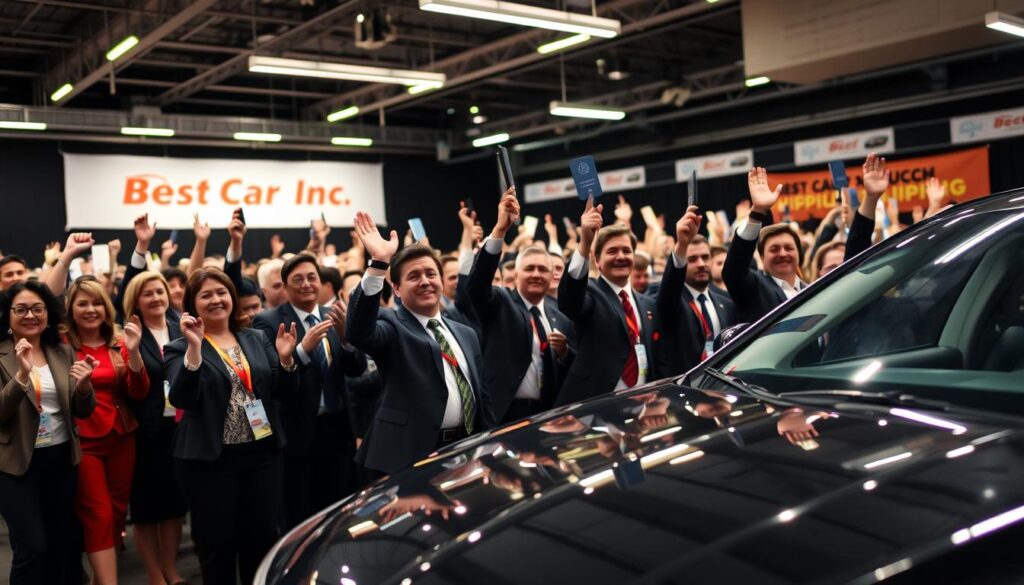
After a successful bid, the real timeline begins when the invoice clears and the lot posts a release. Shipping cannot be scheduled until payment is confirmed and the yard marks the vehicle “released.”
Auction invoice and payment confirmation: when scheduling is allowed
The buyer receives an invoice, pays, and waits for the yard to update the release status. Only then can a carrier accept a firm pickup date. This prevents wasted trips and failed attempts.
Vehicle release status and gate passes: what carriers need
Carriers need a buyer release or gate pass, the lot/stock number, and the exact pickup address. Appointment confirmation is often required for secure yards. Missing or incorrect details cause denials at the gate.
Dispatch realities: how location, lanes, and equipment affect pickup
Dispatch depends on lane demand, yard location, trailer availability, and whether the vehicle needs special equipment. Booking immediately after payment improves carrier availability even if pickup is a few days out.
The free storage clock: when storage fees begin
Most yards give 2–5 business free days. Once that window closes, storage fees start automatically. These daily fees can quickly erode the value of the purchase.
“Book a carrier immediately after payment; it protects the buyer from re-dispatch, extra fees, and lost time.”
Plan one clear step at a time: confirm payment, verify release, provide accurate pickup details, and dispatch a carrier. Precise documentation reduces failed pickups and costly re-dispatch under tight time constraints. For help to schedule pickup, use our schedule pickup service or contact info@bestcarshippinginc.com.
Auction Pickup Rules That Commonly Delay Vehicle Transport
Most failed transports trace back to simple yard restrictions and readiness issues.
Common yard restrictions
Auction yards often require secure entry, strict appointment windows, and verified gate passes. These rules prevent “just show up” attempts and create scheduling pressure.
Limited pickup hours and appointment-only access force precise timing. Missing an appointment can add one or more days of delay.
Keys, holds, and readiness-to-load problems
Missing keys, wheel locks, blocked placement, or non-rolling vehicles are frequent turnaway reasons. Mechanical issues and undisclosed damage also stop a successful pickup.
Buyers should report keys present/missing, visible damage, and rollability up front. That ensures the right equipment and carrier are dispatched the first time.
Title status versus operational holds
A title in process rarely blocks vehicle transport if the yard posts a release and clears holds. Operational holds are the real barrier.
Each failed attempt consumes dispatch time and pushes the buyer toward storage and possible storage fees. A coordinated carrier confirms release, requests appointments when needed, and verifies all pickup details before dispatch.
“Confirm release and share keys and condition details to avoid costly delays.”
car shipping from auction: Choosing the Right Transport Type for Your Vehicle
Not all trailer types suit every lot or vehicle. Matching the trailer to yard access and the vehicle condition reduces turnaways and delays.
Open auto transport is the cost-effective choice for most standard cars and common routes. It lowers price and keeps schedules flexible.
Open auto transport: cost-effective for most cars and standard routes
Open trailers carry more units, so rates are lower. They work well for daily drivers with routine finishes.
Enclosed auto transport: added protection for classic, luxury, and high-value vehicles
Enclosed transport shields against weather, dust, and road debris. Choose it for collector models, rare trims, and high-value units where appearance matters.
Matching the carrier and trailer to yard requirements and vehicle condition
Pick a carrier with auction experience. They know gate rules, appointment windows, and required equipment. This expertise cuts re-dispatch risk.
| Service | Best for | Yard compatibility |
|---|---|---|
| Open | Standard vehicles; lower cost | Fits most lots; quick loading |
| Enclosed | Luxury, classic, exotic | May need larger gates; appointment advised |
| Special equipment | Non-running or damaged units | Requires winch or forklift access |
| Carrier experience | All high-risk pickups | Improves success and reduces delays |
Match protection level to real needs, not fear. Ask providers about gate experience and exact equipment before you book. For enclosed options and premium handling, see premium enclosed transport.
Running vs. Non-Running Auction Vehicles and the Equipment You’ll Need
Knowing whether a vehicle truly runs changes what equipment and carrier will accept the pickup.
How yards define operable and why that matters
Running means the engine starts, the vehicle moves forward and backward, and it steers and brakes well enough to load safely. Yards use this narrow standard to sort units and set pricing.
Tools needed for inoperable units
Non-running vehicles often need winch-equipped trucks, wheel-lift setups, or forklift coordination when yards permit. Specialized equipment raises transport costs and limits carrier options.
Real consequences of misclassification
Sending the wrong truck causes turnaways, re-dispatch, and added storage fees. Each failed attempt shortens free days and increases daily fees rapidly.
Practical buyer steps to avoid problems
- Disclose known issues and assume non-running unless the unit clearly meets the running test.
- Report visible damage, missing keys, and rollability so the carrier brings the right equipment.
- Book a carrier experienced with damaged and inoperable pickups to reduce delays.
One clear step: accurate condition reporting at booking protects the buyer’s timeline and budget. For questions, contact info@bestcarshippinginc.com or call (307) 288-5972.
How Much Does Auction Vehicle Shipping Cost?
Distance sets the baseline for cost, then condition and equipment push the final total. Buyers should plan pricing with clear details about operability, lot location, and required handling.
Primary cost factors
Distance, vehicle condition, special equipment, urgency, lane demand, and seasonal volume drive most costs. Insurance and yard constraints can add fees if not clarified in the quote.
Typical open transport price ranges
| Distance (miles) | Running (open) | Non-running (open) | Enclosed estimate |
|---|---|---|---|
| 0–500 | $350–$650 | $500–$900 | +30–60% (~$455–$1,440) |
| 500–1,000 | $650–$1,100 | $900–$1,500 | +30–60% |
| 1,000–2,000 | $1,100–$1,700 | $1,500–$2,400 | +30–60% |
Why too-cheap quotes fail: Underpriced offers often skip yard rules or needed equipment. That causes gate denials, re-dispatch, extra days in storage, and higher long-run costs.
Request a detailed quote with lot/stock number, operable status, missing keys, and damage notes. Transparent pricing saves time and prevents surprise charges. For help, contact info@bestcarshippinginc.com or call (307) 288-5972.
Timeline Planning to Avoid Storage Fees and Pickup Delays
A clear timeline reduces the chance of last-minute fees and failed pickups.
Standard pickup windows typically fall within 2–5 business days after the lot posts a release. In busy lanes or for non-running units, expect 3–7 business days.
Expedited options exist but cost more and may only deliver in 24–72 hours when capacity allows.
Realistic pickup expectations
Plan for standard dispatch unless you pay for priority service. Booking early reduces the risk of delays and re-dispatch.
High-risk periods for delays
Expect trouble at month-end, on heavily trafficked lanes, and during severe weather. These events push pickup and delivery schedules out by days and can trigger storage fees.
Best booking timing
Reserve dispatch immediately after payment and release confirmation. Early booking secures capacity and lowers exposure to rising storage costs.
- Match internal payment, release confirmation, and booking as one coordinated workflow to limit storage days.
- Communicate lot location, lot/stock number, and operability so the carrier brings proper equipment and avoids turnaways.
- Choose an experienced partner to improve success rates and protect delivery commitments—consider a reliable transport partner.
“Map the auction clock to action: confirm payment, book dispatch, and verify appointments to prevent daily storage fees.”
The right timeline and proactive communication make the process predictable. For assistance, contact info@bestcarshippinginc.com or call (307) 288-5972.
How to Choose a Reliable Auto Transport Company for Auction Vehicles
A careful vetting process pays off when time-sensitive pickups and strict lot rules are involved.
Verify licensing first. Check US DOT operating authority via FMCSA records before you trust a carrier with tight pickup windows. Confirm the number matches the company named on the bill of lading.
Insurance basics to confirm before pickup
Ask for cargo insurance details. Verify coverage limits, deductibles, and whether the policy covers yard holds or re-dispatch losses. For higher-value units, request written proof of coverage.
How to compare quotes and fees
Compare a quote beyond the headline rate. Itemize included services and call out potential costs:
- storage fees for missed free days
- fuel surcharges and peak-season adjustments
- special-equipment charges for non-running units
Confirm cancellation and re-dispatch terms so you know when extra days or fees apply.
Reputation signals that matter
Look for consistent reviews about on-time performance and clear communication. Prioritize providers with documented experience handling damage claims and lot appointments.
“Choose transparency and documented authority for predictable pickups and peace of mind.”
Need more detail? See our complete guide to automobile transport or contact info@bestcarshippinginc.com or (307) 288-5972 for help vetting a transporter.
Get Your Vehicle Ready for Pickup and Delivery
Timely preparation and clear documentation prevent most delays and disputes at pickup and delivery.
Information you’ll need for booking
Provide exact auction location, the lot or stock number, and buyer release references when available.
- Full pickup location and hours
- Lot/stock number and gate contact
- Accurate vehicle details: make, model year, operability
Document the condition with photos
Photograph the vehicle from multiple angles before transport. Salvage or damaged units need clear imagery to support any claims later.
Practical prep steps
Remove personal items and secure loose parts. Check for fluid leaks and keep fuel near a quarter tank to reduce weight and hazards.
Delivery day checklist
- Conduct a walkaround; compare to pre-transport photos.
- Note all exceptions on the bill of lading before signing.
- If damage is found, document, notify the carrier and coordinator, and keep all paperwork for claims.
Need help? Contact support at info@bestcarshippinginc.com or call (307) 288-5972 for booking details and process guidance.
Conclusion
Time, paperwork, and correct equipment decide whether a lot pickup stays on schedule or creates avoidable costs.
After a win, the business risk is not the bid but lost time that triggers storage fees and re-dispatch. Follow one clear workflow: pay the invoice, confirm release, and book transport immediately.
Disclose vehicle condition accurately so the carrier brings the right equipment. Provide exact lot/stock details and gate contacts to avoid denied entry and extra storage.
Reliability beats the lowest quote. Predictable pickups, fewer failed attempts, and transparent pricing protect buyers and preserve value.
Act now: request a quote after payment to lock a reliable pickup window. Email info@bestcarshippinginc.com or call (307) 288-5972 for immediate coordination.