
Reliable auto transport removes the stress of long-distance moves. This option offers door-to-door pickup, insured transit, and both open and enclosed carriers. Drivers and fleet coordinators handle scheduling so customers keep their plans intact.
Expect clear quotes and professional coordination. Teams provide fast estimates and set realistic delivery windows. Licensed carriers and documented inspections reinforce accountability and protect higher-value vehicles.
Request a quote with precise pickup and delivery details to get accurate pricing. For routes through Houston’s corridors like I-10, I-45, and I-69, coordinated pickup reduces transit delays and gives peace mind.
Contact the team at our Texas location or email info@bestcarshippinginc.com. Phone support is available at (307) 288-5972 to guide customers through every step.
Key Takeaways
- Top-rated auto transport removes risk and protects schedules.
- Fast, transparent quotes and clear delivery windows matter.
- Licensed carriers and inspections build trust.
- Options include open or enclosed transit for different needs.
- Provide exact details to get an accurate quote and timeline.
Trusted Vehicle Shipping Across the United States</h2>
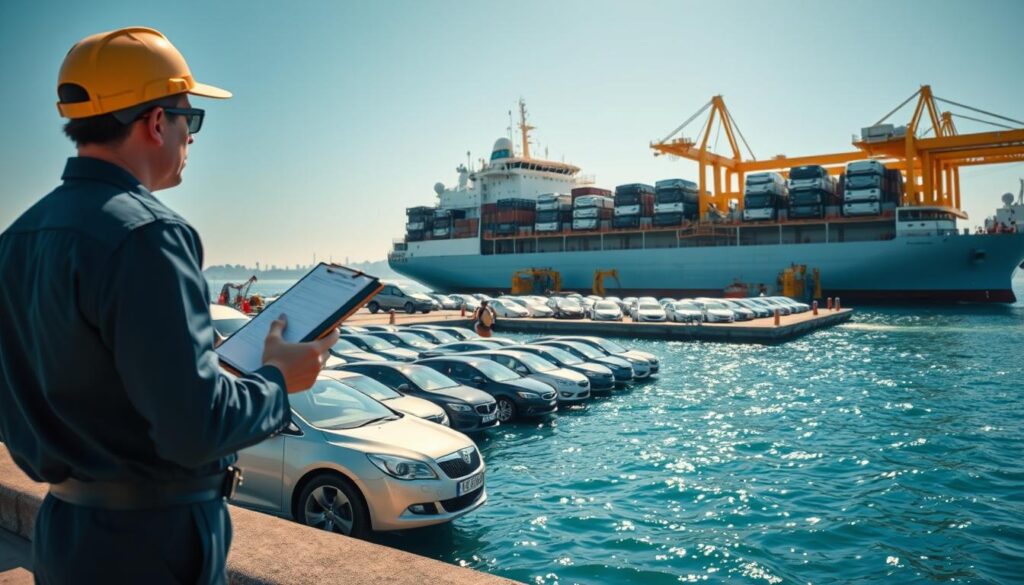
Owners and fleet managers rely on a nationwide network for consistent vehicle movement. Coast-to-coast routes, state-to-state lanes, and flexible meeting points make door-to-door pickup practical for most ZIP codes.
Who we help
Students, families, and military personnel use these solutions for smooth relocations. Dealerships and fleet coordinators depend on predictable processes for inventory transfers and multi-vehicle moves.
What to expect
Professional coordination means assigning a carrier, confirming availability, and scheduling clear pickup windows. Customers receive driver contact and milestone updates throughout the shipment.
- Pickup expectations: arrive within the scheduled window, have paperwork ready, and confirm vehicle condition before load.
- Insured delivery: coverage is standard; verify limits before transport begins.
- Commercial buyers: receive consistent documentation and repeat-shipment processes for easy reconciliation.
| Coverage Type | Typical Scope | Customer Benefit |
|---|---|---|
| Coast-to-Coast Routes | Cross-country lanes connecting major cities | Predictable transit times |
| State-to-State Service | Interstate hauls with standardized procedures | Consistent handling regardless of origin |
| Rural & Remote Pickup | Flexible meeting points and ZIP-level access | Doorstep options where terminals are limited |
Why Choose Our Car Shipping Service</h2>

Reliability begins with a vetted nationwide network of licensed and bonded carriers. This foundation delivers consistent coverage and clear accountability for every move.
Licensed, bonded carriers in a nationwide network
Non-negotiables include licensing, bonding, and safety audits for every carrier. Teams verify drivers, review records, and confirm operating authority before assignment.
Transparent pricing and no-surprise billing practices
Price transparency means rates are set by route, vehicle type, and service level. Clear quotes list fees and optional add-ons to reduce billing surprises.
Customer-first communication and real-time shipment updates
One point of contact keeps questions simple. Proactive alerts and live status reduce unknowns and help receiving parties plan with confidence.
Safe handling for everyday vehicles and high-value autos
Quality control enforces securement standards, inspection protocols, and documented handoffs. Enclosed auto transport is recommended for classic and luxury vehicles.
| Feature | What it Means | Benefit |
|---|---|---|
| Licensed Carriers | Verified operating authority and bonding | Legal protection and accountability |
| Vetting & Safety | Accident history and securement standards | Lower risk in transit |
| Transparent Pricing | Quoted price with itemized fees | Fewer surprises at delivery |
Get a Fast Car Shipping Quote</h2>
Get an accurate quote fast by giving clear pickup and delivery details up front.
Information needed for an accurate quote
Provide exact ZIP or city for origin and destination. Add vehicle year, make, and model. Note if the vehicle is non-running.
Mention desired dates and whether you want open, enclosed, or expedited transport.
How flexibility lowers rates
Booking 1–2 weeks ahead improves carrier options and often lowers cost.
Wider pickup windows (for example, a five-day window) let carriers bundle loads and cut deadhead miles. Longer distance routes can reduce per-mile rates due to economies of scale.
| What to Give | Why It Matters | Customer Benefit |
|---|---|---|
| ZIP/city (origin & destination) | Defines route and access needs | Faster, accurate quote |
| Vehicle details & running condition | Trailer space and equipment planning | Correct cost and no surprises |
| Flexible dates | Allows route optimization | Lower rates and better timing |
Next step: request a quote, then confirm availability and schedule once a carrier is assigned. Expect clear terms on what the quote includes and what may change for remote access or special handling.
How Car Shipping Works From Pickup to Delivery</h2>
A predictable workflow protects the owner and ensures accountability from origin to delivery. The standard process is simple: request a quote, schedule pickup, prepare the vehicle, complete the origin inspection and bill of lading, monitor transport with updates, then perform final inspection and sign-off.
Scheduling pickup with your assigned carrier
The assigned carrier coordinates a pickup window and shares the driver contact. Confirm the meeting location and access requirements in advance. Plan a short buffer for traffic or delays on the day of pickup.
Vehicle inspection and the bill of lading
The driver documents existing condition and both parties sign the bill lading. Take photos and note dings or scratches before handoff. This paperwork becomes the core condition report for the shipment.
Transport timeline and in-transit communication
Transit time varies by route, season, and carrier availability. Expect status check-ins and ETA updates during transport. If weather or traffic affects timing, the carrier should coordinate adjustments.
Final delivery inspection and sign-off
Compare the vehicle to the bill of lading at delivery. Document any changes immediately and sign only after review. These steps enforce protection and accountability for both owner and carrier.
Ready to start? request a quote to begin the process for your car shipping.
Auto Transport Options to Match Your Vehicle and Budget</h2>
Selecting the right transport option starts with matching protection to budget and risk. Understand the trade-offs before booking to avoid surprises.
Open carrier car transport for affordable nationwide shipping
Open carriers are the standard, budget-friendly choice. They suit most daily drivers and fleets.
Benefit: lower cost and wide availability across routes.
Enclosed auto transport for luxury, classic, and exotic cars
Enclosed auto transport uses covered trailers that cut exposure to weather and debris. This is the recommended option for premium and collectible vehicles.
Expect roughly 40–60% higher fees for the added protection.
Expedited vehicle shipping for tight timelines
Expedited transit prioritizes your load on the route. It reduces transit time but raises cost due to limited capacity.
Door-to-door vs terminal-to-terminal delivery
Door-to-door offers maximum convenience with pickup at the listed address.
Terminal options can lower price if customers can drop off and collect at hubs.
Choosing the right option
Match the option to vehicle type, risk tolerance, and timeline rather than price alone. The best plan balances budget, protection, and realistic delivery expectations.
Enclosed Auto Transport: Maximum Protection for Premium Vehicles</h2>
Enclosed auto transport is ideal when protection outweighs price. Owners of high-value, collectible, or rare-finish vehicles choose this option to reduce exposure on long routes.
What it protects against: rain, sun damage, road debris, and grime. Enclosed trailers keep vehicles covered during transit and lower the chance of cosmetic damage.
Rule of thumb: opt for enclosed auto when the vehicle’s value or finish would cost more to repair than the added cost. Limited capacity means booking early helps with timing and availability.
Owners should request an enclosed quote specifically and confirm pickup windows. Expect careful inspection, documented condition reports, and professional handling at both pickup and delivery.
Result: reduced risk, clearer accountability, and greater peace mind for owners protecting a significant investment.
Car Shipping Cost: What Impacts Price and Rates</h2>
Several measurable elements — distance, size, seasonality, and access — shape the final rate for moving a vehicle.
Distance and miles
Longer distance runs often lower the per-mile price. Carriers gain efficiency on long hauls and spread fixed costs across more miles.
Vehicle size and condition
Larger vehicles need more capacity and raise the cost. SUVs and trucks usually price higher than sedans.
Non-running vehicles add handling needs. A winch or extra labor can increase rates by a noticeable margin.
Seasonal demand
Peak summer months can push rates up 20–40%. Off-season windows offer better price flexibility and easier scheduling.
Route popularity and highway access
High-frequency routes along I-10, I-45, and I-69 support competitive rates and faster transit times. Popular corridors reduce deadhead miles.
Pickup and delivery access
Urban tight spots or remote ZIP codes can add 20–30% to the cost. Alternate meeting points keep schedules on time and limit extra fees.
Summary: customers pay for capacity, distance, route efficiency, and timing — not just miles. For specific estimates, request a quote and include exact origin, destination, and vehicle details. For help, contact info@bestcarshippinginc.com or (307) 288-5972.
Estimated Transit Time: How Many Days Will Shipping Take?</h2>
Knowing the difference between transit time and pickup window helps set realistic expectations. Transit time is the period the vehicle spends en route. The pickup window is when the carrier arrives to load. Understanding both parts clarifies the full timeline from booking to delivery.
Typical delivery windows and seasonality
For many Houston-origin routes, typical delivery falls in a 2–6 day range depending on destination distance and routing. Shorter in-state moves often take fewer days. Long-haul lanes can extend the timeline while still remaining within a predictable multi-day window.
Common delay factors and expectations
Delays arise from highway congestion, holidays, severe weather, and remote pickup or delivery points. These factors may force detours or extra coordination and extend the ETA.
- Carrier availability: Peak seasons reduce options and add lead time for assignment.
- Traffic & holidays: Congestion can add hours or full days to the projected delivery.
- Weather: Severe conditions pause routes until safe passage is possible.
Proactive communication is critical. Customers should receive ETA updates and a revised plan if timing changes. Booking ahead improves scheduling options and lowers the chance of urgent delays on pickup or delivery days.
For more on common causes and practical steps to reduce delays, review these common delays.
Real Route Examples for Cost and Delivery Time</h2>
Route benchmarks provide practical context for planning moves and comparing quotes. Use these updated 2026 examples as planning points. Real quotes will vary with exact addresses, vehicle type, and seasonal demand.
Houston → Los Angeles
Estimate: about $850–$1,050 and 2–6 days.
This high-demand corridor sees frequent loads, which keeps price competitive and transit time predictable.
Houston → New York City
Estimate: about $900–$1,100 and 2–6 days.
Dense urban delivery can require flexible meeting points. Allow extra time for city access and parking constraints.
Houston → Atlanta
Estimate: about $675–$800 and 0–3 days.
Shorter regional lanes often finish faster. Quick turnaround depends on scheduling and carrier availability.
Texas → New York (route example)
Estimate: ~1,842 miles and about 4–6 days.
This long-haul example helps visualize per-mile efficiency and planning for multi-day transit time.
Austin → San Antonio (in-state)
Estimate: about $150–$250 and same-day.
Short moves can be fast but still need coordination; confirm pickup windows to avoid delays.
Use these examples as reference points, then request a quote for exact pricing and availability.
Where We Ship: Nationwide Coverage With Local Expertise</h2>
Customers rely on a nationwide network that plans lanes to serve both high-demand corridors and remote ZIP codes. This approach ensures consistent shipping capability across the continental U.S.
Popular city-to-city lanes
High-frequency routes link major metros like New York and San Antonio with steady carrier availability. These corridors see frequent runs along key highways, which shortens transit time and lowers cost.
Handling rural and remote ZIP codes
Remote delivery needs are met with flexible pickup points. If a residential street cannot host a large trailer, teams arrange nearby lots or shopping centers for safe loading.
Flexible meeting locations reduce delays and keep delivery windows intact. They also help avoid extra fees tied to tight or restricted access.
Local expertise improves reliability
Teams use local knowledge of traffic patterns and metro restrictions to pick optimal routes and safe meeting spots. This reduces unexpected hold-ups and supports predictable transport across the network.
- What nationwide coverage means: door-to-door lanes for major cities and planned solutions for smaller markets.
- Expectations: provide route details and a preferred pickup window to confirm options.
Next step: share origin and destination specifics to get an accurate quote and confirm carrier options and timing. Email info@bestcarshippinginc.com or call (307) 288-5972.
Insurance Coverage and Peace of Mind During Transport</h2>
Understanding insurance starts with knowing what a carrier’s cargo policy does and does not cover. This protects the vehicle while it is under custody during the shipment.
What carrier cargo insurance typically covers
Carrier cargo insurance usually covers damage that occurs during loading, in-transit movement, and unloading. Coverage is subject to policy limits and requires proper documentation.
Common exclusions to note
Typical exclusions include personal items left inside, pre-existing dents or scratches, and mechanical failures unrelated to transport events. Owners should remove valuables before pickup.
How to verify coverage before pickup
- Request the carrier’s certificate of insurance and confirm policy dates.
- Check liability limits and covered perils listed on the certificate.
- Take pre-pickup photos and keep the bill of lading for condition proof.
- Ask the carrier about the claims process and expected timelines.
Tip: A quick verification call and copies of the policy reduce surprises at delivery. For carrier comparisons, review industry options at best car shippers.
Preparing Your Car for Shipping Car Transport</h2>
A short pre-trip checklist prevents delays and protects your vehicle during handoff. Follow these steps to speed the pickup and avoid disputes at delivery.
Remove personal items and toll tags
Take out all personal belongings and loose accessories. Remove toll transponders like TxTag or EZ TAG. Clearing the interior avoids lost items and simplifies the inspection.
Document condition with photos
Photograph all sides, the interior, and any existing damage. Save timestamps and share copies with the carrier. These images back up the bill of lading and speed any claim review.
Fuel, battery, fluids, tires, and alarms
Keep the tank about a quarter full. This lowers weight but lets the driver move the vehicle safely if needed.
Ensure the battery holds charge, there are no fluid leaks, tires are properly inflated, and alarms are disabled. Provide any special start instructions and give the driver a working key.
Quick prep checklist
- Remove personal items and toll tags
- Take clear photos from multiple angles
- Maintain ~1/4 tank fuel
- Verify battery, fluids, and tire pressure
- Disable alarms and supply a working key
| Item | Why it Matters | Customer Action |
|---|---|---|
| Personal Items | Prevents loss and insurance gaps | Remove all belongings |
| Photo Record | Supports condition report | Take dated photos and save copies |
| Mechanical Checks | Avoids loading delays | Test battery, check fluids, inflate tires |
For a printable prep list, view the prep checklist. Clear preparation makes the pickup and overall process smoother for the owner and driver.
Pickup Day: What to Expect From Your Carrier</h2>
Pickup day centers on timing, a brief condition check, and secure loading onto the trailer.
Coordinating timing, location, and driver contact
The assigned carrier will call or text to confirm a pickup window and meeting point. The driver shares arrival estimates and any access notes.
If a street is too tight, the carrier may request a nearby lot or plaza. This keeps the appointment on schedule and improves safety in dense neighborhoods.
Loading process and securement on the trailer
Before loading, the driver and owner complete a short inspection and sign the paperwork. Photos and notes document current condition on the bill of lading.
Vehicles are driven or winched onto the trailer and placed for balanced transport. Technicians use straps and tie-downs and perform final safety checks to prevent movement during transit.
The carrier’s process is built to protect the vehicle and provide clear accountability from day one.
| Step | What to Expect | Customer Action |
|---|---|---|
| Pre-pickup Call | Confirm time, location, and driver contact | Be reachable and confirm access |
| Inspection | Document existing condition with photos | Review and sign bill of lading |
| Loading | Drive-on or winch; positioned for balance | Provide working key and clear pathway |
| Securement | Straps, tie-downs, and safety checks | Observe and ask questions if unsure |
Delivery Day: Inspection, Paperwork, and Next Steps</h2>
On delivery day, a prompt inspection of the vehicle and a side-by-side check with the bill of lading protect the owner’s interests. Inspect the exterior first, then open doors and trunk. Compare each noted item to the bill lading before signing any paperwork.
Comparing the vehicle to the bill of lading condition report
Meet the driver and review the condition report together. Walk the vehicle slowly and confirm every scratch, dent, or mark against the bill lading entries. Take timestamped photos of any variance.
How to handle damage documentation if needed
If damage is found, stop and document. Note exceptions on the bill lading and ask the driver for the carrier claim steps.
- Delivery checklist: meet driver, inspect exterior, compare to bill lading, photograph issues.
- Sign-off meaning: signing confirms receipt and condition; do not sign until inspection is complete.
- If damage: photograph, note details on paperwork, request claim instructions and contact info.
| Step | What to do | Why it matters |
|---|---|---|
| Inspect | Compare items to report | Documents condition for claims |
| Document | Take photos and notes | Speeds insurance review |
| Confirm | Sign after review | Finalizes receipt and next steps |
“Timely documentation and clear sign-off protect both the owner and the carrier.”
After delivery, test start, lights, and basic function. Prompt reporting helps smooth any insurance or claim process. For tips on preparing and minimizing surprises, see stress-free transport tips.
Moving to Texas or Shipping Into Houston: Helpful State Notes</h2>
Moving into Texas brings specific timelines for registration and licensure that affect post-delivery planning.
Vehicle registration: New residents must register the vehicle with the state within 30 days of establishing residency. Plan the delivery so paperwork, title, and proof of insurance are ready shortly after arrival.
Driver’s license: Obtain a Texas driver’s license within 90 days. Allow extra time for visits to the county DPS, and bring required ID and residency documents when the vehicle is needed for daily use.
Emissions and local rules
Some Houston-area counties require emissions testing before registration. Check county requirements early and schedule tests if needed to avoid delays in title processing.
Align delivery with compliance
Coordinate transport and delivery timing with these deadlines. Aligning arrival time with registration and testing windows reduces administrative stress and keeps the move on schedule.
Need help planning? Contact the team at info@bestcarshippinginc.com or call (307) 288-5972 for guidance on timing and local requirements to ensure a smooth transition.
Conclusion</h2>
A disciplined approach—clear quotes, carrier verification, and documented inspections—reduces surprises and keeps auto transport predictable.
Nationwide transport combines coordinated pickup, transparent pricing, and signed condition reports to protect vehicles and schedules. Choose providers that verify licensing and insurance, communicate proactively, and list fees clearly.
Decision framework: use open transit for value, enclosed for protection, expedited for tight timelines, and door-to-door when convenience matters most. Accurate quotes require exact origin, destination, and vehicle details; flexible pickup windows improve availability and final pricing.
Request a car shipping quote or a shipping quote, confirm pickup timing, and secure carrier assignment early. Call (307) 288-5972 or email info@bestcarshippinginc.com to finalize options and schedule.
FAQ
What types of vehicle transport does Best Car Shipping Inc. offer?
How do I get a fast and accurate shipping quote?
What information is on the bill of lading and why is it important?
How long will transit typically take for shipments?
What affects the total cost of transport?
When is enclosed auto transport the right choice?
How should I prepare my vehicle before pickup?
What happens on pickup day with the assigned carrier?
How is delivery handled and what do I inspect on arrival?
What insurance coverage applies during transport?
Can you ship to remote ZIP codes or rural addresses?
Are there seasonal rate changes and how can I save?
What routes do you commonly cover, and how long are typical examples?
FAQ
What types of vehicle transport does Best Car Shipping Inc. offer?
Best Car Shipping Inc. provides open carrier transport for economical routes, enclosed auto transport for luxury and classic vehicles, expedited options for urgent moves, and both door-to-door and terminal-to-terminal delivery. Customers can choose based on budget, value, and timeline.
How do I get a fast and accurate shipping quote?
Provide pickup and delivery ZIP codes, vehicle year/make/model, running condition, preferred pickup window, and whether you want enclosed protection. Rates factor in distance, route demand, and carrier availability. Email info@bestcarshippinginc.com or call (307) 288-5972 for an immediate estimate.
What information is on the bill of lading and why is it important?
The bill of lading lists the vehicle condition, odometer, pickup and delivery addresses, carrier details, and agreed charges. It is the legal receipt and the basis for any insurance claims. Inspect and sign it only after confirming the condition report matches the vehicle.
How long will transit typically take for shipments?
Delivery windows vary by route and season. Most cross-state moves take 2–6 days; regional trips can be same-day to 3 days. Weather, holidays, and remote pickup points can extend transit time. Best Car Shipping Inc. provides real-time updates during transit.
What affects the total cost of transport?
Key drivers are distance and miles, vehicle size and weight, whether the vehicle runs, route popularity, seasonal demand, and pickup/delivery access. Enclosed transport and expedited delivery add premiums. Best Car Shipping Inc. gives transparent rates with no surprise fees.
When is enclosed auto transport the right choice?
Choose enclosed protection for high-value, classic, exotic, or show vehicles. Enclosed carriers shield against weather and road debris on long routes and offer extra peace of mind for owners who prioritize protection over cost.
How should I prepare my vehicle before pickup?
Remove personal items, toll tags, and loose accessories. Leave about a quarter tank of fuel. Check battery, fluids, tires, and disable the alarm if possible. Take photos and note existing damage for the condition report and the bill of lading.
What happens on pickup day with the assigned carrier?
The driver contacts the customer to confirm time and location. The carrier performs a vehicle inspection, completes the bill of lading, and secures the vehicle on the trailer. Best Car Shipping Inc. coordinates communication to ensure a smooth pickup.
How is delivery handled and what do I inspect on arrival?
On delivery, compare the vehicle to the bill of lading condition report, note any discrepancies, and sign only after inspection. If damage exists, document photos and file a claim promptly with the carrier and Best Car Shipping Inc.
What insurance coverage applies during transport?
Carriers carry cargo insurance that covers transit damage up to specified limits. Coverage typically excludes personal items, pre-existing damage, and mechanical failures. Best Car Shipping Inc. helps customers verify carrier insurance and understand coverage before pickup.
Can you ship to remote ZIP codes or rural addresses?
Yes. Best Car Shipping Inc. serves rural and remote ZIP codes using flexible pickup points when direct access is limited. Accessibility, local road restrictions, and driver equipment can affect scheduling and cost.
Are there seasonal rate changes and how can I save?
Demand peaks in summer and around holidays, which can raise rates. Booking during off-peak months, allowing flexible pickup/delivery windows, and choosing open carriers reduce costs. Long-distance routes sometimes lower the per-mile rate.
What routes do you commonly cover, and how long are typical examples?
Popular routes include Houston to Los Angeles (about 0–
FAQ
What types of vehicle transport does Best Car Shipping Inc. offer?
Best Car Shipping Inc. provides open carrier transport for economical routes, enclosed auto transport for luxury and classic vehicles, expedited options for urgent moves, and both door-to-door and terminal-to-terminal delivery. Customers can choose based on budget, value, and timeline.
How do I get a fast and accurate shipping quote?
Provide pickup and delivery ZIP codes, vehicle year/make/model, running condition, preferred pickup window, and whether you want enclosed protection. Rates factor in distance, route demand, and carrier availability. Email info@bestcarshippinginc.com or call (307) 288-5972 for an immediate estimate.
What information is on the bill of lading and why is it important?
The bill of lading lists the vehicle condition, odometer, pickup and delivery addresses, carrier details, and agreed charges. It is the legal receipt and the basis for any insurance claims. Inspect and sign it only after confirming the condition report matches the vehicle.
How long will transit typically take for shipments?
Delivery windows vary by route and season. Most cross-state moves take 2–6 days; regional trips can be same-day to 3 days. Weather, holidays, and remote pickup points can extend transit time. Best Car Shipping Inc. provides real-time updates during transit.
What affects the total cost of transport?
Key drivers are distance and miles, vehicle size and weight, whether the vehicle runs, route popularity, seasonal demand, and pickup/delivery access. Enclosed transport and expedited delivery add premiums. Best Car Shipping Inc. gives transparent rates with no surprise fees.
When is enclosed auto transport the right choice?
Choose enclosed protection for high-value, classic, exotic, or show vehicles. Enclosed carriers shield against weather and road debris on long routes and offer extra peace of mind for owners who prioritize protection over cost.
How should I prepare my vehicle before pickup?
Remove personal items, toll tags, and loose accessories. Leave about a quarter tank of fuel. Check battery, fluids, tires, and disable the alarm if possible. Take photos and note existing damage for the condition report and the bill of lading.
What happens on pickup day with the assigned carrier?
The driver contacts the customer to confirm time and location. The carrier performs a vehicle inspection, completes the bill of lading, and secures the vehicle on the trailer. Best Car Shipping Inc. coordinates communication to ensure a smooth pickup.
How is delivery handled and what do I inspect on arrival?
On delivery, compare the vehicle to the bill of lading condition report, note any discrepancies, and sign only after inspection. If damage exists, document photos and file a claim promptly with the carrier and Best Car Shipping Inc.
What insurance coverage applies during transport?
Carriers carry cargo insurance that covers transit damage up to specified limits. Coverage typically excludes personal items, pre-existing damage, and mechanical failures. Best Car Shipping Inc. helps customers verify carrier insurance and understand coverage before pickup.
Can you ship to remote ZIP codes or rural addresses?
Yes. Best Car Shipping Inc. serves rural and remote ZIP codes using flexible pickup points when direct access is limited. Accessibility, local road restrictions, and driver equipment can affect scheduling and cost.
Are there seasonal rate changes and how can I save?
Demand peaks in summer and around holidays, which can raise rates. Booking during off-peak months, allowing flexible pickup/delivery windows, and choosing open carriers reduce costs. Long-distance routes sometimes lower the per-mile rate.
What routes do you commonly cover, and how long are typical examples?
Popular routes include Houston to Los Angeles (about $850–$1,050; 2–6 days), Houston to New York City (about $900–$1,100; 2–6 days), and Austin to San Antonio (about $150–$250; same-day). Best Car Shipping Inc. publishes route examples to help estimate time and rates.
How are non-running vehicles handled?
Non-running vehicles require special equipment and additional handling. They may incur higher rates and need advance notice so the assigned carrier arrives prepared with winches or flatbeds. Disclose non-running status when requesting a quote.
What should I do if my vehicle is damaged during transport?
Document the damage immediately with photos, note it on the bill of lading, and notify the carrier and Best Car Shipping Inc. We assist with the claims process and provide carrier contact and insurance information to resolve the claim promptly.
Do you assist customers moving into Texas, like Houston?
Yes. Best Car Shipping Inc. advises new Texas residents on vehicle registration timelines (typically 30 days) and driver’s license requirements (about 90 days), plus county emissions rules. Contact us for state-specific guidance tied to your delivery.
How do I choose between door-to-door and terminal-to-terminal delivery?
Door-to-door offers convenience with pickup and drop-off at specified addresses. Terminal-to-terminal can be cheaper but requires customers to drop off and pick up at carrier terminals. Choose based on budget, access, and timing needs.
How do I contact Best Car Shipping Inc. for questions or to book?
Email inquiries to info@bestcarshippinginc.com or call (307) 288-5972. The team provides quotes, explains carrier insurance, and coordinates pickup and delivery to ensure reliable, professional transport.
,050; 2–6 days), Houston to New York City (about 0–
FAQ
What types of vehicle transport does Best Car Shipping Inc. offer?
Best Car Shipping Inc. provides open carrier transport for economical routes, enclosed auto transport for luxury and classic vehicles, expedited options for urgent moves, and both door-to-door and terminal-to-terminal delivery. Customers can choose based on budget, value, and timeline.
How do I get a fast and accurate shipping quote?
Provide pickup and delivery ZIP codes, vehicle year/make/model, running condition, preferred pickup window, and whether you want enclosed protection. Rates factor in distance, route demand, and carrier availability. Email info@bestcarshippinginc.com or call (307) 288-5972 for an immediate estimate.
What information is on the bill of lading and why is it important?
The bill of lading lists the vehicle condition, odometer, pickup and delivery addresses, carrier details, and agreed charges. It is the legal receipt and the basis for any insurance claims. Inspect and sign it only after confirming the condition report matches the vehicle.
How long will transit typically take for shipments?
Delivery windows vary by route and season. Most cross-state moves take 2–6 days; regional trips can be same-day to 3 days. Weather, holidays, and remote pickup points can extend transit time. Best Car Shipping Inc. provides real-time updates during transit.
What affects the total cost of transport?
Key drivers are distance and miles, vehicle size and weight, whether the vehicle runs, route popularity, seasonal demand, and pickup/delivery access. Enclosed transport and expedited delivery add premiums. Best Car Shipping Inc. gives transparent rates with no surprise fees.
When is enclosed auto transport the right choice?
Choose enclosed protection for high-value, classic, exotic, or show vehicles. Enclosed carriers shield against weather and road debris on long routes and offer extra peace of mind for owners who prioritize protection over cost.
How should I prepare my vehicle before pickup?
Remove personal items, toll tags, and loose accessories. Leave about a quarter tank of fuel. Check battery, fluids, tires, and disable the alarm if possible. Take photos and note existing damage for the condition report and the bill of lading.
What happens on pickup day with the assigned carrier?
The driver contacts the customer to confirm time and location. The carrier performs a vehicle inspection, completes the bill of lading, and secures the vehicle on the trailer. Best Car Shipping Inc. coordinates communication to ensure a smooth pickup.
How is delivery handled and what do I inspect on arrival?
On delivery, compare the vehicle to the bill of lading condition report, note any discrepancies, and sign only after inspection. If damage exists, document photos and file a claim promptly with the carrier and Best Car Shipping Inc.
What insurance coverage applies during transport?
Carriers carry cargo insurance that covers transit damage up to specified limits. Coverage typically excludes personal items, pre-existing damage, and mechanical failures. Best Car Shipping Inc. helps customers verify carrier insurance and understand coverage before pickup.
Can you ship to remote ZIP codes or rural addresses?
Yes. Best Car Shipping Inc. serves rural and remote ZIP codes using flexible pickup points when direct access is limited. Accessibility, local road restrictions, and driver equipment can affect scheduling and cost.
Are there seasonal rate changes and how can I save?
Demand peaks in summer and around holidays, which can raise rates. Booking during off-peak months, allowing flexible pickup/delivery windows, and choosing open carriers reduce costs. Long-distance routes sometimes lower the per-mile rate.
What routes do you commonly cover, and how long are typical examples?
Popular routes include Houston to Los Angeles (about $850–$1,050; 2–6 days), Houston to New York City (about $900–$1,100; 2–6 days), and Austin to San Antonio (about $150–$250; same-day). Best Car Shipping Inc. publishes route examples to help estimate time and rates.
How are non-running vehicles handled?
Non-running vehicles require special equipment and additional handling. They may incur higher rates and need advance notice so the assigned carrier arrives prepared with winches or flatbeds. Disclose non-running status when requesting a quote.
What should I do if my vehicle is damaged during transport?
Document the damage immediately with photos, note it on the bill of lading, and notify the carrier and Best Car Shipping Inc. We assist with the claims process and provide carrier contact and insurance information to resolve the claim promptly.
Do you assist customers moving into Texas, like Houston?
Yes. Best Car Shipping Inc. advises new Texas residents on vehicle registration timelines (typically 30 days) and driver’s license requirements (about 90 days), plus county emissions rules. Contact us for state-specific guidance tied to your delivery.
How do I choose between door-to-door and terminal-to-terminal delivery?
Door-to-door offers convenience with pickup and drop-off at specified addresses. Terminal-to-terminal can be cheaper but requires customers to drop off and pick up at carrier terminals. Choose based on budget, access, and timing needs.
How do I contact Best Car Shipping Inc. for questions or to book?
Email inquiries to info@bestcarshippinginc.com or call (307) 288-5972. The team provides quotes, explains carrier insurance, and coordinates pickup and delivery to ensure reliable, professional transport.
,100; 2–6 days), and Austin to San Antonio (about 0–0; same-day). Best Car Shipping Inc. publishes route examples to help estimate time and rates.
How are non-running vehicles handled?
Non-running vehicles require special equipment and additional handling. They may incur higher rates and need advance notice so the assigned carrier arrives prepared with winches or flatbeds. Disclose non-running status when requesting a quote.
What should I do if my vehicle is damaged during transport?
Document the damage immediately with photos, note it on the bill of lading, and notify the carrier and Best Car Shipping Inc. We assist with the claims process and provide carrier contact and insurance information to resolve the claim promptly.
Do you assist customers moving into Texas, like Houston?
Yes. Best Car Shipping Inc. advises new Texas residents on vehicle registration timelines (typically 30 days) and driver’s license requirements (about 90 days), plus county emissions rules. Contact us for state-specific guidance tied to your delivery.
How do I choose between door-to-door and terminal-to-terminal delivery?
Door-to-door offers convenience with pickup and drop-off at specified addresses. Terminal-to-terminal can be cheaper but requires customers to drop off and pick up at carrier terminals. Choose based on budget, access, and timing needs.
How do I contact Best Car Shipping Inc. for questions or to book?
Email inquiries to info@bestcarshippinginc.com or call (307) 288-5972. The team provides quotes, explains carrier insurance, and coordinates pickup and delivery to ensure reliable, professional transport.
FAQ
What types of vehicle transport does Best Car Shipping Inc. offer?
Best Car Shipping Inc. provides open carrier transport for economical routes, enclosed auto transport for luxury and classic vehicles, expedited options for urgent moves, and both door-to-door and terminal-to-terminal delivery. Customers can choose based on budget, value, and timeline.
How do I get a fast and accurate shipping quote?
Provide pickup and delivery ZIP codes, vehicle year/make/model, running condition, preferred pickup window, and whether you want enclosed protection. Rates factor in distance, route demand, and carrier availability. Email info@bestcarshippinginc.com or call (307) 288-5972 for an immediate estimate.
What information is on the bill of lading and why is it important?
The bill of lading lists the vehicle condition, odometer, pickup and delivery addresses, carrier details, and agreed charges. It is the legal receipt and the basis for any insurance claims. Inspect and sign it only after confirming the condition report matches the vehicle.
How long will transit typically take for shipments?
Delivery windows vary by route and season. Most cross-state moves take 2–6 days; regional trips can be same-day to 3 days. Weather, holidays, and remote pickup points can extend transit time. Best Car Shipping Inc. provides real-time updates during transit.
What affects the total cost of transport?
Key drivers are distance and miles, vehicle size and weight, whether the vehicle runs, route popularity, seasonal demand, and pickup/delivery access. Enclosed transport and expedited delivery add premiums. Best Car Shipping Inc. gives transparent rates with no surprise fees.
When is enclosed auto transport the right choice?
Choose enclosed protection for high-value, classic, exotic, or show vehicles. Enclosed carriers shield against weather and road debris on long routes and offer extra peace of mind for owners who prioritize protection over cost.
How should I prepare my vehicle before pickup?
Remove personal items, toll tags, and loose accessories. Leave about a quarter tank of fuel. Check battery, fluids, tires, and disable the alarm if possible. Take photos and note existing damage for the condition report and the bill of lading.
What happens on pickup day with the assigned carrier?
The driver contacts the customer to confirm time and location. The carrier performs a vehicle inspection, completes the bill of lading, and secures the vehicle on the trailer. Best Car Shipping Inc. coordinates communication to ensure a smooth pickup.
How is delivery handled and what do I inspect on arrival?
On delivery, compare the vehicle to the bill of lading condition report, note any discrepancies, and sign only after inspection. If damage exists, document photos and file a claim promptly with the carrier and Best Car Shipping Inc.
What insurance coverage applies during transport?
Carriers carry cargo insurance that covers transit damage up to specified limits. Coverage typically excludes personal items, pre-existing damage, and mechanical failures. Best Car Shipping Inc. helps customers verify carrier insurance and understand coverage before pickup.
Can you ship to remote ZIP codes or rural addresses?
Yes. Best Car Shipping Inc. serves rural and remote ZIP codes using flexible pickup points when direct access is limited. Accessibility, local road restrictions, and driver equipment can affect scheduling and cost.
Are there seasonal rate changes and how can I save?
Demand peaks in summer and around holidays, which can raise rates. Booking during off-peak months, allowing flexible pickup/delivery windows, and choosing open carriers reduce costs. Long-distance routes sometimes lower the per-mile rate.
What routes do you commonly cover, and how long are typical examples?
Popular routes include Houston to Los Angeles (about 0–
FAQ
What types of vehicle transport does Best Car Shipping Inc. offer?
Best Car Shipping Inc. provides open carrier transport for economical routes, enclosed auto transport for luxury and classic vehicles, expedited options for urgent moves, and both door-to-door and terminal-to-terminal delivery. Customers can choose based on budget, value, and timeline.
How do I get a fast and accurate shipping quote?
Provide pickup and delivery ZIP codes, vehicle year/make/model, running condition, preferred pickup window, and whether you want enclosed protection. Rates factor in distance, route demand, and carrier availability. Email info@bestcarshippinginc.com or call (307) 288-5972 for an immediate estimate.
What information is on the bill of lading and why is it important?
The bill of lading lists the vehicle condition, odometer, pickup and delivery addresses, carrier details, and agreed charges. It is the legal receipt and the basis for any insurance claims. Inspect and sign it only after confirming the condition report matches the vehicle.
How long will transit typically take for shipments?
Delivery windows vary by route and season. Most cross-state moves take 2–6 days; regional trips can be same-day to 3 days. Weather, holidays, and remote pickup points can extend transit time. Best Car Shipping Inc. provides real-time updates during transit.
What affects the total cost of transport?
Key drivers are distance and miles, vehicle size and weight, whether the vehicle runs, route popularity, seasonal demand, and pickup/delivery access. Enclosed transport and expedited delivery add premiums. Best Car Shipping Inc. gives transparent rates with no surprise fees.
When is enclosed auto transport the right choice?
Choose enclosed protection for high-value, classic, exotic, or show vehicles. Enclosed carriers shield against weather and road debris on long routes and offer extra peace of mind for owners who prioritize protection over cost.
How should I prepare my vehicle before pickup?
Remove personal items, toll tags, and loose accessories. Leave about a quarter tank of fuel. Check battery, fluids, tires, and disable the alarm if possible. Take photos and note existing damage for the condition report and the bill of lading.
What happens on pickup day with the assigned carrier?
The driver contacts the customer to confirm time and location. The carrier performs a vehicle inspection, completes the bill of lading, and secures the vehicle on the trailer. Best Car Shipping Inc. coordinates communication to ensure a smooth pickup.
How is delivery handled and what do I inspect on arrival?
On delivery, compare the vehicle to the bill of lading condition report, note any discrepancies, and sign only after inspection. If damage exists, document photos and file a claim promptly with the carrier and Best Car Shipping Inc.
What insurance coverage applies during transport?
Carriers carry cargo insurance that covers transit damage up to specified limits. Coverage typically excludes personal items, pre-existing damage, and mechanical failures. Best Car Shipping Inc. helps customers verify carrier insurance and understand coverage before pickup.
Can you ship to remote ZIP codes or rural addresses?
Yes. Best Car Shipping Inc. serves rural and remote ZIP codes using flexible pickup points when direct access is limited. Accessibility, local road restrictions, and driver equipment can affect scheduling and cost.
Are there seasonal rate changes and how can I save?
Demand peaks in summer and around holidays, which can raise rates. Booking during off-peak months, allowing flexible pickup/delivery windows, and choosing open carriers reduce costs. Long-distance routes sometimes lower the per-mile rate.
What routes do you commonly cover, and how long are typical examples?
Popular routes include Houston to Los Angeles (about $850–$1,050; 2–6 days), Houston to New York City (about $900–$1,100; 2–6 days), and Austin to San Antonio (about $150–$250; same-day). Best Car Shipping Inc. publishes route examples to help estimate time and rates.
How are non-running vehicles handled?
Non-running vehicles require special equipment and additional handling. They may incur higher rates and need advance notice so the assigned carrier arrives prepared with winches or flatbeds. Disclose non-running status when requesting a quote.
What should I do if my vehicle is damaged during transport?
Document the damage immediately with photos, note it on the bill of lading, and notify the carrier and Best Car Shipping Inc. We assist with the claims process and provide carrier contact and insurance information to resolve the claim promptly.
Do you assist customers moving into Texas, like Houston?
Yes. Best Car Shipping Inc. advises new Texas residents on vehicle registration timelines (typically 30 days) and driver’s license requirements (about 90 days), plus county emissions rules. Contact us for state-specific guidance tied to your delivery.
How do I choose between door-to-door and terminal-to-terminal delivery?
Door-to-door offers convenience with pickup and drop-off at specified addresses. Terminal-to-terminal can be cheaper but requires customers to drop off and pick up at carrier terminals. Choose based on budget, access, and timing needs.
How do I contact Best Car Shipping Inc. for questions or to book?
Email inquiries to info@bestcarshippinginc.com or call (307) 288-5972. The team provides quotes, explains carrier insurance, and coordinates pickup and delivery to ensure reliable, professional transport.
,050; 2–6 days), Houston to New York City (about 0–
FAQ
What types of vehicle transport does Best Car Shipping Inc. offer?
Best Car Shipping Inc. provides open carrier transport for economical routes, enclosed auto transport for luxury and classic vehicles, expedited options for urgent moves, and both door-to-door and terminal-to-terminal delivery. Customers can choose based on budget, value, and timeline.
How do I get a fast and accurate shipping quote?
Provide pickup and delivery ZIP codes, vehicle year/make/model, running condition, preferred pickup window, and whether you want enclosed protection. Rates factor in distance, route demand, and carrier availability. Email info@bestcarshippinginc.com or call (307) 288-5972 for an immediate estimate.
What information is on the bill of lading and why is it important?
The bill of lading lists the vehicle condition, odometer, pickup and delivery addresses, carrier details, and agreed charges. It is the legal receipt and the basis for any insurance claims. Inspect and sign it only after confirming the condition report matches the vehicle.
How long will transit typically take for shipments?
Delivery windows vary by route and season. Most cross-state moves take 2–6 days; regional trips can be same-day to 3 days. Weather, holidays, and remote pickup points can extend transit time. Best Car Shipping Inc. provides real-time updates during transit.
What affects the total cost of transport?
Key drivers are distance and miles, vehicle size and weight, whether the vehicle runs, route popularity, seasonal demand, and pickup/delivery access. Enclosed transport and expedited delivery add premiums. Best Car Shipping Inc. gives transparent rates with no surprise fees.
When is enclosed auto transport the right choice?
Choose enclosed protection for high-value, classic, exotic, or show vehicles. Enclosed carriers shield against weather and road debris on long routes and offer extra peace of mind for owners who prioritize protection over cost.
How should I prepare my vehicle before pickup?
Remove personal items, toll tags, and loose accessories. Leave about a quarter tank of fuel. Check battery, fluids, tires, and disable the alarm if possible. Take photos and note existing damage for the condition report and the bill of lading.
What happens on pickup day with the assigned carrier?
The driver contacts the customer to confirm time and location. The carrier performs a vehicle inspection, completes the bill of lading, and secures the vehicle on the trailer. Best Car Shipping Inc. coordinates communication to ensure a smooth pickup.
How is delivery handled and what do I inspect on arrival?
On delivery, compare the vehicle to the bill of lading condition report, note any discrepancies, and sign only after inspection. If damage exists, document photos and file a claim promptly with the carrier and Best Car Shipping Inc.
What insurance coverage applies during transport?
Carriers carry cargo insurance that covers transit damage up to specified limits. Coverage typically excludes personal items, pre-existing damage, and mechanical failures. Best Car Shipping Inc. helps customers verify carrier insurance and understand coverage before pickup.
Can you ship to remote ZIP codes or rural addresses?
Yes. Best Car Shipping Inc. serves rural and remote ZIP codes using flexible pickup points when direct access is limited. Accessibility, local road restrictions, and driver equipment can affect scheduling and cost.
Are there seasonal rate changes and how can I save?
Demand peaks in summer and around holidays, which can raise rates. Booking during off-peak months, allowing flexible pickup/delivery windows, and choosing open carriers reduce costs. Long-distance routes sometimes lower the per-mile rate.
What routes do you commonly cover, and how long are typical examples?
Popular routes include Houston to Los Angeles (about $850–$1,050; 2–6 days), Houston to New York City (about $900–$1,100; 2–6 days), and Austin to San Antonio (about $150–$250; same-day). Best Car Shipping Inc. publishes route examples to help estimate time and rates.
How are non-running vehicles handled?
Non-running vehicles require special equipment and additional handling. They may incur higher rates and need advance notice so the assigned carrier arrives prepared with winches or flatbeds. Disclose non-running status when requesting a quote.
What should I do if my vehicle is damaged during transport?
Document the damage immediately with photos, note it on the bill of lading, and notify the carrier and Best Car Shipping Inc. We assist with the claims process and provide carrier contact and insurance information to resolve the claim promptly.
Do you assist customers moving into Texas, like Houston?
Yes. Best Car Shipping Inc. advises new Texas residents on vehicle registration timelines (typically 30 days) and driver’s license requirements (about 90 days), plus county emissions rules. Contact us for state-specific guidance tied to your delivery.
How do I choose between door-to-door and terminal-to-terminal delivery?
Door-to-door offers convenience with pickup and drop-off at specified addresses. Terminal-to-terminal can be cheaper but requires customers to drop off and pick up at carrier terminals. Choose based on budget, access, and timing needs.
How do I contact Best Car Shipping Inc. for questions or to book?
Email inquiries to info@bestcarshippinginc.com or call (307) 288-5972. The team provides quotes, explains carrier insurance, and coordinates pickup and delivery to ensure reliable, professional transport.
,100; 2–6 days), and Austin to San Antonio (about 0–0; same-day). Best Car Shipping Inc. publishes route examples to help estimate time and rates.
How are non-running vehicles handled?
Non-running vehicles require special equipment and additional handling. They may incur higher rates and need advance notice so the assigned carrier arrives prepared with winches or flatbeds. Disclose non-running status when requesting a quote.
What should I do if my vehicle is damaged during transport?
Document the damage immediately with photos, note it on the bill of lading, and notify the carrier and Best Car Shipping Inc. We assist with the claims process and provide carrier contact and insurance information to resolve the claim promptly.
Do you assist customers moving into Texas, like Houston?
Yes. Best Car Shipping Inc. advises new Texas residents on vehicle registration timelines (typically 30 days) and driver’s license requirements (about 90 days), plus county emissions rules. Contact us for state-specific guidance tied to your delivery.
How do I choose between door-to-door and terminal-to-terminal delivery?
Door-to-door offers convenience with pickup and drop-off at specified addresses. Terminal-to-terminal can be cheaper but requires customers to drop off and pick up at carrier terminals. Choose based on budget, access, and timing needs.
How do I contact Best Car Shipping Inc. for questions or to book?
Email inquiries to info@bestcarshippinginc.com or call (307) 288-5972. The team provides quotes, explains carrier insurance, and coordinates pickup and delivery to ensure reliable, professional transport.
FAQ
What types of vehicle transport does Best Car Shipping Inc. offer?
Best Car Shipping Inc. provides open carrier transport for economical routes, enclosed auto transport for luxury and classic vehicles, expedited options for urgent moves, and both door-to-door and terminal-to-terminal delivery. Customers can choose based on budget, value, and timeline.
How do I get a fast and accurate shipping quote?
Provide pickup and delivery ZIP codes, vehicle year/make/model, running condition, preferred pickup window, and whether you want enclosed protection. Rates factor in distance, route demand, and carrier availability. Email info@bestcarshippinginc.com or call (307) 288-5972 for an immediate estimate.
What information is on the bill of lading and why is it important?
The bill of lading lists the vehicle condition, odometer, pickup and delivery addresses, carrier details, and agreed charges. It is the legal receipt and the basis for any insurance claims. Inspect and sign it only after confirming the condition report matches the vehicle.
How long will transit typically take for shipments?
Delivery windows vary by route and season. Most cross-state moves take 2–6 days; regional trips can be same-day to 3 days. Weather, holidays, and remote pickup points can extend transit time. Best Car Shipping Inc. provides real-time updates during transit.
What affects the total cost of transport?
Key drivers are distance and miles, vehicle size and weight, whether the vehicle runs, route popularity, seasonal demand, and pickup/delivery access. Enclosed transport and expedited delivery add premiums. Best Car Shipping Inc. gives transparent rates with no surprise fees.
When is enclosed auto transport the right choice?
Choose enclosed protection for high-value, classic, exotic, or show vehicles. Enclosed carriers shield against weather and road debris on long routes and offer extra peace of mind for owners who prioritize protection over cost.
How should I prepare my vehicle before pickup?
Remove personal items, toll tags, and loose accessories. Leave about a quarter tank of fuel. Check battery, fluids, tires, and disable the alarm if possible. Take photos and note existing damage for the condition report and the bill of lading.
What happens on pickup day with the assigned carrier?
The driver contacts the customer to confirm time and location. The carrier performs a vehicle inspection, completes the bill of lading, and secures the vehicle on the trailer. Best Car Shipping Inc. coordinates communication to ensure a smooth pickup.
How is delivery handled and what do I inspect on arrival?
On delivery, compare the vehicle to the bill of lading condition report, note any discrepancies, and sign only after inspection. If damage exists, document photos and file a claim promptly with the carrier and Best Car Shipping Inc.
What insurance coverage applies during transport?
Carriers carry cargo insurance that covers transit damage up to specified limits. Coverage typically excludes personal items, pre-existing damage, and mechanical failures. Best Car Shipping Inc. helps customers verify carrier insurance and understand coverage before pickup.
Can you ship to remote ZIP codes or rural addresses?
Yes. Best Car Shipping Inc. serves rural and remote ZIP codes using flexible pickup points when direct access is limited. Accessibility, local road restrictions, and driver equipment can affect scheduling and cost.
Are there seasonal rate changes and how can I save?
Demand peaks in summer and around holidays, which can raise rates. Booking during off-peak months, allowing flexible pickup/delivery windows, and choosing open carriers reduce costs. Long-distance routes sometimes lower the per-mile rate.
What routes do you commonly cover, and how long are typical examples?
Popular routes include Houston to Los Angeles (about 0–
FAQ
What types of vehicle transport does Best Car Shipping Inc. offer?
Best Car Shipping Inc. provides open carrier transport for economical routes, enclosed auto transport for luxury and classic vehicles, expedited options for urgent moves, and both door-to-door and terminal-to-terminal delivery. Customers can choose based on budget, value, and timeline.
How do I get a fast and accurate shipping quote?
Provide pickup and delivery ZIP codes, vehicle year/make/model, running condition, preferred pickup window, and whether you want enclosed protection. Rates factor in distance, route demand, and carrier availability. Email info@bestcarshippinginc.com or call (307) 288-5972 for an immediate estimate.
What information is on the bill of lading and why is it important?
The bill of lading lists the vehicle condition, odometer, pickup and delivery addresses, carrier details, and agreed charges. It is the legal receipt and the basis for any insurance claims. Inspect and sign it only after confirming the condition report matches the vehicle.
How long will transit typically take for shipments?
Delivery windows vary by route and season. Most cross-state moves take 2–6 days; regional trips can be same-day to 3 days. Weather, holidays, and remote pickup points can extend transit time. Best Car Shipping Inc. provides real-time updates during transit.
What affects the total cost of transport?
Key drivers are distance and miles, vehicle size and weight, whether the vehicle runs, route popularity, seasonal demand, and pickup/delivery access. Enclosed transport and expedited delivery add premiums. Best Car Shipping Inc. gives transparent rates with no surprise fees.
When is enclosed auto transport the right choice?
Choose enclosed protection for high-value, classic, exotic, or show vehicles. Enclosed carriers shield against weather and road debris on long routes and offer extra peace of mind for owners who prioritize protection over cost.
How should I prepare my vehicle before pickup?
Remove personal items, toll tags, and loose accessories. Leave about a quarter tank of fuel. Check battery, fluids, tires, and disable the alarm if possible. Take photos and note existing damage for the condition report and the bill of lading.
What happens on pickup day with the assigned carrier?
The driver contacts the customer to confirm time and location. The carrier performs a vehicle inspection, completes the bill of lading, and secures the vehicle on the trailer. Best Car Shipping Inc. coordinates communication to ensure a smooth pickup.
How is delivery handled and what do I inspect on arrival?
On delivery, compare the vehicle to the bill of lading condition report, note any discrepancies, and sign only after inspection. If damage exists, document photos and file a claim promptly with the carrier and Best Car Shipping Inc.
What insurance coverage applies during transport?
Carriers carry cargo insurance that covers transit damage up to specified limits. Coverage typically excludes personal items, pre-existing damage, and mechanical failures. Best Car Shipping Inc. helps customers verify carrier insurance and understand coverage before pickup.
Can you ship to remote ZIP codes or rural addresses?
Yes. Best Car Shipping Inc. serves rural and remote ZIP codes using flexible pickup points when direct access is limited. Accessibility, local road restrictions, and driver equipment can affect scheduling and cost.
Are there seasonal rate changes and how can I save?
Demand peaks in summer and around holidays, which can raise rates. Booking during off-peak months, allowing flexible pickup/delivery windows, and choosing open carriers reduce costs. Long-distance routes sometimes lower the per-mile rate.
What routes do you commonly cover, and how long are typical examples?
Popular routes include Houston to Los Angeles (about $850–$1,050; 2–6 days), Houston to New York City (about $900–$1,100; 2–6 days), and Austin to San Antonio (about $150–$250; same-day). Best Car Shipping Inc. publishes route examples to help estimate time and rates.
How are non-running vehicles handled?
Non-running vehicles require special equipment and additional handling. They may incur higher rates and need advance notice so the assigned carrier arrives prepared with winches or flatbeds. Disclose non-running status when requesting a quote.
What should I do if my vehicle is damaged during transport?
Document the damage immediately with photos, note it on the bill of lading, and notify the carrier and Best Car Shipping Inc. We assist with the claims process and provide carrier contact and insurance information to resolve the claim promptly.
Do you assist customers moving into Texas, like Houston?
Yes. Best Car Shipping Inc. advises new Texas residents on vehicle registration timelines (typically 30 days) and driver’s license requirements (about 90 days), plus county emissions rules. Contact us for state-specific guidance tied to your delivery.
How do I choose between door-to-door and terminal-to-terminal delivery?
Door-to-door offers convenience with pickup and drop-off at specified addresses. Terminal-to-terminal can be cheaper but requires customers to drop off and pick up at carrier terminals. Choose based on budget, access, and timing needs.
How do I contact Best Car Shipping Inc. for questions or to book?
Email inquiries to info@bestcarshippinginc.com or call (307) 288-5972. The team provides quotes, explains carrier insurance, and coordinates pickup and delivery to ensure reliable, professional transport.
,050; 2–6 days), Houston to New York City (about 0–
FAQ
What types of vehicle transport does Best Car Shipping Inc. offer?
Best Car Shipping Inc. provides open carrier transport for economical routes, enclosed auto transport for luxury and classic vehicles, expedited options for urgent moves, and both door-to-door and terminal-to-terminal delivery. Customers can choose based on budget, value, and timeline.
How do I get a fast and accurate shipping quote?
Provide pickup and delivery ZIP codes, vehicle year/make/model, running condition, preferred pickup window, and whether you want enclosed protection. Rates factor in distance, route demand, and carrier availability. Email info@bestcarshippinginc.com or call (307) 288-5972 for an immediate estimate.
What information is on the bill of lading and why is it important?
The bill of lading lists the vehicle condition, odometer, pickup and delivery addresses, carrier details, and agreed charges. It is the legal receipt and the basis for any insurance claims. Inspect and sign it only after confirming the condition report matches the vehicle.
How long will transit typically take for shipments?
Delivery windows vary by route and season. Most cross-state moves take 2–6 days; regional trips can be same-day to 3 days. Weather, holidays, and remote pickup points can extend transit time. Best Car Shipping Inc. provides real-time updates during transit.
What affects the total cost of transport?
Key drivers are distance and miles, vehicle size and weight, whether the vehicle runs, route popularity, seasonal demand, and pickup/delivery access. Enclosed transport and expedited delivery add premiums. Best Car Shipping Inc. gives transparent rates with no surprise fees.
When is enclosed auto transport the right choice?
Choose enclosed protection for high-value, classic, exotic, or show vehicles. Enclosed carriers shield against weather and road debris on long routes and offer extra peace of mind for owners who prioritize protection over cost.
How should I prepare my vehicle before pickup?
Remove personal items, toll tags, and loose accessories. Leave about a quarter tank of fuel. Check battery, fluids, tires, and disable the alarm if possible. Take photos and note existing damage for the condition report and the bill of lading.
What happens on pickup day with the assigned carrier?
The driver contacts the customer to confirm time and location. The carrier performs a vehicle inspection, completes the bill of lading, and secures the vehicle on the trailer. Best Car Shipping Inc. coordinates communication to ensure a smooth pickup.
How is delivery handled and what do I inspect on arrival?
On delivery, compare the vehicle to the bill of lading condition report, note any discrepancies, and sign only after inspection. If damage exists, document photos and file a claim promptly with the carrier and Best Car Shipping Inc.
What insurance coverage applies during transport?
Carriers carry cargo insurance that covers transit damage up to specified limits. Coverage typically excludes personal items, pre-existing damage, and mechanical failures. Best Car Shipping Inc. helps customers verify carrier insurance and understand coverage before pickup.
Can you ship to remote ZIP codes or rural addresses?
Yes. Best Car Shipping Inc. serves rural and remote ZIP codes using flexible pickup points when direct access is limited. Accessibility, local road restrictions, and driver equipment can affect scheduling and cost.
Are there seasonal rate changes and how can I save?
Demand peaks in summer and around holidays, which can raise rates. Booking during off-peak months, allowing flexible pickup/delivery windows, and choosing open carriers reduce costs. Long-distance routes sometimes lower the per-mile rate.
What routes do you commonly cover, and how long are typical examples?
Popular routes include Houston to Los Angeles (about $850–$1,050; 2–6 days), Houston to New York City (about $900–$1,100; 2–6 days), and Austin to San Antonio (about $150–$250; same-day). Best Car Shipping Inc. publishes route examples to help estimate time and rates.
How are non-running vehicles handled?
Non-running vehicles require special equipment and additional handling. They may incur higher rates and need advance notice so the assigned carrier arrives prepared with winches or flatbeds. Disclose non-running status when requesting a quote.
What should I do if my vehicle is damaged during transport?
Document the damage immediately with photos, note it on the bill of lading, and notify the carrier and Best Car Shipping Inc. We assist with the claims process and provide carrier contact and insurance information to resolve the claim promptly.
Do you assist customers moving into Texas, like Houston?
Yes. Best Car Shipping Inc. advises new Texas residents on vehicle registration timelines (typically 30 days) and driver’s license requirements (about 90 days), plus county emissions rules. Contact us for state-specific guidance tied to your delivery.
How do I choose between door-to-door and terminal-to-terminal delivery?
Door-to-door offers convenience with pickup and drop-off at specified addresses. Terminal-to-terminal can be cheaper but requires customers to drop off and pick up at carrier terminals. Choose based on budget, access, and timing needs.
How do I contact Best Car Shipping Inc. for questions or to book?
Email inquiries to info@bestcarshippinginc.com or call (307) 288-5972. The team provides quotes, explains carrier insurance, and coordinates pickup and delivery to ensure reliable, professional transport.
,100; 2–6 days), and Austin to San Antonio (about 0–0; same-day). Best Car Shipping Inc. publishes route examples to help estimate time and rates.
How are non-running vehicles handled?
Non-running vehicles require special equipment and additional handling. They may incur higher rates and need advance notice so the assigned carrier arrives prepared with winches or flatbeds. Disclose non-running status when requesting a quote.
What should I do if my vehicle is damaged during transport?
Document the damage immediately with photos, note it on the bill of lading, and notify the carrier and Best Car Shipping Inc. We assist with the claims process and provide carrier contact and insurance information to resolve the claim promptly.
Do you assist customers moving into Texas, like Houston?
Yes. Best Car Shipping Inc. advises new Texas residents on vehicle registration timelines (typically 30 days) and driver’s license requirements (about 90 days), plus county emissions rules. Contact us for state-specific guidance tied to your delivery.
How do I choose between door-to-door and terminal-to-terminal delivery?
Door-to-door offers convenience with pickup and drop-off at specified addresses. Terminal-to-terminal can be cheaper but requires customers to drop off and pick up at carrier terminals. Choose based on budget, access, and timing needs.
How do I contact Best Car Shipping Inc. for questions or to book?
Email inquiries to info@bestcarshippinginc.com or call (307) 288-5972. The team provides quotes, explains carrier insurance, and coordinates pickup and delivery to ensure reliable, professional transport.
FAQ
What types of vehicle transport does Best Car Shipping Inc. offer?
Best Car Shipping Inc. provides open carrier transport for economical routes, enclosed auto transport for luxury and classic vehicles, expedited options for urgent moves, and both door-to-door and terminal-to-terminal delivery. Customers can choose based on budget, value, and timeline.
How do I get a fast and accurate shipping quote?
Provide pickup and delivery ZIP codes, vehicle year/make/model, running condition, preferred pickup window, and whether you want enclosed protection. Rates factor in distance, route demand, and carrier availability. Email info@bestcarshippinginc.com or call (307) 288-5972 for an immediate estimate.
What information is on the bill of lading and why is it important?
The bill of lading lists the vehicle condition, odometer, pickup and delivery addresses, carrier details, and agreed charges. It is the legal receipt and the basis for any insurance claims. Inspect and sign it only after confirming the condition report matches the vehicle.
How long will transit typically take for shipments?
Delivery windows vary by route and season. Most cross-state moves take 2–6 days; regional trips can be same-day to 3 days. Weather, holidays, and remote pickup points can extend transit time. Best Car Shipping Inc. provides real-time updates during transit.
What affects the total cost of transport?
Key drivers are distance and miles, vehicle size and weight, whether the vehicle runs, route popularity, seasonal demand, and pickup/delivery access. Enclosed transport and expedited delivery add premiums. Best Car Shipping Inc. gives transparent rates with no surprise fees.
When is enclosed auto transport the right choice?
Choose enclosed protection for high-value, classic, exotic, or show vehicles. Enclosed carriers shield against weather and road debris on long routes and offer extra peace of mind for owners who prioritize protection over cost.
How should I prepare my vehicle before pickup?
Remove personal items, toll tags, and loose accessories. Leave about a quarter tank of fuel. Check battery, fluids, tires, and disable the alarm if possible. Take photos and note existing damage for the condition report and the bill of lading.
What happens on pickup day with the assigned carrier?
The driver contacts the customer to confirm time and location. The carrier performs a vehicle inspection, completes the bill of lading, and secures the vehicle on the trailer. Best Car Shipping Inc. coordinates communication to ensure a smooth pickup.
How is delivery handled and what do I inspect on arrival?
On delivery, compare the vehicle to the bill of lading condition report, note any discrepancies, and sign only after inspection. If damage exists, document photos and file a claim promptly with the carrier and Best Car Shipping Inc.
What insurance coverage applies during transport?
Carriers carry cargo insurance that covers transit damage up to specified limits. Coverage typically excludes personal items, pre-existing damage, and mechanical failures. Best Car Shipping Inc. helps customers verify carrier insurance and understand coverage before pickup.
Can you ship to remote ZIP codes or rural addresses?
Yes. Best Car Shipping Inc. serves rural and remote ZIP codes using flexible pickup points when direct access is limited. Accessibility, local road restrictions, and driver equipment can affect scheduling and cost.
Are there seasonal rate changes and how can I save?
Demand peaks in summer and around holidays, which can raise rates. Booking during off-peak months, allowing flexible pickup/delivery windows, and choosing open carriers reduce costs. Long-distance routes sometimes lower the per-mile rate.
What routes do you commonly cover, and how long are typical examples?
Popular routes include Houston to Los Angeles (about 0–
FAQ
What types of vehicle transport does Best Car Shipping Inc. offer?
Best Car Shipping Inc. provides open carrier transport for economical routes, enclosed auto transport for luxury and classic vehicles, expedited options for urgent moves, and both door-to-door and terminal-to-terminal delivery. Customers can choose based on budget, value, and timeline.
How do I get a fast and accurate shipping quote?
Provide pickup and delivery ZIP codes, vehicle year/make/model, running condition, preferred pickup window, and whether you want enclosed protection. Rates factor in distance, route demand, and carrier availability. Email info@bestcarshippinginc.com or call (307) 288-5972 for an immediate estimate.
What information is on the bill of lading and why is it important?
The bill of lading lists the vehicle condition, odometer, pickup and delivery addresses, carrier details, and agreed charges. It is the legal receipt and the basis for any insurance claims. Inspect and sign it only after confirming the condition report matches the vehicle.
How long will transit typically take for shipments?
Delivery windows vary by route and season. Most cross-state moves take 2–6 days; regional trips can be same-day to 3 days. Weather, holidays, and remote pickup points can extend transit time. Best Car Shipping Inc. provides real-time updates during transit.
What affects the total cost of transport?
Key drivers are distance and miles, vehicle size and weight, whether the vehicle runs, route popularity, seasonal demand, and pickup/delivery access. Enclosed transport and expedited delivery add premiums. Best Car Shipping Inc. gives transparent rates with no surprise fees.
When is enclosed auto transport the right choice?
Choose enclosed protection for high-value, classic, exotic, or show vehicles. Enclosed carriers shield against weather and road debris on long routes and offer extra peace of mind for owners who prioritize protection over cost.
How should I prepare my vehicle before pickup?
Remove personal items, toll tags, and loose accessories. Leave about a quarter tank of fuel. Check battery, fluids, tires, and disable the alarm if possible. Take photos and note existing damage for the condition report and the bill of lading.
What happens on pickup day with the assigned carrier?
The driver contacts the customer to confirm time and location. The carrier performs a vehicle inspection, completes the bill of lading, and secures the vehicle on the trailer. Best Car Shipping Inc. coordinates communication to ensure a smooth pickup.
How is delivery handled and what do I inspect on arrival?
On delivery, compare the vehicle to the bill of lading condition report, note any discrepancies, and sign only after inspection. If damage exists, document photos and file a claim promptly with the carrier and Best Car Shipping Inc.
What insurance coverage applies during transport?
Carriers carry cargo insurance that covers transit damage up to specified limits. Coverage typically excludes personal items, pre-existing damage, and mechanical failures. Best Car Shipping Inc. helps customers verify carrier insurance and understand coverage before pickup.
Can you ship to remote ZIP codes or rural addresses?
Yes. Best Car Shipping Inc. serves rural and remote ZIP codes using flexible pickup points when direct access is limited. Accessibility, local road restrictions, and driver equipment can affect scheduling and cost.
Are there seasonal rate changes and how can I save?
Demand peaks in summer and around holidays, which can raise rates. Booking during off-peak months, allowing flexible pickup/delivery windows, and choosing open carriers reduce costs. Long-distance routes sometimes lower the per-mile rate.
What routes do you commonly cover, and how long are typical examples?
Popular routes include Houston to Los Angeles (about $850–$1,050; 2–6 days), Houston to New York City (about $900–$1,100; 2–6 days), and Austin to San Antonio (about $150–$250; same-day). Best Car Shipping Inc. publishes route examples to help estimate time and rates.
How are non-running vehicles handled?
Non-running vehicles require special equipment and additional handling. They may incur higher rates and need advance notice so the assigned carrier arrives prepared with winches or flatbeds. Disclose non-running status when requesting a quote.
What should I do if my vehicle is damaged during transport?
Document the damage immediately with photos, note it on the bill of lading, and notify the carrier and Best Car Shipping Inc. We assist with the claims process and provide carrier contact and insurance information to resolve the claim promptly.
Do you assist customers moving into Texas, like Houston?
Yes. Best Car Shipping Inc. advises new Texas residents on vehicle registration timelines (typically 30 days) and driver’s license requirements (about 90 days), plus county emissions rules. Contact us for state-specific guidance tied to your delivery.
How do I choose between door-to-door and terminal-to-terminal delivery?
Door-to-door offers convenience with pickup and drop-off at specified addresses. Terminal-to-terminal can be cheaper but requires customers to drop off and pick up at carrier terminals. Choose based on budget, access, and timing needs.
How do I contact Best Car Shipping Inc. for questions or to book?
Email inquiries to info@bestcarshippinginc.com or call (307) 288-5972. The team provides quotes, explains carrier insurance, and coordinates pickup and delivery to ensure reliable, professional transport.
,050; 2–6 days), Houston to New York City (about 0–
FAQ
What types of vehicle transport does Best Car Shipping Inc. offer?
Best Car Shipping Inc. provides open carrier transport for economical routes, enclosed auto transport for luxury and classic vehicles, expedited options for urgent moves, and both door-to-door and terminal-to-terminal delivery. Customers can choose based on budget, value, and timeline.
How do I get a fast and accurate shipping quote?
Provide pickup and delivery ZIP codes, vehicle year/make/model, running condition, preferred pickup window, and whether you want enclosed protection. Rates factor in distance, route demand, and carrier availability. Email info@bestcarshippinginc.com or call (307) 288-5972 for an immediate estimate.
What information is on the bill of lading and why is it important?
The bill of lading lists the vehicle condition, odometer, pickup and delivery addresses, carrier details, and agreed charges. It is the legal receipt and the basis for any insurance claims. Inspect and sign it only after confirming the condition report matches the vehicle.
How long will transit typically take for shipments?
Delivery windows vary by route and season. Most cross-state moves take 2–6 days; regional trips can be same-day to 3 days. Weather, holidays, and remote pickup points can extend transit time. Best Car Shipping Inc. provides real-time updates during transit.
What affects the total cost of transport?
Key drivers are distance and miles, vehicle size and weight, whether the vehicle runs, route popularity, seasonal demand, and pickup/delivery access. Enclosed transport and expedited delivery add premiums. Best Car Shipping Inc. gives transparent rates with no surprise fees.
When is enclosed auto transport the right choice?
Choose enclosed protection for high-value, classic, exotic, or show vehicles. Enclosed carriers shield against weather and road debris on long routes and offer extra peace of mind for owners who prioritize protection over cost.
How should I prepare my vehicle before pickup?
Remove personal items, toll tags, and loose accessories. Leave about a quarter tank of fuel. Check battery, fluids, tires, and disable the alarm if possible. Take photos and note existing damage for the condition report and the bill of lading.
What happens on pickup day with the assigned carrier?
The driver contacts the customer to confirm time and location. The carrier performs a vehicle inspection, completes the bill of lading, and secures the vehicle on the trailer. Best Car Shipping Inc. coordinates communication to ensure a smooth pickup.
How is delivery handled and what do I inspect on arrival?
On delivery, compare the vehicle to the bill of lading condition report, note any discrepancies, and sign only after inspection. If damage exists, document photos and file a claim promptly with the carrier and Best Car Shipping Inc.
What insurance coverage applies during transport?
Carriers carry cargo insurance that covers transit damage up to specified limits. Coverage typically excludes personal items, pre-existing damage, and mechanical failures. Best Car Shipping Inc. helps customers verify carrier insurance and understand coverage before pickup.
Can you ship to remote ZIP codes or rural addresses?
Yes. Best Car Shipping Inc. serves rural and remote ZIP codes using flexible pickup points when direct access is limited. Accessibility, local road restrictions, and driver equipment can affect scheduling and cost.
Are there seasonal rate changes and how can I save?
Demand peaks in summer and around holidays, which can raise rates. Booking during off-peak months, allowing flexible pickup/delivery windows, and choosing open carriers reduce costs. Long-distance routes sometimes lower the per-mile rate.
What routes do you commonly cover, and how long are typical examples?
Popular routes include Houston to Los Angeles (about $850–$1,050; 2–6 days), Houston to New York City (about $900–$1,100; 2–6 days), and Austin to San Antonio (about $150–$250; same-day). Best Car Shipping Inc. publishes route examples to help estimate time and rates.
How are non-running vehicles handled?
Non-running vehicles require special equipment and additional handling. They may incur higher rates and need advance notice so the assigned carrier arrives prepared with winches or flatbeds. Disclose non-running status when requesting a quote.
What should I do if my vehicle is damaged during transport?
Document the damage immediately with photos, note it on the bill of lading, and notify the carrier and Best Car Shipping Inc. We assist with the claims process and provide carrier contact and insurance information to resolve the claim promptly.
Do you assist customers moving into Texas, like Houston?
Yes. Best Car Shipping Inc. advises new Texas residents on vehicle registration timelines (typically 30 days) and driver’s license requirements (about 90 days), plus county emissions rules. Contact us for state-specific guidance tied to your delivery.
How do I choose between door-to-door and terminal-to-terminal delivery?
Door-to-door offers convenience with pickup and drop-off at specified addresses. Terminal-to-terminal can be cheaper but requires customers to drop off and pick up at carrier terminals. Choose based on budget, access, and timing needs.
How do I contact Best Car Shipping Inc. for questions or to book?
Email inquiries to info@bestcarshippinginc.com or call (307) 288-5972. The team provides quotes, explains carrier insurance, and coordinates pickup and delivery to ensure reliable, professional transport.
,100; 2–6 days), and Austin to San Antonio (about 0–0; same-day). Best Car Shipping Inc. publishes route examples to help estimate time and rates.
How are non-running vehicles handled?
Non-running vehicles require special equipment and additional handling. They may incur higher rates and need advance notice so the assigned carrier arrives prepared with winches or flatbeds. Disclose non-running status when requesting a quote.
What should I do if my vehicle is damaged during transport?
Document the damage immediately with photos, note it on the bill of lading, and notify the carrier and Best Car Shipping Inc. We assist with the claims process and provide carrier contact and insurance information to resolve the claim promptly.
Do you assist customers moving into Texas, like Houston?
Yes. Best Car Shipping Inc. advises new Texas residents on vehicle registration timelines (typically 30 days) and driver’s license requirements (about 90 days), plus county emissions rules. Contact us for state-specific guidance tied to your delivery.
How do I choose between door-to-door and terminal-to-terminal delivery?
Door-to-door offers convenience with pickup and drop-off at specified addresses. Terminal-to-terminal can be cheaper but requires customers to drop off and pick up at carrier terminals. Choose based on budget, access, and timing needs.
How do I contact Best Car Shipping Inc. for questions or to book?
Email inquiries to info@bestcarshippinginc.com or call (307) 288-5972. The team provides quotes, explains carrier insurance, and coordinates pickup and delivery to ensure reliable, professional transport.