
Global Auto Transportation brings over two decades of proven experience in moving vehicles nationwide. The team focuses on safe, reliable transport and clear pricing so owners can plan with confidence.
The shipping process for an electric vehicle needs special attention to battery charge, transit rules, and handling. Professional carriers follow regulations and use tailored loading methods to reduce risk of damage and weather exposure.
Customers receive a transparent quote that outlines cost, fees, insurance coverage, and estimated delivery time in days. Open transport options and enclosed carriers both serve different models and budgets.
Global Auto Transportation offers reliable auto transport service and responsive customer support to answer questions about coverage, distance, and the shipping process. Choosing a proven carrier helps protect high-value vehicles during every mile of the road.
Key Takeaways
- Experienced team: Two decades handling vehicle transport nationwide.
- Specialized care: Battery charge and transit rules handled properly.
- Transparent pricing: Clear quotes with fees and insurance details.
- Options available: Open transport or specialized carriers depending on models.
- Customer support: Answers on delivery time, coverage, and regulations.
Understanding the Unique Needs of Hybrid and Electric Vehicles
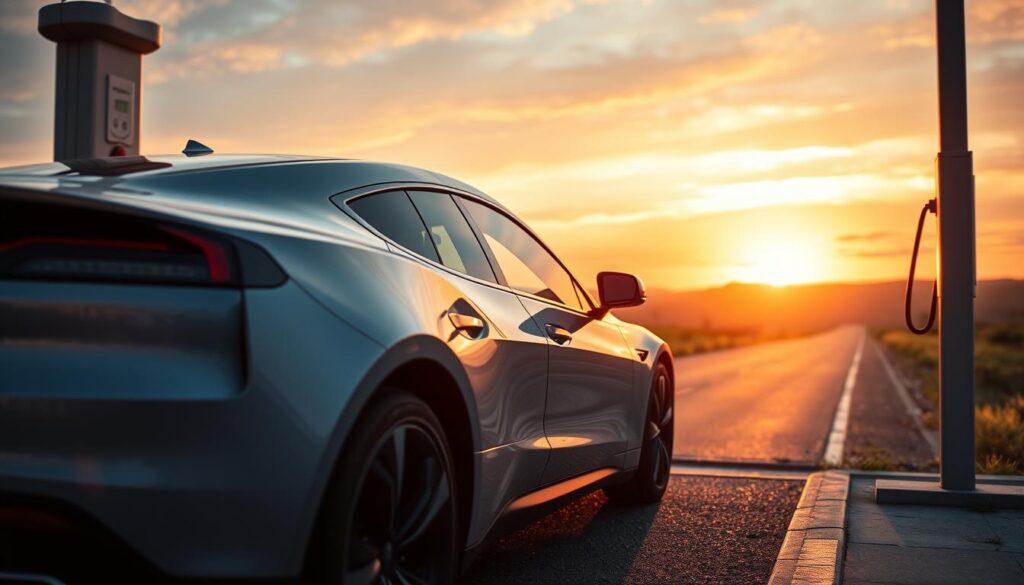
Owners must recognize that electric and hybrid powertrains bring distinct handling and energy needs during transit.
Defining Electric Vehicles
An electric vehicle relies on a large traction battery pack to power its motor. This battery needs careful management before and during shipping to protect range and safety.
Key points:
- High-voltage packs add weight and require secure tie-downs.
- Manufacturers often recommend a specific state of charge for transport.
- Proper battery handling reduces the risk of damage and drain.
Defining Hybrid Vehicles
Hybrid models combine an internal combustion engine with an electric motor. They may not need external charging, but their power systems still demand careful preparation.
With sales of electric cars rising 75% year-on-year and forecasts predicting 58% of purchases will be electric by 2040, demand for specialized shipping services grows. Owners should consult a professional and review an auto transport guide when planning a move.
Why Professional Car Shipping for Hybrid Cars Across States is Recommended

Specialized teams handle the unique mass and energy needs of modern electric powertrains on cross-country routes.
Trained carriers secure vehicles with tie-downs and loading rigs sized for heavier battery packs. They follow manufacturer guidance on weight distribution and transport modes. This reduces movement and risk during transit.
Working with experienced companies gives owners peace of mind. These providers have completed thousands of vehicle shipping projects nationwide and maintain records of best practices.
- Certified equipment: Ramps, lifts, and straps rated for electric vehicle mass.
- Battery protocols: Steps to set charge level and monitor safety before pickup.
- Value protection: Transport avoids wear from long drives and preserves resale worth.
- Reliable service: Timely pickups and trackable delivery reduce customer stress.
Choose a reputable provider to ensure your vehicle arrives on time and in excellent condition. For questions or a quote, contact info@bestcarshippinginc.com or call (307) 288-5972.
Key Differences Between Shipping EVs and Gas-Powered Vehicles
Electric powertrains introduce distinct load and safety demands that affect every stage of vehicle transport.
The main concerns are weight and battery safety. Lithium-ion batteries are classified as hazardous materials under DOT rules. That means carriers must follow strict protocols during road transit.
Weight and Battery Considerations
Weight: Electric vehicles often weigh up to 30% more than comparable gas models. This affects load planning and the capacity of the carrier.
Battery safety: Lithium-ion batteries require special handling. Proper state of charge, secure mounting, and documentation help keep the vehicle safe during transit.
- Specialized equipment: Ramps, lifts, and tie-downs rated for higher weight.
- Regulatory compliance: Federal rules for hazardous batteries applied throughout the trip.
- Careful monitoring: Condition checks and status updates during transport.
These measures ensure the battery, the vehicle’s most critical component, stays protected. Choosing an experienced carrier reduces risk and keeps the shipment compliant and secure.
Preparing Your Vehicle for Safe Transit
Owners should prepare their vehicle thoroughly before pickup to reduce risk during transit.
Start with a clean and inspected vehicle. Washing the exterior and clearing debris helps reveal any pre-existing damage. Take clear photos of all sides, the interior, and the odometer. These images protect the owner if any transit damage is later claimed.
Cleaning and Inspection
Exterior and interior: Remove dirt and note dents or scratches. Record mileage and any fluid leaks.
Removing Personal Items
Do not leave belongings inside. Personal items are not covered by the carrier’s cargo insurance during delivery. Remove loose objects, child seats, and personal electronics.
Setting Transport Modes
Transport or tow mode: Set the vehicle to the correct mode so it loads and unloads safely. Check the battery charge and keep it within the recommended level to avoid issues during loading.
- Secure loose parts and fold mirrors to reduce damage risk.
- Confirm the vehicle weight meets carrier limits to avoid delays.
- Follow provider instructions and allow enough time before pickup.
| Step | Why It Matters | Time Needed |
|---|---|---|
| Clean & Inspect | Documents condition and finds issues early | 20–40 minutes |
| Remove Personal Items | Protects owner property; meets insurance rules | 10–20 minutes |
| Set Transport Mode & Charge | Ensures safe loading and avoids battery problems | 5–10 minutes |
Following these steps helps ensure safe delivery and reduces the chance of transit damage. For detailed preparation guidance and scheduling, consult our auto transport checklist or request a quote via vehicle transport services.
Selecting the Right Auto Transport Company
Choosing a reliable provider begins with verifying U.S. Department of Transportation registration. This confirms legitimacy and basic safety compliance.
Look for experience handling electric vehicle models. Years of proven service indicate the carrier has the right ramps, tie-downs, and procedures to protect heavy battery packs.
Request multiple quotes to compare cost, pickup options, and insurance levels. Transparent pricing helps prevent surprises at pickup and delivery.
Prioritize full insurance coverage and clear claims processes. Read reviews and ask about past shipments of similar vehicles to confirm equipment suitability and on-time delivery history.
| Credential | Why It Matters | Questions to Ask |
|---|---|---|
| DOT Registration | Legal compliance and safety oversight | Can you share your USDOT number? |
| Experience with EVs | Ensures correct handling of battery systems | How many electric vehicles shipped last year? |
| Insurance | Protects against transit damage | What coverage limits apply during transit? |
| Service Options | Door-to-door or terminal pickup choices | What delivery windows are available? |
Compare providers and contact the team at best car shipping guide for a clear quote and guidance.
Comparing Open and Enclosed Transport Options
Transport mode selection balances budget constraints against the need to shield an electric vehicle from road hazards.
Enclosed carriers cost roughly 30–40% more than open trailers. They provide the highest protection against weather and road debris. This makes them the preferred service for luxury or vintage electric cars.
Open transport remains the most common and affordable option. It suits standard vehicles that do not need special cosmetic protection. Open trailers move more units per trip and often reduce the overall cost.
The team evaluates each request and recommends the right option based on distance, vehicle value, and budget. All carriers in the network are trained to handle heavy battery packs and meet safety standards.
- Protection vs. cost: Enclosed = higher protection, higher cost.
- Common use: Open = affordable, widely available.
- Special cases: Enclosed is advised for high-value electric vehicle models.
Contact the logistics team to review options and get a tailored quote. Email info@bestcarshippinginc.com or call (307) 288-5972 for guidance.
Managing Battery Charge Levels for Compliance
Proper management of battery state is a key safety step before any long-distance vehicle transfer.
Most carriers recommend a battery charge between 25% and 30%. This range lowers the risk tied to lithium-ion batteries during transit. It also helps meet federal regulations and carrier protocols.
At pickup, the team verifies the battery charge. They confirm the level and document it before loading. This reduces the chance of shipment delays and potential damage to the power system.
“Keeping the battery within the recommended range helps prevent thermal issues and keeps the shipment compliant.”
- Lower state of charge reduces risk during transit.
- Documentation at pickup supports regulatory compliance.
- The carrier inspects and records the charge to avoid delays.
| Step | Purpose | Expected Time |
|---|---|---|
| Set battery to 25–30% | Reduces lithium-ion risk during transit | 2–5 minutes |
| Confirm & document charge | Supports compliance and insurance records | 3–7 minutes |
| Carrier final check | Ensures safe loading and delivery readiness | 5–10 minutes |
Questions about the recommended level for your model? Contact the team at info@bestcarshippinginc.com or call (307) 288-5972 for clear guidance and safe transit planning.
Understanding Insurance and Liability Coverage
Verifying policy details before booking is essential to protect value and avoid surprises.
Verifying Cargo Coverage
Owners should confirm that the carrier’s cargo insurance matches the market value of the vehicle. All reputable providers include cargo protection, but limits vary.
Ask for the policy summary and note exclusions related to battery systems or aftermarket parts. Review liability rules in writing before you sign any contract.
“Confirming coverage in advance avoids unexpected costs and speeds any claim process.”
- Check the dollar limits and how claims are handled.
- Document pre-shipment condition with photos and mileage.
- Bring questions to the carrier or the transport coordinator before pickup.
Our team works with carriers that offer comprehensive insurance and will explain coverage terms. Contact info@bestcarshippinginc.com or (307) 288-5972 with any questions about policy details or claim procedures.
Navigating Federal and State Transportation Regulations
Regulatory compliance governs how lithium-ion systems are handled during long-distance transport.
Carriers must follow FMCSA rules and DOT hazardous materials guidelines. This ensures safe handling of lithium-ion batteries and meets legal requirements for transit.
The team works with experienced transport companies that know state and federal regulations. They plan routes, document battery status, and confirm weight limits before loading.
“Following current regulations prevents delays and protects your vehicle during delivery.”
| Requirement | Why It Matters | Typical Time |
|---|---|---|
| FMCSA compliance | Ensures licensed carriers and safe operations | Minutes to verify |
| DOT battery rules | Protects lithium-ion systems during transit | Recorded at pickup |
| State permits | Prevents route restrictions or fines | Varies by route |
Clients receive clear documentation and a compliance checklist. This reduces risk and keeps delivery on schedule.
If legal details are a concern, contact the team via info@bestcarshippinginc.com or call (307) 288-5972 for an explanation and assistance.
Estimating Costs and Budgeting for Your Shipment
A reliable cost estimate ties together route length, vehicle mass, and the chosen mode of transport.
Key cost drivers include distance, weight, and the service type. Open transport generally lowers the rate. Enclosed options increase protection and expense.
Seasonal demand affects price and time. Planning ahead often secures better rates and flexible pickup windows.
“Transparent pricing and clear fees help owners budget with confidence.”
- Distance and route length
- Vehicle weight and battery mass
- Service level: open transport or enclosed
- Expedited options and seasonal demand
| Factor | Impact | Typical Range |
|---|---|---|
| Distance | Directly raises cost | Short to long hauls |
| Weight | Heavier models cost more | Standard to high weight |
| Service type | Protection vs. price | Open to enclosed |
Call (864) 546-5038 for an accurate quote tailored to your electric vehicle. For an instant estimate online, view our vehicle shipping estimate.
What to Expect During Pickup and Delivery
Expect a clear, step-by-step inspection at pickup. The carrier will document the vehicle’s exterior. They will check the battery level and note any visible wear.
Be present at both pickup and delivery. Owners should walk the vehicle with the driver. Note all marks and sign the bill of lading only after confirming condition.
Ask questions about the shipping process and handling. Drivers explain loading methods, route timing, and basic safety checks. The team provides real-time updates so you know expected delivery time.
Have documents ready. Keep insurance details, ID, and the booking quote available. This speeds pickup and clears paperwork on arrival.
- Inspection and battery check recorded at handoff.
- Presence at delivery avoids disputes and documents any damage.
- Drivers answer questions about the shipment and road procedures.
| Step | What Is Checked | Approx. Time |
|---|---|---|
| Walk-around | Exterior condition, lights, tires | 5–10 minutes |
| Battery & paperwork | Charge level, insurance, ID, quote | 3–7 minutes |
| Final sign-off | Bill of lading, delivery time confirmed | 2–5 minutes |
“Being prepared shortens pickup time and protects your investment.”
If you have questions during delivery, contact the team at info@bestcarshippinginc.com or call (307) 288-5972.
Conclusion
A trusted carrier simplifies long-distance vehicle moves by managing handling, documentation, and timelines.
Professional car shipping provides reliable protection and clear communication. Choosing an experienced provider ensures the team follows battery and weight protocols while keeping you informed.
The company offers both open enclosed options to match protection needs and budget. Transparent quotes help you manage cost and time without surprises.
Get a tailored estimate and trusted guidance at state-to-state transport guide or contact the team at info@bestcarshippinginc.com or (307) 288-5972.