
If your vehicle refuses to fire up after a period of inactivity, you are not alone. Seasoned auto repair professionals note that problems can appear in as little as four days of disuse. This short introduction explains common causes and clear next steps.
Our team offers concise, practical guidance so drivers can diagnose issues fast. We explain how the battery, fuel system, starter, and motor interact. This helps you decide whether DIY troubleshooting will save time or if a trained mechanic is needed.
We focus on reliable service and plain language. Readers receive straightforward repair tips and a recommended path to safe vehicle use. Contacting a professional often prevents further damage and restores confidence behind the wheel.
Ready for help? For service questions, reach out to our support team at (307) 288-5972 or email info@bestcarshippinginc.com.
Key Takeaways
- Inactivity can cause starting issues in just a few days.
- Battery, fuel, and starter faults are common culprits.
- Use simple checks first; call a mechanic if unsure.
- Professional repair prevents repeat failures.
- Expert guidance saves time and keeps your vehicle reliable.
Understanding Why Your Car Won’t Start After Sitting for Weeks
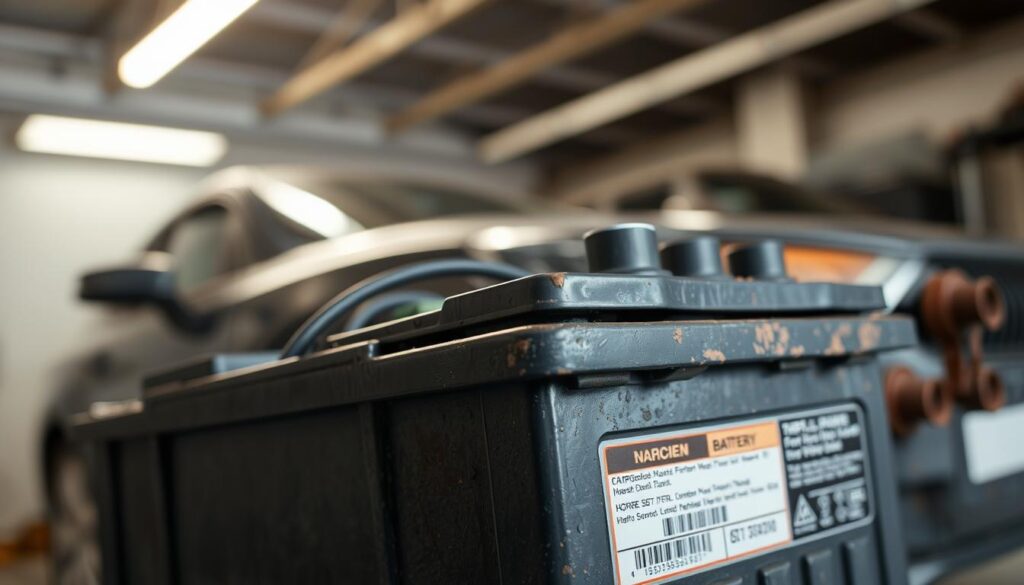
A few routine checks separate a simple fix from a job that needs a professional mechanic. Start by focusing on the most common failure points: the battery, fuel, and electrical system. These are the reasons many people face a failed car start.
Battery and parasitic drain: Modern security systems, clocks, and modules can slowly drain a battery. If dashboard lights flicker or the starter only clicks, the battery likely needs testing or a charge.
“A healthy battery is the heart of a reliable vehicle,” says John Smith, a seasoned auto technician.
Fuel and engine condition: Old gasoline in the tank and degraded oil hurt combustion and lubrication. Stale fuel can prevent the engine from firing even when the battery and starter work properly.
- Parasitic drain can deplete charge in days.
- Keep the tank at least half full to limit condensation.
- Environmental extremes speed battery and oil degradation.
Identifying specific reasons car start problems happen saves time and avoids unnecessary repair. If basic checks show electrical faults or repeated clicking, contact an expert auto mechanic to diagnose and protect your motor and systems.
Initial Visual Inspection and Safety Precautions
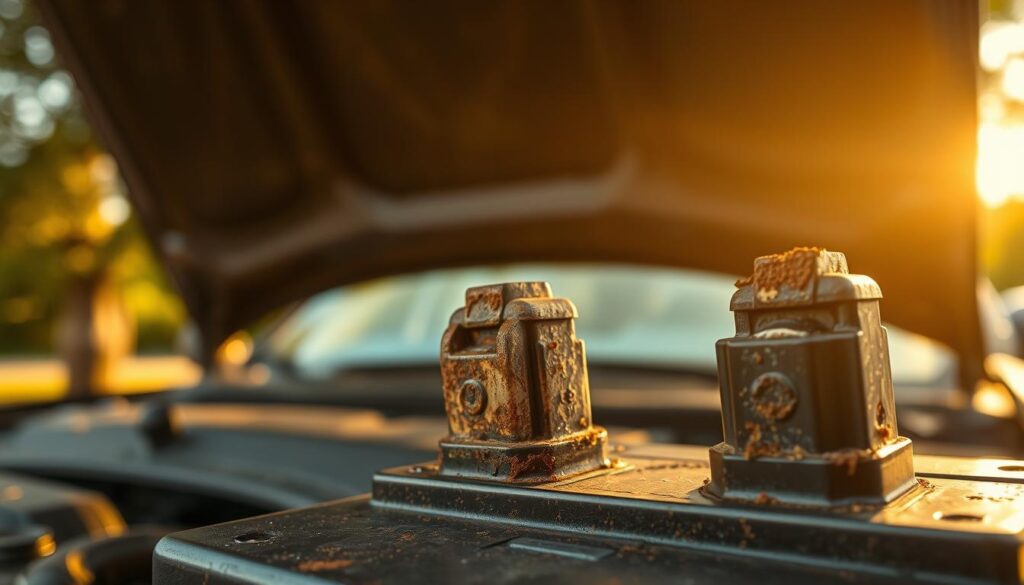
Start by scanning the engine bay and under the vehicle for visible signs of trouble. Keep the tone calm and methodical. Safety first: wear gloves and eye protection before opening the hood.
Checking for Fluid Leaks
Look beneath the vehicle for puddles or wet spots. Identify whether the liquid smells like oil, coolant, or fuel.
If you see oil or fuel, do not run the engine. Document the location and size of any leak and contact a professional if the puddle is large or fresh.
Inspecting Battery Terminals
“A simple visual check can prevent a cascade of vehicle troubles,” says Jane Doe, an automotive expert.
Inspect the battery terminals for white or blue powder that signals corrosion. Corroded terminals limit electrical flow and can make the starter fail.
- Make sure connections are tight and free of debris.
- Use a wire brush to clean terminals if corrosion is light.
- Check nearby hoses and clamps for brittleness from time and heat.
When in doubt, seek professional help. For transport or service options, review reliable vehicle shipping and maintenance assistance at our service page.
Troubleshooting Battery and Charging System Issues
A quick multimeter check identifies many common electrical faults in minutes.
Testing Voltage with a Multimeter
Use a digital multimeter at the battery terminals. A healthy battery should read about 12.6 volts when fully charged.
Next, start the engine and measure again. The alternator should provide between 13.7 and 14.7 volts across the terminals.
If readings are low, the battery may be dead or the alternator faulty. Both situations can prevent a reliable car start.
“A proper voltage check separates a simple jump from a needed replacement.”
- Use a multimeter to confirm at least 12.6 volts when the engine is off.
- If the battery is dead, you’ll need to jump the vehicle from a healthy battery source.
- Let the engine run several minutes after a jump so the alternator can recharge the battery.
- If voltage never reaches 13.7–14.7 volts with the engine running, schedule charging system service.
If a persistent drain is suspected, an expert mechanic can isolate the faulty system. Regular service prevents repeat failures and reduces downtime.
Fuel System and Ignition Challenges
Fuel delivery and ignition faults are common causes when a vehicle refuses to run after long idle periods. Regular maintenance of the fuel system improves longevity, according to U.S. Department of Energy guidance.
If there is no faint humming from the pump when the key is turned, the fuel pump may be faulty. Listen at the rear near the gas tank to confirm the pump primes.
Old gasoline can separate and clog injectors and filters. This prevents the engine from receiving proper fuel and can mimic battery or starter problems.
Spark plugs are critical parts of the ignition system. Worn plugs fail to ignite the fuel-air mix and are common reasons car start issues occur.
- Check the pump sound if the battery is charged but the engine will not run.
- Replace fuel filters and clean injectors when fuel has degraded.
- Inspect and change spark plugs as part of routine maintenance.
“Regular service of the fuel pump and ignition system keeps a vehicle reliable and ready for the road.”
If basic checks fail, contact a trained technician. Professional inspection can isolate pump, filter, or plug faults and prevent further engine damage.
Addressing Mechanical and Electrical Faults
Act quickly when a vehicle refuses to run. Early diagnosis limits damage and reduces repair cost. A short, targeted inspection helps identify whether the issue is mechanical or electrical.
Identifying Starter Motor Failures
A loud, repeated clicking often signals a failing starter motor. That noise means the electrical system is delivering power, but the motor is not engaging the engine.
- Symptom: rapid clicks with no crank.
- Mechanical seizure or worn gears may require a full starter replacement.
Dealing with Immobilizer Issues
If the security system does not recognize the key, the engine will remain blocked. A weak battery in the key fob is a common, simple fix.
“Replace the key fob battery before assuming a complex fault.”
Checking Spark Plugs
Dirty or corroded spark plugs fail to ignite the fuel-air mix. Replacing worn spark plugs is a routine repair that restores engine performance.
An expert mechanic can run diagnostics to confirm whether sensors, the starter, or another part must be serviced. Keep electrical components and parts clean to prevent corrosion and repeated issues.
Essential DIY Maintenance Tips for Idle Vehicles
A short maintenance routine before and during long storage prevents most common failures. Simple steps protect electrical and fuel systems and save time when the vehicle is needed again.
Use a battery conditioner to provide a steady trickle charge while the vehicle sits. This prevents a dead battery and limits parasitic drain.
- Check oil and other fluid levels regularly to protect internal parts and seals.
- If you face a dead battery, perform a safe jump and then drive at least 30 minutes so the alternator can recharge the battery.
- Clean battery terminals with a baking soda and water mix to remove corrosion and ensure solid connections.
- Add a fuel stabilizer to the gas tank to prevent fuel degradation during long storage.
- If the starter motor feels sluggish, check battery voltage and make sure the unit is fully charged before buying replacement parts.
- Monitor spark plugs and the fuel pump periodically so the engine is ready when you need to start the vehicle.
These practical tips maintain reliability and reduce surprises. Regular checks are small investments that protect a valuable asset.
When to Consult a Professional Mechanic
Knowing when to stop DIY troubleshooting and call a professional saves time and prevents costly damage.
Finding Certified Repair Experts
If your car consistently fails despite your best efforts, contact a certified mechanic. Persistent smoke, strong fuel odors, or warning lights need immediate attention.
“Understanding when to seek help is as crucial as the fix itself,” says Robert Thompson, a well-regarded auto technician.
Practical tips:
- Prioritize ASE-certified shops to get reliable service and honest repair estimates.
- Check reviews and ask friends for referrals to trusted local experts.
- If stranded, call the RAC hotline on 0333 2000 999 for immediate breakdown help.
Professional mechanics bring diagnostic tools that detect battery faults, starter problems, oil leaks, and complex fuel system failures. Investing in expert repair keeps your vehicle safe and reliable. For questions, contact our team at (307) 288-5972 or info@bestcarshippinginc.com.
Final Thoughts on Restoring Vehicle Reliability
A focused wrap-up makes it easy to act on the most likely electrical and fuel faults. Key checks include the battery, fuel system, ignition, and starter.
Follow the expert tips here to diagnose a failed car start and plan the repair. If the battery is dead or the starter is weak, a safe jump and a quick test can save time.
If uncertainty remains, contact a certified mechanic for service and peace of mind. For transport or additional support, see our Plano car transport services page or call (307) 288-5972.