
Copart car transport explains the route from auction lot to final address for buyers who need a clear, compliant process without delays. The guide shows how to arrange pickup right after purchase so a vehicle does not sit at the yard and incur fees.
The focus is practical: balance speed, cost, paperwork, and the vehicle’s operability. Readers will see three main options: Copart Delivery, hiring a third-party carrier, or self pickup with a trailer. Each path has clear steps and required documents.
Reliability matters. Accurate information, proof of payment, and strict scheduling cut reschedules and extra fees. This introduction previews storage rules, timing windows, and common mistakes to avoid when moving vehicles after an auction.
Key Takeaways
- Arrange pickup immediately after purchase to avoid yard fees.
- Choose the best path: delivery, third-party carrier, or self pickup.
- Have proof of payment and ID ready for pickup and delivery.
- Balance speed and price while checking the vehicle’s condition.
- Learn storage rules and timing windows to prevent added charges.
- For open shipping options, see open vehicle shipping for details.
Why Copart Auction Buyers Need a Transport Plan Fast

When a purchase closes, buyers face a firm countdown to arrange collection. The lot holds a vehicle free for up to three days, including the purchase day. After that, storage fees start and can erase auction savings.
Pickup timing is a business deadline. Buyers should schedule transportation before bidding when possible. Long-distance moves require extra lead time and planning.
- Missing buyer or lot details delaying authorization.
- Unpaid balances that block release.
- Transporter not pre-authorized or missed appointment windows.
“Arrange pickup quickly to avoid surprise charges and protect the vehicle’s condition.”
| Risk | Cause | Impact |
|---|---|---|
| Delayed pickup | Unscheduled transporter | Increased storage fees |
| Authorization hold | Missing paperwork | Reschedule and extra days |
| Payment issue | Unpaid balance | Release denied |
Fast planning reduces reschedules, minimizes surprise charges, and improves the customer experience. Storage rules vary by location, so review them next to learn how to avoid storage fees.
Know Copart Storage Rules and How to Avoid Storage Fees
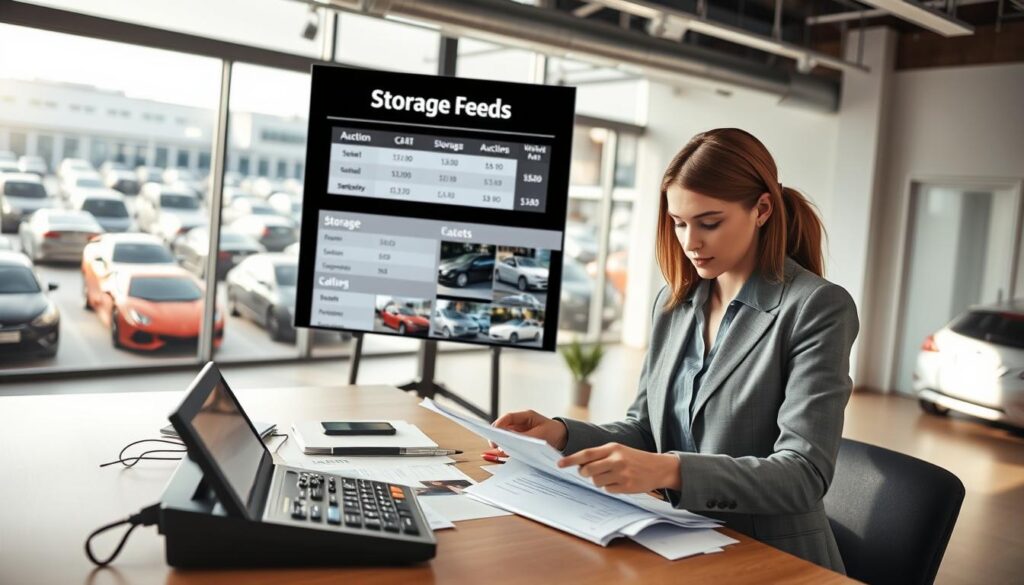
Buyers must act quickly to keep storage charges from eating into auction savings. Copart holds a vehicle free for up to three days, including the day of purchase. Plan immediately after winning or buying to prevent extra yard charges.
How the free window works
The baseline rule is simple: free storage lasts up to three days including purchase day. For some Buy It Now orders the free period can be shorter, so check your payment confirmation.
Weekends, holidays, and location differences
Weekends and holidays may still trigger fees if they fall outside the free window. Storage fees vary by location, so confirm the yard policy where the vehicle sits.
Practical timeline and actions
Aim to schedule pickup within one to two business days to build a buffer for delays. Treat the cost to avoid storage as part of your total landed cost.
- Prepare payment proof and ID before the free window ends.
- Authorize your carrier or pickup contact in advance.
- Confirm local yard rules to avoid surprises.
The most reliable step is to verify documents and transporter authorization before free time expires to avoid storage fees.
Information You Need Before You Schedule Transportation
Before you book pickup, gather key identifiers so scheduling runs without surprises. This short checklist helps teams dispatch the right equipment and avoid gate delays.
- Buyer number — find it by logging into your account dashboard.
- Lot number — shown on the vehicle listing page.
- VIN — visible in the listing and the pictures; confirm it matches the vehicle you will get.
- Payment confirmation — full payment is required before pickup; verify the payments status.
- Shipping address and contact details — update phone and delivery address before booking.
Mismatched VINs and incomplete data are top causes of pickup refusal. Make sure everything matches to protect the asset and speed processing.
| Identifier | Where to find it | Why it matters |
|---|---|---|
| Buyer number | Account dashboard | Authorizes pickup and links to your account |
| Lot number | Vehicle listing | Identifies the exact auction unit |
| VIN & pictures | Listing details and photos | Confirms the vehicle and records condition |
| Payment & contact | Payments Due screen and profile | Allows release and reduces missed deliveries |
Process note: collect and verify all identifiers before requesting shipping quotes. Accurate information lowers the risk of delays and helps ensure a smooth pickup for this auction vehicle.
Choose the Right Copart Pickup Option for Your Vehicle
Deciding how to collect a purchased vehicle shapes cost, speed, and logistics. Each pickup path has trade-offs for scheduling control, price, and how hands-on a buyer must be.
Copart Delivery for speed and convenience
Copart Delivery is the simplest choice when convenience matters. It uses in-platform steps and clear pricing. Buyers get predictable scheduling and minimal coordination.
Third-party transporter for flexibility and pricing options
Using a third-party company adds route flexibility and service choices like open or enclosed trailers. This option suits businesses that need volume pricing, specialized service levels, or specific timelines.
Picking up yourself with a truck, trailer, or transporter vehicle
Self pickup fits short distances and quick availability. The buyer must bring compliant equipment and meet appointment windows.
“Buyers must plan towing or trailering — vehicles cannot be driven off the yard.”
- Compare speed, scheduling control, total price, and buyer involvement.
- Copart Delivery prioritizes convenience and clear online steps.
- Third-party companies offer service-level choices and budgeting flexibility.
- Self pickup works when the buyer has the right trailer and securement gear.
| Option | Speed | Control | Typical price |
|---|---|---|---|
| Delivery | Fast for local routes | Low buyer coordination | Moderate |
| Third-party | Variable (depends on carrier) | High (direct scheduling) | Variable (competitive) |
| Self pickup | Immediate if nearby | Full control | Lowest if equipment available |
How to Book Copart Delivery Step by Step
Booking delivery starts inside your account. Open the Payments Due screen to view the shipping estimate shown with your invoice.
Make sure the estimate is the starting point for decisions. It helps buyers compare costs and timing before they place an order.
Find the shipping estimate and place your order
On Payments Due, select the units you want. The system shows each shipping estimate next to the fees.
Click the Order Delivery button to request pickup. This sends a delivery request and locks the estimate into the checkout flow.
How shipping charges are paid
Shipping charges appear in the same checkout as the vehicle fees and other payments. Pay them together to avoid release holds.
Expected timing and delivery windows
Delivery nearby typically takes a few business days within about 100 miles. Longer routes can take up to three weeks.
Keep contact and address details current so carriers can reach you and you can get vehicle delivery on time.
Top tips for stress-free vehicle transport help prepare documents and avoid delays when scheduling delivery.
copart car transport With a Third-Party Company or Broker
Hiring an outside company or broker centralizes scheduling and reduces the work owners must do after winning an auction.
When a broker makes sense
A broker helps for complex routes, limited carrier availability, or inoperable vehicles. Brokers also speed dispatch when storage deadlines loom.
Direct to carriers vs using a broker
Going direct cuts out intermediaries and may lower fees. It also shifts responsibility for appointments, gate rules, and paperwork to the buyer.
What “auction-friendly” service means
Auction-friendly companies know lot appointment windows, gate procedures, and fast pickup practices. That knowledge prevents reschedules and extra yard fees.
Compare companies before you book
Check service level, route frequency, realistic pickup windows, and communication cadence. Ask for realistic estimates; lowball quotes often cause delays and added fees.
| Criteria | What to ask | Why it matters |
|---|---|---|
| Service type | Open, enclosed, winch-equipped | Sends correct equipment for the vehicle |
| Route frequency | How often runs visit your area | Impacts pickup timing and cost |
| Communication | Driver updates and ETA cadence | Reduces missed appointments |
| Experience | Auction and lot familiarity | Helps beat storage deadlines |
Dispatch protection step
Confirm operability and visible condition before booking. That ensures the right equipment is dispatched and lowers the chance of on-site surprises.
Need help? Contact our team at (307) 288-5972 or email info@bestcarshippinginc.com for reliable scheduling and brokerage support.
How to Authorize a Third-Party Transporter in Copart
Granting transporter access inside your dashboard speeds gate clearance and reduces missed appointments. Start in Payments Due: select the vehicle(s) and choose “Send to Transporter” to begin the authorization.
For first-time use you must enter the transporter email address. Copart sends that email so the driver can receive access instructions and download the app.
What the driver receives and why it matters
The transporter gets a link to download the Copart Transportation App. The app standardizes pickup steps and reduces gate miscommunication. It includes a Gate PIN and booking instructions so the driver can schedule a pickup and check in at the lot.
Practical notes and liability
Do not assume a driver can show up without an appointment or PIN. Confirm the appointment in writing and verify terms with the company you hire.
Liability reminder: Copart is not responsible for third-party damage or extra fees. Customers should vet carriers and keep written confirmations. For help arranging a reliable service, see our pickup solutions at vehicle pickup and scheduling.
How to Pick Up Your Vehicle Yourself at a Copart Lot
Self-pickup requires a clear checklist so a buyer completes collection in one trip. Start in Payments Due: select the vehicles and tap Schedule Pickup to set your slot.
Arrive on time. Late arrivals risk losing your place in the line and may force a new booking. That creates extra days on the lot and added storage fees.
Two hours before your appointment you will receive a text link for Virtual Queue check-in. Use it to confirm arrival or scan the on-site QR option where available.
On-site process and loading
Yard staff will move the vehicle to the loading area and assist loading onto your truck or trailer. Bring proper tie-downs and verify your trailer capacity beforehand.
Title pickup may be offered at the same location for a small $20 service fee, though waits can be long. Remember: vehicles cannot be driven off the facility. Towing or secure trailering is required at every location.
“Plan the pickup steps in advance to protect your purchase and avoid extra fees.”
For help with scheduling or questions, see our pickup services at vehicle pickup and scheduling.
Pickup Timing: How Many Business Days You Should Plan For
Timing a pickup correctly protects the buyer from surprise fees and missed windows.
Typical pickup windows usually fall between 2–5 business days after an order is placed. This range depends on route density, carrier supply, and yard appointment slots. Many third-party services aim for this window on standard lanes.
Expedited options on select routes
Some routes offer expedited pickup. That means same-day or next-day service when carriers run frequent lanes nearby. Expect higher rates and limited availability.
Building a timeline that beats storage-fee deadlines
Use this simple formula to plan:
- Purchase day + free storage window
- + appointment availability
- + dispatch lead time (usually 1–3 days)
Aim to schedule pickup early in the free window to avoid storage fees. Confirm yard hours and appointment rules with your carrier right after placing an order. Clear confirmations reduce the chance of missed slots and extra charges.
“Plan with buffer days and confirm time-sensitive constraints with the transporter to keep costs predictable.”
| Scenario | Typical time | Notes |
|---|---|---|
| Standard lanes | 2–5 business days | Most cost-effective and common |
| Expedited service | Same or next day | Higher rate; limited routes |
| Short-notice orders | 1–3 business days | May incur premium dispatch fees |
Cost of Shipping From Copart: What Impacts Your Quote
Understanding what drives a shipping quote helps buyers compare offers fairly.
Distance is the single biggest factor. Use per-mile ranges as planning guides: ~ $1.00/mi for 1–500 miles; ~$0.85/mi for 500–1,000; ~$0.75/mi for 1,000–2,000; and ~$0.50/mi for 2,500+ (varies by location and condition).
Vehicle size and condition
Smaller sedans usually cost less than a larger truck or specialty units. Vehicles needing extra space or weight capacity may need a different trailer and higher price.
Operable vs inoperable
Inoperable units often require winches, lifts, or extra labor. Expect added fees when loading or securing non-running vehicles.
Seasonality and carrier availability
Prices rise when carrier supply tightens in peak months or bad weather. Regional demand affects scheduling and final quotes from companies and carriers.
Compare quotes carefully
Lowball quotes can stall dispatch and create higher total cost if storage or rescheduling fees appear. Use a reliable shipping cost calculator to standardize comparisons before you commit.
Open vs Enclosed Auto Transport for Copart Purchases
Buyers should match shipping method to value and condition, not just the lowest upfront cost.
Open trailers are the default for many purchases. They are faster to book and usually cost less. Open routing is ideal when budget and time matter most.
Enclosed trailers add weather and debris protection. They are best for classics, high-value vehicles, or units with delicate finishes. Expect enclosed service to cost roughly 2–3x more on some routes.
Scheduling and lead times
Open runs often fill weekly lanes and can be booked in days. Enclosed units are scarcer and may require scheduling weeks in advance.
Insurance and protection differences
Insurance limits differ by trailer type. Typical industry coverage shows open carriers around $150,000 per vehicle and enclosed carriers up to $250,000. Confirm exact policy details before booking.
Quick decision filter
- Value threshold: consider enclosed when vehicle value exceeds the typical open coverage.
- Condition: use enclosed for concours, restored, or sensitive finishes.
- Time: choose open when days-to-pickup are short and lane frequency is high.
“Match trailer type to the vehicle’s worth and condition to reduce risk and unexpected cost.”
| Factor | Open trailer | Enclosed trailer |
|---|---|---|
| Typical cost | Lower; competitive | 2–3x higher on many routes |
| Lead time | Short (days) | Longer (weeks) |
| Protection level | Standard exposure | High weather/debris protection |
| Typical insurance | ~$150,000 per vehicle | ~$250,000 per vehicle |
Practical advice: Request carrier policy details and compare total landed cost, not just the quote. For questions or help matching service to a vehicle, contact the team at (307) 288-5972 or email info@bestcarshippinginc.com.
How to Transport Inoperable or Damaged Auction Vehicles
Moving a non-running unit requires upfront gear choices that decide whether pickup works the first time. Equipment selection is the difference between a single successful pickup and costly re-dispatches.
When a winch-equipped trailer is needed
Winch-equipped trailers are required when a vehicle cannot roll, steer, or brake reliably. This covers engines that won’t start and units with steering or brake failure.
Plan loading at the lot and unloading at delivery
Auctions often use forklifts or yard crews to move units onto a trailer. Buyers must plan for unloading at the delivery location. Arrange local equipment or a tow service at the destination if needed.
Short-haul vs long-haul cost strategy
Short distances: a winch trailer often saves time and lowers overall cost.
Long routes: arrange a local forklift or tow at delivery to reduce long-haul rates and avoid hauling extra gear across states.
“Disclose exact condition to your carrier to prevent re-dispatch fees and missed appointments.”
| Scenario | Equipment | Best for |
|---|---|---|
| Non-running, nearby | Winch-equipped trailer | Lower cost; quick pickup |
| Inoperable, long-distance | Standard trailer + local unload | Lower long-haul rate; local unloading fee at delivery |
| Heavy damage | Winch + winch straps and extra securement | Safer loading; protects condition |
- Always describe the vehicle condition accurately when requesting service.
- Secure units with rated straps and follow safe loading procedures to protect the asset.
Need assistance arranging specialized equipment? Contact the team at (307) 288-5972 or email info@bestcarshippinginc.com for a reliable service plan.
Payments, Documents, and Proof You’ll Want in Writing
Always get written confirmation for payments and pickup windows before any dispatcher leaves the yard. That single step prevents later disputes and keeps scheduling predictable.
Payment expectations: no pickup is released until full payment posts to the account. Align payment timing with dispatch to avoid hold-ups and extra fees.
Bill of Lading basics and why it protects your claim
The Bill of Lading (BOL) is the legal transport record. Drivers note visible damage and mileage on the BOL at pickup and again at delivery.
Keep a signed BOL copy. It is the primary claim document if the vehicle shows new damage in transit.
Photo documentation at pickup: matching listing pictures to reality
Take clear pictures at pickup that match the auction listing photos. Compare panels, glass, and interior shots.
Store images with timestamps and the transporter’s name as proof of condition. This reduces disagreements and speeds claims handling.
“Professional documentation is part of reliable service, not optional paperwork.”
Practical title note: title pickup may be available at the lot for a $20 service fee. Expect waits at busy locations and plan time accordingly.
- Request written pickup appointment details and transporter authorization.
- Retain payment receipts, BOL, and pickup pictures in one folder.
- Confirm any special handling or winch needs in writing before dispatch.
| Document | Why it matters | Action |
|---|---|---|
| Payment receipt | Authorizes release | Save PDF; align with dispatch time |
| Bill of Lading | Records condition for claims | Obtain signed copy at pickup and delivery |
| Pickup photos | Visual proof of condition | Take matching shots; save timestamps |
| Title handling note | Shows title availability and fees | Budget $20 and allow extra wait time |
For questions about required documentation or to arrange reliable service, contact the team at (307) 288-5972 or email info@bestcarshippinginc.com.
Insurance and Vehicle Condition Checks During Transportation
What is photographed and recorded at pickup is what governs later damage disputes. Drivers inspect units and note pre-existing damage on the Bill of Lading with photos. That chain of evidence is the buyer’s primary proof if a claim follows.
Pre-pickup inspection and notes
Drivers must record visible damage accurately. Clear BOL notes and time-stamped photos protect customers and speed the insurance review. Inaccurate notes weaken a claim.
Extra inspections for operability claims
When listings state “runs and drives,” request an additional inspection. A short on-site test or extra photo set documents operability and avoids misunderstandings later.
Delivery checks before signing
- Verify VIN and paperwork match.
- Compare delivery photos to pickup photos for new damage.
- Check for loose parts and basic rolling/steering where safe.
- Note any issues immediately and refuse to sign final paperwork until documented.
“Document issues before you sign to preserve claim rights and reduce disputes.”
Careful checks are a reliability standard. They protect the buyer’s investment and make the insurance and claims process straightforward. For assistance, contact info@bestcarshippinginc.com or (307) 288-5972.
International Buyers: Shipping From Copart to Your Country
Shipping a purchase overseas adds steps beyond domestic pickup, and buyers should map them early.
High-level workflow: use the estimate tool, select a qualified shipping company, and prepare customs paperwork. Early planning limits delays and unexpected fees.
Find and use the Shipping Estimate tool
On the Vehicle Details Page open Shipping Estimate. Switch the selector from US to International, then enter the destination country and nearest port to get a quote.
Pick partners with importing experience
Choose companies familiar with customs, duties, and documentation. That experience prevents clearance holds and hidden destination charges.
When resellers or lounges make sense
Copart Certified Resellers or Copart Lounges can handle end-to-end logistics. They are a safe option for buyers who want full-service support through port arrival and inland delivery.
Keep written timelines and responsibility notes across company, port, and delivery legs. This protects the vehicle and helps control the total landed cost.
| Step | Action | Why it matters |
|---|---|---|
| Estimate | Vehicle Details → Shipping Estimate → International → enter country & port | Sets realistic costs and identifies routing options |
| Carrier selection | Hire a company experienced with importing | Reduces customs delays and extra charges |
| Full-service option | Use Certified Reseller or Lounge | End-to-end handling; fewer coordination tasks |
Dealer and High-Volume Transport Strategies
A strategic pickup plan turns scattered lots into efficient weekly runs and saves money. High-volume buyers and dealers see better rates when they present carriers with multiple units in one area.
Batching vehicles to lower per-vehicle cost
Batching groups several vehicles for the same run. Carriers prefer this. More units in one stop reduce deadhead miles and lower the per-vehicle cost.
Plan pickups across locations to optimize routes
Map pickup locations to create looped routes. Consolidating nearby lots into a single trip reduces fuel, time, and overall expense.
Work with a consistent agent or dispatcher
A steady point of contact speeds scheduling. Agents prioritize urgent pickups, manage gate windows, and cut failed appointment risk.
- Build a weekly calendar tied to auction volume and storage deadlines.
- Standardize VIN and lot capture, condition notes, and receiving checks.
- Use repeat carriers to lock lane frequency and predictable pricing.
“High-volume strategy multiplies reliability: fewer surprises, predictable timing, and lower per-unit cost.”
| Focus | Benefit | Action |
|---|---|---|
| Batching | Lower cost per unit | Group pickups by region |
| Route planning | Fewer empty miles | Schedule looped runs |
| Consistent agent | Faster scheduling | Use same dispatcher for lanes |
For tailored high-volume service and planning help, contact the team at (307) 288-5972 or info@bestcarshippinginc.com.
Conclusion
Buyers finish well when they confirm payment, verify identifiers, pick a pickup method, and schedule before the free storage window closes.
Prioritize a clear sequence: confirm payment and account details, choose between Copart Delivery, third-party shipping, or self pickup, then book within the free days to avoid storage fees.
Reliable copart car transport depends on accurate information, realistic timelines, and the right equipment for the vehicle’s condition. Document every step with authorization, a signed Bill of Lading, and photos at pickup and delivery.
For professional scheduling, requests, and fast communication, email info@bestcarshippinginc.com or call (307) 288-5972 to request a quote and a pickup plan. Controlling timing in business days is the simplest way to protect your budget and get vehicles delivered without avoidable delays.