
Virginia Tire & Auto offers clear, professional diagnostics for any driver who faces a car overheating event on the road.
Stay calm and protect passengers first. Pull safely to the side, stop the vehicle, and switch off the system to limit damage.
Understanding why an overheating engine occurs can stop costly harm. Regular checks of coolant levels and belts help prevent problems. Our team stresses routine care to keep your car reliable during cross-country travel.
If you notice the temperature rising or steam, act quickly to avoid boiling coolant and internal failure. Virginia Tire & Auto provides trusted service and clear steps to stabilize your vehicle before transport to a shop.
With proper maintenance and fast action, drivers reduce the chance of being stranded and protect valuable assets. For expert help, contact Virginia Tire & Auto for diagnostics and service guidance.
Key Takeaways
- Remain calm and move the vehicle to a safe spot.
- Shut the system off to limit further damage.
- Check coolant and basic components when safe to do so.
- Call Virginia Tire & Auto for prompt diagnostics and support.
- Routine maintenance reduces the chance of roadside failures.
Understanding Engine Overheating After Long Trip Reasons
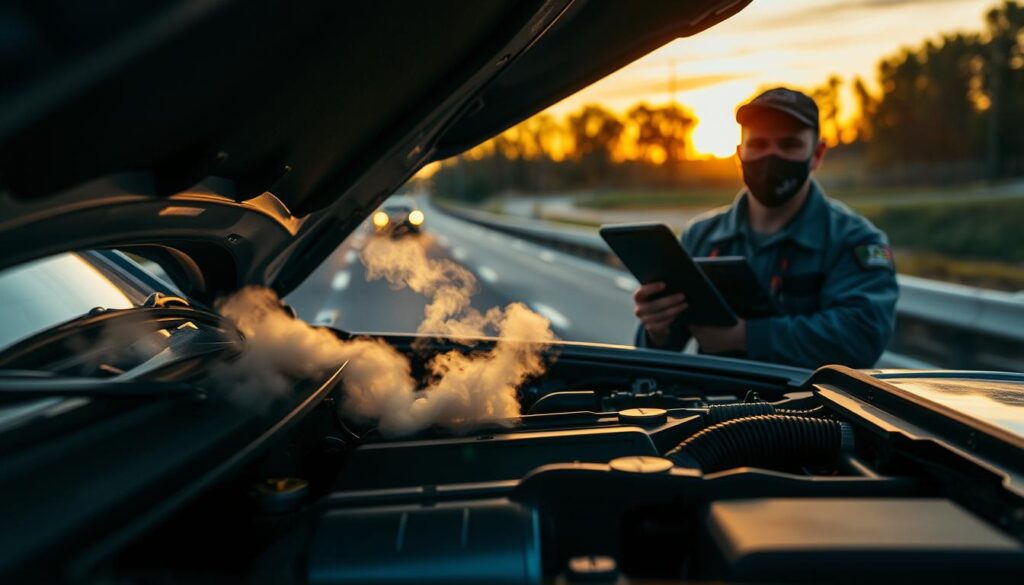
Pinpointing what triggers a high-temperature event on a highway helps prevent costly mechanical damage. Virginia Tire & Auto experts diagnose complex engine overheating after long trip reasons to keep your vehicle reliable.
Clean oil plays a vital part in reducing friction and heat. Technicians check oil level and quality as part of a routine diagnostic sweep. This step often reveals simple fixes that stop further harm.
Driving extended distances makes the powertrain work harder. That stress can expose unseen problems. Identifying the specific causes is the first step in restoring your car to peak condition.
- Comprehensive diagnostics pinpoint why your car struggles.
- Technicians verify engine oil health and system integrity.
- Prompt service limits damage and lowers repair costs.
Contact Virginia Tire & Auto for a professional assessment and swift service. Email info@bestcarshippinginc.com or call (307) 288-5972.
How the Cooling System Regulates Temperature
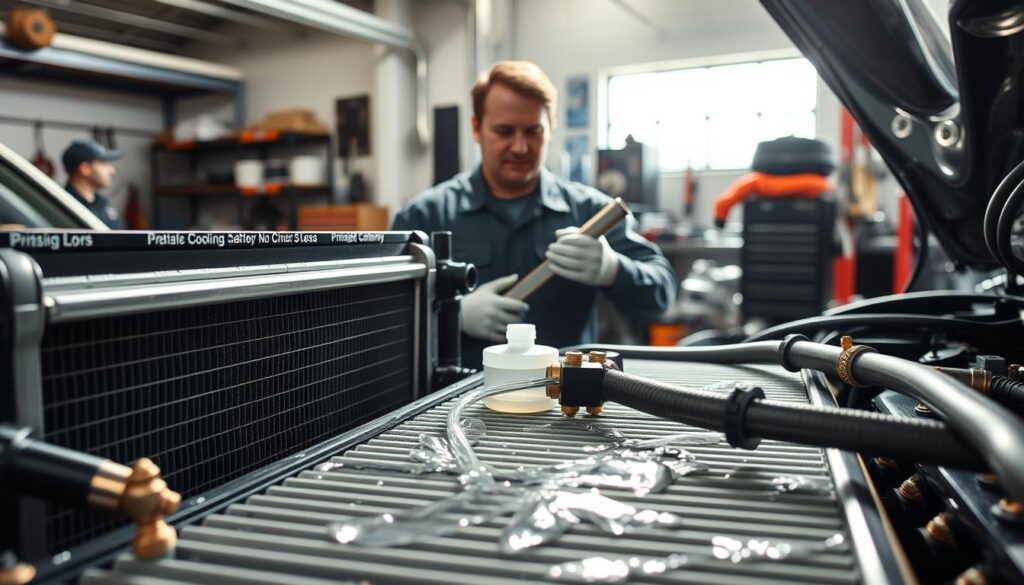
A well-tuned cooling system protects vital parts by moving heat away before damage starts. The cooling system is a network that circulates a mix of water and antifreeze to keep operating temperatures steady.
The Role of Coolant: Coolant absorbs heat from the block and carries it toward the radiator. Maintaining the correct water-to-antifreeze ratio prevents boiling and freezing. The water pump moves the fluid so heat does not build up near key components.
The Function of the Thermostat: The thermostat controls coolant flow. It typically opens at 200 degrees Fahrenheit to let fluid pass through the block and radiator. This action keeps temperature in the ideal range for performance and longevity.
- The system moves heat away engine parts before it reaches damaging levels.
- Proper coolant balance protects the car across varied climates and speeds.
- Periodic checks of the pump, radiator, and thermostat keep the cooling system reliable.
Common Culprits Behind Sudden Temperature Spikes
Sudden rises in temperature often point to a few predictable mechanical failures that technicians check first.
Cooling System Leaks
Leaks lower coolant levels and let air enter the circulation loop. Low coolant forces the pump to run dry and reduces pressure, which lets heat build near critical parts.
Signs: visible puddles, a sweet smell, or a low level on the reservoir. Virginia Tire & Auto inspects hoses, clamps, and seals to find and fix leaks fast.
Water Pump Failures
A failed water pump stops coolant flow through the block. Without circulation, heat cannot move away engine components and the temperature climbs rapidly.
Wear, a bad bearing, or a leaking seal are common issues. Technicians replace the pump and test coolant flow to restore reliable cooling.
Radiator Airflow Obstructions
Road debris or a clogged core blocks air through the radiator. Reduced airflow prevents the radiator from shedding heat, so the system cannot cool the car effectively.
Regular cleaning and inspection of the radiator and fan keep airflow clear and reduce sudden temperature events. Technicians also verify the thermostat and antifreeze mix to ensure optimal performance.
“A quick inspection of hoses, pump, and radiator catches most preventable issues,”
- Failed pump cuts coolant circulation.
- Blocked radiator limits heat transfer.
- Leaks drop coolant levels and pressure.
Recognizing the Warning Signs of an Overheating Engine
A rising needle or an illuminated warning light is the first cue a driver should heed. Check the temperature gauge and act fast. Early attention keeps a minor issue from turning into major repair.
Visible steam from under the hood is a clear warning. If steam appears, pull over safely and shut the car off to protect components.
A fluctuating temperature gauge or sudden swings in readings are primary signs that the cooling system cannot manage heat. These gauge changes usually require professional inspection.
“Watch dashboard lights and the temperature needle — they exist to prevent costly failure.”
- Rising temperature gauge — pull over when safe.
- Steam from the hood — stop and power down the vehicle.
- Fluctuating gauge or warning lights — seek technician help.
Do not ignore odd smells or high temperatures. Timely action protects the engine and keeps passengers safe. For service, contact Virginia Tire & Auto at (307) 288-5972 or email info@bestcarshippinginc.com.
Immediate Steps to Take When Your Car Overheats
Immediate, simple steps can stabilize a vehicle that is running hot and protect key components. Stay calm, move to a safe place on the road, and shut the car off to stop further heat build-up.
Safe Cooling Procedures
Do not open the hood if you see steam. The cooling system stays pressurized and a hot radiator cap can cause severe burns.
Wait at least 30 minutes for the vehicle to cool before checking coolant levels or the radiator. After cooling, lift the hood carefully and inspect the reservoir for low fluid.
Virginia Tire & Auto offers up to $200 in complimentary roadside assistance for 365 days after your last service. Call for help with a tow or a coolant top-off to avoid risking personal injury.
“Pull to safety, power down, and wait — then seek professional help if levels remain low.”
| Action | Why It Helps | When to Call Assistance |
|---|---|---|
| Pull over and shut off | Stops additional heat and risk of damage | If temperature stays high or steam is present |
| Wait 30 minutes | Allows pressure to drop and parts to cool | If coolant levels are low or leaks appear |
| Request roadside support | Professional help reduces injury and fixes issues | When you cannot safely add coolant or need a tow |
Note: If you suspect internal damage or repeated temperature spikes, schedule a diagnostic visit. Virginia Tire & Auto can assess heat-related harm and restore safe operation.
Why You Should Never Ignore a Rising Temperature Gauge
Ignoring a climbing dash gauge puts vehicle reliability and safety at serious risk. A rising temperature gauge is a clear warning that the coolant may no longer protect internal parts.
When the needle moves into the red zone, the engine faces warping or cracking. Those are permanent forms of heat damage.
An illuminated dashboard light or steady climb in the temperature readout requires immediate action. Continuing to drive an overheating car will only increase repair costs and threaten critical components like the cylinder head.
Treat the gauge as a safety alarm. Pull over safely, shut the system down, and call for help if you cannot check coolant levels safely. Prompt response protects your investment and keeps the car reliable for future use.
“Responding to a rising gauge quickly reduces the chance of catastrophic repair.”
For professional evaluation, contact Virginia Tire & Auto at (307) 288-5972 or info@bestcarshippinginc.com.
Assessing Potential Damage to Your Vehicle
A careful post-incident review helps spot damage that could sideline your vehicle. Technicians perform focused checks to confirm safety and plan repairs. These steps protect your assets and reduce downtime.
Identifying Engine Knocks
Listen and feel for unusual noises. A persistent knock often signals premature combustion or warped components. Technicians run compression tests and road checks to locate the source.
Persistent knocks are a major warning sign that internal parts sustained harm during a heat event. If tests show irregularities, mechanics recommend immediate repair to prevent further damage.
Checking for Fluid Leaks
Inspecting beneath the car for puddles is essential. Coolant or oil can escape through seals that failed under high pressure.
Under the hood, experts examine radiator hoses, gaskets, and clamps. Even small leaks can lead to repeated temperature spikes and further harm.
- After a heat incident, technicians inspect for knocks caused by premature combustion.
- They search under the vehicle for signs of coolant or oil leaks and check reservoir levels.
- The hood area is checked for failed hoses, loose clamps, or damaged gaskets.
“A prompt, professional inspection finds minor faults before they become major repairs.”
Contact Virginia Tire & Auto to schedule a diagnostic. Call (307) 288-5972 or email info@bestcarshippinginc.com for a clear assessment and repair plan.
Professional Maintenance and Diagnostic Services
Certified technicians use proven checks to keep your cooling system reliable. RAC Mobile Mechanics are rated five stars on Trustpilot for professional diagnostic and maintenance services.
Regular maintenance prevents common problems such as a failing water pump or a stuck thermostat. Technicians inspect belts, hoses, and the pump to find any early signs of wear.
The service team performs thorough checks of oil and coolant levels. They use advanced tools to detect hidden issues in the system so the car stays safe on highways.
- Comprehensive diagnostics identify faults before they escalate.
- Oil and coolant are topped and tested to OEM standards.
- From an oil change to full cooling repairs, technicians deliver reliable service.
Trust the experts to keep your vehicle protected. Call (307) 288-5972 or email info@bestcarshippinginc.com to schedule professional service.
Best Practices for Preventing Future Overheating
Simple, regular checks prevent small problems from turning into roadside emergencies. A consistent plan helps keep cooling parts reliable and reduces unexpected failures.
Routine Maintenance Schedules
Follow manufacturer intervals. Most cars need an oil change every 5,000–10,000 miles and a coolant flush between 30,000–100,000 miles. These services keep vital fluids clean and the cooling system working properly.
Keep an eye on coolant levels and look for visible leaks under the hood or on the ground. Check the radiator for debris that blocks air flow.
Use the correct water-to-antifreeze mix to stabilize temperatures in hot weather. Inspect the water pump and thermostat regularly; a failing pump or a stuck thermostat shortens component life.
- Oil and fluid care: timely oil changes and coolant flushes maintain performance.
- Visual checks: watch for leaks, low coolant levels, and clogged radiator fins.
- Component checks: test the pump and thermostat during routine service.
“Routine maintenance keeps your vehicle reliable and prevents costly repairs.”
For professional maintenance, call Virginia Tire & Auto at (307) 288-5972 or email info@bestcarshippinginc.com.
When to Call for Roadside Assistance
If quick checks and basic cooling steps do not restore normal readings, call for professional roadside assistance without delay.
Virginia Tire & Auto includes up to $200 in roadside coverage to help drivers who are stranded due to car overheating. This benefit covers tows and limited on-site support to protect the vehicle and its occupants.
Do not attempt to drive a vehicle that is severely hot. Moving the car risks major damage and can endanger passengers. When you cannot safely resolve the issue, contact the road team to get the vehicle to a repair shop.
“Our roadside service is designed to provide peace of mind and reliable help when standard fixes fail.”
| Situation | What Virginia Tire & Auto Does | Recommended Action |
|---|---|---|
| Persistent high temperature despite checks | Dispatch tow or mobile technician, up to $200 coverage | Call roadside assistance to arrange transport |
| Visible steam or fluid leaks | Secure scene and arrange safe tow to shop | Do not drive; request professional help |
| Unable to add coolant or unsafe to inspect | Send technician or tow vehicle for service | Contact support and wait in a safe location |
Peace of mind: The roadside team prioritizes safety and fast support so you are not stranded on the road. For immediate help, call (307) 288-5972 or email info@bestcarshippinginc.com.
To learn about related transport options, see our hotshot car hauling service.
Conclusion
,Consistent checks and prompt action keep vehicles safe and roadside headaches rare.
Preventing car overheating relies on steady maintenance and watching coolant levels and dash indicators. Quick attention to a warning light or visible steam stops minor faults from causing permanent damage.
Keep an emergency bottle of coolant in the trunk. That small step can resolve simple issues before they escalate into an engine overheat event.
Follow the guidance in this guide and schedule regular service for lasting reliability. For expert support, contact Virginia Tire & Auto at (307) 288-5972 or info@bestcarshippinginc.com.