
Seeing your car temperature gauge climb while the reservoir reads full is alarming. Many drivers feel stress when the car runs hot despite a topped-off system. Nova Warranty stresses quick, professional checks to protect vehicle value.
Several hidden faults can make a well-filled system fail to keep heat down. A failing water pump or a broken radiator fan often stops circulation. Low engine oil or a faulty radiator cap can let heat spike even with sufficient fluid.
Learn how to check coolant level with care and read the temperature gauge. Proper diagnosis saves parts and prevents costly repairs. Nova Warranty recommends routine cooling system inspections for Chevrolet, Tesla, Ford, and other makes.
Key Takeaways
- Full reservoir does not rule out circulation or pressure problems.
- Water pump and radiator fan failure are common hidden faults.
- Low engine oil or a bad radiator cap can let temperatures rise.
- Read the temperature gauge early and check coolant properly.
- Regular inspections by professionals help avoid major damage.
Understanding Engine Overheating but Coolant Full Causes
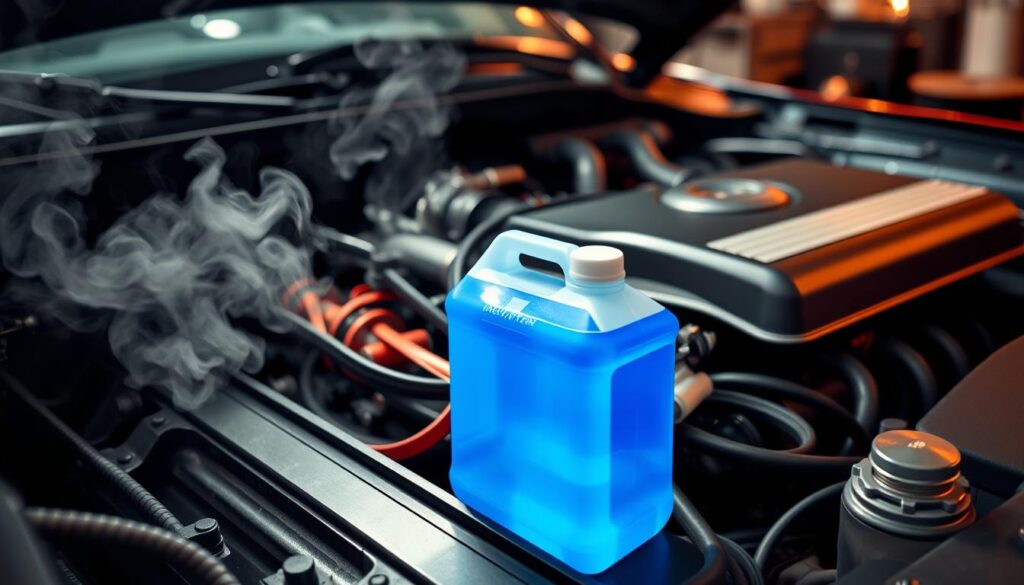
Hidden faults in the cooling system can let a hot car run despite a seemingly normal reservoir reading. Short circulation or trapped air prevents proper coolant flow through the radiator and passages.
Small leaks often allow air in without dropping visible levels. That creates pockets that block flow and raise temperature. Routine maintenance catches these silent problems early.
A stuck thermostat or a blocked radiator also prevents heat transfer. These issues need prompt professional repair to avoid lasting vehicle damage.
Pro tip: Inspect hoses, pressure cap, and upper radiator area for steam or damp spots. If nothing appears, ask a technician to pressure-test the system for hidden leaks.
For safe transport after major repair or diagnosis, consider cheap auto transport to move the vehicle to a trusted service center.
| Fault | Common Signs | Suggested Action |
|---|---|---|
| Air pockets / trapped air | Intermittent temperature spikes, gurgling | Bleed system; pressure test |
| Small invisible leak | No puddles; slow ingress of air | Inspect hoses, clamps, perform dye test |
| Thermostat or blocked radiator | Constant high readings, reduced cooling | Replace thermostat; flush or repair radiator |
Recognizing the Warning Signs of an Overheating Engine
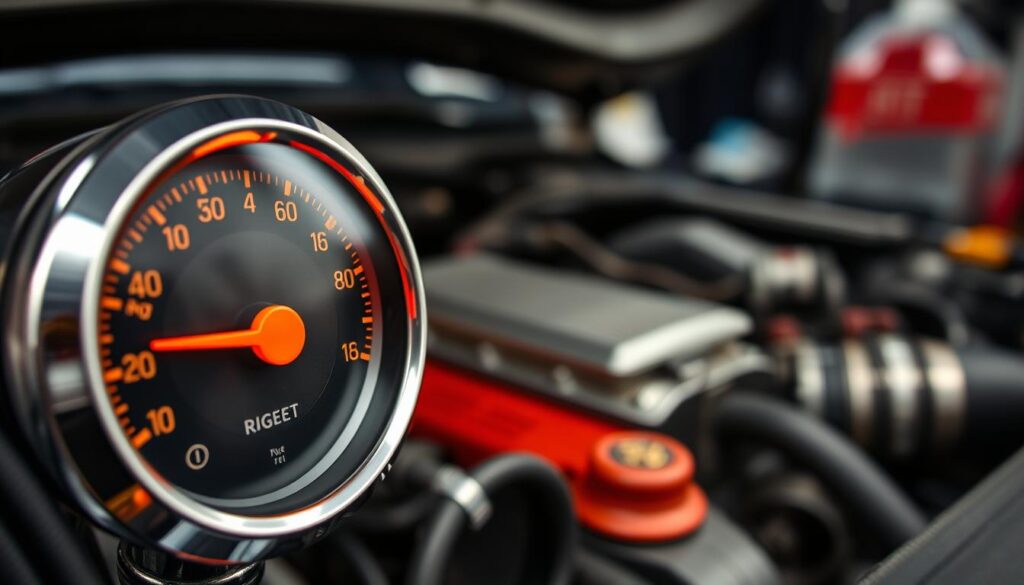
A quick glance at your dash can reveal trouble long before smoke appears under the hood. Watch the temperature gauge and warning lights closely while driving. Early recognition helps avoid costly damage and keeps the vehicle safe on the road.
Dashboard Indicators
When the temperature gauge climbs into the red, stop as soon as it’s safe. A glowing warning light or sudden needle jump signals the system is failing to shed heat.
Some models flash or display text alerts. Do not ignore them. If a gauge reads high, reduce load on the car and pull over.
Physical Symptoms
Steam billowing from under the hood is a clear sign that coolant has boiled and is escaping. That visible steam often means immediate attention is required.
“Steam from the hood and a red gauge needle are the most obvious signs of a severe problem.”
Other signs include sweet smells, burning rubber odors, sudden power loss, or unexplained dashboard alerts. These symptoms warn that internal parts may face permanent damage if the heat continues.
| Warning Sign | What It Means | Action |
|---|---|---|
| Temperature gauge in red | System failing to control temperature | Safely stop and let it cool; seek service |
| Steam from hood | Boiling fluid escaping; high pressure | Do not open hood immediately; wait and call for help |
| Sweet or burning smell | Fluid leak or overheating component | Pull over and inspect; contact a technician |
The Role of the Water Pump in Coolant Circulation
A worn water pump can stop circulation and let the cooling system fail while levels look normal.
The water pump acts as the heart of the cooling system. It pushes coolant through the engine, radiator, and hoses to move heat away from vital parts.
If the impeller blades wear or the bearing fails, flow drops. Low flow means the fluid will not transfer heat effectively and the car can run hot even with an apparently normal reservoir.
Professional repair is often required to replace the pump and restore circulation. Technicians also inspect hoses and nearby parts for signs of a leak.
- Check pump operation: Listen for grinding or rattling noises.
- Inspect hoses: Look for swelling or seepage around clamps.
- Schedule routine service: Replace worn pumps before a breakdown.
| Symptom | Likely Issue | Recommended Action |
|---|---|---|
| Grinding noise | Failed bearing in pump | Replace pump and inspect pulley |
| Poor flow / gurgling | Worn impeller blades | Replace pump; bleed system |
| Visible leak | Seal or housing failure | Repair or replace pump and hoses |
“A reliable water pump keeps the cooling system moving and prevents costly damage.”
For service or transport after repair, contact Best Car Shipping Inc. at (307) 288-5972 or email info@bestcarshippinginc.com.
Radiator and Cooling Fan Performance Issues
A blocked radiator or a failed fan can stop air from carrying heat away, sending temperatures up fast. This section explains how airflow and fan motors affect overall cooling.
Airflow Obstructions
The radiator relies on clear air passages. Debris, bent fins, or aftermarket grilles can reduce flow and create a serious car overheating problem.
Regular maintenance of the fins and front assembly prevents restriction and keeps temperature control reliable.
Fan Motor Failures
If the fan motor or its relay fails, the radiator cannot shed heat at idle or low speed. A faulty sensor may stop the fan from turning on.
- Common sign: dash temperature light comes on at slow speeds.
- Fixes: test relay and sensor, replace the fan motor or damaged parts.
- Preventive step: inspect fan and wiring during routine service.
| Symptom | Likely Problem | Recommended Action |
|---|---|---|
| High temp at idle | Failed fan motor or relay | Test electricals; replace fan |
| Poor airflow through grille | Clogged fins or debris | Clean fins; repair damaged parts |
| Intermittent fan operation | Faulty sensor or wiring | Diagnose sensor; repair wiring |
For professional repair or transport after diagnosis, contact Best Car Shipping Inc. Call (307) 288-5972 or email info@bestcarshippinginc.com for reliable service and safe vehicle handling.
Thermostat and Heater Core Malfunctions
A faulty thermostat or a clogged heater core can silently trap heat and lower cabin warmth.
The thermostat controls coolant flow through the cooling system. When it sticks, the radiator cannot shed heat and the car will rise in temperature quickly.
A blocked heater core also reduces flow. That problem often shows as weak cabin heat while the rest of the system struggles to maintain stable operating temperature.
These internal malfunctions typically need professional repair. Technicians clear blockages or replace failed parts to restore proper coolant circulation.
- Signs: weak heater output, uneven temperature gauge readings, reduced coolant flow.
- Action: schedule service to test the thermostat and inspect the heater core and hoses.
- Prevention: regular maintenance and timely part replacement reduce the risk of costly repairs.
“Addressing thermostat and heater core issues early protects the vehicle and keeps operating costs lower.”
| Issue | Common Sign | Recommended Repair |
|---|---|---|
| Stuck thermostat | Rapid rise in temperature; inconsistent gauge | Replace thermostat; flush system |
| Clogged heater core | Weak cabin heat; reduced coolant circulation | Flush or replace core; inspect hoses |
| Internal blockage | Temperature fluctuations; poor radiator flow | Pressure test; clean passages; professional service |
For transport or expert service after diagnosis, call Best Car Shipping Inc. at (307) 288-5972 or email info@bestcarshippinginc.com.
Impact of Low Engine Oil on Thermal Regulation
Insufficient oil lets moving components run hotter, increasing stress on the cooling system.
Engine oil lubricates pistons, bearings, and other parts. When the oil level drops, friction rises. That friction creates extra heat and raises operating temperature.
Friction and Heat Build-up
Keep oil at the manufacturer’s recommended level. Proper oil reduces metal-on-metal contact and helps the car run cooler. Low oil forces the powertrain to work harder and increases the risk of overheating.
- Check oil regularly: use the dipstick and top to the correct level.
- Watch for leaks: any drip under the car can bleed fluid and invite serious damage.
- Follow service intervals: scheduled changes keep oil viscosity and protection optimal.
“Maintaining the correct oil level is a simple, effective step to support the cooling system and prevent internal damage.”
Air Pockets and Internal System Blockages
Trapped air in the cooling system can interrupt coolant flow and raise the temperature gauge without obvious external signs.
Air pockets often form after a repair or from a slow leak. These pockets block passages so fluid cannot reach the radiator to shed heat.
A faulty radiator cap is a common entry point for air. A cap that won’t hold pressure lets air into the closed loop. That creates an intermittent problem that is hard to spot during a quick inspection.
Technicians usually bleed the system to remove trapped air and restore proper coolant flow. Proper bleeding helps the water pump move fluid and reduces sudden temperature spikes.
If the gauge still climbs after bleeding, internal blockages in the radiator or passages may remain. Professional flushing or pressure testing locates and clears those obstructions.
“Removing trapped air and clearing blockages restores flow and protects the vehicle from permanent damage.”
| Issue | Symptoms | Recommended Action |
|---|---|---|
| Air pockets | Gurgling, intermittent temp spikes | Bleed system; verify radiator cap seal |
| Faulty radiator cap | Loss of pressure; air entry | Replace cap; pressure-test system |
| Internal blockage | Persistent high gauge; poor flow | Flush radiator; inspect passages; professional service |
Need help transporting a vehicle after repair? Contact Best Car Shipping Inc. at (307) 288-5972 or email info@bestcarshippinginc.com.
Immediate Safety Steps When Your Engine Overheats
Quick, calm action can limit damage when a vehicle starts running hot on the road. Permanent harm to a car engine can occur in as little as 30 to 60 seconds once temperatures climb significantly. Follow these steps to protect the vehicle and everyone inside.
Managing the Cabin Heat
Turn off the air conditioner at once. Then switch the heater to the highest setting.
This draws heat away from the car and can lower the gauge reading slightly. Running the heater helps protect vital parts while you prepare to stop.
Safe Pull-over Procedures
Find a safe spot to pull over and shut off the car. Move away from traffic and turn on hazard lights.
Do not keep driving to the nearest shop; continuing can make the problem and repair costs much worse.
Avoiding Immediate Hood Opening
Never open the hood right away. Steam and hot fluids can cause serious burns.
Wait 15–30 minutes for the system to cool before checking fluid levels. When cool, check the radiator cap carefully and only open it with a rag and slow pressure release.
- If unsure, call for professional service or a tow.
- For transport after repair, contact Best Car Shipping Inc. at (307) 288-5972 or info@bestcarshippinginc.com.
“Stopping safely and avoiding hasty checks protects people and reduces repair needs.”
Conclusion
A proactive maintenance routine is the best defense against sudden temperature spikes on the road.
Watch the gauge and look for early signs like a rising temperature or low fluid level. Quick checks can stop minor issues from turning into major damage.
Keep oil fresh, the radiator clean, and the water pump inspected to help the cooling system perform reliably. Regular service preserves the engine and lowers the chance of costly repairs.
Nova Warranty offers protection plans for many makes, including Chevrolet, Tesla, and Ford, to give owners added peace of mind. When a problem cannot be diagnosed at the roadside, professional repair and secure transport are the safest options.
For help moving a vehicle after service or to learn about coverage, call (307) 288-5972 or email info@bestcarshippinginc.com.