
Best Car Shipping Inc. offers clear, professional service when you need to move a vehicle that won’t run. FMCSA trends show pricing disputes are a top complaint. That is why this company focuses on transparent estimates and solid communication.
The team answers questions early and explains pickup, loading, equipment needs, and expected delivery timelines. Call (307) 288-5972 or email info@bestcarshippinginc.com to get a reliable quote based on real market data.
Choosing a reputable carrier protects your asset from low-ball offers and surprise charges. Whether the vehicle is functional or a non-running car, the company provides accurate pricing and careful handling to save time and money.
Key Takeaways
- Transparent estimates reduce pricing disputes and stress.
- Ask detailed questions about pickup, loading, and equipment.
- Choose an experienced carrier to protect your vehicle.
- Real market data leads to accurate timelines and pricing.
- Contact the team at (307) 288-5972 for a clear quote or visit cheap car shipping.
Understanding the Logistics of Inoperable Vehicle Transport
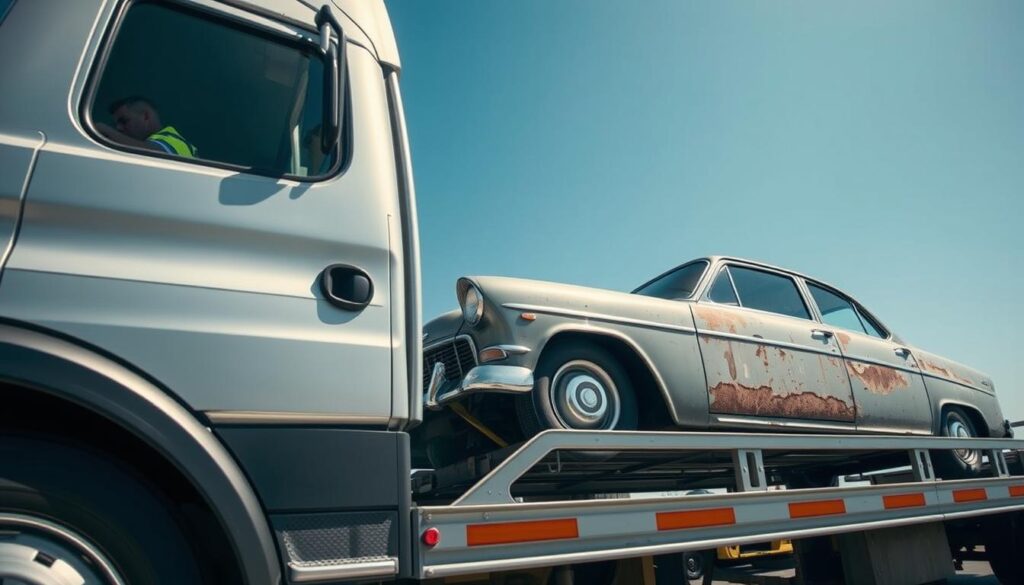
Moving a vehicle that won’t roll under its own power demands specific tools and experienced crews. Transporting inoperable vehicles is different from routine car transport. Teams must plan loading, securing, and delivery with extra care.
Many companies lack winches or tilt-deck equipment and cannot safely load damaged units. That shortfall raises the risk of delays and added charges.
A professional carrier inspects the vehicle condition and confirms required equipment before quoting a price. Accurate assessment prevents surprises and aligns expectations on delivery timing.
Best Car Shipping Inc. works with vetted carriers who use winches, dollies, and heavy-duty straps when needed. This network reduces complexity and protects vehicles during transit.
Reliable auto transport requires knowing how vehicle condition affects cost and handling. Customers receive clear guidance on what the company will do and the tools the carrier will bring.
- Condition-based quotes yield fairer cost estimates.
- Specialized equipment and trained crews prevent damage.
- Vetted companies deliver predictable timelines and safe delivery.
Defining Vehicle Condition and Its Impact on Shipping

Knowing whether a vehicle rolls, steers, or brakes shapes every step of the transport plan. Clear assessment of vehicle condition helps match the right crew and gear. That reduces delays and protects the load.
Classification of Non-Running Cars
A vehicle is classed as inoperable when it cannot be driven, steered, or braked. Teams separate units into rolling, tow-only, or immobilized categories.
- Rolling vehicles need minimal handling and standard dollies.
- Tow-only units require winches or tilt decks and trained carriers.
- Immobilized or heavily damaged units often need forklifts or custom rigs.
Why Condition Matters
Accurate reporting of car condition determines the equipment the carrier brings and the final price estimate. Even car models missing wheels or with seized brakes change pickup methods.
Best Car Shipping Inc. evaluates each inoperable vehicle before quoting. This ensures coordination with reputable companies and smoother transport. Learn about cost expectations at shipping cost estimates.
Identifying Common Extra Fees for Non Operable Car Shipping
Pricing surprises commonly occur when a broker underestimates the gear needed to load an immobilized vehicle. That gap often causes last-minute carrier charges and upset customers.
Common charges include dispatch or service surcharges that range from $100 to $300. Some brokers add this non-refundable line after booking. Ask about it during the quote.
Expedited pickup raises the bill, typically adding $200–$500. Peak seasons also trigger fuel surcharges and carrier pricing adjustments. Specialized equipment such as a winch or forklift can create additional costs too.
Best Car Shipping Inc. discloses all potential charges up front. This approach helps owners plan and protects their budget. Customers can confirm totals with the company before accepting service.
| Type of Charge | Typical Range | Why It Appears |
|---|---|---|
| Dispatch / Service | $100–$300 | Broker administrative or non-refundable booking fees |
| Expedited Delivery | $200–$500 | Priority scheduling and dedicated carrier resources |
| Equipment Surcharge | $50–$400 | Winches, forklifts, or dollies needed to load an inoperable vehicle |
| Peak Season Adjustments | Varies | Fuel costs and high carrier demand during busy periods |
Ask specific questions about potential charges and get a written quote. Use the cost calculator to estimate totals and compare offers before booking.
Why Lowball Quotes Lead to Surprise Charges
Low initial prices often look appealing but mask the real mechanics behind many broker offers. A bargain quote can be a lead-generation tactic that does not reflect market realities. Customers who accept an unrealistically low number risk facing higher charges later when carriers decline the load or require special gear.
The mechanics of bait and switch pricing are simple. A broker posts a low price to win attention. When carriers refuse the job at that rate, the broker must either find a different carrier or ask the customer to pay more. This situation often happens when the vehicle condition is worse than described or when trucks and specialized equipment are needed.
- Low quotes ignore real carrier availability and truck costs.
- Urgency increases pressure; customers already committed to pickup times lose leverage.
- Hidden adjustments appear when the carrier requests higher compensation.
Best Car Shipping Inc. bases each quote on real market data and an honest assessment of vehicle condition. That transparency helps customers save money and avoid last-minute surprises. Contact the company at (307) 288-5972 or info@bestcarshippinginc.com for a reliable price and clear expectations.
Essential Preparation for Non-Running Vehicles
A clear pre-transport check prevents surprises during loading onto the trailer. Best Car Shipping Inc. provides a concise checklist to help owners prepare a non-running vehicle prior to pickup.
Inspecting Your Vehicle
Walk around the vehicle and note visible damage. Check tires, wheels, and suspension to confirm the vehicle can be moved safely.
Look for fluid leaks and record them. Fluid leaks must be fixed or reported so the carrier can bring proper equipment and work safely.
Removing Personal Items
Remove all personal items from the interior and trunk. Loose items can shift and cause damage during transport.
Keep keys with the vehicle and note any access issues. Drivers may need keys to unlock steering or shift gears during loading.
Managing Fuel Levels
Keep fuel low but not empty—typically a quarter tank is best. Empty tanks can help when selling at auction, but carriers need enough fuel to move the vehicle if required.
Proper preparation reduces delays, avoids added cost, and ensures a safer loading and delivery process. For detailed pickup instructions, see this guide on Florida to North Dakota car shipping.
Choosing the Right Equipment for Safe Loading
Safe loading starts with matching the vehicle’s condition to the right lifting and winching tools.
Choosing appropriate equipment protects the vehicle and reduces the risk of delays. A winch, forklift, or rollback tow truck is often required when a non-running vehicle cannot roll or steer.
The average cost to move an inoperable vehicle typically runs about $150 to $350 above a standard rate. That increase reflects the labor and specialized equipment needed.
- Winches and tilt decks help load rolling but stuck vehicles onto a trailer safely.
- Forklifts or rollback trucks handle heavily damaged units that cannot be winched.
- Enclosed carriers protect high-value cars, though they usually haul up to seven vehicles, which affects the price.
Best Car Shipping Inc. works with vetted carriers who bring the right trucks and gear to match each vehicle’s condition. This network covers even car models that cannot brake or steer, ensuring careful transport and reliable loading.
To learn about enclosed options, see our guide on enclosed car transport.
Strategies for Securing Transparent Pricing
Clarify up front whether the quoted price is fixed, conditional, or subject to carrier adjustments. This simple question sets expectations and stops surprises later.
Questions to Ask Before Booking
Ask if the price is guaranteed or an estimate. Request details about pickup delivery windows and any items that could change the price.
Confirm what equipment the carrier will bring. Ask about distance, route, and peak seasons that may affect timing and cost.
- Is the quote guaranteed?
- What is the pickup delivery window?
- Which equipment will your carrier use?
- Will distance or route change the final price?
Getting Everything in Writing
Always get the agreement in writing. The document should list the price, expected delivery dates, included services, and potential charges that may apply.
Choose a company that provides a clear contract and contact details. Best Car Shipping Inc. will supply written terms and answer any questions at (307) 288-5972 or info@bestcarshippinginc.com.
| Item | What to Confirm | Why It Matters |
|---|---|---|
| Price Type | Guaranteed or estimate | Prevents surprise adjustments |
| Pickup/Delivery | Window and dates | Sets expectations for time and planning |
| Equipment | Winch, dolly, or tilt deck | Affects safety and final cost |
Final Thoughts on Hassle-Free Vehicle Shipping
Selecting a company that values transparency cuts the chance of last-minute surprises. Clear answers and a realistic quote help owners avoid stress and unexpected price changes.
Best Car Shipping Inc. serves owners of inoperable vehicles and standard units. The team provides honest pricing and works with a vetted carrier network to protect your vehicle during transport.
Get confirmation in writing and verify that the price is guaranteed. Call (307) 288-5972 or email info@bestcarshippinginc.com to discuss your needs and receive an accurate quote.
Thank you for trusting the company to move your vehicle safely and on schedule.