
Professional auto transport offers a clear path for relocations, online purchases, seasonal moves, and trips that protect high-value vehicles from extra miles and road wear. This guide defines practical steps such as choosing a carrier, booking a pickup window, preparing the vehicle, and completing delivery paperwork.
Expect typical timelines and price ranges for interstate shipping in the United States. Customers should schedule early and choose between open or enclosed transport, door-to-door or terminal delivery, and options for operable versus non-operable vehicles.
Distinguishing the broker from the carrier matters. Clear pricing, firm pickup windows, and documented condition checks build trust and cut disputes. This section frames decisions around reliability and cost protection.
BestCarShippingInc positions service as a caregiver—protecting customers’ vehicles with professional processes and timely communication. Contact: info@bestcarshippinginc.com or (307) 288-5972.
Key Takeaways
- Define the process: carrier selection, booking, prep, and paperwork.
- Plan early: timelines and price ranges vary by route and season.
- Know the roles: shipping company versus the carrier matters for risk.
- Pick the right transport: open vs enclosed and pickup options affect cost and safety.
- Use documented condition checks to avoid disputes.
- Caregiver approach: clear communication protects vehicle and budget.
Why people ship a car to another state instead of driving
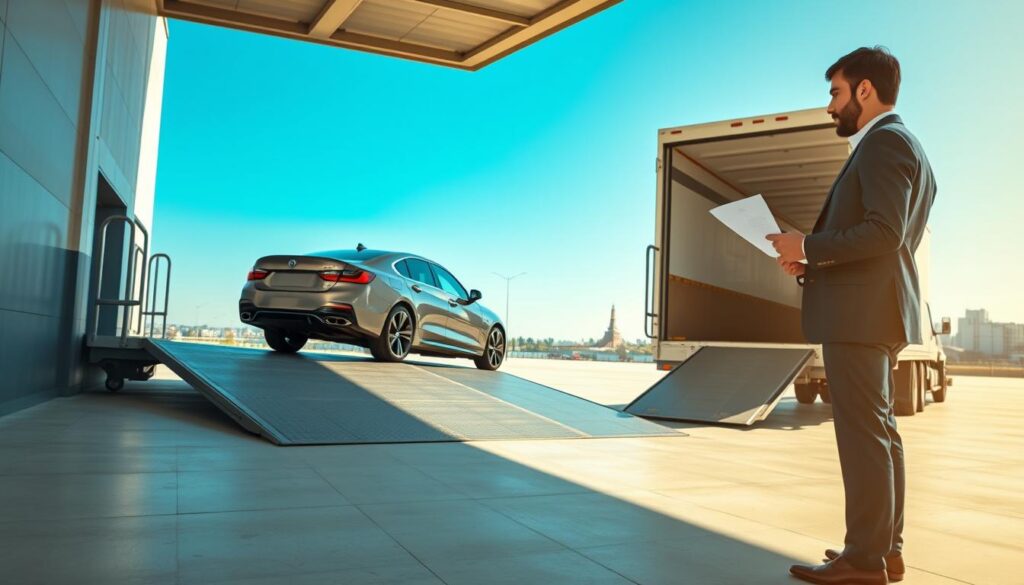
When distance, cost, and risk add up, professional vehicle delivery becomes a practical solution. This option suits owners who cannot spare time or who must coordinate complex moves with family, movers, or strict reporting dates.
Relocations, seasonal moves, and transfers
Many households move while renting trucks and juggling schedules. Shipping relieves that pressure and gets the vehicle ready on arrival.
Students and military members often face tight windows. Delivery minimizes downtime and preserves compliance with orders or semester start dates.
Buying or selling out of state
Online purchases and private-party sales cross long distances. Professional delivery offers predictable timing and documented condition reports, easing transactions.
Protecting high-value vehicles
Classic, luxury, exotic, and low-clearance vehicles face added road exposure. Enclosed transport and careful routing reduce wear, debris damage, and weather risk.
- Cost vs. convenience: Fuel, lodging, meals, and time off can make driving more expensive.
- Shipping addresses customers’ needs for reduced risk, less downtime, and greater control over the process.
For a clear quote and scheduling options, review car another state services.
Car shipping options that affect price, protection, and convenience
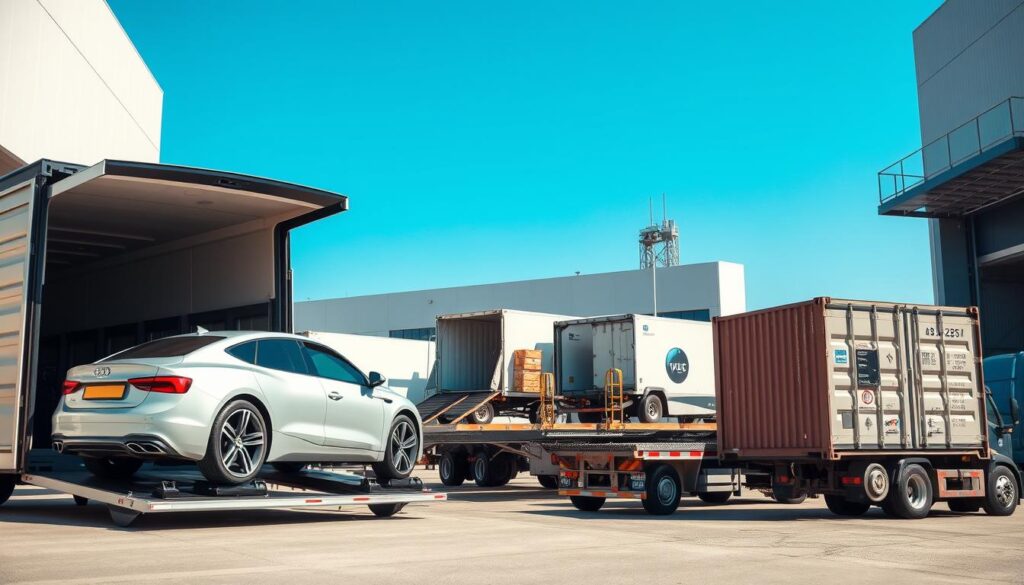
Selecting the right transport option shapes cost, timing, and vehicle protection. Choices include open trailers, enclosed carriers, pickup methods, and handling for non-operable units. Each option changes price, risk, and convenience.
Open transport vs. enclosed transport
Open transport is the standard multi-vehicle trailer. It balances availability and price. It is the most budget-friendly option for everyday cars.
Enclosed transport provides full protection from weather and road debris. It adds privacy for high-value shipments and may cost about 30%–60% more than open service.
When enclosed shipping is worth the extra cost
Choose enclosed for luxury, vintage classics, exotics, modified builds, and low-clearance vehicles. The higher price often offsets repair risk for rare or costly vehicles.
Door-to-door delivery vs. terminal-to-terminal service
Door-to-door aims for pickup and drop as close as legally and safely possible. Terminal-to-terminal can lower rates if customers can meet timing and travel to a pickup point.
Operable vs. non-operable vehicle requirements
Operable units usually roll on and off the trailer. Non-operable vehicles need winches or special gear and may incur surcharges. Discuss handling needs with carriers before booking. For regional routing and specific quotes, see Florida to North Dakota car shipping.
How to ship a car to another state
Early planning gives customers an edge in route choices, quoted rates, and carrier availability.
Schedule early and build a realistic pickup and delivery window.
Book at least eight weeks ahead when possible. This improves availability and limits rush fees.
Allow a pickup window rather than a single day. That gives carriers flexibility and reduces delays.
Request multiple quotes and compare like-for-like services.
Ask for at least three quotes from different companies. Confirm open vs enclosed, door-to-door vs terminal, and insurance terms match.
Choose tailored service by route, timing, and vehicle type
Select service that matches vehicle risk and schedule sensitivity. High-value or low-clearance vehicles often need enclosed carriers and tighter windows.
Rural routes or less-traveled lanes need extra dispatch time. Verify the company’s experience on your route and with your vehicle year and model.
| Step | Action | Why it matters | Tip |
|---|---|---|---|
| 1 | Define origin & destination ZIPs | Accurate routing and rates | Include exact addresses where possible |
| 2 | Confirm vehicle details (year/make/model) | Determines carrier needs and pricing | Note operable vs inoperable status |
| 3 | Choose transport type and secure pickup window | Affects protection, time, and cost | Book enclosed for high-value vehicles |
| 4 | Compare quotes like-for-like and verify experience | Prevents surprises and hidden fees | Check reviews for route experience |
Reliability checkpoint: Verify DOT registration, ask about past runs on your routes, and confirm pickup windows in writing before paying a deposit.
If questions remain, contact BestCarShippingInc at info@bestcarshippinginc.com or (307) 288-5972 for route-specific guidance and rate checks.
How much does it cost to ship a car to another state in the United States?
Understanding typical prices helps customers budget and avoid surprises. Realistic cost bands reflect distance, service level, and market conditions.
Average price ranges by distance
Under 500 miles: $500–$1,000. Around 1,000 miles: $1,000–$1,800. Cross-country: $1,800–$3,000+
Why cost per mile drops on longer routes
Short runs have higher per-mile rates because pickup and delivery time weigh heavily. Longer hauls spread fixed dispatch costs across more miles.
Example: 200 miles ≈ $2.00/mi; 2,000 miles ≈ $0.75/mi.
Key pricing factors
- Vehicle size and weight affect space and handling.
- Carrier type: enclosed transport costs ~30%–60% more than open.
- Fuel prices and seasonality raise or lower quoted prices.
Location impacts and common extra fees
Metro pickup and delivery typically lower rates. Rural stops can add detours and money to the final bill.
Watch for extra fees: expedited shipping, modifications (lift kits/oversize tires), and non-operable surcharges. Ask for an itemized quote that matches requested service.
Cost control tips: book early, offer flexible pickup windows, and pick protection that matches the vehicle’s value. For clear, itemized estimates contact BestCarShippingInc at info@bestcarshippinginc.com or (307) 288-5972.
How long does interstate car shipping take and what affects delivery time
Transit windows vary widely; short regional lanes can finish in days while cross-country runs may span over a week. Customers should separate dispatch lead time from actual time on the road.
- Regional routes: generally 2–5 days of on-road time, depending on lane density and stops.
- Coast-to-coast: commonly 5–10+ days in transit, with multi-stop runs extending elapsed delivery time.
What commonly delays delivery:
- Weather systems, traffic congestion, and construction detours.
- Limited access areas or extra route stops for pickups and drop-offs.
- Mandatory driver hours-of-service and required rest breaks for safety.
Pickup windows give carriers flexibility. Offering a multi-day window often reduces waiting and speeds final delivery.
Plan buffers. Avoid booking flights or tight appointments on the earliest expected day. Expect proactive updates from the company and the assigned driver during the transport process.
Need route-specific timing? Contact BestCarShippingInc at info@bestcarshippinginc.com or (307) 288-5972 for a tailored delivery estimate.
How to choose a reliable auto transport company and avoid hidden fees
Selecting a vetted company is the single best step toward a smooth pickup and delivery experience. Start with credentials and clear paperwork. That lowers risk and keeps prices predictable.
Vetting checklist and compliance
Verify DOT and FMCSA registration. Confirm the carrier authority is active for interstate service. Ask for the carrier number and check it online.
Insurance and valuation basics
Confirm cargo insurance limits, deductibles, valuation method, and exclusions. Know who handles claims and the required evidence for damage.
Contract review and fee transparency
Read pickup windows, delivery terms, payment and cancellation rules line-by-line. Demand an itemized estimate that lists any potential fees.
Assess reputation and route experience
Look for consistent reviews about communication, on-time delivery, and condition at arrival on similar routes and vehicle types.
- Ask direct questions: “Is insurance included?”, “What triggers extra charges?”, and “How are delays communicated?”
- Compare multiple quotes and note differences in coverage and service.
Reliability comes from verified credentials, clear paperwork, and predictable service—not vague promises. For vetted local options see our Upton transport page or contact info@bestcarshippinginc.com and (307) 288-5972.
Preparing your car for shipping to prevent damage and claims issues
A careful inspection before pickup reduces risk and saves time later. Proper prep speeds inspections, limits disputes, and supports insurance should damage occur.
Clean, photograph, and document
Wash the vehicle before taking timestamped photos. Capture wide angles and close-ups of dents, scratches, wheels, glass, and trim.
Include the odometer in at least one photo for a clear mileage record.
Remove personal items and loose accessories
Remove personal items from the cabin and trunk. Carrier insurance normally covers the vehicle, not contents.
Take off toll tags, parking passes, bike racks, and roof boxes. Secured accessories reduce road damage and unwanted charges.
Mechanical checklist and fuel guidance
Check tire pressure, battery charge, and fluid levels. Look under the vehicle for leaks and note them before pickup. Document any issues in writing.
Keep fuel near one-quarter tank. This balances safety and fuel weight without hindering loading and unloading.
| Task | Why it matters | Customer action |
|---|---|---|
| Photograph condition | Supports insurance and dispute resolution | Time-stamped wide and close shots |
| Remove personal items | Prevents loss and denied claims | Empty cabin/trunk; secure loose gear |
| Mechanical check | Ensures safe loading and transit | Record tire pressure, fluids, leaks, and mileage |
Final steps: disable alarms, provide a spare key for the driver, and confirm documented mileage at pickup. For a detailed checklist visit vehicle prep guidance or contact BestCarShippingInc at info@bestcarshippinginc.com or (307) 288-5972.
Pickup, transit, and delivery: what to expect on shipping day
The day of pickup defines the official condition record for the transport process. At pickup the driver completes a written inspection on the bill of lading. That document governs claims and timelines.
The bill of lading inspection process at pickup
The driver walks the vehicle and notes dents, scratches, glass issues, and mileage. The owner should compare these notes with pre-shipment photos.
Do not sign off on the bill if any pre-existing issues are missing. Signing without accurate notes can complicate insurance claims later.
Communication essentials: contact details, driver coordination, and updates
Provide a primary phone number and a backup contact. Give any gate codes or parking instructions before dispatch.
Expect status updates during transit. Drivers follow multi-stop routes and required rest breaks. These factors can shift the estimated arrival window.
Final inspection at delivery and how to document new damage before signing
Inspect the vehicle in good light. Compare delivery condition to pickup photos and the bill of lading line-by-line.
If new damage appears, note it clearly on the delivery document and take timestamped photos. Refuse to sign “received in good condition” when concerns exist. Proper documentation protects the owner and supports any insurance claim.
| Step | Owner action | Why it matters |
|---|---|---|
| Pickup inspection | Compare photos; confirm notes | Establishes baseline for claims |
| Provide contacts | Share phone numbers, gate codes | Enables driver coordination |
| Delivery check | Document new issues; photograph | Preserves insurance rights |
Questions about pickup logistics or door service limits? Review the Jackson resource on our Jackson transport page or contact BestCarShippingInc at info@bestcarshippinginc.com or (307) 288-5972.
Conclusion
This conclusion pulls together the practical steps that protect vehicles and preserve customer time and money.
Match the transport method—open or enclosed—and the service level—door-to-door or terminal—based on vehicle value and schedule needs. Distance and service choice drive cost and delivery time; longer routes often lower cost per mile.
Verify credentials, confirm insurance limits, and require clear written terms to reduce surprises. Prep the vehicle with photos, remove personal items, check fluids and tires, and leave a spare key for the driver.
Ready for a quote or route check? Contact Best Car Shipping Inc., info@bestcarshippinginc.com or (307) 288-5972. See our service locations for local availability and next steps.