
Finding budget-friendly vehicles takes careful research and clear logistics. Buyers should weigh purchase price against long-term reliability and transport needs.
The 2026 Hyundai Venue stands out with a base MSRP of $20,550 as the cheapest new option on U.S. showrooms. Transporting a new car calls for professional handling to keep it pristine from pickup to delivery.
Our team offers reliable auto transport for any make and model. We prioritize safety, transparent timelines, and damage-free delivery. Clients receive clear communication and expert care during every transit.
Key Takeaways
- Research price and transport costs before purchase.
- 2026 Hyundai Venue listed at $20,550 as a cost-leading model.
- Professional carriers protect value during shipment.
- Balance upfront savings with long-term reliability needs.
- Transparent logistics and safety are core service promises.
Understanding the Market for Most Affordable New Cars
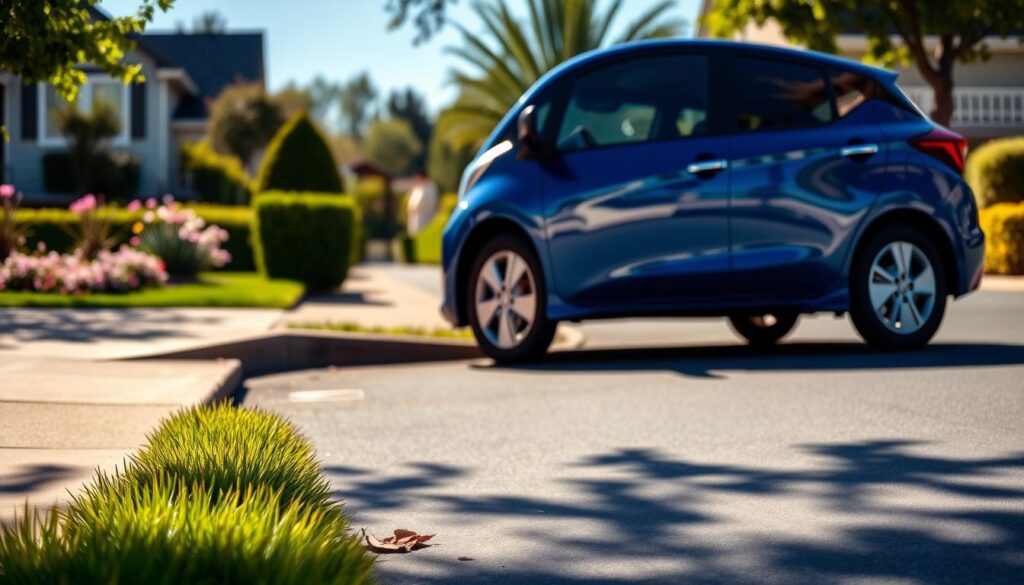
With the Nissan Versa discontinued, buyers and shippers now find different leaders at entry-level price points.
Market shift: the 2026 model year shows the starting price for a new car rarely falls below $20,000. This affects fleets and private buyers who plan transport and ownership costs.
Entry-level values now include the 2026 Hyundai Venue as the base price leader and the 2026 Chevrolet Trax LS as the least expensive American crossover at a base MSRP of $21,700.
Understanding these trends helps you choose a vehicle that fits budget and shipping needs. Compare base trims for true value before arranging transit.
| Model | Type | Base MSRP | Why it matters |
|---|---|---|---|
| Hyundai Venue (2026) | Subcompact | $20,550 | Low base price; simple logistics for carriers |
| Chevrolet Trax LS (2026) | Subcompact Crossover | $21,700 | American brand crossover; solid base value |
| Nissan Versa (discontinued) | Compact Sedan | — | Exit created gap in entry-level list |
For help moving a purchased vehicle, request a quote for cheap car shipping and get transparent timing and handling details.
Top Budget-Friendly Crossovers and SUVs
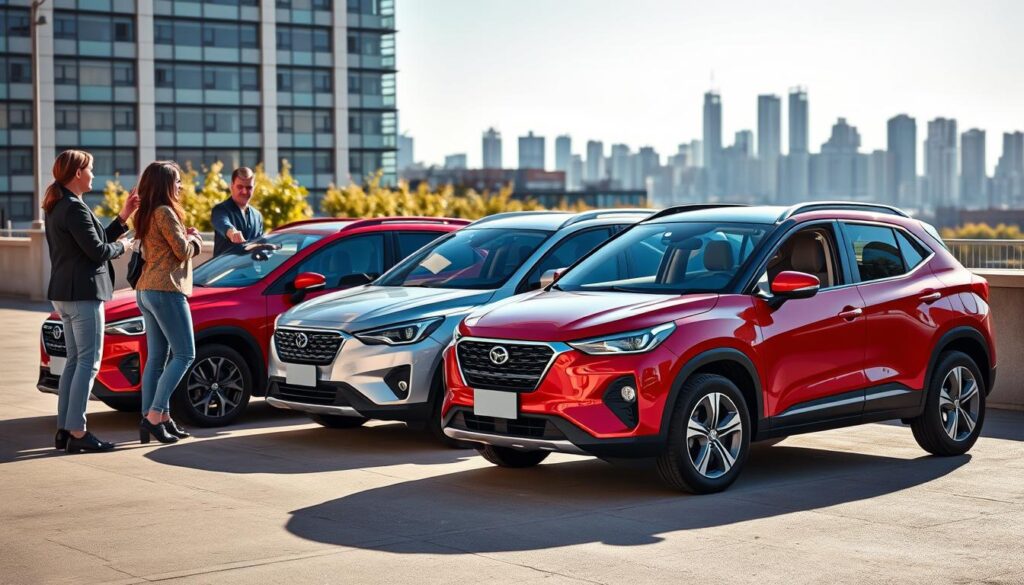
City drivers frequently choose subcompact crossovers for their upright view and nimble handling in traffic. These models balance a compact footprint with usable cargo space.
Subcompact Advantages
Practical layout: Subcompact crossovers like the 2026 Chevrolet Trax offer a tall seating position and flexible interior. The Trax pairs that packaging with a 1.2-liter turbo inline-3 that delivers 137 hp and 162 lb-ft of torque.
City ride: Drivers get a higher view and easier parking while keeping fuel and running costs reasonable.
Entry-Level SUV Features
Base trims now often include modern safety and connectivity features. Some models add optional all-wheel drive, though many stick to front-wheel drive to protect the starting price and value.
The 2026 Kia Seltos shows how higher trims raise comfort and tech. The SX trim climbs above $32,000 but adds premium ride quality and more interior room.
“Choosing the right trim is the best way to match price with the exact features you need for daily drive and transport.”
| Model | Key feature | Drive option |
|---|---|---|
| Chevrolet Trax (2026) | 1.2L turbo, 137 hp / 162 lb-ft | FWD (AWD optional) |
| Kia Seltos (2026) | Spacious interior, advanced trim levels | FWD / AWD available |
| Typical Subcompact | Tall seating, flexible cargo, city-friendly | Usually FWD; AWD on select trims |
- Subcompact crossovers give better visibility and handling in town.
- Entry-level SUV trims can include key safety and infotainment features.
- Protecting exterior wheels and handling traits matters when arranging transport.
Reliable Sedans for Daily Commuting
Compact sedans remain the backbone of daily commuting thanks to proven reliability and efficient packaging. Commuters value a low total cost of ownership and predictable ride quality.
Practical models like the 2026 Toyota Corolla and the 2026 Honda Civic deliver long-term durability, steady handling, and comfortable interiors. These vehicles fit well for routine drives and business travel.
Compact Sedan Reliability
The 2026 Nissan Sentra S features a 2.0-liter inline-4 engine making 149 hp and 146 lb-ft of torque. It keeps a traditional four-door layout that many buyers prefer for daily use.
The 2026 Hyundai Elantra SE is noted for solid driving quality and comes with a 10-year powertrain warranty. That warranty supports long-term confidence in the vehicle and its base trim value.
- Durability: Toyota Corolla reputation for long-term reliability.
- Balance: Honda Civic blends fuel efficiency with responsive drive and interior comfort.
- Transport care: Vehicles are secured to preserve factory alignment and ride quality during transit.
“Each base trim provides a solid foundation for reliable transportation and makes these sedans excellent candidates for long-distance shipping.”
Evaluating Powertrain and Transmission Options
Choosing the right powertrain shapes how a vehicle feels on the road and how it fares in transit.
Engine choice matters. The 2026 Kia K4 base model uses a naturally aspirated 2.0-liter engine paired with a CVT. That setup offers smooth power delivery and a compact packaging that carriers can load with predictable clearance.
The 2026 Mazda 3 2.5 S brings a 186-hp engine and gives buyers a choice of a 6-speed manual or 6-speed automatic transmission. Drivers who prefer direct handling often select the manual, while others favor the auto for commuter comfort.
A robust powertrain, such as found in the hyundai elantra, supports long service life and steady resale value. Transmission type—CVT versus traditional automatic transmission—also affects how a car is secured and balanced on a carrier.
- Trim choices change engine outputs and drive feel.
- Transport specialists protect engines and power delivery systems during loading.
- Match your desired range and handling to the selected powertrain before shipping.
For business buyers or resellers needing secure logistics, request a tailored quote for car resellers shipping services to ensure proper handling of the selected powertrain.
Fuel Economy and Long-Term Value
Fuel economy now shapes both purchase decisions and the long-term cost of ownership for entry-level models. Buyers consider mpg figures alongside price to assess resale and running expenses.
Hybrid Efficiency
The 2026 Toyota Corolla LE Hybrid pairs a 1.8-liter Atkinson cycle engine with an electric motor to deliver high mpg and strong long-term value. This hybrid model reduces fuel expenses in daily driving and extends range between fill-ups.
Fuel Economy Standards
The 2026 Volkswagen Jetta S uses a 1.5-liter turbo inline-4 to balance power and economy. The 2026 Honda Civic also posts competitive mpg numbers, making that sedan a reliable choice for low operating costs.
- Achieving optimal fuel economy protects long-term value for the car and owner.
- Transport teams preserve interior and exterior condition to protect resale value.
- Route planning takes vehicle fuel standards into account for efficient shipment.
“Prioritizing fuel economy helps owners lower total cost of ownership while protecting the vehicle’s value during transit.”
Safety Features and Modern Technology
Manufacturers now embed sensors, cameras, and driver assistance into vehicle structure. This integration raises the need for careful handling during pickup and transit.
The 2026 Honda Civic LX arrives standard with the Honda Sensing suite. Lane keep assist, collision mitigation, and adaptive cruise are examples of safety systems that must remain calibrated after shipping.
Transport teams use professional-grade equipment to protect sensors and wiring. Secure cradles, soft restraints, and careful loading prevent impacts to delicate modules.
Quality construction helps systems tolerate movement, but electronic components still need protection. Our handlers follow manufacturer guidelines to preserve functionality on delivery.
“Protecting advanced systems keeps the vehicle ready for the road and preserves owner confidence.”
- Modern safety systems provide peace of mind for owners.
- Professional transport safeguards sensors and onboard electronics.
- Following factory recommendations maintains post-shipping calibration and performance.
| System | Common Risk in Transit | Protection Used |
|---|---|---|
| Camera & Sensors | Physical impact, misalignment | Padded mounts, visual checks |
| ADAS Modules | Electronic disturbance | Battery isolation, secure straps |
| Connectivity & Infotainment | Moisture and vibration | Climate-controlled carriers, soft bracing |
For logistics advice or to arrange service with trusted shippers, contact our team or review best car shippers for tailored handling.
Considerations for Professional Auto Transport
A smooth shipping experience depends on careful preparation and a trusted carrier. Clear steps before pickup reduce risk and keep timelines predictable.
Preparing Your Vehicle for Shipping
Owners should remove personal items and disable toll tags. A low fuel level helps meet safety rules and cuts weight for transit.
Quick checklist: clean the cabin, secure loose parts, note existing damage, and leave the battery charged but isolated if required.
Choosing a Reliable Carrier
Pick a carrier with verified insurance, steady communication, and experience handling the vehicle type you own.
Best Car Shipping Inc. offers business-grade logistics and regular status updates. To arrange service or to ship your car to another state, contact (307) 288-5972 or email info@bestcarshippinginc.com.
Safety During Transit
Modern trailers, soft tie-downs, and padded cradles protect finishes and suspension. Drivers follow secure loading practices to prevent movement in transit.
Transparency matters: clients receive tracking and condition reports so they know where their vehicle is and its status throughout the route.
| Step | Why It Matters | Best Practice |
|---|---|---|
| Remove personal items | Reduces theft risk and weight | Empty glovebox and trunk before pickup |
| Fuel level | Safety and weight control | Keep tank under a quarter full |
| Secure tie-downs | Prevents damage to suspension and body | Use padded straps and wheel chocks |
| Communication | Provides reassurance and timing | Receive regular location and condition updates |
Tips for Buying New Vehicles on a Budget
Smart buyers focus on base trims and fuel data to stretch a tight budget without losing quality.
Check the base price and trim list. Models such as the 2026 Kia K4 LX and the 2026 Hyundai Elantra SE show that a competitive starting price can still include useful features.
Evaluate fuel economy and mpg ratings. A hybrid or efficient engine reduces running costs and protects long-term value.
Prioritize reliability. The 2026 Toyota Corolla and Honda Civic keep value with proven drivetrains and steady ride quality.
- Pick a trim with required features like automatic transmission and safety tech instead of costly extras.
- Compare starting price, warranty, and expected fuel costs to estimate total ownership value.
- Decide whether a sedan or hatchback fits city driving, cargo needs, and handling preferences.
“Buying smart starts with base-trim research and careful review of fuel, engine, and transmission choices.”
For help moving your vehicle after purchase, arrange a smooth shipping experience with a trusted carrier that protects your investment from dealer to driveway.
Conclusion
A clear plan that pairs a sensible vehicle choice with professional shipping prevents costly surprises.
Selecting an entry‑level model means balancing upfront price with long‑term reliability and fuel economy. Examples like the 2026 Hyundai Venue and Chevrolet Trax show strong value and modern features.
Professional auto transport keeps the vehicle protected during transit. Reliable handlers preserve electronics, suspension, and finish so the car arrives ready to drive.
Research powertrain and trim choices before purchase. That step helps align performance, running costs, and resale expectations with your needs.
For secure delivery and business-grade logistics, review our open car transport options at open car transport or contact Best Car Shipping Inc. at (307) 288-5972 or info@bestcarshippinginc.com.