Trusted, professional auto transport designed for cross-state moves that protect the car and cut the usual hassle.
Door-to-door pickup and delivery is the common default when access allows. The process is straightforward: clear quotes, documented inspections at pickup and delivery, and reliable timelines.
Typical costs often fall between $500 and $1,500+, with an average snapshot around $650 depending on distance, carrier type, timing, and service level. This sets realistic expectations before you request a quote.
Readers will learn how to choose a shipping company, compare open vs. enclosed options, control cost, and plan a timeline that fits a move. The guide follows a how-to structure: decisions before quotes, step-by-step booking, a preparation checklist, and final sign-off.
For help or scheduling questions, contact: info@bestcarshippinginc.com or call (307) 288-5972. For detailed guidance, see our page on how to ship car.
Key Takeaways
- Reliable transport focuses on protection, punctual delivery, and clear communication.
- Cost ranges typically span $500–$1,500+, with an average near $650.
- Door-to-door service and documented inspections reduce risk.
- Compare open vs. enclosed options based on value and exposure.
- Follow the step-by-step booking and prep checklist for smooth pickup and delivery.
What “State-to-State” Auto Transport Means and When It Makes Sense
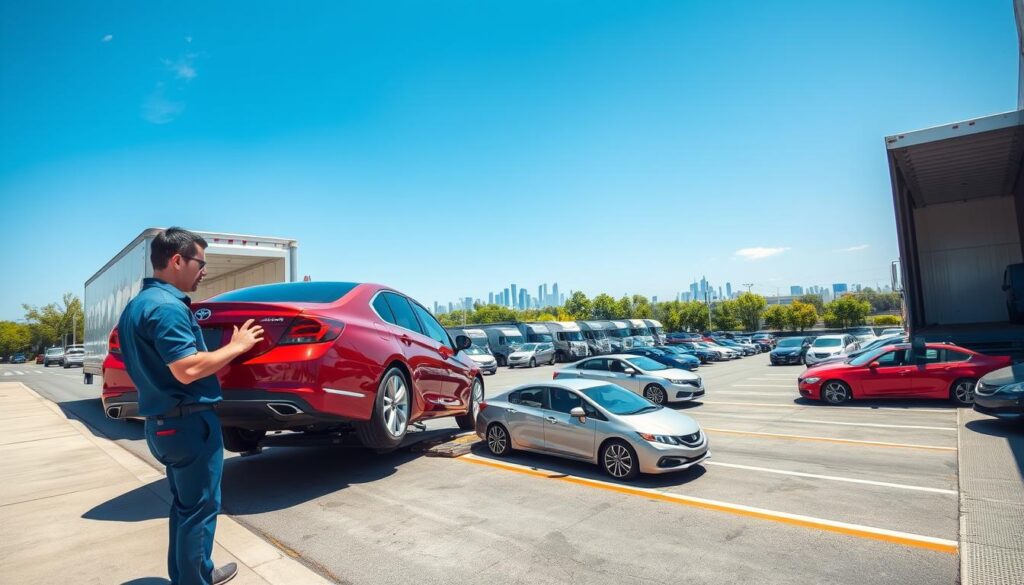
State-to-state transport uses vetted carriers and trailers to relocate cars across state lines without the owner driving. It normally runs on open or enclosed trailers and includes pickup, transit, and delivery stages handled by the carrier.
Common relocation scenarios
People choose this service for job moves, college relocations, seasonal snowbird trips, and online car purchases that require delivery. Each case values time savings and less wear on the car.
Why professionals often beat driving
Transporting car professionally reduces mileage and lowers breakdown risk. It removes the need for trip planning, overnight stops, and additional travel costs for the owner.
- Time-efficient: Saves days on the road when the route is effectively across country.
- Risk-managed: Documented inspections and carrier accountability limit surprises.
- Cost-smart: Best when household moves compress personal time or when driving costs exceed carrier fees.
Flexible pickup windows improve availability and often reduce price. Customers should expect dispatch to offer a multi-day window and a clear pickup plan from the driver.
Key Decisions to Make Before You Request Quotes
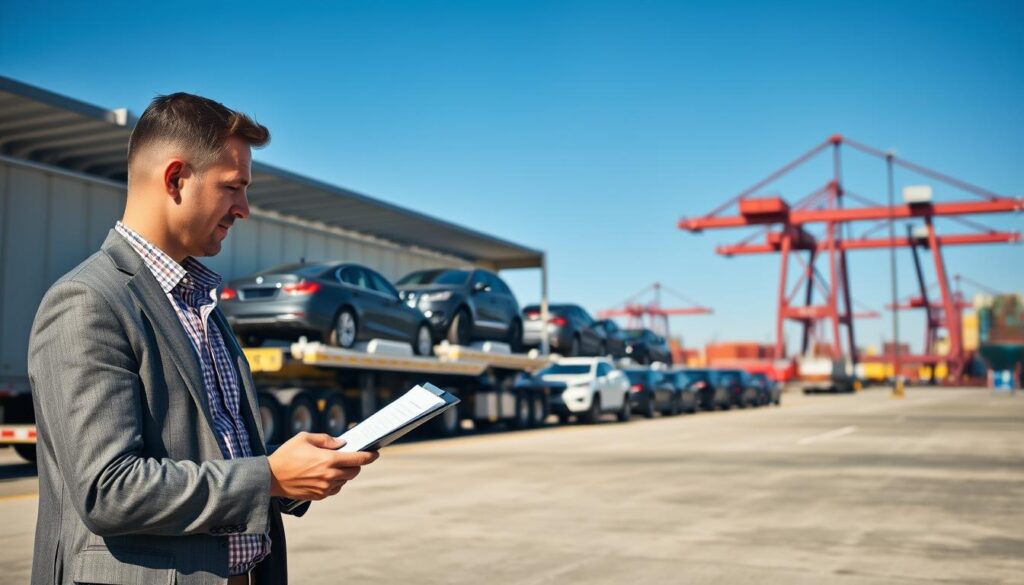
Accurate pickup and delivery ZIP codes, timing expectations, and a clear car profile produce reliable quotes and fewer surprises. Entering precise inputs reduces re-quotes, avoids dispatch delays, and keeps price changes minimal.
Pickup and delivery location: metro vs rural
Metro locations usually cost less. More carriers run through cities. Trailers access major routes easily, lowering price.
Rural pick ups often carry a premium because of added miles and harder access. A practical workaround is meeting the carrier near a main road or lot when safe and convenient.
Your timeline: flexible window vs exact-date pickup
Flexible windows improve carrier availability and often reduce price. Exact-date or guaranteed pickup will raise the fee and limit options.
Your vehicle profile: make, model, size, condition
Provide year, make, model, size class, and operable status. Inoperable cars need winch or forklift support and can increase shipping costs.
“Honest condition disclosure avoids surprise fees and ensures the right equipment arrives at pickup.”
Clear inputs give the company control and the customer peace of mind when requesting a quote.
Shipping a Vehicle to Another State: The Step-by-Step Process
Plan your route and desired delivery date up front; this simple step makes quotes more accurate and booking smoother.
Choose route, destination, and date
Pick the corridor and delivery point early. Major routes have more carriers and better timing. Remote lanes may need flexible windows and meet points.
Open vs. enclosed transport
Open carriers cost less and suit everyday cars. Enclosed trailers add protection for high-value models. Weigh price versus exposure before you request final numbers.
Request an instant quote
Provide pickup and delivery ZIP codes, car make and size, operable status, and preferred date. Accurate inputs produce reliable quotes and reduce re-quotes.
Book, confirm pickup window, and meet the driver
After booking, get the pickup window in writing. Verify contact details and any door access limits. On pickup day the carrier inspects and documents condition on the Bill of Lading.
Track, inspect, and sign
Use available tracking tools and stay in touch with dispatch. At delivery, perform a final inspection against the Bill of Lading. Sign only after confirming condition. Report issues immediately; insurance steps begin once damage is noted.
“Clear inputs and timely communication make for smooth transit and confident delivery.”
Auto Transport Companies vs Brokers: How to Choose the Right Shipping Company
Know whether you’re dealing with a carrier or an intermediary—this choice changes who shows up on pickup day.
Carriers operate trucks and sign the bill of lading. They handle loading, transit, and delivery directly.
Brokers match customers with vetted carriers from a network. They can improve availability on busy lanes and find the right trailer or schedule.
What reputable and reliable looks like
Look for transparent quotes, clear fee breakdowns, and solid online ratings. Good providers document condition, give tracking updates, and answer calls promptly.
Red flags and insurance basics
Quotes far below market often hide add-on fees or cause re-pricing. Confirm cargo coverage limits and ask how declared value affects insurance cost.
“Ask for written fees, insurance details, and the carrier name before you confirm.”
| Provider Type | Primary Role | Best For | What to Verify |
|---|---|---|---|
| Auto transport company | Operates trucks | Direct control, single point of contact | MC/US DOT number, insurance |
| Broker | Matches loads | Wide network, better lane coverage | Broker authority, carrier vetting |
| Third-party marketplace | List multiple carriers | Price comparison | User reviews, fee clarity |
Due-diligence checklist: verify licensing, confirm phone support, and get deposit and cancellation terms in writing. For local guidance and an informed auto transport in Upton quote, contact the company directly.
Open vs Enclosed Car Shipping: Picking the Best Carrier Type
Deciding between open and enclosed service starts with assessing risk and value.
Open carrier transport
Open carriers remain the standard for most daily cars. They offer wide availability and lower price. Scheduling is flexible, which often lowers total costs.
Enclosed transport for high-value cars
Enclosed car service uses covered trailers and premium handling. It reduces exposure to weather, road debris, and theft risk. This option suits luxury, classic, and exotic models.
For details on premium options see our enclosed car shipping page.
Protection vs price: a clear tradeoff
Open rigs protect most cars adequately in transit. They are not sealed, so paint and finish sensitivity matters when choosing.
Enclosed service raises the price and may have limited lane availability. Decide based on risk tolerance, declared insurance coverage, and the car’s market value.
- Open: best value, common lanes, flexible pickup windows.
- Enclosed: premium protection, higher costs, seasonal availability limits.
“Match carrier type with risk tolerance and insurance comfort for confident transport.”
How Much Does It Cost to Ship a Car to Another State in 2026?
Budgeting for transport in 2026 starts with a realistic price band rather than a single number. Expect typical totals around $500 to $1,500+. That range reflects lane complexity, pickup and delivery access, and service level.
Per-mile benchmarks and averages
Per-mile rates in January 2026 run roughly $0.40–$2.00 per mile. Short runs often hit the higher per-mile end. Long hauls lower the per-mile figure even as total price climbs.
Average snapshot and what affects price
The typical snapshot sits near $650. Exact quotes vary by distance, vehicle size and weight, pickup complexity, carrier type (open vs. enclosed), season, and schedule urgency.
What a professional quote should show
- Base rate and any fuel or access fees.
- Insurance coverage limits and declared value options.
- Deposit rules and final payment timing.
Note: Unusually low prices often signal added fees or service risk. Compare written quotes, confirm insurance, and request the carrier name before you book a transport. For a reliable quote, provide ZIP codes, car details, and preferred windows for pickup and delivery.
Average Shipping Costs by Distance and Transport Type
Average fees shift by route and trailer type; use distance bands as a quick benchmark for quotes.
Under 500 miles
Open carriers: ~ $630. Enclosed car service: ~ $930. Short runs often cost less overall but show higher per-mile rates on congested lanes.
500–2,500 miles
Open carriers: ~ $1,135. Enclosed: ~ $1,550. This mid-range band is common. Demand and route density move the price most here.
Over 2,500 miles
Open carriers: ~ $1,350. Enclosed: ~ $1,830. Long hauls lower per-mile cost even as total fees rise.
- Use these averages as a sanity check: wildly low quotes often hide add-ons.
- Enclosed transport carries a steady premium for protection and specialized trailers.
- Small mileage differences near band edges may not change the final price much; route density matters.
“Distance and carrier type shape both cost and availability—plan delivery windows with that in mind.”
Average Vehicle Shipping Costs by Vehicle Type
Trailer space and vehicle footprint drive clear price differences across sedans, SUVs, and pickups.
Use this quick chart to compare costs by class and distance. These averages help set expectations before you request a quote.
| Type | <500 miles | 500–2,500 miles | >2,500 miles |
|---|---|---|---|
| Sedan | $425 | $725 | $925 |
| Compact SUV | $455 | $775 | $1,025 |
| SUV | $505 | $825 | $1,075 |
| Truck | $575 | $925 | $1,275 |
Why larger models cost more: bigger cars occupy more trailer slots and reduce load density. Weight and height affect loading angles and placement. These factors raise handling time and cost.
Disclose modifications like racks or oversized tires. Also state any operability issues up front; inoperable units often need winch assistance and carry a surcharge.
Pro tip: For an accurate estimate, provide ZIP codes, make, size, and condition when you request a quote from our pricing page at how much does it cost to ship a.
What Impacts Shipping Costs Most (and How to Control Your Price)
A handful of clear variables explain most rate differences and how to influence them.
Distance changes the math: longer routes often lower per-mile rates while raising total fees. Plan long hauls early to lock better lane pricing.
Location matters. Metro pickup points usually reduce miles and time on local roads. Rural access can add detours and extra fees.
Condition affects labor. Inoperable units require winch or forklift support and raise handling charges. Disclose condition honestly to avoid re-quotes.
Other cost drivers
Carrier type and service level are major levers. Open trailers are budget-friendly. Enclosed service adds protection and cost. Expedited pickup narrows the window and increases price.
“Choose flexibility over guarantees when possible; it lowers price and improves carrier options.”
| Factor | Impact on Price | How to Control |
|---|---|---|
| Distance | Lower per-mile, higher total | Bundle moves or allow flexible dates |
| Location | Metro lowers cost; rural adds fees | Meet at a safe lot near main roads |
| Condition & Carrier | Inoperable & enclosed raise fees | Confirm operability; choose open when safe |
Control checklist: be flexible on dates, pick metro meet points, choose open when suitable, and state condition clearly. For questions call (307) 288-5972 or email info@bestcarshippinginc.com.
Seasonal Timing Guide: Cheapest Time of Year to Ship a Car
Choosing the right month often trims costs while keeping delivery reliable.
Winter realities: Snow and ice reduce daily driving hours. This can stretch transit time. Drivers run fewer miles per day. Expect longer pickup and delivery windows.
Best-value windows: February is often the slowest month and delivers competitive pricing. October–November also offers solid availability and lower price on many lanes.
High-demand spikes: December holiday schedules tighten capacity. January sees snowbird migration on southbound runs, pushing rates and reducing options.
Spring and summer improve weather and reduce weather delays. However, summer is peak volume. That can pressure availability and raise shipping costs and final price.
Planning tips: Book early around holidays and migrations. Allow flexible windows when possible. Keep expectations realistic for delivery time during winter storms.
| Season | Typical Demand | Best Strategy |
|---|---|---|
| Winter (Dec–Feb) | High in Dec/Jan, low in Feb | Book early for Dec; target Feb for savings |
| Spring (Mar–May) | Moderate | Good reliability; book 2–3 weeks ahead |
| Summer (Jun–Aug) | Peak | Reserve early; expect higher costs |
| Fall (Sep–Nov) | Lower in Oct–Nov | Late fall offers balance of price and reliability |
“Flexible dates and early booking cut cost and reduce stress when planning transport.”
Transit Times: How Long It Takes to Ship a Car Across States
Knowing realistic delivery windows prevents last-minute conflicts for flights, housing, and work starts. Clear timing helps plan the move and reduces stress during the transport process.
Typical delivery ranges
In-state runs commonly arrive in 1–3 days. Multi-state moves usually take 4–10 days. These ranges help customers schedule handoffs without surprises.
What affects transit time
Miles matter, but other factors change the clock. Traffic congestion and construction slow progress. Mountainous terrain and severe weather add delay risk.
Carrier routing and available trailers also affect arrival. Coordination with the driver shortens missed-delivery chances.
Estimated route examples
| Route | Estimated transit | Notes |
|---|---|---|
| Texas – California | 6–10 days | Long distance, varied corridors |
| New York – Florida | 5–7 days | Major lanes, seasonal demand spikes |
| California – Washington | 3–5 days | Shorter coastal corridor, steady volume |
Pickup window vs. transit time: the pickup window is the carrier’s arrival window for load. Transit time starts after loading and dispatch. Expect both when you confirm a shipment.
“Proactive calls with dispatch and the driver improve handoffs and reduce missed attempts.”
For unusual lanes or dual-state moves, consult route examples such as our Florida–North Dakota example for planning guidance.
Popular Interstate Routes and What They Mean for Price and Availability
Major interstate lanes shape availability: some corridors run daily and others only by request.
What “lanes” mean in logistics
Lanes are regular routes carriers run between origin and destination markets. High-frequency lanes have steady freight flow and predictable timing.
High-demand corridors
When demand is high, more trucks serve the route. That increases competition and often lowers prices.
Quotes tend to be more competitive and pickup windows shrink on busy corridors.
Low-demand routes
Some lanes see fewer runs each week. Fewer companies serve these locations, which can raise the final price.
Expect wider pickup windows and possible routing or wait times on remote locations off main highways.
- Choose flexible dates for low-demand lanes.
- Consider meeting at a metro lot to reduce distance and cost.
- Ask the shipping company for lane history and realistic timing before you book.
“Reputable providers explain lane realities up front and avoid unrealistically low quotes.”
How to Get the Best Quote for Car Shipping (Without Surprise Fees)
Start with precise inputs when requesting a quote; small details make the difference between an accurate price and surprise fees.
What to enter for accurate pricing
Provide pickup and delivery ZIP codes, car make and size, operable status, and realistic dates. These items produce firm pricing and avoid re-quotes.
Why flexibility lowers cost
Wider pickup windows let dispatch match loads and use standard open carriers more often. That reduces price and shortens wait times.
Deposits and payment timing
Many companies take a deposit (20–40%) and collect the balance at pickup. Some charge in full when a driver is assigned. Ask which applies before you pay.
Compare service tiers apples-to-apples
Standard open focuses on price. Expedited open prioritizes speed. Enclosed car service adds protection and costs more. Compare written line items, not only totals.
- Quote-entry checklist: ZIPs, car size, operable status, dates.
- Demand itemized pricing and cancellation terms.
- Confirm insurance limits and keep inspection photos for records.
| Tier | Priority | Typical Price | When to Choose |
|---|---|---|---|
| Standard open | Value | Lowest | Daily cars, flexible dates |
| Expedited open | Speed | Moderate | Faster delivery windows |
| Enclosed premium | Protection | Highest | High-value or classic models |
“Ask for itemized quotes, clear cancellation rules, and the carrier name before you confirm.”
Need help with a transparent quote? Contact info@bestcarshippinginc.com or call (307) 288-5972 for guidance and a clear price estimate.
Preparing Your Car for Pickup Day
A clear checklist on pickup day protects your car and shortens loading time. Prepare early so the driver can inspect and load without delay.
Clean for inspection
Wash inside and out. A clean interior lets the carrier record condition clearly. Dirt or clutter hides dents and chips.
Remove personal items and disable alarms
Take out all belongings and valuables. Carriers do not insure personal effects. Disable alarms and leave the key where the driver can access ignition and locks.
Fuel and operability guidance
Keep roughly a quarter to half tank of gas. This balances safety and weight. If the unit is inoperable, disclose that when you book so the right equipment is sent.
Document existing damage
Take time-stamped photos of all sides and close-ups of dents, scratches, and rims. Note paint chips and trim issues in writing. Review the Bill of Lading with the driver and confirm notes before signing.
- Pickup checklist: clean car, remove items, disable alarm, fuel quarter–half tank, keys ready.
- Record condition with photos and written notes. Get driver confirmation.
- Disclose inoperable status up front to avoid delays and extra fees.
| Task | Why it matters | Action |
|---|---|---|
| Clean | Clear visual inspection | Wash, remove trash |
| Personal items | Not covered by insurance | Remove before pickup |
| Keys & alarms | Safe, quick loading | Disable alarm; give key to driver |
| Damage records | Proof for claims | Time-stamped photos; sign BOL after review |
“A thorough pre-pickup check reduces disputes and speeds delivery.”
Questions about the process or insurance? Contact info@bestcarshippinginc.com or call (307) 288-5972.
Pickup, Tracking, and Delivery: What to Expect During Transport
Pickup begins with identity checks and a walkaround inspection that sets accountability. The driver confirms ID and pickup details. Then they complete a careful walkaround and note mileage, dents, and existing marks.
Carrier inspection and the Bill of Lading at pickup
The carrier documents every visible condition item on the Bill of Lading. This form acts as the official condition report and the shipment receipt. Customers should review the entries and ask questions before the carrier loads the car.
Tracking options: real-time updates via web or app (when available)
Many companies provide web or app tracking for real-time location updates. When that is not available, expect phone or text updates from dispatch.
Plan for coordination: drivers often call before final delivery to confirm access and timing. Good communication reduces missed attempts and delays.
Final inspection at delivery and sign-off steps
At delivery, perform a walkaround with the driver and compare notes to the pickup report. Inspect paint, glass, and wheels carefully.
If all is clear, sign the Bill of Lading and keep a copy. If damage is found, document it immediately with time-stamped photos and note the issue on the paperwork.
“Document any damage before signing; that starts the insurance and claims process.”
| Stage | What Happens | Customer Action |
|---|---|---|
| Pickup | ID check, walkaround, Bill of Lading | Review notes; take photos |
| In transit | Location updates, ETA changes | Stay reachable; confirm access |
| Delivery | Unload, final inspection, sign-off | Compare condition; sign or note issues |
If an issue arises: note damage on the paperwork, take photos, and contact the company promptly. Follow the insurer’s and carrier’s claims steps to resolve the claim in a timely way.
For questions about the process, or help with car shipping and transport, contact info@bestcarshippinginc.com or call (307) 288-5972.
Conclusion
Clear choices about route, carrier type, and timing make the final quote more reliable and reduce surprises.
Use the 2026 benchmarks as planning anchors: typical totals range from $500–$1,500+, per-mile roughly $0.40–$2.00, with an average near $650. Flexible dates often cut price. February and October–November commonly offer best-value windows.
Expect delivery ranges of 1–3 days for in-state runs and 4–10 days for multi-state moves. Major cost drivers: distance, location access, condition, carrier type, seasonality, and expedited needs.
Require transparent fees, timely communication, documented Bill of Lading inspections, and clear insurance terms from any shipping company. Follow the step-by-step process, prepare the vehicle, and confirm the final quote for fewer delays and safer transport.
Ready for a quote or scheduling help? Email info@bestcarshippinginc.com or call (307) 288-5972 for pickup delivery options and carrier recommendations.
FAQ
What does “state-to-state” auto transport mean and when is it a good option?
How do pickup and delivery locations affect price and service?
What information should I have ready before requesting quotes?
What are the main steps in the transport process?
Should I use a carrier company directly or work with a broker?
When should I choose open carrier transport versus enclosed car transport?
What does car shipping cost in 2026?
FAQ
What does “state-to-state” auto transport mean and when is it a good option?
State-to-state auto transport refers to moving a car across state lines using a professional carrier. It’s ideal for job relocations, college moves, snowbird transfers, and buying or selling a car online. Using a transporter saves time, prevents added mileage, and reduces wear on the vehicle compared with driving long distances.
How do pickup and delivery locations affect price and service?
Pickup and delivery in metro areas is generally cheaper and faster because carriers run frequent routes there. Rural or remote addresses can add surcharges or require terminal-to-terminal delivery. Choosing accessible curbside pickup or a nearby terminal can lower costs and simplify scheduling.
What information should I have ready before requesting quotes?
Provide ZIP codes for origin and destination, the car’s make, model, year, dimensions, and operational status. Indicate whether you need an open or enclosed carrier and your preferred pickup window. Accurate details produce reliable quotes and reduce the chance of surprise fees.
What are the main steps in the transport process?
The process typically includes selecting a route and date, comparing open versus enclosed options, requesting a quote, booking service, confirming the pickup window, meeting the carrier for inspection and loading, tracking the shipment, and completing the final inspection and Bill of Lading at delivery.
Should I use a carrier company directly or work with a broker?
Brokers match customers with vetted carriers and can simplify logistics, especially for complex routes. Direct carriers may offer lower markups and more control. Choose a reputable firm with transparent fees, solid reviews, and clear communication. Avoid quotes far below market averages.
When should I choose open carrier transport versus enclosed car transport?
Open carriers are the most cost-effective for daily drivers and standard models. Enclosed carriers add protection from weather, road debris, and theft and are recommended for luxury, classic, exotic, or high-value cars. Balance protection needs against the price difference.
What does car shipping cost in 2026?
Typical total prices range from about 0 to
FAQ
What does “state-to-state” auto transport mean and when is it a good option?
State-to-state auto transport refers to moving a car across state lines using a professional carrier. It’s ideal for job relocations, college moves, snowbird transfers, and buying or selling a car online. Using a transporter saves time, prevents added mileage, and reduces wear on the vehicle compared with driving long distances.
How do pickup and delivery locations affect price and service?
Pickup and delivery in metro areas is generally cheaper and faster because carriers run frequent routes there. Rural or remote addresses can add surcharges or require terminal-to-terminal delivery. Choosing accessible curbside pickup or a nearby terminal can lower costs and simplify scheduling.
What information should I have ready before requesting quotes?
Provide ZIP codes for origin and destination, the car’s make, model, year, dimensions, and operational status. Indicate whether you need an open or enclosed carrier and your preferred pickup window. Accurate details produce reliable quotes and reduce the chance of surprise fees.
What are the main steps in the transport process?
The process typically includes selecting a route and date, comparing open versus enclosed options, requesting a quote, booking service, confirming the pickup window, meeting the carrier for inspection and loading, tracking the shipment, and completing the final inspection and Bill of Lading at delivery.
Should I use a carrier company directly or work with a broker?
Brokers match customers with vetted carriers and can simplify logistics, especially for complex routes. Direct carriers may offer lower markups and more control. Choose a reputable firm with transparent fees, solid reviews, and clear communication. Avoid quotes far below market averages.
When should I choose open carrier transport versus enclosed car transport?
Open carriers are the most cost-effective for daily drivers and standard models. Enclosed carriers add protection from weather, road debris, and theft and are recommended for luxury, classic, exotic, or high-value cars. Balance protection needs against the price difference.
What does car shipping cost in 2026?
Typical total prices range from about $500 to $1,500+ depending on route, distance, and service level. Per-mile benchmarks in early 2026 ran roughly $0.40 to $2.00 per mile. An average snapshot often cited is around $650, but actual costs vary by lane and timing.
How do costs change by distance and transport type?
Short hauls under 500 miles are generally lower, while longer trips increase total price but may lower per-mile rates. For example, average open transport may be several hundred dollars less than enclosed service on the same lane. Exact numbers depend on origin, destination, and market demand.
Do different vehicle types affect pricing?
Yes. Sedans and compact SUVs usually cost less than full-size SUVs, trucks, and specialty vehicles. Larger cars take more trailer space, add weight, and may need special handling, which raises the price.
What are the biggest factors that drive price, and how can I control them?
Distance, pickup location, vehicle condition (operable vs inoperable), carrier type, expedited service, and seasonality are key drivers. You can control costs by choosing standard open transport, offering flexible pickup windows, using metro terminals, and booking outside peak seasons.
When is the cheapest time of year to move a car?
Typically, February and late fall (October–November) offer the best value. Winter can slow scheduling and add weather delays, while December and January see spikes from holiday and snowbird demand. Spring and summer bring better weather but higher volume.
How long does it take to transport a car across states?
Typical transit times range from 1–3 days for in-state moves and 4–10 days for multi-state shipments. Route selection, traffic, terrain, and weather can extend delivery. Popular long lanes such as Texas–California or New York–Florida have steady service but still vary by season.
How can I get an accurate quote without surprise fees?
Enter precise ZIP codes, vehicle size and condition, and your timing needs. Indicate whether you want door-to-door pickup or terminal service. Flexibility on pickup windows and choosing open carriers where appropriate lowers prices. Clarify deposit rules and ask for an itemized fee schedule before booking.
What should I do to prepare the car for pickup day?
Clean the car for inspection, remove personal belongings, disable alarms, and leave about a quarter to half tank of fuel. Document existing damage with photos and notes and review these with the driver during the pickup inspection and Bill of Lading signing.
What happens at pickup, during transit, and at delivery?
The carrier performs a pickup inspection and completes the Bill of Lading. Many companies offer tracking via web or app. At delivery, perform a final inspection, note any new damage, and sign the final paperwork. Keep communication lines open with the carrier or broker for updates.
Who should I contact for help or to get a quote?
For reliable, professional transport service and a fast quote, contact the company at (307) 288-5972 or email info@bestcarshippinginc.com. Representatives can explain options, provide transparent pricing, and arrange pickup and delivery details.
,500+ depending on route, distance, and service level. Per-mile benchmarks in early 2026 ran roughly
FAQ
What does “state-to-state” auto transport mean and when is it a good option?
State-to-state auto transport refers to moving a car across state lines using a professional carrier. It’s ideal for job relocations, college moves, snowbird transfers, and buying or selling a car online. Using a transporter saves time, prevents added mileage, and reduces wear on the vehicle compared with driving long distances.
How do pickup and delivery locations affect price and service?
Pickup and delivery in metro areas is generally cheaper and faster because carriers run frequent routes there. Rural or remote addresses can add surcharges or require terminal-to-terminal delivery. Choosing accessible curbside pickup or a nearby terminal can lower costs and simplify scheduling.
What information should I have ready before requesting quotes?
Provide ZIP codes for origin and destination, the car’s make, model, year, dimensions, and operational status. Indicate whether you need an open or enclosed carrier and your preferred pickup window. Accurate details produce reliable quotes and reduce the chance of surprise fees.
What are the main steps in the transport process?
The process typically includes selecting a route and date, comparing open versus enclosed options, requesting a quote, booking service, confirming the pickup window, meeting the carrier for inspection and loading, tracking the shipment, and completing the final inspection and Bill of Lading at delivery.
Should I use a carrier company directly or work with a broker?
Brokers match customers with vetted carriers and can simplify logistics, especially for complex routes. Direct carriers may offer lower markups and more control. Choose a reputable firm with transparent fees, solid reviews, and clear communication. Avoid quotes far below market averages.
When should I choose open carrier transport versus enclosed car transport?
Open carriers are the most cost-effective for daily drivers and standard models. Enclosed carriers add protection from weather, road debris, and theft and are recommended for luxury, classic, exotic, or high-value cars. Balance protection needs against the price difference.
What does car shipping cost in 2026?
Typical total prices range from about $500 to $1,500+ depending on route, distance, and service level. Per-mile benchmarks in early 2026 ran roughly $0.40 to $2.00 per mile. An average snapshot often cited is around $650, but actual costs vary by lane and timing.
How do costs change by distance and transport type?
Short hauls under 500 miles are generally lower, while longer trips increase total price but may lower per-mile rates. For example, average open transport may be several hundred dollars less than enclosed service on the same lane. Exact numbers depend on origin, destination, and market demand.
Do different vehicle types affect pricing?
Yes. Sedans and compact SUVs usually cost less than full-size SUVs, trucks, and specialty vehicles. Larger cars take more trailer space, add weight, and may need special handling, which raises the price.
What are the biggest factors that drive price, and how can I control them?
Distance, pickup location, vehicle condition (operable vs inoperable), carrier type, expedited service, and seasonality are key drivers. You can control costs by choosing standard open transport, offering flexible pickup windows, using metro terminals, and booking outside peak seasons.
When is the cheapest time of year to move a car?
Typically, February and late fall (October–November) offer the best value. Winter can slow scheduling and add weather delays, while December and January see spikes from holiday and snowbird demand. Spring and summer bring better weather but higher volume.
How long does it take to transport a car across states?
Typical transit times range from 1–3 days for in-state moves and 4–10 days for multi-state shipments. Route selection, traffic, terrain, and weather can extend delivery. Popular long lanes such as Texas–California or New York–Florida have steady service but still vary by season.
How can I get an accurate quote without surprise fees?
Enter precise ZIP codes, vehicle size and condition, and your timing needs. Indicate whether you want door-to-door pickup or terminal service. Flexibility on pickup windows and choosing open carriers where appropriate lowers prices. Clarify deposit rules and ask for an itemized fee schedule before booking.
What should I do to prepare the car for pickup day?
Clean the car for inspection, remove personal belongings, disable alarms, and leave about a quarter to half tank of fuel. Document existing damage with photos and notes and review these with the driver during the pickup inspection and Bill of Lading signing.
What happens at pickup, during transit, and at delivery?
The carrier performs a pickup inspection and completes the Bill of Lading. Many companies offer tracking via web or app. At delivery, perform a final inspection, note any new damage, and sign the final paperwork. Keep communication lines open with the carrier or broker for updates.
Who should I contact for help or to get a quote?
For reliable, professional transport service and a fast quote, contact the company at (307) 288-5972 or email info@bestcarshippinginc.com. Representatives can explain options, provide transparent pricing, and arrange pickup and delivery details.
FAQ
What does “state-to-state” auto transport mean and when is it a good option?
State-to-state auto transport refers to moving a car across state lines using a professional carrier. It’s ideal for job relocations, college moves, snowbird transfers, and buying or selling a car online. Using a transporter saves time, prevents added mileage, and reduces wear on the vehicle compared with driving long distances.
How do pickup and delivery locations affect price and service?
Pickup and delivery in metro areas is generally cheaper and faster because carriers run frequent routes there. Rural or remote addresses can add surcharges or require terminal-to-terminal delivery. Choosing accessible curbside pickup or a nearby terminal can lower costs and simplify scheduling.
What information should I have ready before requesting quotes?
Provide ZIP codes for origin and destination, the car’s make, model, year, dimensions, and operational status. Indicate whether you need an open or enclosed carrier and your preferred pickup window. Accurate details produce reliable quotes and reduce the chance of surprise fees.
What are the main steps in the transport process?
The process typically includes selecting a route and date, comparing open versus enclosed options, requesting a quote, booking service, confirming the pickup window, meeting the carrier for inspection and loading, tracking the shipment, and completing the final inspection and Bill of Lading at delivery.
Should I use a carrier company directly or work with a broker?
Brokers match customers with vetted carriers and can simplify logistics, especially for complex routes. Direct carriers may offer lower markups and more control. Choose a reputable firm with transparent fees, solid reviews, and clear communication. Avoid quotes far below market averages.
When should I choose open carrier transport versus enclosed car transport?
Open carriers are the most cost-effective for daily drivers and standard models. Enclosed carriers add protection from weather, road debris, and theft and are recommended for luxury, classic, exotic, or high-value cars. Balance protection needs against the price difference.
What does car shipping cost in 2026?
Typical total prices range from about 0 to
FAQ
What does “state-to-state” auto transport mean and when is it a good option?
State-to-state auto transport refers to moving a car across state lines using a professional carrier. It’s ideal for job relocations, college moves, snowbird transfers, and buying or selling a car online. Using a transporter saves time, prevents added mileage, and reduces wear on the vehicle compared with driving long distances.
How do pickup and delivery locations affect price and service?
Pickup and delivery in metro areas is generally cheaper and faster because carriers run frequent routes there. Rural or remote addresses can add surcharges or require terminal-to-terminal delivery. Choosing accessible curbside pickup or a nearby terminal can lower costs and simplify scheduling.
What information should I have ready before requesting quotes?
Provide ZIP codes for origin and destination, the car’s make, model, year, dimensions, and operational status. Indicate whether you need an open or enclosed carrier and your preferred pickup window. Accurate details produce reliable quotes and reduce the chance of surprise fees.
What are the main steps in the transport process?
The process typically includes selecting a route and date, comparing open versus enclosed options, requesting a quote, booking service, confirming the pickup window, meeting the carrier for inspection and loading, tracking the shipment, and completing the final inspection and Bill of Lading at delivery.
Should I use a carrier company directly or work with a broker?
Brokers match customers with vetted carriers and can simplify logistics, especially for complex routes. Direct carriers may offer lower markups and more control. Choose a reputable firm with transparent fees, solid reviews, and clear communication. Avoid quotes far below market averages.
When should I choose open carrier transport versus enclosed car transport?
Open carriers are the most cost-effective for daily drivers and standard models. Enclosed carriers add protection from weather, road debris, and theft and are recommended for luxury, classic, exotic, or high-value cars. Balance protection needs against the price difference.
What does car shipping cost in 2026?
Typical total prices range from about $500 to $1,500+ depending on route, distance, and service level. Per-mile benchmarks in early 2026 ran roughly $0.40 to $2.00 per mile. An average snapshot often cited is around $650, but actual costs vary by lane and timing.
How do costs change by distance and transport type?
Short hauls under 500 miles are generally lower, while longer trips increase total price but may lower per-mile rates. For example, average open transport may be several hundred dollars less than enclosed service on the same lane. Exact numbers depend on origin, destination, and market demand.
Do different vehicle types affect pricing?
Yes. Sedans and compact SUVs usually cost less than full-size SUVs, trucks, and specialty vehicles. Larger cars take more trailer space, add weight, and may need special handling, which raises the price.
What are the biggest factors that drive price, and how can I control them?
Distance, pickup location, vehicle condition (operable vs inoperable), carrier type, expedited service, and seasonality are key drivers. You can control costs by choosing standard open transport, offering flexible pickup windows, using metro terminals, and booking outside peak seasons.
When is the cheapest time of year to move a car?
Typically, February and late fall (October–November) offer the best value. Winter can slow scheduling and add weather delays, while December and January see spikes from holiday and snowbird demand. Spring and summer bring better weather but higher volume.
How long does it take to transport a car across states?
Typical transit times range from 1–3 days for in-state moves and 4–10 days for multi-state shipments. Route selection, traffic, terrain, and weather can extend delivery. Popular long lanes such as Texas–California or New York–Florida have steady service but still vary by season.
How can I get an accurate quote without surprise fees?
Enter precise ZIP codes, vehicle size and condition, and your timing needs. Indicate whether you want door-to-door pickup or terminal service. Flexibility on pickup windows and choosing open carriers where appropriate lowers prices. Clarify deposit rules and ask for an itemized fee schedule before booking.
What should I do to prepare the car for pickup day?
Clean the car for inspection, remove personal belongings, disable alarms, and leave about a quarter to half tank of fuel. Document existing damage with photos and notes and review these with the driver during the pickup inspection and Bill of Lading signing.
What happens at pickup, during transit, and at delivery?
The carrier performs a pickup inspection and completes the Bill of Lading. Many companies offer tracking via web or app. At delivery, perform a final inspection, note any new damage, and sign the final paperwork. Keep communication lines open with the carrier or broker for updates.
Who should I contact for help or to get a quote?
For reliable, professional transport service and a fast quote, contact the company at (307) 288-5972 or email info@bestcarshippinginc.com. Representatives can explain options, provide transparent pricing, and arrange pickup and delivery details.
,500+ depending on route, distance, and service level. Per-mile benchmarks in early 2026 ran roughly
FAQ
What does “state-to-state” auto transport mean and when is it a good option?
State-to-state auto transport refers to moving a car across state lines using a professional carrier. It’s ideal for job relocations, college moves, snowbird transfers, and buying or selling a car online. Using a transporter saves time, prevents added mileage, and reduces wear on the vehicle compared with driving long distances.
How do pickup and delivery locations affect price and service?
Pickup and delivery in metro areas is generally cheaper and faster because carriers run frequent routes there. Rural or remote addresses can add surcharges or require terminal-to-terminal delivery. Choosing accessible curbside pickup or a nearby terminal can lower costs and simplify scheduling.
What information should I have ready before requesting quotes?
Provide ZIP codes for origin and destination, the car’s make, model, year, dimensions, and operational status. Indicate whether you need an open or enclosed carrier and your preferred pickup window. Accurate details produce reliable quotes and reduce the chance of surprise fees.
What are the main steps in the transport process?
The process typically includes selecting a route and date, comparing open versus enclosed options, requesting a quote, booking service, confirming the pickup window, meeting the carrier for inspection and loading, tracking the shipment, and completing the final inspection and Bill of Lading at delivery.
Should I use a carrier company directly or work with a broker?
Brokers match customers with vetted carriers and can simplify logistics, especially for complex routes. Direct carriers may offer lower markups and more control. Choose a reputable firm with transparent fees, solid reviews, and clear communication. Avoid quotes far below market averages.
When should I choose open carrier transport versus enclosed car transport?
Open carriers are the most cost-effective for daily drivers and standard models. Enclosed carriers add protection from weather, road debris, and theft and are recommended for luxury, classic, exotic, or high-value cars. Balance protection needs against the price difference.
What does car shipping cost in 2026?
Typical total prices range from about $500 to $1,500+ depending on route, distance, and service level. Per-mile benchmarks in early 2026 ran roughly $0.40 to $2.00 per mile. An average snapshot often cited is around $650, but actual costs vary by lane and timing.
How do costs change by distance and transport type?
Short hauls under 500 miles are generally lower, while longer trips increase total price but may lower per-mile rates. For example, average open transport may be several hundred dollars less than enclosed service on the same lane. Exact numbers depend on origin, destination, and market demand.
Do different vehicle types affect pricing?
Yes. Sedans and compact SUVs usually cost less than full-size SUVs, trucks, and specialty vehicles. Larger cars take more trailer space, add weight, and may need special handling, which raises the price.
What are the biggest factors that drive price, and how can I control them?
Distance, pickup location, vehicle condition (operable vs inoperable), carrier type, expedited service, and seasonality are key drivers. You can control costs by choosing standard open transport, offering flexible pickup windows, using metro terminals, and booking outside peak seasons.
When is the cheapest time of year to move a car?
Typically, February and late fall (October–November) offer the best value. Winter can slow scheduling and add weather delays, while December and January see spikes from holiday and snowbird demand. Spring and summer bring better weather but higher volume.
How long does it take to transport a car across states?
Typical transit times range from 1–3 days for in-state moves and 4–10 days for multi-state shipments. Route selection, traffic, terrain, and weather can extend delivery. Popular long lanes such as Texas–California or New York–Florida have steady service but still vary by season.
How can I get an accurate quote without surprise fees?
Enter precise ZIP codes, vehicle size and condition, and your timing needs. Indicate whether you want door-to-door pickup or terminal service. Flexibility on pickup windows and choosing open carriers where appropriate lowers prices. Clarify deposit rules and ask for an itemized fee schedule before booking.
What should I do to prepare the car for pickup day?
Clean the car for inspection, remove personal belongings, disable alarms, and leave about a quarter to half tank of fuel. Document existing damage with photos and notes and review these with the driver during the pickup inspection and Bill of Lading signing.
What happens at pickup, during transit, and at delivery?
The carrier performs a pickup inspection and completes the Bill of Lading. Many companies offer tracking via web or app. At delivery, perform a final inspection, note any new damage, and sign the final paperwork. Keep communication lines open with the carrier or broker for updates.
Who should I contact for help or to get a quote?
For reliable, professional transport service and a fast quote, contact the company at (307) 288-5972 or email info@bestcarshippinginc.com. Representatives can explain options, provide transparent pricing, and arrange pickup and delivery details.
FAQ
What does “state-to-state” auto transport mean and when is it a good option?
State-to-state auto transport refers to moving a car across state lines using a professional carrier. It’s ideal for job relocations, college moves, snowbird transfers, and buying or selling a car online. Using a transporter saves time, prevents added mileage, and reduces wear on the vehicle compared with driving long distances.
How do pickup and delivery locations affect price and service?
Pickup and delivery in metro areas is generally cheaper and faster because carriers run frequent routes there. Rural or remote addresses can add surcharges or require terminal-to-terminal delivery. Choosing accessible curbside pickup or a nearby terminal can lower costs and simplify scheduling.
What information should I have ready before requesting quotes?
Provide ZIP codes for origin and destination, the car’s make, model, year, dimensions, and operational status. Indicate whether you need an open or enclosed carrier and your preferred pickup window. Accurate details produce reliable quotes and reduce the chance of surprise fees.
What are the main steps in the transport process?
The process typically includes selecting a route and date, comparing open versus enclosed options, requesting a quote, booking service, confirming the pickup window, meeting the carrier for inspection and loading, tracking the shipment, and completing the final inspection and Bill of Lading at delivery.
Should I use a carrier company directly or work with a broker?
Brokers match customers with vetted carriers and can simplify logistics, especially for complex routes. Direct carriers may offer lower markups and more control. Choose a reputable firm with transparent fees, solid reviews, and clear communication. Avoid quotes far below market averages.
When should I choose open carrier transport versus enclosed car transport?
Open carriers are the most cost-effective for daily drivers and standard models. Enclosed carriers add protection from weather, road debris, and theft and are recommended for luxury, classic, exotic, or high-value cars. Balance protection needs against the price difference.
What does car shipping cost in 2026?
Typical total prices range from about 0 to
FAQ
What does “state-to-state” auto transport mean and when is it a good option?
State-to-state auto transport refers to moving a car across state lines using a professional carrier. It’s ideal for job relocations, college moves, snowbird transfers, and buying or selling a car online. Using a transporter saves time, prevents added mileage, and reduces wear on the vehicle compared with driving long distances.
How do pickup and delivery locations affect price and service?
Pickup and delivery in metro areas is generally cheaper and faster because carriers run frequent routes there. Rural or remote addresses can add surcharges or require terminal-to-terminal delivery. Choosing accessible curbside pickup or a nearby terminal can lower costs and simplify scheduling.
What information should I have ready before requesting quotes?
Provide ZIP codes for origin and destination, the car’s make, model, year, dimensions, and operational status. Indicate whether you need an open or enclosed carrier and your preferred pickup window. Accurate details produce reliable quotes and reduce the chance of surprise fees.
What are the main steps in the transport process?
The process typically includes selecting a route and date, comparing open versus enclosed options, requesting a quote, booking service, confirming the pickup window, meeting the carrier for inspection and loading, tracking the shipment, and completing the final inspection and Bill of Lading at delivery.
Should I use a carrier company directly or work with a broker?
Brokers match customers with vetted carriers and can simplify logistics, especially for complex routes. Direct carriers may offer lower markups and more control. Choose a reputable firm with transparent fees, solid reviews, and clear communication. Avoid quotes far below market averages.
When should I choose open carrier transport versus enclosed car transport?
Open carriers are the most cost-effective for daily drivers and standard models. Enclosed carriers add protection from weather, road debris, and theft and are recommended for luxury, classic, exotic, or high-value cars. Balance protection needs against the price difference.
What does car shipping cost in 2026?
Typical total prices range from about $500 to $1,500+ depending on route, distance, and service level. Per-mile benchmarks in early 2026 ran roughly $0.40 to $2.00 per mile. An average snapshot often cited is around $650, but actual costs vary by lane and timing.
How do costs change by distance and transport type?
Short hauls under 500 miles are generally lower, while longer trips increase total price but may lower per-mile rates. For example, average open transport may be several hundred dollars less than enclosed service on the same lane. Exact numbers depend on origin, destination, and market demand.
Do different vehicle types affect pricing?
Yes. Sedans and compact SUVs usually cost less than full-size SUVs, trucks, and specialty vehicles. Larger cars take more trailer space, add weight, and may need special handling, which raises the price.
What are the biggest factors that drive price, and how can I control them?
Distance, pickup location, vehicle condition (operable vs inoperable), carrier type, expedited service, and seasonality are key drivers. You can control costs by choosing standard open transport, offering flexible pickup windows, using metro terminals, and booking outside peak seasons.
When is the cheapest time of year to move a car?
Typically, February and late fall (October–November) offer the best value. Winter can slow scheduling and add weather delays, while December and January see spikes from holiday and snowbird demand. Spring and summer bring better weather but higher volume.
How long does it take to transport a car across states?
Typical transit times range from 1–3 days for in-state moves and 4–10 days for multi-state shipments. Route selection, traffic, terrain, and weather can extend delivery. Popular long lanes such as Texas–California or New York–Florida have steady service but still vary by season.
How can I get an accurate quote without surprise fees?
Enter precise ZIP codes, vehicle size and condition, and your timing needs. Indicate whether you want door-to-door pickup or terminal service. Flexibility on pickup windows and choosing open carriers where appropriate lowers prices. Clarify deposit rules and ask for an itemized fee schedule before booking.
What should I do to prepare the car for pickup day?
Clean the car for inspection, remove personal belongings, disable alarms, and leave about a quarter to half tank of fuel. Document existing damage with photos and notes and review these with the driver during the pickup inspection and Bill of Lading signing.
What happens at pickup, during transit, and at delivery?
The carrier performs a pickup inspection and completes the Bill of Lading. Many companies offer tracking via web or app. At delivery, perform a final inspection, note any new damage, and sign the final paperwork. Keep communication lines open with the carrier or broker for updates.
Who should I contact for help or to get a quote?
For reliable, professional transport service and a fast quote, contact the company at (307) 288-5972 or email info@bestcarshippinginc.com. Representatives can explain options, provide transparent pricing, and arrange pickup and delivery details.
,500+ depending on route, distance, and service level. Per-mile benchmarks in early 2026 ran roughly
FAQ
What does “state-to-state” auto transport mean and when is it a good option?
State-to-state auto transport refers to moving a car across state lines using a professional carrier. It’s ideal for job relocations, college moves, snowbird transfers, and buying or selling a car online. Using a transporter saves time, prevents added mileage, and reduces wear on the vehicle compared with driving long distances.
How do pickup and delivery locations affect price and service?
Pickup and delivery in metro areas is generally cheaper and faster because carriers run frequent routes there. Rural or remote addresses can add surcharges or require terminal-to-terminal delivery. Choosing accessible curbside pickup or a nearby terminal can lower costs and simplify scheduling.
What information should I have ready before requesting quotes?
Provide ZIP codes for origin and destination, the car’s make, model, year, dimensions, and operational status. Indicate whether you need an open or enclosed carrier and your preferred pickup window. Accurate details produce reliable quotes and reduce the chance of surprise fees.
What are the main steps in the transport process?
The process typically includes selecting a route and date, comparing open versus enclosed options, requesting a quote, booking service, confirming the pickup window, meeting the carrier for inspection and loading, tracking the shipment, and completing the final inspection and Bill of Lading at delivery.
Should I use a carrier company directly or work with a broker?
Brokers match customers with vetted carriers and can simplify logistics, especially for complex routes. Direct carriers may offer lower markups and more control. Choose a reputable firm with transparent fees, solid reviews, and clear communication. Avoid quotes far below market averages.
When should I choose open carrier transport versus enclosed car transport?
Open carriers are the most cost-effective for daily drivers and standard models. Enclosed carriers add protection from weather, road debris, and theft and are recommended for luxury, classic, exotic, or high-value cars. Balance protection needs against the price difference.
What does car shipping cost in 2026?
Typical total prices range from about $500 to $1,500+ depending on route, distance, and service level. Per-mile benchmarks in early 2026 ran roughly $0.40 to $2.00 per mile. An average snapshot often cited is around $650, but actual costs vary by lane and timing.
How do costs change by distance and transport type?
Short hauls under 500 miles are generally lower, while longer trips increase total price but may lower per-mile rates. For example, average open transport may be several hundred dollars less than enclosed service on the same lane. Exact numbers depend on origin, destination, and market demand.
Do different vehicle types affect pricing?
Yes. Sedans and compact SUVs usually cost less than full-size SUVs, trucks, and specialty vehicles. Larger cars take more trailer space, add weight, and may need special handling, which raises the price.
What are the biggest factors that drive price, and how can I control them?
Distance, pickup location, vehicle condition (operable vs inoperable), carrier type, expedited service, and seasonality are key drivers. You can control costs by choosing standard open transport, offering flexible pickup windows, using metro terminals, and booking outside peak seasons.
When is the cheapest time of year to move a car?
Typically, February and late fall (October–November) offer the best value. Winter can slow scheduling and add weather delays, while December and January see spikes from holiday and snowbird demand. Spring and summer bring better weather but higher volume.
How long does it take to transport a car across states?
Typical transit times range from 1–3 days for in-state moves and 4–10 days for multi-state shipments. Route selection, traffic, terrain, and weather can extend delivery. Popular long lanes such as Texas–California or New York–Florida have steady service but still vary by season.
How can I get an accurate quote without surprise fees?
Enter precise ZIP codes, vehicle size and condition, and your timing needs. Indicate whether you want door-to-door pickup or terminal service. Flexibility on pickup windows and choosing open carriers where appropriate lowers prices. Clarify deposit rules and ask for an itemized fee schedule before booking.
What should I do to prepare the car for pickup day?
Clean the car for inspection, remove personal belongings, disable alarms, and leave about a quarter to half tank of fuel. Document existing damage with photos and notes and review these with the driver during the pickup inspection and Bill of Lading signing.
What happens at pickup, during transit, and at delivery?
The carrier performs a pickup inspection and completes the Bill of Lading. Many companies offer tracking via web or app. At delivery, perform a final inspection, note any new damage, and sign the final paperwork. Keep communication lines open with the carrier or broker for updates.
Who should I contact for help or to get a quote?
For reliable, professional transport service and a fast quote, contact the company at (307) 288-5972 or email info@bestcarshippinginc.com. Representatives can explain options, provide transparent pricing, and arrange pickup and delivery details.
FAQ
What does “state-to-state” auto transport mean and when is it a good option?
State-to-state auto transport refers to moving a car across state lines using a professional carrier. It’s ideal for job relocations, college moves, snowbird transfers, and buying or selling a car online. Using a transporter saves time, prevents added mileage, and reduces wear on the vehicle compared with driving long distances.
How do pickup and delivery locations affect price and service?
Pickup and delivery in metro areas is generally cheaper and faster because carriers run frequent routes there. Rural or remote addresses can add surcharges or require terminal-to-terminal delivery. Choosing accessible curbside pickup or a nearby terminal can lower costs and simplify scheduling.
What information should I have ready before requesting quotes?
Provide ZIP codes for origin and destination, the car’s make, model, year, dimensions, and operational status. Indicate whether you need an open or enclosed carrier and your preferred pickup window. Accurate details produce reliable quotes and reduce the chance of surprise fees.
What are the main steps in the transport process?
The process typically includes selecting a route and date, comparing open versus enclosed options, requesting a quote, booking service, confirming the pickup window, meeting the carrier for inspection and loading, tracking the shipment, and completing the final inspection and Bill of Lading at delivery.
Should I use a carrier company directly or work with a broker?
Brokers match customers with vetted carriers and can simplify logistics, especially for complex routes. Direct carriers may offer lower markups and more control. Choose a reputable firm with transparent fees, solid reviews, and clear communication. Avoid quotes far below market averages.
When should I choose open carrier transport versus enclosed car transport?
Open carriers are the most cost-effective for daily drivers and standard models. Enclosed carriers add protection from weather, road debris, and theft and are recommended for luxury, classic, exotic, or high-value cars. Balance protection needs against the price difference.
What does car shipping cost in 2026?
Typical total prices range from about 0 to
FAQ
What does “state-to-state” auto transport mean and when is it a good option?
State-to-state auto transport refers to moving a car across state lines using a professional carrier. It’s ideal for job relocations, college moves, snowbird transfers, and buying or selling a car online. Using a transporter saves time, prevents added mileage, and reduces wear on the vehicle compared with driving long distances.
How do pickup and delivery locations affect price and service?
Pickup and delivery in metro areas is generally cheaper and faster because carriers run frequent routes there. Rural or remote addresses can add surcharges or require terminal-to-terminal delivery. Choosing accessible curbside pickup or a nearby terminal can lower costs and simplify scheduling.
What information should I have ready before requesting quotes?
Provide ZIP codes for origin and destination, the car’s make, model, year, dimensions, and operational status. Indicate whether you need an open or enclosed carrier and your preferred pickup window. Accurate details produce reliable quotes and reduce the chance of surprise fees.
What are the main steps in the transport process?
The process typically includes selecting a route and date, comparing open versus enclosed options, requesting a quote, booking service, confirming the pickup window, meeting the carrier for inspection and loading, tracking the shipment, and completing the final inspection and Bill of Lading at delivery.
Should I use a carrier company directly or work with a broker?
Brokers match customers with vetted carriers and can simplify logistics, especially for complex routes. Direct carriers may offer lower markups and more control. Choose a reputable firm with transparent fees, solid reviews, and clear communication. Avoid quotes far below market averages.
When should I choose open carrier transport versus enclosed car transport?
Open carriers are the most cost-effective for daily drivers and standard models. Enclosed carriers add protection from weather, road debris, and theft and are recommended for luxury, classic, exotic, or high-value cars. Balance protection needs against the price difference.
What does car shipping cost in 2026?
Typical total prices range from about $500 to $1,500+ depending on route, distance, and service level. Per-mile benchmarks in early 2026 ran roughly $0.40 to $2.00 per mile. An average snapshot often cited is around $650, but actual costs vary by lane and timing.
How do costs change by distance and transport type?
Short hauls under 500 miles are generally lower, while longer trips increase total price but may lower per-mile rates. For example, average open transport may be several hundred dollars less than enclosed service on the same lane. Exact numbers depend on origin, destination, and market demand.
Do different vehicle types affect pricing?
Yes. Sedans and compact SUVs usually cost less than full-size SUVs, trucks, and specialty vehicles. Larger cars take more trailer space, add weight, and may need special handling, which raises the price.
What are the biggest factors that drive price, and how can I control them?
Distance, pickup location, vehicle condition (operable vs inoperable), carrier type, expedited service, and seasonality are key drivers. You can control costs by choosing standard open transport, offering flexible pickup windows, using metro terminals, and booking outside peak seasons.
When is the cheapest time of year to move a car?
Typically, February and late fall (October–November) offer the best value. Winter can slow scheduling and add weather delays, while December and January see spikes from holiday and snowbird demand. Spring and summer bring better weather but higher volume.
How long does it take to transport a car across states?
Typical transit times range from 1–3 days for in-state moves and 4–10 days for multi-state shipments. Route selection, traffic, terrain, and weather can extend delivery. Popular long lanes such as Texas–California or New York–Florida have steady service but still vary by season.
How can I get an accurate quote without surprise fees?
Enter precise ZIP codes, vehicle size and condition, and your timing needs. Indicate whether you want door-to-door pickup or terminal service. Flexibility on pickup windows and choosing open carriers where appropriate lowers prices. Clarify deposit rules and ask for an itemized fee schedule before booking.
What should I do to prepare the car for pickup day?
Clean the car for inspection, remove personal belongings, disable alarms, and leave about a quarter to half tank of fuel. Document existing damage with photos and notes and review these with the driver during the pickup inspection and Bill of Lading signing.
What happens at pickup, during transit, and at delivery?
The carrier performs a pickup inspection and completes the Bill of Lading. Many companies offer tracking via web or app. At delivery, perform a final inspection, note any new damage, and sign the final paperwork. Keep communication lines open with the carrier or broker for updates.
Who should I contact for help or to get a quote?
For reliable, professional transport service and a fast quote, contact the company at (307) 288-5972 or email info@bestcarshippinginc.com. Representatives can explain options, provide transparent pricing, and arrange pickup and delivery details.
,500+ depending on route, distance, and service level. Per-mile benchmarks in early 2026 ran roughly
FAQ
What does “state-to-state” auto transport mean and when is it a good option?
State-to-state auto transport refers to moving a car across state lines using a professional carrier. It’s ideal for job relocations, college moves, snowbird transfers, and buying or selling a car online. Using a transporter saves time, prevents added mileage, and reduces wear on the vehicle compared with driving long distances.
How do pickup and delivery locations affect price and service?
Pickup and delivery in metro areas is generally cheaper and faster because carriers run frequent routes there. Rural or remote addresses can add surcharges or require terminal-to-terminal delivery. Choosing accessible curbside pickup or a nearby terminal can lower costs and simplify scheduling.
What information should I have ready before requesting quotes?
Provide ZIP codes for origin and destination, the car’s make, model, year, dimensions, and operational status. Indicate whether you need an open or enclosed carrier and your preferred pickup window. Accurate details produce reliable quotes and reduce the chance of surprise fees.
What are the main steps in the transport process?
The process typically includes selecting a route and date, comparing open versus enclosed options, requesting a quote, booking service, confirming the pickup window, meeting the carrier for inspection and loading, tracking the shipment, and completing the final inspection and Bill of Lading at delivery.
Should I use a carrier company directly or work with a broker?
Brokers match customers with vetted carriers and can simplify logistics, especially for complex routes. Direct carriers may offer lower markups and more control. Choose a reputable firm with transparent fees, solid reviews, and clear communication. Avoid quotes far below market averages.
When should I choose open carrier transport versus enclosed car transport?
Open carriers are the most cost-effective for daily drivers and standard models. Enclosed carriers add protection from weather, road debris, and theft and are recommended for luxury, classic, exotic, or high-value cars. Balance protection needs against the price difference.
What does car shipping cost in 2026?
Typical total prices range from about $500 to $1,500+ depending on route, distance, and service level. Per-mile benchmarks in early 2026 ran roughly $0.40 to $2.00 per mile. An average snapshot often cited is around $650, but actual costs vary by lane and timing.
How do costs change by distance and transport type?
Short hauls under 500 miles are generally lower, while longer trips increase total price but may lower per-mile rates. For example, average open transport may be several hundred dollars less than enclosed service on the same lane. Exact numbers depend on origin, destination, and market demand.
Do different vehicle types affect pricing?
Yes. Sedans and compact SUVs usually cost less than full-size SUVs, trucks, and specialty vehicles. Larger cars take more trailer space, add weight, and may need special handling, which raises the price.
What are the biggest factors that drive price, and how can I control them?
Distance, pickup location, vehicle condition (operable vs inoperable), carrier type, expedited service, and seasonality are key drivers. You can control costs by choosing standard open transport, offering flexible pickup windows, using metro terminals, and booking outside peak seasons.
When is the cheapest time of year to move a car?
Typically, February and late fall (October–November) offer the best value. Winter can slow scheduling and add weather delays, while December and January see spikes from holiday and snowbird demand. Spring and summer bring better weather but higher volume.
How long does it take to transport a car across states?
Typical transit times range from 1–3 days for in-state moves and 4–10 days for multi-state shipments. Route selection, traffic, terrain, and weather can extend delivery. Popular long lanes such as Texas–California or New York–Florida have steady service but still vary by season.
How can I get an accurate quote without surprise fees?
Enter precise ZIP codes, vehicle size and condition, and your timing needs. Indicate whether you want door-to-door pickup or terminal service. Flexibility on pickup windows and choosing open carriers where appropriate lowers prices. Clarify deposit rules and ask for an itemized fee schedule before booking.
What should I do to prepare the car for pickup day?
Clean the car for inspection, remove personal belongings, disable alarms, and leave about a quarter to half tank of fuel. Document existing damage with photos and notes and review these with the driver during the pickup inspection and Bill of Lading signing.
What happens at pickup, during transit, and at delivery?
The carrier performs a pickup inspection and completes the Bill of Lading. Many companies offer tracking via web or app. At delivery, perform a final inspection, note any new damage, and sign the final paperwork. Keep communication lines open with the carrier or broker for updates.
Who should I contact for help or to get a quote?
For reliable, professional transport service and a fast quote, contact the company at (307) 288-5972 or email info@bestcarshippinginc.com. Representatives can explain options, provide transparent pricing, and arrange pickup and delivery details.
.40 to .00 per mile. An average snapshot often cited is around 0, but actual costs vary by lane and timing.
How do costs change by distance and transport type?
Short hauls under 500 miles are generally lower, while longer trips increase total price but may lower per-mile rates. For example, average open transport may be several hundred dollars less than enclosed service on the same lane. Exact numbers depend on origin, destination, and market demand.
Do different vehicle types affect pricing?
Yes. Sedans and compact SUVs usually cost less than full-size SUVs, trucks, and specialty vehicles. Larger cars take more trailer space, add weight, and may need special handling, which raises the price.
What are the biggest factors that drive price, and how can I control them?
Distance, pickup location, vehicle condition (operable vs inoperable), carrier type, expedited service, and seasonality are key drivers. You can control costs by choosing standard open transport, offering flexible pickup windows, using metro terminals, and booking outside peak seasons.
When is the cheapest time of year to move a car?
Typically, February and late fall (October–November) offer the best value. Winter can slow scheduling and add weather delays, while December and January see spikes from holiday and snowbird demand. Spring and summer bring better weather but higher volume.
How long does it take to transport a car across states?
Typical transit times range from 1–3 days for in-state moves and 4–10 days for multi-state shipments. Route selection, traffic, terrain, and weather can extend delivery. Popular long lanes such as Texas–California or New York–Florida have steady service but still vary by season.
How can I get an accurate quote without surprise fees?
Enter precise ZIP codes, vehicle size and condition, and your timing needs. Indicate whether you want door-to-door pickup or terminal service. Flexibility on pickup windows and choosing open carriers where appropriate lowers prices. Clarify deposit rules and ask for an itemized fee schedule before booking.
What should I do to prepare the car for pickup day?
Clean the car for inspection, remove personal belongings, disable alarms, and leave about a quarter to half tank of fuel. Document existing damage with photos and notes and review these with the driver during the pickup inspection and Bill of Lading signing.
What happens at pickup, during transit, and at delivery?
The carrier performs a pickup inspection and completes the Bill of Lading. Many companies offer tracking via web or app. At delivery, perform a final inspection, note any new damage, and sign the final paperwork. Keep communication lines open with the carrier or broker for updates.
Who should I contact for help or to get a quote?
For reliable, professional transport service and a fast quote, contact the company at (307) 288-5972 or email info@bestcarshippinginc.com. Representatives can explain options, provide transparent pricing, and arrange pickup and delivery details.
