
Best Car Shipping Inc. offers a straight path for owners and logistics teams who need fast, reliable transport. This guide is a step-by-step how-to for shipping my car to another state and focuses on predictable pricing, clear pickup windows, and practical preparation.
The company coordinates professional interstate auto transport with transparent communication and attentive customer care. Readers will learn options, costs, timing, pickup steps, tracking, and delivery expectations. The guide covers key choices such as open versus enclosed carriers, door-to-door versus terminal delivery, and standard versus expedited timelines.
Best Car Shipping Inc. guarantees reliable handling and real-time tracking from pickup until delivery. For a fast next step, request a quote by phone at (307) 288-5972 or email info@bestcarshippinginc.com.
Key Takeaways
- Step-by-step guidance for interstate auto transport with a reliability-first approach.
- Clear explanation of options: open vs enclosed and door-to-door vs terminal.
- Transparent pricing, pickup windows, and tracking tools to avoid delays.
- Practical prep tips for vehicle handoff and delivery inspection.
- Fast next step: request a quote by phone or email for immediate assistance.
Why state-to-state car shipping is a smart alternative to driving

Moving a vehicle across state lines often makes more sense than driving it. It reduces mileage, lowers accident exposure, and saves valuable time for busy households and professionals.
Common reasons people arrange auto transport include relocations, military transfers, college moves, online vehicle purchases, dealership transfers, and classic-vehicle restorations. Each case has different timing and handling needs, and carriers navigate permits and route rules.
What a standard state-to-state transport order includes
Typical service elements are straightforward and customer-focused. An order usually covers carrier dispatch, pickup coordination, inspection documentation, transit updates, and final delivery confirmation.
Expect transit time and routes to vary with traffic, weather, and rural access. Door-to-door and expedited options are available for those who need faster delivery or extra convenience.
Best Car Shipping Inc. acts like a caregiver for vehicles. The company focuses on protecting the vehicle and reducing stress for families and business clients. For details and a quick estimate, visit state-to-state transport services.
What to know before you ship car across state lines
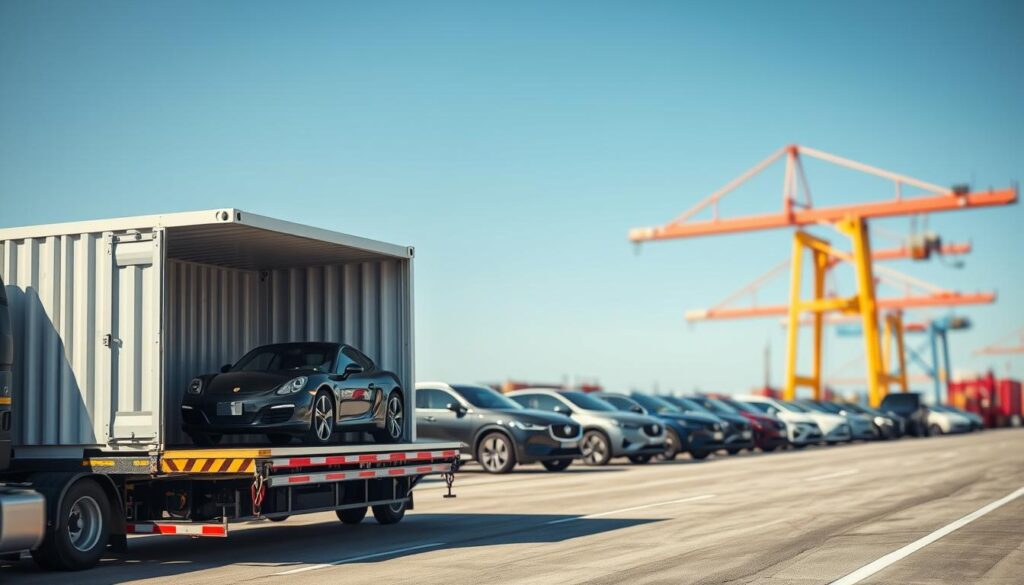
Small planning steps up front keep pickup and delivery on track and under budget.
Confirm timeline, pickup flexibility, and delivery constraints
Set a target pickup date and an acceptable pickup window. Note whether the delivery address can fit a large carrier. Tight deadlines raise dispatch urgency and can increase costs.
Choose convenience versus price
Door-to-door is more convenient. It saves time and door pickup delivery hassle. Terminal-to-terminal can lower price. Terminals require a short drive but often reduce overall costs and scheduling complexity.
How vehicle type and condition change options
Operable vehicles move on standard trailers. Inoperable units need winches or forklifts and may incur added fees. Low-clearance cars, oversized SUVs, and modified vehicles may require special trailer configurations.
“Plan access, flexibility, and vehicle needs before booking to avoid surprises on pickup day.”
- Pre-book checklist: target pickup date, pickup window, delivery access.
- Flexibility on dates usually reduces price and transit stress.
- Confirm vehicle condition and any special handling needs before booking.
How to choose a reputable car shipping company in the United States
Knowing whether a company owns its equipment or works as a coordinator clarifies responsibility and risk.
Auto transport companies vs. brokers: what’s the difference?
Carriers own and operate trucks and take on physical responsibility for the vehicle. Brokers connect customers with carriers and manage scheduling across their network.
Ask who will be on the paperwork and who hires the driver. That determines who handles claims if damage occurs.
What “reliable” looks like
Reliability shows in fast replies, written order details, and clear price terms. Expect tracking updates, ETA notices, and practical pickup guidance.
“Choose transparency over the lowest price; surprises usually cost more in time and repairs.”
Insurance and damage questions to ask
Confirm coverage limits, deductible responsibility, and how inspections are documented. Ask how the carrier records preexisting damage and the timeline for filing claims.
- Who is insured on the bill of lading?
- What is the deductible and claim process?
- How will driver and dispatch communicate updates?
Best Car Shipping Inc. emphasizes predictable communication, clear quotes, and protective handling of valuable vehicles. For assistance, call (307) 288-5972 or email info@bestcarshippinginc.com.
How to get a quote for shipping car to another state
Request a fast, written quote by providing pickup ZIP, delivery ZIP, vehicle year/make/model, and a target pickup date.
Using a car shipping cost calculator for faster price estimates
Many providers offer a car shipping cost calculator for instant estimates. Enter distance, vehicle type, transport method, and your pickup date to get a baseline cost.
Details you’ll need
Accurate quotes depend on route demand, season, carrier availability, and whether the vehicle runs. Include build, dimensions, and special handling needs.
How to compare quotes without overpaying
Compare more than dollar amounts. Verify what’s included, the pickup window, cancellation terms, insurance limits, and whether prices are firm or subject to change.
- Provide ZIPs and a target date for the best quote.
- Use a calculator for a quick baseline before scheduling.
- Check pickup window and written terms on any offer.
“The lowest price can cost more if communication and coverage are unclear.”
Call for a written quote: Best Car Shipping Inc. at (307) 288-5972 or info@bestcarshippinginc.com.
What it costs to ship a car to another state
A clear price outlook makes choosing dates and level of protection much easier.
Typical ranges: Short hauls near 500 miles usually run about $400–$800. Cross-regional moves of 1,000–2,000 miles often land between $900 and $1,500. Very long routes over 2,000 miles commonly start near $1,200 and can exceed $2,000.
How carriers calculate rates
Carriers use distance, load efficiency, and route demand. Cost-per-mile drops on longer trips — expect roughly $0.70 per mile for 1,000–1,500 miles as a guideline.
Primary cost drivers
Mileage and fuel have the biggest impact. Seasonality and busy lanes raise prices during summer and snowbird migration. High demand routes add variability.
Added costs to plan for
- Expedited shipping and guaranteed pickup add fees.
- Winch or special equipment applies for inoperable or oversized vehicles.
- Door delivery may cost more than terminal delivery.
“Transparent pricing and a written order protect budgets and provide peace of mind.”
Questions? Call Best Car Shipping Inc. at (307) 288-5972 or email info@bestcarshippinginc.com.
Open transport vs. enclosed transport: picking the right shipping method
The transport method you pick determines exposure, price, and peace of mind during transit.
Open transport is the industry standard for everyday vehicles and dealer moves. It uses multi-car carriers and is the most cost-effective option.
Open carriers leave vehicles exposed to weather and road debris. That creates a small risk of cosmetic damage. For most daily drivers, open transport remains a safe, practical choice.
When enclosed makes sense
Enclosed transport provides maximum protection for luxury, classic, and exotic vehicles. Trailers shield finishes from the elements and road debris.
Expect enclosed options to cost about 30–50% more than open. The upgrade is justified when vehicle value or collector status makes even minor damage unacceptable.
- Daily driver = open transport.
- Collector, luxury, or delicate finish = consider enclosed transport options via enclosed transport options.
- Unsure? Ask the carrier for risk and cost guidance.
Decision shortcut: match method to value and risk tolerance. Preserve finishes and align insurance expectations when selecting the transport method.
Shipping my car to another state step-by-step
A clear, stepwise plan reduces surprises and keeps deliveries on schedule.
Simple steps guide the entire process: book, confirm the pickup window, perform a pickup inspection, follow transit updates, complete a delivery inspection, and finalize the order.
Book your order and confirm the pickup window
After booking, carriers usually offer a 1–3 business-day pickup window. Flexibility on those dates helps match the best carrier and often lowers cost.
Coordinate pickup access for large carriers
Large rigs cannot enter narrow residential lanes. Reserve a nearby parking lot, commercial curb, or approved HOA area for safe loading.
Review your order details before dispatch
Verify dates, full addresses, and phone numbers. Add any special instructions for the driver, such as gate codes or preferred meeting points.
- Pro tip: Confirm contact info the day before pickup.
- Clear access and accurate details reduce delays and protect the vehicle.
For a guided booking or to learn about the full ship your car process, contact Best Car Shipping Inc. at (307) 288-5972 or info@bestcarshippinginc.com.
How to prepare your vehicle for pickup
Simple, consistent prep makes the pickup process faster and lowers the chance of disputes. Follow a short checklist the day before carrier arrival. Clear documentation of the vehicle condition helps the driver and protects the owner.
Clean for a clear inspection
Wash the exterior and clear the interior. A clean surface shows scratches and dents. That speeds the condition report and the delivery handoff.
Remove personal items and valuables
Take out all possessions. Loose items add weight and risk. Removing valuables prevents disputes and policy problems.
Mechanical basics and fuel guidance
Check battery charge, tire pressure, and fluid levels. Disable alarms and secure loose parts. Keep fuel around a quarter tank for safety and weight balance.
Document existing damage
Photograph all sides, wheels, and close-ups of scratches and dings. Timestamp the images and keep copies. This evidence speeds any claim process if damage appears after transport.
“A short prep routine protects value and keeps pickup on schedule.”
Pickup day: what happens when the carrier loads your car
Pickup day is when schedules, paperwork, and careful handling come together for a smooth handoff.
What to expect on arrival: The carrier will confirm the meeting location and check ID. The driver will ask for keys and review loading access. Expect a short walkaround inspection before any lift.
Understanding the condition report
The Bill of Lading is a simple record of the vehicle’s condition. It lists dents, scratches, and existing damage. Review it slowly and compare your photos. Do not sign until the report matches what you see.
Pickup delivery logistics for door-to-door service
Door-to-door means the carrier will get as close as safely possible. If a street is narrow, the driver may use a nearby lot or commercial curb. Clear directions and a contact number improve timing and reduce delays.
- The driver coordinates load order and estimated departure time.
- Keep your phone on and remain available during pickup windows.
- Document the signed report; it protects against later disputes.
“A clear, photographed condition report and professional pickup procedures help avoid claim disputes.”
Need route specifics? For examples of long-haul moves, see this Florida to North Dakota guide.
Tracking your vehicle during interstate auto transport
Real-time location tools help owners follow their vehicle during long hauls. Many reputable providers offer web or app tracking. These tools show progress and basic milestone updates.
Real-time tools and status updates
Typical status milestones include: dispatched, picked up, in transit, estimated delivery, and delivered. Seeing these stages is a strong sign of reliable service.
Drivers and dispatch teams usually post ETA notices. Proactive updates show a carrier is managing time and route well.
When GPS pauses near delivery
GPS may stop reporting in the final hours. If tracking pauses, contact dispatch for an updated ETA and delivery coordination. The driver can confirm arrival windows by phone.
- Keep your phone on the delivery day.
- Have contact numbers ready for driver and dispatch.
- Ask for an ETA if map data goes quiet.
“Best Car Shipping Inc. prioritizes clear updates so owners feel informed during transit.”
For more details, see our complete guide to automobile shipping or call (307) 288-5972.
How long does shipping car to another state take?
Delivery timelines depend on miles, route choices, and seasonal traffic patterns. Estimate conservatively and plan buffer days for busy seasons or severe weather.
Typical delivery windows by distance
Short trips within one state commonly finish in 1–3 days. Multi-state moves usually run 4–10 days, depending on lanes crossed and carrier load plans.
Route and road factors that affect transit time
Mountain passes, major city congestion, road work, and storms can add days. Carriers adjust routes for safety and efficiency, which changes arrival estimates.
Estimated transit examples for common routes
- Texas → California: 6–10 days on average.
- New York → Florida: 5–7 days typical, with holiday peaks adding time.
Note: Transit time is the actual haul. Total time includes the pickup window and scheduling lead time. Build at least 2–4 buffer days for relocations and business moves.
“Allow extra days for weather and peak-season congestion to avoid last-minute stress.”
Special situations: non-running cars, modified vehicles, and tight timelines
Special handling needs require clear plans so carriers can match equipment and timing. Best Car Shipping Inc. manages complex cases with standard procedures and clear disclosures.
Inoperable vehicles: how they are handled and why costs change
Non-running vehicles are loaded with winches, ramps, or forklifts. That adds labor and time for the driver and crew.
Why price rises: extra equipment, longer loading times, and limited carrier availability raise the overall cost. Carriers must plan for winch points and secure tie-downs for safe transit.
Disclose limitations before pickup
Customers must report non-running status and any steering or brake issues up front. Clear disclosure speeds booking and prevents last-minute refusals.
- Report whether the vehicle rolls freely and whether wheels steer.
- Note brake or transmission restraints and battery condition.
- Provide photos and a brief condition summary when requesting a quote.
Modifications that affect trailer fit and pricing
Oversized tires, lift kits, and wide-body kits change trailer fit and weight distribution. These traits can limit carrier choices and raise the price.
Carrier checks: Drivers confirm clearance, ramp angles, and tie-down points before accepting loads. Special equipment or enclosed trailers may be required for some vehicles.
Expedited vs guaranteed pickup: when each makes sense
Expedited service speeds transit by prioritizing load placement and routing. Guaranteed pickup reserves a specific pickup date and accepts dispatch costs for that certainty.
Choose expedited when transit time is the priority. Choose guaranteed pickup when a firm handoff date is essential for scheduling.
“Clear disclosure and early planning make special cases manageable and predictable.”
| Situation | Operational impact | Typical cost driver |
|---|---|---|
| Non-running vehicle | Winch/ramp use, extra loading time | Equipment and labor fees |
| Lift kits / oversized tires | Clearance checks, limited carrier options | Special trailer or routing charges |
| Expedited / guaranteed pickup | Priority dispatch or reserved pickup date | Premium for scheduling certainty |
For help planning unusual needs or finding the best carrier options, request a quote at best carrier options. Clear communication reduces surprises and protects vehicles in transit.
How to lower your car shipping cost without sacrificing peace of mind
Small choices before booking can cut costs without risking service quality. Best Car Shipping Inc. recommends simple steps that protect the vehicle and the contract terms.
Choose open transport and flexible dates for better prices
Open transport is usually the cheapest option for everyday vehicles. It reduces costs by carrying multiple vehicles per trailer.
Be flexible on pickup windows. Shifting dates by a few days lets carriers place loads more efficiently and lowers costs.
Consider terminal-to-terminal to reduce pickup and delivery costs
Using a terminal can cut pickup and delivery fees. Customers who can drive to a nearby terminal often save on door fees and get earlier load placement.
Look for discounts: military, student, seasonal promos, and multi-car savings
Ask about available discounts. Military, student, seasonal promotions, and multi-vehicle bookings frequently reduce overall costs.
- Flexible dates and efficient routes lower advertised prices.
- Terminal pickup can trim local pickup and delivery costs.
- Confirm discounts and written terms before you book.
“Cheapest should still mean clear terms, documented inspections, and reliable communication.”
Compare offers responsibly. Verify insurance, pickup windows, and condition reports so lower costs still come with peace mind. Call (307) 288-5972 or email info@bestcarshippinginc.com for a written quote and guidance on the best way ship car for your needs.
Conclusion
A concise summary of choices helps customers finalize service details with confidence.
Plan around timeline, pickup flexibility, method (open or enclosed), and safe delivery access. These decisions cut delays and lower unexpected costs.
Reliable service means clear written quotes, documented condition reports, and consistent communication during transit. Prepare the vehicle, remove valuables, and photograph any existing damage before pickup.
Costs and transit time vary with distance and demand but can be managed with flexible dates and route planning. Request a fast written quote and track progress for peace of mind.
Best Car Shipping Inc. stands ready to help pick the right transport and finalize a quote. Call (307) 288-5972, email info@bestcarshippinginc.com, or learn about local options like car shipping Texas.