
Highway travel adds heavy thermal stress to a vehicle’s transmission system. Constant speed and load can push fluid and components toward unsafe temperature ranges. Regular checks give drivers confidence on long trips.
Professional maintenance reduces the risk of an overheating transmission and helps avoid costly repairs. A qualified mechanic can trace root causes and recommend fluid changes or parts replacement before a minor issue becomes a major failure.
Watch for early warning signs like unusual heat or a service light. Prompt auto repair protects the engine and other components from heat-related damage. Consistent service intervals and cooling system care are the best defense against trouble on the road.
Key Takeaways
- Highway conditions increase thermal load on the transmission.
- Regular maintenance and fluid changes prevent costly repairs.
- A trained mechanic can diagnose and stop failures early.
- Warning lights and unusual heat require immediate attention.
- Timely part replacement and service extend vehicle life.
Why Your Transmission Matters
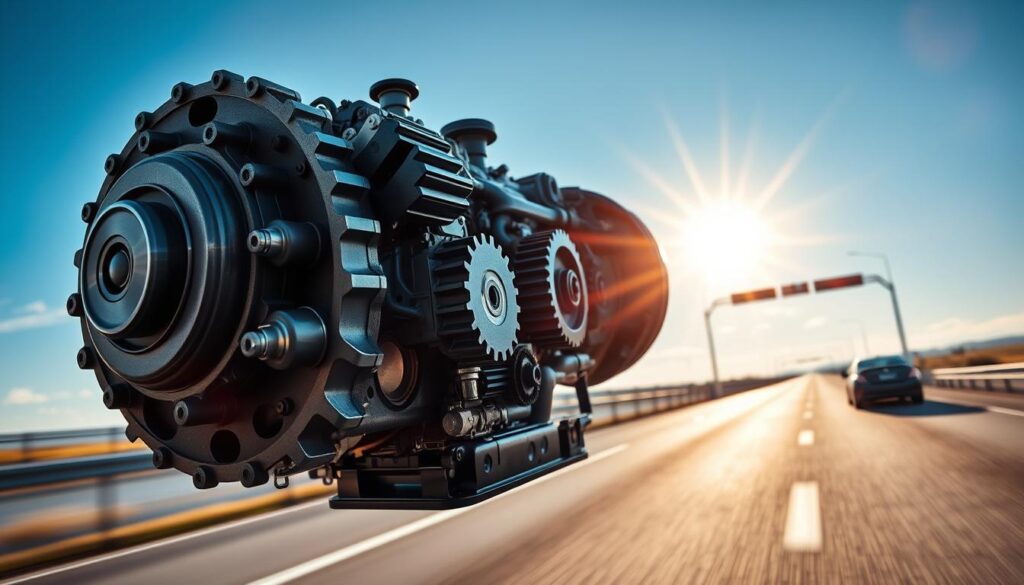
The gearbox is the unsung hero that moves power from your engine to the wheels. It acts as the vital intermediary so the vehicle delivers usable force without wasting fuel.
When gears shift smoothly, the engine stays in its optimal range. That reduces wear and keeps the car responsive during acceleration and when slowing down.
Proper power distribution manages torque so the drivetrain runs efficiently. This preserves parts, improves fuel economy, and extends vehicle life.
| Function | Benefit | Driver Impact |
|---|---|---|
| Power transfer | Efficient use of engine output | Smoother starts and stops |
| Gear shifting | Keeps engine RPM optimal | Better fuel economy |
| Torque management | Reduces component wear | Longer service intervals |
| Load distribution | Protects drivetrain parts | Lower repair costs |
Maintaining this system is a practical step to protect the whole vehicle. Routine checks and timely service keep the car dependable for daily use and long trips.
Recognizing Transmission Overheating Symptoms Highway Driving

A sudden burnt odor or unusual vibration often signals an internal problem before it becomes severe. Prompt recognition helps protect the vehicle and avoids costly repair.
Burning Odors
Strong burning smells usually mean the transmission fluid is breaking down from excess heat. That breakdown can damage internal parts and seals.
Unusual Noises and Vibrations
Grinding, whining, or shuddering under load are clear signs that components are wearing or misaligned from heat. Vibrations through the shifter or floor suggest internal expansion.
Warning Lights
If the check engine light or a dedicated transmission temperature light appears, the vehicle needs immediate inspection. Modern sensors detect high transmission temperature early and trigger a light to warn drivers.
- Check fluid level and condition to catch issues before they require major repair.
- Look for leaks; fluid under the car often means seals have failed from excessive heat.
Common Causes of Excessive Heat
When a car’s cooling loop fails or parts wear, internal friction makes temperatures climb fast.
Low or contaminated fluid reduces lubrication and cooling. That is a primary cause of an overheated transmission and of long-term damage.
Heavy loads, such as towing or steep grades, increase mechanical stress over time. This extra strain raises heat inside gears and clutches.
Blocked coolers and a failing radiator stop heat from escaping. Clogged lines or a bad cooler lead directly to system failure.
“Keeping fluid clean and at the right level is the single best prevention against heat-related trouble.”
- Malfunctioning control modules cause improper shifting and more friction.
- Worn bands, clutches, and seals generate extra heat and require timely replacement.
- Neglected service allows contaminants to build and speeds component wear.
| Cause | How it Raises Heat | Signs | Typical Repair |
|---|---|---|---|
| Low/dirty fluid | Poor lubrication and cooling | Burnt smell, poor shifts | Fluid change, filter replacement |
| Clogged cooler | Restricted heat dissipation | Rising temp readings | Flush or replace cooler |
| Worn components | Increased internal friction | Slipping, shuddering | Part replacement, rebuild |
| Engine cooling failure | Shared cooling impact | Overheat warnings | Radiator/service, system repair |
Professional service is vital to identify the root cause and avoid costly repairs. For rapid vehicle transport and expert handling after diagnosis, consider specialized hotshot car hauling services.
The Role of Transmission Fluid
What keeps gears cool and long-lived is simple: the right fluid at the right level.
Transmission fluid acts as the lifeblood of your car. It lubricates moving parts, carries heat away from clutches and bands, and helps the cooling system manage temperature.
Checking Fluid Levels and Condition
Regular checks are quick and effective. Pull the dipstick with the engine warm, then inspect level and color.
- Clear, reddish fluid generally indicates good condition.
- Dark or burnt-smelling fluid signals chemical breakdown from high heat and needs immediate service.
- Low levels allow metal-to-metal contact and raise the risk of costly repair.
“When fluid temperatures rise above 220°F, chemical stability drops; at about 295°F fluid fails and clutch materials can burn.”
| Check | Good | Warning | Action |
|---|---|---|---|
| Level | Within dipstick marks | Low | Top up, inspect for leaks |
| Color | Bright/red | Dark/burnt | Flush and replace fluid |
| Smell | Neutral | Burnt odor | Immediate service by a shop |
| Temperature range | 175–200°F normal | >220°F degrades fluid | Cool system, check cooler and oil |
Professional maintenance includes a complete check transmission procedure. Keeping fluid in optimal condition helps protect the engine and vehicle from cumulative heat damage and reduces the chance of expensive repair.
Impact of Driving Conditions on Temperature
How and where a vehicle is operated plays a major role in its operating temperature. Extreme heat, heavy loads, and frequent stop-and-go use raise stress on parts and on the fluid that keeps them cool.
City traffic and hot weather make a car shift often. That constant action heats the transmission and shortens the life of the transmission fluid.
Climbing steep grades or towing raises torque demand. That extra load forces the engine and the drivetrain to work harder and to run hotter than normal.
A stressed cooling system can no longer shed heat fast enough. When the cooling system nears its limit, the chance of overheating increases and repairs become more likely.
- Maintain coolers and fans to keep temperature in range.
- Consider high-quality or synthetic transmission fluid for heavy use.
- Monitor engine gauges during long trips and take breaks under heavy load.
Routine service and mindful driving habits protect the vehicle. Proper care keeps components and fluid stable and reduces the risk of heat-related failure.
Immediate Steps When Your Transmission Overheats
A calm, immediate stop can prevent a minor fluid issue from becoming a major mechanical failure.
Pulling Over Safely
Move to a safe shoulder or parking area at the first sign of a warning light or unusual heat. Use your hazards and keep passengers clear of traffic.
Shut off the engine once stopped. This reduces stress on internal parts and halts further heat build-up.
Allowing the System to Cool
Let the vehicle rest for at least 20–30 minutes before checking any components. Cooling time protects seals and internal parts from immediate failure.
When it’s safe, inspect transmission fluid level and color. Low or dark fluid indicates issues and calls for professional auto repair.
“Stopping and letting the system cool is the simplest way to limit damage and avoid costly repairs.”
| Action | Why | Next Step |
|---|---|---|
| Pull off road | Prevents further heat and damage | Turn off engine and wait |
| Check fluid | Low or burnt fluid worsens heat | Call a mechanic or tow service |
| Do not drive | Continued use causes failure | Arrange professional inspection |
| Document warning light | Helps diagnosis | Share details with repair shop |
If unsure, contact a trusted shop. For transport or expert assistance, reach out to Best Car Shipping at (307) 288-5972 or email info@bestcarshippinginc.com.
Risks of Ignoring Transmission Warning Signs
Ignoring early dashboard alerts can turn a minor concern into a major mechanical crisis. Small warnings signal stress in the vehicle’s power delivery system.
Continued use with an active warning light accelerates damage. Clutches, seals, and other components can harden, crack, or fail under ongoing heat and pressure.
The fluid breaks down when exposed to repeated high temperatures. This loss of lubrication increases friction and speeds wear on vital parts.
Overheating is cumulative. Even short episodes cause internal harm that shortens service life and raises the chance of total transmission failure.
“Addressing a warning light promptly is far less costly than replacing a failed unit.”
- Neglect raises repair costs and risks leaving owners stranded.
- Professional repair typically costs less than a full rebuild or replacement.
- Responding early preserves vehicle reliability and resale value.
Act quickly on any sign of trouble. For transport or trusted service referrals, contact Best Car Shipping at (307) 288-5972 or email info@bestcarshippinginc.com.
Professional Maintenance and Repair Options
Expert diagnostics catch hidden faults before parts suffer permanent damage.
When the check engine light or a dedicated warning appears, seek specialist help without delay. AAMCO Knoxville, TN, offers expert diagnosis and targeted repairs that address the root cause transmission problems fast.
Routine maintenance includes fluid changes and cooling system inspections. These services keep fluid quality high and help keep the unit cool under load.
When to consult a specialist
- If you notice persistent heat or a warning light, contact a certified shop for a diagnostic check.
- After a failed fluid check or repeated temperature alerts, arrange professional service to avoid major repairs.
- AAMCO Colorado provides free towing to the nearest center to prevent further damage when an overheated unit is suspected.
“Timely service and correct parts replacement reduce the chance of a full failure and extend vehicle life.”
| Service | When to Use | Benefit |
|---|---|---|
| Fluid change & filter | Dark or low fluid | Restores lubrication and cooling |
| Cooling system inspection | Rising temperature readings | Improves heat dissipation |
| Diagnostic scan | Check engine light on | Identifies electronic or mechanical issues |
| Component replacement | Worn bands or seals | Prevents further damage and failure |
Schedule service with a trusted center to keep your car reliable on the road. For assistance, contact Best Car Shipping at (307) 288-5972 or email info@bestcarshippinginc.com.
Conclusion
Proactive upkeep and prompt attention to alerts preserve vehicle performance and resale value. Regular maintenance and quick checks of fluid and seals keep the drivetrain functioning reliably.
Pay close attention to warning lights and any unusual performance. Early intervention limits damage and lowers repair costs.
When in doubt, consult a professional who can diagnose issues accurately and recommend trusted repair steps. Certified shops provide targeted service that protects long-term value.
Follow these simple steps to enjoy smoother operation and longer component life. For expert transport or service referrals, contact Best Car Shipping at (307) 288-5972 or email info@bestcarshippinginc.com.