
Get an all-in cost estimate in under a minute. This page offers a fast, free way to compare service levels and book transport across U.S. routes. Use the vehicle shipping calculator to see instant pricing for open, expedited, or enclosed options.
BestCarShipping Inc. coordinates professional transport with clear updates from quote to delivery. The tool gives an estimate based on route and shipment details. Final pricing may change with real-time carrier availability and scheduling.
Get a quote with confidence: door-to-door service, insured transport, and vetted carriers reduce friction for ready-to-book customers. Your quote is free and no obligation. By requesting a quote you agree to phone or email contact for service coordination. We never sell your data.
Prefer help from a person? Email info@bestcarshippinginc.com or call (307) 288-5972 for guidance and booking support.
Key Takeaways
- Use the tool for a fast, free estimate and clear next steps to book.
- Quotes reflect route and details; final rates may update with availability.
- Door-to-door, insured transport with vetted carriers.
- Your quote is no obligation; consent given for contact; data not sold.
- Call or email for human assistance and service guidance.
Get an Instant Car Shipping Quote in Under a Minute
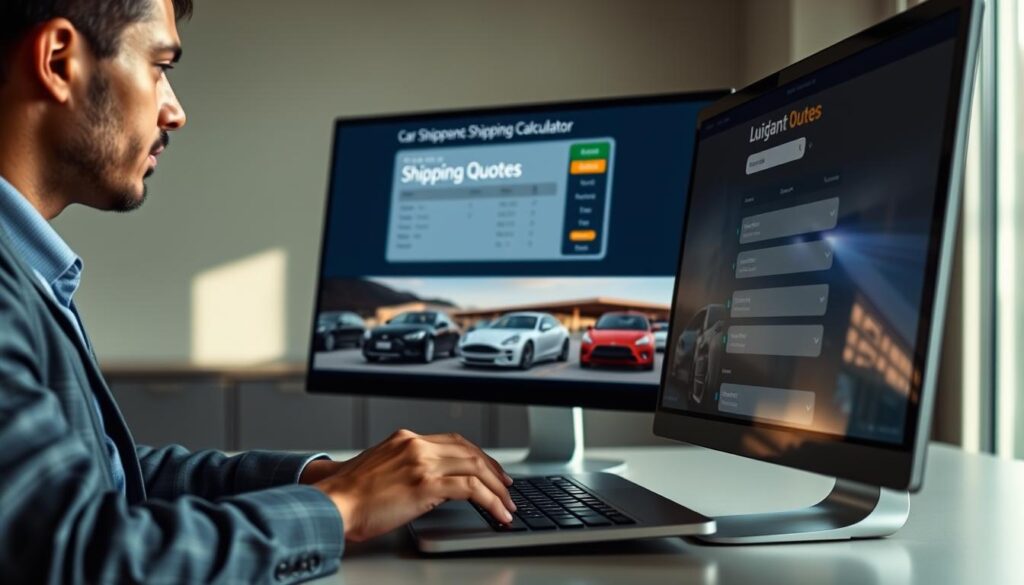
Enter a few basics and get a prompt, reliable quote for moving your car. In under sixty seconds the system returns pricing and available service options so a customer can compare and decide.
Nationwide door-to-door pickup and delivery across the United States
The tool supports pickup and delivery across all U.S. states. Most door-to-door locations are handled at the curb. If a street is tight, drivers will arrange a nearby meeting spot to keep timelines clear.
Free estimate with no obligation to book
No upfront payment is required to use the quote tool. The estimate is free and carries no obligation to book, which helps buyers compare services without pressure.
Transparent communication from quote to delivery
Transparent communication means scheduled confirmations, timely updates after booking, and clear pickup and delivery instructions. Customers receive documented timelines and contact points for every step.
- Fast online entry of ZIP codes, basic car details, and preferred dates.
- Clear service options: open or enclosed transport and expedited choices.
- Support for individual owners and business logistics coordinators who need predictable, documented processes.
Quotes are designed to be competitive and realistic, not artificially low and then changed later. For a quick answer by phone, call (307) 288-5972 for unobtrusive assistance.
How the Vehicle Shipping Calculator Works
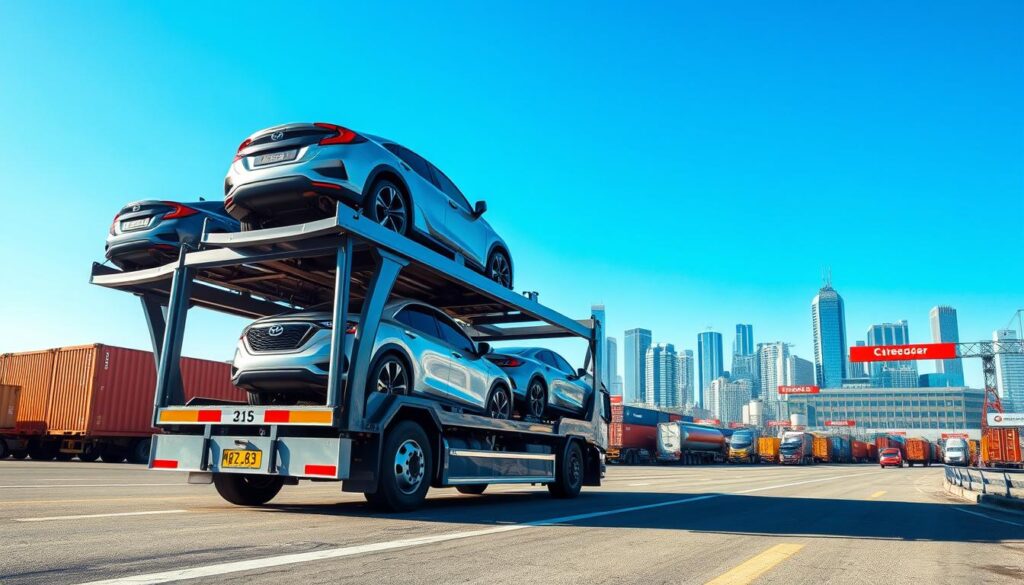
Begin with the two ZIP codes for pickup and delivery to map the route and check carrier options.
Enter pickup and delivery ZIP codes
ZIP codes define lanes, carrier density, and typical pricing. Dense lanes usually mean more carriers and lower rates. Rural routes can add time and cost.
Add year, make, model, and size
Provide year, make, model, and size so the system accounts for space and weight class. These details determine loading needs and trailer placement.
Select open or enclosed transport
Open is cost-effective for most cars. Enclosed adds protection for high-value or classic models. Choose based on budget and desired coverage.
Choose your first available pickup date
Picking the first available date improves dispatch flexibility. More flexibility often lowers price by widening carrier match options.
Review the instant shipping quote
The results screen shows estimated price, service tiers, and booking options. It also lists transit windows and contact steps for follow-up support.
| Input | Why it matters | Result on quote |
|---|---|---|
| Pickup & delivery ZIPs | Defines route, lane density, carrier availability | Primary price driver; affects transit time |
| Year/Make/Model/Size | Determines weight class and trailer space | Adjusts capacity charges and loading needs |
| Open vs enclosed | Level of protection and carrier supply | Changes base rate and insurance considerations |
| Pickup date | Scheduling flexibility for carriers | Can lower or raise price based on demand |
What It Costs to Ship a Car in the United States
Budget planning starts with clear benchmarks for how much it costs to move a car across the U.S.
Typical price range: Most moves fall between $500 and $2,000. This range helps buyers set realistic expectations for cost planning.
Average and per-mile guidance
The national average sits near $650 for common routes. That figure applies to many standard sedan and SUV moves.
Per-mile rates usually run about $0.40 to $2.00 per mile. Short hauls often show higher per-mile numbers because fixed operational costs are spread over fewer miles.
“Transparent, route-specific quotes prevent surprises and let customers plan with confidence.”
| Metric | Typical Range | Why it matters |
|---|---|---|
| Overall price | $500 – $2,000 | Anchors budget for most moves |
| Average | $650 | Common benchmark for routine routes |
| Per mile | $0.40 – $2.00 | Varies by distance, type, season, and speed |
- Costs vary by pickup density, delivery constraints, and timing.
- Short routes can cost more per mile; long hauls lower per-mile but raise total price.
- Use the online tool to turn these ranges into a route-specific estimate today.
Open vs Enclosed Car Shipping Pricing
Choosing between open and enclosed transport affects cost, protection, and carrier availability. This decision matters for daily drivers and for high‑value, rare models.
Open carrier transport is the industry standard. It offers the best availability and the lowest average price. Open trailers fit most runs and reduce wait time for pickup.
Enclosed car transport is a premium option. It limits exposure to weather and road debris. Owners of luxury, classic, or exotic cars typically choose this for extra protection.
Typical cost differences by distance
The table below shows average pricing so customers can compare quickly.
| Distance | Open carrier (avg) | Enclosed car (avg) |
|---|---|---|
| Under 500 miles | $630 | $930 |
| 500–2,500 miles | $1,135 | $1,550 |
| Over 2,500 miles | $1,350 | $1,830 |
- Why prices differ: enclosed capacity is limited and operational costs are higher, so the same route can cost more with an enclosed trailer.
- Decision guide: choose enclosed if the car’s value, rarity, or paint condition justifies extra protection; otherwise open is cost‑effective.
- Quick comparison: the online tool will display open and enclosed pricing side‑by‑side when both carrier options are available.
Average Car Shipping Costs by Distance and Vehicle Type
How far and how big matter: distance and car class drive final quoted rates.
The table below shows realistic averages by vehicle class and distance. Use these examples to set expectations before booking.
Sedans, SUVs, and trucks: how size changes total price
Larger makes take more trailer space and can limit load plans. That raises the base rate and sometimes the per‑unit fee.
Example averages:
| Class | <500 miles | 500–2,500 miles | >2,500 miles |
|---|---|---|---|
| Sedan | $425 | $725 | $925 |
| Compact SUV | $455 | $775 | $1,025 |
| SUV | $505 | $825 | $1,075 |
| Truck | $575 | $925 | $1,275 |
Short routes vs cross-country: why total cost rises as per-mile rate drops
Short runs often show a higher per‑mile figure. Fixed costs like loading and pickup spread over fewer miles. Long trips cost more overall but usually reduce the per‑mile rate.
Common question: Why does a 300‑mile move look expensive per mile compared with a 2,000‑mile trip? The answer is operational math: small hauls carry similar fixed work for drivers but fewer miles to amortize those costs.
Decision guidance: For households moving multiple cars or fleets, consolidate pickups when possible. Combining runs lowers per‑unit cost and improves carrier options. The online tool reflects both distance and type to provide a tailored quote that matches carrier constraints.
“Realistic averages help customers plan and choose the right level of protection and timing.”
Key Factors That Affect Your Vehicle Shipping Price
Several controllable and market-driven items shape the final quote you see.
Distance and route efficiency determine the base cost. High-density lanes between major metros lower per-mile rates because carriers run frequent trips.
Pickup and delivery location type matters. Metro curbside access is cheaper. Rural driveways or tight streets can add time and handling fees. Meeting at a nearby accessible point often reduces cost.
Make, model, size, and added accessories change how a load is planned. Racks, spoilers, or aftermarket lifts can alter dimensions and trailer placement. That may raise the price.
Operable vs inoperable status affects labor. If a winch or forklift is needed, carriers allocate more resources and the rate rises to cover special handling.
Carrier type and protection level also drive price. Open carriers are more common and less costly. Enclosed options limit exposure but cost more.
Expedited service and exact-date pickup increase dispatch complexity. Demand for tight pickup windows pushes rates higher because drivers must re-route or prioritize a run.
Seasonal demand, weather, and driver availability influence capacity. High-demand months and severe weather create scarcity that raises prices and lengthens time to delivery.
| Factor | Why it matters | Typical impact |
|---|---|---|
| Distance & route | Lane density and trip length | Primary price driver; affects per-mile rate |
| Pickup / delivery type | Access and handling at origin/destination | Can add wait fees or rural surcharges |
| Make/size & accessories | Space and loading configuration | May require extra trailer spots or adjustments |
| Operable vs inoperable | Need for winch/forklift and labor | Higher handling fee and coordination time |
Seasonality: Best Times to Book Lower Car Shipping Rates
Seasonal patterns strongly affect rates and capacity, so timing a move can save money. Understanding seasonal cycles is one of the most practical ways to manage total cost and reduce scheduling risk.
Winter: lower demand, watch for delays
Winter often brings lower demand and softer rates. February is frequently a value window for flexible shippers.
Expect potential weather delays. Allow extra time when roads are affected.
Spring: shifting lanes and rising demand
March to May sees improving road conditions and longer daylight.
Demand moves northbound in spring. That can raise rates on popular lanes in April and May.
Summer: peak season and price swings
Summer is the busiest time. Capacity moves quickly and prices can spike.
Book early if the pickup date is fixed. Planning ahead is the best way to lock better terms.
Fall: steady availability and calmer pricing
October and November tend to ease demand after summer. Availability improves and rates stabilize.
Practical tips:
- Be flexible on pickup windows to improve carrier matches.
- For December moves, book 3–4 weeks ahead to account for driver time off.
- Use a quick online quote to compare seasonal rate differences before committing. See estimated charges here: car shipping charges.
| Season | Demand | Rate trend |
|---|---|---|
| Winter (Feb best) | Low | Lower rates; watch weather delays |
| Spring (Mar–May) | Rising | Higher on northbound lanes |
| Summer | Peak | High variability; book early |
| Fall (Oct–Nov) | Moderate | Stable rates and better availability |
Estimated Transit Times for Vehicle Transport
Transit windows are predictable when lanes and carrier schedules align. Use these bands as operational guidance when planning pickup and delivery.
Typical delivery windows by distance
<500 miles: 2–3 days. Local lanes often move quickly because carriers run frequent trips.
500–2,500 miles: 4–7 days. Regional runs require consolidated routing and scheduled stops.
>2,500 miles: 7–10 days. Cross-country runs depend on multi-stop routing and transit legs.
What can extend delivery time
Severe weather, major route congestion, and schedule conflicts among multi-load runs are common causes of delay.
Other factors include limited carrier capacity on specific corridors and tight pickup windows that constrain dispatch options.
How flexibility improves the process
Flexible pickup windows broaden carrier availability and often lower price pressure. Small shifts in dates give dispatchers more routing options.
For critical deadlines request earlier pickup dates or consider expedited transport. Customers should expect timely updates once pickup is confirmed and as the delivery ETA tightens.
Check local lane availability to align timing with service capacity and avoid last-minute changes.
Service Levels and Quotes: Standard, Expedited, and Premium Enclosed
Three clear service levels let customers balance budget, timing, and protection. Each tier shows typical costs so a buyer can compare quotes and pick the right path.
Standard open carrier
Lowest price and best availability. This service suits most everyday cars. An illustrative quote for a common lane is $855.
Standard runs move on frequent routes and offer broad carrier matches. It is the default choice for cost-conscious shippers.
Expedited shipping
Faster pickup and tighter timelines. Expedited services prioritize dispatch to cut wait time and improve schedule certainty. Example pricing: $1,105 for many mid‑distance lanes.
Choose expedited when timing matters more than the lowest sticker price.
Premium enclosed carrier
Maximum protection from elements and road debris. Premium enclosed service shields high-value cars during transit. A sample quote is $1,530 for enclosed transport on similar routes.
Use this tier for collector, luxury, or restored models where extra protection is worth the premium.
Compare tiers by price, pickup window, and protection level. Choose the service that matches car value and timeline, not just the lowest rate.
No Hidden Fees and Upfront Pricing You Can Trust
Clear, upfront pricing prevents last-minute surprises and protects your budget. This standard means the full list of charges is shown before a commitment.
How transparent quoting protects you from surprise add-ons
The quote should name each line item: base price, fuel or access fees, extra handling for inoperable cars, and any remote pickup surcharges. Ask for written details so nothing is left to chance.
Why “too good to be true” quotes can signal service risk
Very low offers often hide limited carrier availability, late pickups, or fees added near dispatch. Treat extreme low bids as a red flag.
- What a reliable company will communicate: realistic pickup windows, carrier type, and written confirmation of service level.
- Transparent quotes reduce surprise add-ons tied to remote locations, expedited needs, or oversized units.
“Always confirm the full price and service terms in writing before you book.”
The brand protects the customer’s budget and provides clear next steps. To get a full, no‑obligation request a quote, call (307) 288-5972 or email info@bestcarshippinginc.com.
Insurance Coverage and Optional Gap Protection
Insurance basics matter: know what the standard cargo policy covers before you book.
Standard auto cargo insurance is included with most quotes. Customers should verify coverage details in writing when they confirm the service.
What to confirm with your carrier
Ask for policy limits, deductible amounts, and the claims procedure. Request a written summary with the booking so there is no confusion if damage occurs.
High‑value items and enclosed transport
High‑value cars often need special consideration. Enclosed car options pair well with higher declared values and tailored insurance to reduce financial risk.
Optional gap protection
Optional plans, like an AFTA PLAN, add an extra layer beyond standard cargo policies. These plans can cover repair shortfalls and give extra peace of mind for expensive restorations or rare models.
- Verify in writing: include limits and deductibles on booking documents.
- Document condition: take clear pre‑transport photos and note scratches or dents.
- Sign accurately: inspect and sign the Bill of Lading with any exceptions recorded.
“Verify coverage and document the condition before transit to protect claims and reduce disputes.”
Questions about coverage or gap plans? Contact support at (307) 288-5972 or ask about enclosed options during booking at enclosed car shipping.
Door-to-Door Pickup and Delivery: What to Expect
When large haulers cannot safely reach a street, drivers arrange a nearby meeting point. This keeps the process on time and protects the car during loading.
How door-to-door works when large trucks can’t access your street
Door-to-door typically means curbside or the closest safe location, not always the exact driveway. Narrow streets, low trees, or HOA rules can block large rigs. Drivers assess access and propose the safest alternate spot.
Meeting at a nearby open area to reduce cost and simplify loading
Meeting at a wide lot can speed loading, lower risk, and limit detours on the route. A nearby open area often reduces handling time and can improve pricing by reducing operational friction.
Customer-ready guidance: choose wide parking lots, public plazas, or shopping centers agreed with the driver. Confirm the final pickup and delivery location in writing before the move.
BestCarShipping Inc. coordinates these details in advance to protect schedules and the condition of the car. For questions call (307) 288-5972 or email info@bestcarshippinginc.com.
How to Prepare Your Car for Shipping
Simple preparation steps cut claims risk and speed up both pickup and delivery. Follow a short checklist the day before transport to avoid delays and protect value.
Clean and document pre-transport condition
Wash the exterior and clear the interior so scratches and dents are visible. Take timestamped photos from all angles and save them with notes.
Remove personal items and disable alarms
Remove belongings; most carriers limit or forbid items inside. Disable alarms and secure loose trim to prevent battery drain or false triggers.
Fuel, basic checks, and readiness
Keep about a quarter to a half tank of gas. This allows safe loading without extra weight. Check tire pressure, battery health, and that keys are accessible.
Inspection and the Bill of Lading
Do a joint inspection at pickup and again at delivery. Ensure the Bill of Lading lists existing damage and matches your photos. Accurate notes protect both the owner and the carrier if a claim is needed.
Final tip: Careful prep streamlines the process and improves the customer experience. For questions call (307) 288-5972 or email info@bestcarshippinginc.com.
Payment Options, Deposits, and When You’re Charged
Knowing payment options ahead of booking prevents surprises and speeds confirmation.
Getting a quote is free and requires no upfront payment. Use the online calculator to view an estimated cost without obligation. A quote is separate from booking and does not trigger charges.
When you are charged: most orders are billed after a carrier is assigned and the booking is confirmed. At that point the platform confirms the final cost and payment timing.
Pay-now vs pay-at-pickup
Pay-now options (card or bank) secure the booking immediately. Pay-at-pickup lets customers pay the driver or use approved COD methods when the shipment is collected. The chosen path depends on dispatch rules and carrier preferences.
Deposits and COD-style transactions
For COD-style bookings a deposit is common. Deposits typically range from 20–40% of the quoted cost. Deposits hold the pickup date and ensure carrier commitment.
“Clear payment terms are explained before booking so customers approve charges with confidence.”
| Payment Type | When Charged | Typical Deposit |
|---|---|---|
| Pay-now (card) | At booking confirmation | 0% |
| Pay-at-pickup (COD) | When driver collects | 20–40% |
| Bank transfer | Per carrier terms | Varies by service |
Questions about billing or to confirm terms before you book: email info@bestcarshippinginc.com or call (307) 288-5972. The team will review payment steps and final cost for the shipment or transport so there are no surprises.
Popular U.S. Routes and Example Shipping Quotes
Common coast-to-coast corridors often show predictable rates that help planners set expectations quickly.
High-demand corridors
New York → Florida: open $769 / enclosed $1,308. High north‑to‑south flows keep capacity steady and prices clear.
California → Virginia: open $1,034 / enclosed $1,758. Long distance and strong lane demand stabilize rates.
Mid-range north‑south and cross‑regional lanes
Michigan → Texas: open $962 / enclosed $1,636. Metro endpoints improve driver availability and lower transit variability.
Illinois → Arizona: open $1,044 / enclosed $1,775. City hubs help keep quotes consistent across similar distances.
Short regional moves
Georgia → North Carolina: open $559 / enclosed $951. Arizona → New Mexico: open $645 / enclosed $1,097. Short runs still show minimums because loaders and handling cost time.
Other examples: Florida → Texas open $699 / enclosed $1,189; Texas → New York open $1,049 / enclosed $1,784.
Next step: generate a personalized quote with ZIPs to confirm exact price and transit time. For help call (307) 288-5972 or email info@bestcarshippinginc.com.
Conclusion
Close the planning loop by comparing service levels, protection options, and realistic costs for your move.
Use the page tools to see a tailored car quote by route, distance, and transport type. The summary compares open and enclosed options, estimated price bands by mile, and carrier availability so you can choose with confidence.
Operational commitments include curbside door-to-door coordination, clear pickup and delivery updates, and documented inspections at collection and drop-off to protect condition and timing.
Ready to act? Get a car shipping quote now or call (307) 288-5972 or email info@bestcarshippinginc.com for immediate assistance.
BestCarShipping Inc. aims for a safe, professional transport experience with transparent pricing and clear expectations so customers can move forward without uncertainty.
FAQ
How does the reliable vehicle shipping calculator work?
How long does it take to get an instant car shipping quote?
What is included in the quoted price?
What typical costs should I expect to ship a car in the United States?
FAQ
How does the reliable vehicle shipping calculator work?
The tool asks for pickup and delivery ZIP codes, vehicle year, make, model, size, transport type (open or enclosed), and your preferred pickup date. It then returns an instant car shipping quote with service options and estimated transit times.
How long does it take to get an instant car shipping quote?
Quotes are available in under a minute. The system provides a free estimate with no obligation to book, and a representative can follow up for any clarifications.
What is included in the quoted price?
Quotes include carrier fees, basic auto cargo insurance, and the selected service level (open, enclosed, standard, expedited). The estimate lists pickup and delivery services and any optional add-ons so customers see transparent pricing up front.
What typical costs should I expect to ship a car in the United States?
Prices commonly range from about 0 to ,000 depending on route and vehicle. Average cost sits near 0. Per-mile rates vary by distance and service type, typically between
FAQ
How does the reliable vehicle shipping calculator work?
The tool asks for pickup and delivery ZIP codes, vehicle year, make, model, size, transport type (open or enclosed), and your preferred pickup date. It then returns an instant car shipping quote with service options and estimated transit times.
How long does it take to get an instant car shipping quote?
Quotes are available in under a minute. The system provides a free estimate with no obligation to book, and a representative can follow up for any clarifications.
What is included in the quoted price?
Quotes include carrier fees, basic auto cargo insurance, and the selected service level (open, enclosed, standard, expedited). The estimate lists pickup and delivery services and any optional add-ons so customers see transparent pricing up front.
What typical costs should I expect to ship a car in the United States?
Prices commonly range from about $500 to $2,000 depending on route and vehicle. Average cost sits near $650. Per-mile rates vary by distance and service type, typically between $0.40 and $2.00 per mile.
What’s the difference between open and enclosed car transport?
Open carriers offer the best availability and lower prices for most cars. Enclosed carriers provide added protection for luxury, classic, and high-value vehicles and cost more, especially over long distances.
How do vehicle size and type affect the cost?
Sedans, SUVs, and trucks differ in size and weight. Larger or heavier models occupy more space and can raise the total price. Added accessories or nonstandard dimensions can also increase rates.
How are transit times estimated?
Transit windows depend on distance band: short routes often deliver in 2–3 days, regional trips in 4–7 days, and cross-country moves in 7–10 days. Weather, congestion, and scheduling can extend those windows.
Can I request expedited pickup or guaranteed delivery dates?
Yes. Expedited service is available for faster pickup and delivery at a premium. Exact-date or guaranteed pickups may incur higher charges due to driver scheduling and capacity constraints.
What affects price besides distance?
Route efficiency, pickup/delivery location type (metro vs rural), vehicle condition (operable vs inoperable), carrier protection level, seasonal demand, and weather all influence rates and availability.
Are there any hidden fees I should watch for?
Reputable carriers provide upfront pricing. Watch for extra charges for residential pickup, long carry to/from the truck, winching for inoperable cars, and storage or rerouting. Ask for a full line-item quote to avoid surprises.
What kind of insurance coverage comes with the quote?
Standard auto cargo insurance is included with most quotes. For high-value vehicles, consider additional insurance or gap coverage. The quote will note declared values and recommended protections for enclosed transport.
How should I prepare my car for pick up?
Clean the car and document its condition with photos. Remove personal belongings, disable alarms, leave a quarter tank of fuel, and secure loose parts. An inspection and Bill of Lading are completed at pickup and delivery.
What happens if my car is inoperable?
Inoperable cars often require special equipment like a winch or forklift. That increases handling time and cost. Disclose operability during quote to ensure accurate pricing and proper carrier assignment.
Can the driver do door-to-door pickup and delivery at my address?
Door-to-door is standard for most metro areas. If large carriers can’t access a street, the driver will arrange a nearby safe spot or terminal pickup. That approach helps reduce delays and additional charges.
How does seasonality affect rates and availability?
Winter often has lower demand but higher weather risk. Spring shifts demand northbound. Summer is peak season with fluctuating prices and faster capacity turnover. Fall usually offers more stable availability after summer peaks.
What payment options are available, and when am I charged?
Using the quote tool is free and requires no payment. Providers accept pay-now or pay-at-pickup options. Deposits may apply for guaranteed bookings; the quote will explain deposit amounts and final payment timing.
Which popular routes have steady demand and transparent pricing?
High-demand corridors include New York to Florida and California to Virginia. Mid-range routes like Michigan to Texas and Illinois to Arizona also see consistent traffic. Regional moves, such as Georgia to North Carolina, typically have lower costs.
How can I get help or book service after receiving a quote?
Contact customer support at (307) 288-5972 or email info@bestcarshippinginc.com to confirm details, request insurance options, or schedule pickup. Representatives help tailor the service level, pickup window, and delivery instructions.
Are there reviews or references I can check before booking?
Yes. Check online reviews and third-party ratings to evaluate carrier reliability, damage records, and on-time performance. Request references or photos of recent shipments for added confidence.
.40 and .00 per mile.
What’s the difference between open and enclosed car transport?
Open carriers offer the best availability and lower prices for most cars. Enclosed carriers provide added protection for luxury, classic, and high-value vehicles and cost more, especially over long distances.
How do vehicle size and type affect the cost?
Sedans, SUVs, and trucks differ in size and weight. Larger or heavier models occupy more space and can raise the total price. Added accessories or nonstandard dimensions can also increase rates.
How are transit times estimated?
Transit windows depend on distance band: short routes often deliver in 2–3 days, regional trips in 4–7 days, and cross-country moves in 7–10 days. Weather, congestion, and scheduling can extend those windows.
Can I request expedited pickup or guaranteed delivery dates?
Yes. Expedited service is available for faster pickup and delivery at a premium. Exact-date or guaranteed pickups may incur higher charges due to driver scheduling and capacity constraints.
What affects price besides distance?
Route efficiency, pickup/delivery location type (metro vs rural), vehicle condition (operable vs inoperable), carrier protection level, seasonal demand, and weather all influence rates and availability.
Are there any hidden fees I should watch for?
Reputable carriers provide upfront pricing. Watch for extra charges for residential pickup, long carry to/from the truck, winching for inoperable cars, and storage or rerouting. Ask for a full line-item quote to avoid surprises.
What kind of insurance coverage comes with the quote?
Standard auto cargo insurance is included with most quotes. For high-value vehicles, consider additional insurance or gap coverage. The quote will note declared values and recommended protections for enclosed transport.
How should I prepare my car for pick up?
Clean the car and document its condition with photos. Remove personal belongings, disable alarms, leave a quarter tank of fuel, and secure loose parts. An inspection and Bill of Lading are completed at pickup and delivery.
What happens if my car is inoperable?
Inoperable cars often require special equipment like a winch or forklift. That increases handling time and cost. Disclose operability during quote to ensure accurate pricing and proper carrier assignment.
Can the driver do door-to-door pickup and delivery at my address?
Door-to-door is standard for most metro areas. If large carriers can’t access a street, the driver will arrange a nearby safe spot or terminal pickup. That approach helps reduce delays and additional charges.
How does seasonality affect rates and availability?
Winter often has lower demand but higher weather risk. Spring shifts demand northbound. Summer is peak season with fluctuating prices and faster capacity turnover. Fall usually offers more stable availability after summer peaks.
What payment options are available, and when am I charged?
Using the quote tool is free and requires no payment. Providers accept pay-now or pay-at-pickup options. Deposits may apply for guaranteed bookings; the quote will explain deposit amounts and final payment timing.
Which popular routes have steady demand and transparent pricing?
High-demand corridors include New York to Florida and California to Virginia. Mid-range routes like Michigan to Texas and Illinois to Arizona also see consistent traffic. Regional moves, such as Georgia to North Carolina, typically have lower costs.
How can I get help or book service after receiving a quote?
Contact customer support at (307) 288-5972 or email info@bestcarshippinginc.com to confirm details, request insurance options, or schedule pickup. Representatives help tailor the service level, pickup window, and delivery instructions.
Are there reviews or references I can check before booking?
Yes. Check online reviews and third-party ratings to evaluate carrier reliability, damage records, and on-time performance. Request references or photos of recent shipments for added confidence.