
Facing intermittent no-starts drains time and trust in your vehicle. This intro outlines a clear, systematic way to spot common electrical and fuel system faults. It keeps language direct and practical for U.S. drivers and fleet managers.
John Smith calls the ignition system the heart of starting power. A weak battery, loose connection, or a failing starter motor often causes a sudden failure to get the engine running.
Regular maintenance, as noted by Cars.com, helps find a faulty alternator or clogged fuel filter before it becomes a roadside problem. Spark plugs that cause misfires need timely replacement by a qualified mechanic to restore reliable combustion.
Modern vehicles use complex electrical systems. A dim light or a failing fuel pump can signal deeper issues. This guide shows how to identify problems in time so the vehicle stays a dependable companion.
Key Takeaways
- Check battery health and connections first for quick fixes.
- Ignition and starter motor faults are common causes of no-start events.
- Regular maintenance prevents alternator and filter-related failures.
- Misfires and weak spark often mean plug replacement is due.
- Consult a certified mechanic for electrical or fuel pump repairs.
Understanding Why Your Car Won’t Start Randomly Sometimes
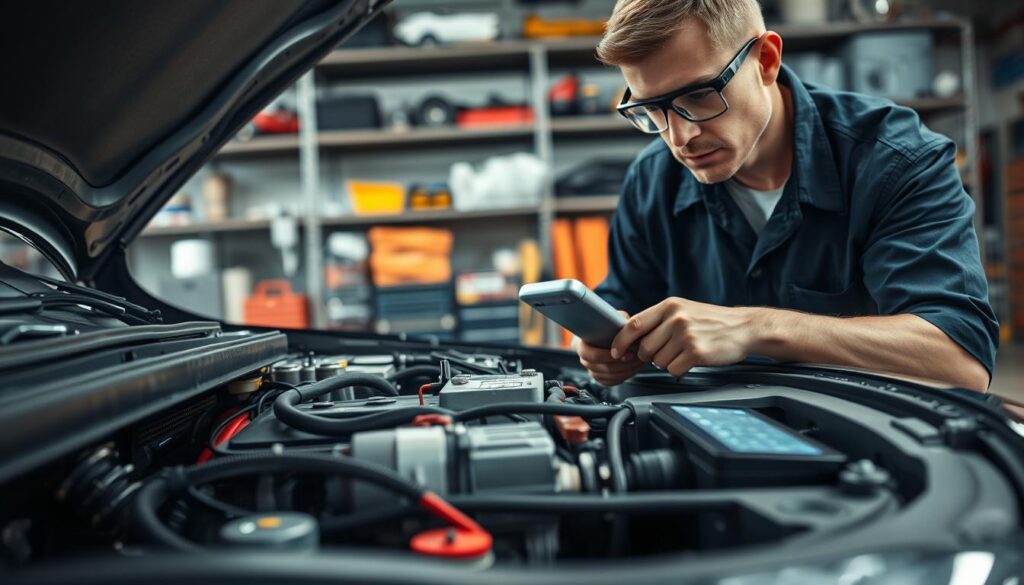
A brief failure after you turn the key can point to several systems that must work together for a successful car start.
At first glance, a dead battery or a poor terminal connection is common. The battery supplies the initial power that the starter motor and ignition need to spin the engine.
Consumer Reports highlights fuel system maintenance as crucial to reliable car starting. A clogged filter or weak pump can stop fuel delivery and make the engine crank without firing.
Worn plugs or a failing starter often cause intermittent trouble. These faults may not show every time, which complicates diagnosis and leads to more time and repair costs if ignored.
- Check battery charge and connections first.
- Inspect fuel delivery and filters regularly.
- Have spark and starter checks done at the first sign of trouble.
Early diagnosis saves time and money. Addressing these components keeps the vehicle reliable for daily use and protects fleet uptime.
Initial Safety Checks for Stranded Drivers

A swift, calm safety routine reduces risk after an unexpected engine failure on a busy road.
Secure the scene first. Move the vehicle out of traffic if it is safe to do so. Turn on hazards and place warning triangles or flares. Call professional roadside assistance when the road is busy to prevent car starting hazards and protect everyone involved.
Roadside Assistance Protocols
Contact a trusted provider and share your location, vehicle make, and the observed issue. Keep a reliable auto service contact saved in your phone for faster response.
“If possible, avoid attempting repairs that could damage the ignition or starter motor.”
Essential Emergency Kits
Carry a compact kit that includes jumper cables, a portable battery pack, basic tools, a flashlight, and gloves. Include a compact fuel-safe funnel and basic spark plug tools only if you are trained to use them.
When a battery or starter motor is suspected, wait for a qualified mechanic. Quick, professional repair reduces downtime and prevents further damage to the vehicle’s electrical system.
Battery Health and Terminal Connections
Begin by checking battery voltage and terminal condition to rule out simple electrical faults.
Measure resting voltage. A healthy battery reads about 12.6 volts, notes James Mechanik at CarTech. Use a multimeter to confirm this before moving to more complex diagnostics.
Inspect both terminals for corrosion and tightness. Corroded clamps can block power to the starter and prevent the engine from turning over.
If the battery is older than three to five years, consider a replacement. Age increases the chance of hidden faults in the car electrical system and can harm ignition and starter performance.
- Clean terminals with a safe brush and a baking-soda solution if corrosion is visible.
- Retighten connections to ensure consistent power flow to the motor and starter.
- Have an auto repair shop test the full electrical system, including the alternator, if problems persist.
“A failing battery is often the most overlooked cause of an electrical system failure.”
Alternator Performance and Charging Issues
A malfunctioning alternator often shows subtle signs before it causes a full electrical failure. Early detection saves time and prevents repeated battery loss.
Monitor voltage while the engine runs. According to AAA, a healthy alternator should produce between 13.8 and 14.2 volts to keep the vehicle electrical system charging properly.
Testing System Voltage
Use a multimeter at the battery terminals with the engine on. If readings drop below 13 volts or climb above 15 volts, the alternator likely needs professional attention.
Look for common symptoms: dim dashboard lights, weak audio, or repeated battery dies even after charging. These signs point to a failing alternator that can leave the battery too weak for reliable starting.
Have a certified technician inspect the alternator, belts, and charging circuit when these problems appear. Prompt repair preserves engine life and overall vehicle reliability.
“A properly functioning charging system is essential to avoid frequent battery replacements.”
Starter Motor Functionality
The starter motor converts electrical power into the mechanical force needed to spin the engine and build compression.
Listen and observe. A single click with no crank usually points to the starter or a battery connection problem. A slow crank often precedes full failure.
If dashboard lights come on but the engine stays silent, have the starter and the related electrical system inspected. Repeated attempts can overheat a modern starter or blow a fuse.
- Single click: check battery voltage and terminal tightness.
- Slow crank: likely wear in the starter; schedule a diagnostic.
- Silent with lights: suspect starter relay or solenoid faults.
Replacing a starter generally needs specialized tools. Do not force the key in the ignition, as this can harm the ignition switch and lock cylinder. Take the vehicle to an auto repair shop for safe, reliable repair.
| Symptom | Likely Cause | Immediate Action |
|---|---|---|
| Single click | Weak battery or starter solenoid | Test battery; call technician |
| Slow crank | Worn starter or low battery | Limit attempts; arrange tow |
| Lights on, no crank | Starter relay or wiring fault | Inspect fuses; professional check |
“Ensuring the starter is healthy protects the ignition and avoids broader electrical problems.”
Ignition Switch and Key Fob Complications
Loss of the fob signal or a jammed switch can stop the starter motor from getting the command to crank. This often looks like a sudden refusal to engage the engine despite good battery voltage.
Start with simple checks. Replace the key fob battery if the remote shows no response. A dead fob battery can trigger the immobilizer and block starting even with a healthy battery.
If the physical key does not turn, gently wiggle the steering wheel while turning the key. This can free the steering lock and allow the ignition to rotate.
Key Fob Battery Replacement
Replacing the small battery in the fob is quick and cheap. Use a known good spare key to confirm whether the primary key is worn.
Ignition Switch Wear and Tear
A worn ignition switch may cause flickering dash lights and stop the starter motor signal. Professional replacement is recommended to avoid recurring issues.
| Symptom | Likely Cause | Immediate Action |
|---|---|---|
| Fob unresponsive | Dead fob battery / weak signal | Replace fob battery; try spare key |
| Key won’t turn | Jammed ignition or steering lock | Wiggle wheel; avoid force; call service |
| Dash flicker, no crank | Worn ignition switch | Schedule professional replacement |
“Maintaining the ignition and fob keeps drivers on schedule and prevents costly roadside delays.”
Fuel System Delivery and Filter Maintenance
A clogged fuel filter limits gasoline flow and can leave the engine sputtering or failing to run.
Regular inspection prevents simple faults from becoming roadside failures.
Check the manufacturer’s maintenance schedule for fuel filter replacement intervals. A timely filter change keeps the fuel system clean and protects engine performance.
Poor gas mileage, stalling, or a strong fuel odor may signal clogged fuel or a failing filter. These symptoms can cause persistent starting problems and uneven running.
Have a professional mechanic inspect filters when acceleration lags or stalls occur. A trained technician will test fuel pressure and confirm whether replacement is needed.
| Symptom | Likely Cause | Recommended Action |
|---|---|---|
| Poor mileage | Clogged fuel filter | Inspect and replace filter |
| Stall under load | Restricted fuel delivery | Test fuel pressure; repair |
| Hard starting | Fuel starvation | Service fuel system |
“Preventive filter maintenance preserves reliability and reduces unexpected repairs.”
Fuel Pump and Relay Reliability
Fuel delivery faults can mimic many electrical problems and frustrate even experienced drivers.
An AutoZone study links irregular fuel pumps to frequent sporadic starting issues in modern vehicles. If there is no faint hum when the key is set to On, the pump may not be running. That silence is an important diagnostic cue.
Fuel Pump Relay Diagnostics
The relay supplies power to the pump. A faulty relay can stop fuel from reaching the engine even when the starter cranks. Swap the relay with one of the same type in the fuse box to check power routing safely.
If the vehicle cranks but fails to run, suspect fuel delivery rather than battery or ignition. A clogged fuel filter can show identical symptoms, so check both pump and filter during diagnostics.
Consult a professional mechanic when relay swaps, listening tests, or filter checks are inconclusive. Proper maintenance of the pump, relay, and filter ensures steady fuel flow and dependable starting for the engine and system overall.
“Maintaining the fuel pump and relay is essential for the consistent operation of your vehicle’s engine and fuel system.”
Spark Plug and Ignition Coil Condition
Dirty or gapped spark plugs reduce combustion efficiency and make reliable starting more difficult. Worn plugs often cause misfires and rough idling. That makes cold-weather engine starts less consistent.
The ignition coil supplies high voltage to each plug. If a coil fails, the spark stops and the engine can stall or fail to fire. Drivers may see a check engine light or feel poor acceleration.
Regular inspection prevents damage. Have spark plugs checked during routine service. Professional replacement restores combustion efficiency and improves overall starting reliability.
- Rough idle or hesitation under load.
- Poor acceleration and reduced fuel efficiency.
- Check engine light or repeated misfires.
| Symptom | Likely Cause | Recommended Action |
|---|---|---|
| Rough idle | Worn spark plugs | Inspect plugs; replace if fouled |
| Loss of power | Failing ignition coil | Test coil; replace defective unit |
| Repeated misfires | Poor combustion | Service ignition and fuel system |
“Maintaining the ignition system protects engine health and ensures dependable car start performance.”
For scheduled service or emergency help, contact Best Car Shipping Inc. at (307) 288-5972 or email info@bestcarshippinginc.com.
Timing Belt and Engine Synchronization
The timing belt keeps the engine’s camshafts and pistons moving in exact sync. Proper synchronization lets valves open and close at the right moment. This protects internal parts and keeps the system reliable.
If the belt snaps, the engine will stop abruptly and will not restart. A broken timing belt can cause severe internal damage. Stop trying to crank the car if this is suspected to avoid further harm.
Replace the timing belt every 60,000 to 100,000 miles or per the owner’s manual. A worn belt can produce ticking noises or cause misfires. These are clear signs to seek professional repair.
Do not attempt major repairs alone. A broken timing belt requires a professional mechanic for complete engine repair. Maintaining the belt preserves engine life, spark plug function, and overall starting reliability.
| Symptom | Likely Cause | Recommended Action |
|---|---|---|
| Ticking noise from engine | Worn timing belt or tensioner | Schedule inspection; replace belt |
| Sudden engine stop, no restart | Snapped timing belt | Do not crank; tow to shop for repair |
| Engine misfires at idle | Incorrect valve timing affecting spark plugs | Diagnose timing and ignition; service immediately |
“Maintaining the timing belt is crucial for synchronization and long-term reliability.”
Steering Lock and Anti-Theft Systems
A locked steering column can block the ignition and keep the engine from engaging.
If the steering wheel feels stuck, gently wiggle it side to side while you turn key. This often releases the locking mechanism so the key can rotate and the starter can receive power.
A modern anti-theft immobilizer may refuse a key fob signal. When that happens, the car may show good battery voltage but refuse starting. Try a spare key to rule out a worn primary key.
Avoid excessive force. Forcing the key can break the key or damage the ignition switch. If the steering lock remains engaged after gentle attempts, stop and call for professional help.
- Quick checks: wiggle wheel while you turn key; try spare key; confirm fob battery is fresh.
- When to call a technician: persistent immobilizer faults, broken key, or repeated ignition issues.
“A functioning steering lock and immobilizer protect the vehicle and ensure reliable starting.”
Contact a qualified mechanic to diagnose anti-theft modules, ignition switches, and related wiring. Professional service prevents further damage and restores dependable engine starting.
Electrical Grounding and Fuse Box Integrity
Poor ground connections can cut power to vital circuits and create confusing starting behavior. A faulty ground cable may stop the car electrical system from functioning and cause intermittent engine problems.
Inspect the fuse box for blown fuses. A single blown fuse can cut power to the ignition or fuel pump and mimic battery or starter issues.
Look for corrosion or loose terminals near ground points. Corrosion blocks electrical flow and makes the engine struggle to turn over. Clean corrosion with approved cleaners and a wire brush, then retighten connections.
- Dashboard lights flicker: may indicate a grounding fault in the car electrical system.
- Burnt smell near fuse box: stop driving and seek immediate professional service.
- Replacing fuses: is simple, but have a technician find the root cause to avoid repeat failures.
“Maintaining the integrity of ground cables and the fuse box keeps power consistent and prevents many starting problems.”
For professional diagnostics and safe repairs, contact Best Car Shipping Inc. at (307) 288-5972 or info@bestcarshippinginc.com.
When to Seek Professional Mechanic Assistance
If basic checks fail to resolve repeated engine faults, professional diagnostics are the next logical step.
Seek a mechanic when starting behavior stays erratic after battery and starter checks. A trained technician has tools to test the ignition, fuel delivery, and spark systems that DIY kits cannot fully evaluate.
Mike Johnson notes that professional diagnostics reveal subtle engine nuances. These tests find electrical or fuel issues that appear only under certain loads or temperatures.
- After basic troubleshooting, if the vehicle still fails to start, arrange a professional repair.
- A mechanic will read diagnostic codes and identify the precise reasons for the problem.
- Complex ignition, starter, or fuel system faults require specialized equipment and trained hands.
“Professional intervention saves time and prevents further damage to the engine and electrical system.”
Choose a reputable repair shop that provides a clear estimate and explains needed repairs. For prompt service, contact Best Car Shipping Inc. at (307) 288-5972 or info@bestcarshippinginc.com.
Evaluating Local Auto Repair Shop Quality
A trustworthy local repair facility combines certified technicians with detailed written estimates.
Check certifications first. Look for ASE or manufacturer training. These credentials show the mechanic has formal training and current skills.
Checking Professional Certifications
Certified technicians reduce guesswork. ASE badges, OEM training, and shop memberships signal competence. Ask to see certificates and technician ID.
Reviewing Service Estimates
Request an itemized estimate. Susan Price notes reliable shops provide a clear cost breakdown for each repair. Review parts, labor, and taxes before work begins.
- Confirm warranties on parts and labor.
- Read online reviews to verify reputation.
- Ask the mechanic to explain each line item.
| Criterion | What to look for | Recommended action |
|---|---|---|
| Certifications | ASE, OEM training, posted credentials | Verify certificates; ask questions |
| Estimate clarity | Itemized parts, labor, fees | Get written estimate; compare two shops |
| Warranty & reviews | Parts/labor warranty; positive testimonials | Prefer shops with at least 12-month warranty |
“A transparent and honest auto repair shop will prioritize your satisfaction and provide long-term solutions.”
Proactive Maintenance for Reliable Starting
Simple, scheduled inspections prevent most sudden starting failures before they occur. Follow a clear maintenance plan to prevent car starting issues and keep the vehicle dependable.
Check battery condition, spark plugs, and the fuel filter at least once a year. These quick checks help prevent car starting failures caused by worn batteries or clogged fuel lines. Keep the ignition and starter areas clean to reduce corrosion and wiring faults.
Schedule regular professional inspections. A technician can spot weak components early and repair them for less time and cost than a major overhaul. Staying informed about your vehicle’s needs helps prevent car starting problems before they leave you stranded.
Tip: Maintain records of service dates and replaced parts. This simple habit extends engine life and gives peace of mind on every trip. For trusted transport or service referrals, consider a provider that emphasizes preventive care like prevent car starting problems.
“Proactive maintenance is the best defense against unexpected starting failures.”
Conclusion
This final review ties engine, fuel, and ignition diagnostics into simple, actionable steps to keep a vehicle dependable and reduce roadside stress.
Follow a routine that checks the battery, starter, spark, and fuel supply. Small fixes often stop larger problems and save time and money.
When electrical or mechanical faults persist, seek professional repair. A qualified technician uses diagnostics to find the precise issue and restore reliable starting performance.
Prioritize preventive maintenance, choose reputable shops, and keep service records. These habits protect the engine and system longevity and help drivers stay confident on every trip.