
Brake shudder is a common warning sign that a vehicle needs attention. It shows up as shaking felt through the steering wheel, pedal, and suspension when stopping from higher speeds. Drivers should treat this as a safety prompt, not a minor annoyance.
When a car vibrates during highway braking, small defects in rotors, pads, or calipers can turn into a serious control problem. High speeds amplify these faults, making the shaking much more obvious and risky for drivers and passengers.
Identifying the specific vehicle issue quickly helps technicians pinpoint the repair. A timely inspection prevents further wear and restores reliable stopping performance. For owners who rely on safe transport, addressing this problem promptly protects both cargo and people.
Key Takeaways
- Shudder felt in the steering wheel or pedal means the car needs inspection.
- Small defects in rotors or pads grow worse at higher speeds.
- Professional diagnostics find the root issue and recommend safe repairs.
- Ignoring shaking can lead to more costly damage and reduced control.
- Prompt service restores reliable braking and peace of mind.
Understanding the Mechanics of Brake Shudder
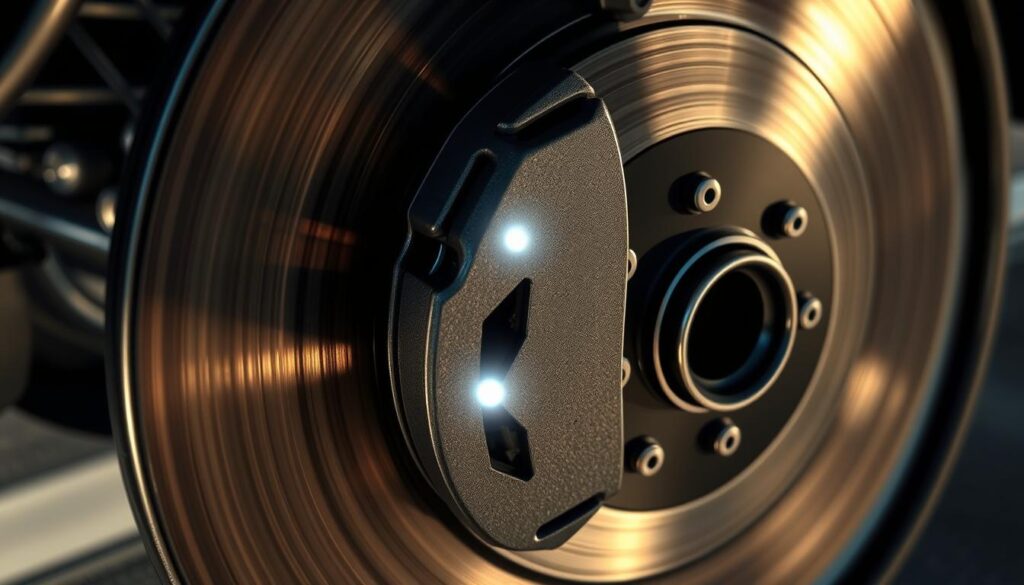
Every time wheels slow, mechanical and thermal forces interact inside the system. This interaction explains why stopping can feel rough or uneven in a car.
The Role of Friction and Heat
The pads press against the rotors to create friction that slows each wheel. Friction converts motion into heat, which the metal must absorb and dissipate.
Excessive heat over time can warp rotors. Warped rotors change how the pad contacts the surface and alter pressure distribution during braking.
How Vibrations Travel Through the Vehicle
When a rotor or caliper binds, pulses pass from the wheel assembly into steering components. The steering and pedal often transmit these pulses, making the car feel unstable.
Hydraulic pressure from the brake pedal pushes calipers to clamp pads. If calipers seize or pads wear unevenly, localized heat and uneven contact produce noticeable feedback through the steering and pedal.
| Component | Function | Common Issue |
|---|---|---|
| Rotor / Rotors | Surface for pads to grip | Warping from heat |
| Pads / Brake pads | Friction material | Uneven wear |
| Caliper / Calipers | Apply pressure to pads | Seizing or sticking |
- Regular inspection of rotors, pads, and caliper operation helps prevent issues.
- Understanding these parts and their interaction keeps the vehicle safer and more reliable over time.
Common Brake Vibration at High Speed Cause Factors

Uneven rotors, sticky calipers, and worn suspension often work in concert to produce steering wheel tremors when braking on the road.
Warped or uneven rotors rank among the most frequent reasons a car shakes during highway stops. Heat builds unevenly over time and ruins the rotor surface, so pads stop meeting the disk smoothly.
Suspension and tires also matter. Worn control arms or bad shocks let the wheel chatter. Poor alignment or uneven tire wear makes existing problems worse and increases pedal feedback.
- Sticking calipers can wear a pad unevenly and heat the rotor.
- Multiple failing components often create persistent steering wheel movement.
- Regular inspections reveal whether pads, rotors, or tires are the root problem.
Wisco Automotive, at 496 S. Pine St., Burlington, WI, specializes in diagnosing these complex issues. Their technicians recommend timely service to prevent further damage and restore safe driving.
Diagnostic Steps for Identifying Shaking Components
A controlled road test helps separate steering wheel symptoms from pedal feedback. Wisco Automotive performs this road test and measures rotor runout to pinpoint the exact source of the shaking.
Testing the Steering Wheel
If the steering wheel shakes, technicians focus on front-end components first. They inspect wheel alignment, tie rods, and ball joints for wear.
Front-end issues often show as steering shakes during braking and while driving. A professional four-wheel alignment costs about $100–$160 and can correct uneven tire wear.
Evaluating Pedal Pulsation
Pulsing in the pedal usually signals a problem with rotors or rear pad contact. Measuring rotor runout with precise tools confirms if a rotor needs resurfacing or replacement.
The team checks hydraulic pressure and caliper slide pins to ensure pads move freely and pressure distributes evenly to each wheel assembly.
Checking Suspension and Tires
Worn suspension parts can mimic a failing stopping system. Technicians examine shocks, control arms, and tires for uneven wear or damage.
Repairs for worn ball joints or tie rods vary from $200 to $1,000 depending on the vehicle and parts needed. Early service at 496 S. Pine St. saves time and prevents further damage.
| Inspection Step | Tool or Check | Expected Outcome |
|---|---|---|
| Road test | Controlled drive, sensory notes | Determine steering vs. pedal source |
| Rotor runout | Dial indicator | Identify warped rotors needing machining or replacement |
| Wheel alignment | Alignment rack | Correct tracking and reduce uneven tire wear |
| Suspension check | Visual and physical inspection | Find worn ball joints, tie rods, shocks |
Technicians at Wisco Automotive use these steps to diagnose the system precisely. For reliable results and smooth transport, consider a professional smooth transport service at Best Car Shipping Inc.
Professional Repair and Maintenance Solutions
Professional repair focuses on restoring consistent contact between pads and rotors to eliminate pedal feedback. Technicians inspect calipers, check pad alignment, and verify wheel runout to ensure the stopping system works reliably.
Best practice is to replace pads and rotors as a matched set. Doing both together usually costs $250–$600 per axle at shops like Wisco Automotive. This prevents uneven wear and helps the new pad seat evenly on the rotor surface.
Best Practices for Replacing Rotors and Pads
- Replace pads rotors as a set to avoid uneven contact and pedal pulsing.
- Clean and lubricate caliper slide pins to prevent heat damage and future wear.
- Break in new brake pads with moderate stops for the first 200–300 miles.
- Rotate tires every 6,000–8,000 miles and get a professional wheel alignment after suspension work.
- Use quality components so pressure on the rotor stays consistent and steering remains stable.
Regular service at Wisco Automotive includes a full vehicle check to spot worn suspension, tires, or steering parts that can lead to further damage. Prompt maintenance saves time and protects the car for safe transport.
Conclusion
When a vehicle shows repeated shaking during stops, timely service prevents further damage. Wisco Automotive at 496 S. Pine St., Burlington, WI, offers fast diagnostics to check rotors, pads rotors fit, and alignment. Call 262-716-0062 to schedule an inspection.
Do not ignore a pulsing brake pedal or a shaking steering wheel. These signs point to worn brake pads, uneven rotor surfaces, or problems with suspension and tire wear.
Regular maintenance and matched replacement of pads and rotors save time and money. Proper alignment helps tires wear evenly and keeps the wheel tracking straight during braking.
Trust experienced technicians for clear estimates and honest service. Fast repairs restore confidence on the road and protect your vehicle for every drive.