
Yes. Professional auto transport firms handle non-running units daily. Owners seeking secure and reliable service find that careful planning prevents damage during transit.
Specialized equipment and trained crews are key. Every non-running vehicle needs tailored handling and clear condition reports. This helps the carrier arrive with proper tools and avoid extra fees.
Pickup logistics require coordination. Accurate scheduling and honest disclosure speed loading and protect the vehicle. TCI Shipping Calculator provides accurate pricing for inoperable units to aid budgeting.
For expert guidance, reach out to info@bestcarshippinginc.com or call (307) 288-5972. The team offers professional consultation and reliable transport options across the United States.
Key Takeaways
- Professional firms will transport non-running vehicle safely.
- Clear condition details ensure correct equipment at pickup.
- Special handling prevents structural damage during shipping.
- Use tools like the TCI Shipping Calculator for inoperable pricing.
- Contact info@bestcarshippinginc.com or (307) 288-5972 for help.
Understanding Inoperable Vehicle Classifications

Classification of non-running vehicles begins with three basic mobility checks.
Mobility is assessed by whether a vehicle can roll, steer, and brake. These checks determine handling needs and the type of trailer required.
Common mechanical issues include a dead battery, seized engine, and flat tires. Each problem affects loading differently and may increase pricing if special equipment is needed.
Quick distinctions carriers use
- A vehicle that won’t start but can roll and steer may still be movable on a standard trailer.
- Units with seized brakes or transmission are fully immobile and need winches or dollies.
- Flat tires or missing parts often force carriers to use specialized trailers or extra labor.
| Mobility | Common Issues | Impact on Pricing |
|---|---|---|
| Roll & Steer | Dead battery, minor engine failure | Standard rate; small surcharge possible |
| Roll only | Steering linkage or flat tires | Moderate surcharge; may need wheel dollies |
| Immobile | Seized brakes, major engine lock | Higher cost; specialized trailers and extra insurance advised |
Accurate vehicle condition reports reduce surprises. Proper disclosure helps carriers provide precise pricing and safe delivery.
For tailored auto transport options, visit auto transport options.
Can I Ship a Car That Doesn’t Start
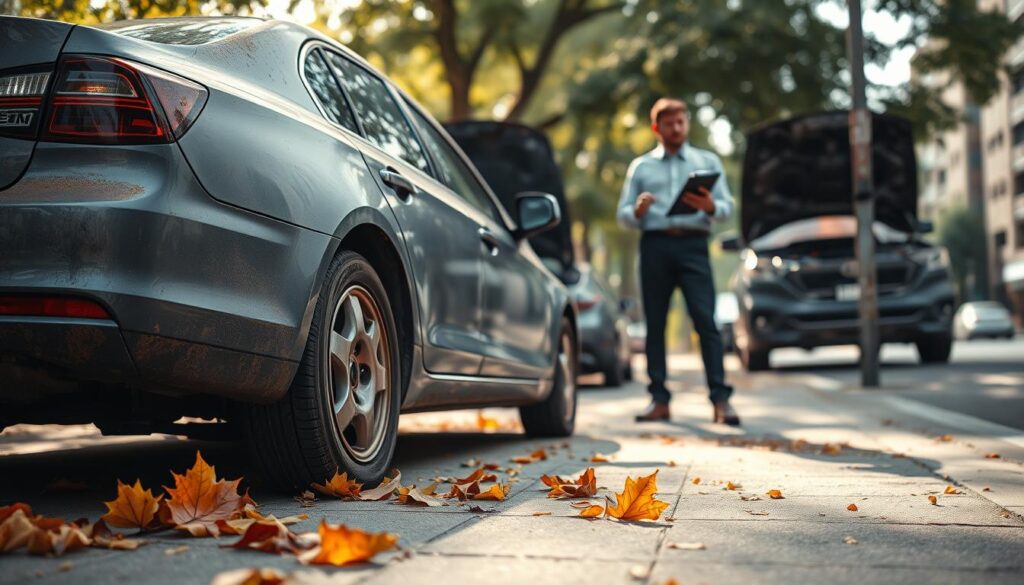
Transporting a non-running vehicle starts with a clear condition report and a precise quote.
Use the TCI Shipping Calculator to get an accurate pricing estimate for each project. The tool factors vehicle condition and mobility so carriers can prepare.
Disclose flat tires, seized brakes, or parts missing. If a project has flat tires or steering limits, the carrier will bring a winch and dollies for pickup and safe delivery.
“Honest condition details prevent delays and lower unexpected fees.”
- Many carriers specialize in non-running cars and restoration projects.
- Special equipment keeps vehicles secure through the shipping process.
- Price increases are common due to extra labor and tools.
| Condition | Required Equipment | Typical Pricing Impact |
|---|---|---|
| Roll & steer | Standard trailer | Small surcharge |
| Roll only (flat tires) | Wheel dollies, winch | Moderate surcharge |
| Immobile | Winch, enclosed trailer | Higher price |
Verify the carrier can handle roll steer loading and request a formal quote before scheduling pickup. For expert help, contact info@bestcarshippinginc.com or call (307) 288-5972.
Why Standard Transport Methods Often Fail
When a vehicle cannot roll under its own power, routine loading methods break down. Open trailers are built for mobile units and often lack the winch needed for immobile loads.
The Risks of Improper Loading
Improper loading risks severe damage. Using wrong gear or makeshift pulls can bend frames or scrape body panels. That leads to repair bills and delays.
If a carrier arrives without a winch, the pickup fails. Time is lost and extra fees may apply. Always disclose vehicle condition so the carrier brings proper equipment.
- Standard methods assume the car will drive onto the deck.
- Missing winch forces manual work or a reschedule.
- Incorrect tools increase cost and raise the price of shipping.
“Clear condition details prevent delays and protect vehicles during loading.”
BestCarShippingInc prioritizes safety by selecting trailers with winches and trained crews. For reliable service and precise quotes, contact info@bestcarshippinginc.com or (307) 288-5972 for secure auto transport.
Essential Equipment for Loading Non-Running Vehicles
Loading non-running vehicles requires specific tools and trained crews for safe handling.
Winch systems provide controlled pulls during pickup. A heavy-duty 9,000-lb winch is often required to pull the vehicle onto the trailer deck. Using a rated winch prevents sudden jerks and protects body panels and frames.
Forklift requirements
Severe damage or missing axles often requires forklift work. Forklifts lift and position vehicles that cannot rest on wheels. Carriers schedule this equipment in advance to avoid delays and extra handling fees.
Wheel dollies and skates
When units cannot roll steer, dollies or skates move wheels into place. These tools let crews rotate and align vehicles for safe loading. They reduce stress on suspension and simplify delivery at the drop-off point.
- Essential tools: winch, dollies, skates, forklifts, straps.
- Benefit: a slow, controlled loading process lowers damage risk.
- Result: smoother pickup and on-time delivery by trained carriers.
Comparing Open and Enclosed Transport Options
Choosing between open and enclosed transport affects protection, cost, and handling needs for inoperable vehicles.
Enclosed transport offers top-tier protection from road debris and weather. High-value cars and rare models benefit from this extra shelter. The winch and interior equipment on enclosed trailers are often more advanced, lowering the risk of damage during loading.
Open trailers provide a cost‑effective shipping option for many vehicles. They expose units to elements and road grit. For non-running units, open loading may require more manual handling and added safeguards.
- Consider vehicle condition: fragile or valuable units usually need enclosed carriers.
- Equipment needs: enclosed trailers often include higher-capacity winch systems for safer pickups.
- Service choice: professional auto transport firms offer both options and match trailers to needs.
BestCarShippingInc evaluates options and recommends the proper trailer and winch setup. For pricing context, see the shipping cost guide.
Factors That Influence Shipping Costs
Distance and route complexity play the largest role in final transport pricing.
Longer runs increase fuel use and driver time. That raises the base price for shipping and delivery.
Special handling for a non-running unit adds fees. Typical extra charges range from $150 to $350 depending on required equipment and labor.
Pricing is dynamic. A professional carrier issues a formal quote that reflects route length, loading tools, and estimated time for pickup.
How Distance and Route Affect Pricing
- Distance: longer mileage increases fuel and driver costs.
- Route complexity: tight access or remote locations raise the final price.
- Equipment needs: winches, dollies, or enclosed trailers add to the quote.
- Carrier availability: fewer carriers nearby can push up cost ship non-running.
“Transparent pricing helps owners understand every factor that shapes the final delivery fee.”
BestCarShippingInc works to lower expenses by optimizing routes and choosing efficient transport equipment. For a precise quote, contact info@bestcarshippinginc.com or call (307) 288-5972.
Preparing Your Vehicle for Safe Transit
A well-prepared vehicle speeds loading and limits risk during over‑the‑road transport. Clear pre‑pickup steps protect value and reduce surprise fees.
Securing Loose Parts
Remove personal items and loose components before the carrier arrives. This keeps the trailer compliant and lowers theft risk.
Secure bumpers, trim, and loose panels with straps or tape. If tires are low, inflate them where possible to improve vehicle condition for loading.
Document the vehicle with photos. A dated record supports any insurance claim if damage occurs during shipping.
Managing Fluid Leaks
Check the battery and engine area for leaks. Contain drips with absorbent pads or a drip tray to prevent contamination on the trailer.
If the non-running vehicle cannot roll steer, notify the carrier so the proper winch and dollies arrive at pickup. This avoids delays and extra handling charges.
- Get a clear quote that reflects prep done and any special needs.
- Keep insurance papers and the vehicle condition report available at pickup.
“Proper preparation is the best way to ensure safe arrival without unexpected issues.”
For step‑by‑step guidance on prepping for transport, review these stress-free vehicle transport tips or contact info@bestcarshippinginc.com for a tailored quote.
Navigating Documentation and Insurance Requirements
Clear records and verified coverage form the foundation of secure vehicle transfers.
Navigating documentation is a critical step before any transport begins. A signed bill of lading documents condition at pickup and tracks the vehicle through delivery.
Owners must verify the carrier maintains cargo insurance between $250,000 and $1,000,000. Confirming policy limits reduces risk if damage occurs during shipping.
BestCarShippingInc reviews insurance certificates on behalf of customers. The team checks coverage terms, deductible amounts, and whether the policy covers total loss.
- Ensure the bill of lading is signed at pickup and delivery.
- Request the carrier’s insurance certificate and USDOT authority information.
- Retain dated photos to support any claim against coverage.
“Transparent documentation and verified insurance protect ownership and speed claims.”
| Document | Purpose | What to Verify |
|---|---|---|
| Bill of lading | Proof of pickup and condition | Signatures, notes on defects, dates |
| Insurance certificate | Coverage confirmation | Policy limits, effective dates, deductible |
| Carrier authority | Legal operating status | USDOT/MC numbers and active status |
Clear communication about documentation and insurance prevents delays. For help reviewing certificates or confirming coverage before shipping, contact info@bestcarshippinginc.com or call (307) 288-5972.
Handling Special Cases Like Auction and Salvage Cars
Auction yards begin billing storage quickly, so fast coordination is essential. Most yards allow a 48-hour grace period before fees start. Plans should prioritize pickup time to avoid growing charges.
Non-running vehicles at auction often need extra attention. Salvage units may be missing parts or have structural issues. That raises the risk of further damage during loading.
Specialized equipment and trained crews reduce handling problems. Winches, dollies, and forklifts are common tools for safe recovery. Accurate condition reports help carriers give a firm quote and avoid surprise pricing.
“Fast pickup and clear condition notes prevent unexpected fees.”
| Situation | Required Equipment | Typical Cost Impact |
|---|---|---|
| Rollable non-running car | Standard winch, dolly | Small surcharge; lower price impact |
| Missing parts / salvage | Forklift, enclosed trailer | Moderate to high cost |
| Remote auction lot | Extra labor, longer haul | Higher pricing due to time and travel |
BestCarShippingInc coordinates timing, manages fees, and provides transparent pricing. For an accurate quote, email info@bestcarshippinginc.com or call (307) 288-5972.
Working with Professional Auto Transport Carriers
Selecting a vetted carrier ensures the right equipment arrives for every pickup.
Professional carriers provide experienced crews and certified trailers. They match transport options to vehicle condition. This reduces handling risk and protects value.
Reliable providers offer winch-equipped trailers for non-running vehicles and dollies when needed. They follow a clear process during loading, paperwork, and delivery. Open communication keeps owners informed through each step.
- Vetting: safety records and insurance verified.
- Options: enclosed or open trailers with proper tools.
- Service: trained crews who handle fragile vehicles.
Choosing the right carrier is the single most important decision in shipping. BestCarShippingInc partners with top carriers to offer dependable car transport and flexible options across the United States.
“Trust the carrier network to provide proper equipment and professional service.”
For quotes or to discuss specific needs, contact info@bestcarshippinginc.com or call (307) 288-5972.
Final Thoughts on Shipping Your Inoperable Vehicle
Final planning steps ensure non-running units arrive without unexpected fees.
Careful preparation and clear condition notes let owners manage cost and price across transit. Accurate documentation and a formal quote reduce surprises during pickup and delivery.
For valuable projects, consider enclosed transport to limit environmental damage and protect value. Verify chosen carriers have experience and time to handle specific non-running loads before scheduling.
BestCarShippingInc provides expert guidance for cost ship non-running projects and offers reliable auto service. Request a professional quote or learn more about car shipping today by emailing info@bestcarshippinginc.com or calling (307) 288-5972.