
Transporting an inoperable vehicle requires clear planning and honest condition reporting. This introduction explains typical fees and what influences the final price.
Most transport companies add an extra fee, usually between $150 and $350, for loading and special handling. That range reflects lift needs, equipment, and access at pickup and delivery.
Using the TCI Shipping Calculator and selecting “inoperable” helps secure an accurate quote based on the vehicle condition. Proper disclosure avoids surprise fees and speeds the process.
Reliable carriers offer transparent notes on insurance coverage and transit risks. Good firms explain loading steps, delivery timelines, and damage protections before booking.
Key Takeaways
- Expect an extra handling fee of about $150–$350 for inoperable vehicles.
- Accurate condition details yield better, final quotes and fewer surprises.
- Choose a trusted transport company with clear insurance and loading protocols.
- Use tools like the average cost per mile calculator for precise estimates.
- Professional services reduce transit risks and protect valuable autos during delivery.
Understanding Inoperable Vehicle Classifications
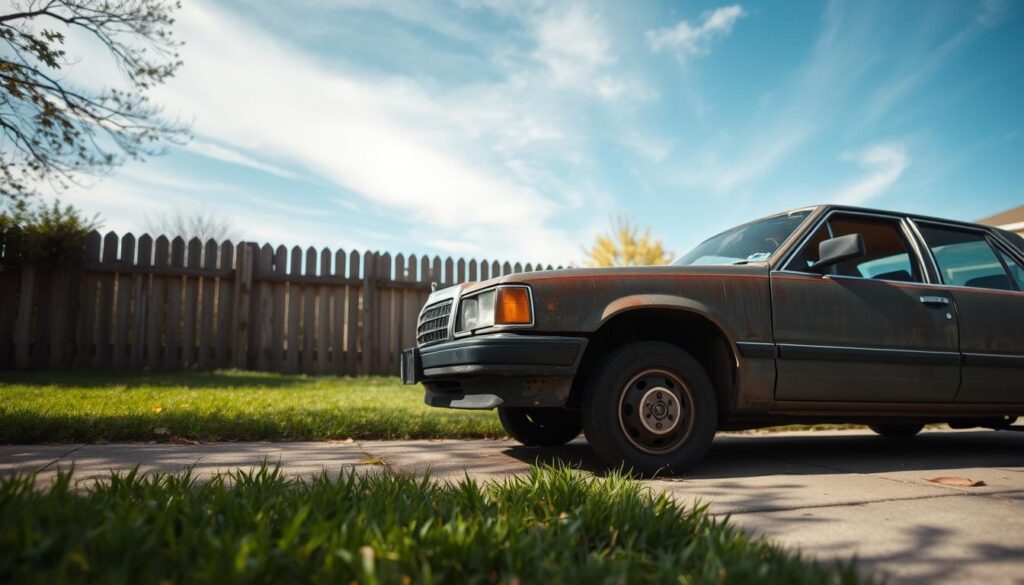
Classifying inoperable units starts with whether a vehicle can start, roll, or steer under its own power.
Inoperable typically means the engine will not start or the drivetrain fails. Immobile describes cars missing key parts or with seized brakes that prevent rolling or steering.
Defining Inoperable vs. Immobile
Carriers sort vehicles to match equipment and crew. If a battery is dead or the steering locks, staff treat the unit as inoperable. If axles are missing or suspension is gone, the vehicle is immobile and needs specialized handling.
Common Reasons for Inoperability
- Dead battery, flat tires, or seized brakes.
- Locked steering columns or major engine and transmission failure.
- Missing suspension components that prevent roll and steer.
- These conditions change logistics: standard trailer use versus winch, wheel dollies, or specialized trailer setups for safe load and unload.
Practical tip: Clear classification helps carriers bring the right winches and gear. Insurance and service terms often depend on whether a unit is inoperable or fully immobile.
How to Determine if You Can Ship a Non Running Car USA Cost Factors
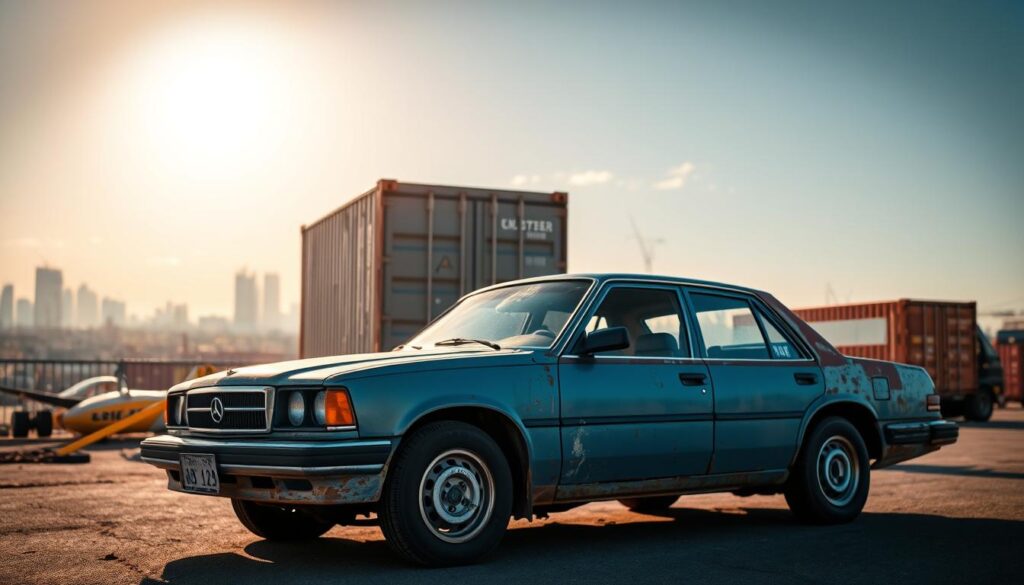
Inspect mobility first. Assess whether the vehicle can roll, steer, or at least tow. This simple check tells carriers what handling gear is needed.
Equipment needs matter. If the unit won’t move under its own power, transporters often require a heavy-duty winch or wheel dollies. Some loads need a 9,000-lb winch or forklift support for safe loading.
Distance and route complexity influence final quotes. Longer hauls and tight access points raise fees and require extra manpower.
Insurance and carrier verification are essential. Confirm coverage limits and that the assigned carrier has the right tools and experience.
- Expect extra handling charges when specialized equipment is required.
- Compare multiple quotes to balance price and service quality.
- Request written confirmation that the transporter will bring necessary gear.
For an in-depth estimate, consult the detailed pricing guide to match service level and budget.
Selecting the Right Transport Method for Your Vehicle
Choose a transport method that matches vehicle condition and value to reduce transit risks. Proper selection limits damage and speeds delivery. Clear instructions to the carrier help ensure the right gear arrives on schedule.
Open Trailer Considerations
Open trailers are cost-effective for many loads. They work well when the unit is movable and access is straightforward.
Risk is higher for dust, road debris, and weather exposure. Good carriers use secure tie-downs and experienced loaders to reduce damage.
Benefits of Enclosed Transport
Enclosed transport protects high-value and rare autos from the elements. This option suits collectors, restored cars, and sensitive finishes.
Although pricing is higher, the added protection often offsets potential repair bills from transit damage. For premium service details, see reliable vehicle transport.
When Forklifts Are Necessary
Forklifts are required when a vehicle cannot roll or steer. Coordination at pickup and delivery is essential to schedule this specialized equipment and trained operators.
- Carriers bring winches or dollies for moderate immobility.
- Fully immobile units may need forklifts to load and unload safely.
- Plan extra time and confirm insurance coverage when using specialized equipment.
Final note: The transport company should evaluate equipment needs before departure. That review prevents delays and protects the vehicle during transit.
Essential Preparation Steps Before the Carrier Arrives
Complete a brief checklist of loose items and fluid leaks prior to carrier arrival. Preparing the vehicle reduces delays and helps the transport company follow safety protocols.
Remove all personal items from the interior and trunk. Most carriers’ insurance does not cover personal belongings, so clearing the cabin avoids loss claims.
Securing Loose Components and Fluids
Secure any loose trim, mirrors, or parts with tape or ties to prevent damage during transit. Address major fluid leaks; drain or contain spills to protect equipment and surfaces.
Check the battery and tire condition before pickup. Even for a non-running vehicle, battery access and tire state assist loaders with winch and dolly attachment.
- Document condition with dated photos for pickup and delivery records.
- Keep keys accessible to help with steering or shifting during loading.
- Note existing damage to avoid disputed claims on delivery.
| Preparation Item | Why It Matters | Action | Who Benefits |
|---|---|---|---|
| Personal Items | Not covered by insurer | Remove before pickup | Owner, carrier |
| Fluid Leaks | Protects equipment and prevents extra fees | Drain or contain leaks | Transport company, loader |
| Loose Components | Prevents transit damage | Secure or remove parts | Owner, transporter |
Final checklist: follow documented steps and confirm pickup details with carriers. For route-specific guidance and scheduling, see this Florida to North Dakota transport guide.
Navigating Insurance and Documentation Requirements
Clear documentation and verified coverage prevent disputes and speed claim handling during transit.
Verify carrier insurance limits. Most transport providers carry cargo policies from $250,000 to $1,000,000. Confirm that the assigned carrier lists coverage amounts and policy numbers before pickup.
Sign the Bill of Lading at both pickup and delivery. This document records the vehicle condition and serves as the main proof of transit for any claim.
Document condition thoroughly. Take dated photos and note preexisting damage on the Bill of Lading. Proper records speed settlements when coverage gaps appear.
Consider supplemental coverage for high-value or rare vehicles. Understanding carrier limits helps decide if additional insurance is needed to protect value and reduce potential costs.
For verified, transparent transport services and policy checks, refer to trusted providers like Plano car transport services. Clear paperwork and confirmed coverage ensure smoother delivery and stronger protection.
Conclusion
Confirm equipment, insurance, and pickup details before transit to reduce delays and lower damage risks.
Shipping a non-running car requires careful planning, trained carriers, and the right winch or trailer for safe handling.
Prepare documentation, document condition with photos, and verify coverage to avoid surprise fees. Proper steps streamline the process and protect value during transit.
For a reliable quote and tailored transport options, visit car shipping in Upton or contact info@bestcarshippinginc.com / (307) 288-5972 for prompt, professional service.