
Best Car Shipping Inc. presents a practical, step-by-step guide for vehicle owners and logistics teams in the United States. This introduction explains the two-leg process: ground transfer to a West Coast port, then ocean transit to the chosen island port. It sets clear expectations on timing, coordination, and cost drivers.
Readers will learn about documentation, vehicle condition rules, inspection steps, and options like door service versus port-to-port. The company emphasizes clear communication and protection of assets. Customers can request an instant quote and compare options such as open vs enclosed and RoRo vs container.
The team outlines how distance to port, vehicle size, chosen method, and schedule flexibility affect price and transit time. For a reliable plan or to get an accurate quote, contact Best Car Shipping Inc. at (307) 288-5972 or email info@bestcarshippinginc.com. Learn more about the full process and service details at Hawaii transport service.
Key Takeaways
- Transport to islands involves two legs: ground pickup or drop-off, then ocean transit.
- Documentation, inspections, and vehicle condition rules matter for smooth delivery.
- Pricing depends on distance to port, vehicle size, method, and scheduling.
- Options include door vs port-to-port, open vs enclosed, RoRo vs container.
- Request an instant quote and contact support for accurate planning.
What to Know Before Shipping Car Hawaii From the Mainland
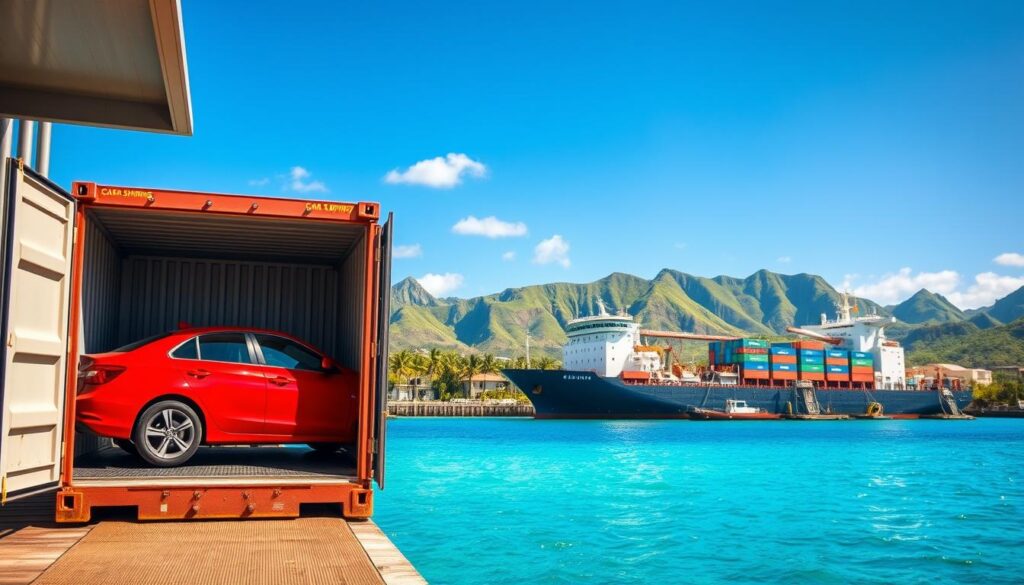
Deciding whether to transport a personal vehicle from the mainland requires weighing stay length, cost, and daily convenience.
Short stays often favor a rental. Extended relocations or frequent island travel usually justify moving a trusted vehicle. Known maintenance history and personal items of value make transporting an owned vehicle practical.
When it makes sense to ship vs. rent or buy on the islands
Ship when the total rental cost over months exceeds transport plus upkeep. Buy locally if time is tight or shipping costs and logistics outweigh benefits. Rent for brief visits or when flexibility matters most.
“Early planning reduces missed sailings and keeps relocation timelines on track.”
Why Hawaii auto transport is different than shipping within the U.S.
Transport to the islands adds an ocean leg and port coordination. Providers must align west coast pickup windows with vessel schedules, port cutoffs, and facility rules. That makes the process more complex than a state-to-state move.
Early planning and reservations: why booking ahead matters
Customers starting on the east coast should expect extra days for the mainland leg before a vessel departs. Booking at least one month ahead is recommended. Reservations reduce missed sailings, widen available options, and help control overall cost.
| Decision Factor | When to Ship | When to Rent/Buy |
|---|---|---|
| Length of stay | Months to permanent | Days to weeks |
| Cost control | Better long-term value | Lower short-term expense |
| Timing needs | Flexible dates ok | Fixed dates or immediate use |
| Vehicle history | Keep known maintenance | New ownership acceptable |
Align method and timing to individual needs. Budget-focused customers may choose open transport and flexible dates. Those wanting premium protection should consider enclosed options and firm schedules.
For a tailored estimate and reservation help, visit Delaware to island transport or contact support at (307) 288-5972 or info@bestcarshippinginc.com.
Vehicle Eligibility and Condition Requirements for Hawaii Car Shipping

Accurate measurements and a working drivetrain are the top checks to avoid reclassification or delays.
Standard size limits and operable expectations
Automobile eligibility follows the Young Brothers rule: operable, four-wheeled, rubber-tired, self-propelled. The practical limits are 7 ft high, 8 ft wide, 20 ft long, and 6,500 lbs.
Most deliveries assume the car can be driven for check-in, staging, and loading. Non-operable units need prior notice and extra handling.
When a vehicle becomes RO/RO cargo
If any dimension or weight exceeds the limits, the vehicle is treated as RO/RO cargo. Accurate length, width, height, and weight are required at reservation to set correct rates and vessel allocations.
Platform shipments and tie-down rules
Platform transport on a 20′ deck requires four ratchet straps. Each strap must be at least 2″ wide, have a 3,333 lb working load rating, and measure 10 ft or longer.
- Declare lift kits, oversized tires, roof racks, or major mods early.
- Special-needs vehicles may require alternate handling and updated pricing.
Documenting eligibility in writing reduces day-of-drop-off issues and helps ensure a smooth vehicle shipment.
Car Shipping Hawaii Options: Door Service, Port-to-Port, and Shipping Methods
Choose the right delivery path early to match schedule, budget, and protection needs.
Door-to-door service includes pickup at the customer’s address, carrier dispatch for the mainland leg, and delivery into the port window. This option reduces coordination tasks for the owner and provides a clear chain of custody from pickup to vessel check-in.
Port-to-port delivery requires the customer to bring the vehicle to the departure port during business hours. It is often the most cost-effective option for those near a West Coast port and comfortable with timing and check-in procedures.
RoRo versus enclosed container
RoRo transport is typically the most affordable ocean method. Vehicles roll on and off the vessel. This option fits daily drivers and budget-focused plans.
Enclosed container provides added protection. It is the preferred option for luxury, classic, or collectible vehicles. This method reduces exposure to the elements and handling risks.
Air freight: fast but premium
Air freight is the fastest option to ship car assets when time outweighs cost. It carries a significant premium and suits urgent moves or high-value shipments needing rapid delivery.
“Best Car Shipping Inc. helps confirm the right transport option before booking to reduce change fees, delays, and missed sailings.”
- Match the delivery method to risk tolerance, budget, and desired protection level.
- Door service adds convenience; port-to-port saves money for those who can meet cutoffs.
- Choose RoRo for economy, enclosed for added security, and air for speed.
For guidance on the best service and to secure a transport option that fits your needs, contact Best Car Shipping Inc. at (307) 288-5972 or info@bestcarshippinginc.com.
Choosing Ports and Routes: West Coast Drop-Off Locations and Hawaii Destinations
Port choice shapes inland haul, vessel options, and the expected arrival timetable. Route planning links the mainland pickup to a West Coast port, then the ocean leg delivers the vehicle to the island port selected.
Common mainland departure options
Major gateways include Long Beach, Oakland, and San Diego in California, plus Seattle and Tacoma in Washington. Each port offers regular vessel calls and different access from nearby metro areas.
Picking the closest practical port reduces inland travel time and can lower total cost. Scheduling windows vary by terminal, so align pickup dates with vessel cutoffs.
Hawaii delivery ports and island considerations
Island destinations include Oʻahu (Honolulu), Maui (Kahului), the Big Island (Hilo), and neighbor-island routes to Lanai and Molokai. Delivery to a neighbor island may add handling steps and a short inter-island transfer.
Best Car Shipping Inc. helps choose the port and route that match customer travel dates and minimize storage risk at arrival. Customers should confirm their flight and work start dates when booking to avoid extra hold time.
Documents and Legal Requirements to Ship a Vehicle to Hawaii
Before scheduling pickup, confirm all required documents to avoid delays at the port facility. Gathering paperwork early protects the reservation and shortens check-in times.
What to bring
Prepare originals and clear copies of each item. Bring a government-issued photo ID, current registration, title if requested, and proof of insurance. Keep documents legible to speed facility entry.
Leased or financed vehicles
Leased or financed units often require lienholder authorization or a power of attorney. Request these papers from the lender well before drop-off to avoid scheduling setbacks. This step protects the reservation and the vehicle.
If you are not the registered owner
Non-owners must carry written permission from the registered owner. Additional carrier-specific forms may apply. Verify these needs when getting a quote so nothing is missed on drop-off day.
- Keep originals secure and carry backup copies.
- Confirm requirements with the provider during the quote call.
- Clear documentation reduces wait times and supports a clean chain-of-custody.
“Complete paperwork is the fastest path to a smooth handoff and on-time sailing.”
Best Car Shipping Inc. confirms document needs during quoting to prevent last-minute issues and to keep the shipping process on schedule.
Preparing Your Car for the Shipping Process
A well-prepared vehicle speeds check-in and reduces the risk of disputes at port facilities.
Clean, photograph, and document condition
Wash the vehicle so scratches and blemishes are visible for photos. Take clear images from all four corners and close-ups of existing damage.
Record the odometer in at least one photograph. Keep copies of photos and notes with the reservation paperwork.
Fuel level and basic safety
Keep fuel at or below a quarter tank. This meets safety rules and lowers weight.
Disable alarms and secure loose accessories. Remove or tape fragile items to prevent damage during handling.
Personal items policy
Do not leave personal items in the vehicle unless confirmed in writing for a container booking. Items are not covered the same way as the unit and can cause compliance issues.
Mechanical readiness and special needs
Ensure the vehicle starts, steers, and brakes. Operable units check in faster and avoid extra handling fees.
If the vehicle is inoperable or has specific needs, disclose them early so the carrier can arrange the right equipment and plan.
| Prep Step | Why It Matters | Action |
|---|---|---|
| Clean & Photos | Clear baseline for condition disputes | Wash, photo angles, odometer shot |
| Fuel & Safety | Meets port and vessel rules | Keep ≤1/4 tank, disable alarms |
| Personal Items | Insurance & safety limits | Remove items or confirm container allowance |
| Mechanical Check | Affects handling and fees | Verify operable; disclose special needs early |
Best Car Shipping Inc. recommends following this checklist to ensure the vehicle checks in promptly and stays on schedule. For questions about specific needs or inoperable units, call (307) 288-5972 or email info@bestcarshippinginc.com.
Step-by-Step Car Shipping Process to Hawaii (Mainland Pickup to Island Delivery)
Begin the transport timeline by securing an instant quote and confirming the best route and service for your vehicle. This early step locks in pricing and clarifies whether open or enclosed transport is appropriate.
Schedule pickup or port drop-off
Arrange a door pickup or set a port drop-off window that matches vessel cutoffs. Verify terminal hours and access rules before arrival.
Mainland transport to the departure port
Choose open transport for economy or enclosed trailers for added protection. Both move vehicles to the West Coast port ahead of the sailing date.
Port check-in and documentation
Expect ID checks and strict facility entry rules. Complete the Bill of Lading at handoff and confirm all condition notes before the carrier signs.
Ocean transit, payment, and pickup
Vessel schedules can shift; allow flexibility. Payment occurs per your arrangement—some pay at drop-off, others at pickup. Inspect the vehicle on arrival and document any issues before leaving the facility.
“Complete paperwork and a final inspection protect customers and reduce dispute risk.”
How Much Does It Cost to Ship Car Hawaii?
Estimating what it will cost starts with four practical factors that carriers use to price a move. These include total route distance (pickup to departure port plus ocean leg), vehicle size and weight, chosen method, and how flexible the owner can be on dates.
Key pricing drivers
Distance affects fuel, inland haul, and vessel allocation. Larger or heavier vehicles add handling and space charges. Method matters: open transport on the mainland is cheaper than enclosed, while RoRo, container, and air change ocean costs significantly. Flexible dates often lower the final cost.
Typical price examples
For a long route such as New York City to Honolulu, expect open transport quotes roughly $2,000 to nearly $4,000. Enclosed transport commonly ranges from $3,000 to $8,000. These examples anchor realistic expectations but will vary by season and origin city.
Comparing quotes without cutting quality
- Confirm what is included: inland pickup, port fees, and delivery model.
- Verify insurance limits and inspection procedures.
- Check scheduling windows and communication standards.
Avoid picking solely by the lowest number. Prioritize transparent paperwork, clear payment timing, and documented inspections. Request multiple quotes and make sure timing aligns with vessel departures so vehicles do not sit at the port. For cheap transport options and further guidance, see cheap transport options.
Conclusion
Good planning, proper documentation, and correct vehicle prep are the three pillars of a trouble-free island delivery.
Confirm eligibility, remove personal items, and keep fuel under a quarter tank before drop-off. Bring clear copies of registration, title, and ID for port check-in.
Book at least one month ahead when possible. Advance reservations help avoid missed sailings and stabilize delivery timelines.
Document condition with photos and an odometer shot. Sign the Bill of Lading carefully and inspect the vehicle before you leave the pickup facility.
For guidance and a tailored quote, contact Best Car Shipping Inc. at (307) 288-5972 or info@bestcarshippinginc.com. Get trusted auto transport help to choose the right service and keep your shipment on time.