
Monarch Transport Group offers professional logistics for high-value assets in 2026. Owners and collectors now treat auto transport as a routine part of moving. This section outlines clear steps to keep your vehicle in pristine condition from pickup to delivery.
Proper preparation starts with documentation and a thorough inspection. Monarch emphasizes careful handling, transparent communication, and reliable tracking during transit. Their team is available at (307) 288-5972 or info@bestcarshippinginc.com for questions.
The guide helps you choose reputable companies, compare insurance options, and avoid common causes of damage. It explains carrier selection, loading methods, and transit windows so clients can plan with confidence. Expect concise steps and practical tips to protect your vehicle and streamline delivery.
Key Takeaways
- Monarch Transport Group specializes in safe, professional transport of high-value vehicles.
- Inspect and document condition before pickup to reduce risk of disputes.
- Choose carriers with clear tracking and verified insurance coverage.
- Prepare the vehicle and remove loose items to prevent damage during transit.
- Transparent communication and scheduled windows make delivery predictable.
Understanding the Landscape of Luxury Car Shipping

Owners and collectors now expect tailored logistics that protect value and reduce risk. The market in 2026 demands stricter handling standards, verified routes, and specialized equipment.
Experts at A-1 Auto Transport note that moving a high‑value vehicle is a series of deliberate steps. These include a formal inspection, secure loading, verified carrier vetting, and clear tracking during transit.
Advantages of professional auto transport are clear: reduced mileage, lower wear, and preserved resale value. A reputable company brings trained crews, enclosed trailers when needed, and insurance that covers transit risks.
- Verify credentials: check carrier authority and insurance limits.
- Choose the right method: open or enclosed trailers affect protection and cost.
- Document condition: a pre-shipping inspection reduces disputes at delivery.
For a detailed quote and staging support, inquire about Monarch’s handling or see our partners via auto transport in Scottsville, Kentucky or call (307) 288-5972.
Why Car Shipping for Luxury Cars: Complete Guide is Essential
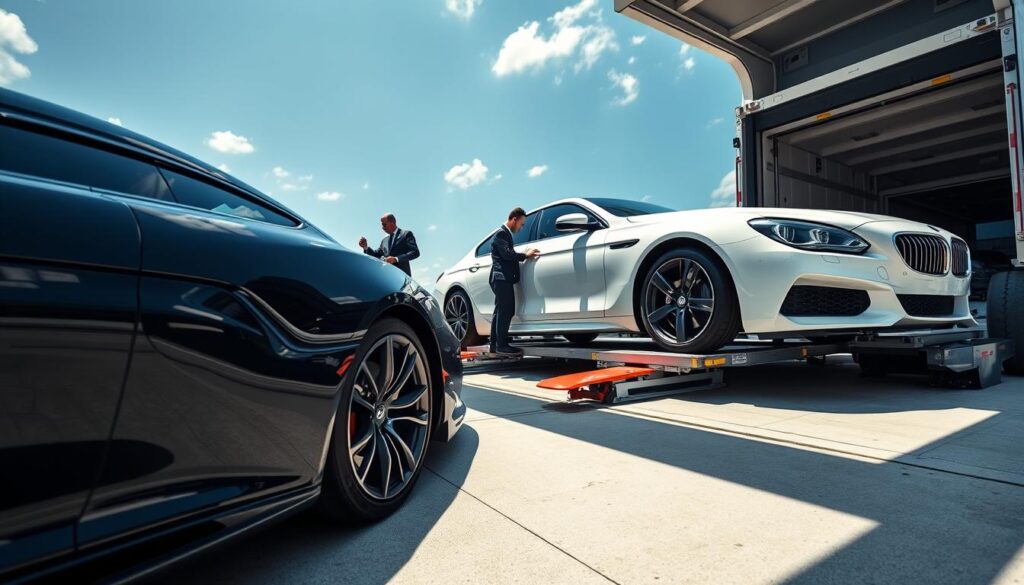
Planning each step removes guesswork and keeps prized vehicles protected during transit.
Proper preparation is the difference between a stressful move and a smooth one. Cleaning and full documentation enable a clear inspection. That reduces disputes and limits damage claims.
Monarch Transport Group has refined the transport process into nine actionable steps. These steps cover pickup condition reports, secure loading, insurance confirmation, and real-time tracking. Choosing reputable shipping companies ensures the right equipment and trained crews.
- Protect value: pre-shipment inspection and secure tie-downs.
- Control costs: routes, distance to major roads, and weight affect final rates.
- Reduce risk: verified insurance and carrier vetting prevent common scams.
| Priority | Action | Benefit |
|---|---|---|
| 1 | Pre-shipment inspection | Clear condition record for claims |
| 2 | Choose enclosed trailer when needed | Better debris and weather protection |
| 3 | Confirm insurance and tracking | Peace of mind during transit |
When owners understand the logistics of auto transport, they manage costs and avoid pitfalls. Contact Monarch at (307) 288-5972 or info@bestcarshippinginc.com to discuss tailored options and delivery windows.
The Anatomy of the Auto Transport Industry
Most moves begin with a broker who opens access to a nationwide network of professional carriers.
Brokers connect owners to vetted firms that operate the big rigs on interstates. They match schedules, routes, and load capacity. This reduces delays and keeps transit windows predictable.
Broker-Carrier Relationships
Brokers are the matchmakers. They book the pickup and assign a carrier that will handle delivery.
Carriers are the companies with trailers that secure vehicles and drive them on the road. They take responsibility for safe handling and timely arrival.
Monarch Transport Group vets partners for safety records, insurance limits, and experience with luxury vehicles. Call (307) 288-5972 or email info@bestcarshippinginc.com to discuss carrier options.
The Role of Specialized Equipment
Specialized gear prevents damage during loading and transit. Hydraulic lift gates help with low-clearance vehicles.
Soft tie-down straps protect bodywork and suspension. Regular inspection of straps and tie points is standard practice.
| Equipment | Primary Use | Benefit |
|---|---|---|
| Hydraulic lift gate | Safe loading of low-clearance vehicles | Prevents undercarriage damage |
| Soft tie-down straps | Secure attachment on trailer | Protects finish and suspension |
| Enclosed trailer | Full weather and debris protection | Better protection during long transit |
Comparing Open and Enclosed Transport Methods
Choosing between open and enclosed methods often comes down to balancing protection with cost. Enclosed transport is the gold standard when moving high-value or rare vehicles. It limits exposure to road debris and weather and may include climate control and added security.
Open transport is a more economical method. It uses multi-vehicle trailers and exposes autos to rain, snow, and road dirt during transit. That increases the chance of minor exterior damage.
Key differences include the level of protection, insurance considerations, and final costs. Enclosed carriers reduce the risk of paint chips and debris damage. Open trailers lower price but raise exposure.
- Enclosed transport: best for rare, vintage, or high-value vehicles that need maximum protection.
- Open transport: suited to standard moves where cost savings outweigh exposure risk.
- Monarch’s team can advise on the right method and arrange tracking and inspection windows. Call (307) 288-5972.
Essential Steps to Prepare Your Vehicle for Transit
Preparing a vehicle for transit starts with a short checklist that protects value and limits delays.
Cleaning and Documentation
Wash the vehicle so defects are visible during the inspection. Note any dings or scratches on the bill lading at pickup.
Gather registration, bill of sale, and valid ID. Take high-resolution photos from multiple angles as proof of condition.
Removing Personal Items
Remove all personal items. Cargo insurance rarely covers loose items that shift during transit.
Provide the driver with the primary keys and keep a spare set. Disable alarms to avoid battery drain and delays.
Mechanical and Fuel Checks
Check tire pressure, battery charge, and fluid levels. Keep the fuel tank about one-quarter full to reduce weight and meet safety rules.
Confirm the assigned carrier has confirmed the pickup window and tracking. Clear communication reduces surprises at delivery.
| Step | Action | Why it matters |
|---|---|---|
| 1 | Document condition & photos | Supports claims and speeds inspection |
| 2 | Remove personal items & spare keys | Protects belongings; ensures access |
| 3 | Basic mechanical check; quarter tank fuel | Reduces risk and weight-related costs |
If questions arise, contact Monarch Transport Group at (307) 288-5972 or info@bestcarshippinginc.com.
Navigating the Logistics of the Last Mile
Last-mile delivery often becomes the trickiest leg of a transport job when large trailers meet suburban streets and low-hanging trees.
An 80-foot carrier cannot always drive into tight neighborhoods. Drivers commonly ask to meet at a large, open parking lot to load or unload safely.
This is about safety, not convenience. Large trailers need room to maneuver. Forcing door-to-door delivery in a restricted area can cause damage and extra fees for a smaller shuttle truck.
Monarch’s coordinators at (307) 288-5972 plan efficient routes that avoid low branches and narrow roads. Clear communication ensures the carrier knows the expected delivery window and any special inspection needs.
Be flexible with pickup and drop-off points. A nearby lot often saves time and lowers costs while keeping the vehicle protected from debris and tight turns.
“Meeting at a designated lot often prevents last-minute delays and preserves the condition of the vehicle.”
- Confirm pickup location and any shuttle fees in advance.
- Provide clear directions and contact numbers.
- Discuss insurance and inspection at handoff.
The Role of Technology in Modern Vehicle Tracking
Live GPS and digital documentation have become the baseline expectation when entrusting a prized vehicle to a carrier.
Real-Time GPS Monitoring
By 2026, top auto transport providers pair GPS tracking with a digital Bill of Lading. This gives owners continuous location updates and a timestamped record of each handoff.
Transparency reduces disputes. Digital records show inspection notes, photos, and chain-of-custody entries that protect value and speed claims.
“Real-time monitoring is now standard; it keeps owners informed and carriers accountable.”
- Predictive routing: analytics foresee delays and suggest alternate routes to avoid congestion or hazards.
- Instant alerts: ETA changes, geofence entries, and exception notices sent directly to customers.
- Reduced human error: automated scans replace manual logs and improve accuracy.
| Feature | Benefit | Why it matters |
|---|---|---|
| GPS tracking | Live location updates | Peace of mind and theft deterrence |
| Digital Bill of Lading | Timestamped condition record | Simplifies claims and inspections |
| Predictive analytics | Smarter route planning | Fewer delays and lower transit costs |
If a company still feels old-school and lacks tracking, consider alternate providers. Monarch’s team uses these tools and can help ship your vehicle to another state. Call (307) 288-5972 for details.
Understanding Insurance and the Bill of Lading
A clear bill lading and verified cargo insurance turn uncertain delivery into a documented, accountable process. This document is the contract between the owner and the transport provider. It records pickup condition, agreed services, and the acceptance of liability.
By law, every professional service must carry liability and cargo insurance to protect vehicles during transit. Review the policy details before pickup so you know limits, deductibles, and filing steps.
Confirm whether personal auto policies add coverage while your vehicle moves. If so, note policy numbers and contact info in case you need a claim.
At delivery, sign the bill lading only after comparing the vehicle’s condition to the original inspection report. Note any discrepancies on the document before you accept possession.
- Keep copies of the bill lading and photos as evidence.
- Ask the provider to confirm insurance limits that match vehicle value.
- Contact Monarch at (307) 288-5972 for assistance with claims or questions.
“Understanding these legal documents separates an expert from a novice in professional auto transport.”
For local arrangements and carrier options see car shipping and auto transport Upton. Email info@bestcarshippinginc.com for direct support.
Managing Costs and Avoiding Shipping Scams
Preventing scams and controlling costs begins with knowing which offers are realistic and which are too good to be true.
Owners should avoid the lowest bid. Quotes that undercut the market often hide fees or poor service. A reliable company will give a clear, itemized estimate and explain any surcharges.
Make sure any provider is registered with the FMCSA and has a valid MC number. Verify credentials before you sign. Beware of lead-generation sites that sell data and trigger unsolicited calls.
Remove personal items from the vehicle. Loose belongings are not covered by insurance and may violate DOT rules. Clearing the cabin also prevents weight issues and keeps the driver compliant.
- Book at least two weeks in advance and stay flexible on dates to lower costs.
- Ask about insurance limits and the carrier’s inspection process before pickup.
- Call Monarch at (307) 288-5972 for transparent pricing and no-hidden-fee estimates.
“Choosing a reputable company prevents low-ball traps and protects valuable vehicles during transit.”
For route-specific quotes, check the Sacramento to Dallas route.
Specialized Handling for Exotic and Classic Automobiles
Exotic and classic vehicles demand handling that anticipates fragile finishes and low-slung underbodies.
Monarch uses enclosed carrier options and hydraulic lift gates to load low-clearance models safely. This minimizes scraping and stress on bespoke components like carbon fiber bodywork.
Soft tie-down techniques secure each vehicle without chafing paint or stressing frames. Trained crews adjust straps by hand and protect contact points with padded loops.
Low Ground Clearance Considerations
Hydraulic platforms and ramps prevent undercarriage contact. Drivers plan routes and pickup windows to avoid steep inclines or tight turns.
Soft Tie-Down Techniques
The crew inspects attachment points and uses soft straps rated for the vehicle’s weight. This reduces the chance of rattle damage during transit.
| Issue | Solution | Benefit |
|---|---|---|
| Low clearance | Hydraulic lift gate | Safe loading without scrapes |
| Delicate finishes | Padded soft straps | Zero strap marks or paint damage |
| Road debris | Enclosed transport | Protection from chips and weather |
Call (307) 288-5972 or email info@bestcarshippinginc.com to discuss enclosed shipping options and cargo insurance that match each vehicle’s value.
Considerations for Electric and Hybrid Luxury Vehicles
Transporting an EV or hybrid requires distinct checks on weight, charge level, and equipment readiness.
Electric models carry heavy battery packs. That extra weight affects a carrier’s total load and trailer arrangement. Owners must disclose the exact make and model when requesting a ship car quote to avoid surprises in routing and costs.
Monarch follows clear protocols: keep the battery near 50% charge for safety and weight balance. This reduces thermal risk and meets many manufacturer and carrier guidelines.
Enclosed transport is recommended for sensitive electronics and to limit exposure to road debris. An enclosed carrier with climate control protects battery packs and onboard systems better than open transport.
- Disclose vehicle details to match equipment and insurance.
- Confirm cargo insurance limits that reflect the vehicle’s value.
- Ensure carrier readiness for connected and autonomous features.
“Following manufacturer recommendations and transparent disclosure keeps high‑tech vehicles safe during transit.”
Questions? Call (307) 288-5972 for specialist advice and to schedule an inspection window.
International Shipping Regulations and Documentation
Cross-border transport demands precise paperwork and a clear plan to avoid delays at international ports. Proper documentation speeds customs clearance and reduces unexpected fees.
Essential documents include the Bill of Lading, a Customs Declaration, and any required import or export permits. Owners should prepare proof of ownership, ID, and any emissions or safety certificates required by the destination.
Customs and Import Permits
Many countries require specific permits and inspect vehicles on arrival. Failing to meet environmental or safety rules can trigger fines or quarantine.
Monarch Transport Group assists with paperwork and liaises with customs to ensure filings are accurate and timely. Their team can also advise on duties and taxes that affect total costs.
- Arrange documents well before pickup to secure an efficient transit window.
- Confirm cargo insurance limits that match the vehicle’s declared value.
- Work with experienced carriers and local agents to avoid hold-ups at the border.
“Clear documentation and verified insurance minimize border delays and protect high-value assets during transit.”
For assistance, contact (307) 288-5972 or info@bestcarshippinginc.com.
The Importance of Professional Carrier Vetting
A rigorous carrier review protects a high-value vehicle by confirming credentials, equipment, and safety history.
Professional vetting is the foundation of a successful transport experience. It ensures drivers have valid credentials and that trailers and other equipment meet safety standards.
Monarch requires every partner to supply a USDOT number. Owners can verify that number through the FMCSA database to confirm registration and complaint history.
- Check driver records and carrier safety ratings.
- Confirm insurance limits align with vehicle value.
- Ask about past experience with classic, exotic, and high-value vehicles.
- Review inspection and tracking procedures before pickup.
| Vetting Item | What to Verify | Benefit |
|---|---|---|
| USDOT registration | FMCSA entry and complaint history | Legal standing and transparency |
| Equipment condition | Trailer type (open transport / enclosed transport), lifts, straps | Protection from road debris and handling damage |
| Insurance | Policy limits and claims process | Financial protection if damage occurs |
Monarch’s team at (307) 288-5972 vets carriers for performance and safety. Working only with proven partners reduces the risk of damage, delays, and unexpected costs during transit.
“Thorough carrier vetting turns uncertainty into predictable protection for high-value vehicles.”
Owners should insist on documented proof of credentials, an inspection window, and live tracking at handoff. Contact info@bestcarshippinginc.com to review a carrier’s credentials before booking.
Environmental Standards and Future Trends
The industry is shifting toward low-emission fuels and data-driven routing to lower impact and risk.
Providers now test greener energy and more efficient equipment. These changes cut emissions and fuel use while protecting the condition of each vehicle.
At the same time, AI and automation optimize routes, tighten windows, and improve tracking. This reduces delays and human error during transit.
Monarch focuses on adopting these trends. The company pairs eco-friendly methods with advanced scheduling to limit costs and lower risk of damage.
What this means for owners:
- Lower carbon footprints without sacrificing protection.
- Smarter route planning that reduces time on the road.
- Improved reliability through automated inspection records and live tracking.
“Sustainable fuels and AI-driven logistics are the next step in secure, modern auto transport.”
Monarch remains committed to these standards. Call (307) 288-5972 or email info@bestcarshippinginc.com to learn how new methods improve insurance support and delivery experience.
Emotional Peace of Mind During Transit
Handing a prized vehicle to a carrier is personal. Owners often watch a car leave and feel the loss until it arrives at the new address. Monarch treats that moment with care and clear updates.
Reassurance comes from steady communication. The team acts as an advocate through every transit step. They confirm the bill lading, verify insurance, and schedule an inspection window.
Owners receive real-time tracking and direct driver contact. Regular updates reduce worry and cut surprises at delivery. Teams also note the vehicle condition and report any issues immediately.
| Service | What it provides | Benefit |
|---|---|---|
| Live tracking | Continuous location updates | Clear visibility during transit |
| Bill lading confirmation | Signed, timestamped condition record | Easy claims and proof of handling |
| Driver communication | Direct contact and ETA updates | Reduced stress at delivery |
| Customer advocacy | Single point of contact | Faster resolution of issues |
Monarch’s team treats each luxury car as their own. They keep clients informed from booking to final delivery. Call (307) 288-5972 to speak with a coordinator.
For localized options, see Charlotte Michigan transport options. This helps owners choose a company that values protection and customer experience.
“We act as your advocate from pickup to handoff, so your vehicle arrives as expected.”
Conclusion
The right partner combines skilled crews, verified insurance, and transparent tracking. , This approach turns a complex move into a predictable, secure process.
Careful preparation and documented inspection protect value and limit damage. Owners who choose a vetted company reduce risks and unexpected costs. Proper steps — cleaning, photos, and clear communication — make delivery smoother.
Stay informed about new tools and routes to make better decisions. Monarch’s team provides professional support and clear updates through each transit window.
Need help? Call (307) 288-5972 or email info@bestcarshippinginc.com. Monarch offers reliable transport and peace of mind for high‑value vehicles.