
Shipping a car is now a routine step in many moves. In 2026, families, professionals, and collectors expect clear timelines and digital tracking when they move a vehicle.
Monarch Transport Group treats transport like any reliable online service: precise, trackable, and customer-focused. This introduction lays out what to expect and how to avoid common pitfalls.
Readers will find practical steps on preparing a vehicle, choosing open vs. enclosed options, and what documentation to keep. For cost benchmarks and per-mile ranges, see an industry breakdown at how much is car shipping.
Key Takeaways
- Expect transparency: digital tracking and itemized quotes are standard.
- Choose transport types: open is cheaper; enclosed adds protection.
- Prepare documentation: Bill of Lading and photos matter for claims.
- Plan seasonally: book early for peak months and consider winter savings.
- Get written insurance details: confirm declared value and limits.
Understanding the Auto Transport Industry

Most vehicle moves start with a broker, not a truck, because brokers match routes and schedules across a wide carrier network. This model gives customers access to many carriers without contacting dozens of providers.
Broker vs carrier distinction
Broker vs Carrier Distinction
Brokers arrange the pickup and negotiate rates. They do not own the trucks. Brokers provide a valuable service by pairing each car with an ideal carrier for the route.
Carriers own and operate the trucks that physically move vehicles. Choosing a direct carrier can be efficient on common routes. Brokers remain useful when routes are complex or timing is tight.
The Role of Technology
Modern transport relies on tracking, automated dispatch, and digital communication. Real-time updates reduce delivery uncertainty and improve logistics planning.
Monarch Transport Group acts as a professional bridge in this ecosystem, coordinating carriers and overseeing delivery to ensure reliable service and careful handling of cars.
- Key point: Brokers connect; carriers carry.
- Key point: Technology improves transparency and delivery coordination.
Complete USA Car Shipping Guide for 2026
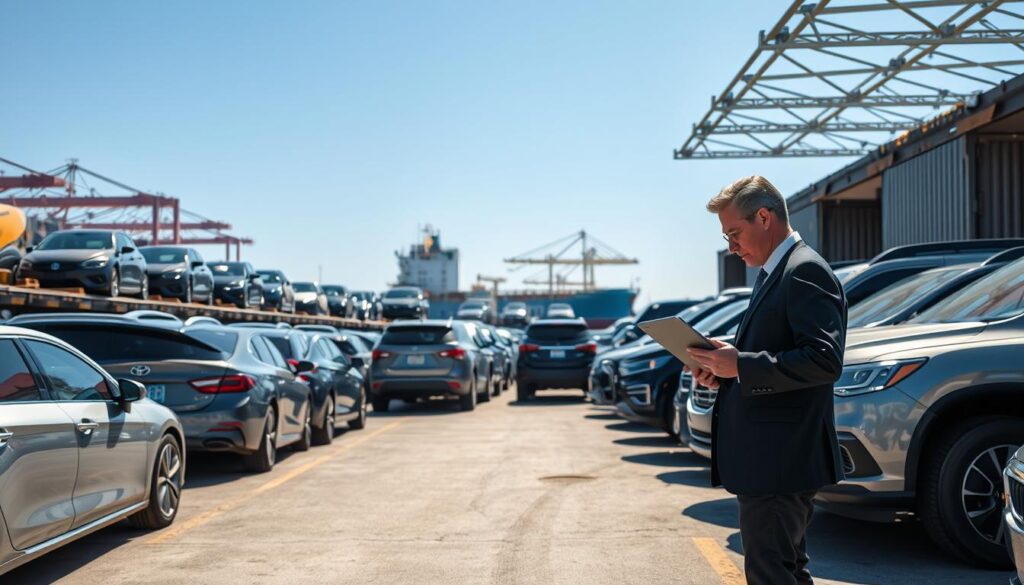
Monarch Transport Group lays out a clear roadmap to move your vehicle with minimal hassle and full visibility.
This section serves as a single resource to understand the vehicle shipping process from booking to delivery. It explains how transport companies and carriers coordinate with brokers and customers.
Key features:
- Step-by-step explanation of quotes and verification.
- How logistics teams assign a unique tracking number to each shipment.
- Tips to compare companies and evaluate carrier reliability.
The company emphasizes transparent quotes and confirmed pickup windows. Customers receive a number that tracks progress and verifies every quote as legitimate.
Follow these steps to compare options, select the right carrier, and manage delivery expectations without surprises.
Essential Preparation Steps for Your Vehicle
A few clear preparation steps cut risks and speed up pickup on any long-distance vehicle move. These actions protect the owner’s investment and help the carrier complete the delivery on time.
Cleaning and Inspection
Always wash the exterior so dings and scratches are visible. Note every blemish on the Bill of Lading and sign only when the documented condition is correct.
Removing Personal Items
Empty the interior. Personal items are not covered by the carrier’s insurance, and loose objects can cause damage during transport.
Mechanical Checks
Verify tire pressure, battery charge, and fluid levels before pickup. Low pressure or weak batteries create delays and increase risk over long miles.
- Tip: Take high-resolution photos at pickup to document condition.
- Benefit: Proper prep turns a stressful experience into a smooth transport.
Decoding Shipping Costs and Market Variables
A clear breakdown of fees makes it easier to compare companies and spot hidden charges when you ship a car. The final price depends on a few predictable variables.
Vehicle size matters. Moving a small sedan costs far less than hauling a heavy-duty truck or large SUV. Larger vehicles take more space on a carrier and raise the cost.
Distance and route affect the number on your quote. Remote pickups add extra miles and time. Longer runs and scarce routes push up the cost.
Market variables also shape rates. Seasonality, fuel prices, and carrier availability can swing prices week to week. Flexibility with pickup and delivery dates often secures better rates.
- Tip: Get multiple quotes from different companies to compare total fees.
- Tip: Confirm the quote includes all fees so the final delivery price matches the estimate.
Comparing Open and Enclosed Transport Methods
Selecting the right transport format balances budget, risk tolerance, and the vehicle’s value.
Choosing the Right Protection Level
Open transport is the most common and cost-effective option. It suits daily cars and routine moves. Most carriers run open trailers, which keeps cost per mile lower.
Enclosed transport uses a hard-sided trailer to shield vehicles from road debris, rain, and sun. This service adds protection and a higher price. Owners of classic or luxury cars often prefer enclosed transport to reduce the risk of damage.
Key considerations:
- Budget vs. value: Choose open for economy; choose enclosed for high-value cars.
- Safety: Both methods prioritize safe loading, securement, and careful delivery.
- Condition assessment: The company will evaluate each car and recommend the best option.
Navigating Logistics and the Last Mile
Last-mile logistics decide whether your car arrives at the door on schedule or needs extra coordination.
Cross-country moves typically take about 7 to 10 days of driving time. Drivers stay on main interstates to save time and miles. That routing keeps delivery predictable.
When a pickup or delivery sits in a remote area, the carrier may request a nearby meeting point. This step reduces delays and avoids long detours into rural towns.
Monarch Transport Group manages logistics from start to end. The company assigns drivers, plans the best route across the United States, and monitors progress. Customers receive timely updates so they know exact pickup and delivery windows.
- Efficiency: Route planning cuts miles and time on the road.
- Visibility: Tracking and regular updates prevent surprises.
- Flexibility: Meeting points save time when access is limited.
This focused approach ensures your vehicle shipping works with your schedule and that cars reach their final door without unnecessary delay.
Vetting Carriers and Avoiding Common Scams
A solid vetting routine separates reputable transport companies from risky operators.
Vetting transport companies is the most important step in this guide. It protects your car and reduces the chance of damage or surprise fees.
Red Flags to Watch For
Be wary of unusually low quotes. A very low price often hides extra fees or ends with a cancelled pickup after a deposit.
A pushy salesperson who demands immediate payment is a red flag. Legitimate companies offer a clear, written quote and let customers compare rates.
- Check for a physical address and consistent online reviews.
- Watch for changing prices or demand for large deposits.
- Avoid companies that refuse to provide plain written terms.
Verifying FMCSA Credentials
Every company that transports vehicles commercially must have an active USDOT number and FMCSA registration.
Use the FMCSA SAFER system to confirm a motor carrier’s authority and insurance. A verified number proves the company has operating authority and required coverage.
“Always confirm insurance limits and the carrier’s USDOT number before booking.”
Monarch Transport Group recommends checking records and contacting multiple companies. For vetted options, review the highest rated auto transport companies list.
Managing Insurance and Legal Documentation
Legal records and cargo coverage are the backbone of any safe vehicle move.
The Bill Lading is the primary legal contract between shipper and carrier. It records the condition of your vehicle at pickup and at delivery. Sign only after you confirm the listed condition matches what you photographed.
Every reputable transport company must carry liability and cargo insurance. Typical coverage ranges from $100,000 to $250,000 per load. Ask for the carrier’s policy details and the cargo insurance limits before pickup.
| Document | Why it matters | Action |
|---|---|---|
| Bill Lading | Legal proof of vehicle condition | Verify, photograph, sign last |
| Carrier Insurance | Covers liability and cargo loss | Request limits and policy number |
| Broker Records | Facilitates claims and communication | Keep all quotes and confirmations |
Monarch Transport Group acts as your advocate when damage occurs. As a broker, the company helps file a claim and pursues fair compensation. Always review your quote and contract so you understand coverage and any impact on final price.
“Verify insurance independently and document every step to protect your vehicle during transit.”
If you need help, contact the team at info@bestcarshippinginc.com or (307) 288-5972.
Specialized Transport for EVs and Oversized Vehicles
Not all transports fit standard trailers; EVs and lifted trucks demand tailored equipment and procedures.
EVs are heavier than many gasoline cars. That extra weight reduces a carrier’s load capacity and changes how trucks are balanced. Drivers follow strict safety protocols to secure batteries and avoid strain on tie-down points.
Oversized vehicles take more trailer spots. A lifted F-250 may block space and raise the total cost of the move. Carriers plan routes and pickup windows with vehicle size in mind.
Monarch Transport Group accounts for weight and dimensions when preparing quotes. The company assigns trained crews and the right gear so vehicles load and travel safely.
| Vehicle Type | Key Requirement | Impact on Cost |
|---|---|---|
| Electric vehicles | Battery protocols; lower charge level limits | Moderate to high (weight affects capacity) |
| Lifted/oversized trucks | Special ramps; extra trailer spots | High (uses more space and equipment) |
| Classic or custom cars | Enclosed trailers; extra tie-down care | Higher (protection adds fee) |
Tip: Ask the company about required battery charge at pickup and confirm insurance limits. For enclosed transport options, review enclosed transport options when extra protection is needed.
“Specialized handling ensures non-standard vehicles arrive without damage.”
For questions, contact info@bestcarshippinginc.com or (307) 288-5972.
Handling International Imports and Regulations
Import rules can change the timeline and price of moving a vehicle across borders. Owners should plan for customs checks, duties, and federal standards well before pickup. Clear preparation reduces delays and unexpected fees.
Key compliance note: vehicles 25 years or older are exempt from FMVSS safety standards. This exemption often simplifies import paperwork for classic cars.
The Twenty-Five Year Rule
The 25-year rule means eligible cars avoid certain DOT and EPA requirements. Even so, passenger imports typically face a 2.5% duty. Trucks may encounter the higher 25% “Chicken Tax” that raises the final price.
Practical steps: verify EPA and DOT forms, secure required bonds, and calculate duties and other fees up front. Work with a reputable company that handles international logistics and insurance documentation.
For specialized cross-border examples and assistance with quotes, see the guide to how to ship my car from Canada to. Proper documentation avoids fines or forced export and keeps your transport on schedule.
What to Expect During Pickup and Delivery
Expect a short, clear inspection at pickup. A professional driver will check the car and record every mark on the Bill Lading before loading. This document becomes the baseline for any future claim.
During transit the company provides regular updates so customers know the estimated time and pickup number for tracking. These messages help plan around delivery to the door and avoid unnecessary wait time.
At delivery, inspect the vehicle in good lighting. Compare condition to the Bill Lading and the photos you took at pickup. Note any new damage on the delivery receipt before the carrier leaves.
- The pickup and delivery process is where preparation meets professional execution.
- Report any damage to the carrier in writing within 24 hours to ensure the claim is processed.
- Monarch Transport Group coordinates carriers and brokers to secure better rates and reliable service.
If questions arise about the quote, price, or transit miles, contact the company immediately. The team is available to answer concerns and confirm final delivery details.
“Inspect your vehicle against the Bill Lading at delivery and report any issues within 24 hours.”
Need help? Email info@bestcarshippinginc.com or call (307) 288-5972 for fast support on pickup, delivery, and claims.
Conclusion
Use this closing overview to confirm the key actions that safeguard your vehicle during transit. Verify the motor carrier and review cargo insurance limits. Document condition on the Bill Lading at pickup to protect value and speed any claim for damage.
Compare quotes from multiple companies. Balance rates and service to find the best price and peace of mind. Monarch Transport Group focuses on transparent communication and a reliable experience to bring your vehicle to its destination at the end of the move.
Need route specifics or local options? See the Upton transport page or contact the company to confirm pickup windows and final costs.