
Relocating across the country brings many tasks, and vehicle transport is often one of the most important. Professional car shipping offers a clear way to move a vehicle without adding miles or risking wear.
BestCarShippingInc and Car Talk experts recommend planning early. Get multiple carrier quotes, confirm insurance coverage, and compare delivery times and prices. That approach reduces surprises and protects the condition of cars during transit.
Reliable auto transport companies provide secure pickup, careful loading, and tracked shipment updates. Owners save time and avoid long drives, while drivers and carriers handle logistics and fuel stops. For clear communication and dedicated service, call (307) 288-5972 or email info@bestcarshippinginc.com.
Key Takeaways
- Professional car shipping protects vehicle condition and reduces wear.
- Request multiple quotes to compare price, delivery time, and insurance.
- Choose reputable carriers with documented tracking and clear policies.
- Plan pickup and delivery details early to avoid delays and extra costs.
- Contact customer service for straightforward communication and peace of mind.
Understanding Cross-State Vehicle Shipping
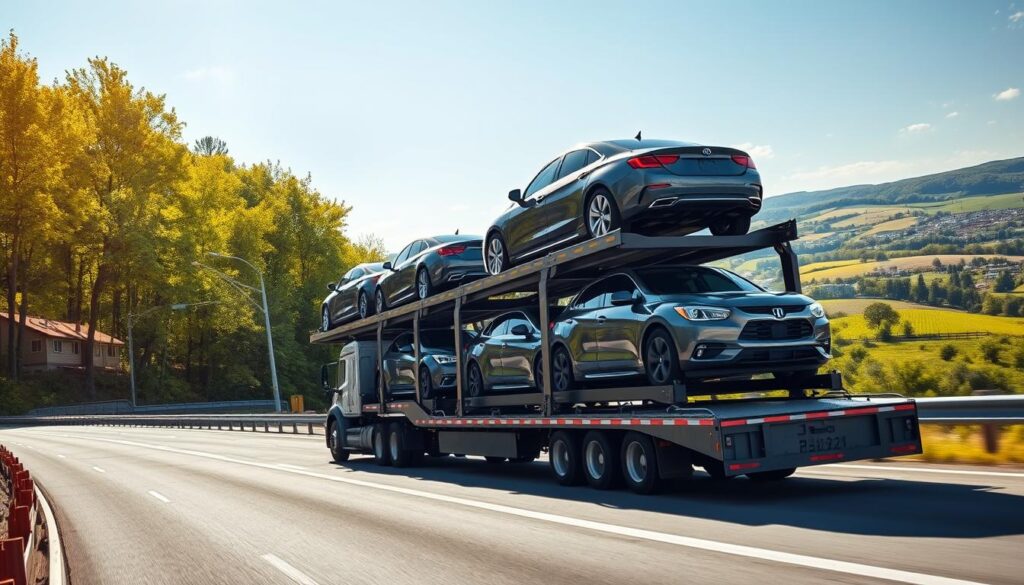
Cross-country auto transport moves a vehicle long distances without driving it yourself. This service saves time and prevents extra miles on your car.
Consumers often choose car shipping when they lack time or want to protect vehicle value. Professional companies coordinate pickup, secure loading, and delivery scheduling.
Reliable carriers handle routing, paperwork, and condition checks. That oversight reduces risk and keeps the process predictable.
- Auto transport firms manage logistics so customers can focus on other parts of relocation.
- Car transport options suit family sedans and luxury vehicles alike.
- Working with a vetted company ensures experienced handling from pickup through delivery.
Choose a carrier that documents condition at pickup and offers clear timelines. Quality service prioritizes vehicle safety and on-time arrival across the country.
How to Ship a Car During a Cross-State Move

Starting the reservation early reduces last-minute issues and unexpected costs. Booking vehicle transport begins with an accurate quote based on vehicle type and distance. That quote sets expectations for price and transit time.
The Booking Process
Provide exact pickup and delivery addresses. Include vehicle make, model, and any special needs.
Carriers use that data to calculate costs and choose the proper equipment. Compare quotes from multiple companies for best prices and service.
Setting Delivery Expectations
Transit times vary with road work, traffic, seasonality, weather, and driver hours. For short hauls under 200 miles, expect one to two days.
Reliable carriers give a delivery window and update on shipment progress. Be flexible—weather or delays can change arrival dates.
“Clear pickup windows and prompt communication reduce delivery surprises.”
| Step | What to Provide | Typical Outcome |
|---|---|---|
| Request Quote | Vehicle details, distance, dates | Estimated cost and transit window |
| Confirm Booking | Pickup instructions, contact info | Scheduled carrier assignment |
| Prepare for Pickup | Keys, inspection, remove personal items | Smoother handoff and clear condition record |
Questions? Contact BestCarShippingInc at (307) 288-5972 or email info@bestcarshippinginc.com for a quick quote and reliable service.
Comparing Different Transport Methods
Choosing the right transport method affects cost, protection, and delivery timing for any vehicle move. This decision depends on vehicle value, schedule, and tolerance for exposure.
Open Trailer Transport
Open trailers are the most common and the most cost-effective way for standard commuter cars. They move multiple vehicles on a single truck and keep pricing lower.
Note: vehicles are exposed to weather and road debris during transit.
Enclosed Carrier Benefits
Enclosed carriers offer four walls of protection. This option suits classic and luxury vehicles and reduces risk from weather or road damage.
Expect rates about 40% higher than open transport. Many owners choose this for high-value car shipping.
Rail and Air Options
Rail and air provide alternatives. Rail can be economical for long hauls but adds handling steps. Air is the fastest option but also the most expensive.
Compare options by weighing budget, delivery time, and required protection. Professional auto transport companies present multiple choices so owners can select the best carrier and service.
- Open trailer: popular, cost-effective, exposed to elements.
- Enclosed carrier: premium protection, higher price.
- Rail/air: alternative choices with trade-offs in time and cost.
For a clear quote and to ship your car across states, contact the company for tailored recommendations on the best transport option.
Factors Influencing Your Shipping Quote
Carriers weigh several variables when they calculate a final quote. Distance is a primary driver. Long hauls often cost less per mile than short runs; uShip reports rates from about $0.78 per mile for long trips up to $2.92 per mile for shorter moves.
Vehicle size and weight affect equipment needs and price. An SUV or classic car often costs more than a compact sedan because of handling and space requirements.
Transport method matters. Open transport remains the most affordable option. Enclosed carriers add protection but raise the price by a notable margin.
Seasonal demand, pickup and delivery location, and the vehicle’s condition also shape costs. Companies factor in special pickup constraints, added miles for remote addresses, and any insurance or extra coverage requested.
“Obtain multiple quotes and compare services so price reflects the service level and protection you need.”
- Distance and miles driven by carriers
- Vehicle type and condition
- Transport option and seasonal demand
- Pickup/delivery access and insurance needs
Tip: Move.org notes a 2,000-mile shipment averages about $1,700. Request several quotes from vetted carriers and confirm coverage before booking. For assistance, contact BestCarShippingInc at (307) 288-5972 or info@bestcarshippinginc.com.
Essential Preparation Steps Before Pickup
Preparing the vehicle properly protects its condition and keeps costs predictable. Owners who follow a short, consistent checklist reduce delays and help the carrier complete pickup on schedule.
Cleaning and Inspection
Clean the car thoroughly before the driver arrives. A spotless interior and exterior make it easy to document preexisting damage.
Remove personal items and detach accessories like bike racks or antennas. That prevents loss and limits liability during transport.
Mechanical Readiness
Check battery health, tire pressure, lights, and fluid levels. Test the emergency brake—carriers will not accept vehicles that cannot be secured.
Keep the fuel level under one-quarter tank. Less fuel lowers weight and can reduce shipping cost while still allowing local movement on and off the truck.
- Confirm the vehicle starts and shifts through gears smoothly.
- Document the car’s condition with photos and notes for delivery comparison.
- Provide clear pickup instructions and a reliable contact number for the driver.
These steps streamline the pickup process. They protect the vehicle during long-distance transport across country and help ensure an accurate delivery and an on-time handoff with the carrier.
Navigating Insurance and Coverage Requirements
Before pickup, confirm coverage limits so the shipment stays protected from first mile to last. Insurance decisions shape financial exposure if the vehicle suffers damage in transit.
Carriers normally provide cargo insurance for loads. Open transport carriers commonly carry between $100,000 and $150,000 in coverage. Ask the carrier for a certificate of insurance before you accept a quote.
Document everything. Take photos at pickup and get a signed bill of lading. That record is essential if you file a claim for damage after delivery.
- Confirm carrier limits and exclusions.
- Compare carrier protection with your personal auto policy.
- Consider supplemental options, such as AmeriFreight’s gap coverage that pays up to $2,000 toward a deductible.
“A clear bill of lading and certificate of insurance speed claims and protect owners during cross-country transport.”
For detailed guidance on selecting reliable service and coverage, review BestCarShippingInc’s car transport services or contact (307) 288-5972 or info@bestcarshippinginc.com.
Working with Brokers Versus Direct Carriers
Choosing between a broker and a direct carrier affects how the shipment is managed and who handles customer communication. Brokers use networks of vetted carriers to match customers with the best option for timing, cost, and protection.
Jeff Dominas of Sherpa Auto Transport notes that brokers often secure clearer updates and fairer pricing by negotiating across multiple carriers.
Leveraging Broker Expertise
Brokers handle the administrative work. They get quotes, verify carrier insurance, and coordinate pickup and delivery windows. That relief reduces stress for customers moving a vehicle across the country.
Direct carriers concentrate on the actual hauling. Their crews load, secure, and drive the truck. For some owners, hiring a single carrier is simpler and can reduce layers of communication.
“Brokers can negotiate better timing and pricing because they work with many carriers,” — industry source.
| Feature | Broker | Direct Carrier |
|---|---|---|
| Primary role | Match customers with carriers and manage logistics | Operate truck and perform physical transport |
| Customer contact | Handles updates and service issues | Driver provides pickup and delivery status |
| Price negotiation | Can compare quotes and negotiate better rates | Fixed rate based on route and truck |
| Best for | Long-distance moves needing coordination | Simple, direct hauls with clear pickup points |
Tip: For transparent service and reliable coordination, consider speaking with a broker when you need multiple quotes or extra oversight. For a local option, see car shipping and auto transport Upton or contact BestCarShippingInc at (307) 288-5972 or info@bestcarshippinginc.com.
Managing Personal Items Inside Your Vehicle
Transport rules limit what can ride inside a transported vehicle and how it must be secured. Owners should confirm policies with their carrier before packing. Simple, clear communication prevents surprises at pickup.
Most auto transport companies allow up to 100lbs of personal items. Those items must sit in the trunk or cargo area and be secured inside a single box or suitcase.
Do not place items on front seats or floorboards. Loose belongings can shift, damage the interior, or affect delivery inspection results. The Department of Transportation forbids shipping personal property outside a vehicle on an open trailer.
Document what remains in the car. Note contents on the bill of lading and take photos at pickup and delivery. That record supports any claim related to the shipment.
- Confirm the company policy before loading any personal items.
- Pack items in one secured container and keep fuel under one-quarter tank for safety and transit time efficiency.
- Always tell the carrier about items left inside so insurance and service terms stay valid.
For specific guidance, review regional rules or see Florida to North Dakota car shipping, or contact BestCarShippingInc at (307) 288-5972 or info@bestcarshippinginc.com.
Evaluating Top Rated Shipping Companies
Top-rated transport firms earn trust through consistent delivery performance and transparent pricing. Reviews and industry scores reveal how companies handle pickup, delivery windows, and claims.
Check BBB ratings, recent customer feedback, and the range of service options. For example, SGT Auto Transport holds BBB accreditation and a B rating. Sherpa Auto Transport and Montway Auto Transport are often recommended for reliability and strong customer service.
Ask for clear written quotes and certificate of coverage. Reliable companies provide detailed pricing, expected transit time, and a named driver or carrier network.
- Confirm documented driver standards and proof of insurance.
- Compare quotes for price and included protections.
- Prioritize carriers with strong delivery records and responsive support.
“Choosing a vetted company reduces surprises and protects the vehicle throughout the transport process.”
Compare multiple providers and use localized options when practical. For regional listings and a local point of contact, visit company locations.
Alternatives to Professional Auto Transport
Long-distance driving or trailering can seem cheaper until you add lodging, meals, and fuel. Owners often underestimate the cost and the value of time used on a multi-day trip.
The Reality of Driving or Towing
Driving your own vehicle across country remains a common choice. It adds wear, increases miles, and raises the chance of mechanical issues.
Towing with a rental truck is another option. It requires specialty hitches, careful handling, and often higher daily truck rates. That can push the total price above many shipping quotes.
“When you factor fuel, hotels, and time, professional car shipping often proves more cost-effective.”
- Driving: more personal control, greater wear and fuel costs.
- Towing: needs equipment and experience; may carry higher truck and insurance fees.
- Professional transport: less stress, predictable delivery, and options like open transport or expedited service.
Evaluate the total cost, distance, and condition tolerance before deciding. For many, hiring an experienced company and carrier offers the best balance of price and peace of mind.
Handling International Vehicle Shipments
Moving a vehicle overseas requires planning for ocean transit, local regulations, and destination inspections. International shipping often adds fees for agent services, taxes, and port handling that local moves do not incur.
Owners should confirm customs rules and safety standards in the destination country. Compliance with traffic and consumer protection laws is mandatory before shipment.
Work with experienced auto transport providers. A qualified company will prepare customs documentation, arrange port handling, and track the shipment from origin to delivery.
- Get a detailed quote that lists agent fees, duties, and destination handling charges.
- Verify safety and equipment requirements for the receiving country.
- Ensure the vehicle is prepared for ocean transit to limit corrosion and damage.
Clear documentation and an informed carrier reduce issues and time delays. For international moves, confirm insurance coverage and keep copies of all paperwork.
Contact BestCarShippingInc at (307) 288-5972 or email info@bestcarshippinginc.com for guidance on cross-border transport, distance estimates, and reliable international service.
Conclusion
Using certified carriers makes long-distance delivery more predictable and secure. Professional auto transport offers a clear way to move vehicles across the country while reducing wear and travel stress.
Understand the basic process, estimate cost and time, and compare quotes before you commit. Knowing typical costs and fuel impacts helps set realistic expectations for price and transit time.
Choose a reputable company that documents condition, confirms insurance, and provides delivery updates. That care protects value and simplifies claims if issues arise.
Need a quote or guidance on car shipping and the best options for your schedule? Call our team at (307) 288-5972 for fast help and competitive prices from a trusted auto transport company.