
Door-to-door transport promises the easiest way to move a vehicle without visiting terminals. A professional driver handles pickup at your home and aims to deliver the vehicle to your destination, reducing your time and hassle.
SGT Auto Transport has helped over 500,000 customers in the United States, which shows how reliable this type of shipping service can be. Still, exact pickup and delivery points depend on truck access, local regulations, and distance.
Knowing the process helps manage expectations about transit time, transport cost, and condition checks at pickup and delivery. Before booking, confirm accessible locations and ask the carrier for updates so the delivery day goes smoothly.
Key Takeaways
- Door-to-door service is designed to save time by avoiding terminals.
- A professional driver handles pickup and delivery near your home or office.
- Confirm pickup delivery locations and truck access before booking.
- Inspect the vehicle at pickup and delivery to protect its condition.
- SGT Auto Transport’s experience with 500,000+ customers shows reliability.
- Compare options and price with trusted listings like auto hauler companies.
Understanding the Reality of Door-to-Door Car Shipping
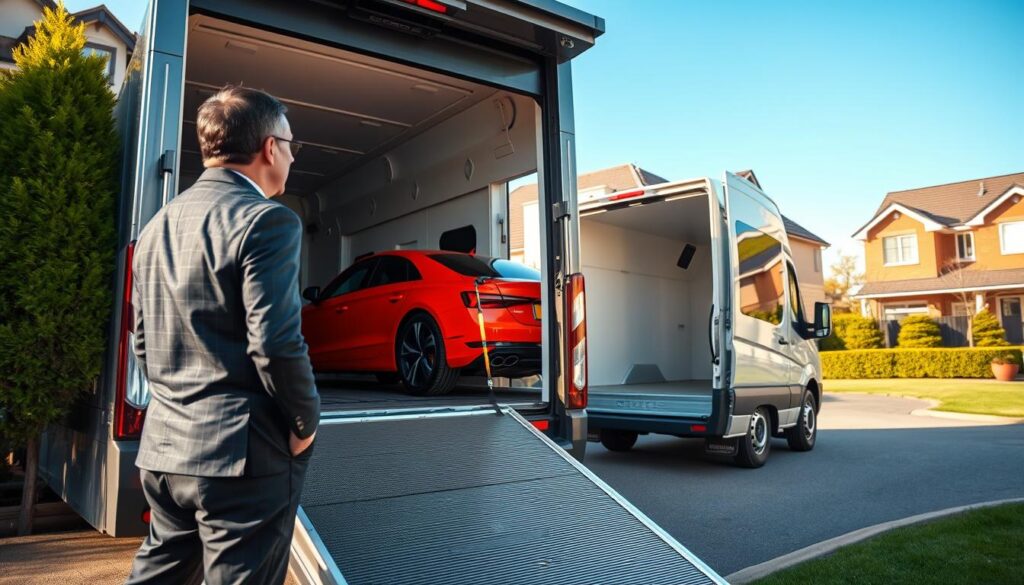
Door-to-door vehicle pickup means the carrier will come as close to your address as safety rules allow.
Large trucks cannot always navigate narrow residential streets or tight turns. Local regulations, low-hanging trees, or parking limits may force the driver to choose a nearby, accessible spot for pickup or delivery.
This auto transport service is designed to save time and reduce hassle. Still, flexibility about exact pickup delivery points helps avoid delays and extra cost.
- Safety first: carriers follow road and municipal rules when deciding where to park.
- Practical pickup: meeting at a nearby lot is common when truck access is limited.
- Reliable handling: a professional transport company protects vehicle condition from pickup to delivery.
Discuss specific locations and updates with your carrier before the scheduled day to align expectations on time, price, and distance.
Is Door-to-Door Car Shipping Really Door-to-Door?
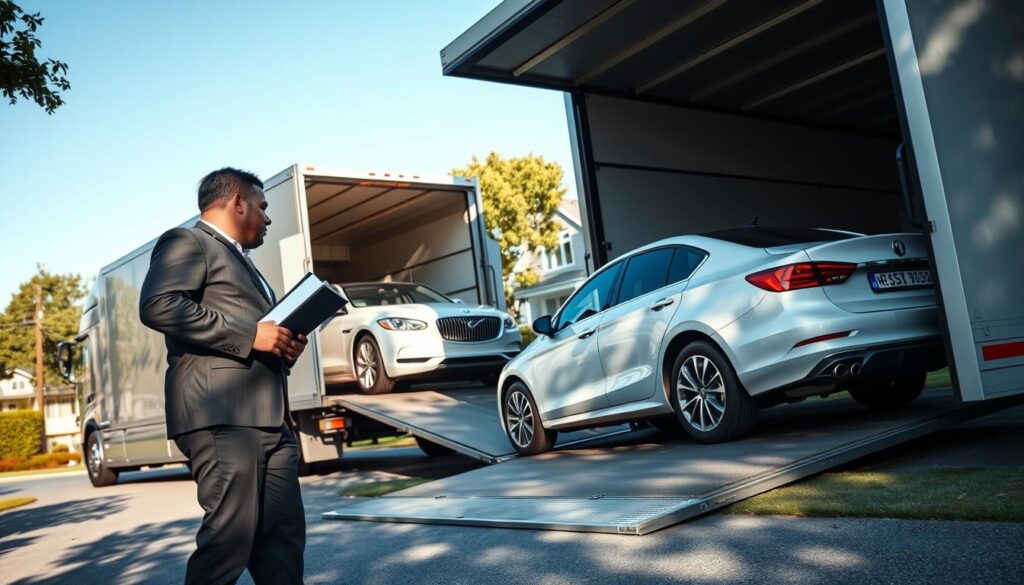
A personalized pickup and dropoff plan gives customers control over where a vehicle begins and ends its trip.
Defining the service: door car transport is a tailored logistics option. The carrier works to reach the requested pickup and destination when truck access and local rules allow.
Managing Expectations
Customers choose this door auto transport to avoid terminal waits. A professional driver handles loading to reduce handling and protect condition.
Safety and municipal limits may force a nearby meeting spot. The transport company will explain any alternative locations, expected delivery time, and how distance affects price.
- Control: You pick preferred pickup delivery points when accessible.
- Communication: The carrier updates the pickup day and route.
- Convenience: This option minimizes extra steps compared with terminal service.
For a clear quote and regional service details, check local car shipping service options and confirm truck access before the scheduled day.
How the Door-to-Door Transport Process Works
A clear, step-by-step process guides each move from pickup at your home to final delivery at the destination.
The process begins when a customer books and provides simple vehicle and location details.
After booking, the carrier confirms a pickup day and coordinates timing. At pickup, the driver performs a detailed inspection to document condition for the Bill of Lading.
- Secure loading: the vehicle is fastened and placed on the truck following safety checks.
- Managed transit: the auto transport carrier plans the route, monitors road conditions, and works to meet the delivery day.
- Tracking and updates: customers can follow progress and receive arrival windows.
On arrival, a second inspection verifies the vehicle arrived in the same condition. Signing the delivery paperwork completes the door auto transport process and hands the vehicle back for regular use.
For local car shipping options and a clear quote, see local car shipping options.
Why Residential Access Can Be Limited
Tight neighborhood layouts often force transport crews to plan alternate pickup spots before the scheduled day.
The most common limits come from narrow streets, low clearances, and tight turns that large haulers cannot negotiate safely. Drivers assess the route and choose the best nearby point to meet for pickup or delivery.
Navigating Narrow Streets
Large vehicles are wider and longer than typical passenger rigs. This makes tight turns and narrow lanes risky for the vehicle and neighborhood property.
The driver prioritizes safety and the condition of your vehicle. If the home driveway or street is not suitable, the carrier will suggest a safe, accessible meeting spot.
Legal and Safety Regulations
Many municipalities restrict commercial trucks in certain residential zones. Local rules protect road integrity and public safety.
Compliance matters: carriers must follow these laws. That may mean using a nearby parking lot or terminal instead of the exact home address.
- Plan ahead: confirm access with the carrier before the pickup day.
- Expect alternatives: a nearby lot often replaces direct driveway delivery.
- Communicate: notify the driver about gates, speed bumps, or HOA rules to avoid delays.
Benefits of Choosing Direct Vehicle Transport
Direct vehicle pickup and delivery streamlines relocation by keeping the process focused and efficient.
This auto transport option removes the need to visit remote terminals. Customers save valuable time and reduce travel stress.
Fewer handoffs during transit lower the chance of damage. A single driver handles loading and delivery, which protects the vehicle.
Saving Time and Effort
Door car delivery brings the vehicle as close to the destination as access allows. This reduces extra mileage and the costs of gas or overnight stays.
- Straightforward process: simplified pickup and delivery scheduling.
- Reduced handling: fewer transfers mean lower risk during transport.
- Flexible timing: schedule a pickup day that fits your plans.
| Benefit | Impact | Typical Savings |
|---|---|---|
| Terminal avoidance | Less waiting and coordination | $100–$300 in time and travel costs |
| Fewer handoffs | Lower damage risk | Reduced repair exposure |
| Personalized pickup | Convenience and control | Saves a day of travel effort |
Comparing Open and Enclosed Shipping Options
Open racks move most vehicles, while enclosed trailers offer top-tier protection. Open auto transport is the industry standard. It is cost-effective and widely available for standard sedans, SUVs, and trucks.
Enclosed shipping wraps the vehicle from weather and road debris. This option suits luxury, classic, and high-value vehicles. Owners who prefer added protection accept a higher price for fewer exposure risks.
- Cost vs. protection: open car shipping saves money; enclosed reduces damage risk.
- Service choice: the carrier will quote both methods so customers can compare price and coverage.
- Driver care: the door auto driver follows strict loading and safety protocols for either transport type.
- Decision factors: vehicle value, distance, and personal tolerance for exposure guide the choice.
Practical tip: many owners ship a daily driver on open racks and reserve enclosed transport for rare or collectible vehicles. Discuss specific needs with your provider to select the right transport service and delivery plan.
Factors That Influence Your Final Shipping Cost
Price estimates depend on practical elements like route, vehicle size, and timing.
Distance and route drive the largest share of the total fee. Most moves fall between $500 and $2,500, with averages around $0.70 to $1.50 per mile. Longer routes and indirect paths increase time and fuel use, which raises the final price.
Vehicle Type and Size
Larger or heavier vehicles use more trailer space and may need special handling.
This changes loading plans and the number of vehicles a carrier can carry on one trip. That increases the cost for oversized sedans, trucks, and specialty vehicles.
Expedited Service Needs
Faster pickup and quicker delivery are premium services. Expedited door car transport shortens transit time but increases the fee.
Carrier scheduling, driver availability, and fuel surges factor into expedited pricing.
- Market demand: peak seasons push prices higher.
- Remote locations: add mileage and access charges.
- Transparency: a reputable provider gives a clear cost breakdown before booking.
| Factor | Typical Impact | Estimated Cost Effect |
|---|---|---|
| Distance / Route | Primary driver of total price | $0.70–$1.50 per mile |
| Vehicle size | Affects space and handling | $50–$400 extra depending on size |
| Expedited service | Faster pickup & delivery | 20%–50% premium |
| Remote pickup / delivery | Extra miles & time | Variable surcharge |
Final note: compare quotes and confirm what the fee covers. The door auto driver will confirm details at pickup so the quoted price matches the delivered service. For questions, contact the team at info@bestcarshippinginc.com or call (307) 288-5972.
Preparing Your Vehicle for Safe Transit
A short prep routine protects your investment and speeds the pickup process.
Remove all personal items before the carrier arrives. Personal belongings are not covered by insurance and add risk during the transport process.
Keep fuel low — about a quarter tank. A lighter load improves safety and helps the driver load the vehicle more easily.
Take clear photos of the vehicle from multiple angles. These images document condition for delivery and simplify any later claims.
- Secure loose parts: remove or fasten spoilers, roof racks, and aftermarket pieces.
- Note mechanical issues: tell the carrier if the vehicle has starting or steering problems.
- Clean the interior: an empty cabin allows a precise inspection at pickup and delivery.
“Proper preparation is the best way to reduce delays and ensure the vehicle arrives in the same condition.”
| Task | Why it matters | Quick tip |
|---|---|---|
| Remove belongings | Protects items and insurance limits | Check trunk and glove box |
| Fuel level | Reduces weight and hazards | ~25% tank recommended |
| Document condition | Proof for claims and delivery | Use dated photos before pickup |
Following these steps helps the driver stay on schedule and supports a smooth delivery. For questions, contact info@bestcarshippinginc.com or call (307) 288-5972.
What to Expect During the Pickup Phase
A concise inspection at collection sets the legal baseline for the entire transport.
Before loading, the owner and the carrier perform a joint review. This step documents the vehicle’s condition and prevents disputes during delivery.
Documenting Vehicle Condition
The Bill of Lading is the official record used at both pickup and delivery. Both parties must note existing dents, chips, or scrapes before the auto transport team begins.
- Walk-around inspection: Check exterior panels, glass, tires, lights, and interior together.
- Legal record: The Bill of Lading lists damage and serves as the shipping document for claims.
- Owner photos: Take timestamped images from multiple angles for added proof.
- Driver checks: The door transport driver confirms mechanical notes and secures the vehicle for transit.
- Agent option: If you cannot attend, designate an authorized signer to represent you.
“A clear inspection and signed paperwork keep the delivery phase straightforward.”
Once the inspection and signatures are complete, the transport process begins. Clear communication with the driver and carrier ensures the service proceeds as planned.
Tracking Your Vehicle During the Journey
Real-time tracking gives customers visibility into their vehicle’s route and estimated arrival.
Most reputable auto transport companies include tracking or regular updates as part of their service. Customers receive progress messages from the carrier and can see the truck’s route when GPS is enabled.
Contact options are simple. Owners may call the driver or the company support team for location details and timing changes.
- Regular updates: expect status messages and arrival windows during transit.
- Driver contact: direct phone access helps resolve timing or pickup questions.
- Transparency: carriers notify customers about delays caused by traffic or weather.
- Planning: cross-country moves typically take 5–8 days; short trips often finish in 1–3 days.
Use the tracking tools to plan your schedule around delivery. A clear line of communication with the driver helps ensure you are ready at pickup and on the final delivery day.
“Reliable updates and direct access to the driver keep vehicle owners informed and confident throughout transport.”
For questions or more details about tracking and pickup, contact info@bestcarshippinginc.com or call (307) 288-5972.
Essential Steps for a Smooth Delivery Inspection
The delivery inspection is the decisive step that protects the owner and the carrier.
Compare the vehicle against the original Bill of Lading with the driver present. Walk the exterior slowly. Look for new dents, chips, or loose trim.
Start the engine and test lights, signals, and brakes. Check the interior for stains, missing items, or unusual smells. Confirm the odometer and fuel level match the pickup record.
Be precise: note any discrepancy on the delivery document before signing. The carrier cannot accept changes after it leaves.
- Document everything: take timestamped photos of any damage.
- Ask questions: the driver will explain straps, tie-downs, and condition notes.
- Refuse to sign if major issues are unrecorded; request time to compare with pre-trip photos.
Thorough inspections finalize the transport process and protect the owner’s rights. For trusted provider options and automotive shipping listings, see automotive shipping listings.
“A detailed handoff prevents disputes and closes the move with confidence.”
Handling Inoperable or Specialized Vehicles
When a vehicle cannot roll, specialized gear and experienced crews are essential.
Handling inoperable auto transport requires tools such as winches, go-jacks, and skates to move the vehicle safely onto the trailer. These devices reduce stress on frames and prevent further damage.
The transport company will assign a carrier and a team that know how to use the equipment. If your car does not run, confirm condition during booking so the right crew and tools arrive at pickup.
Specialized services cover classic and luxury vehicles, project cars, and incomplete builds that need mechanic access after delivery. The door process for these moves is more complex, and the team secures vehicles with extra care.
- Protective loading: extra straps and padding for delicate parts.
- Experienced crews: trained to avoid added wear when loading and unloading.
- Cost note: expect higher fees due to labor and special equipment.
For guidance on moving a non-running vehicle, see the cheapest way to move a non-running. A professional carrier ensures the vehicle arrives safely and with respect for its value.
Choosing a Reliable Auto Transport Provider
Selecting the right provider makes the difference between a smooth transfer and a stressful move.
Start with credentials. A reputable company will be fully licensed and insured. Nexus Auto Transport, for example, holds an A+ rating with the Better Business Bureau and has over 5,000 five-star reviews. That level of feedback shows consistent service and customer care.
Look for clear communication. The best firms offer regular updates, direct contact with the carrier, and a transparent price breakdown before booking. Confirm how they handle delays, damage claims, and any special vehicle needs.
- Verify licensing: DOT number and active insurance.
- Read recent reviews: focus on delivery reliability and handling.
- Ask about drivers: vetted teams with experience for your vehicle type.
- Confirm updates: clear tracking and timely communication throughout transit.
Pro tip: compare quotes and check a provider’s complaint history. For a local reference and booking help, view this full service guide to confirm regional options and standards.
“A trusted provider makes the entire move effortless, from quote to final delivery.”
Common Challenges and How to Overcome Them
Unexpected access limits, traffic delays, and sudden weather can change a planned pickup or delivery window.
Limited residential access is common. When streets or driveways block a truck, meet at a nearby lot or safe curbside location. This simple step keeps the move on schedule.
Scheduling delays arise from traffic or routing. Maintain a flexible timeline and expect a modest buffer when booking. That helps avoid last-minute stress.
Weather can slow transit. Plan a cushion of extra days and monitor forecasts. A little lead time reduces disruption.
- Stay in touch: call the carrier or driver for live updates.
- Be flexible: accept nearby pickup points when needed.
- Plan buffers: allow extra days for weather or traffic delays.
“Clear communication and small schedule buffers resolve most issues and protect the vehicle throughout auto transport.”
If questions arise, contact the support team at info@bestcarshippinginc.com or call (307) 288-5972 for assistance.
Conclusion
Final guidance helps owners protect their investment and plan with confidence.
Understanding the process makes door car transport predictable and stress-free. Prepare the vehicle, confirm access, and keep clear communication with the assigned driver.
Choose a reputable firm: a vetted provider offers licensed teams, transparent pricing, and reliable updates for door auto transport. This reduces surprises and supports timely delivery.
For local transport options and an accurate quote, visit regional car transport services. Good preparation and steady contact with your carrier make door car shipping the safest, most convenient choice for owners.
Need help? Email info@bestcarshippinginc.com or call (307) 288-5972 for booking and questions about door transport.