
BestCarShipping Inc. presents a Canada-focused, professional auto transport solution for those who need reliable movement across the long corridor between the two cities. The route spans roughly 4,300–4,400 km and common transit time is about 14 days when providers combine truck and rail.
The goal is clear: ship a car safely, on schedule, and with transparent quote steps that lower stress. Clients get tracking updates and can choose door-to-door or terminal-to-terminal pickup and delivery.
BestCarShipping positions itself as a solid alternative to driving. It reduces mileage, limits exposure, and delivers structured scheduling rather than roadside uncertainty.
Customer service focuses on fast response, careful inspections, and thorough documentation that protect the vehicle and the owner’s time. For a fast quote and booking support contact info@bestcarshippinginc.com or call (307) 288-5972. Learn more about Ontario options at our Ontario page.
Key Takeaways
- Professional, Canada-focused auto transport with clear timelines and handling.
- Typical transit ~14 days using truck and rail combinations.
- Options for door-to-door or terminal delivery and live tracking.
- Emphasis on protective handling, inspections, and customer service.
- Fast quote and booking via email at info@bestcarshippinginc.com or (307) 288-5972.
Reliable Vehicle Transport Across Canada, Built for Vancouver-to-Toronto Moves
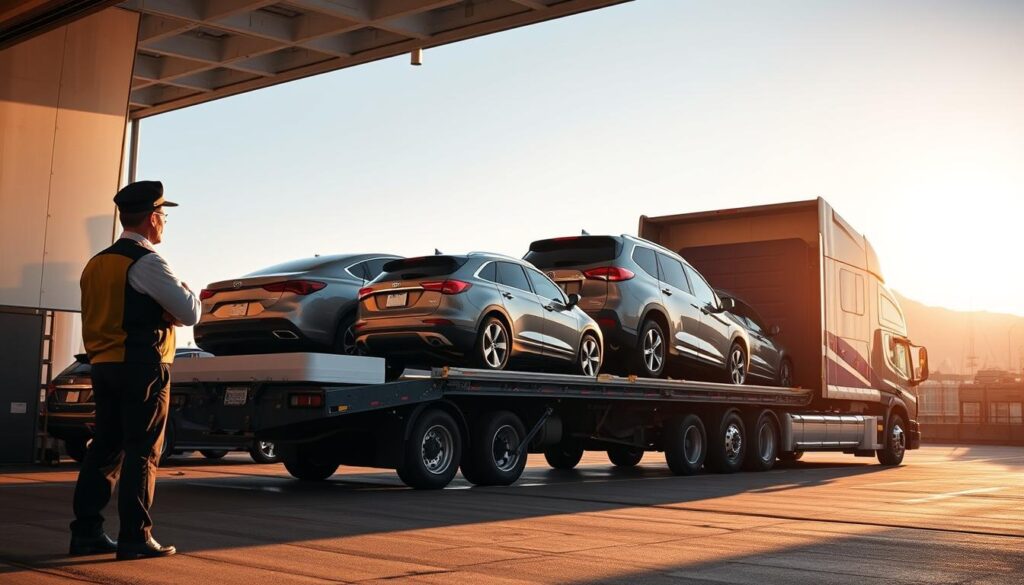
Long-haul vehicle transport along Canada’s main corridor requires precise planning and proven processes. This service is designed for moves that demand timing, clear updates, and careful handling.
Who this service is for
Relocation customers, professionals on strict schedules, families coordinating logistics, and businesses managing fleet moves use these services. Common reasons include job relocation, student moves, seasonal transfers, and interprovincial purchases.
Why shipping beats driving 4,400 km yourself
Driving more than 4,400 km can exceed 40 hours behind the wheel. Choosing expert transport eliminates long wear, reduces fatigue risk, and avoids variable weather and road hazards.
- Cost trade-offs: fuel, hotels, meals, and maintenance add up. Time off work also factors in.
- Time and convenience: professional planning saves the owner time and provides predictable arrival windows.
- Peace of mind: clear communication and structured pickup/delivery meet the customer’s needs.
BestCarShipping Inc. runs proven corridor operations across canada with coordinated truck-and-rail options. For those who need to ship car long-distance, this company offers structured planning and a predictable schedule. Expect distance and time estimates next as the route overview outlines typical windows and coordination steps.
Car Shipping Vancouver to Toronto

Pickups start near Greater Vancouver and proceed on a long-haul path that commonly uses rail linehaul with trucked first and last miles.
Route overview from Greater Vancouver terminals to the GTA: vehicles move east across Alberta, Saskatchewan, and Manitoba along CN/CP corridors. Freight yards handle the mainline transfers and local carriers perform final pickup and delivery into the Greater Toronto area as the primary destination.
How multimodal transport works and why it matters
Combining rail for the long haul with trucks for first/last miles reduces cost and improves schedule reliability. Rail offers steady transit windows while trucks provide flexible pickup and delivery.
Common reasons customers choose this corridor
Typical motivations include job relocation, student moves, seasonal returns, and interprovincial purchases. Businesses also rely on repeatable transportation for dealer transfers, corporate fleets, and moving company logistics.
- Operational expectations: scheduled handoffs at yards, planned delivery windows, and dispatch coordination that aligns capacity with demand.
- Risk reduction: structured planning and professional handling cut exposure compared with a long self-drive.
How Long Does It Take and What Impacts Delivery Time?
Estimating how long transport will take depends on distance, mode, and seasonal demand. The lane spans roughly 4,300–4,400 km and published benchmarks place typical transit at about 14 days.
Typical transit time and distance benchmarks
Use the 14-day estimate as a baseline. Some moves may long take less when direct truck service is available. Others extend when yard handling or rail schedules cause holding.
| Mode | Typical transit | Common range | Notes |
|---|---|---|---|
| Truck only | 10–14 days | 8–16 days | Faster pickup, flexible routing |
| Rail + truck | 12–16 days | 10–20 days | Cost-efficient; yard handling affects timing |
| Enclosed/priority | 9–15 days | 7–18 days | Limited capacity; higher cost |
How rail and truck scheduling affects arrival windows
Rail runs on set departures and yard windows. That makes transit an operational window rather than a fixed timestamp.
Truck segments handle first and last miles and often provide near-real-time tracking. Expect daily rail updates and closer-to-live truck status near delivery.
Seasonality and capacity during peak moving months
Summer and early fall tighten capacity and can extend windows by several days. Off-peak moves may place a vehicle faster and with more flexible pickup dates.
Provide full booking details at quote time so the team can schedule the right equipment and reduce avoidable delays. For clear timing and support contact info@bestcarshippinginc.com or call (307) 288-5972.
Transport Options: Open Carrier, Enclosed Trailer, Rail + Truck
Three primary modes serve long-distance vehicle moves, each balancing cost, protection, and timing.
Open carrier is the standard option for everyday vehicles. It offers the best availability and cost-efficiency on major corridors. Carriers load multiple units on exposed trailers, which lowers price and speeds scheduling.
Enclosed trailers are for luxury, vintage, or high-value units. They reduce exposure to weather and road debris and limit handling points. Owners choose this when minimizing risk and potential damage is a priority.
For long rail corridors, the common model pairs mainline rail with truck first/last miles. Rail reduces long-haul cost and provides steady transit windows. Trucks handle pickup and final delivery around terminals.
To decide, match the vehicle type and risk tolerance with these factors:
- Budget: open carrier lowers cost; enclosed raises it.
- Exposure: enclosed reduces weather and debris risk; rail limits road miles.
- Timing: truck-only moves are faster; rail offers predictable windows.
Professional services include condition reports and basic insurance coverage. Selecting the right option reduces handling touchpoints and lowers the chance of damage. Learn more about open transport choices at open-air transport guidance.
Pickup and Delivery Choices That Fit Your Needs
Choosing the right pickup and delivery option shapes cost, timing, and convenience for every long-distance move.
Door-to-door service for home or business
Door pickup is a scheduled appointment at a residence or commercial address. Dispatch confirms an arrival window and provides driver contact.
Expect curbside limits on large buildings and strict access rules for gated communities. Communication is key; the company coordinates permits and instructions ahead of time.
Terminal-to-terminal for lower costs
Terminal delivery means drop-off and pickup at logistics yards. This option often lowers costs by simplifying routing and consolidating loads.
Customers should plan for yard hours and travel to the destination terminal. It is a flexible choice when budget matters more than door convenience.
GTA destination notes: Final-mile timing can vary with traffic and appointment windows. Downtown or high-density areas may need stricter time slots.
- The company manages scheduling, confirmations, and status updates.
- Choose door pickup for speed and convenience.
- Choose terminal pickup for savings and scheduling flexibility.
| Option | Best for | Typical advantage |
|---|---|---|
| Door-to-door | Customers needing convenience | Direct pickup, minimal extra travel |
| Terminal-to-terminal | Price-sensitive customers | Lower costs, simple routing |
| Hybrid (terminal + local delivery) | Businesses and complex destinations | Balance of cost and convenience |
For clear planning and a fast quote, contact the company at request a Denver-area quote or email info@bestcarshippinginc.com. Call (307) 288-5972 for scheduling help.
Car Shipping Costs and Pricing Factors for Vancouver to Toronto
Budgeting begins with market averages and a clear explanation of what affects a final quote.
Average price ranges by vehicle type and method
Use these 2025 Canadian benchmarks as planning ranges, not fixed rates.
| Method | Vehicle type | Average price (CAD) | Notes |
|---|---|---|---|
| Open carrier | Sedan | $1,200–$1,600 | Most available; cost-efficient |
| Open carrier | SUV / Pickup | $1,400–$1,900 | Higher length/weight affects rate |
| Enclosed | Luxury / Classic | $2,000–$2,600+ | Limited capacity; added protection |
| Rail + truck | All types | $1,200–$2,000 | Cost-efficient long haul; yard handling affects timing |
What changes your quote
Size and weight: longer or heavier units raise handling and rate.
Operability: non‑operable vehicles need special handling and higher fees.
Pickup window and fuel: tight delivery windows and fuel surcharges change final costs.
Seasonality and rate movement
Demand peaks in summer and early fall. Expect rates to rise ~10–15% during those months.
Transparency matters. A reputable car shipping company provides a clear quote, explains assumptions, and lists included services before booking.
Next: the process from quote to delivery shows how the team manages timing and protects your vehicle and schedule.
Our Car Shipping Process From Quote to Delivery
The company follows a four-step process so customers know what to expect. This workflow keeps communication clear and protects the vehicle at each stage.
Request a quote with vehicle and route details
Start by submitting an accurate quote request. Include make, model, dimensions, operability, and preferred pickup and delivery locations.
Accurate details reduce delays and avoid last-minute equipment changes or added fees.
Scheduling pickup and confirming transit options
The dispatch team calls to confirm pickup windows and discuss transport choices: open, enclosed, or rail + truck.
Dispatch aligns expectations and books the right carrier based on timing and protection needs.
Vehicle tracking updates during truck and rail transit
Tracking varies by leg. Truck segments usually show frequent status updates.
Rail updates typically arrive daily while the vehicle is on mainline yards.
“You will receive milestone updates so you always know where your vehicle is in transit.”
Delivery coordination and final handoff
The team confirms arrival, schedules the final pickup window, and reviews required documentation for handoff.
Customer service coordinates the handoff, inspects condition reports, and closes the job once the owner signs.
For a fast quote or scheduling help contact info@bestcarshippinginc.com or visit our car transport from USA to Canada page.
Insurance Coverage, Inspections, and Damage Prevention
Protecting a valuable vehicle starts before pickup. BestCarShipping uses clear insurance practices and standard inspections to reduce risk. Customers should review policy limits and exclusions so expectations match reality.
What insurance coverage typically includes
Insurance usually covers physical damage while the unit is under the carrier’s custody. This includes collision, weather-related harm, and loading mishaps within set limits.
Owners should check deductibles, excluded events, and whether third-party items are covered. Ask for the policy summary at booking.
Pre-transport condition report and photo documentation
Carriers perform a written condition report and take timestamped photos before pickup. The same report is reviewed at delivery for a clear handoff.
“A documented condition report speeds any claim and removes ambiguity at delivery.”
How enclosed and rail options reduce exposure risks
Enclosed transport limits weather and road-debris exposure. Rail linehaul reduces highway miles for the long segment, lowering roadside risk during transit.
Professional securement, careful loading, and coordinated handoffs further prevent damage. Customer readiness on pickup day speeds processing and supports safe handling.
| Option | Typical insurance scope | Exposure reduction |
|---|---|---|
| Open carrier | Standard cargo coverage; moderate limits | Higher exposure to debris and weather |
| Enclosed trailer | Enhanced protection; limited units per trailer | Strong reduction in weather and debris risk |
| Rail + truck | Railline cargo insurance; yard handling noted | Less highway exposure; yard handling risk remains |
How to Prepare Your Car for Shipping Day
Preparing the vehicle the day before pickup reduces delays and speeds claims processing.
Cleaning and inspection checklist before pickup
Wash and inspect so pre-existing marks are visible. Take a full photo walkaround. Timestamp each image for the condition report.
- Document: front, rear, both sides, odometer, and any damage.
- Note: loose trim or chips before handoff to avoid disputed claims.
Personal items, alarms, toll devices, and spare keys
Remove personal items and valuables. Loose items can shift and cause damage or complicate claims.
Disable alarms, toll tags, and immobilizers. Leave one spare key with the driver or dispatch as agreed.
Fuel level and operability requirements
Keep fuel under one quarter tank for safety and weight limits. Confirm operability with the carrier in advance.
| Prep item | Why it matters | Carrier note |
|---|---|---|
| Clean & photos | Clear evidence for condition and insurance | Provide images at booking if requested |
| Remove items | Prevents shifting and loss | Carrier won’t transport valuables |
| Fuel & operability | Safety and loading rules | Declare inoperable units ahead of pickup |
Share accurate pickup details with dispatch. That helps meet customer needs and prevents day‑of rescheduling. For questions or to ship my car from Canada to, email info@bestcarshippinginc.com or call (307) 288-5972.
Conclusion
Choosing professional transport removes the guesswork and protects timelines during long cross-country moves.
BestCarShipping provides focused vehicle transport that reduces wear, manages risk, and offers clear delivery windows. The team handles scheduling, updates, and inspections so customers keep control of time and expectation.
Buyers should weigh options, timelines, costs, and preparation. Select door pickup for convenience or terminal pickup for savings based on relocation reasons, budget, and risk tolerance.
Request a quote today and speak with customer service for scheduling guidance. Early booking in peak months helps secure capacity and control costs.
Contact: info@bestcarshippinginc.com | (307) 288-5972 — request a quote today and let the company protect your vehicle and schedule.