
When a vehicle arrives and it refuses start, the result is frustration and delay. Valvoline Global Operations notes this silence is common after transit. This brief guide gives clear steps for diagnosing the issue.
The first focus is the electrical system. Inspect the battery, terminals, cables, and connection points. Voltage loss and loose terminals often explain starting problems.
Next, assess fuel and engine readiness. Fuel can settle if the vehicle sat for days, and engine components may need brief priming. Ignition faults are less common but part of the checklist.
This process saves time and money by avoiding unnecessary service. If an owner prefers expert help, professionals can assist quickly and get the vehicle ready for the road in minutes. For more transport tips, see our guide at vehicle transport tips.
Key Takeaways
- Start with the battery, terminals, and cable connections.
- Check fuel and engine readiness when a vehicle sat for days.
- Voltage loss is a common cause of starting problems.
- Following basic steps can save time and money on service.
- Professional help is available if the issue persists.
Initial Assessment After Vehicle Delivery
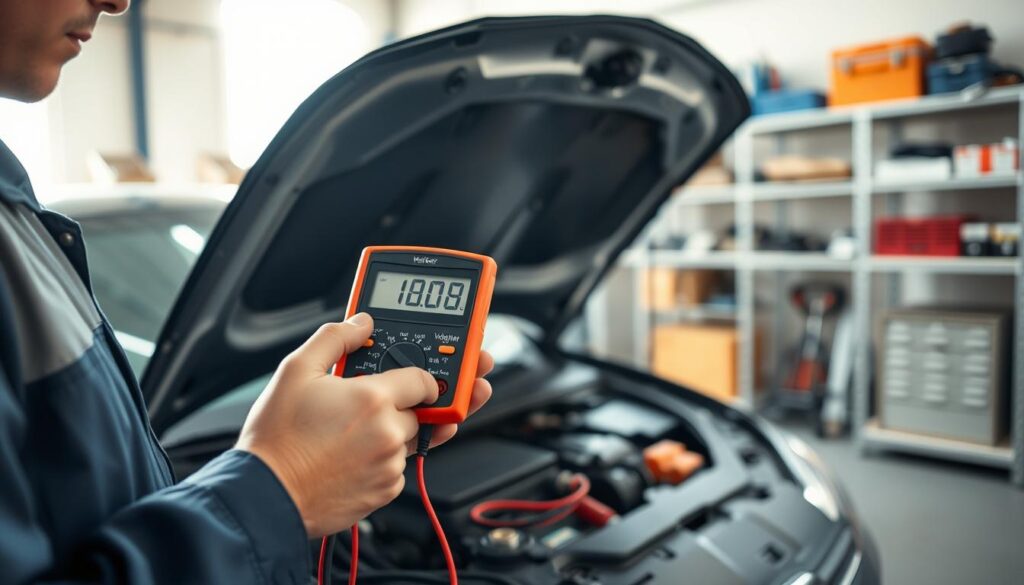
Begin your post-delivery review with a concise walk-around to spot visible damage, loose fasteners, or fluid leaks. A brief visual check often points to simple fixes and reduces unnecessary service time.
Visual Inspection
- Look at the body and undercarriage for dents, scrapes, or fresh damage.
- Open the hood and scan the engine bay for loose wires, disconnected plugs, or corrosion on terminals.
- Verify that all lights and dashboard indicators illuminate; warning lights can reveal system faults after days of transit.
AAA recommends regular battery maintenance to reduce starting issues. Measure voltage with a meter; a healthy charge should read near 12.6 volts at rest.
If the battery is over three to five years old, it may lack sufficient charge and need replacement. Simple inspection and early maintenance saves money and time.
For help with long-distance transport and follow-up guidance, see our resource on reliable vehicle transport.
Car Won’t Start After Shipping What to Check Regarding Electrical Systems
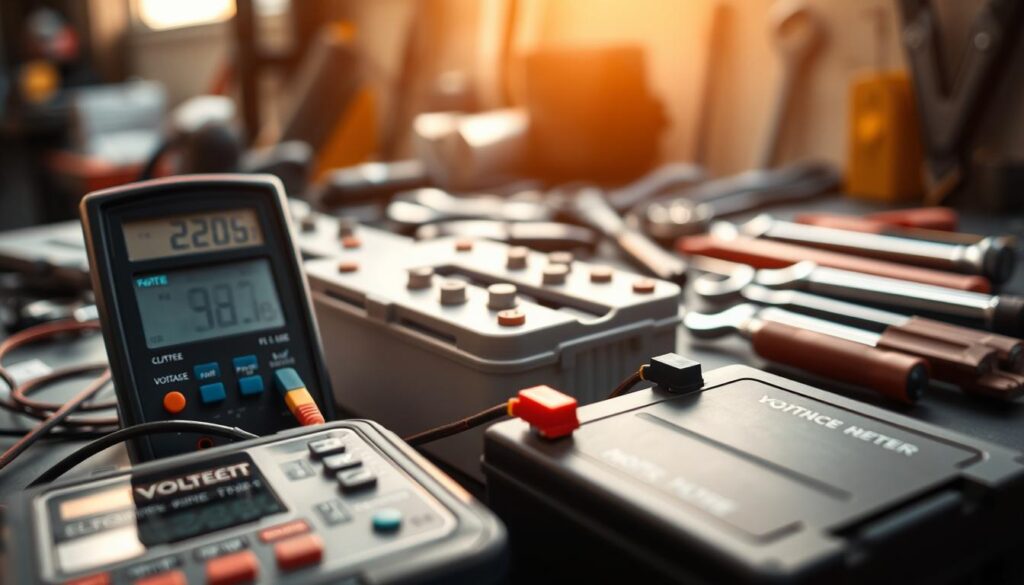
Begin with a focused inspection of the electrical components that power the vehicle. Inspect battery terminals and cables for firm connection. Loose terminals often cause starting issues after long transit.
Use a multimeter to measure resting voltage. A healthy battery should read about 12.6 volts. Low charge makes the starter motor struggle and can mask ignition faults.
If the engine does not turn over, test the starter for clicks or no response. That takes a few minutes of safe troubleshooting. Also inspect the ignition coil and spark plugs for wear that prevents proper spark.
- Ensure all lights are off to prevent parasitic drain during transit.
- If needed, follow safe jumpstart steps and connect cables in the correct order.
Routine maintenance of the starter and ignition system reduces these problems and saves time. For related transport services and affordable options visit cheap car shipping.
Fuel System and Engine Performance Issues
Fuel-system faults can stop an engine from firing even when batteries and wiring are fine. These faults often show as hesitation or a crank with no run. A quick, focused review saves time and avoids unnecessary repairs.
Fuel Pump and Filter Obstructions
Inspect the pump and filter for blockages. A clogged fuel filter or failing fuel pump will limit pressure and starve the engine. If the engine cranks but fails to run within a few minutes, low pressure is likely.
- Look for debris in the fuel filter and replace if dirty.
- Listen for the pump prime when the key is turned; silence can signal a failed pump.
- Keep the tank at least a quarter full to maintain steady pump function during transit.
Fuel Evaporation Concerns
Older fuel can evaporate or lose quality during long idle periods. Low-quality fuel and vapor lock reduce injector performance and ignition reliability.
“Keeping your fuel system clean is like keeping your heart healthy—it’s all about prevention.”
Regular maintenance of the fuel filter and pump prevents these common issues. For professional help with transport and post-delivery inspections, see our vehicle transport service.
Ignition Component Failures
When the engine turns over yet refuses to fire, attention should shift to the ignition components. A failing ignition coil can fail to send voltage to the spark plugs and cause misfires.
Worn spark plugs are common after several years of use. Look for carbon buildup or rounded electrodes. These signs block proper spark and stop the engine from firing even when the engine cranks.
Verify the starter motor connection and battery cables. Loose connections can let the dashboard light up while preventing the starter from engaging.
Spend a few minutes inspecting plugs, coil leads, and cable terminals. If issues persist, a professional can test coil output and fuel delivery under load.
- Tip: Clean or replace fouled spark plugs to restore reliable spark.
- Tip: Tighten battery connections before further diagnosis.
Regular maintenance of the ignition system saves time and reduces roadside surprises. For prep guidance before transport, see prepare for transport.
When to Seek Professional Auto Repair Services
Complex mechanical symptoms often hide beneath routine indicators and need expert diagnosis. If basic troubleshooting does not resolve the problem, a trained technician will find underlying faults quickly.
Identifying Complex Mechanical Symptoms
Look for clear signals that require professional help. If the engine cranks but fails to run, or you notice unusual smells, stop further DIY attempts and call for service.
- Persistent dashboard warnings are a strong sign that systems need diagnostic tools.
- If electrical checks and the battery look normal but problems persist, ignition or fuel pump faults may be present.
- Strange odors or visible damage after transit suggest potential internal or fuel system issues.
- Choose a reputable local repair shop; Consumer Reports notes this yields personalized attention and reliable results.
Local search helps. SEO expert John Mueller says local keywords connect owners with trusted professionals faster. For a practical resource on long-distance moves, see the Florida to North Dakota transport guide.
“It’s not just about fixing cars—it’s about building trust and relationships with customers.”
When in doubt, use professionals. Skilled technicians protect vehicle quality, explain the repair process, and limit further damage so owners can get back on the road with confidence.
Conclusion
Taking a few simple steps now avoids long diagnostic waits later. A short inspection of the battery and basic systems saves time and limits surprises on the road.
Use this guide to diagnose common faults with battery, fuel, and ignition. Inspect connections and look for weak voltage or clogged lines after several days of transit.
If a persistent issue remains, seek professional service. Certified technicians restore engine function quickly and protect vehicle condition.
For reliable transport and follow-up support, consider Irvine transport experts. Their team provides tailored solutions that help keep your car in peak performance.