
Facing a non‑starting vehicle despite a healthy battery can feel urgent. First, stop cranking the ignition to avoid overheating the starter. A short pause protects components and helps with diagnosis.
Engines need fuel, spark, and air in the right balance. Jeff Barron at Interstate Batteries notes that missing any one will prevent the engine from running. That means a charged cell pack does not rule out other faults.
A handheld jump pack can help if systems lack power and a roadside jump is not available. Use the pack for a safe, quick boost and then seek professional diagnostics. A jump is a temporary fix; underlying electrical or ignition faults may still exist.
Prioritize safety and expert testing. If stranded in the United States, contact a trusted shop for full checks. Clear, prompt service protects the vehicle and the owner’s schedule.
Key Takeaways
- Stop repeated cranking to protect the starter and wiring.
- A charged battery does not eliminate fuel, spark, or air issues.
- Handheld jump packs offer a safe, portable power option.
- Jumping may revive systems but is not a permanent repair.
- Professional diagnostics can reveal alternator or ignition failures.
- Seek a trusted local shop for reliable, transparent service.
Understanding Why Your Car Won’t Start But Battery Is Good What To Do USA
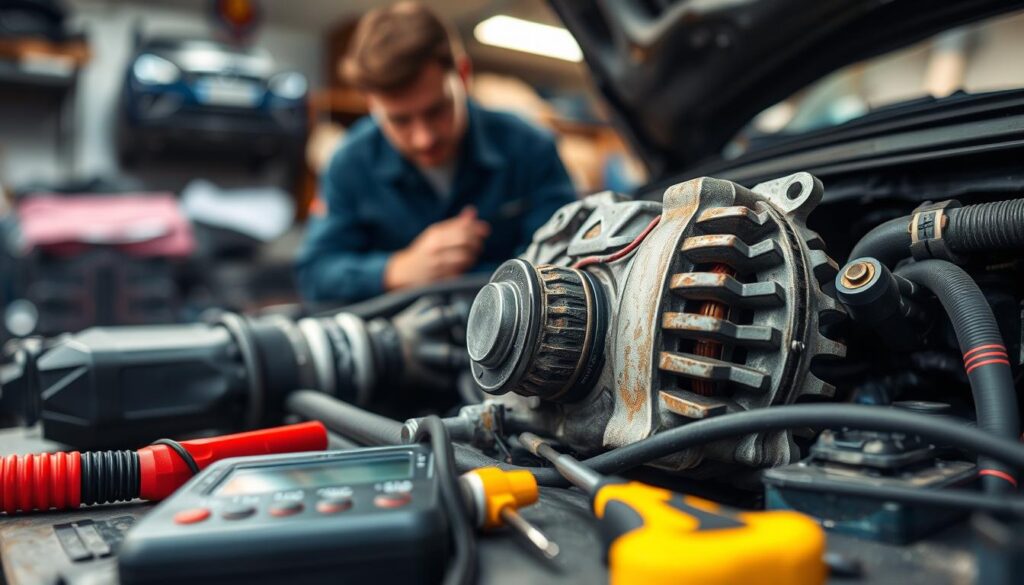
When a vehicle refuses ignition despite a healthy charge, the fault often lies elsewhere in the starting system. Identifying common reasons fast saves time and expense. Newnum and Sons Garage in Covington, IN, helps drivers pinpoint the actual problem.
Bright dash lights do not guarantee the engine will turn over. Strong lights often point away from the energy source and toward fuel, ignition, or starter faults.
- If attempts yield a single rapid clicking, the starter or its circuit likely fails despite a charged cell.
- A faulty ignition switch can cut power to the fuel system and mimic dead-terminal signs.
- A bad alternator may let the vehicle run only after a jump, showing it cannot maintain charge.
Systematic checks are essential. Examine fuel delivery, spark, and electrical connections. These common reasons often mean replacing parts other than the battery and avoid unnecessary swaps.
Initial Battery and Connection Inspections
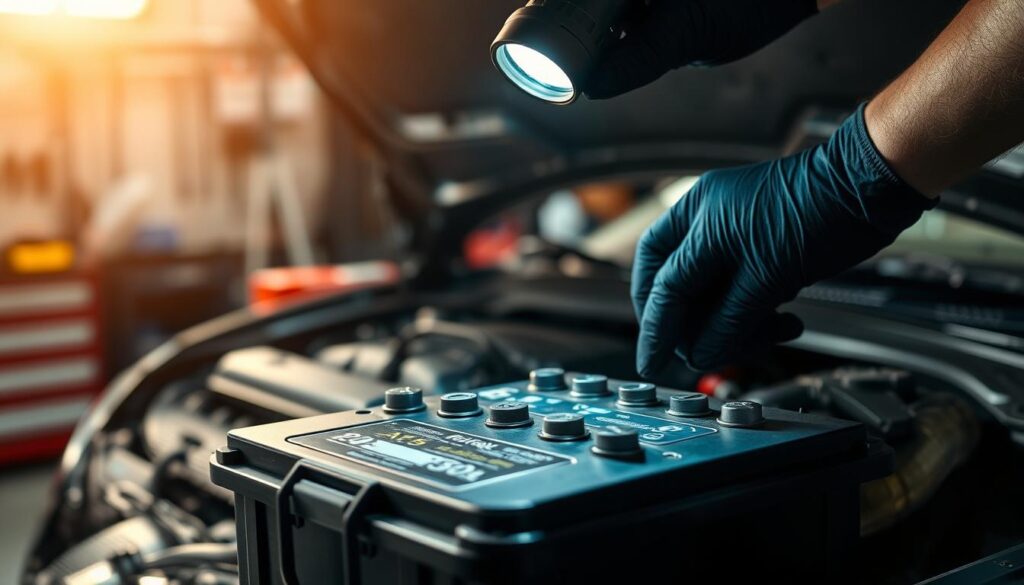
A brief hands-on check of clamps, wiring, and fuse locations can rule out simple faults fast. Begin with a visual review before using tools.
Signs of a Healthy Battery
Measure voltage at rest with a multimeter; a healthy cell shows about 12.6 volts. Strong dashboard and headlights are practical signs the pack can deliver enough amperage for the starter and engine systems.
If lights are dim, the charge may be weak even when terminals look intact. Verify illumination and use the meter to confirm the condition rather than guessing.
Cleaning Corroded Terminals
Inspect clamps for white or greenish buildup that blocks electrical contact. Loose or corroded connections often cause a no‑power issue and mimic more serious problems.
Remove corrosion with a wire brush, tighten cables, and recheck operation. Also inspect the fuse box for a blown fuse or damaged fuses that protect ignition, starter, and fuel components.
- Verify cable routing and wiring for frays.
- Confirm tight clamps and clean terminals restore flow in many cases.
Evaluating the Starter Motor Performance
If the key produces a single loud click or a fast clicking rhythm, suspect the starter unit. Rapid clicking usually means power reaches the solenoid but the motor cannot engage the flywheel.
Starters are not built for extended runs. Avoid holding the key more than 30 seconds; extended cranking can burn the motor and worsen the issue.
Recognizing Clicking Noises
Listen for distinct sounds. A single click points to a failed solenoid or worn pinion. Rapid click sequences often show low current or internal starter failure.
- A whirring without crank often means the pinion is not meshing with the flywheel.
- If cables and charge have been checked, the starter becomes the next test point.
- Have a technician perform a bench or load test to confirm motor wear or solenoid faults.
| Sound | Likely Cause | Recommended Action |
|---|---|---|
| Single loud click | Solenoid fault or poor engagement | Inspect solenoid; test starter under load |
| Rapid clicking | Insufficient current or worn motor | Check cables, connections, then replace starter if needed |
| Whirring without crank | Pinion not engaging flywheel | Inspect starter drive; consider replacement |
Troubleshooting the Ignition Switch
A failing ignition switch can block the starter signal even when dashboard lights appear normal. Internal contacts wear over time and cause intermittent or complete loss of connection.
If the key turns and the dash illuminates but the engine does not crank, the ignition switch may be the culprit. This part sends the command that lets the starter motor engage the flywheel and deliver power to vital systems.
“Loss of steady contact in the ignition switch can cut power to the fuel system or starter, causing unexpected stalls.”
Check the key for wear. A damaged key can fail to engage the switch. If the vehicle starts then dies, that pattern often points at switch failure rather than the battery.
- Inspect key and cylinder for play or rough rotation.
- Note if lights dim or systems drop when the key moves.
- Consult a technician; replacement requires electrical testing and proper alignment.
For professional help, contact the service team at Best Car Shipping Inc.: info@bestcarshippinginc.com or (307) 288-5972.
Investigating Fuel System Failures
When the engine cranks but will not run, the fuel delivery path is a prime suspect. Inspecting fuel components early saves time and cost. Fuel issues often mimic electrical faults and require focused checks.
Fuel Pump Malfunctions
If the starter turns the motor but ignition never happens, a failed pump may be blocking flow. A healthy pump often emits a faint hum when the key moves to the on position. Silence at that moment signals a likely fault.
Symptoms include brief sputter then immediate shutoff. That pattern shows inconsistent fuel pressure or a clogged line. A blown fuse in the pump circuit can stop the unit; checking the fuse box is a fast diagnostic step.
Empty Gas Tank Indicators
Never overlook the simple reasons. A low or empty tank will prevent combustion even with strong power and a charged cell.
Professional shops can measure fuel pressure and test pump current. When in doubt, request a pressure test and a fuse inspection. These checks reveal causes quickly and guide repair decisions.
Identifying Alternator and Charging Issues
If voltage stays below 13.1 volts while the engine runs, suspect alternator trouble. A steady charge above that threshold shows the alternator is supplying current. At rest, a healthy battery should read over 12.75 volts.
Watch for dimming or brightening headlights and accessory lights with RPM changes. These swings point to inconsistent charging and a likely alternator fault. Repeated need for a jump often signals a failing charging unit rather than a weak cell.
Have a technician perform a charging system test. The test shows whether the alternator produces the correct voltage and current. Ignoring the problem can damage batteries and leave the vehicle stranded.
- A bad alternator drains the battery over time.
- Voltage should rise toward 14 volts when the motor runs.
- Professional testing confirms alternator output and prevents further component damage.
| Symptom | Likely Cause | Recommended Action |
|---|---|---|
| Voltage | Alternator output low | Perform charging system test; replace alternator if needed |
| Headlights dim/bright with RPM | Alternator regulation fault | Inspect belt, regulator, and alternator |
| Frequent jump starts | Alternator fails to recharge | Test alternator and batteries; service immediately |
Need help? Contact Best Car Shipping Inc. at info@bestcarshippinginc.com or (307) 288-5972 for guidance and service referrals.
Checking Fuses and Electrical Relays
Inspecting fuses and relays offers a fast route to rule out simple electrical faults. The fuse box holds the starter relay and several fuses that protect circuits from surges that can damage components.
Locating the Fuse Box
Consult the owner’s manual for the exact location and diagram. Many vehicles place the fuse box under the dash or in the engine bay. The manual identifies which fuse maps to the ignition or fuel system.
Use a fuse puller to remove suspect fuses. A visible broken link or darkened element signals a blown fuse and often fixes the problem with a low‑cost replacement.
- A malfunctioning relay can cut power before it reaches the starter and mimic a drained battery.
- If a new fuse blows immediately, suspect a short in the wiring or a failed component and stop further swaps.
- Signs of melted plastic or burnt wiring near the fuse box require professional repair to prevent fire risk.
Checking fuses is a standard diagnostic step. It saves time and prevents unnecessary trips for major service. For expert help, contact Best Car Shipping Inc. at info@bestcarshippinginc.com or (307) 288-5972.
Assessing Engine Control Module Health
The engine control module (ECM) can stop a successful car start even when the battery reads fine.
The ECM coordinates fuel, air, and spark for proper timing. If it fails, the starter motor may not get the correct signal and the engine will not crank.
Listen for strained or whirring noises when turning the key; this can be a clear warning that the module is malfunctioning. A lit dashboard warning can also indicate the computer is reporting a system fault.
Do not attempt repairs on the module yourself. The ECM is a sensitive computer. Only technicians with specialized tools and software should diagnose or replace these components.
When the module is out of commission, even a jump may not restore operation. Seek professional testing that checks signal output, ignition timing, and fuel commands before replacing the part.
Need assistance? Contact Best Car Shipping Inc. at info@bestcarshippinginc.com or (307) 288-5972 for referrals to certified diagnostic services.
When to Seek Professional Automotive Repair
When on‑board checks fail and the engine still refuses to engage, it’s time for a professional inspection.
Christian Brothers Automotive offers transparent diagnostics and courtesy inspections. Technicians will check terminals, cables, and the starter motor with calibrated tools.
If simple tests cannot get car starting, a shop can find a bad alternator, a faulty ignition switch, or a fuel delivery issue. Rapid clicking often signals a starter problem. A single loud click can be a warning of a dead battery or poor connection.
Professional services include:
- Multimeter voltage checks and load tests.
- Starter and starter motor bench testing.
- Charging system analysis to identify a bad alternator.
- Inspection of ignition, fuses, and wiring harnesses.
| Symptom | Likely Cause | Recommended Action |
|---|---|---|
| Rapid clicking sound | Starter or low current | Test starter; check cables and connections |
| Single loud click | Dead battery or poor terminal contact | Check battery, clean clamps, retest |
| Engine cranks but won’t run | Fuel pump or ignition switch fault | Fuel pressure test and ignition diagnostics |
Do not ignore intermittent problems. Early repair prevents greater damage and saves time and money. For reliable help, contact Best Car Shipping Inc. at info@bestcarshippinginc.com or (307) 288-5972.
Final Thoughts on Vehicle Starting Reliability
, Reliable ignition often comes from routine checks and prompt service when warning signs appear.
For a reliable car start, keep terminals clean and cables snug. Inspect fuses and fuel lines regularly.
Remember that the starter motor and battery form part of a larger system. Addressing one component alone can miss other common reasons car owners face.
Regular checks of batteries, wiring, and charging output prevent many issues. Stay informed, schedule professional maintenance, and contact Best Car Shipping Inc. for guidance at info@bestcarshippinginc.com or (307) 288-5972.