
Transporting a non-running vehicle demands clear steps and trusted partners. This short guide lays out a simple process for vehicle transport, focusing on safety, insurance, and reliable delivery.
Industry data shows non-running units cost about 30% more than standard transport. That difference reflects added handling and specialized equipment. Our team uses proven procedures to protect your vehicle and streamline pickup and delivery.
Call (307) 288-5972 or email info@bestcarshippinginc.com for a direct quote. The company offers transparent insurance options and clear timelines. For regional options, see our car shipping Texas page.
Key Takeaways
- Clear process: Step-by-step guidance for vehicle transport.
- Trusted handling: Vetted companies and trained crews protect your cars.
- Insurance: Coverage is standard for every shipment.
- Time savings: Professional pickup and delivery reduce delays.
- Support: Call (307) 288-5972 or email info@bestcarshippinginc.com for help.
Understanding the Challenges of Non-Running Vehicle Transport
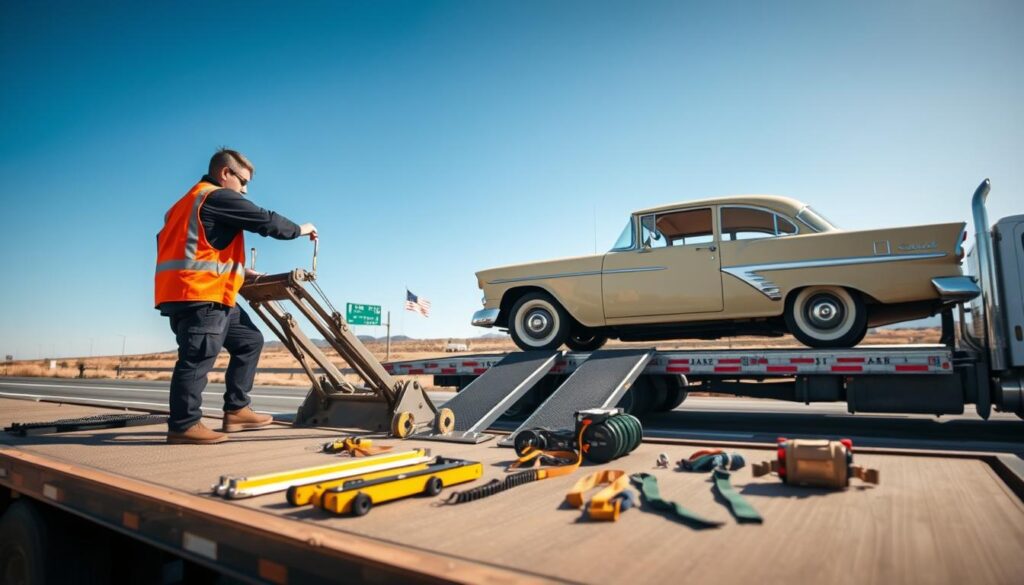
Transporting an inoperable vehicle brings unique handling and scheduling demands. Owners face a narrow pool of qualified carriers and added logistics that affect timelines and pricing.
Special Equipment Requirements
Loading inoperable vehicles often needs a winch or a lift. Those tools let a carrier secure a vehicle on a flatbed truck without rolling it under its own power.
This specialized equipment increases handling care and impacts costs. Not every auto transport company invests in those tools, so only select carriers can accept such jobs.
Limited Transport Options
Many standard auto carriers lack the necessary truck configurations. That reduces availability and can extend wait times for pickup.
- Owners must identify companies with winches or lifts and experienced crews.
- Planning ahead helps secure a reliable carrier and avoids last-minute issues.
- Service teams analyze your vehicle’s condition to match it with the right truck and crew.
Practical next step: Request a carrier assessment that confirms experience with inoperable vehicles before booking. That protects the vehicle and streamlines delivery.
Defining Inoperable Status for Shipping

Defining an inoperable vehicle begins with clear criteria about starting, rolling, and steering capability.
A vehicle is considered inoperable if it cannot be driven under its own power because of mechanical, electrical, or structural failures. Examples include seized brakes, missing suspension parts, or a dead starter.
We define a non-running car as one that may require a winch or lift for loading. That distinction separates these units from cars that are fully operational.
Accurate descriptions matter. Shipping companies need details about whether a vehicle can roll or steer. This information determines the proper equipment and crew for safe vehicle transport.
- Provide condition details: note seized components or missing parts.
- Request an assessment: the team will verify classification and recommend the right transport method.
- Share early: identifying issues before booking prevents delays and protects vehicles during loading.
The Cheapest Way to Move Non Running Car USA
A strategic choice of trailer and pickup method directly affects total transport pricing and delivery time.
Open Trailer Transport
Open transport is widely considered the most affordable option for shipping inoperable vehicles. Our analysis shows open trailers run about $0.93 less per mile than enclosed options.
Open carriers are plentiful, which often lowers pricing and shortens wait time. Confirm the carrier has a winch or lift for safe loading of non-running vehicles.
Enclosed Trailer Benefits
Enclosed transport offers superior protection from weather and road debris. This option is best for classic cars or high-value vehicles that need extra care.
Expect higher costs, but fewer exposure risks during long-distance vehicle transport.
Terminal-to-Terminal Shipping
Terminal-to-terminal shipping lets owners drop a vehicle at a hub and pick it up at the destination terminal. Carriers appreciate this option because it can fill trailer space along established routes.
Terminal service can lower pricing if your schedule is flexible and you can deliver the vehicle to a major hub.
- Compare quotes from multiple companies to find the best pricing and service.
- Be flexible with pickup and delivery dates to secure lower rates from carriers filling trailer space.
- Ask the transport company about specialized equipment and insurance before booking.
| Option | Typical Cost | Best Use |
|---|---|---|
| Open Trailer | Lower (approx. $0.93/mi less) | Standard vehicles, budget-conscious shipper |
| Enclosed Trailer | Higher | Classic cars, high-value vehicles |
| Terminal-to-Terminal | Variable (often lower) | Owners with flexible pickup/delivery |
For an accurate quote and a vetted carrier, contact the team at (307) 288-5972 or email info@bestcarshippinginc.com. They evaluate distance, route, and vehicle needs to recommend the best option.
Key Factors Influencing Transport Costs
Long hauls usually lower per-mile pricing, while short trips often carry higher per-mile rates.
Distance impacts price: Short runs (about 50 miles) typically cost $2.00–$3.00 per mile. Long routes (500+ miles) often fall to $0.75–$1.25 per mile.
Season and location matter. Peak demand months raise pricing. Remote pickup or restricted delivery zones add fees. Carriers also assess route availability when compiling a quote.
- Equipment fees: Non-running vehicles need winches or lifts, and carriers may add charges for the extra labor and time.
- Method: Open transport remains the most cost-effective option for many vehicles, but weight and size affect the final cost.
- Compare quotes: Request multiple quotes from reputable companies to balance service quality and total cost.
| Factor | Typical Impact | What to Ask |
|---|---|---|
| Distance | Major driver of per-mile rate | Is this a local or long-haul quote? |
| Season | Higher prices in peak months | Can dates be flexible to lower pricing? |
| Vehicle condition | Extra fees for non-running units | Does the carrier include winch/lift fees? |
For a clear, transparent quote and professional delivery planning, contact the company at (307) 288-5972 or email info@bestcarshippinginc.com.
Essential Preparation for Inoperable Vehicles
Prepare the vehicle and the site ahead of pickup to avoid delays and extra fees. Early preparation makes loading faster and keeps costs predictable.
Managing Fluid Leaks and Personal Items
Remove all personal items before the carrier arrives. Empty the glove box and trunk. This protects belongings and speeds the pickup.
Address major fluid leaks before pickup. Leaks can damage the trailer and other cars during shipping. Repair or contain leaks and tell the company about any residual issues.
Document the condition with photos. Take clear images of dents, scratches, and any mechanical problems. Photos protect the owner and help resolve claims.
Keep the keys available. The driver may need them for steering or shifting the vehicle during loading onto a truck or trailer.
| Prep Task | Impact | Typical Fees |
|---|---|---|
| Remove personal items | Faster pickup; fewer liability issues | No fee |
| Fix or contain fluid leaks | Prevents trailer damage and delays | Variable; avoids added carrier fees |
| Provide keys & photos | Smoother loading and claims protection | No fee; supports quote accuracy |
Special cases: For a classic car, consider enclosed transport for extra protection during long-distance vehicle shipping. Inoperable vehicles often incur an extra equipment fee. Typical inoperable fees range from $150 to $350 depending on the condition and required specialized equipment.
For a clear quote and a reliable pickup plan, contact the team about auto transport in Lawrenceville: auto transport in Lawrenceville. Their checklist helps ensure timely delivery and avoids unexpected fees throughout the year.
Selecting a Reliable Transport Company
Start by confirming a carrier’s insurance, licensing, and documented experience with inoperable vehicles. A clear insurance policy protects a vehicle during every phase of pickup and delivery.
Check reviews and references. Read recent client feedback for car transport and auto transport jobs. Focus on reports about handling, timing, and claims resolution.
Verify equipment and paperwork. Ensure the company has a winch or lift and will issue a bill of lading that notes the vehicle condition at pickup. This document is essential if damage claims arise.
Compare multiple quotes for pricing and service. Our team helps you evaluate quotes and pick a carrier that balances cost and care.
- Confirm insurance limits and what is covered.
- Ask for photos of similar non-running vehicles they’ve handled.
- Request clear pickup and delivery windows.
| Checklist | Why It Matters | Ask For |
|---|---|---|
| Insurance | Protects against loss or damage | Policy details and limits |
| Equipment | Safe loading of inoperable vehicles | Winch, lift, or flatbed confirmation |
| Documentation | Proof of condition at pickup | Signed bill of lading |
For an example of an experienced carrier and methods, review our open carrier shipping guide. Call (307) 288-5972 or email info@bestcarshippinginc.com for help selecting the right service for your vehicle shipping needs.
Inspecting Your Vehicle Upon Delivery
Inspecting the vehicle at delivery protects your investment and starts the claims process if needed. Do a full walk-around and check the exterior and interior before the driver departs.
Compare the vehicle’s condition with the bill of lading and the pre-shipment photos you took. Match paint chips, dents, and glass condition carefully.
If you find any damage, document it immediately. Take clear photos, note locations, and report the issues to the carrier and the transport company on site.
Insist on a signed delivery receipt before the truck leaves. This signed copy protects your insurance claim and shows the carrier acknowledged the vehicle’s status at delivery.
- Check for new scratches or dents that may have occurred on the trailer during transit.
- Confirm personal items and fixed accessories are still present if left in the vehicle.
- Record any discrepancies and request next steps from the carrier and your company contact.
Our team is available if you need assistance with inspection or filing a claim. For additional guidance on open trailer options and service, see our open car transport guide.
Conclusion
A clear plan and the right carrier turn a complex shipping job into a predictable process.
Follow this concise guide to navigate auto transport with confidence. Small steps—accurate condition notes, photos, and firm quotes—reduce surprises and protect the vehicle.
Compare companies and request detailed quotes that show equipment, insurance, and any extra fees. Focus on carriers with verifiable experience handling inoperable units.
The team stands ready to answer questions and arrange reliable transport options. For local service, review our car shipping Modesto page or contact (307) 288-5972 or info@bestcarshippinginc.com for a quote.