
Best Car Shipping Inc. offers reliable car shipping for owners who need professional help moving an inoperable vehicle. Our team manages every step, from pickup scheduling to final delivery, with clear communication and careful handling.
Clients can request an instant quote through a short online form. That form lets experts assess the transport needs of each car and plan specialized loading and handling.
Whether the cars are classic projects or modern models, our logistics staff ensures secure transport across long distances. We provide a transparent quote process so owners understand pricing before the pickup delivery begins.
Contact Best Car Shipping Inc. for reliable service and a prompt response. Call (307) 288-5972 or email info@bestcarshippinginc.com for fast assistance and planning guidance.
Key Takeaways
- Professional team handles inoperable vehicle transport with care.
- Obtain an instant quote through a simple online form.
- Clear pickup and delivery scheduling keeps timelines predictable.
- Specialized loading protects classic and modern cars during shipping.
- Transparent quote process shows fees before pickup begins; learn more at average per-mile pricing.
Understanding the Cost to Ship Inoperable Vehicle USA
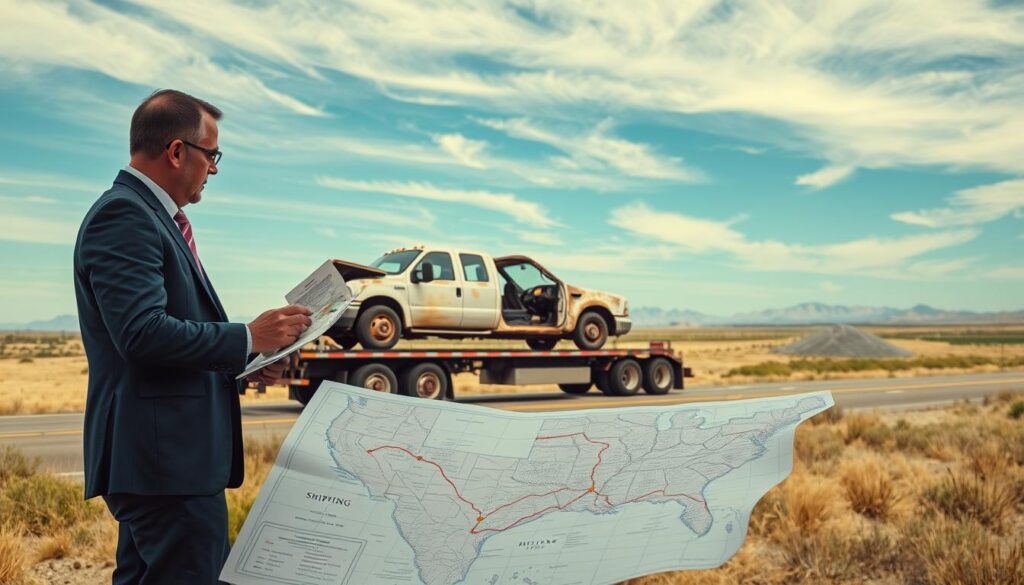
Estimating what you’ll pay for moving a non-running car starts with a few core variables. Distance and vehicle size are primary drivers, and companies like Intercity Lines have handled these factors since 1980.
Specialized auto transport equipment often affects the final fee. Experienced carriers use winches, dollies, and lift gates for safe loading and secure delivery. That gear raises the price but lowers risk.
Reliable carriers offer comprehensive service packages. Pick a company that understands the unique needs of non-operational units. Reputation matters more than the lowest number.
“We analyze shipping variables to provide accurate estimates and ensure each car is treated with care.”
Key considerations include handling requirements, distance, and timing. Working with reputable companies keeps the process transparent and helps maintain an affordable final figure.
- Since 1980: proven experience managing complex moves.
- Specialized gear: needed for safe auto transport.
- Carrier selection: choose reliability over lowest price.
Defining Non-Running Vehicle Conditions

Knowing a car’s condition early helps carriers plan safe handling and loading. Best Car Shipping Inc. evaluates each unit and assigns the right equipment. This reduces risk and keeps timelines predictable.
Rolling and Steering Capabilities
Technicians check whether the car roll, steer, and brake. If a non-running car can roll, fewer restraints and simpler dollies may be used. If it cannot, staff use winches and lift gates for secure loading unloading.
Mechanical and Electrical Issues
Common faults include dead battery, seized brakes, or drivetrain failure. These issues affect how the transport team secures the car and what equipment is needed.
- Assessment: accurate condition reports guide the shipment process.
- Equipment: specialized gear protects project cars and classics.
- Carriers: trained crews handle complex repairs-related scenarios.
Proper identification of problems ensures safe transport and a tailored solution for each inoperable vehicle.
Essential Equipment for Safe Transport
Safe transport starts with the right tools and trained operators. Best Car Shipping Inc. uses purpose-built gear to move a non-running vehicle with care and precision.
Hydraulic liftgates and heavy-duty winches handle loading when a car cannot roll. These tools reduce strain on the frame and cut risk during every lift.
Each vehicle is secured with professional-grade tie-downs and wheel straps. This restraint system maintains stability through rough roads and long hauls.
Our fleet includes trailers fitted for specialized loading and modern safety features. Trained crews operate all equipment and follow strict handling protocols.
- Modern gear: regular upgrades keep handling methods current.
- Expert operators: trained staff prioritize protection.
- Clear estimates: request reliable car shipping estimates before scheduling.
Comparing Open and Enclosed Shipping Methods
Selecting the right transport type can reduce handling risks and keep a prized car safe. Owners should weigh value, condition, and weather exposure when choosing a trailer.
Benefits of Enclosed Trailers
Enclosed trailers shield a car from debris, salt, and rain. They offer extra security for classic and high-value cars.
Many companies recommend this option for project cars and collectible cars that need maximum protection.
For details, check our enclosed transport service.
When to Choose Open Transport
Open transport remains a practical choice for daily drivers and standard models. It is widely available and often faster for common routes.
Our carriers operate a diverse fleet of trucks and can advise whether an open truck fits a specific car or project.
- Flexible options: both open and enclosed choices are offered.
- Expert guidance: the team helps pick the proper transporter.
- Fleet depth: trucks and carriers match the needs of various vehicles.
Factors Influencing Your Final Shipping Quote
A reliable shipping quote depends on clear details about the vehicle and the planned route. Distance is a primary driver; coast-to-coast transport commonly takes 10–14 days, which affects timing and scheduling.
Our online calculator helps estimate the cost ship price by factoring in condition, pickup location, and required equipment. An accurate instant quote reflects loading time and the complexity of the transport process.
Rural pickups or the need for specialized auto transport gear raise logistical needs and may influence the final shipping quote. Providing full details about your cars refines estimates and reduces surprises.
Best Car Shipping Inc. emphasizes transparent pricing and market monitoring. This ensures competitive rates while minimizing transit time. For classic-car specifics and savings tips, see our guide on classic car shipping.
- Provide details: helps refine the quote.
- Use the calculator: quick baseline pricing.
- Expect 10–14 days: for coast-to-coast moves.
Preparing Your Vehicle for Pickup
Preparing a car for pickup reduces delays and helps ensure a safe, efficient transport. A short checklist makes the loading and delivery process predictable. Follow simple steps so the team can work quickly and protect the car.
Securing Loose Parts
Remove or fasten loose trim, antennas, and accessories. Small parts should be packed and taken with you.
Secure the interior: remove personal items and lock loose panels. This prevents damage during movement and keeps the shipment tidy.
Managing Fluid Levels
Check for leaks and top off fluids if safe and allowed. Low fluid levels reduce spill risk during long transport runs.
Note: Drain excess fuel if required by local rules. Report any known leaks when scheduling pickup so the crew brings the right equipment.
Battery and Electronic Safety
Disconnect the battery unless the team advises otherwise. A disconnected battery prevents electrical faults during transit.
Confirm whether the car roll, steer, and brake. If it can roll, loading is faster and simpler. If not, staff will use winches and dollies planned for a non-running car.
- Deliver a clear condition report at pickup.
- Follow the checklist our team provides to streamline the process.
- Contact support for questions at (307) 288-5972 or info@bestcarshippinginc.com.
Navigating Loading and Unloading Challenges
Loading a non-running car onto a trailer demands precise technique and the right gear. Professionals use a 9,000-lb winch to inch the car safely onto the deck. This controlled pull reduces jarring and keeps the frame aligned.
Carriers secure cars that have lost power with soft straps and protective pads. These measures prevent scratches and avoid stress on sheet metal during the lift.
Teams manage time at the pickup with clear roles. Quick, methodical loading lowers risk and speeds the delivery process.
- Equipment: winch, dollies, and a professional truck and trailer for safe handling.
- Protection: soft straps, wheel chocks, and pads to prevent damage.
- Training: crews skilled in loading unloading for non-running units.
“Every step follows a strict process so the car arrives in the same condition it left in.”
Result: a reliable auto transport workflow from pickup through final delivery that minimizes surprises and protects the car at every stage.
Selecting a Reliable Auto Transport Company
Trust begins when a company shares verifiable proof of insurance, motor carrier authority, and safety audits. Start with clear documents and a recorded safety record. This helps owners pick a transporter that treats cars with care.
Verifying Carrier Credentials
Confirm the carrier’s registration and insurance limits. Ask for the DOT number and check safety ratings. A reputable company will provide this information quickly.
Look for modern trucks and well-maintained equipment. A current fleet reduces handling risks and supports safe loading. Experienced carriers train crews on protective tie-downs and winch use.
| Check | Why it matters | What to request |
|---|---|---|
| Registration | Proof of legal authority for transport | DOT/MC number |
| Insurance | Covers damage during transit | Policy limits and provider name |
| Fleet & equipment | Safe, modern trucks reduce risk | Photos of trailers and tie-downs |
| Reputation | Shows reliability and service quality | References and online reviews |
Request a quote and compare companies. Best Car Shipping Inc. is available for questions at (307) 288-5972 or info@bestcarshippinginc.com. Choosing a verified carrier ensures your vehicle arrives with care and transparency.
Insurance Coverage and Documentation Requirements
Insurance and clear paperwork form the backbone of a secure car transport experience. Best Car Shipping Inc. requires carriers to carry verifiable insurance and to document the condition at pickup.
Intercity Lines provides up to $2 Million in cargo protection for each load, and it maintains $1.5M in-house coverage per shipment. This layered insurance helps protect against loss or damage during transit.
Proper documentation matters. A detailed bill of lading records the condition of your vehicle at pickup. That record speeds claims and reduces disputes.
- Comprehensive insurance: cargo limits and in-house policies protect your asset.
- Verified carriers: the company works only with licensed carriers and vetted companies.
- Enclosed transport recommended: choose this option for extra security.
- Accurate records: condition reports and bills of lading enable quick resolutions for any damage.
Best Car Shipping Inc. ensures all insurance requirements are met and provides transparent documentation. For questions, call (307) 288-5972 or email info@bestcarshippinginc.com.
International Shipping Considerations for Project Cars
Shipping a restoration project abroad requires specialized handling and clear documentation at every stage. Owners should expect containerized ocean transport for complex moves. This type of service protects high-value cars during long transits.
Containerized Ocean Transport
West Coast Shipping and similar firms use forklifts and low-clearance dollies for safe loading into containers. These pieces of equipment prevent damage when cars are non-running and cannot roll on their own.
- Full handling: the company manages documentation, customs, and insurance.
- Protected transit: enclosed transport is recommended for projects and classics.
- Experienced transporter: firms provide guidance on the best type of container and routing.
Working with a professional auto transport company ensures careful loading and tracking from port pickup through final delivery. For an international pricing reference, see our international pricing guide.
Conclusion
Conclusion
A short recap highlights the essentials for a smooth and protected auto transfer. Planning, the right equipment, and a trusted carrier keep prized cars safe from pickup through delivery.
Best Car Shipping Inc. provides professional handling and clear communication. Owners receive detailed timelines and careful loading for classics and daily drivers alike.
Use the online calculator for an accurate quote and a transparent view of the expected cost. Ask about transport methods and protective options when you call.
Contact (307) 288-5972 or email info@bestcarshippinginc.com for expert help with your car shipping needs.