
When a transmission hesitates, the vehicle owner should act quickly. A delay in engagement is a type of slip where the clutches become slow and unresponsive. This is often the first sign that the transmission has internal problems and needs attention.
When you shift into drive, a pause before the engine responds can last from a few seconds up to one minute. That window is critical. If the transmission does not respond after one minute, stop driving and seek a specialist for repair.
Automatic transmissions are complex systems. Understanding how transmissions and clutches work helps owners spot issues early and avoid costly repairs.
Key Takeaways
- Delay in engagement often signals failing clutches or internal transmission trouble.
- A pause of up to one minute is a critical warning—do not keep driving past that.
- Prompt professional inspection prevents larger, costly problems.
- Knowing basic transmission function helps spot early signs of trouble.
- Contact a trusted specialist if the vehicle shows repeated delayed shifting.
Understanding Delayed Gear Shifting Causes Automatic Car

Poor maintenance and heavy mileage commonly trigger slow engagement between the transmission and engine.
Old or low-quality fluid loses cooling and lubricating power. That lets seals stiffen and gears wear faster. When seals harden, the torque converter may not reach proper speed and engagement will lag.
High-mileage vehicles need more frequent service. Regular fluid checks protect internal parts and help avoid costly repairs. Clean fluid keeps pressure stable so the transmission and engine match speed smoothly.
If a vehicle shows repeated signs of delayed shifting, address the issue promptly. Early action prevents a minor problem from becoming a full transmission failure.
- Tip: Check fluid level and quality at scheduled intervals.
- Tip: For transport or inspection, consider professional services like train auto transport to move the vehicle safely for repair.
Common Mechanical Culprits Behind Transmission Lag
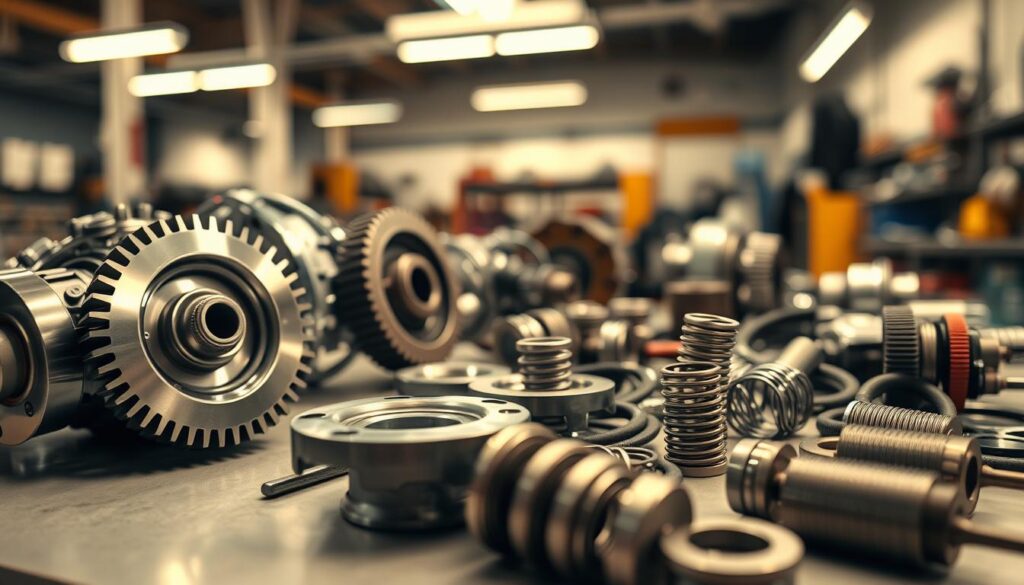
When hydraulic flow falters, the system can take extra time to match engine and transmission speeds. Small faults in valves, seals, or pumps often reduce pressure. That loss shows up as a slow engagement and reduced reliability.
Shift Solenoids
Shift solenoids are electromagnetic valves that route fluid. Heat and vibration can break coils. When a solenoid fails, the transmission control module cannot command proper shifting.
Worn Seals and Bands
Seals and bands wear with time. Worn parts let hydraulic pressure bleed off.
Low pressure means clutches do not engage fully. That leads to slower engagement and extra friction inside the unit.
Transmission Pump Failure
The pump supplies the system’s hydraulic pressure. A failing pump drops flow and can overheat internal parts. A clogged filter also reduces pressure and stops the control module from operating correctly.
- Quick checks: inspect fluid, filter, and solenoids.
- When to move a vehicle: consider professional transport like Texas car shipping to get service safely.
- Fixes: replace worn solenoids, seals, bands, or the pump to restore speed and torque control.
Diagnostic Steps for Transmission Fluid and Pressure
Start diagnostics by inspecting the transmission fluid for level, color, and odor. This quick check often reveals whether low pressure or contamination is present.
Checking Fluid Condition and Levels
If the fluid is low, dark, or has a rancid smell, the vehicle should go to a service shop immediately.
A technician will remove the transmission pan to access the filter. Replacing a clogged filter restores hydraulic pressure needed for proper engagement.
“A faulty filter or poor fluid quality can hide as a small problem but lead to major transmission failure if not addressed.”
- Check fluid level and color first to diagnose delay in shifting.
- Poor fluid quality may mean a simple flush is not safe and can worsen the problem.
- The transmission control module monitors hydraulic pressure and may log a trouble code when levels deviate.
- Regular maintenance of fluid and filter helps the transmission control system meet specs.
| Inspection | What to look for | Recommended action |
|---|---|---|
| Fluid level | Low or below spec | Top up and inspect for leaks |
| Fluid quality | Dark or rancid odor | Do not flush; seek shop diagnosis |
| Filter | Debris or clog | Remove pan and replace filter |
| Pressure reading | Below manufacturer spec | Inspect pump, valves, and control module |
If a problem is suspected, have a professional inspect the filter and fluid to prevent further damage. Prompt action protects the transmission and avoids costly repairs.
Essential Maintenance Practices to Prevent Future Issues
A scheduled fluid service does more than freshen the transmission; it protects core components. Regular maintenance keeps parts lubricated and reduces friction that leads to overheating.
Keep checks simple. Inspect fluid color and quality. Verify the level at service intervals. These steps preserve engagement and reduce long-term damage.
The Importance of Regular Fluid Flushes
Flushing the transmission fluid every 60,000 miles helps prevent debris buildup. Clean fluid keeps solenoids, bands, and clutches working as designed.
Fresh fluid reduces the risk of overheating. It also restores proper torque control and extends the life of internal parts.
Avoiding Engine Revving During Delays
Do not rev the engine when the vehicle hesitates to shift. Excess RPMs increase friction and can shred bands or clutches, worsening the problem.
If a delay persists, stop driving and consult a professional. A trained technician will assess fluid level, filter, and control components safely.
- Flush at recommended intervals to prevent overheating and wear.
- Maintain correct fluid level and quality to protect solenoids and valves.
- Avoid revving the engine during engagement delays to prevent damage.
| Action | Why it matters | Recommended interval |
|---|---|---|
| Fluid flush | Removes debris and restores lubrication | Every 60,000 miles |
| Level check | Ensures correct pressure for control circuits | At every service |
| Professional inspection | Detects worn bands, solenoids, or pump issues | If delays or unusual noises occur |
When in doubt, contact a trusted shop. Prompt care prevents small problems from becoming costly repairs and keeps the transmission reliable.
Conclusion
A prompt check of fluid and pressure often stops small transmission faults from growing into costly repairs. Inspect fluid color and the filter. Verify system pressure when you can.
Always watch your vehicle for any sign of a slow shift, especially in extreme temperatures. Do not rev the engine if engagement lags; extra RPMs raise friction and risk overheating. Components like solenoids, bands, and seals rely on clean fluid and regular service.
If the vehicle fails to engage within one minute, seek professional help to protect the transmission control module and restore torque and speed reliability. For transport or service questions, contact Best Car Shipping: info@bestcarshippinginc.com or (307) 288-5972.