
SGT Auto Transport handles non-running vehicles with care across the United States. Many owners worry whether a vehicle must be operable for safe shipping. Skilled carriers use specialized equipment and procedures so even inoperable models move without damage.
The shipping process begins with an inspection and a clear plan for loading and delivery. Professional companies prioritize safety at each step. Planning ahead saves valuable time and reduces surprises on pickup day.
For tailored guidance, customers may contact the team at (864) 546-5038 or email info@bestcarshippinginc.com. Learn more about trusted providers in major markets through this Chicago auto transport resource.
Key Takeaways
- Non-running vehicles are commonly accepted by professional shipping companies.
- Specialized equipment ensures safe loading and secure delivery.
- Advance planning reduces delays and protects vehicle condition.
- Choose a company that documents condition and follows strict handling steps.
- Contact the team for a tailored quote and scheduling help.
Understanding the Reality of Shipping Non-Running Vehicles

When a vehicle cannot be driven, handlers use specific equipment and trained crews to move it safely. This extra work affects scheduling, handling, and the final price.
Key facts: Shipping an inoperable vehicle typically adds between $50 and $200 compared with a standard shipment. An inoperable unit is any vehicle that cannot be driven onto or off the carrier and often requires a winch or forklift.
Owners should weigh repair expenses against the added shipping cost before booking. Reliable companies will explain the pickup requirements and the handling steps for secure delivery.
- Extra labor and gear make the process more complex.
- Most transport companies charge an additional fee for non-running shipments.
- Prepare paperwork and clear access at pickup to speed the job.
| Factor | Running Vehicle | Non-Running Vehicle |
|---|---|---|
| Typical Extra Cost | $0–$0 | $50–$200 |
| Loading Equipment | Drive-on | Winch or forklift required |
| Handling Time | Standard pickup | Longer pickup and prep |
For clear guidance and reliable service, consult a proven servicio de transporte. The right company protects vehicles and shortens delivery time.
Does Car Need to Run for Auto Transport
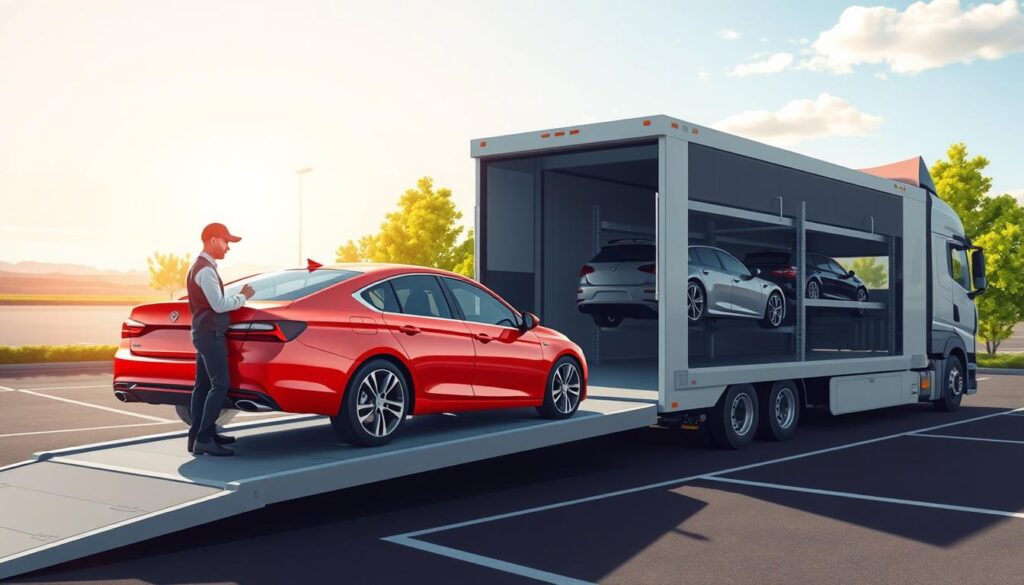
Not every vehicle must be drivable for secure movement between locations.
Defining Inoperable Vehicles
An inoperable vehicle cannot move under its own power. This includes seized engines, transmission failures, or missing parts. A dead battery is a common, simple fix before pickup.
Common Reasons for Non-Running Status
Issues range from collision damage and long-term storage to mechanical failure. Classic car owners often store vehicles and mark them inoperable for preservation. Carriers use a winch or a tow truck when drive-on loading is impossible.
Practical notes: Always disclose the vehicle condition when requesting a quote. The type of trailer — open transport or enclosed transport — and the handling process determine price and time. For a reliable local option, consider reliable vehicle transport in Houston.
How Inoperable Vehicles are Loaded and Secured
Moving a disabled vehicle starts with assessing access, then matching the proper loading method. Teams evaluate space, surface grade, and whether the unit will be pulled onto a trailer or lifted.
When a car cannot be rolled, carriers use a winch to pull the vehicle gently onto the trailer. Some companies employ a forklift when steering is impossible. At tight sites, a tow truck places the vehicle near the carrier for safe loading.
Drivers receive safety training that focuses on loading unloading and damage prevention. Once positioned, the vehicle is anchored with heavy-duty straps or chains. This keeps cars stable across long shipping runs.
“Professional handling and the right equipment reduce risk and preserve vehicle condition.”
- Specialized equipment—winch, forklift, tow truck—ensures secure movement.
- Experienced carriers follow industry-standard loading steps.
- High-grade restraints prevent shifting and minimize damage during transport.
Choosing a reputable company means the loading process is documented and executed with care. That attention protects valuable vehicles from pickup through delivery.
Comparing Open and Enclosed Transport Options
Different trailer styles offer clear trade-offs in cost and protection for shipped vehicles. Choosing the right option depends on vehicle value and the level of care desired during shipping.
Benefits of Open Trailers
Open trailers are the most affordable option for standard moves. They carry several vehicles at once, which keeps the price lower.
Open service works well for everyday sedans and trucks that do not require special shielding. Many companies list open as the default choice for routine car shipping.
Advantages of Enclosed Carriers
Enclosed carriers provide superior protection from weather and road debris. This choice is ideal when moving a high-value classic car that must remain pristine.
Enclosed trailers often use a liftgate during loading. That method is safer for low-clearance vehicles and reduces stress on suspension and chassis.
- Open transport is cost-effective and widely available.
- Enclosed transport offers top-tier protection for valuable vehicles.
- Many companies offer both options so customers can match price and protection needs.
- The carrier uses proper equipment and secure restraints regardless of the chosen option.
“Select the trailer that fits the vehicle’s value and the owner’s protection expectations.”
Essential Preparation Steps for Your Vehicle
Simple, deliberate prep steps can prevent damage and speed the loading process. Follow a short checklist the day before pickup. Clear guidance helps the carrier work safely and on schedule.
Securing Loose Parts
Remove or secure any loose trim, spoilers, or exterior accessories. Loose items can shift and harm nearby vehicles during shipping.
Managing Fluids and Leaks
Check under the vehicle for oil or coolant leaks. A leaking vehicle creates hazards for drivers and for other cars on the carrier.
Disabling Alarm Systems
Deactivate any alarm or remote start. An unexpected siren delays loading and wastes time at pickup and delivery.
“Document the condition with photos before the carrier arrives to protect your claim rights.”
- Make sure all personal items are removed.
- Park in an accessible location for the transport company.
- Take clear photos of the vehicle condition before handoff.
Factors Influencing the Cost of Shipping
Several variables shape the final bill when moving a vehicle between locations.
The total price depends heavily on distance. Longer routes need more fuel, time, and driver lodging. That raises the price on most quotes.
Vehicle size and weight matter next. Larger models occupy more space and may require specialized equipment. That increases the base price and the final cost.
The unit’s condition also affects the quote. Flat tires, seized engines, or missing parts often mean winches or forklifts. Such handling adds labor and raises the shipping estimate.
Location plays a role. Remote or tight-access addresses can add fees because carriers must use extra gear or make special arrangements.
“Request a detailed quote so there are no surprises and all handling needs are clear.”
| Factor | Impact | Typical Effect on Price |
|---|---|---|
| Distance | Higher mileage increases time and fuel | Low–High |
| Vehicle Size & Weight | Requires more space or special equipment | Moderate–High |
| Condition (inoperable) | Needs winch, forklift, or tow assistance | Moderate–High |
| Location Access | Remote or tight sites add handling steps | Low–Moderate |
Get a firm quote based on full details. Use the car shipping cost calculator for an immediate estimate and clear pricing guidance.
Why Professional Transport Beats DIY Towing
Professional hauling removes guesswork from heavy loading and long hauls.
Risks of self-towing include improper trailer hookup, poor weight distribution, and insecure lashings. These faults can cause sway, loss of control, or damage during the trip.
Hiring a reputable carrier brings certified trucks, winch systems, and trained crews. They secure vehicles on flatbeds or trailers, monitor load balance, and handle unexpected stops safely.
DIY towing also often costs more in the long run. Rental gear, potential repair bills, and multiple trips raise the final price compared with a single scheduled service.
- Safer handling: specialized tow truck or flatbed and proper loading procedures.
- Reduced damage risk: winch and secure restraints protect vehicles during transit.
- Lower hidden costs: one reliable company often beats multiple local tow fees.
- Less stress: no need to drive a truck and trailer over long distances.
“Choose professional carriers when protection, predictability, and cost control matter most.”
For long routes, consider professional options like shipping a car across the country. Contact (307) 288-5972 or email info@bestcarshippinginc.com for a clear, written quote and scheduling help.
Selecting a Reliable Auto Transport Company
Choose a carrier with clear credentials and a proven record before booking any shipment.
Verify DOT licensing and ask for written proof. Licensing confirms the company meets federal safety and operational rules.
Check reviews on Google and other platforms. Look for recent feedback about shipping non-running vehicles and on-time delivery.
- Request proof of insurance that covers loss and damage during transit.
- Get at least three quotes to compare price, handling, and timing.
- A trustworthy company will explain their equipment and loading process clearly.
Avoid full upfront payments. Reliable providers take a reasonable deposit and present a written agreement with delivery details, expected distance, and any special handling needs.
“Confirm licensing, insurance, and clear communication before you sign.”
| Check | Why it matters | What to request |
|---|---|---|
| DOT License | Legal compliance and safety oversight | USDOT number and registration document |
| Insurance | Protects vehicle through pickup and delivery | Certificate of insurance and coverage limits |
| Reputation | Shows reliability with inoperable units | Recent reviews and customer references |
| Quotes | Compare scope and hidden fees | Written estimates with handling line items |
Final step: Confirm pickup location, expected delivery window, and any site access needs. Clear details reduce surprises and protect vehicle condition during the move.
Conclusion
Shipping an inoperable car is a manageable process when a qualified transport company plans the job. Professional crews use winches and lifts so loading goes smoothly and the risk of damage stays low.
Owners should make sure the vehicle condition is documented and loose items are secured. Advance booking saves time and helps lock in fair cost estimates. Choosing an experienced auto transport company or reputable carriers is the best option versus DIY tow methods.
If questions remain, call (307) 288-5972 or email info@bestcarshippinginc.com for a clear quote and reliable pickup and delivery scheduling.