
Brake sounds signal a safety issue that needs quick attention. A distinct grinding sound while stopping often points to worn brake pads or rotor wear. Early diagnosis prevents costly damage and keeps the vehicle safe for daily driving.
Regular maintenance is the simplest way to avoid this problem. Lubrication and timely pad replacement stop most failures. Driving your car monthly reduces rust buildup on brake parts and helps preserve performance.
If you detect a grinding noise braking your vehicle, schedule a professional service right away. A trained mechanic will perform a proper diagnosis and advise whether pad replacement or more extensive repair is needed. For transport or inspection needs, consider our logistics support and cheap car shipping.
Key Takeaways
- Unusual brake sounds often mean worn brake pads or rotor damage.
- Prompt professional diagnosis prevents further system harm.
- Regular maintenance and monthly driving reduce rust and wear.
- Pad replacement is a common, effective fix for many cases.
- Contact the team at (307) 288-5972 or info@bestcarshippinginc.com for help.
Understanding the Grinding Noise when Braking Front Wheels
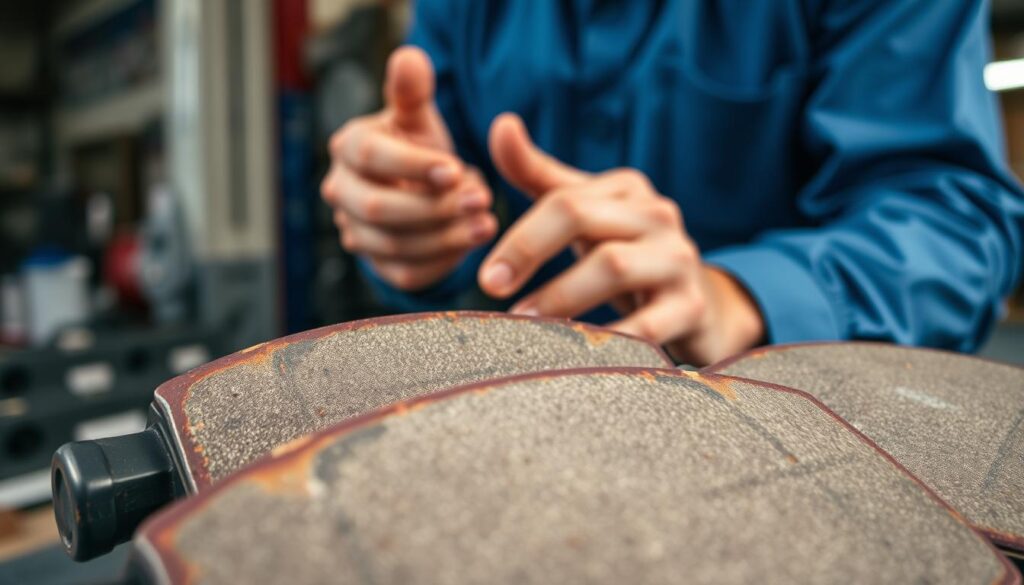
A metallic scraping under braking usually signals worn pad material or rotor contact. This issue appears when the caliper and disc meet because the brake pads lack sufficient thickness.
The Anti-Lock Braking System (ABS) can also produce a rumble and a pulsating pedal during a hard stop. That rumbling is a functional response to prevent wheel lock and is not the same as a mechanical scraping sound.
Key indicators to watch:
- Persistent scraping often means metal-on-metal contact between the caliper and rotor.
- A screech or scrub can precede more serious damage and signals an urgent need for pad inspection.
- Steady scraping at cruising speed may point to debris trapped between the rotor and caliper.
Timely service and pad replacement preserve rotors and save cost over time. Drivers should treat these sounds as a safety issue and arrange professional inspection to avoid further harm to the car and braking system.
Common Mechanical Causes for Brake Grinding
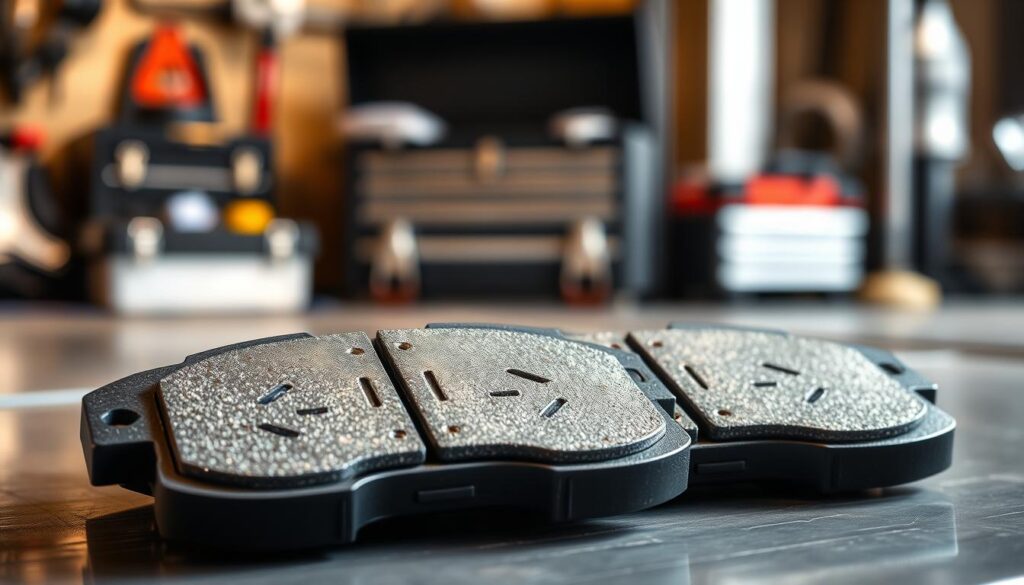
Worn components and poor pad materials are the top mechanical causes of scraping sounds at the wheel.
Brake pads combine graphite, metal, copper, and brass. They typically wear out between 25,000 and 60,000 miles. Over time, the friction material thins and performance falls.
Worn brake pads lead the list of causes. When the pad material is gone, the metal backing plate contacts the rotor. That contact creates a loud grinding sound and can ruin the rotor surface.
Low-quality pads often use excess metal pieces. These chunks speed wear and score rotors. Choosing inexpensive parts can increase repair costs over time.
- Most common: worn pads that expose the backing plate.
- Material choice: cheap pad formulations that damage rotors.
- Prevention: timely service and quality replacement parts.
Inspect pads at regular intervals and replace brake pads with higher-grade options to protect the brake system and the car. For professional guidance, schedule service and ask about recommended parts.
Identifying Issues with Brake Pads and Rotors
Early inspection of pads and rotors saves money and protects safety. Rotors are shiny discs positioned low on the vehicle. They face dirt, water, and road debris that can cause rust or warping over time.
Signs of rotor wear often include a piercing shriek felt through the steering column and pedal. Uneven discs produce vibration in the brake pedal and driveshaft. These sensations mean the rotor surface is no longer flat.
Signs of Rotor Wear
Check the rotor surface for scoring, rust, or heat spots. If the disc looks contorted or has deep grooves, it likely needs replacement.
- Piercing sound: felt through steering or pedal.
- Vibration: indicates an uneven or warped rotor.
- Thickness check: if pads are thick, minor rotor work may suffice; thin pads need pad replacement to avoid further rotor damage.
| Component | Common Sign | Typical Action |
|---|---|---|
| Rotor | Scoring, vibration, piercing sound | Resurface or replace (~32,000 km guideline) |
| Brake pads | Thin material, exposed backing plate | Replace pads to protect rotors |
| Caliper | Uneven wear, stuck piston | Service or rebuild caliper |
When a grinding sound appears, inspect both brake pads and rotors to ensure a complete repair. Prompt service and correct pad replacement keep the braking system reliable and safe for daily driving.
Evaluating the Role of Wheel Bearings
Wheel bearings allow a tire to spin freely while holding the assembly steady. Typical service intervals fall between 75,000 and 100,000 miles. Regular checks at those miles can prevent sudden failures.
A failing wheel bearing can produce a clear grinding noise that shifts in intensity as you turn left or right. Drivers often mistake this for a brake issue because the sound seems to come from the same area.
Vibrations in the steering wheel and uneven tire wear are strong indicators that bearings need attention. A simple on-road test is to note whether the sound grows louder while cornering.
“If the sound changes with direction, suspect the bearing rather than the caliper or pad.”
- Evaluate bearings if the sound persists even when you are not applying the brake.
- Replacing a faulty wheel bearing is a necessary service to keep the vehicle safe and handling correctly.
- Professional diagnosis confirms the source and prevents unnecessary rotor or caliper replacement.
Impact of Debris and Lack of Lubrication
Road grit and seized hardware often create persistent braking problems that are easy to fix early. Foreign material or dry hardware can shorten component life and reduce stopping performance.
Foreign Objects in the Caliper
Small stones, twigs, or road debris can lodge inside the caliper. This can cause a constant screech or a brief grinding sound as the car moves.
Quick checks:
- Move the vehicle a short distance in a safe spot to see if the material clears.
- Inspect visually for lodged items before assuming the brake pads need replacement.
Importance of Caliper Bolt Maintenance
Caliper bolts secure the caliper to the mounting bracket. They can rust or seize over time without lubrication.
Service at regular intervals keeps bolts free and reduces wear on pads and rotors. Replacement or lubrication typically costs $10–$20 for the part.
If debris cannot be removed easily, arrange professional service. A trained technician will confirm whether the pads, caliper, or rotor needs replacement. For support, contact (307) 288-5972 or info@bestcarshippinginc.com.
Testing Your Vehicle for Brake System Faults
Perform a controlled road check to isolate sounds and observe how the vehicle reacts while slowing.
Start on a quiet road. Take short, steady stops and note pedal feel and any vehicle pull to one side. If the car drifts during a stop, it may point to a sticking caliper or uneven pads.
Turn left and right at low speed. A change in the level or tone of a grinding noise while cornering often indicates a wheel bearing issue rather than the rotor or pad.
Do a firm, controlled stop in a safe area to verify ABS function. Remember: a rumble during an emergency stop is normal and part of the system working.
“When odd behavior appears under test conditions, seek a professional diagnosis to avoid hidden damage.”
- Proactive test: short drives and controlled stops reveal problems early.
- Immediate action: pull to one side needs prompt diagnosis and possible pad replacement.
- Professional service: technicians use tools to confirm faults and recommend correct rotor or pad replacement.
For reliable inspection and service, contact (307) 288-5972 or info@bestcarshippinginc.com.
When to Seek Professional Brake Repair Services
Unusual sounds from the braking system are a clear sign that a trained technician should inspect your vehicle. Timely action protects safety and prevents costly rotor or caliper damage.
Safety is the top priority. If you hear a grinding noise or feel vibration, stop driving and arrange professional service. A certified shop will check the brake pads, rotors, caliper condition, and brake line integrity.
Safety Considerations for DIY Repairs
DIY pad replacement can seem economical. But modern brakes require specific tools and correct torque settings. Mistakes can lead to brake failure on the road.
- Seek professional service as soon as you hear a grinding noise to avoid further damage.
- Do not attempt complex repairs if you lack experience; improper work can harm rotors and lines.
- Regular maintenance and timely pad replacement reduce emergency repairs.
“When in doubt, get a professional estimate to ensure safe, reliable brakes.”
Need help? Call (307) 288-5972 or email info@bestcarshippinginc.com for a prompt inspection and repair estimate.
Conclusion
, Early service for worn pads and rotors preserves stopping power and peace of mind. Addressing a grinding issue at the first sign keeps repair costs low and protects safety on every trip.
Regular checks of brake pads and rotors extend component life and improve performance. Timely maintenance saves time and prevents more extensive repairs.
Do not wait to seek professional service if you hear odd sounds while braking. For prompt inspection and reliable repairs, call (307) 288-5972 or email info@bestcarshippinginc.com for scheduling and guidance.