Dealers and buyers need clear numbers and a practical plan. This brief guide shows typical pricing and the operational steps for moving inventory between dealership locations without adding mileage.
Average national figures start near $650, and per-mile ranges often run from $0.40 to $2.00 depending on distance, carrier type, locations, vehicle profile, season, and delivery speed.
Readers will learn nationwide pricing ranges, open versus enclosed choices, timing concerns, and how to review quotes from transport companies. Dealer transfers may look simple but still depend on driver availability, equipment compliance, and professional networks.
Protecting inventory matters: inspections, insurance, documentation, and clear communication keep vehicles safe in transit. For immediate help, request a quote and set scheduling via info@bestcarshippinginc.com or call (307) 288-5972. For detail on per-mile benchmarks see the average per-mile rates.
Key Takeaways
- National average starts near $650; per-mile rates vary widely.
- Open transport often costs less; enclosed offers more protection.
- Season, route demand, and vehicle profile change final pricing.
- Use inspection, insurance, and clear docs to protect assets.
- Request a professional quote and confirm scheduling early.
how much does it cost to ship a car from one dealership to another

This section gives a clear budget band for dealer-to-dealer moves and explains what affects final invoices.
Typical nationwide expectations: Budget roughly $450–$1,200 depending on lane and timing. Many dealers see totals near the national average of $650, while per-mile rates generally fall between $0.40 and $2.00.
How per-mile pricing works: Shorter hauls often show higher per-mile rates. Longer routes lower the per-mile figure even though the overall invoice grows with distance.
What dealer-to-dealer pricing usually includes (and what it doesn’t)
- Included: pickup at a dealer lot, standard loading/unloading, linehaul transport, and carrier cargo insurance.
- Common exclusions: expedited pickup windows, inoperable loading, remote access surcharges, storage fees, and repeat delivery attempts.
- Door-to-door note: tight lots often require a nearby meet point rather than direct lot delivery.
| Distance Band | Per-Mile Range | Typical Total | Common Add-ons |
|---|---|---|---|
| Under 200 miles | $0.80–$2.00 | $250–$650 | Expedite, lane premium |
| 200–800 miles | $0.60–$1.20 | $400–$950 | Rural access, storage |
| 800+ miles | $0.40–$0.90 | $650–$1,500+ | Enclosed upgrade, long‑haul fees |
Practical advice: Compare two to three quotes, confirm service scope, and verify insurance terms before dispatch. For an accurate quote, request pricing with both ZIP codes, vehicle details, and dates via cheap car shipping, call (307) 288-5972, or email info@bestcarshippinginc.com.
Dealer-to-dealer car shipping explained
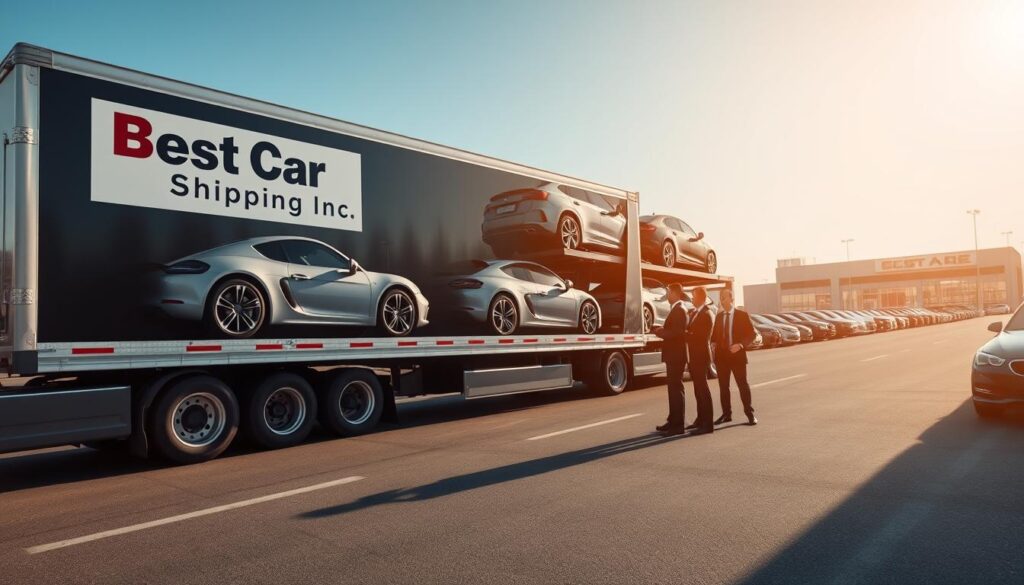
Inventory transfers are a routine part of dealership operations. They place specific trims, colors, or options where demand exists. This keeps lots current and helps close customer deals without adding miles.
Why dealerships move inventory
Deal groups and independent dealerships shift stock to match local demand, reduce aging inventory, and fulfill sales or trades. Moves also support customer delivery promises and reduce prep time at the receiving lot.
Common transport methods used today
Most dealers use multi-car open transport. These trailers carry 8–10 cars depending on configuration.
Enclosed transport is reserved for luxury, exotic, classic, or high-value vehicles that need weather and debris protection.
Roles: brokers, carriers, and dealerships
The dealership supplies release paperwork and lot access. A broker or transport coordinator sources capacity and schedules pickups.
The carrier provides the truck, licensed driver, insurance, and secure tie-downs. The Bill of Lading plus a condition report is the operational receipt that proves delivery status for both parties.
| Role | Primary responsibility | Key deliverable |
|---|---|---|
| Dealership | Paperwork, access, prep | Release forms, ready vehicle |
| Broker/Coordinator | Capacity sourcing, scheduling | Confirmed pickup window, dispatch updates |
| Carrier | Transport execution, insurance | Driver, truck, condition report |
Real-world auto transport cost benchmarks for the present market
Dealers and fleet managers need current lane benchmarks to judge whether a transport quote is reasonable. This section gives concise, practical numbers and sample routes so buyers can sanity-check pricing and scheduling.
Per-mile band: Typical rates range from $0.40 to $2.00 per mile. Short hauls often show a higher per‑mile figure; long hauls compress the per‑mile rate even as total expenses rise.
Median shipment benchmark
As of October 2025 the nationwide median was 987 miles at $1.23 per mile, yielding a $1,215 median shipment value. Medians reduce the influence of outliers and give dealers a steady planning number.
Sample route snapshots
- New York → Florida: $1,315 (Feb 2025), $1,215 (Oct 2025). Seasonal demand affects rates.
- California → Virginia: ~ $2,225. Coast‑to‑coast lanes carry higher totals and may favor enclosed transport.
- Michigan → Texas: ~ $1,495 (Jan 2025). Regional demand and lane balance drive variance.
Practical note: Treat these figures as planning estimates. Verify with current carrier availability and ZIP‑code specifics. For dealer transfers that need faster pickup, budget for expedited service or choose a lane‑friendly window.
Transparency tip: Reputable transport companies will explain market drivers behind a quote rather than presenting a single number. For dealer transfer support, see dealer transfer services or contact info@bestcarshippinginc.com.
Open vs. enclosed transport rates between dealerships
Service-level tradeoffs—price versus protection—drive the open enclosed decision for inventory moves.
Average open carrier costs by distance band
Open transport is the standard for dealer inventory moves. It balances availability, scheduling flexibility, and price.
Typical averages:
- Under 500 miles — $630
- 500–2,500 miles — $1,135
- Over 2,500 miles — $1,350
These figures reflect how multi-car trailers spread fuel and driver costs across many units, lowering per-vehicle rates on busier lanes.
Average enclosed carrier costs by distance band
Enclosed transport carries a clear premium for protection. A common uplift is about 30%–40%.
Average enclosed rates:
- Under 500 miles — $930
- 500–2,500 miles — $1,550
- Over 2,500 miles — $1,830
When enclosed transport is worth the extra 30%–40%
“Protecting high‑value inventory often pays for itself if damage would harm resale or customer trust.”
Choose enclosed for luxury models, exotics, fresh paint, or any vehicle where debris or weather risk is unacceptable. Enclosed also helps during harsh seasons.
Plan ahead: enclosed carriers have tighter capacity and may need precise lot access at pickup and delivery. The right choice starts with protecting the asset first, then optimizing rates within that protection level.
For sample pricing and detailed quotes, see average pricing or contact info@bestcarshippinginc.com.
What drives the cost of shipping a car between dealerships
Understanding the main pricing levers helps dealers control transport spending and protect inventory.
Distance and per-mile logic
Longer runs often lower the per mile price because fixed expenses spread across more miles. The total still rises with distance.
Pickup and delivery location
Metro dealer lots usually shorten deadhead time and boost carrier availability. Rural pickups add routing complexity and extra miles.
Vehicle size, weight, and condition
Large trucks and full-size SUVs use more deck space. Inoperable vehicles need winches or dollies and add labor fees.
Speed, carrier type, and market drivers
Expedited delivery requires prioritization and often a premium. Open carriers remain the default value option; enclosed carriers cost more but add protection.
- Fuel and market volatility: Fuel spikes and seasonal demand change pricing quickly.
- Operational fees: Access, storage, or tight-lot pickup can raise final invoices.
- How dealers lower costs: flexible dates, metro meet points, and clear vehicle condition notes.
Seasonality: the cheapest time of year to ship a car dealer-to-dealer
Seasonal patterns set predictable windows when transport pricing and availability shift for dealer transfers.
Winter realities: Holidays reduce capacity and often require bookings 3–4 weeks ahead. Snow and ice can delay delivery and force longer routes.
February frequently offers value. Lower demand and fewer seasonal moves often produce better rates when dealers remain flexible.
Spring shifts: Demand rises late March through May. Northbound lanes see increased traffic as weather improves, pushing pricing upward.
Summer peak: High activity and steady demand tighten carrier availability. Even with good weather, schedules fill fast and delivery windows shrink.
Fall opportunities: October and November usually bring improved availability and more competitive pricing before holiday disruption.
Planning tip: If a transfer is not urgent, select a flexible window during late winter or fall. This simple strategy often reduces total costs and eases scheduling.
| Season | Typical market effect | Dealer action |
|---|---|---|
| Winter (Dec–Feb) | Holiday congestion; weather delays; February slower | Book early for Dec; target Feb for lower rates |
| Spring (Mar–May) | Rising demand; northbound pressure | Reserve slots in advance; expect higher pricing |
| Summer (Jun–Aug) | Peak demand; tight schedules | Lock firm windows; consider premium service if urgent |
| Fall (Sep–Nov) | Improved availability; competitive rates | Flexible scheduling yields savings; book before holidays |
Estimating dealership-to-dealership shipping costs by mileage and vehicle type
Use distance and vehicle profile as the starting point for building realistic transfer budgets. Start with the mileage band, then adjust for vehicle type and any premium service or urgent delivery needs.
Per-mile price table: how rates fall as distance grows
| Distance band (miles) | Per-mile estimate | Planning note |
|---|---|---|
| 0–500 | $0.80 / mi | Short runs often carry higher per-mile rates |
| 500–1,000 | $0.73 / mi | Mid-range lanes; good carrier availability |
| 1,000–1,500 | $0.70 / mi | Longer runs compress per-mile figures |
| 1,500–2,000 | $0.48 / mi | Marked drop as lanes scale |
| 2,000–2,500 | $0.37 / mi | Long-haul efficiencies apply |
Vehicle-type differences by distance
Sedan: ~$425 (short) / $725 (mid) / $925 (long).
Compact SUV: ~$455 / $775 / $1,025.
Full SUV: ~$505 / $825 / $1,075.
Truck: ~$575 / $925 / $1,275.
“Larger vehicles occupy more deck space and add weight, so carriers price accordingly.”
Dealers should remember single-unit transfers can price like standalone shipments when lane capacity is tight. Remote pickup, inoperable vehicles, or expedited delivery will push these estimates higher.
Use these benchmarks as a planning tool and compare final quotes against them. For further guidance on pricing details, see car shipping charges or contact info@bestcarshippinginc.com.
Choosing the right service level for dealer transfers
Select the right transport tier based on vehicle value and timing needs to keep transfers efficient and secure.
Standard open transport for most inventory moves
Standard open transport remains the practical choice for routine dealership transfers. It offers broad availability and competitive pricing for most cars and light trucks.
Use this service when the vehicle is common stock and schedule flexibility exists. This minimizes per-unit expense while keeping delivery reliable.
Premium enclosed transport for high-value vehicles
Premium enclosed transport is a risk-management decision. Choose it for luxury, exotic, classic, or freshly detailed vehicles that need weather and debris protection.
Enclosed service preserves presentation and reduces exposure during transit. Expect higher fees and tighter scheduling; plan pickups earlier for carrier capacity.
Expedited pickup and delivery for tight timelines
Expedited pickup and delivery prioritize your load for faster handling. Carriers must rework routes and dispatch resources, which raises the price.
Use expedited only when deadlines demand it. Confirm exact pickup contact, verify vehicle operability, and provide release authority to prevent missed attempts.
Simple decision rule: protect the asset first (open vs enclosed), then decide time flexibility, then request matched quotes. This approach reduces damage risk, delivery exceptions, and customer friction.
For tailored dealer transport services, see dealer transport services or contact info@bestcarshippinginc.com for a coordinated quote.
How to get the best quote from auto transport companies
A tight, accurate quote starts with specific route and vehicle facts supplied up front. Clear details speed replies and reduce surprises.
Dealer-ready checklist: include origin and destination ZIP codes, year/make/model, running condition, preferred date window, and open or enclosed service.
Compare companies like a pro
Don’t pick the lowest number alone. Check pickup window, cancellation terms, and communication style. Confirm what the quoted amount covers and what can add fees later.
Insurance and transparent pricing
Confirm cargo limits, claims steps, and inspection requirements. Reputable transport companies provide documented coverage and a clear, no-hidden-fee quote.
Reduce costs without risk
- Offer flexible dates.
- Meet the truck at a metro-accessible location.
- Avoid peak seasonal windows when possible.
“Transparent quotes and confirmed insurance protect inventory and customer trust.”
| What to provide | Why it matters | Dealer tip |
|---|---|---|
| ZIP codes | Exact routing and distance | Include lot access notes |
| Vehicle details | Space and handling needs | Note operable status |
| Date window | Carrier availability | Offer flexibility for savings |
For help reviewing quotes, Best Car Shipping Inc. will evaluate route details and service needs at info@bestcarshippinginc.com or (307) 288-5972.
Preparing the vehicle and coordinating pickup between dealerships
Small operational decisions at pickup often determine whether a delivery is smooth or problematic. Clear, repeatable steps reduce delays and lower the chance of damage during shipping.
Pre-shipment inspection and documentation
Document condition with photos. Take clear images of all sides, wheels, and interior. Note pre-existing scratches or dents in writing.
The driver will perform a final inspection and sign a Bill of Lading. That document is the legal record for any claim.
Operational prep checklist
- Clean exterior so damage is visible.
- Keep fuel near a quarter tank.
- Disable alarms and remove keys from fobs.
- Remove personal items and loose accessories.
Scheduling and access planning
Many carriers cannot enter tight lots. Plan an alternate meet point at a nearby lot or curbside that allows safe truck access.
Confirm who will be onsite during the pickup window and ensure the vehicle is not blocked in. Disciplined coordination around keys, release paperwork, and lot access prevents most problems.
“Preventing damage and protecting the asset is the primary goal of every handoff.”
For coordinated scheduling and clear standards, contact Best Car Shipping Inc. at (307) 288-5972 or info@bestcarshippinginc.com.
Conclusion
Here is a concise recap that helps dealerships validate quotes and set up secure transfers with minimal friction.
Key benchmarks: plan with per‑mile ranges near $0.40–$2.00. Use the national median of $1,215 at 987 miles (~$1.23/mile) as a sanity check. Expect enclosed service to carry a 30%–40% premium over open transport.
Price is driven by distance, locations, vehicle profile, service level, and timing. Protect inventory with clear documentation, proper prep, and realistic pickup windows. For an accurate vehicle transport quote, supply ZIP codes, dates, and vehicle details.
Next step: request a vehicle transport quote or contact Best Car Shipping Inc. at (307) 288-5972 or info@bestcarshippinginc.com for transparent pricing and reliable scheduling.
FAQ
Shipping a Car from Dealership to Dealership: What’s the Cost?
FAQ
Shipping a Car from Dealership to Dealership: What’s the Cost?
Dealer-to-dealer transport pricing varies by distance, vehicle type, service level, and season. Typical nationwide ranges translate to roughly
FAQ
Shipping a Car from Dealership to Dealership: What’s the Cost?
Dealer-to-dealer transport pricing varies by distance, vehicle type, service level, and season. Typical nationwide ranges translate to roughly $0.40–$2.00 per mile. Short regional moves often run lower per mile, while coast-to-coast transfers and enclosed service raise the total. Contact Best Car Shipping Inc. at (307) 288-5972 or info@bestcarshippinginc.com for a tailored quote.
Typical nationwide price expectations in the United States?
Expect broad ranges rather than fixed rates. Local or regional dealer moves frequently cost less per mile. Long hauls and high-demand lanes command higher rates. The market average often lands between the low and high per-mile bands, affected by fuel, season, and carrier availability.
What “dealer-to-dealer” pricing usually includes (and what it doesn’t)?
Standard pricing normally covers pickup, transport on an open carrier, and delivery to the receiving dealer lot. It usually excludes packing, special winching for inoperable units, storage, permit fees, and premium insurance for high-value vehicles. Confirm inclusions with the carrier or broker before booking.
Why dealerships move inventory between dealers?
Dealers transfer vehicles to balance inventory, meet buyer demand, complete trades, or consolidate trade-ins. Transfers improve retail options, optimize allocation, and reduce carrying costs across a dealer network.
Common transport methods used by dealers today?
Dealers use open multi-car carriers for routine transfers, enclosed carriers for premium cars, and flatbeds for inoperable or oversized vehicles. Brokers often coordinate capacity and route optimization for dealer networks.
How brokers, carriers, and dealerships split responsibilities?
Dealerships request service and set delivery windows. Brokers arrange carriers, negotiate rates, and handle dispatch. Carriers perform pickup, transport, and delivery and carry primary liability during transit. Clear contracts define insurance and claims processes.
Average car shipping cost ranges and per-mile pricing?
Per-mile pricing commonly falls between $0.40 and $2.00 depending on distance, season, and vehicle. Short hauls trend toward the higher end per mile for small loads; very long routes reduce per-mile rates due to economy of scale.
Nationwide average shipment example (median distance and median cost per mile)?
A median dealer transfer might be several hundred miles with a blended per-mile rate near the mid-point of the market band. Exact totals depend on lanes and service level. Request a quote with ZIP codes for precise figures.
Sample route pricing snapshots (coast-to-coast and high-demand lanes)?
Coast-to-coast moves and busy corridors like California–Texas or Florida–Northeast show higher totals and demand-driven spikes. These snapshots change with fuel and seasonal demand; carriers publish lane rates that update frequently.
Average open carrier costs by distance band?
Open carriers remain the most economical option. Prices drop per mile as distance increases. Regional short-haul moves show higher per-mile rates than extended interstate hauls due to loading and routing efficiencies.
Average enclosed carrier costs by distance band?
Enclosed transport typically costs 30%–40% more than open carriers. Enclosed rates also fall as distance rises, but the premium for protection remains consistent across bands for luxury or classic vehicles.
When enclosed transport is worth the extra 30%-40%?
Choose enclosed service for high-value, classic, exotic, or new showroom cars. Enclosed carriers protect against road debris and weather and deliver greater peace of mind for high-ticket inventory.
Distance and why longer routes can lower the cost per mile?
Longer hauls spread fixed loading and dispatch costs across more miles. Carriers optimize routing and reduce deadhead miles, which lowers the per-mile charge for extended runs.
Pickup and delivery location (metro vs. rural dealer lots)?
Urban dealer lots with easy truck access lower handling time and cost. Rural or constrained lots may require additional fees, longer routing, or alternate meet points, increasing total charges.
Vehicle size, weight, and dimensions (sedans, SUVs, trucks)?
Larger trucks and heavy SUVs can increase costs due to capacity limits and rigging needs. Compact sedans load more easily and generally cost less per unit on multi-car carriers.
Vehicle condition (operable vs. inoperable loading requirements)?
Inoperable vehicles require winching, flatbed service, or special handling. These services add labor and equipment costs and raise the final price compared with operable units.
Delivery speed and expedited car transport pricing impact?
Expedited pickup or guaranteed delivery windows incur surcharges. Faster turnaround limits routing flexibility, so carriers charge premiums for priority service.
Carrier type and protection level (open transport vs. enclosed transport)?
Open carriers are cost-efficient for mass inventory moves. Enclosed carriers add protection and cost. Select service based on vehicle value and customer expectations.
Fuel price volatility and market conditions?
Fuel and carrier capacity impact market rates. Sudden fuel spikes or tight carrier availability raise prices. Annual contracts and flexible scheduling help mitigate exposure.
Winter shipping considerations (holiday capacity, snow/ice delays)?
Winter brings weather delays and holiday capacity constraints. Plan earlier, allow schedule buffers, and expect potential routing surcharges in severe conditions.
Spring demand shifts and rate changes?
Spring increases consumer buying and dealer moves after winter. Demand-driven rate rises are common, especially on popular lanes and during tax season peaks.
Summer peak season dynamics (demand vs. carrier availability)?
Summer shows peak retail activity and constrained carrier capacity. Book early and allow flexible pickup windows to secure competitive pricing.
Fall pricing opportunities and scheduling flexibility?
Fall often provides more carrier availability and softer demand. This window can offer better rates and scheduling options for dealer transfers.
Per-mile price table: how rates typically drop as distance increases?
Per-mile rates decline with distance because fixed pickup costs are amortized. Short regional trips cost more per mile; long-haul shipments benefit from lower per-mile charges. Exact numbers vary by lane and season.
Vehicle-type cost differences by distance (sedan vs. SUV vs. truck)?
Sedans are usually the least expensive. SUVs and trucks can raise transport costs due to size and weight limits on multi-car carriers. Factor vehicle dimensions when requesting quotes.
Standard open transport for most dealership inventory moves?
Open multi-car carriers suit most dealer needs. They balance cost and capacity and handle high-volume inventory transfers efficiently.
Premium enclosed transport for luxury, exotic, classic, or high-value vehicles?
Use enclosed service for high-value inventory that requires extra protection. Dealers choose this for transport to shows, auctions, or retail delivery for premium customers.
Expedited pickup and delivery for tight dealer timelines?
Expedited service addresses urgent transfers but costs more. Use when sales commitments or auction timelines require guaranteed dates.
What details you need for accurate pricing (ZIP codes, vehicle info, date, condition)?
Provide pickup and delivery ZIP codes, vehicle year/make/model, operable status, preferred dates, and any special handling needs. These specifics yield precise, reliable quotes.
How to compare transport companies without falling for “too good to be true” rates?
Compare carrier reviews, insurance limits, delivery windows, and included services. Extremely low quotes often hide fees or use unreliable carriers. Verify USDOT numbers and carrier insurance records.
Understanding insurance coverage and “no hidden fees” pricing models?
Confirm carrier liability and broker errors-and-omissions insurance. Ask for a written rate confirmation that lists all fees. Transparent providers outline fuel surcharges, loading fees, and accessorials up front.
Ways dealers and customers can reduce costs (flexible dates, metro meeting points)?
Offer flexible pickup/delivery dates, consolidate shipments, and use centralized metro terminals or meeting points. These options reduce deadhead time and lower total transport charges.
Pre-shipment inspection and documentation for damage prevention?
Conduct a detailed condition report with photos at pickup and delivery. Note existing damage and mileage. Proper documentation speeds claims and protects dealer assets.
Operational prep checklist (fuel level, alarms, accessories, personal items)?
Leave minimal fuel, disable alarms, secure loose accessories, and remove personal items. These steps reduce loading issues and liability concerns during transit.
Scheduling and access issues (tight lots, truck restrictions, alternate meet points)?
Confirm lot access, clearance heights, and local truck restrictions before booking. If lots are tight, arrange alternative meeting points or centralized terminals to avoid extra fees or delays.
How can dealers request a reliable quote from Best Car Shipping Inc.?
Send ZIP codes, vehicle details, preferred dates, and contact info to info@bestcarshippinginc.com or call (307) 288-5972. The team provides transparent quotes, carrier options, and clear insurance information.
FAQ
Shipping a Car from Dealership to Dealership: What’s the Cost?
Dealer-to-dealer transport pricing varies by distance, vehicle type, service level, and season. Typical nationwide ranges translate to roughly
FAQ
Shipping a Car from Dealership to Dealership: What’s the Cost?
Dealer-to-dealer transport pricing varies by distance, vehicle type, service level, and season. Typical nationwide ranges translate to roughly $0.40–$2.00 per mile. Short regional moves often run lower per mile, while coast-to-coast transfers and enclosed service raise the total. Contact Best Car Shipping Inc. at (307) 288-5972 or info@bestcarshippinginc.com for a tailored quote.
Typical nationwide price expectations in the United States?
Expect broad ranges rather than fixed rates. Local or regional dealer moves frequently cost less per mile. Long hauls and high-demand lanes command higher rates. The market average often lands between the low and high per-mile bands, affected by fuel, season, and carrier availability.
What “dealer-to-dealer” pricing usually includes (and what it doesn’t)?
Standard pricing normally covers pickup, transport on an open carrier, and delivery to the receiving dealer lot. It usually excludes packing, special winching for inoperable units, storage, permit fees, and premium insurance for high-value vehicles. Confirm inclusions with the carrier or broker before booking.
Why dealerships move inventory between dealers?
Dealers transfer vehicles to balance inventory, meet buyer demand, complete trades, or consolidate trade-ins. Transfers improve retail options, optimize allocation, and reduce carrying costs across a dealer network.
Common transport methods used by dealers today?
Dealers use open multi-car carriers for routine transfers, enclosed carriers for premium cars, and flatbeds for inoperable or oversized vehicles. Brokers often coordinate capacity and route optimization for dealer networks.
How brokers, carriers, and dealerships split responsibilities?
Dealerships request service and set delivery windows. Brokers arrange carriers, negotiate rates, and handle dispatch. Carriers perform pickup, transport, and delivery and carry primary liability during transit. Clear contracts define insurance and claims processes.
Average car shipping cost ranges and per-mile pricing?
Per-mile pricing commonly falls between $0.40 and $2.00 depending on distance, season, and vehicle. Short hauls trend toward the higher end per mile for small loads; very long routes reduce per-mile rates due to economy of scale.
Nationwide average shipment example (median distance and median cost per mile)?
A median dealer transfer might be several hundred miles with a blended per-mile rate near the mid-point of the market band. Exact totals depend on lanes and service level. Request a quote with ZIP codes for precise figures.
Sample route pricing snapshots (coast-to-coast and high-demand lanes)?
Coast-to-coast moves and busy corridors like California–Texas or Florida–Northeast show higher totals and demand-driven spikes. These snapshots change with fuel and seasonal demand; carriers publish lane rates that update frequently.
Average open carrier costs by distance band?
Open carriers remain the most economical option. Prices drop per mile as distance increases. Regional short-haul moves show higher per-mile rates than extended interstate hauls due to loading and routing efficiencies.
Average enclosed carrier costs by distance band?
Enclosed transport typically costs 30%–40% more than open carriers. Enclosed rates also fall as distance rises, but the premium for protection remains consistent across bands for luxury or classic vehicles.
When enclosed transport is worth the extra 30%-40%?
Choose enclosed service for high-value, classic, exotic, or new showroom cars. Enclosed carriers protect against road debris and weather and deliver greater peace of mind for high-ticket inventory.
Distance and why longer routes can lower the cost per mile?
Longer hauls spread fixed loading and dispatch costs across more miles. Carriers optimize routing and reduce deadhead miles, which lowers the per-mile charge for extended runs.
Pickup and delivery location (metro vs. rural dealer lots)?
Urban dealer lots with easy truck access lower handling time and cost. Rural or constrained lots may require additional fees, longer routing, or alternate meet points, increasing total charges.
Vehicle size, weight, and dimensions (sedans, SUVs, trucks)?
Larger trucks and heavy SUVs can increase costs due to capacity limits and rigging needs. Compact sedans load more easily and generally cost less per unit on multi-car carriers.
Vehicle condition (operable vs. inoperable loading requirements)?
Inoperable vehicles require winching, flatbed service, or special handling. These services add labor and equipment costs and raise the final price compared with operable units.
Delivery speed and expedited car transport pricing impact?
Expedited pickup or guaranteed delivery windows incur surcharges. Faster turnaround limits routing flexibility, so carriers charge premiums for priority service.
Carrier type and protection level (open transport vs. enclosed transport)?
Open carriers are cost-efficient for mass inventory moves. Enclosed carriers add protection and cost. Select service based on vehicle value and customer expectations.
Fuel price volatility and market conditions?
Fuel and carrier capacity impact market rates. Sudden fuel spikes or tight carrier availability raise prices. Annual contracts and flexible scheduling help mitigate exposure.
Winter shipping considerations (holiday capacity, snow/ice delays)?
Winter brings weather delays and holiday capacity constraints. Plan earlier, allow schedule buffers, and expect potential routing surcharges in severe conditions.
Spring demand shifts and rate changes?
Spring increases consumer buying and dealer moves after winter. Demand-driven rate rises are common, especially on popular lanes and during tax season peaks.
Summer peak season dynamics (demand vs. carrier availability)?
Summer shows peak retail activity and constrained carrier capacity. Book early and allow flexible pickup windows to secure competitive pricing.
Fall pricing opportunities and scheduling flexibility?
Fall often provides more carrier availability and softer demand. This window can offer better rates and scheduling options for dealer transfers.
Per-mile price table: how rates typically drop as distance increases?
Per-mile rates decline with distance because fixed pickup costs are amortized. Short regional trips cost more per mile; long-haul shipments benefit from lower per-mile charges. Exact numbers vary by lane and season.
Vehicle-type cost differences by distance (sedan vs. SUV vs. truck)?
Sedans are usually the least expensive. SUVs and trucks can raise transport costs due to size and weight limits on multi-car carriers. Factor vehicle dimensions when requesting quotes.
Standard open transport for most dealership inventory moves?
Open multi-car carriers suit most dealer needs. They balance cost and capacity and handle high-volume inventory transfers efficiently.
Premium enclosed transport for luxury, exotic, classic, or high-value vehicles?
Use enclosed service for high-value inventory that requires extra protection. Dealers choose this for transport to shows, auctions, or retail delivery for premium customers.
Expedited pickup and delivery for tight dealer timelines?
Expedited service addresses urgent transfers but costs more. Use when sales commitments or auction timelines require guaranteed dates.
What details you need for accurate pricing (ZIP codes, vehicle info, date, condition)?
Provide pickup and delivery ZIP codes, vehicle year/make/model, operable status, preferred dates, and any special handling needs. These specifics yield precise, reliable quotes.
How to compare transport companies without falling for “too good to be true” rates?
Compare carrier reviews, insurance limits, delivery windows, and included services. Extremely low quotes often hide fees or use unreliable carriers. Verify USDOT numbers and carrier insurance records.
Understanding insurance coverage and “no hidden fees” pricing models?
Confirm carrier liability and broker errors-and-omissions insurance. Ask for a written rate confirmation that lists all fees. Transparent providers outline fuel surcharges, loading fees, and accessorials up front.
Ways dealers and customers can reduce costs (flexible dates, metro meeting points)?
Offer flexible pickup/delivery dates, consolidate shipments, and use centralized metro terminals or meeting points. These options reduce deadhead time and lower total transport charges.
Pre-shipment inspection and documentation for damage prevention?
Conduct a detailed condition report with photos at pickup and delivery. Note existing damage and mileage. Proper documentation speeds claims and protects dealer assets.
Operational prep checklist (fuel level, alarms, accessories, personal items)?
Leave minimal fuel, disable alarms, secure loose accessories, and remove personal items. These steps reduce loading issues and liability concerns during transit.
Scheduling and access issues (tight lots, truck restrictions, alternate meet points)?
Confirm lot access, clearance heights, and local truck restrictions before booking. If lots are tight, arrange alternative meeting points or centralized terminals to avoid extra fees or delays.
How can dealers request a reliable quote from Best Car Shipping Inc.?
Send ZIP codes, vehicle details, preferred dates, and contact info to info@bestcarshippinginc.com or call (307) 288-5972. The team provides transparent quotes, carrier options, and clear insurance information.
.40–.00 per mile. Short regional moves often run lower per mile, while coast-to-coast transfers and enclosed service raise the total. Contact Best Car Shipping Inc. at (307) 288-5972 or info@bestcarshippinginc.com for a tailored quote.
Typical nationwide price expectations in the United States?
Expect broad ranges rather than fixed rates. Local or regional dealer moves frequently cost less per mile. Long hauls and high-demand lanes command higher rates. The market average often lands between the low and high per-mile bands, affected by fuel, season, and carrier availability.
What “dealer-to-dealer” pricing usually includes (and what it doesn’t)?
Standard pricing normally covers pickup, transport on an open carrier, and delivery to the receiving dealer lot. It usually excludes packing, special winching for inoperable units, storage, permit fees, and premium insurance for high-value vehicles. Confirm inclusions with the carrier or broker before booking.
Why dealerships move inventory between dealers?
Dealers transfer vehicles to balance inventory, meet buyer demand, complete trades, or consolidate trade-ins. Transfers improve retail options, optimize allocation, and reduce carrying costs across a dealer network.
Common transport methods used by dealers today?
Dealers use open multi-car carriers for routine transfers, enclosed carriers for premium cars, and flatbeds for inoperable or oversized vehicles. Brokers often coordinate capacity and route optimization for dealer networks.
How brokers, carriers, and dealerships split responsibilities?
Dealerships request service and set delivery windows. Brokers arrange carriers, negotiate rates, and handle dispatch. Carriers perform pickup, transport, and delivery and carry primary liability during transit. Clear contracts define insurance and claims processes.
Average car shipping cost ranges and per-mile pricing?
Per-mile pricing commonly falls between
FAQ
Shipping a Car from Dealership to Dealership: What’s the Cost?
Dealer-to-dealer transport pricing varies by distance, vehicle type, service level, and season. Typical nationwide ranges translate to roughly $0.40–$2.00 per mile. Short regional moves often run lower per mile, while coast-to-coast transfers and enclosed service raise the total. Contact Best Car Shipping Inc. at (307) 288-5972 or info@bestcarshippinginc.com for a tailored quote.
Typical nationwide price expectations in the United States?
Expect broad ranges rather than fixed rates. Local or regional dealer moves frequently cost less per mile. Long hauls and high-demand lanes command higher rates. The market average often lands between the low and high per-mile bands, affected by fuel, season, and carrier availability.
What “dealer-to-dealer” pricing usually includes (and what it doesn’t)?
Standard pricing normally covers pickup, transport on an open carrier, and delivery to the receiving dealer lot. It usually excludes packing, special winching for inoperable units, storage, permit fees, and premium insurance for high-value vehicles. Confirm inclusions with the carrier or broker before booking.
Why dealerships move inventory between dealers?
Dealers transfer vehicles to balance inventory, meet buyer demand, complete trades, or consolidate trade-ins. Transfers improve retail options, optimize allocation, and reduce carrying costs across a dealer network.
Common transport methods used by dealers today?
Dealers use open multi-car carriers for routine transfers, enclosed carriers for premium cars, and flatbeds for inoperable or oversized vehicles. Brokers often coordinate capacity and route optimization for dealer networks.
How brokers, carriers, and dealerships split responsibilities?
Dealerships request service and set delivery windows. Brokers arrange carriers, negotiate rates, and handle dispatch. Carriers perform pickup, transport, and delivery and carry primary liability during transit. Clear contracts define insurance and claims processes.
Average car shipping cost ranges and per-mile pricing?
Per-mile pricing commonly falls between $0.40 and $2.00 depending on distance, season, and vehicle. Short hauls trend toward the higher end per mile for small loads; very long routes reduce per-mile rates due to economy of scale.
Nationwide average shipment example (median distance and median cost per mile)?
A median dealer transfer might be several hundred miles with a blended per-mile rate near the mid-point of the market band. Exact totals depend on lanes and service level. Request a quote with ZIP codes for precise figures.
Sample route pricing snapshots (coast-to-coast and high-demand lanes)?
Coast-to-coast moves and busy corridors like California–Texas or Florida–Northeast show higher totals and demand-driven spikes. These snapshots change with fuel and seasonal demand; carriers publish lane rates that update frequently.
Average open carrier costs by distance band?
Open carriers remain the most economical option. Prices drop per mile as distance increases. Regional short-haul moves show higher per-mile rates than extended interstate hauls due to loading and routing efficiencies.
Average enclosed carrier costs by distance band?
Enclosed transport typically costs 30%–40% more than open carriers. Enclosed rates also fall as distance rises, but the premium for protection remains consistent across bands for luxury or classic vehicles.
When enclosed transport is worth the extra 30%-40%?
Choose enclosed service for high-value, classic, exotic, or new showroom cars. Enclosed carriers protect against road debris and weather and deliver greater peace of mind for high-ticket inventory.
Distance and why longer routes can lower the cost per mile?
Longer hauls spread fixed loading and dispatch costs across more miles. Carriers optimize routing and reduce deadhead miles, which lowers the per-mile charge for extended runs.
Pickup and delivery location (metro vs. rural dealer lots)?
Urban dealer lots with easy truck access lower handling time and cost. Rural or constrained lots may require additional fees, longer routing, or alternate meet points, increasing total charges.
Vehicle size, weight, and dimensions (sedans, SUVs, trucks)?
Larger trucks and heavy SUVs can increase costs due to capacity limits and rigging needs. Compact sedans load more easily and generally cost less per unit on multi-car carriers.
Vehicle condition (operable vs. inoperable loading requirements)?
Inoperable vehicles require winching, flatbed service, or special handling. These services add labor and equipment costs and raise the final price compared with operable units.
Delivery speed and expedited car transport pricing impact?
Expedited pickup or guaranteed delivery windows incur surcharges. Faster turnaround limits routing flexibility, so carriers charge premiums for priority service.
Carrier type and protection level (open transport vs. enclosed transport)?
Open carriers are cost-efficient for mass inventory moves. Enclosed carriers add protection and cost. Select service based on vehicle value and customer expectations.
Fuel price volatility and market conditions?
Fuel and carrier capacity impact market rates. Sudden fuel spikes or tight carrier availability raise prices. Annual contracts and flexible scheduling help mitigate exposure.
Winter shipping considerations (holiday capacity, snow/ice delays)?
Winter brings weather delays and holiday capacity constraints. Plan earlier, allow schedule buffers, and expect potential routing surcharges in severe conditions.
Spring demand shifts and rate changes?
Spring increases consumer buying and dealer moves after winter. Demand-driven rate rises are common, especially on popular lanes and during tax season peaks.
Summer peak season dynamics (demand vs. carrier availability)?
Summer shows peak retail activity and constrained carrier capacity. Book early and allow flexible pickup windows to secure competitive pricing.
Fall pricing opportunities and scheduling flexibility?
Fall often provides more carrier availability and softer demand. This window can offer better rates and scheduling options for dealer transfers.
Per-mile price table: how rates typically drop as distance increases?
Per-mile rates decline with distance because fixed pickup costs are amortized. Short regional trips cost more per mile; long-haul shipments benefit from lower per-mile charges. Exact numbers vary by lane and season.
Vehicle-type cost differences by distance (sedan vs. SUV vs. truck)?
Sedans are usually the least expensive. SUVs and trucks can raise transport costs due to size and weight limits on multi-car carriers. Factor vehicle dimensions when requesting quotes.
Standard open transport for most dealership inventory moves?
Open multi-car carriers suit most dealer needs. They balance cost and capacity and handle high-volume inventory transfers efficiently.
Premium enclosed transport for luxury, exotic, classic, or high-value vehicles?
Use enclosed service for high-value inventory that requires extra protection. Dealers choose this for transport to shows, auctions, or retail delivery for premium customers.
Expedited pickup and delivery for tight dealer timelines?
Expedited service addresses urgent transfers but costs more. Use when sales commitments or auction timelines require guaranteed dates.
What details you need for accurate pricing (ZIP codes, vehicle info, date, condition)?
Provide pickup and delivery ZIP codes, vehicle year/make/model, operable status, preferred dates, and any special handling needs. These specifics yield precise, reliable quotes.
How to compare transport companies without falling for “too good to be true” rates?
Compare carrier reviews, insurance limits, delivery windows, and included services. Extremely low quotes often hide fees or use unreliable carriers. Verify USDOT numbers and carrier insurance records.
Understanding insurance coverage and “no hidden fees” pricing models?
Confirm carrier liability and broker errors-and-omissions insurance. Ask for a written rate confirmation that lists all fees. Transparent providers outline fuel surcharges, loading fees, and accessorials up front.
Ways dealers and customers can reduce costs (flexible dates, metro meeting points)?
Offer flexible pickup/delivery dates, consolidate shipments, and use centralized metro terminals or meeting points. These options reduce deadhead time and lower total transport charges.
Pre-shipment inspection and documentation for damage prevention?
Conduct a detailed condition report with photos at pickup and delivery. Note existing damage and mileage. Proper documentation speeds claims and protects dealer assets.
Operational prep checklist (fuel level, alarms, accessories, personal items)?
Leave minimal fuel, disable alarms, secure loose accessories, and remove personal items. These steps reduce loading issues and liability concerns during transit.
Scheduling and access issues (tight lots, truck restrictions, alternate meet points)?
Confirm lot access, clearance heights, and local truck restrictions before booking. If lots are tight, arrange alternative meeting points or centralized terminals to avoid extra fees or delays.
How can dealers request a reliable quote from Best Car Shipping Inc.?
Send ZIP codes, vehicle details, preferred dates, and contact info to info@bestcarshippinginc.com or call (307) 288-5972. The team provides transparent quotes, carrier options, and clear insurance information.
.40 and .00 depending on distance, season, and vehicle. Short hauls trend toward the higher end per mile for small loads; very long routes reduce per-mile rates due to economy of scale.
Nationwide average shipment example (median distance and median cost per mile)?
A median dealer transfer might be several hundred miles with a blended per-mile rate near the mid-point of the market band. Exact totals depend on lanes and service level. Request a quote with ZIP codes for precise figures.
Sample route pricing snapshots (coast-to-coast and high-demand lanes)?
Coast-to-coast moves and busy corridors like California–Texas or Florida–Northeast show higher totals and demand-driven spikes. These snapshots change with fuel and seasonal demand; carriers publish lane rates that update frequently.
Average open carrier costs by distance band?
Open carriers remain the most economical option. Prices drop per mile as distance increases. Regional short-haul moves show higher per-mile rates than extended interstate hauls due to loading and routing efficiencies.
Average enclosed carrier costs by distance band?
Enclosed transport typically costs 30%–40% more than open carriers. Enclosed rates also fall as distance rises, but the premium for protection remains consistent across bands for luxury or classic vehicles.
When enclosed transport is worth the extra 30%-40%?
Choose enclosed service for high-value, classic, exotic, or new showroom cars. Enclosed carriers protect against road debris and weather and deliver greater peace of mind for high-ticket inventory.
Distance and why longer routes can lower the cost per mile?
Longer hauls spread fixed loading and dispatch costs across more miles. Carriers optimize routing and reduce deadhead miles, which lowers the per-mile charge for extended runs.
Pickup and delivery location (metro vs. rural dealer lots)?
Urban dealer lots with easy truck access lower handling time and cost. Rural or constrained lots may require additional fees, longer routing, or alternate meet points, increasing total charges.
Vehicle size, weight, and dimensions (sedans, SUVs, trucks)?
Larger trucks and heavy SUVs can increase costs due to capacity limits and rigging needs. Compact sedans load more easily and generally cost less per unit on multi-car carriers.
Vehicle condition (operable vs. inoperable loading requirements)?
Inoperable vehicles require winching, flatbed service, or special handling. These services add labor and equipment costs and raise the final price compared with operable units.
Delivery speed and expedited car transport pricing impact?
Expedited pickup or guaranteed delivery windows incur surcharges. Faster turnaround limits routing flexibility, so carriers charge premiums for priority service.
Carrier type and protection level (open transport vs. enclosed transport)?
Open carriers are cost-efficient for mass inventory moves. Enclosed carriers add protection and cost. Select service based on vehicle value and customer expectations.
Fuel price volatility and market conditions?
Fuel and carrier capacity impact market rates. Sudden fuel spikes or tight carrier availability raise prices. Annual contracts and flexible scheduling help mitigate exposure.
Winter shipping considerations (holiday capacity, snow/ice delays)?
Winter brings weather delays and holiday capacity constraints. Plan earlier, allow schedule buffers, and expect potential routing surcharges in severe conditions.
Spring demand shifts and rate changes?
Spring increases consumer buying and dealer moves after winter. Demand-driven rate rises are common, especially on popular lanes and during tax season peaks.
Summer peak season dynamics (demand vs. carrier availability)?
Summer shows peak retail activity and constrained carrier capacity. Book early and allow flexible pickup windows to secure competitive pricing.
Fall pricing opportunities and scheduling flexibility?
Fall often provides more carrier availability and softer demand. This window can offer better rates and scheduling options for dealer transfers.
Per-mile price table: how rates typically drop as distance increases?
Per-mile rates decline with distance because fixed pickup costs are amortized. Short regional trips cost more per mile; long-haul shipments benefit from lower per-mile charges. Exact numbers vary by lane and season.
Vehicle-type cost differences by distance (sedan vs. SUV vs. truck)?
Sedans are usually the least expensive. SUVs and trucks can raise transport costs due to size and weight limits on multi-car carriers. Factor vehicle dimensions when requesting quotes.
Standard open transport for most dealership inventory moves?
Open multi-car carriers suit most dealer needs. They balance cost and capacity and handle high-volume inventory transfers efficiently.
Premium enclosed transport for luxury, exotic, classic, or high-value vehicles?
Use enclosed service for high-value inventory that requires extra protection. Dealers choose this for transport to shows, auctions, or retail delivery for premium customers.
Expedited pickup and delivery for tight dealer timelines?
Expedited service addresses urgent transfers but costs more. Use when sales commitments or auction timelines require guaranteed dates.
What details you need for accurate pricing (ZIP codes, vehicle info, date, condition)?
Provide pickup and delivery ZIP codes, vehicle year/make/model, operable status, preferred dates, and any special handling needs. These specifics yield precise, reliable quotes.
How to compare transport companies without falling for “too good to be true” rates?
Compare carrier reviews, insurance limits, delivery windows, and included services. Extremely low quotes often hide fees or use unreliable carriers. Verify USDOT numbers and carrier insurance records.
Understanding insurance coverage and “no hidden fees” pricing models?
Confirm carrier liability and broker errors-and-omissions insurance. Ask for a written rate confirmation that lists all fees. Transparent providers outline fuel surcharges, loading fees, and accessorials up front.
Ways dealers and customers can reduce costs (flexible dates, metro meeting points)?
Offer flexible pickup/delivery dates, consolidate shipments, and use centralized metro terminals or meeting points. These options reduce deadhead time and lower total transport charges.
Pre-shipment inspection and documentation for damage prevention?
Conduct a detailed condition report with photos at pickup and delivery. Note existing damage and mileage. Proper documentation speeds claims and protects dealer assets.
Operational prep checklist (fuel level, alarms, accessories, personal items)?
Leave minimal fuel, disable alarms, secure loose accessories, and remove personal items. These steps reduce loading issues and liability concerns during transit.
Scheduling and access issues (tight lots, truck restrictions, alternate meet points)?
Confirm lot access, clearance heights, and local truck restrictions before booking. If lots are tight, arrange alternative meeting points or centralized terminals to avoid extra fees or delays.
How can dealers request a reliable quote from Best Car Shipping Inc.?
Send ZIP codes, vehicle details, preferred dates, and contact info to info@bestcarshippinginc.com or call (307) 288-5972. The team provides transparent quotes, carrier options, and clear insurance information.
