
Routine service keeps engines reliable. The TRU School of Trades & Technology offers clear, hands-on instruction. John Wrigley teaches students the basics of vehicle upkeep in straightforward lessons.
Learning this skill saves money and builds confidence. By performing an oil change yourself, owners gain a better understanding of their vehicle and protect the engine from premature wear.
TRU also hosts shop tours and program information sessions. The next event is scheduled for April 19th. Attending gives practical context and professional guidance for those starting out.
Simple maintenance adds years to any vehicle. Whether a student or an enthusiast, mastering changing oil is a practical way to care for your transport and avoid costly repairs.
Key Takeaways
- Basic oil service protects the engine and extends vehicle life.
- John Wrigley and TRU provide hands-on training and tours.
- Do-it-yourself work saves money and builds mechanical skills.
- Attend the April 19th session for live demonstrations.
- Regular maintenance prevents premature wear and costly repairs.
Essential Tools and Preparation for Your Oil Change
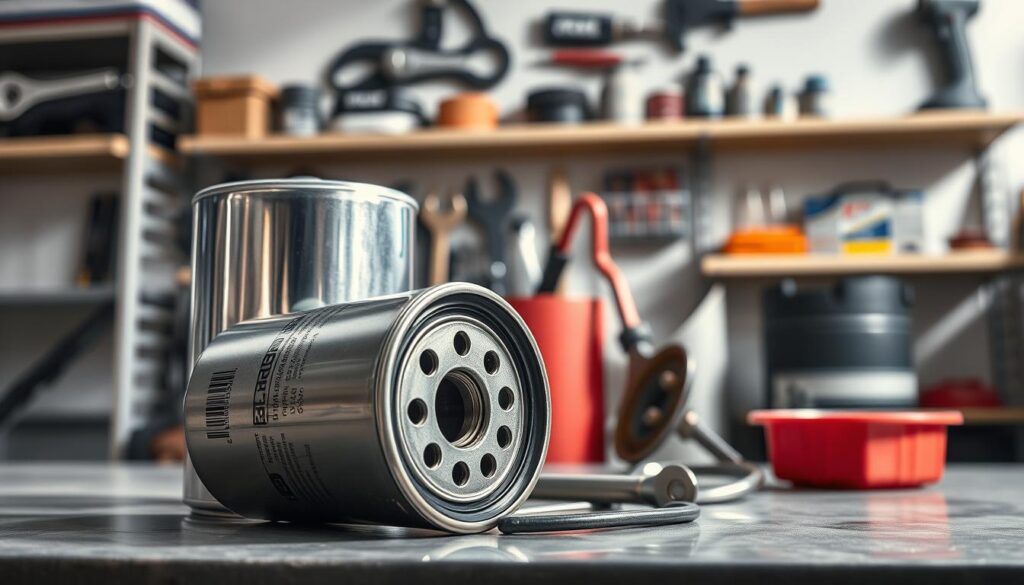
A well-organized work area and the right tools make routine maintenance quicker and safer. Gather supplies before starting. This saves time and lowers the risk of spills or damage.
Key supplies include a ratchet and socket set, a reliable filter wrench, a torque wrench, and an oil pan for used fluid. Add gloves, safety glasses, and a sturdy funnel for clean pouring.
Gathering Necessary Supplies
Make sure you have a high-quality oil filter and the correct motor oil on hand. Use jack stands rather than relying solely on a jack. A good filter wrench and proper sockets make removal of the drain plug and filter straightforward.
Checking Your Owner Manual
Consult the owner manual for the correct oil grade and capacity. Follow the manufacturer’s instructions and tips for recommended intervals and torque values. These instructions protect the engine and support long-term vehicle maintenance.
Safety Protocols for Working Under Your Vehicle

Before lifting, confirm the vehicle rests on dry, level ground and the emergency brake is set. This simple step reduces risk and ensures a stable base for maintenance work.
Never rely on a jack alone. Use jack stands to support the vehicle weight while accessing the oil pan and drain plug underneath. Wheel chocks add an extra layer of protection against rolling.
- Wear protective gear. Safety starts with gloves and eye protection when handling hot fluids or tools.
- Locate the drain plug under the oil pan and place a catch pan so the used oil drains directly into it.
- Allow the engine and exhaust to cool slightly before loosening the plug. Hot components can cause burns.
- Never work beneath a vehicle supported only by a jack; collapse risk is serious and avoidable.
- Confirm jack stands and the jack are rated for your car’s weight before beginning maintenance.
Following these protocols protects both the technician and the vehicle. Proper preparation makes the oil drain process orderly and safe. For assistance, contact service professionals who prioritize safety and care.
How to Change Oil in a Car
Begin with a safe lift: park on level ground, set the brake, and secure the vehicle on jack stands. Safety checks reduce risk before any work under the engine.
Follow the 10-step process precisely. Raise the vehicle, locate the drain plug and the filter, remove the plug, and allow the used oil to drain into the pan.
- Locate drain plug and filter positions so you avoid spills.
- Loosen the drain plug and let the oil drain for several minutes; inspect other components while it drains.
- Remove the old gasket before fitting a new one and replace the filter.
- Reinstall the plug by hand, then use a wrench and torque values from the owner manual to finish tightening.
“A careful, methodical approach prevents leaks and protects the engine.”
| Action | Tool | Why it matters | Estimated minutes |
|---|---|---|---|
| Raise vehicle | Jack & jack stands | Provides safe access under the oil pan | 5–10 |
| Drain oil | Catch pan | Removes contaminated fluid for replacement | 5–15 |
| Replace filter & gasket | Filter wrench | Ensures clean flow and prevents leaks | 5–10 |
| Tighten plug to spec | Torque wrench | Protects threads and prevents oil drain | 2–5 |
Final tip: make sure the plug is hand-started before using the wrench. This short check prevents cross-threading and preserves the pan. The systematic method keeps the car reliable and aligns with owner manual instructions.
Removing and Replacing the Oil Filter
Identify the oil filter location and position your catch pan to contain any spills.
Use a filter wrench to turn the oil filter counterclockwise. Expect some old oil to spill. Work slowly to avoid splashes and protect the vehicle and yourself.
Before installing the new filter, clean the engine mounting plate. Make sure no residue or old gasket material remains. An old O-ring stuck to the plate can cause leaks after the change.
- Lightly lubricate the gasket on the new filter with fresh oil for a smooth seal.
- Attach the new filter by hand until it seats, then tighten an additional three-quarters to one full turn.
- Locate the filter cap or housing if your vehicle requires a special tool for removal.
- Drain the oil inside the removed filter into the pan before disposal at a recycling center.
Final check: confirm the drain plug and filter gasket are secure, then run the engine briefly and inspect for leaks around the filter and oil pan.
Adding Fresh Oil and Checking Levels
Pour manufacturer-specified new oil into the engine using a clean funnel and steady hands.
Replace the fill cap securely and start the engine for at least thirty seconds. This circulates engine oil and lets the new filter and drain plug settle while you watch for leaks.
After shutting the engine off, wait thirty seconds for the oil to settle in the oil pan. Then verify level with the dipstick.
Verifying Oil Levels with the Dipstick
- Remove and wipe the dipstick clean with a rag.
- Reinsert fully, then withdraw and read the oil level against the marked range.
- If low, add small amounts of new oil and recheck until the level reaches full.
Inspecting for Leaks
Visually inspect the drain plug and oil filter for wetness or drips. Run the engine briefly and look again. Tighten the plug or filter if any leak appears.
| Check | Action | Why it matters |
|---|---|---|
| Fill level | Use funnel; pour specified volume | Prevents overfill and ensures correct lubrication |
| Circulation | Run engine 30 seconds | Allows new oil to reach filter and seals |
| Final check | Dipstick read; inspect plug and filter | Confirms correct level and detects leaks |
Proper Disposal of Used Motor Oil
Used motor oil must be handled responsibly. Collect drained fluid in a sealed container and close the cap tightly. Many service stations and quick-lube centers accept used oil and an old oil filter at no charge.
Do not pour oil down drains or onto soil. That contaminates groundwater and is illegal in many states. Place rags and newspaper used for cleanup in approved hazardous-waste bags per local rules.
- Drain the filter so residual oil flows into the pan before transport.
- Seal containers and wrap the drained filter for drop-off.
- Check municipal guidance or an auto parts store for recycling locations.
Recycling protects the environment and keeps maintenance compliant. A properly recycled oil and filter help prevent spills and long-term contamination. For questions about safe disposal or local rules, contact local waste authorities or a certified recycling center.
Conclusion
A clear, methodical service routine protects your vehicle and wallet.
Successful learning of an oil change empowers each owner. Regular service every 3,000–5,000 miles keeps the engine healthy and improves long-term performance.
DIY costs often run lower than shop fees. Professional labor may range $35–$75; a DIY job can cost $20–$55 for parts such as filter and new oil.
Always follow the owner manual for correct grade, fill level, and instructions. Prioritize safety with proper stands, gloves, and correct disposal of used fluid.
These simple tips help keep your car reliable for many miles. Questions or service support: info@bestcarshippinginc.com or (307) 288-5972.