
Passport Transport specializes in white-glove enclosed transport that meets the needs of snowbirds and other seasonal movers. This service reduces stress by handling pickup, secure transit, and door-to-door delivery.
Seasonal travelers who prefer to avoid long road trips choose professional auto shipping to save time and reduce wear on their vehicles. Trusted transport companies offer real-time tracking and clear insurance coverage to protect valuable assets.
Evaluating carriers means checking reviews, pricing, and the type of hauling—open or enclosed. Passport Transport focuses on enclosed transport and customer care, giving clients peace of mind during busy travel periods.
Plan ahead to secure better prices and a preferred pickup window. With the right provider, shipping a vehicle can be a cost-effective, stress-free alternative to driving long distances.
Key Takeaways
- Choose enclosed transport when protection and care matter most.
- Door-to-door delivery saves time and avoids terminal visits.
- Confirm insurance coverage and live tracking before booking.
- Book early to lock in price and preferred pickup dates.
- Professional transport cuts wear, fuel costs, and long road days.
Understanding the Needs of Seasonal Travelers

Long-distance moves demand trusted transport that coordinates pickup, transit, and secure delivery. Snowbirds often trade New England winters for Florida warmth and need reliable plans that match flights and lodging.
Snowbird Lifestyle
The snowbird lifestyle typically involves retirees or long-stay travelers relocating vehicles each year. Driving thousands of miles is tiring and adds wear to cars. Many prefer vehicle shipping to protect their investment and avoid winter road hazards.
Convenience Factors
Professional auto transport companies offer door-to-door service, coordinated pickup windows, and clear insurance coverage. These services reduce the time, fuel, and lodging costs of a self-drive trip.
- Door delivery avoids terminal logistics.
- Carriers provide handling that gives peace of mind.
- Compare prices, reviews, and carrier insurance before booking.
American Car Ship, at 555 North Point Center E, Alpharetta, GA 30022, understands these needs and supports planning to align pickup and delivery with travel schedules.
Benefits of Professional Auto Transport
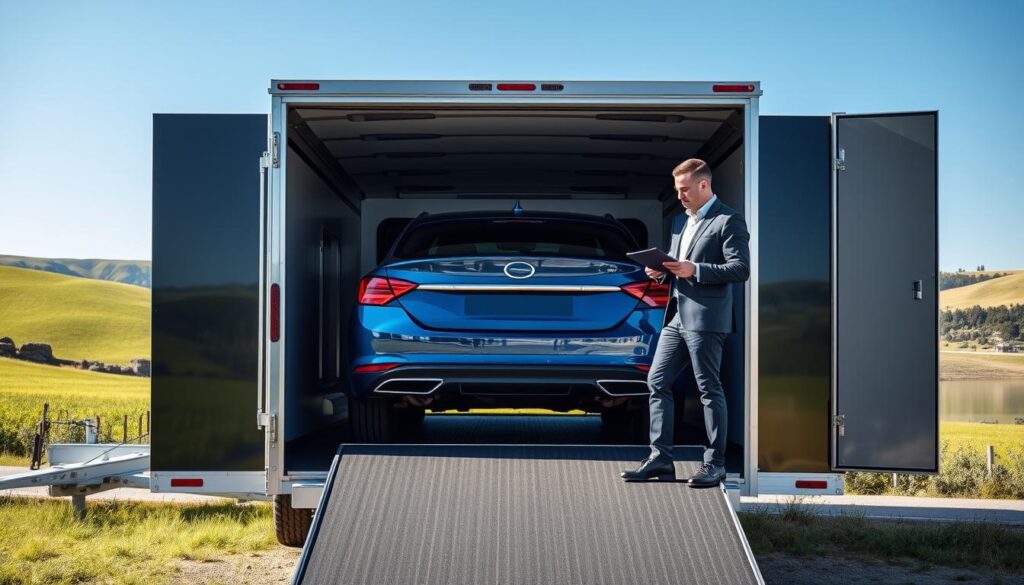
A white-glove enclosed transport service delivers extra protection and simplifies logistics when relocating a vehicle seasonally. Passport Transport handles pickup and door delivery so clients spend less time coordinating and more time traveling.
Professional auto transport reduces the risk of breakdowns and accidents that come with long winter drives. Trained drivers and modern carriers cut exposure to road hazards and harsh weather.
Choosing car transport avoids wear and tear, lowers fuel and lodging costs, and preserves resale value. Reliable companies include comprehensive insurance coverage and GPS tracking to monitor delivery in real time.
- Safer transit: fewer road miles and expert handling.
- Less wear: vehicles avoid added mileage and damage.
- Transparent protection: clear insurance coverage and tracking.
- Convenience: coordinated pickup and door-to-door delivery.
For busy retirees and professionals, vehicle shipping by a reputable carrier provides peace of mind. The result is a timely, secure service that aligns with travel plans and reduces stress.
Comparing Open and Enclosed Shipping Options
The right trailer type balances cost, distance, and the value of the vehicle being moved.
Open carriers are the economical choice. They lower cost and are widely available on major routes. Open auto transport suits standard cars and those prioritizing price over extra protection.
Open Carrier Advantages
- Lower prices: cost-effective for most vehicles and routes.
- Availability: frequent pickup windows reduce delays and time on hold.
- Reliable delivery: door-to-door service is common with reputable carriers.
Enclosed Protection
Enclosed transport shields a vehicle from weather and road debris. It is recommended for luxury or classic cars, especially those valued above $70,000.
| Feature | Open Carrier | Enclosed Carrier |
|---|---|---|
| Cost | Lower | Higher |
| Protection | Standard | Maximum |
| Best for | Everyday cars | Luxury, classic vehicles |
| Service notes | Wider availability | Premium handling and peace of mind |
Choose based on vehicle type, budget, and desired level of protection. For a trusted quote and timing, consider a specialist in vehicle shipping in Scottsville.
Best Car Shipping Options for Seasonal Travelers
Reliable enclosed carriers deliver vehicles with minimal disruption to travel plans and daily routines.
Passport Transport is a nationwide specialist in enclosed car transport with decades of experience. The company focuses on white-glove handling, secure pickup, and door delivery to match tight schedules.
Seasonal movers should book 2–4 weeks in advance to secure rates and a preferred pickup window. This timing eases peak demand and reduces surprise price increases.
- Flexible scheduling: coordinated pickup and drop-off to fit flights or rental timelines.
- Transparent pricing: clear quotes, insurance coverage, and tracking during transit.
- Vehicle care: trained drivers handle daily cars, luxury models, and classics.
Verify FMCSA registration, insurance coverage, and carrier reviews before you ship. For a local quote and reliable handling, consider this trusted vehicle transport partner.
Strategic Timing for Your Vehicle Shipment
Timing a vehicle transfer can cut costs and reduce scheduling stress during busy seasons.
Booking Windows
Book early when possible. During peak fall and spring months, carriers fill quickly.
As a rule, 2–4 weeks gives better rates and pickup flexibility. For standard periods, 7–10 days can work.
Peak Season Demand
Peak demand hits September–November and March–May. That raises prices and reduces available pickup windows.
Plan around peak weeks to secure a stable price and a reliable carrier.
Holiday Considerations
Avoid scheduling delivery the day before or after major holidays. Drivers often take time off, which can delay pickup and delivery.
| Timing Scenario | Impact on Price | Recommended Lead Time |
|---|---|---|
| Off-peak (winter low demand) | Lower costs, more carrier options | 7–14 days |
| Peak snowbird season | Higher prices, limited windows | 2–4 weeks |
| Holiday weeks | Risk of delay, variable pricing | Avoid if possible; 4+ weeks if needed |
Reliable companies provide clear pickup times, insurance coverage updates, and timely communication. For a fast quote and firm pickup windows, request an auto shipping quote.
Preparing Your Vehicle for Transit
Before handing keys to a carrier, owners should complete a simple checklist to protect their vehicle and speed pickup.
Clean the exterior and interior. A tidy vehicle makes it easier to spot existing dings and scratches during inspection.
Take detailed photos from all angles. Save timestamps and keep images with your shipment records to support any insurance review.
Remove personal items. Most auto transport companies do not cover belongings left inside a vehicle.
- Keep the gas tank near one quarter full for standard cars.
- For electric vehicles, charge to about 45–65% so the vehicle remains operational.
- Disable alarms, remove toll tags, and leave a spare key with the driver.
Have registration and insurance ready at pickup. Confirm contact details with the carrier and note the expected delivery time.
These steps lower risk, speed inspection, and improve on-time delivery. Contact info@bestcarshippinginc.com or call (307) 288-5972 with questions about the service.
Factors Influencing Shipping Costs
Distance and route choices are the top drivers of what you will pay to move a vehicle. Longer runs often lower the per-mile price, while short hops can cost more per mile.
Distance and Route Impact
Cross-country moves can drop to about $0.60 per mile on average. Shorter trips typically raise the per-mile rate.
The vehicle type also matters. Larger trucks, modified cars, and high-value models require specialty handling and higher fees.
- Seasonal demand: Prices rise in busy months when many people request service.
- Trailer type: Enclosed transport commands a premium over open carriers.
- Accessibility: Gated communities or narrow streets may add pickup or delivery surcharges.
Book early to secure a better price and avoid last-minute premiums. Reputable companies provide transparent quotes that include insurance, pickup windows, and firm delivery estimates.
| Factor | How it Affects Cost | Practical Tip |
|---|---|---|
| Distance | Lower per-mile on long hauls; higher on short trips | Consolidate moves when possible |
| Vehicle type | Larger or modified vehicles increase price | Disclose modifications upfront |
| Season | Peak months raise demand and price | Book 2–4 weeks early |
| Pickup/Delivery | Hard-to-reach locations add fees | Provide clear access details to carriers |
Compare multiple quotes and read reviews to confirm pricing and insurance coverage. For questions or a detailed estimate, contact info@bestcarshippinginc.com or call (307) 288-5972.
Navigating Potential Delivery Challenges
When driveways or narrow streets block large transport rigs, experienced drivers coordinate a safe handoff nearby. Most carriers use public lots, shopping centers, or a short curbside meeting to complete pickup and delivery.
Professional transport companies plan for these situations. If a gated community or tight road prevents direct access, the carrier will suggest a nearby, legal spot where the vehicle can be unloaded safely.
Clear communication is essential. Reliable companies keep customers updated on timing and route changes. Discuss the exact delivery location with your transport coordinator ahead of time to avoid delays.
- Drivers are skilled at maneuvering large carriers and will get as close as is safe.
- Established protocols protect the vehicle and satisfy insurance requirements.
- Planning in advance reduces unexpected costs and improves on-time delivery.
Addressing access issues early ensures a smooth, secure exchange and a stress-free experience. For questions about pickup logistics, contact info@bestcarshippinginc.com or call (307) 288-5972.
Essential Documentation for Secure Transport
A clear set of papers makes a vehicle transfer smooth and defensible in a claim.
Have vehicle registration, proof of insurance, and a signed transport agreement ready at pickup. These documents prove ownership and coverage and speed carrier processing.
Document the vehicle condition with dated photos and a written list of dings, dents, and chips. Keep that record with your shipment files to protect against disputed damage claims.
- Keep a copy of the transport agreement in a secure, weatherproof folder.
- Request the bill of lading at pickup and again at delivery; it is the formal record of condition and transfer.
- Let the transport company guide you through required paperwork to ensure compliance.
| Document | Purpose | When to Provide | Practical Tip |
|---|---|---|---|
| Registration | Proves vehicle ownership | At pickup | Bring an original or certified copy |
| Proof of insurance | Shows coverage during transit | Before loading | Confirm carrier limits and exclusions |
| Transport agreement / Bill of lading | Defines terms and records condition | Pickup and delivery | Review charges, timelines, and signatures carefully |
| Condition report & photos | Evidence for claims | Before loading | Timestamp images and store duplicates |
Organized documents lower costs and disputes. Prepare files in advance so the carrier can complete pickup quickly and the owner can focus on travel plans. For assistance, contact info@bestcarshippinginc.com or call (307) 288-5972.
Verifying Carrier Licensing and Insurance
Before you sign any agreement, confirm a carrier’s licensing and insurance to protect your vehicle and your wallet.
Start by checking USDOT and MC numbers on the official FMCSA site. This step proves a transport firm is authorized to operate across state lines.
Checking FMCSA Credentials
Search the carrier’s USDOT or MC number on the FMCSA portal. An active listing shows basic safety records and inspection history.
Reputable transport companies also carry comprehensive insurance and belong to industry groups. Ask for policy limits and a certificate before pickup.
Read customer reviews and check Better Business Bureau standing. Transparent firms share documents quickly and answer questions about delivery windows and costs.
| Check | Why it matters | Action |
|---|---|---|
| USDOT / MC | Legal authority and safety records | Verify on FMCSA.gov |
| Insurance | Pays for damage during transit | Request certificate and limits |
| Customer reviews | Service reliability and claims handling | Read recent feedback and BBB |
For a local quote and verified service, consider this vehicle transport partner. Contact info@bestcarshippinginc.com or call (307) 288-5972 with questions.
Managing Personal Items During Transit
Transporting personal belongings inside a vehicle is generally prohibited. The FMCSA restricts carriers to cover only the vehicle itself. Leaving luggage or household goods inside can void coverage and create liability for the driver.
Most reputable companies ask owners to remove personal items before pickup. Some carriers may accept small, unobtrusive loads—often up to 100 lbs—but that allowance is risky. Drivers who carry items risk fines and delays at inspection points.
Emptying the vehicle simplifies inspection and keeps the process compliant with federal rules. It also protects belongings, since carrier insurance will not cover personal property left inside a shipped vehicle.
- Pack essentials separately: Put must-have items in checked luggage or use a courier service.
- Prepare for inspection: Remove loose objects and disable alarms to speed loading.
- Ask your carrier: Confirm any limited allowance in writing and note potential costs or fines.
Following these steps reduces surprises at pickup and helps ensure timely delivery. For questions about compliance and service, contact info@bestcarshippinginc.com or call (307) 288-5972.
Tracking Your Vehicle During the Journey
Modern carriers use GPS and scheduled updates so owners can follow a vehicle from pickup to final delivery. This real-time data gives clear location details and expected arrival windows.
Reliable auto transport companies pair GPS with a dedicated transport coordinator. The coordinator sends status messages at key milestones: pickup, mid-route checks, and imminent delivery. That steady contact reduces uncertainty.
Real-time tracking helps owners plan their arrival and the final inspection. Knowing the truck’s position simplifies logistics and saves time on both ends of the move.
| Feature | What it Provides | Why it Matters |
|---|---|---|
| GPS tracking | Live location and route updates | Accurate arrival estimates and peace of mind |
| Coordinator updates | Human contact for questions | Fast answers and clear timing |
| Delivery notice | Final window and inspection time | Ensures owner availability and smooth handoff |
Choose a transport company that prioritizes transparency and clear communication. For Spanish-speaking owners, request details through this trusted transporte de carros page to get an accurate timeline and confirmed pickup window.
If questions arise during transit, contact the coordinator or call (307) 288-5972. For documentation or insurance queries, email info@bestcarshippinginc.com.
Seasonal Checklist for a Smooth Move
A short, practical checklist helps owners coordinate pickup, paperwork, and delivery with confidence.
Book transport 2–4 weeks ahead to secure timing and better rates. Confirm the pickup window and final drop-off location with the chosen company.
Notify your bank, utilities, and healthcare providers about your address change. That step avoids missed statements and service gaps while you move between homes.
“Prepared owners get faster inspections and fewer surprises at delivery.”
- Clean the vehicle and remove all personal items to meet carrier rules.
- Take dated photos of the car from all angles for records and insurance.
- Leave exactly 1/4 tank of gas and check tire pressure and battery charge.
- Pack a weatherproof folder with the transport agreement, registration, and proof of insurance.
- Consider a local inspection after arrival to confirm condition and seasonal readiness.
Follow these steps to streamline the process and protect your vehicle during transit. For questions or to confirm service, email info@bestcarshippinginc.com or call (307) 288-5972.
Conclusion
Working with a vetted carrier simplifies pickup, protects your vehicle, and shortens delivery timelines.
Choosing the right transport partner ensures your vehicle arrives safely and on schedule. Trusted firms, like American Car Ship, offer clear quotes, verified credentials, and steady communication.
Plan ahead, confirm insurance and licensing, and prepare the vehicle properly to avoid delays and disputes. Professional car shipping and car transport services deliver convenience and lower risk compared with driving long distances.
Request a free quote today to lock in timing and a firm rate. Contact info@bestcarshippinginc.com or call (307) 288-5972 to start the process with a reliable company committed to secure delivery and customer care.