
West Coast Shipping has handled thousands of international moves from online bids to secure delivery. This introduction outlines a clear roadmap to help buyers navigate vehicle transport after a successful win.
The team explains key steps in plain terms. Readers learn how to avoid common mistakes and protect their investment. This content blends industry know-how with practical checks that any owner can use.
Whether a seasoned collector or a first-time bidder, understanding logistics is essential. West Coast Shipping manages each detail to make delivery predictable and safe. Expect straightforward procedures and reliable support through every stage.
Key Takeaways
- Understand core steps to move a newly purchased vehicle with confidence.
- Use clear inspections and documentation to minimize risk.
- Plan international transport early to avoid delays and extra fees.
- Rely on a professional team to handle customs and local delivery tasks.
- Follow simple checks to protect your investment during transit.
Understanding the Auction Shipping Landscape
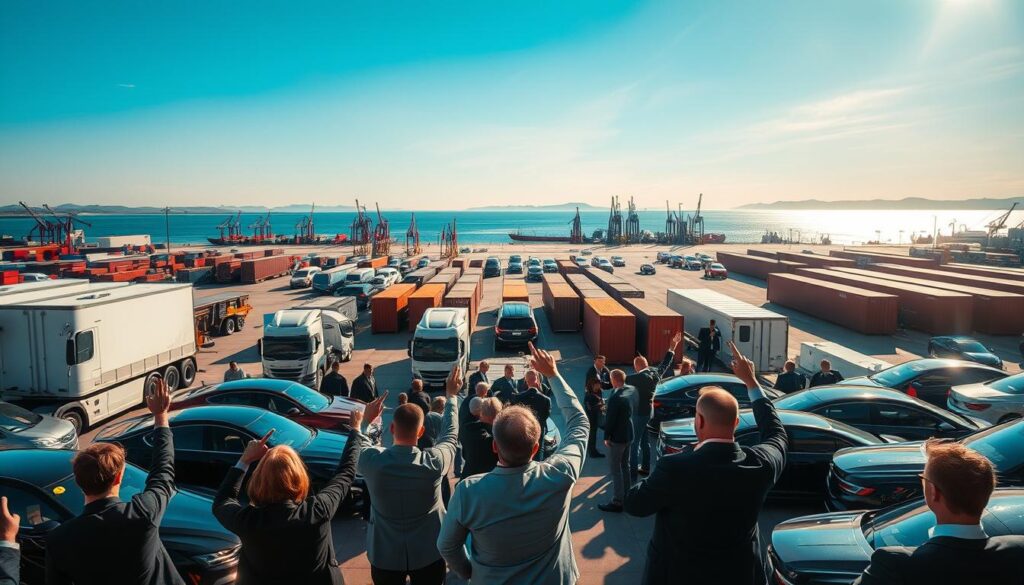
Digital platforms have opened global lanes for collectors to secure rare vehicles from anywhere. Platforms like Cars & Bids, Bonhams Cars Online, Exleasingcar, and Mobile.de now drive much of the market.
These systems attract international participation. Today, 40–60% of bidders at major sales come from outside the host country. That shift means winning a bid often starts a cross-border logistics process.
Digital Bidding Platforms
Online platforms provide condition reports, real-time video, and instant notifications. That transparency helps buyers make informed purchases without physical inspections.
Major Auction Houses
Leading houses conduct over 80% of transactions digitally. This trend requires tailored auction shipping services and clear coordination among the auction house, the dealer, and the logistics provider.
- Plan early: finalize transport services immediately after a successful bid.
- Verify reports: use condition data and streaming to confirm expectations before payment.
Understanding this landscape is the essential first step for any collector or dealer seeking smooth delivery and minimized risk.
Essential Steps for Car Shipping Guide for Auction Buyers
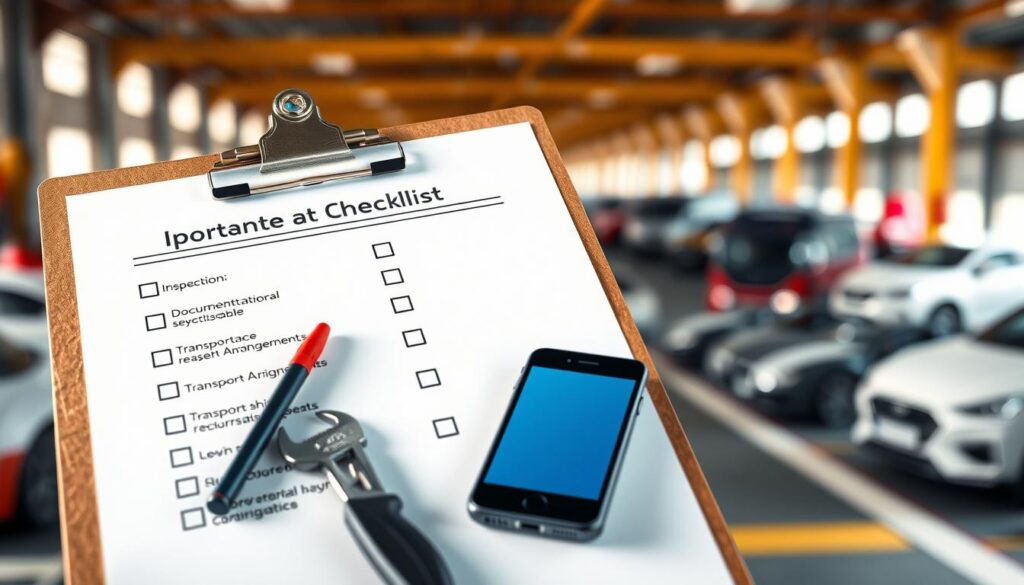
Begin by confirming the auction house has fully processed your winning bid and cleared payment.
Once the purchase is confirmed, contact a professional transport provider right away. This prevents extra storage fees at the facility.
Verify release status with the auction or dealer before you schedule pickup. A confirmed release avoids wasted carrier trips.
Timelines at auctions differ from standard private moves. Expect stricter windows and required documentation.
Clear communication between the auction house, the dealer, and the carrier ensures the vehicle is ready for loading on the scheduled date.
| Step | Responsible | Typical Timeline | Key Action |
|---|---|---|---|
| Confirm bid and payment | Buyer / Auction | 24–48 hours | Obtain written sale confirmation |
| Arrange transport | Buyer / Carrier | 48–72 hours | Book carrier to avoid storage fees |
| Verify release | Auction / Dealer | Before pickup | Confirm gate pass and hours |
Following these steps will streamline the process and protect the new acquisition during transit. For professional support, consider reliable auction shipping services.
Verifying Auction Release Status
Before any carrier arrives, verify the auction system shows the vehicle as released. This step prevents delays and extra yard fees.
Confirming release means the lot is cleared for pickup and the facility will allow entry. Always check the release entry in systems like Copart or IAA before scheduling collection.
Gate Pass Requirements
A valid gate pass is mandatory. The name on that document must match the authorized buyer or the transport company exactly. Mismatches often lead to carriers being turned away.
- Double-check VIN and lot number on the gate pass to avoid yard errors.
- Submit required documentation to logistics companies well in advance.
- Confirm the auction facility has authorized your chosen carrier before the driver arrives.
| Item | Who Verifies | When |
|---|---|---|
| Release flag in system | Buyer / Broker | Before booking pickup |
| Gate pass name & VIN | Buyer / Carrier | 24–48 hours prior |
| Authorization of carrier | Auction facility | Before driver arrival |
For step-by-step procedures and checklists, see our how to buy auction cars online resource.
Managing Necessary Documentation
Timely paperwork keeps a purchase moving from lot to delivery without surprise fees.
Most online auction platforms require payment within 3 to 7 business days after a win. Meet that deadline to begin the release process and avoid extra yard charges.
Complete all required paperwork quickly. That includes title transfers, proof of payment, and any notarized power of attorney forms. Missing items delay the release and add costs.
Keep digital copies of receipts and release authorizations. Digital files speed verification and help the buyer track status during each step of the process.
West Coast Shipping assists clients by organizing documentation and confirming timelines. This support makes transitions from the lot to the carrier predictable and efficient.
- Pay within the specified days to start the release.
- Prepare notarized documents when required.
- Store digital copies for quick proof of purchase and release.
For targeted support with Copart pickups and document workflows, see our Copart assistance page.
Selecting the Right Transport Method
Choosing the right movement option balances cost, speed, and vehicle protection. The decision depends on value, timeline, and condition.
Container Shipping
Container shipping is ideal for high-value items that need maximum protection. Transit usually takes 18–30 days across international waters.
This method shields vehicles from weather and reduces exposure to salt and road debris. It is the safest option when minimizing damage is the priority.
Air Freight
Air freight offers the fastest transit—typically 3–7 days. It suits premium purchases that require rapid delivery.
Costs are higher and some equipment or size limits may apply. Use air when urgency outweighs transport expense.
RoRo Shipping
Roll-on/roll-off is the most cost-effective option for operational vehicles. It involves driving the vehicle onto the vessel for standard loading.
RoRo provides less enclosure than container methods but is efficient for fleet moves and lower-value vehicles.
- Recommendation: match method to value, timeline, and loading needs.
- Our process: evaluate condition and equipment requirements to select the best type.
Handling Inoperable Vehicles
Safe pickup of an inoperable vehicle depends on clear condition details and the right recovery tools.
Non-running units need specialized transport equipment such as winches and flatbeds. These tools prevent further damage during loading.
Many yards use forklifts. That can risk undercarriage harm when staff do not position a vehicle correctly. The buyer must disclose if the vehicle rolls or steers.
- If a car has frame damage or missing wheels, note it early so crews bring appropriate gear.
- Honest condition reports reduce surprises at the pickup location and avoid added costs like storage fees.
- Proper handling preserves the vehicle’s auction condition and limits liability.
Logistics experts trained in recoveries manage complex moves. They ensure secure loading and transit from the lot to the final location.
For step-by-step tips on moving a non-running vehicle, see moving a non-running vehicle.
Navigating Storage Deadlines and Fees
Storage windows at auction yards can turn into costly surprises if pickup is delayed.
Understand timing: most facilities allow a brief free storage period after sale. After that, daily storage fees apply and they add up fast.
Buyers must schedule pickup within the allowed days. Weekends and holidays often count toward limits, tightening the available time.
Book transport immediately after purchase to secure a carrier before the free period ends. Proactive scheduling reduces unexpected fees and stressful delays.
West Coast Shipping actively monitors release and yard deadlines. The team coordinates carriers and confirms pickup windows to protect budgets and timelines.
- Confirm the free day allowance with the lot operator.
- Reserve a carrier right after sale clearance.
- Track releases and notify the yard of expected arrival.
| Item | Typical Value | Action |
|---|---|---|
| Free storage period | 3–5 days | Book pickup within window |
| Daily fees after free period | $25–$75 per day | Arrange carrier to avoid charges |
| Closed days counting toward limit | Weekends/holidays | Plan earlier pickup |
| Missed release consequences | Additional hold fees | Contact logistics provider immediately |
Questions? Contact support at (307) 288-5972 or email info@bestcarshippinginc.com.
Capturing Pre-Transport Condition Reports
A clear photo record at the lot is the strongest safeguard against disputed damage during transit. This step gives the owner factual information to support claims and verify status before any movement.
Essential Photo Angles
Take photos from all four corners. Include the roof and the underbody. Capture close-ups of dents, scratches, and torn trim.
Good documentation creates a baseline for insurance and liability. Store timestamps and filenames with the images. Share copies with the carrier and auction contact before pickup.
“A complete photo set reduces disputes and speeds claim resolution.”
- Confirm the lot number and VIN in each shot.
- Send photos to the driver and logistics team prior to loading.
- If the buyer is absent, arrange a third-party inspection to supply certified reports.
Clear communication between buyer, carrier, and facility ensures both sides agree on the vehicle’s starting condition. Keep all documentation accessible until delivery is final.
Coordinating with Professional Logistics Providers
An experienced logistics partner removes complexity and secures timely pickup and delivery. They act as a single contact to manage permits, gate passes, and yard communication.
Transparent quotes reflect the auction location and any special equipment the vehicle needs. This avoids last-minute changes and unexpected fees.
Providers handle the booking process, confirm pickup windows, and meet yard deadlines. They coordinate with auction staff to verify release and gate pass details before a driver arrives.
Professional companies offer options to match value and condition. That includes enclosed transport for high-value units or flatbeds and winches for inoperable cars.
- Real-time tracking keeps owners informed from pickup to final delivery.
- Clear timelines and point-of-contact updates reduce missed windows and hold fees.
- One transparent quote covers location, equipment, and the full services scope.
Choose experience to protect your investment and simplify the auction shipping process. For vetted providers and comparative listings, see our automotive shipping companies resource.
Understanding Customs and Cross-Border Logistics
Import rules and export paperwork shape the timeline long before a unit reaches its destination. International moves require precise documentation to avoid holds and extra fees.
Export Permits
Export permits are often mandatory when a vehicle leaves the United States. West Coast Shipping assists in preparing permits so the release from the lot proceeds without interruption.
Customs Valuation
Officials calculate duties using the full purchase amount. That includes sale price, buyer premiums, and platform fees. Accurate valuation avoids disputes that cause delays and potential damage claims during extended holds.
- Plan early: collect invoices, title paperwork, and invoices from the dealer before pickup.
- Know exemptions: many classic vehicles qualify for reduced duties under the 25‑year rule.
- Work with experts: legal and customs knowledge reduces processing time and mistakes.
Clear paperwork before a vehicle leaves the auction lot prevents costly delays during transit. For coordinated cross-border transit assistance and customs support, see our cross-border transport services.
“Accurate documentation speeds clearance and protects the buyer’s value.”
Managing Financial and Currency Considerations
Plan financials early to prevent last-minute costs that erode your final purchase value.
Account for all line items: auction fees, taxes, and platform surcharges can add materially to the final price. Add transport and repair estimates to your budget before you place a bid.
Currency moves matter. Exchange-rate swings can change the total costs of an international purchase overnight. Monitor rates and lock transfers when sensible.
Understanding declared value is also essential. Customs and insurers use the final sale price to set duties and coverage limits. Be realistic about the vehicle’s value when reporting.
- Set a firm maximum bid that includes fees and known costs.
- Keep a contingency for unexpected charges to avoid financial surprises.
- Request transparent quotes from providers to confirm total fees up front.
| Item | Typical Range | Action |
|---|---|---|
| Auction fees & premiums | 2%–15% of sale | Confirm prior to bidding |
| Taxes & duties | Variable by country | Calculate from final price |
| Exchange variance | ±1%–5% common | Monitor and hedge if needed |
Buyers who plan these items win with confidence and avoid costly surprises. For assistance, contact (307) 288-5972 or email info@bestcarshippinginc.com.
Mitigating Risks During Transit
Minimizing loss and delays begins with verified coverage and constant communication between all parties.
Comprehensive insurance protects the vehicle from pickup at the lot to final delivery. Policies should list named perils, deductibles, and declared value so claims process smoothly.
Document condition thoroughly with time-stamped photos and written notes. This information is essential when filing a claim after any damage.
Transparent documentation of purchases and title paperwork supports value claims. Keep copies accessible for carriers and insurers.
- Choose companies with real-time tracking and proactive updates to reduce uncertainty.
- Confirm equipment needs for inoperable units to avoid handling damage.
- Schedule pickups early to limit exposure to yard fees and operational delays.
“Clear records and verified insurance shorten resolution time and protect value.”
| Risk Area | Preventive Action | Responsible Party | Expected Outcome |
|---|---|---|---|
| Damage during loading | Photo record + specialized gear | Carrier + Buyer | Faster claims, less dispute |
| Documentation gaps | Store digital invoices & title copies | Buyer | Clear proof of value |
| Transit delays | Book vetted carriers; monitor in real time | Logistics provider | Reduced hold fees and ETA changes |
| Claim denial | Verified insurance details & condition photos | Buyer + Insurer | Higher claim approval rate |
West Coast Shipping coordinates coverage checks, condition verification, and carrier communication to limit risks during the transport process. For assistance, call (307) 288-5972 or email info@bestcarshippinginc.com.
Leveraging Technology for Real-Time Tracking
Integrated platforms link location data, documentation, and insurer records in one view. This gives owners clear, timely information about their delivery.
Live systems let the team monitor each vehicle during transit. Alerts note deviations and estimated arrival time so teams can act fast.
Digital communication tools connect the buyer, transport companies, and the logistics team. That connection reduces delays and improves coordination.
- Real-time tracking: precise location and progress updates during shipping.
- Document access: insurance and transport documentation stored and shared securely.
- Faster responses: automatic alerts let staff reroute or fix issues in less time.
“Visibility and verified documentation shorten claim cycles and remove uncertainty.”
| Technology | Primary Benefit | Who Uses It | Expected Outcome |
|---|---|---|---|
| GPS telematics | Live location data | Logistics managers | Improved ETA accuracy |
| Digital documentation portal | Centralized records | Insurance & carriers | Faster claims, clear proof |
| Automated alerts | Proactive issue handling | Operations teams | Reduced downtime and fees |
These services tighten the entire process and deliver reliable information at every step. For assistance, call (307) 288-5972 or email info@bestcarshippinginc.com.
Optimizing Costs for Multiple Purchases
Consolidating multiple wins into a single pickup can cut per-vehicle costs dramatically. Coordinated moves often reduce per-unit transport by 30–50% when several vehicles ship together.
West Coast Shipping coordinates group pickup and manages timing to limit storage fees. When several cars depart the same lot, handling is simpler and carriers charge lower rates.
Bundling purchases also delivers stronger leverage on the final quote. A single consolidated run lowers the chance of surprises tied to separate transports and ad‑hoc pickups.
- Simplified logistics: fewer gate passes and streamlined paperwork.
- Lower fees: shared loading reduces per-vehicle handling costs.
- Better pricing: group quotes often beat individual rates.
| Scenario | Typical Savings | Action |
|---|---|---|
| Single pickup of multiple units | 30–50% | Coordinate schedules and consolidate loads |
| Separate pickups | 0–10% | Higher handling and storage exposure |
For frequent purchasers, West Coast Shipping offers tailored solutions to optimize costs and scheduling. Contact (307) 288-5972 or info@bestcarshippinginc.com to request a consolidated quote and avoid last-minute surprises.
Preparing for Final Delivery
Set a firm delivery window and exact location before the transport approaches. This simple step prevents confusion and saves time on the day of pickup.
West Coast Shipping coordinates with the driver to confirm that all paperwork and release items are ready. The team verifies documentation and checks that the vehicle is prepped for loading and safe unloading at the destination.
Have a representative present on the day of delivery to inspect the vehicle for any damage. A short, time-stamped walkaround helps resolve issues quickly and supports any claim if needed.
Storage fees and release requirements are confirmed before final delivery. The provider ensures yard balances are cleared and gate passes are valid to avoid last-minute holds or extra fees.
Clear communication matters. Real-time updates reduce delays and let customers adjust arrival instructions if the driver meets unexpected traffic or operational issues.
- Confirm location & time: lock the delivery site and window.
- Verify paperwork: driver and team confirm all documentation is present.
- Inspect on arrival: check for visible damage before signing.
The goal is a smooth, professional handover from the lot to the owner’s door. For questions or to confirm a delivery window, contact (307) 288-5972 or email info@bestcarshippinginc.com.
Conclusion
Smart preparation turns complex auction sales into predictable deliveries. Plan each step after a win to limit delays and control fees. Verify the vehicle condition early and document it with clear photos.
Following this step list reduces risks for buyers and dealer clients. Use open communication with your logistics team to keep timelines and price expectations aligned. West Coast Shipping offers reliable services and tailored support.
Request a free quote to see how a professional team can streamline your next purchase. For help or to get started, call (307) 288-5972 or email info@bestcarshippinginc.com.