
Nexus Auto Transport delivers professional vehicle transport across the United States with clear pricing and reliable service. The team handles all stages of the move so owners avoid wear and tear from long drives. Average car shipping runs about $650 for standard transport, giving customers a solid baseline for budgeting.
Protection and care are core priorities. Vehicles remain shielded from weather and road damage during transit. Door-to-door delivery makes pickup and drop-off simple and convenient for busy people and businesses.
Understanding factors like distances, size, weight, fuel, and fees helps owners manage shipping costs and expectations. Nexus’ network of carriers offers dependable service and transparent communication. For questions or booking, contact (307) 288-5972 or email info@bestcarshippinginc.com.
Key Takeaways
- Average national car shipping is about $650 for standard transport.
- Professional vehicle shipping protects cars from weather and damage.
- Door-to-door delivery simplifies pickup and drop-off.
- Factors like distance, size, weight, and fuel affect final fees.
- Nexus Auto Transport offers transparent pricing and a network of reliable carriers.
Understanding the Cost to Ship a Pickup Truck to Another State

Breaking down the elements that shape a transport quote makes budgeting straightforward. Nationwide data shows the average car shipping price was $1,215 as of October 2025, while many customers use a $650 baseline for common moves.
Professional car shipping companies run algorithms that weigh demand, route availability, and vehicle type. That calculation determines the final price and the carrier assignment.
Coordinating with a carrier ensures the vehicle reaches its destination on schedule. Using professional services often offsets fuel and lodging expenses saved by not driving long distances.
- Transparent pricing: Nexus provides quotes reflecting historical data and real market conditions.
- Service choices: Different transport options and pickup locations influence total prices.
- Time and convenience: Delivery coordination simplifies moves and online vehicle purchases.
For tailored quotes and questions about vehicle shipping, contact Nexus Auto Transport at (307) 288-5972 or info@bestcarshippinginc.com.
Primary Factors Influencing Your Shipping Quote
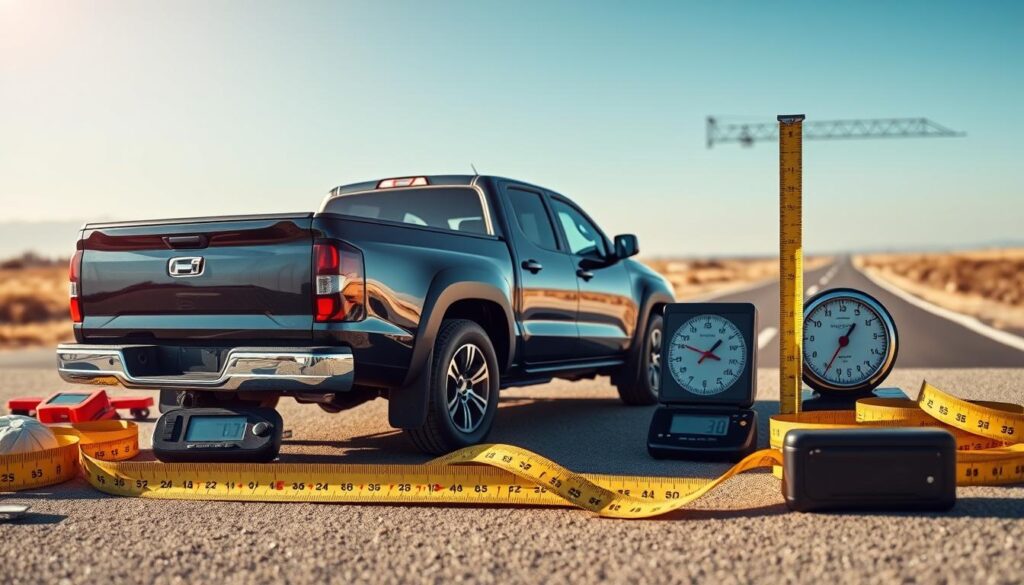
Several measurable variables shape the transport estimate for each vehicle. Knowing these factors helps owners plan budget and timing. Nexus Auto Transport uses real route data and carrier resources when preparing quotes.
Vehicle size and weight are primary drivers. Larger cars require more space on a trailer and may need special equipment. Heavier vehicles raise fuel use and labor for loading, which affects final prices.
Fuel price fluctuations also change quotes rapidly. Carriers factor current energy rates and expected route demand into their pricing models. Nexus monitors market shifts so its car shipping estimates remain competitive and accurate.
- Space on the transport trailer depends on vehicle dimensions and wheelbase.
- Weight influences fuel consumption and the type of carrier assigned.
- Distance between pickup and delivery affects miles traveled and time in transit.
For an in-depth example of how distance and vehicle type combine, see our guide on Florida to North Dakota car shipping. Understanding these factors helps customers prepare their cars and budget for shipping with confidence.
Comparing Open and Enclosed Transport Methods
Choosing between open transport and enclosed transport hinges on protection needs and budget limits.
Open transport is the most common option for car shipping. It is cost-effective and moves many vehicles on one trailer. Standard cars and most everyday vehicles use this method for state-to-state moves.
Enclosed transport offers increased protection. It shields cars from road debris, snow, and rain. High-value vehicles or collectors often prefer enclosed trailers for that reason.
Both services use professional carriers and modern trailers. Every vehicle is secured properly on pickup. Door delivery is available for either option, which simplifies the process and saves time.
“When choosing a method, consider vehicle value, weather exposure, and your budget.”
| Method | Best For | Protection | Typical Use |
|---|---|---|---|
| Open transport | Everyday cars | Standard protection | Most moves across state lines |
| Enclosed transport | Luxury and classic cars | High protection from elements | High-value vehicle shipping |
Need help choosing? Nexus Auto Transport compares options and recommends the best service. Call (307) 288-5972 or email info@bestcarshippinginc.com for a tailored quote and reliable delivery planning.
How Distance Impacts Your Total Price
Distance is the primary driver of any transport quote. The miles between pickup and delivery shape most of the final price. Longer routes add fuel use and time, but often lower the per-mile rate.
Calculating Cost Per Mile
As of January 2026, expect professional vehicle transport rates between $0.40 and $2.00 per mile. Short hauls tend toward the higher end per mile. Long-distance moves spread fixed expenses across many miles, so the per-mile figure usually drops.
Our online calculator uses distance and location details to give an accurate estimate for each route. Professional companies also optimize carrier routes to reduce per-mile charges and overall shipping costs.
Plan smart: combining flexible pickup dates and nearby locations often lowers prices. Understanding how distance affects shipping lets owners compare options, budget correctly, and choose the best service.
Seasonal Variations in Auto Transport Rates
Demand swings through the year directly affect carrier availability and final shipping rates. Nexus Auto Transport tracks these patterns so customers receive accurate quotes and reliable delivery windows.
Winter Shipping Challenges
Winter brings weather delays and route restrictions. Snow, ice, and road closures can slow transit time and limit available carriers.
Enclosed transport is often recommended during winter. It protects vehicles from salt and harsh conditions and reduces the risk of weather damage.
Peak Summer Demand
Summer sees the highest volume for vehicle shipping. Families, students, and businesses all move more often.
That surge raises prices and shortens carrier availability. Booking early secures preferred pickup dates and better service.
Off-Peak Fall Savings
Fall usually offers the best balance of price and flexibility.
Lower demand means more carrier options, competitive prices, and faster scheduling. Customers who plan moves in autumn often save money and time.
“Book early in peak months and consider off-peak windows when possible for better rates and smoother delivery.”
| Season | Typical Demand | Advice |
|---|---|---|
| Winter | Moderate; weather-dependent | Use enclosed transport; expect delays |
| Summer | High | Book early; allow flexible pickup time |
| Fall | Low | Schedule for savings and faster service |
Nexus monitors seasonal trends and adjusts quotes based on carrier availability, miles, and weather factors. Call (307) 288-5972 or email info@bestcarshippinginc.com for a tailored estimate.
Preparing Your Pickup Truck for Transit
Prepare the vehicle well before pickup to prevent delays and document its condition clearly.
Start by cleaning the car so scratches and dents are visible. Remove all personal items. Carriers prohibit loose belongings for safety and weight control.
Check tire pressure and fluid levels. Leave roughly a quarter tank of gas to reduce weight and hazards. Minor mechanical issues should be noted for the carrier.
Document everything. Take photos from multiple angles and note existing damage. This record protects the owner and speeds any claims process if damage occurs during delivery.
- Clean interior and exterior
- Remove personal items and accessories
- Verify tire pressure and fluids
- Keep fuel at about one-quarter tank
- Photograph vehicle condition before handoff
Following these steps reduces delays and helps ensure a smooth transport process. For a full checklist and scheduling, see our guide on ship your car to another state.
The Role of Vehicle Condition in Pricing
Vehicle condition strongly shapes a carrier’s quote and the level of handling required during transport.
Most companies require a car to brake, steer, and roll onto the trailer. If it cannot, special gear like a winch or forklift is needed.
Inoperable vehicles add labor and time. That increases final shipping and handling fees. Accurate details about the vehicle help assign the right carrier and equipment.
Our team handles vehicles of all kinds, including non-running cars. We coordinate safe loading and secure delivery. This reduces surprises and speeds transit across state lines.
| Condition | Handling Required | Typical Impact |
|---|---|---|
| Running, operable | Standard loading | Lowest price and fast pickup |
| Partially operable | Winch assist or extra labor | Moderate increase in fees |
| Inoperable | Special equipment, extra labor | Higher price; planned pickup |
Prepare and inform: provide true condition details when you request a quote. That helps control costs, ensures the right carrier, and protects the vehicle during delivery.
For an estimate that reflects your vehicle’s state, visit how much it costs to ship a or call (307) 288-5972.
Benefits of Professional Carrier Networks
A vetted carrier network reduces delays and ensures consistent pickup and delivery across state lines.
Nexus Auto Transport partners with over 59,000 vetted carriers. That scale gives customers access to fast routing and reliable handling for every vehicle. The company maintains a 99.9% satisfaction rate and more than 5,000 five-star reviews.
Professional drivers prioritize safety and efficiency. Expert teams secure vehicles quickly and follow strict loading procedures. This lowers risk and improves transit time for each transport.
Navigating Pickup and Delivery Logistics
Coordinators at Nexus manage the entire process. They schedule pickup, track movements, and confirm final delivery.
Open transport and enclosed transport options are available through the network. That flexibility helps owners choose the right level of protection for their car.
“A trusted carrier network gives customers peace of mind and clear communication every step of the way.”
For questions or to arrange service, contact Nexus at (307) 288-5972 or info@bestcarshippinginc.com.
Navigating Pickup and Delivery Logistics
Clear pickup and delivery plans reduce surprises and keep every vehicle on schedule. Nexus coordinates drivers, routes, and timing so clients know what to expect.
Drivers aim to get as close to your door as legally and safely possible. In tight neighborhoods, the carrier may request a nearby meet point.
Size and space matter. The team evaluates vehicle dimensions and local access when planning the most efficient transport route.
- Door-to-door service is offered when conditions allow.
- Staff provide timely updates and ETA changes to save you time.
- If you have questions, call 224-218-2949 for immediate assistance.
Professional transport services handle complex deliveries across state lines and coordinate closely with drivers. This clear communication keeps your car safe and ensures on-time delivery.
Ready to schedule? Visit our auto shipping quotes page for a tailored estimate and next steps.
Avoiding Hidden Fees and Unrealistic Quotes
Transparent pricing protects customers and prevents surprises. Nexus Auto Transport lists expected fees up front and explains every line on the estimate.
Unrealistic low bids are often a red flag. Extremely cheap offers can omit handling charges, extra labor, or seasonal surcharges. People who accept those quotes risk unexpected fees at delivery.
Nexus factors weather, route complexity, and vehicle details when preparing an honest price. That approach helps the customer compare real prices and choose the best carrier for their transport.
For clear benchmarks, review our car shipping prices. The page shows typical rates and common items that appear on quotes.
“Clear estimates save time and protect both the owner and the carrier from surprises.”
Ask for a written quote, confirm which fees are included, and note any potential extras. That simple step avoids stress and keeps delivery on schedule.
Essential Documentation for Your Shipment
Having the right paperwork ready prevents delays and protects owners during the pickup and delivery process.
The Bill of Lading is the central document. Sign it at both pickup and delivery to confirm the car’s condition and recorded mileage.
Prepare proof of ownership, insurance declarations, and any state inspection reports before the driver arrives. This makes the shipping process smooth and reduces administrative holds.
Keep copies of every signed form for your records. Accurate files protect both the owner and the carrier if questions arise during transport.
| Document | Purpose | Who Signs | Notes |
|---|---|---|---|
| Bill of Lading | Condition and handoff record | Driver and owner | Sign at pickup and delivery; note existing damage |
| Proof of Ownership | Verifies legal title | Owner | Required for interstate transport compliance |
| Insurance/Inspection | Coverage and condition verification | Carrier and owner | Keep copies; confirm policy limits |
| Special Permits | For oversized or inoperable vehicles | Carrier or shipper | Disclose weight and condition in advance |
Nexus guides clients through each step and explains required forms. For help arranging paperwork or to schedule car shipping, visit our car shipping services in Scottsville or call (307) 288-5972.
Evaluating Insurance Coverage Options
Knowing what a carrier’s insurance covers helps owners make informed decisions. All car transport quotes from the network include standard auto cargo insurance for peace of mind.
Enclosed transport provides extra protection for high-value vehicles and can affect policy choices. Owners should confirm limits and exclusions before pickup.
Professional transport companies are fully insured and bonded. That adds a layer of security and helps protect the vehicle from weather and other unforeseen damage during delivery.
“Review coverage limits and ask for written confirmation so you understand what is protected and what is not.”
| Coverage Type | What It Covers | When to Choose |
|---|---|---|
| Standard cargo insurance | Basic damage from transit incidents | Most everyday car shipping needs |
| Enhanced/enclosed coverage | Extra protection from weather and debris | High-value or classic vehicles |
| Owner supplemental policy | Adds limits beyond carrier policy | If vehicle value exceeds carrier limits |
Discuss options with the team and request clear policy documents. For details about typical car shipping prices and coverage, visit our car shipping overview or call (307) 288-5972. Email questions to info@bestcarshippinginc.com.
Strategies for Reducing Your Overall Shipping Costs
Small changes in scheduling and service choices can trim hundreds from a vehicle transport bill.
Be flexible. Moving pickup and delivery dates often lowers rates. Booking during off-peak months reduces per mile and per-mile rates and gives customers more carrier options.
Choose open transport for standard cars when possible. It costs far less than enclosed transport while keeping vehicles secure.
Consider terminal-to-terminal delivery. Dropping off and picking up at a hub saves money and shortens transit time for many routes.
Look for discounts. Nexus offers reduced prices for military personnel, students, and first-time customers. Ask the team for tailored advice that protects the vehicle without wasting money.
| Strategy | Typical Savings | When It Helps |
|---|---|---|
| Flexible dates | 10–25% | Off-peak moves and open trailer lanes |
| Terminal delivery | 15–30% | Willing to drop off and pick up |
| Service selection | $100–$500 | Choose open vs. enclosed based on value |
“Understanding the main factors in quotes helps people make smart choices and save money.”
Conclusion
Balancing value and service quality yields the best result for any vehicle move. Owners should weigh protection, timing, and transparent pricing when planning car shipping. Clear priorities cut surprises and safeguard the vehicle.
Compare written quotes and ask about included fees. Understanding total cost helps avoid last-minute charges and ensures proper coverage. Look for carriers with honest timelines and steady communication.
Flexible pickup windows and off-peak dates often lower final prices. Small scheduling shifts can save money per mile and reduce transit time. Nexus offers reliable options that match budget and protection needs.
For professional guidance and a firm quote, contact Nexus Auto Transport at (307) 288-5972 or email info@bestcarshippinginc.com. The team stands ready to help owners move with confidence.