
Preparing a vehicle for shipment begins with clear planning and careful checks. This short guide helps owners make sure each step of the auto transport process is handled with care. Matson reserves the right to reject cargo if a vehicle fails basic safety or handling requirements, so early attention matters.
Start with a pre-shipment inspection. Document dents, scratches, and fluid levels. Take photos from multiple angles and complete the inspection form with the carrier. This reduces disputes and protects the owner during transit.
Remove personal items and secure loose parts. Check the battery, tires, and for leaks. Leave a quarter tank of gas for safe loading and unloading. Choosing a reliable partner streamlines the shipment and saves time and stress. For detailed state-to-state guidance, see our shipping checklist at car shipping checklist.
Key Takeaways
- Document your vehicle condition with photos and an inspection form.
- Follow carrier requirements; improper prep can lead to rejection.
- Secure the battery, tires, and fluids before transport.
- Remove personal items to protect insurance coverage.
- Choose a trusted auto transport provider to reduce delays.
Understanding the Car Shipping Process
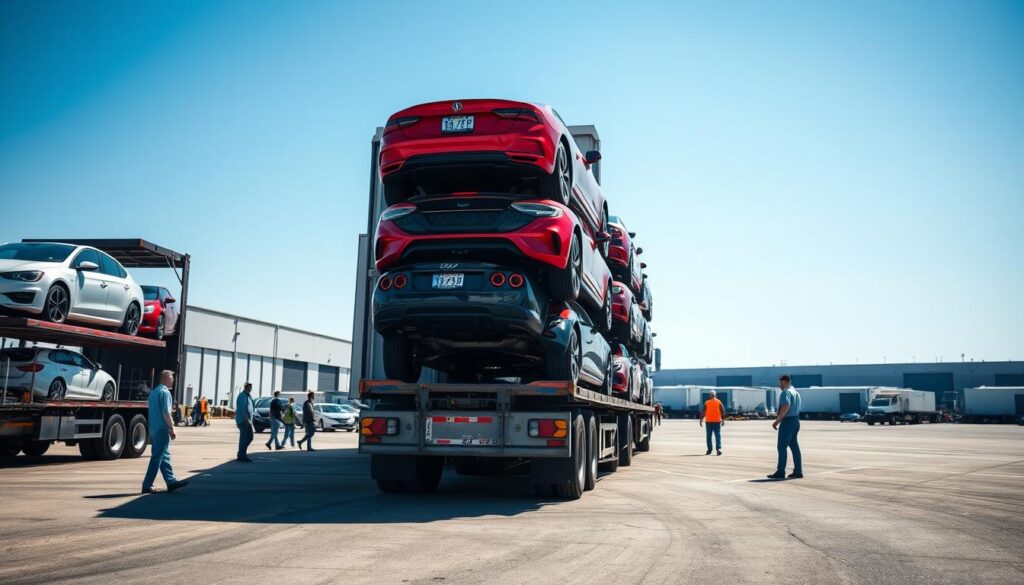
A clear view of broker responsibilities and carrier roles helps owners make informed choices.
Choosing a reliable broker matters. Brokers vet carriers and contract drivers for each shipment. Industry experts like Tim DeMille and Jeff Dominas note brokers must disclose vetting methods and identify themselves plainly. Ask for a carrier’s DOT or FMCSA number before booking.
The typical process begins with a quote, scheduling pickup, and a vehicle inspection prior to loading. Request details on insurance limits and the claims process. Confirm condition documentation so delivery disputes are easier to resolve.
Open versus Enclosed Transport
Open trailers are cost-effective and common for standard vehicles. Enclosed trailers offer extra protection and suit high-end or exotic vehicles.
“A reputable company should identify as a broker and provide clear vetting information.”
| Option | Best for | Typical cost | Protection level |
|---|---|---|---|
| Open transport | Everyday vehicles | Lower | Standard |
| Enclosed transport | Luxury, classic, exotic | Higher | High |
| Oversize handling | Vehicles >76″ height/width | Varies | Specialized |
For oversize units departing Oakland, ensure dimensions meet port rules or contact Matson Conventional at 1-888-362-8766. For broker details and credential checks, see an expert auto shipping broker.
How to Prepare Your Car for Shipping
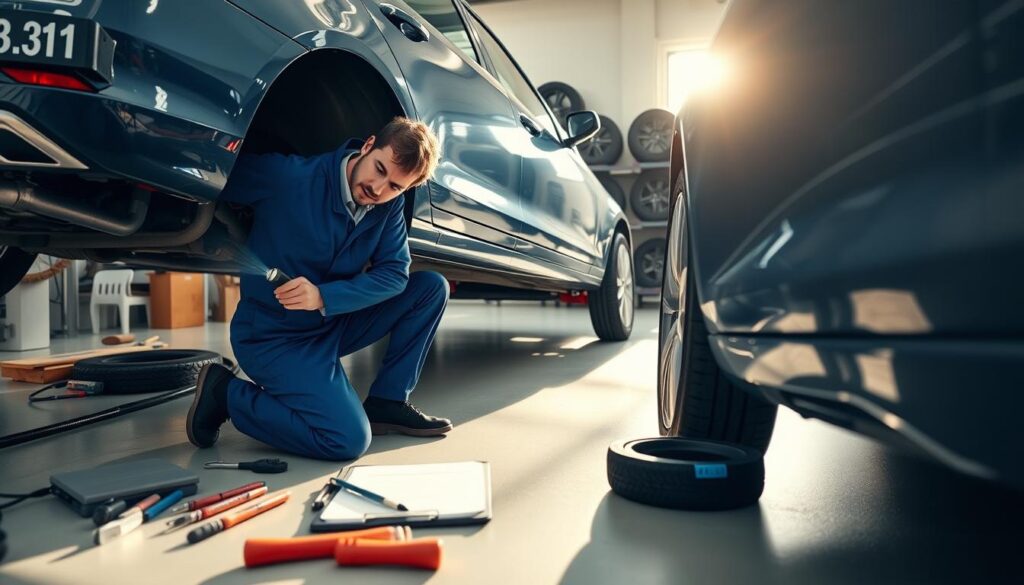
Start by giving the exterior a thorough wash and a close inspection for any visible issues. The USDA requires vehicles free of dirt, grass, and seeds at port inspection. A clean exterior speeds acceptance and prevents delays.
Cleaning and Exterior Inspection
Check the body for dents, scratches, and cosmetic damage. Take clear photos from multiple angles and note any existing damage on the inspection form.
Remove loose accessories unless factory-installed. Bike racks, roof tents, and extra batteries must be detached before port drop-off.
Removing Personal Belongings
Clear all items from the trunk and interior. Carriers cannot transport household goods, and personal belongings may void insurance.
Remove toll tags and electronic responders to avoid charges during transit. Leave a spare set of keys with the driver or carrier agent for loading and delivery.
Managing Fuel and Fluids
Keep the gas tank between 1/8 and 1/4 full. This level allows the vehicle to be moved if needed and reduces shipment weight.
Check for fluid leaks and ensure the battery is charged. Document any mechanical concerns and share them with the driver and carrier before pickup.
“A clean, well-documented vehicle reduces disputes and helps your shipment arrive on time.”
For step-by-step guidance and a full checklist, visit the detailed prep guide at vehicle preparation checklist.
Essential Vehicle Maintenance and Safety Checks
Confirm the vehicle runs reliably and that all dashboard lights are clear before pickup. A working emergency brake and no engine, airbag, or tire warnings are mandatory for most carriers.
Inspect tires and fluids. Inflate tires to the manufacturer’s pressure and top off oil, coolant, and fuel. Keep the gas tank near one-quarter; this limits weight while allowing movement during delivery.
Check for fluid leaks. Leaks can cause damage to other vehicles and may delay shipping. Ensure the battery holds a full charge so the driver can start and maneuver the car at delivery.
- Remove heavy items from the trunk to manage weight and reduce risk of damage.
- Keep a spare set of keys ready for the driver and carrier agent.
- Verify active insurance that covers the vehicle during transport.
- Confirm all lights and windows are intact; cracked glass can result in refusal.
“Simple maintenance checks speed loading and protect your vehicle during auto transport.”
Managing Documentation and Insurance Requirements
Proper records and an accurate receipt are essential when a vehicle changes hands for transport.
The Bill of Lading is the legal contract and the receipt you must keep. It documents the vehicle’s condition at pickup and delivery. Always inspect the car with the driver and note any existing damage before signing.
Keep contact details for the company and carrier handy. Verify that carrier insurance is sufficient, since that coverage is primary for claims. If a vehicle fails a USDA inspection, the shipper pays cleaning and re-inspection fees.
Remove personal belongings and toll tags. Photograph the exterior and note scratches and dents. Ask customer service for a copy of the signed Bill of Lading; it is your legal evidence for any future claim.
“A clear Bill of Lading and joint inspection protect owners and speed resolution when damage occurs.”
| Document | Purpose | Owner Action |
|---|---|---|
| Bill of Lading | Legal receipt of condition at pickup/delivery | Inspect with driver; retain signed copy |
| Inspection report | Records existing damage and notes | Photograph exterior; list scratches and dents |
| Insurance certificate | Confirms carrier coverage limits | Verify limits and contact info |
| Carrier contact sheet | Helps track shipment status | Save phone/email for questions |
For route-specific details, see the Florida to North Dakota car shipping guide or call (307) 288-5972 or email info@bestcarshippinginc.com.
Tips for Reducing Auto Transport Costs
Flexible pickup dates and simpler delivery points often cut the overall transport bill. Aim for a five-business-day window when possible. Carriers run routes that favor flexible schedules and this can lower the final cost.
Meet the driver in a city center rather than a remote address. This reduces mileage on the carrier’s route and often leads to a better quote.
Remove personal belongings and extra accessories before pickup. Extra weight adds fees and may void coverage. Take out toll responders, spare batteries, and non-essential items from the trunk.
Ask the company for an all-fees quote up front. Paying by cash or certified check can produce a small discount versus credit card payments.
- Plan outside peak holidays to avoid surge pricing.
- Choose open trailers for the most economical option.
- Call customer service with questions about route-specific rates. Alaska route inquiries can be directed to 1-877-678-7447.
“A clear quote and simple pickup choices save money while protecting the vehicle.”
For additional information or to request a tailored quote, contact (307) 288-5972 or email info@bestcarshippinginc.com.
Conclusion
Confirming condition, carrier details, and timing protects owners from surprise costs or damage. Document the vehicle with clear photos and complete the inspection paperwork before pickup. Request a detailed quote and compare options so the chosen carrier matches service needs.
Remove personal items and secure loose parts. Perform basic maintenance so the car travels safely. Flexibility with pickup and delivery dates often lowers the overall cost and shortens transit time.
Sign the Bill of Lading only after you confirm delivery condition. For an accurate estimate, use our vehicle shipping estimate and contact customer service at (307) 288-5972 or info@bestcarshippinginc.com for help.