
Passport Transport has built trust in the auto transport field for over 50 years. The company focuses on moving high-value vehicles with care and clear communication.
Choosing enclosed transport means using specialized trailers and extra handling to protect a vehicle from weather and road debris. That extra protection raises the price, but it lowers risk for luxury or rare cars.
Professional firms offer documented inspections, scheduled pickup windows, and insured shipment handling. These steps create reliable service and give owners confidence during long miles or cross-country moves.
For a deeper look at typical pricing and what affects final price, see this guide on vehicle transport cost.
Key Takeaways
- Experienced provider: Passport Transport has five decades of industry expertise.
- Added protection: Specialized trailers and handling reduce damage risk.
- Transparent process: Inspections and pickup windows improve reliability.
- Value trade-off: Higher price buys security for high-value vehicles.
- Expert guidance: Teams help with scheduling, insurance, and pricing.
Understanding Why Enclosed Car Shipping Costs More
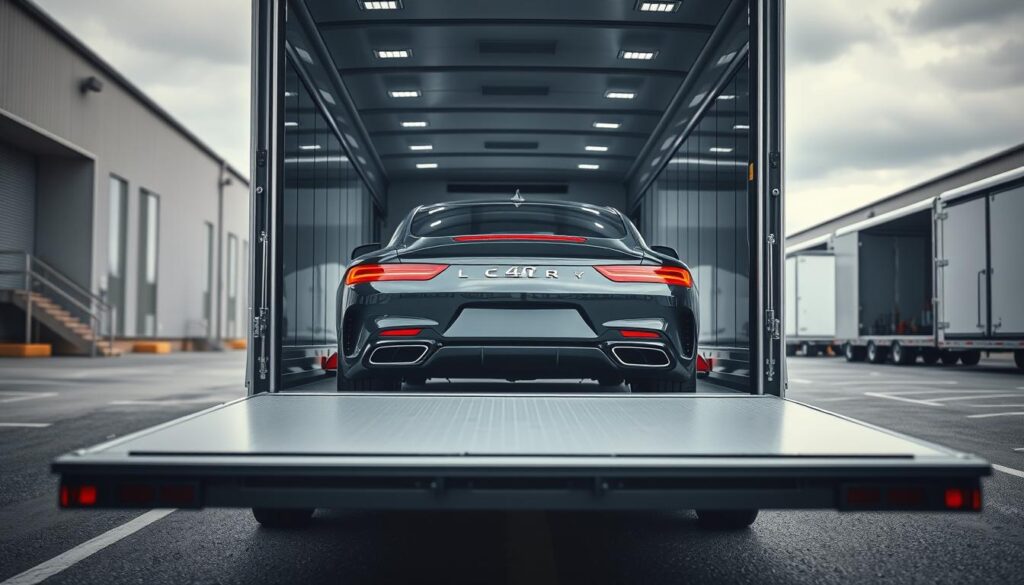
Protected trailers limit exposure to rain, snow, dust, and grime, which helps preserve a vehicle’s condition. This higher level of protection explains the typical 30–50% price increase over standard open transport.
Specialized trailers require extra equipment and handling. Carriers assign dedicated spaces and secure tie-downs. That adds labor and operating expenses to each move.
Insurance coverage for premium auto transport is often higher. Enhanced policies reflect the greater declared value of transported vehicles. This protects owners against potential damage and supports long-term value preservation.
- Shield from weather and road debris: Vehicles avoid rain, wind, and grit that cause chips and finish wear.
- Improved security and confidentiality: Cars travel out of public view, reducing theft and vandalism risk.
- Careful handling: Drivers and handlers use protocols for high-end and classic vehicles.
For an in-depth service description and booking details, see our enclosed car transport page.
Core Factors Influencing Your Transport Quote
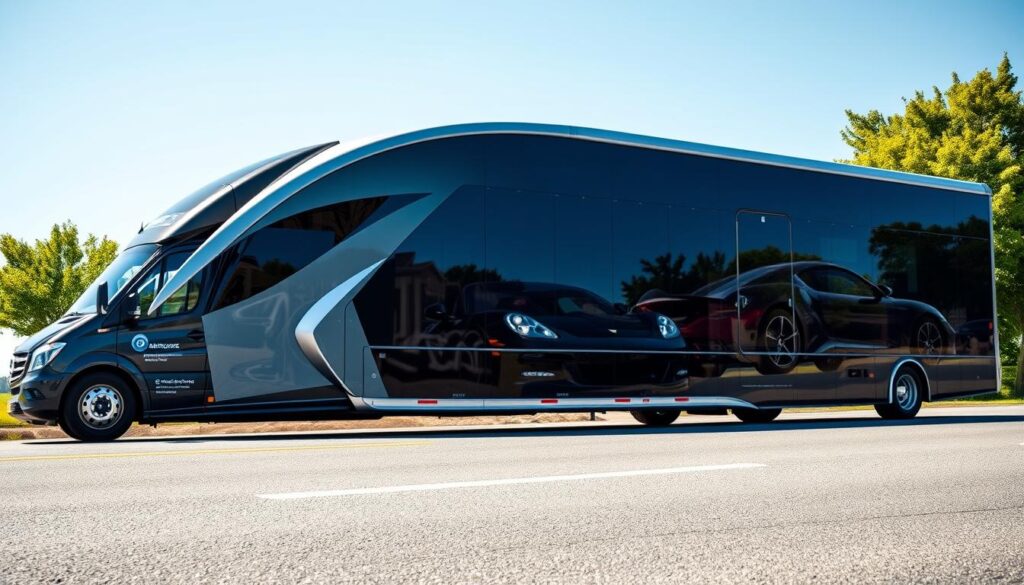
A handful of clear factors determine the final number on your vehicle transport estimate. Understanding them helps owners plan and control price and timing.
Vehicle Size and Weight
Large vehicles take up more trailer space and increase labor for secure loading. Trucks, SUVs, and vans often raise the price because they reduce available capacity for other shipments.
For a 500 miles move, a typical enclosed auto transport price is about $1,250, though exact figures vary by vehicle and route.
Seasonal Demand
High-demand times such as summer and snowbird migration drive up carrier rates. Booking early can lock in better delivery windows and lower price volatility.
Type of Enclosed Trailer
Hard-sided trailers offer superior protection and often cost more than soft or composite options. Matching trailer type to vehicle value balances security and expense.
“Plan ahead and choose the right trailer; it saves money and reduces risk during transit.”
| Factor | Impact | Typical Tip |
|---|---|---|
| Vehicle size/weight | Higher price for bulkier vehicles | Provide exact dimensions when requesting a quote |
| Distance (miles) | Longer trips increase total price | Combine shipments or choose common routes when possible |
| Seasonal demand | Peak times raise rates | Book weeks in advance to secure better times |
| Trailer type | Hard-sided = higher protection and price | Select trailer by vehicle value and owner preference |
Contact Passport Transport for a tailored quote and coordinated pickup and delivery planning. Email info@bestcarshippinginc.com or call (307) 288-5972 for support.
Comparing Enclosed Versus Open Transport Methods
Comparing open and enclosed methods shows a clear trade-off: price and capacity versus protection and specialized handling.
Open transport is the most common, affordable option for routine moves. It moves many vehicles quickly but leaves them exposed to weather and road debris.
Enclosed transport offers a higher level of protection. It suits high-value, classic, and exotic vehicles. Owners pay a premium to limit the risk of exterior damage and preserve finishes.
“For collectors and luxury owners, the added protection of enclosed trailers is often worth the investment.”
| Method | Best For | Key Trade-off |
|---|---|---|
| Open transport | Everyday cars and budget moves | Lower cost, less weather protection |
| Enclosed transport | High-value and classic vehicles | Superior protection, higher service price |
| Carrier choice | All vehicle types | Match trailer and handling to value |
Passport Transport helps owners weigh cost against protection. For a tailored estimate, get a quote and select the option that fits the vehicle and budget.
The Role of Distance and Route Popularity
Distance and route demand shape the final transport estimate for every vehicle move.
Routes between major metro areas usually cost less. Carriers run these corridors often. Higher frequency means lower per-unit price and faster pickup and delivery windows.
Remote or rural destinations add time and labor. Drivers travel off main roads, which increases fuel and scheduling complexity. That raises the car transport price and can affect timing.
Impact of Remote Locations
Weather and road conditions in mountains or rural zones can force slower travel. Drivers take extra precautions to avoid damage and delays.
- Distance: Longer miles raise fuel and driver time.
- Route popularity: Popular corridors lower the price and speed delivery.
- Remote delivery: Adds handling time and possible access fees.
“Our team monitors road conditions and route popularity to deliver accurate, competitive quotes.”
Passport Transport aims to balance reliability and competitive price. Contact info@bestcarshippinginc.com or call (307) 288-5972 for a tailored vehicle transport quote.
Benefits of Choosing Premium Enclosed Protection
Premium enclosed protection gives owners measurable assurance that high-value vehicles arrive without cosmetic or mechanical harm. This option pairs robust trailers with trained handlers to maintain condition and resale value.
Protection from Environmental Elements
Shielding from weather and road debris prevents paint chips, water spots, and grit-related wear. Owners who choose premium enclosed transport report higher satisfaction; 80% rate service quality above open options.
Specialized Handling for Delicate Vehicles
Specialized equipment such as lift gates and soft straps reduces loading stress on low-clearance and custom-finish cars. Drivers follow strict protocols for rare and exotic vehicles to limit handling risk.
- 99.9% protection: Designed to minimize damage during transit.
- Insurance coverage: Comprehensive policies back declared value for extra peace of mind.
- Experienced carrier staff: Trained teams handle loading, securing, and delivery to high standards.
“Investing in premium enclosed protection preserves a vehicle’s condition and its resale value.”
For a tailored estimate on enclosed transport and to assess coverage options, see vehicle shipping estimates or contact Passport Transport at info@bestcarshippinginc.com or (307) 288-5972.
Practical Strategies to Reduce Your Shipping Expenses
Smart scheduling and small flexibility can shave hundreds off a vehicle transport quote. Book your car shipment at least 2–4 weeks in advance to secure better rates and pickup slots. This gives carriers time to route loads efficiently.
Be flexible with pickup and delivery dates. Allowing a carrier to pick a nearby terminal or shift delivery by a day helps lower the price. For a 500 miles move, consider terminal-to-terminal delivery as an affordable alternative to door-to-door service.
Compare quotes from multiple companies. CRC Transport, with over 12 years in the field and 12,000 vehicles moved monthly, recommends this step to find the best value without sacrificing service.
- Avoid peak times: Move outside summer and snowbird migration to reduce rates and improve availability.
- Ask about trailer options: Choosing the right enclosed transport level can balance protection and price.
“Transparent pricing and early planning protect both budget and vehicle condition.”
Contact Passport Transport at info@bestcarshippinginc.com or call (307) 288-5972 to get a tailored quote and clear guidance on lowering your shipping price.
Evaluating Insurance and Safety Standards
Insurance limits and carrier safety rules are the foundation of any reliable auto transport agreement. Owners should verify coverage limits to match the declared value of their vehicle.
Enclosed carriers typically offer higher insurance coverage than open transport because they handle higher-value vehicles. Policies commonly cover damage from weather, road debris, and accidents during transit.
Review the policy details before you commit. Confirm deductibles, liability limits, and the claims process. Ask how coverage applies during pickup, transit, and delivery.
- Verify limits: Ensure coverage aligns with vehicle value.
- Securement standards: Confirm harnesses and tie-downs to reduce movement and road shock.
- Damage protection: Policies should cover weather, debris, and accident-related harm.
“Choose a carrier with clear insurance coverage and strict safety protocols to protect your investment.”
Passport Transport prioritizes security from pickup to final delivery. For policy details and a copy of carrier insurance coverage, contact info@bestcarshippinginc.com or call (307) 288-5972.
Conclusion
For owners of high-value vehicles, choosing a covered trailer often prevents costly exterior damage and helps preserve resale value. This option delivers superior protection against road debris and weather while giving added security during long miles.
Though the cost exceeds open transport, the trade-off suits luxury and classic cars when condition matters. Evaluate distance, type of vehicle, and pickup flexibility to decide if this premium option fits the shipment.
Passport Transport provides reliable service and clear communication. For details on trusted providers, see our guide to enclosed auto transport companies. Contact info@bestcarshippinginc.com or call (307) 288-5972 for a customized quote and secure delivery planning.